
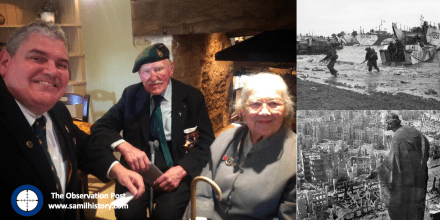
It’s the 80th anniversary of D-Day and I’ve always upheld a small promise to myself, whenever I meet a WW2 veteran still with us, I buy him a beer.
A couple of years ago I was living in Bicester in the United Kingdom, and as South African Legion I was asked by the local Royal British Legion branch to attend a medal parade for this chap, he was been honoured by the French government with the Légion d’honneur for his involvement in D-Day.
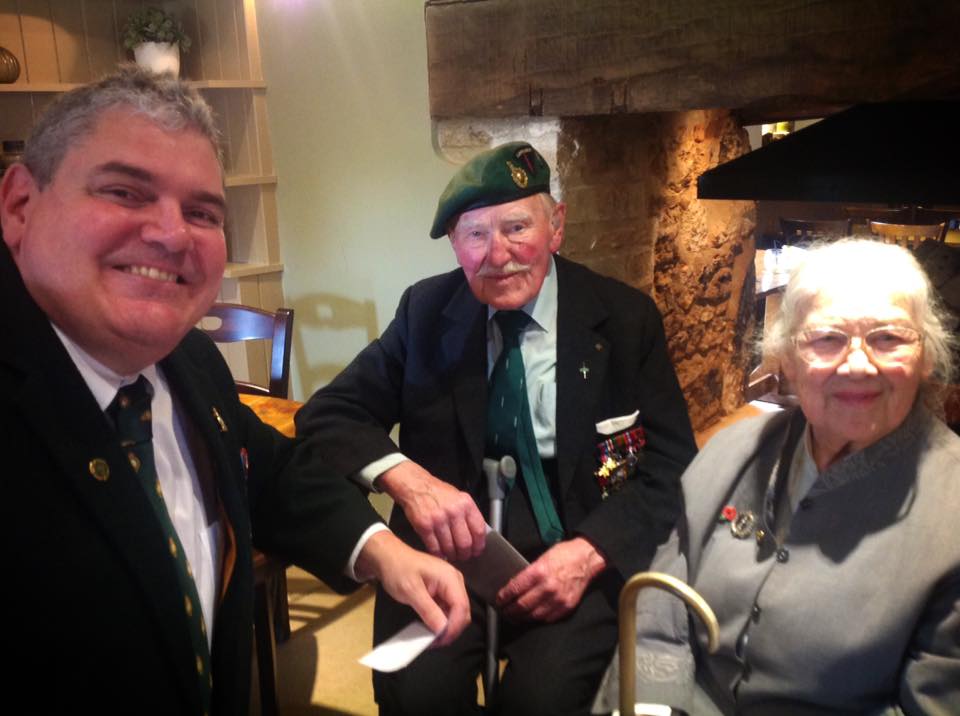
Meeting him was indeed an honour, and I bought him the beer – but equally remarkable was his wife, and it truly is eye-opening when you sit down and literally ‘touch’ history and hear it first hand. It is a tale which will take us from Operation Overlord to Operation Thunderclap and it has a very human ending.
Operation Overlord
Shortly after 6am on 6 June 1944, Patrick Churchill (the chap been honoured sitting next to me), was a young Royal Marine commando. He described how he waded past the floating corpses of his comrades on Sword beach in the grey dawn of D-Day.
Thinking he would be in trouble for discarding his Mae West jacket as a bullet had just gone through it rendering it useless he eventually made it to shore and took cover.
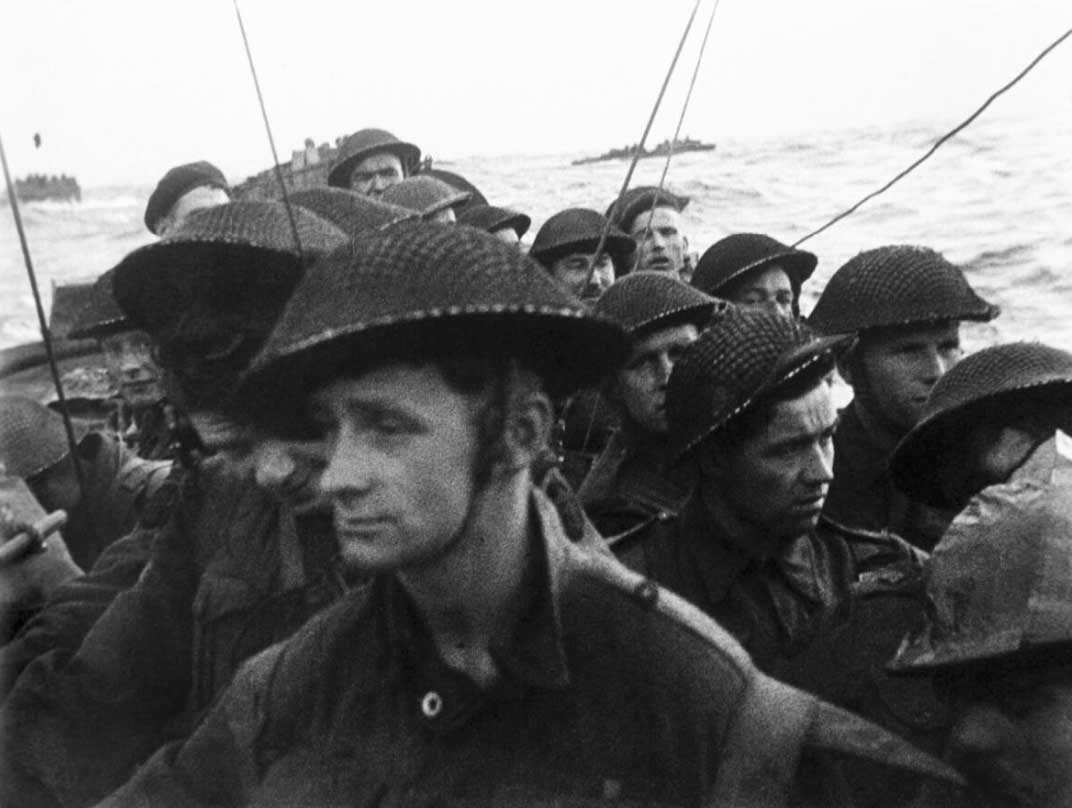
Patrick was a signaller attached to a Free French Marine Commando unit coming ashore in the first wave of the landings – he later earned the Croix de Gurre for bravery from the French, his unit was cut off by intensive enemy fire entering a French village. Patrick ran into German sniper fire to hoist a radio antenna on top of a statue in the open village square and let accompanying forces know his unit’s position.
Operation Thunderclap
A mere eight months later, in another part of Europe, a 14-year-old German girl, Karin Busch (Patrick’s wife sitting next to him), ran into a sea of flames on the streets of Dresden. She led her screaming twin brother, blinded by the British fire bombing of the city during Operation Thunderclap. Their mother had just been swallowed into the burning wreckage of their home and she witnessed her burn alive. Her story was especially touching and no less brave.

And Back
Patrick and Karin met whilst Patrick formed part of the occupation British forces in West Germany a couple of years after the war, they fell in love and married, eventually moving to England. Proof positive that the human condition of love will always prevail over animosity and hatred.
Truly a generation apart, both believed the Dresden bombing was unnecessary and incredibly tragic, but both believed in the necessity for the liberation of Europe and the sacrifice it took.
A privilege to share their story, written by Peter Dickens
 The Observation Post
Palestine now, and Dresden then: a Zionist and Allied crime mankind will not forget.
LikeLike
Excellent well written story….thank you.
LikeLike