To answer a question recently posted on Boer War appreciation media as to whether Freemasonry and the Boer War are in some way linked. The origin of this bizarre statement lies in Manie Maritz, the 1914 Afrikaner Revolt leader, who became convinced of a Masonic and Jewish conspiracy to start the second Boer War. More on insane machinations of Maritz later, however to answer the question – no – Freemasonry as a fraternity and the two Boer Wars – the Transvaal Revolt (1880-1881) and The South African War (1899-1902) – have nothing to do with one another, as much as some deluded conspiracy theory driven arm-chair historians would like to to make a connection. In fact, as in many wars over centuries in many countries, Freemasons have landed up on opposing sides shooting one another – the most significant example of this is The American Civil War (1861-1865). For those ‘in the know’ Freemasonry plays no role whatsoever in starting (or preventing) wars, which is not surprising as Freemasonry is a charitable fraternity with principles relating to self actualisation and brotherhood.
It’s also not a ‘British’ thing. Freemasonry started in South Africa under the Dutch Grand Lodge, the Orient of the Netherlands in 1772 .. long before the British played any role in South Africa. The oldest Lodge is South Africa is a Dutch Constitution one – De Goede Hoop Loosie – its temple is located inside the Parliamentary buildings complex. It also does not mean the Dutch and English speaking South Africans are separated by English and Dutch constitutions, you’ll find English and Afrikaners in both. Case in point are the early Voortrekker leaders who were Freemasons – Andries Pretorius was a Freemason, he even opened up a Dutch constitution Lodge in Pretoria. Piet Retief was also a Freemason, but of the English Constitution whilst he was living in the Eastern Cape.
Here’s an interesting artefact, this one is located at the Pinelands Masonic complex’s historic display (my photo) – commemorating past South African state land Boer Republic leaders who were Freemasons. For interest, and it’s all in Public space – just ‘Google’it. As notable Boer Freemason Presidents and Prime Ministers go these include:
General Louis Botha – Boer War Bittereinder General. 1st South African Prime Minister of the Union of South Africa: 1 May 1910 – 27 August 1919, Prime Minister of the Transvaal: 4 March 1907 – 31 May 1910
President Johannes Brand – 4th President of the Orange Free State: 2 February 1864 – 14 July 1888. Awarded a British Knighthood.
President Marthinus Wessel Pretorius – 1st State President of the Zuid-Afrikaansche Republiek (Transvaal Republic): 22 October 1866 – 20 November 1871. Established the ZAR and its constitution.
President Thomas François Burgers – 4th State President of the Zuid-Afrikaansche Republiek (Transvaal Republic): 1 July 1872 – 12 April 1877. Introduced the ZAR’s currency.
President Francis William Rietz – 5th State President of the Orange Free State: 10 January 1889 – 11 December 1895 and State Secretary of the ZAR in the lead up to Boer War 2.
Acting President Pieter Blignaut – Acting State President of the Orange Free State: 14 July 1888 – 10 January 18891
Top Row left to right: Brothers Louis Botha, Marthinus Pretoruis and Thomas Burgers. Bottom Row left to right:: Brothers Johannes Brand, Francis Reitz and Pieter Blignaut
A very good barometer of the early development of the ZAR (Transvaal) and the very cosmopolitan nature of Pretoria with its Voortrekkers, NGK Churches, Jewish traders, British loyalists and Anglican Churches – before the discovery of significant gold deposits and the establishment of Johannesburg – is to look at Freemasonry in the ZAR. The first Freemasons Lodge was a Dutch constitution Lodge in 1862, the Aurora Lodge .
The corner stone of the new temple for this Lodge was laid by President Burgers, as noted, a freemason himself, on 27 May 1876. On the Freemason’s English constitution side, the ZAR voluntarily dissolved itself (led by President Burgers ironically) and it became The British Colony of the Transvaal in 1877 (the first version, there are two). The first English constitution lodge was established a year later on 15 January 1878, called the Transvaal Lodge – and its was established a mere 2 years after the Dutch’s Aurora temple was built. The Aurora temple was destroyed during a severe thunderstorm, disheartened and not keen to start all over again, the Dutch constitution freemasons joined the English constitution freemasons at the Transvaal Lodge (and here’s a rare photo of them).
The Masonic Hall in Pretoria and the Transvaal Lodge in 1884
Here’s another interesting wartime photo – Dutch and English/Scottish/Irish constituted freemasons getting together in the middle of the South African War (1899-1902) a.k.a. Boer War 2 near Bloemfontein. On 12 December 1900, in the middle of the fighting a meeting was held in Jagersfontein, attended by both British (English constitution) and Boer Freemasons (some of which were Dutch constitution) – both on separate sides, but happy to meet one another under a banner of brotherhood. Here’s a fascinating picture of the occasion.
Freemason meeting – Jagersfontein, December 1900
Other famous ‘Boer War’ Freemasons on the ‘Republican’ side include:
Commandant General Petrus ‘Piet’ Jacobus Joubert, Commandant General of the ZAR Forces, Vice President to Kruger and Boer War 1 and Boer War 2 veteran. The overall commander of Boer Forces at the start of the war. and political opposition to Kruger.
General Benjamin Johannes “Ben” Viljoen, Bittereinder Boer War 2 veteran and American Boer colony pioneer.
Commandant Danie Theron, renowned Boer War 2 scout, bittereinder, commander and national Boer hero.
Deneys Reitz – veteran Boer War officer and the author of ‘Commando’, although it his noted that he only became a Freemason after the Boer War, as noted his father President FW Reitz was also a Freemason.2
Of the famous ‘Boer War’ Freemasons on the ‘British’ side, these include:
Field Marshal Lord Roberts Frederick Sleigh Roberts, 1st Earl Roberts and a Lodge in South Africa is named after him.
Field Marshal Herbert Kitchener, 1st Earl Kitchener
Sir Winston Churchill but only became a Freemason after he left South Africa after his service in the Boer War and returned to the UK.
Sir Charles Warren was a notable Freemason
Cecil John Rhodes was a very committed lifelong Freemason.3
Significant Freemasons of the South African War (1899-1902) Boer and Brit.
Of the famous authors associated with the Boer War, Joseph Rudyard Kipling, the famous author of the Jungle Book was a Freemason, so too was Arthur Conan Doyle. Leo Amery, who penned the first official history of the Boer War for the Times was also a Freemason.
As to co-operation, during the Boer War, many lodges closed. Some of the buildings used by the Freemasons were used for hospitals such as the Masonic Lodge in Mafeking and the Masonic Temple in Johannesburg. During the Boer invasions of northern Natal at start of the war in October 1899, the Masonic Lodge in Dundee was plundered by the Boer Republican Forces, however the Lodge’s artefacts were found and respectfully returned to the Lodge by Boer Freemasons.
Loot taken from the Masonic Lodge in Dundee by Boer Republican Forces. Image courtesy of the Talana Museum Archive.
Noted here, is there is NO General Jan Smuts – there is no evidence whatsoever that he was a Freemason. Many historians have tried to confirm the ‘conspiracy theories’ and there is no evidence, zilch, nothing – not here in South Africa nor in Britain. Smuts is not a Freemason, no matter how much many people wish he was (conspiracists and Freemasons alike).
Of the other ye olde Boer Republic Freemasons in leadership roles the only other significant ones who were NOT Freemasons were President Paul Kruger (his Dopper approach would not have allowed him) and Prime Minister Barry Hertzog. Of the British ‘hawks’ in starting the Boer War, there is absolutely no conclusive evidence that either Alfred Milner or Joseph Chamberlain were Freemasons – sorry for all those conspiracy theorists again. Maybe the decision to go to war should have been left to the Freemasons to negotiate and there would not have been war in the first place … and look there – I’ve created a conspiracy with no grounding whatsoever.
Image: President Paul Kruger and the British Colonial Secretary, Joseph Chamberlain, having a dust-up both were NOT Freemasons and no brotherly love lost.
Another point in the respect of famous people associated to the Boer War by way of historic sweep who are NOT freemasons .. all the ‘Pure’ National Party’s Presidents and Prime Ministers were members of the Broederbond – from D.F. Malan all the way to their last one, F.W. de Klerk and as a result of their rather perverse public animosity to Freemasonry, none of them were Freemasons. Also, none of them were ‘significant’ Afrikaners in the formation of ZAR, OFS or Union of South Africa, nor did any of them play any significant role in the Boer War – Dr D.F. Malan sat out of the war in safety – for that matter all of them sat out WW1 and during WW2 they either tacitly or overtly supported Nazism while sitting out of that war too. The best they could come up with was a ‘keep South Africa white’ South African Republic in 1961 and Freemasonry must surely thank its lucky stars that it is spared from any association with it for a change, conspiracy or otherwise.
As noted in the beginning, one origin of this bizarre link of Freemasonry to the Boer Wars is ‘General’ Manie Maritz, the Boer War Commander, 1914 Afrikaner Revolt leader and leader of the National Socialist Boerenasie movement. In the mid 1930’s Maritz would become a convert to the racist and anti-Semitic mythical and completely discredited ‘the Protocols of the Elders of Zion’ and convinced of a Jewish and Freemason conspiracy to world domination. He would make the ‘Protocols of Zion’ his life’s meaning and his mission to educate the Afrikaner people (his ‘Volk’) to it – and in it he would blame the ‘hidden hand’ of the Jews as the true conspiracists behind starting the Boer War. He would then go into mortal combat with General Jan Smuts calling him the King of the Jews and therefore a traitor to the Afrikaner people.4 Yet, believe it or not there are still some people out there who would gobble this sort of crap up.
If you want to see how this conspiracy theory nut job rubbish Maritz promulgated in action, consider this, the Broederbond opposed Freemasonry – as a net result the post 1948, the National party’s Minister of Justice C.R. “Blackie” Swart (a Broederbonder himself) famously accused the Freemasons and the ‘Sons of England’ (another South African lodge based fraternity) in the media of infiltrating Sailor Malan’s ‘Torch Commando’ political protest movement in 1952 and in so plotting to militarily overthrow his Apartheid government.5 Pure unfounded gobbledygook and you just can’t make this stuff up!
In my book none of these ‘Pure’ Afrikaner Nationalists really qualified ‘great’ Afrikaners in any event – the simple truth is that they were a fringe party of far right-wing nutters .. nothing more. Also, point to note, no – by bringing up famous Boer leaders who either were or were not part of the Freemason fraternity, I’m not “Boer Bashing” and discrediting Afrikanerdom – because that would be equally daft.
Written and Researched by Peter Dickens
References:
250 Years of Freemasonry in South Africa – Commemorative Publication 2022, all Constitutions. Published by the Grand Lodge of South Africa
I’ve been reading up on the Jameson Raid, and whether Joseph Chamberlain, the State Secretary to the Colonies was complicit in planning the Jameson Raid along with Cecil Rhodes – and I can’t really find solid proof of this accusation – the accusation was initially levelled at Chamberlain by Paul Kruger in his attempt to link the raid as proof positive of Britain’s (i.e. Westminster and the Queen) intentions to invade the ZAR and therefore in contravention of the 1884 London Convention, taking the opportunity to insist the Convention (read suzerainty ‘lite’) is torn up, and the ZAR afforded its full rights to sovereignty (as its own ‘alma mater’ was now its threat).
So, it’s critical to Kruger that complicity is proven, a lot of committees and investigations follow that basically prove Rhodes’ complicity (resulting in his resignation) but they exonerate Chamberlain – nothing sticks to him.
Later writings during the Boer War in 1901 by Sir Graham Bower, the Imperial Secretary to the High Commissioner and subsequent Governor General – Sir Hercules Robinson – Bower reflects that Rhodes had informed Sir Hercules Robinson in October 1895 of the potential of a revolt on the reef (of which there was – the Reform Committee was getting highly agitated), which Rhodes was prepared to support whether the Colonial office was prepared to or not – and the question is asked whether Britain should intervene, Rhodes also insisting the BSAP police be moved from Betuananland (Botswana) to Mafeking in case there is a revolt. Sir Hercules Robinson would hear about none of it and confines the matter to conspiracy theory sending Rhodes on his way. Linked to this is an unsupported allegation that Chamberlain knew of Rhodes’ position in addition and an accusation of complicity is given – but it’s all highly speculative with no substance.
Left to right – Chamberlain, Rhodes and Jameson – colourised by Jennifer Bosch
Clearly the matter of a potential revolt happening on the reef was been discussed, which is not unusual given the volatility on the reef, and a hypothetical ‘raid’ discussed should there be a revolt – which seems by all accounts to have been dismissed by both Robinson and Chamberlain.
Chamberlain had even informed the Prime Minister Lord Salisbury that a rebellion on the reef was expected given the signals coming from the Reform Committee, though he said he remained uncertain of its date. In fact, on the 26th December 1885, Chamberlain had requested his Assistant Under-Secretary to encourage Rhodes to “hurry up” and sort the matter out, as Chamberlain himself was embroiled in trying to sort out the Venezuelan crisis of 1895 and had his hands full.
Later, during investigations, Rhodes’ solicitor tried to pin pre-meditated knowledge of the raid itself (not the potential rebellion) on Chamberlain based only on the use of his words “hurry up” – the context of which is not given and at best its a stab in the dark.
As Edmund Garrett concludes in the “Story of an African Crisis” written at the time in 1897 to get to the bottom of the matter – Chamberlain may have known of a potential raid i.e. “a raid” but he did not know of the actual raid itself i.e. “the raid”.
Outside of this wishy washy finger pointing and hearsay I can find absolutely no proof whatsoever that ‘Westminster’ I.e. Britain and its ‘establishment’ in London itself, and not the Colonial office in South Africa, was aware of any raid – potential, planned or otherwise.
Chamberlain’s reaction when he hears of the raid on the 31 December 1885, says everything as to his non-complicity in the Jameson Raid and abject rejection of any idea of it – he says of the Jameson Raid now in progress;
“If this succeeds, it will ruin me. I’m going up to London to crush it”.
He then orders Sir Hercules Robinson to repudiate the raid. By this comment, Chamberlain means that the Raid is in contravention of the London Convention and it flies in the face of British foreign policy and guarantees he and others have been making to the ZAR as to ‘independence’ to deal with its own internal matters.
After the unsuccessful raid Joseph Chamberlain himself, professing his innocence in the matter, insists on a Westminster select committee to investigate the matter fully and has full powers to request any information, insisting that nothing is to be withheld. This committee later exonerates Chamberlain, however critics of it say that it closed its investigations prematurely.
Other than Kruger trying to score a political coup to get the ZAR out of Britain’s suzerainty legislation governing it, if there is any other ‘proof’ out there which links Chamberlain to the Jameson Raid beyond reasonable doubt, i.e. documented proof specifying knowledge of plans and dates, proof that can overcome scrutiny and hold up – not “Ouma se stories” – let’s please have it.
Written and Researched by Peter Dickens
Reference:
Edmund Garrett “Story of an African Crisis” published 1897
Sir Graham Bower’s Secret History of the Jameson Raid and the South African Crisis, 1895-1902 – Historical Publications South Africa
What! Smoking your socks again Mr Dickens! Well, here’s some really inconvenient hidden history, the ZAR Republic (Transvaal) planned to invade Southern Rhodesia, amassed thousands of their troops on the Limpopo River border in 1891, and when they sent in an advance party, the incursion into British territory was challenged by Starr Jameson and The British South African Police and the Boer leaders arrested – and all this took place BEFORE the Jameson Raid (1895 -1896) and BEFORE the South African War (1899-1902) a.k.a. The Boer War.
But, But, But … it was Jameson and the British who invaded the Transvaal Republic, not the other way round! The British are guilty of expansionism, imperialism, land grabbing and stealing minerals .. not the Boers! Afraid not – the Boers are as guilty of expansionism using military means in Southern Africa as the British, and this episode is one in many.
President Paul Kruger
But .. Rhodesia, the Boere wanted nothing to do with Rhodesia, this was not in my school history book! Well, if you a student of Rhodesian history this incident was emblazoned into the birth of Rhodesia, if you were taught a South African Christian Nationalist history, chances are you’ve never heard of it, and for good reason – it simply does not fit with Afrikaner Nationalist rhetoric surrounding the origins of Boer War 2 (1899-1902) and its just strait-forward inconvenient.
Now, I’ll make a statement, the planned Boer invasion of Rhodesia was so important to the history of the Zuid-Afrikaansche Republiek or Transvaal Republic (ZAR), it nearly cost Oom Paul Kruger his third Presidency. It’s so important that in his memoir Paul Kruger cites this specific incident as one of the key reasons hampering his second Presidency, his relationship with Britain and his aspirations to hold into Swaziland, he uses it to initially outline Rhodes’ duplicicity in the entire South African region and paint him as a scoundrel – in fact Kruger outlines this entire incident as the epicentre for Rhodes’ desire for Transvaal gold – albeit unsubstantiated and a little fantastic. This incident is that important to Kruger and the ZAR – so why do we know nothing about it?
So here’s a little inconvenient history:
1887 – Boer and British Imperial claims to modern day Zimbabwe
So, what’s the beef over Rhodesia? Well, it starts in 1887, Paul Kruger attests that although relations with the Matabele (controlling what is modern Zimbabwe) and the Boers had initially been strained, Boers hunting in their region gradually improved relations and the leader of the Matabele, Chief Lobengula, sent an envoy to Pretoria to request the ZAR take over his Chiefdom (comprising Mashonaland and Matabeleland) as a ZAR Protectorate. The ZAR in return responded by sending their envoy, Piet Grobler with a draft treaty of ZAR annexation to see Chief Lobengula in Bulawayo (Kruger himself drafted the treaty). The treaty was read to Chief Lobengula who requested time to consult the terms of the treaty with his indunas. Then, in mysterious circumstances, Grobler was murdered before the treaty could be signed.
Chief Lobengula
Chief Lobengula seems to be a rather duplicitous man, because the other side of the story is somewhat different. Around the same time, a British team in 1888 consisting of Francis Thompson, Charles Rudd and Rochfort Maguire approach Chief Lobengula for mining rights in his Chiefdom. Chief Lobengula is wary of them but goes along because he trusts Dr Starr Jameson (who as a medical Doctor also treated him for gout). He concludes a treaty with the British which gives their company – the British South Africa Company (BSAC) the sole mining and settlement rights in Matabeleland and Mashonaland in return for weapons and money, the treaty also specifically prohibits the Boers (ZAR) and the Portuguese from settling in his territory or gaining any concessions of any kind.
Paul Kruger would claim the loss of his Matabeleland and Mashonaland Protectorates along with ZAR mining and hunting rights there, squarely solely on the shoulders Cecil John Rhodes, who he accused of being “one of the most unscrupulous characters that have ever existed”. Kruger then goes on to conclude, without an ounce of any evidence, that Rhodes and his cronies arranged the murder of his ZAR envoy to the Matabele – Piet Grobler.
In his claim to Rhodesia, President Kruger would also completely ignore the 1884 London Convention which specified that the ZAR was not permitted to expand its borders in exchange for more concession’s on the ZAR’s British Suzerainty status, the Suzerainty issue (the ZAR was a British Vassal state and not fully independent) is a primary source of discontent between Boer and Brit, British commentators at the time make note that although the London Convention did not mention Suzerainty in its pre-amble it by no means meant that the 1881 Pretoria Convention which specified Suzerainty fell away (had that been the case it would have been stated in the new agreement) and Kruger had been both deceitful and duplicitous in informing the ZAR Raad that it had. In any event, the ZAR had repeatedly breached both the Pretoria and London conventions and this was causing significant tension (The Times History of the South African War 1899-1902). For more on this see, Stealing Republics, gold, diamonds and other myths!
Not only does the ZAR have ‘buyers regret’ of its British Suzerainty, even our man Chief Lobengula has ‘buyers regret’ feeling he’s been duped when he says “Did you ever see a chameleon catch a fly? The chameleon gets behind the fly and remains motionless for some time, then he advances very slowly and gently, first putting forward one leg and then the other. At last, when well within reach, he darts his tongue, and the fly disappears. England is the chameleon, and I am that fly.”
So, we are off to a very contentious start between the Matabele, Brit and Boer over what was to become Rhodesia – nobody happy, and no, Kruger and his Boer supporters are not just content with only farming in the confines of the Transvaal with no plans of northward expansion, the truth is they never have been. Kruger himself makes it clear when he says Rhodes used his concession “to obtain a firm footing in Matabeleland, with the intention of preventing the extension of the South African Republic in this direction.”
To secure the area as ‘British’, Cecil John Rhodes then presented this concession to British Government and obtained a Royal Charter for The British South Africa Company (BSAC) over Matabeleland and its subject state Mashonaland. The area was designated as ‘Zambesia’ and he also determined mining rights extending from the Limpopo River to Lake Tanganyika (For clarity, as ‘Zambesia’ is a relatively unknown entity as it’s so short lived, ‘Zambesia’ would officially become ‘Rhodesia’ in 1895 named after … you guessed it … Rhodes, and it was eventually spit it into ‘Northern Rhodesia’ – now Zambia and ‘Southern Rhodesia’ – now Zimbabwe in 1898).
British South Africa Company flag
Wary of ZAR expansionism to the north of their border, the British try and clear up the matter in 1890 when a conference takes place between the Governor of Cape Colony and High Commissioner for Southern Africa – Sir Henry Loch, and President Kruger to decide on several disputed questions, especially those relating to the Boer encroachments upon the independence of the Kingdom of Swaziland. A convention was ratified in August 1890 by which, the ZAR takes over the administration of Swaziland on the condition that the ZAR makes no further concessions or treaties with indigenous chiefs to the north or north-west (i.e., anywhere in Matabeleland and Mashonaland).
The Invasion Plan
On the back of the Convention with Sir Henry Lock and President Kruger, Paul Kruger had difficulty selling it to the ZAR Volks Raad, the Raad expressed its dissatisfaction with the terms of the convention, and no sooner was it ratified than an attempt was made to violate it.
General Piet Joubert
Despite agreements, the ZAR never takes it eyes off Matabeleland and Mashonaland, they believe they have first rights to the territory and have been thwarted by the British plotting against them, so they plan to take the region by force. The planned invasion becomes known as the Banyailand Trek, the plotters are General Piet Joubert – The Commandant General of the Transvaal, Barend Vorster, and Louis Adendorff.
Their plan calls for some 2,000 armed Boers (some sources also point to 2,000 odd Black helpers in addition) to cross the Limpopo at the Middle Drift and then trek northwards into British ‘Zambesia’, overcome relatively small British South Africa Company ‘Police’ forces present and British ‘Pioneer Settler columns’ and occupy the region for the Boers before the British can really take hold of it. The main Boer component of the trek would be drawn from the ZAR’s Zoutpansberg region.
After annexation the trekkers were to form themselves into an independent Republic and would hold a conference with delegates from Portuguese East Africa for the partition with them of the whole of Mashonaland. The prospectus went on to state that Doctors of Medicine, Ministers of Religion, Journalists and all other professions were to be represented in the expedition. After crossing the Limpopo River the trekkers would proclaim the “Republic of the North”; a provisional Government would be organised, and a constitution drawn up on the principles of the old Transvaal Grondwet of 1858.
Kruger however was a little nervous given the convention held with Sir Henry Lock and the hold he desired over Swaziland, so he needed more solid concessions to warrant an invasion, a stronger casus belli, so he opted to delay the Banyailand trek. Essentially kicked into the long grass, and it was a mistake by Kruger to do it, as if they had invaded in 1890 they stood a chance as British occupation was thin on the ground and various ‘treatise’ and rights to the area under contention, when the invasion was revisited again a year later in 1891 they had lost their initiative – Rhodes had tightened down the mining ‘concessions’, the Royal Charter and all the various treatise needed with the local inhabitants. By the 13th September 1890 the Rhodesian Pioneer Column had reached Fort Salisbury and the occupation of Mashonaland by the BSAC was now a fait accompli.
The Adendorff Concessions
So, the ZAR needed more concrete reasons for invading to counteract all the treatise and concessions been written up by Rhodes. They would find these in Louis Adendorff (which is why this planned invasion, the Banyailand Trek is sometimes also known as the Adendorff Trek).
Cecil John Rhodes
In March 1891 Louis Adendorff and Klein Barend Vorster rather dubiously claimed they had a Banyailand concession given by Chief Chibi to a party of 4 Transvaalers, led by Adendorff, for an area of 200 miles by 100 miles. They in turn offered the concessions to Rhodes to purchase. Rhodes concluded the concessions illegal, the plot as nothing more than blackmail and refused. Adendorff would then use this as a casus belli for an armed invasion.
So, the Zoutpansberg Boers, now led by Kommandant Ignatius Ferreira and encouraged by General Piet Joubert – the Kommandant General of the ZAR, decided to push on ahead with their plans. This reinvigorated push to invade almost immediately became known to the British Foreign Office and they took to military countermeasures to repel the Boer invasion and diplomacy.
So, how does the plan fare?
Frederick Selous
Initially not well, the British had already got wind of the plan in early 1890. Captain Frederick Selous (for whom the famous Rhodesian Special Forces Regiment the ‘Selous Scouts’ is named) is in the employ of the British South Africa Company and pioneering Zambesia. He is in the Zoutpansberg area of the Northern Transvaal in February 1890 and comes to hear of the Boer’s plan. Selous immediately informs his good friend … none other than Cecil John Rhodes, of the details – the ZAR had planned for the invasion to take place during the approaching winter months and form themselves into an independent ‘Northern’ Boer Republic in cahoots with the Portuguese. The British react in two ways to the news – militarily and diplomatically.
On the military front, General Sir Frederick Carrington was placed in command of the area from Mafeking down the Limpopo River to the Indian Ocean with Capt. Sir John Willoughby in command of the Limpopo drifts, the British South Africa (Company) Police (BSAP) would be deployed to do this. The Bechuanaland Border Police (BBP) were used for guarding the drifts from the Transvaal to Khama’s country (present-day Botswana). Furthermore, Lt Col. Pennefather was dispatched to Fort Tuli in early May 1891 to make defensive preparations.
Sir John Christopher Willoughby
On the diplomatic front, in May 1891 the British then sent Captain Sir John Christopher Willoughby and Rhodes’ right hand man, none other than Dr Starr Jameson, to meet with Paul Kruger and to dissuade the ZAR from entering their territory or face war, not just with the British South Africa Company’s private police detachments, but against the might of a British Imperial Force if need be (the British army proper). Kruger is initially adamant and takes a very belligerent position, he responds to Willoughby with a he’ll do his best to discourage the Banyailand Trek, but in the event he’s not able to “what must be, must be” and when threatened with the might of the British Imperial Army he responded with bravado “I have dealt with the British Army before” (Referring to the stunning British defeat at Majuba in 1881 at the hands of the Boer forces).
He is however a little shaken by Willoughby and Britain’s threat, he is aware of his agreement over the ZAR annexation of Swaziland and any venture north would put that agreement into jeopardy too.
Kommandant Ignatius Ferreira
Kmdt Ignatius Philip Ferreira
Let’s turn to Commandant Ignatius Ferreira for a minute as he is a most interesting character. Some sources point to this being Ignatius Philip Ferreira and one is never exactly sure on which side his loyalties lay – Republican or Colonial. He was born in the Cape Colony in Grahamstown as a British citizen, becomes a diamond prospector in Kimberley. His military career starts with the Cape Colony as part of the Cape Mounted Police. He makes his way into the ZAR as a gold and diamond prospector, becomes a Field Cornet in a ZAR Kommando under Schalk Burger and takes part in various ‘Bantu’ wars fighting for the ZAR. He then establishes Ferreira’s Horse (a Cavalry unit) whilst Britain takes control of the ZAR from 1877-1881 and fights alongside the British in their various ‘Bantu’ wars.
All in all, he a bit of a combination between raconteur, military officer, entrepreneur, miner, policeman and mercenary. He is also the chap who really established Johannesburg in 1886. The town literally sprung up around his camp, known as Ferreira’s Camp – and it now considered the original Johannesburg settlement. Ferreira also becomes a gold mining magnate in his own right. The ZAR had also been re-established under Boer authority by this stage (from 1881) and Ignatius Ferreira now finds himself in Republican Forces again as a Colonel (Kommandant) about to invade what was to become Rhodesia and wage war against the British in 1891. Such is the rich tapestry of individuals and the history of the ZAR.
Assembly at the ‘start line’
With the invasion plan encouraged by General Piet Joubert going ahead, Louis Adendorff appealed for “five thousand armed Afrikaners, including the best fighting men South Africa could produce, the Zoutpansberg Boers”, to assemble at the Limpopo River’s main drift by 1st June 1891.
In response to Adendorff’s call, approximately a thousand Boers, with 400 wagons, under the military leadership of Commandant Ignatius Ferreira, mostly stemming from the Waterberg and the Zoutpansberg areas, began to assemble on the Limpopo River start line near ‘Rhodes’ Drift. This posed a significant threat; these numbers could easily overwhelm the small British Company Police detachments opposing them.
The British High Commissioner proclaimed that any attempt to enter the territories under Her Majesty’s protection would be met by force and the British South Africa Company immediately looked to its defences. Trenches and bunkers were dug to command the various drifts across the Limpopo and small detachments of the Bechuanaland Border Police and the British South Africa Company’s Police manned them.
Further in-land, at the Naka Pass, north of the Lundi river, The British South Africa Police D Troop and F Troop (Artillery) build Maxim gun defences dominating the Pioneer Column Road through the Naka Pass, the only real access for a trekking column to get to Bulawayo.
1890 BSAP Troop with Maxim Guns
Paul Kruger, now highly pressurised to stop the Louis Adendorff’s trek and Kmdt Ferreira lest the ZAR face full blown war with Britain and realising the ZAR had no real appetite to become embroiled in a Central African adventure with Britain, acted decisively. Kruger issued a proclamation denouncing the Adendorff trek on behalf of the ZAR government and threatened confiscation of the lands of any Boer who took part in the trek.
Kruger’s announcement discouraged some from taking part and the numbers at the Limpopo River start line started to dwindle somewhat – however it did not stop a number of Boers digging in their heels, including their leader – Kmdt Ferreira, and continuing in their invasion plan and tooling up for it. They strongly retorted to President Kruger ‘s proclamation with a declaration of rights, in which they declared that the occupation of the lands to the north of the Transvaal by a “foreign” government was monstrous and unconstitutional. To quote their own words, “the right to decide the policy and fate of the South African Continent belongs exclusively to the South African (ZAR) nation, and any assumption of that right is illegal, unconstitutional, and an insult to the natural freedom of the South African (ZAR) nation.”
Proposed advance over the Limpopo main drift
Incursion and Arrest
Dr Starr Jameson arrived at Fort Tuli, the BSAP base in Southern Matabeleland on the border of Bechuanaland and the ZAR on 3rd June. On 20th June he left the Fort to make a tour of the Limpopo drifts and billeted near the Main drift. Suddenly things started to heat up, when on 24th June a party of 112 armed and mounted Boers appeared at the Main Drift on the ZAR side of the Limpopo – and 5 fully armed Boers including Kommandant Ferreira, crossed at the drift into the British territory on the other side.
Whether this party of 5 was a leadership detachment scouting the drift and British defences ahead of their invasion force or whether they were simply on a parley mission with the British remains unclear to history – there are two sides to this story, what is clear and known to history is that it constituted an armed incursion, and they were all arrested by a rather surprised BSAP trooper and taken into custody by the only officer at the drift, Surgeon-Lieutenant E. Goody.
By all accounts of the arrest, Kmdt Ferreira submitted quietly, but one of his companions, a robust Boer with a red tie did not submit quietly, but eventually calmed down. Dr Starr Jameson was then called in.
Captain A.G. Leonard commanding E Troop of the BSAP who were given the task of defending the major drifts, then recalls the rest of the incident in his account “Jameson then taking an interpreter and (Kmdt) Ferreira with him, went over to the Boer outspan. On arrival there, he informed them that they would not be allowed to cross the river and advised them to appoint a deputation, to whom he would be only too happy to grant an interview and having again warned them not to make any hostile attempt to invade our territory, he returned to the camp.”
“The next morning the Boers sent Messrs Senekal, David Malan and Pete Marais to represent them, who intimated to Jameson that it was their intention to occupy Banyailand by virtue of a concession which they had in their possession and on the strength of which they refused point-blank to sign any document or comply with any rules or regulations of the Chartered Company.”
Despite this bravado and postering, the Boers realised they did not really have any backing from their government and realising the British were deadly serious, decided to negotiate peacefully. Jameson welcomed any Boers entering the territory if they obeyed the Company’s laws and would offer them the same opportunities for land and business as the British Pioneer column settlers.
The trekkers then dispersed, although some with an eye to business began selling meal, tobacco and horses to the troopers. Others applied for permission to hunt and said they would sign any documents required by the Company, others even asked if they could join the British South African Police. If anyone is wondering where all the Afrikaners who peacefully settled in Rhodesia and became Rhodesian citizens came from – a lot of it points to this episode.
The Jameson Raid
Now consider just how diplomatically that incident was settled by Dr Jameson, and then consider – that just 6 years later in 1896, the tables had turned, as Ferreira had lead a private armed expedition without the ZAR government’s official backing into Rhodesia with the idea of disposing its British government in 1891 – Starr Jameson was leading a private armed expedition without the British government’s official backing into the ZAR with the idea of disposing its Boer government.
The outcome is that the Boers would not be so diplomatically inclined in their dealings with Starr Jameson, whom many wanted to see executed after his arrest. The Boers would also turn to the Jameson Raid as their leading casus belli for the South African War 1899-1902 – whereas their territorial ambitions in places like Rhodesia in 1891 and their aggressive policies in the region before the Jameson Raid are flat ignored.
In Conclusion
The British historians account of the Boer War fundamentally differs from the Boer historians account – and it differs on primarily on the subjects of Imperialism and victimhood. The old Afrikaner Nationalists and their sponsored historians painted the Boers as peaceful, just wanting to farm in their place in the sun – and the British with Imperial ambition and greedy warmongers bent on destroying the Boer culture. However, anyone whose actually read a proper history book, will know that this rhetoric is nothing more than just that – the Boers were as Imperially minded as the British and as aggressive and deadly in the way they went about expanding their states in a very warmongering way.
To see this in action, consider Leo Amery in The Times History of the South African War 1899-1902 written at the time would conclude this period of the ZAR’s history, i..e. the Banyai Trek (or Adendorff Trek) from the British perspective and if you are cognisant of the ZAR as an expansionist and Imperialist nation in its own right, his conclusion rings rather prophetically true, Amery said:
“Kruger was now ” shut up in a kraal,” to use his own phrase, and his only hope of carrying out his (expansionist) policy lay in increasing his military resources, in strengthening himself by foreign alliances, and in recovering the influence he had lost in the Free State and Cape Colony, till he should be strong enough to reconquer by force from Great Britain the territories of which he considered himself unjustly robbed.”
Consider the position Kruger was in by 1896 – his entire border was hemmed in by the British, with absolutely no means of expansion and the ZAR’s British Suzerainty agreements prevented them from any international ambitions. The territories Amery specifically referred to are Bechuanaland and specifically Kruger’s ‘lost’ United States of Stellaland i.e. Kimberley (1882-1885), his ‘lost’ protectorates of Matabeleland and Mashonaland (i.e. Southern Rhodesia) in 1890, the ‘maintenance’ of the ZAR protectorate status of Swaziland and the old Klien Vrystaat Republic (1876-1891) ensuring it was not ‘lost’ to the British, his ‘lost’ Natalia Republic (1839-1843) and The Republic of Klip River i.e. Ladysmith (1847-1848), the ‘lost’ New Republic (1884-1888) and parts of Zululand he laid claim to – opening a frontier to a seaport for the ZAR (his outlined target – St Lucia and Kosi Bay).
These are all Kruger’s ambitions going into The South African War (1899-1902), and once armed to the hilt (the ZAR goes on a massive arms buying spree with taxes obtained from Gold Mining) he follows these claims almost exactly in the Boer Republic’s invasion plans. Where they invade British territory in October 1899 is not a function of overcoming British military positions, where they invade is by design, they initially invade exactly those regions that they feel are ‘theirs’ in the first place, the regions in which they believe they have rights, concessions and treatise which pre-date the British – the invasions need to be justified and hold up to international scrutiny and make no bones – Kruger is well aware of that. It’s also reflected in the way the invasions are conducted, the invading forces very interested in immediately declaring their territorial gains (for which they had been ‘robbed’), bit by bit, as part of the ZAR Republic.
The ZAR would also not forget to attack Rhodesia during Boer War 2, on the 2nd November 1899 when 2000 Boers under the joint command of Commandants Van Rensberg and Grobbelaar did enter Rhodesia over Rhodes Drift and captured a small convoy of wagons at Bryce’s Store. A simultaneous attack on the squadron of the Rhodesian regiment under the command of Colonel Jack Spreckley holding Rhodes’ Drift was less successful. The Rhodesians held off the Boer invaders until nightfall before withdrawing in good order to Fort Tuli, unsure how to progress and a little shaken by the Rhodesian battle order the Boers entrenched their forces at Bryce’s Store and played no further action in invading Rhodesia.
Oct 1899 – Dec 1899 Boer invasions
The idea that some pre-and post Apartheid Afrikaner historians and commentators have that Kruger was merely conducting a ‘pre-emptive’ strike into British territory to counteract a mystical British invasion in Oct 1899 is not only laughable its completely unsupported by a stack of historical fact that show otherwise – it’ also wholly flies against both Kruger’s character and his actual polices.
This is not “Boer Bashing” in any way shape or form, I personally admire many things about the Boer nation, I buy into their desire for national pride, their fierce bravery, desire for independence and ambitions to gain wealth and upliftment – all whilst operating in a very hostile environment. The clash of Boer and Brit is an ideological clash on whose influence and laws the entire Southern African region is run (not just a couple of small Boer Republics), and I’ve shown this time again in previous articles. See From Union to Banana Republic! for the latest one.
What I don’t buy into is all this ‘victimhood’, ‘bullying’ and ‘mineral theft’ baloney touted out by the National Party and their cabal in response to losing the Boer War, it’s marred and peppered with political Republicanism and Afrikaner Nationalism and its historically very untrue and utterly unsupported by fact. I hope to show just one more example of the nature of the Boer Republic’s and Kruger’s policies here with the planned invasion of Rhodesia and the types of tensions that existed between Boer and Brit, it’s one of many areas of aggressive expansionist Imperialism – both Boer and Brit, causing friction. We honestly need to engage some brain matter and dispense with the old Nationalist rhetoric on the Boer War.
Written and Researched by Peter Dickens
References include: The Times History of the South African War 1899-1902 – by Leo Amery, the British correspondent for the Times covering the war. Paul Kruger’s memoir “my third Presidency”. The Adendorff Trek by E. E. Burke.
Colourised photographs courtesy and many thanks to Jennifer Bosch (Jenny B Colourised Photos).
So here’s an old chestnut that keeps coming up on South African history social forums and it’s this:
“The British, using war (The South African war 1899-1902 aka The Boer War), stole two independent Boer Republics – the ZAR and the OFS – from the Boers.”
Then they stole the gold and the diamonds from the Boers – Britain the bully, the Boers the victims. It’s wonderfully simple – see?
Small problem with this statement – its utter bunk, compete rubbish, a historic mistruth and this is where understanding history in South Africa gets wonderfully fascinating.
Not surprising really, many in South Africa are still the product of a ‘Christian Nationalism’ inspired education. It’s not their fault, it’s just that propaganda has been drilled into them, so much so they believe it’s a fact .. and that’s why ‘debunking’ these myths and popping up with ‘inconvenient truths’ is both fun and educational – you learn something new.
So, lets understand why this statement is utter rubbish – complete bunk, and I’m going to start with my statement;
“The British could not steal what was already legally theirs to take!”
WHAT! … you’re smoking your socks right?
Afraid not, .. here’s a truism and it’s a fact – at the start of the South African War (1899-1902) aka The Boer War – the Boer Republics of the ZAR and the OFS were NOT ‘Independent’ Republics at all, in fact they were both British vassal states, each known as a British ‘Suzerainty’ – and by law (the two Republic’s laws themselves and those of Britain), Britain had every right to meddle in the affairs of these two Republics. The hard truth is that these two Republics only existed at the behest of the British and were both accountable to mutually agreed British oversight. If you think I’m talking bunk – google it now, type in (Republic name) and the word ‘Suzerainty’.
What – NOT “independent” Republics at all! What the hell is a Suzerainty anyway, and how did that come about – those devilish British stealing again, well, erm – no, they did not. So, here’s what actually happened (and if you’re a romantic fan of fierce independent, pioneering Boere forging their own independence – now is the time to pour yourself a stiff Klippies and Coke).
The Orange Free State
Let’s start with the Orange Free state. Now, this Republic had never in its entire history seen ‘full independence’ not even from the get go, it was and remained a British vassal state from beginning to end. In fact as a governed territory it was established as British colony first, even the capital city – Bloemfontein, was established by the British. It only became a Boer Republic when the British peaceably handed the territory to the Boers to administrate as a Republic for practical reasons – on the PROVISO that it remained a British Tributary State or British Suzerainty.
Huh .. WTF .. etc. Let me explain. Prior to the ‘Great Trek’ in September 1835, ‘Trek Boers’ from the Cape Colony (nomadic farmers) had already started to venture across the Orange River border. In the territory between Orange and Vaal rivers, these early Trek Boers were then joined by small groups of Voortrekkers in 1835/6 and they had two ways of settling down to farm land – negotiate it with the local inhabitants (and there were many inhabitants – the idea that the land was ‘empty’ is bunk) or, as was sometimes the case, take the land by gunpoint.
So, very understandably these early trekkers almost immediately came into conflict with the local inhabitants – notably the Basuto and Griquas. This almost immediately came back to the British to resolve, as these people were after all coming from their colony. So, as a first measure to resolve any marauding on behalf of their “subjects” now Trekking outside their border – the British in 1836 issued the ‘Cape of Good Hope Punishment Act’, which ensured that any ‘Trek Boer’ or ‘Voortrekker’ or any other Cape Colony subject now outside the Cape Colony’s border for that matter was liable for all crimes committed south of the 25-degree latitude (which falls just below the old Warmbaths in the old Northern Transvaal).
So, inconvenient truth – number 1, the ‘Trekkers’ (Voortrekker and Trek Boers) were never really ‘independent’ of British law at any time in any event. Bet you didn’t learn that in your school history book.
Conflict however persisted with Trekkers and local black inhabitants in ‘Transorangia’ as the territory was known then, and not just between white and black – the black tribes in the area were also in conflict with one another – and all this conflict was over land/territory. So, the British on the 8th December 1845 appointed Captain William Sutton as “British Resident” among the tribes living beyond the Cape Colony Frontier (black and white) to resolve all the conflicts. He was succeeded in 1846 Captain Henry Douglas Warden who bought the farm ‘Bloemfontein’ from a Griqua farmer and established– you guessed it – the capital.
On the 3rd February 1848, to bring governance to the region, Sir Harry Smith declared the area of ‘Transorangia’ i.e. the area between the Orange and Vaal Rivers a ‘British Sovereignty’ (a colony) calling it the Orange River Sovereignty est. 1848 and went out dividing it up into districts for the Boere and the Griqua and land reservations for the Mantatee tribe, the Coranna (Koranna) tribe, the Bataung Tribe, Barolong Tribe, a tribe referred to as the Bastards tribe and a rather big swathe of territory to the Bassutos tribe. This was all overseen by a British High Court and British Governor based in Bloemfontein. The ‘Free State’ as we know it now was first a British colony and not a Boer Republic- inconvenient truth – number 2.
If you look at the map of the Orange River Sovereignty in 1850, you’ll see how these tribal lands and districts were divided – note, about a third of the landmass of what would become The Orange Free State is tribal territory – so much for the old Broederbond inspired education who said it was ‘empty’ for the Boere taking it, that’s the inconvenient truth – number 3.
Image: Map of the Orange River Sovereignty
However, all was not well as a small grouping of Voortrekkers under the leadership of Andries Pretorius became aggrieved at land concessions made by the British to the Griqua leaders and Basotho leaders. He raised a Commando, declared a Republic around Winburg and a skirmish was fought on Boomplaats farm between a British column raised to deal with the insurrection and Pretorius’ commando on the 29th August 1848. The Boer Commando lost the battle and Pretorius fled across the Vaal river into safety. The “battle” would be celebrated as a significant encounter, proof positive of the bad blood between Brit and Boer by Boer romantics in future years, to the British it was nothing but a small insurrection and an isolated footnote of history.
As to the claim of land north of the Vaal River for the Voortrekkers (what was to become the Transvaal), a convention was held called the Sand River Convention on the 17th January 1852 between Boer and Brit – and the British basically agreed that they had no interest in this territory and the Boere could declare it a independent country of their own, on the proviso (written into the agreement) that the Boere were not to practice slavery. Another inconvenient truth to those who say the Voortrekkers voluntarily left the idea of slavery behind them and did not intend to practice it – they did not practice it as they were warned by Britain not to, and then they agreed not to – inconvenient truth number 4.
Later in the year of 1852, with slavery already outlawed by the British in their Orange River Sovereignty. The British found that the remoteness, resources needed and distance of their Orange River Sovereignty difficult to manage and would have to abandon it – which would have happened had it not been for an erstwhile meeting to resolve the matter in Bloemfontein in June 1852 when all enfranchised voters in the territory – mainly the Boere and some Brits – all had a vote and declared in favour of the retention of British rule of the territory (so much for Andries Pretorius and his commando).
However, this did not really deter the British government’s resolve in the UK to finding a solution on the management of their colony in such a remote and difficult place and as a ‘minority’ people there – something had to give. So, they held another convention with the Boers called the Orange River Convention, at the Convention it was mutually agreed that the Boers take over the Colony, declare the Orange Free State as a Republic and be recognised as a self-governing state – But, and this is a BIG but – only on the PROVISO that it became a British Suzerainty – a tributary state with British oversight.
The Republic of the Orange Free State was declared (without a shot been fired mind) on the 23 February 1854, however it remained a British Suzerainty from that day forward, up to and including the South African War (1899-1902) a tad less than half a decade later – and never in that time was it ‘fully’ independent, inconvenient truth – number 5.
As to the ‘stealing of diamonds’ – the Diamond Rush in Kimberley took place in 1871 – the ‘rush’ proper – 23 years AFTER the British had already declared the region under their control and then under their Suzerainty, Kimberley did not even exist as town when the British first took control of the territory – not a single diamond had yet to be found. In any event – in 1871 a diamond rush happened and EVERYONE – the Cape Colony, the ZAR, Griqualand and the OFS all claimed the diamond fields as theirs – the matter was put to arbitration and the Griquas won it (not the Boere and not the Brits), the Griquas in turn declared their territory a British Protectorate (fearing Boer aggression) and they later resolved that their territory be absorbed into the Cape Colony – and, no – the British did not ‘invade’ an ‘independent’ Boer republic to steal diamonds, inconvenient truth – number 6.
The Zuid Afrikaansche Republiek (ZAR)
Now, let’s turn to the Transvaal, as here the British conceded, the Voortrekkers could form a full, self-governing and whole-fully independent Republic – a Republic proper – free of British meddling. Preceding the Sand River convention – all the voortekker groupings who had settled the area of the Transvaal had established no fewer than 6 separate ‘Republics’ – so at the Sand River convention the Zuid Afrikaansche Republiek (South African Republic) or ZAR came into existence – officially on 17 January 1852 as an agreement to merge all these small republican declarations and make a proper state of them.
If you’re the Boer romantic still holding onto the idea that the Boers were an independent nation with a long history of self-governance – now is the time to refill that branders and coke.
Because, and this is the BIG kicker, the ZAR as a fully independent Republic didn’t last very long, a mere 25 years only. What the heck – the Boers only really enjoyed 25 years of full freedom in one Boer Republic only – that’s it? What the flip, what happened?
The British up to their devilish ways again? Well, here’s a great Afrikaans term “Ja/Nee” – yes and no, but to be fair to the British, this one is a Boer ‘own goal’.
The ZAR had a rocky start from the get go – the Voortrekkers were in conflict with just about every tribe initially occupying large parts of the ZAR territory (again, the territory was not ‘empty’ as the Broederbond would have you believe) – conflicts with indigenous tribes starting with all their small isolated republics and building up to their big singular republic.
The ZAR, far from being a pastoral little settlement just wanting to ‘farm’ in peace was a highly aggressive and expansionist state – a ‘coloniser’ in effect, to exist in a hostile environment they also had to either negotiate land or shoot their way in, and they did both – on conflict there is a reason Botswana exists as a state today (the Tswana asking Britain for ‘Protection’ against Boer expansion and aggression). Also, the ZAR was much bigger than you might imagine, its borders extended well into ‘Zululand’ as we know it now (massive swaths of ‘Kwa-Zulu Natal’ were part of the ZAR)– and herein lay a major problem for the ZAR .. the Zulu.
Map of the ZAR in 1899 after the Republic annexed Swaziland – note the borders, especially in ‘Natal’ – achingly close to St Lucia and access to the ocean.
Aggressive expansion by the ZAR had also stirred up the Pedi, led by Sekhukune I and resulted in a war in 1876 which is recorded as a Boer defeat. Bolstered and confident, the very powerful Zulu kingdom was now also making some very threatening claims on ZAR territory. Added to this, the ZAR government was also struggling financially (remember that gold had not yet been discovered in any significant way), and it is recorded that the ZAR government faced bankruptcy – so they could not afford any more wars or defensive actions – literally. Feeling their small and vulnerable communities were about to be wiped out by the Zulu and unable to raise enough taxes – the ZAR government did the unthinkable and elected to dissolve their Republic – voluntarily and then they turned to the British for protection against the aggrieved and increasingly violent African tribes – yup, the British.
The various indigenous tribes inside and bordering the ZAR felt they had a case too, and they too called on the British to help them from what they saw as ZAR aggression, land grabbing and subjection. They too also invited the British to protect them.
All good then, invited by EVERYONE the British peaceably moved into the ZAR on the 12th April 1877 to settle the conflicts and with no resistance from the Boers whatsoever, not a shot being fired, took down the ZAR ‘Vier-Kleur’ and hoisted the Union Flag (Jack) over Pretoria and erected a British government there. In doing so the ex-Boer Republic also handed over their finances, tax from now out, of both Africans and Boers alike would now be collected by the British. With that the British now declared the Transvaal officially a British Colony – The British Colony of the Transvaal, established 1877.
So, here’s another staggering inconvenient truth – number 7, the ZAR became ‘British’ as early as 1877 – having existed for only 25 years. The British didn’t ‘steal’ it, nor did they ‘invade’ it – no they marched peacefully into the ZAR at the invitation of the Boers and strange as it may seem – they were welcomed as saviours by some Boers – fact.
Now, some modern day Boer Romantics point to being ‘duped’ by deceitful and greedy British officials or state that President Thomas Burgers was nothing but a madman, senile or drunk – when he agreed to the British taking over his Republic – but that’s all debatable, I like to look at the facts and what people at the time said – Burgers in fact blamed the ZAR ‘Raad’- Kruger and his cabal – and it really cuts to the point and the issues of the day – he said;
“I would rather be a policeman under a strong government (the British) than a President of such a State (the ZAR). It is you—you members of the Raad and the Boers—who have ruined the country, who have sold your independence for a drink. You have ill-treated the natives, you have shot them down, you have sold them into slavery, and now you have to pay the penalty.”
Incidentally (not to get too wide into this subject now as nobody comes out smelling of roses) – but the “slavery” bit Burgers refers to is the inboekselings system widely used by the Boers in the ZAR at the time – an old VOC/Dutch system of ‘indentured slavery’ – primarily of Black women and children captured and indentured to their Boer masters till 25 years of age, it also formed a lucrative trade for struggling farmers on the frontiers of the ZAR known as ‘Black Gold’ hence Burgers’ term “sold them” (and if you think I’m speaking rubbish – look it up).
Now, was everyone happy? Well, no, as you can imagine there was a bun fight amongst the Boers – some not happy with becoming British and others quite happy to crack on with the British – after all the Zulu threat had now abated – in fact the British had gone one step further and literally crushed the Zulu threat in the 1879 Anglo-Zulu War (ironically the Zulu thought the British column moving up was intended to deal with issues in their Transvaal colony, and were pretty surprised when they came under attack).
With the British crushing the Zulu threat, some Boers were pretty happy and felt they could now get on and farm safely. However, on the other hand, with Zulu threat now gone completely, it did not take long before the British policies, taxes and concessions for Black African land rights and their policies of taxation of Boer land to become an issue to some other sectors of the resident Boer population.
It all came to a head with the Boers when the British confiscated one Boer’s wagon in lieu of his backdated tax, which he refused to pay. This brought the British into direct conflict with a Boer Commando drafted to help the farmer .. the incident exploded, 10,000 Boers led by Paul Kruger demanding the return of their old Republic and removal of the British – then they attacked the British Garrisons around Pretoria, starting on the 20 December 1880 at Bronkhorstspruit (there were no British garrisons at Johannesburg – it didn’t exist).
This then kicked off the ‘Transvaal War’ in November 1880 (to Afrikaner historians it’s the 1st Anglo-Boer War and to the rest its simply known as ‘The Transvaal War’ – I’ll call it Boer War 1).
The long and short of the Transvaal War – it ended rather disingenuously. The British sighted a poor battlefield on top of Majuba mountain on which to hold their ‘waterloo’ and got their arses kicked (there is literally no other way to put it) on the 27 February 1881 and routed from the ZAR.
Image: Painting of Lance Corporal Joseph John Farmer, awarded the Victoria Cross for running the first aid station on the top of Majuba Hill during the battle. Farmer raised a white cloth over the wounded to indicate their presence to the Boers. His arm was shot through. He raised another cloth with his other arm which was also hit.
The Boers walked away victorious having seen the back of the ‘Rooinekke’ (red-necks) – done and dusted with British rule – back to an Independent Republic and Koeksusters and coffee (at least that’s how it was pitched). But, the truth of the matter, it was far from ‘done and dusted’ – and an ‘independent’ Republic did not materialise, as much as some would like to believe that it did.
The British, deeply aggrieved, decided against sending in a massive expeditionary force and flattening the insurrection in their colony, they sued for peace instead – they understood (as they had in the Orange River Sovereignty) that this was a difficult region, tough customers and they were at the end of the day the minority in it. So, they agreed to give the administration of it back to the Boers, to re-declare their Republic – and here’s the kicker bit – on the PROVISO that it be a British (and here’s the word again) – ‘Suzerainty’. In other words, a British tributary state or British vassal state, with no real ‘recognition’ internationally and one in which they were legally free to ‘meddle’ in at any point in time.
The Boers, over a barrel really, and happy to get back a semblance of a Republic – agreed. Two Conventions – the Pretoria convention, held on 3 August 1881 established the ZAR as a British Suzerainty and at a later convention, the London Convention, signed on 27 February 1884, in which some concessions were given to Kruger and his party as to borders, the word Suzerainty was also dropped from the pre-amble, but the the SAR still had to get permission from the British government for any treaty entered into with any other country other than the Orange Free State – Britain reserved the right to oversight and could still ‘meddle’ in the state’s affairs – a British “client” state if you will – in either event, the ZAR remained a state with mutually agreed British oversight – all the way from 1881 to ‘The South African War (1899-1902)’ a.k.a Boer War 2. It was theirs to legally intervene, a truly ‘free’ and ‘fully independent’ Republic it was not, inconvenient truth – number 8.
As to gold, the Johannesburg gold rush took place in earnest on the reef from July 1886 – 9 years AFTER the British had established interests and control of the ZAR in 1877, in fact when the ZAR became a British colony for the first time, Johannesburg had not even been established – it didn’t exist. So, no – the British did not ‘invade’ the ZAR to steal the gold, their interests were there long before significant deposits of gold were found on the Witwatersrand – inconvenient truth – number 9.
Understanding the true causes of the South African War 1899-1902
There’s usually lively debate on Boer war forums as to the casus belli (the case for war) of the ‘South African War’ (1899-1902) – incorrectly called ‘The Boer War’.- but for clarity I’ll call it Boer War 2. They look to the greed of British Imperialism or the fact that the Boers declared war on the British in the official declaration – not the other way round .. but that would be to COMPLETELY ignore the three casus belli that Paul Kruger upfront put on the table as Boer ZAR demands at Bloemfontein when ‘negotiations’ kicked off with Alfred Milner in 1899 .. the ZAR’s status as to British oversights specified by the London Convention (which Kruger wanted removed completely) and the qualification time for ZAR citizenship of the miners on the reef (a human rights issue – nothing to do with gold per se) – which Kruger wanted extended. Then there was also the issue of a seaport, and Kruger wanted the British to concede parts of ‘Zululand’ to allow an ‘Independent’ ZAR to expand its borders and secure a vital seaport (key to maintaining future ‘independence’).
Images – President Paul Kruger (left) and Alfred Milner (right) – colourised by Jennifer Bosch.
The British would agree to none of the above, Milner was dogmatic and unmoving – their sticking point, the Franchise – they wanted 5 years qualification – and things simply went south from there – war was on the cards – again! So, let’s understand the ‘belligerence’ of the British – what’s driving it – and it boils down to this niggly issue of both the ZAR and the OFS being British client states. If you understand that, the minds of Rhodes, Milner, Kruger and even Smuts become increasingly clear – so to the casus belli, and here’s how:
Jan Smuts would very famously state that the Jameson Raid 1895 was the ‘real’ start of the Boer War in 1899 (not the Boer invasions of the British colonies), the British had betrayed the Boers and an uneasy peace existed after it – this was the Boer interpretation of events and even Smuts was sticking to it.
The British on the other hand, viewed the start of the Boer War in 1899 somewhat differently, they viewed the Battle of Majuba back in 1881 as the ‘real’ start of the Boer War in 1899, the ‘peace’ struck with the ZAR was a ‘dishonourable’ one – the Boers had betrayed the British and retribution was coming – this was the British interpretation of events, and commentators at the time like Winston Churchill were sticking to it.
In truth, Boer War 2 is to Boer War 1, what World War 2 is to World War 1 – a progressive extension of the preceding issues which remained unresolved (and, as inconvenient as this is – these issues were not about stealing gold or diamonds). It would be interesting to see this debate in 1941 when Churchill and Smuts became friends, but I’m sure neither changed their minds – and as to the British position and what started the war, one can clearly see it in their wartime rally call in 1899 – which was “Avenge Majuba” not “let’s go get their gold”- inconvenient truth – number 11.
Image – Postcard of the time calling for the avenge of Majuba during Boer War 2 (1899-1902) note the phrase “wiping something off the slate” – old score.
So back to Cecil Rhodes and his pals, in their minds their actions in implementing the Jameson Raid in 1895 were perfectly justified – sorting out a British Suzerainty’s governance of British citizens on the reef – so confident was Rhodes and Starr Jameson in their right to meddle in the ZAR that they did not bother to get official British government backing in Westminster for the raid (in fact in their minds it was not a raid at all – but a ‘rescue mission’).
That the raid failed so dismally was an embarrassment to Rhodes, so much so it forced his resignation. But it did not stop Britain from sending their next ‘man’ in to replace Rhodes and ‘sort out’ their troublesome vassal state which was the ZAR – and that was Alfred Milner. Milner, very aware of the legal status of both the OFS and the ZAR as British Suzerainty States was a blunt, unabashed British Imperialist. Kruger, a Boer Imperialist (there is no hiding that fact either) was never going to get Britain to renege on its rights to the ZAR (or the OFS for that matter).
In Milner’s mind the OFS and ZAR as British vassal states had no sway whatsoever, nor did they have the right to claim ‘full’ independence – in his rather dogmatic and arrogant Victorian mind they were merely being ‘troublesome’ children of the bigger British family. Milner made it clear that he wanted ‘independent’ and ‘good civil governance’ of a ‘federated’ composition of states stretching from from the Cape to the Zambezi – all good – but here’s the kicker – ONLY under the ‘British Flag’ – he held that singular view (read agenda) from the day he landed in South Africa in 1897 to the day he left in 1905, and he made it clear it was not for changing – Kruger stood no chance in his demands to drop the ZAR’s Suzerainty status completely or for that matter his demand to gain more territory from the British for a fully ‘independent’ ZAR with a seaport.
Milner was confident enough, the British had to intervene directly with Paul Kruger on his dealings with both Jameson raiders and the round-up and prosecution of the ‘trouble-makers’ in Johannesburg (as Kruger referred them) – to this end the Jameson raiders would not be tried in South Africa but in England. Due to on-going disagreements like the ‘Drifts Crisis’ on ports of entry into the ZAR in 1895 – which kicked off the Jameson Raid, Joseph Chamberlain eventually had to remind President Kruger directly that the ZAR was still a British Suzerainty State in 1897 (incidentally the same year Milner arrived in the Cape Colony).
Image: The officers of the Jameson Raid heading to England for trail in 1896, Starr Jameson is standing in the centre – he got 15 months in prison without hard labour for contravening the Foreign Enlistment Act – of which he served 4 months only in Holloway Gaol for first-class misdemeanants.
This ‘independent’ and ‘self-governing’ unitary state from the Cape to the Zambezi – part of the British family of Nations – was so important to the British to resolve its ‘Southern Africa’ problems that it is the foundation of the Peace Treaty of Vereeniging in May 1902 to end the 1899-1902 Boer War – the guarantee of future ‘independence’ and ‘self-governance’ for the Boers, but as a more robust and formal ‘Union’ of states under the British flag rather than going back to a combination of two British colonies and two British Suzerainty states – which was the case at the start of the war. Here’s the kicker – and the inconvenient truth – number 10, ALL the Boer Generals signed up for it – not just Smuts and Botha.
It was the ONLY way forward for peace and regional development. Fully ‘Independent’ Boer Republics were an impossibility, a pipe dream – they had never really materialised in the past and were not going to materialise in the future. The ‘Keep South Africa White” Republic pipe-dream of Dr. H.F. Verwoerd and his cabal in 1960 was an abhorrent and short lived testament to Boer independence with disastrous consequences for just about everyone – and Boer Generals like Smuts and Botha recognised the danger of hanging onto this idea from the get-go.
Huh – smoking socks again – of course the Boers could have their Republics back comes the chorus from the Boer romantics even to this day – fully independent and feasible, they would last a thousand years, the Boers just wanted to farm and be left alone, see? Well, no – a future ‘independent’ ZAR was a complete pipe-dream, even in 1899 – even if the war did NOT take place the ZAR – ‘independent’ or otherwise – would not have lasted, nor was it all about farming, it would have possibly have made it till about 1910 MAX and no further, and here’s why.
Franchise
So, we to come to the BIG sticking point between Boer and Brit – the issue of ‘Franchise’ – the vote. An issue of legality and morality for British Imperialists, an issue of power for the Boer Imperialists. The ‘official’ and most significant casus belli of the Boer War in 1899 (not ‘Ouma’s se stories about stealing gold). The long and short here – the British – Chamberlain, Rhodes, Milner etc. felt legally obligated, politically empowered and morally compelled to ‘meddle’ in their Suzerainty and sort this issue out.
As to ‘peaceful’ pastoral farming – Paul Kruger in his memoirs would rue the discovery of Gold as the downfall of the Boers, but in reality, the discovery of gold would aid the ZAR substantially. For starters, the ‘poor’ pastoral backwater was no more – the bankruptcy prior to 1877 would be well and truly resolved by 1886 – a mere 9 years later. The ZAR was rich, tax on gold had filled the state coffers to bursting – it enabled them to finance and build security forces with state-of-the-art German (and British) weaponry. The ‘poor white’ problem of failed farmers living as bywooners had been resolved as they became urbanised and prosperous along with struggling famers who opted to become miners, manufactures, entrepreneurs etc. and a more prosperous and burgeoning urban Afrikaner middle class took shape in the ZAR. The strengthened and emboldened ‘Commandos’ were able to annex more territory – mainly Swaziland and bits of Natal and marginalise the ‘native’ threat completely. The state started to take emboldened steps on imports, ports of entry and monopolising the supply of things like dynamite. Its role on the international stage changed with its influence on the gold standard and currencies. The ZAR was ‘on the up’ and expanding, it had become a ‘Playa’ and Kruger wanted it recognised as such.
Big problem though – the majority of the miners and entrepreneurs entering the ZAR were of British extraction. They had now built a complete city for themselves in the middle of the ZAR – bigger than the Capital, Pretoria, heavily invested in manufacturing facilities, mining, housing, infrastructure and railways stretching right across the ZAR from east to west – a tented group of migrant pan miners to be over-looked they were not – they were not going anywhere, their lives and livelihood was now firmly in the ZAR and they wanted a say. The attitude of the ZAR was to treat them as ‘uitlanders’ and suppress their political aspirations as long as possible – secondary citizens with a separate ‘raad’ whilst the Boers remained in full control. This kicked off ‘revolts’, violent protests, flag burning incidents and the violent suppression of miners including maiming and murder by the notorious and hated ZAR police known as the ZARP.
These ‘uitlanders’ were also highly political and had started to unionise and form political interest groups – and fast becoming a pain in the arse for both the British establishment and the Boers. By the 28 March 1899, a petition to Queen Victoria contained 21,684 ‘uitlander’s’ signatures demanding Britain intervene in the ZAR as Kruger’s governance had become “well-nigh intolerable.”
Image: Political Cartoon of the time – note the caption.
Now think about that – 21,500 people not happy with Kruger, not just ‘uitlanders’ to be ignored – to a man, these people qualified a future voting bloc in the ZAR, and those sorts of numbers are only the ‘very angry’ ones prepared to make a mark. Really think about it, that’s twice the number of Boers they managed to muster for Boer War 1. If given a full franchise Kruger’s controlling party would be out of power – and Kruger knew it. The miners would rule the ZAR, demographically, economically, and politically the landscape of the ZAR had changed – forever. So, what did he do, he forestalled the inevitable change, clung onto power and tied to kick the franchise question into the long grass – giving his regime 14 more years (before they could all qualify to vote).
The British, and the miners would have none of it, they wanted political rights as an unflinching human right. So, they set the qualification period at 5 years. This would mean that by 1904 – in all likelihood the ZAR with Kruger and his party at the helm would cease to exist. Kruger was however pragmatic enough to know that his position was unsustainable and was prepared to, and did substantially compromise on this point, dropping the qualification to 7 years with a raft of “provisions” and eventually even prepared to meet the British demand of 5 to avoid war – but only on the proviso that Britain relinquish all its claims to the ZAR’s Suzerainty. Whichever way it goes, it would mean – that by 1907 he would be out of power, the ZAR as he knew it would be no more – sheer ‘democracy’ would have seen to that.
The Imperialists
So why Boer War 2 – democracy would have won a painless victory? Why the massive death and destruction brought onto the Boers by the British. Now that’s a good question – why? In a modern context it’s kind of like asking why it was necessary to nuke Japan in 1945, the war was won, Japan was already on its knees – why bring in the wrath of annihilation?
It boils down to the Imperial mind – Boer and Brit.
To Milner the risk of a prolonged conflict in the ZAR would have just gone on too long with too much drawn out anguish, he feared Boer Imperialists and the possibility of Boer Afrikaners to reconcile with the Cape Afrikaners and take over the whole shooting match for themselves – merely extending the issues of the day – franchise, native rights, territorial conflicts etc. into eternity, so he wanted the whole region in unity under British oversight sooner rather than later. The result is destruction on an epic scale, sheer carnage. Hence the reason Jan Smuts wrote to him on his departure from South Africa in 1905 and said he was hated, and unless he took a reconciliatory approach in future he was not welcome back.
Now, at this point there is bound to be someone whose going to venture out and say “Kak! Man!” the Boers were not ‘Imperialists’ and ‘aggressive’ territory hunters – that’s the British! The Boers just want to Boer and be left alone. Manne – it’s time for that branders re-fill I’m afraid – if you want to understand Boer Imperialism and British Imperialism – know this, both sides were into territorial expansion and control, both sides wanted control of the whole of Southern Africa – the point of departure, the British wanted it under their influence, and the Boers wanted it under theirs. To see just how ‘Big thinking’ Boer Imperialists and British Imperialists were, one only has to look at what they decide to do after Boer War 2 aided with a little ‘helpmekaar’.
All the protagonists put aside their vast differences aside and got together to nut out a solution in 1908 and 1909, known as ‘The Closer Union Convention’ it was the CODESA of its day, a ‘whose who’ of modern Southern African history .., the old ‘Boer’ Generals – de la Rey, Hertzog, Smuts, Botha, de Wet and Burger even sucked it up long enough to sit opposite the likes of Starr Jameson and be nice. Have a look at this photo of it, it’s a stella cast of Imperialists – the heads and ministers of every British colony and ex-Republic in Southern Africa.
Front row (left to right):Hon. J.W. Saner, (Commissioner for Public Works); Hon. J.X. Merriman, (Prime Minister, Cape Colony): Hon. M.T. Steyn (Vice-President of Convention); Hon. A. Fischer, (Prime Minister, Orange River Colony), Lord J.H. de Villiers (President of the Convention), Right Hon. General Louis Botha, (Prime Minister, Transvaal); Right Hon. F.R. Moor, (Prime Minister, Natal), Sir W.H. Milton (Administrator of Southern Rhodesia), Sir J.P. Fitzpatrick.
Second row: Hon. E.H. Walton; Hon. Colonel E.M. Greene (Minister of Railways and Harbours); Mr H.C. van de Heerden; Dr J.H.M. Beck, Mr G.H. Maasdorp, Mr H.L. Lindsay; Hon. F.S. Malan (Secretary for Agriculture); General S.W. Burger; Hon. Dr T.W. Smartt; Hon. General C.R. de Wet (Minister of Agriculture); Right Hon Dr L.S. Jameson; Hon. H.C. Hall (Treasurer); Hon. General J.B.M. Hertzog (Attorney General); Mr C.F. Kilpin (Clerk of House of Assembly and Chief Secretary of Convention).
Third row: General J. H. de la Rey; Mr W.R. Morcom; Hon A. Brown; Mr T. Hyslop; Mr J.W. Jagger; Hon. C.J. Smythe; Sir G.H. Farrar; Hon. General J.C. Smuts (Colonial Secretary); Mr A.M.N. de Villiers (Clerk to House of Assembly, ORC and Secretary of Convention).
Fourth row: Mr G.T. Plowman (Secretary to the Prime Minister of Natal and Secretary to Convention); Mr W.E. Bok (Private Secretary to Prime Minister of Transvaal); Mr G.F. Hofmeyr (Clerk of House of Assembly Transvaal and Secretary to Convention); Colonel W.E.M. Stanford; Hon. C.P.J Coghlan.
And what do they come up with? The South African Union as was foretold in the Peace of Vereeniging – yes, but oh so much bigger, not just a couple of isolated Republics acting as British vassal states combined with a couple of British colonies – oh no, this is BIG thinking – they agree to a ‘Greater South Africa’ – an here’s a map of it – its in three phases – Phase 1 the initial South African ‘Union’, would incorporate Lesotho and Swaziland.
Phase 2 – this would be followed by the incorporation of Bechuanaland (Botswana), German South West Africa (Namibia), the southern half of Portuguese East Africa (Mozambique – Delagoa bay) and Southern Rhodesia (Zimbabwe).
And then Phase 3,’Greater South Africa’ does not stop at Phase 2, the next phase would see half of modern Angola, the rest of modern Mozambique (the north part of Portuguese East Africa), the whole of modern Zambia (Northern Rhodesia) and the whole of modern Malawi joining the South African ‘union’. Here’s a map of it (note Jan Smuts’ notations of ‘A’ – phase 2 and ‘B’ – phase 3).
Image: Phase settings for ‘Greater South Africa’
This sort of expansionist Imperial thinking took the idea of the ‘white race’ as the great driver of conquest and civilisation in Southern Africa (Boer and Brit, either together or separate)- starting from South Africa’s borders, then over the Zambezi River and literally all the way to the equator. This thinking also did not just materialise in 1908, oh-no … it started well before that in 1895, BEFORE Boer War 2, when Jan Smuts as the State Attorney to the ZAR started to articulate the thinking of a ‘Greater South Africa’ under ‘Boer influence’ and he was not alone, the likes of Louis Botha and many others agreed with him, not only in the ZAR, but even people like Jan Hendrik Hofmeyr in the Cape, even Kruger was an expansionist had no problem annexing territory for Boer control either – Swaziland and bits of Zululand are just two cases in point. Cecil Rhodes thought the same way, only his idea specified ‘British influence’ – hence the clash of under ‘whose influence’ – its an ideological clash – and its not the .. we just want to be left alone to Boer .. thinking at all!
Just to think, had the issue not been pushed to war, there would not have been the deep mistrust and hatred between Boer and Brit, the Boer Imperialists like Smuts and Botha in conjunction with ‘British’ like Merriman, FitzPatrick and Jameson would have established the grand ideas of ‘union’ and ‘Greater South Africa’ – no problem.
The reason ‘Greater South Africa’ did not materialise – the African tribal leaders and Kings in places like Bechuanaland, Swaziland and Lesotho were a bit jittery over the old Boer Republic’s race laws, they saw the British qualified franchise laws as hopeful but feared the Boere, so they chose a wait and see approach – see how the union’s segregation laws in the old Boer Republics and simmering Afrikaner nationalism and discontent panned out – and we all know how that panned out.
More money than you can shake a stick at!
As to the question of gold and Johannesburg – a government’s income from minerals comes in the form of tax. The plain truth is that the Boers extracted high taxation on gold for ZAR coffers until 1900, thereafter the tax went to an interim Transvaal government pending union and self governance and by 1910 – a mere decade later the money went to an independent South African Union government’s tax coffer – run by the Boers. It is impossible for Britain to even have made money from South African gold to pay for its war in South Africa and the agreed reparations to the Boers guaranteed in the Vereeniging Peace treaty after the war – the war cost Britain £210 million (a staggering £25 billion in today’s money – R 547 billion in South African Rands – that’s more money than it will take to fix our current ‘Energy Crisis’). Britain’s sojourn in South Africa in 1899 was a significant financial loss to them (and political – the ‘Khaki elections’ after the war saw the back of the Tory warmongers and regime change) – proof positive, it was not about ‘stealing gold’.
As to Johannesburg, it would remain a destabiliser – to the ZAR, then the British, then the Union of South Africa – and it’s still a destabiliser in the modern South African Democratic Republic. A true den of thieves and an economic powerhouse controlling the outcome of the entire region – from beyond Zimbabwe all the way to Cape Town, it has never changed, it’s an unflinching reality and we have to accommodate and recognise it, now and then. The idea that it could exist in the middle of some sort of pastoral Boer Republic with Boers in charge of it is just sheer deniability and wishful – pure romanticism.
In reality, in 1899 – the seat of power in the ZAR had shifted, true power – economic power – no longer sat in the ‘Boer’ Republic’s Raad in Pretoria, it sat in The Rand Club in Johannesburg – and everyone knew it, Johannesburg would dictate the future of the region, not Pretoria, or even Cape Town, not even London – and here’s the inevitable truth, it still dictates the future of the region – it’s still the power-hub – the heart of South Africa (nearly 60% of South Africa’s population now live in the Megalopolis it has created).
I mention the Rand Club in Johannesburg, as this really was the real seat of power for the ZAR, the Jameson Raid was conceived and planned in its billiards room as a privateering mission and not in the corridors of Westminster with the endorsement of the British Parliament as some Boer romantics wishfully believe.
In conclusion
At the beginning the statement was made that Britain could not steal what was already theirs – I hope this has shown that true ‘fully’ independent Boer states never really existed with any degree of longevity or sustainability. Britain, from the get-go as an International Superpower, was always going to dictate the outcome – it had an entire planet to run – a vast network of countries the world over in what it regarded as the “British’ sphere, the largest ’empire’ ever built – the Romans didn’t even come close. Just one of the two Boer Republics existed without British oversight for a mere 25 years only and by the start of Boer War 2 they were both British Suzerainty States in any event. Britain peacefully ‘gave’ its colony of the Orange Sovereignty – est. 1848 to the Boers to manage, the Boers peacefully dissolved and gave their Republic of South Africa (ZAR) to the British to manage as their colony in 1887, long before diamonds and gold respectively became an issue in these regions. That’s the uneasy and inconvenient truth of the matter.
I also hope I’ve shown that Imperialism and colonisation – whether practiced by Boer or Brit is a bloody and violent matter and idea of free and independent Boer republics was a pipe dream – then and now. That things eventually went pear shaped between Boer and Brit and there were lots of shots fired at one another in anger is also a truism – and not just Boer and Brit, but the violence extended to everyone else in-between. I also hope I’ve highlighted the idea of ‘Boer’ victimhood as a population group seeking nothing more than a pastoral farming existence in a peaceful setting is a complete fallacy.
I’m sure someone will point out that this is ‘too simplistic’ and the issue is far more nuanced, the history far more complex and this is way too much ‘factor analysis’ – but these are the truths, they are facts – you can debate and argue them – sure – there are many other compelling facts and historical figures and you can point to them too, however, at best this missive is designed to present different perspectives to get you thinking, engage some brain cells and question political narrative on history and a piss-poor nationalistic education (the Nats then and the ANC now).
In the end, and this is a truism – it all could have been avoided had it not been for the personalities at play and their Imperial aspirations (both Boer and Brit) – the Boer War was a failure of the human condition – enfranchisement, political and economic emancipation and human rights would have marched on regardless. Looking at the complete destruction, death and tragedy that was Boer War 2 with the hindsight of some really inconvenient history – all I can say is I’ll now join those Boer romantics and pour myself a very strong Klippies and Coke.

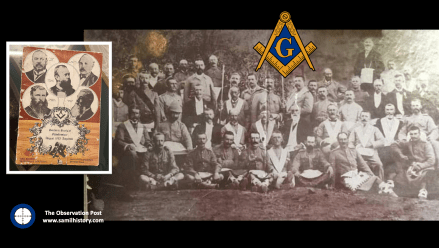
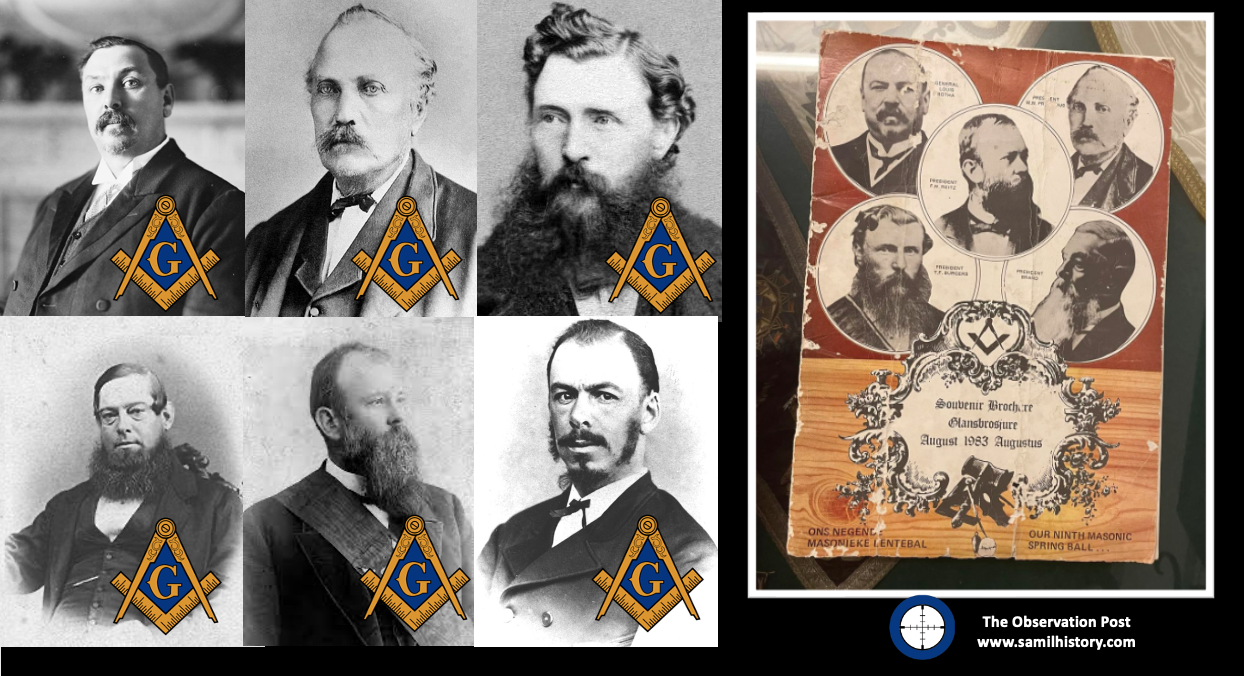
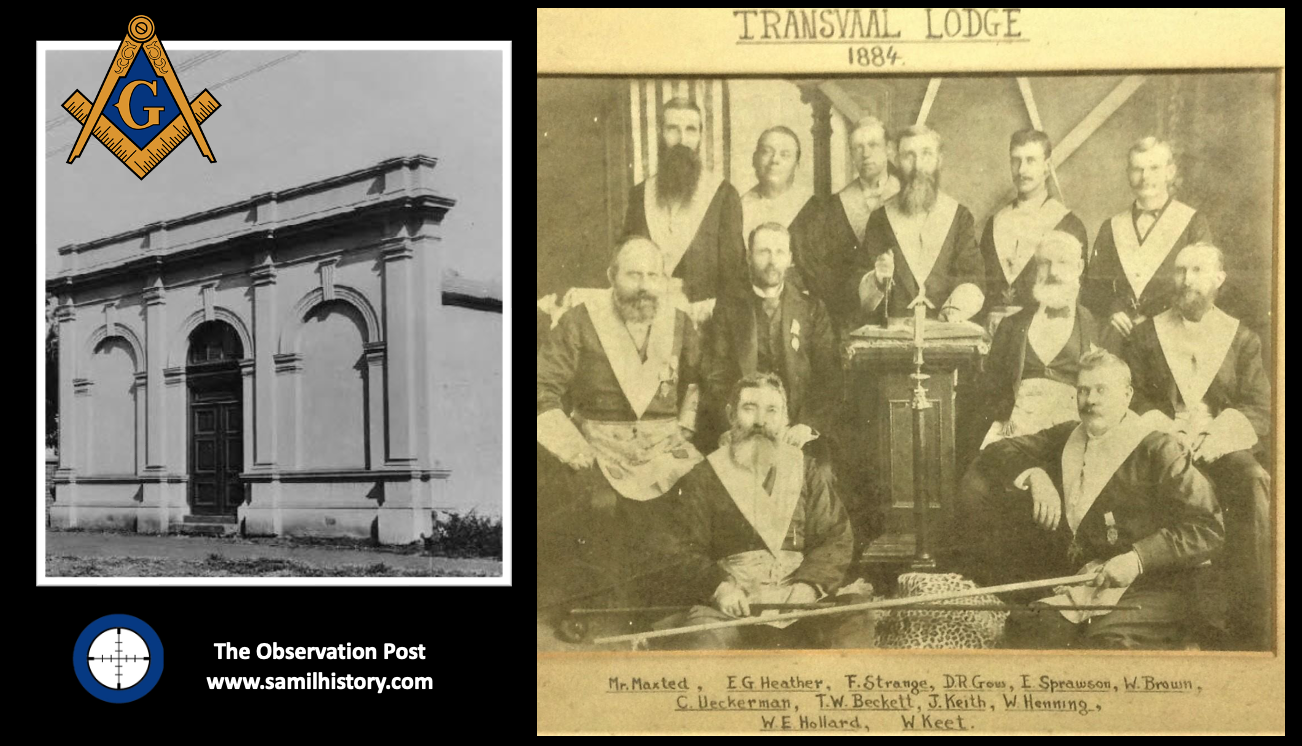
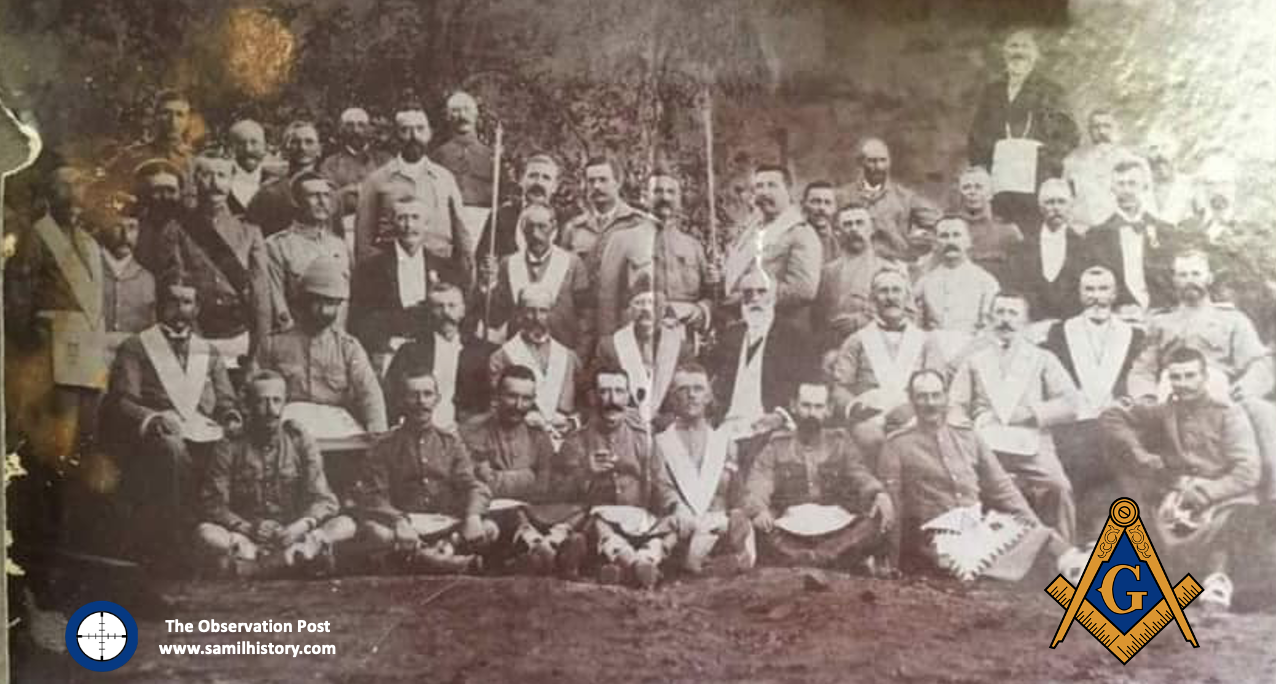
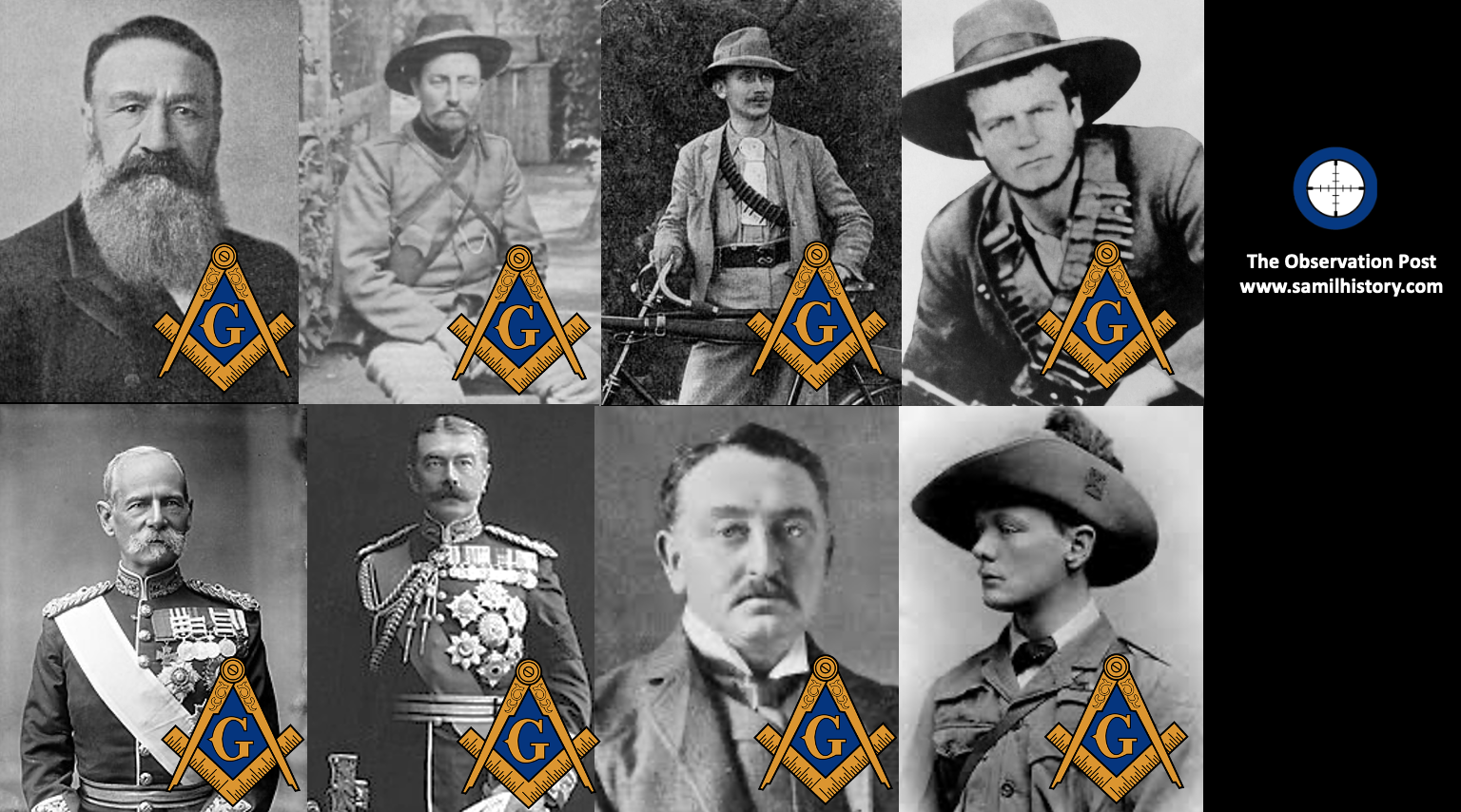
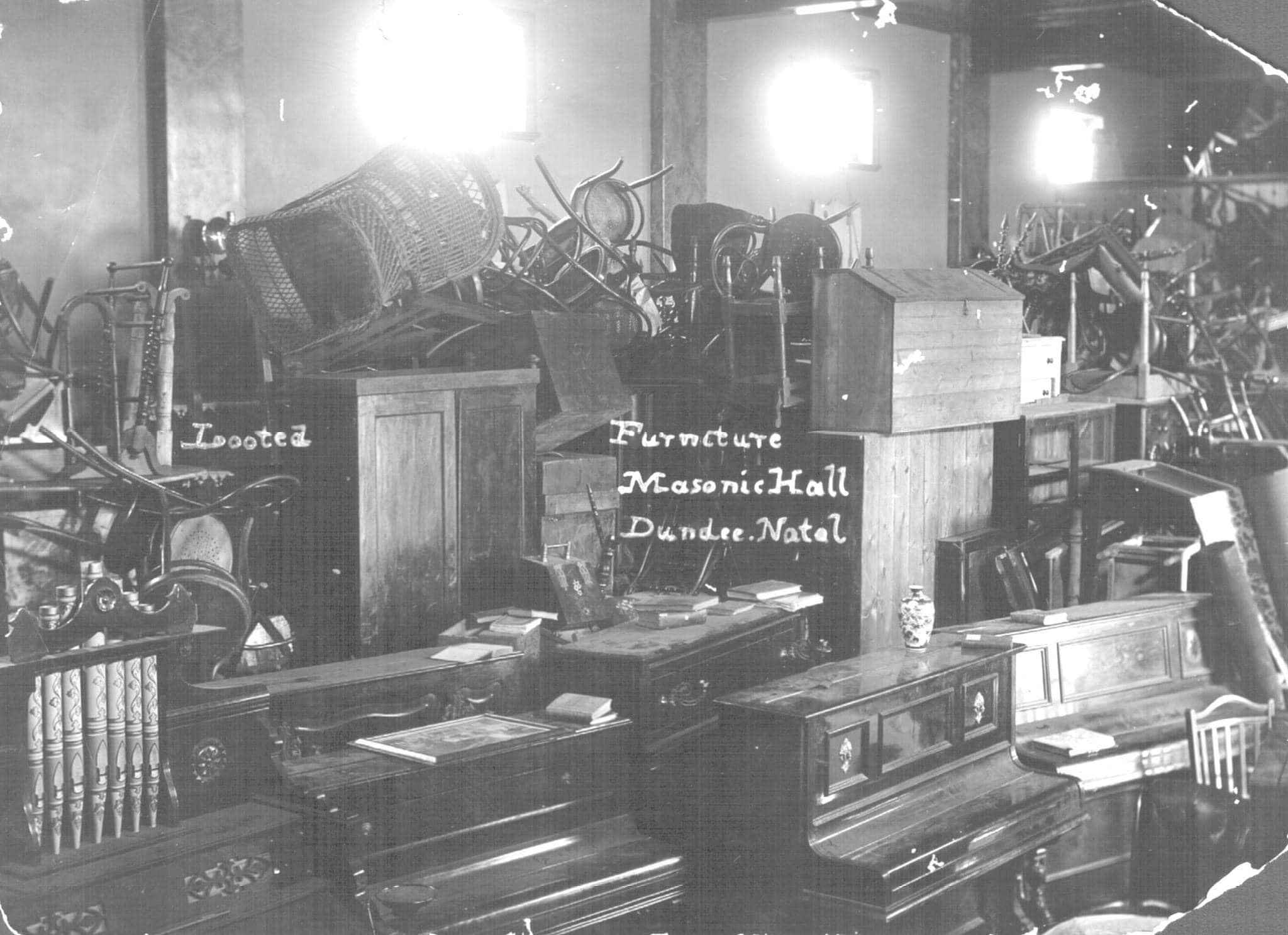
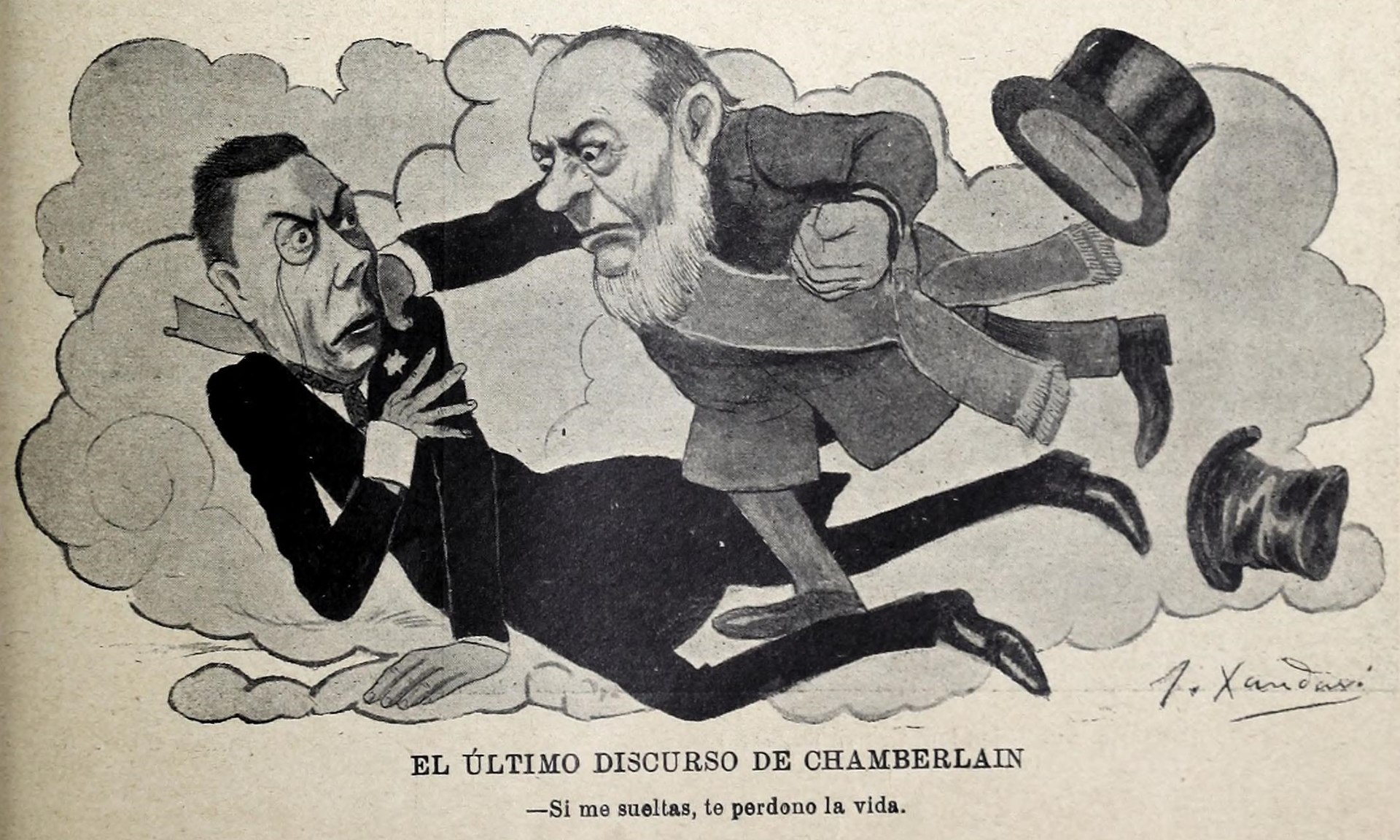
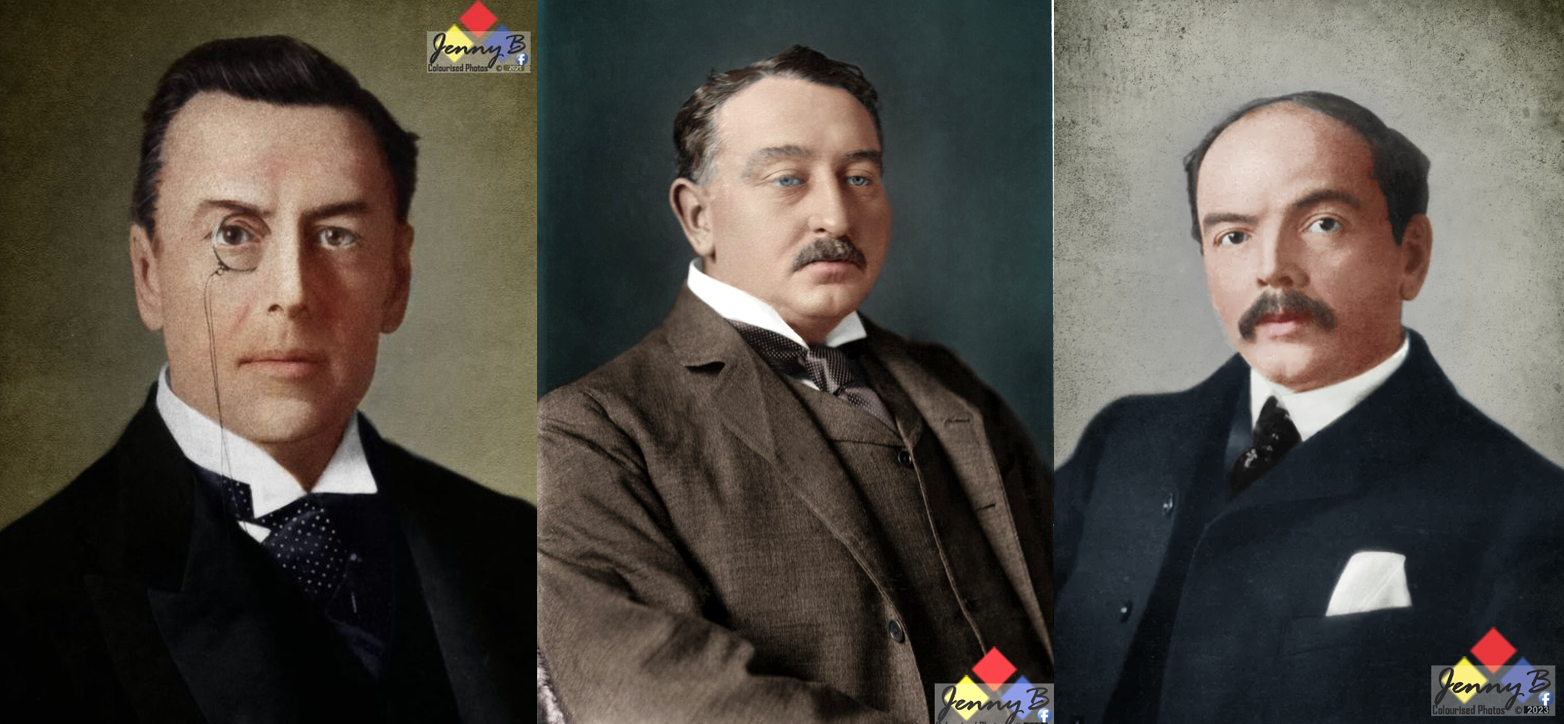
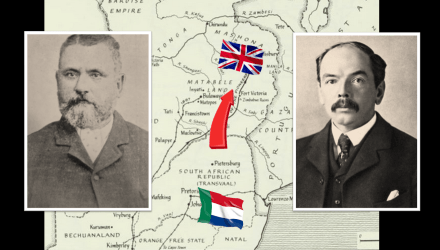
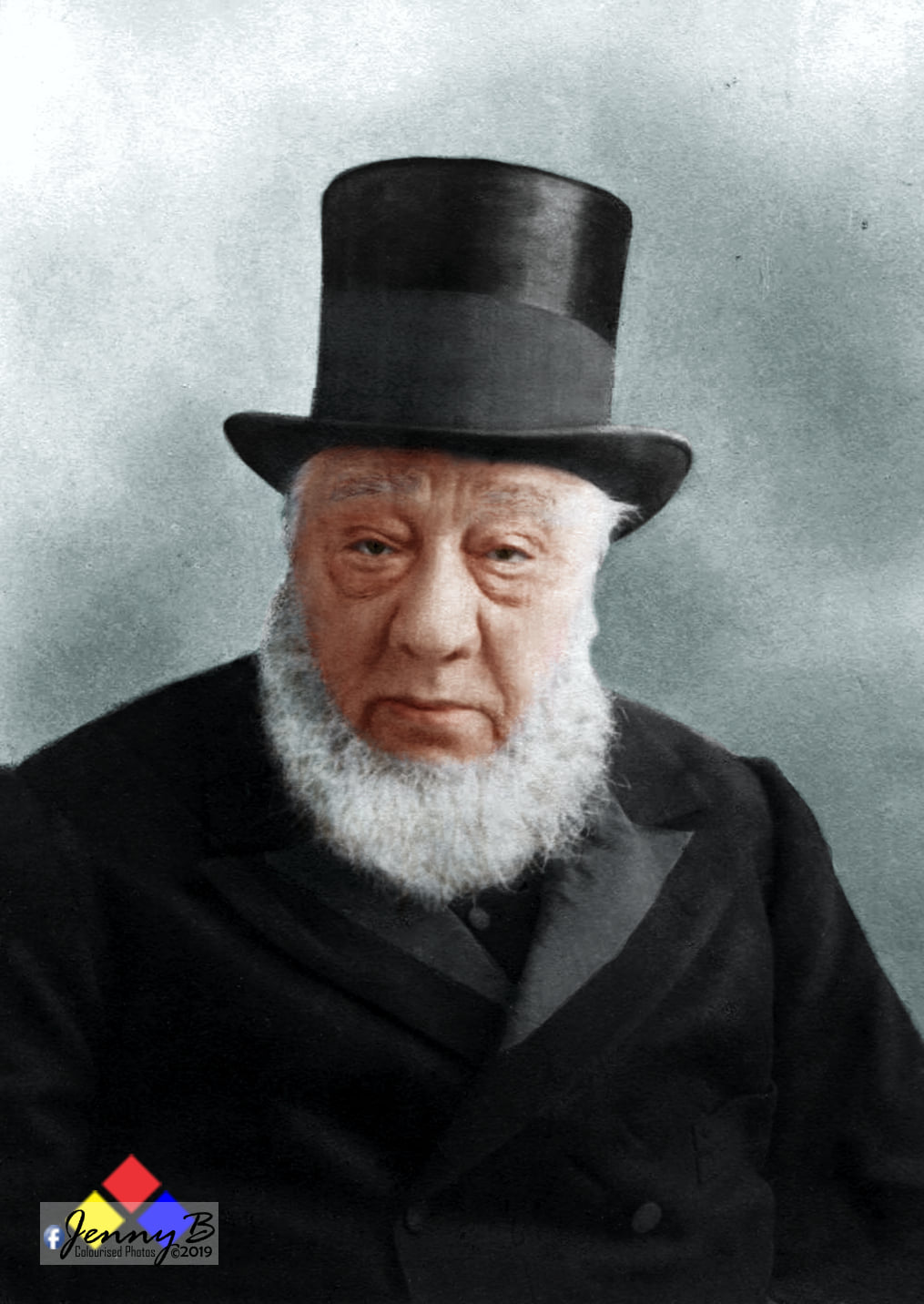
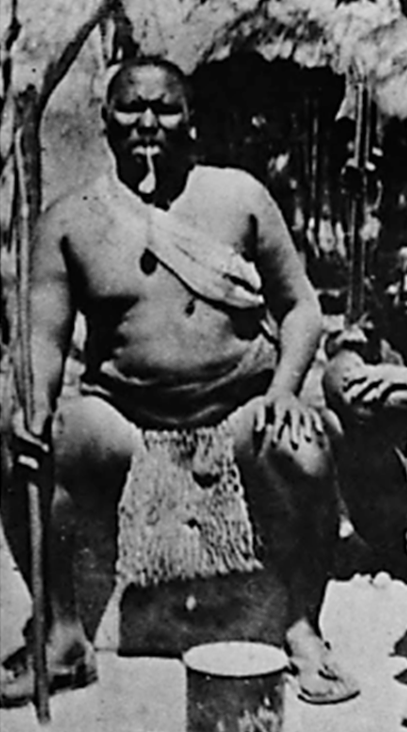
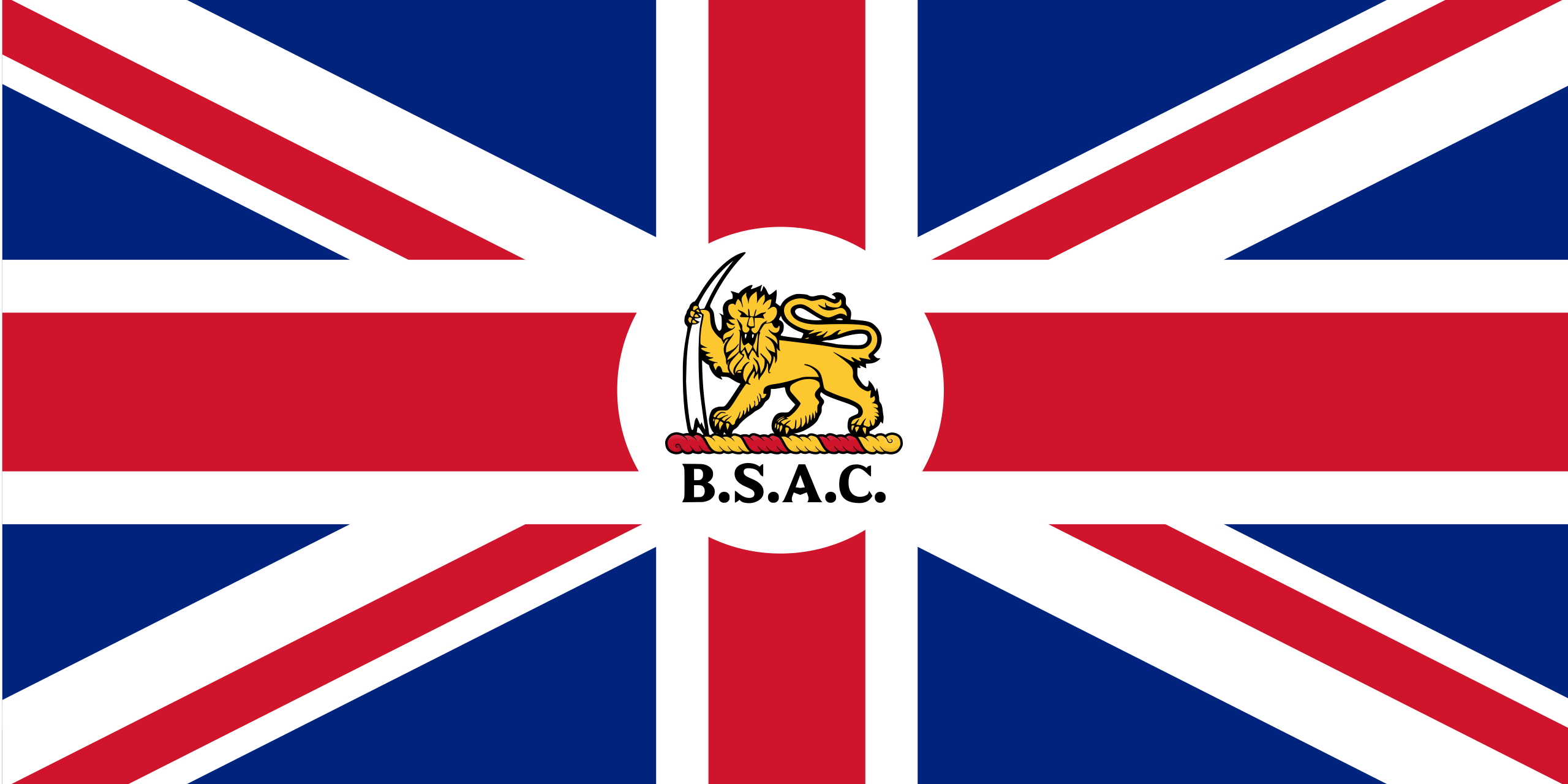


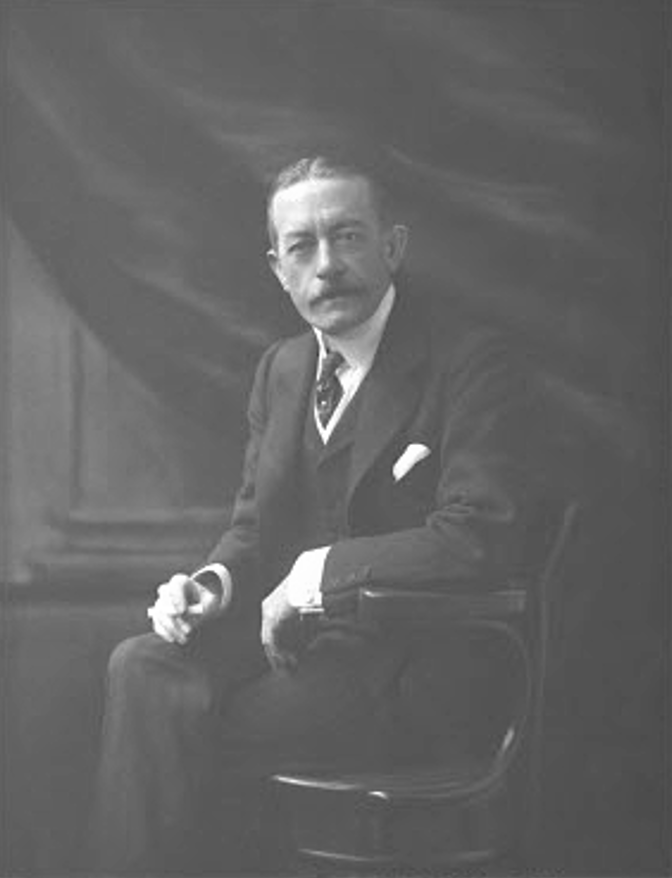
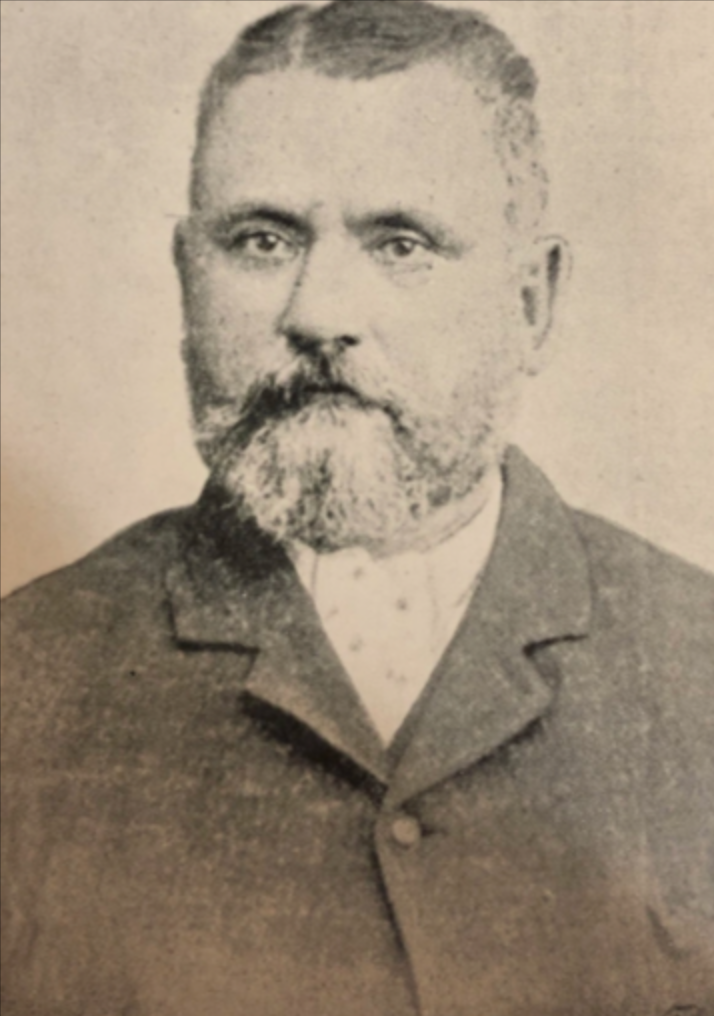

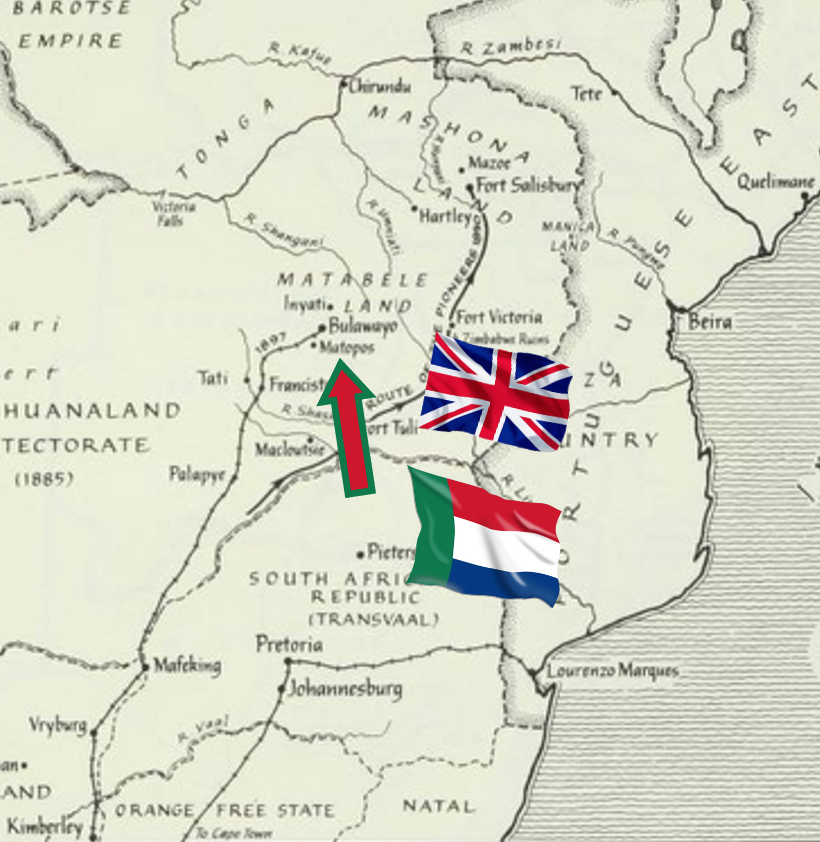
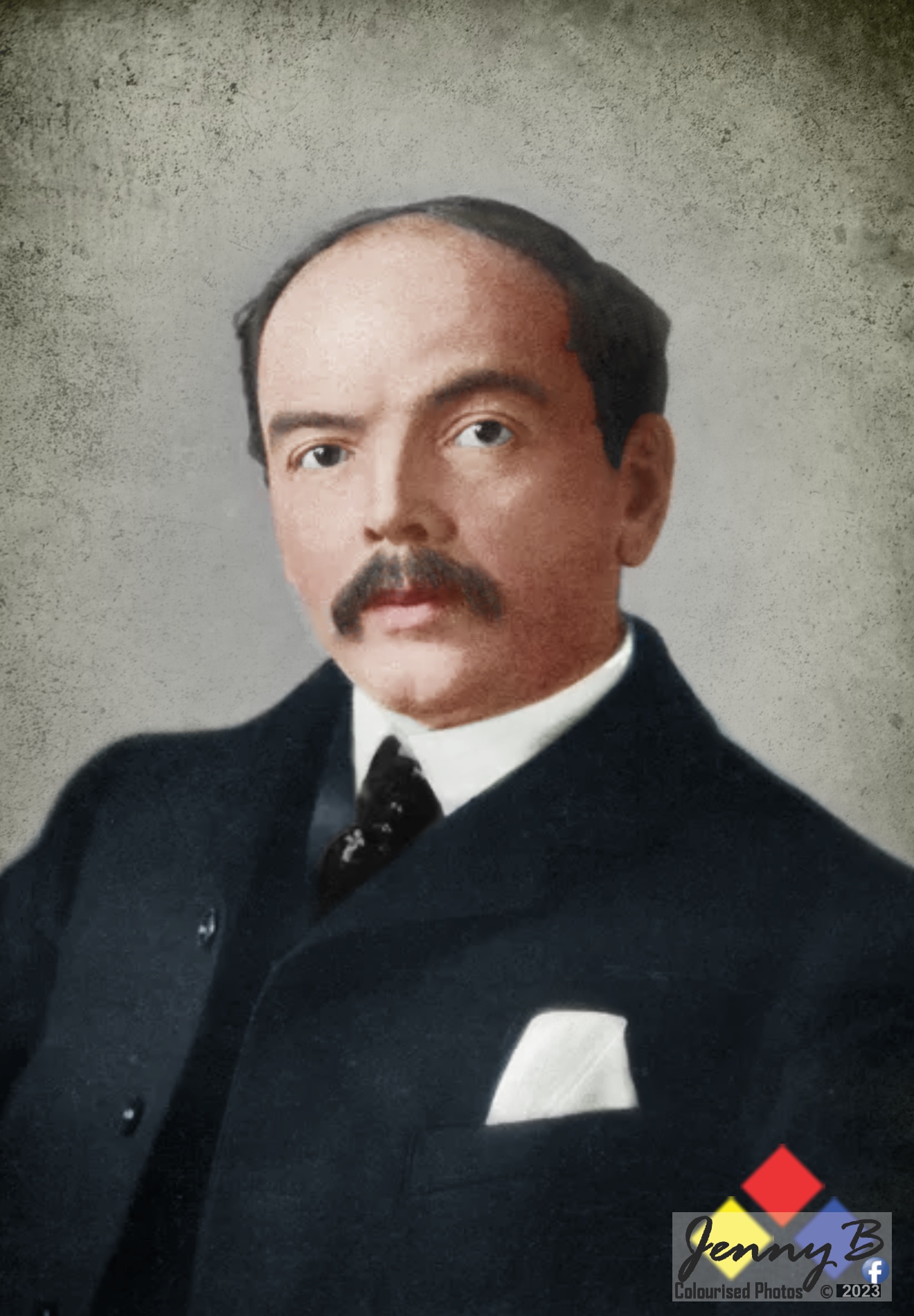
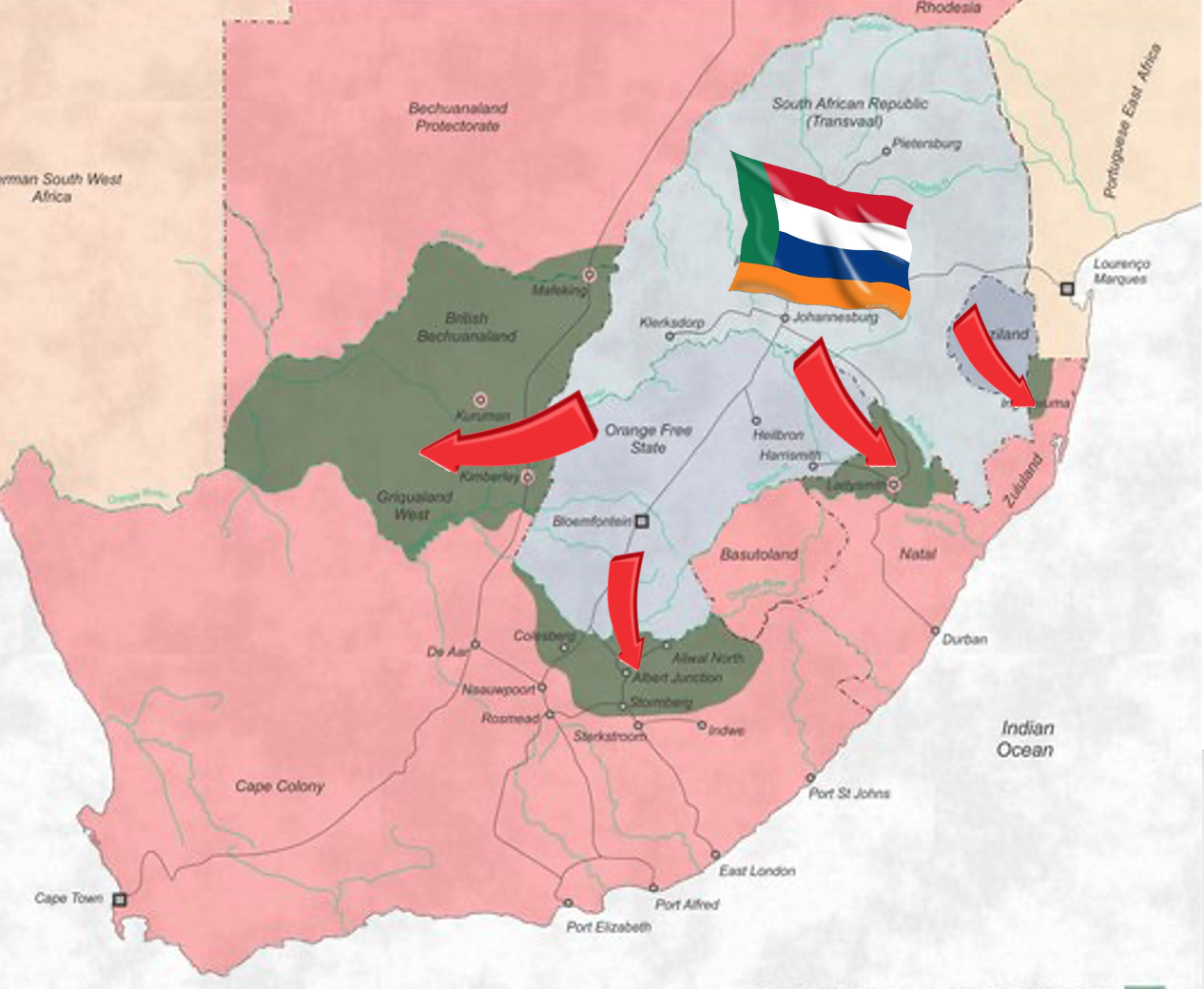
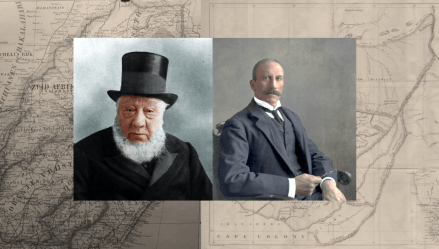

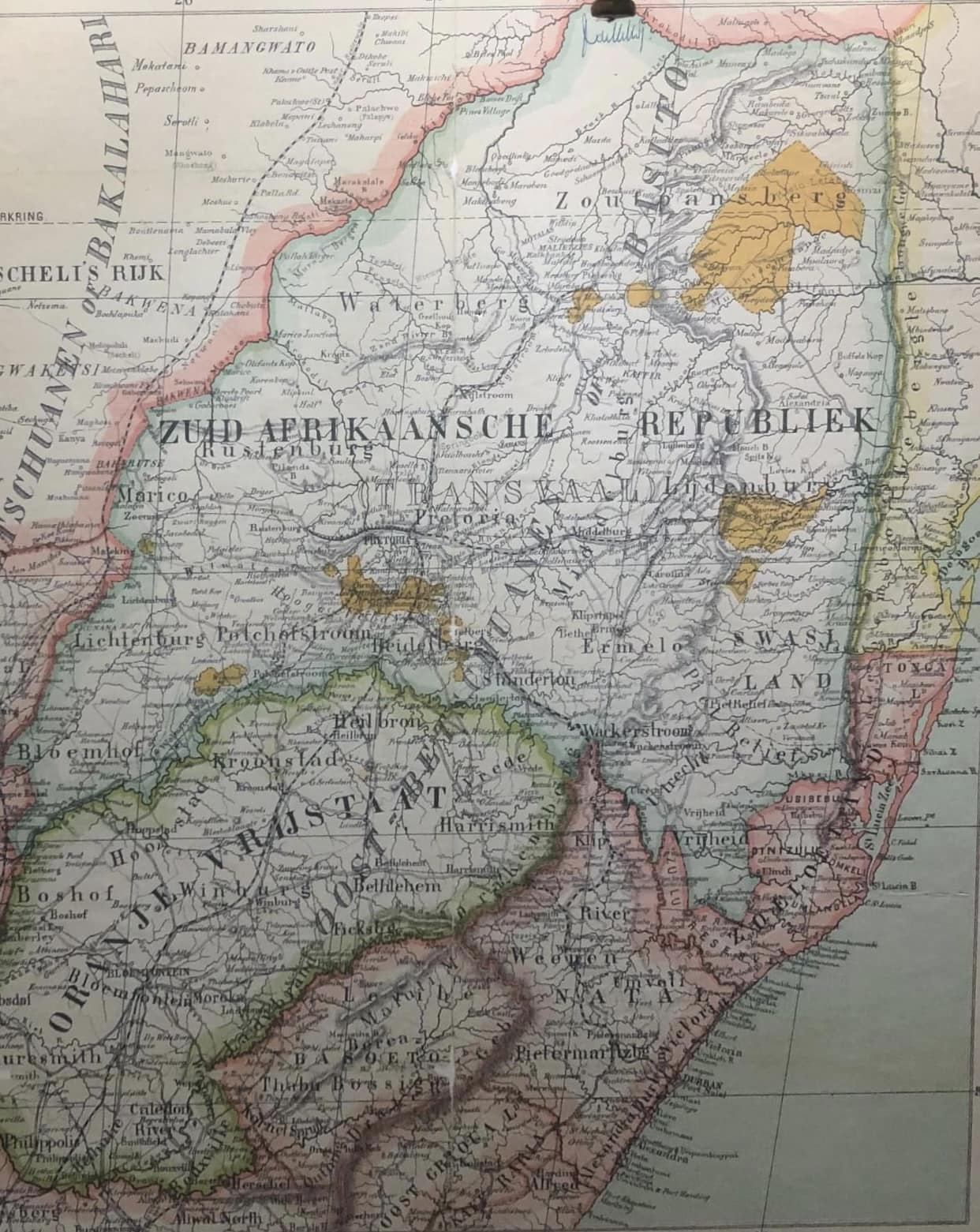
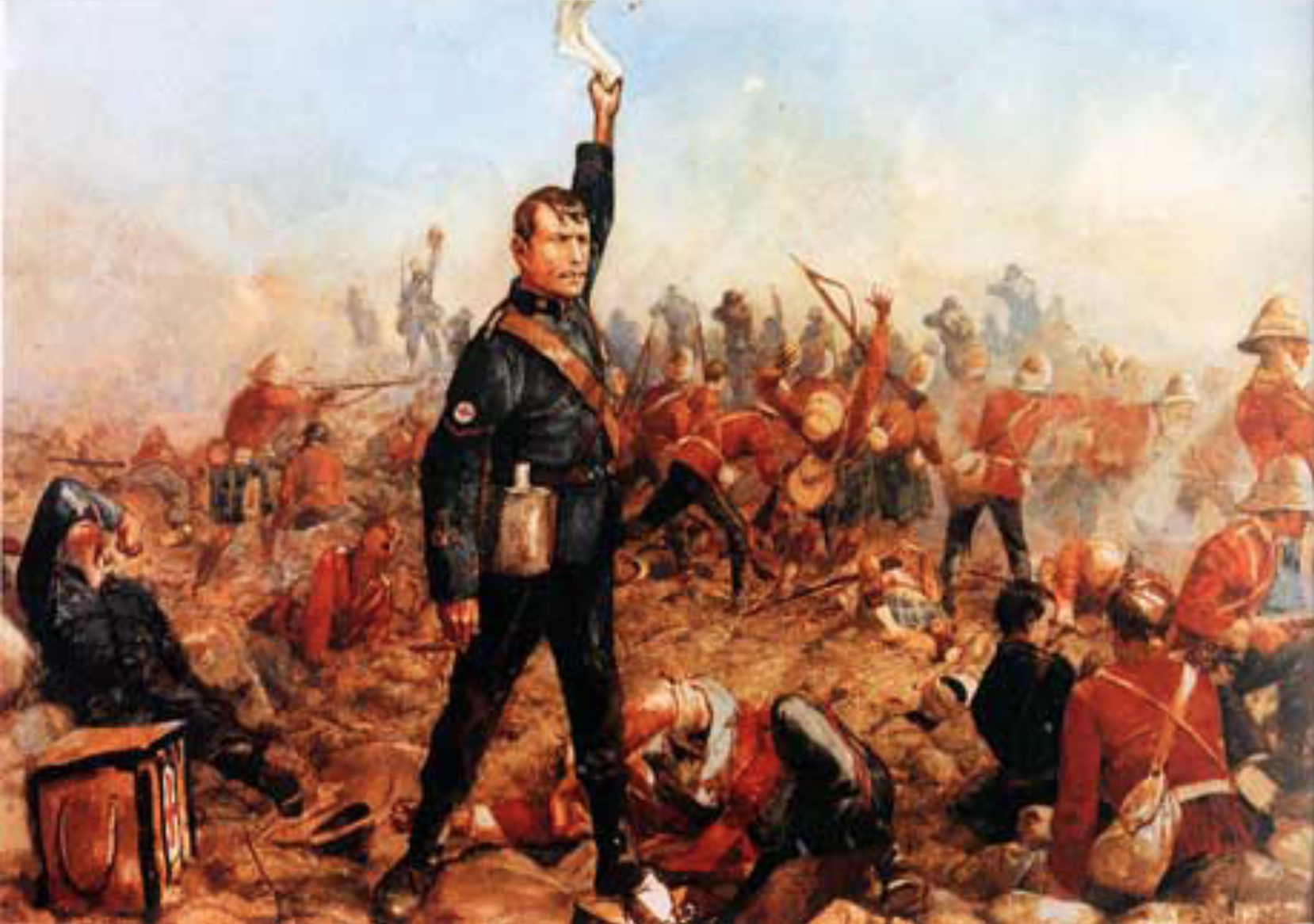
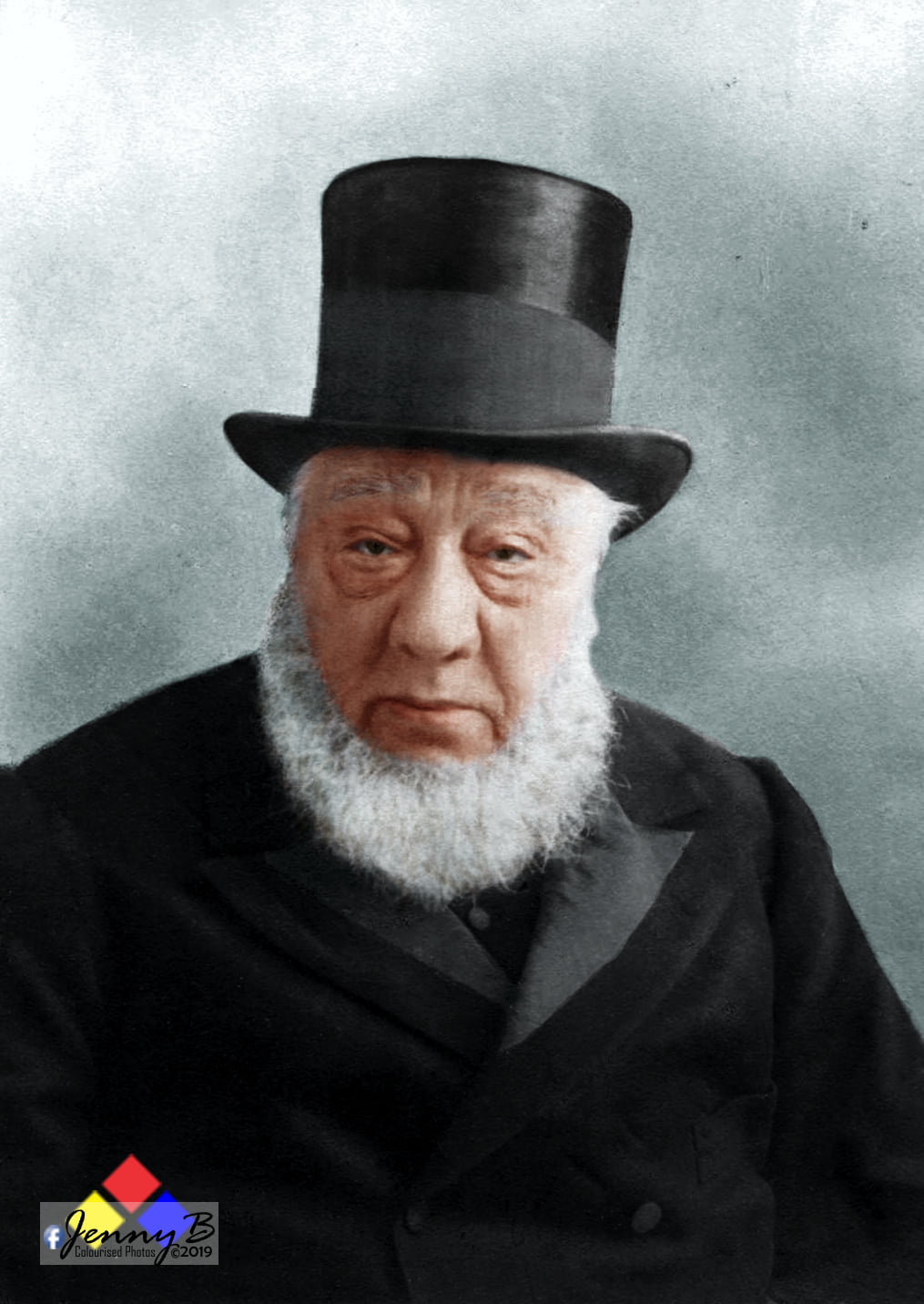
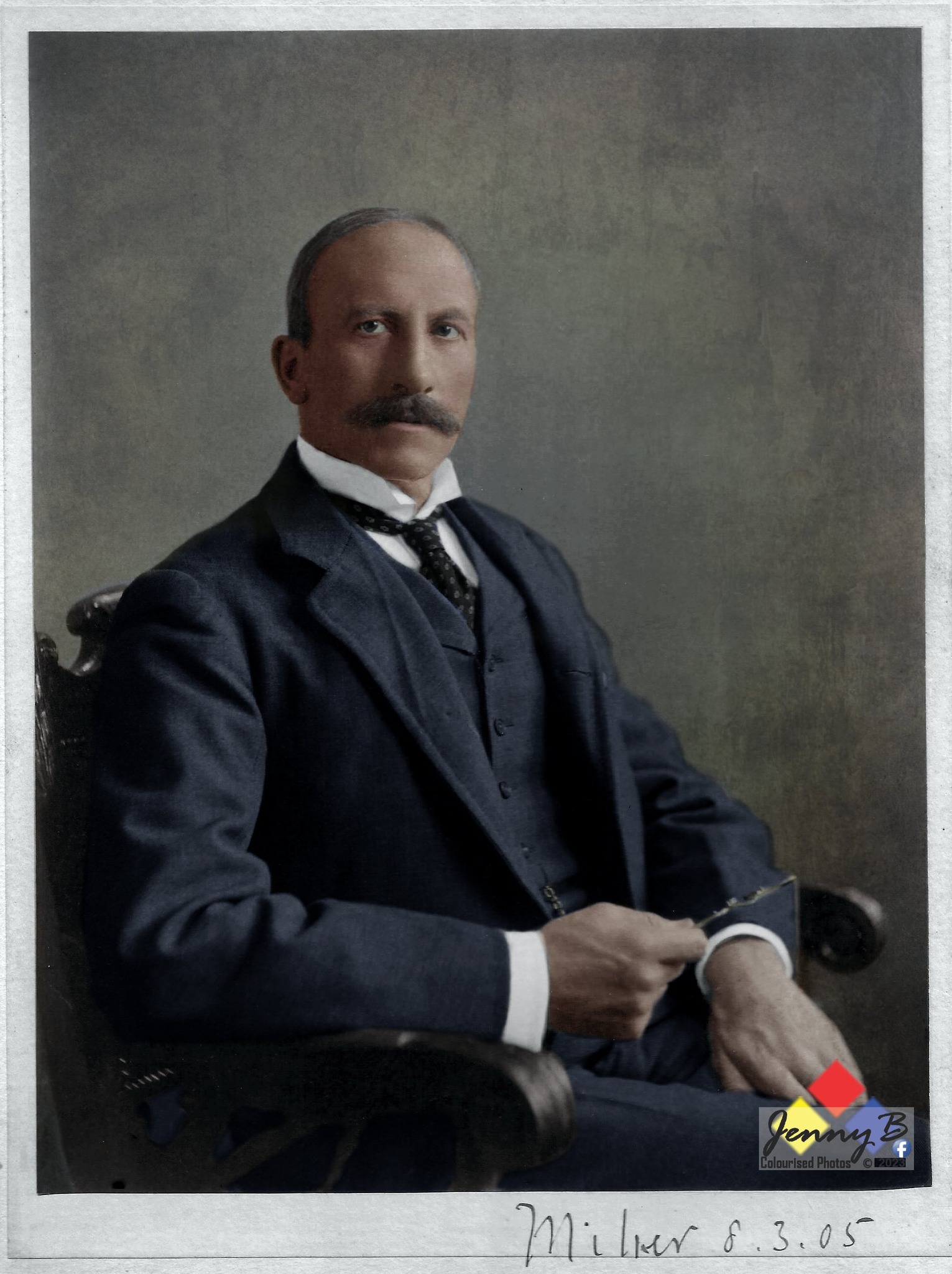
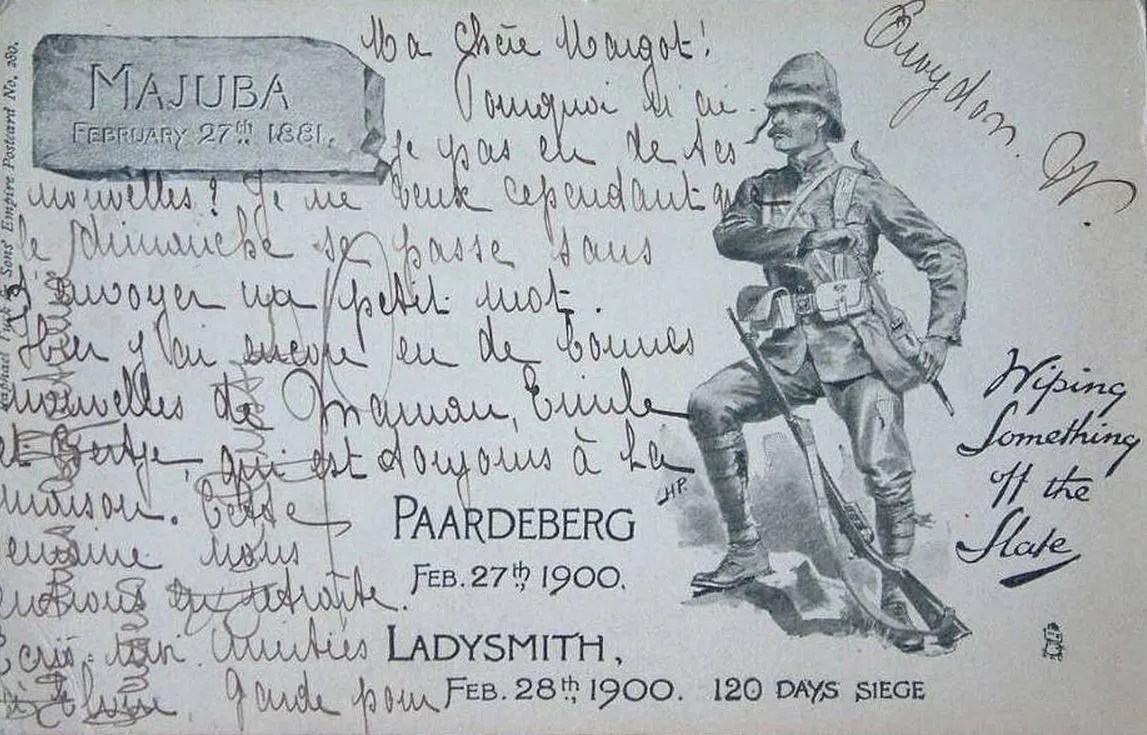
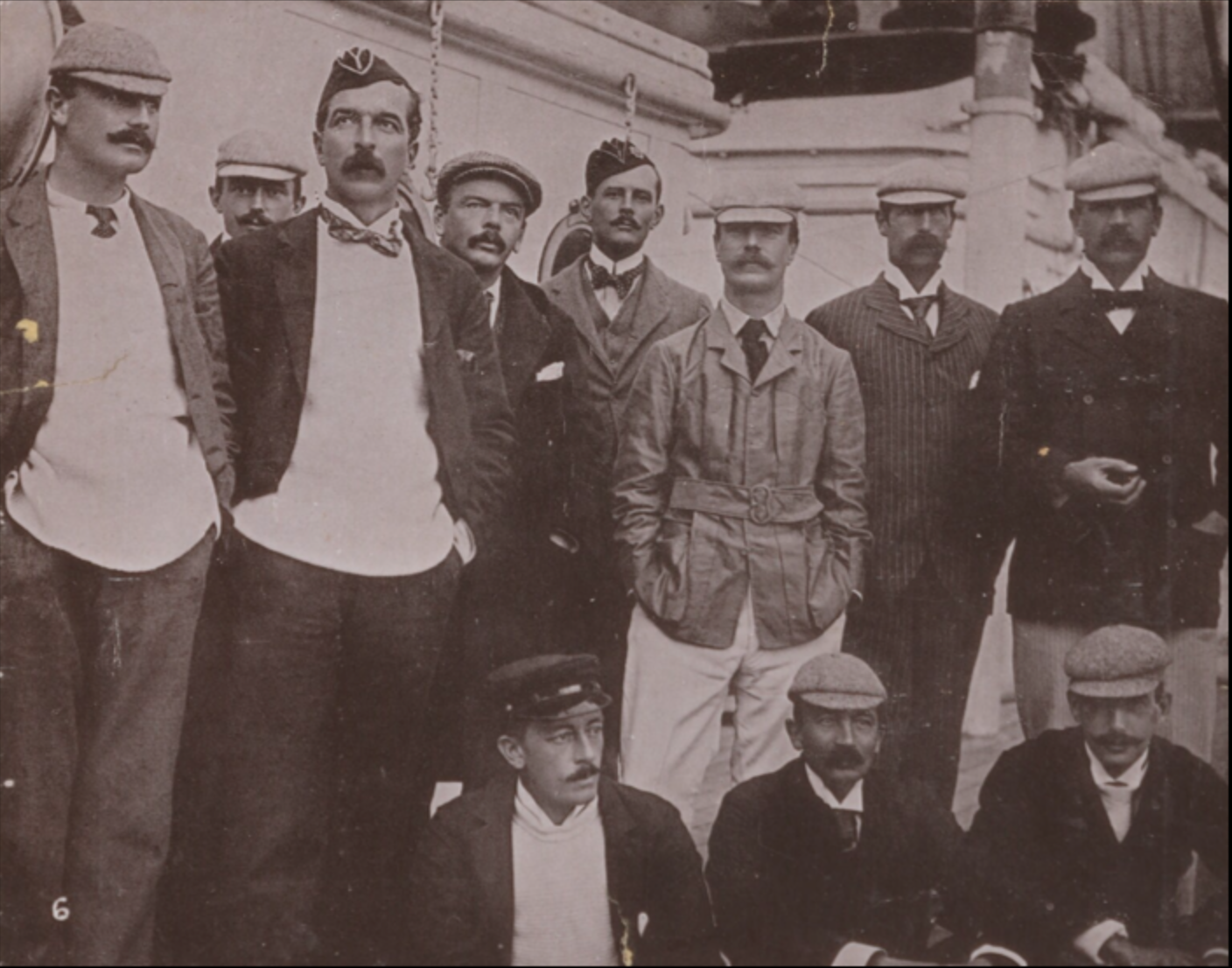

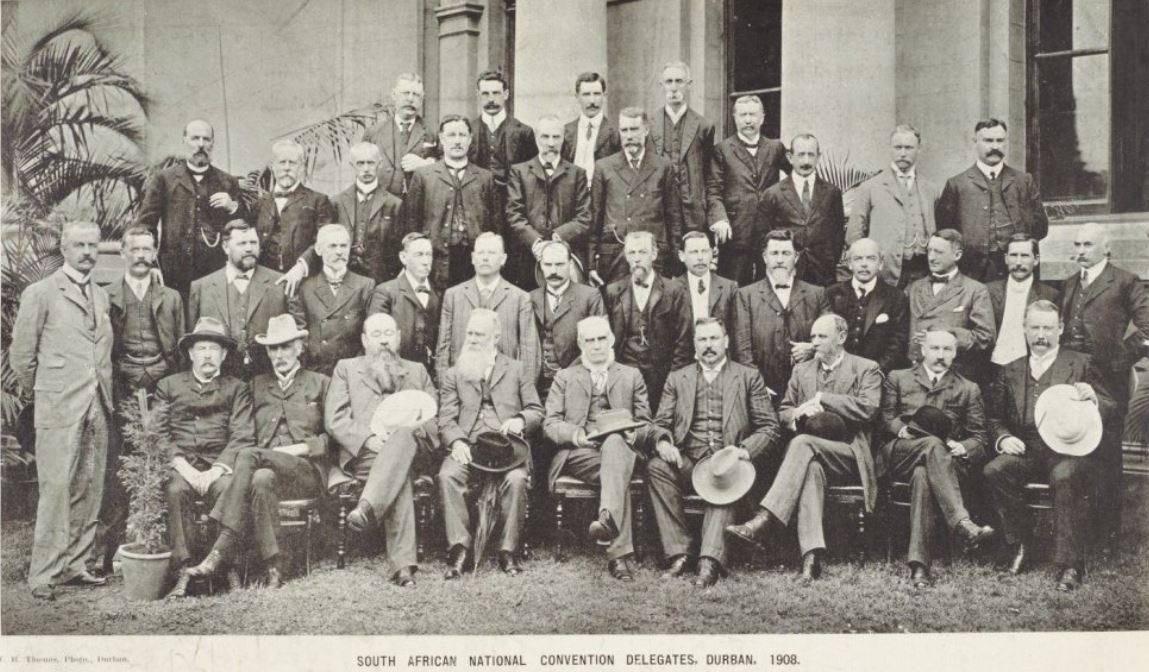

 The Observation Post