Seems there is a lot of social media chatter surrounding Albert Blake’s new Afrikaans book on Jopie Fourie. One Afrikaner pundit after reading the book declaring anyone not familiar with the ‘truth’ about Jopie as a ‘Volksheld’ and the Rebellion is now a liar and this in his world includes any other qualified historians, other than Albert. Albert Blake himself even declaring his new work is the definitive one and the only medium to be referenced (problem is, only people who are fully literate in Afrikaans can read it).
There is undoubtably some truth in the old saying ‘history is written by the winners’, however very often the ‘plucky loser’ is a perennial favourite of propagandists, myth makers and entertainers (including Hollywood), they are often romanticised and idealised, given virtuous christian outlooks, a civilised veneer and great martial abilities – the little guy taking on the big bully. This is especially true of the 1914 Afrikaner Revolt and Jopie Fourie … and many of its local Afrikaner historians and laymen enthusiasts.
All this Boer romanticism and the portrayal of old Zuid-Afrikaansche Republiek (ZAR) as a benign place for a freedom loving people merely wanting it back – a foreign example of this is the Confederacy in the American Civil War (1861 to 1865), and here a Royal Historical Society historian, Chris Ash made a rather humorous comment and it rings especially true:
“Until very recently, they were certainly viewed by most as the more ‘glamorous’ of the two sides… gallant, good looking Southern gen’lemen who ‘frankly didn’t give a damn’, galloping off to fight against impossible odds against a massed industrialised hordes of a faceless enemy who wanted to end their bucolically halcyon way of life. Throw in a few gorgeous Georgia Peaches – called things like Emma-Lou and Daisy-Belle – all with heaving bosoms barely contained by beautiful ball gowns, and you’ve got all the makings of a heroic myth of doomed failure… well, as long as you ignore that the South started the war, and that they were fighting to retain slavery!”
There is an old proverb, and its especially true to historians “never meet your heroes” .. because in getting to the actual historical figures, you need to analyse who they are as people, how they view the society they live in at the time, and how that society views them. In their context of their time, you as as historian need to overcome your prejudices and start to look at things in a critical way.
This is especially true if you grow up with a ‘rebel’ as a person central to your entire identity, because as true as the sun rises that ‘rebel’ is going to be controversial and for good reason – and very much of this hero will depend on what they are fighting for … and “freedom” is the usual caveat … but then you start to really meet your hero when you ask the next question “freedom for whom?” Here it is where the hero worship of the 1914 Afrikaner rebellion leaders like Christiaan de Wet, Manie Maritz, Jan Kemp, Christiaan Beyers and Jopie Fourie starts to wobble somewhat .. sure they are fighting to free themselves from British oppression – they all said so, including Fourie the day before his colleagues shot him, but he like the others – Maritz, de Wet, Kemp and Beyers are also fighting for their stated aim of the Rebellion, and that’s a completely different kettle of fish.
Insert – Christiaan de Wet on winged horse with damsel holding onto him. Main image – the movie poster from Gone with the Wind.
Now, there is a small problem with the history of the Rebellion – and one of them is the complete lack of history books in English and even less written at the time of the revolt – the complete Afrikaner romanticism of the rebellion all comes much later with the advent and rise of Afrikaner nationalism and a plethora of Afrikaner academic papers, novels and books.
For simplicity sake, there is a ‘English’ side to the 1914 Afrikaner Rebellion story – the majority in the country if we consider all races and nationalities caught up in the Rebellion and there is a ‘Afrikaans’ side of the story, a minority – driven initially by Hertzog and his breakaway cabal of pro Republican Afrikaner Nationalists from the Botha/Smuts South African Party (SAP) in 1914 and then it is heavily driven by a far right grouping of ‘pure’ nationalists after their break with the Hertzog/Smuts Fusion before World War 2 (1939-1945) – and they went about using mass media, aligned academics in ‘Afrikaans’ universities and all manner of propaganda to ‘set the Rebel story strait’ – even Radio Zeesen from Nazi Germany with its renegade Nationalist broadcasters went full tilt at glorifying Fourie, the Rebellion and demonising Smuts during World War 2.
For any historian to take a grip on the 1914 Afrikaner Revolt in 2024, the bank of both primary and secondary source becomes invaluable and it sets up the validity of what you are going to say, ensure whatever it is holds up to academic scrutiny by your peers. In respect to using both primary and secondary sources, the closest you are to the historical figure in question the more accurate and valid the work – so here we find original accounts by people involved in the events as the key.
There has only ever been one comprehensive history book written in English on the Afrikaner Revolt and luckily for us its very close to the events of 1914, it is published a year later in 1915 and its written by a journalist very closely tied to the whole 1914 Revolt having interviewed the principle characters personally and been witness to the events himself. The book is called “The Capture of De Wet” and it’s written by PJ Sampson.
Now, unlike all the Afrikaner historians writing for a Afrikaner market on the 1914 Afrikaner Rebellion who come after PJ Sampson (many come decades after him), Sampson is just not interested in presenting a counter-case for High Treason for the Rebellion – the old Afrikaner Nationalist’s “volks-veraairer” versus “land-veraairer” (traitor to your ‘people’ as opposed to traitor to your ‘country’) argument which has been going round and round Afrikaner family kitchen tables for 110 years and still rages on – nope, Sampson records none of that, in fact he sees the ‘treason’ argument as clear cut one in 1914 and the execution of Fourie as inevitable.
Sampson is not alone, I published an article on my visit to Scapa Flow where unarmed German sailors responsible for sinking their surrendered Imperial fleet were executed for sedition on the spot as they came ashore – some by way of bayonet. 1914 and World War 1 (1914-1918) veterans looked at treason and the execution of traitors very differently to the way we look at it now. Fourie is lucky he got a trial and not a drumhead trial and on the spot execution, at that time if you committed treason or sedition, with war declared and domestic state of emergency regulations in place – you got dragged through an administrative formality which lasted barely a day, then taken out back in the morning and shot – that is what happened to Fourie and that was the way of things then.
Smuts during WW1 and a young Fourie in the insert.
I’m also not alone, one of the principle characters in the Jopie Fourie story is General Jan Smuts, Jan Smuts himself would regard Fourie as having “shed more blood than any other officer.” With the rebellion lost, Beyers drowned and General de Wet surrendered … Smuts would say:
“Only Fourie’s band remained contumacious. Twelve of our men were killed at Nooitgedacht. There was no justification for that. Some of them were shot at a range of twelve yards … A court martial was appointed, strictly according to military law. One of its members told me he felt compunction about serving, because he was a friend of Fourie’s. I replied that that was an additional reason why he should be on the tribunal. On Saturday Fourie was unanimously condemned to death…”1
Smuts would go on to say:
“Had I refused to confirm the sentence, I could not have faced the parents of the young men who met their deaths through Fourie’s fault. There is something to be said for many a rebel, but in this case I conferred a great benefit on the State by carrying out my most unpleasant duty..”2
Smuts remained convinced that a fair trial had taken place, the correct legal framework in place, as to all the rebels Fourie was an exception and Smuts was unrepentant in the outcome, in fact he saw Fourie’s execution as unavoidable and it was his duty to see it through – his attitude had hardened, his son – Jannie Smuts in his biography of his father would write very little on Fourie in the entire appraisal of Jan Smuts’ life and career, Fourie is barely a footnote, a wayward rebel, nothing more.
A lot is also written about by Neo-Nationalist historians and disgruntled Afrikaner commentators on Smuts’ so-called “refusal” to entertain last minute efforts to intervene and reprieve Fourie, Jannie Smuts Junior is however dismissive of this and confident his father “would not have interfered in the course of justice” in any event. So this entire episode in the story really is a non-starter.
The execution of Fourie, the South African Policemen who executed him removed his cell-door as a keepsake to commemorate the occasion (reference Nongqai).
In fact Sampson views Fourie as somewhat deluded and misled, he even sets aside an entire appendix to demonstrate the flaws in Fourie’s understanding of history, his thinking and the flawed nature of his defence testimony, which Sampson tears apart completely and simply dismisses as unreasonable and deluded – instead Sampson takes pity on Fourie as someone who cuts a tragic figure having been misled by less scrupulous men like Maritz, his execution a foregone and unpleasant conclusion.
The main thrust of Sampson’s book is however on the objectives, mission and stated aims of the Rebellion. Although the long-standing Anglophobia caused by the Boer War is considered, it is not Sampson’s focus, simply because he, like many English commentators of his time, they understand the tragedy of the concentration camps and the pain they caused at face value, they see the deaths in context of measles and typhoid epidemics which sweep the camps due to hardship and unsanitary conditions brought about by war – a tragedy and nothing more. The ideas of ‘genocide’ and ‘murder’ of the Afrikaner nation are completely foreign to Sampson and other British historians like Amery of the time and this thinking would qualify fantastical thought at best.
Manie Maritz in this South African Union Defence Force uniform and staff prior to the 1914 Afrikaner Revolt (Maritz Revolt). Lt. Col Maritz is seated front and centre with his ‘Agterryer’ (man-servant) at his heels. It’s the man-servant’s expression and position that is most interesting as in many ways it gives away the complete disregard Maritz felt for people of colour.
Sampson is more interested in the politics of the Afrikaner Revolt and the politics of the leaders taking part in it, the political circumstances in South Africa in effect (and less so the geo-political circumstances). Here Sampson argues that the ‘colour blind franchise’ and human rights for ‘natives’ are also key motivations for the rebellion – the rebels intent on maintaining a Afrikaner led hegemony, an oligarchy based on “Krugerism” as an ideology – which means no franchise, emancipation and limited human rights (if any) to anyone of colour. The declaration of war presents an opportunity for these Afrikaner leaders, with the assistance of Germany, to take over the whole of South Africa and implement this political construct of theirs, much like the post American Civil War traitors like John Wilks Booth and his rebels in 1865 trying to “raise the South” again and reclaim slavery. Sampson refers to the animosity between the ‘Free State’ Boers like Christiaan de Wet against the ‘Transvaal Boers’ of Smuts and Botha over the colour blind franchise, de Wet fearful that Smuts and Botha are ushering it in and it’s all very unacceptable to him.
Now, to anyone paying attention to the history, the colour blind qualified franchise across the entire country (not just in the old British Cape Colony) is one of the key demands by the British for a peaceful settlement of the South African War (1899-1902) ie. Boer War 2. It is the only clause that is dropped out the Peace of Vereeniging agreement as the Boers absolutely refuse to abide it and its a deal breaker. It is only dropped on the proviso that a future Union government, when it is granted self governance, will implement it – Smuts assures the British that he is the man to see it through and all the Boer signatories to the agreement promise they will address it when a Union and self determination is declared (this includes de Wet, Kemp and de la Rey et al)
The South African Union and self determination/responsible government is granted by the British to Botha’s ’South African Party’ (SAP) in 1910. However inside the SAP, Smuts and Botha are simply unable to move on the colour blind qualified franchise as the likes of de Wet and Hertzog will have none of it, 4 Years later it’s beginning to become a problem as an entire black population waits for its emancipation (and its rewards for taking part in the Boer War, the majority of them supporting the British).
Say what! It’s not all about the hatred of the British, Concentration Camps, forced to fight for the British against friendly brethren Germans …. Its about the … blacks!
What you smoking? Yup, I’m afraid there it is, commentators at the time like Sampson were pointing to issues of race – the internal politics at play, not just the geo-politics. To set up the ‘race’ argument Sampson goes in depth into each of the leaders of the revolt by way of outlining their character and disposition to race.
Beyers is described as a very religious man, however he was inordinately vain of his personal appearance (which looking at his pandering to his hair, a monumentally stylised moustache and his disposition to fine and dandy clothing sounds about correct), and regarded as megalomaniac by the man in the street, in fact they “used a more expressive term” to describe him – one not for polite publication. Beyers after the Boer War took to entertaining “veldt Boers” coming in for ‘indabas’ in Pretoria and he earned a reputation as a Anglophobe with a “with a particularly venomous tongue.”3
De Wet is described by Sampson as a different sort of person to Beyers. De Wet too is religious but religion does not dictate his actions – politics does. He is angry with Botha and Smuts for removing Hertzog from cabinet. As a Free Stater he is unhappy with these “Transvaal Boers” entertaining the British request of ‘colour blind qualification franchise’ (which is in fact a Boer War 2 peace treaty pre-requisite). It’s here that we see a common thread in many of the rebel leaders, sheer racism and a desire to maintain an white Afrikaner led oligarchy in South Africa with no rights whatsoever to anyone of colour.
Sampson places De Wet into what he calls a “Old School” Boer whose:
“Abiding fear always has been that British government in South Africa meant that the ascendancy of the whites over the blacks would cease, and one day the kaffirs would be permitted to be on an equality with the whites.”4
Sampson cites this fear of Black ascendancy over Whites as a primary rally call for the Boer Republican armies during the South Africa War (1899-1902). He goes on to outline De Wet deep hatred for Black people as his primary motivator for going into the 1914 Rebellion, he writes:
“De Wet always has treated kaffirs with severity, regarding them as little better than animals, whom he believed he ought to have the right to thrash as he would a dog, it only needed a fine for ill-treating a native to bring on a raging brainstorm that drove him headlong into the maelstrom of rebellion. To fine him, De Wet, was the greatest outrage conceivable, and clear proof that the time had come to strike a blow for freedom!”5
This sentiment and motive for De Wet going into Rebellion as outlined by Sampson is borne out by Jan Smuts, who later uses the fine De Wet gets for assaulting the said black man with a shambok – which was 5 shillings. In broad media, Smuts belittles both De Wet and his purposes behind the revolt by calling it the “5 Shilling Rebellion”.
Christiaan de Wet would go on to say of the Colour Blind Qualified Franchise policy and the fact its still upheld in the Cape Providence:
“The ungodly policy of Botha has gone on long enough, and the South African Dutch are going to stand as one man to crush this unholy scandal.”6
Manie Maritz is also described within his deep-seated racism – he is noted as a man of:
“Enormous strength, inordinate vanity, little education, and the one, perhaps, of all the rebels most open to the influence of German gold.”7
Jopie Fourie is described by Sampson as a religious mans and a very pleasant man – however his Anglophobia seemed to have grown on him like a disease starting with his resentment because of a permanent limp, caused by a bullet wound in the knee during The South African War (1899-1902), and this:
“intensified the bitterness to one who had been a fine footballer and athlete”.8
What follows in ‘The capture of De Wet’ is the ‘Black’ part of the 1914 Afrikaner Revolt, the declaration from Maritz stating that any blacks standing in the way of the rebels will simply be executed. His declaration Maritz states:
“Several cases are known where the enemy has armed natives and coloured people to fight against us, and as this tends to arouse contempt among the black nations for the white, an emphatic warning is issued that all coloured people and natives who are captured with arms, as well as their officers, will be made to pay the penalty with their lives.”9
The killing of Allan William King, the Native representative by Fourie’s Commando. The declaration by the said ‘Natives’ to avenge King and enter the war on their own terms and wipe Fourie’s Commando out by themselves – they are held back by King’s wife who pleads with them for restraint. Sampson notes of ‘rise’ of the ‘Natives’ to avenge King:
‘The natives of the district were almost crazy with rage at the loss of their ” Father,” as they deemed Allan King …. They sent a deputation of chiefs and headmen into Pretoria to see the wife of their dead “inkosi,” to assure her of their love for him … and said to her “Say the word, and we will kill every one of these bad men, and also their wives and children !”10
But Mrs. King shook her head and forbade them to raise a finger, for well she realized the horrors that might follow if once the natives commenced reprisals. The rebels have to thank the wife of the man they so unfairly shot that all their throats were not cut that night, their wives and children assegaied, and their homes given to the flames.’11
The position of Sol Plaatje as to the revolt and Native rights also becomes important. So too is the lambasting of Christiaan de Wet and his martial abilities – and even his influence, his reputation shattered.
Not only Sampson, General Jan Smuts was highly critical of Christiaan de Wet’s fighting abilities and strategic acumen. His son Captain Jannie Smuts would record his father’s disposition, it gives an interesting insight on de Wet and his disposition to making irresponsible strategic and operational decisions – driven instead by emotion and irrational ideals, here it is:
“It might here be noted that there was considerable divergence of opinion amongst the (1914) rebel leaders on their course of action. Beyers wanted a relatively passive though armed form of resistance – the type that came to be known as a “coup” in the Second World War. He was against civil war. De Wet, more fiery and impetuous, was for vigorous action and pushing through to connect up with Maritz. In his zeal he forgot that he was poorly armed, had no field guns, and was short of ammunition. He also failed to reckon with the mobility afforded the Government by the much-extended railway system, or the advent of the petrol driven motor-car”.12
In other words, as a pivot leader of the Boer Revolt of 1914, Christiaan de Wet was flying by the seat of his pants (a trait not uncommon with his approach to the South Africa War 1899-1902) – completely unprepared he was bent on full sedition and revolt to reinstate ZAR republicanism, an oligarchy run on a Boer paramountcy and its severe laws of racial exclusivity and repression throughout the South African Union – paying little regard to the strategic ramifications, operational requirements or even modern military advancements, completely underestimating his enemy, just blindly pursuing his “impetuous” pipe dream.
Yup, its a WHOLE different view of the Afrikaner revolt and its not one you get from your Afrikaner Christian Nationalist education and its certainly not one you get from modern day Afrikaner historians. They have been telling you it’s all about ‘the British’ for decades … and meanwhile, the one and only ‘English’ historian to write on the matter at the time is simply dismissed, completely bypassed – his work simply discarded as ‘jingoism’ – so not relevant.
One thing is a truism, and its true of many Boer War or Boer Revolt books and academic papers directed to Afrikaner consumers in the past, is that the works tend to cater to a specific Afrikaner ‘Volksgeist’, one which has little resonance outside of white Afrikaans culture. These works tend to highlight the ‘whiteness’ of the conflict, and focus primarily on Afrikaner cultural dynamics. One hopes that any new book on the 1914 Afrikaner Rebellion brings something new to the table, one in which the ‘Black’ and the ‘English’ part of the 1914 Rebellion is fully appraised, researched and understood, an in-depth appraisal of race politics of the time, the role played by Black Africans, Coloureds, Indian and even English speaking white South Africans in the revolt i.e. the majority of South Africans – their political representations, reactions and aspirations – what they were “fighting for”, their “freedom” in effect.
Without this, the majority of South Africans will find themselves, once again, as by-standers to this history and they will pay no attention to it whatsoever. The ‘new’ work having no real resonance to modern South African society – just a re-packaged, re-marketed regurgitation of the old white Afrikaner Nationalist debates targeted at a fresh new Afrikaner audience for a little commercial gain.
As a very reputed historian – Dr. Damian P. O’Connor, also pointed out recently, the problem with removing or brushing over sources, especially written accounts such as this one from the period, on the basis of ‘jingoism’ or just ‘not conveniently fitting’ into a Afrikaner nationalist political narrative or even an Afrikaner author’s bias brought about by years of nationalist identity politics and socialisation … is that once we’ve dismissed a first hand written account we are left with nothing, just pure hearsay and verbal tradition .. empty space in effect, and into that ‘empty space’ anyone can write anything they like, we can just make it up. It becomes revisionist history – pure ‘gone with the wind’ romantic drivel.
Written and Researched by Peter Dickens
References:
The Capture of De Wet. The South African Rebellion 1914 – Sampson, Philip J. Published Edward Arnold, London. 1915
JC Smuts. Jan Christian Smuts by his son J.C. Smuts. Heinemann & Cassell Publisher, 1952.
The German orphan program to boost the white Afrikaner ‘volk’ bloodline
This story verges on the bizarre, but the funny thing is that it’s true and you just can’t make this sort of thing up when it came to South Africa’s old Afrikaner Nationalists. This was a program initiated by right wing Nationalists after World War 2 (1939-1945) to boost the white Afrikaner ‘bloodline’ by importing 10,000 hand-picked German ‘Herrenvolk’ orphans to South Africa for adoption. It is another example of the extreme type of ‘social engineering’ embarked on the by the Afrikaner Nationalists and it underpins the ideologies and thinking that were beginning to formulate in the National Party post war.
The idea carried obvious benevolence to adopt displaced German children who had lost both parents during the war, so in that respect it held a certain moral high-ground, however it is in the objectives and the methodology used that we find sinister Weimar Eugenics at play, the implementation of Nuremberg Race Law ideology, political protest and the manipulation of demographics to advance political gain.
Had the program attained its full quota and objectives, the ‘boost’ to the white Afrikaner pool would have been significant in the three odd generations to come after World War 2. If population growth is anything to go by, in three generations we would be nearing half a million extra white Afrikaners with Aryan German heritage with roots this post war orphan program. As pointed out by Werner van der Merwe in his UNISA journal in 1988, its impact and commemoration would now rival the millennial Second World War anniversary, the French Huguenot anniversary or the next millennial anniversary of the Great Trek.1
Clearly in 2024 we can conclude that this seismic shift in white Afrikaner demographics did not take place, and the reason is this quota of 10,000 ‘Aryan’ orphans was never reached, but that’s not to say the attempt was not made, the program did exist and it had some successes and failures of which there are good underpinning reasons for both. So let’s have a look at the Afrikaner Nationalist’s Dietse Kinderfonds (DKF) – the German Children Fund, its background and its purpose.
Background on the Nazification of the Afrikaner right
In South Africa, this particular story starts the inter-war years (1918-1939), with the rise of National Socialism in Germany and Fascism in Italy from the mid 1920s, many Afrikaner Nationalists increasingly came under the influence of Adolf Hitler and his specific brand of German National Socialism (Nazism). Oswald Pirow, Prime Minister Barry Hertzog’s Minister of Defence (1933-1939), was one of the most influential Afrikaners to fall under Hitler’s spell. Pirow met with Hitler, Hermann Göring, Benito Mussolini and Francisco Franco as an envoy on behalf of the United Party government2. Pirow received Nazi Germany’s feedback on German South West Africa and the ‘new order’ should Germany go to war with Britain and her allies. Pirow gambled his career on a Nazi Germany victory in what he saw as an inevitable war. On 25 September 1940, he founded the national socialist ‘New Order’(NO) for South Africa. He positioned it as a study group within the reformulated National Party (HNP), and based it on Hitler’s new order plans for Africa3. In terms of the NO’s values, Pirow espoused Nazi ideals and advocated an authoritarian state4.
In addition to Oswald Pirow’s NO, other leading and influential Afrikaner Nationalists were forming German National Socialist movements in South Africa during the interwar period. As a committed antisemite, Louis Weichardt broke with the National Party on the 26 October 1933. He founded South Africa’s Nazi party equivalent – The South African Christian National Socialist Movement. This included a paramilitary ‘security’ or ‘body-guard’ section (modelled on Nazi Germany’s brown-shirted Sturmabteilung) called the “Gryshemde” or “Grey-shirts”. In May 1934, the Grey-shirts merged with the South African Christian National Socialist Movement and formed a new enterprise called ‘The South African National Party’ (SANP). The SANP would continue wearing Grey-shirts as their identifying dress and would also make use of other Nazi iconography, including extensive use of the swastika5. Overall, Weichardt saw democracy as an outdated system and an invention of British imperialism and Jews6.
South African Grey-shirts in Grahamstown and their insignia
Other neo-Nazi and fascist groupings either spun out of the SANP Grey-shirts, or mushroomed as National Socialists movements with the German model front and centre in their own right. Also included was Manie Wessels’ ‘South African National Democratic Movement’ (Nasionale Demokratiese Beweging) known as the “Black-shirts”. The Black-shirts themselves would splinter into another Black-shirt movement called the ‘South African National People’s Movement’ (Suid Afrikaanse Nasionale Volksbeweging, started by Chris Havemann and based in Johannesburg, these Black-shirts advanced a closer idea of National Socialism7. Another National Socialist movement known as the ‘African Gentile Organisation’ was also formed in Cape Town by HS Terblanche. In September 1934, Dr AJ Bruwer formed the ‘National Workers Union’ (Bond van Nasionale Werkers) in Pretoria – also known as the “Brown-shirts”. Additionally, Frans Erasmus formed another national party militant group called the “Orange-shirts”8.
In a leadership purge, three National Socialist movements broke away from the SANP Grey-shirts, SANP leader JHH de Waal resigned and formed the ‘Gentile Protection League’ whose sole aim was to fight the ‘Jewish menace in South Africa9’ Johannes von Moltke, Weichardt’s right hand man broke away from the SANP and formed a new organisation called ‘The South African Fascists’ who wore Nazi iconography, blue trousers, and Grey-shirts.
Additionally, Manie Maritz, a veteran of the South African War and influential leader of the 1914 Afrikaner Rebellion, also admired German National Socialism and split from his association with the SANP Grey-shits and joined Chris Havemann’s Black-shirts. A converted antisemite, Maritz even blamed the South African War on a Jewish conspiracy. Moving from the Black-shirts Martiz founded the anti-parliamentary, pro National Socialist, antisemitic ‘Volksparty’, in Pietersburg in July 194010 This evolved and merged into ‘Die Boerenasie’ (The Boer Nation), a party with National Socialist leanings originally led by JCC Lass (the first Commandant General of the Ossewabrandwag) but briefly taken over by Maritz until his accidental death in December 1940.
Aside from all these various parties, the Ossewabrandwag (OB, the Ox-Wagon Sentinel) was the largest and most successful Afrikaner Nationalist organisation with pro-Nazi sympathies prior to and during the Second World War. The Ossewabrandwag was formed on the back of the 1938 Great Trek Centennial celebration – the centennial was planned under the directive of the “Afrikaner Broederbond” (Brotherhood) and championed by its Chairman, Henning Klopper. They sought to use the centenary anniversary of the 1828 Great Trek to unite the “Cape Afrikaners” and the “Boere Afrikaners” under the pioneering symbology of the Great Trek and to literally map a “path to a South African Republic” under a white Afrikaner hegemony. The trek re-enactment was very successful, and Klopper managed to realign white Afrikaner identity under the Broederbond’s Christian Nationalist ideology calling on providence and declaring it a ‘sacred happening’ 11.
Henning Klopper (seated right), Chairman of the Broederbond at the start of the 1938 Great Trek Centennial
The OB was tasked with spreading the Broederbond’s (and the PNP’s) ideology of Christian Nationalism like “wildfire” across the country (hence the name Ox wagon “Firewatch”’ or “Sentinel”). The OB’s national socialist leanings are seen in correlation with other world ideologies of the time, and specifically to that of Nazi Germany12 .Afrikaner Christian Nationalism, although grounded in “Krugerism” as an ideology, can be regarded as a derivative of German National Socialism and Italian Fascism and is identified as such by OB leaders like John Vorster in 194213. Earlier, the future leader of the OB, Dr Hans Van Rensburg, whilst a Union Defence Force officer, had met with Adolf Hitler and became an avowed admirer of both Hitler and Nazim. As leader of the OB, he then later infused the organisation with National Socialist ideology, whereafter the organisation took on a distinctive fascist appearance, with Nazi ritual, insignia, structure, oaths and salutes.
Ideologically speaking the OB adopted a number of Nazi characteristics: they opposed communism, and approved of antisemitism. The OB adopted the Nazi creed of “Blut und Boden” (Blood and Soil) in terms of both racial purity and an historical bond and rights to the land. They embraced the “Führer Principle” and the “anti-democratic” totalitarian state (rejecting “British” parliamentary democracy). They also used a derivative of the Nazi creed of “Kinder, Küche, Kirche” (Children, Kitchen, Church) as to the role of women and the role of the church in relation to state. In terms of economic policy, the OB also adopted a derivative of the Nazi German economic policy calling for the expropriation of “Jewish monopoly capital” without compensation and adding “British monopoly capital” to the mix14.
Ossewabrandwag militants on parade with Vierkleur ZAR flags
By the early 1940’s the OB gained its own militaristic wing, called the “Stormjaers”, who countered the South African war effort through sabotage of infrastructure and targeting Jewish businesses. The OB during the war also directly aided the Nazi war efforts aimed at sedition, espionage, spy smuggling, and collecting intelligence in the Union. The post-war Barrett Commission investigation into South African renegades even contains a personal confession ‘van Rensburg vs. Rex’ as to van Rensburg’s regular and treasonous collaboration with Nazi Germany over a set period of time during the war15.
By July 1939, the Black-shirts were formally incorporated into the OB and focussed on the recruiting of “Christian minded National Aryans” into the OB infusing it with more National Socialist “volkisch” Nationalism. This took the OB well beyond its original intention of functioning as a wholesome cultural organ of Afrikanerdom and the National Party16.
The quest for bloodline purity
On the National Party front, the ‘Baster Plakaat’ appeared in the ‘Die Vaderland’ – the National Party’s mouthpiece and the sister newspaper to ’Die Transvaaler’. It appeared on 12 May 1938 and marks the trigger point where ‘Race Law’ starts to enter into National Party thinking from the political front. It marks the advent of a combination of the Nazi Nuremberg Race laws (which banned ‘mixed’ blood marriages of different races and Jews) and Jim Crow American segregation laws (the separation of blacks and whites on which the Nazi German lawyers based their Nuremberg Laws).
The political illustration, known as the “Baster Plakkaat” (miscegenation) released a torrent of criticism and became a media sensation of its time, it caused a lot of discontent between the United Party and the Pure National Party – and for good reason. The essential Law at play in the National Party media mouthpieces is the Nazi law – The Law for the Protection of German Blood and German Honour – propagated in 1935. In the context of the Afrikaner Nationalist mouth-piece this finds expression in a ‘Pure’ Voortrekker woman, in prayer to God and in ‘pure’ white traditional kappie and dress – now “tainted” with “Kaffir” blood, the words ‘dans met Kaffirs’ (dances, i.e to have sexual relations with the black native ‘Kaffirs’) writ in blood … a warning to keep races apart and prevent intercourse lest the purity of soul and the honour of white Afrikanerdom is compromised17.
Baster Plakkat in ‘Die Vaderland’ and the Afrikaans media editors – Verwoerd, Dönges, Diederichs, and Malan.
It marks the coming together of two distinctive factions in the National Party. On the one hand the Nederduitse Gereformeerde Kerk (NGK) or Dutch Reformed Church, the “Dominees” (Preachers) in the National Party like Dr. D.F. Malan, whose 1931 – Orange Free State Synod rejects social equality with Blacks and declares Blacks should develop ‘on their own terrain, separate and apart’18 – the idea of mixed marriages and soiling the bloodline of ‘pure’ white Afrikaners discouraged by the NGK. Dr. Malan is also one of the first editors of ‘Die Burger’ another Afrikaner Nationalist mouthpiece.
On the other hand are the Afrikaner “Germanophiles” in the National Party, the ones in open admiration of Hitler and Nazi Germany in the late 1930’s and in lock step with German thinking on race. They all fall part of the National Party’s political think tank, all academic intellectuals – these are primarily Dr. Hendrik Verwoerd (the editor of ‘Die Transvaaler’ and Sociologist), Dr. Nico Diederichs (the Chairman of the Broederbond and Political Scientist) and Dr. Eben Dönges (‘Die Burger’ journalist/lawyer who introduced race-based population registration).
These are the collectively known as “architects” of Apartheid and it is no surprise given that they all hold positions as editors that the kernel of “race law” thinking – both on the political and theological fronts starts to formulate in the Nationalist media.
Aryan Immigrants only
Insofar as Afrikaner “Germanophiles” collaboration and co-operation with Nazi Germany. Prior to the war the Pure National Party was in the process of framing up its policies. The arrival of the S.S. Stuttgart in Cape Town on the 27th October 1936 packed with 537 Jewish refugees on board19 sharply brought the National Party’s policies of immigration and race into focus – it defined what sort of ‘demographics’ the Pure National Party were prepared to focus on to augment the ‘white races’ in South Africa and which were the ‘undesirables’. The arrival of the SS Stuttgart was met with a mass protest of some 3,000 South African Nazi ‘Grey-shirts’20.
Dr. Hendrik Verwoerd was Dutch by birth, but he honed his studies in sociology and psychology in Germany and there is no doubt he was exposed to German politics and the rise of Nazism. Verwoerd showed his antisemitic colours early on when he and a deputation of four fellow minded Nationalist academics – Christiaan Schumann, Dr. Johannes Basson and Dr. Eben Dönges from Stellenbosch University and Frans Labuschagne of Potchefstroom University joined hands with the Nazi Grey-shirts and lodged protest with Hertzog’s’ government as to the immigration of Jews from Nazi Germany.21 At this point these academics were concerning themselves with the poor white problem and ‘völkisch‘ mobilisation warning that Jews were ‘unassailable‘ to the Afrikaner Volk , they met to protest the SS Stuttgart at the University of Stellenbosch on 27 October 1936 and resolved that Jews were ‘undesirable‘ on account of ‘religion’ and ‘blood mingling‘ and that ‘cultural cooperation‘ with them was impossible22.
The SS Stuttgart and Dr HF Verwoerd
Frans Erasmus (the future National Party Minister of Defence) would go further on the matter and even officially thank the Grey-shirts on behalf of The National Party for bringing the attention of the ‘Jewish problem to the Afrikaner volk.‘ This in turn spurred Dr. DF Malan to table an Immigration and Naturalisation Bill which sought to exclude immigrants who were ‘unassailable‘ with the culture and even economics of the Afrikaner Volk and deal with ‘the Jewish problem’ as he termed it. This in turn led to the ‘Aliens Bill’ being passed in 193723 by the Hertzog led United Party government which although a watered down version of Malan’s original proposal, still pandered to issue of cultural and economic ‘assimilation’ to prevailing ‘European’ white culture in South Africa – opening the way for the “right kind” of European immigrants (the Aryan kind) and not the wrong kind (the Jewish kind).
The Clouds and Fog of War
With the clouds of war looming in 1939, on the right of Afrikaner political spectrum, all the various movements with Nazi ideologies and/or pro Nazi war effort sympathies inherent in them, the main ones being the New Order, the Grey-Shirts, the Ossewabrandwag, and the Purified National Party with its combination of “Dominees” and think tank “Afrikaner “Germanophiles”, all found themselves in lock step with Nazi Germany.
Enough so that Dr. Nico Diederichs on 9 May 1939, in his capacity of the Chairman of the Broederbond, would meet Herr. H. Kirchner, a Nazi foreign ministry representative in South Africa. Diederichs assures Kirchner that the divisions in Afrikanerdom had been overcome by the purging of Freemasons from Broederbond (which he had personally seen to) – he would go on to say that the Pure National Party (PNP) was a committed anti-semitic party and as policy had hung its hat on it, he assures Kirchner that despite recent statements by Dr DF Malan, Malan is also a committed anti-semitic. Diederichs however feels that more needs to be done to frame up National Party policies in line with National Socialism and confides in Kirchner that he does not think Dr. DF Malan is the man to do it, rather the implementation of the ‘anti-democratic’ and other national socialist principles should he left to Dr. Hans van Rensburg (a PNP member in the Orange Free State and the leader of the Ossewabrandwag) who he also feels would be ideal leader of the Purified National Party going forward24.
In South Africa the overt and even tacit support for Nazi Germany in the white Afrikaner community became openly apparent when Britain and France declared war against Nazi Germany on 3 September 1939. The Hertzog led United Party found itself in a dilemma and a parliamentary three-way debate would take place almost immediately after Britain’s’ declaration. This debate, primarily between the two factions in the United Party (Hertzog’s old National Party cabal and Smut’s old South African Party cabal) and the Purified Nationalists, was whether South Africa should go to war against Germany or remain neutral. General Smuts’ argument surprisingly won the day and Smuts’ amendment to Hertzog’s Motion of Neutrality was carried by 80 votes to 67 votes on the 4 September 1939, and as a result South Africa found itself at war against Nazi Germany. Surprised at the outcome, Hertzog promptly resigned and along with 36 of his supporters left the United Party, thereby leaving the South African Premiership and the leadership of the United Party to Smuts25.
The Purified National Party’s “Malanites” (with its Dominees and its academic think tank Germanophiles) and the United Party’s old National Party fusion “Hertzognites” were able to ultimately reconcile their differences sans Hertzog, all under the leadership of Dr. DF Malan and they reconstituted themselves as the Herenigde Nasionale Party (Reunited National Party) HNP on 29 Jan 1940.
Dr. Malan took a position to remain officially ‘neutral’ as to South Africa’s role in the war, whilst at the same time tacitly approving the Nazi war effort and hoping for their victory. Among the Afrikaners who opposed the war with Nazi Germany, many legally directed their outrage through political expression26 in the HNP. Various splinter group cultural organisations like the Ossewabrandwag and political entities like the Grey-shirts and the New Order surrounding the National Party took a different approach and overtly engaged High Treason activities in support of Nazi Germany’s war effort. These activities were subversive and clandestine actions by nature and aimed at disrupting the South African war effort through bombings, sabotage and intimidation. The Ossewabrandwag’s militant wing Stormjaers were responsible for many of these actions of sabotage, but other groups, such as the Tereurgroep, the x-Group and Robey Leibbrandt’s National Socialist Rebels, were equally active.27
Smuts’ wartime government issued Proclamation 201 of 1939 and the War Measures Act of 1940 (Act 13 of 1940), which provided the government with arbitrary powers for the suppression of subversive organisations and declared them illegal if they presented a danger to the defence of the Union and the Mandated Territory (SWA), public safety and order and the conduct of war28. The suppression of the right wing Afrikaner nationalists involved in sedition, treason and sabotage became a necessity, suspects were held under the Act without trial and interned along with enemy spies and foreign nationals suspected of subversive acts. They were held at six internment camps, namely Baviaanspoort, Leeukop, Andalusia, Ganspan, Sonderwater and Koffiefontein during the war. Col. EG Malherbe, Director of Military Intelligence, noted in his biography that 6,636 people (including POW and German Nationals) were interned during the war29.
Leeuwkop Internment Camp songbook and emergency relief poster for Afrikaner ‘political prisoners’
Of the “political prisoners” interned, the generally accepted number is approximately 2,000 right wing white Nationalists, some future famous names include BJ Vorster (an OB General and future Prime Minister of South Africa), his brother, the Rev. Koot Vorster (an OB General and NGK stalwart), Louis Theodor Weichardt – the leader of the SANP Grey-shirts and Hendrik van den Bergh (an OB stalwart and the future head of the Apartheid regime’s division of State Security).
Post War Reconciliation
At the end of the Second World War, with Nazi Germany’s fate sealed on 7 May 1945, the issue of German National Socialism (Nazism) and Italian Fascism as a viable political undertakings in South Africa became moot. The peripheral Neo Nazi and fascist ‘shirt’ movements, National Socialist ‘volks’ parties, the New Order and the Ossewabrandwag were all gradually welcomed into the Reunited National Party (HNP) under Malan and the Afrikaner Party under Nicolaas Havenga.
Unlike other Allied partners in the war effort against Germany, the Smuts government took a cautious and reconciliatory approach to all its dissonant and irreconcilable white Afrikaner voters who had supported Germany due to cultural and political affiliations prior to and during the war. This affinity for Germany stemmed from the many Afrikaners who had German ancestry as a result of Germans settling in South Africa that by the nineteenth century 33.4% of Afrikaners were of German ancestry, 35.5% of Dutch ancestry, 13.9% of French ancestry, 2.9% of British ancestry and 14.3% of other nations30. As a voter block in a whites dominated franchise this presented a significant demographic to Smuts, and one whose support he needed to remain in power.
Inside South Africa the Nazis had failed in the short-term, but the success of the pro-Nazi and anti-war groupings planted a fertile seed bed for the future authoritarianism of the Apartheid state. The constant depreciation of liberal democracy in this demographic of Afrikaners alongside an almost ‘hysterical exaltation’ for both ‘racist’ and a ‘Völkisch‘ group ethics were to have long term effects31. In essence, although Nazi ideology and dogma was no longer permissible in the political sphere, no measures were put in place by the Smuts government to prevent it from flourishing. Afrikaner Nationalists entertaining strong National Socialist ideologies and having committed high treason and sedition, who in European countries would have been hanged for war crimes, landed up back in mainstream party politics under the banner of the National Party and many even ended their days in Parliament32.
Reigniting Herrenvolk and Weimar Eugenics
Regardless of the outcome of World War 2, Afrikaners who had come under the influence of National Socialist dogma still held Germany in such high esteem that they were prepared to do everything in their power to ensure that the Afrikaners would benefit from Germany’s defeat in 1945 by obtaining for the Afrikaner Volk some of the “valuable blood of the German Herrenvolk”33.
Before and during the war Nazi German emissaries and agents had promised both Dr. DF Malan and Dr. Hans van Rensburg that Germany would help them to establish an Afrikaner hegemony state in Southern Africa along oligarchy and racially differentiated lines, this would include all of South Africa and the British colonies and protectorates of Swaziland, Southern Rhodesia (Zimbabwe), Bechuanaland (Botswana) and Lesotho – but it would exclude German South West Africa (Namibia) which they insisted South Africa return to Germany.
The idea of the re-establishment of the old Boer Republics and the realisation of the vision of an ‘Afrikaans Empire from the Zambezi to the Cape’, a plan announced publicly by senior officials of the ZAR government and Afrikaner bondsmen as early as 188434 – this plan was highly appealing to Afrikaner nationalists. So too was the addressing of the long held animosity to Britain and redressing the loss of the Boer ‘fountain of youth’ in the concentration camps during the South African War – a total of 22,074 children under the age of 1635 (the majority of whom had died of an measles epidemic which swept the camps, the rest succumbing to other diseases – mainly typhoid) . In both instances Nazi Germany would be the enabler of this vision and replenishment of white Afrikaner sovereignty should they win the war – boosted somewhat by the immigration of German ‘Ayans’ to Southern Africa. The outcome of the war did not change this sentiment, vision or objective. Dr DF Malan still pledged that Aryan German immigrants were necessary to cultivate a ‘broad Nordic front to counter Communism, Blacks and Jews’36.
Image of a South African War (1899-1902) bell tent in a concentration camp and the women and children’s memorial to the camps in Bloemfontein
To realise this vision in South Africa post war, the DAHA (Deutsch Afrikanischer Hilfsausschuss) and the VNLK (Women’s Lending Committee) operating under the oversight of the ‘Broederbond’ gathered a quarter of a million pounds between 1945 and 1957 to undertake emergency relief work in post-war Germany. Mrs. Nellie Liebenberg from the VNLK and a previous member of Oswald Pirow’s New Order, alongside her friend Dr. TEW Schumann propose a mission to Germany with the aim of identifying 10,000 handpicked ‘elite’ Aryan orphans and relocating them to South Africa and ‘strengthen their own Afrikaner Volk with the blood of “prestigious” German-Aryan Herrenvolk’37.
This plan to adopt a large number of Nazi war orphans fell under the authority of Dr. Vera Bührmann and Dr. Schalk Botha, and was called the Duitse Kinderfonds (German Children’s Fund), the DKF, once established it attracted huge support the Afrikaner Nationalist elite.
As Werner van der Merwe (an adopted child in the DKF program himself) would summarise in his paper:
‘Some organisations such as the New Order and the Ossewabrandwag overtly favoured a Nazi-like anti-democratic ‘Volkstaat’ for South Africa. It is therefore not surprising that these people were shocked, and even felt betrayed by the Smuts government, when Germany was defeated in 1945. The idea to bring German orphans to (South Africa) was therefore a kind of protest against the defeat of Germany and against South Africa’s participation in the war on the side of Britain. Furthermore, most of the founding members of the DKF were staunch members of either the New Order or the Ossewabrandwag.38‘
The German Children’s Fund (DKF)
Schalk Botha and Dr. Vera Bührmann (a medical doctor tasked with checking the orphan’s health – as only healthy children will be accepted) fly to Germany on behalf of the DKF on 27 April 1948. They aim to locate healthy White, German, Protestant orphans aged between 3 and 8 years old. They target the Schleswig-Holstein region, for two reasons – firstly it is in the most Northern German state bordering Denmark and would offer the most ‘Aryan’ and ‘Nordic’ orphans, secondly it is occupied by the British and has 1.2 million displaced refugees. Botha hopes to gain sympathy from the British for his ambitious plan and alleviate the humanitarian aid pressure on them. From 22 May 1948, Botha broadly advertised in the local papers looking for children who could emigrate to South Africa, with the prerequisite that they should be German, white and Protestant39.
Shortly after the arrival of the DKF in Germany, there is step-change in South African governance when the National Party, against the odds, wins the General Election on 26 May 1948. With any impediments of the Smuts government out the way Botha is confident of his plan and the support of the local Schleswig-Holstein authorities. However his plan hits its first real impediment when the Schleswig-Holstein government meets on 30 May 1948 and rejects the adoption of children for collective emigration. This forces Botha, as a last ditch effort, to approach the Interior Minister of Schleswig-Holstein, Wilhelm Käber, Käber is known to have “pro-Boer” sentiments and influenced by the pre-war “Ohm Krüger” (Uncle Kruger) sentiment and propaganda. Käber takes sympathy and despite reservations and criticisms agrees to a limited collective emigration. This is later ratified by his government on the proviso it is limited to orphans only40.
Post war Germany 1945 and displaced or orphaned children
The DKF hits another significant setback when they start their adoption campaign. Most children don’t meet the profile of ‘orphan’ and many have existing parents which due to war are displaced or traumatised and have offered their children to homes. However a greater problem is found on the ‘health’ front, Dr. Vera Bührmann rejects a significant number of children due to malnutrition, mental trauma or tuberculosis, so much so that Botha reports to the board of the DKF that numbers are insufficient and the age limits and orphan status need to change to throw the net wider.
In the end the age criteria is changed from 2 to 13 years old and Botha and Bührmann are able to only identify 87 children, many of which are not really orphans and almost all of them still have families. However, a general apathy sets in and nobody in the German authority gives the necessary oversight to control this. The initial 83 children are packed off to South Africa on 20 August 1948 via the United Kingdom, boarding a Union Castle line to Cape Town (the other 4 would join later)41 .
Group portrait of the children on their way to South Africa, Schalk Botha is seated in the middle.
Back home in South Africa, the Afrikaner press carried advertisements for volunteer parents. Only Afrikaans speakers and members of the Dutch Reformed Church were eligible to adopt a child. 450 parent couples expressed interest in adopting a child. With limited numbers, preference was given to families regarded as ‘Afrikaner elite’. The children arrived in Cape Town on 8 September 1948 to a media scrum. They were taken to the German Club to meet more press and prospective parents. The older children would describe the scene as a “cattle market”.42
Some good, some mixed results
Prime Minister D.F. Malan, wrote to the The German Children’s Fund to express his interest in adopting a child. It went without saying that the application of a person of his stature would be successful, it would create all the necessary hype, and he and his wife Maria would have first choice from the new arrivals in Cape Town. However the Malan’s only want a little girl. Maria Malan selects four-year-old Hermine from Deezbüll near Husum and gives her a new name: Marietjie. To Maria, it was a “spiritual birth” to the new child – Marietjie means “little Maria” however “Marietjie” also has alongside her, her inseparable two-year-old brother Gerhard, so as siblings they are dutifully torn apart43.
It takes approximately a week until all the children are distributed to their new parents. Some travelled by train to Pretoria, and are welcomed by the Kappiekommando – a woman’s brigade strictly of ‘Boer’ heritage (known for wearing the traditional Dutch ‘kappie’ head-dress). Most of the adoptive parents were well to do Afrikaner nationalists who had served in the higher structures of the Broederbond, the National Party, the Ossewabrandwag, New Order and the Grey-shirts. It is no surprise really that many of these children went on to receive privileged lifestyles and educations. Some making important contributions.
Press Release photographs of Marieke Malan and her adoptive parents Dr. DF Malan and Maria Malan
Marietjie Malan, would soon wrap the Prime Minister around her little finger. Members of the press, accustomed to running into a brick wall when they attempted to interview Malan, witnessed Malan’s stern features softening when Marietjie appeared. She was the only person who was able to circumvent Maria’s strict rule that Malan was generally not to be disturbed. Yet, while Malan strolled and played with his new daughter the violent outcome of Malan’s intense race politics was beginning to play out in South Africa.
Werner Nel, one of the more famous of the children, became an internationally renowned operatic baritone, and later a professor of music at Potchefstroom University. He even went on to receive the South African Academy of Science and Art award, the Huberte Rupert Prize for classical music. Other predominant children from this program included Professor Eike de Lange, Professor Siegfried Petrick (Veterinary Science) and Professor Werner van der Merwe (History).
There were some mixed results, some of the orphans even had a tough time. Future pig farmer Herbert Leenen found himself used as no more than a farm labourer by his new family and eventually broke ties with his new “parents”.
Some very bad results!
However, here were also some “bad eggs” – here, the issue points to nurture and not nature. One particular adopted child is standout, as not only does he effectively assimilate into his new environment, he brings to it just about everything the Nazi regime stands for and is feared for. Whilst in Germany, when Schalk Botha arranged for the lifting of the age requirement of the DKF to 13 years old – a problem would arise with pre-nurtured and pre-conditioned children exposed to Nazism. Aware of this, Dr. Vera Bührmann took pity on one such Prussian teenager – 13 year old Lothar Paul Tietz, whose brother and sister had made the cut and he was ‘on the edge’ of the spectrum. Coming from a committed Nazi family how their parents were killed is not known, what is known is that towards the end of the war the Tietz siblings were moved to an orphanage in Elbing, here Bührmann was able to interview them, Lothar Tietz later recalled in a SABC TV interview that he pleaded with “Tanti Vera” to keep the three of them together, an impressive boy, Lothar Teitz was tall and polite – he had received five years of National Socialist education and had been exposed to the Hitler Youth44.
As the oldest of all the 83 children allocated to the initial voyage to Cape Town, Lothar Teitz took the role of ‘head boy’ in organising the children. Once in South Africa the Tietz children were separated. Lothar Tietz was handpicked for adoption by the Chairman of the Pretoria branch of the DKF, Dr. JC Neethling. Dr. Neethling had himself been interned by the Smuts government during WW2 for pro-Nazi sedition, he had been a ‘Grey-shirt’ and later a ‘Black-shirt’. Eager to assimilate into his new culture and desperate for a sense of “order”, Lothar adopted the Neethling surname, cut ties with Germany and was to quote him “pleased to adopt my new fatherland “45.
Lothar Neethling did his utmost to ingratiate himself with his hosts by becoming a better Afrikaner than his classmates – excelling in rugby, school work, and absorbing every nuance of Afrikaner culture. The very astute and bright Lothar Neethling would grow up to become a General in the South African Police Force, and eventually Chief Deputy Commissioner of the Police (scientific and technical services) during the Apartheid era.
He also became a respected scientist in his own right, earning two doctorates in forensics – one from the University of California – and was honoured by several prestigious international scientific associations. He became a member of the Afrikaans Academy of Arts and Science and his scientific work earned him awards including a golden award from AAAS and a medal from the Taiwanese government. In 1971, Neethling founded The South African Police’s forensic unit. His work in the unit earned him seven SAP awards and three years later he was appointed Chief Deputy Commissioner.
However some serious clouds were brewing over General Lothar Neethling. In November 1989 Captain Dirk Coetzee, the former commander of the “Vlakplaas” South African Police “death squad”, pulled the plug on “hit squads” with a newspaper scoop. Among his allegations was that Neethling used the police forensic laboratories he controlled to supply him with “knock-out drops” for the murder of anti-Apartheid activists. Coetzee alleged that he would collect the poison – known to him as “Lothar’s potion”, from Neethling’s home or from his laboratory, and administer to it to suspects and kill them. It would eventually earn Lothar Neethling the monstrous title of South Africa’s “Dr. Mengele”46.
General Lothar Neethling (left) courtesy Nonquai and Captain Dirk Coetzee (right)
The Truth and Reconciliation commission also established the role played by Neethling’s laboratories in the production and supply of poisons to assassinate anti-apartheid activists, and also revealed Lothar Neethling was the number-two man in Dr. Wouter Basson’s biological and chemical warfare programme. Numerous court cases followed finding Neethling’s testimony unreliable or inconclusive. In a hail of controversy, charges and allegations, Lothar Neethling died of lung cancer in Pretoria on 11 July 2005, aged 69. Whether the allegations were founded or not, his legacy and that of the DKF’s adoption program would be forever tarnished. Whether earned or not, his legacy as South Africa’s “Dr. Mengele” has now entered into the Apartheid lexicon47.
In Conclusion
There has been a long standing debate in academic circles, and it evolves around Apartheid’s origins and historiography. Two sides emerged from the debate, both agree that the origin of Apartheid is slavery in the Dutch Cape Colony, however after that the two arguments go separate ways.
One group points to the Voortrekker’s Puritan religious standpoint which brought the idea of “separate worship” for Blacks and Whites into Dutch Reformed Church (NGK) policy. The epicentre is the Zuid-Afrikaansche Republiek (ZAR) NGK Synod in 1857 and subsequent Synods and NGK Dominees come to define Apartheid along the lines of Jim Crow Laws, Darwinist Eugenics and Southern American State Segregation policies. This group defines Apartheid as a derivative of American Segregation along ecclesiastical lines.
The other group points to the advent of National Socialism (Nazism) in the mid 1930’s as the key political driver of Apartheid’s origin, and they name the National Party’s ‘Think Tank’ Professors and academics who are all enamoured and besotted with Nazi Germany, anti-Semitism, Nuremberg Race Laws and Weimar Eugenics as the chief proponents of it. This group would define Apartheid as a derivative of National Socialism along party political and ideological lines.
Stepping into the fray to sort the argument out once and for all in 2003 was the heavy-weight Afrikaner historian – Professor Hermann Giliomee. He concluded in his work ‘the making of Apartheid’ that the essence and origin of Apartheid lay along the NGK’s ecclesiastical lines and had nothing to with Nazism. He cites a famous speech by Dr. DF Malan in 1947, and taking it at face value he formats it as the crux of his argument, it’s a speech where Malan declares that it is not the state that took the lead with Apartheid, it was the NGK Church who led it and the NGK Synod in 1857 marks the start of it48.
What Professor Giliomee loses sight of by quoting DF Malan, is it is this very man who is front a centre in a very Weimar Eugenic based Aryan adoption program to boost the bloodline of white Afrikaners with Nazi German Herrenvolk blood and to advance an Völkisch ideology in South Africa. Malan not only opens the way for this ideology and thinking by the “Germanophiles” and wartime pro-Nazi leaders in his party, he even adopts one of the children. The DKF is not only inspired by National Socialist dogma, it is a vert practical and realistic application of it in South Africa.
Giliomee also loses sight of the fact that Malan makes this declaration in 1947, after the end of the war in 1945 and the exposure of Nazism and its ideological connection to the holocaust, and by deflecting to the NGK church (to which he is pre-disposed to do as a Dominee anyway) he is gaslighting for the plethora of “Germanophiles” who have been advocating National Socialism in all the various Afrikaner Nationalist cultural, media and political structures and who have all subsequently been warmly welcomed into the HNP’s fold and its leadership caucus. Especially after their 1948 election win and the merger with the Afrikaner Party to reconstitute the HNP as the “National Party” (NP).
To be fair to Giliomee, what he does not have sight of in 2003 is all the recently uncovered archive files and materials found 20 years later. Documents on the Ossewabrandwag pointing to Nazi collusion – files, court records, letters, memos and confessions from South African Nazi renegades within Afrikaner nationalism captured and interrogated in the Rein Commission and published in the Barrett Commission findings after the war – files which were, until recently, regarded as either missing or embargoed. Even the recent findings and academic works on the Nazi German propaganda program in South Africa makes for an eye-opening historiography of Apartheid.
Previously embargoed or missing files – primary source material – have now finally put the nail into the ecclesiastical argument as the sole origin and development of Apartheid and we can now finally conclude that not only was Apartheid ‘invented’ by the NGK, it was subsequently infused with National Socialism – and although not Nazism in its purest form it is indeed a derivative of Nazism. The German Herrenvolk blood for the Afrikaner Volk adoption program run by the DKF after the war is just one such practical example which underscores this conclusion.
Written and Researched by Peter Dickens
References:
Wener van der Merwe. Herrenvolk Bloed vir die Afrikaner: Veertig Jaar Duitse wees kinders (1948-1988) UNISA on line journal.
Wener van der Merwe, Vir ‘n ‘Blanke Volk’: Die Verhaal van die Duitse Weeskinders van 1948 (Johannesburg: Perskor-Uitgewery, 1988)
Jonathan Hyslop. White Working Class Women and the Invention of Aparthied: ‘Purified’ Afrikaner Agitation for Legislation against Mixed Marriages 1934-1939. Journal of African History Vol 36, No 1 (1995) published by Cambridge University Press
Andries M Fokkens. Afrikaner unrest within South Africa during the Second World War and measures taken to suppress it. Faculty of Military Science, Stellenbosch University. Journal 37(2) 2012.
Hermann Giliomee. The Making of the Apartheid Plan, 1929-1948. Journal of Southern African Studies , Vol. 29, No. 2 (2003). Publisher, Taylor & Francis.
Furlong, Patrick J. Pro-Nazi Subversion in South Africa, 1939-1941. 1988. Ufahamu: A Journal of African Studies, 16(1)
Maritz, Manie ‘My Lewe en Strewe’ Pretoria 1939
Karl Dahmen. Wer hat Angst vor dem schwarzen Land? Die kollektive Adoption norddeutscher Kinder nach Südafrika (Who’s afraid of the black country? The collective adoption of north German children to South Africa), Demokratische Geschichte / Gesellschaft für Politik und Bildung Schleswig-Holstein e.V, 2010.
Gavin Evans. The man with the deadly past. Mail and Guardian, 28 August 1998. Interview with General Lothar Neethling
Max Du Preez. SA’s own bemedalled Dr Mengele is dead. IOL, 13 July 2005.
Chris Ash. Kruger’s War – the truth behind the myths of the Boer War. Durban: 30 degrees South Publishers, 2017.
Bunting, Brian. The Rise of the South African Reich. Penguin Books. 1964
Harrison, David. The White Tribe of Africa: South Africa in Perspective. Macmillian Publishers. 1981
Kleynhans, Evert – Hitler’s Spies, Secret agents and the intelligence war in South Africa, 1939 to 1945. Jonathan Ball. 2021
Milton, Shain. A Perfect Storm – Antisemitism in South Africa 1930-1948. Jonathan Ball. 2015
Mouton, F.A. The Opportunist: The Political Life of Oswald Pirow, 1915-1959. Pretoria: Protea Boekhuis. 2022
Shirer, William. The Rise and Fall of the Third Reich: A History of Nazi Germany. Simon and Schuster. 1974 edition.
Strydom, Hans. For Volk and Führer: Robey Leibbrandt & Operation Weissdorn. Jonathan Ball. 1982
Visser, George C. OB: Traitors or Patriots. Macmillian. 1976
Bloomberg, Charles. Christian Nationalism and the Rise of the Afrikaner Broederbond in South Africa, 1918 to 1948. Indiana University Press. 1989
Bouwer, Werner. National Socialism and Nazism in South Africa: The case of L.T. Weichardt and his Greyshirt movements, 1933-1946
Fokkens, A.M. Afrikaner unrest within South Africa during the Second World War and the measures taken to supress it. Journal for Contemporary History 37/2. 2012
Furlong, Patrick J. Allies at War? Britain and the Southern African Front in the Second World War. South African Historical Journal 54/1. 2009
Furlong Patrick Jonathan – National Socialism, the National Party and the radical right in South Africa, 1933-1948 (D.Phil. Thesis, University of California, 1990
Furlong, Patrick J. Pro-Nazi Subversion in South Africa, 1939-1941. 1988. Ufahamu: A Journal of African Studies, 16(1)
Grundlingh, Albert. ‘The King’s Afrikaners? Enlistment and Ethnic Identity in the Union of South Africa’s Defence Force during the Second World War 1939-45’. Journal of African History 40 (1999).
Marx, Christoph. Ox wagon Sentinel: Radical Afrikaner Nationalism and the History of the Ossewabrandwag. South African University Press. 2008
Monama, Frankie. Wartime Propaganda In the Union of South Africa, 1939 – 1945. Dissertation, University of Stellenbosch. 2014
Mouton, F.A. 2018 ‘Beyond the Pale’ Oswald Pirow, Sir Oswald Mosley, the ‘enemies of the Soviet Union’ and Apartheid 1948 – 1959. UNISA, Journal for Contemporary History 2018
Scher, David M. Echoes of David Irving – The Greyshirt Trial of 1934.
Werner, Bouwer. National Socialism and Nazism in South Africa: The case of L.T. Weichardt and his Greyshirt movements, 1933-1946
Footnotes
van der Merwe, Herrenvolk Bloed vir die Afrikaner, Page 78 ↩︎
Bunting, The Rise of the South African Reich, 57 ↩︎
FA Mouton, ‘Beyond the Pale’ Oswald Pirow, Sir Oswald Mosley, the ‘enemies of the Soviet Union’ and Apartheid 1948 – 1959, Journal for Contemporary History, 43, 2 (2018), 18. ↩︎
FL Monama, Wartime Propaganda in the Union of South Africa, 1939 – 1945 (Dissertation for the degree of history, University of Stellenbosch. Stellenbosch, 2014), 62. ↩︎
M Shain, ‘A Perfect Storm’, Antisemitism in South Africa 1930-1948, (Johannesburg: Jonathan Ball Publishers, 2015) , 55–58. ↩︎
W Bouwer, National Socialism and Nazism in South Africa: The case of L.T. Weichardt and his Greyshirt movements, 1933-1946. (MA Thesis, University of the Free State, Bloemfontein 2021), 18. ↩︎
Harrison, The White Tribe of Africa, 103 – 106. ↩︎
DP Olivier, A special kind of colonist: An analytical and historical study of the Ossewa-Brandwag as an anti-colonial resistance movement (thesis, University of the North West, Potchefstroom 2021), ↩︎
Bunting, The Rise of the South African Reich, 84 ↩︎
Bunting, The Rise of the South African Reich, 92 – 93 ↩︎
EP Kleynhans, Hitler’s Spies, Secret agents and the intelligence war in South Africa, 1939 to 1945. (Johannesburg: Jonathan Ball, 2021), 199. ↩︎
J Hyslop. White Working Class Women and the Invention of Aparthied: ‘Purified’ Afrikaner Agitation for Legislation against Mixed Marriages 1934-1939, 76 ↩︎
H Giliomee. The Making of the Apartheid Plan, 1929-1948. Journal of Southern African Studies , Vol. 29, No. 2 (2003), 382 ↩︎
Bunting, The Rise of the South African Reich, 85. ↩︎
AM Fokkens. Afrikaner unrest within South Africa during the Second World War and measures taken to suppress it. Journal 37, No. 2 (2012), 142 ↩︎
AM Fokkens. Afrikaner unrest within South Africa during the Second World War and measures taken to suppress it. Journal 37, No. 2 (2012), 142 ↩︎
DODA: DC 3841, file DF/1887, proclamation 44 of 1941 ↩︎
AM Fokkens. Afrikaner unrest within South Africa during the Second World War and measures taken to suppress it. Journal 37, No. 2 (2012), 135 ↩︎
AM Fokkens. Afrikaner unrest within South Africa during the Second World War and measures taken to suppress it. Journal 37, No. 2 (2012), 129 ↩︎
PJ Furlong. Pro-Nazi Subversion in South Africa, 1939-1941. 1988. Ufahamu: A Journal of African Studies, 16(1) ↩︎
PJ Furlong. Pro-Nazi Subversion in South Africa, 1939-1941. 1988. Ufahamu: A Journal of African Studies, 16(1) ↩︎
Werner van der Merwe. Herrenvolk Bloed vir die Afrikaner: Veertig Jaar Duitse wees kinders (1948-1988) UNISA on line journal, 78 ↩︎
C Ash, Krugers War, the phrase initiated the ZAR official Rev. SJ Du Toit after the London convention in 1884 ‘The South African Flag shall yet wave from Table Bay to the Zambezi, be that end accomplished by blood or by ink. If blood it is to be, we shall not lack men to spill it.’ is repeated by ZAR politicians and Afrikaner bondsmen up to and including Jan Smuts’ final statement in Oct 1899 prior to the start The South African War. ↩︎
As noted in an earlier Observation Post on the massacre of Black and Coloureds in service of the British after the Battle of Tweebosch by General de la Rey’s Commando (see link )1, and as Dr. Garth Benneyworth, a leading South African War historian pointed out – a significant research gap on the historiography of the South African War (1899-1902) in this respect needs to be investigated.
This specific literacy gap evolves around a policy decision taken by Bittereinder Boer Commanders to shoot out of hand any Black, Coloured or Indian civilian, contractor or soldier deemed as being in support of the British military. No recourse to the law or a trial of any kind – they would be shot on the spot.
A number of very senior Boer Commanders are implicated in this very controversial and at times very genocidal order, and not altogether surprisingly ‘General’ Manie Maritz is in this line up. Early on in his military career Manie Maritz fledges himself as not only a racist, but also a somewhat unhinged commander very capable of murderer.
The Massacre at Leliefontein
Over two days, starting on the 31st January 1902, the Bittereinder effort of the South African War (1899-1902) a.k.a. Boer War 2, and even Jan Smuts, would emerge forever tarnished by what is considered by some as the first massacre of innocents of the 20th Century.
Period image image of the Methodist Mission Nama Leliefonteiners – Barnabas Shaw Links seated centre. Insert image is the mission station church.
Front and centre in this controversial phase is Manie Maritz, who whilst he is under Jan Smuts’ command, rides into the ‘Nama’ missionary town of Leliefontein in the far north west Cape – deep inside the British Cape Colony. Here Maritz immediately detains the Methodist missionary – Barnabas Links – who was acting in place of the absent Rev J.G. Locke. Maritz subsequently reads out a proclamation threatening death to both residents and the town’s missionaries alike if they are found guilty of aiding or abetting the British.
This controversial order to shoot out of hand (no court Marshal, executed on the spot) any ‘coloured’ British civilians and soldiers alike if deemed in support of the British is in fact laid down by General Christiaan de Wet and it becomes policy in Boer Commandos, much to the bewilderment of the British command.
General Christiaan de Wet would inform Lord Kitchener that he personally gave ‘general instructions to our Officers to have all armed natives and native spies shot.’ Kitchener responds to de Wet and says ‘(I am) astonished at the barbarous instructions you (General de Wet) have given as regards the murder of natives … ‘ he then notifies de Wet that Boer Commanders guilty of this crime will face charges of murder and those found guilty will be executed.2
The Nama people (the local people made up of a mix of Khoi Khoi, Namibian and Tswana) and their missionaries are British subjects living in a British colony and fearing for their lives don’t take lightly to the proclamation threat from Manie Maritz and his Boer raiders and they become steadily agitated.
From here out there is a lot of conflicting account, in detaining Barnabas Links a rather strong verbal exchange over jurisdiction and authority takes place and some say Links strikes Maritz with his stick, others say Maritz strikes Links with his sjambok. Either way, a “fists and knives” scuffle breaks between a group of citizens and Maritz’ men, one Republican is injured, Links is also injured, and Maritz and his men manage to disentangle themselves from the melee, leaving 8 Leliefonteiners dead, and ride back to their rendezvous camp.
That night, Maritz and his men become indignant at their treatment at the hands of the Leliefonteiners and elect to exact revenge by wiping the missionary off the face of the earth. So, the next morning the Commando detachment numbering about 100 mounted Boers attacks the missionary in full force. The Nama and their missionaries are no match for a fully armed Boer commando, having some antiquated muskets they try and hold off the assault and most take refuge in the mission building. A further 27 Leliefonteiners are killed (some accounts say a total of 43) and approximately 100 are injured.
Maritz then directs all the surviving women and children, male survivors, and the wounded (including Links) be taken away in chains to the Boer positions surrounding Okiep, and he appoints the local blacksmith to fashion iron shackles for this purpose. Some accounts also point to general violence been meted out by the Boers against surviving Leliefonteiners after the skirmish and ‘refugees’ been hunted down and killed.
Maritz instructs that the mission station be pillaged and then burned down – all the captured sheep and grain are to be forwarded to a Boer supply depot. The mission station is completely destroyed and the dead Leliefonteiners are left where they died in the field– and here they remained unburied for months.
So, how does Smuts and his General Staff react to the news that a detachment of his Commando had ransacked a mission station and killed over 30 poorly armed or unarmed British civilians in a revenge attack? Deneys Reitz on arriving at the destroyed mission station described the scene as follows:
“We found the place sacked and gutted and among the rocks beyond the buried houses lay 20 or 30 dead Hottentots, still clutching their antiquated muzzleloaders. This was Maritz’s handiwork. He had ridden into the station with a few men to interview the European missionaries, when he was set upon by armed Hottentots, he and his escorts narrowly escaping with their lives. To avenge the insult, he returned the next morning with a stronger force and wiped out the settlement, which seemed to many of us a ruthless and unjustifiable act. General Smuts said nothing but I saw him walk past the boulders where the dead lay, and on his return he was moody and curt… we lived in an atmosphere of rotting corpses for some days.”3
Smuts, although clearly unimpressed with Maritz, actually comes through for Maritz in accounting the massacre in his letter to General de la Rey, he down-plays the instance as a ‘close shave‘ for Maritz and somewhat covers up the incident, citing that Maritz was attacked by a knobkerrie whilst acting as a peace envoy, it was taken as a sign of attack and only ‘8 hottentots’ were killed due ‘to misunderstanding and ignorance’.4
Some commentators point to this as collusion, as Maritz is completely exonerated and never held to account for the massacre – whereas similar instances of ‘murdering’ civilians in the cases of the Australian officer Lt. Harry ‘Breaker’ Morant and the Boer Commandant Gideon Scheepers landed them both in front of their respective firing squads. Some historians have argued that had Maritz been caught by the British this would have certainly been his fate.
Maritz naturally felt differently, and feels he has to answer Reitz’ allegations in his autobiography ‘My Lewe en Strewe’ and it really is an insight into the mind of Maritz. He refers to Barnabus Links in a diminutive way as the ‘hottentot Corporal’ with an arrogant swagger and becomes aggressive when Links challenges him instructing him to shut-up and know his place.5
During the massacre, Maritz claims that during a frantic re-load he manages to shoot two ‘Hotnots’ when they suddenly jump up in front of him with only one shot, one being Barnabas Links whose head the bullet grazes and the another next to Links dies of a headshot. Maritz then recounts that it could not have been classified as murder as he walks up to the wounded Barnabas Links after the massacre, and whilst he is lying bleeding on the ground Maritz decides not to shoot him and take him captive instead. His decision not to shoot him dead is according to Maritz one of compassion as he feels he is perfectly within his rights to shoot him and says:
‘I could have shot him dead, as he deserved the death penalty, he wanted to murder me and my men. If General Smuts was in my position, he would surely have shot him (Links) dead’6
Maritz’ reference to Smuts is essentially to put Deneys Reitz in his place by suggesting he knows Smuts better than Reitz, however the history of the relationship of Smuts and Reitz is one of a lifelong, mutually respectful and very tight friendship – whereas Smuts’ relationship with Maritz is one of lifelong animosity, conflict and difference of opinion. The historiography of both men shows Smuts to have liberal and sympathetic disposition to the emancipation and human rights of ‘blacks’ and ‘coloureds’, whereas Maritz displays none of these qualities – in fact the opposite is true.
Unhinged at Okiep
To further demonstrate just how far off the hinge Maritz was, the last real Boer action of the Boer War was when Jan Smuts’ Commando laid siege to the mining town of Okiep in the British Cape Colony in April, 1902. On hearing the news of the Peace Conference, Reitz writes:
‘General Smuts set to work at once. Next morning a messenger was sent into O’Okiep, to advise the garrison that both sides were to refrain front active military operations while the Congress lasted.’7
Jan Smuts then left the siege of O’okiep to take part in the final Peace talks at Vereeniging at the end of April 1902. With Smuts away Manie Maritz decided breach Smuts’ standing order and to attack Okiep with the idea of literally wiping the entire town off the map, using the commandeered Namaqua United Copper Company locomotive ‘Pioneer’ – which was used to propel a mobile bomb in the form of a wagonload of dynamite into the besieged town. The attack failed when the train derailed, snagged upon a barbed wire fence which wrapped around the points, spilling the dynamite upon the ground which burnt out harmlessly.
The locomotive ‘Pioneer’ used by Maritz to try and blow up the town of Okiep in Smuts’ absence, insert picture is Martiz portrait from the period (colourised by Jenny B Colour).
The exercise could have resulted in killing large numbers of women and children (mainly coloured) who sheltered behind the defences, the failure of the operation was a blessing at a time when deliberations at the Vereeniging peace talks potentially heralded the end of the conflict. Smuts would again gloss over the incident and cover for Maritz when he stated that the railway was still intact after the incident anyway, and since there were women and children in Okiep town, all the commando was allowed to do was to give the good citizens of Okiep a ‘tremendous fright with a harmless explosion.’
An ungrateful response
Smuts’ disposition to treating treasonous, rebellious and insubordinate Boer commanders with ‘Kidd gloves’ in the hopes of placating and consolidating their views to see his way on things would be Smuts’ greatest “Achilles heel” – as there would be no such quarter given in the way they would view or treat him in future.
Especially Manie Maritz, who challenges Smuts’ entire concept of the South African Union and even the Union’s Defence force in his own ‘Martiz’ Revolt of 1914, splitting the Afrikaner community for decades to come. The 1914 ‘Afrikaner Revolt is swiftly defeated by Louis Botha and Jan Smuts and Union forces. By the mid 1930’s Maritz would enter politics and become a hardened admirer of National Socialism (Nazism) and Adolf Hitler – becoming a Neo Nazi ‘Grey-shirt’ and then a full blown Nazi ‘Black-shirt’ before forming the National Socialist ‘Boerenasie Movement’.
Maritz’ endorsement of the Protocols of the Elders of Zion and Life’s commitment to exposing ‘the eternal Jew’ in 1938.
Maritz would become a convert to the racist and anti-Semitic myth ‘the Protocols of the Elders of Zion’ and convinced of a Jewish and Freemason conspiracy to world domination. He would make the ‘Protocols of Zion’ his life’s meaning and his mission to educate the Afrikaner people (his ‘Volk’) to it – and in it he would blame the ‘hidden hand’ of the Jews as the true conspiracists behind starting the Boer War. He would then go into mortal combat with General Jan Smuts calling him the King of the Jews and therefore a traitor to the Afrikaner people.8
Written and Researched by Peter Dickens
References:
Smuts, Jannie. Jan Christiaan Smuts by his Son, London: Cassell Publishers. 1952
D Judd & K Surridge. The Boer War. London: John Murray Publishers, 2002
Reitz, Deneys. Commando: A Boer Journal of the Boer War, Kessinger Publishing 1929.
Nel, Eben: Kaapse rebelle van die Hantam-karoo, Bienedell Uitgewers, 2003
One of the most stand out things in the way the Boer War is recorded by modern historians is the vast difference between the ‘Old School’ Afrikaner historians still peddling a romantic narrative of Bittereinder Boer Pimpernels tying the British up in knots – and then there are the modern ‘British’ and ‘Black’ historians, who post Apartheid have been gradually uncovering a narrative of war crime, atrocity, genocide and massacre – but not of ‘white’ Boer women and children – but of ‘Blacks’ – on nearly all levels of age and sex and all definitions. Upfront let’s be clear on this – it’s an atrocity committed by both sides – so nobody comes out smelling of roses – not the Boers and not the Brits.
So much so, as Dr Garth Benneyworth, a leading South African War historian pointed out recently on The Observation Post that a significant research gap on the historiography of the South African War (1899-1902) needs to be investigated.
A Genocidal Order
This specific literacy gap evolves around a policy decision taken by Bittereinder Boer Commanders in the ‘Guerrilla Phase’ of the South African War (1899-1902) to shoot out of hand any Black, Coloured or Indian civilian, contractor or soldier deemed as being in support of the British military. The order is tantamount to genocide as ‘Natives’ can be simply be killed on the basis of the colour of their skin and a simple “suspicion” of spying or working for the British – which becomes highly problematic in the British Colonies, especially the Cape Colony as many hold a colour blind franchise and are equal to whites, they hold British citizenships and most ‘work’ for the British in one way or another. No recourse to the law or a trial of any kind is afforded them – they could just be shot on the spot by any Boer invader.
An example of the ruthlessness of this order in practice is the murder of a coloured blacksmith named Abraham Esau in Calvinia, Namaqualand, British Colony. As the guerrilla war continued, there were ongoing Boer Commando raids in the area, and demands for tribute, whippings, looting, and even exemplary executions were common.1 Esau organised a militia to resist these incursions, however his British patriotism and bravery made him a marked man, so when a Orange Free State Commando (600 strong) fell on Calvinia on 7 January 19012, Esau was one of those sought out amidst the plunder of the town. Esau was beaten, bludgeoned and then lashed – he survived this torture until 5 February when he was eventually shackled in irons, dragged for five miles behind a pair of horses, and, after a final beating, shot dead.3
So, where is this order sourced? In fact it’s a ‘General Order’ and can therefore be regarded as ‘Policy’. General Christiaan de Wet would inform Lord Kitchener that he personally issued the order …
‘the ungovernable barbarity of the natives realises itself in practice in such a manner that we felt ourselves obliged to give quarter to no native and for these reasons we gave general instructions to our Officers to have all armed natives and native spies shot.’4
Not one senior Boer Commander in the field is not guilty of implementing this policy, even captured junior officers like Gideon Scheepers and Hans Lötter both face charges of “murdering” black and coloured civilians and captured ‘coloured’ British soldiers in the British Cape Colony – and they both faced firing squads for this – Kitchener responds to de Wet:
‘….. (I am) astonished at the barbarous instructions you (General de Wet) have given as regards the murder of natives who have behaved in my opinion, in an exemplary manner during the war.‘5
Kitchener then notifies de Wet that Boer Commanders guilty of this crime will face charges of murder and Scheepers had already been found guilty and executed.
However, this policy is widespread, it spreads from the Bittereinder raids into the British Colonies to the two Republics themselves, and these executions happen under of the watch of great Boer Commanders – even the great General Koos de la Rey can’t escape it, de la Rey is almost unapproachable in Afrikaner lore – no Afrikaner historian would dare accuse him of a war crime like this. But the sad fact is it did happen under his watch and it happened at one of his greatest victories.
Massacre at The battle of Tweebosch
The battle of Tweebosch on 7 March 1902 is famous because of General De la Rey’s compassionate and kind treatment of the wounded Lord Methuen and saving his life. It’s also an astounding Boer victory, it occurs towards the end of the war and reassures the Boers of the marshal ability of this, one of their greatest Commanders.
General Methuen surrendering to General de la Rey (insert picture), image from Le Petit Journal 1902.
What is not often recorded at the Battle of Tweebosch in the narrative is the killing spree De la Rey’s commando members go on, its a war crime and atrocity, as they execute about 30 unarmed Black wagon drivers and servants in service of the British column as well as black and Indian soldiers having surrendered.
This spurred Lord Kitchener to write to General de La Rey and forward all the witness reports of the executions. The intention was to get de la Rey to take action against the perpetrators and cease and desist – de la Rey does none of these.6
Kitchener’s missive is sent on the 31st of March, 1902 and reads:
Sir,
I beg to forward you the accompanying sworn statements regarding acts of inhumanity which were performed by Burghers serving under your orders during, and subsequent to, the action at Klipdrift (Tweebosch) on March 7th, 1902.
I am fully convinced that you would not approve of such conduct, and that you will lose no time in adopting such action as you may think necessary in the matter. I take this opportunity of thanking you for your kind treatment of Lord Methuen whilst in your hands.
“Boers were already riding amongst the rear wagons, off which some of the drivers jumped. Two knelt down with their hands above their heads, when a Boer pulled up his horse, and shot both dead. They were unarmed.
On the 8th, Commandant Joubert, of Kemp’s Commando, took me over to General De la Rey’s laager. On the way, we passed over the field of action at Klipdrift. Parties of men, women and children were engaged in stripping the dead. There were periodical shots which were not at horses, as there were no wounded animals about that part of the field. All the men we buried that day were stripped naked, including Lieutenants Venning and Nesham, Royal Artillery.
On the 9th instant, the convoy of wounded on its way from Klipdrift to Taaiboschpan trekked along the line of retirement of the mounted troops. We passed many dead, stripped naked, most of whom had three or four bullets through the head and chest. There were so scorched and blistered by the sun as to be beyond all recognition. The Boers whom I met on the 8th instant admitted that their men had deliberately shot down the transport Natives with a view, they asserted, of deterring others from enlisting in our services”.
Lieutenant S.H. McCallum, states:-
“I saw a dismounted white man, unarmed, and with only shirt and breeches on, standing about 40 yards from me with his hands up. I saw a mounted Boer deliberately shoot him about two yards off him.
A few minutes later I saw a Native, who appeared to be a Driver, with his hands up. He was unarmed in front of a Mounted Boer, who deliberately shot him”.
Trooper Hermann S. Van Eeden (nice old English name), states:-
“I saw a native boy coming from our front, saying ‘if you please, Baas…’, and holding up his hands. He was unarmed. A Boer shot him from about 10 yards off. The boy appeared to be a Driver. He was killed.
A few minutes afterwards, I heard a shot from my rear. I looked round and saw a man get up. He said:- ‘You Dutch bastard; you shot me in cold blood’. He was shot in the chest. When I saw him he was unarmed. I spoke to him and he said he had ‘hands up’ when he was shot”.
Trooper F. Jackson, states:-
“I was riding alongside a men who I think was B.S.A.Police. We were in amongst the Boers before we knew it. A Boer told him to ‘hands up’. He was handing up his rifle when another Boer came up and shot him. We had halted. He was killed”.
Trooper C.J.J. Van Rensberg (another fine ‘Jingo’ name), states:-
“I saw four Cape boys, unarmed and dismounted, come towards the Boers with their hands up. They were shot dead”.
Corporal H. Christopher, states:-
“I saw a young Native boy riding a horse and leading another. He was unarmed. A Boer road up to him and told him to dismount. No sooner had he done so than the Boers shot him in the back of the head and killed him”.
Sergeant T. Barrow, states:-
“After surrendering, I saw Captain Tuckey’s native boy, called ‘Clean Boy’, in the act of surrendering with his hands up over his head. I saw a Boer shoot him. He was unarmed.
I also saw two other native boys shot. They were Transport boys and unarmed. I heard a Boer say plainly in English:- ‘What shall we do? Shall we shoot the blacks and spare the whites, or what?’”.
Tom, Native Driver, states:-
“I saw six boys taken away from the mule convoy, and made to dig a hole. They were then lined up to the side of the hole and shot. I saw them shot. I also saw 13 boys taken away from the mule Transport into a bush on the right. I heard shots, A Boer told me that they had shot the boys”.
Trooper C. Davies, states:-
“I saw a Boer go up to a native boy who was driving a mule wagon and shout ‘hands up’. The boy threw his whip down on the side of the wagon the Boer was, and the Boer fired point-blank at the boy, who fell off the wagon. He was unarmed. Then the Boer turned round to a Scotch Cart and shot the native boy who was driving. Afterwards I saw the Boers shoot four small native boys, who were camp followers. They were running after the Mounted troops on foot, and were unarmed”.
Trooper T. Bradley, states:-
“I was in a sluit with about 30 others, and there were two wounded men laying in the spruit. Some Boers came galloping on to the sluit and fired at the wounded men, and hit one in the neck. They were quite close to them when they fired”.
Jim, Lord Methuen’s Kitchen Boy, states:-
I was with the Mule Convoy when the Boers came up. They shouted ‘hands up’, and the boys all held up their hands and their hats. The Boers were firing at them all the time. The boys were all on the ground, and they walked towards the Boers with their hands still up. The Field Cornet came up and said, ‘Why are you firing at the leaders and drivers? I only told you to shoot those carrying arms and riding horses!’ I saw four boys shot here”.
Adriaan Pohl, native driver, states:-
In the morning after the mule Transport had surrendered, I saw a Boer who shouted ‘hands up’ to a driver, deliberately shoot him after he had put up his hands. I also saw a Boer go up to a Native driver of the name of Gert Gey, who was standing by his wagon, and shout ‘hands up’. He had put his hands up the Boer shot him between his two eyes”.
These testimony’s go on, there are loads – but its enough to get the point. This entire document is found in the files WO 108-117 in the United Kingdom’s National Archives, yet it is seldom referenced by one sector of South African Boer War historians. Why? Because it flies in the face of painting a romantic picture of the Boer Bittereinder Generals and the victimhood narrative – the eternal anvil on which ‘British’ tyranny on the Boer citizenry is forever hammered by these authors.
It does not stop at all the Black Wagon Captains, Handlers etc. Even the Regimental History also records the unlawful killing of Indian veterinarians at the Battle of Tweebosch, a direct violation of the rules of war at the time:
“…the whole Indian and Kaffir establishment of the F.V.H. (Field Veterinary Hospital) … One Farrier Sergeant of the Indian Native Cavalry and two Indian Veterinary Assistants (men carrying no arms) were ruthlessly shot dead after the surrender, and nine Hospital Kaffirs were either killed in action or murdered later.”7
(British Cavalry – Regimental History).
‘Native’ wagon handlers and staff in a British Column during the South African War (1899-1902) – Imperial War Museum. Insert shows examples of Kitchener’s letter and testimonies to de la Rey (courtesy Chris Ash).
Conclusion
This is part of the problem with writing any history on the Boer War, if you bring up thorny issues like this – and especially start to criticise holy cows like de la Rey, de Wet and even Smuts the immediate reaction is a tirade of abuse, accusations of bias – and the “Boertjies” in social media groups laager around their ‘heroes’, some administrators of large format Boer War groups will even ‘ban’ you – de Wets’ and de la Rey’s reputations are guarded regardless of the history and it smacks of an old School Aparthied ‘banning’ technique. Nobody remains the wiser, and the very important ‘Black’ history of the Boer War is either ignored or used an another stick to beat the British with by these Anglophobes.
At the end of the day these ‘gatekeepers’ keep the actual history away or continue to reinforce the old National Christian and Apartheid mythology and bias surrounding this war. In the end no-body on their forums learns anything. It also says something about these gatekeepers, by holding back on full historiography of The South African War (1899-1902) and peddling a learned Christian Nationalism bias they are preventing the ownership of this conflict by ‘all’ South Africans and maintaining it for the benefit of “white Afrikaners only” as a “white man’s war” – and then they wonder why ‘Black’ South Africans pay no respect to them or their history.
However, that’s not the case in the modern age of information, there is just no way anyone can stop the dissemination of history as it has already been written, the ‘Black’ contribution to the Boer War is an under researched truism, the extreme white racist hegemony that was the Zuid-Afrikaansche Republiek (ZAR) and its claim to absolute authority for white protestant Afrikaners only and policies such as this one to deliver on it is a truism, the ruthless massacres of ‘Black’, ‘Indian’ and ‘Coloured’ citizens and contractors by Boer Generals and Commandants at Tweebosch, Leliefontein, Modderfontein, Uniondale, Calvinia and many other places are all truisms … there is no shaking it, it happened, it’s history. That the ZAR’s extreme policies of race and lack of human rights for people of colour is taken forward to the Afrikaner Revolt of 1914 and then to Aparthied in 1948 by the next generation of these exact men is also an intrinsic part of the historic ‘sweep’ – its a truism.
Next look out for an article which controversiality shows Jan Smuts to be guilty of the same atrocity at Modderfontein – and here I am “sacrificing” a personal hero of mine – but that’s the nature of history and the promotion of the sound and balanced understanding of great men – ‘war is cruelty’ the British were guilty of it, so too the Boers and all great Commanders are flawed – Buller, Kitchener, Roberts, de la Rey, Smuts, de Wet, Botha – all of them, the lot, there’s no escaping it.
Written and Researched by Peter Dickens
References:
B Nasson. Abraham Esau’s War: A Black South African War in the Cape, 1899–1902. African Study Series 68, Cambridge University Press, 2003
D Judd & K Surridge. The Boer War. London: John Murray Publishers, 2002.
Files WO 108-117 United Kingdom National Archives.
Correspondence with Dr Garth Benneyworth, South African War historian on the Observation Post Scuttlebutt – 25 August 2024
C Ash. Kruger’s War – the truth behind the myths of the Boer War. Durban: 30 degrees South Publishers, 2017.
In a new endeavour to take things a little easier, I’ve also recommitted myself to being honest and cut through the crap – and nothing beats the usual crap on Boer War appreciation groups where we get people putting up a picture of poor old Gideon Scheepers, the ‘Yster’ (stand-up) man the ‘Volks-held’ (People’s Hero), the dreadful British shot him unfairly – the end of a beautiful, young and courageous life.
So, what’s with Scheepers that he gets an annual re-post on just about every Boer War social media group, and what’s with all the admiration – we know he sprang Boer prisoners from gaol and tied a Union Jack to his horses arse, what’s not to like … he epitomises the Afrikaner spirit! … or does he?
There’s good reason he was executed, not withstanding a court case – but his case was such that the retribution, the sheer hatred the ‘British’ (actually read ‘community’) felt toward him was both palatable and certain.
Let’s put it this way – the British made dead sure he would not get the honour of a coup de grâce, in that they used dum dum (expanding) bullets to kill him upfront1 – and the officer ordered that he was not to be lowered but “dropped” into the grave – like a sad mielie sack on the command ‘Let him Drop’!2. It even left one of the British soldiers witness to the burial sick to the stomach at the disrespect shown to Scheepers in his death.3 That, and he was not afforded a marked grave (and his grave site still has not been found). Simply put the British did not want a hero made of him – EVER.
Execution of Scheepers by a British firing squad, seated in a chair, 18 January 1902
Now, you have to ask yourself – why the retribution, why the disrespect? It seems a little extreme, and at the time it was, even by war and ‘Victorian’ standards.
The answer lies in what Scheepers did – he was racist murderer and murdered blacks and coloureds indiscriminately, whether POW or not – even in context of his time and history he was viewed much like the “wit wolf” Barend Strydom is viewed now – and like ‘Breaker’ Morant who faced the same fate, he was guilty – soldier he was not, murderer he was, post war Afrikaner Nationalist propaganda and romanticism aside.
At the time Gideon Scheepers was loathed as he conducted a marauding campaign all over the British Cape Colony, train-wrecking, looting, burning down public buildings and houses belonging to loyalists, and murdering native policemen solely because of their colour. Scheepers even attempted to rob the Murraysburg branch of Standard Bank, sjambokking the manager when he refused to cooperate.
He avoided pitched battle where possible and according to H.M. Wilson, he instead
‘…confined his attention to the more genial work of robbing, burning and devastating. In his operations there was no military object; he meant, he said, to make Cape Colony a desert.’4
Even as the British ‘hunts’ after him started to chase him down and began cutting up his raids and running his Commando to ground, Scheepers found time to commit atrocities. One famous incident involved two coloured scouts who were captured by Scheepers’ Commando. Scheepers decided to be judge, juror and executioner and to murder them, despite their being in uniform and unarmed (so officially classified as Prisoners of War and subject to those conditions). The two were forced to draw lots, and the loser was immediately shot. The other was beaten and released to stagger to the nearest British outpost to tell the story as a warning to other Coloureds and Blacks who had joined the British forces.5
As to all the romanticism, consider Scheepers’ own testimony and statements.
Gideon Scheepers’ last words on the issue:
‘Thirty accusations were brought against me of “murder”, seven of “arson”, “rough” handling of prisoners, “barbaric” treatment of kaffrs etc.’6
Scheepers was particularly incensed at the accusations that he had ill-treated blacks, and that blacks were allowed to testify in court and even act as gaolers. He wrote:
‘We Afrikaners, will never find justice under the English. Everything is for the kaffirs.’7
During his trial General Christiaan de Wet tries to intervene and stay the execution of Scheepers (and that of Hans Lötter who faced similar charges of murdering “blacks” and a firing squad). De Wet writes to Lord Kitchener requesting clemency for the Boer Kommandant’s executing of Black (coloured) soldiers and civilians out of hand as he had personally given the order, he wrote:
‘the ungovernable barbarity of the natives realises itself in practice in such a manner that we felt ourselves obliged to give quarter to no native and for these reasons we gave general instructions to our Officers to have all armed natives and native spies shot.’8
De Wet then said that if anybody was responsible for shooting natives it was himself and his government.
Kitchener rejected the appeal, replying to General De Wet that Boer officers were personally responsible for their actions, and he wrote:
‘[I am] astonished at the barbarous instructions you have given as regards the murder of natives who have behaved in my opinion, in an exemplary manner during the war.’9
Kitchener then notifies de Wet that Boer officers will face the full consequences for the murder of natives and Scheepers had been found guilty and had already been executed for the crime in any event.
Conan-Doyle would say of it in his book, The Great Boer War, that Scheepers was tried
‘…for repeated breaches of the laws of war, including the murder of several natives. He was condemned to death and executed in December. Much sympathy was excited by his gallantry and his youth—he was only twenty-three. On the other hand, our word was pledged to protect the natives, and if he whose hand had been so heavy upon them escaped, all confidence would have been lost in our promises and our justice.’10
It’s little wonder that the old National Party loved Gideon Scheepers – his mother spending years searching for the grave of her son, a heart rendering story if there ever was one, and he’s one of ‘them’ – a white supremacist giving no quarter to blacks from resisting their whites-only hegemony and God-ordained claim to absolute power. The Nationalists unveiled a memorial to Scheepers on 27 May 1978 near the place of his execution as part of the events to celebrate thirty years of Apartheid (the monument is still there). Prime Minister John Vorster was the guest of honour.
In his address, John Vorster said:
‘If we are asked why in 1978 a memorial should be erected for a man who died in 1902, then the answer is simple. The life and work of this man was such that history placed him in the heroes’ gallery and nothing and no one can deprive him of that place.’11
Prime Minister BJ Vorster and the memorial unveiled by the National Party to Scheepers
Problem is, John Vorster could not even stand the idea of TV as the ‘devils message’ from the ‘Devils Box’ – ‘liberal’ thoughts and access to information would be freely available outside of all the ‘bans’ he imposed – and a mere generation later they could not hold back the tide of critical thinking, especially as to the Boer War and their hegemony of white power and claim to absolute rule. I would hate to think what the average modern South African in the ‘Information Age’ thinks of Scheepers as an Apartheid ‘hero’ now, and whether he truly deserves his place in the annuals of Afrikaner heroes according to Vorster.
I also get it, Lord Kitchener calling General de Wet a murderer, this from a man many Afrikaners like to consider a genocidal murderer in any event. I do get the irony, but whatever we may think, there are some very clear cut cases in the Boer War historiography and Scheepers does not come up as a wholesome people’s champion for Afrikanerdom. He’s in the same category as Breaker Morant, no matter how much post war sympathy 120 odd years later and no matter how many attempts at historical revisionism, it’s not going to change the fact he was a racist marauding murderer.
In my mind it would be very handy if people really understand the history before re-posting all this hero worship all the while holding onto an BJ Vorster issued Apartheid security blanket thinking the people around them are either ignorant of “their” history or if they are “English” or “Black” they are naturally biased to it anyway (as if that somehow changes the facts).
Written and researched by Peter Dickens
Colourised insert picture of Gideon Scheepers thanks to Jenny B Colourising. Main pictures shows a Black Cape Colonial policeman of the Boer War period in uniform.
References:
HM Wilson. After Pretoria: The Guerrilla War. London: Harmsworth Brothers Ltd, 1901.
AC Doyle. The Great Boer War. London: Smith, Elder & Co Publishers, Revision 1902.
D Harrison. The White Tribe of Africa – South Africa in perspective. Los Angeles: Berkley California Press, 1981.
D Judd & K Surridge, The Boer War. London: John Murray Publishers, 2002.
C Ash. Kruger’s War – the truth behind the myths of the Boer War. Durban: 30 degrees South Publishers, 2017.
Footnotes
Correspondence with South African War historian Dr Garth Benneyworth – 20/6/2024 ↩︎
Sir Winston Churchill the drunk? Nazi propaganda did a very good job painting Churchill as a drunk and glutton, in the Nazi Propaganda Ministry’s block buster of about the Boer War “Uncle Kruger” Ohm Krüger (1941), Churchill is depicted as a Concentration Camp Commandant, complete with bulldog, which whilst feasting himself he also feeds prime cuts to his bulldog, all the time whilst his Boer women and children in the camp are being starved to death.1
Churchill as depicted in Ohm Krüger (1941)
In another propaganda poster – this one from Serbia during World War 2, called ‘Churchill behind the mask’. After taking off his mask shown to the public, halo and all, a Jewish star now above his head and showing a drunken, haggard face and whiskey bottle in his pocket.
The poster falls part of an anti-Semitic campaign called ‘The Grand Anti-Masonic Exhibition’, which opened in Belgrade, in occupied Serbia on 22 October 1941. Financed by Nazi Germans and opened with the support of collaborationist leader Milan Nedić. Although being anti-Masonic in its title, the primary purpose was to promote antisemitic ideology and intensify hatred of Jews – ironically Churchill was a Freemason for a short time, but that is coincidental.
A famous quote has also entered the lexicon of Winston Churchill as proof positive he was a ‘drunk’ (bear in mind its the only quote) – Churchill was accompanied Ronald Golding his bodyguard and whilst exiting the Parliament building and he was confronted by Bessie Braddock, a fellow MP, who said:
Bessie Braddock: “Winston, you are drunk, and what’s more you are disgustingly drunk.”
Churchill replied: “Bessie, my dear, you are ugly, and what’s more, you are disgustingly ugly. But tomorrow I shall be sober and you will still be disgustingly ugly.”
A lush surely this Churchill fellow must be, he said so – right? Turns out Ronald Golding later admitted Churchill was not drunk that night, merely exhausted and unsteady. Being tired he gave Braddock both barrels, and what he quoted was from his rather photographic memory, and it was a W.C Fields character in the movie “its a gift” who when told he is drunk, responds, “Yeah, and you’re crazy. But I’ll be sober tomorrow and you’ll be crazy the rest of your life.” So, the Bessie Braddock encounter was really Churchill editing and reciting W. C. Fields.2
Was Churchill known for drinking? In fact no member of his family ever saw Churchill the worse for drink, they saw him drink yes, but never ‘drunk’. Richard M. Langworth spent 40 years researching Churchill and only found one reference of him been drunk … it came from a military staffer who helped Churchill and Eden on a wobbly walk back to the British Embassy in Teheran, this after a late-night of mutual toasts with the Russians.3
Whilst it is true that at the on-set of the South African War (1899-1902) – Churchill, the son of a Baron and part of British well-to-do society, aged 25 and acting as a correspondent on the Morning Post took with him 36 bottles of wine, 18 bottles of ten-year old scotch, and 6 bottles of vintage brandy. Such was the arrogance of aristocracy in addition to this booze cabinet he also took a valet with him to South Africa. However, if you step back from this and see that Churchill took with him a full year’s supply, then that ‘booze’ cabinet hardly makes a mark.4
With this Churchill became synonymous with two things according to modern writers – alcohol and war.
In one famous wartime episode during World War 2, when George VI set a personal example to the troops by giving up alcohol, Churchill declared the whole idea absurd and announced he would not be giving up drink just because the King had.5
He also became synonymous with excess when it came to food, cigars and alcohol, he was known to consume high degrees of relatively low ABV Champagne and watered down brandy. On the food front he detested the idea of the ‘French’ manner of serving seven courses starting with an aperitif and ending with a small dessert. On the ‘formal 7 course’ menu he would start with the meal he enjoyed the most and end on the one he enjoyed least.6
He started the day (every-day) with a small whiskey and water, his daughter would recall it as the “Papa Cocktail” – a smidgen of Johnnie Walker covering the bottom of a tumbler, which was then filled with water and sipped throughout the morning. This practice Winston Churchill learned as a Victorian habit – as a young man in India and South Africa (see My Early Life) he writes that the water was unfit to drink, and one had to add whisky and, “by dint of careful application I learned to like it.”7 Jock Colville, his private secretary would say of the ‘papa cocktail’ that it was so watered down it was akin to mouthwash.8
He however was renowned, not for drinking whiskey, but for drinking brandy and champagne both at lunchtime and dinner, and he was renowned for putting away copious amounts of it. He averaged on 500ml of 12.5% ABV Pol Roger Champagne for lunch and 500ml of Pol Roger Champagne for dinner along with a couple of diluted brandy glasses per day – in all this is estimated about 150ml AA per day. It certainly is ‘heavy drinking’ by any standard but in context of his time Russian delegations meeting him, thought of him as a ‘lightweight’ on this front. Having also said that, large amounts of adult population in South Africa still consume a bottle of wine and a couple of spirit chasers a day – 150ml AA. Only on reaching 76 years of age did Churchill decide to ‘cut down’ a little and said:
“I am trying to cut down on alcohol. I have knocked off brandy and take Cointreau instead. I disliked whiskey at first. It was only when I was a subaltern in India, and there was a choice between dirty water and dirty water with some whiskey in it, that I got to like it. I have always, since that time, made a point of keeping in practice.”9
Churchill would also not “nurse” a bottle of alcohol the way a alcoholic would, and seldom drank ‘neat’ spirits (preferring not to), unlike alcoholics he also did not drink randomly during the day, sticking to mealtimes instead, and even then none of his colleagues ever reported seeing Churchill the worse for drink. Thus Churchill’s famous quip:
“I have taken more out of alcohol than alcohol has taken out of me.”10
Very famously, Churchill was knocked down by a car New York in 1931 during the American Prohibition 1920 – 1933 on alcohol (he was looking the wrong way), Dr. Otto C. Pickhardt attended to him, actually issued a medical note that Churchill’s medical condition “necessitates the use of alcoholic spirits especially at mealtimes,” specifying 250cc per day as the minimum. A little cheeky to overcome the rigours of Prohibition perhaps, but this is not a sign of dependency – 5 years after this incident in 1936 he took a bet with Rothermere that he could abstain from hard spirits for a year – which apparently he did.11
Churchill’s famous ‘Doctor’s note’
After World War 2, he developed a reputation for really enjoying food and drink, One visitor from the period noted: “There is always some alcohol in his blood, and it reaches its peak late in the evening after he has had two or three scotches, several glasses of champagne, at least two brandies, and a highball… but his family never sees him the worst for drink.”
That is the point with Churchill, he drank copious amounts of alcohol – no doubt, but he ‘held his booze’ remarkably well, he was never really totally inebriated or ‘drunk’ in fact he detested drunks and could not stand been out of control of his faculties and senses. He was raised as an aristocrat, he believed drunkenness to be contemptible and disgusting, and a fault in which no gentleman indulged.
He also had a very healthy mental appreciation for alcohol and remarked, “my father taught me to have the utmost contempt for people who get drunk.” adding to this he said that a glass of Champagne lifts the spirits, sharpens the wits, but “a bottle produces the opposite effect.”12 Here we also note that Churchill throughout his life kept his wits about him and kept them as sharp as ever.
Churchill with his favourite tipple – Pol Roger champagne
The image of excess is often even associated with Churchill’s disposition to smoking cigars. However very few people know that he seldom smoked more than a third of a cigar, allowing the cigar to burn itself out instead and if anything he took to chewing the end, using it more as image prop than anything else.13
On the physical health front, Churchill did have a heart attack during World War 2, how much of that was excess and how much of it stress is anyone’s guess, however he did recover remarkably well, Dr. Mather, his Doctor reported that Churchill’s blood pressure was a very healthy and very consistent 140/80 well into his eighties.14 In fact most of Churchill’s accompanying younger male military personnel and politicians complained that they could hardly keep up with him, his energy and pace, the speed at which he did everything was legendary. He lived to 90 years old, and died of a stroke – a very long and fruitful innings and not one marred by any alcohol related sickness like liver failure/disease.16
Was he an alcoholic? The general opinion amongst some medical practitioners and historians is that he was not. He demonstrated no real medical signs of a person associated with alcoholism. Did he ‘abuse’ alcohol in our 21st century understanding of excessive drinking and functional alcoholism – yes, no doubt in this context you would place him as someone who abused alcohol for his own edification and enjoyment (of course he would have no idea what you were talking about, as a Victorian born in 1874 faced with a 2024 definition of alcoholism – the modern-day idea simply would not compute).
As to the propaganda, the relentless drive by Hitler and his Nazi Propaganda Ministry to paint Churchill as a glutton and a drunk – rather surprisingly that is the legacy which carries to this day. As an example I once posted Churchill’s medals on a Boer War social media group, it was met with a particular nasty Anglophobic Afrikaner who warned users that Churchill was a rabid alcoholic and his alcohol addled, warmongering mind was responsible for the deaths of hundreds of thousands of people – the devil reincarnate – and I should be ‘very weary’ of who I regard as ‘my hero’ or he would have a few more things to say about him.
Now, I’m a South African – the simple fact he thinks of Churchill as ‘mine’ denotes a massive bias on his behalf and ironically I fear alcohol in the form of far too much ‘branders’ has fuelled his outlook – however, it is interesting to note that in this grouping Churchill’s legacy is still viewed by some in the light of propaganda and not the actual historiography of the man.
Written and Researched by Peter Dickens
Footnotes
H Steinhoff, Ohm Krüger (1941, Tobis Film, Screenshot from YouTube) ↩︎
R Langworth, Drunk and Ugly: The Rumour Mill, International Churchill Society 10 January 2011 [accessed 12 August 2024] ↩︎
Recently, a Boer War historian, Chris Ash published some interesting works on Breaker Morant on his blog, and it’s not what you may think of this hero to some and villain to others, ultimately executed for the murder of unarmed Boers during the South African War 1899 – 1902. It was not his trial, or the murders he committed or controversy around his execution by the British, nor the controversy of nationalists making a hero of him in latter years – simply because they saw him as a British scapegoat. It was also not the repeated attempts by current Australian social activists trying to embolden Morant as a National Australian Hero and their repeated and unsuccessful attempts to get the British government to issue a “pardon” for him and apologise for shooting him. Nah! None of that … turns out Breaker Morant was an accomplished poet – and Chris Ash simply published some of his poems.
I wrote to Chris Ash on one of the published poems and stated that it remained ironic, for all the hullabaloo over Breaker Morant and calls for his reinterment on Australian soil as a National Australian hero .. his grave in Pretoria was in fact empty, there’s nothing in it. This came as a surprise to him – and to others I’m sure as its a very little known fact.
Lt. Harry “The Breaker” Harbord Morant
Empty! Huh – no Morant, what happened and where the hell is Breaker? Well, here again there’s a little more controversy to this very controversial man.
A while back in early February 2024 I published an Observation Post on the Boer War 2 titled ‘War is Cruelty’ War is Cruelty – a very esteemed Australian based historian, Gordon Mackinlay wrote some of the content and he wrote to me to say, according to his research, Breaker Morant was gone – so too Hancock buried with him, the result of a grave robbery in the 80’s – the grave site near the hallowed acre of Afrikaner heroes in Pretoria had been tampered with – detectives found no bodies, so they put it down to a grave robbery for African “Muti” purposes. The conclusion that the bones of men executed held mystical powers and of value to practitioners of traditional African “Muti” medicine. The Australian government sponsored a nice new slab for the grave in the knowledge that neither Morant or Hancock are in it.1
On the Observation Post’s scuttlebutt Facebook group, this question was again raised, along with Danie Theron, the famous Boer Scout, whose grave was also robbed. A good friend, fellow historian and regular contributor to the Observation Post, Johann Hamman gave us some fresh insight.
Johann is a leading Afrikaans battlefield historian and I generally sit up and listen to him. The feedback as follows:
The remains of Danie Theron had indeed been stolen from his grave. 2He had been taken by two Afrikaner Weerstandsbewegin (Afrikaner Resistance Movement – AWB) members from Carltonville, but his remains had since been recovered. He was re-buried and the site was re-secured at Eikenhof. The AWB men robbed the grave of his remains because they did not want their ‘white’ Boer hero to lie among the ‘Black’ Africans buried in the same cemetery from the nearby modern township.
On Breaker Morant – he is most certainly not present in his grave anymore, however, according to Johann it is not because of any Muti-theft in the 80’s – the detectives are mistaken. When Morant was buried they poured two bags of unslaked lime on top of him, and what they buried there is no longer there as a result. There is nothing to steal.3
Johann Hamman and Gerald Leach among others, researched Morant as thoroughly as possible, and they blocked an attempt to have him pardoned as an Australian hero by Queen Elizabeth twice.
The argument was that Morant, Handcock and Taylor had been responsible for the murder of at least 36 people, of whom the youngest were Boer children of 11 years, they were murderous and their execution justified. Morant himself admitted to 12 killings at his court-martial, one was the Reverend Heese, who was the great-grandfather of Johan’s friend – the late Hendrik Neethling.4
Just to note, the British poured unslaked lime on everyone they executed in Boer War 2, Cape Rebels and Boers wearing British Khaki uniform included. There has been some research on whether unslaked lime speeds up decomposition or in fact aids preservation of the corpse, however even here school is out, some medical journals and specialists specify preservation others demonstrate the opposite – rapid decomposition.
Now, I’m pretty sure that the case on Morant is forever open to endless debate, especially in Australia, but the general conclusion most historians come to is regardless of legalise, and whether Morant was even an Australian – he was by all accounts a maverick from the get-go, his execution an inevitability and for very justifiable reasons (many in fact just conclude that ‘he had it coming’). There are countless Australian heroes from their statutory forces over the years, and to be honest they can find amongst them far more suitable candidates to honour than Morant.
Either way we cut it, whether the bones were stolen, whether they are completely destroyed by unslaked lime – or not – Breaker Morant is not there, the grave is empty.
I was having a banter with an old SADF army pal of mine, and we recalled the great divisions between the “English” okes in the platoon and the “Afrikaans” okes in the platoon. There was always banter, and general unity and respect, we all faced the same hardship and threats, and we needed one another to survive so we were closer than blood brothers. That of course did not stop ‘the great divide’ caused by a Afrikaner nationalist identity, the ingrained idea that the “English” were the source of all Afrikaner trauma, the fierce need to be free of Britain’s tyranny and the mass exodus of Afrikaners from the British colonies in protest – the Great Trek, this would be followed by later by the indignation of the British invading their free republics and the fierce fight for independence again, a fight to the bitter end to protect an Afrikaner rebel hegemony and the right to the country.
Time and again, two key themes would re-appear – the idea that they all belonged to a ‘pioneer’ class of hard fighting frontiersmen – Voortrekkers and the idea they also all belonged to an equally hard fighting bunch of ‘bittereinders’ – all the time seeking independence from their traditional foe – the ‘English’ and all the time desirous of an Afrikaner Republic. It’s a repeat theme – you still see it even today then the Springbok XV meet the England XV. In the army, us ‘English’ okes were constantly singled out as the physical manifestation of this ‘foe’ – sometimes in jest but also sometimes taking a lot of abuse and you had to tread very lightly when accusations like “you put my Grandmother in a concentration camp” started kicking about – not that your forebears had anything to do with it whosoever.
Problem is – not all Afrikaners share a “pioneer” and “bittereinder” identity, they were artificially jelled into this identity in the late 1930’s by an all-white, all-Afrikaans and Broederbond driven Centenary celebration of the Great Trek. Pulled under a singular banner of Christian Nationalism. So much so that even if you look up ‘Afrikanerdom’ today you find it defined as:
Noun. (in South Africa) Afrikaner nationalism based on pride in the Afrikaans language and culture, conservative Calvinism, and a sense of heritage as pioneers (Voortrekkers).
But what are the chances? What are the chances that Afrikaners all share this unified ‘Pioneer’ and ‘Bittereinder’ identity – the coming together of which Henning Klopper, the Chairman on the Broederbond famously declared in 1938 as “a sacred happening” – God, according to Klopper, had ordained it. What are the chances indeed?
This is where economic history, hard stats, the maths, starts to punch massive holes into ‘political’ history and ‘identity’ politics. So, let’s begin at the very beginning.
The “Great” Trek
Let’s start with the “Great Trek”. There’s a lot of false and inflated numbers as to The Great Trek, but most accredited historians refer these Cape Colony figures.
From the commencement of British rule in 1806 – the Cape Colony had about 27,000 white burghers, 35,000 registered ‘ex-slaves’ and 17,000 Khoi Khoi descendants – 79,000 total population. Of that total population only approximately 6,000 ‘Boers’ including an equal number of their ‘coloured’ servants and labourers on a 1:1 ratio (so 12,000 in total), left in the waves considered the Great Trek itself – and their jump points – Grahamstown, Uitenhage and Graaff-Reinet were hundreds of kilometres away from metropolitan Cape Town (in fact it was as far to travel to Bloemfontein from these jump points as it was to Cape Town).
We need to think of them as the American white ‘pioneers’ settling the wild west in trailblazing wagon convoys – trying to negotiate land in “Indian” territory. The interior of South Africa above the Cape Colony and Natal Colony was not “empty” or “undiscovered” – like the “Wild West” it was already partly mapped by frontiersmen, nomadic farmers (trek-boers), hunters and missionaries. They would provide the network of ‘supply’ support to our plucky pioneers (Voortrekkers).
The “exploratory” first wave is not very successful. Louis Tregardt’s group is all but wiped out by disease – 52 people make it to Portuguese East Africa and return to Port Natal. Hans van Rensburg’s group (51 people) is wiped out by the Zulu – 2 children survive. Hendrik Potgieter and Sarel Cilliers have a party of 200. Gerrit Maritz has a party of about 700 (including servants). Piet Retief’s party starts with about 100 people, it links up with the other Voortrekkers and over 100 (including black servants/labour) are initially wiped out by the Zulu – the Zulu then wipe out more of Retief’s combined trek 282 Voortrekkers and 250 of their servants (there’s that 1:1 ratio) were killed along the Bloukrans during the Zulu attacks of the 16th and 17th February 1838. Piet Uys has a party of 100, and both he and his son are wiped out by the Zulu.
As we can see, there is already a major issue in trying to account the size of these treks – some account ‘white’ families only (and we have no knowledge of the number of servants – they are referenced but that’s about it), whilst others account both. Much work on the “Black History” of the Great Trek has yet to be done – the guardians of its ‘white’ history resisted it for decades.
Either way, whichever way you cut it, the chances of anyone been related by a direct blood line to the exploratory wave of the great trek are extremely slim if the published numbers are anything to go by – in fact it’s about 1% considering about half didn’t make it. Also, the ‘Zulu’ pose more of a threat to the Voortrekkers as a traditional ‘foe’ than the British ever did – it seems counter-intuitive to believe they would rather face certain death than face a British tax administrator and a colour blind Cape Franchise. There is clearly a lot more motivating this initial expedition and its highly nuanced.
That aside, let’s we stick to all the parties of Voortrekkers, the figure expressed in The Afrikaners : biography of a people by the famous Afrikaner historian, Hermann Giliomee – he notes 6,000 white Afrikaners over the period of the trek 1835 – 1840 (5 years) leaving the colony (so that’s 12,000 including Black Labour/servants on a 1:1 ratio – which tallies up with other references). So, given the size of the Cape Colony population and demographic there is only a 22% chance of any modern day white Afrikaner been related directly by bloodline to a white Voortrekker (Gillomee uses a different base and puts this figure at 10% – but let’s go with the higher figure and the benefit of the doubt). 78% of white Afrikaners are bloodline related to those who stay put in the Cape Colony and have nothing to do with the great trek whatsoever.
But, but .. but, there are loads of us “Boere” – you talking “kak” man comes a great retort from a great many. Well, not really would be my answer, let’s look at the economic history and the numbers.
There is, of course a natural economic migration of people, from the British Colonies and other places into the hinterland and into the small Voortrekker republics as they grow from strength to strength – from about 1840 (when the initial trek ends) all the way to the start of the South African War (1899-1902) a.k.a Boer War 2 – 60 odd years. It’s an incredibly slow migration, but speeds up substantially only from 1886 with the discovery of minerals in the ZAR (the OFS remains very sparsely populated). The economic migrants over this 60 year period consist of many white Afrikaners seeking bigger farms, mineral wealth or they settle as urbanised people seeking a “tabula rasa” opportunity with a trade, skill or service – shop owners, doctors, lawyers, miners, teachers – you name it. It’s not just white Afrikaners, they are joined by thousands of “English” 1820 settlers, other Europeans and even many Jews also seeking bigger farms, mining, commerce, service or trading opportunities.
Here’s the primary difference though, all these people are economic migrants seeking better business, wealth and lifestyle opportunities – they are not migrating because of any deep ‘hatred’ for the British or because the British took away their slaves. On the “numbers”, you would think from all the propaganda spewed out by Afrikaner Nationalists that a mass exodus of “true” Afrikaners had taken place and by the beginning of Boer War 2 most of them are “free-men” living in a Boer Republic, BUT – there’s a problem with this idea, its still NOT the case – not even after 60 years of migration and not even after the discovery of mineral wealth in the ZAR – the majority of Afrikaners, believe it or not, are STILL in the Cape Colony. Here are the numbers at the start of Boer War 2:
Boer War 2
The population of South Africa in 1899 was approximately 4.7 million persons with 3.5 million Africans making up 74% of the total. Whites, numbering 830,000 made up only 18% of the entire population. Asians and Coloureds total 400,000 or 8%. So whichever way you cut it, the ‘whites’ – Boer and British together, are a ‘minority’.
But what of these two ‘white’ tribes? Where are they located after The Great Trek and economic migrations of the last 60 years. The white population are distributed among the two colonies and the two republics, In total 480,000 are Afrikaans-speaking, 58% of the total white population. Less than half of the Afrikaners lived in urban areas, most the ‘English-speaking’ population are urbanised and constitute 42% of the white population.
Also, most importantly, where are all these Afrikaners? Here’s the kicker, the majority of them are STILL in the Cape Colony – Great Trek aside. Afrikaners in the Cape Colony qualified as a bigger population of Afrikaners than the Orange Free State and Transvaal Afrikaners COMBINED. Data sources differ a little in the Transvaal I.e. ZAR, but it is generally understood that Afrikaners only really made up about half (50%) percent of the white population in the ZAR in any event, the other half are classified as ‘Uitlanders’ – mainly ‘British’ (it’s this imbalance that this is the principle Casus Belli advanced by the British as their reason for the 2nd Boer War).
The Transvaal’s Afrikaners made up only 31% of the total number of Afrikaners in South Africa, with the Orange Free State having mere 15%. This total of 46% (approximately 219,000 people) shows that when Boer War 2 broke out, less than half of the total Afrikaners in South Africa were in the two republics that declared war on Britain. The Cape Colony and Natal, containing 54% of the Afrikaners, or 260,000 persons, never rose up and declared war against the British.
Although some 10,000 odd Cape Afrikaners did join the Republics forces as ‘Cape Rebels’ – this force when viewed against that of the general Cape Afrikaner populace is insignificant. Cape Afrikaners, and for that matter Natal Afrikaners too, simply did not rise up in any significant number to join the ZAR and OFS invasions of the two British colonies. Add to this that just about as many Cape and Natal Afrikaners joined the British forces which also counter-balances the argument somewhat.
The bottom line – the majority of Afrikaners simply decided not to rise up against their lawfully elected governments in the Cape and Natal, many decided to remain neutral and as a majority grouping of Afrikaners in general they simply did not participate in the war at all – that’s a fact. View it this way, the Cape franchise is such, that if the Afrikaner – the majority of voters – did not want someone like Cecil Rhodes in government. they could easily have voted him out.
The underpinning reality is that the Boer Generals planning the war and the Boer politicians claiming “Africa for the Afrikaner” failed to appreciate that many of the Cape Afrikaners were pretty happy under British administration for the near 100 years they are subjected to it, contented with the Cape franchise, many of them urbanised middle class and well to do and of the landed class many were very wealthy – as a demographic they are fundamentally different to their isolated frontier farming (Boer) Afrikaner brethren ‘up north’ facing an extremely hostile environment.
Poverty, famine and hardship was not an overarching issues in the British Colonies for many whites’ (Boer and Brit) in 1899 – nor does it seem that there was any fundamental discontent with their governance, representation and political disposition – and many simply did not view the ZAR’s “Krugerism” as a viable ideology or system of governance for Southern Africa – in fact Prime Minister William Schreiner, John X. Merriman and Jacobus Sauer had moved many in the Cape Colony’s branch of the Afrikaner Bond and Afrikaners in the Cape Colony in general closer to the British way of thinking.
In a nutshell, half the available Afrikaners failed to take up arms against the British and the Boers fought the South African War 1899-1902 at half strength. So, in essence – they went off “half-cocked” against a world super-power to quote John L Scott’s conclusion on the numbers and the Boer Republics’ decision to invade British colonies.
So, here’s the statistical truth to a modern white Afrikaner – There is a 22% chance that their direct bloodline forebear was a Voortrekker, and a 54% chance that their direct bloodline forebear never took part in the Boer War, at all – the majority of Afrikaners simply did not take up arms, even when their northern brethren expected them to, even demanding they do it, still nothing happened.
The big question now, is of that minority – the 46% of Afrikaners who can claim a bloodline forebear who took part in the 2nd Boer War, how many of them joined the British and fought for them – the hated “joiners”, how many of them preferred neutrality “hensoppers” and how many qualify as the “true” patriotic Afrikaner irreconcilables – the “bittereinders”?
Bittereinders and Joiners
Let’s go with the most “conservative” Afrikaner chronology experts on this one, Pieter Cloete, and give some benefit of the doubt as numbers on the Boer War to the Boers as they vary considerably depending on whose recording them. Cloete in his chronology maintains there are 5,464 joiners (Republican Boers joining the British army to fight against their own countrymen) versus 20,779 recorded Bittereinders registered as still on Commando at the end of the war. So for every 5 Boers left in the field – 4 were fighting for the Republics and 1 was fighting for the British – a 4:1 ratio. Not a common or acknowledged bit of Boer War history – 26% of the Boers fighting at the end of the war were fighting FOR the British – a quarter of them, it’s a significant statistic.
This Figure becomes a little more skewered and complicated when you add the ‘Hensoppers’ and the ‘Prisoners of War’ – those that took the oath of neutrality and those that did not, those that went back on their oaths as well as the war dead and injured – but suffice to say that the stated majority of white Afrikaners are still not with the Boer Republic’s causes … at all. In fact many are even prepared to go to war with one another over it such is the extent of the disagreement.
This figure of white Afrikaner support for the Boer Republican ideal starts to really pale into insignificance after South Africa is made a Union in 1910. So let’s have a look at the Boer Revolt in 1914 as much Afrikaner legacy and Nationalist ‘volk’ heroes stem from it.
The Boer Revolt 1914
Upfront let’s look at the fighting numbers, in all during World War 1 (1914 to 1918) – no fewer than 146,000 South African whites volunteer to fight alongside Britain and France. A mere 7,100 South Africans volunteer to fight alongside Germany for the reinstatement of the Boer Republican paramountcy in South Africa – that’s only 5% of the entire white population volunteering to fight for one side or the other.
In the case of a proportion of these Boer Revolt fighters in relation to Afrikaners only – during WW1 every white in the census classifies themselves as ‘British’, and there are 1,400,000 of them. It’s hard to say who are English and who are Afrikaans, but if we apply the 40/60 ratio which exits most the way through our history – Afrikaners would account 840,000 – if we double the amount of Boer Rebels to include their wives in support – they would account 2% of the overall Afrikaner diaspora, even if we triple or quadruple the ‘Rebels’ number for sympathetic friends – they still remain a tiny minority – 3% to 4% odd.
And it’s not as if their leaders are in support of the Boer Republican cause and remaining neutral during the World War 1 either, this idea that the decision to go to war against Germany was rejected by the “majority” of Afrikaners is pure Hollywood – 92 members of the South African Parliament voted in favour of the war against Imperial Germany, and only 12 vote against. In the Afrikaner Party – the SAP, the vote is 82% in favour and only 18% against.
There is no doubt that Barry Hertzog’s break away from Botha and Smuts to form the National Party in 1914 re-kindled Afrikaner Nationalism in many white Afrikaners – primarily in the Orange Free State, a region hit by severe drought and an extensive share cropping farmer problem (bywoners) as a result of Boer War 2. Hertzog was a very popular Afrikaner Bittereinder General and held large sway. However, even this romanticising with nationalism the Afrikaner Nationalists are still a minority in the Afrikaner diaspora and even more so in the white diaspora at large. When the National Party first contend the General Elections in 1915 they win 29% of the votes (mainly in the OFS), whilst their brethren Afrikaners in the SAP get 37%. The ‘English’ parties alone match the National Party in size and have around 34% of the vote. This split down the middle in the Afrikaner diaspora is however beginning to rear its head again.
The 1938 Centenary Great Trek
What follows once the National Party get into power as a minority government, in a coalition with the Labour Party on the back of the Rand Rebellion in 1922 – is 15 years of unrelenting glorification of the 1914 Boer Revolt leaders, the execution of Jopie Fourie and the vilifying of General Smuts and General Botha. But even by 1938 the National Party still don’t have the stable majority they need, and there is still a massive split in the diaspora between the ‘Cape Afrikaner’ and the ‘Boere’ Afrikaner. That would all change with the 1938 Centenary of the Great Trek.
In 1938, the Broederbond under the directive of its Chairman, Henning Klopper sought to use the centenary of Great Trek to unite the ‘Cape Afrikaners’ and the ‘Boere Afrikaners’ under the symbology of the Great trek. In this endeavour artificially creating a shared heritage. He started a Great Trek re-enactment with two Ox-Wagons in Cape Town and addressed the large crowd of 20,000 spectators by saying;
“We ask the entire Afrikanerdom to take part in the festival celebration in this spirit. We long that nothing shall hinder the Afrikaner people as a whole from taking part. This movement is born from the People; may the People carry it in their hearts all the way to Pretoria and Blood River. Let us build up a monument for Afrikaner hearts. May this simple trek bind together in love those Afrikaner hearts which do not yet beat together. We dedicate these wagons to our People and to our God.”
By that he hoped to combine the ‘Cape white Afrikaners’ with the ‘Boer white Afrikaners’ in the symbology of the Great Trek under a fabricated Nationalist ideal of Christian Nationalism – and only meant ‘White’ Afrikaners in the Broederbond’s definition of what constituted ‘Afrikanerdom’ and not really the Afrikaans speaking peoples as a ‘whole’ – certainly not the Coloured and Black Afrikaners. The Trek celebration would be pitched as an assertion of Afrikaner white power in South Africa and the Trek as the true path to a overall South African nationhood and identity and ignore the histories of everyone else – black and white – in creating a future South African identity.
Images: The 1938 Centennial Great Trek
In any event the trek re-enactment was very successful in re-aligning white Afrikaner identity under the Christian Nationalist ideal. In the end eight wagons from all around the country threaded their way to Pretoria to lay the cornerstone of the Voortrekker monument – in front of a crowd of 200,000 people. Whilst at the same time, four ox-wagons went to the site of the battle at Blood River for a commemoration service on the 16th December. The wagons stopping in countless towns and villages all around the country along the way to re-name street after street after one or another Voortrekker hero, and laying imprints of the wagons wheels in freshly laid cement at many halts (there are still ‘imprints’ at my hometown in Hermanus – despite the fact that not one single Voortrekker came from this region).
The Centenary trek gave the Broederbond and the National Party symbology – the ox-wagon, gun-powder horns etc. on which to pin Afrikaner Nationalism that did not exist before. Gideon Roos would say of it:
“We (the Afrikaners) never had a symbol before; the ox-wagon became that symbol.”
The Broederbond had staggered onto the ideal way to ‘unify’ the Afrikaner – a round the country travelling carnival – from the cities to the platteland, on to far flung corners and everything in between. Henning Klopper himself amazed at the reaction and the success of it all – so much so he turned to divine intervention and said:
“Although I organised it and had everything to do with it, I felt it was taken completely out of my hands. The whole feeling of the (centenary) trek was the working not of man, not of any living being. It was the will and the work of the Almighty God. It was a pilgrimage, a sacred happening.
A “sacred happening” – a miracle indeed.
It’s a Miracle!
What is a real miracle however, is that the ‘majority’ of Afrikaners would adopt this Voortrekker hegemony even when it is proven that most of them had nothing to do with the Great Trek, and that the two ‘separate’ hearts from Boer War 2 would only find commonality in the Bittereinders 40 years after the war. It’s a sheer miracle that the Broederbond managed to pull this off – and it’s no wonder that Smuts during World War 2 had to appoint a “Truth Legion” to counteract all the propaganda stemming from the Broederbond, re-setting identity and changing Afrikaner minds. So much so Smuts would call the Broederbond:
“a dangerous, cunning, political fascist organization”
He was not wrong, but the 1948 elections sealed it for the Broederbond, and Smuts was dead by 1950. The next 40 years are dominated by unrelenting Afrikaner Nationalism ideals and the banning, violent repression and gagging of any voices of dissent – including many Afrikaners.
A careful construct was put together which found Afrikaner heroes who were either Bittereinder Generals or 1914 Boer Rebels elevated to national worship. The irony is only those who were enamoured with racial segregation in their central politics were highlighted – and as leaders, either Boer War or 1914 Rebel, they had represented a minority of Afrikaners.
Whereas Afrikaners which sought unification and reconciliation – and were largely the most popular and effective leaders were airbrushed out – Jan Smuts and Louis Botha specifically, and so too all the Afrikaner military heroes who followed them, the military and political likes of Kommandant Dolf de la Rey, Group Captain Adolph “Sailor” Malan, General Daniel Pienaar, Group Captain Petrus “Dutch” Hugo, Mattheus Uys Krige, General Kenneth Reid van der Spuy, General George Brink, Major Jacob Pretorius, Lieutenant (Dr) Jan Steytler, Captain (Sir) De-villiers Graaff, Major Pieter van der Byl, Jan Hendrik Hofmeyr … the list goes on.
By the time I found myself in the Army most my Afrikaner brothers in arms were pretty convinced their heritage and identity lay with Voortrekkers and the Boer War concentration camps – and such is the power of identity many still believe in that – an entire nation baptised into a identity the majority had no connection to in the first place. Dr D.F. Malan would try to cement his sentiment when he said of Afrikanerdom:
“To be a true patriot you have to embrace this Afrikaner Nationalism take on history – to do otherwise is not to be an Afrikaner.”
So – according to the National Party leader, as an Afrikaner, whether you are related to a Voortrekker, Bitteriender Republican or a 1914 Rebel or whether you are not, whether its your history or not (the irony, statistically speaking chances are you’re not). This is your heritage, history and identity, like it or not – or you’re not an Afrikaner – simple.
He went on to define this further, later Dr. Malan would say:
“An Afrikaner is one who, whether speaking the same language or attending the same church as myself or not, cherished the same Nationalist ideas. That is why I willingly fight against General Smuts. I do not consider him an Afrikaner.”
So, if your forebear joined Jan Smuts’ call to arms in World War 1, World War 2 or even voted for his “United Party” – and you’ve not adopted the Afrikaner Nationalist identity politics and their take on Afrikaner history – according to these Nationalists – you’re not considered an Afrikaner – you’ve somehow turned ‘English’. This attitude, believe it or not, still survives today. I took criticism from a local Freedom Front Plus councillor who authors Afrikaner history romanticism that my focus on was not on the true Afrikaners and I only praised selected Afrikaners who had sold out to the “crown” the ones with ‘English’ hearts – in that way he called me “anti-afrikaner” which is pretty odd considering the size of his bias and his total misconception of the Afrikaner diaspora.
Dr. Malan is not alone either, Adolf Hitler managed to do exactly the same to the German nation prior to Word War 2, using the same techniques, a similar ideology and the same brand of Nationalism. A miracle in every sense. It took a genocide and sheer destruction of their entire country and cultural construct to shake the German nation out of this malaise such is the power of it – its testament to what a determined minority government can do with the politics of pain and hatred if they really set their minds to it.
So, what are the chances – well the chances of the vast majority of Afrikaners been related to a Voortrekker is nil – maybe one in five are. The chances their bloodline forebear took part in the Boer War as a hard fighting Bittereinder Republican – maybe a one in three chance. Chances are that their forebear was a Boer Rebel is incredibly slim, there’s a far better probability that he fought against the rebels and joined up with Jan Smuts – chances of that happening are pretty good. Which makes it odd is that the Afrikaner leadership, when in the pound seats from 1948 to 1994, chose to force the traitorous 1914 Boer Rebels onto just about everyone as national heroes (Beyers, Fourie, de Wet, Kemp, Martiz etc.) in just about every medium, when in fact they are an anathema to the general public, black and white – including a great many Afrikaners.
The chances of anyone hitting the trifecta jackpot, a bloodline direct link between a Voortrekker, Bittereinder and a Rebel to make up a “Pure” Afrikaner at heart (as is the basis of the Afrikaner nationalist myth) – this is a very slim chance statistically speaking – its incredibly rare. However the Federasie van Afrikaanse Kidtuurverenigings (FAK) the old Broederbond front organ still co-ordinates events promoting this mythology and identity to the modern Afrikaner generation … and unless they too are exposed to the extent of the National Party’s nefarious ways and flawed ideologies chances of many of them putting any of this identity politics into proper perspective are equally slim.
Written and researched by Peter Dickens
References:
The Afrikaners : biography of a people (Reconsiderations in Southern African History) Published 2010 by Hermann Giliomee
British Concentration Camps of the second South African War (the Transvaal 1900 to 1902), Masters thesis – published 2007 by John L Scott
1899 Population data comes from state almanacs and is found in an essay by Andre Wessels ‘Afrikaners at War’, John Gooch (editor), The Boer War. Published 2000
The White Tribe of Africa – South Africa in Perspective: Published 1981 by David Harrison
The Union of South Africa censuses 1911-1960: an incomplete record: By A.J. Christopher
The Anglo-Boer war: A chronology. By Cloete, Pieter G
The Economic History of the Boer nation from 1880 to 1980. Rhodes University Economic History paper – 1988 by Peter Dickens
So, I’m reading a published Doctorate on the South Africa War (1899-1902) a.k.a Boer War 2 from the University of Pretoria by Anne-Marie Gray. It was quoted as a reference to my War is Cruelty article by a subscriber trying to prove I had a “bias”, so I’m reading it. Here’s the kicker, it just proved again to me the tremendous Afrikaner Nationalist bias Afrikaner academics have been putting through their work on the Boer War. It’s something that the University of Pretoria has been very guilty of in the past and it’s something they still continue to do – they just seem unable to shake it sometimes, even if the don’t intend to in 2024 it still comes through.
I’ve yet to see where my bias exists in a work like ‘war is cruelty’ as I strove for balance – someone has yet to empirically or even theoretically show it. However I will show empirically how a bias is applied in the link sent to the Observation Post, its Anne-Marie Gray’s work from the University of Pretoria, completed in 2004 for a Doctorate in Music, it covers the impact the Boer war has on Afrikaner music – here’s the link https://repository.up.ac.za/bitstream/handle/2263/28462/03chapter3.pdf.
This particular bias starts with the use of opposition Minister’s of Parliament (MP) quotes, writings and opinions as a “fait accompli” of the British attitude to the war, the way the way is persecuted and to the British government who they finger out as proven “warmongers”. These opposition MP’s “quotes” are even used to ground entire books and historical treatise as proof of genocide and barbarity, they become the backbone of the argument put forward by Afrikaner historians, academics and authors and by default openly demonstrating a extreme cultural and identity bias. Not only authors and academics, its even seen countless times by Boer War ‘Afrikaner’ enthusiasts on posting on social media pages in addition.
The worse case in point of this is even titling books using an opposition MP’s statement such as “Methods of Barbarism” as was done by Professor Burridge Spies (S.B.) for his book. Now this statement was made by the Liberal politician Sir Henry Campbell-Bannerman when openly condemned what he called “methods of barbarism” in the concentration camps. The problem lies with Campbell-Bannerman’s political affiliation, Henry Campbell-Bannerman is a “Whig” and a “Radical Reformer” – later a devout “Socialist” – he’s a Liberal Party leader who steered in the concepts of socialism and the welfare state. His eventual Prime Ministership is marred by failure after failure, as he – like the labourites and liberals who all come after him quickly find out – radical socialism and political pontificating on ’reforms’ – criticising operating sitting and elected governments left and right – seldom translate into sound social and economic reform.
Henry Campbell-Bannerman
Now, like any ‘hard left’ opposition MP, Henry Campbell-Bannerman is prone to the dramatic, and he’s highly critical of the government’s policies – from economics, to spend, to welfare, to war … he is the eternal opposition bencher, like Jeremy Corbyn or Michael Foot after him, bounding out inflammatory and politically charged statements to try and make the governing party look bad. That’s his job – no opposition MP ever intends to make a Tory (conservative) government policy look good, they are in disagreement even if they agree.
To use a statement in 1901 by Liberal opposition leader like Henry Campbell-Bannerman in a Boer War context – “methods of barbarism” to then “prove” British complicity in waging genocide is like using a statement by the Labour opposition leader Jeremy Corbyn in 2021 when he said “Britain had hostile intent” against ordinary Afghans – to then “prove” Britain complicity in murderous warmongering in Afghanistan on the back of the 9/11 attacks in 2001.
You can’t build entire proven’ academic argument on what opposition MP’s say, this is like using a statement by Julias Malema to prove undeniably that all Black people hate all White people. But unfortunately academics do it. Here’s an example from Anne-Marie Gray’s doctorate:
“This is confirmed by Thomas Pakenham (1982:495) when he says that Kitchener is not remembered in South Africa for his military victory but “his monument is the camp – ‘concentration camp’, … [which] has left a gigantic scar across the minds of the Afrikaners; a symbol of deliberate genocide.”
She goes on to another example:
“James Ramsay MacDonald, afterwards Prime Minister of Great Britain and a devout Scotsman, echoed Packenham’s sentiments. He (cited in Fisher 1969:204) stated: “It was the vrouw who kept the war going on so long. It was in her heart that patriotism flamed into an all-consuming heat … She it is who feels most keenly that all her sufferings, her weary waiting and her prayers have been naught. The camps have alienated her from us forever.”
OK, two things about these statements:
On the first statement, Thomas Pakenham is a devout Irish Republican, his book “Boer War” has been torn to shreds by latter day historians because of an inherent bias, he’s also a travel writer and not a qualified historian when he writes his “Boer War” and it shows – and this is another case in point on Pakenham’s bias (see my review: Un-Packing Pakenham).
Pakenham’s statement that Kitchener committed “deliberate genocide” in the white Boer camps is unproven – even today. No case of genocide has been proven when the victims all died of a measles epidemic, followed by a typhoid epidemic. Genocide by ‘virus” has yet to be challenged. Certainly not by the 1899 Hauge Conventions which governed warfare then. That Pakenham’s “opinion” is held up as a truth is sloppy academics at best. To see far better and far more balanced work on the white Boer concentration camps see Dr Elizabeth van Heyningen works – which come on the back of a full-blown investigation into the Concentration Camps by a combined University of Cape Town and University of Warwick team and they still could not hold up a criminal case of “genocide”.
The National Party in South Africa sat in the pound seats for over 60 years, with all the budgets and resources at hand, and not one case, not one commission, not one ‘think tank’ could “prove” a case of genocide against the British and Kitchener – think about that.
The statement that Kitchener is remembered only for the concentration camps’ is also speculation, it’s a ‘half truth’ at best – maybe in Afrikaans communities, but certainly not in English ones. Lord Kitchener goes onto to be the face for British recruitment during WW1, such is his positive association and regard during this period in his homeland. Not only then, even now, his statue stands at Horse Guards on hallowed ground reserved for Britain’s national military heroes. The truth is the British today could care not a jot what Kitchener did in South Africa, far bigger events in their history have subsequently taken place.
On the second statement, Pakenham’s opinions aside, Anne-Marie Gray then goes on try and justify Pakenham and gives academic substantiation to Pakenham’s statement by quoting James Ramsay MacDonald and giving him gravitas as a ‘Prime Minister’. But we have another problem here, and a big one at that.
Like Henry Campbell-Bannerman, James Ramsay MacDonald is an ‘opposition’ MP – and he’s even more radically left than Campbell-Bannerman, he’s the country’s first “Labour” Prime Minister, a socialist trade unionist at heart. He not only resisted Britain’s involvement in South Africa, he was, like his current protégé, Jeremy Corbyn, an avid anti-war campaigner and went to criticise Britain for its involvement in World War 1 in addition. He led minority governments and his active “pacifism” led Churchill to accuse him of not recognising the Nazi German threat. He openly supported Nazi Germany’s stance to teach the French “a severe lesson” for what they did to Germany after WW1. Heck, his golf club even expelled him because of his radical and “pacifist views” and bringing the club into disrepute.
James Ramsay MacDonald
Clement Attlee, his colleague and another very famous Labourite Prime Minister even accused James Ramsay MacDonald of being a turncoat to the Labour cause and one of the “guilty men” who failed to prepare Britain for war against Hitler.
Straw man arguments
And that’s the problem with just about any thesis or book coming from Afrikaans academics, authors or commentators. It’s not just these quotes, I could go into entire Doctorates from the University of Pretoria and easily start picking them apart – quote by quote. I’m not sure if they really understand the historical figures they quote and simply relying on the secondary sources to have the understanding in the first place and then quoting them – but whichever way we cut it the over-seeing Professors should have spotted these issues – so I do believe its a confirmation bias which just sees it slip away.
It just shows that many Pro-Boer Afrikaner commentators simply do not understand British parliamentary politics, British partisan press or even British political process and the concepts of a “robust” house – I guess it’s like trying to understand “British humour” – unless you’re ‘British’ you’re not going to get it. Some even turn to academic works completed in the 80’s and then provide ’straw-man’ arguments because they cannot find quotes from the actual key players of the time to justify their argument – instead they seek them out from partisan and highly flawed historical figures – easily discredited … “straw men” in effect.
This is not to say that Thomas Pakenham or Anne-Marie Gray or Professor Burridge Spies or even his understudy Professor Fransjohan Pretorius from the University of Pretoria are all completely hopeless and their doctorates and books are not worth the paper they are written on. That would be an entirely incorrect statement, there is much merit in their work and much argument – but there is also much political bias, confirmation bias and cultural misunderstanding.
There is also much misinterpretation of British politics and British press. P. J. O’Rourke referenced Westminster styled Parliaments as “a Parliament of whores” and its a good description of them – the Westminster Commons is a theatre, the politics dramatic, floral and verbose .. in fact its great entertainment and much is said in jest or dramatised for political one-upmanship – to then use this to ground academic work is fraught with issues.
A Partisan press
Fraught with significant issues is also using British press for academic argument, what most don’t understand in South Africa, is the concept of “free press” is different in the United Kingdom than it is in South Africa. In the UK it is traditional for newspapers to declare their political affiliations and put their efforts behind this or that political party – the idea being that readers go out and buy the Daily Telegraph (Tory), the Daily Mirror (Labour) and the Independent (Liberal) – read them all and then make their own minds up. So, in Britain journalists are openly partisan and politically motivated. Then there is the “tabloid” press – which is just sensationalist trash requiring no credible sources whatsoever – then and now – mere ‘entertainment’ only. Here again South African academics made an error quoting British “correspondents” during the Boer War and here’s a good example in Anne-Marie Gray’s doctorate where she says:
“According to Hanekom and Wessels (2000:17), “de Wet can truly be described as the father of mobile warfare in South Africa.” A British correspondent wrote that de Wet’s operations would in future be studied and copied and form the subject matter of studies at every military institution. He stated that “his [de Wet’s] name will be handed down to posterity as a great exponent of partisan warfare” (FAD A296).”
Now – there are a number of problems with this statement. A “British Correspondent’s” view on de Wet is a view to sell sensationalist news using romanticised copy. It’s politically partisan and commercially driven depending on which newspaper he’s writing for and selling … “romanticising” de Wet as the “Boer Pimpernel” in British media was common – in the same way British media romanticised Winston Churchill’s escape as he “forged the mighty Apies River”. That Christiaan de Wet would go down in history as the greatest guerrilla fighter is just pure sensationalist rubbish. That he is the subject of required study at military academies is also pure rubbish.
It’s all rubbish as there is a very big problem with General Christiaan de Wet, his legacy is somewhat compromised by the old National Party and their sponsored and related ‘cultural’ organs – as he’s built into a ‘Volksheld” (people’s hero) and given a divine and almost unassailable aura. From a military history and military doctrine perspective he is in fact the very last person anyone should study.
Militarily speaking, General Christiaan de Wet has a great grasp of tactical warfare, but he is highly compromised on the operational level and he’s completely hopeless on a strategic level. His campaigns are fraught with command and control errors – he is unable to link up with Cronje at Paadeburg – resulting in the first mass capitulation of Boer arms, he then leads the remaining Free State Boer Army into a poor defensive position at the Brandwater basin, abandons his command as the British close in on him and his forces and leaves a squabbling and misdirected bunch of his subordinates to surrender in the second mass capitulation of Boer arms – Surrender Hill marks the end of any hope the Boers can win the war. His insistence on laying siege to the strategically irrelevant town of Wepener is an irresponsible diversion of key resources to a worthless military target. His guerrilla invasion into the Cape Colony is an unmitigated disaster as he signals his intentions to the British, who shadow his column and chew it up – resulting in the loss of all his key logistics as he scarpers back over the Orange River with a smattering of his remaining forces and back into the Orange Free State and friendlier territory.
Even de Wet’s greatest “success” – Sanna’s Post is a Operational and Strategic failure as he is unable to effectively cut all the water supply to the British as was his stated operational objective, he does cause harm though, the resultant intermittent water supply causes significant issues as to waterborne diseases and British soldiers encamped in Bloemfontein suffer, many die, but it also leads to the unfortunate deaths of many Boer Woman and Children in the Bloemfontein concentration camp (one of the largest camps) to the same epidemics – a very tragic “own-goal”. In reality, the only effective thing de-Wet is really able to do very well is tactically evade his “hunt” and for that he is romanticised.
If you are in any doubt about the above statement, the next bit seals it. After the Boer War ends in 1902, General Christiaan de Wet joins the Boer Revolt in 1914, here he campaigns with inadequate resources and outdated doctrine – the revolt is poorly planned, poorly supported and poorly executed and he’s soundly beaten by South African Union Defence force under the command of General Jan Smuts and General Louis Botha in a matter of months, his “hunt” catches him in quick time – his old “bittereinder” guerrilla fighting colleagues showing him up as a completely inadequate guerrilla fighter. Refer my article on it Boer War 3 and beyond!
Using the secondary data source of Hanekom and Wessels to state that “de Wet can truly be described as the father of mobile warfare in South Africa” is completely unsubstantiated militarily speaking, sheer jibber-jabber and it’s completely untrue – all Anne-Marie Gray is doing is unwittingly perpetuating an Afrikaner Nationalist myth – now we can’t all together blame her as she’s not a military scientist, she’s after a degree in music, but her oversight should have pointed it out to her – problem is that her oversight is enamoured with the same bias.
In Conclusion
I am not saying that all Afrikaner academics are compromised by bias what I am saying is that holding up someones work which is clearly biased to try an dispel a “bias” in my work is very counter intuitive – it says more about the problems underpinning people’s perceptions of the Boer War – one were the entire narrative was re-written during the Apartheid period by the protagonists of white Afrikaner Nationalism, and it shows – as Afrikaner National Identity is fused into this history in such a way that it becomes a real challenge to dispel mistruths as it starts to bring people’s “identity” into question and they start to shift around uneasily and lash out at the person and not the subject. But if we are to be true to being good historians and tell an unbiased story, dispelling with these myths and ingrained “nationalism” becomes vital.
Shakespeare provides us with a wonderful quote from Hamlet, it’s in the opening act, and it’s said by Marcellus on seeing the King’s ghost: “Something is rotten in the state of Denmark” – it’s a forewarning that there is sedition afoot in the state, real trouble is coming. It is appropriate when viewing the newly formed Union of South Africa, as within a year of its formation the old Boer War hero – General Louis Botha can already sense sedition in their camp. As Prime Minister, he tasks General Smuts as his Minister of Defence to set up the South African Union’s Defence Force and amalgamate the old Boer Republic’s Commandos with the old Cape and Natal Colonial Regiments.
Walking a political tight-rope of “reconciliation” post the South African War (1899-1902), Smuts appoints a staunch Boer “Bittereinder” General, Christiaan Beyers, as the head of the South African Union Defence Force’s Active Citizen Force (the largest contingent within the force made up by a majority of Afrikaners). His appointment largely a symbolic gesture to the “irreconcilables” in the Afrikaner diaspora.
On the 4th July 1911, Louis Botha in his capacity as Prime Minister wrote to General Jan Smuts to express his bewilderment that Smuts had appointed General Christiaan Beyers as the head of the Active Citizen Force. He does not hold back and what he says is very telling:
“Dear Jannie, You really are lazy to write so little. How is it possible that you have appointed Beyers? I do hope that you did not agree to it, because you certainly have no greater enemy there. He is not a persona grata (welcome person) with our people and still less so with the English. The Bar, no doubt, also does not approve of it and the Judges will be angry. I can swallow anything but this is impossible.”
Christiaan Beyers, would go on with his appointment, and only just 2 years after his appointment in the Union Defence Force, he would try and scuttle the Union’s decision to go war against German South West Africa. He unsuccessfully campaigns to get resignations from the UDF so as to render it toothless. Thereafter he unsuccessfully campaigns for De La Rey to join his treasonous plot. He joins hands with Manie Maritz, Christiaan de Wet and Jan Kemp in a treasonous soup and initiates the Boer Revolt of 1914 – inadequately planned and inadequately resourced the revolt is an outright failure – strategically, operationally and tactically. Lasting mere months and attaining none of its stated objectives. Beyers would drown in the Vaal river trying to escape his hunt on the 8th December 1914 (later supporters of Beyers would point out that he never fired his handgun when his body was recovered, as if to somehow say he didn’t really intend to kill fellow Afrikaners – but that’s merely an apologist’s stretch, Beyers had every intent given his Commando’s actions and his entire act was that of high treason whichever way you cut it).
The revolt does however pitch Afrikaner against Afrikaner, driving deep scars into the Afrikaner psyche. It would drive a political wedge into the Afrikaner diaspora, and in the strangest turns of fate, many Afrikaners by the 1980’s, after decades of Afrikaner Nationalist propaganda, would oddly juxtaposition the concept of “treason” – and start calling Smuts the “traitor” and Beyers the “hero” (even to this day he is cited in this community as a “volks” hero). Also, rather inexplicably Louis Botha somehow escapes this ‘traitor’ paint-brush as the Afrikaner Nationalist vitriol is almost exclusively targeted at Smuts.
Botha in this letter to Smuts is being nothing more than prophetic – calling out Beyers as an ‘enemy’ and a ‘persona non grata’ (an unacceptable person) to the Afrikaner nation. There is obviously no love lost between these two men and Botha sees Beyers as a treasonous snake not with the program of a peaceful coexistence between English and Afrikaans South Africans and at odds with the vast majority of South Africans in general. Smuts, eternally seeking a careful balance of everyone’s opinions in the Afrikaner diaspora, has his efforts backfire on him considerably.

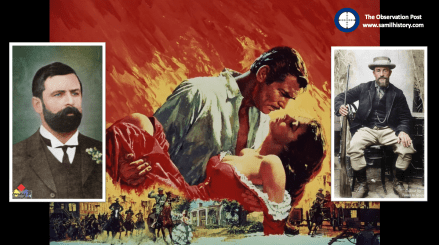
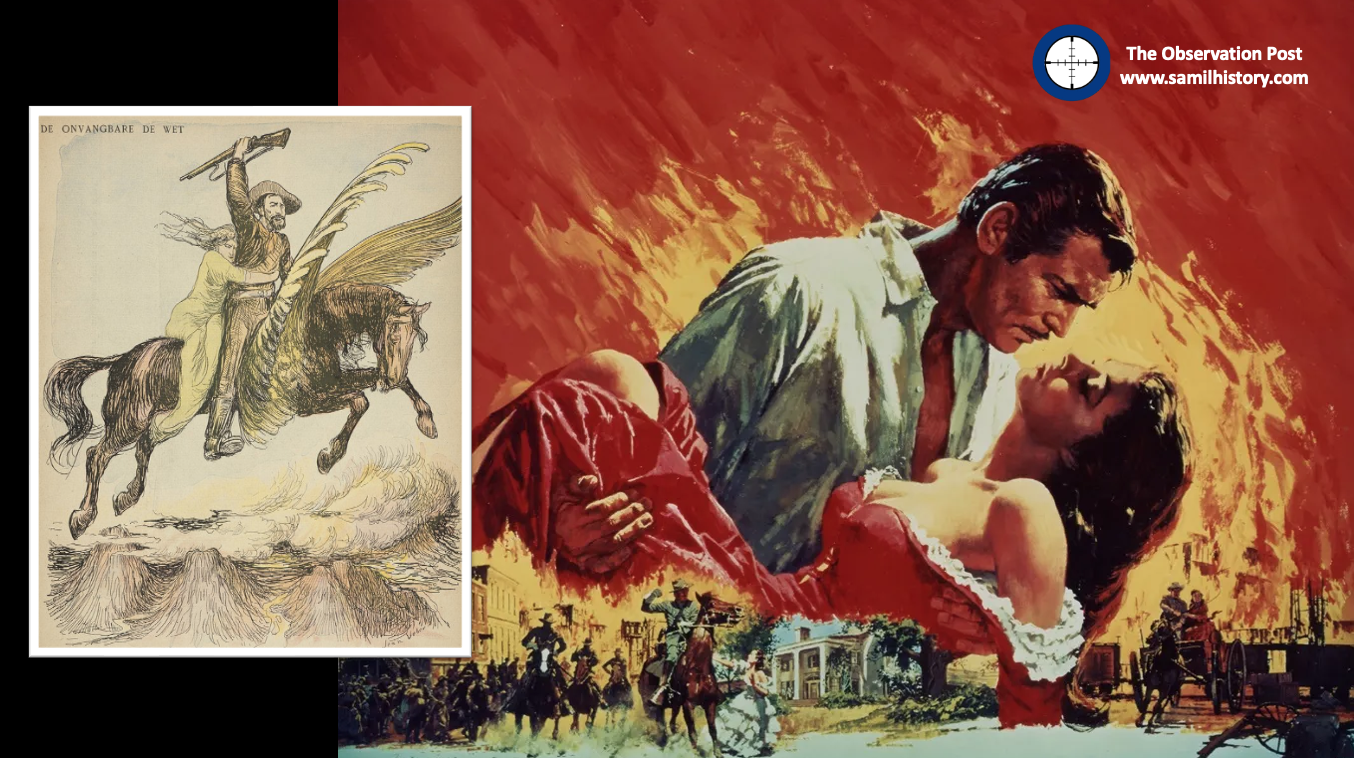
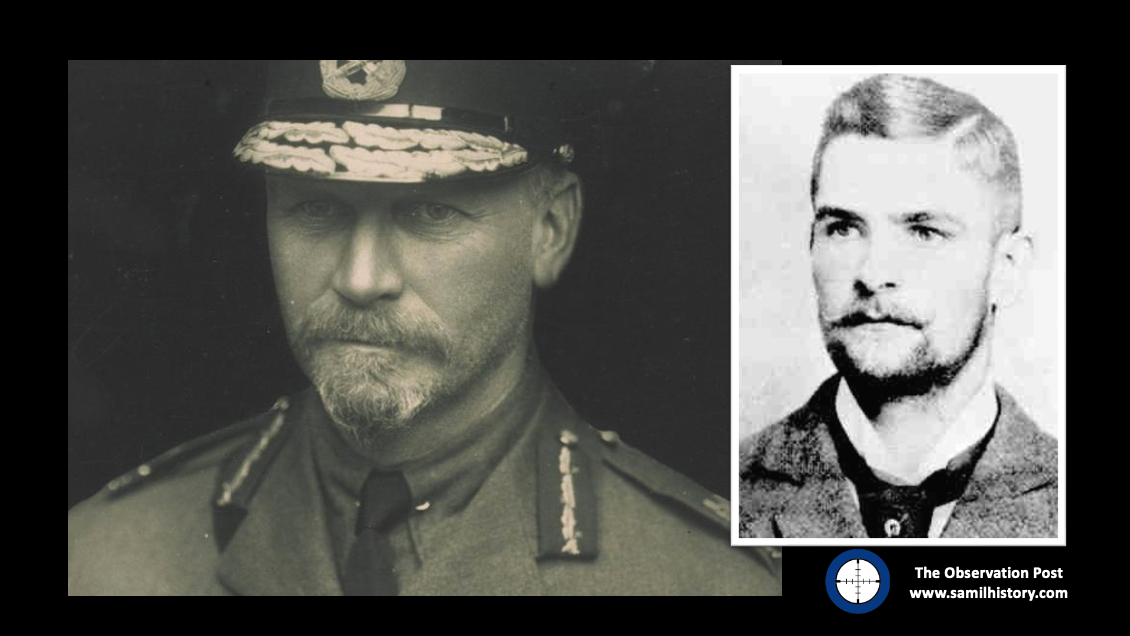
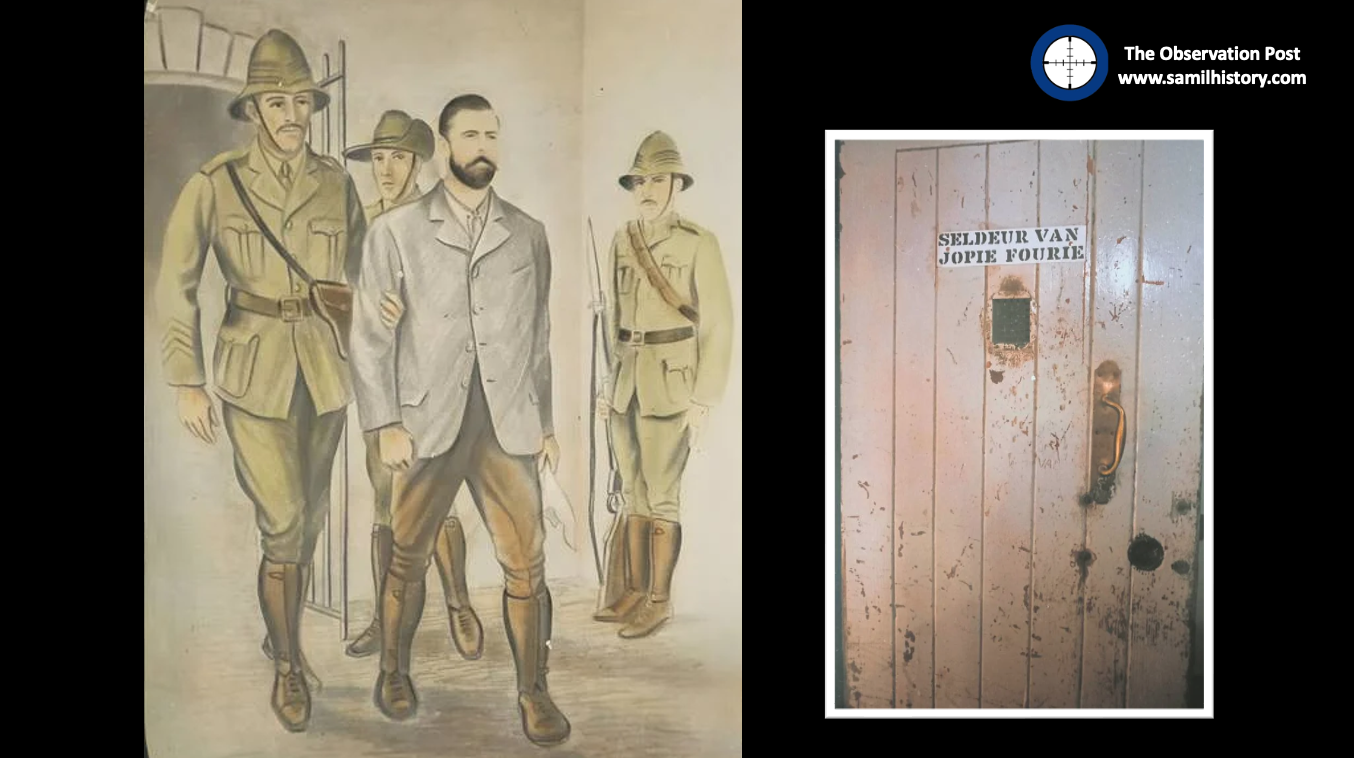
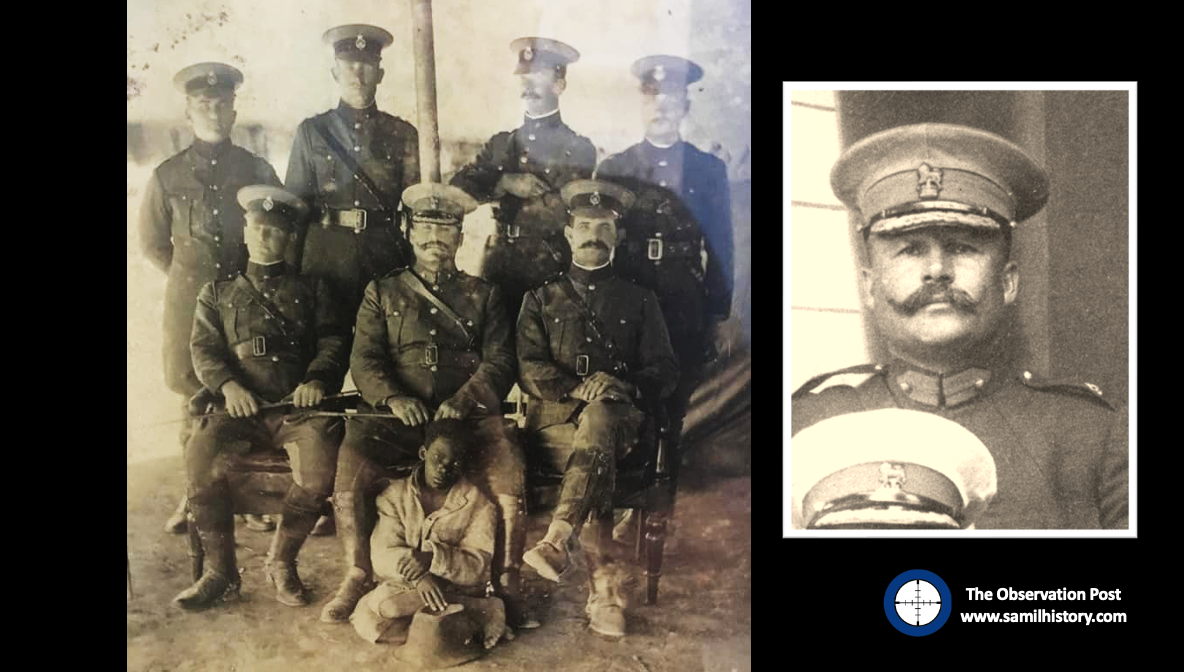
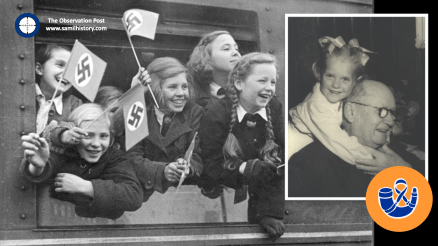
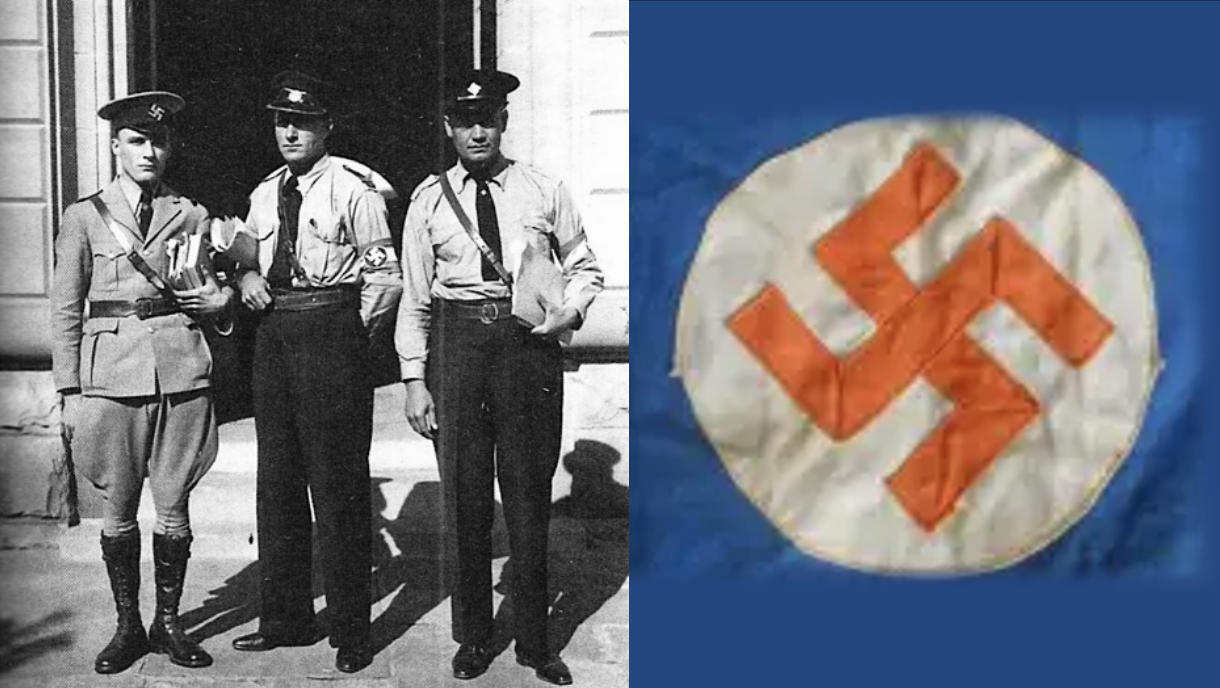

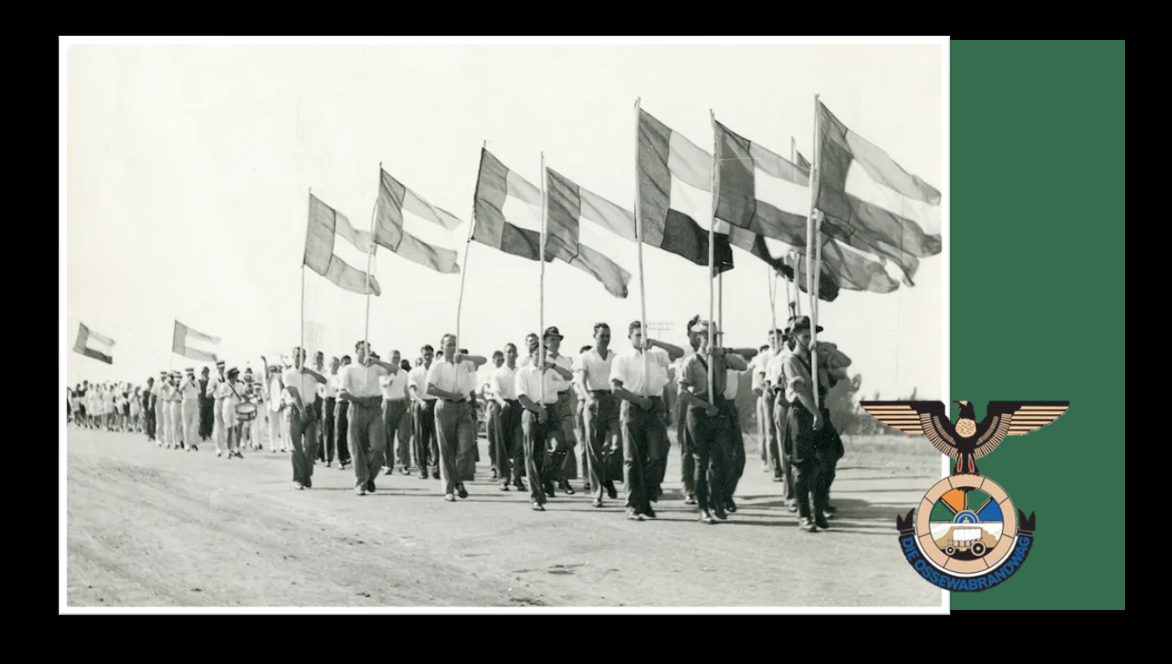
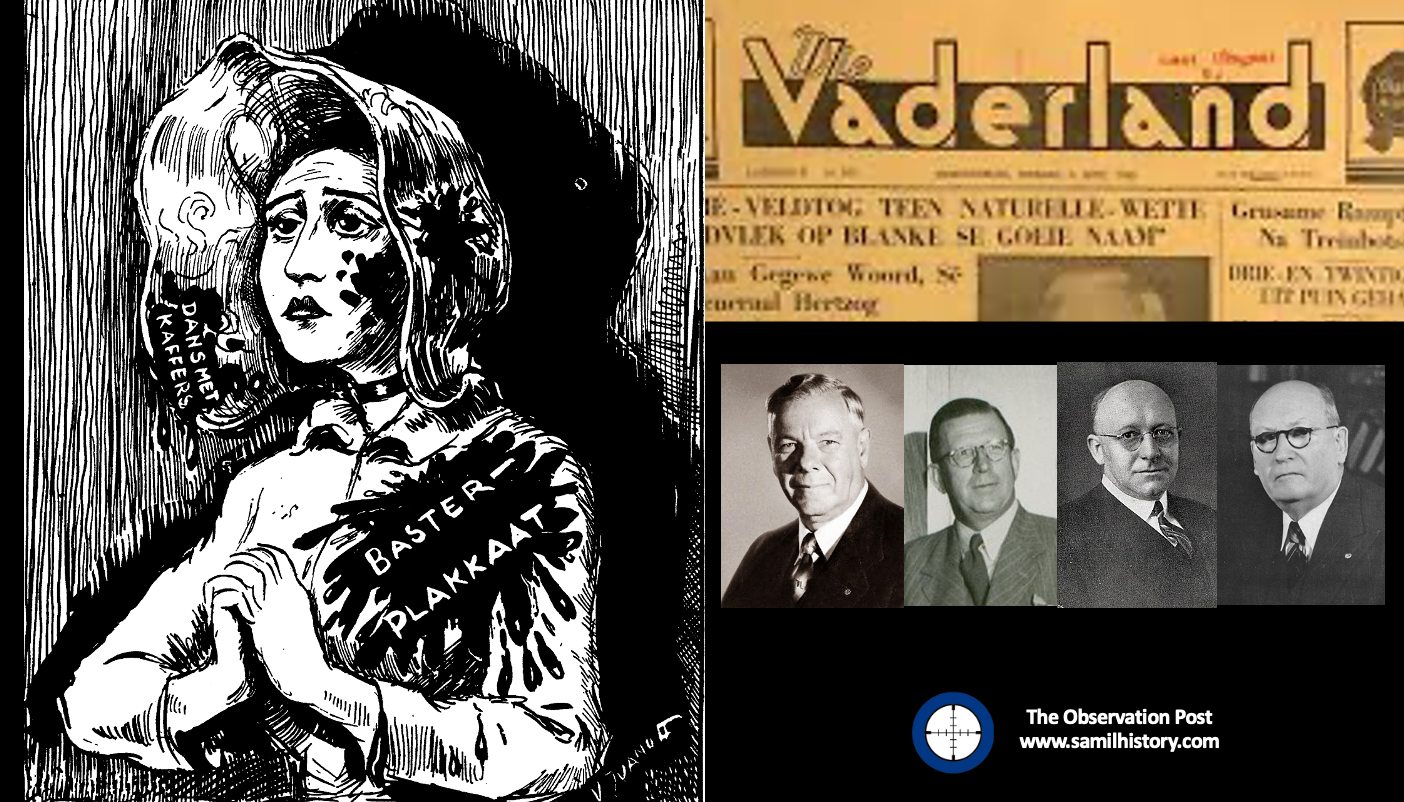
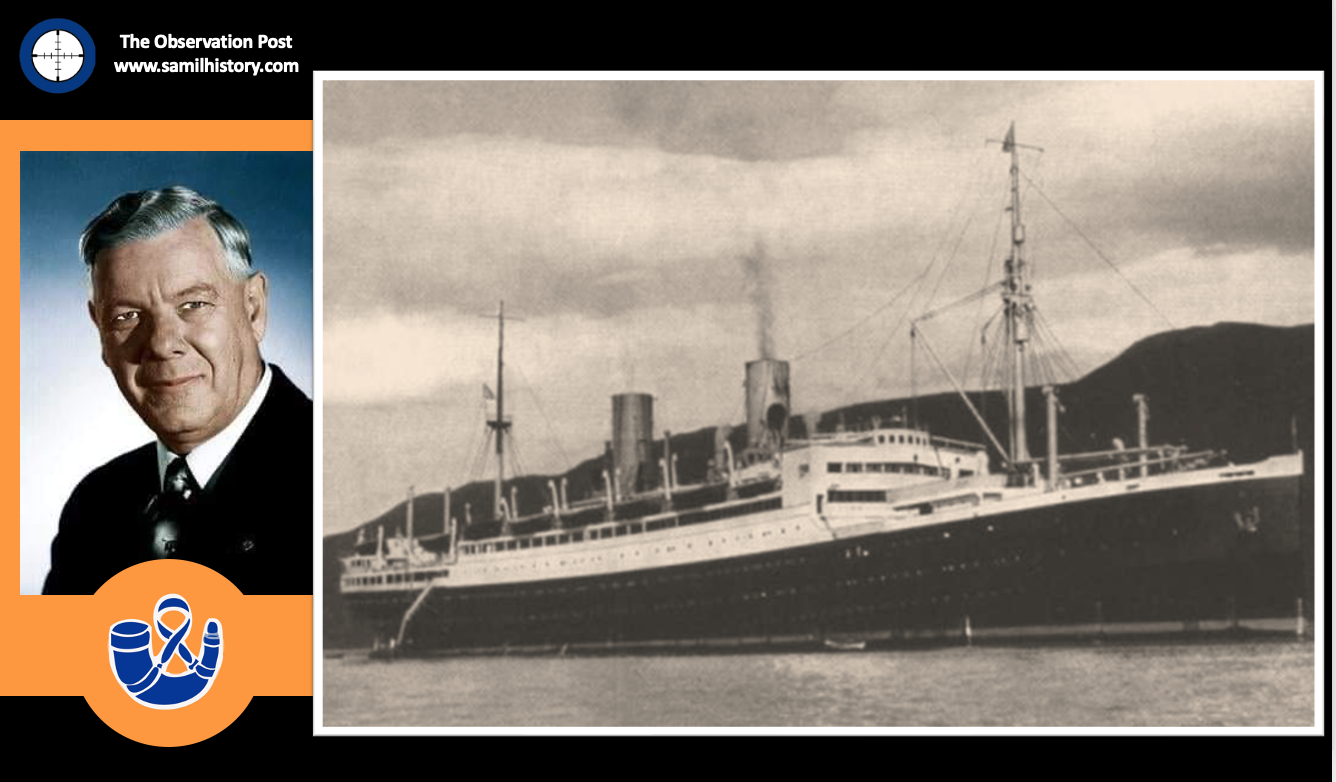

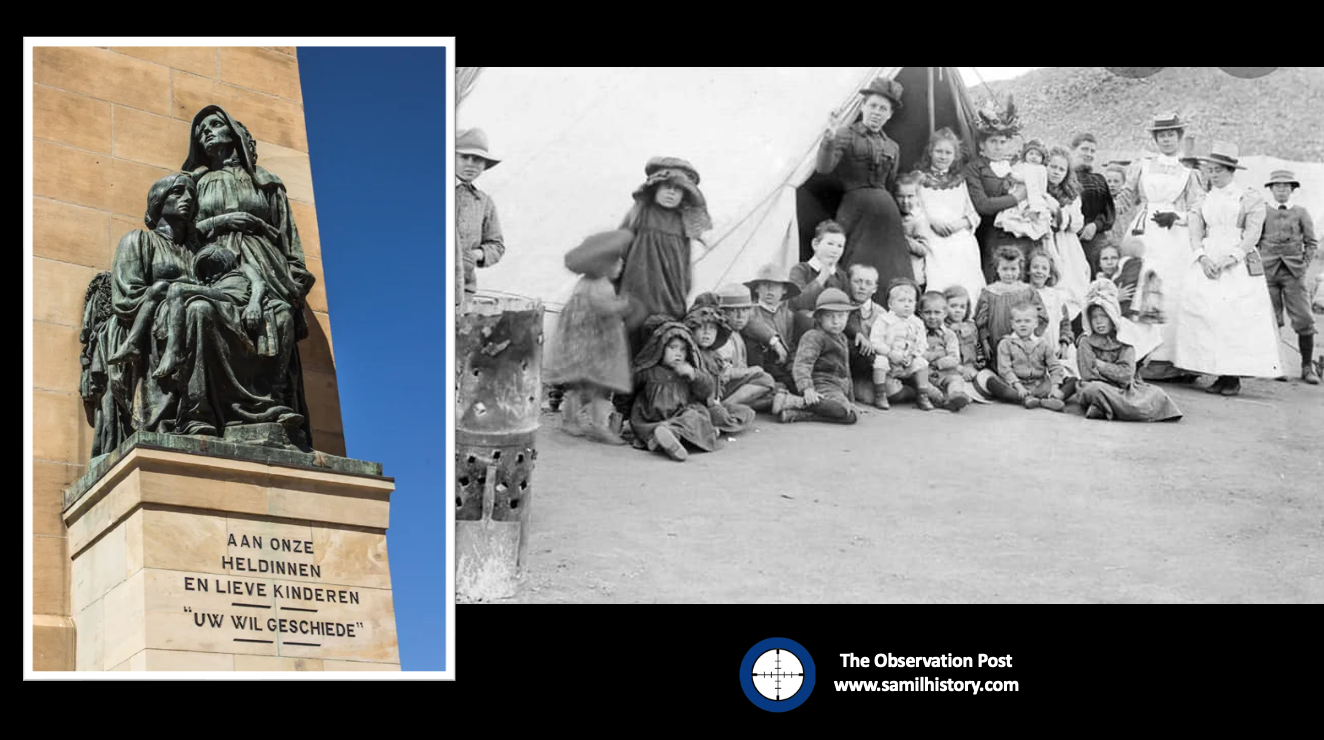
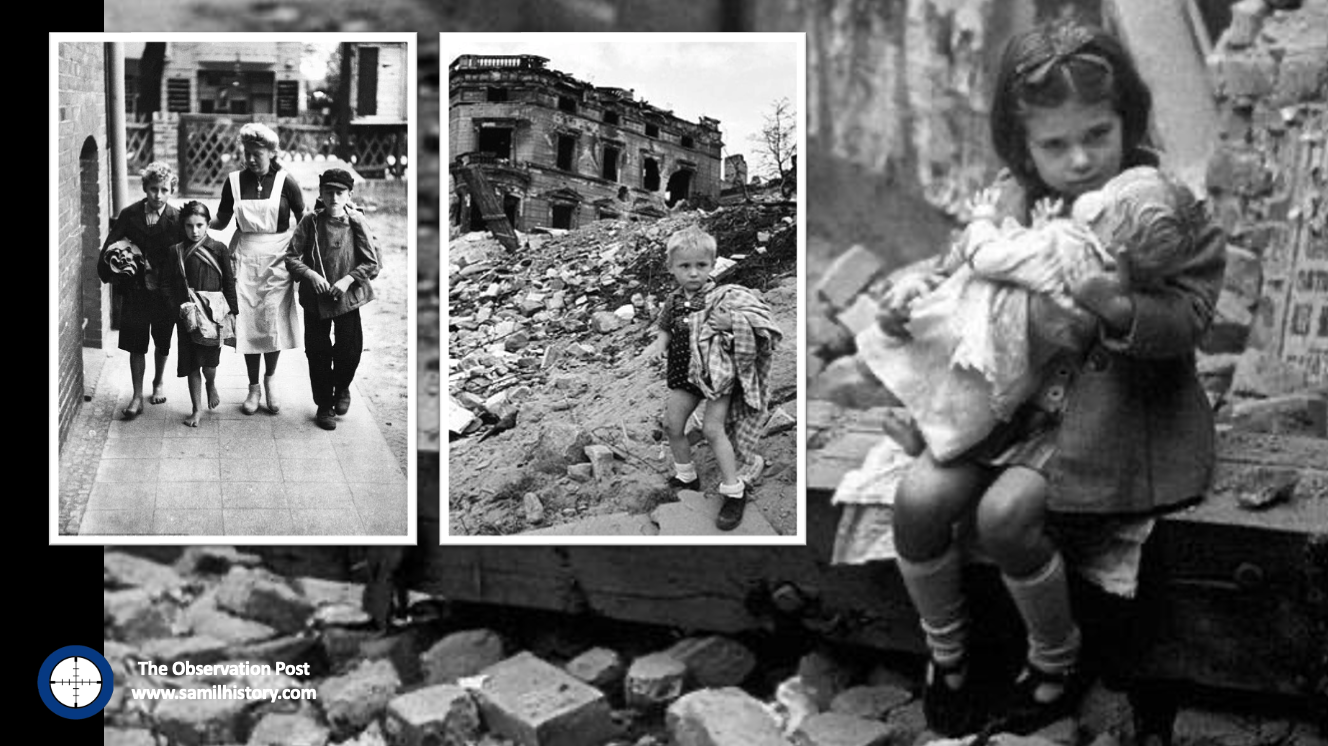
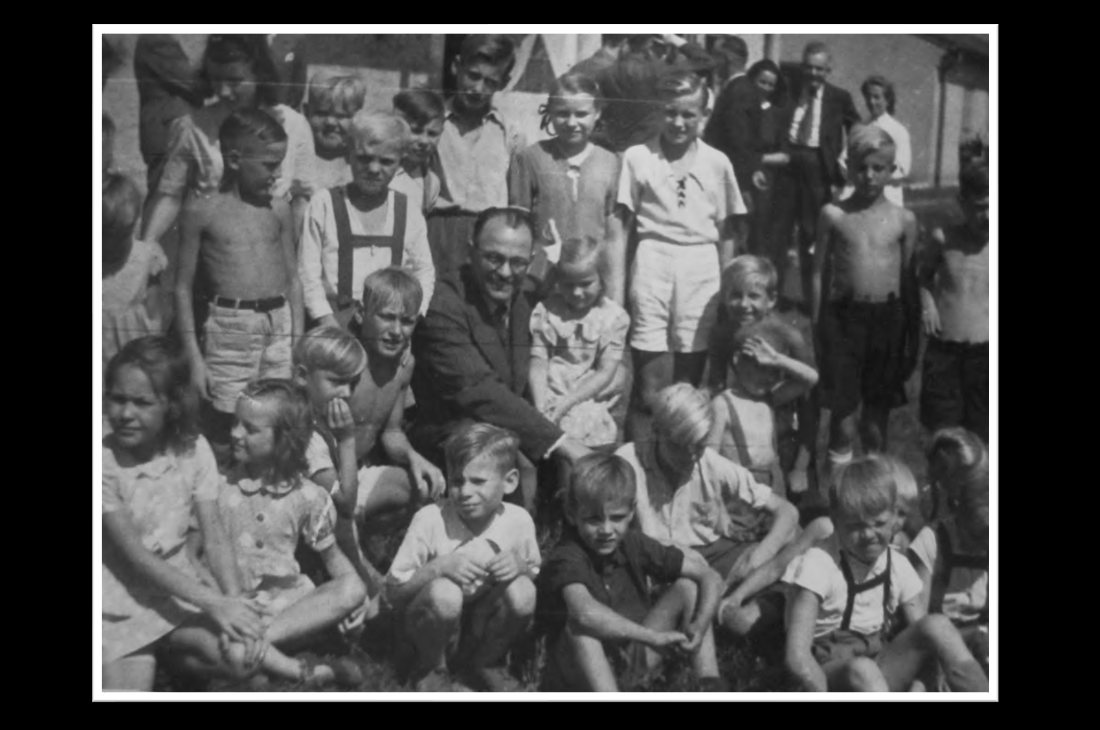
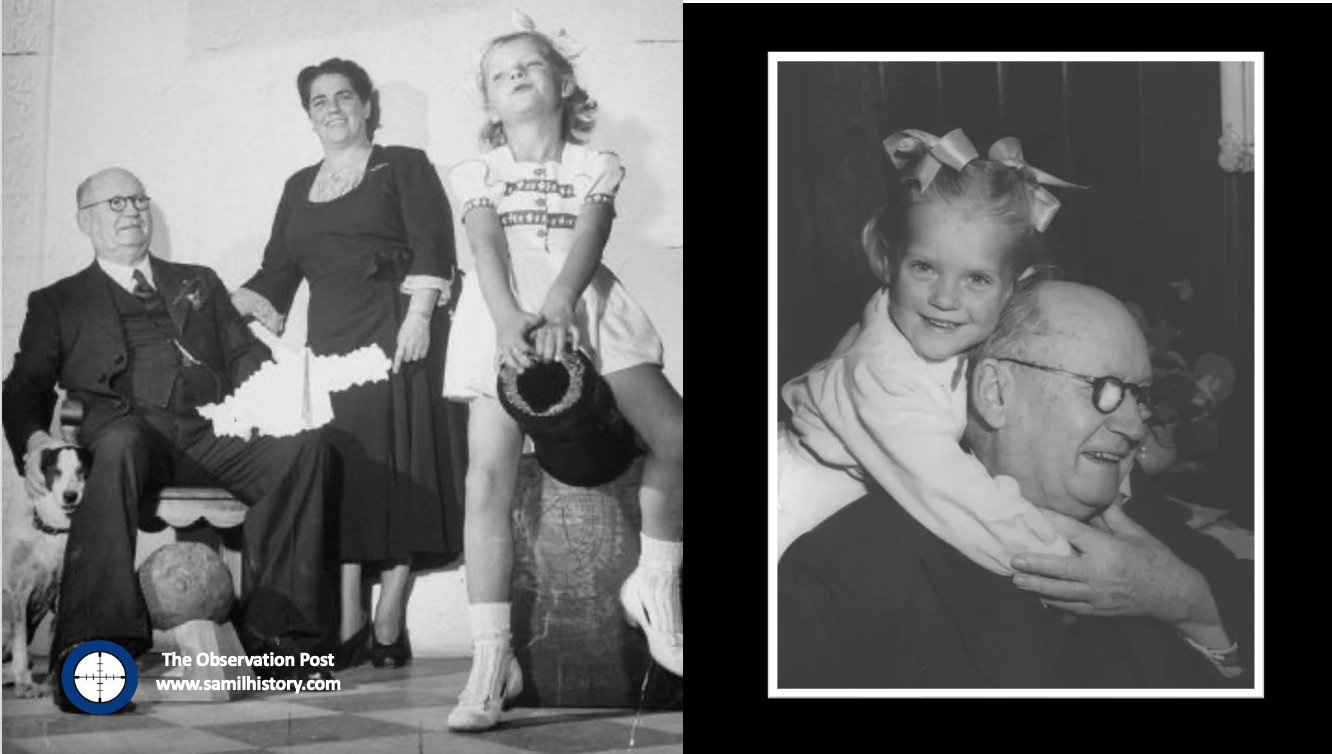
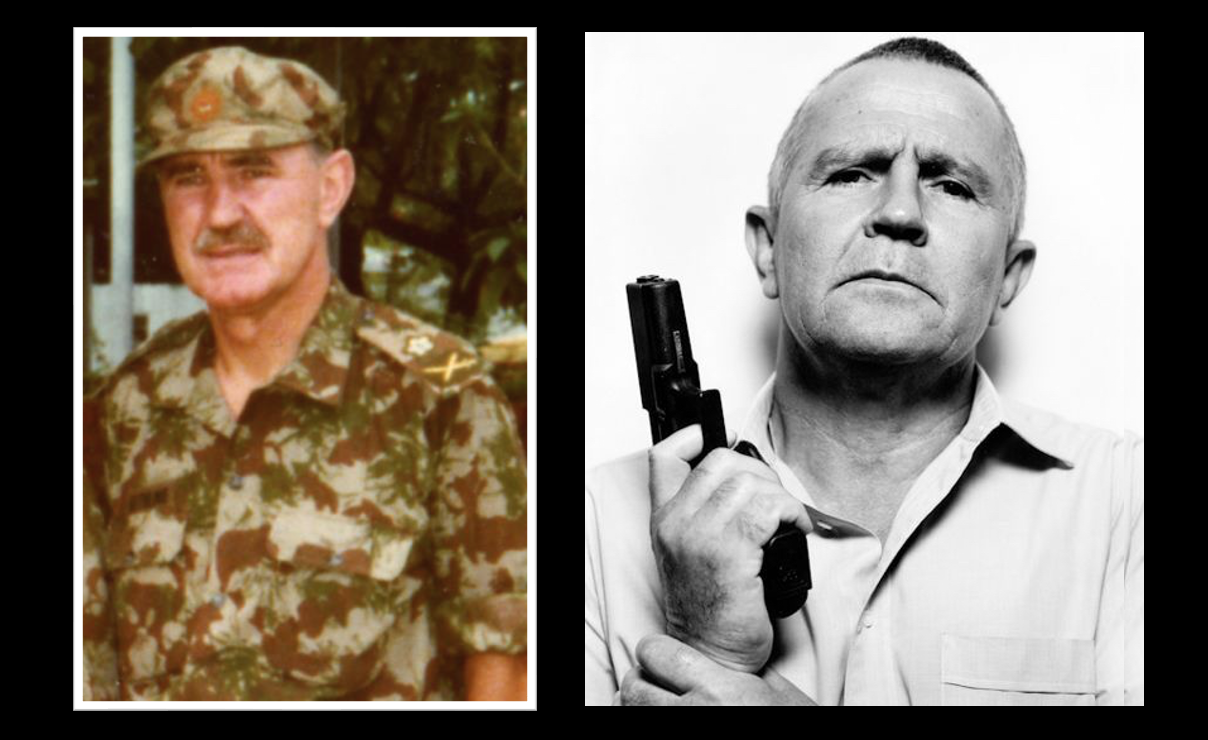
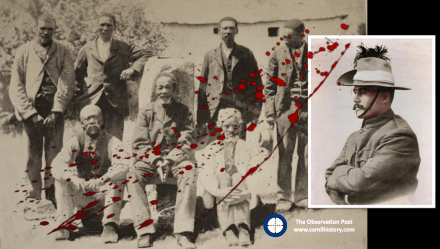
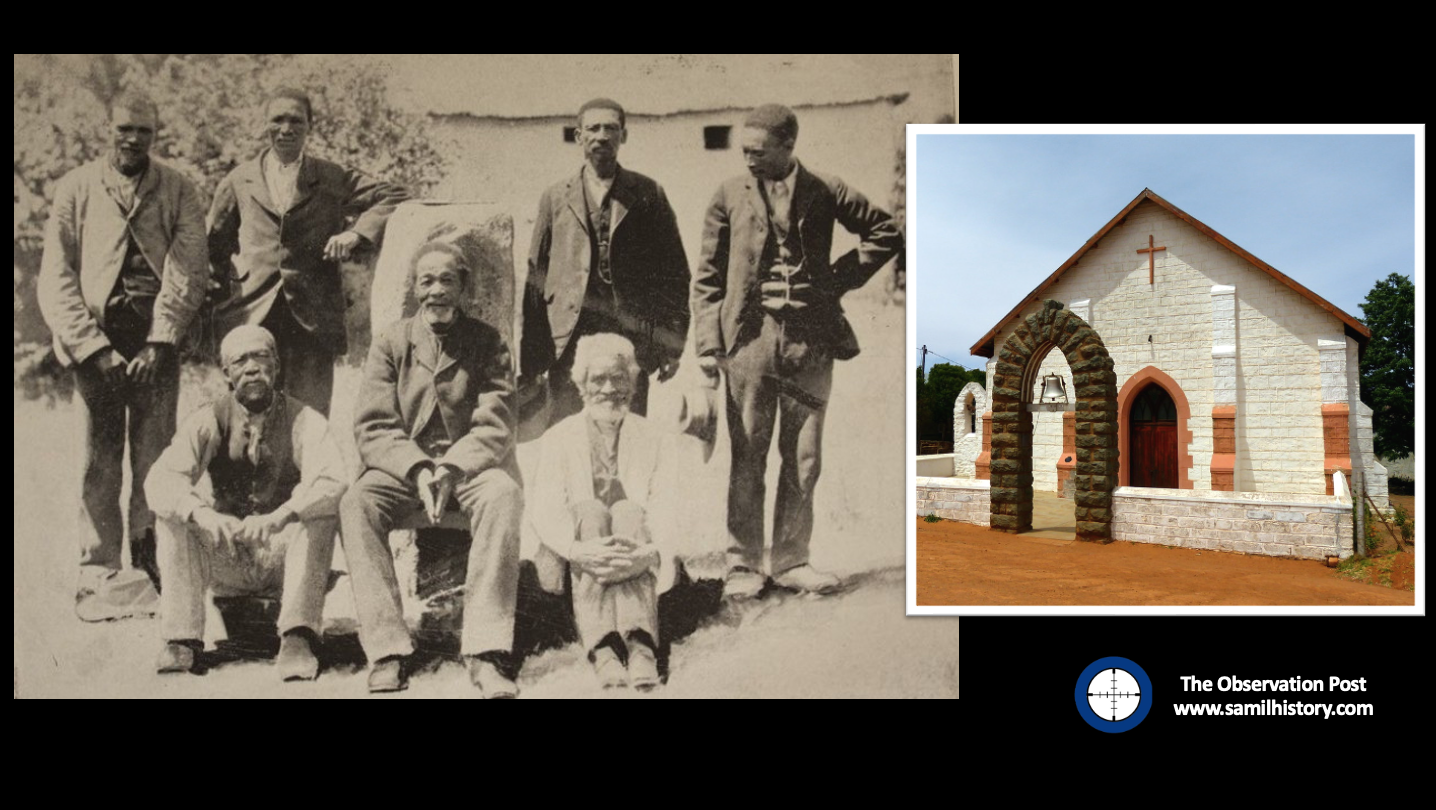
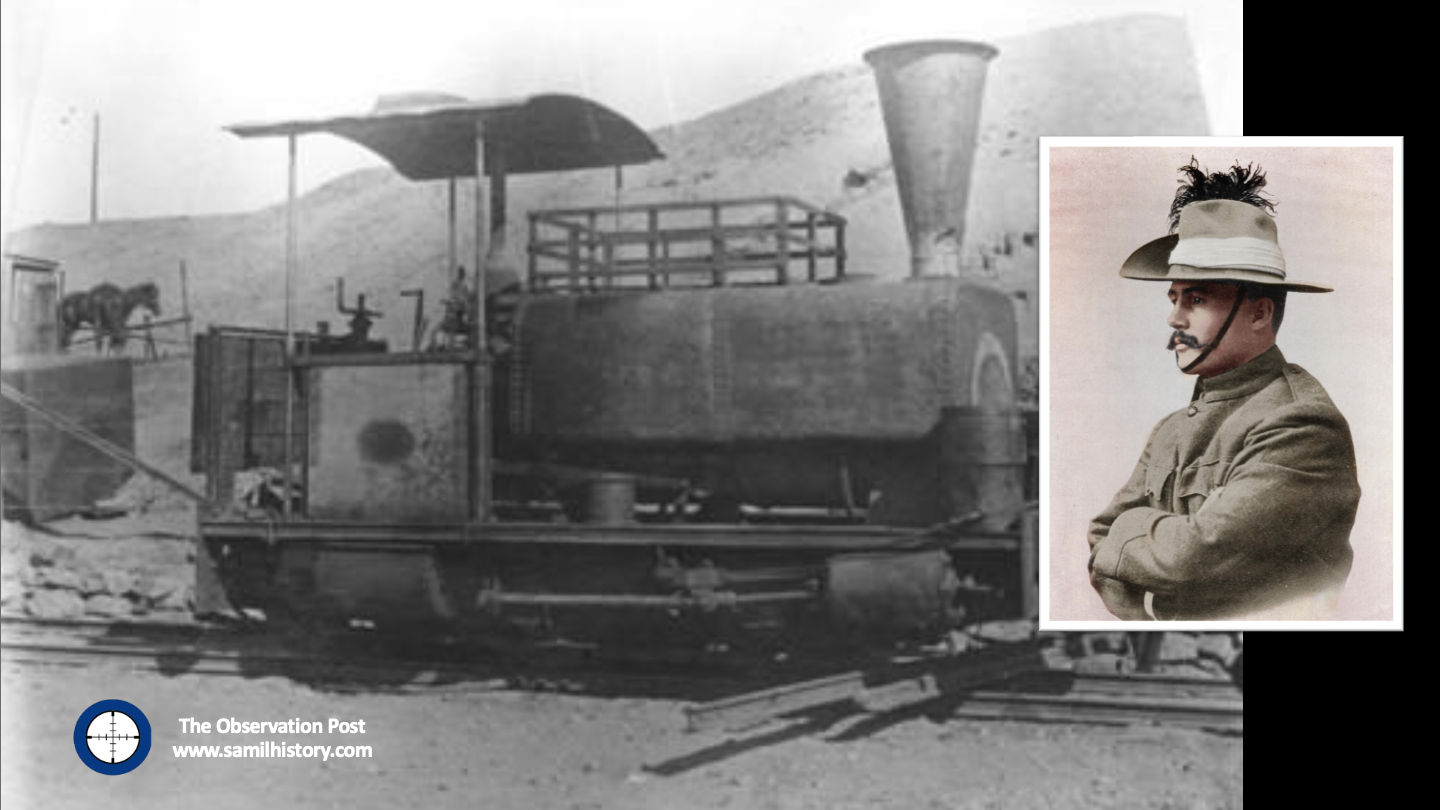
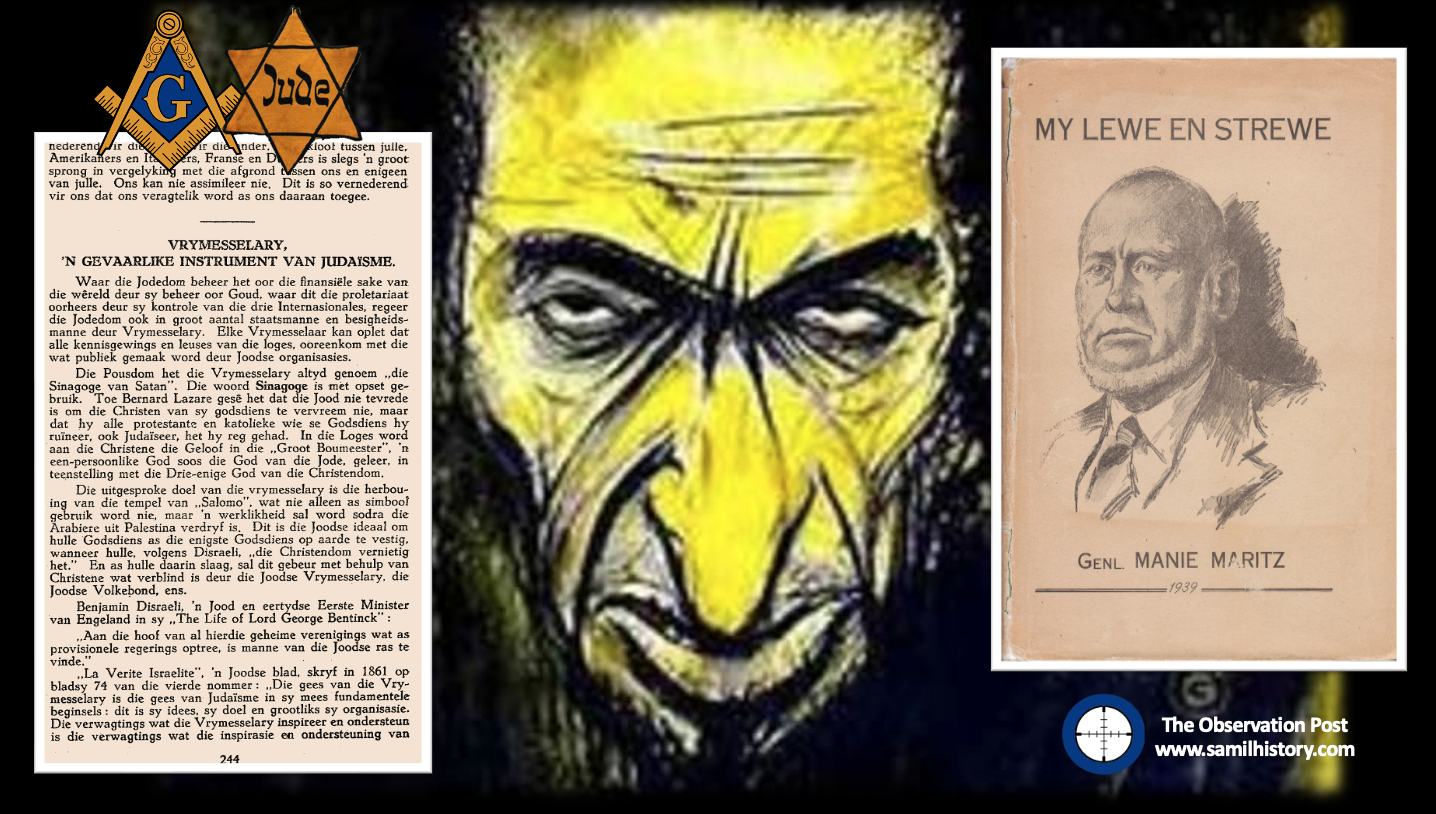
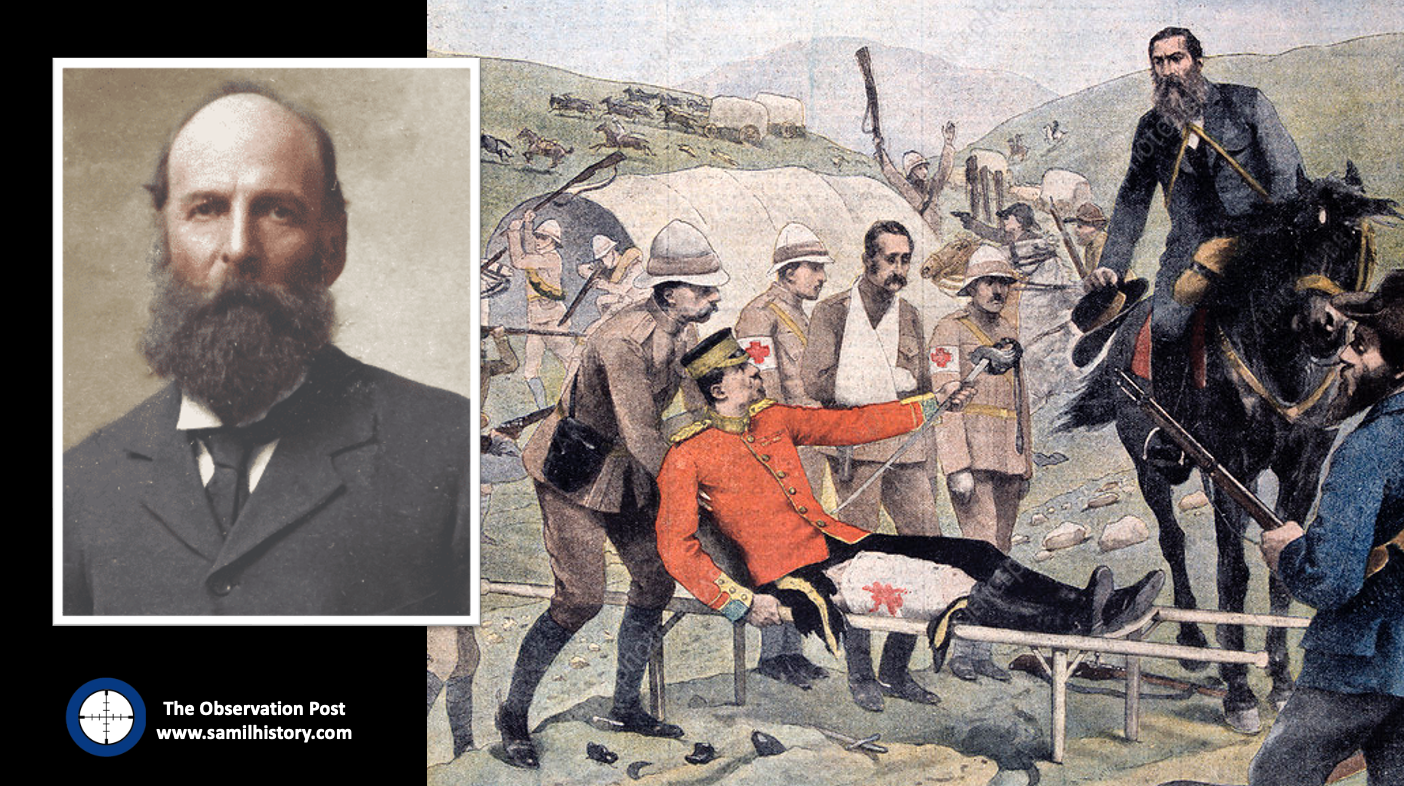
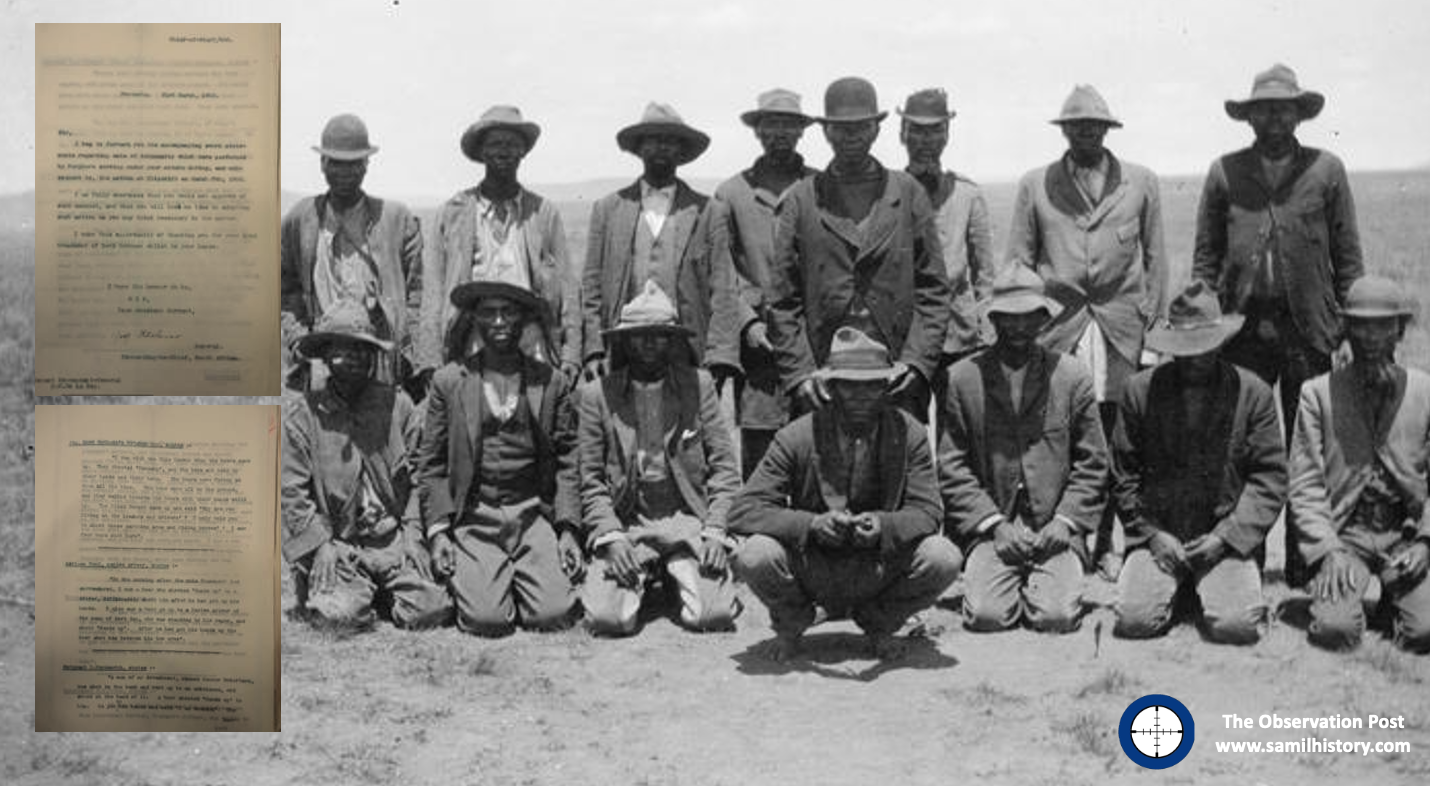
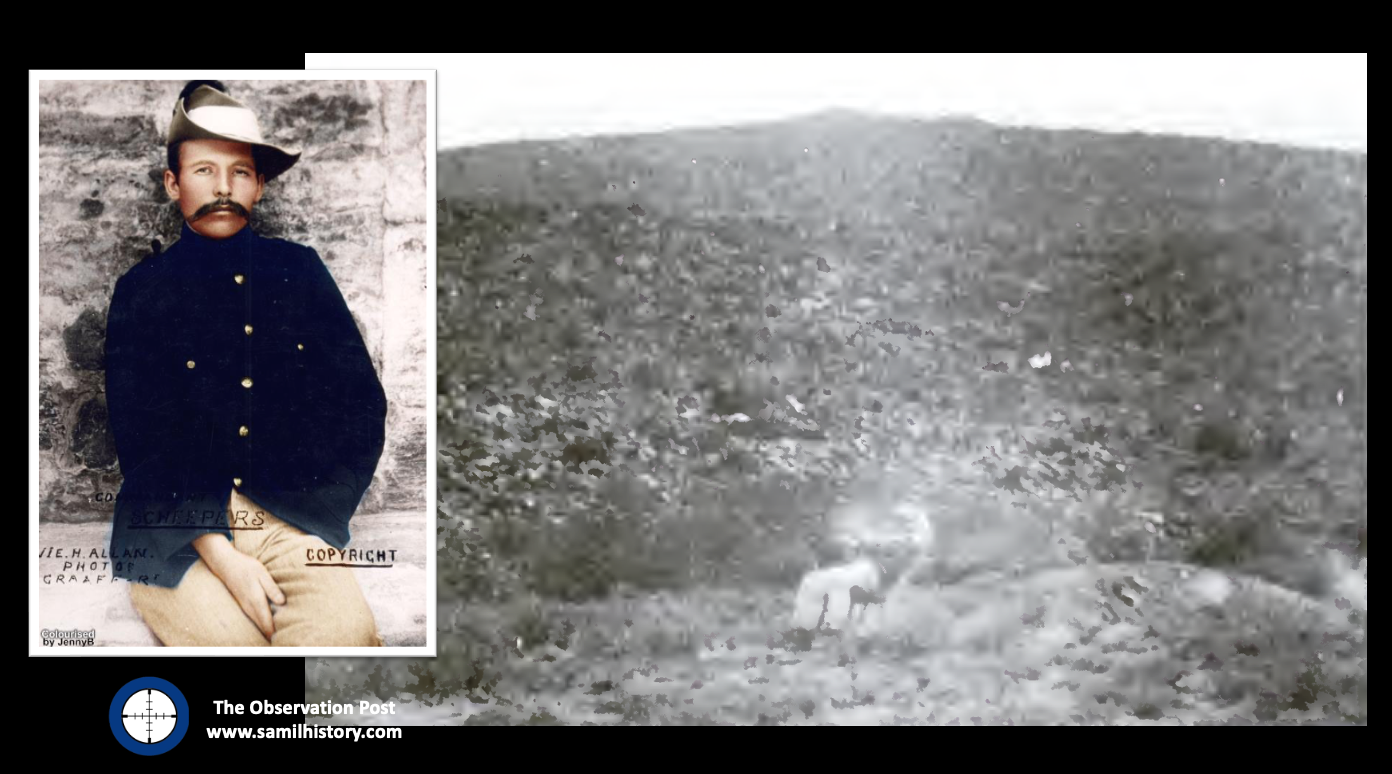
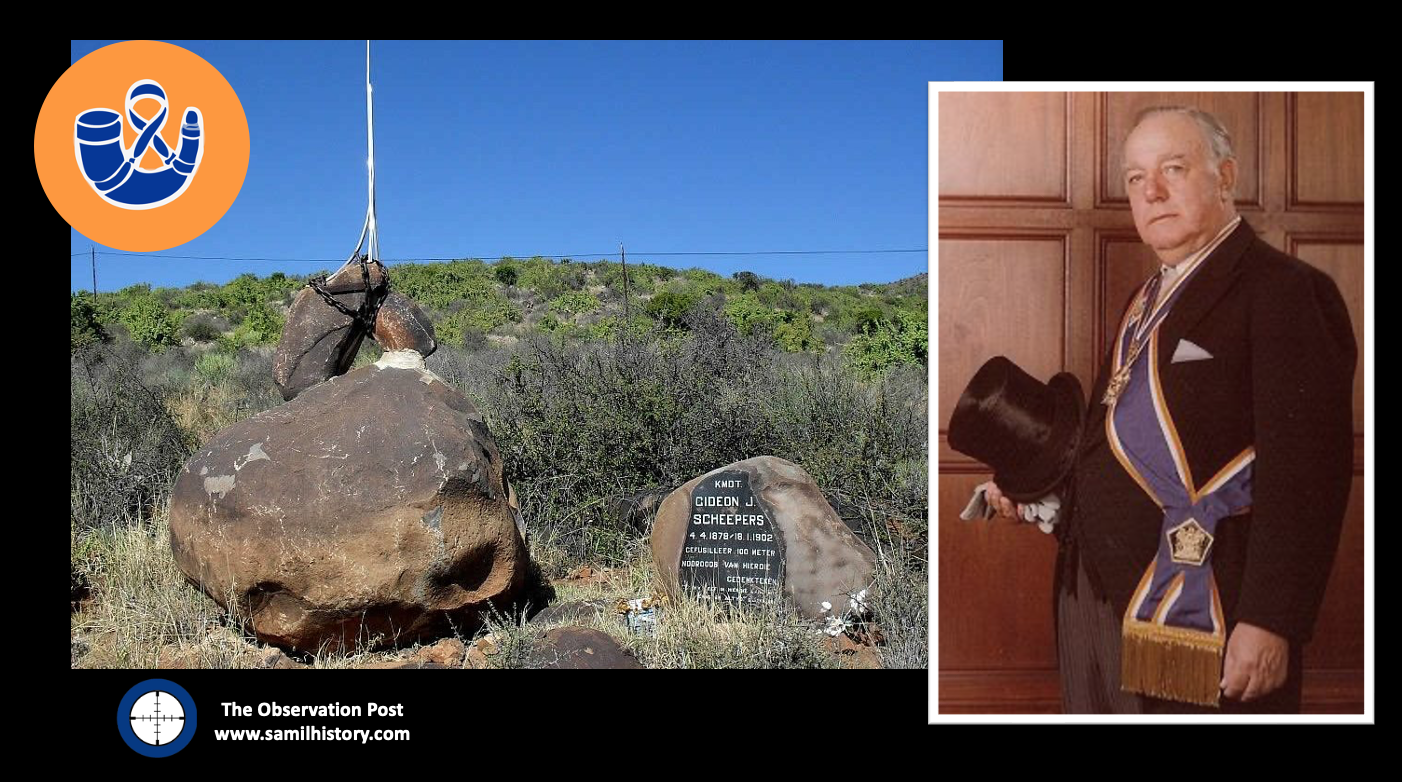
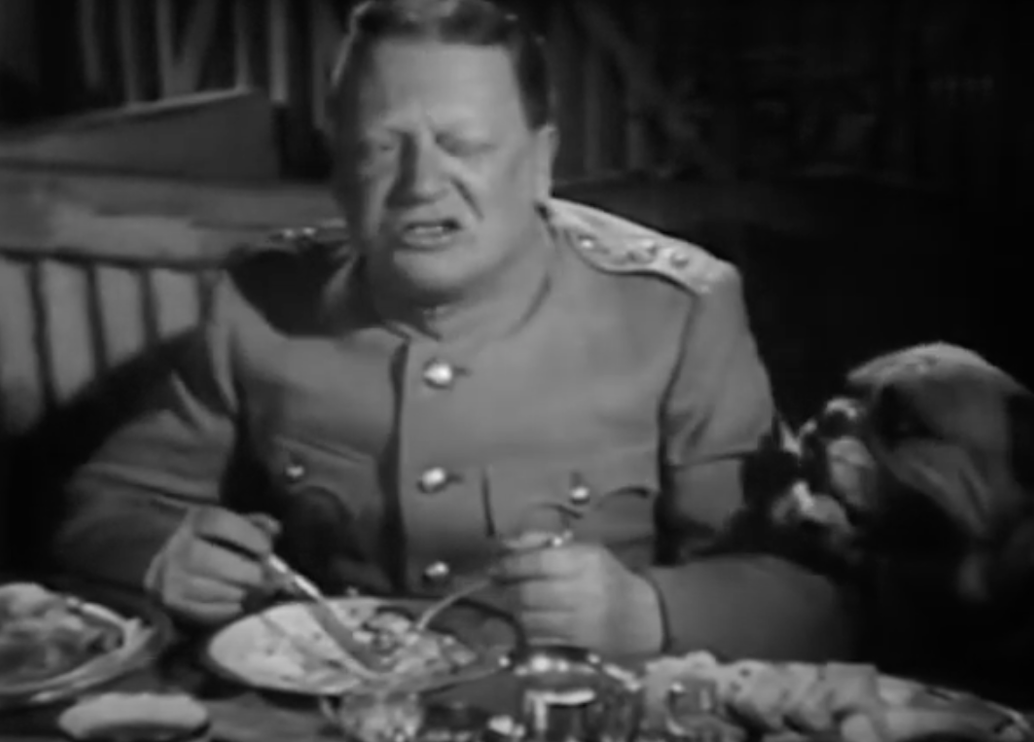
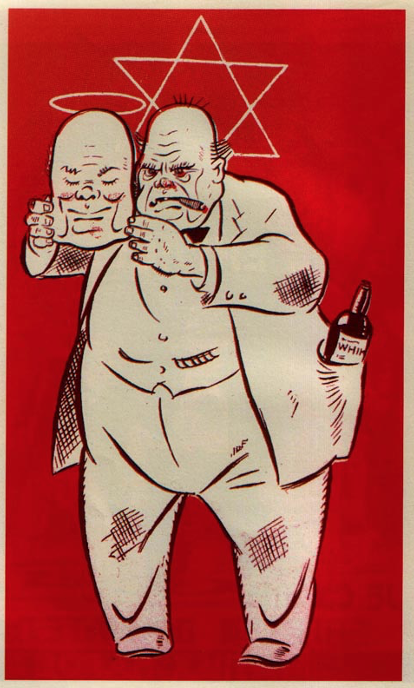


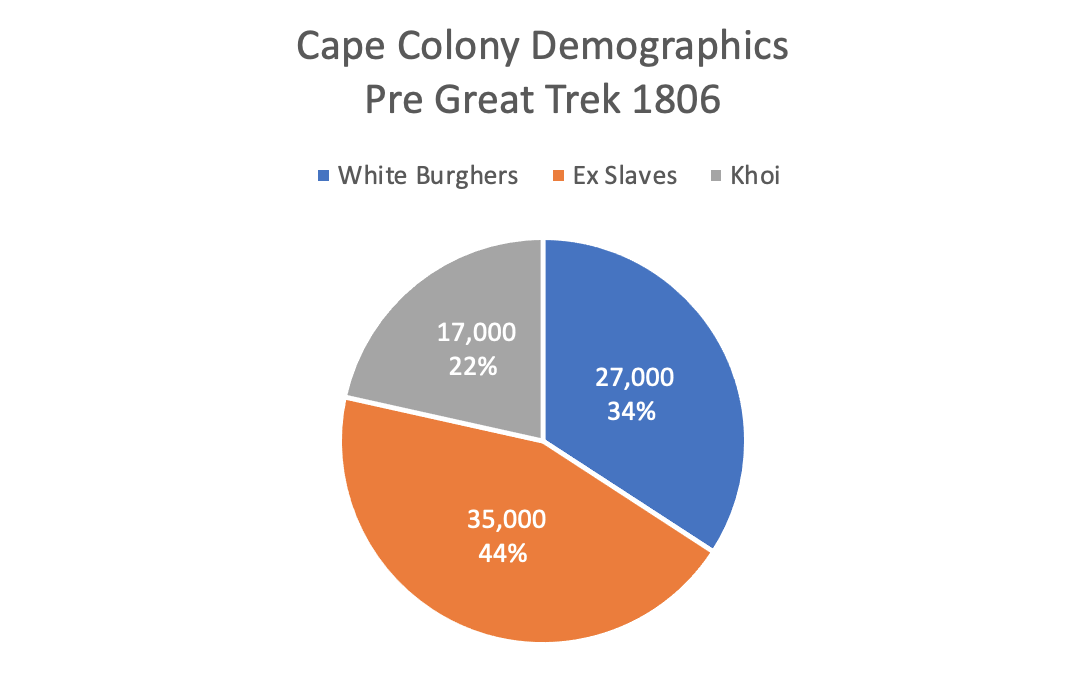


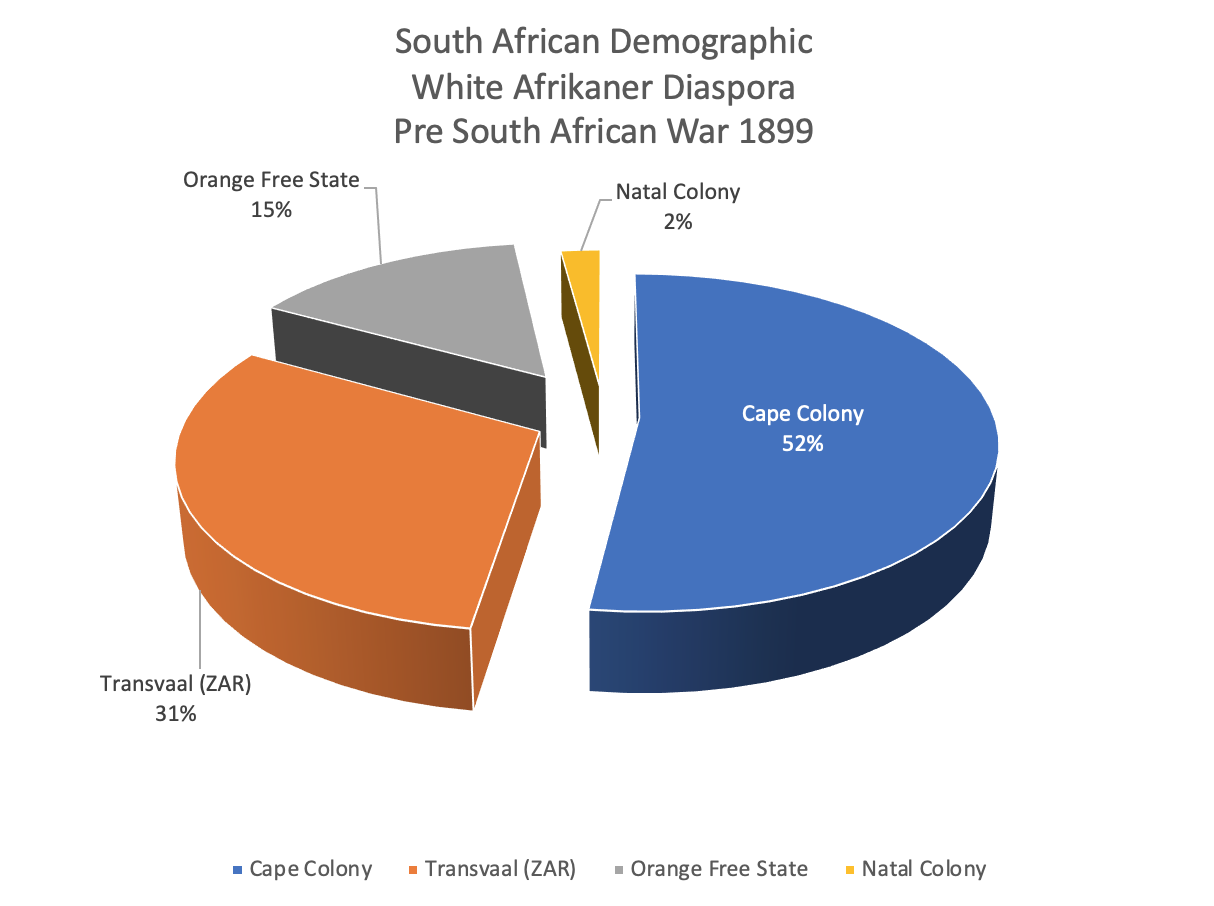
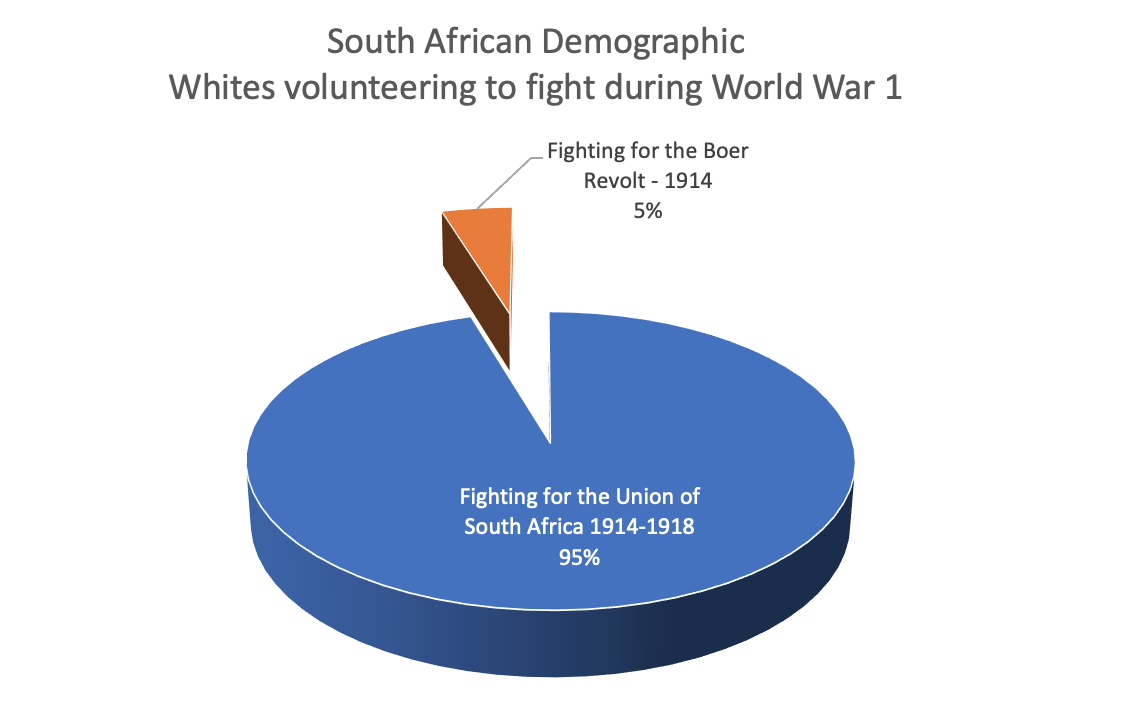
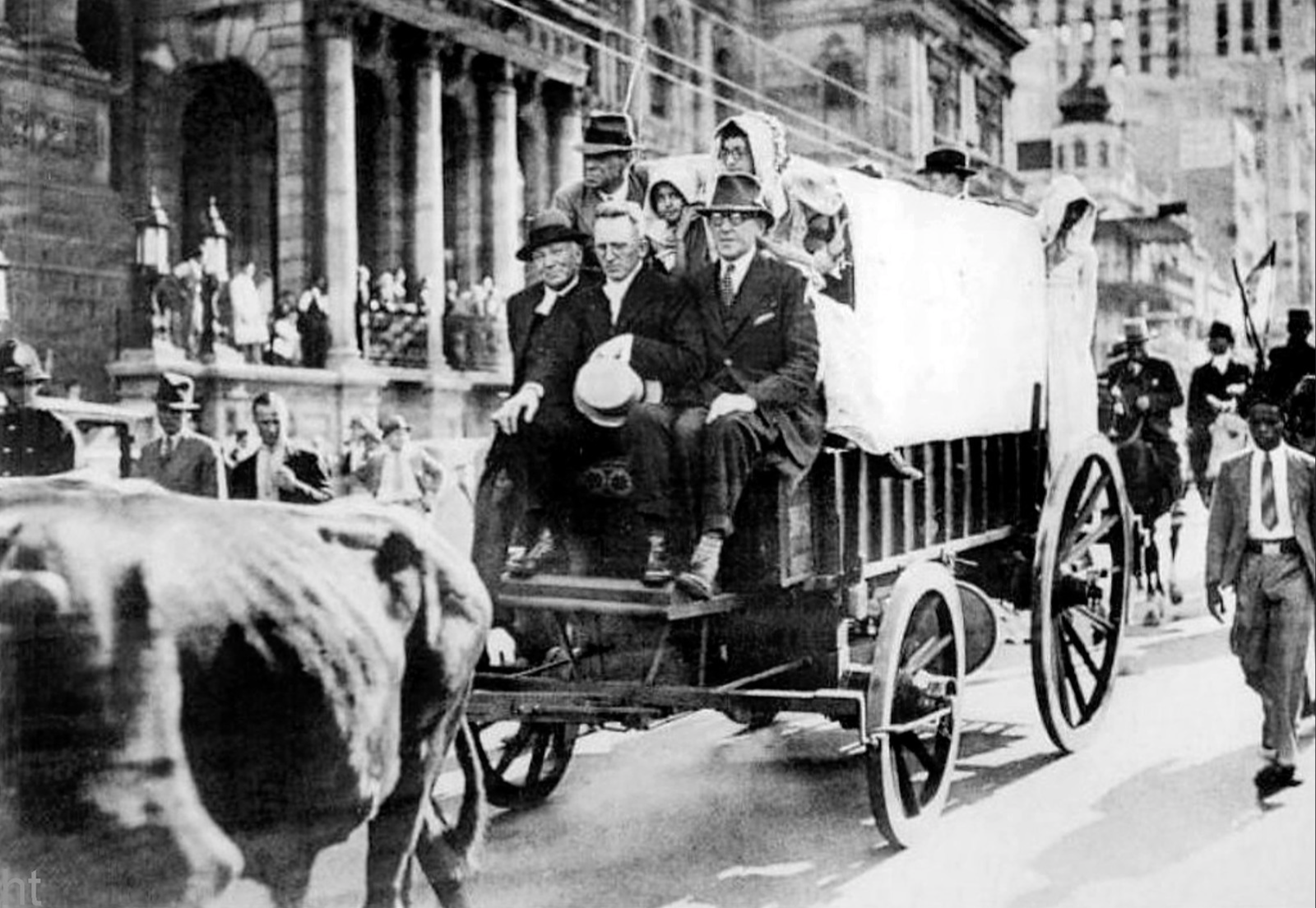

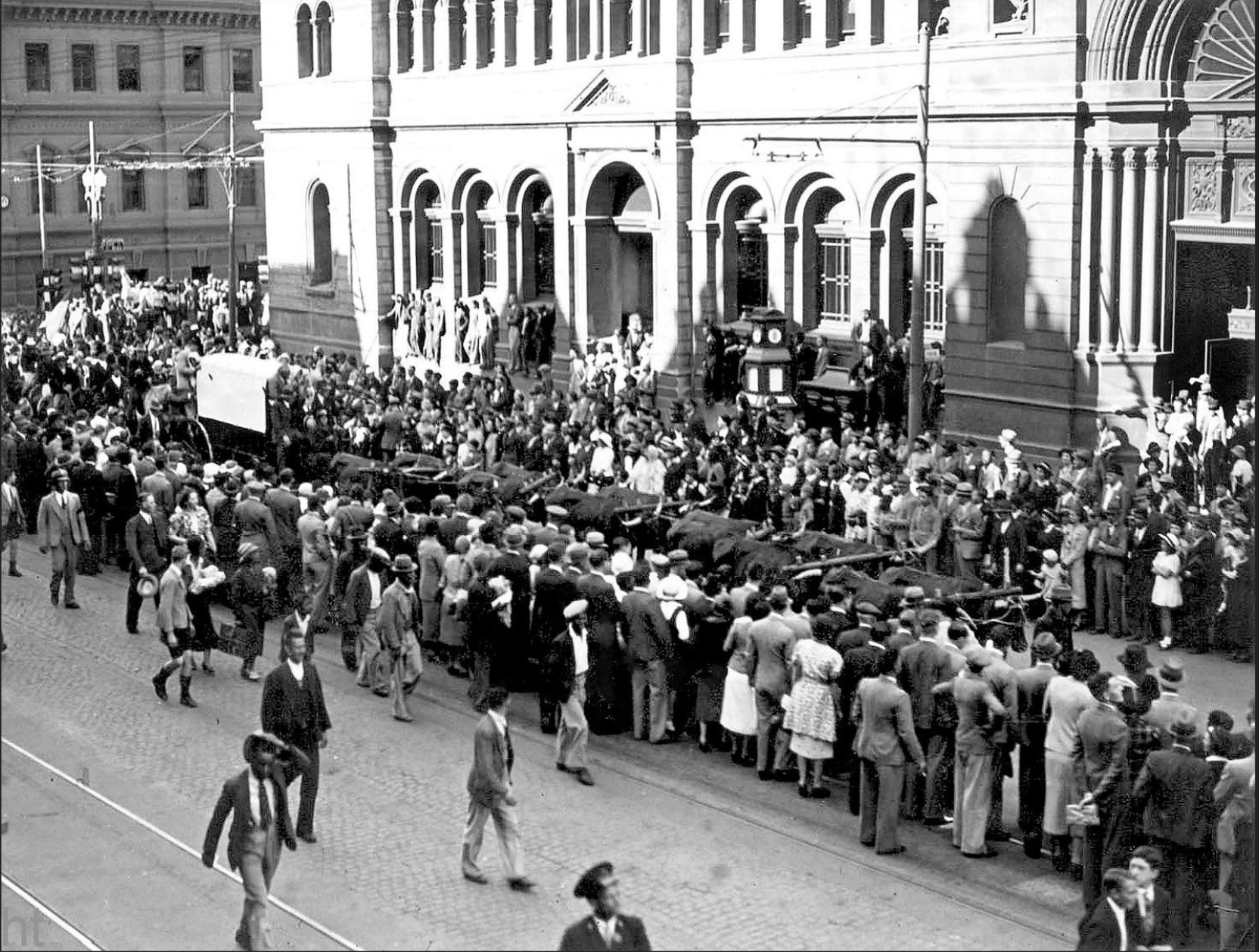
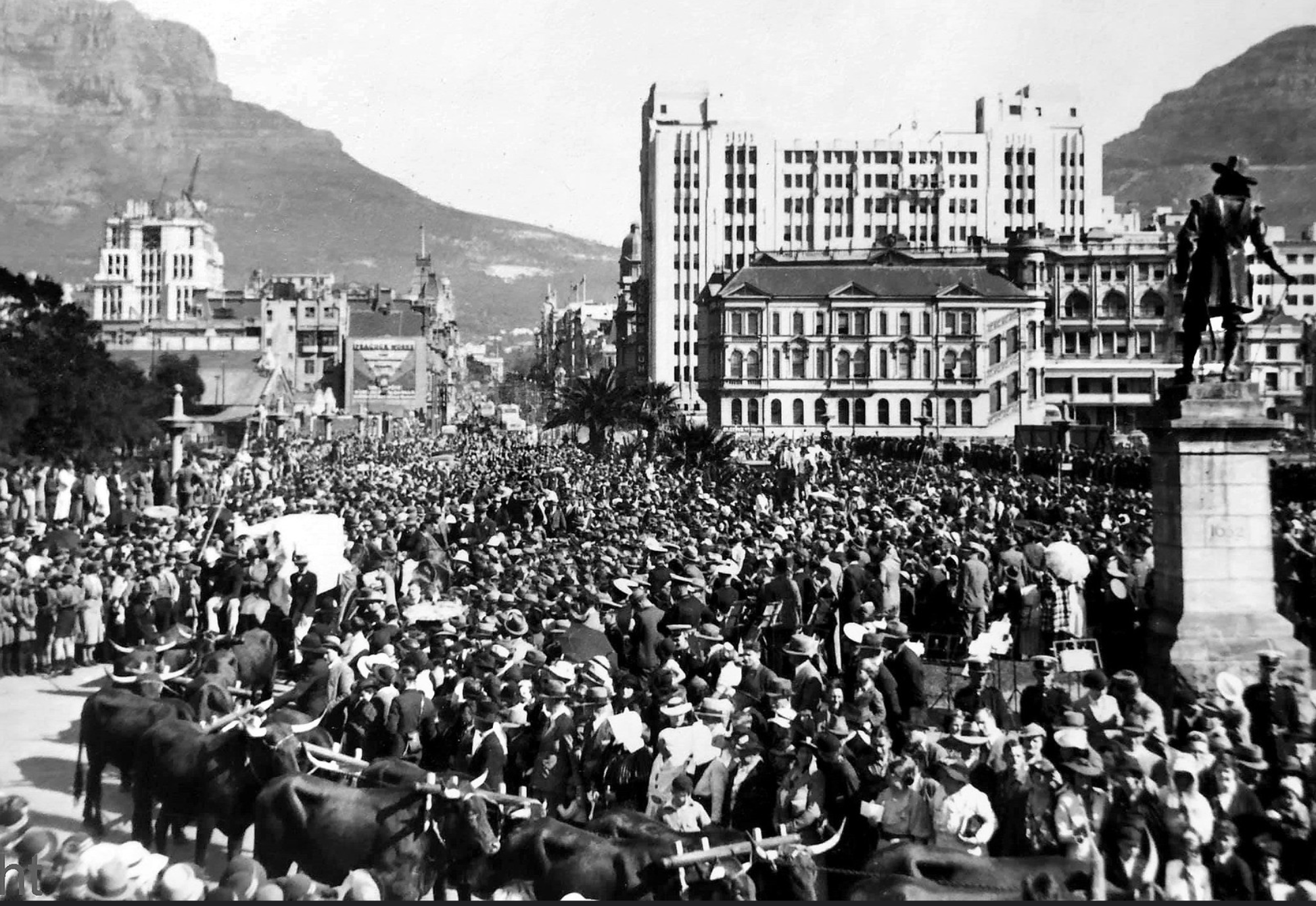

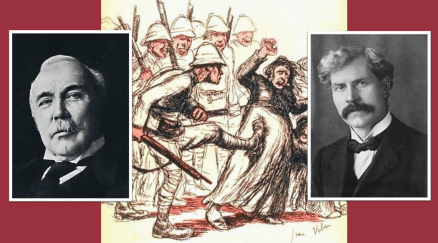
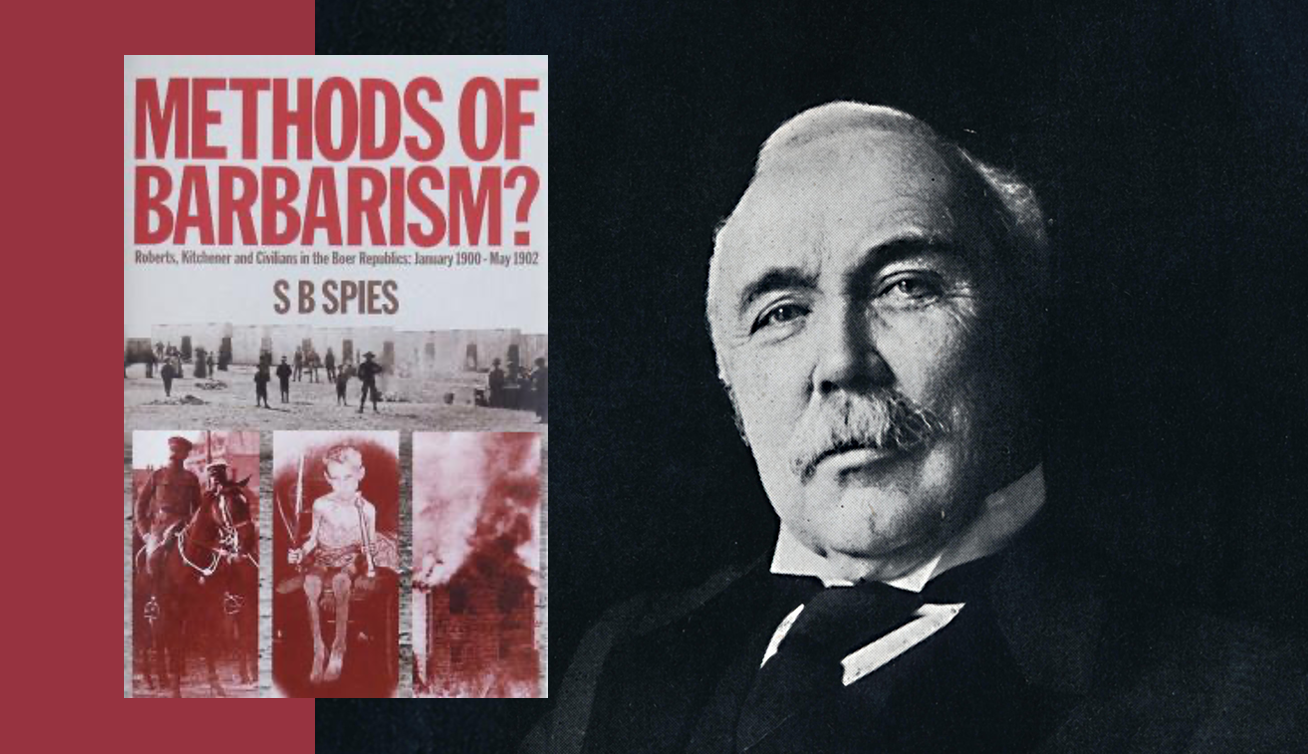
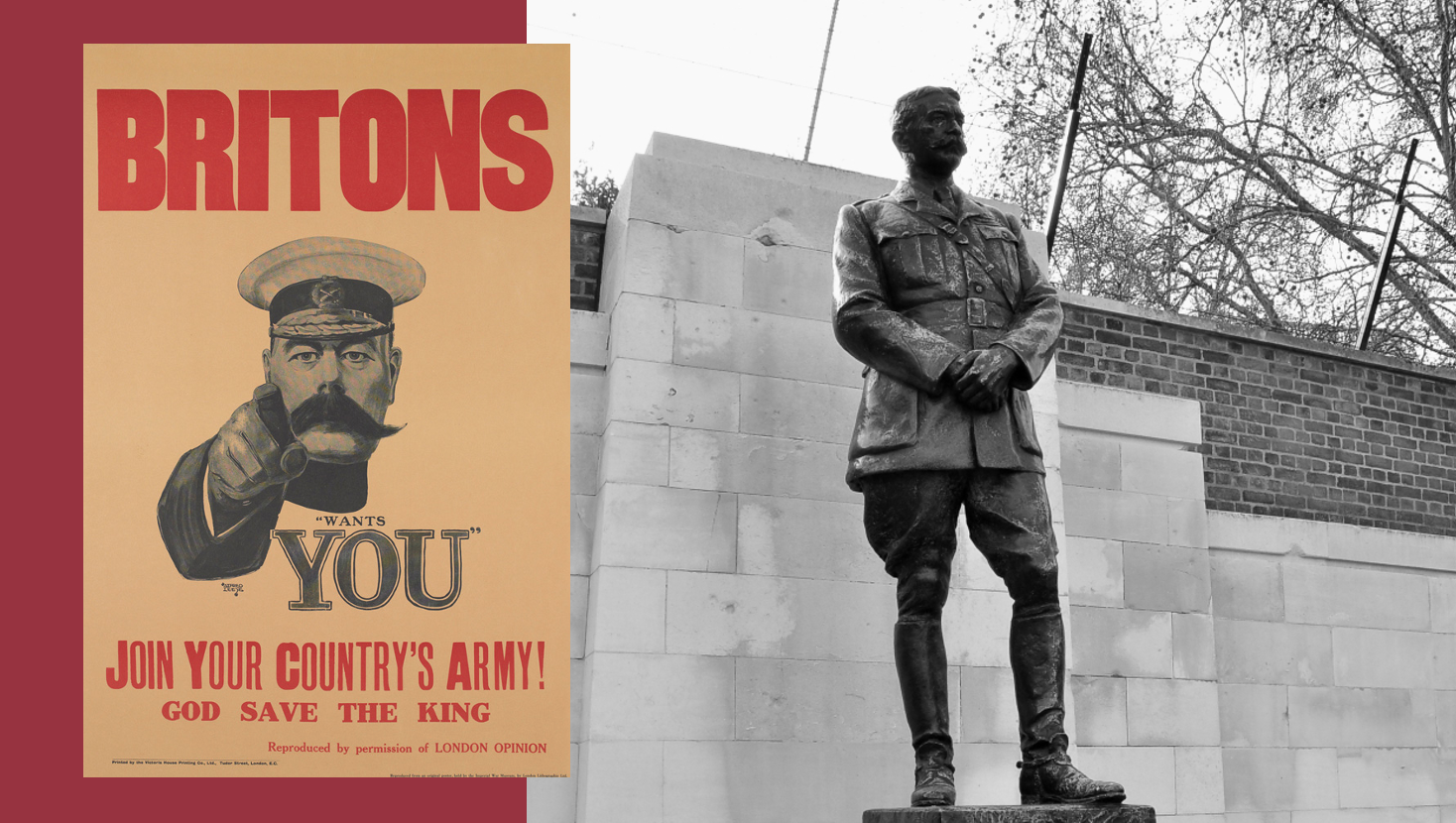
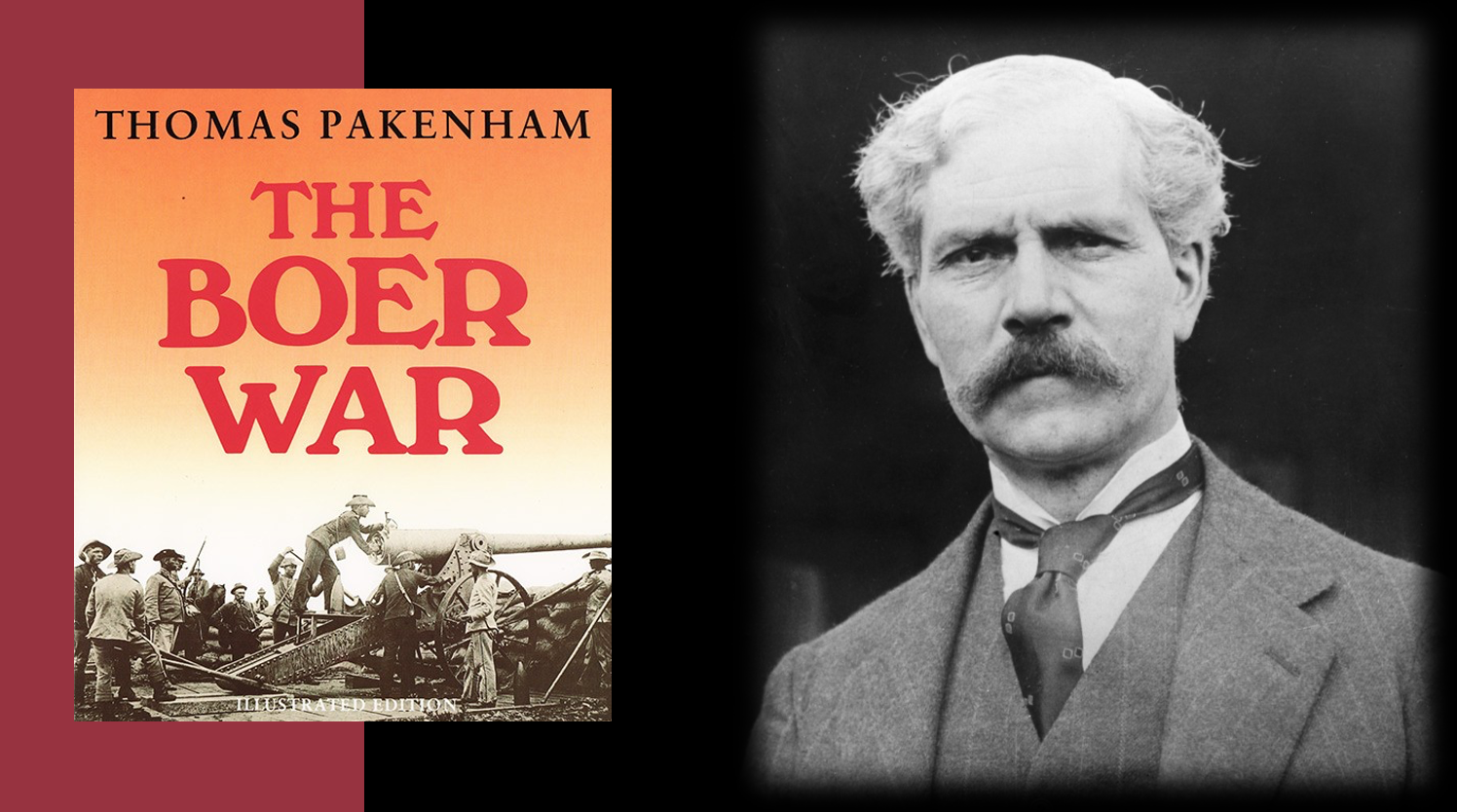
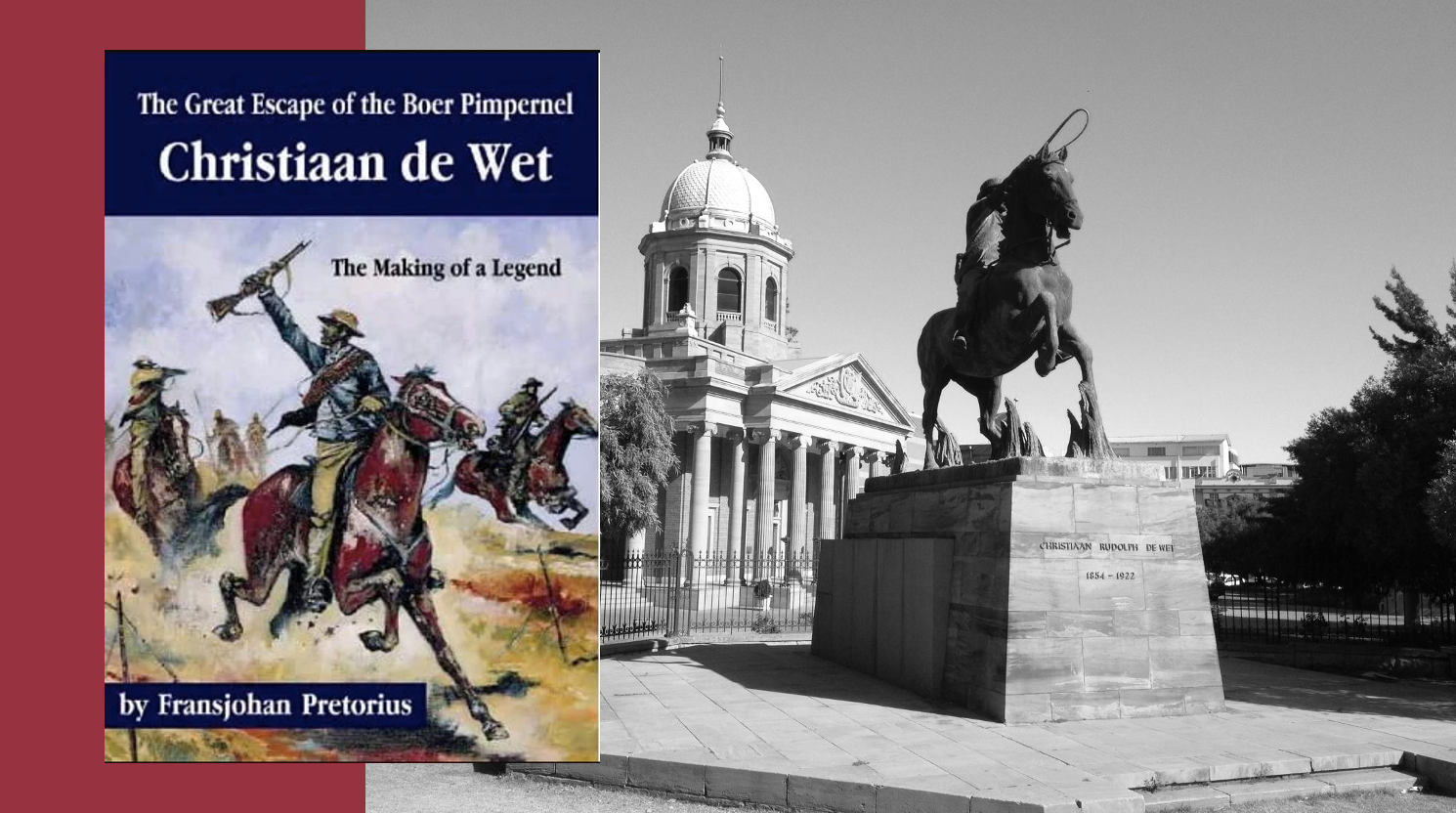

 The Observation Post