One of the most stand out things in the way the Boer War is recorded by modern historians is the vast difference between the ‘Old School’ Afrikaner historians still peddling a romantic narrative of Bittereinder Boer Pimpernels tying the British up in knots – and then there are the modern ‘British’ and ‘Black’ historians, who post Apartheid have been gradually uncovering a narrative of war crime, atrocity, genocide and massacre – but not of ‘white’ Boer women and children – but of ‘Blacks’ – on nearly all levels of age and sex and all definitions. Upfront let’s be clear on this – it’s an atrocity committed by both sides – so nobody comes out smelling of roses – not the Boers and not the Brits.
So much so, as Dr Garth Benneyworth, a leading South African War historian pointed out recently on The Observation Post that a significant research gap on the historiography of the South African War (1899-1902) needs to be investigated.
A Genocidal Order
This specific literacy gap evolves around a policy decision taken by Bittereinder Boer Commanders in the ‘Guerrilla Phase’ of the South African War (1899-1902) to shoot out of hand any Black, Coloured or Indian civilian, contractor or soldier deemed as being in support of the British military. The order is tantamount to genocide as ‘Natives’ can be simply be killed on the basis of the colour of their skin and a simple “suspicion” of spying or working for the British – which becomes highly problematic in the British Colonies, especially the Cape Colony as many hold a colour blind franchise and are equal to whites, they hold British citizenships and most ‘work’ for the British in one way or another. No recourse to the law or a trial of any kind is afforded them – they could just be shot on the spot by any Boer invader.
An example of the ruthlessness of this order in practice is the murder of a coloured blacksmith named Abraham Esau in Calvinia, Namaqualand, British Colony. As the guerrilla war continued, there were ongoing Boer Commando raids in the area, and demands for tribute, whippings, looting, and even exemplary executions were common.1 Esau organised a militia to resist these incursions, however his British patriotism and bravery made him a marked man, so when a Orange Free State Commando (600 strong) fell on Calvinia on 7 January 19012, Esau was one of those sought out amidst the plunder of the town. Esau was beaten, bludgeoned and then lashed – he survived this torture until 5 February when he was eventually shackled in irons, dragged for five miles behind a pair of horses, and, after a final beating, shot dead.3
So, where is this order sourced? In fact it’s a ‘General Order’ and can therefore be regarded as ‘Policy’. General Christiaan de Wet would inform Lord Kitchener that he personally issued the order …
‘the ungovernable barbarity of the natives realises itself in practice in such a manner that we felt ourselves obliged to give quarter to no native and for these reasons we gave general instructions to our Officers to have all armed natives and native spies shot.’4
Not one senior Boer Commander in the field is not guilty of implementing this policy, even captured junior officers like Gideon Scheepers and Hans Lötter both face charges of “murdering” black and coloured civilians and captured ‘coloured’ British soldiers in the British Cape Colony – and they both faced firing squads for this – Kitchener responds to de Wet:
‘….. (I am) astonished at the barbarous instructions you (General de Wet) have given as regards the murder of natives who have behaved in my opinion, in an exemplary manner during the war.‘5
Kitchener then notifies de Wet that Boer Commanders guilty of this crime will face charges of murder and Scheepers had already been found guilty and executed.
However, this policy is widespread, it spreads from the Bittereinder raids into the British Colonies to the two Republics themselves, and these executions happen under of the watch of great Boer Commanders – even the great General Koos de la Rey can’t escape it, de la Rey is almost unapproachable in Afrikaner lore – no Afrikaner historian would dare accuse him of a war crime like this. But the sad fact is it did happen under his watch and it happened at one of his greatest victories.
Massacre at The battle of Tweebosch
The battle of Tweebosch on 7 March 1902 is famous because of General De la Rey’s compassionate and kind treatment of the wounded Lord Methuen and saving his life. It’s also an astounding Boer victory, it occurs towards the end of the war and reassures the Boers of the marshal ability of this, one of their greatest Commanders.
General Methuen surrendering to General de la Rey (insert picture), image from Le Petit Journal 1902.
What is not often recorded at the Battle of Tweebosch in the narrative is the killing spree De la Rey’s commando members go on, its a war crime and atrocity, as they execute about 30 unarmed Black wagon drivers and servants in service of the British column as well as black and Indian soldiers having surrendered.
This spurred Lord Kitchener to write to General de La Rey and forward all the witness reports of the executions. The intention was to get de la Rey to take action against the perpetrators and cease and desist – de la Rey does none of these.6
Kitchener’s missive is sent on the 31st of March, 1902 and reads:
Sir,
I beg to forward you the accompanying sworn statements regarding acts of inhumanity which were performed by Burghers serving under your orders during, and subsequent to, the action at Klipdrift (Tweebosch) on March 7th, 1902.
I am fully convinced that you would not approve of such conduct, and that you will lose no time in adopting such action as you may think necessary in the matter. I take this opportunity of thanking you for your kind treatment of Lord Methuen whilst in your hands.
“Boers were already riding amongst the rear wagons, off which some of the drivers jumped. Two knelt down with their hands above their heads, when a Boer pulled up his horse, and shot both dead. They were unarmed.
On the 8th, Commandant Joubert, of Kemp’s Commando, took me over to General De la Rey’s laager. On the way, we passed over the field of action at Klipdrift. Parties of men, women and children were engaged in stripping the dead. There were periodical shots which were not at horses, as there were no wounded animals about that part of the field. All the men we buried that day were stripped naked, including Lieutenants Venning and Nesham, Royal Artillery.
On the 9th instant, the convoy of wounded on its way from Klipdrift to Taaiboschpan trekked along the line of retirement of the mounted troops. We passed many dead, stripped naked, most of whom had three or four bullets through the head and chest. There were so scorched and blistered by the sun as to be beyond all recognition. The Boers whom I met on the 8th instant admitted that their men had deliberately shot down the transport Natives with a view, they asserted, of deterring others from enlisting in our services”.
Lieutenant S.H. McCallum, states:-
“I saw a dismounted white man, unarmed, and with only shirt and breeches on, standing about 40 yards from me with his hands up. I saw a mounted Boer deliberately shoot him about two yards off him.
A few minutes later I saw a Native, who appeared to be a Driver, with his hands up. He was unarmed in front of a Mounted Boer, who deliberately shot him”.
Trooper Hermann S. Van Eeden (nice old English name), states:-
“I saw a native boy coming from our front, saying ‘if you please, Baas…’, and holding up his hands. He was unarmed. A Boer shot him from about 10 yards off. The boy appeared to be a Driver. He was killed.
A few minutes afterwards, I heard a shot from my rear. I looked round and saw a man get up. He said:- ‘You Dutch bastard; you shot me in cold blood’. He was shot in the chest. When I saw him he was unarmed. I spoke to him and he said he had ‘hands up’ when he was shot”.
Trooper F. Jackson, states:-
“I was riding alongside a men who I think was B.S.A.Police. We were in amongst the Boers before we knew it. A Boer told him to ‘hands up’. He was handing up his rifle when another Boer came up and shot him. We had halted. He was killed”.
Trooper C.J.J. Van Rensberg (another fine ‘Jingo’ name), states:-
“I saw four Cape boys, unarmed and dismounted, come towards the Boers with their hands up. They were shot dead”.
Corporal H. Christopher, states:-
“I saw a young Native boy riding a horse and leading another. He was unarmed. A Boer road up to him and told him to dismount. No sooner had he done so than the Boers shot him in the back of the head and killed him”.
Sergeant T. Barrow, states:-
“After surrendering, I saw Captain Tuckey’s native boy, called ‘Clean Boy’, in the act of surrendering with his hands up over his head. I saw a Boer shoot him. He was unarmed.
I also saw two other native boys shot. They were Transport boys and unarmed. I heard a Boer say plainly in English:- ‘What shall we do? Shall we shoot the blacks and spare the whites, or what?’”.
Tom, Native Driver, states:-
“I saw six boys taken away from the mule convoy, and made to dig a hole. They were then lined up to the side of the hole and shot. I saw them shot. I also saw 13 boys taken away from the mule Transport into a bush on the right. I heard shots, A Boer told me that they had shot the boys”.
Trooper C. Davies, states:-
“I saw a Boer go up to a native boy who was driving a mule wagon and shout ‘hands up’. The boy threw his whip down on the side of the wagon the Boer was, and the Boer fired point-blank at the boy, who fell off the wagon. He was unarmed. Then the Boer turned round to a Scotch Cart and shot the native boy who was driving. Afterwards I saw the Boers shoot four small native boys, who were camp followers. They were running after the Mounted troops on foot, and were unarmed”.
Trooper T. Bradley, states:-
“I was in a sluit with about 30 others, and there were two wounded men laying in the spruit. Some Boers came galloping on to the sluit and fired at the wounded men, and hit one in the neck. They were quite close to them when they fired”.
Jim, Lord Methuen’s Kitchen Boy, states:-
I was with the Mule Convoy when the Boers came up. They shouted ‘hands up’, and the boys all held up their hands and their hats. The Boers were firing at them all the time. The boys were all on the ground, and they walked towards the Boers with their hands still up. The Field Cornet came up and said, ‘Why are you firing at the leaders and drivers? I only told you to shoot those carrying arms and riding horses!’ I saw four boys shot here”.
Adriaan Pohl, native driver, states:-
In the morning after the mule Transport had surrendered, I saw a Boer who shouted ‘hands up’ to a driver, deliberately shoot him after he had put up his hands. I also saw a Boer go up to a Native driver of the name of Gert Gey, who was standing by his wagon, and shout ‘hands up’. He had put his hands up the Boer shot him between his two eyes”.
These testimony’s go on, there are loads – but its enough to get the point. This entire document is found in the files WO 108-117 in the United Kingdom’s National Archives, yet it is seldom referenced by one sector of South African Boer War historians. Why? Because it flies in the face of painting a romantic picture of the Boer Bittereinder Generals and the victimhood narrative – the eternal anvil on which ‘British’ tyranny on the Boer citizenry is forever hammered by these authors.
It does not stop at all the Black Wagon Captains, Handlers etc. Even the Regimental History also records the unlawful killing of Indian veterinarians at the Battle of Tweebosch, a direct violation of the rules of war at the time:
“…the whole Indian and Kaffir establishment of the F.V.H. (Field Veterinary Hospital) … One Farrier Sergeant of the Indian Native Cavalry and two Indian Veterinary Assistants (men carrying no arms) were ruthlessly shot dead after the surrender, and nine Hospital Kaffirs were either killed in action or murdered later.”7
(British Cavalry – Regimental History).
‘Native’ wagon handlers and staff in a British Column during the South African War (1899-1902) – Imperial War Museum. Insert shows examples of Kitchener’s letter and testimonies to de la Rey (courtesy Chris Ash).
Conclusion
This is part of the problem with writing any history on the Boer War, if you bring up thorny issues like this – and especially start to criticise holy cows like de la Rey, de Wet and even Smuts the immediate reaction is a tirade of abuse, accusations of bias – and the “Boertjies” in social media groups laager around their ‘heroes’, some administrators of large format Boer War groups will even ‘ban’ you – de Wets’ and de la Rey’s reputations are guarded regardless of the history and it smacks of an old School Aparthied ‘banning’ technique. Nobody remains the wiser, and the very important ‘Black’ history of the Boer War is either ignored or used an another stick to beat the British with by these Anglophobes.
At the end of the day these ‘gatekeepers’ keep the actual history away or continue to reinforce the old National Christian and Apartheid mythology and bias surrounding this war. In the end no-body on their forums learns anything. It also says something about these gatekeepers, by holding back on full historiography of The South African War (1899-1902) and peddling a learned Christian Nationalism bias they are preventing the ownership of this conflict by ‘all’ South Africans and maintaining it for the benefit of “white Afrikaners only” as a “white man’s war” – and then they wonder why ‘Black’ South Africans pay no respect to them or their history.
However, that’s not the case in the modern age of information, there is just no way anyone can stop the dissemination of history as it has already been written, the ‘Black’ contribution to the Boer War is an under researched truism, the extreme white racist hegemony that was the Zuid-Afrikaansche Republiek (ZAR) and its claim to absolute authority for white protestant Afrikaners only and policies such as this one to deliver on it is a truism, the ruthless massacres of ‘Black’, ‘Indian’ and ‘Coloured’ citizens and contractors by Boer Generals and Commandants at Tweebosch, Leliefontein, Modderfontein, Uniondale, Calvinia and many other places are all truisms … there is no shaking it, it happened, it’s history. That the ZAR’s extreme policies of race and lack of human rights for people of colour is taken forward to the Afrikaner Revolt of 1914 and then to Aparthied in 1948 by the next generation of these exact men is also an intrinsic part of the historic ‘sweep’ – its a truism.
Next look out for an article which controversiality shows Jan Smuts to be guilty of the same atrocity at Modderfontein – and here I am “sacrificing” a personal hero of mine – but that’s the nature of history and the promotion of the sound and balanced understanding of great men – ‘war is cruelty’ the British were guilty of it, so too the Boers and all great Commanders are flawed – Buller, Kitchener, Roberts, de la Rey, Smuts, de Wet, Botha – all of them, the lot, there’s no escaping it.
Written and Researched by Peter Dickens
References:
B Nasson. Abraham Esau’s War: A Black South African War in the Cape, 1899–1902. African Study Series 68, Cambridge University Press, 2003
D Judd & K Surridge. The Boer War. London: John Murray Publishers, 2002.
Files WO 108-117 United Kingdom National Archives.
Correspondence with Dr Garth Benneyworth, South African War historian on the Observation Post Scuttlebutt – 25 August 2024
C Ash. Kruger’s War – the truth behind the myths of the Boer War. Durban: 30 degrees South Publishers, 2017.
In a new endeavour to take things a little easier, I’ve also recommitted myself to being honest and cut through the crap – and nothing beats the usual crap on Boer War appreciation groups where we get people putting up a picture of poor old Gideon Scheepers, the ‘Yster’ (stand-up) man the ‘Volks-held’ (People’s Hero), the dreadful British shot him unfairly – the end of a beautiful, young and courageous life.
So, what’s with Scheepers that he gets an annual re-post on just about every Boer War social media group, and what’s with all the admiration – we know he sprang Boer prisoners from gaol and tied a Union Jack to his horses arse, what’s not to like … he epitomises the Afrikaner spirit! … or does he?
There’s good reason he was executed, not withstanding a court case – but his case was such that the retribution, the sheer hatred the ‘British’ (actually read ‘community’) felt toward him was both palatable and certain.
Let’s put it this way – the British made dead sure he would not get the honour of a coup de grâce, in that they used dum dum (expanding) bullets to kill him upfront1 – and the officer ordered that he was not to be lowered but “dropped” into the grave – like a sad mielie sack on the command ‘Let him Drop’!2. It even left one of the British soldiers witness to the burial sick to the stomach at the disrespect shown to Scheepers in his death.3 That, and he was not afforded a marked grave (and his grave site still has not been found). Simply put the British did not want a hero made of him – EVER.
Execution of Scheepers by a British firing squad, seated in a chair, 18 January 1902
Now, you have to ask yourself – why the retribution, why the disrespect? It seems a little extreme, and at the time it was, even by war and ‘Victorian’ standards.
The answer lies in what Scheepers did – he was racist murderer and murdered blacks and coloureds indiscriminately, whether POW or not – even in context of his time and history he was viewed much like the “wit wolf” Barend Strydom is viewed now – and like ‘Breaker’ Morant who faced the same fate, he was guilty – soldier he was not, murderer he was, post war Afrikaner Nationalist propaganda and romanticism aside.
At the time Gideon Scheepers was loathed as he conducted a marauding campaign all over the British Cape Colony, train-wrecking, looting, burning down public buildings and houses belonging to loyalists, and murdering native policemen solely because of their colour. Scheepers even attempted to rob the Murraysburg branch of Standard Bank, sjambokking the manager when he refused to cooperate.
He avoided pitched battle where possible and according to H.M. Wilson, he instead
‘…confined his attention to the more genial work of robbing, burning and devastating. In his operations there was no military object; he meant, he said, to make Cape Colony a desert.’4
Even as the British ‘hunts’ after him started to chase him down and began cutting up his raids and running his Commando to ground, Scheepers found time to commit atrocities. One famous incident involved two coloured scouts who were captured by Scheepers’ Commando. Scheepers decided to be judge, juror and executioner and to murder them, despite their being in uniform and unarmed (so officially classified as Prisoners of War and subject to those conditions). The two were forced to draw lots, and the loser was immediately shot. The other was beaten and released to stagger to the nearest British outpost to tell the story as a warning to other Coloureds and Blacks who had joined the British forces.5
As to all the romanticism, consider Scheepers’ own testimony and statements.
Gideon Scheepers’ last words on the issue:
‘Thirty accusations were brought against me of “murder”, seven of “arson”, “rough” handling of prisoners, “barbaric” treatment of kaffrs etc.’6
Scheepers was particularly incensed at the accusations that he had ill-treated blacks, and that blacks were allowed to testify in court and even act as gaolers. He wrote:
‘We Afrikaners, will never find justice under the English. Everything is for the kaffirs.’7
During his trial General Christiaan de Wet tries to intervene and stay the execution of Scheepers (and that of Hans Lötter who faced similar charges of murdering “blacks” and a firing squad). De Wet writes to Lord Kitchener requesting clemency for the Boer Kommandant’s executing of Black (coloured) soldiers and civilians out of hand as he had personally given the order, he wrote:
‘the ungovernable barbarity of the natives realises itself in practice in such a manner that we felt ourselves obliged to give quarter to no native and for these reasons we gave general instructions to our Officers to have all armed natives and native spies shot.’8
De Wet then said that if anybody was responsible for shooting natives it was himself and his government.
Kitchener rejected the appeal, replying to General De Wet that Boer officers were personally responsible for their actions, and he wrote:
‘[I am] astonished at the barbarous instructions you have given as regards the murder of natives who have behaved in my opinion, in an exemplary manner during the war.’9
Kitchener then notifies de Wet that Boer officers will face the full consequences for the murder of natives and Scheepers had been found guilty and had already been executed for the crime in any event.
Conan-Doyle would say of it in his book, The Great Boer War, that Scheepers was tried
‘…for repeated breaches of the laws of war, including the murder of several natives. He was condemned to death and executed in December. Much sympathy was excited by his gallantry and his youth—he was only twenty-three. On the other hand, our word was pledged to protect the natives, and if he whose hand had been so heavy upon them escaped, all confidence would have been lost in our promises and our justice.’10
It’s little wonder that the old National Party loved Gideon Scheepers – his mother spending years searching for the grave of her son, a heart rendering story if there ever was one, and he’s one of ‘them’ – a white supremacist giving no quarter to blacks from resisting their whites-only hegemony and God-ordained claim to absolute power. The Nationalists unveiled a memorial to Scheepers on 27 May 1978 near the place of his execution as part of the events to celebrate thirty years of Apartheid (the monument is still there). Prime Minister John Vorster was the guest of honour.
In his address, John Vorster said:
‘If we are asked why in 1978 a memorial should be erected for a man who died in 1902, then the answer is simple. The life and work of this man was such that history placed him in the heroes’ gallery and nothing and no one can deprive him of that place.’11
Prime Minister BJ Vorster and the memorial unveiled by the National Party to Scheepers
Problem is, John Vorster could not even stand the idea of TV as the ‘devils message’ from the ‘Devils Box’ – ‘liberal’ thoughts and access to information would be freely available outside of all the ‘bans’ he imposed – and a mere generation later they could not hold back the tide of critical thinking, especially as to the Boer War and their hegemony of white power and claim to absolute rule. I would hate to think what the average modern South African in the ‘Information Age’ thinks of Scheepers as an Apartheid ‘hero’ now, and whether he truly deserves his place in the annuals of Afrikaner heroes according to Vorster.
I also get it, Lord Kitchener calling General de Wet a murderer, this from a man many Afrikaners like to consider a genocidal murderer in any event. I do get the irony, but whatever we may think, there are some very clear cut cases in the Boer War historiography and Scheepers does not come up as a wholesome people’s champion for Afrikanerdom. He’s in the same category as Breaker Morant, no matter how much post war sympathy 120 odd years later and no matter how many attempts at historical revisionism, it’s not going to change the fact he was a racist marauding murderer.
In my mind it would be very handy if people really understand the history before re-posting all this hero worship all the while holding onto an BJ Vorster issued Apartheid security blanket thinking the people around them are either ignorant of “their” history or if they are “English” or “Black” they are naturally biased to it anyway (as if that somehow changes the facts).
Written and researched by Peter Dickens
Colourised insert picture of Gideon Scheepers thanks to Jenny B Colourising. Main pictures shows a Black Cape Colonial policeman of the Boer War period in uniform.
References:
HM Wilson. After Pretoria: The Guerrilla War. London: Harmsworth Brothers Ltd, 1901.
AC Doyle. The Great Boer War. London: Smith, Elder & Co Publishers, Revision 1902.
D Harrison. The White Tribe of Africa – South Africa in perspective. Los Angeles: Berkley California Press, 1981.
D Judd & K Surridge, The Boer War. London: John Murray Publishers, 2002.
C Ash. Kruger’s War – the truth behind the myths of the Boer War. Durban: 30 degrees South Publishers, 2017.
Footnotes
Correspondence with South African War historian Dr Garth Benneyworth – 20/6/2024 ↩︎
Sir Winston Churchill the drunk? Nazi propaganda did a very good job painting Churchill as a drunk and glutton, in the Nazi Propaganda Ministry’s block buster of about the Boer War “Uncle Kruger” Ohm Krüger (1941), Churchill is depicted as a Concentration Camp Commandant, complete with bulldog, which whilst feasting himself he also feeds prime cuts to his bulldog, all the time whilst his Boer women and children in the camp are being starved to death.1
Churchill as depicted in Ohm Krüger (1941)
In another propaganda poster – this one from Serbia during World War 2, called ‘Churchill behind the mask’. After taking off his mask shown to the public, halo and all, a Jewish star now above his head and showing a drunken, haggard face and whiskey bottle in his pocket.
The poster falls part of an anti-Semitic campaign called ‘The Grand Anti-Masonic Exhibition’, which opened in Belgrade, in occupied Serbia on 22 October 1941. Financed by Nazi Germans and opened with the support of collaborationist leader Milan Nedić. Although being anti-Masonic in its title, the primary purpose was to promote antisemitic ideology and intensify hatred of Jews – ironically Churchill was a Freemason for a short time, but that is coincidental.
A famous quote has also entered the lexicon of Winston Churchill as proof positive he was a ‘drunk’ (bear in mind its the only quote) – Churchill was accompanied Ronald Golding his bodyguard and whilst exiting the Parliament building and he was confronted by Bessie Braddock, a fellow MP, who said:
Bessie Braddock: “Winston, you are drunk, and what’s more you are disgustingly drunk.”
Churchill replied: “Bessie, my dear, you are ugly, and what’s more, you are disgustingly ugly. But tomorrow I shall be sober and you will still be disgustingly ugly.”
A lush surely this Churchill fellow must be, he said so – right? Turns out Ronald Golding later admitted Churchill was not drunk that night, merely exhausted and unsteady. Being tired he gave Braddock both barrels, and what he quoted was from his rather photographic memory, and it was a W.C Fields character in the movie “its a gift” who when told he is drunk, responds, “Yeah, and you’re crazy. But I’ll be sober tomorrow and you’ll be crazy the rest of your life.” So, the Bessie Braddock encounter was really Churchill editing and reciting W. C. Fields.2
Was Churchill known for drinking? In fact no member of his family ever saw Churchill the worse for drink, they saw him drink yes, but never ‘drunk’. Richard M. Langworth spent 40 years researching Churchill and only found one reference of him been drunk … it came from a military staffer who helped Churchill and Eden on a wobbly walk back to the British Embassy in Teheran, this after a late-night of mutual toasts with the Russians.3
Whilst it is true that at the on-set of the South African War (1899-1902) – Churchill, the son of a Baron and part of British well-to-do society, aged 25 and acting as a correspondent on the Morning Post took with him 36 bottles of wine, 18 bottles of ten-year old scotch, and 6 bottles of vintage brandy. Such was the arrogance of aristocracy in addition to this booze cabinet he also took a valet with him to South Africa. However, if you step back from this and see that Churchill took with him a full year’s supply, then that ‘booze’ cabinet hardly makes a mark.4
With this Churchill became synonymous with two things according to modern writers – alcohol and war.
In one famous wartime episode during World War 2, when George VI set a personal example to the troops by giving up alcohol, Churchill declared the whole idea absurd and announced he would not be giving up drink just because the King had.5
He also became synonymous with excess when it came to food, cigars and alcohol, he was known to consume high degrees of relatively low ABV Champagne and watered down brandy. On the food front he detested the idea of the ‘French’ manner of serving seven courses starting with an aperitif and ending with a small dessert. On the ‘formal 7 course’ menu he would start with the meal he enjoyed the most and end on the one he enjoyed least.6
He started the day (every-day) with a small whiskey and water, his daughter would recall it as the “Papa Cocktail” – a smidgen of Johnnie Walker covering the bottom of a tumbler, which was then filled with water and sipped throughout the morning. This practice Winston Churchill learned as a Victorian habit – as a young man in India and South Africa (see My Early Life) he writes that the water was unfit to drink, and one had to add whisky and, “by dint of careful application I learned to like it.”7 Jock Colville, his private secretary would say of the ‘papa cocktail’ that it was so watered down it was akin to mouthwash.8
He however was renowned, not for drinking whiskey, but for drinking brandy and champagne both at lunchtime and dinner, and he was renowned for putting away copious amounts of it. He averaged on 500ml of 12.5% ABV Pol Roger Champagne for lunch and 500ml of Pol Roger Champagne for dinner along with a couple of diluted brandy glasses per day – in all this is estimated about 150ml AA per day. It certainly is ‘heavy drinking’ by any standard but in context of his time Russian delegations meeting him, thought of him as a ‘lightweight’ on this front. Having also said that, large amounts of adult population in South Africa still consume a bottle of wine and a couple of spirit chasers a day – 150ml AA. Only on reaching 76 years of age did Churchill decide to ‘cut down’ a little and said:
“I am trying to cut down on alcohol. I have knocked off brandy and take Cointreau instead. I disliked whiskey at first. It was only when I was a subaltern in India, and there was a choice between dirty water and dirty water with some whiskey in it, that I got to like it. I have always, since that time, made a point of keeping in practice.”9
Churchill would also not “nurse” a bottle of alcohol the way a alcoholic would, and seldom drank ‘neat’ spirits (preferring not to), unlike alcoholics he also did not drink randomly during the day, sticking to mealtimes instead, and even then none of his colleagues ever reported seeing Churchill the worse for drink. Thus Churchill’s famous quip:
“I have taken more out of alcohol than alcohol has taken out of me.”10
Very famously, Churchill was knocked down by a car New York in 1931 during the American Prohibition 1920 – 1933 on alcohol (he was looking the wrong way), Dr. Otto C. Pickhardt attended to him, actually issued a medical note that Churchill’s medical condition “necessitates the use of alcoholic spirits especially at mealtimes,” specifying 250cc per day as the minimum. A little cheeky to overcome the rigours of Prohibition perhaps, but this is not a sign of dependency – 5 years after this incident in 1936 he took a bet with Rothermere that he could abstain from hard spirits for a year – which apparently he did.11
Churchill’s famous ‘Doctor’s note’
After World War 2, he developed a reputation for really enjoying food and drink, One visitor from the period noted: “There is always some alcohol in his blood, and it reaches its peak late in the evening after he has had two or three scotches, several glasses of champagne, at least two brandies, and a highball… but his family never sees him the worst for drink.”
That is the point with Churchill, he drank copious amounts of alcohol – no doubt, but he ‘held his booze’ remarkably well, he was never really totally inebriated or ‘drunk’ in fact he detested drunks and could not stand been out of control of his faculties and senses. He was raised as an aristocrat, he believed drunkenness to be contemptible and disgusting, and a fault in which no gentleman indulged.
He also had a very healthy mental appreciation for alcohol and remarked, “my father taught me to have the utmost contempt for people who get drunk.” adding to this he said that a glass of Champagne lifts the spirits, sharpens the wits, but “a bottle produces the opposite effect.”12 Here we also note that Churchill throughout his life kept his wits about him and kept them as sharp as ever.
Churchill with his favourite tipple – Pol Roger champagne
The image of excess is often even associated with Churchill’s disposition to smoking cigars. However very few people know that he seldom smoked more than a third of a cigar, allowing the cigar to burn itself out instead and if anything he took to chewing the end, using it more as image prop than anything else.13
On the physical health front, Churchill did have a heart attack during World War 2, how much of that was excess and how much of it stress is anyone’s guess, however he did recover remarkably well, Dr. Mather, his Doctor reported that Churchill’s blood pressure was a very healthy and very consistent 140/80 well into his eighties.14 In fact most of Churchill’s accompanying younger male military personnel and politicians complained that they could hardly keep up with him, his energy and pace, the speed at which he did everything was legendary. He lived to 90 years old, and died of a stroke – a very long and fruitful innings and not one marred by any alcohol related sickness like liver failure/disease.16
Was he an alcoholic? The general opinion amongst some medical practitioners and historians is that he was not. He demonstrated no real medical signs of a person associated with alcoholism. Did he ‘abuse’ alcohol in our 21st century understanding of excessive drinking and functional alcoholism – yes, no doubt in this context you would place him as someone who abused alcohol for his own edification and enjoyment (of course he would have no idea what you were talking about, as a Victorian born in 1874 faced with a 2024 definition of alcoholism – the modern-day idea simply would not compute).
As to the propaganda, the relentless drive by Hitler and his Nazi Propaganda Ministry to paint Churchill as a glutton and a drunk – rather surprisingly that is the legacy which carries to this day. As an example I once posted Churchill’s medals on a Boer War social media group, it was met with a particular nasty Anglophobic Afrikaner who warned users that Churchill was a rabid alcoholic and his alcohol addled, warmongering mind was responsible for the deaths of hundreds of thousands of people – the devil reincarnate – and I should be ‘very weary’ of who I regard as ‘my hero’ or he would have a few more things to say about him.
Now, I’m a South African – the simple fact he thinks of Churchill as ‘mine’ denotes a massive bias on his behalf and ironically I fear alcohol in the form of far too much ‘branders’ has fuelled his outlook – however, it is interesting to note that in this grouping Churchill’s legacy is still viewed by some in the light of propaganda and not the actual historiography of the man.
Written and Researched by Peter Dickens
Footnotes
H Steinhoff, Ohm Krüger (1941, Tobis Film, Screenshot from YouTube) ↩︎
R Langworth, Drunk and Ugly: The Rumour Mill, International Churchill Society 10 January 2011 [accessed 12 August 2024] ↩︎
So, talking Olympics, but in a military context, who are South Africa’s greatest medalists?
Unfortunately we have to separate this into two sub categories as the National Party in 1948 decided that anyone fighting for the Allies under the banner of the “South African Union” was somehow “British” (so too their medals – the “Commonwealth” bit to these decorations mattered not a jot to the Nats) and anyone fighting for the ‘White’ Apartheid Republic they brought about in 1961 was somehow more “South African” – and they created a whole new set of medals in paramount to the “British and Commonwealth” ones – declaring these as “foreign” medals – which meant a simple peacetime SADF ’Skiet medal” (shooting proficiency medal) would be more senior than a Commonwealth decoration for wartime gallantry.
Naturally this caused a lot of distress for our WW1 and WW2 veterans at the time, some refusing to allow basic service medals to precede their hard earned combat medals – and it also caused lots of confusion. True, the Nationalists had to change them as South Africa was kicked out/left the British Commonwealth, no choice – but they did not have be sinister and give paramountcy over the Commonwealth medals.
Adding to this confusion is the current ANC dispensation who took the position in 2003 that medals awarded by the Apartheid Republic were for “Aparthied soldiers” and they created a whole new set to replace them for SANDF soldiers of a “democratic” South Africa – one thing they did right is they did not make them “paramount” to the SADF medals which maintain seniority (which the Nats did not do). To say this is a messy subject would be an understatement.
We also need to understand who is the South African with the “most” medals – like an Olympian who has won the most medals of any category – Gold, Silver or Bronze as opposed to the South African who has won the most “highest” medals for gallantry- again like an Olympian who has won the most “gold” medals.
Now to announce the winners:
The winner of the “most” medals i.e. the most decorated South African of the “Union” period is ….. Field Marshal Jan Smuts – here’s his rack:
Field Marshal Jan Christian Smuts OM,CH,DTD,ED,PC,KC,FRS
Order of Merit (OM) – British and Commonwealth (WW2)
Order of the Companions of Honour (CH) – British and Commonwealth (WW1)
Dekoratie voor trouwe Dienst (DTD) – ZAR Republic (Boer War 2)
Efficiency Decoration (ED) – South Africa (Interwar and WW2)
Privy Council (PC) – British and Commonwealth
King’s Counsel (KC) – a legal appointment post nominal
Fellowship of the Royal Society (FRS)
Bencher of the Middle Temple – a legal appointment
South African Republic and OFS War Medal – ZAR Republic (Boer War 2)
1914/15 Star (WW1)
British War Medal 1914 – 1918 (WW1)
Victory Medal (WW1)
General Service Medal
King George V’s Jubilee Medal – 1935
King George VI’s Coronation Medal – 1937
1939 – 1945 Star (WW2)
Africa Star (WW2)
Italy Star (WW2)
France and Germany Star (WW2)
Defence Medal 1939 – 1945 (WW2)
War Medal 1939 – 1945 (WW2)
Africa Service Medal 1939 – 1945 (WW2)
Order of Merit (U.S.A.)
EAME Campaign Medal – U.S.A.(WW2)
Order of the Tower and Sword for Valour, Loyalty and Merit (Portugal)
Grootkruis van die Orde van de Nederlandsche Leeuw – Netherlands (WW2)
Grand Cordon of the Order of Mohamed Ali (Egypt)
Grand Cross of the Order of the Redeemer – Greece (WW2)
Grand Cross of the Order of Léopold II – Belgium (WW2)
Croix de guerre – Belgium (WW1)
Légion d’honneur Croix de Commandeur – France (WW1)
La Grand Croix de l’Ordre de L’Etoile Africane Ster – Belgium (WW2)
King Christian X Frihedsmedaille ‘Pro Dania’ – Denmark (WW2)
Smuts is unique in the sense that his two Boer War Republican medals pre-date his Union medals.
Field Marshal Jan Smuts and ribbons
The winner of the “highest” medals i.e. the highest decorated South African of the “Union” period is …. Captain Andrew Beauchamp-Proctor – here is his rack:
Captain Andrew Beauchamp-Proctor VC,DSO,MC&Bar,DFC
Captain Beauchamp-Proctor
Victoria Cross (WW1)
Distinguished Service Order (WW1)
Military Cross and Bar (WW1)
Distinguished Flying Cross (WW1)
1914 – 1915 Star (WW1)
British War Medal (WW1)
The Victory Medal (WW1)
Captain Beauchamp-Proctor is not unique in the sense that all his highest medals were earned whilst fighting in British military constructs as a South African Union citizen – which was perfectly acceptable then.
The South African winner of the “most decorated” South African in the “South African Republic” SADF period is ….. General Bob Rogers – here is his rack:
General Bob Rogers SSA, SM, MMM, DSO, DFC&Bar
General Bob Rogers
Star of South Africa (SSA) (South Africa)
Southern Cross Medal (SM) (South Africa)
Military Merit Medal (MMM) (South Africa)
Korea Medal (South Africa)
Pro Patria Medal (South Africa)
Good Service Medal, Gold (30 Years – South Africa)
Good Service Medal, Silver (20 Years – South Africa)
Union Medal (South Africa)
Distinguished Service Order (DSO) (WW2)
Distinguished Flying Cross and Bar (DFC and Bar) (WW2)
1939–45 Star (WW2)
Africa Star (WW2)
Italy Star (WW2)
War Medal 1939–1945 – Mentioned in Dispatches (WW2)
Africa Service Medal (WW2)
Distinguished Flying Cross (USA)*
Air Medal Bronze with Oak Leaf Cluster (USA)*
Order of Military Merit (Korea) (Chungmu cordon) with Gold Star
United Nations Service Medal for Korea
Korean War Service Medal
Grand Star of Military Merit (Chile)
Army PUC Presidential Unit Citation (USA)*
*American awards issued to 2 SAAF Squadron members under their command in the Korean War.2
23 Total
Note: General Rogers’ medal set are a combination of SADF (Republican) and UDF (Union) medals and decorations, and like Smuts some foreign ones too.
The winner of the “highest decorated” South African in the SADF “Republic” period is …. Major Arthur Walker – here is his rack:
Major Murray Walker
Major Murray Walker HCG&Bar, SM
Honoris Crux (Gold and Bar) – South Africa
Southern Cross Medal – South Africa
Pro Patria Medal – South Africa
Southern African Medal – South Africa
General Service Medal – South Africa
Good Service Medal Bronze – South Africa
Zimbabwean Independence Medal 1980 – Zimbabwe
General Service Medal – Rhodesia
United Nations Medal (Mozambique – United Nations)
Major Walker is unique in that won the Honoris Crux Gold (HCG) twice – the only South African to have a “Bar” to a HCG.
Overall Winning Medalists
So, of these four great medalists – who are the winners of the “most” and the “highest” given the grade and total sweep of the medals on offer – the answer:
Field Marshal Jan Smuts is the overall winner of the “most decorated South African”.
Simply because he has more decorations and medals (36) than Bob Rogers (23).
Andrew Beauchamp-Proctor is the overall winner of the “highest decorated South African”.
Simply because he has a Victoria Cross (VC) and his raft of decorations for gallantry serve to qualify it further – his DSO, two MC and DFC, putting him ahead of the other South African VC recipients – the highest gallantry award for the SADF was the “diamond” Honoris Crux (HCD), it was meant to be on the same level as a VC (albeit not the same as the VC is a stand alone, there is graded degree of bravery as there is with a HC set)- and nobody ever received a “diamond” Honoris Crux (HCD) in any event, it was never awarded, and no one ever will, it has been discontinued.
Of the new SANDF “Highest” decoration is the Nkwe ya Gauta – Golden Leopard – it replaced the Gold Honoris Crux (HCG) and like the HC set it is part of graded gallantry decorations going up in importance and there is no “diamond” Leopard – whereas the Victoria Cross is still a stand alone decoration and has no equivalent – so Beauchamp-Proctor still remains the “highest” decorated – and will remain such well into our living memory. So far there have been 3 recipients of the Nkwe ya Gauta – Golden Leopard – all of them posthumous.
Proccy – bravest of the brave
Please note this is not meant to degrade any one over the other – all four of these men are great South Africans.
Written and Researched by Peter Dickens
Jan Smuts by his son Jan Smuts, Heinemann and Cassell, 1952 – awards list ↩︎
Bob Rogers – his personal story as told by Roger Williams ↩︎
I noticed a blog post today from a fellow historian who took a swipe at a Boer War photograph colourising Facebook page for allowing a user to compare a black armband being worn by Lord Kitchener and his staff at the Veereniging Peace Conference to end the South African War (1899-1902) aka Boer War 2, to that of the Nazi armband worn by Adolf Hitler and his cabal during World War 2 (1939- 1945). The armband in question was a common funeral black band, in this case it marked the death of Queen Victoria on 22 Jan 1901.
Whilst all highly amusing and clearly all either ignorant and (more likely) a blatant and very cheap attempt to brand Lord Kitchener a Nazi, it does bring up a real comparison – which is the armband used by the Commandant General of the Ossewabrandwag and that of the armband used by the National Socialists (Nazi) – Adolf Hitler and his cabal.
The Ossewabrandwag (Ox Wagon Sentinel) was the largest and most successful Afrikaner Nationalist organisation with pro-Nazi sympathies prior and during World War 2. The Ossewabrangwag was formed on the back of the 1938 Great Trek Centennial celebration – the centennial under the directive of the Afrikaner Broederbond (Afrikaner Brotherhood) and its Chairman, Henning Klopper, sought to use the centenary anniversary of the Great Trek to unite the ‘Cape Afrikaners’ and the ‘Boere Afrikaners’ who were deemed by Klopper as been separated by Boer War 2. He strove to unite “the two separate hearts” of white Afrikanerdom into a singular ‘Boer’ archetype under the pioneering symbology of the Great trek and to literally map a ‘path to a South African Republic’ under a white Afrikaner hegemony. The trek re-enactment was very successful, and Henning managed to realign white Afrikaner identity under the Broederbond’s Christian Nationalist ideology and its archetypal outline calling it a “sacred happening”.1
The Ossewabrandwag (OB) was tasked with spreading the Broederbond’s (and the Purified National Party) ideology of Christian Nationalism like ‘wildfire’ across the country (hence the name). The OB’s national socialist leanings can be seen in correlation with other world ideologies of the time, and specifically to that of Nazi Germany.2
Christian Nationalism, although grounded in ‘Krugerism’ as a ideology, can be regarded as a derivative of German National Socialism and Italian Fascism and was identified as such by OB leaders like Balthazar Johannes “B. J.” Vorster (a future National Party Prime Minister/President) who in 1942 said:
“We stand for Christian Nationalism which is an ally of National Socialism. You can call this anti-democratic principle dictatorship if you wish. In Italy it is called Fascism, in Germany National Socialism (Nazism) and in South Africa, Christian Nationalism.”3
The leader of the Ossewabrandwag (OB), Dr. Johannes Van Rensburg as a Union Defence Force officer had met with Adolf Hitler and became an admirer, he then infused the OB with National Socialist ideology and the organisation took on distinctive fascist and Nazi ritual, insignia, structure, oaths and salutes.
Merely ‘anti-British’ they were not. Ideologically speaking the Ossewabrandwag (OB) took on anti-communism, antisemitism, the Nazi creed of ‘Blut und Boden’ (Blood and Soil) in terms of both racial purity and historic bond and rights to the land, the ‘Führer Principle‘, a derivative of the Nazi creed of ‘Kinder, Küche, Kirche‘ (Children, Kitchen, Church) as to the role of women and the role of the church in relation to state. In term of economic policy the OB adopted a derivative of the Nazi economic policy of expropriation of Jewish monopoly capital without compensation by adding “British monopoly capital’ to the mix .4
This image shows the militarisation and fascist leanings of the Ossewabrandwag – here’s a rare image not often seen – a Ossewabrandwag “Kommandant” in full para-military uniform with lapel badges, ‘crested eagle’ epaulettes and ‘lightning bolt’ cap badge insignia. In addition he is wearing a sam-browne belt and lanyard. His ‘green’ arm band signifies his rank – using the ‘crested eagle’ again and horizontal lines for scale of seniority.5
In adopting distinctive national socialist ideology and concepts as well as iconography and culture, Chief Commandant Hans van Rensburg went about ‘nazifying’ this ‘Cultural Front’ of Afrikaner Nationalism. The Broederbond had arbitrated a meeting between the National Party and the Ossewabrandwag agreeing to two clear lines of delineation between the two organisations – the National Party would look after the ‘political’ front of Afrikanerdom and the Ossewabrandwag the ‘cultural’ front – known as the Cradock Agreement it was ratified on 29 October 1940.6
Here is Hans van Rensburg complete with his high command Ossewabrandwag armband … note the Eagle iconography – the Ossewabrandwag adopted the Nazi Reichsadler – “Reich Eagle” – which replaced the German “Imperial Eagle” the Reichswappen.
As to Nazi German eagles, the Eagle and holder are the same, however symbology is given to the direction in which the eagle looks – the Reichsadler (Reich Eagle) looks left and the Parteiadler (Party Eagle) looks right.
Also, note the jodhpurs (horse riding pants), a firm militaristic and often fascist fashion statement – you can easily see his admiration for Hitler’s dress sense and iconography. However for all the Nazi iconography and ideology adopted by van Rensburg, after Nazi Germany lost the war, van Rensburg would quickly try and cover his tracks and the genocide committed by his heroes and say of them.
“It was the greatest disaster in my spiritual life to realise suddenly that the people I had thought to be the heroes of a new era in western civilisation should in fact turn out to be just a band of murderers and nothing else.”
In addition to the Ossewabrandwag other leading and influential Afrikaner Nationalists were forming German National Socialist movements with distinctive antisemitic and anti-communist leanings in South Africa. As a committed antisemite Louis Weichardt broke with the National Party on the 26 October 1933 and founded South Africa’s Nazi party equivalent – The South African Christian National Socialist Movement with a paramilitary ‘security’ or ‘body-guard’ section (modelled on Nazi Germany’s brown-shirted Sturmabteilung) called the ‘Gryshemde’ or Grey-shirts. In May 1934, the ‘Grey-shirts’ merged with the South African Christian National Socialist Movement and form a new enterprise called ‘The South African National Party’ (SANP). The SANP would all keep with the ‘grey-shirts’ as their dress and keep this identification and other Nazi iconography including extensive use of the swastika.7 Overall, Weichardt saw democracy as an outdated system and an invention of British imperialism and Jews.8
The SANP Grey-shirts loved armbands too, and their took two forms, one using the Hitler Youth Red and Black band and swastika and one which used the South African Flag’s colours at the time – Orange, White and Blue, and here they are:
Left to Right – standing outside the courthouse in Grahamstown in full SANP dress is Johannes von Strauss Moltke, Harry Inch and David Olivier. The alternate (OBB) Orange, White and Blue SANP armband is to the right.
Talking Boer War, not shy of nailing their colours to the mast and also linking their ideology to Boer War 2, ‘Die Waarheid/The truth’ – the SANP’s own newspaper, would claim a Jewish conspiracy as the cause of the war and Louis Weichardt would write:
“the disastrous Anglo-Boer War 1899-1902 was deliberately brought about by the Jewish mine magnets who circumvented Rhodes and Kruger alike”.9
Luckily for the Afrikaner Nationals and the likes of Hans van Rensburg and Louis Weichardt, the National Party came into power in 1948 and in the same year issued a general amnesty to all Afrikaner Nationalists who had flirted with Nazism, joined the Nazi Party or directed supported Nazi Germany, either through local political organs like the Ossewabrandwag, the New Order and the SANP Grey-shirts (and many other splinter groups) or even directly collaborating with the Nazi Propaganda Ministry (Radio Zeesen), or the Nazi German Wehrmacht (military), or the Nazi Schutzstaffel (SS and Waffen SS) or the Nazi German Abwehr (intelligence) service. 10
Written and Researched by Peter Dickens
Footnotes
Harrison, David. 1981. The White Tribe of Africa – South Africa in Perspective. University of California Press. Pages 103 – 106. ↩︎
D.P. Olivier, May 2021, “A special kind of colonist” : An analytical and historical study of the Ossewa-Brandwag as an anti-colonial resistance movement, thesis University of the North West ↩︎
Bunting, Brian. 1964. The Rise of the Afrikaner Reich. Penguin Books. Page 88 ↩︎
Bunting, Brian. 1964. The Rise of the Afrikaner Reich. Penguin Books, Nelson Mandela Foundation O’Malley Web Digital Library, Chapter 6 ↩︎
Ditsong Museum of Military History. Saxonwald, Johannesburg – Ossewabrandwag Display ↩︎
Fokkens, A. M. Afrikaner unrest within South Africa during the Second World War and the measures taken to suppress it. Journal for Contemporary History. 2012. Page 130 ↩︎
A Perfect Storm – Antisemitism in South Africa 1930-1948 By Milton Shain pages 55 – 58 ↩︎
Werner Bouwer, National Socialism and Nazism in South Africa: The case of L.T. Weichardt and his Greyshirt movements, 1933-1946. Page 18 ↩︎
A Perfect Storm – Antisemitism in South Africa 1930-1940 By Milton Shain page 58 ↩︎
Kleynhans, Evert. Hitler’s Spies: Secret Agents and the Intelligence War in South Africa 1939-1945. Jonathan Ball Publishers 2021 ↩︎
Intelligence and Counter Intelligence Operations against the South African Liberation Movements, 1960–1965.
By Garth Conan Benneyworth
Abstract
The road and rail pipelines operated by the liberation movements in Bechuanaland (Botswana) were known as the ‘road to freedom’. An aerial pipeline enabled high value South African political refugees and freedom fighters to move through the Protectorate as fast as possible. A mini-airline called Bechuanaland Air Safaris, it was financed by Bechuanaland’s government and a local millionaire businessman. Set up to support the needs of Britain’s Secret Intelligence Service (SIS), this air bridge enabled close surveillance of potential security issues within Bechuanaland by the SIS, whilst simultaneously assisting organisations that would one day gain political power. This made it a key intelligence target for South Africa’s security establishment, who penetrated this operation. Through surveillance and informants, notably Captain Herbert Bartaune, the company director and operator of Bechuanaland Air Safaris, they interdicted the activities of key personnel involved in liberation struggle operations. This paper examines this air bridge, some of its key personnel, surveillance operations by the South African Police, counter-intelligence actions by the British authorities connected to supporting this pipeline and its use by prominent leaders, including Joe Matthews, Nelson Mandela, Michael Dingake and Patrick Duncan.
Around the time of the start of the armed struggle in South Africa in 1961, an ‘aerial pipe-line’ was established in the then British Protectorate of Bechuanaland (Botswana). This pipe-line was used by important personalities of the liberation struggle from South Africa and Bechuanaland to access assistance outside those countries’ borders. The director and pilot of this aerial pipeline, Captain Herbert Bartaune, is fleetingly mentioned in the autobiographies of those who flew with him and in the literature on Botswana’s pipeline as a sympathiser of South Africa’s liberation struggle. Nelson Mandela and Michael Dingake mention only ‘a pilot’.1 Fish Keitseng, who played a key role in establishing various pipelines in Bechuanaland in the early 1960s, remembered Bartaune by name, describing him as a person who flew many people to safety.2 Ronald Watts knew the pilot and re-established contact in 1990, the pilot having stayed with Watts during September 1960.3 Neil Parsons refers to him by name and describes him as the resident director of the air charter company connected to Britain’s Secret Intelligence Service (SIS).4
However, this article demonstrates that embedded at the very core of this company were spies and informants who reported on the activities and whereabouts of the liberation struggle personnel, the very same people that this air bridge was meant to assist. It identifies Captain Bartaune, pilot and director of Bechuanaland Air Safaris, as a key operative. This paper uses resources such as Top Secret declassified British intelligence reports and a Department of Justice file in the South African National Archives.5 Both were unavailable at the time that many of the first struggle biographies and other works were produced in the early 1990s, and have not been consulted by other scholars who have written on the subject.
The file contents categorically prove this matter of spies in the aerial pipeline and has ramifications on our understanding of specific historic events – for example, those of the Pan Africanist Congress (PAC) in Basutoland, and the captures of Nelson Mandela and Michael Dingake, amongst others. These events and the broader geopolitical milieu in which they occurred consequently need to be reconsidered and refigured.
This paper will use the examples of three prominent persons who used the aerial pipeline, one of whom was seriously compromised as a result and two of whom were captured after exiting the pipeline. The first case is that of Patrick Duncan which demonstrates how Bartaune compromised Duncan and the PAC. The second is associated with Nelson Mandela’s flights as part of his tour of the continent in 1962 and his return to Bechuanaland later that year, when Britain tried to circumvent South Africa’s Security Branch. Within weeks of his return to South Africa, Mandela was captured. The third is that of Michael Dingake in 1965 and how South African agents linked to the pipeline enabled his kidnapping in Rhodesia and subsequent rendition by the SAP. The paper will also show that the shadowy figure of Bartaune is the common denominator for all three case studies. Before discussing these three cases, the article will outline the political context which led to the establishment of the pipeline, as well as provide previously unknown biographical information about Bartaune which is crucial to understanding his role in the pipeline.
With the banning of the African National Congress (ANC) and the PAC in 1960, numerous people from these organisations sought asylum and refuge in Britain’s High Commission Territories of Bechuanaland, Basutoland and Swaziland. After the start of the armed struggle in South Africa in 1961, Bechuanaland became the preferred option as it enabled direct transit into Northern Rhodesia and Tanganyika and beyond.
Fish Keitseng was a defendant in the 1956 Treason Trial and deported to Bechuanaland in 1959. He settled in Lobatse and was in charge of the ANC in Bechuanaland. In late 1960 Joe Modise linked up with Keitseng and recruited him into the ANC underground network.7
Fish Keitseng
Modise was one of MK’s founders and participated in its first operations. He helped establish MK infrastructure in various regions, in particular Natal and the Eastern and Western Cape, spending two years working underground. He played a key role in sending recruits out of South Africa for military training before going into exile in 1963. Together with Keitseng they played a key role with the pipeline.8
The aerial pipeline was no ordinary pipeline, such the road and rail networks where the rank and file were taken by Keitseng by train to Francistown from where they then drove to Livingstone in Northern Rhodesia.9 It was the niche operation that moved key South African leaders, political refugees and freedom fighters through Bechuanaland to Tanganyika and Northern Rhodesia (and vice versa). The aim was to transit them by air as fast as possible to protect them from being kidnapped by agents of the apartheid regime. This was a constant danger. For example during March and April 1960 Deputy President Oliver Tambo narrowly avoided being abducted by South Africa’s Security Branch.10
Fish Keitseng’s house in Botswana, now a memorial as the venue where he hosted South African struggle stalwarts
The air bridge ran from Lobatse via Kasane and, until Northern Rhodesia gained independence, then over-flew that territory to Mbeya, where refuelling took place before flying on to Dar es Salaam. The return trip followed the same route in reverse from Dar es Salaam. Called Bechuanaland Air Safaris, this mini-airline was established by Captain Herbert Bartaune as a charter company in 1961 and it linked Bechuanaland, Basutoland and Swaziland. Bartaune based himself as the company’s resident director in Lobatse, with his wife Elsie Bartaune as company secretary.11 Bartaune was the main pilot who flew refugees from Swaziland to Serowe, and in some cases from Serowe to Tanganyika.12 His financiers were the Bechuanaland Protectorate government and Lobatse-based meat millionaire, one Cyril Hurwitz.13 Parsons wrote that Britain’s Secret Intelligence Service (SIS) funded this enterprise and in essence the air bridge functioned as an SIS operation.14 The Resident Commissioner, Sir Peter Fawcus, who reported to the SIS, controlled the pipeline. Fawcus in turned used only his most trusted subordinates, that included the Lobatse based police Inspector John Sheppard, District Commissioner Brian Egner in Kasane and District Commissioner Philippus Steenkamp in Francistown. The designated point man for the aerial pipeline from MK’s side was Fish Keitseng.
Francistown airport – cira 1960
Overtly, the pipeline was a mini airline; yet, covertly, it informally linked agents of the SIS with elements of the ANC, including MK, and of the PAC. To circumvent the SAP, the SIS activated this aerial pipeline in 1961.15 Given the covert world of intelligence operations in Bechuanaland and the surrounding territories, it should be remembered that the security services of the Central African Federation and those of the Portuguese colonies also operated in the region.
For example, the Federal Intelligence and Security Bureau (FISB), the Central African Federation’s intelligence structure, was headed by Bob de Quehen, MI5’s former Central Africa Security Liaison Officer. In 1960 de Quehen described Colonel Prinsloo, the head of South Africa’s Security Branch, as ‘always a good friend of mine’. 16 This statement occurred in the context of an invitation to de Quehen in 1960 to visit Pretoria and assist in the interrogation of ‘hardcore Communists prominent in recent disturbances’.17 In August 1962 de Quehen learned that South Africa was going to establish a central intelligence and security organisation answerable directly to the Prime Minister. The FISB was promised access to long range South African intelligence and de Quehen arranged to hold monthly meetings with Brigadier Retief, who was responsible for creating this new organisation.18
Portuguese intelligence provided South Africa’s Security Branch with surveillance reports about the movements of prominent South African communists traversing Portuguese territories.19 In 1961 Portuguese Naval Intelligence advised the SIS that Ghana was recruiting South Africans for political, military and sabotage training and also supplying funds to South African anti-government groups.20 Consequently any person of interest to the FISB and Portuguese intelligence services would come in for attention and experience a hard time moving around undetected.
Given the profile of the pipeline passengers, who included the senior leadership of the ANC, the South African Communist Party (SACP), the PAC and possibly other liberation movements, this made it a key intelligence target for South Africa’s security establishment. If they could infiltrate or penetrate the pipeline and recruit its personnel, it would be possible to interdict the various organisations and the activities of their key political activists. This is confirmed in a Bechuanaland Central Intelligence Committee (CIC) report, dated September 1960, which reflects that a SAP officer from the Mafeking Security Branch questioned Captain Bartaune in Lobatse about his recent airlift of Patrick Duncan a member of the Liberal Party who joined the PAC in 1963) and Joe Matthews, a member of the ANC and SACP. 21 On 11 October 1961 a Security Branch officer from Mafeking visited Andrew Rybicki, one of Bartaune’s pilots. British records reflect that the consensus was that Rybicki was recruited as an informer. 22 Rybicki’s role was to forward information about refugee airlifts that he personally flew, some of which Joe Matthews organised.23
Joe Matthews
As for Joe Matthews, the SIS had him under close surveillance. In 1960 Matthews left South Africa for Basutoland with the view of qualifying for a British passport after residing there for a year. This would give him freedom of movement, making him the link between those outside of South Africa and those inside the country.24 As well as being a member of the ANC, Matthews had been active in the underground SACP since 1957 and was soon to become a member of its Central Committee in 1962.25. He was a direct person of interest to the various security services and his activities were being closely monitored by the SIS, the Bechuanaland CIC and the SAP, as it was believed that Matthews was in charge of the ANC’s pipeline.
The freedom of movement enabled by his British passport did not pass unnoticed. In 1962, British intelligence opened a file on Matthews. Classified Top Secret, its documents are marked UK Eyes Only, which means that Britain did not share this information with its strategic allies that made up the rest of the Five Eyes – the United States, Canada, Australia and New Zealand. Mandela’s 1962 file was classified Secret, a security grading one level lower than Matthews, suggesting that at this point in time British intelligence considered Matthews more of a threat than Mandela.26 None of Mandela’s file contents are marked UK Eyes Only, meaning information could have been shared with Britain’s strategic allies in the Five Eyes. In the case of Matthews, British intelligence tracked some of his overseas trips and attempted to identify his funding sources and payments made for air charter travel. In November 1960, they monitored him in Moscow, Prague, Tanganyika and the United Kingdom, amongst other destinations.27
Captain Herbert Bartaune, Director of Bechuanaland Air Safaris
Captain Herbert Bartaune runs as a central thread linking the life stories of Patrick Duncan, Nelson Mandela and Michael Dingake to the aerial pipeline. Bartaune was the Director of the air charter company from its inception in 1961 until it was acquired by Bechuanaland National Airways on 1 October 1965. Over a period of approximately four years he flew numerous key people in and out of Bechuanaland and played a pivotal role in the pipeline as its central operator. Yet who was he? A closer focus on the life of the Captain has direct bearing on the surveillance, repression and counterinsurgency operations undertaken by the SIS and South African Security Branch against the liberation movement and its key personnel. Herbert Bartaune was a German citizen who was born in German South West Africa in 1914 and died in Walvis Bay in 1993.28 His wife Elsie Bartaune died in Walvis Bay in 2002.29
Before the Second World War, Bartaune had been active in glider flying in South Africa and obtained his private and commercial pilot’s licence. His exact activities during the war are difficult to trace, yet before the war he was actively involved in aircraft and glider research and experiments in Germany. In 1937 he became a member of the German Research Institute for Soaring (gliders and sailplanes), where he did much research on aircraft air brakes. The institute was located in the Wasserkuppe, the highest peak in the Rhön Mountains in the German state of Hesse. Between the First and Second World Wars great advances in gliding and sailplane developments took place on this mountain.30 It is here that Bartaune specialised his flying skills which would later make him an aviator of choice for the pipeline.
A DFS SG 38 training glider, Wasserkuppe, Germany. Luftwaffe pilot training.
Students from the Darmastadt University of Technology started flying from the Wasserkuppe as early as 1911, yet gliding came into its own after 1918 when the Treaty of Versailles restricted the production or use of powered aircraft in Germany. From 1920 onwards annual gliding competitions were held and in the 1920s the world’s first glider pilot school was established at the Wasserkuppe. By 1930 the competition was an international event drawing pilots from all over Europe and the United States, and Bartaune from South West Africa.
Virtually every German aeronautical engineer and test pilot of note during the 1920s and 1930s spent time building, testing and flying aircraft at the Wasserkuppe, and this period saw advances in new technologies such as flying wings and rocket powered flights. During the Third Reich gliding activities were controlled by the state. As for the Hitler Youth pilots and their instructors, proficiency in gliding was used as the first step towards joining the Luftwaffe, something about which Bartaune later reminisced.31 During the war Bartaune served with the Luftwaffe as a pilot and reached the rank of hauptmann or captain.
Stuka dive bomber – benefiting from air brake technology
After the war Bartaune continued gliding, this time with the gliding club of the British Fourth Armoured Brigade in Germany.32 Here he was the Chief of Aviation before returning to South Africa in 1946, where he continued his career as an aviator. In 1953, Border Watch, an Australian newspaper, reported that he resided in South West Africa and owned two small aircraft. On 25 July 1953 the paper reported that he was flying in Australia, undertaking research into rain-making experiments for the Commonwealth Scientific and Industrial Research Organisation, an Australian federal government agency responsible for scientific research in Australia. His method was based on injecting silver iodide into the exhaust pipe of a light aircraft and then releasing this into cloud formations. According to the article, Bartaune met all of his expenses for this project.33
In September 1960 he resided in Bulawayo, worked for Air Carriers Bulawayo and regularly flew into Francistown and Maun. According to a telephonic interview by Watts with Bartaune in 1990, at the time aged 76 and retired in Walvis Bay, Bartaune said that in Bulawayo he ‘made enemies because people thought he was a liberal’.34 Bartaune flew all the Southern Rhodesian Prime Ministers including Lord Malvern, Garfield Todd and Ian Smith as well as Dag Hammarskjold, the Secretary General of the UnitedNations, before his fatal crash in September 1961. He considered himself a ‘taxi driver’ and said in 1990:
‘taxi drivers don’t ask the business of their clients.35
However, it was his activities and those of his wife during the Second World War that have a bearing on the pipeline. With the outbreak of the Second World War private pilots’ licences in South Africa were suspended and a registered letter was sent by the Office of the Director of Civil Aviation in Pretoria to Bartaune informing him of this. It was returned undelivered to Civil Aviation, which then referred the matter to the Commissioner of Police, prompting a police investigation into his whereabouts. According to a file in the South African National Archives, the SAP established that Herbert Bartaune left Walvis Bay on 22 July 1937 for Germany, before the outbreak of the war.36
Two documents in the file, dated 21 May 1946, refer to both Herbert Bartaune and his wife Elsie – then residing in Johannesburg – as being on the Official Card Index of Nazi Party members maintained by the German authorities and which was obtained by the Rein Commission during 1946. Other correspondence by the SAP in this file refers to them as ‘enemy aliens’.37
In other words, both the director (Herbert Bartaune) and the company secretary (Elsie Bartaune) of Bechuanaland Air Safaris were former Nazi Party members and the South African authorities knew this at the time the pipeline was being set up. Given that the British were part of the Rein Commission in post war Germany, they must have known this too. As former Nazi Party members, it is likely that the two central pipeline operators also harboured anti-communist sentiments with obvious bearings on the airlift passengers Herbert Bartaune transported.
Bartaune, Duncan and the PAC’s uprising plans
Declassified British Foreign Office documents provide another insight into Bartaune and his role in undermining the PAC’s plans for a general uprising in 1963 and again in 1964 staged from Basutoland. These documents also prove beyond doubt his role as a multiple intelligence services operative.
Following its banning in South Africa and the arrest of most of its leadership during the 1960 anti-pass campaign and the emergency, the PAC regrouped in Basutoland under the direction of a new Presidential Council. 38 They planned a national uprising in South Africa for 7–8 April 1963. This failed to materialise s a result of a series of raids on the PAC by the Basutoland police and the mass arrest of PAC activists by the SAP in South Africa.39
Bartaune was connected to these security operations and the failure of the 1963 uprising through his espionage activities. On 21 April 1963, Bartaune wrote a report in Lobatse for the Bechuanaland Protectorate Special Branch which was then classified Top Secret. This report was forwarded from the Resident Commissioner in Mafeking to the Deputy High Commissioner in Cape Town. Its Top Secret covering note (Savingram) reads: ‘I enclose report by Capt. H. Bartaune to [Bechuanaland’s] Special Branch. I have no reason to doubt the veracity of this statement. I have not informed the Central Intelligence Committee of its contents.’40 It was then forwarded together with a Top Secret dispatch on 3 May 1963 by the High Commission in Cape Town to the Colonial Office in London and also copied to the Foreign Office. Read together these documents provide clear evidence of just how penetrated the pipeline was and of Bartaune’s role in establishing it, running it and compromising its passengers and their political organisations.41
J.A. Steward of the High Commission wrote that:
The Special Branch of the South African Police are known to use Bartaune, but this does not necessarily mean that he is altogether to be disbelieved and we propose to act on the assumption that though the report may well be accurate, it may also have gone to the South Africans and perhaps to C.I.A. as well as to ourselves.42
The report details discussions that Bartaune had with Patrick Duncan, then a member of the PAC, during the evening of 12 April 1963 at Bartaune’s residence after Duncan was flown in from Maseru by one of Bartaune’s pilots. Duncan asked if Bartaune would transport arms and ammunition by air through Bechuanaland to Basutoland in return for attractive remuneration. Bartaune claimed that his first instinct was to decline, yet he decided to have the discussion as he may ‘get more information from him’.43 Duncan’s plan was for Bartaune’s aircraft to smuggle the weapons from lonely pans in the desert where Bartaune could arrange for aircraft refuelling depots. They would then at night overfly South Africa and either land or drop the cargo in Basutoland. Duncan suggested that should Bartaune not be prepared to do the flying, then he could at least aid foreign aircraft with secret refilling bases on these lonely pans. His thinking was to use the Dakota or similar aircraft for this purpose.
Patrick Duncan – Pan African Congress
Duncan also told Bartaune that he felt that Basutoland would be an ideal base for an uprising against the Republic. Its central positioning and rugged mountainous areas would provide ideal hiding places for armed activity. Such a centre would be safe as South Africa would not dare to invade any High Commission Territory as this would constitute an act of war against the United Kingdom. Bartaune was not the only person Duncan spoke to about his idea, for example he mentioned this to Peter Brown and other Liberal Party members who visited him in 1962.44
The weapons, Duncan told Bartaune, would come either from Egypt or Ghana, and not China or the Soviet Union. He was particularly seeking FN semi-automatic rifles. Funds would not come from behind the Iron Curtain and Duncan hinted to Bartaune that his backers might have been North American. This reference to the North America is interesting as two months later in June 1963 Duncan toured the USA with Nana Mahomo, a member of the national executive committee of the PAC and one of its chief representatives abroad after 1960. Duncan and Mahomo persuaded, on the basis of the PAC’s anti communist stance, the American Federation of Labour-Congress of Industrial Organizations to give money to the PAC.45
Duncan outlined the plan to start an uprising on South African soil from bases in Basutoland which would force the Republic to counter measures. He explained it thus:
Once the fighting starts and Africans were shot at a larger scale, it would create a tremendous outcry in the rest of the world against South Africa, and this would force the United Nations forces to step in for reasons of world security. The whole thing would then develop more or less in the line of a second Congo.
Duncan stated that the aim was to outflank the communist element in South Africa as it had happened in the Congo, where he viewed the events of 1961 as a victory for the West which prevented the communist bloc getting a hold in Africa.46 Shortly after this conversation, Bartaune reported the details of it to Mr Forrest, the Chief of Special Branch who, ‘begged me to cooperate with them and make Mr Duncan believe that I was agreeable to his suggestions. I was asked to do everything in my power to get information on further details’.47
On 14 April 1963 during a flight with Duncan from Kasane to Elizabethville, Bartaune suggested to Duncan how this gun-running operation could work. He said that the idea of night flying and secret refuelling should be abandoned. The weapons should be dismantled into the smallest possible parts and concealed in used suitcases and travelling bags of various sizes. The flights should leave from Mbeya via Bechuanaland to Basutoland in broad daylight and the baggage accompanied by one or two passengers to deceive the authorities. Even though Zambia was soon to become independent, the country was to be avoided as European airport personnel could not necessarily be trusted. Lobatse was to be used as a refuelling point before flying on to Maseru or an airfield close to the proposed hiding place in Basutoland. Duncan suggested as a first delivery approximately 40 rifles with ammunition probably as a sort of pilot scheme.
Air Charter companies operating in Francistown circa 1960. Bartaune operated three such Twin Engined Pipers.
Duncan offered 55 South African cents per mile against Bartaune’s normal quota of 35 cents plus a personal danger bonus of R2000 per flight, to be paid in advance in South African bank notes. Duncan advised that he was then on his way to Europe to collect sufficient funds to purchase and transport the arms and that he intended to return in about three or four months’ time. He would in all likelihood accompany Bartaune with the first consignment. The reason Bartaune suggested open flights was:
To gain the full confidence of Mr Duncan because he was expecting my advice and knowledge in these technical matters. Secondly, such flights carried out quite openly and in day time, create less suspicion to the authorities and to the general public of every Southern African country concerned. Thirdly, it gives an easy opportunity for the BP (Bechuanaland Protectorate) Police authorities to intercept such a shipment here in Bechuanaland or, better still, watch it safely going through Basutoland so that the Basutoland Police can take over there, and get more information on the hiding places and on the rest of the organisation.48
In his report for the Bechuanaland Protectorate Special Branch Bartaune claimed that he suggested to Duncan that:
The length of the supply line from Mbeya for instance, provides more opportunities to make certain whether the first shipment contains arms and ammunition. There is a possibility that on the first flight various kinds of hardware such as nails, bolts and stuff could be carried in order to test the reliability of this channel49.
Did Bartaune think up these ideas all on his own? Is there evidence as to why Duncan could trust Bartaune? On balance the hypothesis is that this method of gun-running was given to Bartaune during his initial discussions with Bechuanaland’s Special Branch so he could suggest it to Duncan. In effect Bartaune was working for the Special Branch and actively handling Duncan. As for Duncan trusting him, Bartaune reported the following:
In the past few years I have flown a number of political refugees and leaders of various factions. Although these flights were carried out completely legally with the international air navigation regulations, and with the full knowledge of, and consent of the appropriate authorities, these facts were hardly realised by those passengers, being hunted on one side of the border and assisted on the other side, which played a psychological part in their mental outlook. Over and above stands the fact that all passengers are treated and cared for to the best of my knowledge and ability, irrespective of race, social standing or political attitude, which instils confidence and trust. Mr. Duncan has flown with me since several years.50 Once, on a scheduled flight over Bechuanaland, I even possibly saved his life by swift action, when he by accident opened the door of the aircraft and was very nearly sucked out. My concern for him as for any other passenger must have given him the feeling of myself being a sympathiser with his political course.51
In other words, Bartaune not only had won the trust of the very same people who were being pursued by the South African authorities, he also broke it. From the documentary evidence it is clear that he was feeding information into at least three (Bechuanaland Special Branch, SIS and South African) and possibly four (CIA) intelligence systems about them. The possibility exists that he assisted the FISB as well.
The High Commissioner in Cape Town who forwarded Bartaune’s report to London stated that they had corroborated from other sources that his information was accurate.
In his last days in Maseru, Patrick Duncan was in a very overwrought state and the substance of this report seems to us likely to be genuine. You may have seen amongst the documents taken to London recently by Captain Willoughby a map of the mountainous area in the south of Basutoland and in the adjoining Eastern Cape. This map Patrick Duncan left behind in a drawer in a friend’s house in Southern Basutoland. Taken together with the location of Mr. Duncan’s trading stores; his theory of a ‘trigger’ war and of United Nations involvement (all of which was confirmed by Ntloedibe).52 These details tend to corroborate Bartaune’s report and are by no means out of keeping with Patrick Duncan’s present declared position and known political and psychological attitudes.53
This report by Britain’s High Commissioner in Cape Town is linked to the neutralisation of the PAC in Basutoland. The SIS were aware that PAC supporters were entering Basutoland to register as political refugees in order to receive military training before infiltrating South Africa. Duncan had purchased two trading stores in the Quthing district to be used as military training grounds for PAC recruits.54 These were the same stores referred to by the High Commissioner in Cape Town.55
On 12 May 1963 Duncan and his two sons met their pilot at Maseru airport and were flown to Bechuanaland by Bechuanaland Air Safaris. The pilot is described in Duncan’s biography as a white supremacist and former mercenary from the Congo. 56 On 4 June 1963, while Duncan was in the United Kingdom, the British authorities declared him a prohibited immigrant in the High Commission Territories.57 All Duncan’s plans hinged on him being based in Basutoland. The cause of this unexpected blow convinced Duncan that it resulted from pressure by the South African authorities who knew about his flight to Bechuanaland, yet allowed it on condition that he did not return.58 On balance they did know of this flight and Duncan’s discussions with Bartaune around weapons smuggling. Bartaune passed this information on to the South Africans, as suggested in his report to Bechuanaland Special Branch.59
On 21 August 1963, P.K. Leballo, the PAC’s Acting President and head of the Presidential Council, left Basutoland by chartered aircraft for Salisbury from where he then boarded a second aircraft to Accra. 60 The chartered flight was from Bartaune’s company. As British and South African intelligence driven operations closed down on the PAC network, its plans for a general uprising first in 1963 and then in 1964 were ultimately thwarted and its leadership forced out of Basutoland.
In 1962 Nelson Mandela travelled through Bechuanaland to Tanganyika as the first leg of his mission into Africa. Mandela linked up with Joe Matthews in Lobatse, before flying to Dar es Salaam. Bartaune’s aircraft was chartered, the payment monitored by the SIS in Dar es Salaam.62 On 11 January 1962, Mandela arrived in Lobatse to find that his flight was delayed. He stayed with Fish Keitseng in Peleng village.63 On 22 January 1963 Britain’s High Commissioner in Cape Town reported that on 19 January 1962, Bartaune air-lifted Mandela into the pipeline.64 The High Commissioner reported that while Mandela stayed in Lobatse South Africa’s Security Branch was unaware of Mandela’s presence in Peleng (the Lobatse location where Keitseng lived) yet an informant had advised them of Mandela’s flight details.65 This is worth noting, as this informant could have been Bartaune given the information regarded flight details.
Nelson Mandela in 1960 (Treason Trial)
Nelson Mandela’s return journey through Bechuanaland provides a glimpse into attempts by British intelligence to counter South African clandestine operations against Mandela once he was inside the protectorate. For part of Mandela’s return trip, starting from Dar es Salaam, then Prime Minister Julius Nyerere provided a private plane to Mbeya in southern Tanganyika66. Fish Keitseng then travelled to Mbeya and met with Mandela and Oliver Tambo, taking with him three other people who needed to travel onwards. Keitseng recalled:
I took them and rented a charter from Bartaune, who had earlier flown Mandela to Tanganyika. He was a big chap who used to fly a lot of our people to safety. Others were also dealing with him. Once, when I was at our headquarters in Lusaka I found him discussing payments with (Tennyson) Makiwane. On this trip another pilot who worked for Bartaune flew. So many people were flying that Bartaune had bought an extra plane.67
David Motsamayi travel document
Keitseng told Mandela and Tambo that aside from informants, South African Security Branch were all over Lobatse. He suggested that that it would be safer to land in Kanye rather than Lobatse. After spending the night in Mbeya, they flew to Kanye, where the District Commissioner of Gaborone and a Bechuanaland Special Branch officer intercepted Mandela. They brushed aside Mandela’s use of a false name and threatened his arrest if he incorrectly identified himself. The Special Branch officer stated that his instructions were to provide help and transportation.68 Mandela replied;
‘If you insist that I am Nelson Mandela and not David Motsamayi I will not challenge you’.69
The Special Branch officer accompanied by the District Commissioner then drove Mandela and Keitseng to Lobatse where they rendezvoused with Joe Modise and Jonas Matlou.70 Both were members of the MK team sent to collect Mandela.71 The Special Branch officer advised Mandela that the SAP were aware of his return and suggested that he leave the next day.72 Mandela decided otherwise and left that night for Liliesleaf farm in Rivonia, where he arrived the following day.
Mandela’s falsified David Motsamayi travel document
In just over a week after exiting the pipeline Mandela was captured. Were his movements reported by Bartaune and other informants embedded in the pipeline? Very likely given that they could recognise Mandela, having interacted with him before and having access to the passenger manifest and the timing and destination of his flight. The pilot whilst airborne would have radioed his route, position and timings to Bechuanaland air control. This signals traffic would have been monitored by the South African military and aviation authorities. Given that the SIS knew Bartaune was passing information to the SAP, this could explain the rerouting of his flight to Kanye. Within days the British were being challenged by the SAP about Mandela’s passage through Bechuanaland. It was decided that elements of the pipeline were in jeopardy so Inspector John Sheppard and District Commissioner Brian Egner, two key British intelligence operators involved with the pipeline, were quickly transferred out of the Protectorate to prevent their potential kidnapping by the SAP.73
Top Secret British colonial office documents tracking Nelson Mandela
Michael Dingake
Michael Dingake, a Bechuanaland national, joined the ANC in 1952 and served in various roles in the organisation’s structures. He took part in all the campaigns of this period from the Defiance Campaign to the anti-pass campaign and the burning of passes after the Sharpeville massacre in 1960. Dingake went into hiding after the Rivonia raid and captures to lead the ANC underground. In 1964 he left South Africa and became the external contact with the underground machinery in Johannesburg.74
Michael Dingake
His account of his 1965 capture in Rhodesia and subsequent rendition to South Africa in his new autobiography Better to Die on One’s Feet offers another insight into the pipeline. When his written account is combined with information he shared during an interview with the author about this in 2015, a picture emerges of the hidden hand of South African intelligence in his capture through access to informants embedded in the pipeline.75
Towards the close of 1965 Dingake visited the ANC office in Lusaka. For his return journey to Lobatse, the organisation chartered a plane to fly him and Duma Nokwe, the Secretary General of the ANC, who was scheduled to meet his wife who had just fled South Africa to Lobatse. For landing rights to be obtained, the Bechuanaland authorities required a passenger manifest together with all their passport details. It was presumed that there would be no difficulties given that Nokwe was not a prohibited person and Dingake’s passport was in order.76
However, a delay followed, which seemed unusual. The air charter company advised that they take off from Lusaka airport in anticipation of a positive response whilst they were airborne, as the company believed it would be impossible that a Bechuanaland citizen would be denied landing rights in their own country. Dingake recalled that;
‘it was a very small aircraft, could seat about four’ and that it was ‘the two of us (himself and Nokwe) and the pilot’.77
According to Dingake’s account, they took off and the pilot kept in radio contact with the company offices. Whilst airborne they kept checking with the pilot what the status was and he kept replying ‘no, not yet’.78 Later when they asked the pilot where they were he advised that, much to their consternation they were about to land in Salisbury, Rhodesia, for which the pilot had been cleared by the Rhodesian authorities. Dingake and Nokwe told him to return immediately to Livingstone as ‘Salisbury would not have been safe for either of us’.79 Dingake remembers that ‘He didn’t argue, he turned back to Livingstone’.80
On landing in Livingstone the company advised that their landing rights had been refused and Dingake could proceed to Bechuanaland by other means of transport. He was assured that he could take a train through Rhodesia without hindrance. Dingake wrote to the High Commissioner of Bechuanaland berating the authorities for not allowing a bona fide citizen to return to his home country. To his surprise, he received a prompt and very polite reply claiming misinformation about his identity. The politeness disarmed Dingake, and he set off by train.81
On 8 December 1965, he was captured inside the train at Figtree, Rhodesia, while carrying his Bechuanaland passport. Dingake’s wife through her lawyer wrote to Seretse Khama to intervene, yet this letter was not handed to Khama in time by his personal secretary. As Dingake recalls, ‘it seemed all the dice were inauspiciously stacked against me’.82
Lt. Dirker
Dingake was detained for just over a month before being driven to Beit Bridge where he was handed over to South African Special Branch. The Rhodesian BSAP officer went through the motions of returning Dingake’s passport. Lieutenant Dirker, a notorious Security Branch officer, snatched the passport from the Rhodesian officer’s hand. When they drove through the border post into South Africa Dingake was forced to lie down on the back seat of the car with a gun to his head. There were no witnesses to his entering South Africa.83 Detained and tortured, in 1966 Dingake was sentenced to 15 years imprisonment on Robben Island.
On 19 November 2015, during an interview with Michael Dingake in Gaborone, he was asked about the pilot who attempted to land him in Salisbury.
Author: May I ask you about the pilot? I know that this is a long time ago, can you recall what his nationality was?
Michael Dingake: I think he was British, I think he was British. Yet was he British? Anyway it was a funny sort of name. I’d better not commit myself to saying he was British.
Author: Was the surname Bartaune?
Michael Dingake: Ah! Yeah! That’s right. That’s right Yeah, that’s right. That’s the name. Yeah.84
Dingake was very clear about this point during this discussion. At the mention of Bartaune’s name he was decisive in his reply and in recognising the name. He literally clapped his hands together at the mention of the name. Bartaune was the pilot during this incident.
Conclusion
Bechuanaland Air Safaris was a key part of the various pipelines established in Bechuanaland to facilitate transport across that territory for the South African liberation movements. It connected Bechuanaland to Basutoland and Swaziland and was established by the SIS in partnership with Captain Herbert Bartaune. During its existence, many prominent leaders of the liberation movements flew with it and interacted with Bartaune. It appears that in certain instances, as that of Patrick Duncan, Bartaune won the trust of a number of people.
Yet his past suggests more about Bartaune. Aligning himself with the forces of Nazi-fascism, he served with the German armed forces in the Second World War and, along with his wife Elsie, he was a Nazi Party member. However, according to the British intelligence system he was, some time before the Rivonia raid, providing information to the SAP.
British documents state that they assumed that the information in his report to the Bechuanaland Special Branch was also passed on to the SAP and possibly the CIA. Whether this means Bartaune passed it on to the CIA directly, or that the SAP passed this onto the CIA through their channels remains unknown.
As for Patrick Duncan and PAC activities in Basutoland, Bartaune compromised them to the British, South African and possibly US intelligence systems. Duncan’s relationship with Bartaune reached back several years and, according to Bartaune, he had even saved Duncan’s life on one occasion. Duncan trusted Bartaune and shared his plans for smuggling weapons with the aviator. Yet, unbeknownst to Duncan, Bartaune had no hesitation in using this information against Duncan.
In the case of Nelson Mandela, Bartaune personally flew him from Lobatse to Tanganyika. Mandela’s return to Kanye in one of Bartaune’s aircraft resulted in diversions from the original route to Lobatse due to the risks involved as a result of increased South African surveillance around Lobatse. When landing at Kanye, Mandela was assisted by the District Commissioner of Gaborone and a British aligned security official to reach his rendezvous team for his journey back to South Africa. This in a way thwarted South African agents. However, very shortly thereafter Mandela was captured. It is known that the CIA assisted the South African Security Branch in his capture. If Bartaune at that stage was assisting the SAP, he may have played a role in the events leading up to his capture by reporting on his intended travels through Bechuanaland, prior to airlifting Mandela and Keitseng from Mbeya.
In the case of Michael Dingake, his capture in Rhodesia was part of an orchestrated plot between the South African and Rhodesian security services. According to Dingake, there was no apparent need to deny landing rights to a Botswana citizen with a valid passport, yet that is what happened. During this flight Bartaune attempted, for no apparent reason, to land his passengers in Salisbury, which would have resulted in Dingake’s and possibly even Duma Nokwe’s arrest. He would have literally delivered them to the Rhodesian security services. When they remonstrated, he returned to Zambia. Dingake was then forced to travel overland through Rhodesia, resulting in his capture by the BSAP, who then illegally handed him over to the SAP.
The penetration of the aerial pipeline by the apartheid regime has a bearing on our understanding of the events and personalities described in this paper. After Mandela’s capture, key persons connected to the pipeline were transferred out of Bechuanaland. However, the pipe-line continued functioning with Bartaune betraying Patrick Duncan and the PAC in 1963 and 1964 and up until Michael Dingake’s capture in 1965. As the company was taken over by Bechuanaland National Airways in October/November 1965, Bartaune’s role in Dingake’s capture may have been one of his final acts of betrayal at that time. Information supplied to the intelligence and security services of various countries by Bartaune (and other informants) impacted negatively on the liberation movements. This was part of the apartheid state’s surveillance, repression and counterinsurgency objectives, as the cases of Matthews, Duncan, Mandela and Dingake discussed in this article show.
Footnotes
N. Mandela, Long Walk to Freedom (London: Abacus, 1995), 344; M. Dingake, Better to Die On One’s Feet(Cape Town: South African History Online, 2015), 102. ↩︎
F. Keitseng, Comrade Fish: Memories of a Motswana in the ANC Underground (Gaborone: Pula Press, 1999), 55. ↩︎
R. Watts, ‘Memoirs of the Refugee “Pipeline”: The Serowe Route, 1960–1961’, Botswana Notes and Records, 29 (1997), 115. ↩︎
N. Parsons, ‘The Pipeline: Botswana’s Reception of Refugees, 1956–68’, Social Dynamics, 34, 1 (2008), 20–21. ↩︎
National Archives of the United Kingdom (hereafter NAUK), FO 371/167528, South Africa: Export of Arms to South Africa: Smuggling and Gun-running Activities, 1963 (hereafter NAUK, FO 371/167528 South Africa: Export of Arms); National Archives of South Africa (hereafter NASA), JIC, Vol 62, Elsie Bartaune, 1939–1946. ↩︎
This section on the setting up of the aerial pipeline and its monitoring by various intelligence agencies is partly drawn from G. Benneyworth, ‘Armed and Trained: Nelson Mandela’s 1962 Military Mission as Commander in Chief of Umkhonto we Sizwe and Provenance for His Buried Makarov Pistol’, South African Historical Journal, 63, 1 (2011), 81–84. ↩︎
Ibid. Sifiso Mxolisi Ndlovu describes a similar incident also in 1961 which Ndlovu cites from the Botswana archives. It records that ‘information from three different sources in Bechuanaland reported that between the 8 and 11 December 1961 two South African Police Special Branch agents were operating in the areas of Palapye and Serowe. When one of them was asked what the SAP special branch were doing in the protectorate, they replied that they “were going to arrest refugees”. They were traveling in a Johannesburg registered car’: Ndlovu, ‘Heritage Routes’, 502. ↩︎
SADET, The Road to Democracy in South Africa Volume 1 (1960–1970) (Zebra Press, Cape Town, 2004, 22. . ↩︎
NAUK, DO 119/1229, Vincent Joe Matthews (VJ), 4 July 1962–4 October 1962. ↩︎
According to two Walvis Bay residents who remembered Bartaune, his final employment was with the fish oil depot in the harbour. According to one of them, Bartaune had at one point been Haile Selassie’s personal pilot. A member of the local shooting club, Bartaune was an ardent gunsmith and built a few handguns for himself. He refused to speak Afrikaans. Conversation with two Walvis Bay residents, 7 May 2016. Both individuals asked to remain anonymous ↩︎
Bartaune was a member of the Swakopmund gliding club, where in 1968 he spoke of the Hitler Youth and of how glider flying prepared them for conversion as pilots in the Luftwaffe. He related that the Hitler Youth launched their gliders by a catapult system: Conversation with R. Swart, Kimberley, 8 March 2017. Mr Swart was also a member of the Swakopmund gliding club and remembered Bartaune and the discussions he had with him. ↩︎
P. Ariane, H. Kuckuk, K. Pophanken and K. Schalipp, Ein Jahrhundert Luft- und Raumfahrt in Bremen: Von den frühesten Flugversuchen zum Airbus und zur (Falkenberg, Rotenburg Edition, 2015), 343. ↩︎
‘More “Rain Makers” Here For Experiments’, Border Watch, 25 July 1953. ↩︎
NAUK, FO 371/167528, South Africa: Export of Arms. ↩︎
This distinction of several years is important in that this means that Bartaune flew Duncan before he established Bechuanaland Air Safari’s. This would presumably have been in the Central African Federation and Belgian Congo. ↩︎
NAUK, FO 371/167528, South Africa: Export of Arms. ↩︎
NAUK, FO 371/167528, South Africa: Export of Arms. ↩︎
NAUK, CO 1048/521 Basutoland Intelligence Report, October 1963 and July 1964. ↩︎
Mandela’s use of the pipeline and return to South Africa is also described in Benneyworth, ‘Armed and Trained’, 84, 94–95. ↩︎
NAUK, DO 119/1478, Nelson Mandela, 1962. Secret Telegram from High Commissioner to the Secretary of State for Colonies and the Resident Commissioner Bechuanaland, 22 January 1962. ↩︎
Joe Matthews arrived the day before and flew out with Mandela. ↩︎
NAUK, DO 119/1478, Nelson Mandela, 1962. Secret Telegram from High Commissioner to the Secretary of State for Colonies and the Resident Commissioner Bechuanaland, 22 January 1962. ↩︎
Matlou had opened the ANC Office in Bechuanaland in 1961 before moving to Tanzania and then Algeria, where he helped to bring in South African youth for military training. ↩︎
On the 80th anniversary of D-Day and witnessing the French President Macron awarding the Legion d’Honneur (LdH) to attending D-Day/Overlord veterans still with us. I am reminded of this very special South African. Albie Götze took part in D-Day as a Spitfire pilot seconded to the Royal Air Force, he later took part in Operation Market Garden as a Typhoon pilot. After World War 2 (1939-1945), he took part in the Berlin Air Lift as a Navigator (1948 to 1949), he later took part in the Korean War as a Mustang pilot (1950 to 1953) and finished his career as a General in South African Air Force and took part in the Border War (1966-1989). Albie was one of those very rare war veterans having survived all of that.
As South African Legion I was involved in the obtaining of Legion d’Honneur, the supreme award given by the French government to all surviving D-Day veterans and at the time South Africa’s only surviving D-Day veteran. Here I am (left) with Albie (on the right) and the French Ambassador, his excellency Christophe Farnaud (in the middle) on the occasion of his medal parade and receipt of his LdH on the 13th February 2018 in Cape Town. I also took he opportunity to also present Albie with a print of my Dad’s painting of a Typhoon.
Over time I came to know Albie well and heard many of his stories, I kept my promise to myself to buy any WW2 veteran I meet a beer, and Albie shared this story with me on one such occasion when he and I were hitting a pint of beer and oysters at the Quayside cabin in Hermanus (Albie loved oysters). It says a great deal about this wartime generation, the guts and courage of these young men, they truly are a generation apart.
During D-Day, Operation Overlord and Operation Market Garden Albie’s aircraft was hit on many occasions and he made a few crash landings with damaged aircraft. He recalled on such incident as if they were yesterday, this is a very brave account of combat flying, honest, harrowing and even a little funny – in the darkest manner of ‘military humour’.
“I got shot one day, as a matter of fact I was watching this guy shooting at me, with a 88 mm, he shot at me and I looked and I said to myself ‘this bastard is going to kill me’ … he shot me at the back of the fuselage, but, the 88mm did not explode for some unknown reason, God must have said ‘I not gonna put this fuse on’, But it did cut my trim-wire to my rudder and all it does is that your aircraft just rolls over and you go strait in, but fortunately I was able to ‘catch it’ (arrest the aircraft roll with opposite ailerons);
… but I could only fly at an angle a friend radioed and said ‘Albie are you in trouble?’, I said to him ‘yes’, I can’t see out, at this time as I got down into the cockpit and grabbed hold of the rudder bar in order to keep on flying, otherwise I would go down. He said “I will fly on top of you”, been down there you can’t see out of the cockpit, all I could see was up, he brought me home like that, him flying on top (as a visual marker), me underneath. When I did the crash landing, that scoop on ‘the typhoon’ is full of oil and it sparked and catches fire quickly, I was so scared, before the plane came to a stop, I was out of the cockpit and I ran so fast that the ambulance could not catch me”.
Wow, there’s everything in that story, drama, bravery, camaraderie, action and comedy … and this was one of many many similar stories Albie could relate, not just from WW2, but the Berlin Airlift, the Korean War and the Angolan Border War … this was a man who had truly seen life and death, he had endured some of the greatest blows in history and survived.
When Albie died in September 2018, I had the privilege of giving his eulogy and our local veteran associations, The South African Legion, The Memorable Order of Tin Hats and The South African Air Force Association all saw him off. A true warrior of the sky, and one of the very last of his kind. His humility as a combat pilot is best wrapped up in his own words to me:
‘I survived because of sheer luck alone … with God’s grace.”
Written by Peter Dickens, a privilege to share this story again – lest we forget.
To read a little more about Albie – follow this link:
It’s the 80th anniversary of D-Day and I’ve always upheld a small promise to myself, whenever I meet a WW2 veteran still with us, I buy him a beer.
A couple of years ago I was living in Bicester in the United Kingdom, and as South African Legion I was asked by the local Royal British Legion branch to attend a medal parade for this chap, he was been honoured by the French government with the Légion d’honneur for his involvement in D-Day.
From left to right. Peter Dickens, Patrick Churchill and Karin Churchill (nee Busch)
Meeting him was indeed an honour, and I bought him the beer – but equally remarkable was his wife, and it truly is eye-opening when you sit down and literally ‘touch’ history and hear it first hand. It is a tale which will take us from Operation Overlord to Operation Thunderclap and it has a very human ending.
Operation Overlord
Shortly after 6am on 6 June 1944, Patrick Churchill (the chap been honoured sitting next to me), was a young Royal Marine commando. He described how he waded past the floating corpses of his comrades on Sword beach in the grey dawn of D-Day.
Thinking he would be in trouble for discarding his Mae West jacket as a bullet had just gone through it rendering it useless he eventually made it to shore and took cover.
Film still from the D-Day landings showing Royal Marine commandos aboard a landing craft on their approach to Sword, 6 June 1944.
Patrick was a signaller attached to a Free French Marine Commando unit coming ashore in the first wave of the landings – he later earned the Croix de Gurre for bravery from the French, his unit was cut off by intensive enemy fire entering a French village. Patrick ran into German sniper fire to hoist a radio antenna on top of a statue in the open village square and let accompanying forces know his unit’s position.
Operation Thunderclap
A mere eight months later, in another part of Europe, a 14-year-old German girl, Karin Busch (Patrick’s wife sitting next to him), ran into a sea of flames on the streets of Dresden. She led her screaming twin brother, blinded by the British fire bombing of the city during Operation Thunderclap. Their mother had just been swallowed into the burning wreckage of their home and she witnessed her burn alive. Her story was especially touching and no less brave.
The destruction of Dresden after Operation Thunderclap, the British bombing caused an uncontrollable fire vortex (firestorm) which destroyed more than 1,600 acres (6.5 km2) of the city centre on the night of 13/14 February 1945.
And Back
Patrick and Karin met whilst Patrick formed part of the occupation British forces in West Germany a couple of years after the war, they fell in love and married, eventually moving to England. Proof positive that the human condition of love will always prevail over animosity and hatred.
Truly a generation apart, both believed the Dresden bombing was unnecessary and incredibly tragic, but both believed in the necessity for the liberation of Europe and the sacrifice it took.
A privilege to share their story, written by Peter Dickens
The Observation Post will be taking the circuit lecture and talk on the history of the Torch Commando to Simonstown next. It will be hosted by the Naval Officers’ Association of Southern Africa at the Seven Seas Club in Simonstown. It is a closed session for members of the Seven Seas and Naval Officers’ fraternity, their partners and invited guests.
Peter Dickens – B Soc.Sc. (Rhodes) PG Dip (UNISA) – will be presenting the lecture on the Rise and Fall of the Torch Commando, he will be joined by fellow discussant Capt (SAN) Graeme Plint – MMM MMil. (Stell). Graeme’s 2021 Masters thesis “The influence of Second World War military service on prominent White South African veterans in opposition politics 1939 – 1961” will add significant gravitas to the discussion on The Torch Commando and Sailor Malan, the South African war-time Battle of Britain ace.
Titled ‘An inconvenient truth’ it is an in-depth look at The Torch Commando, South Africa’s first mass Anti-Apartheid protest movement and the politics of returning South African WW2 veterans.
Topics to be covered include:
The Nazification of the Afrikaner Right
TheReturning War Veterans Action Committee
SailorMalan
The Steel Commando
The rise and fall of The Torch Commando
The smoking gun to the ‘white’ struggle against Apartheid
Date: 14th May 2024
Venue: Seven Seas Club, Simonstown.
Time: 11:30 am start.
Who: Naval Officers’ Association members, their partners and invited guests.
This is the Afrikaans text version of the landmark WW1 poem “In Flanders Fields” written by Lt Col John McCrae as translated into Afrikaans for the 100 year anniversary of The Battle of Delville Wood and the Somme Offensive in July 2016.
As the Battle of Delville Wood involved South Africans of both British and Afrikaner origin, and it was the battle which forged the young Union of South Africa’s identity, it was felt that it would be appropriate to translate ‘In Flanders Fields’ into Afrikaans and read it at the centenary ceremony. The poem up to that point had already been translated into a variety of languages, but not Afrikaans.
This Afrikaans translation is the result of a dedicated collaborative effort.
In Vlaandere se Velde – Deur Lt. Kol John McCrae
In Vlaand’re wieg papawers sag Tussen kruise, grag op grag, As bakens; en deur dit alles deur Die lewerikke tjilpend in dapper vlug, Skaars hoorbaar bo die grofgeskut van kanonne.
Ons is die Dooies. Dae gelede het ons geleef die dagbreek en sonsondergloed beleef. Was bemind en was verlief, nou lê ons in Vlaandere se velde.
Veg voort my Kind met alle mag; neem uit my hand die lig, met krag moet jul die fakkel dra, met eer. Wie durf Ons dood verloën, onteer – ons sal steeds dwaal, ons sal nie slaap, solank papawers groei in Vlaandere se velde.
The original English version, composed by Colonel McCrae after he buried Alexis Helmer, a close friend, who was killed during the battle of Ypres. McCrae performed the burial service himself, at which time he noted how poppies quickly grew around the graves of those who died. The next day, he composed the poem while sitting in the back of an ambulance at an Advanced Dressing Station just outside the town of Ypres. This location is today known as the John McCrae Memorial Site.
Here’s what he wrote:
In Flanders fields the poppies blow Between the crosses, row on row, That mark our place; and in the sky The larks, still bravely singing, fly Scarce heard amid the guns below.
We are the Dead. Short days ago We lived, felt dawn, saw sunset glow, Loved and were loved, and now we lie In Flanders fields.
Take up our quarrel with the foe: To you from failing hands we throw The torch; be yours to hold it high. If ye break faith with us who die We shall not sleep, though poppies grow In Flanders fields.
The poem was kindly translated into Afrikaans by Hendrik Neethling and Walter E. Vice as a collaboration on behalf of the South African Legion and The Royal British Legion. It was arranged and read by Karen Dickens at the Legion’s Centenary Service of the South African sacrifice on the Somme and the Battle of Delville Wood. This landmark occasion was held at the Thiepval Memorial to the missing in France on 10th July 2016.
Posted in memory of the co-author of this translation – Hendrik Neethling, may he Rest in Peace.
Written by Peter Dickens
My thanks to Theo Fernandes for the image and my wife Karen Dickens for her dedication in translating ‘In Flanders Field’ into her Mother Tongue.
Related Links and Work
Springbok Valour Some 100 dedication – Thiepval Memorial

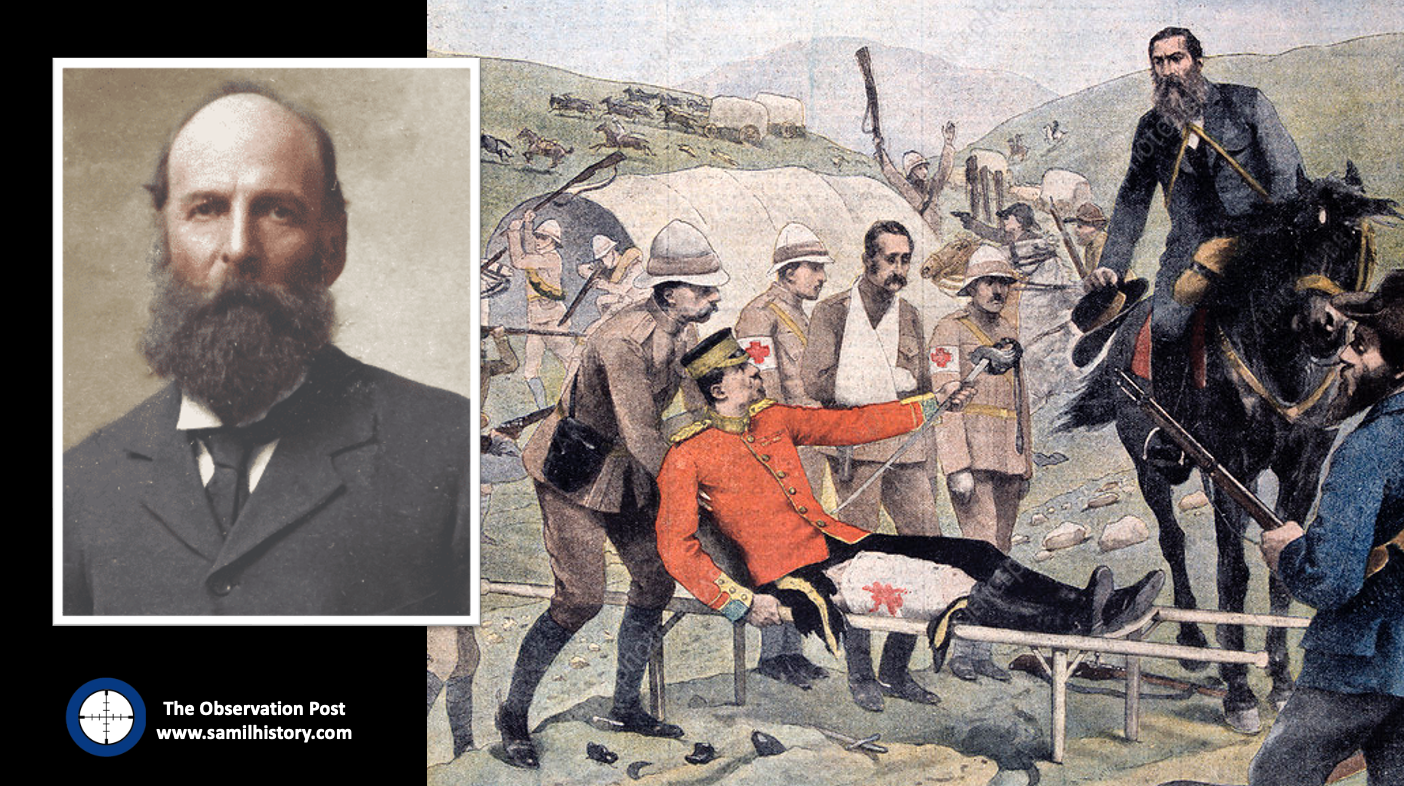
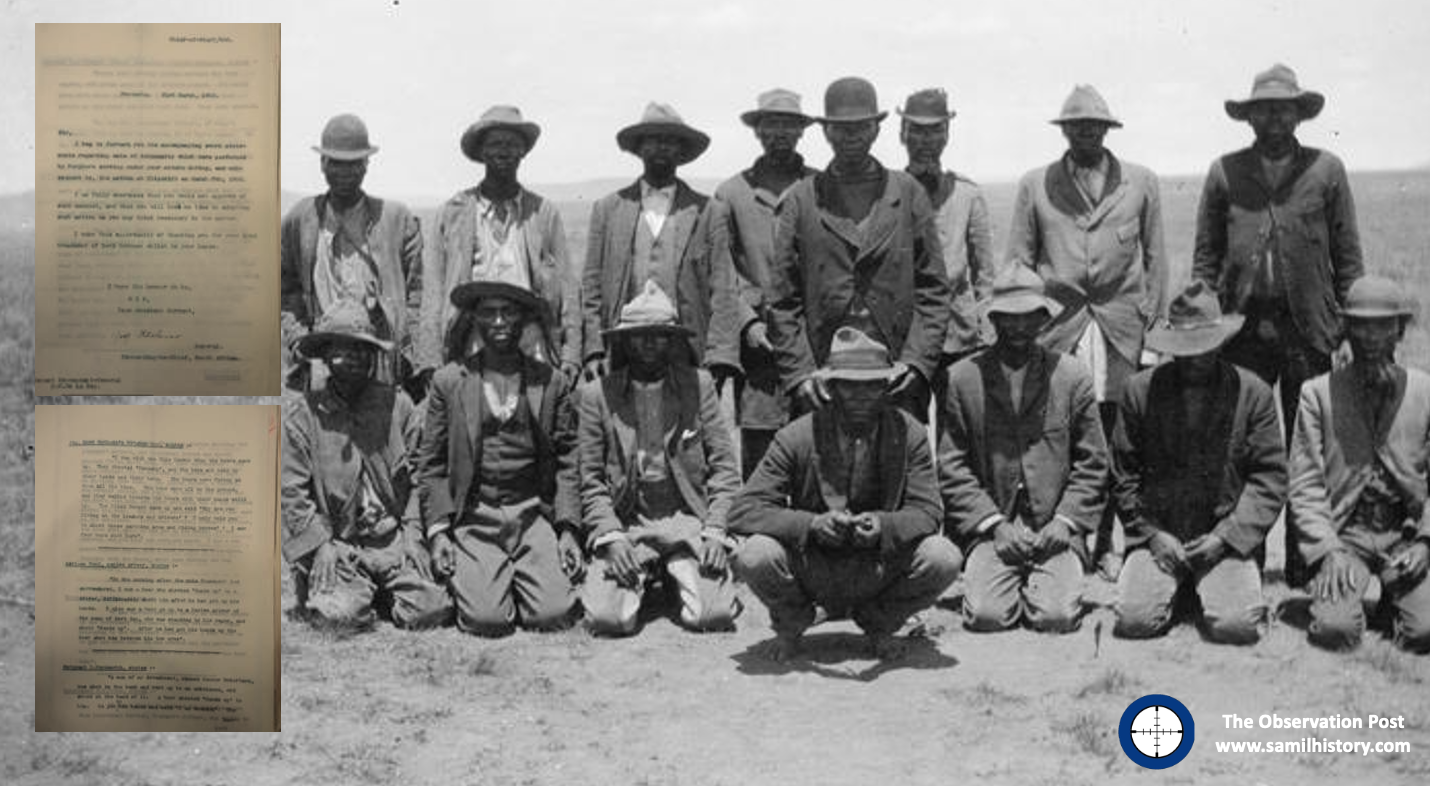
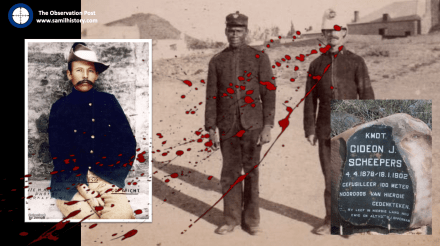
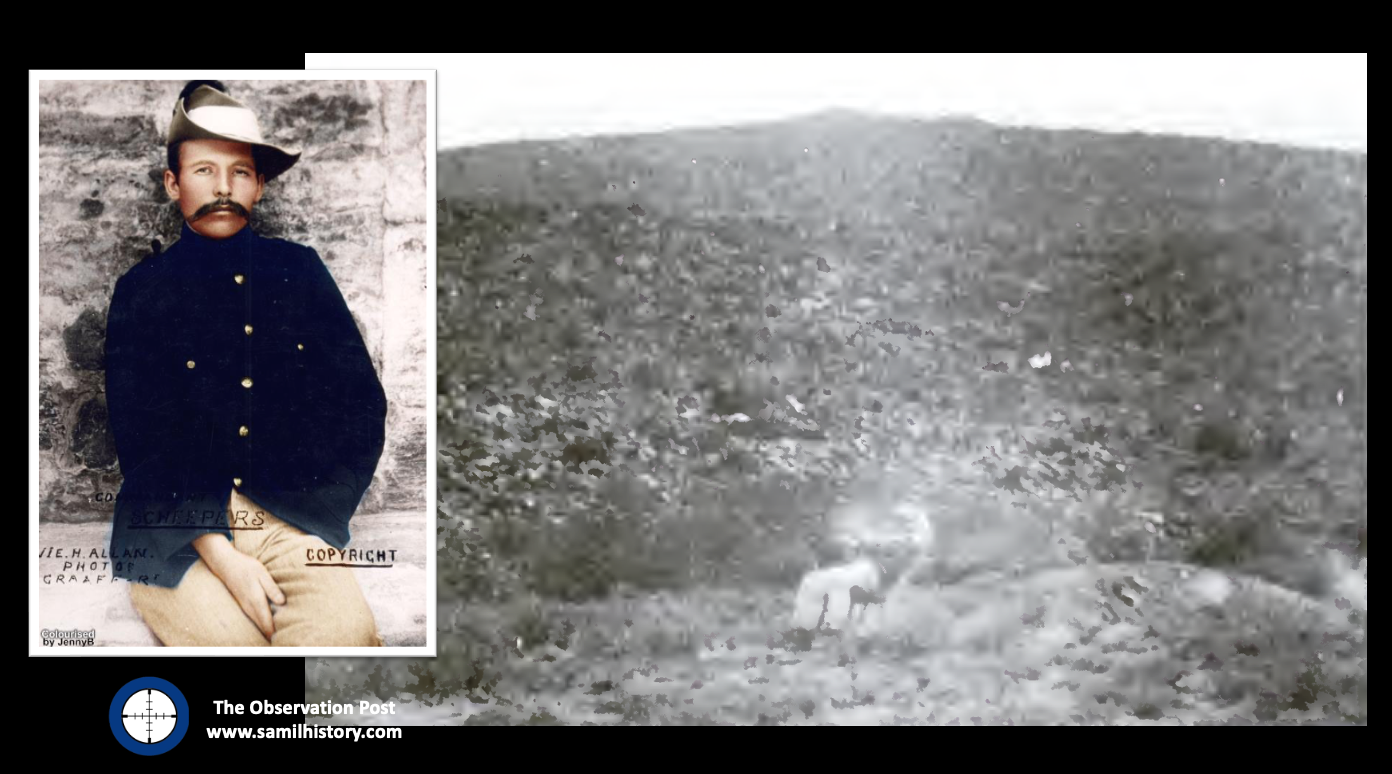
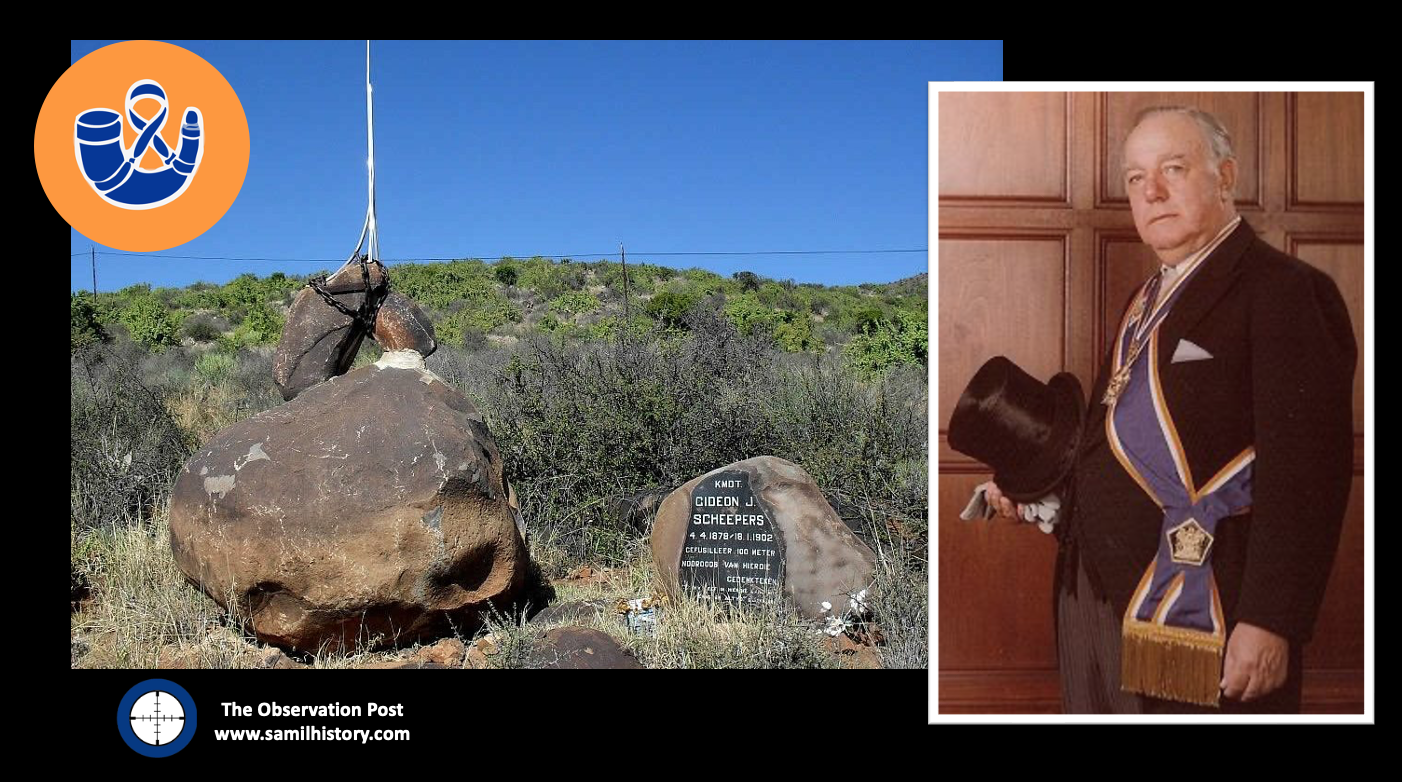
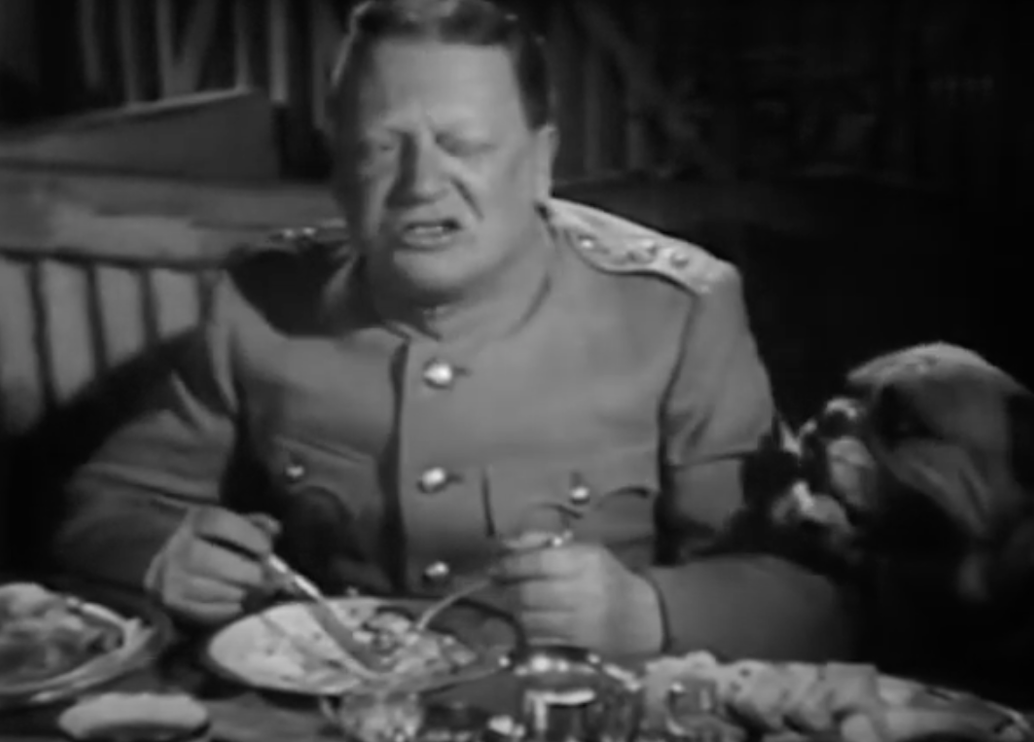
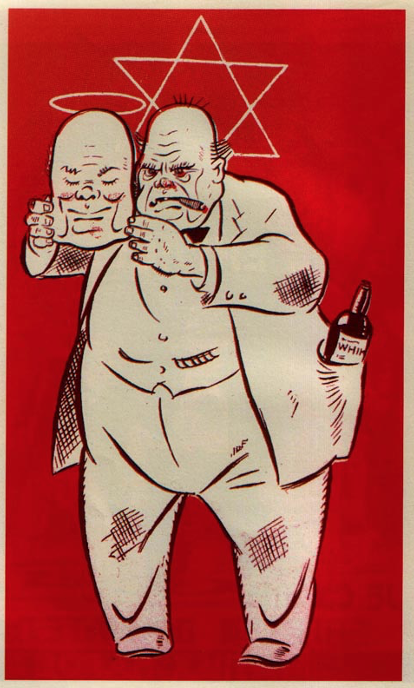
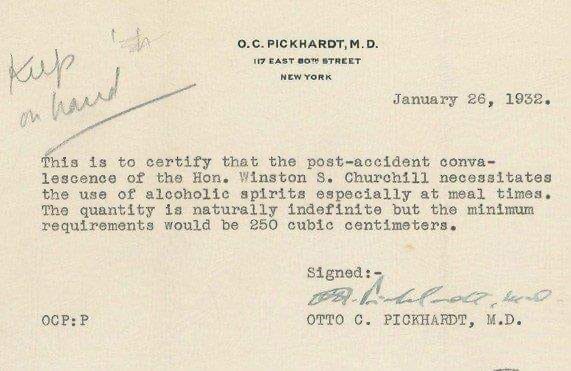
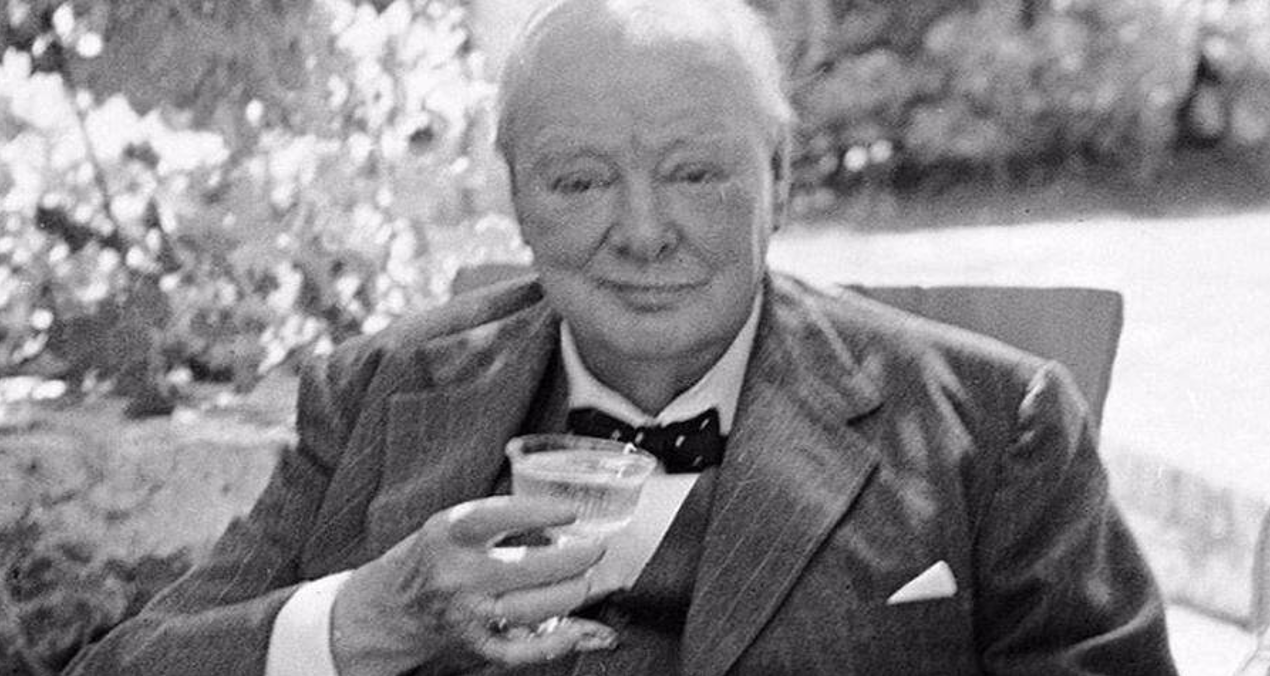

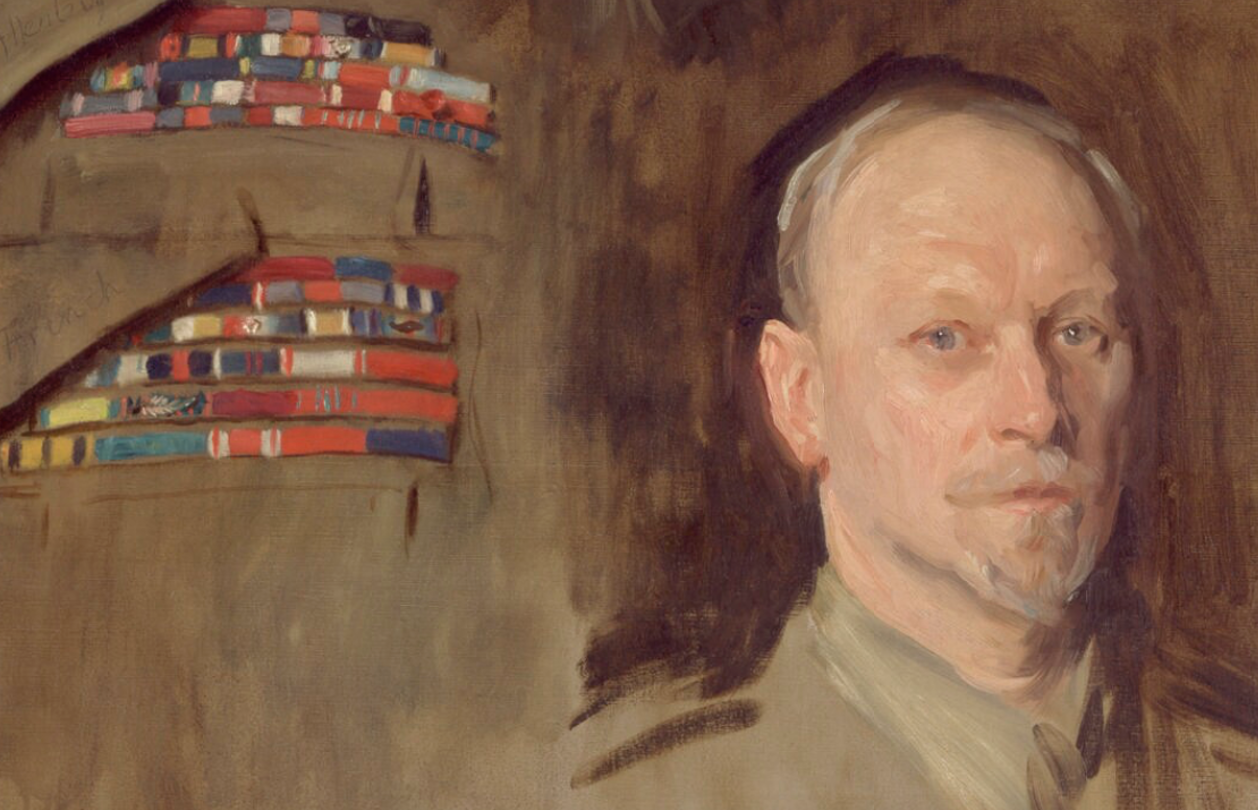
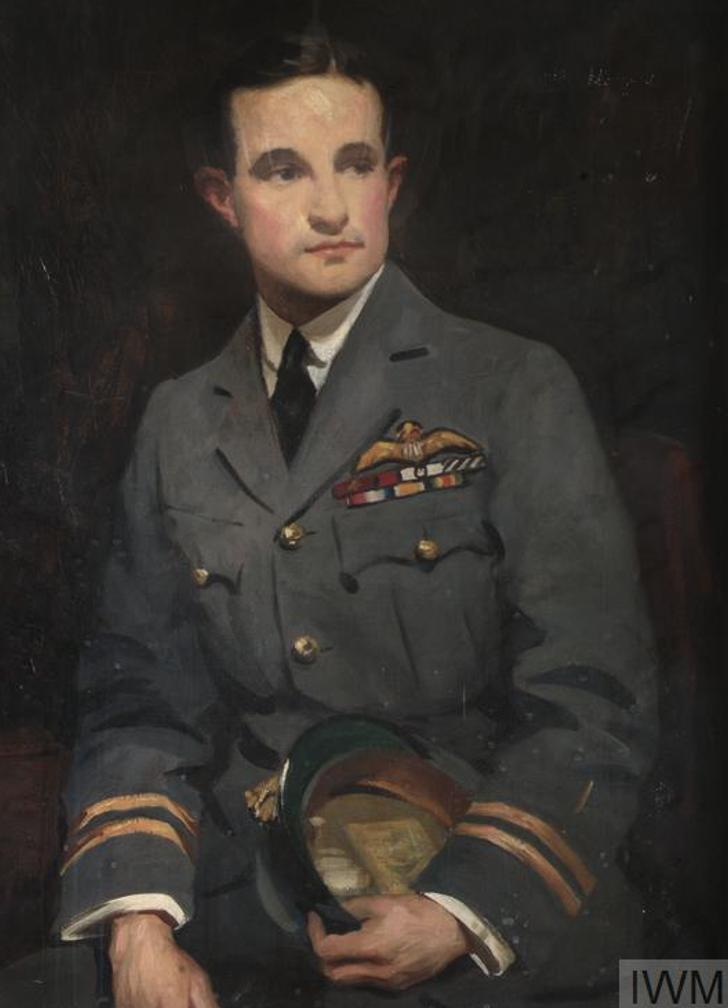
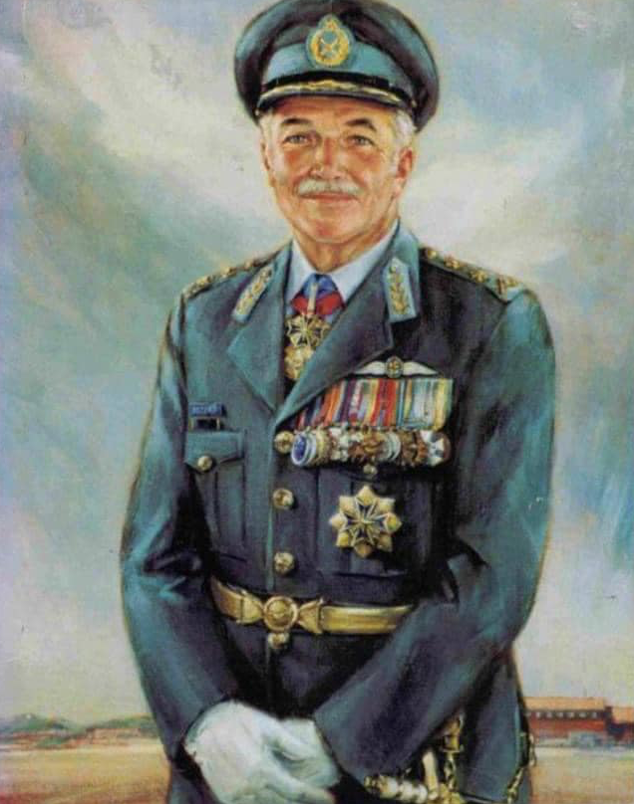
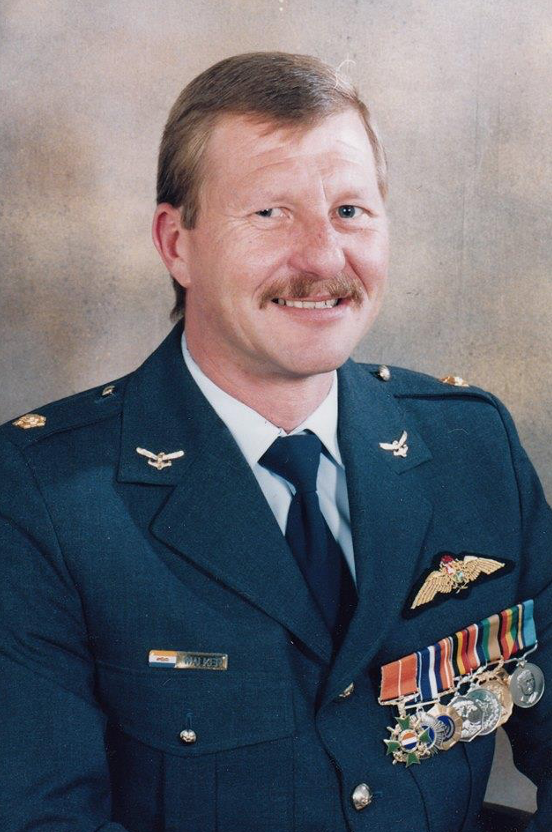
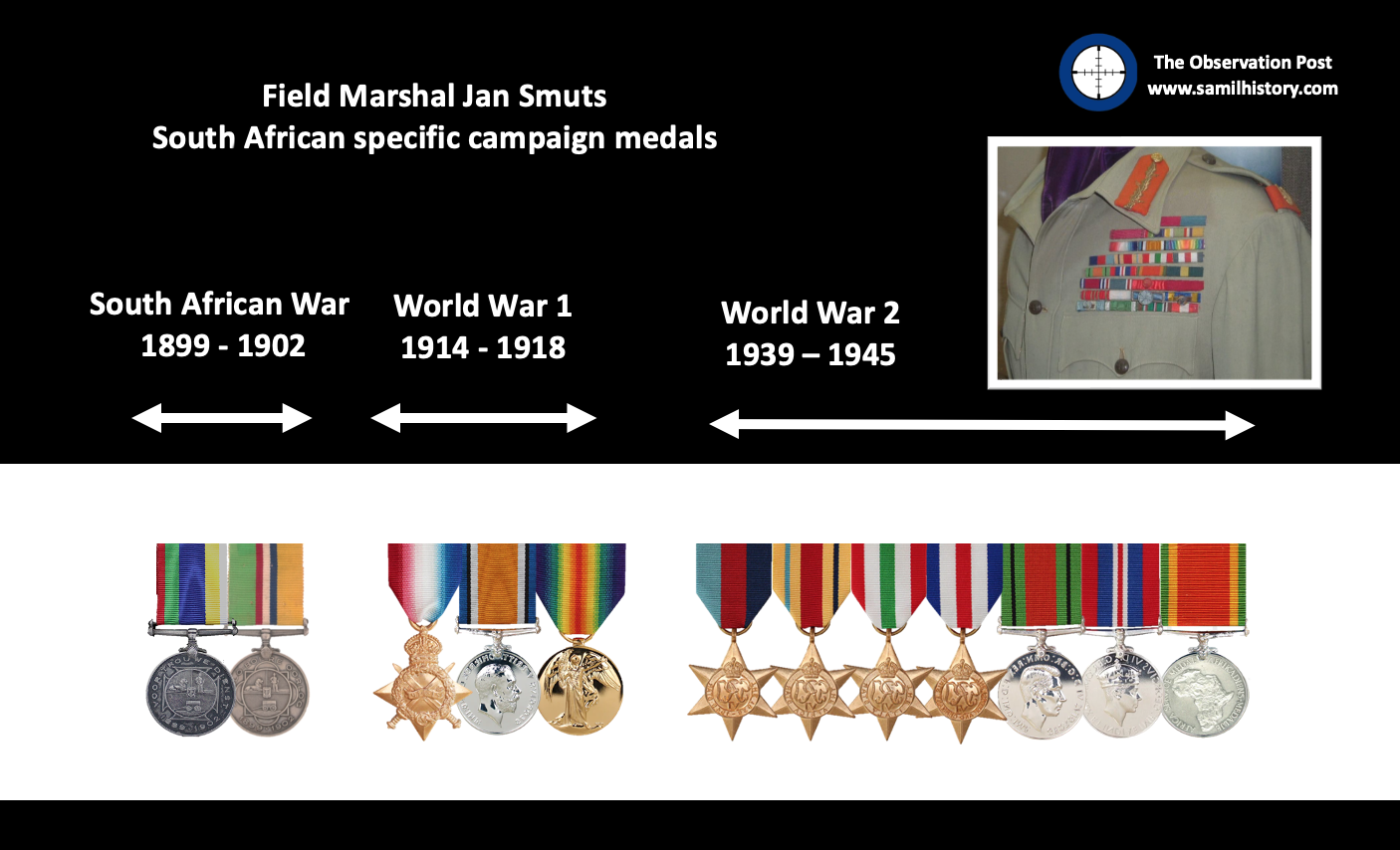
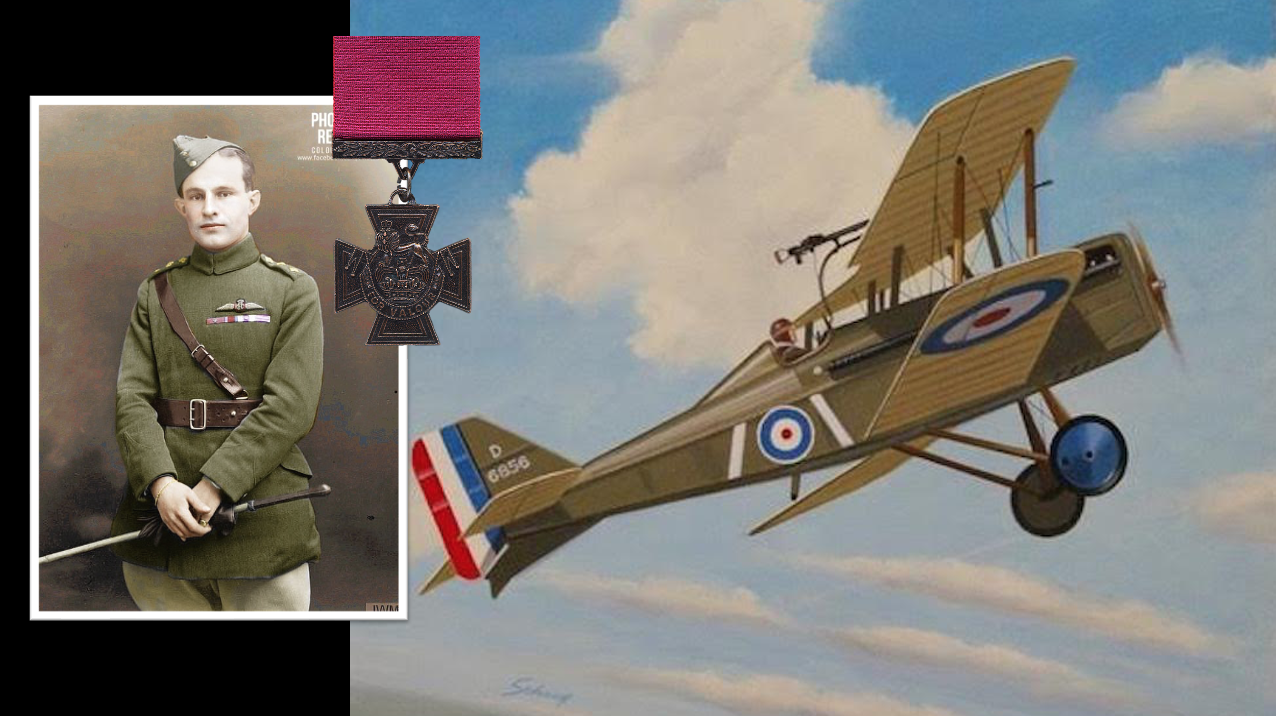

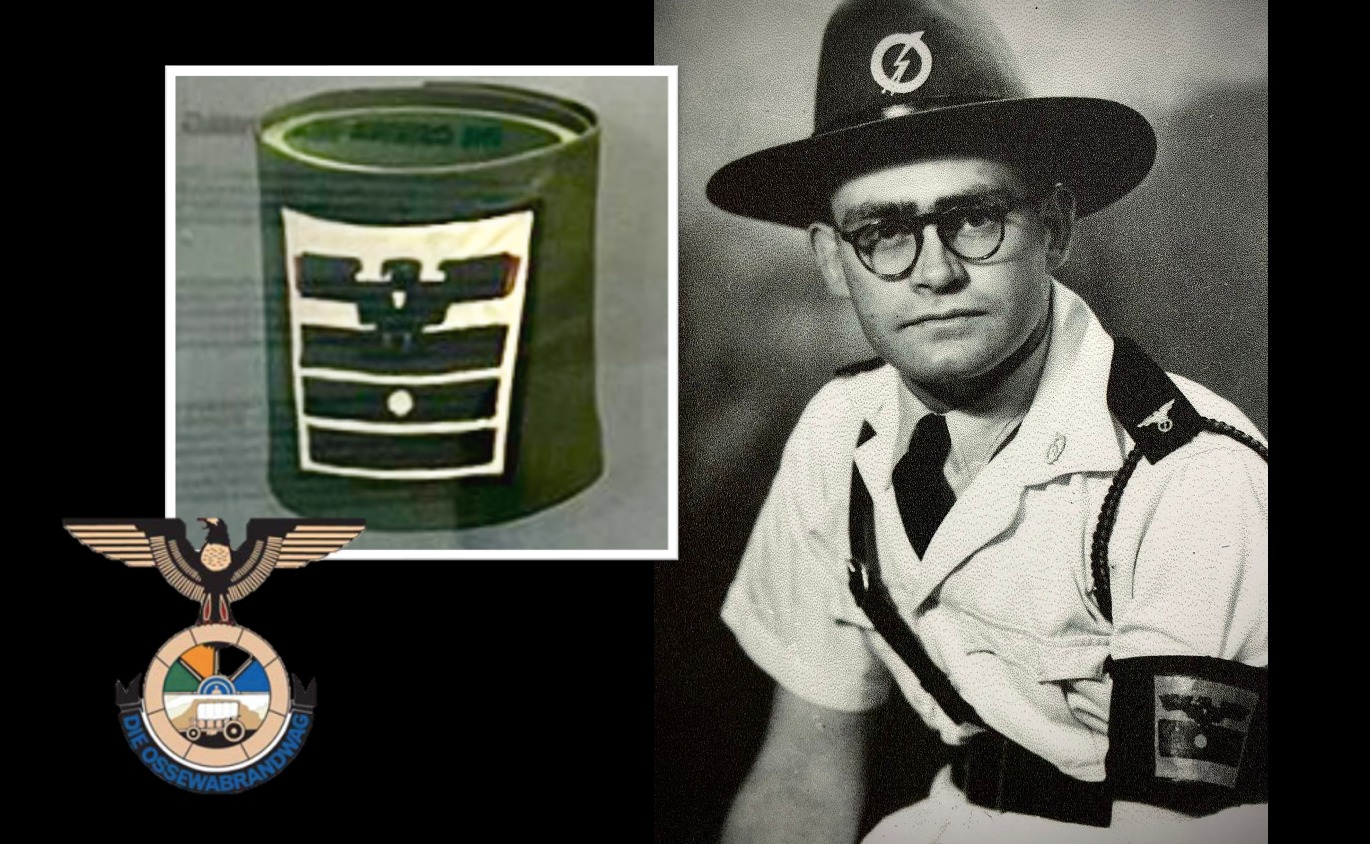
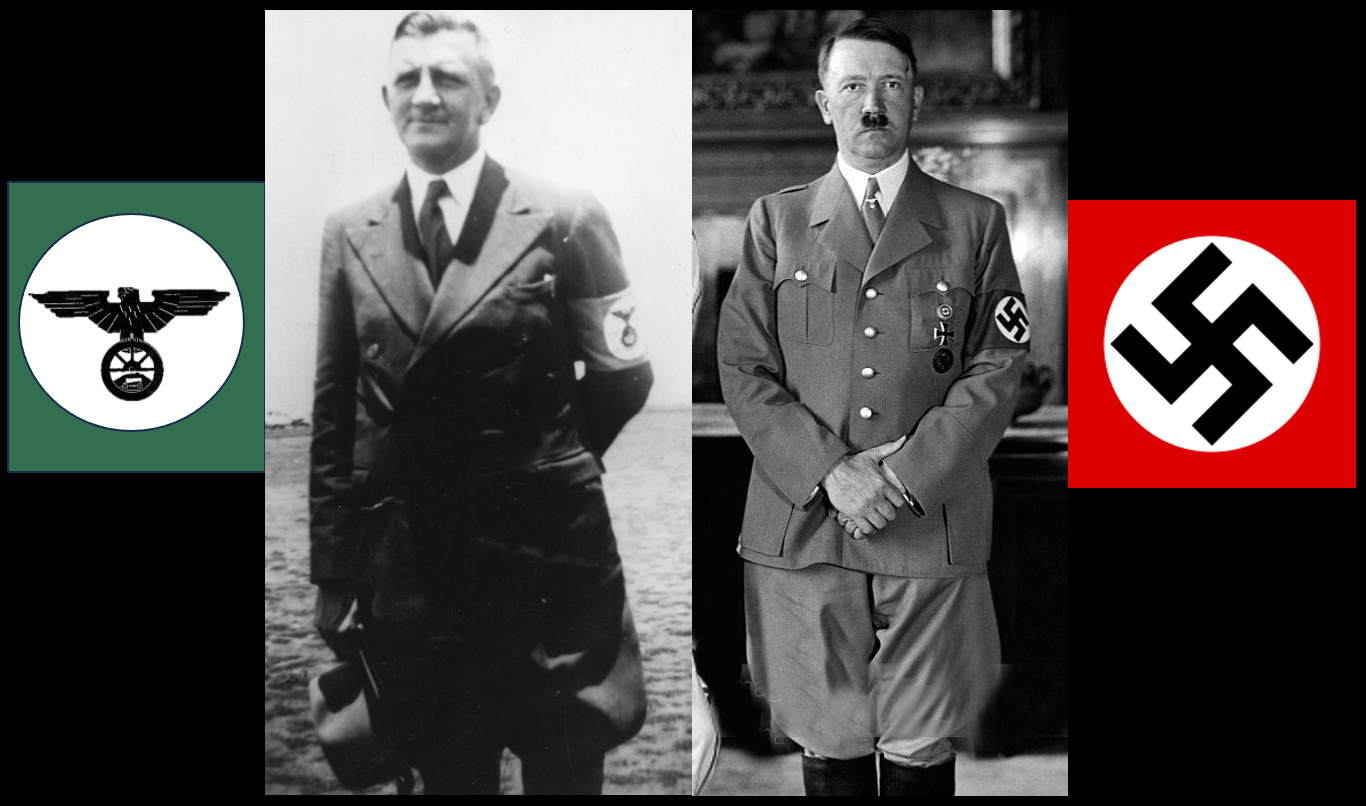

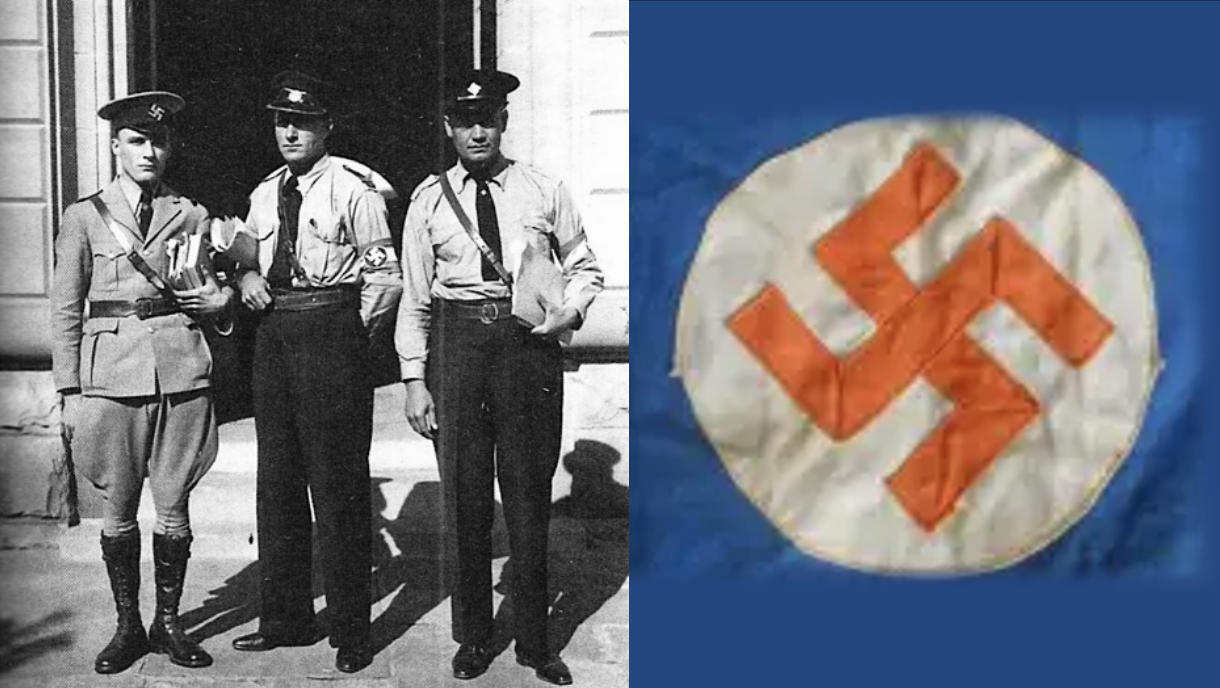
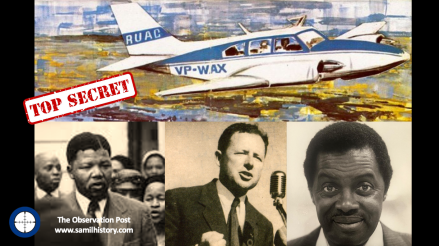
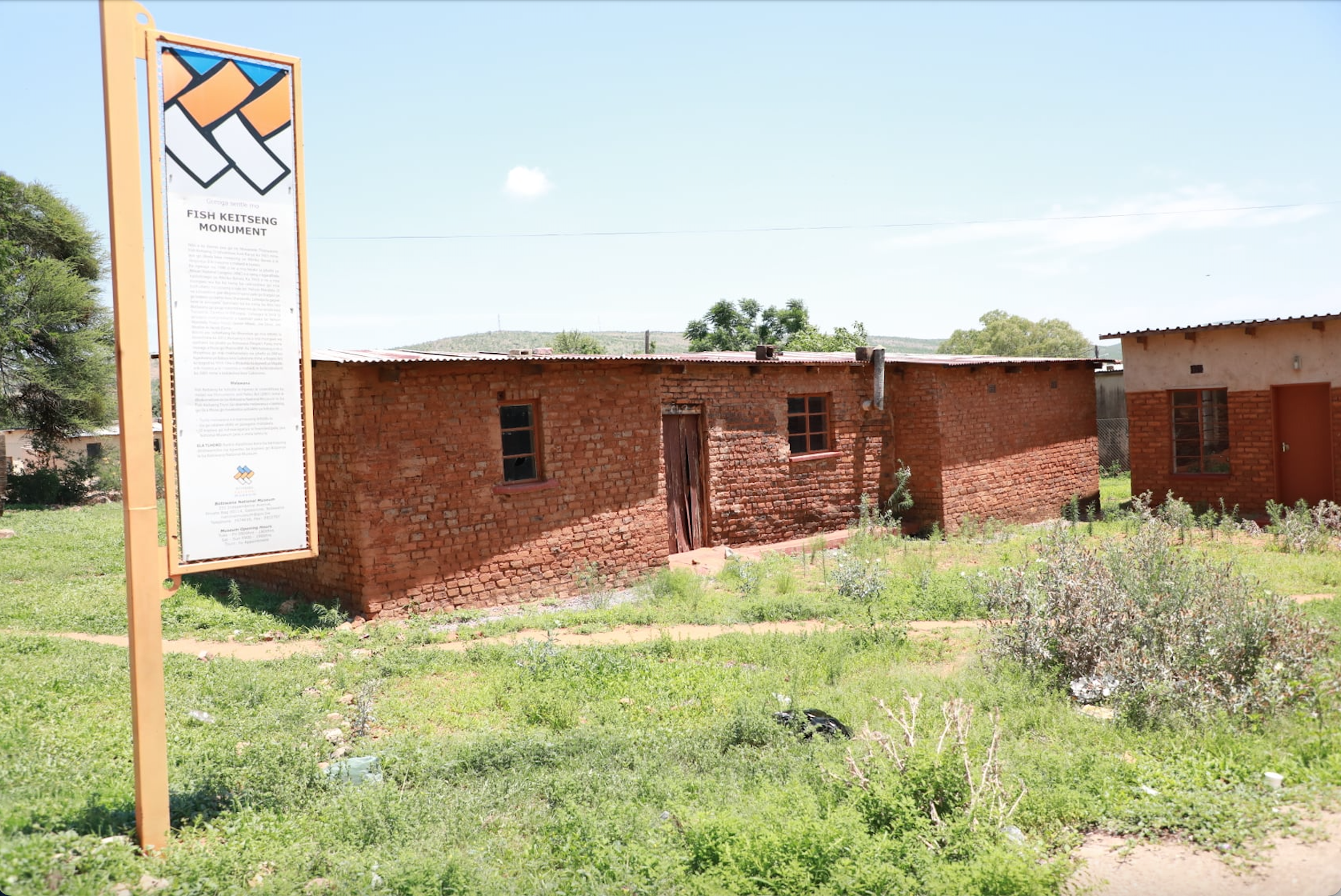
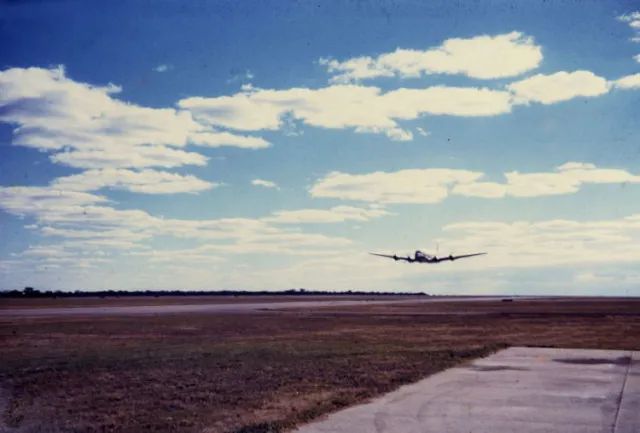
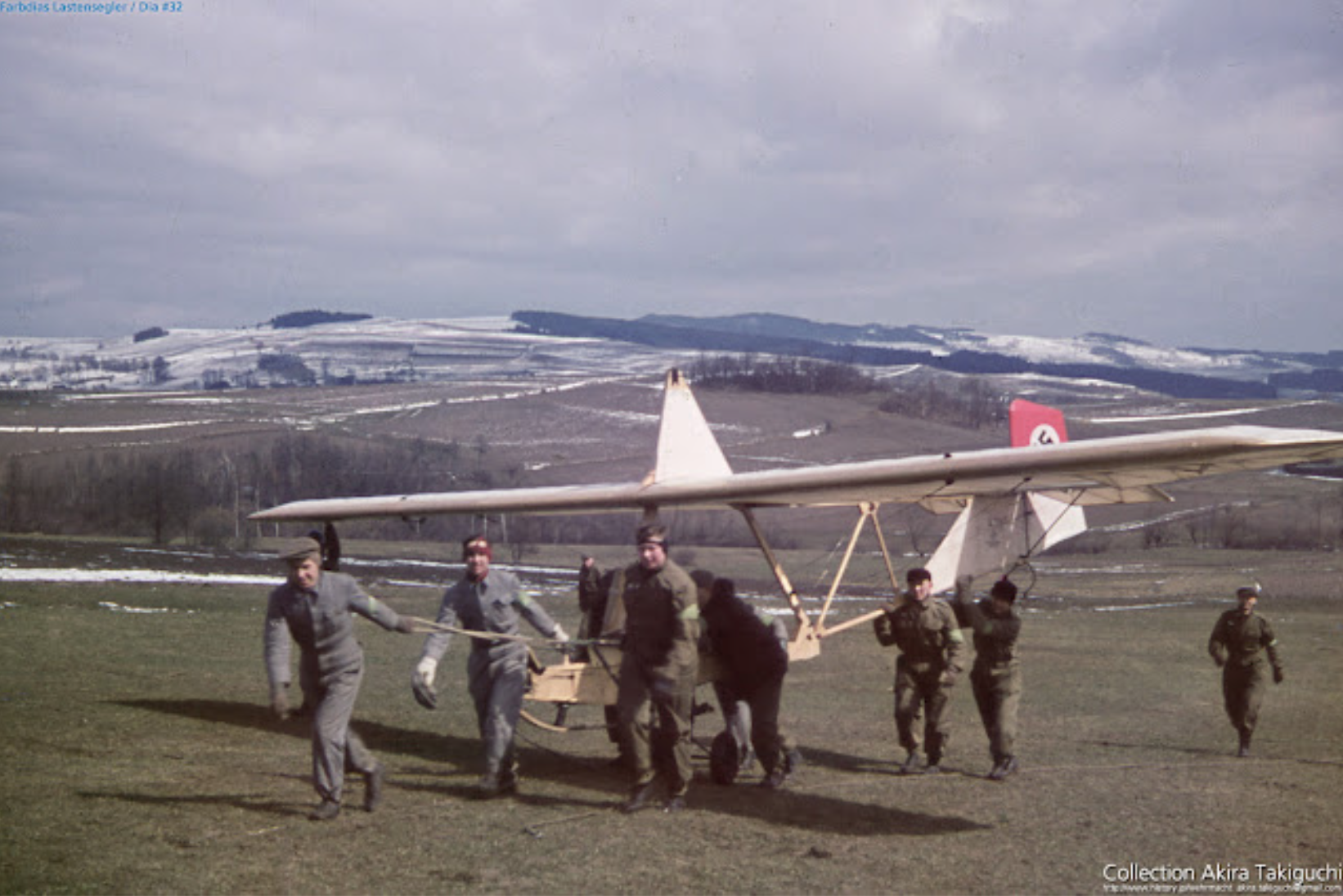
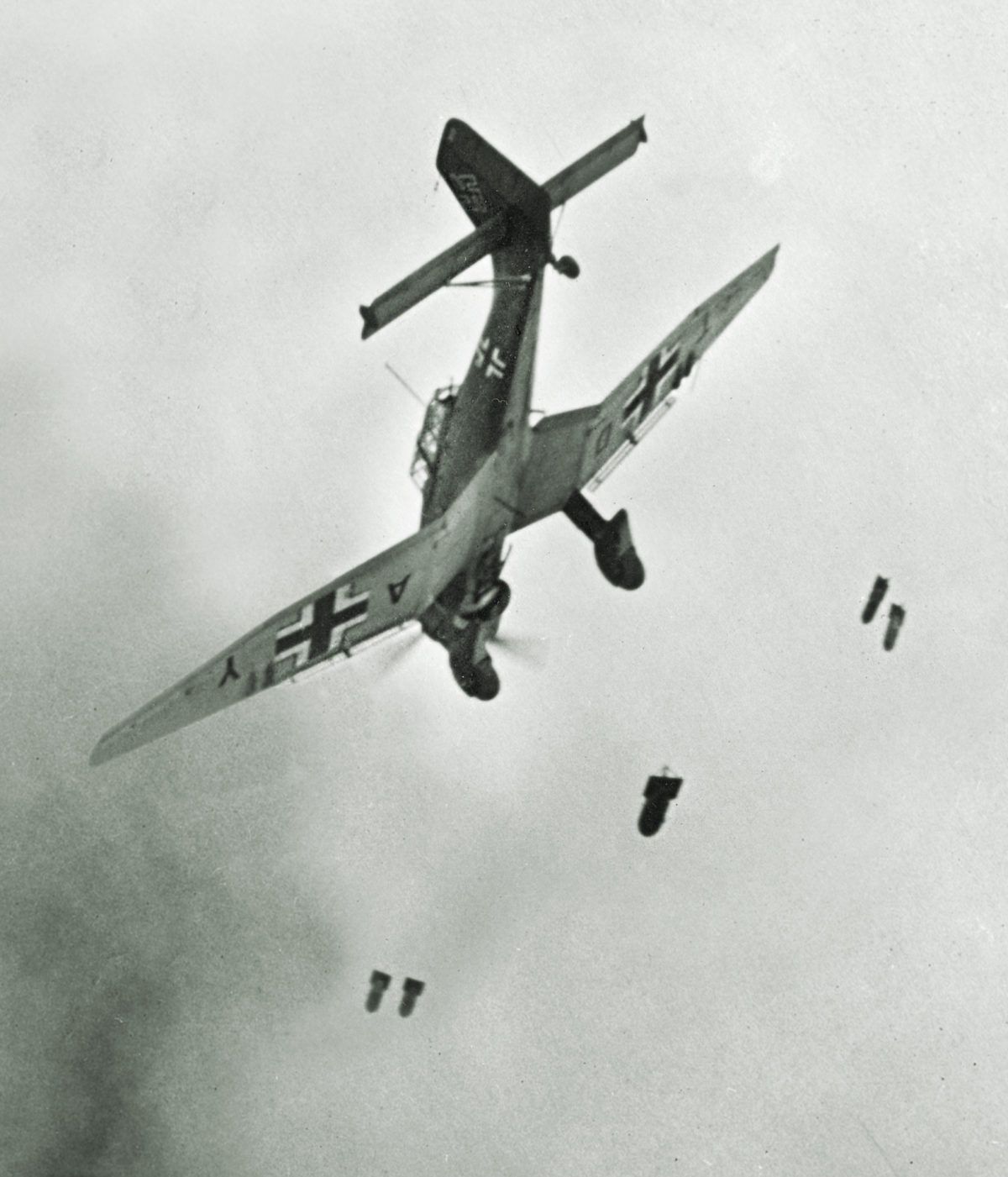
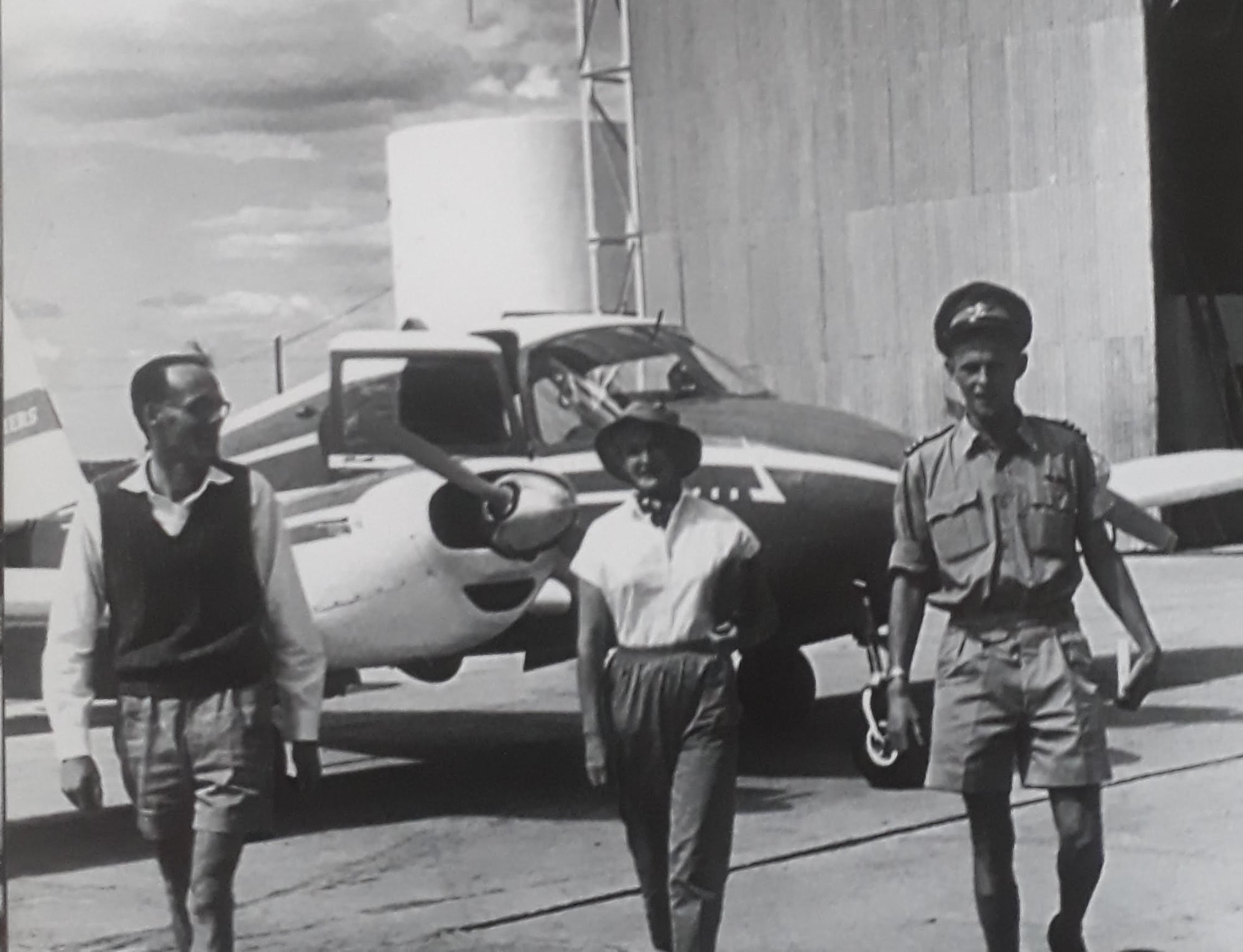
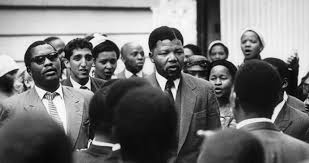
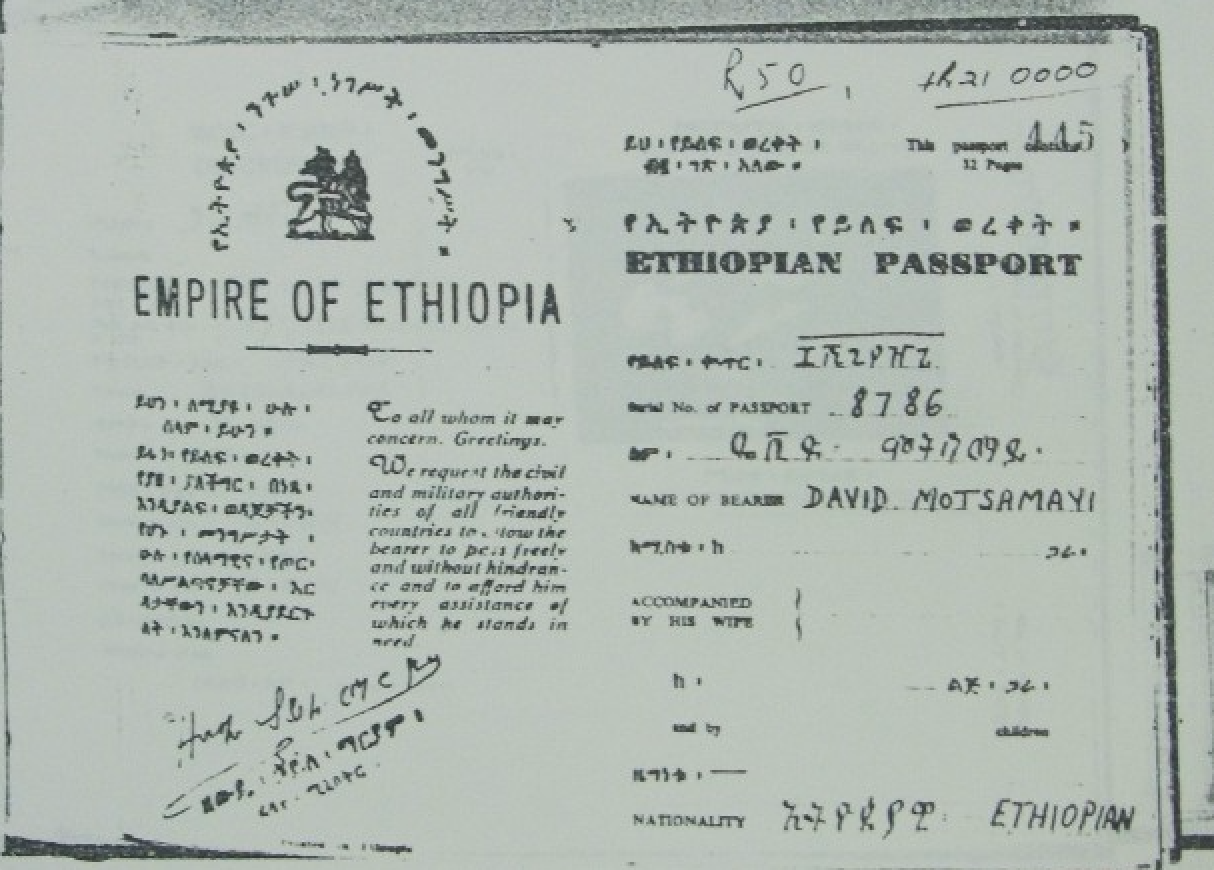
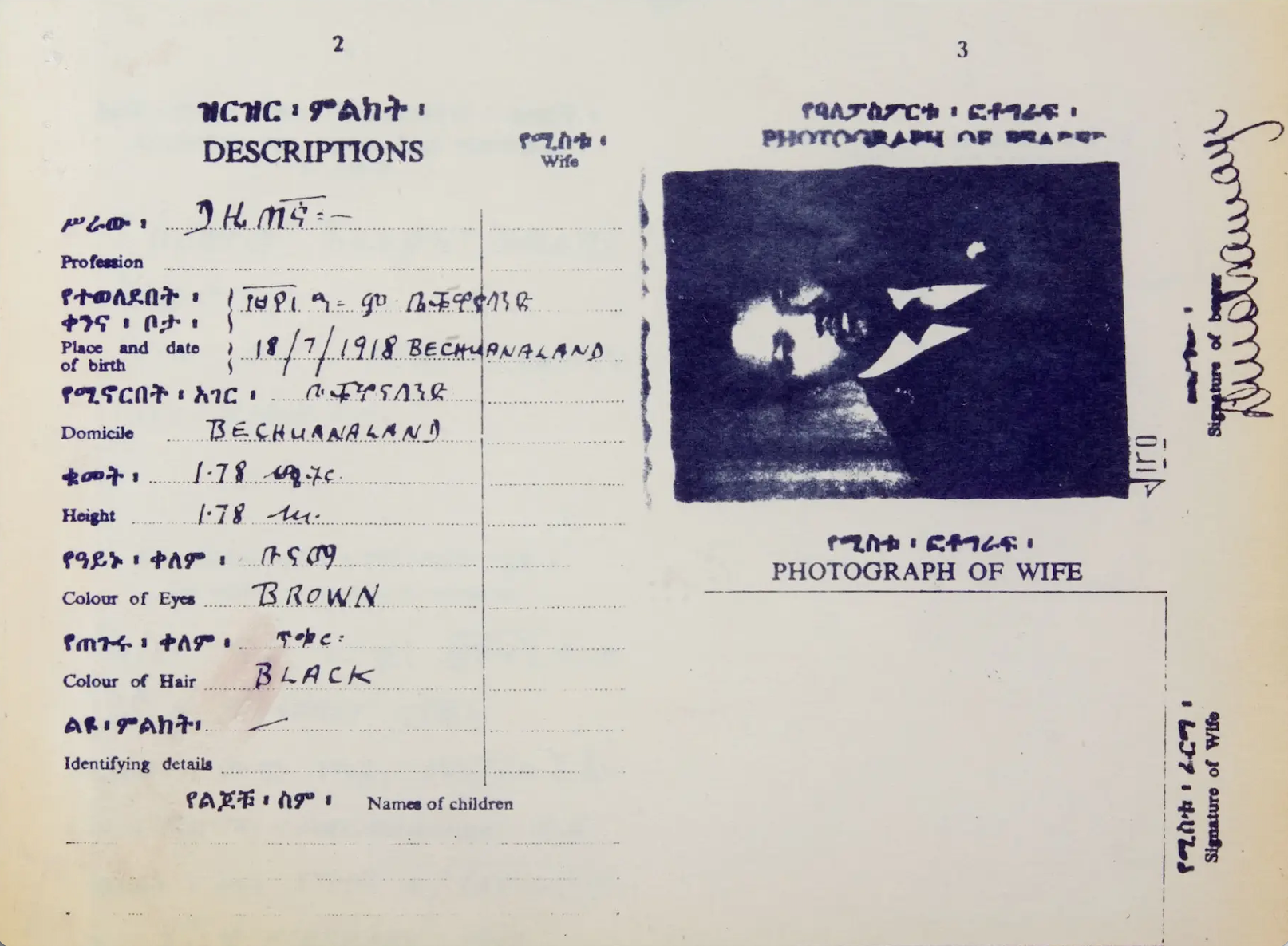
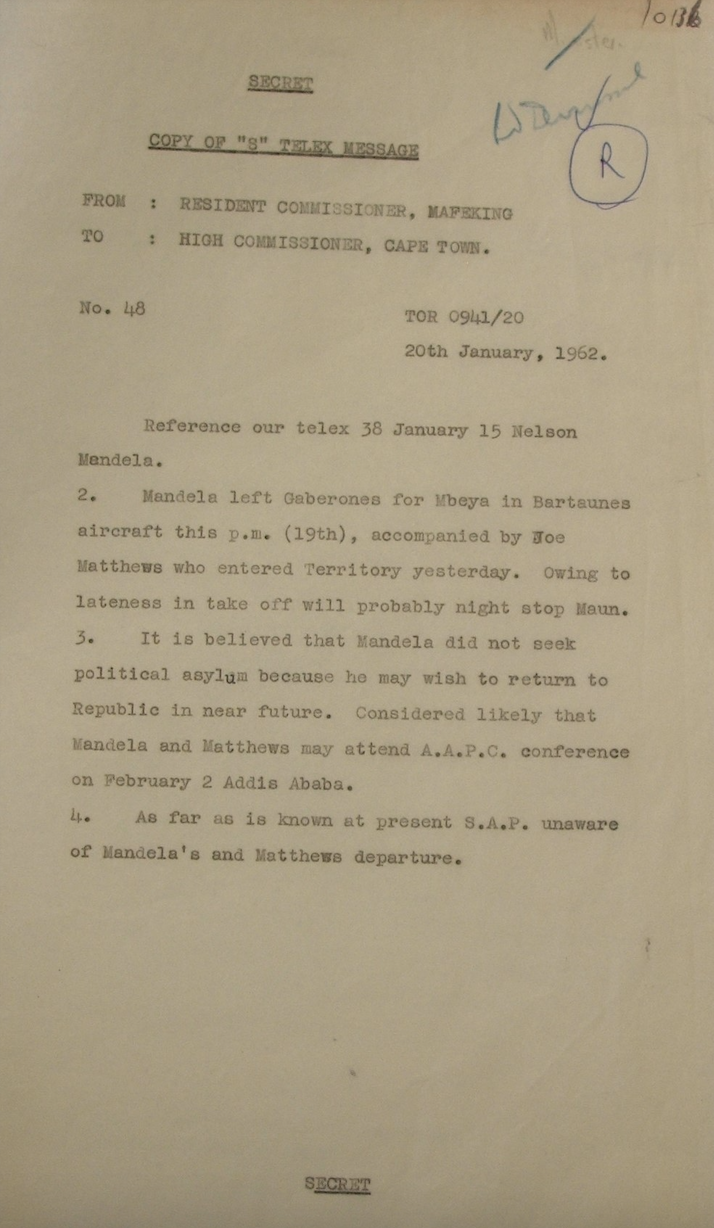
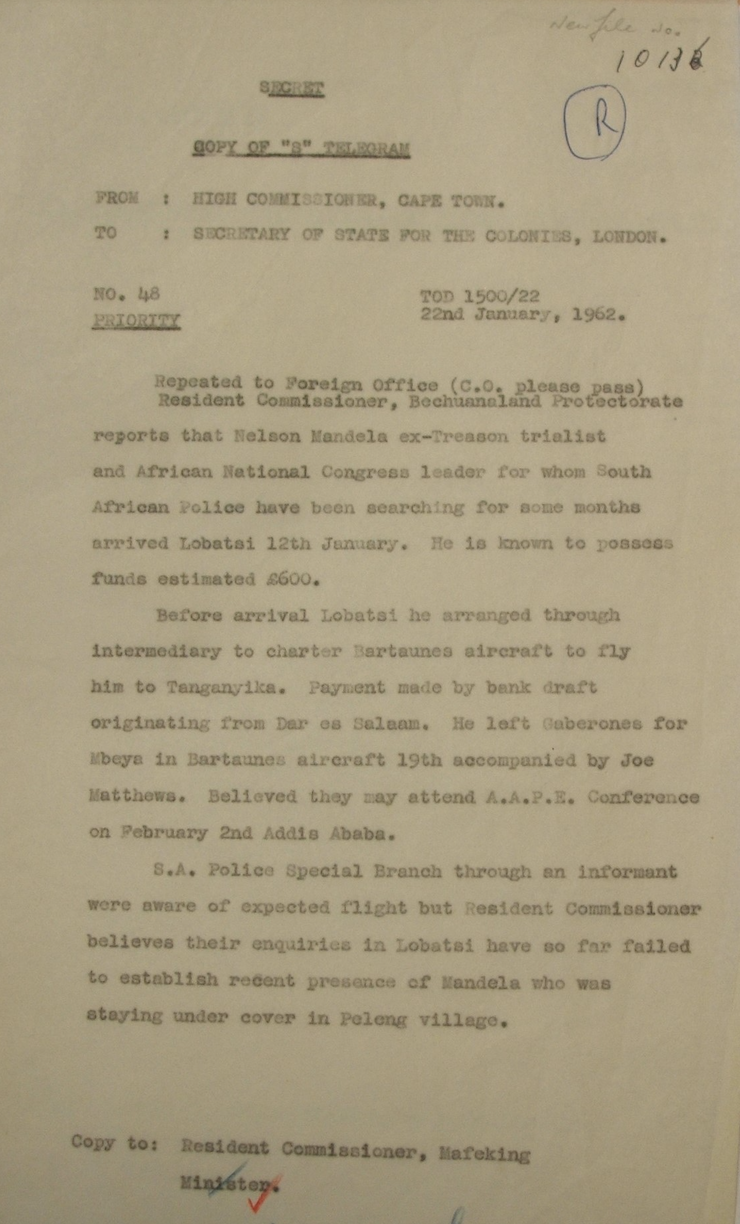
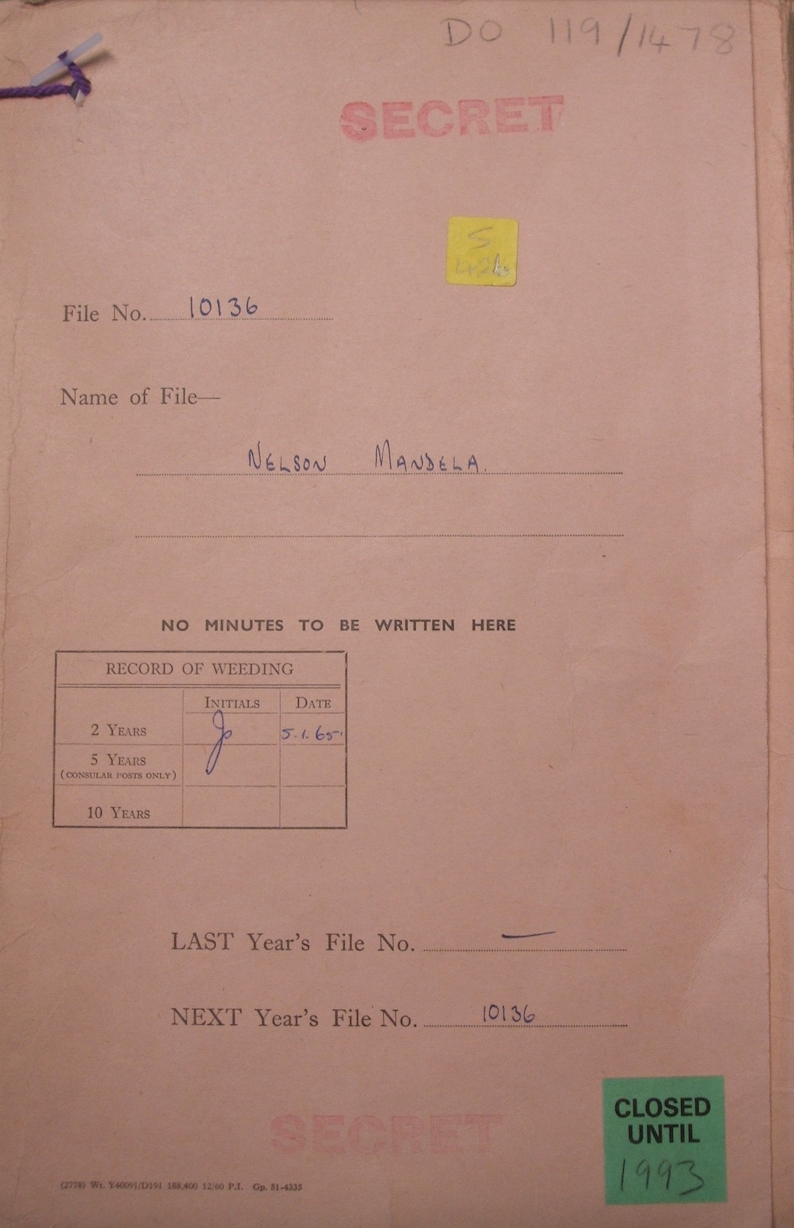
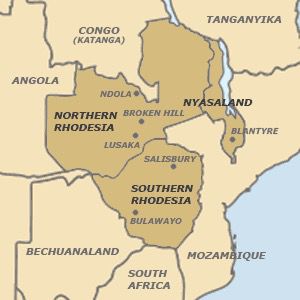
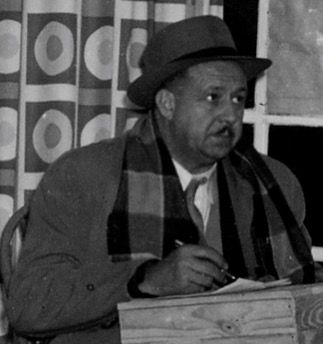
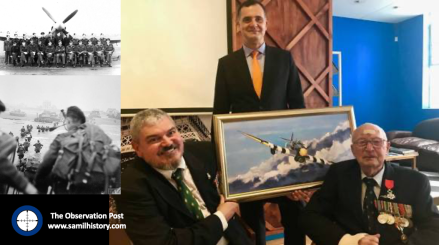
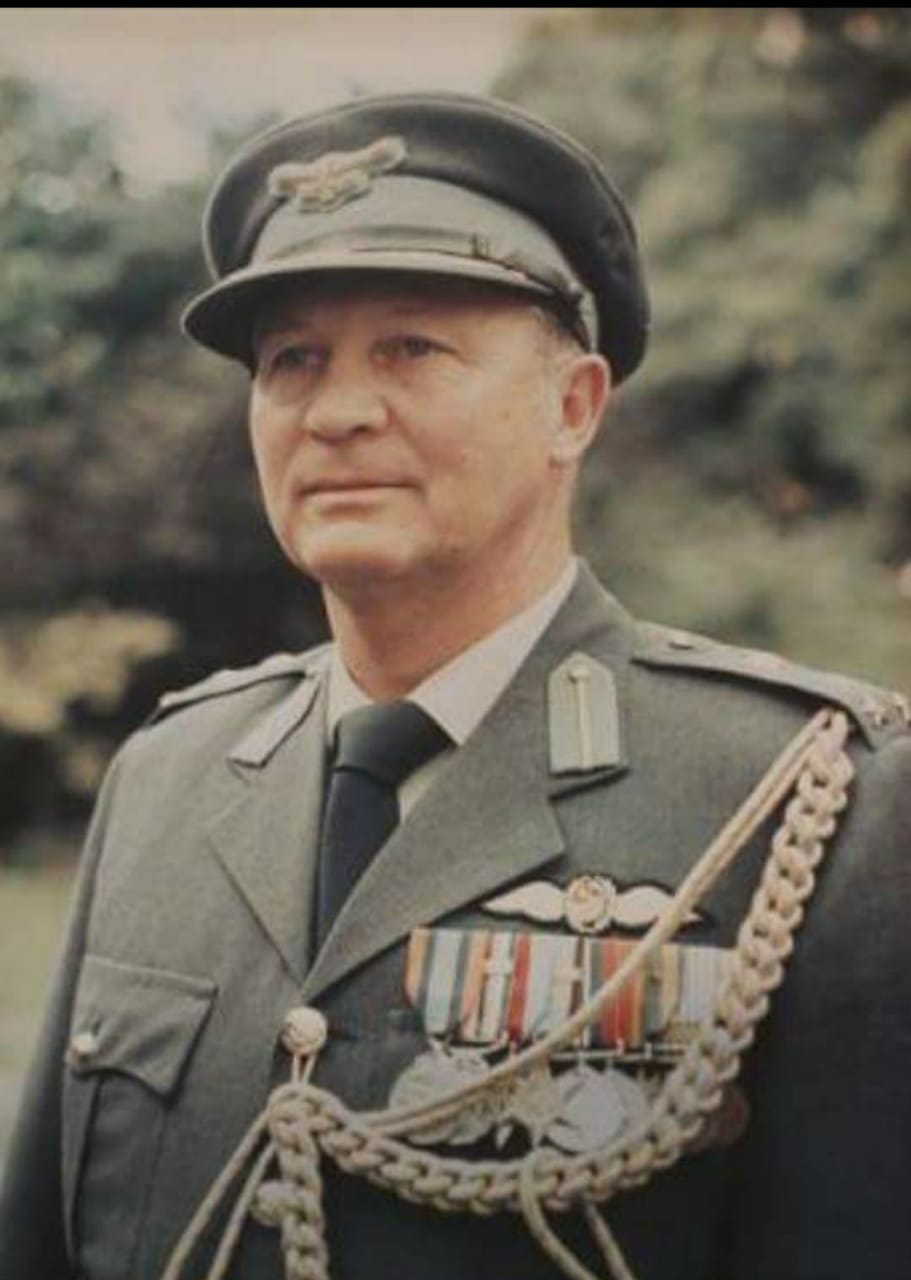

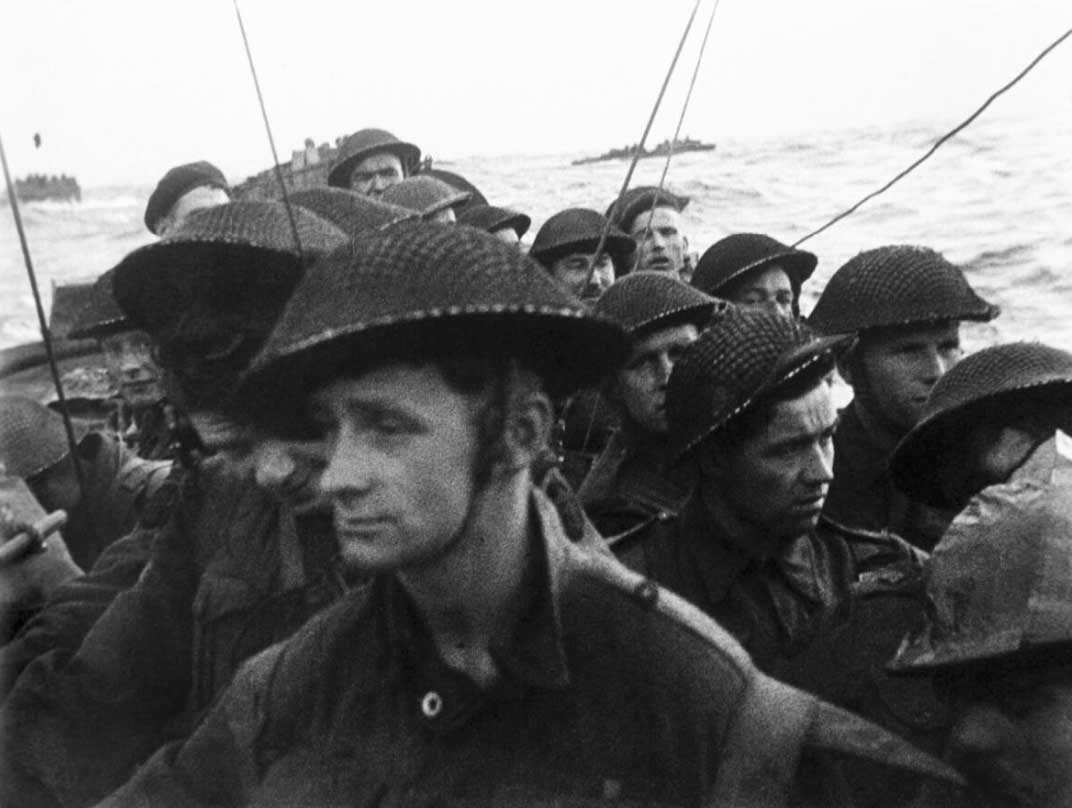

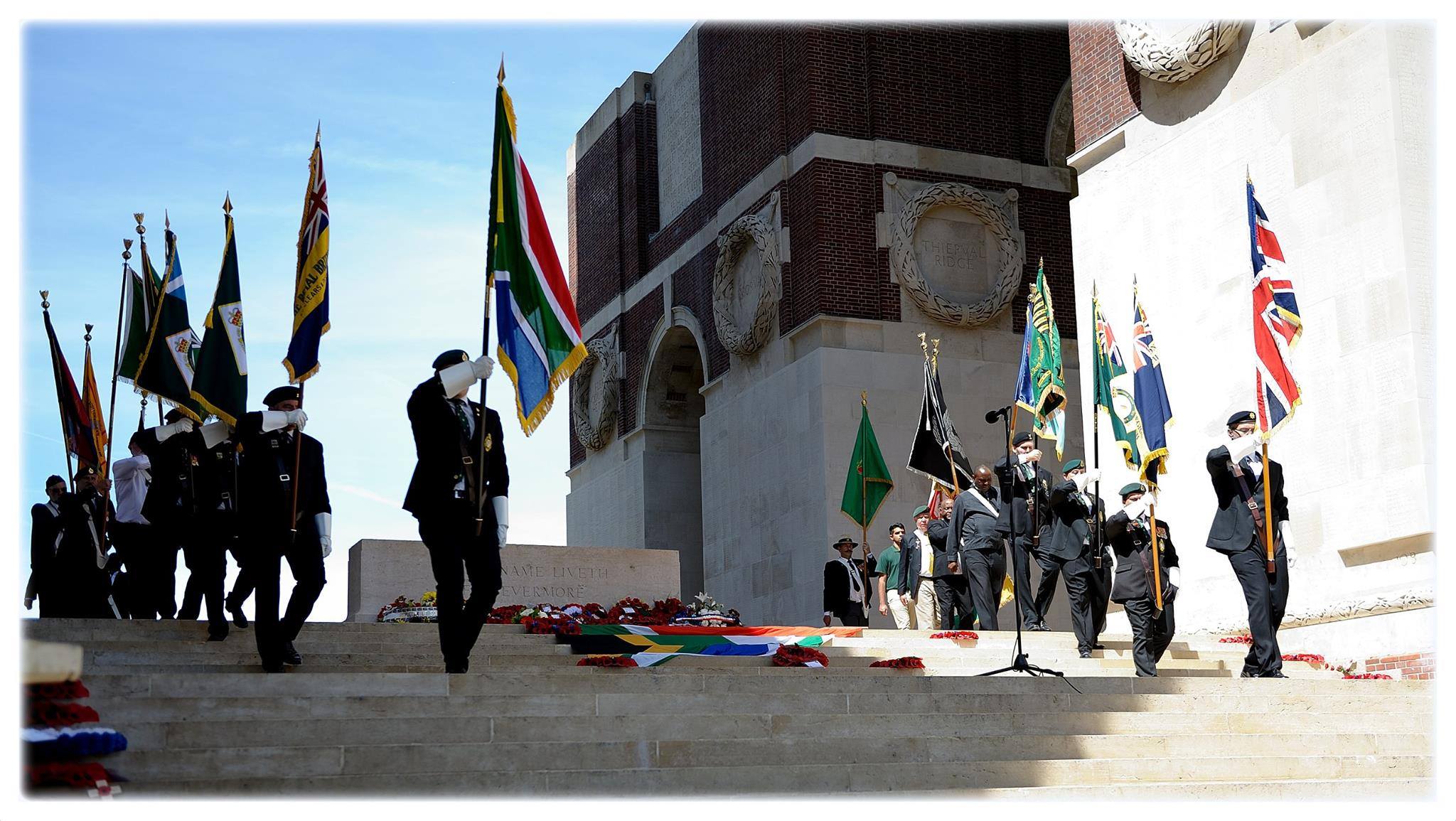
 The Observation Post