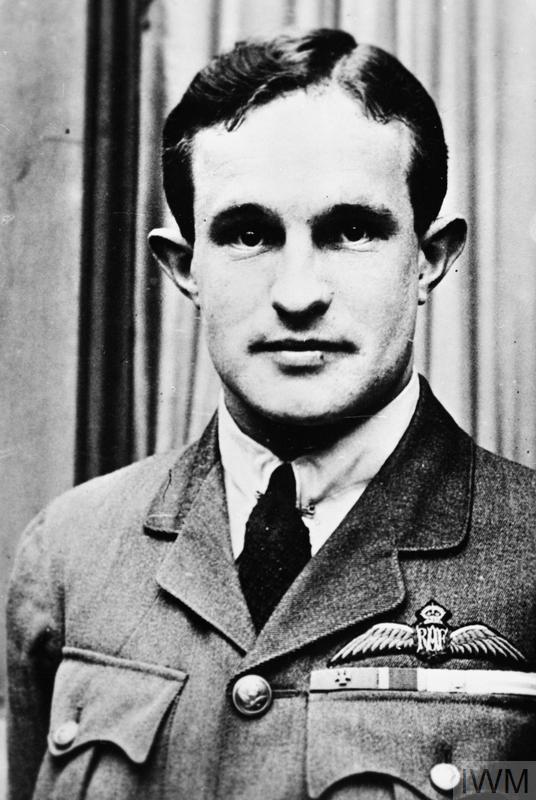
South Africa’s top military medalists

So, talking Olympics, but in a military context, who are South Africa’s greatest medalists?

Unfortunately we have to separate this into two sub categories as the National Party in 1948 decided that anyone fighting for the Allies under the banner of the “South African Union” was somehow “British” (so too their medals – the “Commonwealth” bit to these decorations mattered not a jot to the Nats) and anyone fighting for the ‘White’ Apartheid Republic they brought about in 1961 was somehow more “South African” – and they created a whole new set of medals in paramount to the “British and Commonwealth” ones – declaring these as “foreign” medals – which meant a simple peacetime SADF ’Skiet medal” (shooting proficiency medal) would be more senior than a Commonwealth decoration for wartime gallantry.

Naturally this caused a lot of distress for our WW1 and WW2 veterans at the time, some refusing to allow basic service medals to precede their hard earned combat medals – and it also caused lots of confusion. True, the Nationalists had to change them as South Africa was kicked out/left the British Commonwealth, no choice – but they did not have be sinister and give paramountcy over the Commonwealth medals.

Adding to this confusion is the current ANC dispensation who took the position in 2003 that medals awarded by the Apartheid Republic were for “Aparthied soldiers” and they created a whole new set to replace them for SANDF soldiers of a “democratic” South Africa – one thing they did right is they did not make them “paramount” to the SADF medals which maintain seniority (which the Nats did not do). To say this is a messy subject would be an understatement.

We also need to understand who is the South African with the “most” medals – like an Olympian who has won the most medals of any category – Gold, Silver or Bronze as opposed to the South African who has won the most “highest” medals for gallantry- again like an Olympian who has won the most “gold” medals.

Now to announce the winners:

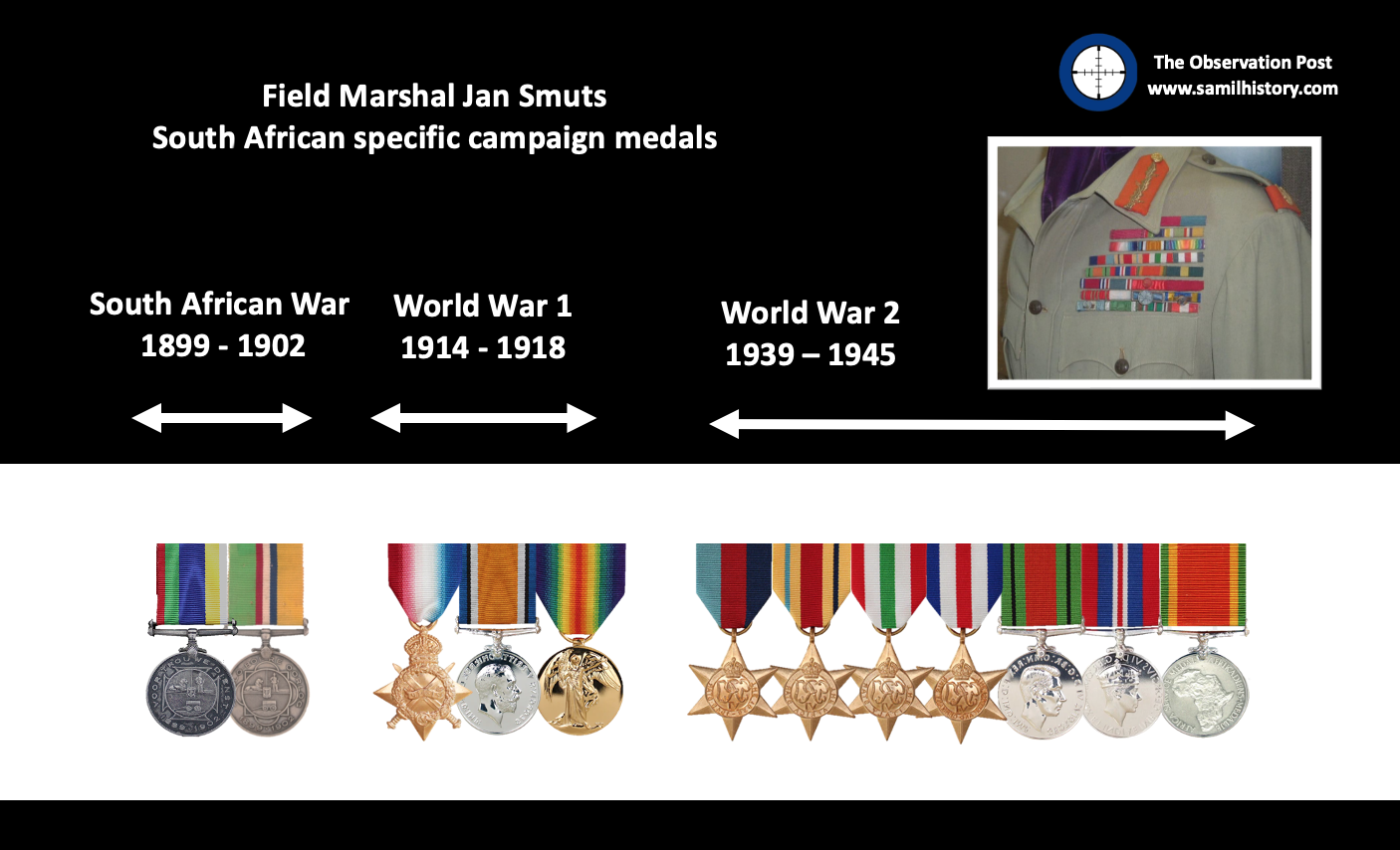
The winner of the “most” medals i.e. the most decorated South African of the “Union” period is ….. Field Marshal Jan Smuts – here’s his rack:

Field Marshal Jan Christian Smuts OM,CH,DTD,ED,PC,KC,FRS

  • Order of Merit (OM) – British and Commonwealth (WW2)
  • Order of the Companions of Honour (CH) – British and Commonwealth (WW1)
  • Dekoratie voor trouwe Dienst (DTD) – ZAR Republic (Boer War 2)
  • Efficiency Decoration (ED) – South Africa (Interwar and WW2)
  • Privy Council (PC) – British and Commonwealth
  • King’s Counsel (KC) – a legal appointment post nominal
  • Fellowship of the Royal Society (FRS)
  • Bencher of the Middle Temple – a legal appointment
  • South African Republic and OFS War Medal – ZAR Republic (Boer War 2)
  • 1914/15 Star (WW1)
  • British War Medal 1914 – 1918 (WW1)
  • Victory Medal (WW1)
  • General Service Medal
  • King George V’s Jubilee Medal – 1935
  • King George VI’s Coronation Medal – 1937
  • 1939 – 1945 Star (WW2)
  • Africa Star (WW2)
  • Italy Star (WW2)
  • France and Germany Star (WW2)
  • Defence Medal 1939 – 1945 (WW2)
  • War Medal 1939 – 1945 (WW2)
  • Africa Service Medal 1939 – 1945 (WW2)
  • Order of Merit (U.S.A.)
  • EAME Campaign Medal – U.S.A.(WW2)
  • Order of the Tower and Sword for Valour, Loyalty and Merit (Portugal)
  • Grootkruis van die Orde van de Nederlandsche Leeuw – Netherlands (WW2)
  • Grand Cordon of the Order of Mohamed Ali (Egypt)
  • Grand Cross of the Order of the Redeemer – Greece (WW2)
  • Grand Cross of the Order of Léopold II – Belgium (WW2)
  • Croix de guerre – Belgium (WW1)
  • Légion d’honneur Croix de Commandeur – France (WW1)
  • La Grand Croix de l’Ordre de L’Etoile Africane Ster – Belgium (WW2)
  • King Christian X Frihedsmedaille ‘Pro Dania’ – Denmark (WW2)
  • Aristion Andrias Gold Cross – Greece (WW2)
  • Albert Medal of the Royal Society of Arts
  • Woodrow Wilson Peace Medal1

36 Total

Smuts is unique in the sense that his two Boer War Republican medals pre-date his Union medals.
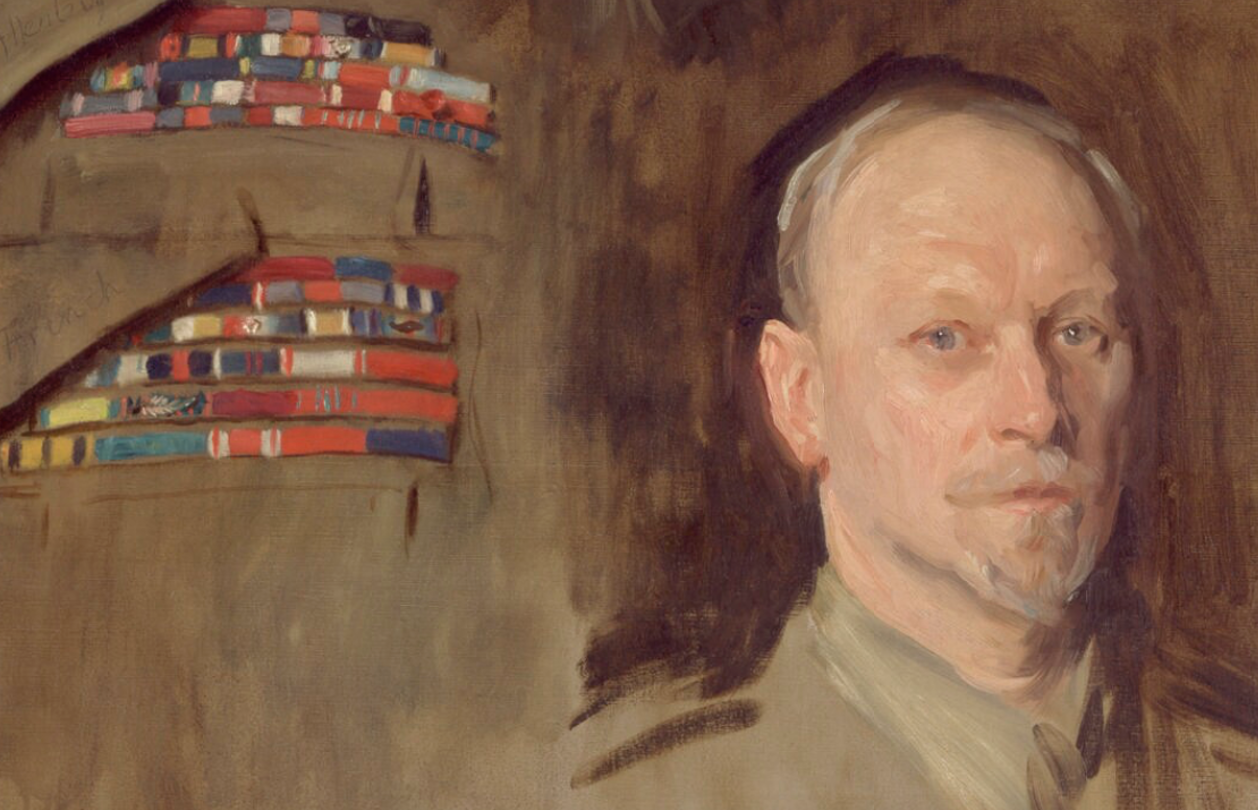
Field Marshal Jan Smuts and ribbons

The winner of the “highest” medals i.e. the highest decorated South African of the “Union” period is …. Captain Andrew Beauchamp-Proctor – here is his rack:

Captain Andrew Beauchamp-Proctor VC,DSO,MC&Bar,DFC
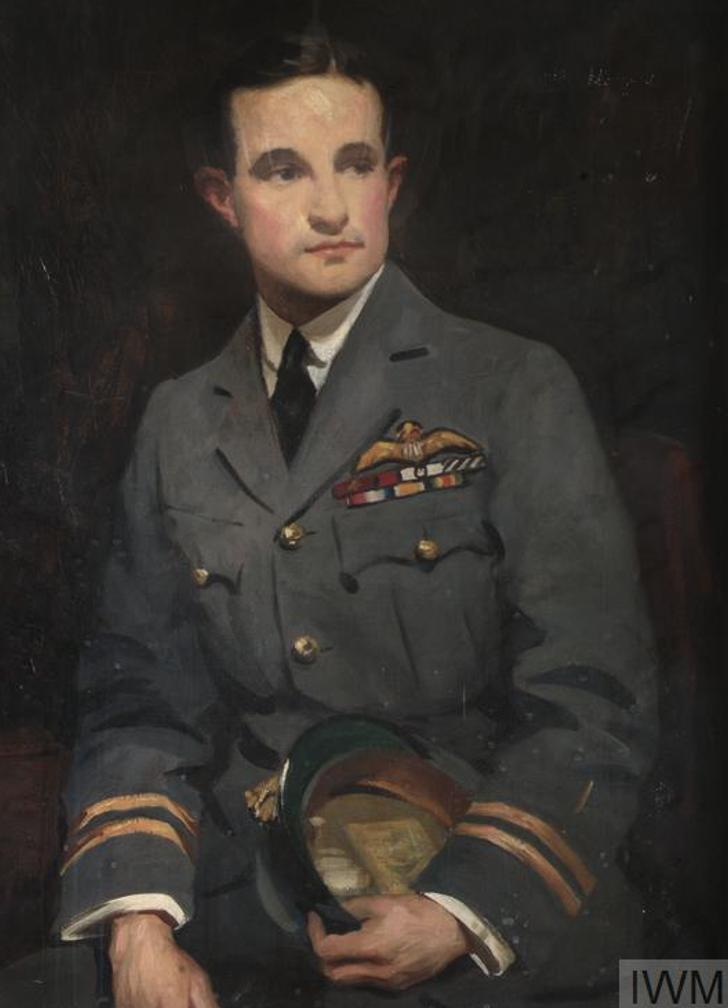
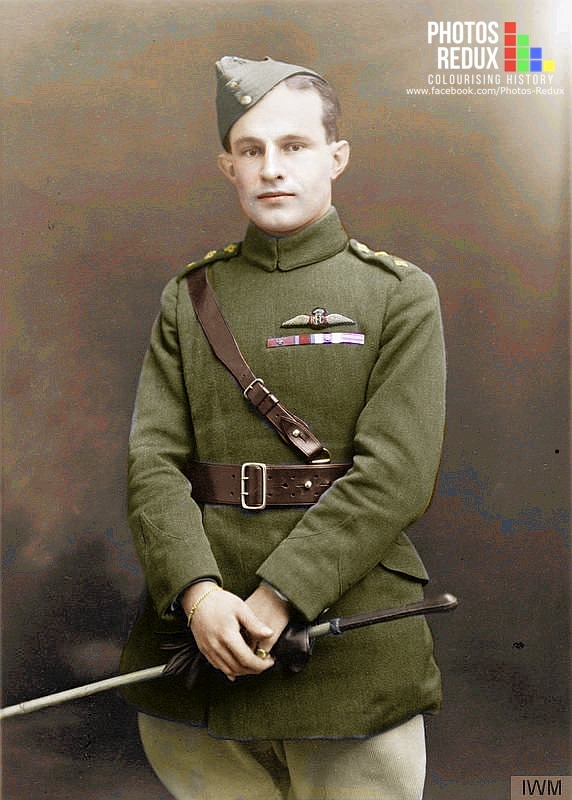
Captain Beauchamp-Proctor
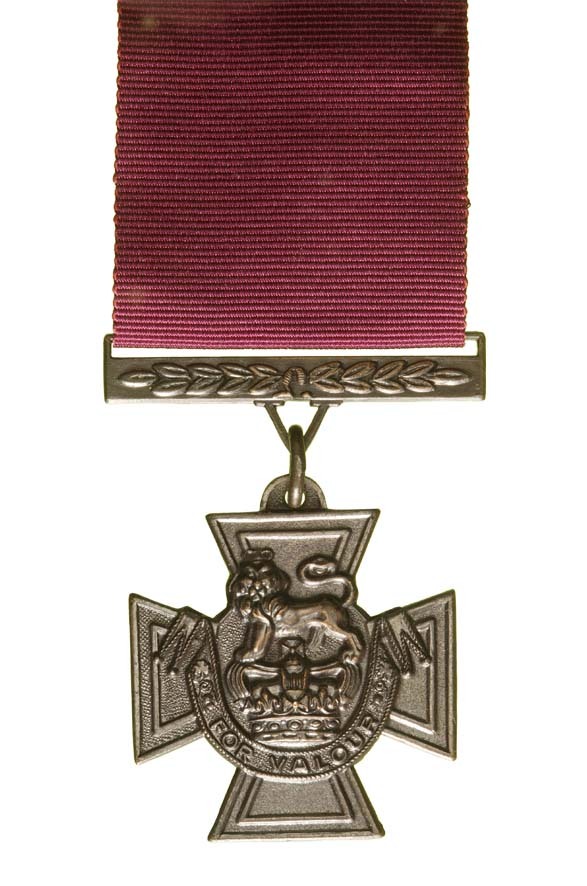
  • Victoria Cross (WW1)
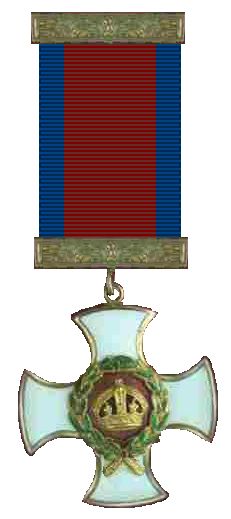
  • Distinguished Service Order (WW1)
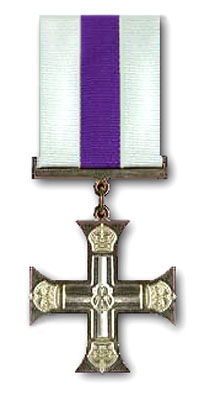
  • Military Cross and Bar (WW1)
  • Distinguished Flying Cross (WW1)
  • 1914 – 1915 Star (WW1)
  • British War Medal (WW1)
  • The Victory Medal (WW1)

Captain Beauchamp-Proctor is not unique in the sense that all his highest medals were earned whilst fighting in British military constructs as a South African Union citizen – which was perfectly acceptable then.

The South African winner of the “most decorated” South African in the “South African Republic” SADF period is ….. General Bob Rogers – here is his rack:

General Bob Rogers SSA, SM, MMM, DSO, DFC&Bar
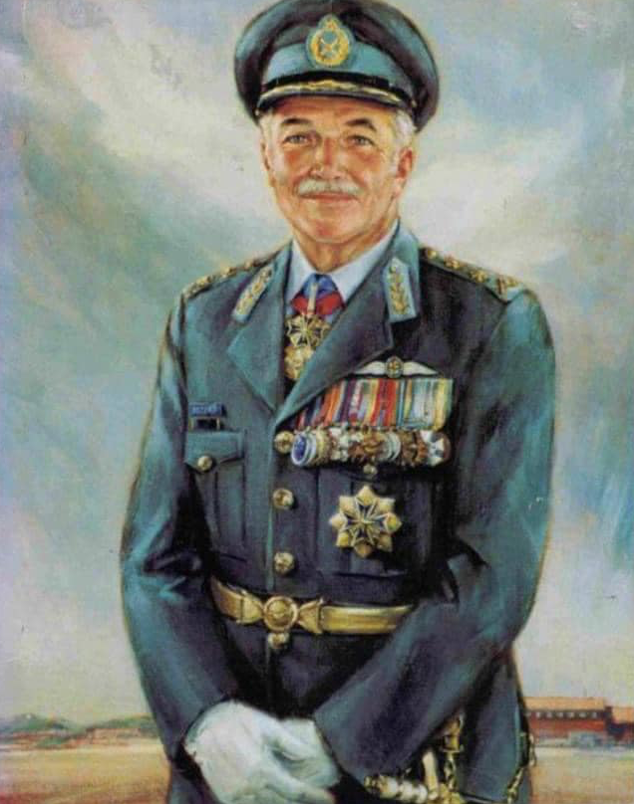
General Bob Rogers
  • Star of South Africa (SSA) (South Africa)
  • Southern Cross Medal (SM) (South Africa)
  • Military Merit Medal (MMM) (South Africa)
  • Korea Medal (South Africa)
  • Pro Patria Medal (South Africa)
  • Good Service Medal, Gold (30 Years – South Africa)
  • Good Service Medal, Silver (20 Years – South Africa)
  • Union Medal (South Africa)
  • Distinguished Service Order (DSO) (WW2)
  • Distinguished Flying Cross and Bar (DFC and Bar) (WW2)
  • 1939–45 Star (WW2)
  • Africa Star (WW2)
  • Italy Star (WW2)
  • War Medal 1939–1945 – Mentioned in Dispatches (WW2)
  • Africa Service Medal (WW2)
  • Distinguished Flying Cross (USA)*
  • Air Medal Bronze with Oak Leaf Cluster (USA)*
  • Order of Military Merit (Korea) (Chungmu cordon) with Gold Star
  • United Nations Service Medal for Korea
  • Korean War Service Medal
  • Grand Star of Military Merit (Chile)
  • Army PUC Presidential Unit Citation (USA)*

*American awards issued to 2 SAAF Squadron members under their command in the Korean War.2

23 Total

Note: General Rogers’ medal set are a combination of SADF (Republican) and UDF (Union) medals and decorations, and like Smuts some foreign ones too.

The winner of the “highest decorated” South African in the SADF “Republic” period is …. Major Arthur Walker – here is his rack:
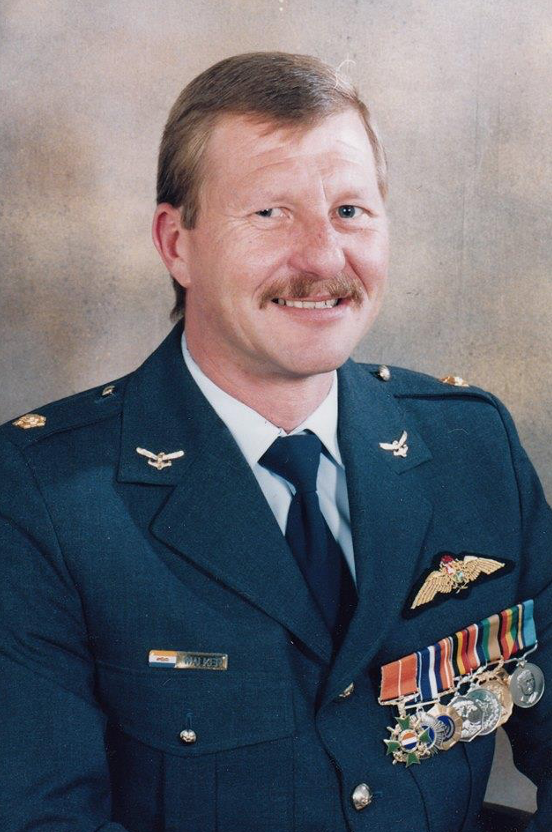
Major Murray Walker

Major Murray Walker HCG&Bar, SM

  • Honoris Crux (Gold and Bar) – South Africa
  • Southern Cross Medal – South Africa
  • Pro Patria Medal – South Africa
  • Southern African Medal – South Africa
  • General Service Medal – South Africa
  • Good Service Medal Bronze – South Africa
  • Zimbabwean Independence Medal 1980 – Zimbabwe
  • General Service Medal – Rhodesia
  • United Nations Medal (Mozambique – United Nations)

Major Walker is unique in that won the Honoris Crux Gold (HCG) twice – the only South African to have a “Bar” to a HCG.

Overall Winning Medalists

So, of these four great medalists – who are the winners of the “most” and the “highest” given the grade and total sweep of the medals on offer – the answer:

Field Marshal Jan Smuts is the overall winner of the “most decorated South African”.

Simply because he has more decorations and medals (36) than Bob Rogers (23).
Andrew Beauchamp-Proctor is the overall winner of the “highest decorated South African”.

Simply because he has a Victoria Cross (VC) and his raft of decorations for gallantry serve to qualify it further – his DSO, two MC and DFC, putting him ahead of the other South African VC recipients – the highest gallantry award for the SADF was the “diamond” Honoris Crux (HCD), it was meant to be on the same level as a VC (albeit not the same as the VC is a stand alone, there is graded degree of bravery as there is with a HC set)- and nobody ever received a “diamond” Honoris Crux (HCD) in any event, it was never awarded, and no one ever will, it has been discontinued.

Of the new SANDF “Highest” decoration is the Nkwe ya Gauta – Golden Leopard – it replaced the Gold Honoris Crux (HCG) and like the HC set it is part of graded gallantry decorations going up in importance and there is no “diamond” Leopard – whereas the Victoria Cross is still a stand alone decoration and has no equivalent – so Beauchamp-Proctor still remains the “highest” decorated – and will remain such well into our living memory. So far there have been 3 recipients of the Nkwe ya Gauta – Golden Leopard – all of them posthumous.
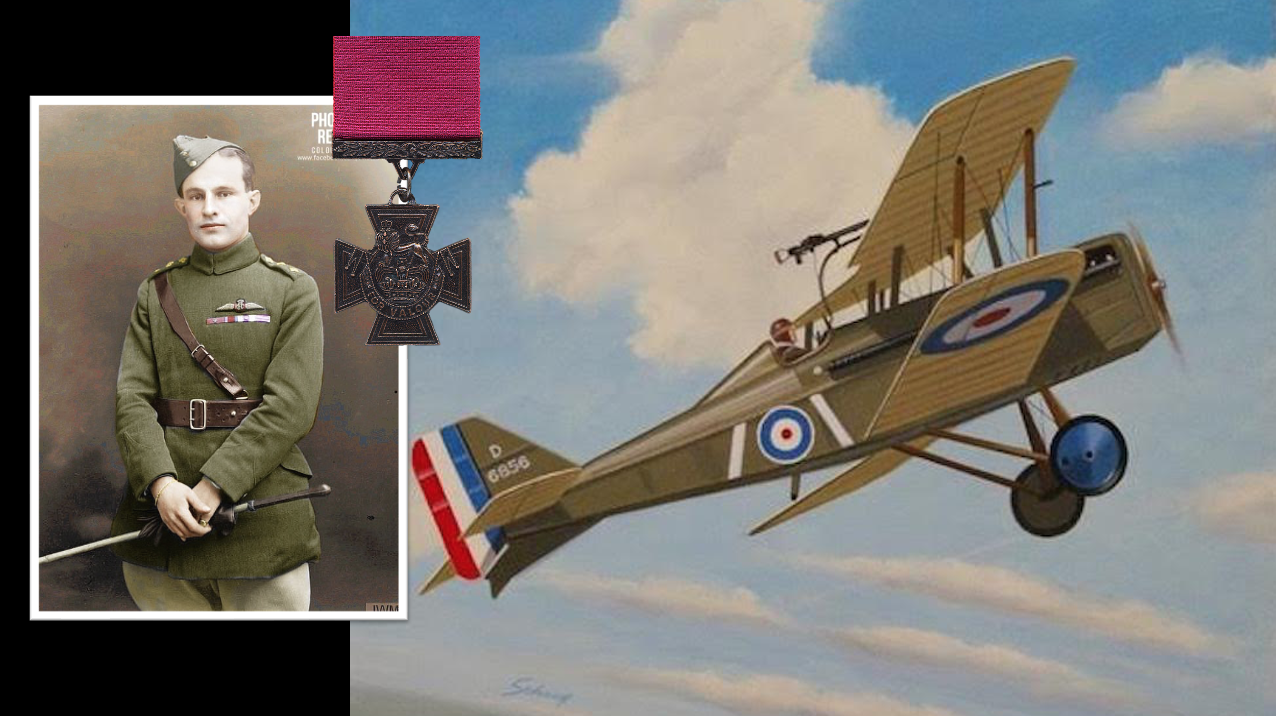
Proccy – bravest of the brave

Please note this is not meant to degrade any one over the other – all four of these men are great South Africans.


Written and Researched by Peter Dickens
  1. Jan Smuts by his son Jan Smuts, Heinemann and Cassell, 1952 – awards list ↩︎
  2. Bob Rogers – his personal story as told by Roger Williams ↩︎

‘Proccy’ – The Highest Decorated South African

Honouring South African heroes and this is one of South Africa’s greatest – in fact he is the highest decorated South African in our military history. Many people don’t know that South Africa has its own World War 1 flying ace and Victoria Cross winner, and this ‘small’ hero comes with some very ‘big’ credentials, he is regarded as the all time highest decorated South African in terms of sheer seniority of the bravery decorations he won (there is a distinction between ‘most’ decorated i.e. number of decorations and medals –  and the ‘highest’ decorated).

Proc1

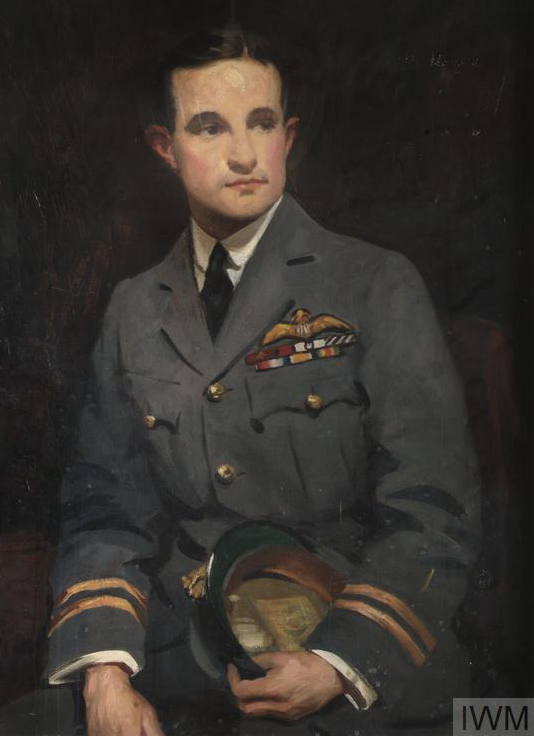
Andrew Beauchamp-Proctor, known to his colleagues and friends simply as ‘Proccy’, was South Africa’s leading First World War flying ace, claiming a staggering 54 aerial victories to his name.

He was born on 4 September 1894 in Mossel Bay, South Africa, and was studying engineering at the University of Cape Town when war broke out. He joined the Union of South Africa Army – the Duke of Edinburgh’s Own Rifles and took part in the German South West Africa campaign, before being demobilised in August 1915 with an honorable discharge. He promptly went to work with the South African Field Telegraph and re-enrolled in university. He managed to complete his third year of college before re-enlisting again, this time with the Royal Flying Corps (he was one of “The Thousand” – the first South Africans to go to England for combat service on the Western Front).

Royal Flying Corps

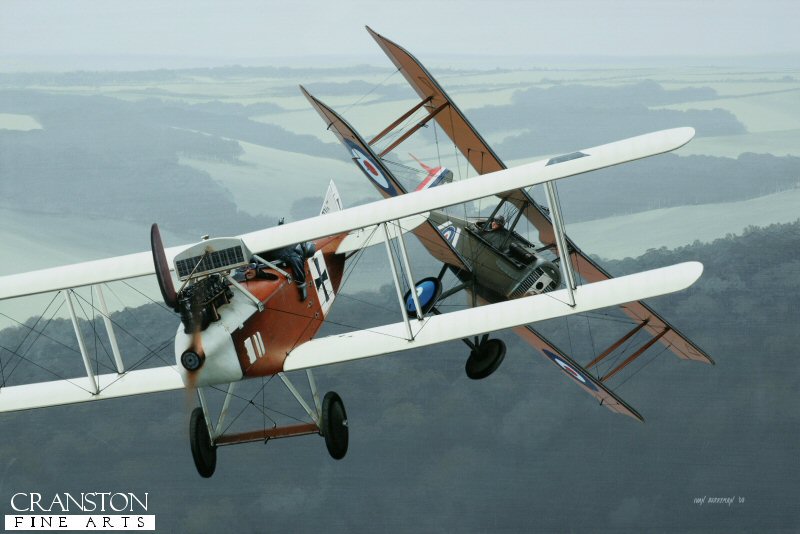
Andrew Beauchamp-Proctor joined the Royal Flying Corps in March 1917, he was commissioned upon his arrival in England and underwent pilot training.  Despite being only 5′ 2″ tall, so short that he had to use two leather cushions in order to see out of a standard cockpit, he proved an excellent pilot and on completion of training was posted to 84 Squadron in late July 1917.  The squadron, commanded by Major William Sholto Douglas (who would later become OC Fighter Command during the Second World War) was equipping with the then-new S.E.5a.

On 23 September 1917, the 84 Squadron went to France and became one of the most effective scout squadrons in the RFC/RAF (Royal Air Force) during 1918. The squadron would be credited with a victory total of 323 aerial victories, and would produce 25 aces. However, Beauchamp-Proctor would be pre-eminent, with almost triple the number of successes of the second leading ace. He was not particularly esteemed as a flier, but was a deadly shot.

Beauchamp-Proctor’s piloting skills can be judged by the fact he had three landing accidents before he ever shot down an enemy plane. He continued to fly the SE5 with modifications to the aircraft’s seat and controls, something his Philadelphia-born American squadron mate, Joseph “Child Yank” Boudwin, who stood only two inches taller also had to use. The alterations to relatively primitive controls could have contributed to Beauchamp-Proctor’s poor airmanship.

dhm1764pc
Captain Andrew Beauchamp-Proctor by Ivan Berryman

His initial confirmed victory did not come until the turn of the year. On 3 January 1918, he sent a German two-seater ‘down out of control’. He then claimed four more victories in February, becoming an ace on the final day of the month. Only one of his five victories resulted in the destruction of an enemy; the others were planes sent down as ‘out of control’.

March brought four more victories; three of them were scored within five minutes on 17 March. He tallied one kill in April.

Among his 11 victories for the month of May were 5 on 19 May. On that morning, he knocked an enemy observation plane out of the battle; fifteen minutes later, he destroyed a German Albatros D.V. scout. That evening, at about 6:35 PM, he downed three more Albatros D.Vs. By 31 May, his roll had climbed to 21 victims—16 fighters and five observation aircraft. By this point, he had destroyed six enemy planes single-handed, and shared the destruction of two others. He drove ten down out of control, and shared in another ‘out of control’ victory. Two of his victims were captured. Certainly a creditable record, and like many other aces, with no conquests over balloons.

The next day marked a change of focus for him; he shot down an observation balloon. Balloons, guarded by anti-aircraft artillery and patrolling fighter airplanes, were very dangerous targets. Commonly they were hunted by coordinated packs of fighters. For the remainder of his career, he would choose to try to blind the enemy by concentrating on shooting down kite balloons and observation aircraft. Also notable is the drop in his “out of control” victories; from here on out, the record shows destruction after destruction of the enemy. His June string would only run to 13 June, but in that time, he would destroy four balloons, an observation two-seater and a fighter. Only one fighter went down out of control. On 22 June, he was awarded the Military Cross (MC).

36233118_2167802276782092_3966546802030673920_o

July would pass without incident. On 3 August, he was granted one of the first ever Distinguished Flying Crosses (DFC).

The break in his victory string lasted almost a month, as he went on home leave and helped a recruitment drive for the RAF. On 8 August, he returned and resumed with tally number 29, another balloon.

On 9 August, Beauchamp-Proctor was leading No. 84 Squadron on a patrol over their base at Bertangles, with the diminutive American Joseph “Child Yank” Boudwin and a ‘Giant’ – the six-foot-four tall fellow South African from Germiston – Hugh ‘Dingbat’ Saunders as his wingmen (‘Dingbat’ Saunders would go to become another South African ace, Air Marshal and Knight of the realm – but that is a different story for another day).

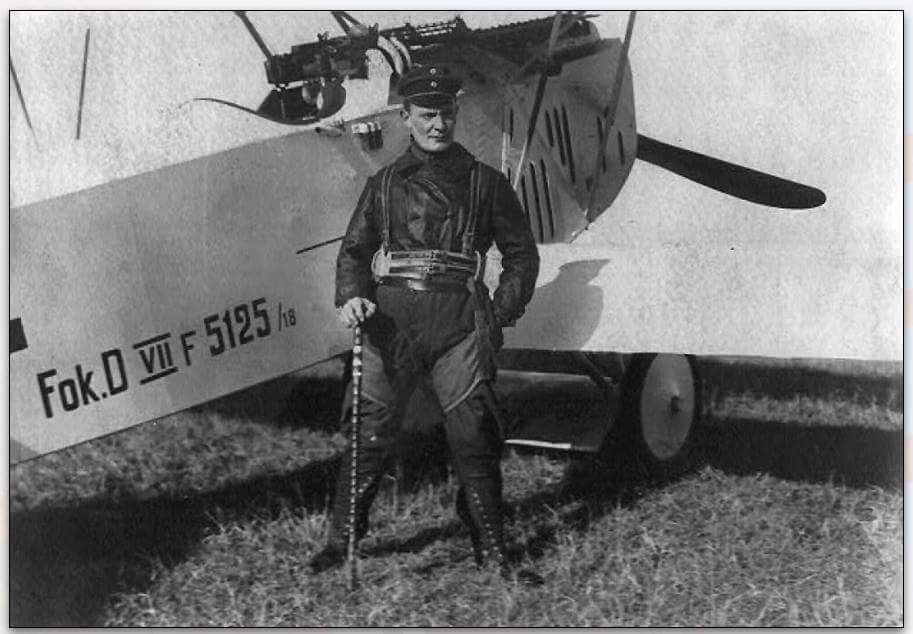
This unusual threesome of two very short chaps ‘Proccy’ and ‘Child Yank’ ‘and one very tall chap ‘Dingbat’ got involved in a heated engagement at 2:00 pm, that involved them in combat against Fokker D.VII fighters of JG I , led that day by the future Nazi Reichsmarschall Hermann Göring.

291ed3d3b624c22e8f9f9d7c2cb55015
Hermann Göring in his Fokker D.VII fighter during WW1

After World War 1, Hermann Göring was to become Adolf Hitler’s right hand man and one of the most powerful figures in the Nazi party that ruled Germany from 1933 to 1945 and took Germany to its darkest place in history.  But that was well in the future, over the western front battlefields of World War 1 Göring was a veteran fighter pilot, and fighter ace, he was even a recipient of the The Blue Max (the highest German bravery award). He was also eventually the last commander of  the famous ‘flying circus’ Jasta 1, the fighter wing once led by ‘The Red Baron’ Manfred von Richthofen.

Unfortunately for both our two South Africans ‘Proccy’ and ‘Dingbat’ and the American ‘Child Yank’ – and the entire world really, none was unsuccessful at bagging Herman Göering and adding him to their kill totals.

‘Proccy’ would eventually claim an additional 14 aircraft, and by the end of the month of August with his claims list extended to 43. One memorable day was 22 August; he attacked a line of six enemy balloon over the British 3rd Corps front. He set the first one afire with his machine guns and forced the other five to the ground, the observers taking to their parachutes. His 15 kills for August would include 5 balloons, all destroyed, and two more two-seater planes. He was now up to 43 victories.

His September claims would be all balloons – four of them.

In the first few days of October, he would destroy three more balloons and three Fokker D.VII  fighters, one of which burned. Another D.VII spun down out of control.

On 8 October, he was hit by ground fire and wounded in the arm, ending his front line service. In all ‘Proccy’ Beauchamp-Proctor’s victory total was 54; two (and one shared) captured enemy aircraft, 13 (and three shared) balloons destroyed, 15 (and one shared) aircraft destroyed, and 15 (and one shared) aircraft ‘out of control’ His 16 balloons downed made him the leading British Empire balloon buster.

On 2 November, he was awarded the Distinguished Service Order, followed by the Victoria Cross on 30 November.  His Victoria Cross citation explains in detail:

Victoria Cross (VC)

Between 8 August 1918, and 8 October 1918, this officer proved himself victor in 26 decisive combats, destroying 12 enemy kite balloons, 10 enemy aircraft, and driving down 4 other enemy aircraft completely out of control. Between 1 October 1918, and 5 October 1918, he destroyed 2 enemy scouts, burnt 3 enemy kite balloons, and drove down one enemy scout completely out of control.

medal

On 1 October 1918, in a general engagement with about 28 machines, he crashed one Fokker biplane near Fontaine and a second near Ramicourt; on 2 October he burnt a hostile balloon near Selvjgny; on 3 October he drove down, completely out of control, an enemy scout near Mont d’Origny, and burnt a hostile balloon; on 5 October, the third hostile balloon near Bohain. On 8 October 1918, while flying home at a low altitude, after destroying an enemy 2-seater near Maretz, he was painfully wounded in the arm by machine-gun fire, but, continuing, he landed safely at his-aerodrome, and after making his report was admitted to hospital.

In all he has proved himself conqueror over 54 foes, destroying 22 enemy machines, 16 enemy kite balloons, and driving down 16 enemy aircraft completely out of control. Captain Beauchamp-Proctor’s work in attacking enemy troops on the ground and in reconnaissance during the withdrawal following on the Battle of St. Quentin from 21 March 1918, and during the victorious advance of our Armies commencing on 8 August, has been almost unsurpassed in its brilliancy, and as such has made an impression on those serving in his squadron and those around him that will not be easily forgotten.

Capt. Beauchamp-Proctor was awarded Military Cross on 22 June 1918; D.F. Cross on 2 July 1918; Bar to M.C. on 16 September 1918; and Distinguished Service Order on 2 November 1918

The bravest of the brave

To make him the ‘highest’ decorated South African in history, as there is already a small group of South Africans who won the ‘highest decoration’ i.e. Victoria Cross in World War 1 (14 officially in total) and World War 2 (5 in total), Beauchamp-Proctor would also need to have another ‘next’ most senior decoration, he did this with obtaining a Distinguished Service Order (DSO) and a Military Cross (MC).  This puts him on the same level as Percy Hansen, who also won a VC, DSO and MC, the difference, the one which places Beauchamp-Proctor at the top, is that he won the Military Cross twice (with bar) in addition to another decoration – the Distinguished Flying Cross (DFC).

The citations for these decorations are impressive enough on their own, there are as follows:

Military Cross (MC)

MilitaryCrossWW1

For conspicuous gallantry and devotion to duty. While on offensive patrol he observed an enemy two-seater plane attempting to cross our lines. He engaged it and opened fire, with the result that it fell over on its side and crashed to earth. On a later occasion, when on patrol, he observed three enemy scouts attacking one of our bombing machines. He attacked one of these, and after firing 100 rounds in it, it fell over on its back and was seen to descend in that position from 5,000 feet. He then attacked another group of hostile scouts, one of which he shot down completely out of control, and another crumpled up and crashed to earth. In addition to these, he has destroyed another hostile machine, and shot down three completely out of control. He has at all times displayed the utmost dash and initiative, and is a patrol leader of great merit and resource.

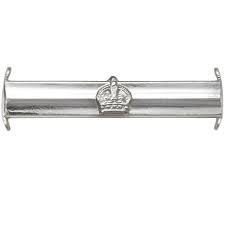
MC citation, Supplement to the London Gazette, 22 June 1918

Military Cross (MC) Bar

bar

For the award of a Bar to the Military Cross ( MC ) i.e. winning a second Military Cross in addition to Andrew Beauchamp-Proctor’s first MC.

For conspicuous gallantry and devotion to duty while leading offensive patrols. He has lately destroyed three enemy machines, driven down one other completely out of control, and carried out valuable work in attacking enemy troops and transport on the ground from low altitudes. He has done splendid service.

London Gazette, 18 September 1918

Distinguished Flying Cross (DFC)

DFCLG

Lt. (T./Capt.) Andrew Weatherby Beauchamp-Proctor, M.C.

A brilliant and fearless leader of our offensive patrols. His formation has destroyed thirteen enemy machines and brought down thirteen more out of control in a period of a few months. On a recent morning his patrol of five aeroplanes attacked an enemy formation of thirty machines and was successful in destroying two of them. In the evening he again attacked an enemy formation with great dash, destroying one machine and forcing two others to collide, resulting in their destruction.

DFC citation, Supplement to the London Gazette, 3 August 1918

Distinguished Service Order (DSO)

Distinguished_Service_Order_correct

A fighting pilot of great skill, and a splendid leader. He rendered brilliant service on 22 August, when his Flight was detailed to neutralise hostile balloons. Having shot down one balloon in flames, he attacked the occupants of five others in succession with machine-gun fire, compelling the occupants in each case to take to parachutes. He then drove down another balloon to within fifty feet of the ground, when it burst into flames. In all he has accounted for thirty-three enemy machines and seven balloons.

DSO citation, Supplement to the London Gazette, 2 November 1918

That’s a lot of hefty decorations for gallantry and bravery and it makes Beauchamp-Proctor ‘the bravest of the brave’ when it comes the very bravest men South Africa has ever produced.

Post War

Proc2

He was discharged from hospital in March 1919 and embarked on a four-month-long lecture tour of the USA, before returning to England and qualifying as a seaplane pilot with a permanent commission as a Flight Lieutenant in the RAF.

After his VC investiture at Buckingham Palace in November 1919 he was awarded a year’s leave, and this enabled him finish his BSc degree in Engineering.

Beauchamp-Proctor died during a training accident at RAF Hendon in England, on the 21st June 1921 whilst preparing for an air-show.  His aircraft went into a vicious spin after performing a slow loop, and he was killed in the ensuing crash. At least one observer remarked that the loss of control and subsequent crash of the aircraft could have been linked to Proctor’s diminutive size, as noted earlier because of his size, Beauchamp-Proctor had to sit on a cushion to operate his aircraft and the cushion fell out during the loop, rendering him in a difficult position to adequately operate his aircraft and recover the manoeuvre.  He was buried in Mafeking (his home town) in South Africa, following a state funeral.

In Conclusion

There still exists a little confusion over Beauchamp-Proctor’s given name. For decades he was listed as “Anthony” but more recent scholarship indicates “Andrew”, which  is the name on his tombstone.  Whether ‘Proccy’ was an Andrew or Anthony, it matters not a jot, this man epitomised ‘dynamite in a small package’ – ‘Proccy’ was and still remains the bravest of all South Africans to have been awarded gallantry decorations – without any doubt – the ‘Bravest of the Brave’.

36242418_2167827886779531_7890373316714692608_o

Links to other South African World War 1 Victoria Cross recipients

Reginald Hayward VC  “Superhuman powers of endurance and courage” Reginald Hayward VC

William F. Faulds VC Taking gallantry at Delville Wood to a whole new level; William Faulds VC MC

Sherwood Kelly VC “…. a Herculean of Irish-South African origin with a quite remarkable disregard for danger”.

Percy Hansen VC One Lucky Charm wins the Victoria Cross; Percy Hansen VC, DSO, MC

Other South Africans in 84 Squadron during WW1

Hugh ‘Dingbat’ Saunders – Sir ‘Dingbat’ the Knight


Researched and written by Peter Dickens

Image copyright Imperial War Museum Collection.  Portrait by Cowen Donson, Imperial War Museum collection copyright.  Painting Captain Andrew Beauchamp-Proctor by Ivan Berryman – Granston Fine Art. Colourised IWM portrait, thanks to Photos Redux