I noticed a blog post today from a fellow historian who took a swipe at a Boer War photograph colourising Facebook page for allowing a user to compare a black armband being worn by Lord Kitchener and his staff at the Veereniging Peace Conference to end the South African War (1899-1902) aka Boer War 2, to that of the Nazi armband worn by Adolf Hitler and his cabal during World War 2 (1939- 1945). The armband in question was a common funeral black band, in this case it marked the death of Queen Victoria on 22 Jan 1901.
Whilst all highly amusing and clearly all either ignorant and (more likely) a blatant and very cheap attempt to brand Lord Kitchener a Nazi, it does bring up a real comparison – which is the armband used by the Commandant General of the Ossewabrandwag and that of the armband used by the National Socialists (Nazi) – Adolf Hitler and his cabal.
The Ossewabrandwag (Ox Wagon Sentinel) was the largest and most successful Afrikaner Nationalist organisation with pro-Nazi sympathies prior and during World War 2. The Ossewabrangwag was formed on the back of the 1938 Great Trek Centennial celebration – the centennial under the directive of the Afrikaner Broederbond (Afrikaner Brotherhood) and its Chairman, Henning Klopper, sought to use the centenary anniversary of the Great Trek to unite the ‘Cape Afrikaners’ and the ‘Boere Afrikaners’ who were deemed by Klopper as been separated by Boer War 2. He strove to unite “the two separate hearts” of white Afrikanerdom into a singular ‘Boer’ archetype under the pioneering symbology of the Great trek and to literally map a ‘path to a South African Republic’ under a white Afrikaner hegemony. The trek re-enactment was very successful, and Henning managed to realign white Afrikaner identity under the Broederbond’s Christian Nationalist ideology and its archetypal outline calling it a “sacred happening”.1
The Ossewabrandwag (OB) was tasked with spreading the Broederbond’s (and the Purified National Party) ideology of Christian Nationalism like ‘wildfire’ across the country (hence the name). The OB’s national socialist leanings can be seen in correlation with other world ideologies of the time, and specifically to that of Nazi Germany.2
Christian Nationalism, although grounded in ‘Krugerism’ as a ideology, can be regarded as a derivative of German National Socialism and Italian Fascism and was identified as such by OB leaders like Balthazar Johannes “B. J.” Vorster (a future National Party Prime Minister/President) who in 1942 said:
“We stand for Christian Nationalism which is an ally of National Socialism. You can call this anti-democratic principle dictatorship if you wish. In Italy it is called Fascism, in Germany National Socialism (Nazism) and in South Africa, Christian Nationalism.”3
The leader of the Ossewabrandwag (OB), Dr. Johannes Van Rensburg as a Union Defence Force officer had met with Adolf Hitler and became an admirer, he then infused the OB with National Socialist ideology and the organisation took on distinctive fascist and Nazi ritual, insignia, structure, oaths and salutes.
Merely ‘anti-British’ they were not. Ideologically speaking the Ossewabrandwag (OB) took on anti-communism, antisemitism, the Nazi creed of ‘Blut und Boden’ (Blood and Soil) in terms of both racial purity and historic bond and rights to the land, the ‘Führer Principle‘, a derivative of the Nazi creed of ‘Kinder, Küche, Kirche‘ (Children, Kitchen, Church) as to the role of women and the role of the church in relation to state. In term of economic policy the OB adopted a derivative of the Nazi economic policy of expropriation of Jewish monopoly capital without compensation by adding “British monopoly capital’ to the mix .4
This image shows the militarisation and fascist leanings of the Ossewabrandwag – here’s a rare image not often seen – a Ossewabrandwag “Kommandant” in full para-military uniform with lapel badges, ‘crested eagle’ epaulettes and ‘lightning bolt’ cap badge insignia. In addition he is wearing a sam-browne belt and lanyard. His ‘green’ arm band signifies his rank – using the ‘crested eagle’ again and horizontal lines for scale of seniority.5
In adopting distinctive national socialist ideology and concepts as well as iconography and culture, Chief Commandant Hans van Rensburg went about ‘nazifying’ this ‘Cultural Front’ of Afrikaner Nationalism. The Broederbond had arbitrated a meeting between the National Party and the Ossewabrandwag agreeing to two clear lines of delineation between the two organisations – the National Party would look after the ‘political’ front of Afrikanerdom and the Ossewabrandwag the ‘cultural’ front – known as the Cradock Agreement it was ratified on 29 October 1940.6
Here is Hans van Rensburg complete with his high command Ossewabrandwag armband … note the Eagle iconography – the Ossewabrandwag adopted the Nazi Reichsadler – “Reich Eagle” – which replaced the German “Imperial Eagle” the Reichswappen.
As to Nazi German eagles, the Eagle and holder are the same, however symbology is given to the direction in which the eagle looks – the Reichsadler (Reich Eagle) looks left and the Parteiadler (Party Eagle) looks right.
Also, note the jodhpurs (horse riding pants), a firm militaristic and often fascist fashion statement – you can easily see his admiration for Hitler’s dress sense and iconography. However for all the Nazi iconography and ideology adopted by van Rensburg, after Nazi Germany lost the war, van Rensburg would quickly try and cover his tracks and the genocide committed by his heroes and say of them.
“It was the greatest disaster in my spiritual life to realise suddenly that the people I had thought to be the heroes of a new era in western civilisation should in fact turn out to be just a band of murderers and nothing else.”
In addition to the Ossewabrandwag other leading and influential Afrikaner Nationalists were forming German National Socialist movements with distinctive antisemitic and anti-communist leanings in South Africa. As a committed antisemite Louis Weichardt broke with the National Party on the 26 October 1933 and founded South Africa’s Nazi party equivalent – The South African Christian National Socialist Movement with a paramilitary ‘security’ or ‘body-guard’ section (modelled on Nazi Germany’s brown-shirted Sturmabteilung) called the ‘Gryshemde’ or Grey-shirts. In May 1934, the ‘Grey-shirts’ merged with the South African Christian National Socialist Movement and form a new enterprise called ‘The South African National Party’ (SANP). The SANP would all keep with the ‘grey-shirts’ as their dress and keep this identification and other Nazi iconography including extensive use of the swastika.7 Overall, Weichardt saw democracy as an outdated system and an invention of British imperialism and Jews.8
The SANP Grey-shirts loved armbands too, and their took two forms, one using the Hitler Youth Red and Black band and swastika and one which used the South African Flag’s colours at the time – Orange, White and Blue, and here they are:
Left to Right – standing outside the courthouse in Grahamstown in full SANP dress is Johannes von Strauss Moltke, Harry Inch and David Olivier. The alternate (OBB) Orange, White and Blue SANP armband is to the right.
Talking Boer War, not shy of nailing their colours to the mast and also linking their ideology to Boer War 2, ‘Die Waarheid/The truth’ – the SANP’s own newspaper, would claim a Jewish conspiracy as the cause of the war and Louis Weichardt would write:
“the disastrous Anglo-Boer War 1899-1902 was deliberately brought about by the Jewish mine magnets who circumvented Rhodes and Kruger alike”.9
Luckily for the Afrikaner Nationals and the likes of Hans van Rensburg and Louis Weichardt, the National Party came into power in 1948 and in the same year issued a general amnesty to all Afrikaner Nationalists who had flirted with Nazism, joined the Nazi Party or directed supported Nazi Germany, either through local political organs like the Ossewabrandwag, the New Order and the SANP Grey-shirts (and many other splinter groups) or even directly collaborating with the Nazi Propaganda Ministry (Radio Zeesen), or the Nazi German Wehrmacht (military), or the Nazi Schutzstaffel (SS and Waffen SS) or the Nazi German Abwehr (intelligence) service. 10
Written and Researched by Peter Dickens
Footnotes
Harrison, David. 1981. The White Tribe of Africa – South Africa in Perspective. University of California Press. Pages 103 – 106. ↩︎
D.P. Olivier, May 2021, “A special kind of colonist” : An analytical and historical study of the Ossewa-Brandwag as an anti-colonial resistance movement, thesis University of the North West ↩︎
Bunting, Brian. 1964. The Rise of the Afrikaner Reich. Penguin Books. Page 88 ↩︎
Bunting, Brian. 1964. The Rise of the Afrikaner Reich. Penguin Books, Nelson Mandela Foundation O’Malley Web Digital Library, Chapter 6 ↩︎
Ditsong Museum of Military History. Saxonwald, Johannesburg – Ossewabrandwag Display ↩︎
Fokkens, A. M. Afrikaner unrest within South Africa during the Second World War and the measures taken to suppress it. Journal for Contemporary History. 2012. Page 130 ↩︎
A Perfect Storm – Antisemitism in South Africa 1930-1948 By Milton Shain pages 55 – 58 ↩︎
Werner Bouwer, National Socialism and Nazism in South Africa: The case of L.T. Weichardt and his Greyshirt movements, 1933-1946. Page 18 ↩︎
A Perfect Storm – Antisemitism in South Africa 1930-1940 By Milton Shain page 58 ↩︎
Kleynhans, Evert. Hitler’s Spies: Secret Agents and the Intelligence War in South Africa 1939-1945. Jonathan Ball Publishers 2021 ↩︎
I was having a banter with an old SADF army pal of mine, and we recalled the great divisions between the “English” okes in the platoon and the “Afrikaans” okes in the platoon. There was always banter, and general unity and respect, we all faced the same hardship and threats, and we needed one another to survive so we were closer than blood brothers. That of course did not stop ‘the great divide’ caused by a Afrikaner nationalist identity, the ingrained idea that the “English” were the source of all Afrikaner trauma, the fierce need to be free of Britain’s tyranny and the mass exodus of Afrikaners from the British colonies in protest – the Great Trek, this would be followed by later by the indignation of the British invading their free republics and the fierce fight for independence again, a fight to the bitter end to protect an Afrikaner rebel hegemony and the right to the country.
Time and again, two key themes would re-appear – the idea that they all belonged to a ‘pioneer’ class of hard fighting frontiersmen – Voortrekkers and the idea they also all belonged to an equally hard fighting bunch of ‘bittereinders’ – all the time seeking independence from their traditional foe – the ‘English’ and all the time desirous of an Afrikaner Republic. It’s a repeat theme – you still see it even today then the Springbok XV meet the England XV. In the army, us ‘English’ okes were constantly singled out as the physical manifestation of this ‘foe’ – sometimes in jest but also sometimes taking a lot of abuse and you had to tread very lightly when accusations like “you put my Grandmother in a concentration camp” started kicking about – not that your forebears had anything to do with it whosoever.
Problem is – not all Afrikaners share a “pioneer” and “bittereinder” identity, they were artificially jelled into this identity in the late 1930’s by an all-white, all-Afrikaans and Broederbond driven Centenary celebration of the Great Trek. Pulled under a singular banner of Christian Nationalism. So much so that even if you look up ‘Afrikanerdom’ today you find it defined as:
Noun. (in South Africa) Afrikaner nationalism based on pride in the Afrikaans language and culture, conservative Calvinism, and a sense of heritage as pioneers (Voortrekkers).
But what are the chances? What are the chances that Afrikaners all share this unified ‘Pioneer’ and ‘Bittereinder’ identity – the coming together of which Henning Klopper, the Chairman on the Broederbond famously declared in 1938 as “a sacred happening” – God, according to Klopper, had ordained it. What are the chances indeed?
This is where economic history, hard stats, the maths, starts to punch massive holes into ‘political’ history and ‘identity’ politics. So, let’s begin at the very beginning.
The “Great” Trek
Let’s start with the “Great Trek”. There’s a lot of false and inflated numbers as to The Great Trek, but most accredited historians refer these Cape Colony figures.
From the commencement of British rule in 1806 – the Cape Colony had about 27,000 white burghers, 35,000 registered ‘ex-slaves’ and 17,000 Khoi Khoi descendants – 79,000 total population. Of that total population only approximately 6,000 ‘Boers’ including an equal number of their ‘coloured’ servants and labourers on a 1:1 ratio (so 12,000 in total), left in the waves considered the Great Trek itself – and their jump points – Grahamstown, Uitenhage and Graaff-Reinet were hundreds of kilometres away from metropolitan Cape Town (in fact it was as far to travel to Bloemfontein from these jump points as it was to Cape Town).
We need to think of them as the American white ‘pioneers’ settling the wild west in trailblazing wagon convoys – trying to negotiate land in “Indian” territory. The interior of South Africa above the Cape Colony and Natal Colony was not “empty” or “undiscovered” – like the “Wild West” it was already partly mapped by frontiersmen, nomadic farmers (trek-boers), hunters and missionaries. They would provide the network of ‘supply’ support to our plucky pioneers (Voortrekkers).
The “exploratory” first wave is not very successful. Louis Tregardt’s group is all but wiped out by disease – 52 people make it to Portuguese East Africa and return to Port Natal. Hans van Rensburg’s group (51 people) is wiped out by the Zulu – 2 children survive. Hendrik Potgieter and Sarel Cilliers have a party of 200. Gerrit Maritz has a party of about 700 (including servants). Piet Retief’s party starts with about 100 people, it links up with the other Voortrekkers and over 100 (including black servants/labour) are initially wiped out by the Zulu – the Zulu then wipe out more of Retief’s combined trek 282 Voortrekkers and 250 of their servants (there’s that 1:1 ratio) were killed along the Bloukrans during the Zulu attacks of the 16th and 17th February 1838. Piet Uys has a party of 100, and both he and his son are wiped out by the Zulu.
As we can see, there is already a major issue in trying to account the size of these treks – some account ‘white’ families only (and we have no knowledge of the number of servants – they are referenced but that’s about it), whilst others account both. Much work on the “Black History” of the Great Trek has yet to be done – the guardians of its ‘white’ history resisted it for decades.
Either way, whichever way you cut it, the chances of anyone been related by a direct blood line to the exploratory wave of the great trek are extremely slim if the published numbers are anything to go by – in fact it’s about 1% considering about half didn’t make it. Also, the ‘Zulu’ pose more of a threat to the Voortrekkers as a traditional ‘foe’ than the British ever did – it seems counter-intuitive to believe they would rather face certain death than face a British tax administrator and a colour blind Cape Franchise. There is clearly a lot more motivating this initial expedition and its highly nuanced.
That aside, let’s we stick to all the parties of Voortrekkers, the figure expressed in The Afrikaners : biography of a people by the famous Afrikaner historian, Hermann Giliomee – he notes 6,000 white Afrikaners over the period of the trek 1835 – 1840 (5 years) leaving the colony (so that’s 12,000 including Black Labour/servants on a 1:1 ratio – which tallies up with other references). So, given the size of the Cape Colony population and demographic there is only a 22% chance of any modern day white Afrikaner been related directly by bloodline to a white Voortrekker (Gillomee uses a different base and puts this figure at 10% – but let’s go with the higher figure and the benefit of the doubt). 78% of white Afrikaners are bloodline related to those who stay put in the Cape Colony and have nothing to do with the great trek whatsoever.
But, but .. but, there are loads of us “Boere” – you talking “kak” man comes a great retort from a great many. Well, not really would be my answer, let’s look at the economic history and the numbers.
There is, of course a natural economic migration of people, from the British Colonies and other places into the hinterland and into the small Voortrekker republics as they grow from strength to strength – from about 1840 (when the initial trek ends) all the way to the start of the South African War (1899-1902) a.k.a Boer War 2 – 60 odd years. It’s an incredibly slow migration, but speeds up substantially only from 1886 with the discovery of minerals in the ZAR (the OFS remains very sparsely populated). The economic migrants over this 60 year period consist of many white Afrikaners seeking bigger farms, mineral wealth or they settle as urbanised people seeking a “tabula rasa” opportunity with a trade, skill or service – shop owners, doctors, lawyers, miners, teachers – you name it. It’s not just white Afrikaners, they are joined by thousands of “English” 1820 settlers, other Europeans and even many Jews also seeking bigger farms, mining, commerce, service or trading opportunities.
Here’s the primary difference though, all these people are economic migrants seeking better business, wealth and lifestyle opportunities – they are not migrating because of any deep ‘hatred’ for the British or because the British took away their slaves. On the “numbers”, you would think from all the propaganda spewed out by Afrikaner Nationalists that a mass exodus of “true” Afrikaners had taken place and by the beginning of Boer War 2 most of them are “free-men” living in a Boer Republic, BUT – there’s a problem with this idea, its still NOT the case – not even after 60 years of migration and not even after the discovery of mineral wealth in the ZAR – the majority of Afrikaners, believe it or not, are STILL in the Cape Colony. Here are the numbers at the start of Boer War 2:
Boer War 2
The population of South Africa in 1899 was approximately 4.7 million persons with 3.5 million Africans making up 74% of the total. Whites, numbering 830,000 made up only 18% of the entire population. Asians and Coloureds total 400,000 or 8%. So whichever way you cut it, the ‘whites’ – Boer and British together, are a ‘minority’.
But what of these two ‘white’ tribes? Where are they located after The Great Trek and economic migrations of the last 60 years. The white population are distributed among the two colonies and the two republics, In total 480,000 are Afrikaans-speaking, 58% of the total white population. Less than half of the Afrikaners lived in urban areas, most the ‘English-speaking’ population are urbanised and constitute 42% of the white population.
Also, most importantly, where are all these Afrikaners? Here’s the kicker, the majority of them are STILL in the Cape Colony – Great Trek aside. Afrikaners in the Cape Colony qualified as a bigger population of Afrikaners than the Orange Free State and Transvaal Afrikaners COMBINED. Data sources differ a little in the Transvaal I.e. ZAR, but it is generally understood that Afrikaners only really made up about half (50%) percent of the white population in the ZAR in any event, the other half are classified as ‘Uitlanders’ – mainly ‘British’ (it’s this imbalance that this is the principle Casus Belli advanced by the British as their reason for the 2nd Boer War).
The Transvaal’s Afrikaners made up only 31% of the total number of Afrikaners in South Africa, with the Orange Free State having mere 15%. This total of 46% (approximately 219,000 people) shows that when Boer War 2 broke out, less than half of the total Afrikaners in South Africa were in the two republics that declared war on Britain. The Cape Colony and Natal, containing 54% of the Afrikaners, or 260,000 persons, never rose up and declared war against the British.
Although some 10,000 odd Cape Afrikaners did join the Republics forces as ‘Cape Rebels’ – this force when viewed against that of the general Cape Afrikaner populace is insignificant. Cape Afrikaners, and for that matter Natal Afrikaners too, simply did not rise up in any significant number to join the ZAR and OFS invasions of the two British colonies. Add to this that just about as many Cape and Natal Afrikaners joined the British forces which also counter-balances the argument somewhat.
The bottom line – the majority of Afrikaners simply decided not to rise up against their lawfully elected governments in the Cape and Natal, many decided to remain neutral and as a majority grouping of Afrikaners in general they simply did not participate in the war at all – that’s a fact. View it this way, the Cape franchise is such, that if the Afrikaner – the majority of voters – did not want someone like Cecil Rhodes in government. they could easily have voted him out.
The underpinning reality is that the Boer Generals planning the war and the Boer politicians claiming “Africa for the Afrikaner” failed to appreciate that many of the Cape Afrikaners were pretty happy under British administration for the near 100 years they are subjected to it, contented with the Cape franchise, many of them urbanised middle class and well to do and of the landed class many were very wealthy – as a demographic they are fundamentally different to their isolated frontier farming (Boer) Afrikaner brethren ‘up north’ facing an extremely hostile environment.
Poverty, famine and hardship was not an overarching issues in the British Colonies for many whites’ (Boer and Brit) in 1899 – nor does it seem that there was any fundamental discontent with their governance, representation and political disposition – and many simply did not view the ZAR’s “Krugerism” as a viable ideology or system of governance for Southern Africa – in fact Prime Minister William Schreiner, John X. Merriman and Jacobus Sauer had moved many in the Cape Colony’s branch of the Afrikaner Bond and Afrikaners in the Cape Colony in general closer to the British way of thinking.
In a nutshell, half the available Afrikaners failed to take up arms against the British and the Boers fought the South African War 1899-1902 at half strength. So, in essence – they went off “half-cocked” against a world super-power to quote John L Scott’s conclusion on the numbers and the Boer Republics’ decision to invade British colonies.
So, here’s the statistical truth to a modern white Afrikaner – There is a 22% chance that their direct bloodline forebear was a Voortrekker, and a 54% chance that their direct bloodline forebear never took part in the Boer War, at all – the majority of Afrikaners simply did not take up arms, even when their northern brethren expected them to, even demanding they do it, still nothing happened.
The big question now, is of that minority – the 46% of Afrikaners who can claim a bloodline forebear who took part in the 2nd Boer War, how many of them joined the British and fought for them – the hated “joiners”, how many of them preferred neutrality “hensoppers” and how many qualify as the “true” patriotic Afrikaner irreconcilables – the “bittereinders”?
Bittereinders and Joiners
Let’s go with the most “conservative” Afrikaner chronology experts on this one, Pieter Cloete, and give some benefit of the doubt as numbers on the Boer War to the Boers as they vary considerably depending on whose recording them. Cloete in his chronology maintains there are 5,464 joiners (Republican Boers joining the British army to fight against their own countrymen) versus 20,779 recorded Bittereinders registered as still on Commando at the end of the war. So for every 5 Boers left in the field – 4 were fighting for the Republics and 1 was fighting for the British – a 4:1 ratio. Not a common or acknowledged bit of Boer War history – 26% of the Boers fighting at the end of the war were fighting FOR the British – a quarter of them, it’s a significant statistic.
This Figure becomes a little more skewered and complicated when you add the ‘Hensoppers’ and the ‘Prisoners of War’ – those that took the oath of neutrality and those that did not, those that went back on their oaths as well as the war dead and injured – but suffice to say that the stated majority of white Afrikaners are still not with the Boer Republic’s causes … at all. In fact many are even prepared to go to war with one another over it such is the extent of the disagreement.
This figure of white Afrikaner support for the Boer Republican ideal starts to really pale into insignificance after South Africa is made a Union in 1910. So let’s have a look at the Boer Revolt in 1914 as much Afrikaner legacy and Nationalist ‘volk’ heroes stem from it.
The Boer Revolt 1914
Upfront let’s look at the fighting numbers, in all during World War 1 (1914 to 1918) – no fewer than 146,000 South African whites volunteer to fight alongside Britain and France. A mere 7,100 South Africans volunteer to fight alongside Germany for the reinstatement of the Boer Republican paramountcy in South Africa – that’s only 5% of the entire white population volunteering to fight for one side or the other.
In the case of a proportion of these Boer Revolt fighters in relation to Afrikaners only – during WW1 every white in the census classifies themselves as ‘British’, and there are 1,400,000 of them. It’s hard to say who are English and who are Afrikaans, but if we apply the 40/60 ratio which exits most the way through our history – Afrikaners would account 840,000 – if we double the amount of Boer Rebels to include their wives in support – they would account 2% of the overall Afrikaner diaspora, even if we triple or quadruple the ‘Rebels’ number for sympathetic friends – they still remain a tiny minority – 3% to 4% odd.
And it’s not as if their leaders are in support of the Boer Republican cause and remaining neutral during the World War 1 either, this idea that the decision to go to war against Germany was rejected by the “majority” of Afrikaners is pure Hollywood – 92 members of the South African Parliament voted in favour of the war against Imperial Germany, and only 12 vote against. In the Afrikaner Party – the SAP, the vote is 82% in favour and only 18% against.
There is no doubt that Barry Hertzog’s break away from Botha and Smuts to form the National Party in 1914 re-kindled Afrikaner Nationalism in many white Afrikaners – primarily in the Orange Free State, a region hit by severe drought and an extensive share cropping farmer problem (bywoners) as a result of Boer War 2. Hertzog was a very popular Afrikaner Bittereinder General and held large sway. However, even this romanticising with nationalism the Afrikaner Nationalists are still a minority in the Afrikaner diaspora and even more so in the white diaspora at large. When the National Party first contend the General Elections in 1915 they win 29% of the votes (mainly in the OFS), whilst their brethren Afrikaners in the SAP get 37%. The ‘English’ parties alone match the National Party in size and have around 34% of the vote. This split down the middle in the Afrikaner diaspora is however beginning to rear its head again.
The 1938 Centenary Great Trek
What follows once the National Party get into power as a minority government, in a coalition with the Labour Party on the back of the Rand Rebellion in 1922 – is 15 years of unrelenting glorification of the 1914 Boer Revolt leaders, the execution of Jopie Fourie and the vilifying of General Smuts and General Botha. But even by 1938 the National Party still don’t have the stable majority they need, and there is still a massive split in the diaspora between the ‘Cape Afrikaner’ and the ‘Boere’ Afrikaner. That would all change with the 1938 Centenary of the Great Trek.
In 1938, the Broederbond under the directive of its Chairman, Henning Klopper sought to use the centenary of Great Trek to unite the ‘Cape Afrikaners’ and the ‘Boere Afrikaners’ under the symbology of the Great trek. In this endeavour artificially creating a shared heritage. He started a Great Trek re-enactment with two Ox-Wagons in Cape Town and addressed the large crowd of 20,000 spectators by saying;
“We ask the entire Afrikanerdom to take part in the festival celebration in this spirit. We long that nothing shall hinder the Afrikaner people as a whole from taking part. This movement is born from the People; may the People carry it in their hearts all the way to Pretoria and Blood River. Let us build up a monument for Afrikaner hearts. May this simple trek bind together in love those Afrikaner hearts which do not yet beat together. We dedicate these wagons to our People and to our God.”
By that he hoped to combine the ‘Cape white Afrikaners’ with the ‘Boer white Afrikaners’ in the symbology of the Great Trek under a fabricated Nationalist ideal of Christian Nationalism – and only meant ‘White’ Afrikaners in the Broederbond’s definition of what constituted ‘Afrikanerdom’ and not really the Afrikaans speaking peoples as a ‘whole’ – certainly not the Coloured and Black Afrikaners. The Trek celebration would be pitched as an assertion of Afrikaner white power in South Africa and the Trek as the true path to a overall South African nationhood and identity and ignore the histories of everyone else – black and white – in creating a future South African identity.
Images: The 1938 Centennial Great Trek
In any event the trek re-enactment was very successful in re-aligning white Afrikaner identity under the Christian Nationalist ideal. In the end eight wagons from all around the country threaded their way to Pretoria to lay the cornerstone of the Voortrekker monument – in front of a crowd of 200,000 people. Whilst at the same time, four ox-wagons went to the site of the battle at Blood River for a commemoration service on the 16th December. The wagons stopping in countless towns and villages all around the country along the way to re-name street after street after one or another Voortrekker hero, and laying imprints of the wagons wheels in freshly laid cement at many halts (there are still ‘imprints’ at my hometown in Hermanus – despite the fact that not one single Voortrekker came from this region).
The Centenary trek gave the Broederbond and the National Party symbology – the ox-wagon, gun-powder horns etc. on which to pin Afrikaner Nationalism that did not exist before. Gideon Roos would say of it:
“We (the Afrikaners) never had a symbol before; the ox-wagon became that symbol.”
The Broederbond had staggered onto the ideal way to ‘unify’ the Afrikaner – a round the country travelling carnival – from the cities to the platteland, on to far flung corners and everything in between. Henning Klopper himself amazed at the reaction and the success of it all – so much so he turned to divine intervention and said:
“Although I organised it and had everything to do with it, I felt it was taken completely out of my hands. The whole feeling of the (centenary) trek was the working not of man, not of any living being. It was the will and the work of the Almighty God. It was a pilgrimage, a sacred happening.
A “sacred happening” – a miracle indeed.
It’s a Miracle!
What is a real miracle however, is that the ‘majority’ of Afrikaners would adopt this Voortrekker hegemony even when it is proven that most of them had nothing to do with the Great Trek, and that the two ‘separate’ hearts from Boer War 2 would only find commonality in the Bittereinders 40 years after the war. It’s a sheer miracle that the Broederbond managed to pull this off – and it’s no wonder that Smuts during World War 2 had to appoint a “Truth Legion” to counteract all the propaganda stemming from the Broederbond, re-setting identity and changing Afrikaner minds. So much so Smuts would call the Broederbond:
“a dangerous, cunning, political fascist organization”
He was not wrong, but the 1948 elections sealed it for the Broederbond, and Smuts was dead by 1950. The next 40 years are dominated by unrelenting Afrikaner Nationalism ideals and the banning, violent repression and gagging of any voices of dissent – including many Afrikaners.
A careful construct was put together which found Afrikaner heroes who were either Bittereinder Generals or 1914 Boer Rebels elevated to national worship. The irony is only those who were enamoured with racial segregation in their central politics were highlighted – and as leaders, either Boer War or 1914 Rebel, they had represented a minority of Afrikaners.
Whereas Afrikaners which sought unification and reconciliation – and were largely the most popular and effective leaders were airbrushed out – Jan Smuts and Louis Botha specifically, and so too all the Afrikaner military heroes who followed them, the military and political likes of Kommandant Dolf de la Rey, Group Captain Adolph “Sailor” Malan, General Daniel Pienaar, Group Captain Petrus “Dutch” Hugo, Mattheus Uys Krige, General Kenneth Reid van der Spuy, General George Brink, Major Jacob Pretorius, Lieutenant (Dr) Jan Steytler, Captain (Sir) De-villiers Graaff, Major Pieter van der Byl, Jan Hendrik Hofmeyr … the list goes on.
By the time I found myself in the Army most my Afrikaner brothers in arms were pretty convinced their heritage and identity lay with Voortrekkers and the Boer War concentration camps – and such is the power of identity many still believe in that – an entire nation baptised into a identity the majority had no connection to in the first place. Dr D.F. Malan would try to cement his sentiment when he said of Afrikanerdom:
“To be a true patriot you have to embrace this Afrikaner Nationalism take on history – to do otherwise is not to be an Afrikaner.”
So – according to the National Party leader, as an Afrikaner, whether you are related to a Voortrekker, Bitteriender Republican or a 1914 Rebel or whether you are not, whether its your history or not (the irony, statistically speaking chances are you’re not). This is your heritage, history and identity, like it or not – or you’re not an Afrikaner – simple.
He went on to define this further, later Dr. Malan would say:
“An Afrikaner is one who, whether speaking the same language or attending the same church as myself or not, cherished the same Nationalist ideas. That is why I willingly fight against General Smuts. I do not consider him an Afrikaner.”
So, if your forebear joined Jan Smuts’ call to arms in World War 1, World War 2 or even voted for his “United Party” – and you’ve not adopted the Afrikaner Nationalist identity politics and their take on Afrikaner history – according to these Nationalists – you’re not considered an Afrikaner – you’ve somehow turned ‘English’. This attitude, believe it or not, still survives today. I took criticism from a local Freedom Front Plus councillor who authors Afrikaner history romanticism that my focus on was not on the true Afrikaners and I only praised selected Afrikaners who had sold out to the “crown” the ones with ‘English’ hearts – in that way he called me “anti-afrikaner” which is pretty odd considering the size of his bias and his total misconception of the Afrikaner diaspora.
Dr. Malan is not alone either, Adolf Hitler managed to do exactly the same to the German nation prior to Word War 2, using the same techniques, a similar ideology and the same brand of Nationalism. A miracle in every sense. It took a genocide and sheer destruction of their entire country and cultural construct to shake the German nation out of this malaise such is the power of it – its testament to what a determined minority government can do with the politics of pain and hatred if they really set their minds to it.
So, what are the chances – well the chances of the vast majority of Afrikaners been related to a Voortrekker is nil – maybe one in five are. The chances their bloodline forebear took part in the Boer War as a hard fighting Bittereinder Republican – maybe a one in three chance. Chances are that their forebear was a Boer Rebel is incredibly slim, there’s a far better probability that he fought against the rebels and joined up with Jan Smuts – chances of that happening are pretty good. Which makes it odd is that the Afrikaner leadership, when in the pound seats from 1948 to 1994, chose to force the traitorous 1914 Boer Rebels onto just about everyone as national heroes (Beyers, Fourie, de Wet, Kemp, Martiz etc.) in just about every medium, when in fact they are an anathema to the general public, black and white – including a great many Afrikaners.
The chances of anyone hitting the trifecta jackpot, a bloodline direct link between a Voortrekker, Bittereinder and a Rebel to make up a “Pure” Afrikaner at heart (as is the basis of the Afrikaner nationalist myth) – this is a very slim chance statistically speaking – its incredibly rare. However the Federasie van Afrikaanse Kidtuurverenigings (FAK) the old Broederbond front organ still co-ordinates events promoting this mythology and identity to the modern Afrikaner generation … and unless they too are exposed to the extent of the National Party’s nefarious ways and flawed ideologies chances of many of them putting any of this identity politics into proper perspective are equally slim.
Written and researched by Peter Dickens
References:
The Afrikaners : biography of a people (Reconsiderations in Southern African History) Published 2010 by Hermann Giliomee
British Concentration Camps of the second South African War (the Transvaal 1900 to 1902), Masters thesis – published 2007 by John L Scott
1899 Population data comes from state almanacs and is found in an essay by Andre Wessels ‘Afrikaners at War’, John Gooch (editor), The Boer War. Published 2000
The White Tribe of Africa – South Africa in Perspective: Published 1981 by David Harrison
The Union of South Africa censuses 1911-1960: an incomplete record: By A.J. Christopher
The Anglo-Boer war: A chronology. By Cloete, Pieter G
The Economic History of the Boer nation from 1880 to 1980. Rhodes University Economic History paper – 1988 by Peter Dickens
This is a famous speech, 30th January 1940 at the Sportspalast by Adolf Hitler and it had a significant impact on South Africa which very few people know about today. It’s Hitler’s take on the South African War (1899-1902) a.k.a. Boer War 2.
The speech is a lash out against Britain for declaring war against Nazi Germany for the invasion of Poland. Hitler in his speech seeks to paint Britain and the warmonger – and not Germany who we paints as Britain’s victim after the Treaty of Versailles – which he equates as Britain’s “Bible” as they have forsaken God and Christianity in favour of greed and materialism (unlike the God fearing Germans who keep a puritan faith).
To view Hitler’s speech on 30th January 1940 at the Sportspalast in full, here’s the YouTube link:
To ground his argument he uses the Boer War, and makes two significant points, he says:
“They (Britain) waged war for gold mines and mastery over diamond mines.”
Then later in the speech Hitler says:
“When has England ever stopped at women and children? After all, this entire blockade warfare is nothing other than a war against women and children just as once was the case in the Boer War, a war on women and children. It was there (South Africa) that the concentration camps were invented, in an English brain this idea was born. We only had to look up the term in the dictionary and later copy it .. with only one difference, England locked up women and children in their camps. Over 20,000 Boer women (and children) died wretchedly at the time. So why would England fight differently today?”
Now, I’ve seen people on social media immediately conclude that this is yet another rant of a mad-man, Hitler was a megalomaniac with more mental issues than you wave a stick at. As for Nazism – that’s pure evil, nothing to do with good Christians, Afrikaners and the Boer War thanks – no words from the madman here, linking Hitler and World War 2 to the Boer War is mischievous and contentious!
But here is a problem, this is 1940, Hitler is at the absolute pinnacle of his power. Nazism is at the absolute zenith of its popularity – millions, literally millions of Europeans are in favour of the “The Third Reich”. People today don’t really understand what the ‘The Third Reich’ was all about … in a modern construct its a early form of the European Union, only the EU head office is not in Brussels its in Berlin – the Third Reich is all about free trade, semi-open borders, freedom of movement and freedom to assimilate and commercially transact in Europe – its a wealth generator. It’s about respect for “cultural boundaries” according to Hitler – but in reality he’s hoodwinking again – behind the scenes it is in fact a “vampire economy” as Germany gears all its production from food to armaments to war and directs all economies to itself and its nefarious ends.
Adolf Hitler giving a speech at the Berlin Sportspalast
You can hear about all of this in the first 10 minutes of Adolf Hitler’s speech – its a utopian concept, and millions across Europe – in Germany, Austria, Fascist Italy, Hungary, Romania, Fascist Spain – even Belgium, Norway and the Netherlands and literally the whole of the south of France (Vichy France) are into this free trade union with Germany (in fact by definitions of the EU they still are – and immediately after the war ended they strove to get back to it only this time with a different leadership construct without the ‘vampire economy’ ideal).
The speech is also music to the ears of South African Neo-Nazi movements on the far right political spectrum in South Africa, the “cultural fronts” of Afrikaner Nationalism – The Ossewabrandwag, the Grey Shirts, the Black Shirts, The Boerenasie Party and the New Order. All have adopted National Socialism in one form or another and all have declared open admiration for Adolf Hitler – and he’s saying the right stuff, Britain is the warmonger, Britain is greedy for Boer gold and diamonds and Britain waged genocide against Boer women and children. A European world leader, an iconoclast in 1940, a national hero to millions said so. This speech streaming into Afrikaner homes across South Africa by Radio Zeesen (the Nazi Germany’s foreign radio service also broadcasting in Afrikaans).
Mein Kampf
And what’s not to like about Hitler in 1940, he’s a firm fan of the Afrikaner Nationalist cause and shares the ‘politics of pain’ of the Boer War with them. Hitler would write of the Boer War in his autobiography Mein Kampf in 1935:
“The Boer War came, like a glow of lightning on the far horizon. Day after day I used to gaze intently at the newspapers … overjoyed to think that I could witness that heroic struggle.”
Hitler would put his money where his mouth is and engage his propaganda ministry to drive his opinion on the Boer War, Joseph Goebbels on 19 April 1940, on Hitler’s birthday speech, would broadcast over Radio Zeesen (and others), and he said:
“Get rid of the Führer or so-called Hitlerism … British plutocracy had tried to persuade the Boers during the South African war of the same thing. Britain was only fighting Krugerism. As is well known, that did not stop them from allowing countless thousands of women and children to starve in English concentration camps”
Dr Erik Holm – the South African Afrikaans broadcaster for Radio Zeesen would recall Hitler’s open admiration for General Christiaan De Wet during the Boer War and his guerrilla tactics in flummoxing the British – from conversations he personally had with the Führer on the Boer War.
Ohm Krüger
Then there is Ohm Krüger (1941), a movie about the Boer War – Joseph Goebbels’ masterpiece. Winner of the Reich Propaganda Ministry’s “Film of the Nation” rating (one of only 4). A propaganda masterpiece which would reach millions all across Europe, complete with a massacre at the end of hundreds of Boer women as they are mowed down execution style by a skirmish line of British tommies (a scene repeated by Nazi Germany against Jews all over Europe).
Directed by Hans Steinhoff and starring Emil Jannings, Lucie Höflich and Werner Hinz. Although the plot has nothing to do with Germany, the story centres around a character which the Germans could admire, “Uncle” Paul Kruger – a man the Propaganda Minister wants to draw parallels to Adolf Hitler, who he deems is also a man with a common touch, from a simple background and one who is thrust into extraordinary circumstances due to international aggression and a conspiracy of greedy ‘foreigners’.
Waffen SS
The Boer War and Paul Kruger are even used by the Nazi propaganda ministry for recruitment into Dutch Corps of the Waffen SS. In fact the Dutch and Belgians in the Waffen SS Regiment Westland and other SS corps and Wehrmacht formations made up over 25,000 members – the backbone of the Waffen SS.
Press Junkets
During a press interview Hermann Göring (the spokesperson on behalf of Adolf Hitler), took a leaf out his Führer’s leader’s book on the Boer War when he deflected a challenge from Sir Nevile Henderson, the British ambassador to Berlin who protested about the German government’s use of concentration camps for the political ‘re-education’ of German’s dissonant non-believers in Nazism and opposition in 1935, and using a ‘press stunt’ Göring dramatically sprung up, walked over to a bookcase and like a thespian actor, grabbed a German encyclopaedia opening it at “Konzentratinslager” (concentration camp) he read out loud:
“First used by the British, in the South African War”.
Although factually incorrect, his action served as a skilful stroke of deflection of which Hermann Göring was a past master.
Nationalism – two separate peas, same pod!
That the Boer War is nuanced was not on Hitler’s agenda, the fact that the British did not “invent” the concentration camp, the fact that diamonds were already on British soil, the fact that the gold mines in the Transvaal were already owned by British and German private consortiums, the fact that the Boers also first brought ‘British’ women and children into the conflict by driving the ‘Uitlander’ population out of Johannesburg, including all the black mine labour, then declaring war and invading British sovereign territories and laying their towns to siege (with British citizens – black and white – in them). All this mattered not a jot to Adolf Hitler.
Hitler in his speech and radio broadcasts is also reinforcing Anglophobia and Republicanism, he is giving re-assurance to the Afrikaner nationalist cause from Berlin. To understand this better, Afrikaner Nationalism starts in earnest with the establishment of the National Party in 1914 – at this stage it has as its central ideology ‘Krugerism’ – Kruger’s political philosophy and the old ZAR’s (Transvaal) Republicanism constitution and race laws (Grondwet) at its centre. An Oligarchy bordering on a Theocracy with no political emancipation for Black Africans whatsoever (the majority), and racially based franchise and citizenship restrictions for white ‘foreigners’ (read “British” and Jews).
By 1940 this party has evolved its ‘Krugerism’ ideology to a ‘Christian Nationalism’ ideology – a political philosophy which B.J. Vorster (a future South African head of state) famously equated with National Socialism (Nazism) in 1942 when he said:
“We stand for Christian Nationalism which is an ally of National Socialism. You can call this anti-democratic principle dictatorship if you wish. In Italy it is called Fascism, in Germany National Socialism and in South Africa, Christian Nationalism”.
Two people in history play a significant role in generating myths around the Boer War, building into it Afrikaner nationalism constructs and identifying trigger areas for the “politics of pain” necessary for a Christian Nationalism or National Socialism ideology to surface and survive. Known as Hegemonic Nationalism this shared type of Nationalism needs an identified “internal” economic enemy and a “external” political enemy – all grounded on a specified nation’s ‘trauma’. In the case of German National Socialism, it’s World War 1, the Treatise of Versailles is the villainous instrument, the economic enemy is “Judaeo-Capital” profiteering off their misery. In the case of Afrikaner Christian Nationalism it’s Boer War 2, the British concentration camps the villainous instrument, the economic enemy is “British-Judaeo Capital” (“Hoggenheimer”) profiteering off their misery.
The first chap to build up all this nationalism is a fellow by the name of Henning Klopper – he is the Chairman of Afrikaner Broederbond in 1940, Klopper survives a Boer War concentration camp at the tender age of 6 and cannot understand why his older brother is isolated with measles, assuming that Britain murdered him and its all a campaign of genocide – Klopper would use this to principally guide Christian Nationalism as the Broederbond’s official ideology.
The other person is Adolf Hitler himself, one cannot under-estimate his influence, it still influences how the Boer War is seen and understood in Europe to this day – an example is the British “invention” of concentration camps – a myth which still holds right across Europe, the British used the concept of concentrating civilians in camps whilst they fought a guerrilla war (like the Spanish and the United States before them) no doubt there, but they certainly did not “invent” the concept (the Spanish did). To dismiss Hitler as irrelevant to the Boer War is to dismiss factual and relevant history and in fact to censor it for no good reason serves only to distort history.
In Conclusion
On linking Nazism, Kruger, Krugerism and Christian Nationalism, I’m afraid the hard truth is that linking Kruger to Hitler was done very effectively by the German propaganda ministry in Europe prior to and during World War 2. The Afrikaner Nationalist ‘right’ in their support of Nazi Germany during WW2 and infusing the ideology of Krugerism with Weimar Eugenics to create Afrikaner Christian Nationalism certainly creates a linear relationship and reinforces the argument on exactly who is culpable for the ideals of Apartheid.
You can tell it’s the holidays as I am getting to some book reviews I’ve been promising – and this book by Dr Evert Kleynhans “Hitler’s Spies: Secret Agents and the Intelligence War in South Africa: 1939 – 1945” had me reacting like the ‘Strictly Come Dancing’ Judge Anton Du Beke when a celebrity performer receives a 10/10. Du Beke usually becomes highly animated, jumps up, fist pumps and joyously shouts out … YES! BRILLIANT! NAILED IT! FINALLY! I KNEW IT ALL ALONG!!!!! … my wife found me putting down Evert’s book after I finishing it and very amusingly behaving like a rather euphoric and unhinged Du Beke.
So why so happy? There’s a bit of a backstory to this delirious happiness, so bear with me. Over six years ago in 2017 – I published an Observation Post called “Mein Kampf shows the way to greatness for South Africa” – The Ossewabrandwag. I had sought to find and publish the proof of conversion to Nazism by this “cultural front” to Afrikaner Nationalism.
I had managed to build this Nazi link easily with movements like the ‘Grey-shirts’ – The South African Christian National Socialist Party (SANP) – led by Louis Weichardt and the ‘Black-shirts’ – the Volksbeweging (People’s Movement) or ‘African Gentile Organisation’ led by H.S. Terblanche – these shirt movements with their “Blue, White and Orange” arm-band swastikas were clearly Nazi to the core . The National Socialist Rebels – led by Robey Leibbrandt were also easy and really obvious given he was a covert Nazi appointed operator. The National Socialist Boerenasie (Boer Nation) movement – led by the Boer Revolt hero and rabid anti-sematic Manie Maritz was equally clear – all these movements had fully adopted National Socialism in their missions and even swastika iconography into their images, mastheads and positioning – so proving them as out and out Nazi was easy.
Not so the Ossewabrandwag (OB) – proving their Nazi affiliations is somewhat more difficult. It’s the veneer of the Ossewabrandwag (OB) that’s the issue – their clear “anti-British” stance due to Boer War 2, and their clear positioning as the “cultural front” of Afrikaner Nationalism, with the National Party operating as the “Political front” – this makes it so difficult to pin a case of Nazism on them. The Ossewabrandwag’s Voortrekker origins and mission as “mapping a path” to a ‘white’ South African Republic with a white Afrikaner hegemony using these voortrekkers (pioneers) as the vehicle – all working very succinctly with the National Party which adopted the same voortrekker iconography and mission in its image and political its resolve for a future Republic.
Image: OB ‘General’ B.J. ‘John’ Vorster at a OB rally
To smear an organisation like the OB which boasted about 300,000 active middle of the road Afrikaners (to whom nearly a million modern Afrikaners are now related) with a “Nazi Brush” is not an easy task – it is as Afrikaans as a Hertzoggie cookie.
You can argue that the introduction of the Stormjaers within the OB with their military ranks, insignia, salutes and blood oaths are distinctively Nazi, so too their armed ‘sabotage’ campaign can be seen as ‘assisting’ Nazi Germany in their war effort and by their very actions treasonous. You can argue that the OB’s ‘Commandant-General’ Johannes (Hans) van Rensburg was a disciple of Nazim and admirer of Adolf Hitler and built into the OB the distinctive Nazi ideologies of “blut und Boden” (Blood and Soil), their “Give us a master” call for the implementation of the “Führer principle”, their call for the removal and expropriation of “British-Jewish” controlled capital. Their racial constructs and policies which relegated “English speaking” South Africans to secondary citizenship and lumped Jews and Blacks as “Untermensch” – racially inferior and “insoluble” in white Afrikaner every-day life. All of that is distinctively Nazi right?
Dr Hans van Rensburg being sworn in – OB swearing in ceremony
You can even pick out choice statements by key OB leaders as to the OB’s distinctive Nazi roots – ‘from the horse’s mouth’ so to speak. The firebrand nature of the Ossewabrandwag appealed to B.J. Vorster (a future nationalist Prime Minister and President of South Africa) more than the National Party. On Nazism and the OB and said in 1942:
“We stand for Christian Nationalism which is an ally of National Socialism. You can call this anti-democratic principle dictatorship if you wish. In Italy it is called Fascism, in Germany National Socialism (Nazism) and in South Africa, Christian Nationalism.”
The Rev. Koot Vorster (B.J. Vorster’s brother), a Dutch Reformed Church minister, and like his brother was also a predominant Ossewabrandwag leader, crystalised this idea of Afrikaner totalitarianism when he summed up the pro-Hitler and Pro-Nazi standpoint of the OB during an address to a student group on September 15, 1940 and said:
“Hitler’s ‘Mein Kampf’ shows the way to greatness – the path of South Africa. Hitler gave the Germans a calling. He gave them a fanaticism which causes them to stand back for no one. We must follow this example because only by such holy fanaticism can the Afrikaner nation achieve its calling.”
Kowie Marais, an OB member and key member of the Broederbond, years later recalled in an interview the admiration he and his friends held for Hitler:
“We thought (Hitler) might rejuvenate western civilization … against the communist-socialist trends that were creeping in from the east. We thought it was the dawn of a new era.”
All these links to Nazism matter not a jot to many Afrikaners still convinced that the OB was merely a “cultural organisation” to spread the edicts of Christian Nationalism as outlined by Henning Klopper, then the Chairman of Broederbond, in his famous 1938 centenary of the Great Trek. To literally spread this new ideology of Afrikaner nationalism like ‘wildfire’ throughout the country and unite the white ‘Cape’ Afrikaners with the ‘Boer’ Afrikaners up north (hence the name Ox Wagon Sentinel or ‘Fire Watch’), a job it did very successfully, so much so Klopper praised it as a divine event and called it a “sacred happening” – God had ordained it (according to the Broederbond at least) – and to a audience of Calvinists and Puritan Christian Protestants this had meaning .
Nothing to see here!
But how come this general malaise? How is it that all this Nazism is ignored? It boils down to the simple fact that by the end of World War 2, just about every National Party minister had been in the OB or in organisations affiliated to it, only a handful of ministers – men like D.F. Malan had not flirted directly with Nazism. The Nationalists had to be squeaky clean and re-invent themselves completely if they stood any chance to win the 1948 elections and then hold onto power. The reason they “sat out” the war with Nazi Germany was not because of any great affinity to Adolf Hitler and his cabal, it was because they were purely anti-British. They were simply against Jan Smuts’ ideals of Union and sought national independence and self-determination by way an Afrikaner Republic – they were just avowed Republicans whose identity was forged by Britain’s treatment of their women and children in the Boer War concentration camps.
Image: The “Path to Nationhood” OB Poster
B.J. Vorster would cry complete innocence, often declaring in interview after interview that Smuts had unjustly imprisoned him during the war and the only reason given to him for his incarceration was because he was merely “anti-British”. The true reason for his imprisonment which was that he harboured previously interned fugitives on the run during the war was conveniently buried, in fact by the mid 70’s it was all under embargo and ‘lost’.
Even the OB leader – Johannes (Hans) van Rensburg – did a compete about face once Nazi Germany lost the war in 1945, he turned around and rather regretfully said:
“It was the greatest disaster in my spiritual life to realise suddenly that the people I had thought to be the heroes of a new era in western civilisation should in fact turn out to be just a band of murderers and nothing else.”
He went further in his autobiography to state his fight was always one of Afrikaner patriotism and a simple fight against Smuts and his policies – he reiterated that as the leader of the OB he had instructed his Stormjaers to sabotage the Union’s war effort so as to keep the soldiers in South Africa and prevent ‘sons of the soil’ – Afrikaners – been sent overseas to die for Great Britain. He was clear in his instructions that no Union soldier would die by the hand of an OB Stormjaer. So – nothing to do with high treason and nothing to do with actively supporting Nazi Germany by way of killing any UDF members, and everything to do with Afrikaner patriotism instead.
He would remark on the OB’s achievements in his autobiography:
“I fought (Smuts’) war effort and I fought it bitterly with all the means at my disposal – which were considerable…. There is no doubt that they (the Ossewabrandwag) seriously hampered the government’s war effort. Hampered it because the government was forced to draw off considerable manpower to guard many strategic points and essential services. A not inconsiderable military element also had to be retained in South Africa as a strategic reserve for possible emergency.”
That in reality the OB played no significant tactical, operational or strategic role in curtailing South Africa’s war effort whatsoever mattered not a jot to van Rensburg, in his mind he did a great service and was pure of Afrikaner heart.
The cover up
During the war, the South African intelligence services under Colonel Ernie Malherbe and the British intelligence services had collected a wealth of information directly linking the OB and the Broederbond to the Nazi German war effort. After the war ended, the Smuts’ government found itself having to implement commissions to investigate all the cases of High Treason, committed by organisations like the Ossewabrandwag, the Grey Shirts, the Broederbond, the New Order etc – additionally treasonous acts by South African nationals joining the German military directly, or joining German propaganda and intelligence services directly and also German and foreign nationals operating in South Africa as spies were to be investigated. Called the Barrett Commission it published its findings to limited ‘eyes-only’ circulation at the end of 1947, but these findings were deemed as political fireworks and embargoed pending the outcome of the 1948 elections scheduled early in the new year.
The fateful 1948 election and unexpected National Party win would change all of that, the newly appointed National Party Minister of Defence (and ex-OB member) Frans Erasmus would walk into the South African Intelligence Services archive, he fired the Officer Commanding on the spot and removed “two lorries” worth of incriminating evidence – never to seen again! The newly appointed National Party Minister of Justice (and ex-OB member) C.R. “Blackie” Swart would obtain the original Barrett Report and recall all the circulated copies of the Barrett report and all its appendixes and supporting documents – never to seen again!
The Felix transmitter and Lothar Sittig – codename Felix – images courtesy Dr Brian Austin
The National Party in 1948 went another remarkable step further, they granted full amnesty to all Nazi German collaborators and spies, all imprisoned right wing Nazi sympathisers, murderers and saboteurs and all the treasonous South Africans who joined the German military or its propaganda and intelligence forces – all those been held in detention for interrogation or who had been given prison sentences for high treason and wartime crimes and serving time – simply walked free – with no obligation or pressure whatsoever to divulge their activities, the names of their collaborators or their sources and materials to anyone.
The Afrikaner Nationalists were from here out just a bunch of anti-British Afrikaner republicans, pure Christians at heart and true patriots – no Nazism, no high treason, or traitors to seen here … moving on. Any young whippersnapper journalist or academic trying to pin Nazism on people like B.J. Vorster, H.F. Verwoerd, P.W. Botha, J. van Rensburg, Jaap Marais etc, or even trying to link Apartheid to Nazism would simply be met with a smug “prove it”.
Enter an archive bloodhound
This is the reason for all my YES! And FINALLY! expletives. Dr. Evert Kleynhans, now an Associate Professor at the South African Military Academy spent years – literally years unlocking the parts of the Ossewabrandwag archive previously embargoed or denied to the all the other historians writing on the Ossewabrandwag. He added to this by digging around in the private collections and archives of all key players. Over and above this he tackled the British intelligence archives – MI5 and more.
For most modern historians, the credibility of their work is seen in their mastery of the ‘secondary sources’ and you find it in the cross references – an example of this is a reference number to say X book by X author on X page e.g. “Visser, OB: Traitors or Patriots? P.183” However, if a historian gets into the ‘primary sources’ as their major reference source, that is where he or she gets into the archive and the original documents, photographs, signals, messages, letters, speeches, reports etc etc, then their work moves onto an entirely different level. It’s at this point the work moves away from being simply sound and good historical research and into a world where the work becomes a trailblazing and seminal one, one by which future historians will build on and reference.
You can see how Evert has tackled this, as in tackling the primary sources, his reference notations look entirely different, they read like this X Box, X File, X Date e.g. “Box 1621. File: Part 2 Secret Report on cases of high treason, 19 March 1946”. It is here, in the use of primary material that Evert Kleynhan’s “Hitler’s Spies” stands out as more than just a historical treatise it is a seminal work. Evert has fully ‘unlocked’ the Ossewabrandwag’s archive and he has meticulously and steadily pieced together all the missing testament such that the case he presents is water-tight, unquestionable and as close to a truism you can get with all the information at hand.
Image: An Ossewabrandwag ‘Kommandant’ in full para-military uniform with lapel badges, ‘crested eagle’ epaulettes and ‘lightning bolt’ cap badge insignia. In addition he is wearing a sam-browne belt and lanyard. His ‘green’ arm band signifies his rank – using the ‘crested eagle’ again and horizontal lines for scale of seniority.
Here’s a bit of a spoiler alert, but necessary for my argument on the Ossewabrandwag (OB), what Evert does in Hitler’s Spies using all this primary data is bash the ‘High Treason’ and ‘Nazi’ nails into the Ossewabrandwag’s coffin good and solid. The case of High Treason that “Hitler’s Spies: Secret Agents and the Intelligence War in South Africa” brings against the Ossewabrandwag’s high command, inner circle leaders and its Commander in Chief – Johannes (Hans) van Rensburg – is both water-tight by sheer weight of evidence and it is one of eternal damnation. Evert Kleynhans through empirical and extensive research is able to firmly prove that the Ossewabrandwag and its leaders and inner circle ticked all the boxes defining High Treason that would under the laws of the time may have had them all swinging from the end of a rope – alongside their Nazi brethren in Germany ‘Nuremberg Judgement’ style.
What Evert Kleynhans is able to do, and what the likes of B.J.Vorster and others tried very hard for many years to prevent, is that he has been able to “Prove it”. The OB and its leaders stand as full Nazi collaborators and zealot devotees to Nazism as an ideology and its expansionist new order ambitions and racist constructs, directly assisting their war effort to the detriment of and living threat to every single South African – Afrikaner or otherwise, whether serving in the Union’s Defence force or even just existing as an ‘Untermensch’ in the South African Union and surrounding British territories.
It’s evidence that is not even inferred by MI5 and SA Intelligence operators and their reporting, Evert even gets his hands on the only remaining copy of the Barrett Report – ironically buried deep in C.R. Swart’s personal archive – the man charged with destroying it, somehow and rather inexplicably decided to hold onto one copy (maybe he figured in the shady world of nationalist politics and political backstabbing he would one day need the leverage of political blackmail to prevent him from getting the chop). The evidence is even more water tight than the commission’s report, Evert even gets holds of confessions, all of them – spies, collaborators – the lot, the most remarkable is Johannes van Rensburg’s personal confession to all manner of High Treason charges called “Rex versus van Rensburg” which he penned in anticipation of his arrest when the war ended and the net was closing in on him (a document so incriminating he buried it and did not really refer to it in his autobiography).
A page turner
Now, one would think that with all this primary source and data that Dr Evert Kleynhans’ “Hitler’s Spies: Secret Agents and the Intelligence War in South Africa” is a dour romp through dusty archival records – but it is anything but, it reads like a Spy Thriller – stuffed full of espionage, spies, double agents, prison escapes, collaborators, honey traps and traitors. It would make it on the spy novel fiction shelf next to a John le Carré novel such is all the intrigue and danger, the frightening bit – John le Carré’s novels are fantastic and entertaining yarns – yet Evert’s work is a truth, it all actually happened, and in this context it will leave you utterly gobsmacked.
The book will take you through the full historiography of espionage in South Africa during World War 2, it covers in full the Ossewabrandwag’s association and collaboration with the Nazi Abwehr (intelligence) Roosebloom Operation and their Felix Operation in South Africa. In between it covers the Nazi Abwehr Operations in Mozambique and Operation Weissdorn and many other cases of espionage, propaganda warfare (Radio Zeesen), message couriering, prison breaks and spy smuggling.
U-156 and U-507 assisting survivors sinking the Laconia in the Indian Ocean, 15 Sept 1942
Even for the ‘anorak’ history enthusiasts looking for all the technical stuff, Evert’s ‘Hitler’s Spies’ does not disappoint, what you also get a force majeure tour into the mechanics of transmitting, frequencies and signal vectoring, the methodologies and systems used in World War 2 of collecting intelligence and conducting counter-intelligence. For the real history buffs, you even get the intelligence, data, signals and tonnage sunk and reporting of the German submarine hunter packs operating off South Africa’s coastline – and all in addition to the submarine activities of the Italians and the Japanese.
I must commend Evert on one very critical point in making this book a page turner, and that’s his writing style. If you think you’re about to get a dull historical treatise sans paragraphs – academic style – think again. Evert, for an academic, uses very good journalistic and storytelling skills – his opening paragraph alone starts with a sinister quote from Carl Emmermann, the Commander of U-172, part of the Eisbär (Polar) submarine hunter group as he peers at Cape Town through his submarine’s telescope. Evert even brings in skills like “send-up” to link the stories – a case in point here is the wager of a bottle of whiskey taken between two interrogators that they would not be able to break a Dutch national (held in detention after the war) who operated as a Nazi spy in South Africa. I’ll leave it to the reader to find out if the bottle of scotch was won or lost – but this is a human story telling element which has no real historical bearing and could easily have been left out – yet luckily, we find it in this history book – it makes it highly readable.
The final word?
Is Evert’s book ‘Hitler’s Spies’ the final and definitive word on the Nazification of the Afrikaner Right? It’s solid enough that it can be, but to be honest it’s not – there is loads to this subject not covered in Hitler’s Spies and there is very good reason for this. As said this work is a seminal one, Evert could have broadened each subject he tackled exponentially taking the book which is focussed on submarine warfare and espionage into a massive historical tome instead – but he chooses not to and keeps the book and its story focussed and succinct, what he does instead is open the door to other historians and authors to pick up on any empirical thread Hitler’s Spies throws out and become bloodhounds in their own right.
A case in point here – during the war the OB’s leader – Johannes van Rensburg, is accused by the leader of the National Socialist Rebels – Robey Leibbrandt of being a double-agent – Leibbrandt is open in his accusation that van Rensburg is a “Smuts-man” in disguise. Whilst it is very clear in Evert’s book Hitler’s Spies that there is collaboration between the Smuts government and the OB, it would take another historian – Dr Garth Bennyworth from Sol Plaatjies University, to unearth in a MI5 file the proof positive that van Rensberg had indeed acted as a double agent to betray Liebbrandt. To note here, this skulduggery is not so much van Rensburg’s intentions as a patriot Afrikaner to protect Afrikaners – its more to his adherence to the Führer principle. Both Robey Leibbrandt and Johannes van Rensburg are megalomanic enough to assume they will be South Africa’s new absolute Führer should Germany win – you need to view Liebbrandt as a sort of Ernst Röhm brownshirt thug, and like Hitler eliminates Röhm, van Rensburg eliminates Liebbrandt. What this double agent conspiracy does – it also gives van Rensburg his “get out of jail free card” should Germany lose the war and he knew it, it would stop him from swinging by a rope for High Treason – the truth is he’s looking out for number 1.
Image: Carnage from a OB bomb blast
Were does this leave the final word on all the Osswabrandwag’s leader element and inner circle – all the people complicit in Nazism and High treason? All the future National Party leaders, Presidents and Prime Minister’s – the likes of:
B.J. Vorster – Ossewabrandwag ‘General’, Broederbond and future National Party Prime Minister of South Africa and President of South Africa.
Oswald Pirow – Founder of the Neo Nazi ‘New Order’ and devout Nazi – National Party Cabinet Minister prior to the war and future National Party appointed State Prosecutor.
Hendrik van den Bergh – Ossewabrandwag future National Party appointed head of State Security.
Johannes von Moltke – leader of the Christian National Socialist Movement (SANP)’ in the Eastern Cape and future National Party Minister and the National Party leader in South West Africa/Namibia.
P.O. Sauer – Ossewabrandwag ‘General’ – future National Party Cabinet Minister.
Frans Erasmus – Ossewabrandwag ‘General’ – future National Party Cabinet Minister.
C.R. Swart – Ossewabrandwag – future National Party Cabinet Minister and State President.
P.W. Botha – Ossewabrandwag and Broederbond – future National Party Cabinet Minister and State President of South Africa.
Eric Louw – Ossewabrandwag, devout anti-semite – future National Party Cabinet Minister (Foreign Minister).
Jaap Marais – Ossewabrandwag – future National Party Cabinet Minister and future co-founder of the ultra-right Herstigte Nasionale Party.
Louis Weichardt – founder and leader of the Neo Nazi ‘South African Christian National Socialist Movement’ (SANP) and future National Party Minister.
The Rev. Koot Vorster – Ossewabrandwag General, Broederbond – brother of BJ Vorster and future NGK leader.
Dr Hendrik Verwoerd – editor of Die Transvaaler, found guilty of transforming it to a Nazi mouthpiece during WW2, Broederbond and future National Party Prime Minister of South Africa.
Henning Klopper – founder and Chairman of the Broederbond, National Party Minister and Speaker of the National Assembly.
Albert Hertzog – son of General J.B.M. Hertzog, Broederbond, future National Party Minister and co-founder of the ultra-right Herstigte Nasionale Party.
Dr Nico Diedericks – Chairman of the Broederbond during the war, a future National Party State President – prior to the war attended the Nazi Party’s Anti-Comintern training in Berlin.
Piet Meyer – Chairman of the Broederbond and Ossewabrandwag General, future National Party appointed Head of the SABC. So admired Nazi Germany he befriended Hitler’s chief of staff, Rudolf Hess, who even taught him how to ski.
General Rudolph Hiemstra, UDF WW2 objector due to strong pro-Nazi convictions, re-instated by Frans Erasmus after the war in 1948 and eventually became the National Party’s appointed Commandant General of The South African Defence Force.
Dr Eben Dönges – Ossewabrandwag, Broederbond stalwart, future National Party Cabinet Minister, Acting Prime Minister and State President elect.
The truth is final word has been left wide open, these stalwart Afrikaner nationalists are now open to investigation and more digging, the secrets have now been unlocked, the archives are open, the documents found, the path mapped. The ‘veneer’ has finally fallen off. My honest recommendation to any military history enthusiast interested in South African history – buy this book – and buy it now. It’s still available on-line and in all major retailers.
Dr Evert Kleynhans – Associate Professor, South African Military Academy
Also, look out for a future Observation Post on the Felix Transmitter, an abridged version of The Story of the Nazi Spy in South Africa with the kind permission of Dr Brian Austin and Vincent Harrison.
As to last words, Dr Evert Kleynhans wrote in a personal message to me in the beginning of my copy of his book ‘Hitler’s Spies’ – it reads “Dear Peter. Happy Reading and look forward to working with you – Evert”, my last word on this review is this:
“It’s the other way round Evert – I look forward to working with you! – Peter”
Written, researched and reviewed by Peter Dickens
References:
“Hitler’s Spies: Secret Agents and the Intelligence War in South Africa 1939-1945” by Dr. Evert Kleynhans – Jonathan Ball Publishers 2021
Felix Transmitter – The Story of the Nazi Spy in South Africa by Dr Brian Austin and Vincent Harrison.
Dr. Garth Benneyworth – Sol Plaatje University – Correspondence 16/2/2023
Pro-Nazi Subversion in South Africa, 1939-1941: By Patrick J. Furlong.
The Rise of the South African Reich: 1964: By Brian Bunting
The White Tribe of Africa: 1981: By David Harrison
National Socialism and Nazism in South Africa: The case of L.T. Weichardt and his Greyshirt movements, 1933-1946: By Werner Bouwer
The Final Prize: The Broederbond by Norman Levy: South African History On-line (SAHO) War and the formation of Afrikaner nationalism: By Anne Samson: Great War in Africa Association.
Volk and Fuhrer. By Hans Strydom.
Ribbontrop’s proposals to South Africa, The Rise and Fall of the Third Reich. By William Shirer, 1974 edition.
In researching The Torch Commando, quite often the word ‘Steel Commando’ comes in. Now, what exactly was The Steel Commando – some have incorrectly ventured that it was an equivalent to the ‘Greyshirts’ i.e. the strongmen enforcers within a political party – this is not the case, in fact the Steel Commando has an interesting origin, both in history and name. Central to the Steel Commando is the idea of winning hearts and minds – in the Steel Commando’s case it’s very much the Afrikaner ‘heart and mind’ they are after.
So, quick re-cap to my favourite area of research – The Torch Commando, a post-World War 2 mass-movement of ‘white’ ex-military servicemen, a political pressure group against the accent of the National Party into power in 1948 and their first submissions of Grand Apartheid legislation from 1950. It was not an insignificant movement, at its zenith The Torch Commando boasted 250,000 paid up members and as inconvenient truth goes, when it was formed it becomes the first mass anti-Apartheid protest movement, starting in April 1951, its origin pre-dates the African National Congress’ (ANC) ‘Defiance Campaign’ – which is their first mass mobilised protest against Apartheid and started in June 1952. The part that also does not sit with the current ‘struggle’ ANC rhetoric, the Torch Commando was almost exclusively ‘white’.
The dynamics behind the National Party’s ascent to power without a majority vote in 1948 have been vastly researched but suffice it to say that for returning War Veterans from WW2, fighting against Nazism, the advent of a political party with numerous leaders who had been directly and/or indirectly flirting with Nazism during the war as a net result of organisations like the Ox Wagon Sentinel (Ossewabrandwag) and other Neo Nazi factions merging with The National Party was an abhorrent idea and an insult to the sacrifice of their comrades in arms.
The outrage to this and the implementation of the first Acts and Bills that would become ‘Apartheid’ would result in a merger of war veteran members of the Springbok Legion veteran’s association and war veterans predominant in the United Party’s political structures in April 1951 – the ‘War Veteran’s Action Committee WVAC (the WVAC was to eventually evolve into The Torch Commando) under the leadership of the charismatic war-time fighter ace – Adolph Gysbert Malan, DSO & Bar, DFC & Bar, better known as Sailor Malan, a veteran with Afrikaans heritage. The WVAC is careful to balance its demography to reflect the views of both Afrikaners and English-speaking whites who had participated in all South Africa’s Wars and it is balanced 50/50 Afrikaans/English in its make-up. Now, the question is why did they have to do that – why the focus?
Sailor Malan during The Battle of Britain – note his ‘South Africa’ shoulder flash on his RAF uniform
The answer to this question has its origins in the way the South African Union Defence Force has been constructed and the way the South African public voting bloc – those eligible to vote is constructed and its dynamics. So, let’s look at the Defence Force.
The Union Defence Force
The South African Union Defence Force (UDF) from its origins in 1914 was carefully constructed by Jan Smuts to have an Afrikaner and English ratio of 60% Afrikaners and 40% English speaking whites, a proportional representation of the actual demographic of South Africa – at first – for World War 1 starting in 1914, the Afrikaners primarily exist in the ‘Rifle Associations’ which are effectively the old Boer Republic’s Commandos and the English speaking South Africans exist in the ACF ‘Active Citizen Force’ Regiments – like the Royal Natal Carbineers, South African Light Horse and Durban Light Infantry, most of whom have origin in the old Natal and Cape Colony ‘Colonial Forces’ during the Boer War.
By the time the Second World War swings around in 1939 the UDF is a slightly different beast, but it still has its 60/40 ratio of Afrikaans to English, with Afrikaners in the majority, Jan Smuts calls out for volunteers, joining the Union Defence Force from the adult ‘white’ base of approximately 1,000,000 people in 1940 is 211,000 whites (with 120,000 Black, Coloured and Indian service personnel in addition).
It’s an extraordinary response to a call-up to military service on voluntary lines, South Africa is one of the few participating countries in the Allied war effort not to implement conscription and as a population ratio – nearly a quarter of all white South African adults actively seeking service.
Contrary to the myth asserted by the old National Party. The idea that 2nd World War was primarily fought by the ‘English’ white South Africans who had an affinity to Britain, Smuts had somehow turned ‘British’ and true ‘Afrikaners’ sat out the war as members of organisations like the Ossewabrandwag and the National Party either desiring neutrality due to a universal disgust with all things British (a hang-over from the Boer War) or in active support of Germany. However, this is a myth – it’s simply untrue.
The truth is that Smuts’ call had as much resonance with white Afrikaners as it did with white ‘English’ – of the white population volunteering for service, the pool reflects the national demographic split of the 60/40. So, approximately 127,000 Afrikaners and 84,000 ‘English’ – the Afrikaners are still the majority. Smuts’ call is simply broadly accepted by both white communities and extremely popular – fact, this is again where Economic History starts to tear gaping holes into ‘Political’ history narratives.
The voting bloc
Now let’s look at the white and coloured voting bloc and its dynamics. After the war ends in 1945, the National Party rather surprisingly wins the General Election in 1948, NOT by a majority, it’s a minority government winning on ‘constitutional’ grounds (number of seats) and NOT a popular one.
Of the 1,000,000-adult voters in 1948 (the full actual vote count is 1,065,971 voters) – more or less as numbers go – 550,000 voted against Apartheid (for Jan Smuts’ United Party and their more liberal parties – The Labour Party etc.) as opposed to 450,000 who voted in favour of Apartheid (for the Afrikaner Nationalists – the re-united National Party and Afrikaner Party coalition). The ‘coloured’ vote – the Cape Franchise has within it approximately 50,000 voters and these have almost exclusively gone with the United Party and its partners (one of the National Party’s intended aims is to remove their franchise), so we can deduce that about 500,000 whites and 50,000 coloureds have voted against Apartheid.
Dr D.F. Malan (left) leader of the National Party and General Jan Smuts (right) leader of the United Party
This alone qualifies an inconvenient truth. So much for the rather incorrect modern argument put forward by the ANC and other Black Nationalists that ‘white’ people in South Africa as a coherent whole voted to maintain their ‘privilege’ and are therefore responsible for Apartheid and the renumeration of black society hobbled by it. That agreement is simply not true – the majority of whites did not vote for Apartheid – the proof is in the statistics.
Albeit not a majority, clearly some Afrikaner ex-servicemen in the military veteran ‘service’ voting bloc have been moved to support Afrikaner Nationalism – prior to the election the National Party did a large degree of “swart gevaar” (Black Danger) fear mongering around Jan Smuts’ declaration that “segregation had fallen on evil days” and this has resonated with some Afrikaner servicemen, disillusioned in their discharge from the UDF, feeling vulnerable and seeking fundamental reforms within an Afrikaner hegemony.
What the War Veterans Action Committee (WVAC) aims to do is woo these white Afrikaans ex-servicemen voters back to either the United Party or the Labour Party. They also want to encourage ex-Afrikaner servicemen from Boer War 2 and World War 1 to join hands with the World War 2 veterans as a show of unified strength that many in Afrikaans community are simply not in favour of Apartheid – even some of the old highly regarded and much-loved Republican Boer War veterans who are still around.
The opening shots
The War Veterans Action Committee (WVAC) kicked off their mission with a protest at the Johannesburg Cenotaph on 21st April 1951 during a commemoration service – laying a coffin draped in the national flag as a symbol to depict the death of the Constitution.
The first protest action of the WVAC
So, after the Cenotaph parade, the War Veterans Action Committee (WVAC) elected to ‘ramp-up’ their resistance and hold bigger protests using military precision and planning to activate the significant ‘ex-services’ vote and its supporters, so as to bring about regime change through the ballot box.
On the 4th May 1951, two political rallies were held, one Durban attracted 6,000 people and a second larger one 25,000 people strong, attended by Sailor Malan was held in Johannesburg. The protest marches were held at night and flaming torches were carried for effect – the Torches became symbols of ‘hope’, ‘freedom’ and ‘light’ – and would ultimately be the trademark of the movement with carriers known as “Torch-men”. The proposed idea to the audience was to initiate a ‘crusade’ against the Afrikaner Nationalists in the same spirit as their ‘crusade’ against Hitler and for the same reasons.
The Johannesburg rally saw more than 5,000 veterans ‘on-parade’ carrying Torches march from Noord Street near the railway station to the Johannesburg City Hall. They we joined by approximately 15,000 civilians as they gathered outside the City Hall. Sailor Malan was to outline this intention to crusade when he referred to the ideals for which the Second World War was fought:
“The strength of this gathering is evidence that the men and women who fought in the war for freedom still cherish what they fought for. We are determined not to be denied the fruits of that victory.”
Sailor Malan
At these meetings on 4th May the following resolutions were taken and unanimously agreed:
We ex-servicemen and women and other citizens assembled here protest in the strongest possible terms against the action of the present government in proposing to violate the spirit of the Constitution.
We solemnly pledge ourselves to take every constitutional step in the interests of our country to enforce an immediate General Election.
We call on other ex-servicemen and women, ex-service organisations and democratic South Africans to pledge themselves to this cause.
We resolve that the foregoing resolutions be forwarded to the Prime Minister and the leaders of the other political parties.
A further meeting was held in Port Elizabeth, attended by 5,000 people, at this meeting the following resolution was outlined;
“This meeting condemns the present government for violating the liberties for which the wars of 1914 – 1918 and 1939 – 1945 were fought and for disregarding the moral undertakings enshrined in our Constitution. We pledge ourselves to continue the struggle to ensure we and our children live in true democracy.”
A manifesto would be released on the 13th May and the war veterans resolved to form a ‘Steel Commando’ to send these four resolutions of protest directly to Parliament in Cape Town. A jeep convoy was put together with precision from all major metropoles to convene in Cape Town on the 28th May 1951. But why the term “Steel Commando” – what resonance would that have and what were the objects of using this concept? Here again – this has a distinctive Afrikaner heritage and appeal. So, here’s some background.
The Steel Commando – an Afrikaner root
Just prior to World War 2, the Broederbond under the directive of its Chairman, Henning Klopper conceived a travelling carnival to celebrate the 100-year anniversary of the Great Trek – it was known as the 1938 Great Trek Centenary its purpose was the establishment of a unified Afrikaner identity under a white ‘Voortrekker’ hegemony – the underpinning of Afrikanerdom with a Christian Nationalism ideology. The long and short, this travelling caravan of Voortrekker wagons traversing to the most rural parts of South Africa on their way to the Blood River battle-ground and the future site of the Voortrekker monument outside Pretoria to lay its cornerstone … it was a massive success, resonating with Afrikaners country-wide and bringing together the impossible – the Boer Afrikaner and the Cape Afrikaner under a ‘white’ Voortrekker’s “path for South Africa” banner.
Henning Klopper’s Ox-Wagons named – The ‘Piet Retief’ and the ‘Andries Pretorius, leave Cape Town from the foot of Jan van Riebeeck’s statue to commence the 1938 Centenary of The Great Trek.
Two years later, during World War 2, the recruitment of white Afrikaners to volunteer for war service became paramount to Union’s Defence Force wartime objectives. Dr Ernie Malherbe and a group of academics, notably Alfred Hoernle and Leo Marquard, persuaded General Smuts to set up, under Malherbe, a corps of information officers to counter subversion in the armed forces generated by the likes of the Ossewabrandwag and the Broederbond and to stimulate the Afrikaner troops and potential white Afrikaner recruits to consider what they were actually fighting for.
Colonel Malherbe would take a leaf out of the Broederbond’s 1938 Centenary Trek used to ‘unify’ the Afrikaner – a round the country travelling carnival covering just about every town and village in the remotest areas. Only this time Colonel Malherbe intended that the travelling carnival ‘unify’ the Afrikaner behind Smuts’ call to arms to fight with Britain and France on the side of the Allies. He would use armoured cars instead of ox-wagons and his message was almost diametrically opposite to that of the Broederbonds’.
Colonel Malherbe would call his countrywide travelling carnival – The Steel Commando, added to this would be a propaganda and recruitment pamphlet dropping campaign from SAAF aircraft called the Air Commando. The Steel Commando would consist of vehicle to carry a full military band, various armoured cars and a truck converted into a mobile recruitment station.
Critical to the Steel Commando would be a contingent of old Republican Boer War veterans (South African War 1899-1902) to give it a sense of ‘Afrikanerdom’ and ‘duty’ to South Africa. The term ‘Commando’ would be given to the convoy – solely because it resonated with old Republics ‘Kommandos’ of the Boer war and as a result had Afrikaner appeal.
This convoy would enter small rural and farming towns with the fanfare of the marching band ahead of it, flanked by the Boer War Republican veterans and the recruiting station behind. Was it effective in capturing the Afrikaner hearts and minds as the Centenary Trek had been? The truthful answer is – yes. In all the South African standing forces in WW2, Malherbe was satisfied in the objects of The Steel Commando – the single majority ethnic group in the South African Union’s Defence Force during World War 2 were white Afrikaners (126,600 of them).
Images: World War 2 recruitment posters targeted at white Afrikaners – note the poster drawing on the ‘the road to South Africa’ commencing from The Battle of Blood River to the Boer War Commandos to the South African Union Army – the title “Still loyal to the path of South Africa” is a direct play on the 1938 Centennial Trek which the Broederbond pitched as “Die Pad van Suid-Afrika,” a symbolic ‘path’ to South Africa’s nationhood taken by the Voortrekkers. This poster attests that joining the Smuts appeal to war is the true path to nationhood.
To see the effect of a Steel Commando parade, this video outlines one addressed by Smuts as a demonstration of the achievements of recruitment is very telling – note the extensive use of Boer Commando veterans.
What the Steel Commando and Colonel Malherbe’s recruitment drive also did was literally split the Afrikaner ‘hearts and minds’ in two, one half supporting the National Party’s call to neutrality or the Ossewabrandwag’s call to directly support Nazi Germany – and the other half of white ‘Afrikanerdom’ – supporting the ideals of Union between English and Afrikaans, General Smuts’ policies and the Allied war against Nazi Germany.
The Steel Commando … repurposed
So, to whip up support for their Anti-Apartheid cause, and how to whip up the planned mega-torchlight rally in Cape Town to hand over the demands? The War Veterans Action Committee took a leaf out of Colonel Malherbe’s Union Defence Force ‘Steel Commando’ recruitment drive. They would not even change the name, the WVAC’s ‘Steel Commando’ would be run along the same lines with military precision. All around the country from far flung places vehicles would converge with the Steel Commando and the Commando itself would drive through multiple towns and villages whipping up publicity and support.
To balance the authority of the Steel Commando been both for ‘English’ and ‘Afrikaners’ alike and give it a high appeal, leading the ‘Steel Commando’ convoy to Cape Town a big hitting Afrikaner war hero – Kommandant Dolf de la Rey, a South African War (1899-1902) i.e. Boer War 2 veteran of high standing in the old Republican Forces of the Boer War. Part of Commandant Dolf de la Rey’s legacy was that he was reputed to have been involved in the actions around Ladysmith which resulted in the capture of Winston Churchill. Kommandant de la Rey was also affectionally given the term ‘Oom’ by the publicity machine to conjure up respect from the Afrikaner community.
The ‘Steel Commando’ convoy gathered media attention and grew in size as it converged on Cape Town on the 28th May, a crowd of 4,000 greeted it as it converged in Somerset West before heading to Cape Town that evening.
This is a rare News reel of The Steel Commando drive – Note Kmdt Dolf de la Rey and the Republican Boer War veterans with him.
One newspaper correspondent wrote of it:
“Cape Town staged a fantastic welcome for Kmdt de la Rey and Group Captain Malan, he related the enthusiasm of the crowd to the same that liberation armies received in Europe.”
The Johannesburg Star said:
“The Commando formed the most democratic contingent ever to march together in the Union. Civil servants found themselves alongside the coloured men who swept the streets they were marching so proudly upon. In the front jeep rode Oom Dolf de la Rey, a white-haired old Boer of seventy-four, who looked so startlingly like the late General Jan Smuts that people looked twice at him and then cheered wildly. Oom (Uncle Dolf) was the man who, as a young burgher on commando fifty years before, had captured Winston Churchill, then a war correspondent with the Imperial forces in South Africa. In the second jeep stood a younger man with tousled brown hair, his hazel eyes cold and angry, the man who had been the most famed fighter pilot in all the RAF — Adolph Gysbert Malan, known all over the world as Sailor. He was the real hero of the hour. The people tried to mob him. Men and women, white as well as brown, crowded round his jeep and stretched out their hands to touch him”.
In Cape Town, the Steel Commando arrived to a packed crowd of protesters on The Grand Parade outside the City Hall of between 55,000 to 65,000 people – consisting of whites and coloureds, supporters and veterans alike (veterans were estimated at 10,000). Many holding burning torches as had now become the trademark of the movement. Spooked by it all the National Party were convinced that a military coup was on and as a precautionary measure placed manned machine gun positions around the rooftop of the nearby Houses of Parliament.
Sailor Malan was literally carried on shoulders by cheering crowds to give his speech. Joined by Dolf de la Rey and even future Afrikaner anti-apartheid activist and fellow war veteran Mattheus Uys Krige as well as the English speaking South African war-time soprano and heroine who led them in song – Perla Gibson. In Sailor Malan’s speech to the crowd famously accused the national party government at this rally of;
“Depriving us of our freedom, with a fascist arrogance that we have not experienced since Hitler and Mussolini met their fate”.
Sailor Malan
During the rally in Cape Town, Dolf de la Rey took the microphone and laid into the National Party, as a respected Boer War vet he pulled no punches. Also, this is an inconvenient truth, Dolf de la Rey headed up an entire contingent of Boer War, Boer Republican Afrikaner veterans, on the Steel Commando – all of whom did not feel that Apartheid as outlined by the National Party was reflective of them as Afrikaners.
After the speeches formalities of the protest were closed, a group of mainly ‘coloured’ protestors and some ‘torch-men’ veterans rose-up in violent resistance and surged up the hill to the Houses of Parliament and clashed with the Police, the resultant violence left about 160 people injured and damaged the windows and railings of the ‘Groote Kerk.’
Now that there had been a clash with Police, the Afrikaner changed their tune and stance towards the War Veterans accusing them of starting violent riots and insurrection – threating a military coup. Johannes ‘Hans’ Strydom (National Party Minister and future NP Prime Minister) finally warned the war veterans that he would use the South African security forces against;
“Those who are playing with fire and speaking of civil war and rebellion”.
Hans Strydom
Although the violence was dismissed by the War Veterans as not being of their making and unplanned, the Nationalists fear of violent military insurrection was not unfounded, both John Lang and Jock Isacowitz would later admit that the intention of many of the ‘torch-men’ on protest that day was always to surge on to Parliament and “throw out the Nationalists.”
The Nationalists continued to position the Torch as a national threat attempting a violent overthrow. This statement was equally quickly rebutted as nothing but shameful rhetoric by the National Party’s official opposition – the United Party. So, the Nationalists went further and targeted the personalities of Malan and de la Rey, bottom line is they did not want young Afrikaners influenced by these two national war heroes.
Sailor Malan was an easy target, he was the product of a Afrikaans father and English mother – he quickly became “the King’s poodle” and “an Afrikaner of a different kind” – not welcome in the Afrikaner laager. But, problem with ‘Oom Dolf’, here was a Afrikaner Boer War hero pure and applied, beyond the National Party’s criticism and reproach, so what did they do? They quietly dismissed him on his ‘Oom’ status, a senile old man, positioning him as somehow irrelevant, a patronising .. Ja Oom!
Formation of the Torch Commando
On the back of the successful widespread support of ‘The Steel Commando’ and determined to continue the fight to effect regime change, the ‘The Torch Commando’ took shape and it took to a more formalized structure of a central command with devolved authorities in the various regions of South Africa, using military discipline, military styled planning and lines of communication to activate.
Officially launching as the Torch Commando, Group Captain Sailor Malan was elected National President of the Torch, Major Louis Kane-Berman was elected National Chairman. To keep with the Afrikaner appeal and skew, the appointed Patron-in-Chief for the Torch Commando was Nicolaas Jacobus de Wet, the former Chief Justice of South Africa. Finally, the National Director was Major Ralph Parrott, a ‘hero’ of the Battle of Tobruk from the Transvaal Scottish who received the Military Cross for bravery.
The Torch Commando is yet another demonstration of the rich tapestry of Afrikaner war veterans not in support of Apartheid – Afrikaners either joining or supporting the likes of Dolf de la Rey and Adolph ‘Sailor’ Malan in The Torch Commando would include many heavy-weight Afrikaner hitters, people like Mattheus Uys Krige – 2nd World War, correspondent and POW, poet and novelist, Torch Commando member and life-long anti-Apartheid campaigner. General Kenneth Reid van der Spuy – 1st World War and 2nd World War veteran and regional leader in the Torch Commando. General George Brink – 1st World War and 2nd World War veteran and a regional leader in the Torch Commando. Major Jacob Pretorius – 2nd World War and leader in the Torch Commando. Pvt Pieter Beyleveld – 2nd World War veteran, Labour Party and Springbok Legion, Torch Commando activist and life-long anti-apartheid campaigner.
Other Afrikaners would support the Torch, people like Lieutenant (Dr) Jan Steytler – 2nd World War veteran founder of the Progressive Party and Liberal politician. Captain (Sir) De-villiers Graaff – 2nd World War veteran, opposition United Party leader and New Republic Party founder, life-long anti-apartheid campaigner and supporter of the Torch Commando (in fact he hosted Sailor Malan on his ‘Steel Commando’ protest drive). Lt Harold Strachan – 2nd World War veteran, member of the Liberal Party, Congress of Democrats and Communist Party (he also became a founding member of MK). Major Pieter van der Byl – 1st World War veteran, South African Party, United Party and anti-Apartheid opposition stalwart and finally Colonel Ernst Gideon Malherbe – 2nd World War veteran, educator and famous South African academic.
The Commando would grow from strength to strength over the next couple of years, reaching a zenith of 250,000 members – nearly a quarter of the voting bloc and a significant threat to the National Party – do look out for the next Observation Post on The Torch Commando which will cover its rise.
In Conclusion
It is a very incorrect assumption to go with the old National Party rhetoric that they represented the interests of the majority of whites in South Africa, and to be a true Afrikaner you had to be an Afrikaner Nationalist. It is also very incorrect to connect Afrikaner identity to the white Voortrekker hegemony as devised by the Broederbond in their ‘Christian Nationalism’ construct in 1938, and most importantly – it is very incorrect to believe that Afrikaners are a homogeneous group with a homogeneous identity and as a group are all collectively responsible for Apartheid from 1948. The Torch Commando and the nature of Afrikanerdom prior to the National Party coming into power in 1948 is proof positive, that the majority of whites and a significant part of the Afrikaner nation were simply not on board with the idea of Apartheid.
Editors Note:
As this research field includes the ‘racial constructs’ of Krugerism leading up and including Boer War 2 (1899-1902) and as an ideology and its role in establishing The National Party (and the onset of ‘Apartheid’) from 1914. In addition it also includes the ‘Nazification of the Afrikaner Right’ from 1936 and the political awakening of returning Afrikaner World War 2 veterans from 1950 because of it – the Observation Post often gets comments on both the blog and social media that it is somehow biased to the ‘British’ and ‘Afrikaner bashing’ or ‘Boer bashing’ – it is neither.
What the Observation Post elects to highlight are the actual demographics, the economic history and not the political history peddled for political gain. It elects to highlight the progressive political deeds of Afrikaner military heroes like Dolf de la Rey and Sailor Malan, and all the Afrikaner military men in the Torch Commando whose legacies were buried by the Afrikaner Nationalists for decades and men whose truth must now ‘out’.
Given the current political assault on Afrikanerdom in modern South Africa this is key to understanding Afrikanerdom in its proper historical context – sans the National Party and now the African National Congress’ interpretation of it.
The Torch Commando – next instalment
What follows next is called ‘The Rise and Fall of the Torch Commando’ – please click through to this Observation Post link which covers in this phase depth.
The Torch Commando & The Politics of White Opposition. South Africa 1951-1953, a Seminar Paper submission to Wits University – 1976 by Michael Fridjhon.
The South African Parliamentary Opposition 1948 – 1953, a Doctorate submission to Natal University – 1989 by William Barry White.
The influence of Second World War military service on prominent White South African veterans in opposition politics 1939 – 1961. A Masters submission to Stellenbosch University – 2021 by Graeme Wesley Plint
The Rise and Fall of The Torch Commando – Politicsweb 2018 by John Kane-Berman
The White Armed Struggle against Apartheid – a Seminar Paper submission to The South African Military History Society – 10th Oct 2019 by Peter Dickens
Sailor Malan fights his greatest Battle: Albert Flick 1952.
Sailor Malan – Oliver Walker 1953.
You-tube AP video footage of The Torch Commando.
Lazerson, Whites in the Struggle Against Apartheid.
Neil Roos. Ordinary Springboks: White Servicemen and Social Justice in South Africa, 1939-1961.
“Not for ourselves” – a history of the South African Legion by Arthur Blake.
Pro-Nazi Subversion in South Africa, 1939-1941: By Patrick J. Furlong.
The Rise of the South African Reich: 1964: By Brian Bunting
The White Tribe of Africa: 1981: By David Harrison
National Socialism and Nazism in South Africa: The case of L.T. Weichardt and his Greyshirt movements, 1933-1946: By Werner Bouwer
The Final Prize: The Broederbond by Norman Levy: South African History On-line (SAHO) War and the formation of Afrikaner nationalism: By Anne Samson: Great War in Africa Association
Colourised photo of Sailor Malan – thanks to Photos Redux
Related Work
This work falls part of preparation work for a seminar on Sailor Malan called ‘I fear no man’ by Dr Yvonne Malan, scheduled for 16th September 2023 in Kimberley, here’s the link “I Fear No Man” – Sailor Malan Memorial Lecture
The Torch Commando Series
The Smoking Gun of the White Struggle against Apartheid!
The Observation Post published 5 articles on the The Torch Commando outlining the history of the movement, this was done ahead of the 60th anniversary of the death of Sailor Malan and Yvonne Malan’ commemorative lecture on him “I fear no man”. To easily access all the key links and the respective content here they are in sequence.
In part 1, we outlined the Nazification of the Afrikaner right prior to and during World War 2 and their ascent to power in a shock election win in 1948 as the Afrikaner National Party – creating the groundswell of indignation and protest from the returning war veterans, whose entire raison d’etre for going to war was to get rid of Nazism.
In part 2, in response to National Party’s plans to amend the constitution to make way for Apartheid legislation, we outlined the political nature of the military veterans’ associations and parties and the formation of the War Veterans Action Committee (WVAC) under the leadership of Battle of Britain hero – Group Captain Sailor Malan in opposition to it. Essentially bringing together firebrand Springbok Legionnaires and the United Party’s military veteran leaders into a moderate and centre-line steering committee with broad popular appeal across the entire veteran voting bloc.
In Part 3, we cover the opening salvo of WVAC in a protest in April 1951 at the War Cenotaph in Johannesburg followed by the ratification of four demands at two mass rallies in May 1951. They take these demands to Nationalists in Parliament in a ‘Steel Commando’ convoy converging on Cape Town. Led by Group Captain Sailor Malan and another Afrikaner – Commandant Dolf de la Rey, a South African War (1899-1902) veteran of high standing their purpose is to raise support from Afrikaner and English veterans alike and they converge with a ‘Torchlight’ rally of 60,000 protestors and hand their demands to parliament.
In Part 4, in response to the success of The Steel Commando Cape Town protest, we then look at the rise of the Torch Commando as South Africa’s largest and most significant mass protest movement in the early 1950’s pre-dating the ANC’s defiance campaign. Political dynamics within the Torch see its loyalties stretched across the South African opposition politics landscape, the Torch eventually aiding the United Party’s (UP) grassroots campaigning whilst at the same time caught up in Federal breakaway parties and the Natal issue. The introduction of the ‘Swart Bills’ in addition to ‘coloured vote constitutional crisis’ going ahead despite ineffectual protests causes a crisis within the Torch. This and the UP’s losses in by-elections in the lead up to and the 1953 General Election itself spurs the eventual demise of The Torch Commando.
In Part 5, we conclude the Series on The Torch Commando with ‘The Smoking Gun’. The Smoking Gun traces what the Torch Commando members do after the movement collapses, significantly two political parties spin out the Torch Commando – the Liberal Party of South Africa and the Union Federal Party. The Torch also significantly impacts the United Party and the formation of the breakaway Progressive Party who embark on formal party political resistance to Apartheid and are the precursor of the modern day Democratic Alliance. The Torch’s Communists party members take a leading role in the ANC’s armed wing MK, and the Torch’s liberals spin off the NCL and ARM armed resistance movements from the Liberal Party. We conclude with CODESA.


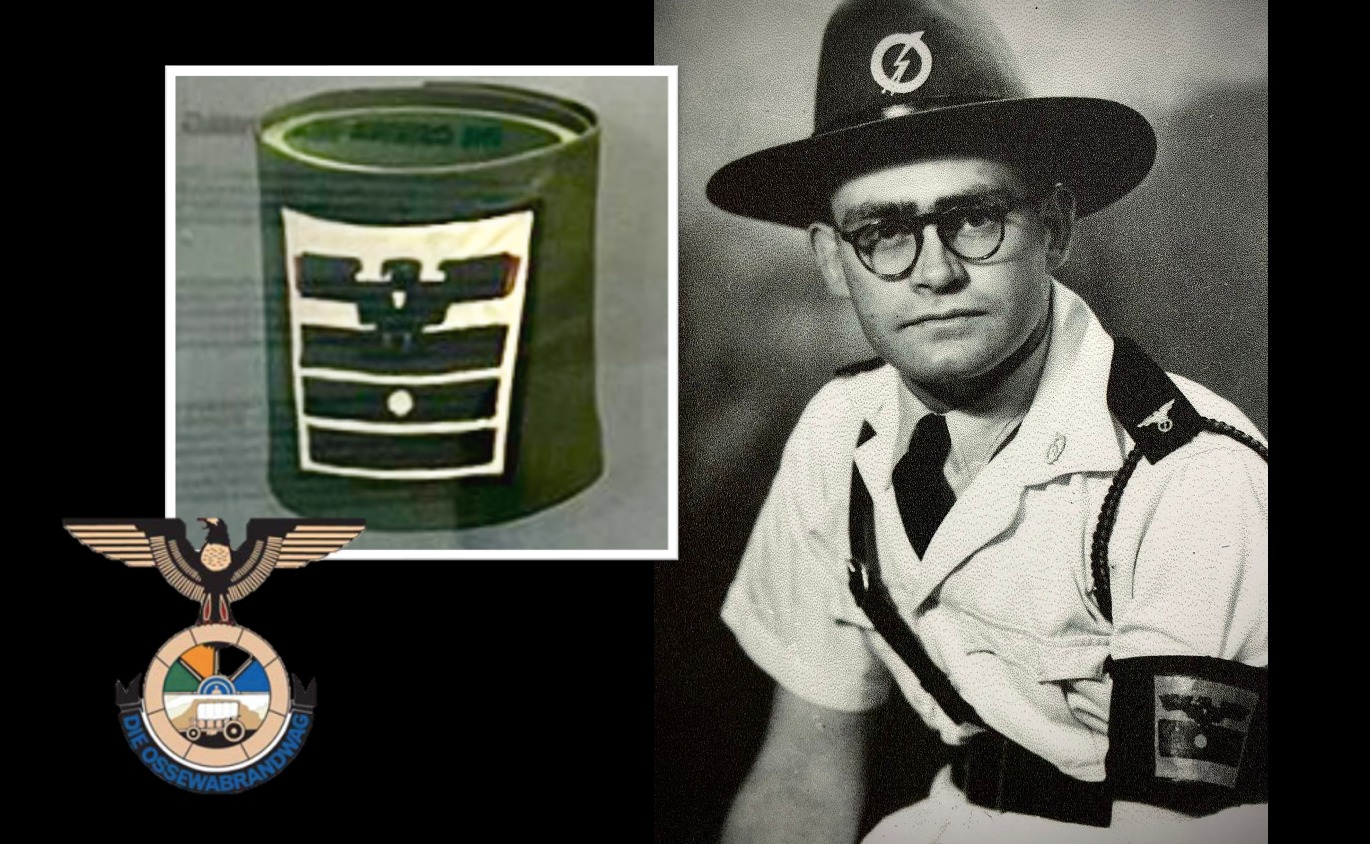
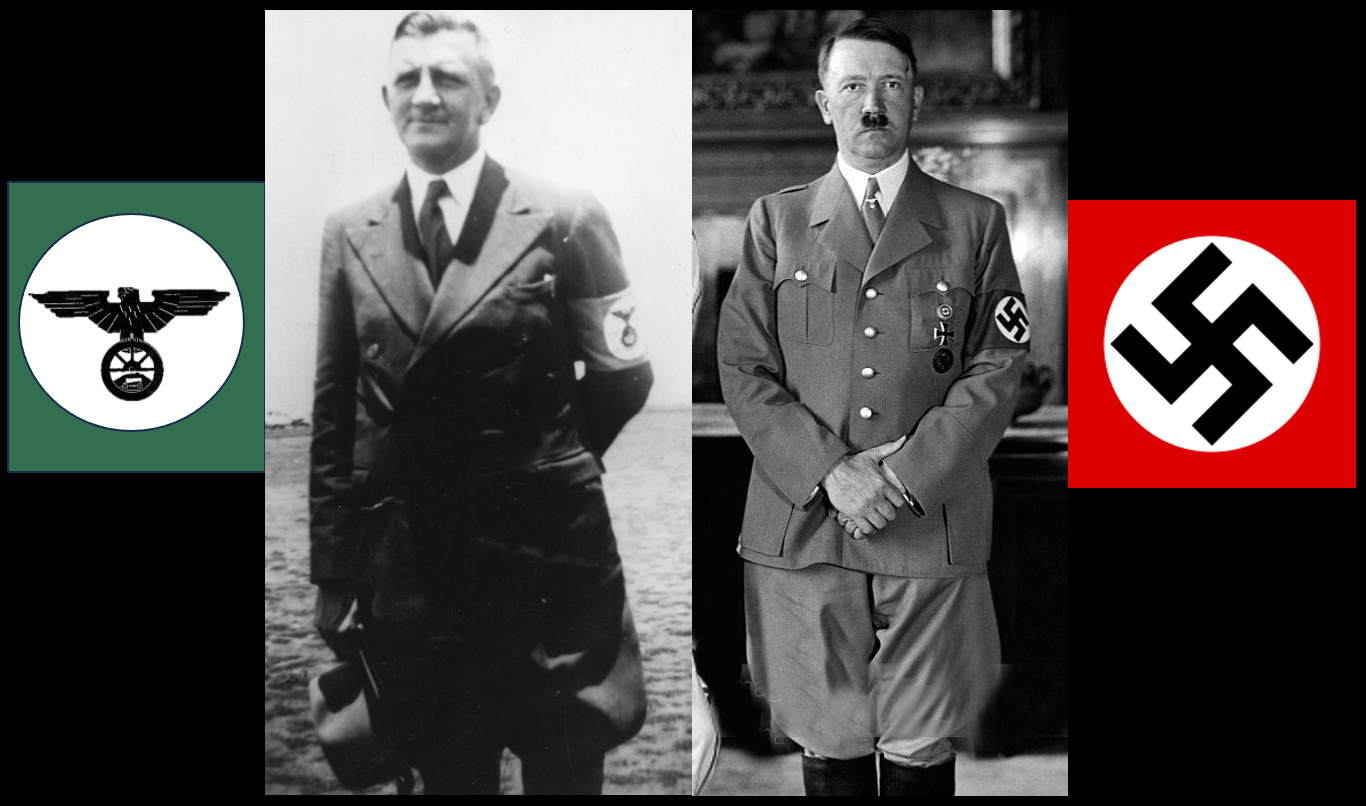

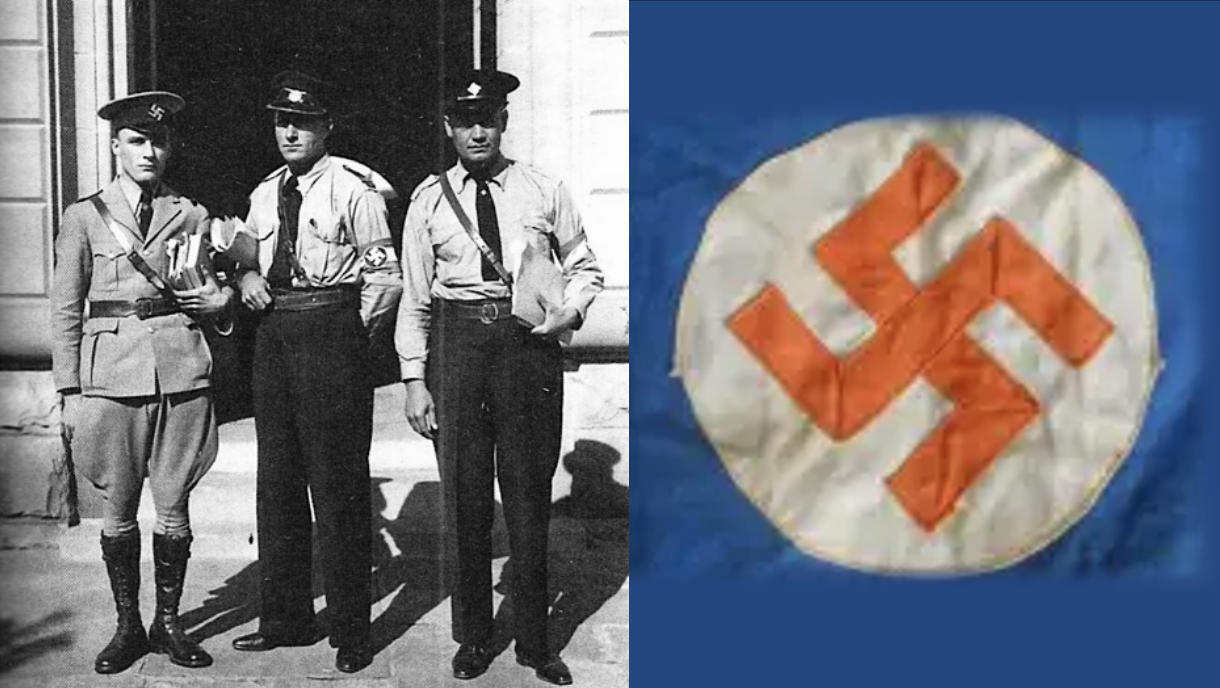

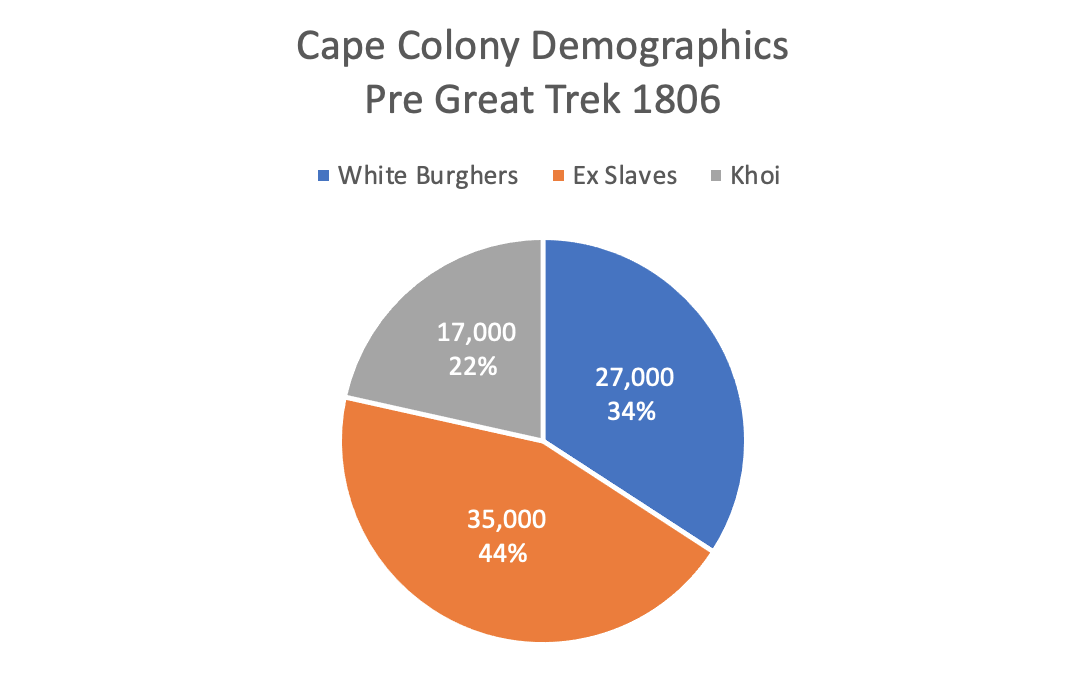


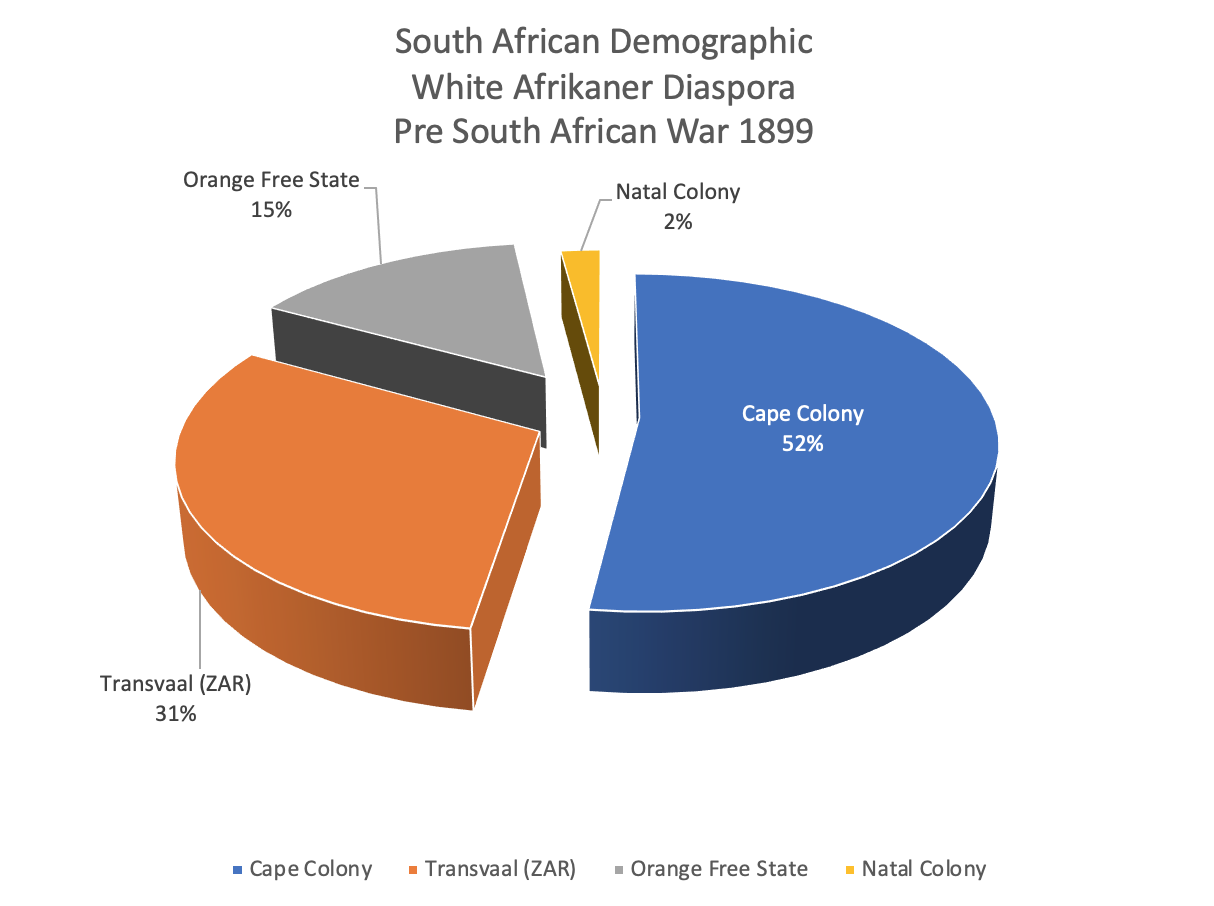
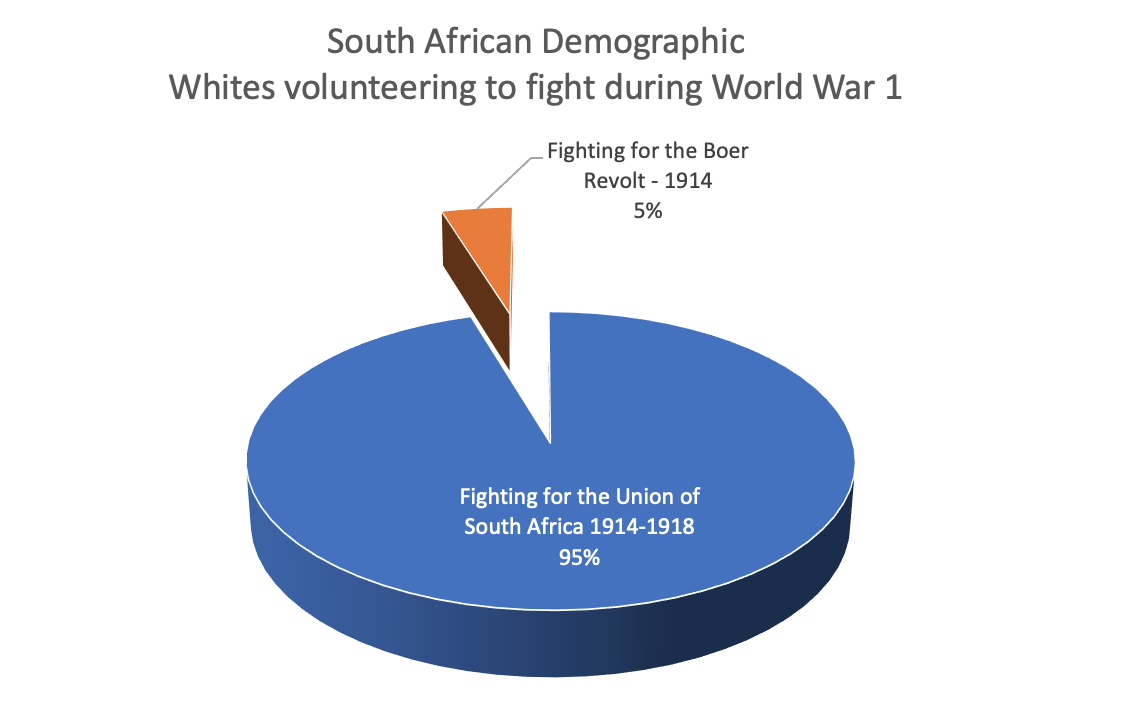
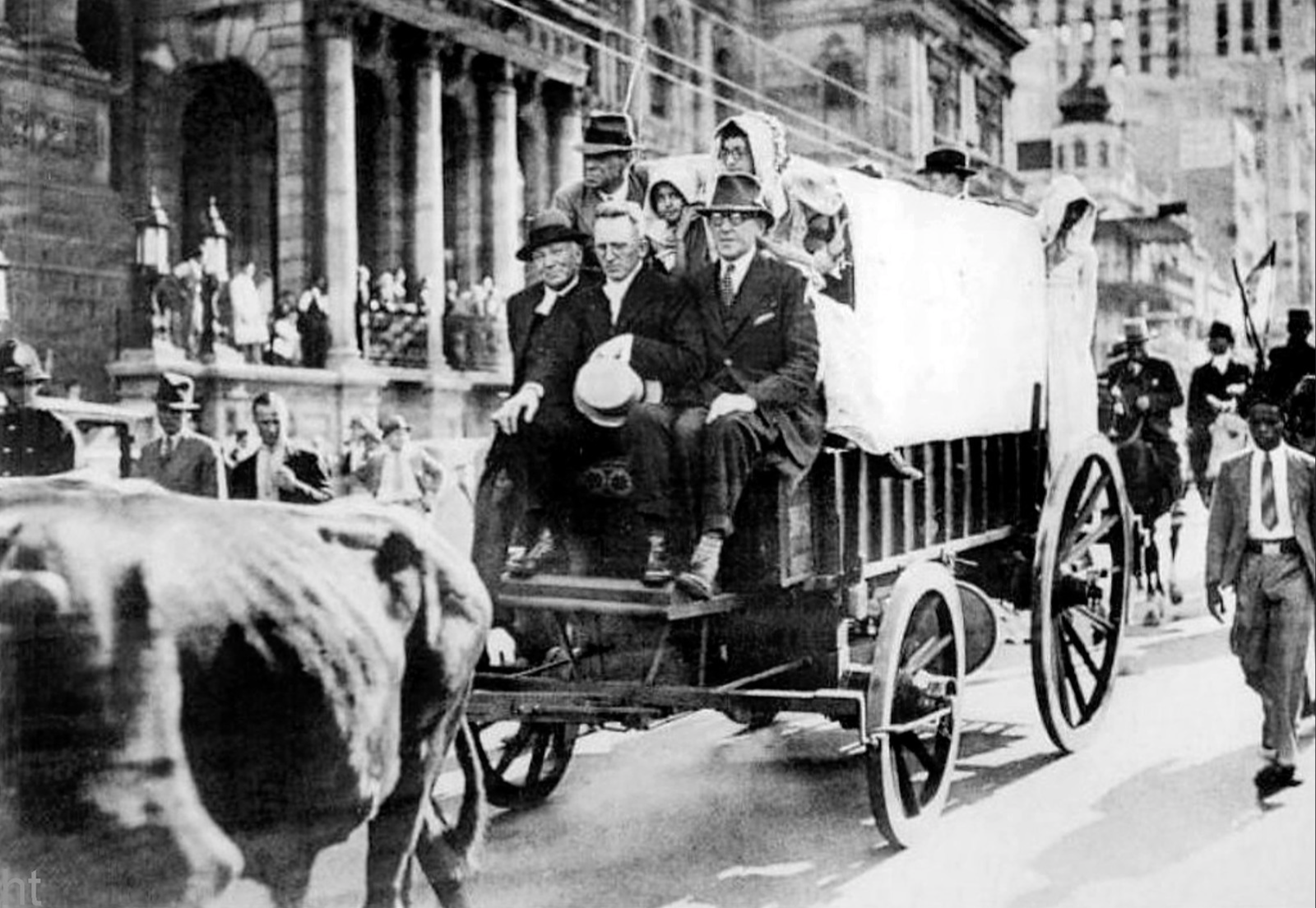

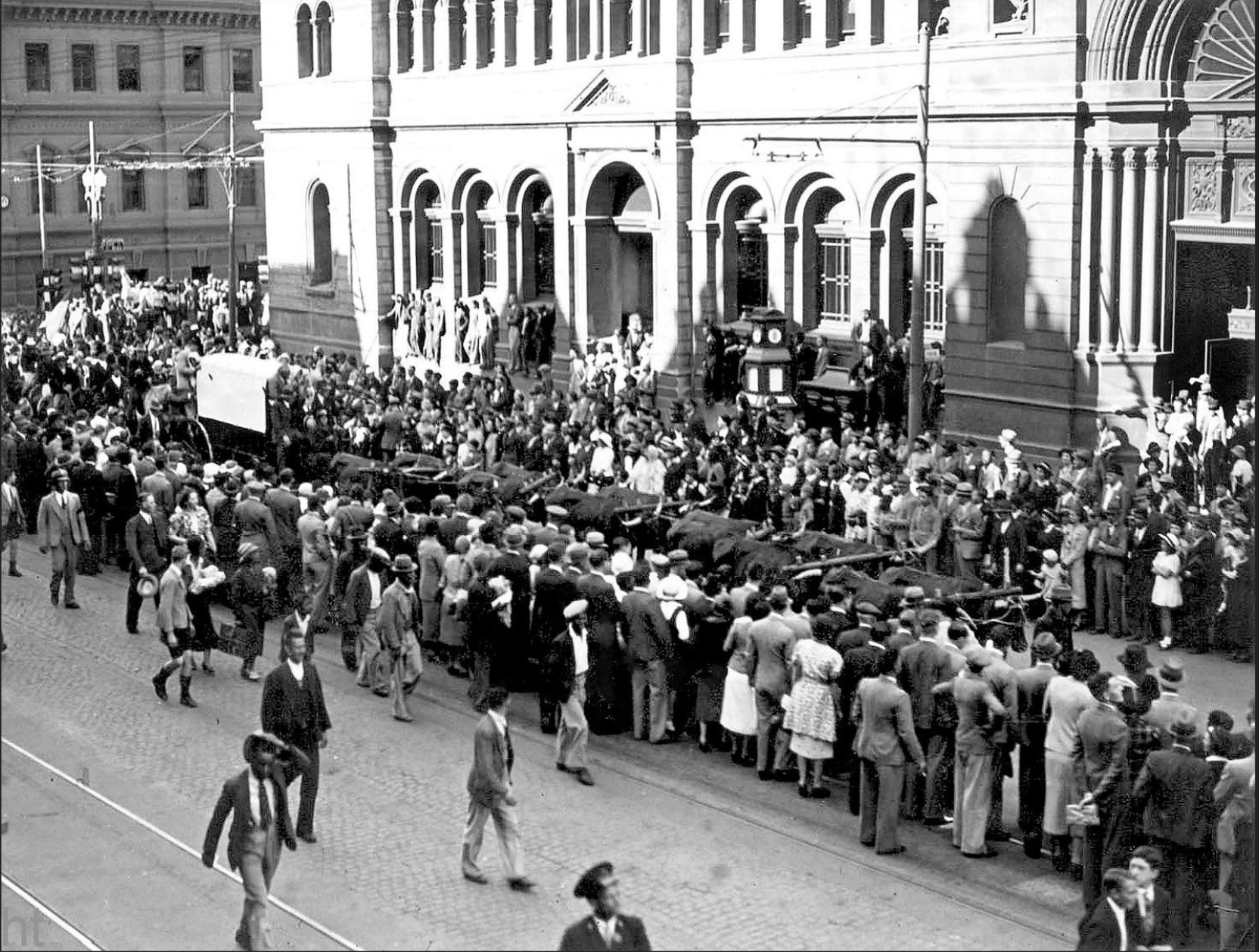
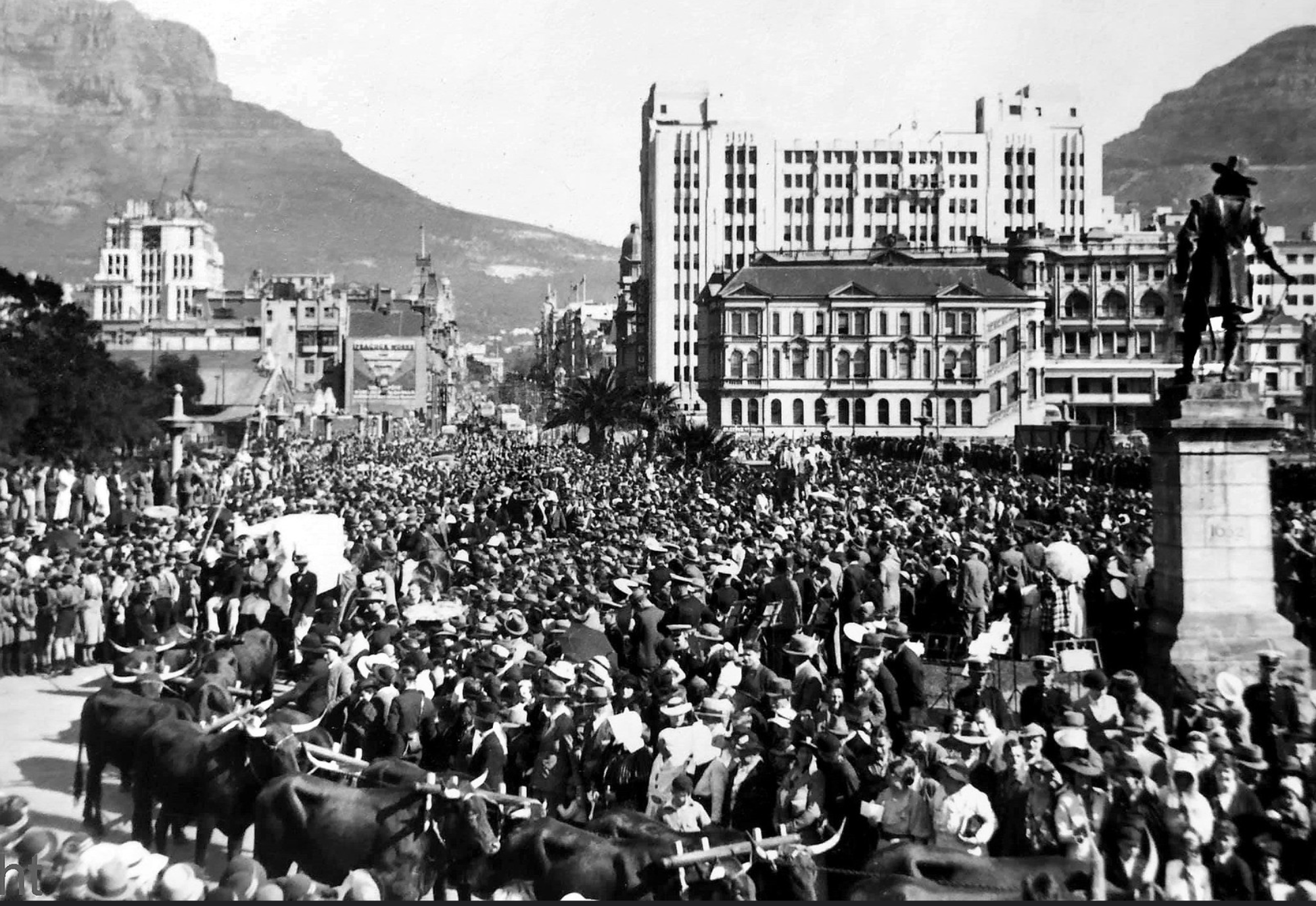


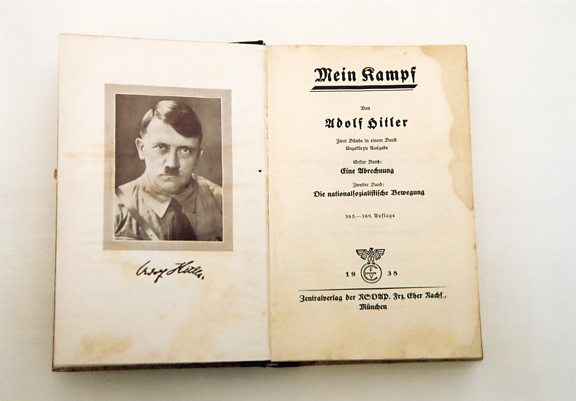
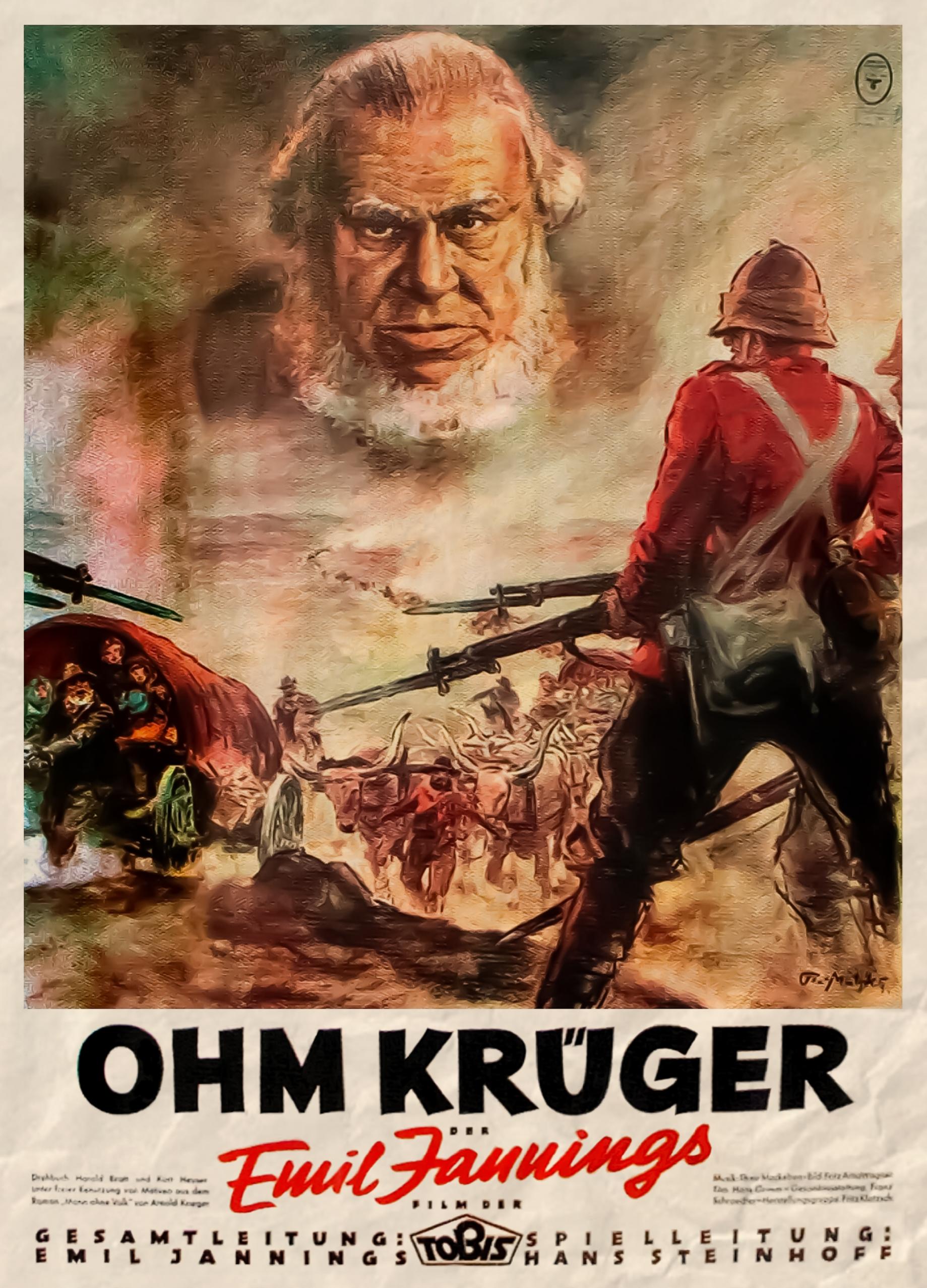
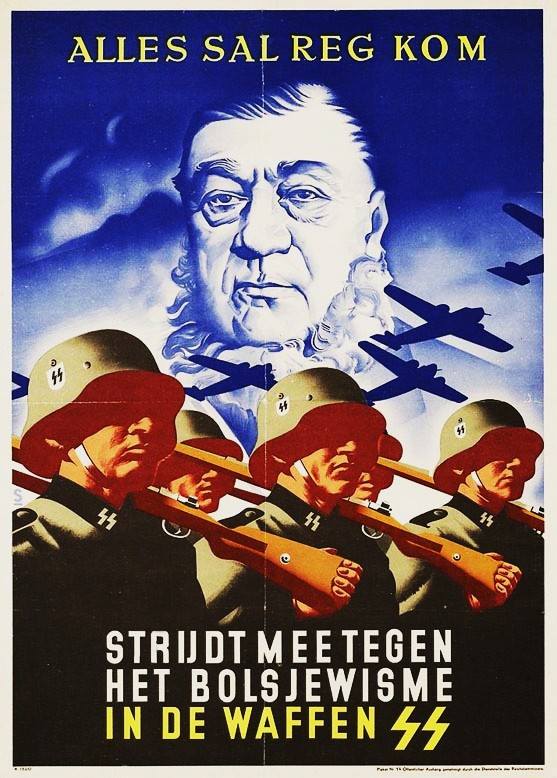
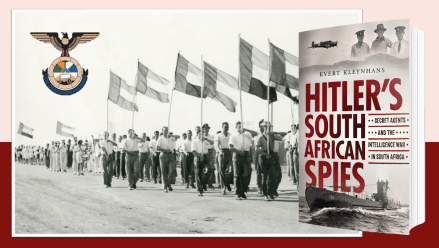
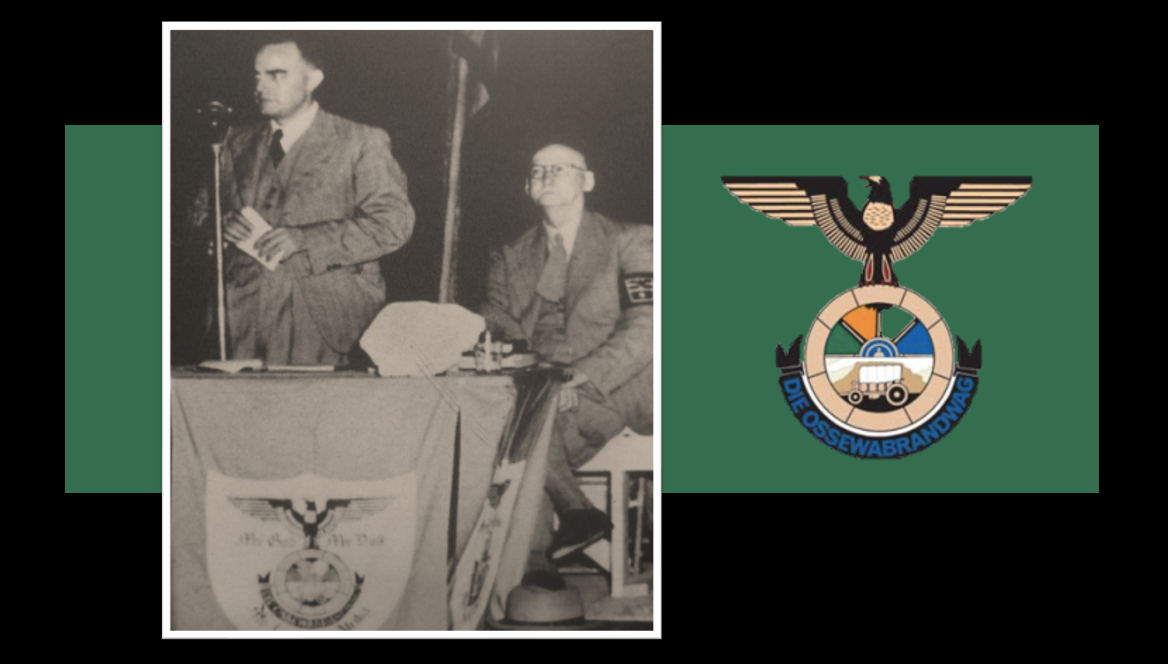


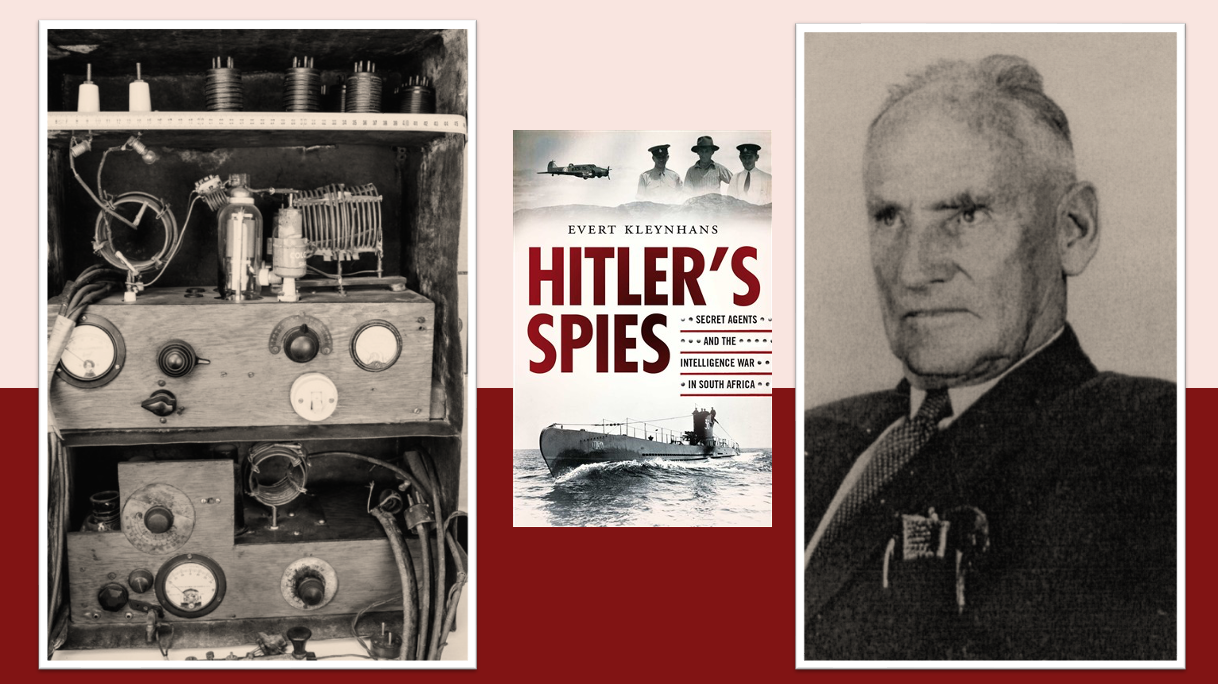

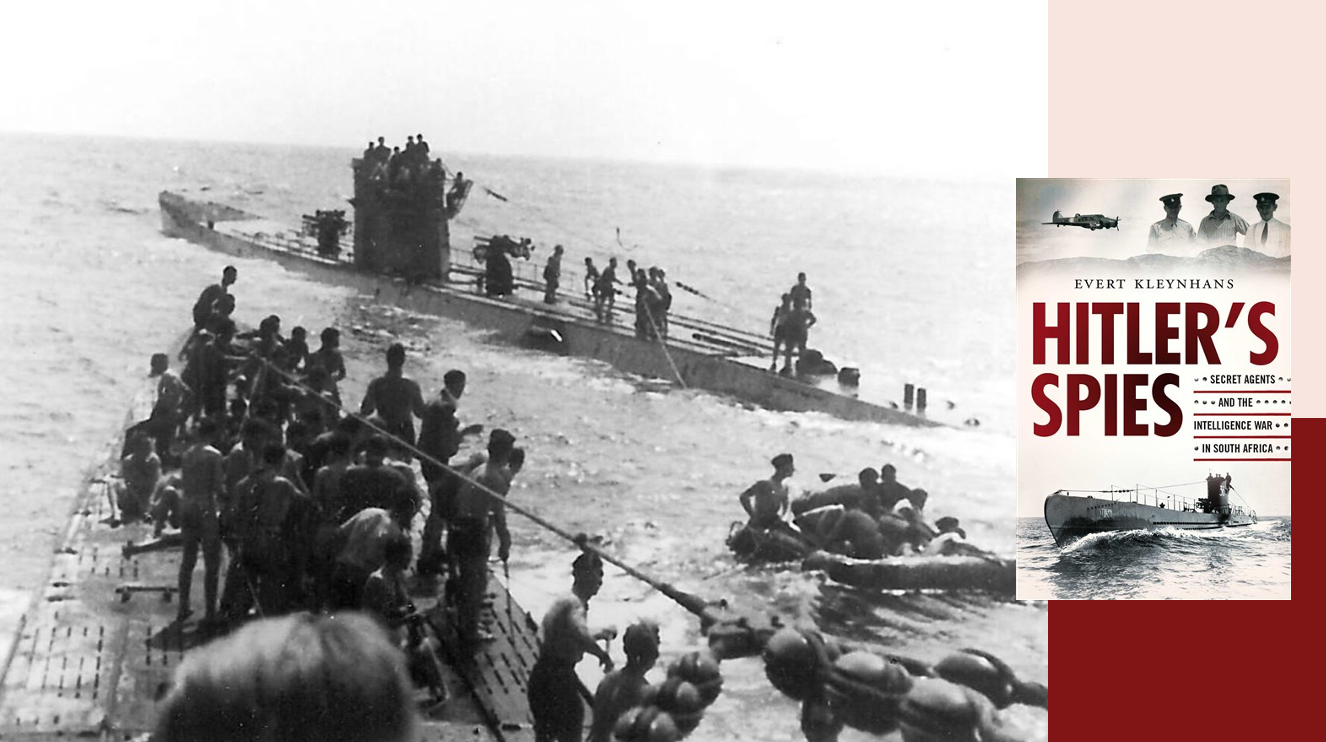

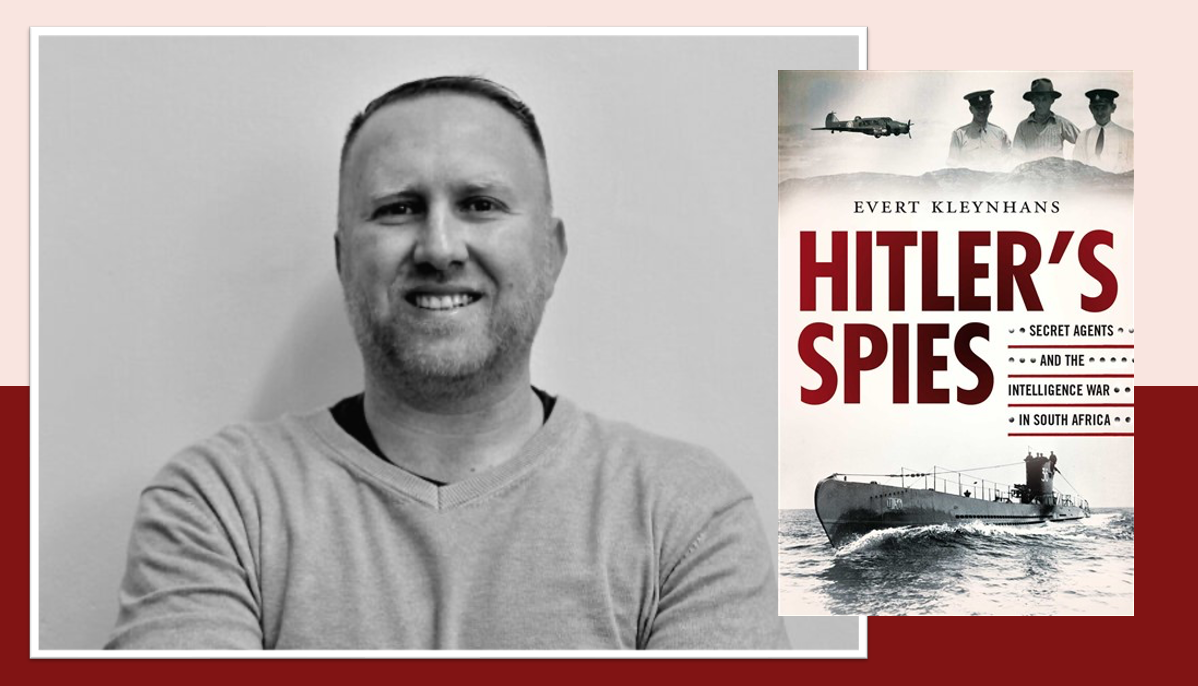
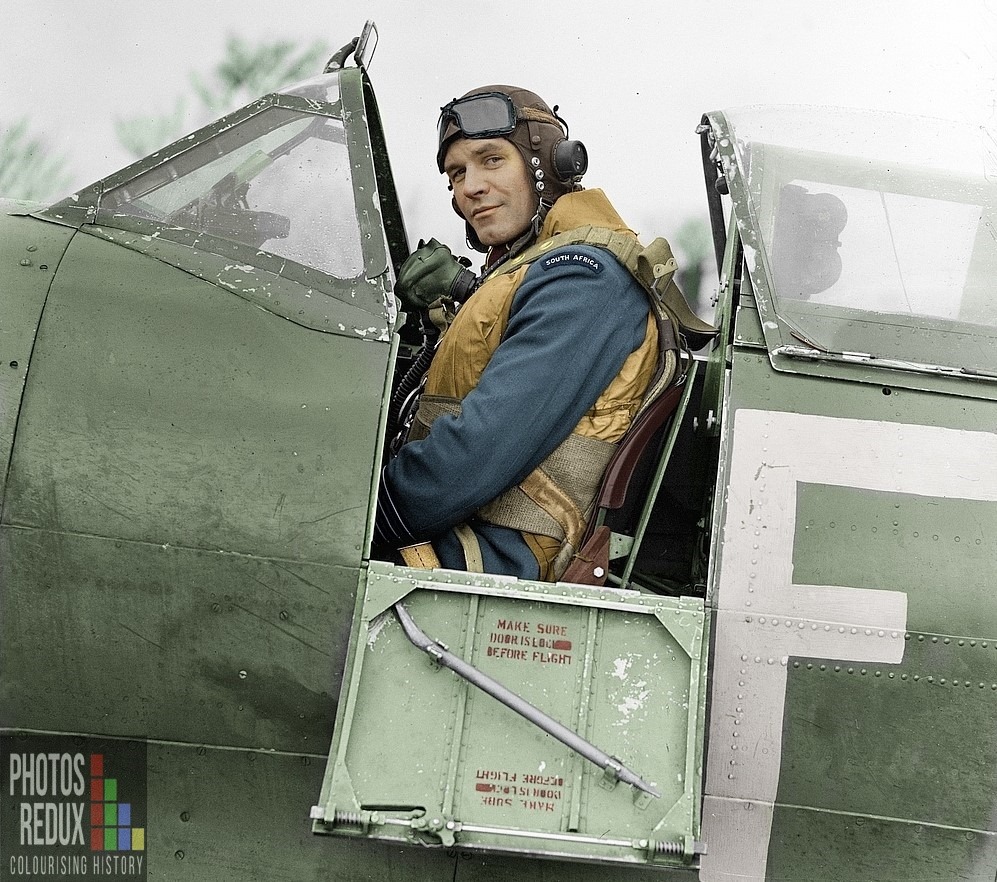
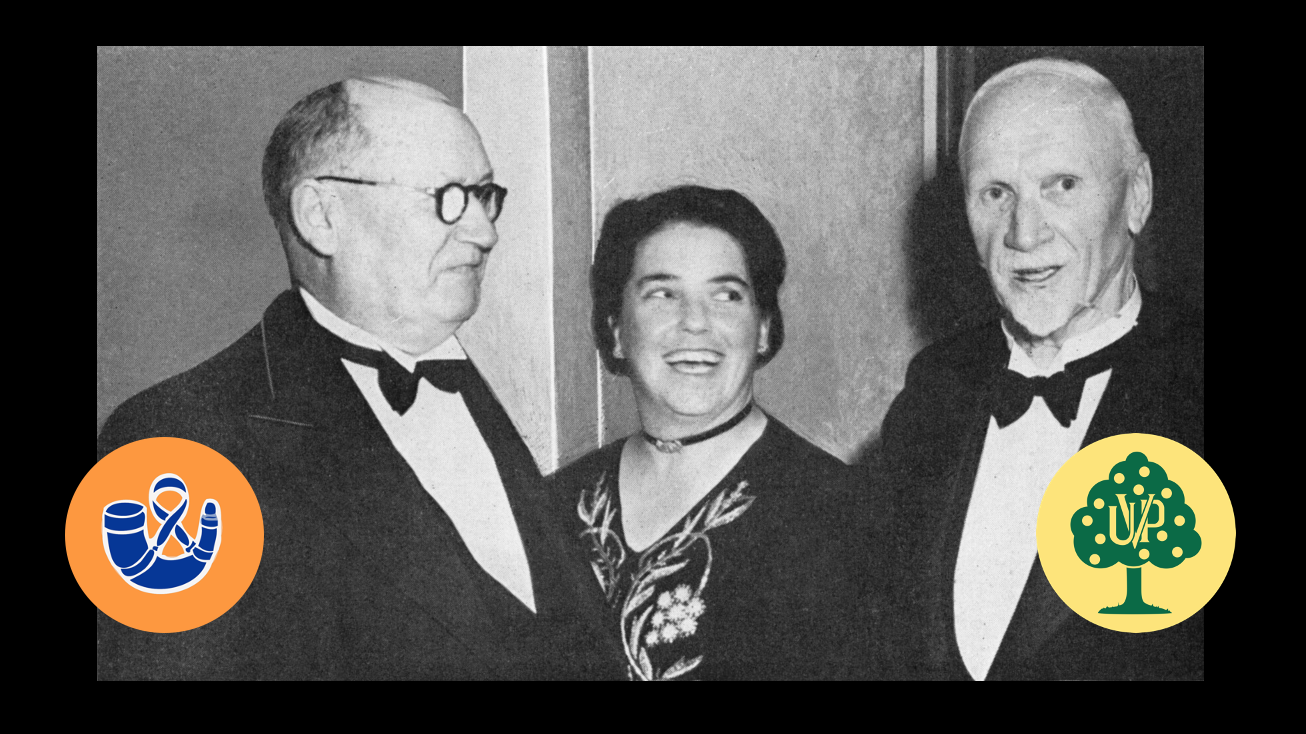
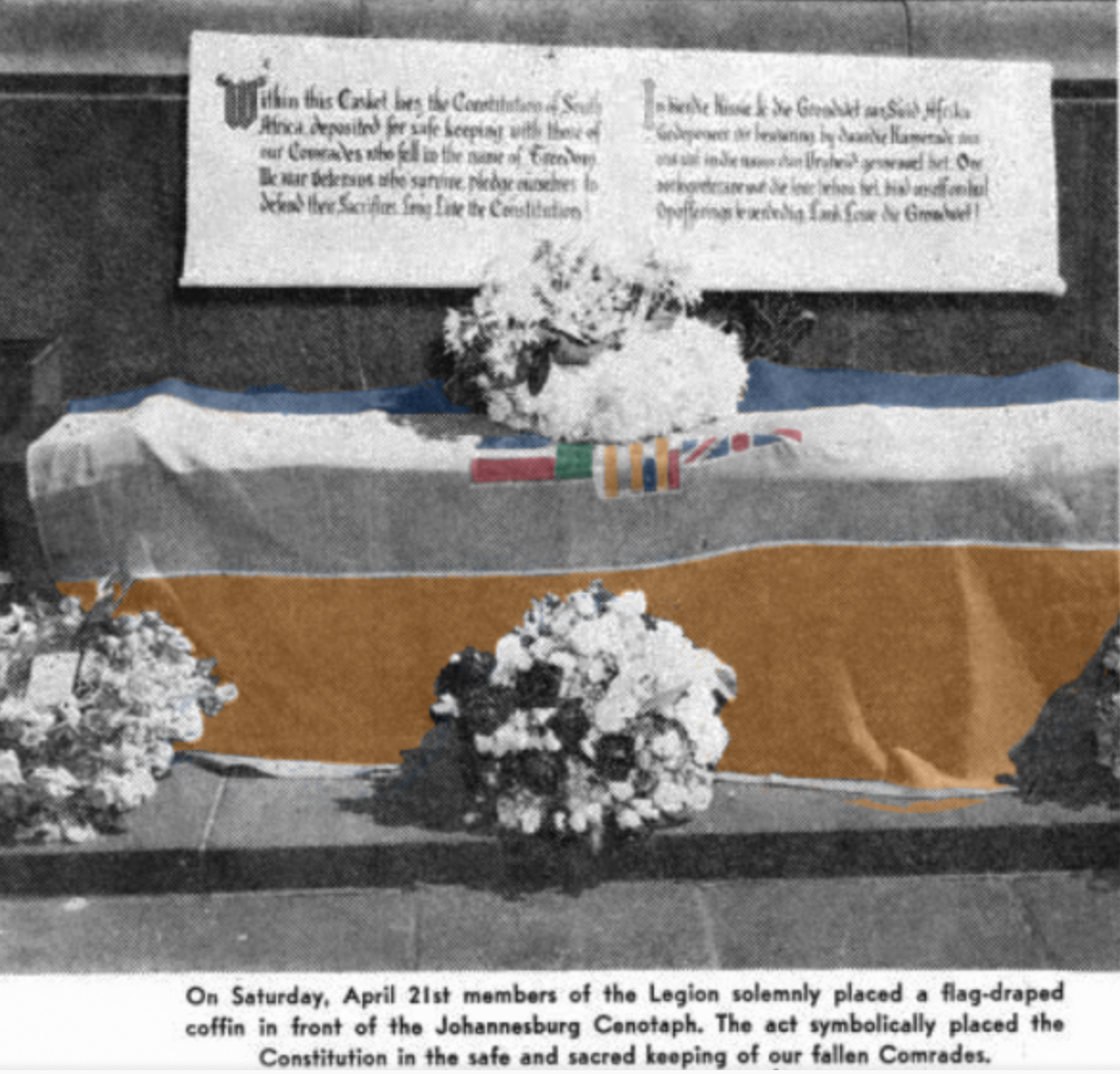
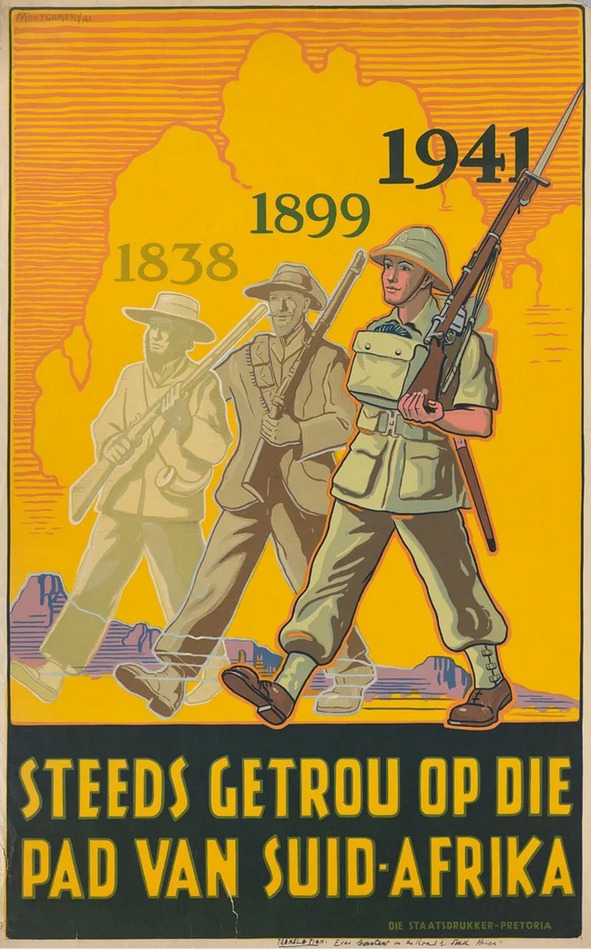
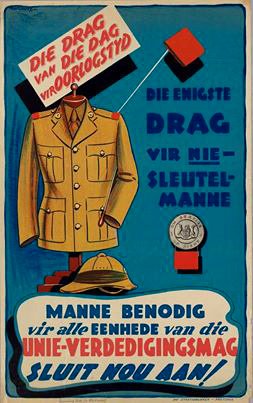
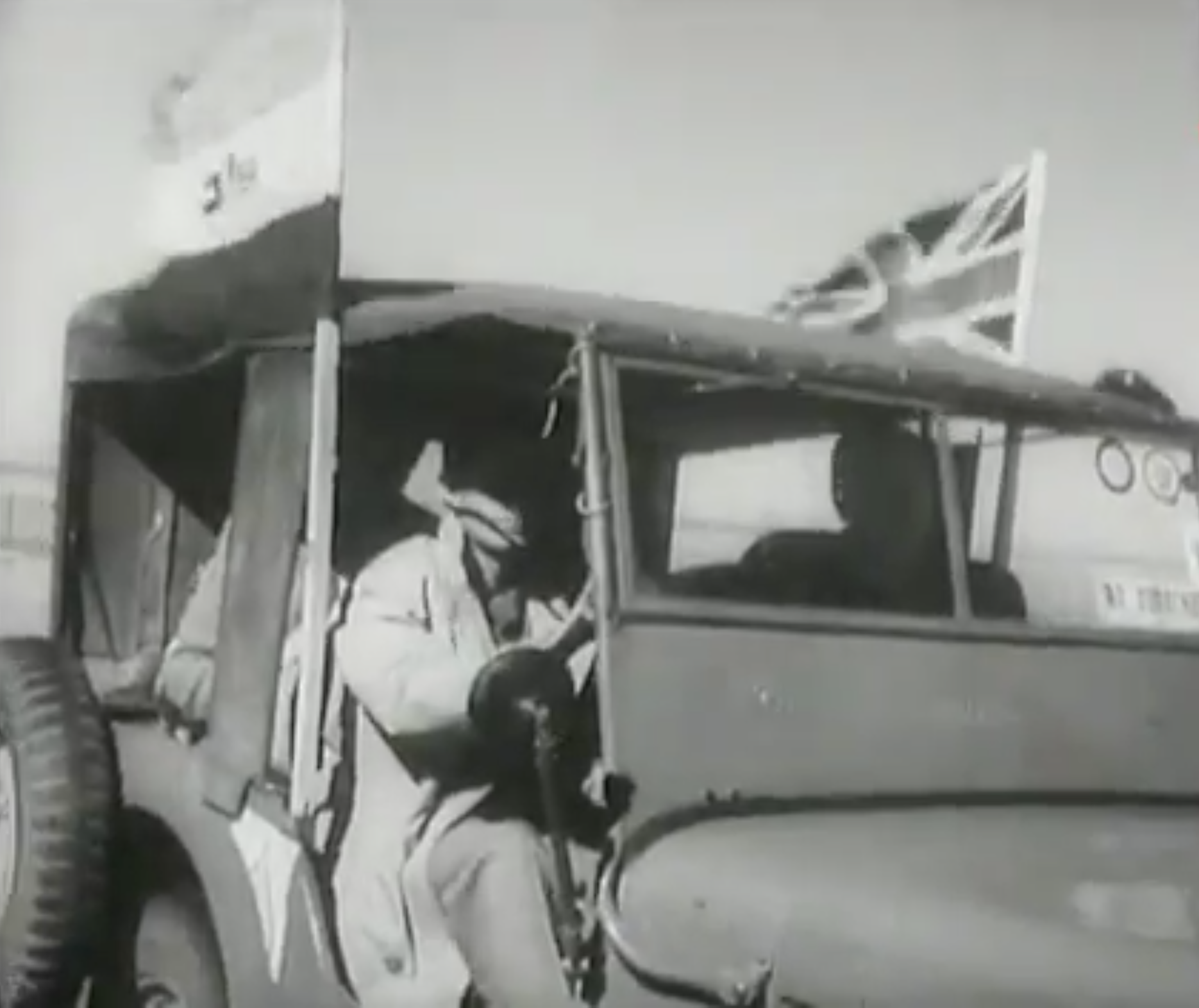
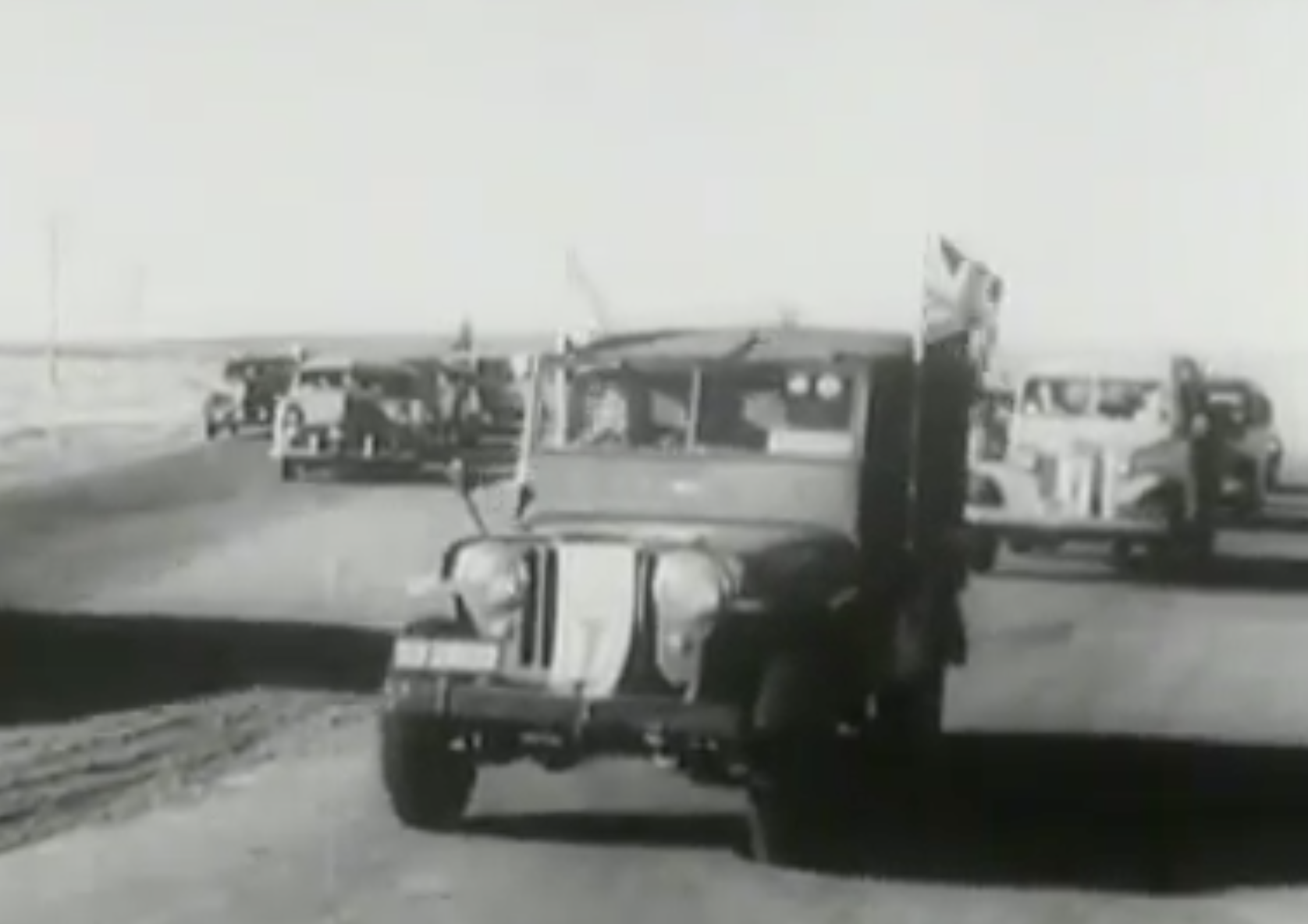
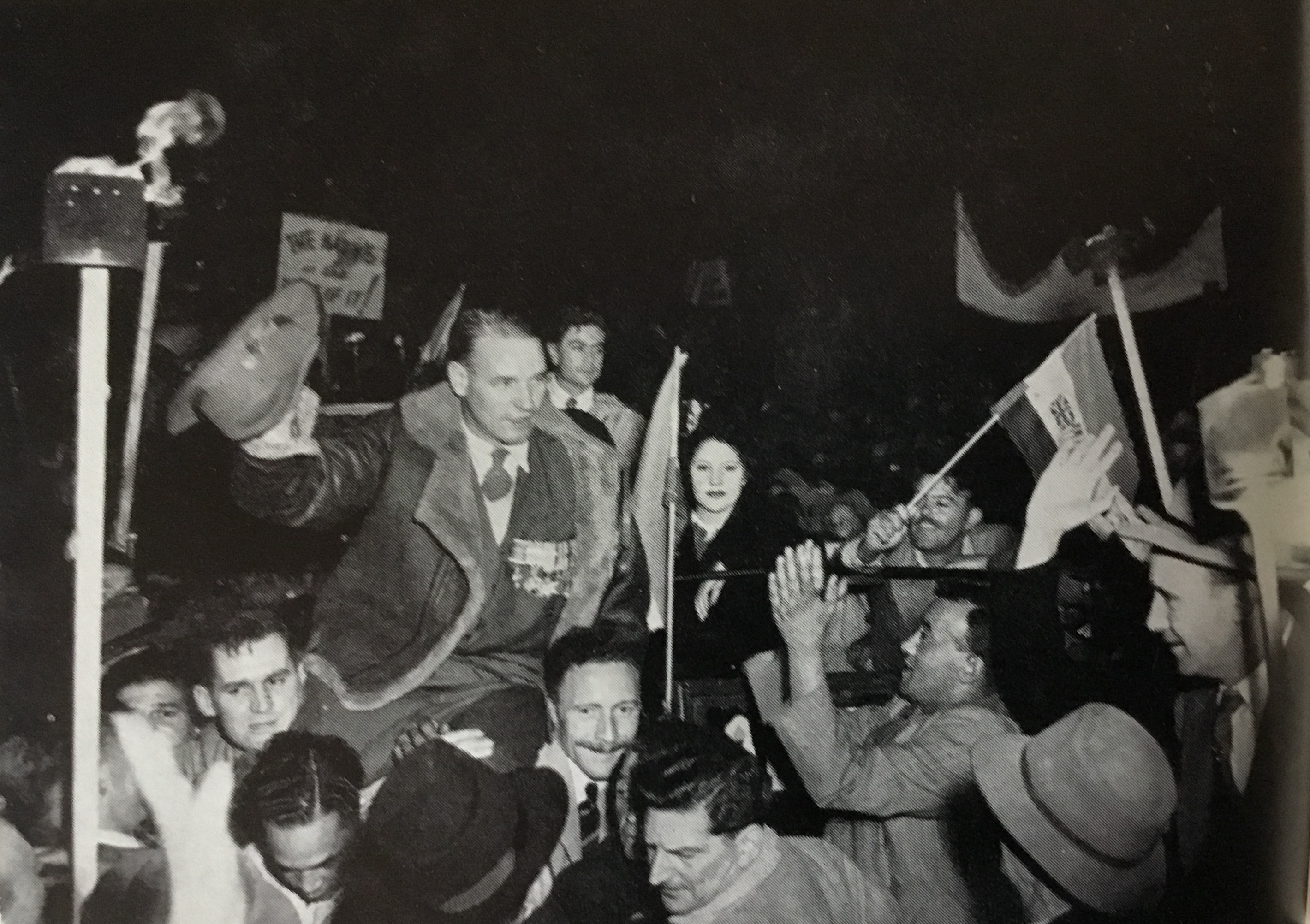
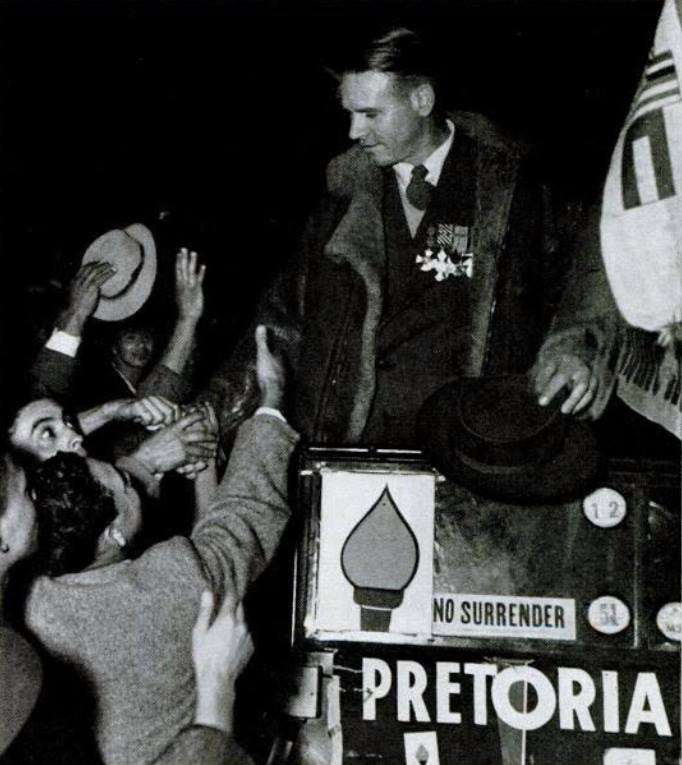
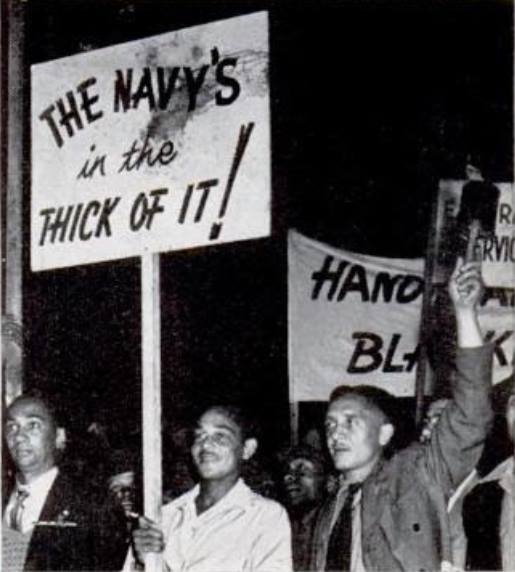
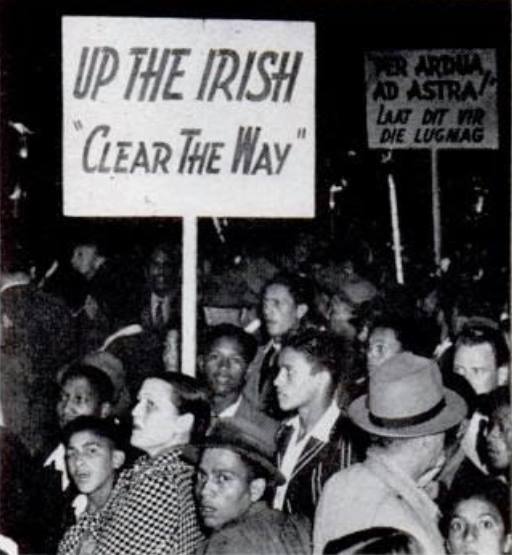
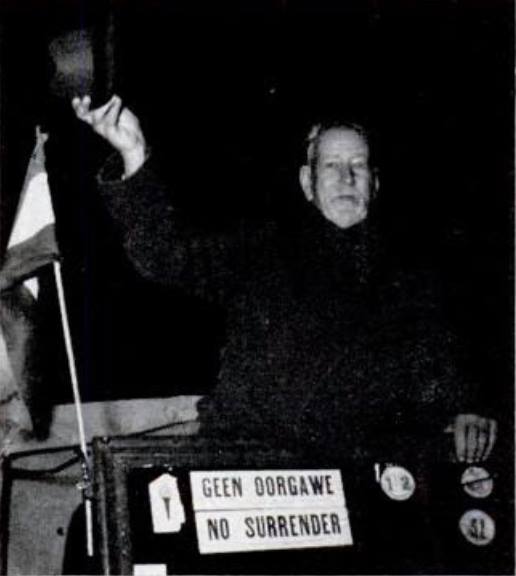
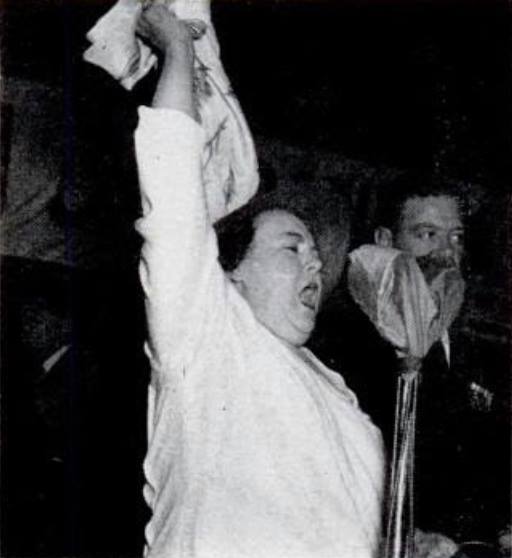
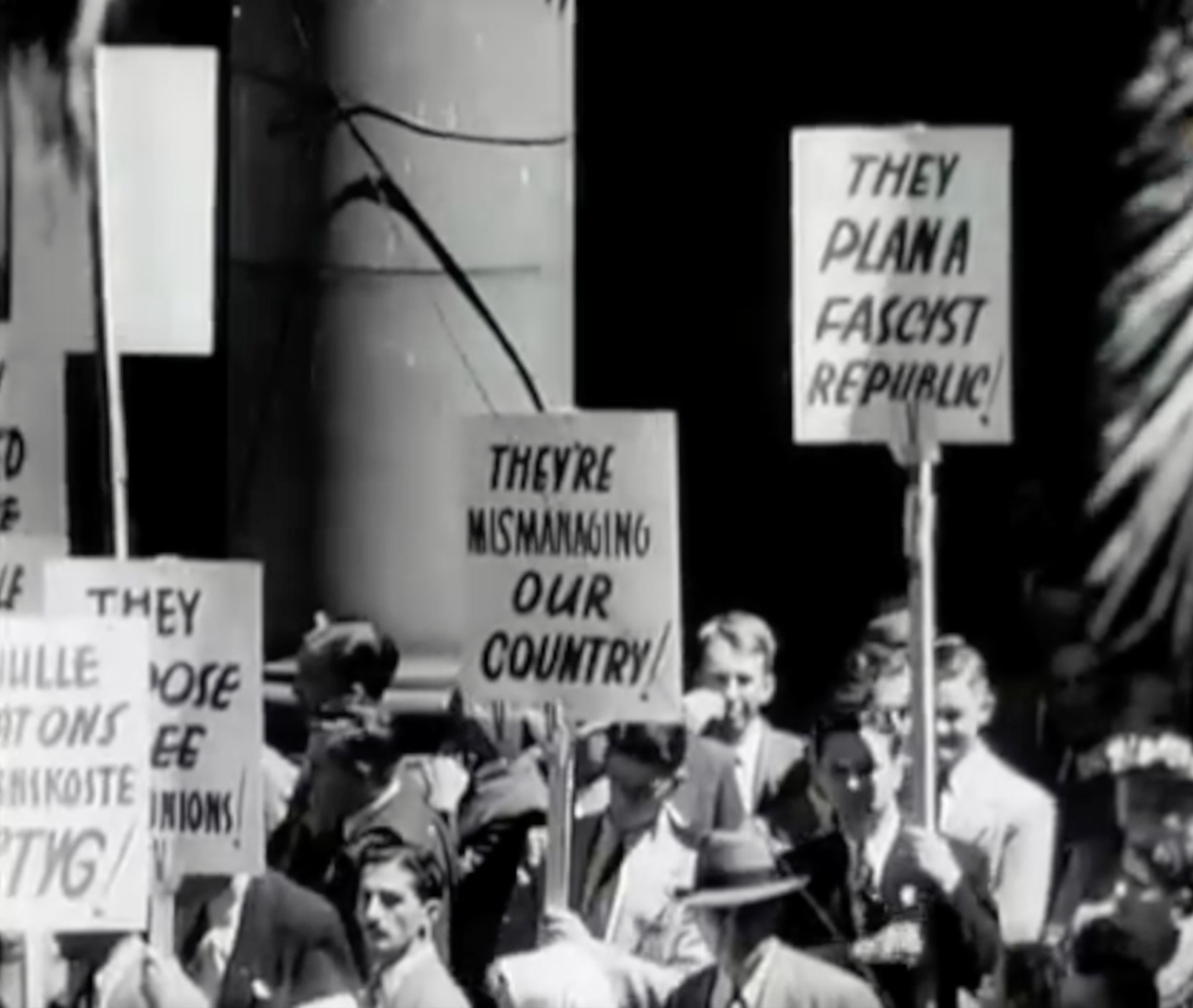
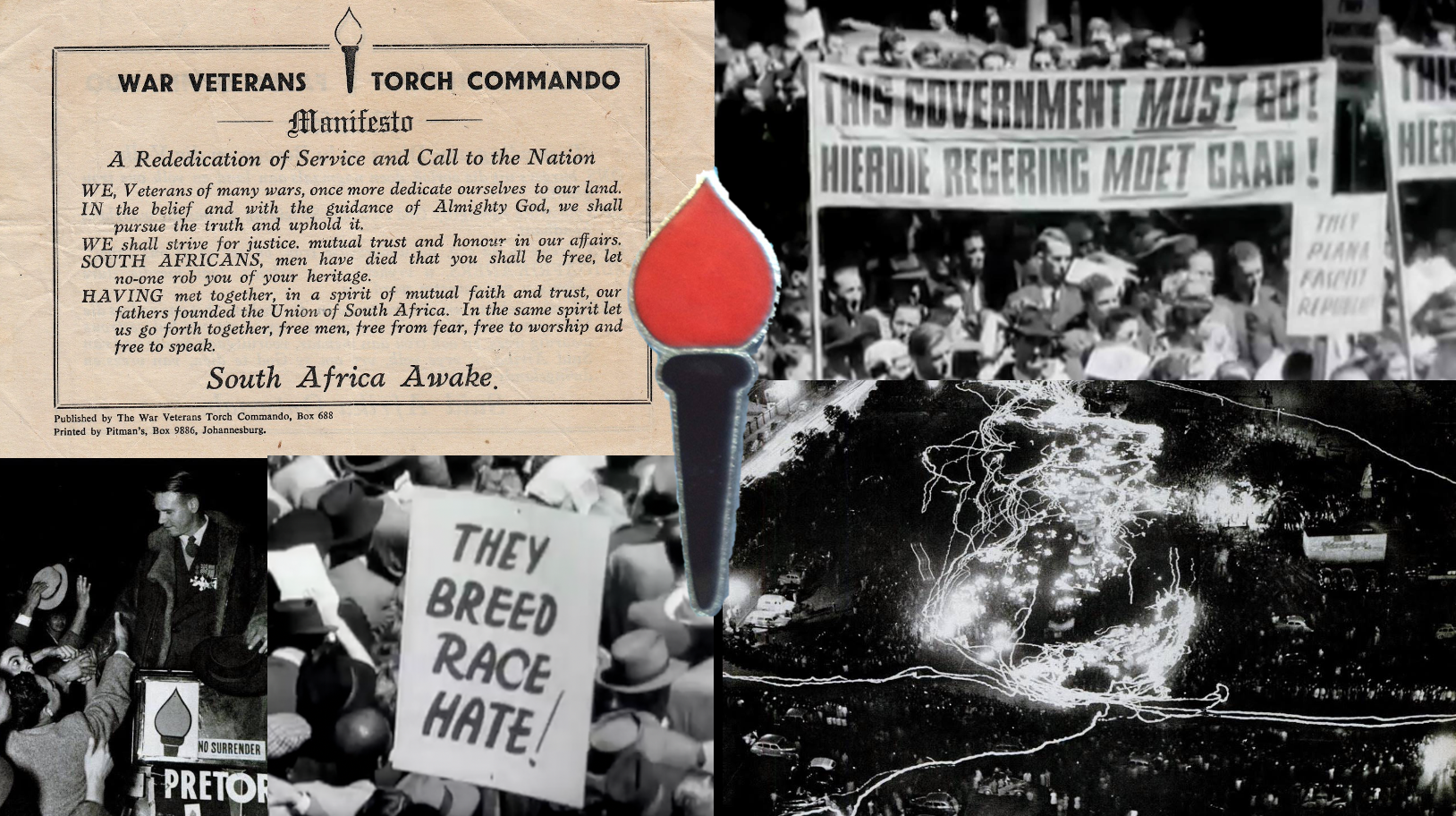
 The Observation Post