Intelligence and Counter Intelligence Operations against the South African Liberation Movements, 1960–1965.
By Garth Conan Benneyworth
Abstract
The road and rail pipelines operated by the liberation movements in Bechuanaland (Botswana) were known as the ‘road to freedom’. An aerial pipeline enabled high value South African political refugees and freedom fighters to move through the Protectorate as fast as possible. A mini-airline called Bechuanaland Air Safaris, it was financed by Bechuanaland’s government and a local millionaire businessman. Set up to support the needs of Britain’s Secret Intelligence Service (SIS), this air bridge enabled close surveillance of potential security issues within Bechuanaland by the SIS, whilst simultaneously assisting organisations that would one day gain political power. This made it a key intelligence target for South Africa’s security establishment, who penetrated this operation. Through surveillance and informants, notably Captain Herbert Bartaune, the company director and operator of Bechuanaland Air Safaris, they interdicted the activities of key personnel involved in liberation struggle operations. This paper examines this air bridge, some of its key personnel, surveillance operations by the South African Police, counter-intelligence actions by the British authorities connected to supporting this pipeline and its use by prominent leaders, including Joe Matthews, Nelson Mandela, Michael Dingake and Patrick Duncan.
Around the time of the start of the armed struggle in South Africa in 1961, an ‘aerial pipe-line’ was established in the then British Protectorate of Bechuanaland (Botswana). This pipe-line was used by important personalities of the liberation struggle from South Africa and Bechuanaland to access assistance outside those countries’ borders. The director and pilot of this aerial pipeline, Captain Herbert Bartaune, is fleetingly mentioned in the autobiographies of those who flew with him and in the literature on Botswana’s pipeline as a sympathiser of South Africa’s liberation struggle. Nelson Mandela and Michael Dingake mention only ‘a pilot’.1 Fish Keitseng, who played a key role in establishing various pipelines in Bechuanaland in the early 1960s, remembered Bartaune by name, describing him as a person who flew many people to safety.2 Ronald Watts knew the pilot and re-established contact in 1990, the pilot having stayed with Watts during September 1960.3 Neil Parsons refers to him by name and describes him as the resident director of the air charter company connected to Britain’s Secret Intelligence Service (SIS).4
However, this article demonstrates that embedded at the very core of this company were spies and informants who reported on the activities and whereabouts of the liberation struggle personnel, the very same people that this air bridge was meant to assist. It identifies Captain Bartaune, pilot and director of Bechuanaland Air Safaris, as a key operative. This paper uses resources such as Top Secret declassified British intelligence reports and a Department of Justice file in the South African National Archives.5 Both were unavailable at the time that many of the first struggle biographies and other works were produced in the early 1990s, and have not been consulted by other scholars who have written on the subject.
The file contents categorically prove this matter of spies in the aerial pipeline and has ramifications on our understanding of specific historic events – for example, those of the Pan Africanist Congress (PAC) in Basutoland, and the captures of Nelson Mandela and Michael Dingake, amongst others. These events and the broader geopolitical milieu in which they occurred consequently need to be reconsidered and refigured.
This paper will use the examples of three prominent persons who used the aerial pipeline, one of whom was seriously compromised as a result and two of whom were captured after exiting the pipeline. The first case is that of Patrick Duncan which demonstrates how Bartaune compromised Duncan and the PAC. The second is associated with Nelson Mandela’s flights as part of his tour of the continent in 1962 and his return to Bechuanaland later that year, when Britain tried to circumvent South Africa’s Security Branch. Within weeks of his return to South Africa, Mandela was captured. The third is that of Michael Dingake in 1965 and how South African agents linked to the pipeline enabled his kidnapping in Rhodesia and subsequent rendition by the SAP. The paper will also show that the shadowy figure of Bartaune is the common denominator for all three case studies. Before discussing these three cases, the article will outline the political context which led to the establishment of the pipeline, as well as provide previously unknown biographical information about Bartaune which is crucial to understanding his role in the pipeline.
With the banning of the African National Congress (ANC) and the PAC in 1960, numerous people from these organisations sought asylum and refuge in Britain’s High Commission Territories of Bechuanaland, Basutoland and Swaziland. After the start of the armed struggle in South Africa in 1961, Bechuanaland became the preferred option as it enabled direct transit into Northern Rhodesia and Tanganyika and beyond.
Fish Keitseng was a defendant in the 1956 Treason Trial and deported to Bechuanaland in 1959. He settled in Lobatse and was in charge of the ANC in Bechuanaland. In late 1960 Joe Modise linked up with Keitseng and recruited him into the ANC underground network.7
Fish Keitseng
Modise was one of MK’s founders and participated in its first operations. He helped establish MK infrastructure in various regions, in particular Natal and the Eastern and Western Cape, spending two years working underground. He played a key role in sending recruits out of South Africa for military training before going into exile in 1963. Together with Keitseng they played a key role with the pipeline.8
The aerial pipeline was no ordinary pipeline, such the road and rail networks where the rank and file were taken by Keitseng by train to Francistown from where they then drove to Livingstone in Northern Rhodesia.9 It was the niche operation that moved key South African leaders, political refugees and freedom fighters through Bechuanaland to Tanganyika and Northern Rhodesia (and vice versa). The aim was to transit them by air as fast as possible to protect them from being kidnapped by agents of the apartheid regime. This was a constant danger. For example during March and April 1960 Deputy President Oliver Tambo narrowly avoided being abducted by South Africa’s Security Branch.10
Fish Keitseng’s house in Botswana, now a memorial as the venue where he hosted South African struggle stalwarts
The air bridge ran from Lobatse via Kasane and, until Northern Rhodesia gained independence, then over-flew that territory to Mbeya, where refuelling took place before flying on to Dar es Salaam. The return trip followed the same route in reverse from Dar es Salaam. Called Bechuanaland Air Safaris, this mini-airline was established by Captain Herbert Bartaune as a charter company in 1961 and it linked Bechuanaland, Basutoland and Swaziland. Bartaune based himself as the company’s resident director in Lobatse, with his wife Elsie Bartaune as company secretary.11 Bartaune was the main pilot who flew refugees from Swaziland to Serowe, and in some cases from Serowe to Tanganyika.12 His financiers were the Bechuanaland Protectorate government and Lobatse-based meat millionaire, one Cyril Hurwitz.13 Parsons wrote that Britain’s Secret Intelligence Service (SIS) funded this enterprise and in essence the air bridge functioned as an SIS operation.14 The Resident Commissioner, Sir Peter Fawcus, who reported to the SIS, controlled the pipeline. Fawcus in turned used only his most trusted subordinates, that included the Lobatse based police Inspector John Sheppard, District Commissioner Brian Egner in Kasane and District Commissioner Philippus Steenkamp in Francistown. The designated point man for the aerial pipeline from MK’s side was Fish Keitseng.
Francistown airport – cira 1960
Overtly, the pipeline was a mini airline; yet, covertly, it informally linked agents of the SIS with elements of the ANC, including MK, and of the PAC. To circumvent the SAP, the SIS activated this aerial pipeline in 1961.15 Given the covert world of intelligence operations in Bechuanaland and the surrounding territories, it should be remembered that the security services of the Central African Federation and those of the Portuguese colonies also operated in the region.
For example, the Federal Intelligence and Security Bureau (FISB), the Central African Federation’s intelligence structure, was headed by Bob de Quehen, MI5’s former Central Africa Security Liaison Officer. In 1960 de Quehen described Colonel Prinsloo, the head of South Africa’s Security Branch, as ‘always a good friend of mine’. 16 This statement occurred in the context of an invitation to de Quehen in 1960 to visit Pretoria and assist in the interrogation of ‘hardcore Communists prominent in recent disturbances’.17 In August 1962 de Quehen learned that South Africa was going to establish a central intelligence and security organisation answerable directly to the Prime Minister. The FISB was promised access to long range South African intelligence and de Quehen arranged to hold monthly meetings with Brigadier Retief, who was responsible for creating this new organisation.18
Portuguese intelligence provided South Africa’s Security Branch with surveillance reports about the movements of prominent South African communists traversing Portuguese territories.19 In 1961 Portuguese Naval Intelligence advised the SIS that Ghana was recruiting South Africans for political, military and sabotage training and also supplying funds to South African anti-government groups.20 Consequently any person of interest to the FISB and Portuguese intelligence services would come in for attention and experience a hard time moving around undetected.
Given the profile of the pipeline passengers, who included the senior leadership of the ANC, the South African Communist Party (SACP), the PAC and possibly other liberation movements, this made it a key intelligence target for South Africa’s security establishment. If they could infiltrate or penetrate the pipeline and recruit its personnel, it would be possible to interdict the various organisations and the activities of their key political activists. This is confirmed in a Bechuanaland Central Intelligence Committee (CIC) report, dated September 1960, which reflects that a SAP officer from the Mafeking Security Branch questioned Captain Bartaune in Lobatse about his recent airlift of Patrick Duncan a member of the Liberal Party who joined the PAC in 1963) and Joe Matthews, a member of the ANC and SACP. 21 On 11 October 1961 a Security Branch officer from Mafeking visited Andrew Rybicki, one of Bartaune’s pilots. British records reflect that the consensus was that Rybicki was recruited as an informer. 22 Rybicki’s role was to forward information about refugee airlifts that he personally flew, some of which Joe Matthews organised.23
Joe Matthews
As for Joe Matthews, the SIS had him under close surveillance. In 1960 Matthews left South Africa for Basutoland with the view of qualifying for a British passport after residing there for a year. This would give him freedom of movement, making him the link between those outside of South Africa and those inside the country.24 As well as being a member of the ANC, Matthews had been active in the underground SACP since 1957 and was soon to become a member of its Central Committee in 1962.25. He was a direct person of interest to the various security services and his activities were being closely monitored by the SIS, the Bechuanaland CIC and the SAP, as it was believed that Matthews was in charge of the ANC’s pipeline.
The freedom of movement enabled by his British passport did not pass unnoticed. In 1962, British intelligence opened a file on Matthews. Classified Top Secret, its documents are marked UK Eyes Only, which means that Britain did not share this information with its strategic allies that made up the rest of the Five Eyes – the United States, Canada, Australia and New Zealand. Mandela’s 1962 file was classified Secret, a security grading one level lower than Matthews, suggesting that at this point in time British intelligence considered Matthews more of a threat than Mandela.26 None of Mandela’s file contents are marked UK Eyes Only, meaning information could have been shared with Britain’s strategic allies in the Five Eyes. In the case of Matthews, British intelligence tracked some of his overseas trips and attempted to identify his funding sources and payments made for air charter travel. In November 1960, they monitored him in Moscow, Prague, Tanganyika and the United Kingdom, amongst other destinations.27
Captain Herbert Bartaune, Director of Bechuanaland Air Safaris
Captain Herbert Bartaune runs as a central thread linking the life stories of Patrick Duncan, Nelson Mandela and Michael Dingake to the aerial pipeline. Bartaune was the Director of the air charter company from its inception in 1961 until it was acquired by Bechuanaland National Airways on 1 October 1965. Over a period of approximately four years he flew numerous key people in and out of Bechuanaland and played a pivotal role in the pipeline as its central operator. Yet who was he? A closer focus on the life of the Captain has direct bearing on the surveillance, repression and counterinsurgency operations undertaken by the SIS and South African Security Branch against the liberation movement and its key personnel. Herbert Bartaune was a German citizen who was born in German South West Africa in 1914 and died in Walvis Bay in 1993.28 His wife Elsie Bartaune died in Walvis Bay in 2002.29
Before the Second World War, Bartaune had been active in glider flying in South Africa and obtained his private and commercial pilot’s licence. His exact activities during the war are difficult to trace, yet before the war he was actively involved in aircraft and glider research and experiments in Germany. In 1937 he became a member of the German Research Institute for Soaring (gliders and sailplanes), where he did much research on aircraft air brakes. The institute was located in the Wasserkuppe, the highest peak in the Rhön Mountains in the German state of Hesse. Between the First and Second World Wars great advances in gliding and sailplane developments took place on this mountain.30 It is here that Bartaune specialised his flying skills which would later make him an aviator of choice for the pipeline.
A DFS SG 38 training glider, Wasserkuppe, Germany. Luftwaffe pilot training.
Students from the Darmastadt University of Technology started flying from the Wasserkuppe as early as 1911, yet gliding came into its own after 1918 when the Treaty of Versailles restricted the production or use of powered aircraft in Germany. From 1920 onwards annual gliding competitions were held and in the 1920s the world’s first glider pilot school was established at the Wasserkuppe. By 1930 the competition was an international event drawing pilots from all over Europe and the United States, and Bartaune from South West Africa.
Virtually every German aeronautical engineer and test pilot of note during the 1920s and 1930s spent time building, testing and flying aircraft at the Wasserkuppe, and this period saw advances in new technologies such as flying wings and rocket powered flights. During the Third Reich gliding activities were controlled by the state. As for the Hitler Youth pilots and their instructors, proficiency in gliding was used as the first step towards joining the Luftwaffe, something about which Bartaune later reminisced.31 During the war Bartaune served with the Luftwaffe as a pilot and reached the rank of hauptmann or captain.
Stuka dive bomber – benefiting from air brake technology
After the war Bartaune continued gliding, this time with the gliding club of the British Fourth Armoured Brigade in Germany.32 Here he was the Chief of Aviation before returning to South Africa in 1946, where he continued his career as an aviator. In 1953, Border Watch, an Australian newspaper, reported that he resided in South West Africa and owned two small aircraft. On 25 July 1953 the paper reported that he was flying in Australia, undertaking research into rain-making experiments for the Commonwealth Scientific and Industrial Research Organisation, an Australian federal government agency responsible for scientific research in Australia. His method was based on injecting silver iodide into the exhaust pipe of a light aircraft and then releasing this into cloud formations. According to the article, Bartaune met all of his expenses for this project.33
In September 1960 he resided in Bulawayo, worked for Air Carriers Bulawayo and regularly flew into Francistown and Maun. According to a telephonic interview by Watts with Bartaune in 1990, at the time aged 76 and retired in Walvis Bay, Bartaune said that in Bulawayo he ‘made enemies because people thought he was a liberal’.34 Bartaune flew all the Southern Rhodesian Prime Ministers including Lord Malvern, Garfield Todd and Ian Smith as well as Dag Hammarskjold, the Secretary General of the UnitedNations, before his fatal crash in September 1961. He considered himself a ‘taxi driver’ and said in 1990:
‘taxi drivers don’t ask the business of their clients.35
However, it was his activities and those of his wife during the Second World War that have a bearing on the pipeline. With the outbreak of the Second World War private pilots’ licences in South Africa were suspended and a registered letter was sent by the Office of the Director of Civil Aviation in Pretoria to Bartaune informing him of this. It was returned undelivered to Civil Aviation, which then referred the matter to the Commissioner of Police, prompting a police investigation into his whereabouts. According to a file in the South African National Archives, the SAP established that Herbert Bartaune left Walvis Bay on 22 July 1937 for Germany, before the outbreak of the war.36
Two documents in the file, dated 21 May 1946, refer to both Herbert Bartaune and his wife Elsie – then residing in Johannesburg – as being on the Official Card Index of Nazi Party members maintained by the German authorities and which was obtained by the Rein Commission during 1946. Other correspondence by the SAP in this file refers to them as ‘enemy aliens’.37
In other words, both the director (Herbert Bartaune) and the company secretary (Elsie Bartaune) of Bechuanaland Air Safaris were former Nazi Party members and the South African authorities knew this at the time the pipeline was being set up. Given that the British were part of the Rein Commission in post war Germany, they must have known this too. As former Nazi Party members, it is likely that the two central pipeline operators also harboured anti-communist sentiments with obvious bearings on the airlift passengers Herbert Bartaune transported.
Bartaune, Duncan and the PAC’s uprising plans
Declassified British Foreign Office documents provide another insight into Bartaune and his role in undermining the PAC’s plans for a general uprising in 1963 and again in 1964 staged from Basutoland. These documents also prove beyond doubt his role as a multiple intelligence services operative.
Following its banning in South Africa and the arrest of most of its leadership during the 1960 anti-pass campaign and the emergency, the PAC regrouped in Basutoland under the direction of a new Presidential Council. 38 They planned a national uprising in South Africa for 7–8 April 1963. This failed to materialise s a result of a series of raids on the PAC by the Basutoland police and the mass arrest of PAC activists by the SAP in South Africa.39
Bartaune was connected to these security operations and the failure of the 1963 uprising through his espionage activities. On 21 April 1963, Bartaune wrote a report in Lobatse for the Bechuanaland Protectorate Special Branch which was then classified Top Secret. This report was forwarded from the Resident Commissioner in Mafeking to the Deputy High Commissioner in Cape Town. Its Top Secret covering note (Savingram) reads: ‘I enclose report by Capt. H. Bartaune to [Bechuanaland’s] Special Branch. I have no reason to doubt the veracity of this statement. I have not informed the Central Intelligence Committee of its contents.’40 It was then forwarded together with a Top Secret dispatch on 3 May 1963 by the High Commission in Cape Town to the Colonial Office in London and also copied to the Foreign Office. Read together these documents provide clear evidence of just how penetrated the pipeline was and of Bartaune’s role in establishing it, running it and compromising its passengers and their political organisations.41
J.A. Steward of the High Commission wrote that:
The Special Branch of the South African Police are known to use Bartaune, but this does not necessarily mean that he is altogether to be disbelieved and we propose to act on the assumption that though the report may well be accurate, it may also have gone to the South Africans and perhaps to C.I.A. as well as to ourselves.42
The report details discussions that Bartaune had with Patrick Duncan, then a member of the PAC, during the evening of 12 April 1963 at Bartaune’s residence after Duncan was flown in from Maseru by one of Bartaune’s pilots. Duncan asked if Bartaune would transport arms and ammunition by air through Bechuanaland to Basutoland in return for attractive remuneration. Bartaune claimed that his first instinct was to decline, yet he decided to have the discussion as he may ‘get more information from him’.43 Duncan’s plan was for Bartaune’s aircraft to smuggle the weapons from lonely pans in the desert where Bartaune could arrange for aircraft refuelling depots. They would then at night overfly South Africa and either land or drop the cargo in Basutoland. Duncan suggested that should Bartaune not be prepared to do the flying, then he could at least aid foreign aircraft with secret refilling bases on these lonely pans. His thinking was to use the Dakota or similar aircraft for this purpose.
Patrick Duncan – Pan African Congress
Duncan also told Bartaune that he felt that Basutoland would be an ideal base for an uprising against the Republic. Its central positioning and rugged mountainous areas would provide ideal hiding places for armed activity. Such a centre would be safe as South Africa would not dare to invade any High Commission Territory as this would constitute an act of war against the United Kingdom. Bartaune was not the only person Duncan spoke to about his idea, for example he mentioned this to Peter Brown and other Liberal Party members who visited him in 1962.44
The weapons, Duncan told Bartaune, would come either from Egypt or Ghana, and not China or the Soviet Union. He was particularly seeking FN semi-automatic rifles. Funds would not come from behind the Iron Curtain and Duncan hinted to Bartaune that his backers might have been North American. This reference to the North America is interesting as two months later in June 1963 Duncan toured the USA with Nana Mahomo, a member of the national executive committee of the PAC and one of its chief representatives abroad after 1960. Duncan and Mahomo persuaded, on the basis of the PAC’s anti communist stance, the American Federation of Labour-Congress of Industrial Organizations to give money to the PAC.45
Duncan outlined the plan to start an uprising on South African soil from bases in Basutoland which would force the Republic to counter measures. He explained it thus:
Once the fighting starts and Africans were shot at a larger scale, it would create a tremendous outcry in the rest of the world against South Africa, and this would force the United Nations forces to step in for reasons of world security. The whole thing would then develop more or less in the line of a second Congo.
Duncan stated that the aim was to outflank the communist element in South Africa as it had happened in the Congo, where he viewed the events of 1961 as a victory for the West which prevented the communist bloc getting a hold in Africa.46 Shortly after this conversation, Bartaune reported the details of it to Mr Forrest, the Chief of Special Branch who, ‘begged me to cooperate with them and make Mr Duncan believe that I was agreeable to his suggestions. I was asked to do everything in my power to get information on further details’.47
On 14 April 1963 during a flight with Duncan from Kasane to Elizabethville, Bartaune suggested to Duncan how this gun-running operation could work. He said that the idea of night flying and secret refuelling should be abandoned. The weapons should be dismantled into the smallest possible parts and concealed in used suitcases and travelling bags of various sizes. The flights should leave from Mbeya via Bechuanaland to Basutoland in broad daylight and the baggage accompanied by one or two passengers to deceive the authorities. Even though Zambia was soon to become independent, the country was to be avoided as European airport personnel could not necessarily be trusted. Lobatse was to be used as a refuelling point before flying on to Maseru or an airfield close to the proposed hiding place in Basutoland. Duncan suggested as a first delivery approximately 40 rifles with ammunition probably as a sort of pilot scheme.
Air Charter companies operating in Francistown circa 1960. Bartaune operated three such Twin Engined Pipers.
Duncan offered 55 South African cents per mile against Bartaune’s normal quota of 35 cents plus a personal danger bonus of R2000 per flight, to be paid in advance in South African bank notes. Duncan advised that he was then on his way to Europe to collect sufficient funds to purchase and transport the arms and that he intended to return in about three or four months’ time. He would in all likelihood accompany Bartaune with the first consignment. The reason Bartaune suggested open flights was:
To gain the full confidence of Mr Duncan because he was expecting my advice and knowledge in these technical matters. Secondly, such flights carried out quite openly and in day time, create less suspicion to the authorities and to the general public of every Southern African country concerned. Thirdly, it gives an easy opportunity for the BP (Bechuanaland Protectorate) Police authorities to intercept such a shipment here in Bechuanaland or, better still, watch it safely going through Basutoland so that the Basutoland Police can take over there, and get more information on the hiding places and on the rest of the organisation.48
In his report for the Bechuanaland Protectorate Special Branch Bartaune claimed that he suggested to Duncan that:
The length of the supply line from Mbeya for instance, provides more opportunities to make certain whether the first shipment contains arms and ammunition. There is a possibility that on the first flight various kinds of hardware such as nails, bolts and stuff could be carried in order to test the reliability of this channel49.
Did Bartaune think up these ideas all on his own? Is there evidence as to why Duncan could trust Bartaune? On balance the hypothesis is that this method of gun-running was given to Bartaune during his initial discussions with Bechuanaland’s Special Branch so he could suggest it to Duncan. In effect Bartaune was working for the Special Branch and actively handling Duncan. As for Duncan trusting him, Bartaune reported the following:
In the past few years I have flown a number of political refugees and leaders of various factions. Although these flights were carried out completely legally with the international air navigation regulations, and with the full knowledge of, and consent of the appropriate authorities, these facts were hardly realised by those passengers, being hunted on one side of the border and assisted on the other side, which played a psychological part in their mental outlook. Over and above stands the fact that all passengers are treated and cared for to the best of my knowledge and ability, irrespective of race, social standing or political attitude, which instils confidence and trust. Mr. Duncan has flown with me since several years.50 Once, on a scheduled flight over Bechuanaland, I even possibly saved his life by swift action, when he by accident opened the door of the aircraft and was very nearly sucked out. My concern for him as for any other passenger must have given him the feeling of myself being a sympathiser with his political course.51
In other words, Bartaune not only had won the trust of the very same people who were being pursued by the South African authorities, he also broke it. From the documentary evidence it is clear that he was feeding information into at least three (Bechuanaland Special Branch, SIS and South African) and possibly four (CIA) intelligence systems about them. The possibility exists that he assisted the FISB as well.
The High Commissioner in Cape Town who forwarded Bartaune’s report to London stated that they had corroborated from other sources that his information was accurate.
In his last days in Maseru, Patrick Duncan was in a very overwrought state and the substance of this report seems to us likely to be genuine. You may have seen amongst the documents taken to London recently by Captain Willoughby a map of the mountainous area in the south of Basutoland and in the adjoining Eastern Cape. This map Patrick Duncan left behind in a drawer in a friend’s house in Southern Basutoland. Taken together with the location of Mr. Duncan’s trading stores; his theory of a ‘trigger’ war and of United Nations involvement (all of which was confirmed by Ntloedibe).52 These details tend to corroborate Bartaune’s report and are by no means out of keeping with Patrick Duncan’s present declared position and known political and psychological attitudes.53
This report by Britain’s High Commissioner in Cape Town is linked to the neutralisation of the PAC in Basutoland. The SIS were aware that PAC supporters were entering Basutoland to register as political refugees in order to receive military training before infiltrating South Africa. Duncan had purchased two trading stores in the Quthing district to be used as military training grounds for PAC recruits.54 These were the same stores referred to by the High Commissioner in Cape Town.55
On 12 May 1963 Duncan and his two sons met their pilot at Maseru airport and were flown to Bechuanaland by Bechuanaland Air Safaris. The pilot is described in Duncan’s biography as a white supremacist and former mercenary from the Congo. 56 On 4 June 1963, while Duncan was in the United Kingdom, the British authorities declared him a prohibited immigrant in the High Commission Territories.57 All Duncan’s plans hinged on him being based in Basutoland. The cause of this unexpected blow convinced Duncan that it resulted from pressure by the South African authorities who knew about his flight to Bechuanaland, yet allowed it on condition that he did not return.58 On balance they did know of this flight and Duncan’s discussions with Bartaune around weapons smuggling. Bartaune passed this information on to the South Africans, as suggested in his report to Bechuanaland Special Branch.59
On 21 August 1963, P.K. Leballo, the PAC’s Acting President and head of the Presidential Council, left Basutoland by chartered aircraft for Salisbury from where he then boarded a second aircraft to Accra. 60 The chartered flight was from Bartaune’s company. As British and South African intelligence driven operations closed down on the PAC network, its plans for a general uprising first in 1963 and then in 1964 were ultimately thwarted and its leadership forced out of Basutoland.
In 1962 Nelson Mandela travelled through Bechuanaland to Tanganyika as the first leg of his mission into Africa. Mandela linked up with Joe Matthews in Lobatse, before flying to Dar es Salaam. Bartaune’s aircraft was chartered, the payment monitored by the SIS in Dar es Salaam.62 On 11 January 1962, Mandela arrived in Lobatse to find that his flight was delayed. He stayed with Fish Keitseng in Peleng village.63 On 22 January 1963 Britain’s High Commissioner in Cape Town reported that on 19 January 1962, Bartaune air-lifted Mandela into the pipeline.64 The High Commissioner reported that while Mandela stayed in Lobatse South Africa’s Security Branch was unaware of Mandela’s presence in Peleng (the Lobatse location where Keitseng lived) yet an informant had advised them of Mandela’s flight details.65 This is worth noting, as this informant could have been Bartaune given the information regarded flight details.
Nelson Mandela in 1960 (Treason Trial)
Nelson Mandela’s return journey through Bechuanaland provides a glimpse into attempts by British intelligence to counter South African clandestine operations against Mandela once he was inside the protectorate. For part of Mandela’s return trip, starting from Dar es Salaam, then Prime Minister Julius Nyerere provided a private plane to Mbeya in southern Tanganyika66. Fish Keitseng then travelled to Mbeya and met with Mandela and Oliver Tambo, taking with him three other people who needed to travel onwards. Keitseng recalled:
I took them and rented a charter from Bartaune, who had earlier flown Mandela to Tanganyika. He was a big chap who used to fly a lot of our people to safety. Others were also dealing with him. Once, when I was at our headquarters in Lusaka I found him discussing payments with (Tennyson) Makiwane. On this trip another pilot who worked for Bartaune flew. So many people were flying that Bartaune had bought an extra plane.67
David Motsamayi travel document
Keitseng told Mandela and Tambo that aside from informants, South African Security Branch were all over Lobatse. He suggested that that it would be safer to land in Kanye rather than Lobatse. After spending the night in Mbeya, they flew to Kanye, where the District Commissioner of Gaborone and a Bechuanaland Special Branch officer intercepted Mandela. They brushed aside Mandela’s use of a false name and threatened his arrest if he incorrectly identified himself. The Special Branch officer stated that his instructions were to provide help and transportation.68 Mandela replied;
‘If you insist that I am Nelson Mandela and not David Motsamayi I will not challenge you’.69
The Special Branch officer accompanied by the District Commissioner then drove Mandela and Keitseng to Lobatse where they rendezvoused with Joe Modise and Jonas Matlou.70 Both were members of the MK team sent to collect Mandela.71 The Special Branch officer advised Mandela that the SAP were aware of his return and suggested that he leave the next day.72 Mandela decided otherwise and left that night for Liliesleaf farm in Rivonia, where he arrived the following day.
Mandela’s falsified David Motsamayi travel document
In just over a week after exiting the pipeline Mandela was captured. Were his movements reported by Bartaune and other informants embedded in the pipeline? Very likely given that they could recognise Mandela, having interacted with him before and having access to the passenger manifest and the timing and destination of his flight. The pilot whilst airborne would have radioed his route, position and timings to Bechuanaland air control. This signals traffic would have been monitored by the South African military and aviation authorities. Given that the SIS knew Bartaune was passing information to the SAP, this could explain the rerouting of his flight to Kanye. Within days the British were being challenged by the SAP about Mandela’s passage through Bechuanaland. It was decided that elements of the pipeline were in jeopardy so Inspector John Sheppard and District Commissioner Brian Egner, two key British intelligence operators involved with the pipeline, were quickly transferred out of the Protectorate to prevent their potential kidnapping by the SAP.73
Top Secret British colonial office documents tracking Nelson Mandela
Michael Dingake
Michael Dingake, a Bechuanaland national, joined the ANC in 1952 and served in various roles in the organisation’s structures. He took part in all the campaigns of this period from the Defiance Campaign to the anti-pass campaign and the burning of passes after the Sharpeville massacre in 1960. Dingake went into hiding after the Rivonia raid and captures to lead the ANC underground. In 1964 he left South Africa and became the external contact with the underground machinery in Johannesburg.74
Michael Dingake
His account of his 1965 capture in Rhodesia and subsequent rendition to South Africa in his new autobiography Better to Die on One’s Feet offers another insight into the pipeline. When his written account is combined with information he shared during an interview with the author about this in 2015, a picture emerges of the hidden hand of South African intelligence in his capture through access to informants embedded in the pipeline.75
Towards the close of 1965 Dingake visited the ANC office in Lusaka. For his return journey to Lobatse, the organisation chartered a plane to fly him and Duma Nokwe, the Secretary General of the ANC, who was scheduled to meet his wife who had just fled South Africa to Lobatse. For landing rights to be obtained, the Bechuanaland authorities required a passenger manifest together with all their passport details. It was presumed that there would be no difficulties given that Nokwe was not a prohibited person and Dingake’s passport was in order.76
However, a delay followed, which seemed unusual. The air charter company advised that they take off from Lusaka airport in anticipation of a positive response whilst they were airborne, as the company believed it would be impossible that a Bechuanaland citizen would be denied landing rights in their own country. Dingake recalled that;
‘it was a very small aircraft, could seat about four’ and that it was ‘the two of us (himself and Nokwe) and the pilot’.77
According to Dingake’s account, they took off and the pilot kept in radio contact with the company offices. Whilst airborne they kept checking with the pilot what the status was and he kept replying ‘no, not yet’.78 Later when they asked the pilot where they were he advised that, much to their consternation they were about to land in Salisbury, Rhodesia, for which the pilot had been cleared by the Rhodesian authorities. Dingake and Nokwe told him to return immediately to Livingstone as ‘Salisbury would not have been safe for either of us’.79 Dingake remembers that ‘He didn’t argue, he turned back to Livingstone’.80
On landing in Livingstone the company advised that their landing rights had been refused and Dingake could proceed to Bechuanaland by other means of transport. He was assured that he could take a train through Rhodesia without hindrance. Dingake wrote to the High Commissioner of Bechuanaland berating the authorities for not allowing a bona fide citizen to return to his home country. To his surprise, he received a prompt and very polite reply claiming misinformation about his identity. The politeness disarmed Dingake, and he set off by train.81
On 8 December 1965, he was captured inside the train at Figtree, Rhodesia, while carrying his Bechuanaland passport. Dingake’s wife through her lawyer wrote to Seretse Khama to intervene, yet this letter was not handed to Khama in time by his personal secretary. As Dingake recalls, ‘it seemed all the dice were inauspiciously stacked against me’.82
Lt. Dirker
Dingake was detained for just over a month before being driven to Beit Bridge where he was handed over to South African Special Branch. The Rhodesian BSAP officer went through the motions of returning Dingake’s passport. Lieutenant Dirker, a notorious Security Branch officer, snatched the passport from the Rhodesian officer’s hand. When they drove through the border post into South Africa Dingake was forced to lie down on the back seat of the car with a gun to his head. There were no witnesses to his entering South Africa.83 Detained and tortured, in 1966 Dingake was sentenced to 15 years imprisonment on Robben Island.
On 19 November 2015, during an interview with Michael Dingake in Gaborone, he was asked about the pilot who attempted to land him in Salisbury.
Author: May I ask you about the pilot? I know that this is a long time ago, can you recall what his nationality was?
Michael Dingake: I think he was British, I think he was British. Yet was he British? Anyway it was a funny sort of name. I’d better not commit myself to saying he was British.
Author: Was the surname Bartaune?
Michael Dingake: Ah! Yeah! That’s right. That’s right Yeah, that’s right. That’s the name. Yeah.84
Dingake was very clear about this point during this discussion. At the mention of Bartaune’s name he was decisive in his reply and in recognising the name. He literally clapped his hands together at the mention of the name. Bartaune was the pilot during this incident.
Conclusion
Bechuanaland Air Safaris was a key part of the various pipelines established in Bechuanaland to facilitate transport across that territory for the South African liberation movements. It connected Bechuanaland to Basutoland and Swaziland and was established by the SIS in partnership with Captain Herbert Bartaune. During its existence, many prominent leaders of the liberation movements flew with it and interacted with Bartaune. It appears that in certain instances, as that of Patrick Duncan, Bartaune won the trust of a number of people.
Yet his past suggests more about Bartaune. Aligning himself with the forces of Nazi-fascism, he served with the German armed forces in the Second World War and, along with his wife Elsie, he was a Nazi Party member. However, according to the British intelligence system he was, some time before the Rivonia raid, providing information to the SAP.
British documents state that they assumed that the information in his report to the Bechuanaland Special Branch was also passed on to the SAP and possibly the CIA. Whether this means Bartaune passed it on to the CIA directly, or that the SAP passed this onto the CIA through their channels remains unknown.
As for Patrick Duncan and PAC activities in Basutoland, Bartaune compromised them to the British, South African and possibly US intelligence systems. Duncan’s relationship with Bartaune reached back several years and, according to Bartaune, he had even saved Duncan’s life on one occasion. Duncan trusted Bartaune and shared his plans for smuggling weapons with the aviator. Yet, unbeknownst to Duncan, Bartaune had no hesitation in using this information against Duncan.
In the case of Nelson Mandela, Bartaune personally flew him from Lobatse to Tanganyika. Mandela’s return to Kanye in one of Bartaune’s aircraft resulted in diversions from the original route to Lobatse due to the risks involved as a result of increased South African surveillance around Lobatse. When landing at Kanye, Mandela was assisted by the District Commissioner of Gaborone and a British aligned security official to reach his rendezvous team for his journey back to South Africa. This in a way thwarted South African agents. However, very shortly thereafter Mandela was captured. It is known that the CIA assisted the South African Security Branch in his capture. If Bartaune at that stage was assisting the SAP, he may have played a role in the events leading up to his capture by reporting on his intended travels through Bechuanaland, prior to airlifting Mandela and Keitseng from Mbeya.
In the case of Michael Dingake, his capture in Rhodesia was part of an orchestrated plot between the South African and Rhodesian security services. According to Dingake, there was no apparent need to deny landing rights to a Botswana citizen with a valid passport, yet that is what happened. During this flight Bartaune attempted, for no apparent reason, to land his passengers in Salisbury, which would have resulted in Dingake’s and possibly even Duma Nokwe’s arrest. He would have literally delivered them to the Rhodesian security services. When they remonstrated, he returned to Zambia. Dingake was then forced to travel overland through Rhodesia, resulting in his capture by the BSAP, who then illegally handed him over to the SAP.
The penetration of the aerial pipeline by the apartheid regime has a bearing on our understanding of the events and personalities described in this paper. After Mandela’s capture, key persons connected to the pipeline were transferred out of Bechuanaland. However, the pipe-line continued functioning with Bartaune betraying Patrick Duncan and the PAC in 1963 and 1964 and up until Michael Dingake’s capture in 1965. As the company was taken over by Bechuanaland National Airways in October/November 1965, Bartaune’s role in Dingake’s capture may have been one of his final acts of betrayal at that time. Information supplied to the intelligence and security services of various countries by Bartaune (and other informants) impacted negatively on the liberation movements. This was part of the apartheid state’s surveillance, repression and counterinsurgency objectives, as the cases of Matthews, Duncan, Mandela and Dingake discussed in this article show.
Footnotes
N. Mandela, Long Walk to Freedom (London: Abacus, 1995), 344; M. Dingake, Better to Die On One’s Feet(Cape Town: South African History Online, 2015), 102. ↩︎
F. Keitseng, Comrade Fish: Memories of a Motswana in the ANC Underground (Gaborone: Pula Press, 1999), 55. ↩︎
R. Watts, ‘Memoirs of the Refugee “Pipeline”: The Serowe Route, 1960–1961’, Botswana Notes and Records, 29 (1997), 115. ↩︎
N. Parsons, ‘The Pipeline: Botswana’s Reception of Refugees, 1956–68’, Social Dynamics, 34, 1 (2008), 20–21. ↩︎
National Archives of the United Kingdom (hereafter NAUK), FO 371/167528, South Africa: Export of Arms to South Africa: Smuggling and Gun-running Activities, 1963 (hereafter NAUK, FO 371/167528 South Africa: Export of Arms); National Archives of South Africa (hereafter NASA), JIC, Vol 62, Elsie Bartaune, 1939–1946. ↩︎
This section on the setting up of the aerial pipeline and its monitoring by various intelligence agencies is partly drawn from G. Benneyworth, ‘Armed and Trained: Nelson Mandela’s 1962 Military Mission as Commander in Chief of Umkhonto we Sizwe and Provenance for His Buried Makarov Pistol’, South African Historical Journal, 63, 1 (2011), 81–84. ↩︎
Ibid. Sifiso Mxolisi Ndlovu describes a similar incident also in 1961 which Ndlovu cites from the Botswana archives. It records that ‘information from three different sources in Bechuanaland reported that between the 8 and 11 December 1961 two South African Police Special Branch agents were operating in the areas of Palapye and Serowe. When one of them was asked what the SAP special branch were doing in the protectorate, they replied that they “were going to arrest refugees”. They were traveling in a Johannesburg registered car’: Ndlovu, ‘Heritage Routes’, 502. ↩︎
SADET, The Road to Democracy in South Africa Volume 1 (1960–1970) (Zebra Press, Cape Town, 2004, 22. . ↩︎
NAUK, DO 119/1229, Vincent Joe Matthews (VJ), 4 July 1962–4 October 1962. ↩︎
According to two Walvis Bay residents who remembered Bartaune, his final employment was with the fish oil depot in the harbour. According to one of them, Bartaune had at one point been Haile Selassie’s personal pilot. A member of the local shooting club, Bartaune was an ardent gunsmith and built a few handguns for himself. He refused to speak Afrikaans. Conversation with two Walvis Bay residents, 7 May 2016. Both individuals asked to remain anonymous ↩︎
Bartaune was a member of the Swakopmund gliding club, where in 1968 he spoke of the Hitler Youth and of how glider flying prepared them for conversion as pilots in the Luftwaffe. He related that the Hitler Youth launched their gliders by a catapult system: Conversation with R. Swart, Kimberley, 8 March 2017. Mr Swart was also a member of the Swakopmund gliding club and remembered Bartaune and the discussions he had with him. ↩︎
P. Ariane, H. Kuckuk, K. Pophanken and K. Schalipp, Ein Jahrhundert Luft- und Raumfahrt in Bremen: Von den frühesten Flugversuchen zum Airbus und zur (Falkenberg, Rotenburg Edition, 2015), 343. ↩︎
‘More “Rain Makers” Here For Experiments’, Border Watch, 25 July 1953. ↩︎
NAUK, FO 371/167528, South Africa: Export of Arms. ↩︎
This distinction of several years is important in that this means that Bartaune flew Duncan before he established Bechuanaland Air Safari’s. This would presumably have been in the Central African Federation and Belgian Congo. ↩︎
NAUK, FO 371/167528, South Africa: Export of Arms. ↩︎
NAUK, FO 371/167528, South Africa: Export of Arms. ↩︎
NAUK, CO 1048/521 Basutoland Intelligence Report, October 1963 and July 1964. ↩︎
Mandela’s use of the pipeline and return to South Africa is also described in Benneyworth, ‘Armed and Trained’, 84, 94–95. ↩︎
NAUK, DO 119/1478, Nelson Mandela, 1962. Secret Telegram from High Commissioner to the Secretary of State for Colonies and the Resident Commissioner Bechuanaland, 22 January 1962. ↩︎
Joe Matthews arrived the day before and flew out with Mandela. ↩︎
NAUK, DO 119/1478, Nelson Mandela, 1962. Secret Telegram from High Commissioner to the Secretary of State for Colonies and the Resident Commissioner Bechuanaland, 22 January 1962. ↩︎
Matlou had opened the ANC Office in Bechuanaland in 1961 before moving to Tanzania and then Algeria, where he helped to bring in South African youth for military training. ↩︎
Lately, and especially in my little town of Hermanus is a complete storm in a teacup over a very likeable young man by the name of Benjamin Rattle – Ben to his mates. I’m in the beer brewing game, so too is the Rattle family so we interact with them often as part of the three main ‘local’ beer suppliers to Hermanus.
Now, Ben finished high school not long ago and was pretty much part of the young millennial crowd in Hermanus, well liked in the surfer circles, working briefly for his Dad’s brewing company, he – like many of his age set out to discover the world and being Jewish figured a good start would be to resolve his Israeli citizenship and do his national service in the Israeli Defence Force (IDF). An option open to Jews the world over and perfectly legal and perfectly legitimate in a recognised statutory defence force abiding by all the international conventions – which whether some believe it or not the IDF falls part.
Whist performing his national service, he – like other dual national Jewish South Africans in a similar situation with commitments in the IDF, suddenly found his country under attack and he was deployed to Gaza for counter offensive operations. All good so far, he’s not some religious nut-job whose bolted to the Middle East to exterminate Arabs in some fanatical sense of wiping them off the planet … he’s a simple national serviceman performing his duties, and whilst in service his circumstances changed and have led him to war.
Like any national servicemen, and many of us in South Africa who have military experience as being National Servicemen will know – pride in service is central, so too family in support, and Ben’s Dad served in the South African Army as a conscript, and like all military vets he knows the importance of this – so like thousands of national servicemen before him, Ben took to a couple of photos of himself on duty and some with his folks whilst he’s in uniform (his parents obviously proud and concerned for their son at the same time) and put these images up on his social media accounts.1
Now, back in his ‘Old Country’ in South Africa a small muslim action group named the Palestine Solidarity Campaign (PSC) enamoured with the South African government’s open sympathy with Palestine and armed movements like Hamas whose stated intention is the annihilation of jews, took to pressing charges of genocide and illegally serving in a foreign army against Ben Rattle at a local Cape Town Police station … using his Instagram and social media pictures in the public space as ‘proof’ positive of his “crime”. 2
This in turn pricked journalists to get hold of Ben, who allegedly told them to hop it, as a Jew in defence of his country he’s doing nothing wrong and that the South African government should focus on its own problem of millions of its own destitute Africans living in shacks in similar if not worse conditions than Palestinians, and should stop meddling in affairs that don’t really concern them 3 Ben’s alleged position no different from that of the Israeli government – so nothing new here.
All this, and a silly petition calling for South African soldiers in the IDF to be prosecuted with only 1,200 signatures – spun our very partisan African National Congress government into action, and Nadeli Pandor, our Minister of International Relations and Cooperation for South Africa, who was in the USA urgently trying to convince them not to sanction South Africa for its “covert” but very overt sympathies and support of Russia and other rogue and terrorist states and organisations – and for the Americans this also includes Hamas and Iran.4
Pandor’s line with the Americans is that South Africa is just a leader in human rights and supports arbitration and negotiation for conflict resolution, our Mandela magic ethos and we are ‘neutral’ that’s all – and the Americans aren’t buying it, and she can’t figure out why. However a few weeks earlier in March, she declares all South Africans who are on dual national status serving in the Israeli Defence Force (and that includes Ben) will be arrested the minute they re-enter South Africa – on the basis that there is legislation outlawing South Africans from serving in “foreign” armies without “permission”. 5
Nadeli Pandor, our Minister of International Relations and Cooperation for South Africa nailing her colours to the mast.
Somehow the ANC thinks that’s the morally good thing to do, leaving their senses again as they fail to recognise that by our shared history and perfectly legitimately, there are literally hundreds of thousands of South Africans who have held dual British and South African citizenships and have served in the British Armed Forces and many of her Allied forces from 1910 – through two world wars and continue to do so to this day. There are thousands of South Africans of Jewish decent who have served in the Israeli Defence Force from its inception, over 500 WW2 military veteran South Africans were recruited to fight in the Israel War of Independence in 1948 alone 6 and Jewish South Africans continued to serve in the IDF and still do so to this day.
Not even by birthright mind, there are even thousands of South Africans who have obtained dual citizen status after serving in the British Armed Forces (BAF) under the Commonwealth agreement after 1994 and South Africa’s re-admittance to the Commonwealth, many recently serving in the Afghanistan and Iraq wars – and many still in service in His Majesty’s Armed Forces. Most of them serving in the BAF because it simply offered better career growth opportunities for someone seeking a military career than the South African National Defence Force (SANDF) could ever offer, and I can almost guarantee none of them got permission from the ANC government to serve in the BAF.
There are entire groupings of South African’s in the current British Armed Forces, they even have a honour roll of South Africans who died in action in British uniform in Iraq and Afghanistan and there are current South Africans who have received high accolades and British bravery decorations – their families very proud of them.
As the President of the South African Legion of Military Veterans in the UK, I personally know of five close friends of mine who served in both the South African and British militaries, and not just Britain, I’ve a close friend who served in the South African Navy and is now an Admiral in the Royal Australian Navy and as to the diaspora of South Africans the world over – one of my Australian nephews is currently in the Australian Navy serving as a Ensign with the very Aussie surname of “van der Merwe”.
Over and above that the French Foreign Legion which has seen South Africans join it over the years to obtain French and EU citizenship and even in the USA, there are many dual National South Africans currently serving in their armed forces.
So, somehow the ANC and the hapless Nadeli Pandor have just managed to put thousands of South Africans world over in statute and legitimate forces under threat of arrest if they visit or emigrate back to South Africa based on some obscure and previously ignored legislation – and knowing military veterans and their families – to a man they will in all likelihood stand behind a fellow statutory force military brother like Ben Rattle and tell the ANC and Nadeli Pandor to ‘hop it’ (its a military thing – a value we all share).
What the ANC, and Nadeli Pandor did by bringing genocide accusations against a legitimate and mandated statute military is they “took a side” and stepped away from the ANC’s only real legitimacy as the worlds even handed “reconciler” and peacemaker – a reputation reached by Nelson Mandela in 1994 when he stood up and accused F.W. De Klerk and the National Party of been in an “illegitimate and internationally discredited government”, and this reputation of Mandela is now utterly in tatters in 2024, with an ANC heading up a corrupt kleptocracy and becoming more “discredited” in the international community by the day – certainly in all the “western” European democracies and NATO countries.
So what happened next, to demonstrate just what thin ice Nadeli Pandor is on, the United States of America’s government turned around to her and her cronies and warned South Africa that if they so much as arrested one South African serving in a legitimate foreign statute force and specifically in the Isreali Defence Force, South Africa would face sanctions and severe “consequences”. 7 This coming from one of South Africa’s largest trading partners, it’s as if the ANC just have no conception on how an economy works and besides electricity we can afford yet another significant assault on it – so much for addressing poverty, unemployment and wealth gap issues which beset the economy and are critical issues crippling the country.
On a personal level, the ANC and their Muslim cabal are acting like a bullies, taking on simple soldier like Ben Rattle, a man who does not even hold a commission or non-comm warrant and plays no part whatsoever in the IDF’s military planning – strategic or operational, he’s merely doing his duty on a tactical level and what is commanded of him – and he has no moral quandary with that, it’s his ‘religion’, his ‘people’ and his ‘country’. In addition he plays no part in Isreali politics and yet finds himself thrust into the limelight. Unhinged individuals living in his hometown of Hermanus have even taken to targeting his Dad’s brewery business calling for boycotting it and its product.
Unhinged, because many years ago Germany’s elected government decided to blame Jews for the world’s woes, and the result was that their ‘mass’ population took to targeting Jews and Jewish business – because the government tacitly agreed with their actions and supported them – suitably empowered this eventually led to a proper genocide, millions of Jews murdered by ordinary Germans who had completely lost touch with their perfectly reasonable religious values and adopted state sponsored socialist ones instead. Our ANC government does not seem to understand the sweep of history very well – and as socialists themselves they are empowering our ‘masses’ to so the same – same as the Nazis did, no different – and its starts with accusing normal law abiding Jews of committing crimes against ‘society’ as they define it – which is exactly what has just happened.
As to the sweep of history – the ANC seems to have lost its senses completely, Jews in South Africa, as a persecuted peoples under Afrikaner Nationalism, played a key role in ridding the country of Apartheid – from within the ANC and external to the ANC, and their involvement is much bigger than you think.
As South African Jewish World War 2 military veterans – Joe Slovo, Wolfie Kodesh and Rusty Bernstein even founded umkhonto we sizwe (MK) – Joe Slovo becoming MK’s Commander in Chief, other South African WW2 Jewish veterans became Zionists and actively resisted Apartheid, Leo Kowarsky (a founder of the Torch Commando and then the Progressive Party – the modern day Democratic Alliance), Cecil Margo (Margo a WW2 SAAF bomber pilot goes on to become a founder of the Israeli Air Force and returns to South Africa eventually to become a Supreme Court Justice), Gerald Gordon, Leo Lovell, Jock Isacowitz – who becomes a founder of the Torch Commando and then the Liberal Party of South Africa along with fellow Jew, military veteran and liberal – Leslie Rubin.8
Not just military veterans, as a result of the Police raid on Liliesleaf farm in Rivonia in 1963, alongside Walter Sisulu, Govan Mbeki and Ahmed Kathrada – also arrested are two predominate Jewish MK members Dennis Goldberg (a “mensch” to his people) and Arthur Goldreich – Goldreich a devout Zionist in addition. They both land up in the dock and eventually in prison alongside Nelson Mandela charged with High Treason.9
Other Jews are also key anti-apartheid activists, Jews like Ronnie Kasrils, Hymie and Esther Barsel, Eli Weinberg, Yetta Barenblatt, Ray Alexander Simons, Hilda Bernstein, Ruth First, Ronald Segal, Norma Kitson, Baruch Hirson, Brian Bunting, Harry Schwarz, Sam Kahn, Isie Maisels, Arthur Chaskalson, Sidney Kentridge, Joel Joffe, Shulamith Muller, Denis Kuny, Jules Browde, Ray Alexander, Benny Weinbren, Solly Sachs, Leon Levy, Harold Wolpe, Ben Turok, Paul Trewhela, David Bruce, Pauline Podbrey, Raymond Suttner and even the die hard life long anti-apartheid democrat and campaigner that was Helen Suzman.10
SAJBD President Gerald Leissner and Chairman Mervyn Smith (pictured here with ANC President Nelson Mandela, SAJBD National Congress, 1993) were instrumental in the Board’s taking a decisive stance against apartheid during the 1980’s. Reference SA Jews under Apartheid – A very old debate resisted by David Saks.
According to the South African Jewish Board of Deputies (SAJBD) – Jews made up just 2 percent of the white population of apartheid-era South Africa, but they constituted at least half of the country’s white anti-apartheid activists. Given this extraordinary history, the ANC have really not only lost a sense of their own history but also a sense of who has traditionally supported them and the South African history of the “struggle” completely.
It is absolutely disgraceful that South African Jews and their children, who have a long and proud ‘struggle’ history in South Africa, now find themselves a marginalised and targeted group in South Africa again – even by our own ‘democratic’ government.
Regardless what we think of the current Palestinian and Isreali war and our individual politics – regardless whether we support Muslims or Jews in our personal lives, we must stand by our values as the world’s miracle nation – the reconcilers and peacemakers, and to do that we need to lead by example and we cannot “take a side”. With that in mind we as South Africans, and even as military veterans, can do a lot better than the current ANC, its cabal and especially its hapless, conceited, ignorant and frankly dangerous foreign minister.
Written by Peter Dickens
Footnotes
Middle East Eye: South African activists file criminal complaint against citizen accused of fighting for Israel – PSC submitted 13 images from what they claim to be Benjamin Rattle’s Instagram accounts (MEE/Instagram) ↩︎
Naledi Pandor: “South Africans fighting for Israel will be arrested” Africa News – on-line reader 14 March 2024↩︎
The influence of Second World War military service on prominent White South African veterans in opposition politics 1939 – 1961. A Masters submission to Stellenbosch University – 2021 by Graeme Wesley Plint ↩︎
Daily Maverick: US legislators threaten ‘consequences’ if SA arrests citizens for serving in Israeli army – By Peter Fabricius 17 April 2024 ↩︎
The influence of Second World War military service on prominent White South African veterans in opposition politics 1939 – 1961. A Masters submission to Stellenbosch University – 2021 by Graeme Wesley Plint ↩︎
The police raid on Liliesleaf on 11 July 1963 is understood to be the result of informants within the liberation movements either breaking down in detention or “selling out” and providing information about the farm with its safe house and its people. This paper, while acknowledging that there were informants inside the liberation movements, maintains that this was only a fragment of a kaleidoscope of events culminating in the raid and subsequent Rivonia Trial. Rather it was a covert investigation undertaken since 1962 that resulted in the blow delivered by the combined security agencies, that shattered the underground networks opposing the apartheid state. It was an investigation which relied extensively on the principles of the mythological Greek Trojan horse; it used persons and technology that aimed to undermine and overthrow their opponent, to subvert and defeat it from within, while appearing non threatening. This paper identifies three Trojan horses. A human spy concealed behind the innocent look of a child who fronted for sinister forces. Electronic warfare deployed by the military and linked to an innocuous caravan park; and finally a laundry van to deliver the surgical knockout strike. Yet all this subterfuge has eluded the narrative for 53 years.
The build-up, 1963
By June 1963 the state crackdown was relentless. Political organisations, such as the African National Congress (ANC), the South African Communist Party (SACP) and Pan Africanist Congress (PAC), together with their activists were under banning orders, restricted from almost all social and political contact with others, rendered incommunicado, detained, driven into exile, or serving prison sentences. The PAC’s resistance had been neutralised, numerous political trials were underway and of the various methods exhibited by a growing security police state, one was increasing brutality.
It became increasingly difficult for the members of the underground to operate. Informants were rumoured to be everywhere and the pressure of living beneath the radar became unbearable. At some point a fatal mistake might be made or the sheer weight of the security apparatus might find a leak in the dyke, bursting through to flood into the underground networks.
Dennis Goldberg recalled that there were two sides to operating in the underground.
“It really was as exciting as I imagined it would be. I was a fulltime revolutionary. I felt invincible: on the brink of something great. There was a constant rush of adrenaline”.1
However this came with a price. Goldberg recalled living under this terrible strain:
“What happens when you are working underground is that you’re constantly working under the pressure of discovery; you’re constantly having to think about it. It becomes a terrible anxiety. The pressure of being underground, it was wearing and wearing … and you’re forced into making mistakes. This is what the pressure does, it forces you into mistakes. I am talking about the way the security forces pressure you.2
And this is the lesson to be learnt from it, there is always too much to do, you’re always in a hurry, the revolution must happen today, if not tonight, and so you make mistakes. What it plays on is that eventually you become so lonely, you give yourself away … It’s like a boil. That is part of the psychology. That might not necessarily be the whole thing. But we don’t train our people for this, you only learn it when it’s too damn late.3
Lionel ‘Rusty’ Bernstein – mugshot
There was a nuance of change taking place; one that the movement was slow to detect. Some members had become complacent, lulled by a false sense of security, which appeared to be presented by the façade of the safe house. After all, once inside the perceived guerrilla zone, the hostile world lay beyond its boundaries. Rusty Bernstein saw it as “evident that the ‘safe house’ syndrome was at work. Liliesleaf farm seemed to be the easy option for every hard choice. It was after all safe.”4
Kathrada recalled his emotions when he arrived at Liliesleaf:
“I’m living in another world. The comrades here were completely divorced, Soweto was just a few miles from here, they were completely divorced from reality. And drawing up very fancy documents. They had even forgotten that when MK was formed, no one had the idea that MK was going to overthrow the government. At the very most MK was going to be a pressure group. The goal remained that MK would be one of the pressure groups together with the political struggle, together with the international pressures, to force the enemy to the negotiation table.”5
In 2006, according to Vivien Ezra who owned the front company, Navian Ltd, established by the SACP to purchase Liliesleaf, there were no internal security arrangements within the cells to resist infiltration. 6 Structures just did not exist whereby suspicions could be reported. In short, there was no structured counter intelligence mechanism in use by the underground. 7 Naïve is a persistent word that crept through all the interviews conducted by the author in the period from 2004 to 2006.
Nothing illustrates this better than the fact that although Mandela was captured in August 1962, Liliesleaf continued to be used by the allied organisations, including the SACP, the ANC, MK, members of the Congress Alliance, South African Congress of Trade Unions (SACTU) and members of the Indian political organisations, right up until the raid, eleven months later.
Liliesleaf farm – aerial photo taken after the raid, note the thatch roof room top left connected to rear farm quarters and buildings – this room was used by Nelson Mandela. Brenthurst Library.
One would have thought that once South Africa’s most wanted fugitive was captured, these organisations would have tried to put as much distance as possible between themselves and Liliesleaf, given that Mandela had used the farm as his base of operations. He had travelled throughout Africa and the United Kingdom, yet it would appear that no one considered the possibility that his movements might be tracked back to Liliesleaf, or that had he been under surveillance, which he was, thus compromising the farm around August 1962 when captured. Mandela claimed that he concealed a revolver and notebook within the upholstery of the front seat of Cecil Williams’s car before being arrested and taken into custody.8 The hypothesis is that the police found this notebook, which enabled them to investigate his activities in South Africa after his return from Ethiopia. The impending danger was that by using this information the security branch could hone in on Liliesleaf. In fact, it appears that that the underground activities and the use of Liliesleaf by the liberation movement actually increased after August 1962 and continued to do so until the 1963 raid. It is possible that more leaders of the underground and operatives sought shelter at Liliesleaf after August 1962, than at any other time in its history before this date. Walter Sisulu, Raymond Mhlaba, Wilton Mkwai, Andrew Mlangeni, Govan Mbeki and Ahmed Kathrada certainly did, to name but a few. Meetings of MK’s high command, the Secretariat and the SACP’s central committee were held there, and quite possibly also the ANC’s NEC and various MK committees such as those dealing with intelligence, logistics, transport and housing.
Police searching the living room at Liliesleaf farm – main house, police photograph.
It is widely understood that the meeting of the Secretariat on the day of the raid was the last meeting held at Liliesleaf and that thereafter other venues would be used. Some had serious reservations about returning there believing the farm to be compromised. Bernstein was vehemently opposed to returning to Liliesleaf. 9 Other senior leaders, such as Walter Sisulu, Govan Mbeki, Raymond Mhlaba and Wilton Mkwai no longer stayed there, having moved to Trevallyn, a smallholding near Krugersdorp, purchased shortly before by Denis Goldberg under a fictitious name. Meanwhile, Liliesleaf was to be used solely for accommodating the MK high command and those immediately involved in its functioning.10 However this was not the case for that one fateful meeting. The Logistics Committee was due to meet the night of 11 July 1963. So in fact two meetings were intended at Liliesleaf on the day of the raid. All of those captured during the raid concur that because an alternative venue couldn’t be found, it was agreed to meet at Liliesleaf one last time.
Yet other parallel activities were occurring, such as a scheduled Logistics Committee meeting, planned to take place inside the main house after the Secretariat concluded its business in the thatched cottage. One of its members, Denis Goldberg was already seated in the lounge reading a book when the veranda door swung open to initiate his capture. Another member, Arthur Goldreich, drove home into the raid with a copy of Operation Mayibuye concealed behind his vehicle’s hubcap. A third, Hilliard Festenstein, walked into the house punctually that night to attend the meeting which never happened – straight into the arms of the police. The chairman of the Logistics Committee, Wilton Mkwai, narrowly avoided capture when approaching the farm as scheduled and saw the raid already in progress. A fifth member, Ian David Kitson, escaped due to a bout of flu which had kept him in bed; while the reasons for Lionel Gay’s non-show remain unknown.
All those at Liliesleaf that day were arrested. The exceptions were six children, three black and three white. Together with other members of the liberation movement who were serving jail sentences or who were arrested elsewhere, those arrested stood trial in what became a watershed moment in South African history. Rivonia.
Leakage
Liliesleaf was leaking. A few weeks before the raid some MK members had visited the farm and were arrested. It was a matter of time before the security branch broke them. By July 1963, there were numerous security lapses so it was inevitable that if the police hadn’t already done so, they would soon find the farm. Apart from which, “we were total amateurs. You cannot cross both worlds, indefinitely”.11
The concept of security had broken down. Too many people were using Liliesleaf. Its numerous visitors included people who were known to the security branch and foreign intelligence agencies, such as Joe Slovo, Ruth First, Jack Hodgson, Bram Fischer, Lionel Bernstein, Harold Wolpe and many others. Lionel (Rusty) Bernstein described this osmosis from the safe house:
“Later people who had been overseas for military training would arrive back in Bechuanaland without any proper planning. The first thing we would know was that they were in Bechuanaland and wanted come back. So we’d bring them back and they would stay for a few nights … Rivonia came into sudden use in a way that had not been foreseen.
So this place became a sort of centre, if you like because Sisulu and Mbeki were the two senior ANC people at large at that time. [Since] both of them were [also]participating on the high command, they began to use it for MK high command activities, both for keeping documents and holding meetings, and they were bringing people to their meetings who were not in the high command, not living underground and so on. So the place really changed from being a really closely kept secret to being something of a centre.”12
Even Thomas Mashifane, the foreman, could sense the inherent danger building up. “What are you folks doing? The way motor cars are coming in and out, the next thing the police are going to come.”13 No one was prepared to listen. The question is, where others listening with a more sinister intent? Had those with a little more intellect than ascribed to them, applied themselves as opposed to the thuggery displayed by the police? Had the proverbial Mr Plod finally caught up?
Rear view aerial image of Liliesleaf farm – Police photograph post raid, Brenthurst Library.
The central thread that runs through the literature is that the security branch experienced a lucky break when they raided Liliesleaf farm. Starting in 1965, Strydom has it that an informant offered to tell what he knew about activities at the farm, yet had only a vague idea where it was. Accompanied by a detective and after driving about the area for some time, he eventually recognised the property.14 Frankel has it that Lt. Van Wyk who led the raid was advised by a colleague that he had an informant with information to sell. Apparently he knew where to find Walter Sisulu and half a dozen other important leaders of the Umkhonto high command. For a large payment he would take the lieutenant there.15 According to Frankel the informant took Van Wyk to Liliesleaf, enabling him to plan the raid which he sprung the following day. After the raid the informant received R6 000.16 More recent works, for example that by Smith, have the security branch depicted as a proverbial Mr Plod staffed with bumbling policemen who eventually caught up with the activists.17 If so, who was listening in besides the SAP and its security branch?
This paper will show that at least three parallel lines of investigation by three separate security agencies took place between 1962 and the day of the raid. There could have been other agencies but these remain unidentified. The three agencies were the SAP’s security branch, using its methods of informer recruitment and information collected; Republican Intelligence (RI), using informants and information trading with foreign intelligence organisations (later better known as the National Intelligence Service or NIS); and the South African Communications Security Agency which was linked to the South African Defence Force (SADF).
Investigating Liliesleaf, 1962-1963
There is no doubt that captured operatives gave the police information. Examples include Bruno Mtolo, Patrick Mthembu and Bartholomew Hlapane.18 However, this paper will identify one informer whose role the author uncovered in 2005 by locating this informant’s 1963 statement to the SAP. A copy was provided by the author to the Liliesleaf Trust in 2005 and is included in an unpublished research report to the Trust in 2007.19 All subsequent references to this informant are drawn from the author’s prior work. Within weeks of Nelson Mandela’s capture on 5 August 1962, the security branch had a ten-year-old informant who had access to the farm. His name is George Mellis. His parents owned the Rivonia Caravan Park directly across the road from Liliesleaf. He was the perfect Trojan horse. He could literally breach the sanctity of the safe house undetected, much like the mythical Trojan horse parked outside the gates of Troy. No one gave the boy so much as a second glance when he arrived to play with his friends Nicholas and Paul Goldreich, or wandered around near the outbuildings while covert meetings were underway.
On 5 August 1963, George Mellis made a sworn statement to Sergeant Fourie who commanded the Rivonia police station.
“About a year ago, one day when I was playing in the yard of the Goldreichs’ place, I saw a number of white and Bantu males together in the thatch-roof building next to the main house. These people were talking and I saw some shaking hands with each other. This seemed strange to me and I told my parents about it. On some occasions that I went there I saw a lot of cars parked in the yard and one occasion, I took the registration numbers of all the cars parked in the Goldreich yard and handed the numbers I had written down, to the police at Rivonia.” 20
Sergeant Fourie forwarded Mellis’s number plate list and his information to the security branch. Mellis tried to elicit further information from his Goldreich playmates whom he joined inside the main house for lunch. On one occasion, he said, “I asked Nicholas about the persons on the premises but Nicholas said that he was not allowed to tell me anything”. 21
In his 1963 statement Mellis identified Walter Sisulu Raymond Mhlaba, Denis Goldberg and Ahmed Kathrada from police photographs. His Goldberg reference is pertinent in that Goldberg first visited Liliesleaf in May 1963. This means that Mellis was spying on Liliesleaf from the time of his first report (about a year before the raidand soon after Mandela’s capture), through to when Goldberg visited Liliesleaf between May and July 1963. Mellis spied right up until the raid.
Photo of Nicholas and Paul Goldreich who befriended George Mellis, this photograph was taken at Liliesleaf farm and is in the private collection of Arthur Goldreich and shared with the author.
Sergeant Fourie assisted the security branch too. In December 1962, Fourie received a summons for a parking offence from the Alberton magistrate’s court which he had to serve on Arthur Goldreich. Fourie held back.
“Aangesien ek bang was dat dit met die ondersoek mag inmeng het ek die lasbrief nie laat uitvoer nie maar het die agterwee gehou [Because I was afraid that it might interfere with the investigation, I did not serve the summons but held it back.]”.22
Fourie instructed his policemen that any action against anyone at Liliesleaf, for example serving a summons, should first be cleared with him. No policeman was to go onto Liliesleaf for any reason without prior authorisation, because an investigation was underway. The farm was sanitised from any official physical interruption.
On 14 January 1963, Colonel Hendrik van den Bergh was appointed head of the security branch of the South African Police. His orders were to reorganise the South African security establishment and it was he who created the first national intelligence service, originally known as Republican Intelligence (RI). The government needed an intelligence organisation that could function along the lines of America’s Central Intelligence Agency (CIA) and Britain’s Secret Intelligence Service (SIS). The RI, together with the security branch, were instructed to smash all organised resistance to the minority regime.
According to Gerhard Ludi the RI’s primary focus was the South African Communist Party (SACP). Ludi, one of RI’s first agents, has suggested that the RI identified the SACP as the primary problem confronting the apartheid regime. Ludi has said that the CIA assisted RI and provided intelligence about financial assistance that Russia provided to the liberation movements. The CIA also indicated who the KGB operatives in South Africa might be and pointed out some of the local communists to the RI.23 RI fed intelligence to both the CIA and the SIS on a weekly basis and these agencies reciprocated. This foreign intelligence feed also included information about Operation Mayibuye and Radio Freedom, both implicitly connected to Liliesleaf.24
Ludi related that RI took the approach that, “if one learned about the cores of the Communist Party, one would learn about the why and where and the role the Soviets were playing in this”.25 Persons of interest who formed their intelligence target were Govan Mbeki, Raymond Mhlaba, Michael Harmel, Lionel Bernstein, Hilda Watts, Harold Wolpe and Ahmed Kathrada. Ludi said that Mhlaba, Bernstein and Harmel would be of particular focus for RI.
Liaison between the apartheid regime and other regimes in Southern Rhodesia and the Portuguese colonies was improved and intelligence sharing became the established modus operandi. Cooperation with the Portuguese extended into their Angola and Mozambique colonies and surveillance reports were provided to government about the movements of known South African communists such as Ruth First, Hillary Plegg, Ben Turok, V.W. Mkwai, Moses Mabida, Julius Baker and P. Beyleveldt who were travelling through Portuguese controlled territories.26 The Portuguese assisted the SIS in monitoring MK activities. In 1961 Portuguese Naval Intelligence transmitted an intelligence report to SIS that Ghana was recruiting South Africans for political, military and sabotage training and supplying funds to SouthAfrican anti-government groups.27
Documents photographed at Liliesleaf in one of the out buildings – Police photograph
Ludi claimed that RI was, “instrumental in pin pointing Rivonia through the radio”. 28 This was the radio transmitter linked to Walter Sisulu’s Freedom Day, Radio Freedom broadcast on 26 June 1963. It is important to note that this broadcast did not occur at Liliesleaf although the radio equipment was tested there. Ludi claims that one of his agents was an electrical engineer; he was connected to the SACP transport manager who knew someone who ran a dry cleaning operation and whose vans were used to transport underground operatives around the country. This link to a dry cleaning van is another Trojan horse. Someone connected to the underground structures used a vehicle like this one, and inside the van lurked an RI agent. This also shows that the routines at the farm were already under surveillance. They were understood, mapped and logged; a Trojan horse disguised as an innocuous laundry van was the modus operandi when the knockout blow was delivered.
The agent met the go between at a bus terminus where he was tied up and blindfolded inside the van. Driven to Liliesleaf he was shown the radio and commented, “This is the most antiquated piece of rubbish I’ve seen in my life.” He couldn’t do anything with it, but the information assisted RI who now knew that somewhere in that area:
“There was a place where things were happening and I believe that after we fed that information to the police that they then started driving … patterns in that area looking for something they thought must be happening there and that’s how they actually found Rivonia, plus of course somebody also gave them information.”29
Who gave the police information is a moot point – informants or another process? While the role of the security branch and RI is known, what is not known is the role of the SADF and its electronic warfare capabilities in locating Liliesleaf. Research and development into electronic warfare began in the early 1950s in response to SACP underground radio broadcasts. By the early 1960s their direction finding technology was on par with the British and Americans.
In about 1955/56, the Radio Section of the engineers’ section of the general post office (GPO) was tasked to assist the SAP to locate the source of Radio Freedom broadcasts that transmitted on short-wave wavelengths. The SACP transmitted on Sunday evenings at 20h00 for 15 minutes. The Radio Act No. 3 of 1952 stipulated that a conviction could only result if the police caught the perpetrators in the act of broadcasting. 30 As the SAP and the Union Defence Force (later the SADF) had no direction-finding capability to comply with this stipulation of the Act they turned to the GPO. The Derdepoort Radio Station based at Hartebeesfontein farm near Pretoria was given the task. Having no direction finding equipment they then developed their own.31
Transmissions were identified as coming from Natal. They then built a mobile direction finding facility and installed it in GPO vans and undertook the search. After nine months the operation halted without success. During early 1956 the transmissions resurfaced in the Johannesburg/Pretoria area. Each transmission came from a different location thus requiring greater mobility. Derdepoort’s technicians developed man-pack equipment which could be carried while walking. The SAP flying squad drove these operators (known then as chase teams). Three vehicle mounted direction finding units and five man-pack units were deployed. Included in the chase teams were technicians from Derdepoort station. The security branch supported the operation. 32 On Sunday 12 August 1956, they identified 363 Berea Street Muckleneuk, Pretoria and raided the house, seizing the transmitter and other equipment along with a pre-recorded taped broadcast. The four accused were convicted of violating the Radio Act No.3of 1952, a relatively minor offence, and sentenced to a fine of ₤50 or six months in jail. 33
Following this the engineers’ section acquired more sophisticated equipment to facilitate their direction finding methods. In 1958, they imported the Adcock System from the USA, the most advanced of its kind at the time. Located at Derdepoort, this static system included an all-round direction finding capability. 34 Cooperation on direction finding operations between the GPO and SAP was not unusual for this era. Britain’s Security Service MI5, used British post office technology in its counter intelligence operations, both in the United Kingdom against Soviet agents and operations, and also during military operations against independence movements in its colonies, such as in Cyprus.35
The role of the SADF and South African Communications Security Agency
In 1960/1961 the SADF established an overarching telecommunication function, the South African Communications Security Agency (SACSA). SACSA fell under the directorate of telecommunications, and its director was accountable to the prime minister at the time, H.F. Verwoerd. SACSA’s duties were enabling secure and un-compromised communications between all government departments. This included all arms of the SADF, the Department of Foreign Affairs, military attaches abroad, and between the SAP and its agents. 36
During 1963, SACSA played a key role in locating and spying on Liliesleaf. On 1 April 1963, Captain Martiens Botha was transferred to defence headquarters Pretoria to work for the chief telecommunications officer. Included in this small team was Captain Mike Venter of the South African Air Force (SAAF) who was proficient in Morse code. One of his duties was monitoring radio transmissions that the authorities deemed as subversive. Venter detected suspicious Morse code messages inside the country and showed them to Botha. Venter’s information was reported to the security branch and to RI. 37
SACSA borrowed a direction finding vehicle from the post office telecommunications section and pinpointed the location to within a few blocks of where the transmitter was located. This was enabled because, according to Captain Venter, the Morse code transmitter burst its signals more than once from Liliesleaf. SACSA then searched for visibly suspicious equipment such as antennas on properties in the area. Liliesleaf had two lightning conductors next to the main house. 38
SACSA observed and noted all these activities. Mary Russell and her husband lived in the Rivonia Caravan Park directly opposite the Rietfontein Road entrance into Liliesleaf. After the 1963 raid, Russell later shared her observations with her family, saying that, she “knew something was going on across the road”.39 In 2005, Russell’s nephew, Gavin Olivier, shared this account with the author. According to Olivier, Russell was an avid birdwatcher and used binoculars to observe the birdlife from her veranda. Prior to the raid, she saw postal workers standing on ladders erected against telephone poles along Rietfontein Road, working on the telephone lines. For Russell, it was odd that they stood atop for long periods of time and used binoculars. Russell recalled what she described as “mysterious bread delivery vans” parked inside the caravan park several times a week for the entire day. Strange, she said, “we don’t have a shop that sells bread in the caravan park.”40 Yet there they were opposite the driveway into Liliesleaf. Paul Goldreich also recollected men working on telephone cables outside the farm.41
The view of Liliesleaf farm in the valley to the left taken from the caravan park by Mary Russel (photographing a shrike) and the road and telephone lines on which the bakery van operated.
July 1963 was a cold winter, yet shortly before the raid, from at least May 1963, Denis Goldberg recalled there being a single caravan inside the park. Its presence made him feel uneasy.
“There was only one caravan there most of the time, and this area was so far out of Jo’burg, it was deep countryside … And there was this caravan park, which was bare red earth with what I remember as one caravan. A very sleepy police station around the corner. I believe they said they watched the place, this is what I am basing it on … it would have been the obvious thing.” 42
The Trojan horse was literally across the road, parked inside a caravan park owned by the Mellis family, who were actively assisting this investigation. There is other evidence of electronic surveillance activity, all intersecting towards July 1963. In 2005 the author interviewed an individual who wished to remain anonymous. This person claimed that in 1963 he had supplied the security branch with RM 401 hearing aid microphones together with long life batteries which lasted about a month. The microphones and their batteries fitted into a human ear, making them ideal for covert listening. These bugs could be disguised and planted anywhere and were small enough to be inserted into a pen and worn by an informant during a conversation; three or four such devices fitted into a matchbox. The microphone and transmitter worked at low frequencies, and the range was as much as 1⁄2 km to a listening station located within a line of sight.
The receiver for these devices was very powerful. The signal did not need to be very strong and the microphone did not require a large opening, a pin hole would suffice, as in a standard hearing aid. The listening station required a sizable aerial, about one metre in length. It could be erected in a tree; run along telephone wires; concealed inside a roof; or tucked out of sight inside a caravan. It could even masquerade as a car aerial if parked nearby.
If inserted inside a building then transmission distanced would be reduced and to compensate for this, some type of aerial would have to be attached to boost the transmission. An option was a shortwave radio, working at 10 MHz, providing there was a good receiver on the receiving end. If the transmitter was outdoors the range would increase and the only limitations would be caused by background noise. These transmitters picked up sound in an entire room, and the next room as well. The bug could be concealed in a light switch and fitted by an electrician or plumber. It could be hidden beneath a car or anywhere else and camouflaged to resemble any type of contextual object. Lightning or electrical activity did not affect its performance.
Police purchases began with a phone call to check for available stock; followed by a visit from two plainclothes policemen. Payment with was cash and no receipt was required. Prior to the raid, as many as 1 000 units may have been supplied. When news of the Liliesleaf raid broke, the salesperson thought, “So that’s where all our microphones were going! Damn sure in my own mind – bloody hell, so that’s where our microphones went!” 43
Surveyor General map of Rivonia
In 2004 the author uncovered additional tangible evidence of a surveillance operation. In 1961 the surveyor general updated the cadastral maps and the Rivonia area was aerially re-photographed to produce maps in 1962. Each photographic contact sheet covers a vast area and nothing distinguishes a particular property from the next unless the sheets are significantly enlarged. The next photographic series dates to 1964. The author scanned the sheets depicting Liliesleaf in the 1961 and 1964 mapping process in high resolution. One of these sheets revealed a trace of the SACSA direction finding andelectronic warfare operation. (None of the 1964 photographs reflect any tampering). Three microscopic red dots and a pencil cross (x) emerged when a high resolution electronic scanner was used. Two red dots are on a neighbouring property. One red dot marks the approximate centre of Liliesleaf farm and the pencil cross on the sheet marks the dirt driveway leading into Liliesleaf, directly across the road from the caravan park. 44
Tampering on the surveyor general cadastral map of the Rivonia area to show sophisticated electronic triangulation intelligence and X marks the spot on the Liliesleaf driveway.
Someone involved in this investigation examined this contact sheet and made the markings before returning the sheet assuming that the microscopic tampering would remain invisible. Not only was the SADF proficient in electronic warfare. The technical skills of the SAAF, the second oldest air force in the world, were on par with its international counterparts. In combat operations in Africa, Madagascar and Europe during the Second World War, the SAAF made extensive use of aerial photo reconnaissance. Nor were their skills of electronic warfare neglected in the post-war years.
In 1957, the SAAF acquired the Avro Shackleton MR Mk3 which it used for long range maritime patrolling and naval surveillance operations. 45 Between 1962 and 1964 the SAAF acquired 16 Mirage IIIC fighter aircraft from France, followed by four Mirage RZ fighter reconnaissance aircraft. 46 In late 1963, SAAF took delivery of the Canberra B (I) Mk 12 heavy bomber and photo reconnaissance aircraft from Britain. It was adding to and upgrading its technological capacity. Consequently, in 1962 to 1963 the only agency with the technical skills capable of identifying targets from aerial photographs of Liliesleaf was the SAAF.47
Thursday 11 July 1963
A meeting on Saturday 6 July 1963 to discuss Operation Mayibuye at Liliesleaf deadlocked. The plan was not approved and it created deep divisions within the Secretariat and amongst members of the SACP’s Central Committee. The plan had to be either approved by the political structures, which did not happen, or be sent back for further work. However, the next part of the problem was a practical one: where could the Secretariat meet and when? The matter had to be speedily resolved, yet the issue of a venue was becoming contentious and downright dangerous.
Denis Goldberg’s mugshot after his arrest and one his drawings on the working of a grenade recovered from Liliesleaf farm, evidence used in his trial.
There were a number of people who did not want to return to Liliesleaf. According to Goldberg:
“They had earlier taken the decision not to bring people who were not living underground to the place where others were living in hiding. Too many people had been to Liliesleaf farm. The security risks were great. We urgently needed a different place and the task of buying somewhere new was given to me because I could legally buy property.” 48
A number of the senior leaders, such as Sisulu, Govan Mbeki, Raymond Mhlaba and Wilton Mkwai no longer stayed at the farm, having moved to Trevallyn, a smallholding near Krugersdorp, recently purchased by Goldberg under a fictitious name and which was to be used solely for accommodating members of the MK high command and those immediately involved in its functioning. 49 Goldberg later wrote that “the last meeting of the High Command at Liliesleaf was one too many”.50 Goldberg remembered:
“They didn’t have time to arrange a new venue, so we had to come back here, knowing that it was dangerous to come here. The decision had been taken, no more meetings at Rivonia. Yet we had one more, because of the pressure of Rusty’s house arrest.”51
Kathrada recalled:
Ahmed Kathrada after his arrest – JHB Fort.
“A number of us started feeling uneasy about the continued use of the Rivonia farm. We were well aware that the need-to-know principle had not applied to Liliesleaf for some time, and that far too many people – one of whom was Bruno Mtolo, a saboteur from Durban and leader of the Natal branch, had visited the farm. But there was no avoiding one final meeting in Rivonia. In the days leading up to this crucial gathering, I became more agitated and afraid. The only person who I could share my views with was Walter Sisulu, whose views coincided with my own.”52
As for Bernstein, he was not in favour of holding the meeting there. He had lost faith in Liliesleaf as an uncompromised venue:
“I don’t even remember who convened the meeting. I know I didn’t want to go to it. I was afraid of the place. It was Hepple who persuaded me. [He said] “Okay, you don’t want to go to this place, just this one last time”. Famous last words.53
The next issue was the timing of the meeting. Which day might be appropriate? Thursdays were delivery days. Produce from the butcher and grocer were delivered; dry cleaning collected and dropped off; cars came and went – these goings-on were an established routine. Because these activities had doubled up as a screen for meetings before, Thursday it would be. However, these routines were known and identified, all watched and listened to inside the Trojan horse parked innocently in the caravan park.
Nothing untoward happened during the day except for Bob Hepple’s encounter with an unidentified individual which alludes to a covert investigation.
“On the morning of the 11th July, a man came to my chambers. He was an Indian. I had never met him before. And he said to me, “I have got a message for Cedric from Natalie.” Now I knew that I regularly received letters addressed to me at my chambers. Inside was an envelope sealed from Natalie for Cedric. And I knew these were for the leadership and I would deliver them personally to Liliesleaf Farm. And I wondered what was going on because Cedric was the codename for the centre and Natalie was the code name for the Natal district. And I knew these names on letters would come to my chambers addressed me. I would open them …and would take them over. Who was this guy? I had no knowledge of him. I fobbed him off. I said I don’t know what this is about but I’ll look into it and see. So I realised he was bringing some message. But I didn’t know if he was genuine, he could have been a police spy. And I was deeply suspicious. I feigned ignorance and said I have to go out now and sent him away and said come back to me tomorrow morning. My idea being to make enquiries if anyone knew what this was about. So the result, I was very worried and it was one of the things when I did go there that afternoon that I was worried about. So on my route there I was extremely nervous, I kept thinking maybe I am going to be followed.” 54
This encounter unnerved Hepple. According to him there were already suspicions that the CIA had had a hand in Mandela’s capture. For what reason and by whom was this visitor sent? 55 Hepple told Kathrada about his suspicious visitor and Kathrada confirmed that he too had received a garbled message from someone who mentioned Cedric. After ten minutes of exchanging pleasantries, the six took their seats inside the thatched cottage, Govan Mbeki, Raymond Mhlaba, Walter Sisulu, Lionel Bernstein, Bob Hepple and Ahmed Kathrada. Their agenda was to discuss the impact of the 90 days arrests and to continue the discussion on Operation Mayibuye.
Walter Sisulu after his arrest – JHB Fort
Bernstein held the Operation Mayibuye document on his lap so that he might refer to it and started his critique. No sooner had he commenced when they observed a dry cleaning van, bearing the logo Trade Steam Pressers through a rear window driving down the driveway. It drove up and parked next to the house. Bernstein looked out the window and exclaimed. “Oh my God, I saw that van opposite the police station this afternoon!”56 The Trojan horse was in position. Perfectly timed and synchronised to the exact moment that the meeting started. Certainly no coincidence. Coordinated by another Trojan horse parked inside the caravan park and listening in. Suddenly the rear doors of the dry cleaning van opened, disgorging the security branch police with their attack dog. While the raiders encircled the main house, Govan Mbeki snatched the Mayibuye plan from Bernstein and tried to burn it but without matches it was useless. Mbeki then shoved the plan into the stovepipe chimney.
Mbeki, Sisulu and Kathrada leapt through a rear window but were immediately caught. The remaining three hoped to bluff their way out. Detective Kennedy opened the door and rushed inside. “Stay where you are. You’re all under arrest!”57
Arthur Goldreich after his arrest – JHB Fort
The three were then escorted outside. Hepple recalled that by this stage the place was piling up with police and dogs. This suggests that the dry cleaner’s van was the initial probe – the Trojan horse. Once it had breached the gates and parked inside, its occupants would disgorge to secure the buildings while the main body, already in position on Rietfontein Road would then swoop in and overwhelm the farm, while securing the perimeter.
Earlier, in the lounge, Goldberg looked up to see Lt Van Wyk swing open the veranda door and step inside, only metres away from where he sat. Goldberg leapt from his chair, grabbed his coat which contained his notes about weapons manufacture and manufacturing quotations which he had received – and made a desperate dash to reach a toilet to flush them away. Intercepted by another policeman entering through the kitchen he was overpowered in the entrance hallway and arrested. “It was a disconcerting moment. Actually what I thought was, oh shit, we’ve been caught.” 58
Govan Mbeki after his arrest – JHB Fort
The suspects and farm labourers were handcuffed inside the dry cleaner’s van. At about 17h50 Arthur Goldreich drove down Rietfontein Road in his Citroen. 59 When he drew level with the entrance gate he noticed two men wearing the hallmark raincoats of plain clothes policemen, standing beneath a tree in the caravan park, talking to each other. It wasn’t raining and they weren’t relieving themselves.
“And my first thought was special branch, and my second thought was I am late. I can’t just drive by. Then the third thought of mine was how come the guy who’s supposed to be guarding the gate is not there … and I came down the driveway, there were trees on either side and from behind the trees came some police and some dogs. And they jumped on the motor car, and the guy with a pistol in his hand put the pistol to my head, and I heard someone shout, “moenie skiet nie!” So I switched off the engine and rolled down and came in towards the garage.” 60
Arthur’s car ground to a halt. He got out, hands raised above his head. 61 At around 18h00 after each captive had been shown the contents of the outbuildings, Bernstein and Hepple joined Mbeki inside the laundry van. Goldberg was then brought out of the house, four policemen climbed into the van and the Trojan horse drove them off. Having breached the gates of the safe house the Trojan horse left with its captives handcuffed inside, facing the horrors ahead, fearing the worst, potentially a death sentence. Passing the solitary caravan parked in the red dirt of the park. Into the dark. The Rivonia Trial followed.
Arthur Goldreich, looking very worried and Detective Warrant Officer Carel Dirker. By law Goldreich had to be made witness to the search.
Conclusion
Colonels Van den Bergh and Klindt arrived after sunset. Arthur Goldreich was taken into the main bedroom for a one-on-one monologue delivered by Van den Bergh. Among other things Van den Bergh said:
“The trouble with you, Goldreich, and the trouble with all of you, is you’re amateurs. You always have and you always will underestimate your enemy. And that’s why you’re in the shit.” 62
Colonel H.J. Van den Bergh
Liliesleaf and all that was linked to it was captured. The Rivonia Trial followed and after that more arrests and trials until the internal networks were neutralised. A blow most certainly, yet not one which was terminal to the forces of liberation. In the 53 years since the raid the focus on what led to the raid has always been on the security branch. These accounts claim that the SAP, assisted by informants from within the movement, were able to raid Liliesleaf and were lucky to have achieved the success that they did. Kathrada later wrote that the police had the farm under surveillance for some hours before the raid. However, according to him the no one had ever found out the truth:
“ … every version that has been bandied about over the years is based on nothing more that speculation.” 63
The author concurs with Kathrada’s statement. Starting with Strydom in 1965 and weaving through into the recent past with Frankel, popular notion has it that an informant or informants “gave up” the farm to the security branch and fed their information to Lt. Van Wyk who, on receiving it, literally sprung the raid the following day. In a massive twist of fate and coincidence, good luck for some and horrific luck for others, in a single swoop the raid netted prominent leaders connected with MK, the ANC and SACP, together with a haul of documentary and other evidence. This smashed the leaders of organised resistance to the apartheid regime in one massive lucky break, all a result of informants. The security branch pulled it off all on their own. So the story goes. This article demonstrates that to be a fallacy.
By means of an inter-agency investigation into Liliesleaf, this paper outlines some of the complex ways in which the combined security services used a range of techniques and tactics in an attempt to destroy armed opposition to apartheid. One agency was the security branch; its investigations commenced weeks after Nelson Mandela was captured, and later in 1963, the RI and the SADF joined the probe, which led eventually to an operation culminating in the raid. The hypothesis is that information in Nelson Mandela’s notebook and other sources enabled the security branch to identify Liliesleaf. Evidence of the investigation by the security branch soon after Mandela’s arrest is seen in the actions of the first Trojan horse, a young boy, George Mellis, who was able to observe events from within. He was the perfect spy; he passed on information to the Rivonia police station; no one gave him so much as a second glance. However, he would have been carefully handled both by his parents and the security branch, given that he was a minor. Additional evidence of a security branch investigation in 1962, assisted by the Rivonia police station, was the matter of holding back a summons to be served on Goldreich. By December 1962 a determined investigation was underway, so much so that the police sanitised the farm and there were instructions that no policemen were to enter the property.
Mellis’s parents owned the caravan park which offered an ideal position from which to conduct surveillance. A caravan was the second Trojan horse, innocuous on the outside yet filled with electronic equipment, it listened into conversations held at Liliesleaf via hearing devices and telephone line interceptions. Operated by SACSA the timing of the raid could be carefully calculated, which indeed it was. In position during the weeks leading up to the raid, they also detected the Radio Freedom transmitter being tested when it was switched on. The predictably of activities on a Thursday were all observed and calculated. This Trojan horse in turn linked to other SADF technologies of direction finding, electronic warfare and aerial reconnaissance. Evidence of this was provided by those who saw the “postal workers” equipped with binoculars working on the telephone lines. Postal vans and bread delivery vans were seen parked in the caravan park. They were being covertly used by the SACSA. The contact sheets in the surveyor general’s office bear evidence of aerial target identification and the only organisation with the requisite skills to undertake this task, was the SAAF.
The final deception was the third Trojan horse, a laundry and dry cleaning van. Prior to the raid at least one RI spy had accessed the premises in a similar van, so the tactic of using a laundry van to breach the safe house was the ideal choice. Like the mythological Trojan horse which breached the gates of Troy, it was driven inside the farm to disgorge the policemen and their dogs.
In conclusion this paper demonstrates that there was far more to the raid than what has been written about it since that fateful day. It was not merely a police strike. Key roles were played by the SAAF and electronic surveillance was carried out by the SACSA in the state’s offensive against MK. This challenges the commonly held view that the military was not involved in the counter-insurgency operations of 1962 1964. In conventional accounts of the period, the South African military only became involved in counter insurgency when P.W. Botha gained political ascendancy and together with General Magnus Malan, made the notion of Total Onslaught the apartheid government’s strategic doctrine. This paper shows just how heavily involved the military and the security agencies were against MK soon after its formation in 1961.
Written and Researched by Dr. Garth Conan Benneyworth
References
Bernstein, L., Memory against Forgetting (Penguin, London, 1999).Dingake, M., Better to Die on One’s Feet (South African History Online, Cape Town, 2015). Ellis, S., External Mission: The ANC in Exile (Johnathan Ball, Johannesburg, 2012). Frankel, G., Rivonia’s Children (Farrar, Straus & Giroux, New York, 1999). Goldberg, D., The Mission: A Life for Freedom in South Africa (STE Publishers, Johannesburg, 2010), Hepple, B., Young Man with the Red Tie: A Memoir of Mandela and the Failed Revolution: 1960-1963 Jacana Media, Johannesburg, 2013). Kathrada, A., Memoirs (Zebra Press, Paarl, 2004). Mandela, N.R., Long Walk to Freedom (Abacus, London, 1994). SADET, The Road to Democracy in South Africa Volume 1 (1960-1970) (Zebra Press, Cape Town, 2004). Smith, D.J., Young Mandela (Weidenfeld & Nicolson, London, 2010). Strydom, L., Rivonia Unmasked (Voortrekkerpers, Johannesburg, 1965). Volker, W., Army Signals in South Africa: The Story of the South African Corps of Signals and its Antecedents (Veritas Books, Pretoria, 2010). Volker, W., Signal Units of the South African Corps of Signals and related Services (Veritas Books, Pretoria, 2010). Wright, P., Spy Catcher: The Candid Autobiography of a Senior Intelligence Officer (Heinemann, Melbourne, 1987).
Footnotes
D. Goldberg, The Mission: A Life for Freedom in South Africa (STE Publishers, Johannesburg, 2010), p 99. ↩︎
Liliesleaf Archives, Rivonia (hereafter LL), INT 2, Interview with Denis Goldberg, conducted by G. Benneyworth, Liliesleaf, 2004. ↩︎
LL, INT 2, Interview with Denis Goldberg, Liliesleaf, 2004. ↩︎
L. Bernstein, Memory against Forgetting (Penguin, London, 1999), p 249. ↩︎
LL, INT 4, Interview with Ahmed Kathrada, conducted by G. Benneyworth, Liliesleaf, 2005. ↩︎
LL, INT 6, LOT 2 (a-k), Interview with Vivien Ezra, conducted by G. Benneyworth, Liliesleaf, 2006; LL, G. Benneyworth, “Research Report: Rivonia Uncovered”, p 137. ↩︎
N.R. Mandela, Long Walk to Freedom (Abacus, London, 1994), pp 372–373 ↩︎
National Archives of the United Kingdom (hereafter NAUK), DO 195, 2, SECRET, “Ghana’s Relations with the Union of SA”, 29 July 1960–1962. ↩︎
LL, Benneyworth, “Research Report: Rivonia Uncovered”, Appendix C, Interview with Gerhard Ludi. ↩︎
LL, Benneyworth, “Research Report: Rivonia Uncovered”, Appendix C, Interview with Gerhard Ludi. ↩︎
W. Volker, Army Signals in South Africa: The Story of the South African Corps of Signals and its Antecedents (Veritas Books, Pretoria, 2010), pp 226–227. ↩︎
This website article focuses on Dassault Mirage jet aircraft for Microsoft Flight Simulator and Combat Flight Simulator. At http://www.mirage4fs.com/slides15.html. Accessed 12 December 2016. ↩︎
The military ‘struggle’ of White South Africans against Apartheid is a complex one seldom acknowledged. It’s politically ‘inconvenient’ history and hidden from the mainstream. It is often presented in a fragmented manner, somehow dipping in and out of the struggle narrative as a ‘few’ whites with a conscience prepared to forsake their Apartheid white privilege. The advent of this narrative now deepened by revolutionist rhetoric which by its very nature is very unbalanced.
The simple truth is that the ‘white’ struggle against Apartheid is far from a mere side note in the annals of South Africa’s liberation struggle. A full understanding the ‘white’ struggle exposes one overarching truth, the history of the struggle against Apartheid has less to do with race and more to do with ideology. Race was the raison d’être for Apartheid as an ideology, so it’s hard for many to step away from the logic that says race must therefore be the raison d’être for the liberation ‘struggle’ – but step away we must, the ‘struggle’ was an ideological one.
This misdirected populist perspective of a struggle between ‘black’ and ‘white’, makes it necessary to pack out the ‘white’ struggle along a racial line to show the flaw in the current narrative. So, to fully understand the ‘white’ struggle against Apartheid, we need to first find and follow its ‘Golden thread’ – the key task of historians to find the ‘smoking gun’ and tell the story in a sequential way. With a little historical sleuthing we need to see the ‘golden thread’ – and connect the dots in order for the history of the ‘struggle’ to be holistically understood.
The ‘smoking gun’ for the ‘white struggle against Apartheid’ begins in earnest with a military theme and a post-World War 2 military veteran’s formation. The Torch Commando, a mass movement of mainly white ex-servicemen and supporters who mobilised against Apartheid; 250,000 in total. Not a common feature on South African history of the ‘Struggle’ – simply put it does not suit the current political rhetoric and broad popular understanding of the ‘struggle’ – so how did this come about?
In a nutshell, The Torch Commando mission came on the back of a ‘Constitutional’ (not majority win) of the National Party in 1948 to push for another more representative election and The Constitutional Crisis’ that follows the Afrikaner Nationalist government’s first attempts at Apartheid legislation. The Torch views its fight as an extended anti-fascism one against ‘the rise of the Afrikaner Reich’ and sees a quarter of the 1948 ‘White’ voting base (of an est. 1,000,000), known as the ‘service vote’ – actively mark their protest against the National Party’s accent to power in a mass ‘pro-democracy’ and ‘anti-Apartheid’ movement.
The Torch’s activation pre-dates the African National Congress’(ANC) activation of their ‘Defiance Campaign’ (which activated on 26 June 1952) and as such ‘The Torch’ as it became to known is the first significant mass protest movement against the intuition of Apartheid legislation, and at the time it posed more significant threat to the National Party than the ANC – militarily, numerically and politically speaking.
The ‘numeric’ threat alone made the National Party uneasy as it highlighted just how tenuous their new grip on South Africa was, statistically the majority of whites wanted nothing to do with their election promise of ‘Apartheid’ and had voted against them in 1948 (they won by ‘seats’ and not by a majority) and now literally half of the white people who voted against them had gone one step further and joined a mass movement in active protest, a mass movement led by a group of men who were militarily commanders and well experienced in waging war and comprising tens of thousands of very experienced war veterans.
Heady and dangerous stuff for the fledgling Architects of Apartheid – so let’s have a look at this movement a little closer and figure out what happened and why the ‘Torch’ is the epicentre of the ‘white’ militant struggle against Apartheid.
What happens next?
What arises from the ashes of The Torch’s mass political uprising against the Nationalists and Apartheid post the April 1953 General Election National Party victory? The answer lies in the Torch’s broach church and mixed bag of ex-military servicemen and women. These leading members of The Torch Commando, with their differing ideologies, will move on to re-shape the political landscape and resistance to Apartheid in the coming years.
Broadly the leader element of The Torch Commando comprises groupings of individual members who follow entirely separate ideologies – one faction can be described as ‘Liberals’ the second faction are ‘Communists’, the third faction can be described as ‘Democrats’ and finally there are Torchmen who are ‘Federalists’. Let’s examine each separately.
At the same time the Torch folds in mid 1953, the ‘Liberal’ Torch members become the founders of The Liberal Party – formed in May 1953. Louis Kane-Berman (The Torch’s Chairman) would recall that the Liberal Party which literally take shape at his house, although Louis Kane-Berman himself became a federalist, favouring the Union Federal Party. Central to the Liberal Party’s formation is the failing of the UP to adequately address the black franchise question.
The ‘communist’ members of the Torch, limited by the Suppression of Communism Act 1950 and using the Torch Commando for political voice as The Springbok Legion would maintain their Communist Party of South Africa (CPSA) identity and fall into lock step with the African National Congress. In late 1951, the Torch Commando moves onto a ‘anti-Communist’ footing and into lock step with the United Party so as to maintain its broad appeal amongst white voters as an anti-fascist protest movement. The Torch had “donned the straightjacket of anti-Communist orthodoxy” according to the very liberal leaning Guardian newspaper on 6 September 1951.
The Torch’s key Springbok Legion and ‘Communist’ leaders are eventually swept up or fingered in 1956 when the Treason Trial begins, the trial forces most of them underground. After the Sharpsville massacre in 1961 all of them find themselves in jail or in exile.
The ‘democratic’ members of the Torch, who are also disillusioned members of the UP, especially on the UP’s appeasement politics on race relations, would break away from the UP and play key roles in forming the Progressive Party in 1956. This would be the pre-curser to what is now the Democratic Alliance (DA) today. In many respects it is the Torch Commando’s fire-brand politicians demanding the United Party radically change its position on Black political empowerment and open up the franchise who would ultimately end the United Party.
The ‘Federalists’ in the Torch would also split out of the United Party and peruse an agenda for a qualified franchise and push another constitutional crisis over the Natal breakaway proposal. After the Torch collapses many of these ‘UP’ torchmen would form the Union Federal Party (UFP).
Depending on their moral convictions, out of these respective breakaways and political parties and movements would emerge a two stream ‘white’ resistance campaign to Apartheid. One stream which focused its military experience on armed resistance and one stream, traumatised and tired of armed conflict, choose civil resistance instead. Both streams would continue with a struggle or a continued fight against ‘Nazim’ and the on-set of the ideology in South Africa under the guise of Afrikaner Christian Nationalism.
So, who are these leaders who are embroiled in the Torch Commando and why are they so important to South Africa’s future democracy? First, let’s start with the Communists.
The Torch’s Communists
The communist element of the Springbok Legion and subsequently the Torch Commando are made up of the following key persons:
Cecil Williams
Cecil Willams’ wartime experience was with the Royal Navy (RN) as a RN War Correspondent in the Mediterranean theatre. He joins The Springbok Legion as its Secretary and later becomes its Chairman. A paid-up Communist Party of South Africa (CPSA) member, he becomes the administrative officer of the Torch Commando’s “Steel Commando”.
Cecil Williams
Cecil Williams sought a broad-based white front against the Nationalists and called on the Torch Commando to declare a national strike. He foresaw that the Nationalists would not be ousted in the 1953 General Election, a new delimitation would favour the Nationalists; opponents could be banned or proscribed, and hooligans could stop people voting. He called for a National Strike to make it impossible for the government to continue governing stating it “would unite all anti-Nationalist sections of the population; would prove the government did not reflect the will of the majority; and would show people that power lay in their hands” (Clarion, 17 July 1952).
Cecil Williams later joins the African National Congress (ANC) and is famously arrested on the 5th August 1962 whilst being ‘chauffeured’ by Nelson Mandela. Driving an Austin Westminster, Mandela was able to travel around the country secretly to meetings post the Sharpeville massacre by disguising himself as a chauffeur for an elegant, impeccably dressed white man (Cecil Williams). Nelson Mandela would famously recall of the day “I knew in that instant my life on the run was over”.
Williams is detained, banned and ultimately goes into exile in the United Kingdom (UK). He pioneers gay rights in the UK in addition to anti-Apartheid activism and he died in London in 1979. A movie about his life “The Man who Drove with Mandela” was released in 1998, and given his influence over Mandela and other ANC stalwarts at this time in history, many would later conclude Cecil Williams had planted the seeds that saw South Africa become the first country in the world to embody equal LGBT rights in its post-apartheid constitution.
Wolfie Kodesh
Wolfie Kodesh sees his military experience in the South African Army fighting in East and then North Africa during World War 2. Also, a card-carrying member of the Communist Party, The Springbok Legion and The Torch Commando. After the collapse of the Torch Commando and banning of Communism, he puts his logistics and military planning skills to use, secretly moving Nelson Mandela around to avoid arrest. Acting as an uMkhonto we Sizwe (MK) Counter-Intelligence and logistics officer he also trains ANC cadres on weapons and co-ordinates communications.
Wolfie Kodesh
Wolfie Kodesh is also credited with introducing Nelson Mandela to Communist military doctrine and tactics and becomes a founding member of uMkhonto we Sizwe (MK). Wolfie Kodesh was a director of The New Age Newspaper, vocally in opposition to Apartheid. In 1963 he was arrested and detained without trial in solitary confinement for 90 days, thereafter he was deported to the United Kingdom (UK). While he was abroad, he worked for the ANC until he was deployed to work in MK camps. He later took charge of logistics for MK in Lusaka, Zambia. He returned to South Africa after the end of Apartheid and died in Cape Town in 2002.
Percy John ‘Jack’ Hodgson
Jack Hodgson’s service during the second world war is in the South African Army where he is deployed in the Western Desert. He is severally wounded under fire and after a long spell in military hospital, he was invalided out in 1943. He marries Rica Hodgson after the war in 1945. Rica and Jack both become a highly active anti-Apartheid team.
Jack Hodgson
A very experienced combat soldier and hard-line Communist Party member, he becomes the National Secretary of the Springbok Legion leading the Legion’s campaign against the National Party in the 1948 election. In opposition to the National Party’s 1948 win he then plays a key role in setting up The Torch Commando and continued in a highly active role in the Torch’s activities and protests. When the Torch Commando collapsed in 1953, he went on to become a founding member of the Congress of Democrats aligning with The African National Congress (ANC).
Under the Suppression of Communism Act, he is served banning orders in November 1953 and goes underground. He is arrested, charged and acquitted in the Treason Trial in 1956, and along with fellow Springbok Legion and Torch Commando stalwart Wolfie Kodesh at his side, he becomes part of Mandela’s security detail during the trial. Rica Hodgson also takes an active role as the secretary of the Treason Trial Defence Fund.
After the trial Jack Hodgson gets involved in the formation of uMkhonto we Sizwe (MK) and becomes part of MK’s Johannesburg High Command. He is the person who introduces Nelson Mandela to art of bomb-making and “brings the bomb” to the ANC’s first test bombing at a brickyard outside Johannesburg. He involves himself in all aspects military for MK and spends much of his time training MK cadres in bombmaking.
He is detained and eventually deported to the UK along with Rica. In the UK Jack sets up a workshop producing false passports, letter bombs and fake suitcase bottoms to smuggle covert material into South Africa on behalf of MK. Jack Hogson died in London in 1977, Rica Hodgson returned to South Africa as Walter Sisulu’s secretary after the Communist Party and ANC was unbanned in 1991 and she passed away in 2018.
Lionel ‘Rusty’ Bernstein
Rusty Bernstein at the onset of WW2 he joins the South African Army, serving as an artillery man in all major theatres of South African operations during the war; East and North Africa and finally in Italy. Another highly politicised member of the Communist Party, Springbok Legion and then The Torch Commando – he is eventually charged during the Treason Trial and acquitted, only to be charged again and detained for the Rivonia Trial. He is the only man to be acquitted during the Rivonia Trial.
Rusty Bernstein
Rusty Bernstein is accredited as the person who crafts the Freedom Charter, he was detained without charge for almost five months during the post Sharpeville state of emergency, thereafter banned he goes into exile. In exile he joins uMkhonto we Sizwe (MK) and plays a key role in educating MK cadres and others in African struggle politics whilst in the Soviet Union at the Lenin School in Moscow and at the Solomon Mahlangu College in Tanzania.
In 1994 he returned to South Africa for Nelson Mandela inauguration as President and then returned to Britain until his death in 1999.
Joe Slovo
Joe Slovo, politicised early Joe joins the Communist Party at the onset of World War 2, to get in on the fight on the side of the Allies, he joins the South African Army as a signaller and serves in both the North African and Italy campaigns. He plays a pivot role in the Springbok Legion and the Torch Commando. Like his other Communist comrades in The Torch and Springbok Legion he finds himself gagged by suppression of communism act and voiceless when the Torch and Springbok Legion collapse. He is associated with the Treason Trial and acquitted and like Rusty Bernstein takes a role in contributing to The Freedom Charter.
Joe Slovo
Joe Slovo becomes a Founding member of uMkhonto we Sizwe (MK) and forms part of its High Command later establishing an operational centre for MK in Mozambique and becoming MK’s Chief of Staff. During this period, he would be the military strategist and chiefly accountable for nearly all MK’s military operations in South Africa. Like the Hodgson’s, he formed a strong anti-apartheid coalition with his wife, Ruth First who was also a committed Communist. Ruth was killed in 1982 in Mozambique when the South African security police sent her a letter bomb.
Joe Slovo ultimately becomes the General Secretary of The South African Communist Party and plays a key-pin role in South Africa’s future democracy when he brokers the ‘Sunset Clause’ for The National Party government which paves the way to a negotiated and democratic settlement for South Africa.
In 1991, Slovo returned to South Africa and joined the African National Congress’ (ANC) National Executive Committee and served as an SACP representative on the National Peace Committee dealing with constitutional principles and a constitution-making body and process.
After the 1994 elections Slovo was elected to the South African cabinet where he served as Minister of Housing (implementing the RDP housing program) until his death in 1995.
Fred Carneson
Fred Carneson, volunteers at the on-set of World War 2, joining the South African Army as a as radio officer initially in the East Africa campaign, by the time North Africa campaign comes around he is a hardened desert combatant and is badly injured at the Battle of El Alamein. He joins the Springbok Legion after the war and plays a pivot role in The Torch Commando when it is formed.
Fred Carneson
Fred Carneson is associated with the Treason Trial and acquitted, his Communist leanings then lead him to join uMkhonto we Sizwe (MK) as a Political Commissar. Like, the Hodgson’s and the Slovo’s he and his wife Sarah form an anti-apartheid team.
He is arrested by the state police for breaking his banning orders whilst working as an editor on the New Age newspaper. He is tortured and kept in solitary confinement for 13 months, after which he is imprisoned at Pretoria Central Prison for nearly 7 years. Released in 1972 he goes into exile in the United Kingdom (UK).
In the UK he again became active in the South African Communist Party (SACP) raising funds for the SACP and ANC, eventually becoming the Chairman of the Anti-Apartheid Trade Union Committee. He passed away in South Africa in 2000.
The Liberals
Within the Torch Commando we find members who form the Liberal Party of South Africa (LPSA). The epicentre for the establishment of the Liberal Party is literally traced to the “Coloured Vote” Constitutional Crisis and the resultant divisions within the Torch Commando.
Some of these Liberals, like their Communist colleagues, would ultimately strive for an armed resistance campaign against Apartheid whilst others who, like their Democrat and Federalist colleagues, would strive for a socio-political resistance campaign against Apartheid.
Unlike the mainstream Democrats, some of these ‘Liberal’ members are subject to same detention, banning and exile actions that the Communists are subjected to. The only difference between the two, they hold Liberal values and not Communist ones. Values that differ vastly from one another and clear to any Liberal or Communist, but not so clear to the National Party who merely lumped them in the same boat under their definitions in the anti-Communist Act. So, who are they?
Jock Isacowitz
Jock Isacowitz joins the South African Army during the war and rises to the rank of Warrant Officer. Highly politicised he becomes the National Chairman of the Springbok Legion after the war and is one of the guiding forces behind the establishment of The Torch Commando. Initially a member of the Communist Party of South Africa, when the Torch collapses, he becomes a Founding Member of the Liberal Party of South Africa (LPSA).
Jock Isacowitz
He would become the Transvaal Chairman of the Liberal Party and eventually the Party’s National Vice-Chairman. Recognised as a threat to the Apartheid government, he was banned for two years and during the Sharpeville police sweep in 1960 he was detained for three months. He passed away shortly afterwards in 1962.
Alan Paton
Alan Paton, the famous author of ‘Cry the Beloved Country’ and leading anti-apartheid Liberal. Prior to World War 2 in 1938 Paton was the principal of an African boys’ reformatory at Diepkloof – and being completely bi-lingual – fluent in Afrikaans and considering himself a son of Africa. He gets swept up in Afrikaner Nationalism, grows a Voortrekker beard and joins the 1938 Centenary of the Great Trek on one of the wagons dressed as Voortrekker. As discussed in Part 1 The Nazification of the Afrikaner Right this Voortrekker centennial is pivotal to the advent of Nazism on a large scale in South Africa and the resultant domestic armed resistance to South Africa’s war efforts. At the closing celebrations of the 1938 Centenary Great Trek outside Pretoria, what awaited Alan Paton would change his perspective on Afrikaner Nationalism forever, of his epiphany he said:
“We arrived on a hot day, and I went straight to the showers. Here I was greeted by a naked and bearded Afrikaner who said to me, ‘Have you seen the great crowds?’ I said,’Yes’, He said to me with the greatest affinity: ‘Nou gaan ons die Engelse opdonder,’ (Now we’re going to knock hell out of the English).
The great day was full of speeches, and the theme of every meeting was Afrikanerdom its glories, its struggles, its grief, its achievements. The speaker had only to shout Vryheid (freedom) to set the vast crowd roaring, just as today a black speaker who shouts Amandla (power) can set a black crowd roaring. A descendant of the British 1820 settlers who gave Jacobus Uys a Bible when he set out on the Great Trek was shouted down because he gave his greetings in English as his forebear had done.
It was a lonely and terrible occasion for any English-speaking South African who had gone there to rejoice in this Afrikaner festival After the laying of the stone I left the celebrations and went home. I said to my wife: ‘I’m taking off this beard and I’ll never wear another. ‘ That was the end of my love affair with Nationalism. I saw it for what it was, self-centred, intolerant, exclusive.”
Although he was medically exempted from joining up when World War 2 broke out, Alan Paton would find himself a non-military member of the war Veterans’ Torch Commando in protest these very nationalists who staged this Centenary Trek and their accent to power in 1948.
Alan Paton
An absolute adherent to Liberal values Alan Paton becomes the founder and leader of the Liberal Party, he remained the National President until the LPSA was dissolved in 1968 due to Apartheid legislation banning multi-racial parties.
In 1960 after returning from an award ceremony for the American Freedom Award, his passport was confiscated by the Apartheid government. It was returned only a decade later. Alan Paton would say of the Torch Commando and his time in it, that it was the Torch Commando movement the National Party only ever really feared.
Alan Paton died in Durban in 1988. The Alan Paton Centre and Struggle Archives at the University of KwaZulu-Natal now houses his papers as well as a major collection of apartheid-related manuscripts.
Leslie Rubin
Leslie Ruben at the onset of WW2 answers Smuts’ call and volunteers to join the South African Army in 1940, he is commissioned as a Lieutenant in the intelligence corps in north Africa, and later attached to the Royal Air Force in Italy.
Leslie Ruben
After the war, he joins The Springbok Legion. He subsequently joined the Torch Commando, becoming a leading member within in the Torch’s Natal branch.
Along with Alan Paton, Leslie Rubin tried, unsuccessfully, to persuade Jan H. Hofmeyr, a leading United Party parliamentarian, to form a liberal party. After Jan Hofmeyr passed away in 1948, they went ahead anyway and created the Liberal party of South Africa (LPSA) in 1953.
Rubin became chairman of the Liberal Party in the Cape, and, in 1954, was elected to the Senate. As a Senator he fought every single Apartheid Legislation to the point that Dr Hendrik Verwoerd or on one occasion – the entire National Party caucus – walked out. Rubin resigned from the Senate in 1960 and went into exile.
In exile he became the chairman of the United States committee of the Defence and Aid Fund, getting funds to South Africa to support political prisoners and their families. He passed away in 2002.
Sailor Malan
Sailor Malan, the President of the Torch Commando, also held liberal values, so much so it did not stop Alan Paton, Margaret Ballinger and Donald Molteno, from persisting that Sailor Malan (as a powerful potential political ally) join the Liberal Party of South Africa. In June 1953, Leslie Rubin would be tasked by the party to put pressure on Malan to join the Liberal Party.
However, with demise of The Torch Commando, Sailor became increasingly focused on his private life seeking serenity sheep farming near Kimberley. For Sailor, the stress of combat and political struggle had led him to say “my nerves are shot” – little did he know, now in his early 50’s, that he had rapid on-set Parkinson’s disease, a neurological disorder some believe triggered as the result of combat stress and the resultant PTSD.
Sailor Malan sheep farming near Kimberley, insert Sailor in fancy dress at a party in Kimberley.
He kept his distance using farming as an excuse not to join the Liberal Party, when pressed for a commitment by the LPSA “to forget your sheep for a little while”. According to the historian Bill Nasson Sailor Malan’ revealed that his reluctance was due to his gradualist conviction that the Liberals were going about things in the wrong way in making a fuss about franchise rights. As Nasson records
“The difficulty of selling it to white South Africans was by no means the least of his reservations. What the country needed was planned evolution. In his view, as he told Rubin, “more emphasis should be placed on economics and less on political rights. It is true that you are today dealing with the more educated Non-Europeans but your concern should be with the masses, to whom a full stomach and a secure life are more acceptable.”
Sailor Malan was very prepared to accept the inevitability of Black African majority rule, he felt the Liberal Party was too focused on black elites and lofty liberal values and not on the needs of the masses. Sailor Malan emphasised addressing “poverty and starvation”, with the primary emphasis falling on “material advancement”, the centre of which should be “very largely the economic advancement and housing of the African”.
In an odd sense Sailor Malan 1953 held the same view that modern Black African politicians hold now, that economic emancipation should precede political emancipation and without empowerment the ‘vote’ becomes meaningless.
Sailor Malan would not join the Liberal Party, nor any Party for that matter – a United Party seat was always open to him anytime he wanted it. Instead he chose to step back from politics after the Torch Commando collapsed and focussed on his private, family life, and having a little fun. Given Sailor’s history people always view him as serious, driven and focussed, but he loved a party and would often lighten them up, his socialising time spent in his Memorable Order of Tin Hats (MOTH) Shellhole in Kimberley and the Kimberley Club (who have a plaque to him at the entrance).
Unfortunately his Parkinson’s disease was misdiagnosed at one point and he was told he would recover, and he rather enthusiastically reflected that finally he could start living, but it was a false sense of hope, Sailor Malan would pass away on the 17th September 1963, aged just 52. In what is arguably the lowest point a government can stoop to for a war hero of Sailor’s magnitude, the National Party declined requests for a formal military funeral, forbade any South African Defence Force members from wearing their uniforms to the funeral and from laying wreaths as military representatives, they specifically forbade the South African Air Force from laying a wreath. The government issued obituary for Sailor Malan circulated nationally contained no reference to his political career whatsoever, simply put the government wanted his memory wiped and nobody making a hero out of him.
In defiance to the National Party and to send a clear message to them, the governments of the United Kingdom, the United States of America and Rhodesia sent uniformed personnel and wreaths to Sailor’s funeral.
Image: Here Wing Commander J Moss of the Royal Rhodesian Air Force pays his tribute to Sailor Malan. It also did not stop the Memorable Order of Tin Hats (MOTH), of which Sailor was a member from giving him the rites afforded a MOTH member. Behind Wing Commander Moss stands MOTH Francis John Dressler, a fellow WW2 vet, with the MOTH flag over his arm and a Brodie helmet (Tin Hat) in hand – the MOTH flag was subsequently draped over the coffin. As per MOTH ritual a candle would have been placed on the helmet and lit as a flame of remembrance.
At the very least his comrades in arms could afford him a privilege his own country refused to do. This injustice was finally corrected in 2023 on the 60th anniversary of Sailor Malan’s death, when in Kimberley the South African Air Force Association laid a wreath to him.
Peter Brown
Peter Brown joined the 6th South African Armoured Division during WW2. He would go on to become Alan Paton’s right-hand man and a kingpin of Liberal politics in South Africa. He is worth mentioning as he does attend a Torch Commando meeting and chooses not to join the Torch as he finds the organisation too ‘white’ and too ‘hierarchal’ for him.
Peter Brown
In establishing the Liberal Party with the likes of ex-Torch members Rubin, Paton and Isacowitz in 1953, they target the Torch Commando and its now unbundling membership for a more robust LPSA membership. Ronald Morris, the Chairman of The Torch Commando’s Point Branch in Natal is a significant case in point – he would contest the Natal Provincial elections as a Liberal Party candidate.
Peter Brown would become embroiled in a Liberal Party spin off armed resistance movement called ARM (more about ARM later) and he would like so many LPSA members also go into exile.
David Pratt
One of the defining moments in the struggle against apartheid in South Africa was the Sharpeville Massacre on 21 March 1960 and its aftermath.
On the Liberal Party front political resistance was about to take a nasty turn, when in April 1960 – 19 days after the Sharpeville Massacre, Prime Minister H.F. Verwoerd, the architect of Apartheid was giving his ‘good neighbourliness” speech at the Rand Show in Johannesburg.
David Pratt (insert) and his attempted assassination of Verwoerd
After Verwoerd gave his opening speech, he returned to his seat in the grandstand where he was shot at point-blank range by David Pratt, who was an outspoken Liberal Party of South Africa (LPSA) member and a wealthy English farmer from the Magaliesberg region outside of Pretoria. He joined the Liberal Party in 1953 and believed that a coalition between liberals and ‘verligte’ (enlightened) Afrikaners was the only solution to defeating the National Party at the polls. Verwoerd survived Pratt’s attempted assassination of him, only to be finally assassinated by Dimitri Tsafendas, a white man with Communist leanings, on the 6th September 1966.
Pratt was also an epileptic with a long medical history of heavy epileptic fits – so he was excused military service and did not join The Torch Commando. So to dismiss Pratt as a ‘lunatic’ – as to the Nationalists no white person in their right mind would shoot a white Prime Minister – so he was judged as ‘insane’. Pratt was sent to an institution for the mentally ill and by October 1961 he was found – rather too conveniently for the Nationalist government – hanging from a rolled-up bed-sheet.
John Lang
John Lang joined the Navy for World War 2 but did not aspire to any senior rank, he is a qualified lawyer post war and his political and resistance career starts as when he takes up a ‘strong-man’ security role for The Steel Commando protest (the show of strength in Cape Town to oust the National Party and force them to resign). He also joins the Torch Commando’s national executive.
When the Torch Commando collapses, John Lang tries to revive The Torch Commando in 1955 and through the Torch becomes a key member in The Liberal Party. He is a key force when the Liberal Party branch is established in Johannesburg in co-ordination with the Natal committee. He also raises significant funds for The Liberal Party at its onset. As an attorney Lang becomes embroiled in a trust fund scandal, he however remains a key figure within the Liberal Party as a fund raiser.
John Lang and a ARM attack.
John Lang is a significant character in our tracing of the Golden Thread of ‘white’ political and armed resistance it’s smoking gun, the Torch Commando, and like all things in the South African armed ‘struggle’ his story really kicks off with Sharpeville Massacre.
The Sharpeville Massacre occurred on 21 March 1960, after which a state of emergency was declared, the African National Congress (ANC) and Pan Africanist Congress of Azania (PAC) were banned and forced underground. Liberation movements were forced to re-evaluate their approach to the liberation struggle and consider non-violence in favour of military sabotage.
Despite the Liberal Party’s initial non-violent stance, the party was not spared the suppression of its political activity by the Apartheid State. The legislative tool used to crush the Communist Party, Springbok Legion, Torch Commando and the Liberal Party was the Suppression of Communism Act 44 July 1950. The Act’s name was misleading as it was a sweeping act and not really targeted to Communists per se, it was intended for anyone in opposition to Apartheid regardless of political affiliation. The Act defined “any scheme aimed at achieving change whether economic, social, political, or industrial – by the promotion of disturbance or disorder or any act encouraging feelings of hostility between the European and the non-European races…calculated to further (disorder)”.
With the powers of the State of Emergency and the Suppression of Communism Act, the Apartheid State also launched a vicious attack on the Liberal Party, arresting 35 of its leading members in 1961, including John Lang and detaining them at the Fort in Johannesburg.
Whilst imprisoned in the Johannesburg Fort prison John Lang makes contact with fellow Liberal Party members Monty Berman (also a South African WW2 military veteran of the Italy campaign where he is exposed to Partisan warfare) and Ernest Wentzel who are also swept up in the Sharpeville clampdown and between them they establish the National Committee for Liberation (NCL) and embark on an armed struggle of their own.
The NCL declares itself as an armed struggle movement of ‘Liberals’. The NCL challenges the idea of peaceful protest when the government was evidently intent on using violence. The NCL is formed under a liberal ideological framework, declaring an armed struggle on the proviso that no human life is harmed. Ironically the formation of the NCL pre-dates the formation of MK but the official announcement of its existence occurs on the 22nd December 1961 a couple of days after MK announces its existence on 16th December.
This white ‘Liberal’ armed resistance, like MK, was going to need money to buy arms and explosives – and as a fund raiser John Lang was up to the task. After his release from prison, Lang immediately forms a secretive NCL cell which eventually becomes known to the South African Police Intelligence Services as ‘The Group’. The objective of The Group a.k.a. John Lang, is to obtain financial support for the NCL.
John Lane’s first mission is to make contact his old Torch Commando comrade and Liberal Party founder stalwart – Leslie Rubin (by now in exile) to source funds from the Ghanaian government – which were given in two financial payments in 1961 (NCL was the first armed resistance group to get finance from Ghana). With money to buy weaponry and explosives the NCL were now ready to go.
The NCL’s armed Resistance campaign
The NCL was non-racial although its membership was predominantly White. The organisation hoped to attract an African following by acts of sabotage against government installations and institutions.
The NCL attracted three groups of ‘Liberals’ to its ranks: members of the Liberal Party (the largest grouping), the African Freedom Movement (AFM) – made up of disillusioned ANC members not joining MK, and the Socialist League of South Africa (SLA) – made up of disillusioned South Africa Communist Party (SACP) members – ‘Trotskyites’ who also did not want to join MK and its SACP alliance.
Regional Committees of the NCL were to operate autonomously. Between 1962 and 1963 the NCL focused on recruiting – Adrian Leftwich of the National Union of South African Students (NUSAS) joined the organisation, so too Randolf Vigne, the vice chairman of the Liberal Party, joining after he was recruited by John Lang.
Adrian Leftwitch – NUSAS
Other members included Neville Rubin, Baruch Hirson, Stephanie Kemp, Lynette van der Riet, Hugh Lewin, Ronald Mutch, Rosemary Wentzel, Dennis Higgs and Alan Brookes. Most of them from the Liberal Party. The NCL established two regional committees – Cape Town and Johannesburg but also had a cell in Natal, notably David Evans and John Laredo.
The NCL initially involved itself with smuggling people out of South Africa into exile, this included helping the ANC smuggle Robert Resha into Botswana. The ANC reciprocated by helping Milton Setlhapelo of the NCL move from Tanzania to London.
With a sense of combined purpose the NCL leaders endeavour to join hands with MK, the NCL approached MK through Rusty Bernstein (remember our old Torch Commando stalwart who becomes a founding member of MK – see the Torch’s Communists) to organise joint operations. After one failed operation the two organisations ceased to cooperate again.
NCL Military Operations
Late 1961 the NCL sabotage campaign commenced with the targeting of three power pylons and the burning of a Bantu Affairs office.
By 1962, dynamite was stolen from mines. Dennis Higgs and Robert Watson, a former British Army officer, provided explosives training to members of the NCL in Cape Town and Johannesburg. In August and November 1962, the NCL carried out sabotage attacks on pylons in Johannesburg, bringing one down.
In Durban, the members of the NCL failed to bring down a electricity pylon as a result of faulty timers. Later, in August 1963, the NCL made two attempts to sabotage the FM tower in Constantia, Cape Town. On the first attempt, the operation was cancelled after Eddie Daniels lost his revolver, which was found a few days later. In the subsequent operation at the same installation, the bomb failed to explode.
Later, in September, explosives damaged four signal cables at Cape Town railway station, and in November an electricity pylon was brought down.
ARM
Given their declared intentions of armed resistance the NCL became wanted by the Apartheid State, Myrtle and Monty Berman were banned and in 1961 the police searched John Lang’s residence where letters requesting financial assistance were seized.
On 26 June 1961, John Lang fled South Africa and went into exile to London, where he continued with anti-apartheid activities on behalf of the NCL. That same year, Monty Berman violated his banning order and was given a three-year suspended sentence. As a consequence, he was forced to leave the country in January 1962. His departure threw the NCL into disarray, and morale among the remaining members declined.
The NCL’s efforts to revitalise itself without its leaders on the ground in South Africa failed and to reinvent itself, the organisation changed its name from the NCL to the African Resistance Movement (ARM). ARM launched its first military operation in September 1963.
From September 1963 until July 1964, the ARM bombed power lines, railroad tracks and rolling stock, roads, bridges and other vulnerable infrastructure, without any civilian casualties. ARM aimed to turn the white population against the government by creating capital flight and collapse of confidence of the economy.
In Johannesburg, a cell of the ARM also carried out more attacks in September and November 1963. NCL members used hacksaws to cut through the legs of a pylon in Edenvale, which led to a blackout in Johannesburg’s eastern suburbs. More attacks on pylons were carried out in January and February 1964. The climax of the ARM campaign came in June 1964 when five pylons were destroyed; three around Cape Town and two in Johannesburg. In fact some sources say that ARM was more active in this period than MK.
On 12 June 1964 ARM issued a flyer by way of a statement announcing its existence and committed itself to fighting apartheid and it read in part:
“The African Resistance movement (ARM) announces its formation in the cause of South African freedom. ARM states its dedication and commitment to achieve the overthrow of whole system of apartheid and exploitation in South Africa. ARM aims to assist in establishing a democratic society in terms of the basic principles of socialism. We salute other Revolutionary Freedom Movements in South Africa. In our activities this week we particularly salute the men of Rivonia and state our deepest respect for their courage and efforts. While ARM may differ from them and other groups in the freedom struggle, we believe in the unification of all forces fighting for the new order in our country. We have enough in common.”
John Harris
The end of ARM begins with Frederick John Harris –a member of the executive committee of the Liberal Party in the Transvaal and the Chairman of the South African Non-Racial Olympic Committee. He lobbies and is partly accredited for South Africa’s ban from the Olympics in 1964. His ‘liberal’ actions earned him a banning order and by February 1964 he was recruited and joined ARM. He decided that a dramatic gesture was needed to “bring whites to their senses and make them realise that apartheid could not be sustained”.
On July 24, 1964, John Harris walked into the Johannesburg railway station and placed an explosive charge and several containers of petrol in a suitcase on the main ‘whites only’ concourse. On the case he left a note: “Back in 10 minutes”
Despite a pre-planned detailed telephone warning to the Railways Police and targeted newspapers to evacuate the station, no action was taken. The bomb exploded, injuring several people seriously, in particular Glynnis Burleigh, 12, and her grandmother, Ethel Rhys, 77. Mrs Rhys who died three weeks later. Glynnis, who had 70%- and third-degree burns, was left with life-changing injuries.
Damage caused by Harris’ bomb – insert John Harris
The ARM action produced a horrified reaction amongst the white population – ARM had finally killed an innocent civilian despite their Liberal values. The incident was incorrectly touted by the National Party as part of a terror plot by “Communists” (not liberals). Harris was arrested, tortured and beaten. His jaw was broken in three places.
Harris was tried for murder of a civilian and by the tenets of South African law for murder received an automatic death sentence (despite attempts at an insanity plea and a ‘manslaughter’ plea). His friends and family believe to this day that the Sate was never going to allow John to beat the rope.
On April 1, 1965 went to the gallows, reportedly singing “we shall overcome”. His remains were never handed to the family – they disappeared. A heart-breaking private investigation after 1994 found them in a prison cemetery – simply marked ‘John Harris’ – the words ‘A Patriot’ were added later to his headstone by his family. His legacy as the only ‘white’ man to be hanged for ‘crimes against Apartheid’ as lost to the history of the struggle as his headstone was.
The end of ARM
After the bombing in July 1964 the police raided the flat of Adrian Leftwich and subsequently raided the flat of Van der Riet, finding documents containing instructions on sabotage and the storage of explosives. Under torture and interrogation, the two implicated their comrades.
Leftwich’s statements were devastating for ARM. He testified against his comrades in at least two of the trials, and as someone who had played a key role in NCL/ARM operations, his evidence was difficult to refute. Subsequently, the police raided and arrested 29 members of ARM, among them Stephanie Kemp, Alan Brooks, Antony Trew, Eddie Daniels and David de Keller – all in Cape Town. Others like Randolf Vigne, Rosemary Wentzel, Scheider, Hillary Mutch and Ronnie Mutch escaped.
The security police kidnapped Wentzel from Swaziland and brought her back to stand trial in South Africa. She sought relief for her illegal abduction through the courts. Dennis Higgs was also kidnapped by apartheid government forces and challenged the legality of his kidnapping through the courts.
In the subsequent trials, Eddie Daniels was sentenced to 15 years in prison, which he served on Robben Island. Baruch Hirson was sentenced to nine years in prison, Lewin to seven years, while Evans and Laredo were sentenced to five years in prison. David De Keller received a sentence of 10 years, Einstein seven years, Alan Brooks four years, Stephanie Kemp five years, and Anthony Trew four years.
The arrest of ARM members and the flight of others into exile led to the disintegration of the organisation.
However, some of its members, particularly those in exile, continued fighting against apartheid by working for anti-apartheid organisations. Hugh Lewin was appointed head of the International Defence and Aid Fund’s (IDAF) information department. Rundolf Vigne also worked closely with IDAF in Britain and travelled to the United Nations (UN), campaigning against the apartheid government. Finally, Alan Brookes, a former member of ARM played a key role in organising demonstrations against the 1969 Springbok Tour to the UK.
A little raw – still
Myrtle Berman and the others never really come to terms with the bombing and killing of a human being and the trauma of the hanging, it counter acts their Liberal values and the stated objective of ARM.
The late Adrian Leftwich describes his behaviour as “shameful, harmful and wrong” and although repentant and his actions the result of unimaginable torture in jail, his status as a ‘sell-out’ still sticks.
Modern attempts to revitalise the Liberal Party do not even account this ‘armed struggle cred’ as part of their history – it’s that disconnected to the modern narrative of Liberalism in South Africa.
The End of the Liberal Party
Sharpeville signals the of the Liberal Party of South Africa (LPSA), but its demise starts earlier with a sustained persecution of Liberal Party members by the Nationalists.
In 1962, BJ Vorster opened the shots at the LPSA when he accused the party of being nothing more than a “communist tool”. This opened the way, as between March 1961 and April 1966, 41 leading members of the LPSA were banned under the Suppression of Communism Act.
By 1965, leaflets were secretly scattered by government agents warning African members of the Liberal Party that they would be banned unless they desisted.
The state would continue to harass and intimidate Liberal Party members. Security branch officers would attend party branch meetings. The police would intimidate families of party members, even Alan Paton had his telephone lines tapped and house was searched.
In 1966, the government tabled the Prohibition of Improper Interference Bill, which proposed the prevention of interracial political participation. In 1968, the Bill was passed in parliament as the Prevention of Political Interference Act. Two political parties, the Progressive Party (PP) and Liberal Party had members across racial line were severely affected.
The PP chose not to disband but become a white’s only party to fight Apartheid via the legal parameters available to it and be a representative voice of the disenfranchised in a now dominated Nationalist Parliament.
The Liberal Party chose to disband rather than comply with legislation that went against its defining principle of non-racialism. Between April and May 1968, meetings were held in various parts of the country, bringing an end to the Liberal Party’s 15 years of anti-apartheid struggle.
The Democrats
The Democrats form the backbone of socio-political resistance to Apartheid without engaging an armed resistance campaign – attempting to work within the confines of ever-increasing National Party’s political gerrymandering and jack-boot legislative repression.
As we have established, The Torch Commando is not all about these fire-brand Communist war veterans joining MK in ‘armed resistance’ to Apartheid. It’s a mixed bag of Liberals, Federals and Democrats in addition, so who are they and what do they do when the Torch collapses? Let’s have a look at the Democrats – the ‘Progressives’ and their ‘political’ resistance to Apartheid;
Harry Schwarz
Harry Schwarz joins the South African Air Force during the war as a Observer (navigator and bomb aimer) – part of 15 Squadron “Aegean Pirates” fighting in North Africa and Italy. Harry Schwarz is a co-founding member of The Torch Commando after the war and takes a key role in Torch Commando’s anti-apartheid stance. He joins the United Party however; he becomes disillusioned with United Party the party’s appeasement politics to woo back white UP voters now supporting the National Party.
Harry Schwarz’s speech in the USA for the raising of the new South African flag in 1994
He is expelled from the United Party with the ‘Young Turks’ rebellion. Following this he plays a pivotal role in the formation of the Reform Party (RP) and is elected as its leader. The party’s charter calls for full franchise and equal rights for all. In 1975 the Reform Party is fused with the Progressive Party, led by fellow ‘UP Young Turk’, WW2 veteran and Torch Commando member, Colin Eglin (remember, there is a ‘golden thread’ weaving its way through this history).
The merger forms the Progressive Reform Party (PRP) with Colin Eglin at the helm. As Smuts’ old United Party continues to disintegrate, the PRP takes on more of the progressive old UP members and the PRP evolves into the Progressive Federal Party. Harry Swartz continues in a long-time opposition to Apartheid aas a leading figure in the Progressive Federal Party and continues in opposition to Apartheid when the PFP finally as it morphs into the Democratic Party (DP) – the precursor to the modern-day Democratic Alliance (DA).
After the ANC is unbanned, in 1991 Harry Schwarz becomes the first opposition member to the National Party to be appointed Ambassador to the USA – a controversial appointment Harry Swartz seeks permission before he takes it – it comes in his old Torch Commando friend, Joe Slovo (there is that ‘golden thread’ again) and Nelson Mandela in addition to give him the nod – and he takes the appointment.
During his appointment as Ambassador to the USA, he negotiated the lifting of US sanctions against South Africa, secured a $600 million aid package from President Clinton and signed the Nuclear Non-Proliferation Treaty in 1991 officially ending South Africa’s armed nuclear program developed during the Apartheid era. He died in South Africa in 2010.
Colin Eglin
Colin Eglin joins the 6th South African Armoured Division in Italy during WW2. He takes an intelligence role as a Corporal whilst serving in combat operations in the Italian mountains. After the war the “Egg” as he is nicknamed cuts his political teeth when he joins The Torch Commando.
He also joins the United Party (UP) and formulates a relationship with Zach de Beer. In 1959 he joins the ‘Young Turk” rebellion in the United Party, like Schwarz he is dissatisfied with their appeasement politics to the conservative white voting base.
Colin Eglin
He was one of the 11 UP members of parliament who formed the nucleus of the newly established Progressive Party (PP). By 1966 he is the Progressive Party’s Chairman and by 1971 the Party Leader. He negotiates the merger with the RP with his old Torch Commando chum, Harry Schwarz in 1975. Following the dissolution of the UP, some members were co-opted by his party, and the PRP became the Progressive Federal Party (PFP). In 1986 he was re-appointed chairman following the resignation of Van Zyl Slabbert, he was the PFP’s Party Leader until 1988 when his old friend Zac de Beer took over the leadership.
Eglin is instrumental in the merger of the Independent Party and National Democratic Movement with the PFP to bring about the Democratic Party in 1989 and was elected chairperson of the DP’s parliamentary caucus. He would also play a key role in founding The Red Cross Children’s Memorial Hospital (financed by World War 2 veterans as a ‘living’ memorial).
The ‘egg’ is a life-long anti-Apartheid campaigner – he remains with the DP when it morphs into the modern-day Democratic Alliance (DA) and he finally retires from Parliamentary politics in 2002. He passed away in 2013. For more on the ‘Egg’ and his military service follow this link: A road to democracy called ‘the egg’!
Dr Jan Steytler
Dr Jan Steytler was decorated for gallantry while serving with the UDF Medical Corps in the Western Desert and held the rank of Captain, disillusioned with the United Party he would also lead the breakaway and form the Progressive Party. He would be named as the first leader of the Progressive Party when it was founded on 13 November 1959.
Jan Steytler next to Helen Suzman, the PP and anti-apartheid stalwart
Jan Steytler is regarded as one of Apartheid’s most vocal critics. Gradual restrictive Apartheid legislation, silencing and gagging orders, gerrymandering and media bans of the Progressives in Parliament as official opposition, would ultimately lead to them all losing their seats, with the exception of Helen Suzman being the only one – standing as a lone voice of opposition to Apartheid in Parliament for 13 long years.
Although Jan Steytler did not join the Torch Commando, he had a close connection to The Torch, his brother William Steytler who also broke away from the UP and joined the PP, had served as a lieutenant in the Army and he was the Chairman of the Torch Commando – Burgersdorp branch.
The United Federal Party
The United Party’s loss of the 1953 General Elections and the collapse of the Torch Commando in its wake leaves a vacuum from which both the Liberal Party and the Union Federal Party are formed, as ex-servicemen in the Torch Commando pursue their respective political faults in opposition. It is an absolute truism in every respect to say that both these parties are literally formed within the Torch Commando.
So, what is the difference between these two ‘liberal’ parties – where is the political fault line?
Sir De Villiers Graaf of the United Party in particular and the party in general was trying to toe a moderate ‘centreline’ politics bridging Apartheid right-wing leaning politics and Liberal left-wing politics into balance – and in fact had taken a more robust and antagonistic approach to the liberal wing of the party. The 1953 elections left the ‘Liberal’ end of the party in need of its own vehicle of political resistance.
A liberal alliance, the South African Liberal Alliance (SALA) was formed In January 1953 to map a route forward, three Torch Commando members see the SALA go in three different directions. Leslie Rubin would guide the formation of the Liberal Party of South Africa (LPSA), Colin Eglin would eventually lead the ex-servicemen break from the United Party and form the Progressive Party, and finally, Geoffrey Durrant would paves the way to another party – The Union Federal Party (UFP).
So, what’s the difference between the UFP and LPSA? For starters the UFP is a little more moderate and its origins lie in ‘the Natal stand’, at the centre of its mandate is South Africa’s dominion relationship with Great Britain and the Commonwealth of Nations (appealing to many ex-servicemen having just fought to maintain these concepts), on race it stands for full enfranchisement of ‘Coloureds’ and ‘Indians’ and a gradual phased qualified enfranchisement for ‘Black’ natives.
The ‘black native’ position is not a usual one for 1953 given segregation was still been practiced world over. The ‘Native’ ethnic groups were generally left to their respective ‘kingdoms’ (the ex-protectorates in reality) to govern themselves along their traditional systems of monarchy governance, the real problem is an ever growing ‘Black’ urban proletariat class and the idea of even enfranchising it in 1953 is a very ‘liberal’ one.
After the 1953 election, most senior Torch Commando leaders in Natal are disillusioned with the United Party not taking a stronger stance on the constitutional issue of whether Natal should remain in the Union or break from it if forced into a Nationalist Apartheid hegemony bent on manipulating the constitution illegally (and eventually breaking with ‘Union’ and creating a Republic). These Natal Torch-men include Edward (Gillie) Ford, a SAAF officer taken POW during the war and his fellow torch-men, James Chutter, Roger Brickhill, Robert Hughes-Mason, Arthur Selby, James Durrant and William Hamilton from the Natal Torch’s Executive Committee – who all forged ahead into the Union Federal Party (UFP) which comes into being on 10 May 1953.
Given its Torch roots, it’s no surprise that the UFP, emulates the Torch’s position regarding the South African constitution and race relations. The South African Institute of Race Relations (SAIRR) traces the UFP’s position on race relations back to the Torch’s position on race relations i.e. the preservation of the constitution and the entrenched clause dealing with equal language rights for English and Afrikaans – this led the UFP to consider the other entrenched clause dealing with non-European voting rights, and to formulate a policy to promote racial harmony.
Although a full-time lawyer, and not really a politician, Louis Kane-Berman, the Torch Commando’s Chairman decides to throw in his support for the Federalist cause as opposed to the Liberal Party cause and becomes a member of the Union Federal Party. As to Kane-Berman’s legacy, John Kane-Berman, his son, would become a lifeline guiding light in Institute of Race Relations and Liberal Politics in South Africa.
Louis Kane-Berman
The elected leader of the UFP was an ex-UP Senator George Heaton Nicholls, a well-respected and seasoned Natal politician, and also a military veteran, not of WW2 but of The South African War (1899-1902) a.k.a., Boer War 2.
Unfortunately, the UFP broad public appeal was very limited and as a party it did not exist for every long, its outwardly ‘British’ stand appealed to the white English electorate but alienated the white Afrikaner electorate who perceived it as jingoism. Up against the UP and the Labour Party (and even the Liberal Party) for the opposition vote, it simply did not have the groundswell and critical mass to win seats. It led a ‘NO’ Campaign in the 1960 National Referendum on whether South Africa should become a Republic. After that defeat, the Union Federal Party was dissolved as its ‘raison d’etre’ simply ceased to be after South Africa became a Republic.
Apartheid conditioning of white youth
Conscription of all white men into the South African Defence Force began in 1966 as the National Party feared a United Nations military action against South Africa over the 1966 Resolution deadline for an Independent SWA/Namibia which South Africa ignored (to the National Party the sympathetic ‘white voter’ block in SWA was still critical to their hold on power).
The National Party was in two minds about initiating conscription, one part felt that conscription was necessary to condition the future white youth to the ideals by which the Nationalists stood – Republicanism, Apartheid and Anti-Communism – and packaged this as the ‘Swart’ and ‘Rooi’ Gevaar (Black and Red Danger) respectively.
Some in the National Party were against conscription, the South Africa Defence Force after all the ‘Frans Erasmus Reforms’ had worked – the removal key of ‘English speaking’ and ‘Smuts’ officers had been completed, the rank structures and symbology changed to identify with the ‘Volk’, the old Boer ‘Commando Structure’ reinforced – so much so Defence Force was now considered a key ally of the National Party’s power base and vote. Bringing the ‘English’ speaking whites back into it on an equal footing again may destabilise it.
The external threats of the Communist ‘domino effect’ in Africa edging ever closer – in Angola, Mozambique and Rhodesia specifically – and the UN threat as to South West Africa (Namibia), along with escalating internal violence – the army needed a substantial human resource boost to maintain the status quo and the Nationalists also saw it as an opportunity to condition ‘all’ white youth to their cause, including the English speaking whites (and forcefully bring them onto their side so to speak).
Added to this was the implementation of the National Christian Education Curricula at all levels of primary and secondary schooling funded by the state. This would see a Nationalist re-interpretation of all South African history along Afrikaner Nationalist lines. The State would also play a direct role in guiding all formal histories of The Second World War – a sanitised ‘white’ version of it would be taught, the role of the Native Military Corps (NMC), Cape Corps (CC – ‘Coloureds) and Indian and Malay Corps (IMC)largely written out of it.
The Nazi sympathies and terrorist actions during the war of leaders of the National Party would be removed – and the direct Nazi German collaborations by Ossewabrandwag (OB), SANP and New Order during the war would be wiped clean – the OB would be positioned as ‘anti-British’ because of the Boer War and nothing more. The OB intelligence and historical archive was slammed shut in 1948 by Frans Erasmus and although partially re-opened by ‘gate-keepers’ it was only fully re-opened as late as 2015 for all the proof on its full blown collaboration with Nazi Germany itself. The political reaction of the returning servicemen and The Torch Commando would also be wiped clean completely.
After years of military and education conditioning, sanitising of media, years of banning and/or gagging of white political opposition – to the majority of ‘white’ male youth and young white adults – both English and Afrikaans – by the 70’s and 80’s the National Party presented itself as the only way forward for ‘white’ survival in Africa in light of a “Total War” against the “Total Onslaught”.
Pesky Students
By the 1970’s almost every Political party and White political figures not in step with the National Party’s ideas of separate representation were imprisoned, in exile, banned or gagged. End of the ‘troublesome’ whites – not so!
From a military history perspective, one of the many threads of resistance comes where the NCL/ARM found Adrian Leftwich – the student movements, in the case of Whites – The National Union of South African Students (NUSAS).
The late 70’s and 80’s saw tens of thousands of White students from the ‘Liberal’ white dominated universities on active protest – Natal, Wits, Rhodes, UCT. Entering the fray are many academics and even a student culture music movement – the Voëlvry Movement (James Phillips, Koos Kombuis and Johannes Kerkorrel).
In NUSAS dominated Universities the End Conscription Campaign (ECC) found its bedrock. In fact the ECC took shape initially within NUSAS.
Brett Myrdal – End Conscription Campaign
No shrinking violet, a case in point – in 1983, the ECC co-founder Brett Myrdal, publicly refused his call-up and elected to stand trial an spend his ‘2 years’ behind bars, in September 1983, three days before Myrdal’s trial the state increased prison sentences for objectors from 2 years to 6 years. Mydral goes into exile and joins MK instead.
Twists and Turns
By 1990 the ANC is unbanned and the ’struggle’ landscape changes – especially for white South Africans. The Yes/No Referendum in 1992 gives voice to the silent majority of pro-democracy whites not heard from since 1948. It ensures that the final defeat of Apartheid becomes a moral one and not a military one.
The composite National Peacekeeping Force NPKF fails and CODESA calls to replace the force with statutory force SADF personnel. The battleground moves to the politically violent void between the African National Congree (ANC)/Inkata Freedom Party (IFP) and in the lead-up to democracy – in a deep irony the Afrikaner Weerstandsbeweging (AWB), a white supremacy movement also embarks on a armed resistance campaign against the National Party Government and its CODESA collaboration – and in an ironic twist, thousands of white conscripts – those from the 80’s generation and post 1990 call-up take up the role of Peacekeeping in the SADF and transition the country to full democracy. This call up of the country’s reserves of white conscripts to their regiments in 1994 to secure the election is paradoxically supported by the ECC as a ‘different kind of call-up’.
In the end, the instrument of the new democracy – the vote itself – is secured by white military conscripts, not by any non-statute forces – an inconvenient fact in the contemporary narrative of ‘The Struggle’. The old National Party objective of conditioning many of these white conscripts to Afrikaner Nationalism proved null and void and in fact entirely baseless in the end.
In the strange world of the National Party, where “Communism” equated with ‘Liberalism” – the Nationalists made a fatal error. Feeling confident that their hated nemesis ‘Communism’ no longer really posed a threat to their idea of the ‘Western World’ democracy when the Berlin Wall collapsed in 1989 with the resultant beak up of the Soviet Union. Feeling more confident that with the loss of its ‘communist’ backers the ANC plans as to a socialist communist take-over of South Africa would now not be possible and they would be in a position to ‘talk’. The National Party was on the ascendancy in terms of ‘seats’ in Parliament in 1989 using more gerrymandering and with the SADF enjoying 5% GDP spend (the average spend of a NATO country on the military is 2% GDP) they were now more powerful than ever – they now even felt confident that with a negotiated settlement with the ANC they had a shot at a sustained political future for themselves. They had started Apartheid, but now they would rather magnanimously end it and all would be forgiven.
So when they hit internal political hiccups and resistance from within their party, coupled with resistance from the ‘all white’ Conservative Party and Afrikaner extreme right (AWB) – and with the ANC not really rolling over in the negotiations. They made the fatal error of thinking they needed ‘populist’ support and put forward what was to become the last ‘whites only’ vote on the issue of Apartheid. But instead of a party political vote where they had a constitutional seat advantage which would see them over the line, FW de Klerk instead opted for a ‘one to one’ count, a ‘one man one vote’ all white referendum. For the first time since 1948 it would become clear again who in the white community supported Apartheid and who didn’t, and this time constitutional boundaries were moot.
The Nationalists for the first time sided with the ‘liberal white ‘left, it backed the support to end Apartheid and joined forces with the ‘Democratic Party’ (the last remaining “Liberal” party – the direct result of the Progressive Party and the merging of the now collapsed Union Party, Labour Party, Liberal Party and Union Federal Party, Reform Party and all their Torch Commando forebears) – it would spell out just how many liberty loving white South Africans there were to vote ‘Yes’ to end Apartheid – the nearly 3 million strong white voter base brought back an astonishing result. 69% of whites wanted the end of Apartheid – nearly 2,000,000 whites (read that again – 2 million whites willingly and very peacefully voted to end what is now incorrectly touted as their ‘Apartheid privileges’).
In terms of demographics this was not really too dissimilar to the split faced by Jan Smuts in 1948 – the populist white vote was still very much an anti-apartheid vote, even 40 years on. The only difference between 1948 and 1992 was the fact the white electorate base had grown to three times that of 1948 and an armed and civil struggle had kicked off in the interim. The very percentage of the white voter block that the Torch Commando had worked so hard to reinvigorate in its protests from 1951-1953 were still largely intact and had just grown exponentially over the years.
The truth of the matter is that an armed struggle did not really end Apartheid, the ballot did. The initial objects of The Torch Commando as outlined by Sailor Malan and Louis Kane-Berman, that the ‘ballot’ was the only viable way to oust Apartheid, held as true in 1992 as it did in 1951. There was no MK led ‘military victory parade’ over defeated SADF/SAP forces – and that’s because there was no military victory. Victory in the end was a moral one, and it was one in which democracy loving white South African’s played a key role – the first-time white people were given proper representation and voice by weight of sheer numbers – and they voted Apartheid out – that is a fact.
The ‘Yes’ vote spelled the end of the National Party, it had fundamentally misinterpreted its support. Its voting base was fractured further after the 1994 Democratic elections and it continued to diminish until one day it did an unbelievable thing – after flirting with old ‘white’ enemy, the Liberals and Democrats now in a Democratic alliance (DA), the National Party then closed shop, left the Democrats and walk the floor in April 2005 and joined the ranks of none other than the African National Congress (ANC) – their much hated ‘Communists’. So much for Afrikaner Nationalism and the visions of Malan and Verwoerd – because the inconvenient truth is that this is what they are left with as a legacy.
In Conclusion
In the light of ‘Revolutionary History’ which has now become so predominant in the current ANC government and in formal education, incorrectly shaping the Struggle as a ‘race’ war and not an ideological and ‘moral’ one – our task to the ‘truth’ becomes more important than ever.
From a military history perspective, the white armed struggle has not been given its full scope, the dots have not been fully connected and the ‘golden threads’ not completely woven. Much of ‘the white struggle against apartheid’ it is either ‘lost’ or inadequately woven into the modern narrative of the struggle for the sake of political rhetoric favouring revolutionary Black consciousness and reform.
The ‘Truth’ – if we seeking it, is that here is a rich and very deep history of both ‘white’ military and ‘white’ political struggle against Apartheid, the epicentre of which is a little known and little regarded movement called The Torch Commando – and why is that so important?
Because future stalwarts of ‘The Struggle’ cut their political teeth in the Torch Commando – its members provide the military experience, structure and training for all the ‘Liberation’ non-statute forces – from the African National Congress’ MK to the Liberal Party’s ARM. Where they do not provide a direct military link to the armed struggle, Torch-men also become guiding lights in the political struggle – from Smuts’ old United Party and the Labour Party to the evolved Progressive Party, Union Federal Party and Liberal Party (the origins of today’s Democratic Alliance) which all spin out of The Torch Commando.
In fact, its Torch Commando members who are at the epicentre of the paradigm shift in opposition white politics after 1948 and again in 1961 and finally again in 1994. It all comes full circle, when three key old surviving Torch Commando stalwarts are at the very core of South Africa’s transition to full democracy – one lawyer, one Communist and one Democrat.
Michael Corbett joined the Army in 1942 to fight in World War 2, leaving as a Lieutenant, after the war he was an aspiring lawyer and he joins The Torch Commando in protest against Apartheid becoming part of the Torch’s legal team. Years later and a long distinguished career, by 1989 he is appointed South Africa’s Chief Justice. As Chief Justice he delivers the opening speech at the inaugural session of CODESA in December 1991 – marking the beginning of the negotiations for a new constitutional order for all South Africans.
During the CODESA negotiations, the critical team was ‘Working Group 2’ dealing with Constitutional Principles, in it are the respective party’s ‘Big Gun’ negotiators … Gerrit Viljoen, Cyril Ramaphosa, Colin Eglin, Joe Slovo and Ben Ngubane.
Yup, two old Torch Commando stalwarts are sitting opposite one another bashing out South Africa’s Constitution paving the way to the vote – Eglin and Slovo. This group is also notorious during the negotiations for hitting impasses and creating crisis after crisis as negotiations falter and hang on the edge of the proverbial cliff.
Peter Soal, the late PFP leader would say of these impasses that it was;
“Colin Eglin’s negotiating prowess that was recognised by Joe Slovo in particular and, when an impasse was reached, the two would get together and generally find a compromise and way forward that enabled talks to continue and, eventually, a worthy constitution to emerge.”
Colin Eglin would say of Joe Slovo;
“Particularly close to my political and private soul was Joe Slovo, most remarkable of them all. Charming and intelligent, he was a creative lateral thinker with a deep human understanding”.
Eglin and Slovo shared a deep common bond, not only were they both veterans of the second World War and ‘brothers in arms’ with a mutual respect that only soldiers find in one other, they are also political veterans of The Torch Commando and they both chartered a course of political struggle with the same aim in mind – albeit on different trajectories.
As a critical part of the Multi-Party Negotiating Forum (MPNF), Eglin and Slovo hammer out the Interim South African Constitution – the basis of the South African Constitution as we know it today, by no means perfect but one of the most liberal and enlightened constitutions in the world. In a way, it’s the Second World War that forges these ideals of liberty in the South Africans taking part it, it’s a constitutional crisis after the war which triggers them into mass anti-apartheid protests as The Torch Commando in 1951 and in the end after an armed and political struggle, they emerge to change the constitution of South Africa completely and build it into the ‘Torch’ of liberty we see today.
To top it all, entering the stage again, is Justice Michael Corbett, our third Torch-man who wraps it all up for The Torch when he inaugurates Nelson Mandela as the new State President of a fully democratic South Africa on the 10th May 1994.
That’s why understanding The Torch Commando and bringing its history forward and preserving it properly is critical to our shared understanding of struggle against Apartheid.
President Nelson Mandela and Justice Micheal Corbett
Editors Note:
Small teaser for those who wish to really know more on the Torch. There is a definitive book on the Torch Commando which is been planned and penned by Peter Dickens in collaboration with leading academics like Graeme Plint and in support of the legacy of Louis Kane-Berman and Sailor Malan and their families, do look out for it when it hopefully makes it to a publisher.
Written and Researched by Peter Dickens
References
Liberal Opinion – March 1962 ‘Jock Isacowitz’ by Peter Brown
A flying Springbok of wartime British skies: A.G. ‘Sailor’ Malan. By Bill Nasson – University of Stellenbosch
South African History On-Line (website)
Liberals against Apartheid – A History of the Liberal Party of South Africa, 1953–68 by Randolph Vigne
The United Party and the 1953 General Election, University of Durban-Westville by W.B. White
‘Contact’ the Liberal Party’s Newsletter 1954
The Alan Paton Centre and Struggle Archives at the University of KwaZulu-Natal on-line – Interviews with Peter Brown and the History of the Liberal Party South Africa
Business Day press-reader, Nov 2018
Values, Duty, Sacrifice in Apartheid South Africa. By Peter Hain
Crossing the boundaries of power: the memoirs of Colin Eglin.
The Rise of the South African Reich by Brian Bunting 1964
Not for Ourselves – the history of The South African Legion – South African Legion of Military Veterans
The Springbok and the Skunk: War Veterans and the Politics of Whiteness in South Africa During the 1940s and 1950s by Neil Roos – University of Pretoria
A tribute to Colin Eglin – By Peter Soal – 02 December 2013.
The Torch Commando & The Politics of White Opposition. South Africa 1951-1953, a Seminar Paper submission to Wits University – 1976 by Michael Fridjhon.
The South African Parliamentary Opposition 1948 – 1953, a Doctorate submission to Natal University – 1989 by William Barry White.
The influence of Second World War military service on prominent White South African veterans in opposition politics 1939 – 1961. A Masters submission to Stellenbosch University – 2021 by Graeme Wesley Plint
The Rise and Fall of The Torch Commando – Politicsweb 2018 by John Kane-Berman. Large extracts taken from the late John Kane-Berman memoirs of his father Louis Kane-Berman with the kind permission of the Kane-Berman family.
Raising Kane – The Story of the Kane-Bermans by John Kane-Berman, Private Circulation, May 2018
The White Armed Struggle against Apartheid – a Seminar Paper submission to The South African Military History Society – 10th Oct 2019 by Peter Dickens
Sailor Malan – By Oliver Walker 1953.
Lazerson, Whites in the Struggle Against Apartheid.
The White Tribe of Africa: 1981: By David Harrison
Ordinary Springboks: White Servicemen and Social Justice in South Africa, 1939-1961. By Neil Roos.
The Smoking Gun of the White Struggle against Apartheid!
The Observation Post published 5 articles on the The Torch Commando outlining the history of the movement, this was done ahead of the 60th anniversary of the death of Sailor Malan and Yvonne Malan’ commemorative lecture on him “I fear no man”. To easily access all the key links and the respective content here they are in sequence.
In part 1, we outlined the Nazification of the Afrikaner right prior to and during World War 2 and their ascent to power in a shock election win in 1948 as the Afrikaner National Party – creating the groundswell of indignation and protest from the returning war veterans, whose entire raison d’etre for going to war was to get rid of Nazism.
In part 2, in response to National Party’s plans to amend the constitution to make way for Apartheid legislation, we outlined the political nature of the military veterans’ associations and parties and the formation of the War Veterans Action Committee (WVAC) under the leadership of Battle of Britain hero – Group Captain Sailor Malan in opposition to it. Essentially bringing together firebrand Springbok Legionnaires and the United Party’s military veteran leaders into a moderate and centre-line steering committee with broad popular appeal across the entire veteran voting bloc.
In Part 3, we cover the opening salvo of WVAC in a protest in April 1951 at the War Cenotaph in Johannesburg followed by the ratification of four demands at two mass rallies in May 1951. They take these demands to Nationalists in Parliament in a ‘Steel Commando’ convoy converging on Cape Town. Led by Group Captain Sailor Malan and another Afrikaner – Commandant Dolf de la Rey, a South African War (1899-1902) veteran of high standing their purpose is to raise support from Afrikaner and English veterans alike and they converge with a ‘Torchlight’ rally of 60,000 protestors and hand their demands to parliament.
In Part 4, in response to the success of The Steel Commando Cape Town protest, we then look at the rise of the Torch Commando as South Africa’s largest and most significant mass protest movement in the early 1950’s pre-dating the ANC’s defiance campaign. Political dynamics within the Torch see its loyalties stretched across the South African opposition politics landscape, the Torch eventually aiding the United Party’s (UP) grassroots campaigning whilst at the same time caught up in Federal breakaway parties and the Natal issue. The introduction of the ‘Swart Bills’ in addition to ‘coloured vote constitutional crisis’ going ahead despite ineffectual protests causes a crisis within the Torch. This and the UP’s losses in by-elections in the lead up to and the 1953 General Election itself spurs the eventual demise of The Torch Commando.
In Part 5, we conclude the Series on The Torch Commando with ‘The Smoking Gun’. The Smoking Gun traces what the Torch Commando members do after the movement collapses, significantly two political parties spin out the Torch Commando – the Liberal Party of South Africa and the Union Federal Party. The Torch also significantly impacts the United Party and the formation of the breakaway Progressive Party who embark on formal party political resistance to Apartheid and are the precursor of the modern day Democratic Alliance. The Torch’s Communists party members take a leading role in the ANC’s armed wing MK, and the Torch’s liberals spin off the NCL and ARM armed resistance movements from the Liberal Party. We conclude with CODESA.
This article has been a long time in coming because it’s really a simple soldier’s story … it’s mine … and I’m a real son-of-a-bitch to consolidate myself with and as such this has been very hard to put together. However, I hope it gives some insight into what it was like to serve in the South African Defence Force (SADF) from the unbanning of the ANC and release of Nelson Mandela on 11 February 1990 to the landmark year for the transformation of South Africa’s democracy in April 1994.
It’s also a testament and a cathartic exercise, as … ta da! No surprise to anyone who knows me personally and what I went through with Covid 19, but I was diagnosed with Post Traumatic Stress Disorder (PTSD). So, no surprise on the Covid front, but it’s the root of the PTSD that’s the real problem, and it boils down to my time in the SADF from 1990 to 1994, it settled on ‘Trust’ or lack thereof really.
“Ag Fok man! No more PTSD G3/K3 Fucked Up Kak” some of my fellow veteran buddies may jump to, heck at one stage I felt the same. But bear with me ‘manne’, this is not a ‘outreach’ or a ‘call for help’ .. I’m solid, in good spirits and very stable (more on this later). What my therapy disclosed is in fact a very interesting bit of history not often held up in the narrative of 1994 and it possesses a load of inconvenient truths, that’s what this story is really all about. So, here goes;
Wit en Swart Gevaar (White and Black Danger)
In 1990 Whilst the now ‘unbanned’ African National Congress (ANC) was finding its political feet and locating itself to ‘Shell House’ near Bree Street in Johannesburg, I was located at Witwatersrand Command’s new HQ Building – also in Bree Street a block away – the nearby old HQ at the bottom of Twist Street called the ‘Drill Hall’ had been all but abandoned after it was bombed by a ‘lone’ ANC cadre – who oddly was a ‘white Afrikaner’ from a top Upper Middle Class Afrikaans school, Linden High School, and who had some serious ‘Daddy issues’ with his Conservative father and upbringing. With the building now declared ‘unsafe’ the HQ had moved next door. Here begins my problem in trying to define the enemy – as we had been conditioned by the old Afrikaner Nationalists and in the SADF that the ‘enemy’ was a ‘Swart Gevaar’ (Black Danger) and a ‘Rooi Gevaar’ (Communist Red Danger) – not a ‘Wit Gevaar’ (White Danger) with a Upper Middle-Class sense of Liberalism as the bomber in question, Hein Grosskopf, was.
Hein GrosskopfThe Drill Hall
So, here I am, a freshy minted National Serviceman ‘one-pip’ Loot ( 2nd Lieutenant or Subaltern) seconded to Wit (Witwatersrand) Command Operations (Ops) from my initial placement at D-Ops (Directive Operations) located in a underground circular shafted ‘nuclear proof’ building in Pretoria called Blenny, the building whose Top Secret Ops room looked like a scene out of Dr Strangelove had its entry bunker located near the Pretoria Prison. This underground building is now falling derelict as a SAAF HQ, in my time the personnel stationed there were known as the ‘Blenny rats’ for obvious reasons, and funnily I can count myself as one.
My job at Wit Command (not ‘Wits’ Command mind – that designation was for the nearby University) was to provide Operation Support and send Top Secret daily SITREP (situation reports) from Wit Command to D Ops at Blenny, or just been a ‘Bicycle’ as my fellow senior officers called ‘one pip’ 2nd Lieutenants (you can ‘trap’ i.e. peddle/stamp on a bicycle), the lowest rung on the officer rank profile.
Whilst parking in my cushy post in the Ops room in September 1990 processing a whack of casualties reported on Johannesburg’s railway lines as the ANC dealt with ‘sellouts’ by throwing them off the commuter trains, the Railways Police and Army Group 18 collecting the corpses and sending reports to me for the daily SITREP and suddenly ‘bang’ another bomb blast (more like a muffled ‘thump’ actually), this one a couple of city blocks away in nearby Doornfontein and the target is the old Beeld Newspaper Offices, the bomb later turned out to be placed by the Orde Boerevolk – one of the spin-off militant White Supremacist Groups. Swart Gevaar suddenly turned Wit Gevaar again. Luckily nobody killed.
This ‘White’ Danger did not end there for me that month. Being a ‘bicycle’, 2nd Lieutenant I was given the shift nobody wanted, the weekend shift in the Ops room, the ‘Commandants’ (Lt. Colonels – and there were loads of them in Army Ops), were all at home enjoying their braai’s and brander’s. It was a 24 hour on – 48 hour off gig with no brass around so I enjoyed it. Late on a Saturday night, its all quite and I’m stretched out on a cot behind the signaller’s station watching TV and enjoying my lekker time in the ‘Mag’ when a white Ford Cortina pulled up in Bree Street, four white men in the car, out step two, one of them wearing a AWB arm band hangs back standing watch and the other walks up to the entrance of Wit Command and calmy shoots a 21 Battalion sentry on duty in the reception in the head.
21 (Two-One) Battalion was a ethnic Black Battalion – the SADF was ethnically funny that way, so this was basically a white extremist shooting a black SADF troop as a terror attack. I hear the gunshot, then get a frantic call from the guard room. There is no medic support and only one other officer on the base, so I grab a hand-held radio and the emergency medic bag and give instructions to the signaller to stay on the radio and relay messages. The troopie is fortunately alive, the bullet having passed through his jaw as he flinched away from his attacker’s gun. I patch him up with bandages from the medical kit bag and radio the signaller to call an emergency medical evacuation. I then issue an order to the 21 Battalion Guard Commander to double the guard, take note from witnesses as to what happened and then back to my post to disturb my senior officer’s weekend. ‘Wit Gevaar’ had struck Wit Command again.
Image : AWB Clandestine paramilitary
Given the general carnage in the country created by the AWB, the Inkata Freedom Party (IFP) and African National Congress (ANC) at this time it did not take long for the ANC version of ‘Swart Gevaar’ and it would hit me directly again about two weeks later in October 1990 when I received a desperate call over the Ops room phone from an ANC informant, his cover blown and an angry ANC mob had turned up outside his house in Soweto. I was unable to get an extraction to him in the time that it took for the mob to break down the door and the line go dead after I had to listen to his desperate pleading to me for help, the Police picked up his body later. The dismissive and rather racist attitude of one of the other officers present to the whole incident .. “just another kaffir.”
Shortly after that in October ANC ‘danger’ turned to IFP ‘danger,’ same scenario I’m sat on the weekend in the Ops room enjoying my cushy 24 hours on 48 hours off. This incident strangely happened on a Sunday afternoon, so again the Command is relatively silent manned only by a skeleton staff. Odd for a Sunday, but a small group of IFP supporters banishing traditional weapons (deadly spears and pangas in reality) had made its way down Twist Street from Hillbrow and was making its way past the old Drill Hall to Bree Street, which, as it was still a SADF installation had a group of 21 Battalion guards staying in it. One troop was casually standing outside having a smoke, and I don’t know if it was a ethnic retaliation of Zulu sentiment for a Black SADF troop, but in any event, he got attacked – hit by a panga as he lifted his arms to prevent a killing blow.
Same drill as previous – no medics around and only 2 officers on the base, grab radio to relay instructions, grab bomb bandages, immediately double the guard, relay instructions to my signaller. I get to the troop and start bandaging him up, however as the panga had severed veins and done other general carnage in both his arms it took some bomb bandages and applied pressure to get it the bleeding under control before an ambulance arrived.
Image: Inkata Freedom Party member taunts a black SADF soldier
He lived, but the strange bit for me, next morning – Monday early, I had been up all night and my uniform was covered in blood. The Commandant, whose lekker branders and braai weekend I had once again disturbed, came in earlier than expected at 06:30am, called me in ‘on orders’, and whilst ‘kakking me out’ from high told me I was derelict in my duty for not wearing barrier gloves when treating a casualty, who, as he was a black man (and to his racially ‘verkrampt’ mind) he would likely have AIDS, thus I was endangering myself as government property. That there were no barrier gloves around was not an excuse – and as some sort of punitive measure, he then instructed me to attend the morning parade on the open ground on the Command’s car park (as Ops Officers we had usually been excluded from it). I objected on the basis that I could not change my uniform in time, but he would have none of it.
So, there I stood, an officer on parade covered in blood from saving yet another lowly regarded ‘black’ troopie, watching the sun come up over a Johannesburg skyline on a crisp clear day (if you’ve lived in Johannesburg, you’ll know what this is like, it’s the town’s only redeeming factor – it’s stunning) all the time thinking to my myself “this is one fucked up institution.”
There were more instances of the random nature of violence at the time, I was called to and attended to the stabbing of a woman (later criticised by a Commandant for calling a emergency ambulance for a mere ‘civilian’) – she had a very deep stab wound about two inches above her mons pubis into her lower intestines which looked pretty bad to me, so I called it and I have no regrets. I was also called to help with a off duty white troop who staggered into the Command late Saturday night with a blunt trauma to the back of the skull and subsequently pissed himself and went into shock.
Oh, and if the general populace wasn’t bad enough, then there were the ‘own team’ military ‘idiots’ which posed a danger all of their own, my first ‘Padre’ call out as an Ops officer was for a troop shot dead by his buddy playing around with his 9mm side-arm, and some months later on after a morning parade walking back to the Bree Street building I had to deal with an accidental discharge gunshot in the guardroom of the old Drill Hall which saw two troops with severe gunshot wounds (a conscript Corporal in counter-intelligence decided to check R4 assault rifles standing on their bi-pods on the ground, one discharged taking off a big chunk of his calf muscle which was in front of the muzzle, the bullet then entering both legs of a 21 Battalion guard standing opposite him).
One thing was very certain to me … everyone, black and white .. from white right wing Afrikaners to left wing English and Afrikaner whites .. to militant and angry Zulus, Tswanas and Xhosas and just about everyone in between was a threat to my life whilst in uniform. These instances whilst serving as an Ops officer would later serve as the basis of stressor trigger during my Covid experience. To me in 1990 there was no such thing as a ‘friendly’, extreme racism, danger and hate coursed in all directions and the old Nationalist idea of the ‘Gevaar’ was a crock of shit.
Wit Command Citizen Force
On finishing my National Service (NS) stint, I immediately landed up in my designated Citizen Force Unit, 15 Reception Depot (15 OVD/RCD) which was part of Wit Command and basically handled the bi-annual National Service intakes and call-ups (reserve forces included). It also provided surplus personnel to assist in Wit Command’s administration, and that included Operations and Intelligence work. By 1991, I was back doing ‘camps’ and had impressed my new Commanding Officer (CO) enough to earn my second ‘pip’ and now I was a substantiated Full Lieutenant, an officer good and proper. I had previously keenly jumped at a role as a Convoy Commander escorting raw SADF recruits to their allocated training bases.
Images of Nasrec NSM intakes circa 1990-1993. Photo of Lt. Col Mannie Alho (then a Captain) and Miss South Africa, Michelle Bruce at an intake courtesy Mannie Alho.
These were ‘fully armed’ operations as NSM intakes were regarded as a ‘soft’ and very ‘public’ target, of much value for an act of terrorism. As such each convoy needed an armed escort with a lot of Intelligence and logistics support. If you need to know how dangerous – consider how many times a recruitment station has been bombed in the Iraq and/or Afghanistan conflicts. I volunteered for the furthest and most difficult escort as the Convoy Commander – the bi-annual call up to 8 South African Infantry Battalion in Upington (8 SAI). My ‘escort’ troops were made up of Wit Command reservists, some from Personal Services but most of them with Infantry Battalion backgrounds, Border War veterans in the main and highly experienced.
1994
By 1994 I had really earned my spurs doing ‘long distance’ Convoy Command. In early 1993 my CO – Lt. Col Mannie Alho had seen enough potential in me to kick me off to do a ‘Captain’s Course’ at Personal Services School at Voortrekkerhoogte in Pretoria. At the beginning of 1994 Colonel Alho called me in, handed me a promotion to Captain and gave me his old Captain’s ‘bush pips’ epaulettes he had in his drawer – a gesture and epaulettes I treasure to this day.
Images: … erm, me – in case anyone is wondering why the ‘Bokkop’ (Infantry beret), I started off at 5 SAI, then PSC, then back in an infantry role in Ops.
At this time around Wit Command, a number of significant things happened involving all of us in 15 RCD to some degree or other – some less so, others more so. It was a BIG year. In all, these instances would really question who the enemy was in any soldier’s mind serving in the ‘old’ SADF at that time.
The Reserve Call-Up – 1994
Firstly, the call up of the SADF Reserve in the Witwatersrand area to secure the country for its democratic transformation. Generally, in 1994 the SADF was running out of National Servicemen – the ‘backbone’ of the SADF, the annual January and July intake of ‘white’ conscripts had dwindled alarmingly. Generally, the white public saw the writing on the wall as to the end of Apartheid and the end of whites-only conscription program and simply refused to abide their national service call-ups.
As to the ‘Permanent Force’ (PF), the professional career element of the SADF, many senior officers (and a great many Commandants) along with warrant officers and some senior NCO’s took an early retirement package. They had seen the writing on the wall as to their role in the Apartheid security machine and felt they had been ‘sold out’ by the very apparatus they had sworn their allegiance to. Some would head into politics in the Conservative Party, others would join the AWB structure and other ‘Boerevolk’ resistance movements and some took their Truth and Reconciliation Commission (TRC) amnesty’s and quietly retired. Others would just bow out honourably, their time done. Nearly all of them totally fed up with FW De Klerk and his cabal and feeling utterly betrayed by them – even to this day, and I meet many in military veteran circles.
As to the other part of the SADF ‘backbone’ of which I was one – the Citizen Force, then made up almost exclusively of ‘white’ ex-National Service members now undertaking their ten odd years of ‘camp’ commitments. In 1994, it was on the cards that a future ‘whites only’ conscription would be stopped, but the problem was a great many soldiers would be needed to stop the country falling into a violent abyss and continuing its journey to a free fully democratic election. To keep up with resourcing requirements, the government contested that ‘whites only’ conscripts who had completed their National Service and were now serving in citizen force Regiments and Commandos must continue to do so and attend their call ups (or risk being fined).
Many were simply sick and tired of the situation; they had done their ‘Border Duty’ and ‘Townships’ and had seen the writing on the wall. They knew the Citizen Force structures would be toothless trying to enforce the camp call-ups and ‘fines’. Many just didn’t bother with a camp call up and just wanted to get on with their professional and family lives. A small few however split their loyalty on political grounds and made their way into the AWB and other Boerevolk Armed Resistance movements instead.
Copyright Ian Berry
Images: AWB Training – note the use of parts of SADF ‘Browns’ uniform
However, and this is a truism, a great many of these active reservists (the vast majority) stayed on out of sheer loyalty to serve their country no matter what, and to serve their comrades (a powerful bond of brotherhood develops when you serve) and to execute their mandates as well trained and professional military personnel. It was to this element of the Citizen Force that the government would ultimately turn to for help and implore them to volunteer to steer the country to democracy. Even the old ‘End Conscription Campaign’ anti-apartheid movement moved to support the ‘camper call up’ for the 1994 general elections.
Personally, I found the SADF military personnel moving to join the AWB and other White Supremist groupings very disappointing as I honestly believe they were hoodwinked and misled. Whilst serving in the SADF, the AWB presented itself as a very distinct enemy and they had no problems targeting the SADF – of that I had first-hand experience, so very little doubt. I find myself often in military veteran circles in contact with some of these veterans and must say I still find it difficult to reconcile with them.
The country’s military also can’t just ‘sommer’ fall apart when a new political party is elected, the loyalty and oath on my officer’s commission is not party political it’s to the State. As a soldier, acting against the State is an act of sedition and all it did was show up these SADF soldiers as loyal to political causes, in this case the National Party’s Apartheid policy and not to the country per se, the military, or their fellow comrades-in-arms still in the military. Having any of them on the ‘inside’ at this time simply qualified them in my eyes as yet another form of ‘Wit Gevaar’.
To secure the transition of the country to its new democratic epoch, CODESA (the Committee overseeing the establishment of a new constitution and transition of power) proposed the National Peacekeeping Force (NPK), a hastily assembled force consisting of SADF soldiers, some ‘Bantustan’ Defence Force soldiers and ANC MK cadres, to conduct peace-keeping security operations and secure the 1994 election. The NPK was a disaster, SADF officers complained of the very poor battle form and discipline, especially of the ANC ‘cadres’ and pointed to basic cowardice. All this materialised in the accidental shooting and killing of the world renown press photographer, Ken Oosterbroek by a NPK member nervously taking cover behind journalists advancing on a IFP stronghold. The NPK was finally confined to barracks in disgrace and quietly forgotten about (even to this day).
Images: National Peacekeeping Force in Johannesburg and surrounds
So, it was the old SADF that would have to do the job of taking the country into democracy. I was at the Command when this news came in on the NPK, and I must say I was very relieved, I felt we had been held back ‘chomping at the bit’ literally, and this was our opportunity to shine. It was the opportunity for all involved in the SADF at the time to redeem its image so badly battered by its association to Apartheid and the controversial decision in the mid 80’s to deploy the SADF in the Townships against an ‘internal enemy’ (protesting South African citizens in reality) as opposed to the ‘Rooi Gevaar’ enemy on the Namibia/Angola border (MPLA, SWAPO and Cuban Troops). Added to this were the emerging confessions of political assassinations by Civil Co-Operation Bureau (CCB) members, a SADF clandestine ‘black-ops’ group off the hinge and operating outside the law.
The decreasing pools of experienced SADF soldiers, the increasing violence between ANC and IFP supporters, the substantial increase in attacks and bombings by armed ‘Boerevolk’ white supremacist movements like the AWB and others, and the disaster that was the ‘National Peacekeeping Force’ and its disbandment; all forced CODESA and the FW de Klerk government to call-up the SADF’s National Reservists. This was done to boost troop numbers and inject experience into the ranks, take over where the NPK left off, and secure the country’s democratic transition and elections.
A Reception Depots primary role is ‘mustering’ and this does not matter if it’s a citizen recruit for Military Service – conscript or volunteer or the mustering of the country’s National Citizen Force Reserve. The mustering of the SADF Reserve in Johannesburg took place at Group 18 (Doornkop) Army Base near Soweto and as 15 Reception Depot I was there with our officer group to process the call-ups, see to their uniform and kit needs and forward these Reservists to their designated units to make them ‘Operational’.
Operational Citizen Force members in Johannesburg and surrounds during 1994
Swaggering around the hanger rammed full of reservists, as a newly minted Captain and trying to look important, I was tasked with dealing with a handful of reservists who had abided the call-up but turned up wearing civilian clothes and no ‘balsak’ kitbag and uniforms in sight. The Army regulations at time allowed National Servicemen to demobilise but they had to keep their uniforms in case they are called back. I was to send them to the Quarter Master Hanger to get them kitted out again but had to ask what they did with their uniforms. Expecting a “I got fat and grew out of it” or “the gardener needed it more” I got a response I did not expect. They all destroyed or disposed of their SADF uniforms – three said they had even ceremonially burned their uniforms when they left the SADF they hated serving in it so much. All of them said; despite this, for this occasion, the securing of a new dawn democracy, for this they would gladly return and serve again, they just needed new browns. It got me thinking, and I felt we were really standing on the precipice of history and as ‘men of the hour’ we were going a great thing. We were the men who, at an hour of great need, had heeded the call to serve the country, and we were to advance human kind and deliver full political emancipation to all South Africans, regardless of race, sex or culture…. heady stuff indeed!
t
Images: SADF Citizen Force members guarding polling stations and securing ballots during the 1994 election.
A very ‘Noble Call’ and I felt very privileged and excited at the time that I was involved in such an undertaking, I felt like my old ‘Pops’ (Grandfather) did when the country called for volunteers to fight Nazism in World War 2. We were most certainly on a great precipice.
I don’t want to get into the “look at it now” as I type this in 2022 during Stage 5 loadshedding. That was not the issue in 1994, the ANC miss-management and plundering of the country of its finances decades later was not on the cards then, what was on the cards was the disbandment of an oppressive political regime looking after a tiny sect of Afrikaner Nationalists and in the interests of a minority of white people only, and one which was trampling on the rights of just about everyone else. The idea of a country, a ‘rainbow nation’ with one of the most liberated constitutions in the world was paramount at the time, and I’m very proud of my role in this (albeit small), my UNITAS medal for my role in all this still sits proudly on my medal rack.
Newspaper at the time capturing the mutual confidence in the future of a ‘new South Africa’ and avoiding ‘the abyss.’
These ‘white’ ex-conscript reservists guarded election booths, gave armed escort to ballot boxes, patrolled the ‘townships’ keeping APLA, ANC, IFP and AWB insurgents away from killing people – black and white in the hopes of disrupting the election. If you think this was a rather ‘safe’ walk in the park gig, the ‘war’ or ‘struggle’ was over, think again. I accompanied Group 42 soldiers later in an armoured convoy into Soweto and it was hair raising to say the least. Which brings me to the next incident in 1994.
The Shell House Massacre – 1994
As noted, earlier Shell House was located a block away from Wit Command and was the ANC’s Head Office in the early 90’s (Letuli House came later). On the 28 March 1994, IFP supporters 20,000 in number marched on the ANC Head Office in protest against the 1994 elections scheduled for the next month. A dozen ANC members opened fire on the IFP crowd killing 19 people, ostensibly on the orders of Nelson Mandela. SADF soldiers from Wit Command mainly reservists and national servicemen were called to the scene, on arrival, to save lives they put themselves between the ANC shooters and the IFP supporters and along with the South African Police brought about calm and an end to the massacre.
I was not there that day, but some of my colleagues at Wit Command were and all of them would experience ‘elevated’ stress and take a hard line, fully armed response when it came to dealing with protests, especially on how quickly they could go pear shaped. This would permeate to all of us in our dealings with this kind of protesting (more on this later). If you think this incident was yet another in many at this time, note the photo of the dead IFP Zulu man, shot by an ANC gunman, his shoes taken off for his journey to the after-life, and then note the three very nervous but determined SADF servicemen from Wit Command putting themselves in harm’s way to prevent more death.
Images: Shell House Massacre
The Bree Street bombing and 1994 Johannesburg terrorist spree
Not even a few weeks after the Shell House Massacre, the ANC HQ on the same little patch on Bree Street as Wit Command was to be hit again, and this time it was as destruction outside Shell House was on an epic level.
The bomb went off on 24th April 1994 near Shell-house on Bree Street and was (and still is) regarded as the largest act of bombing terrorism in Johannesburg’s history’. It was part of a bombing spree focussed mainly around Johannesburg which left 21 people dead and over 100 people with injuries between April 24 and April 27, 1994. The worst and most deadly campaign of terrorist bombings in the history of the city.
And … it was not the ANC, nope, my old enemy in 1990 had reappeared with vengeance, it was ‘Wit Gevaar,’ it was the Afrikaner Weerstandsbeweging (AWB) again. Luckily, I was not at our HQ at Wit Command when the bomb went off, however I was there afterward to see the carnage – the whole city block was sheer destruction – everywhere.
The thunderous blast of a 150 pounds of explosives set off at 09:50 am left a waist-deep crater in the street about midway between the national and regional headquarters of the African National Congress, shattered glass and building structures for blocks and lacerated scores of passers-by on the quiet Sunday streets and residents in the surrounding high-rise buildings. It was the deadliest blast of its kind in South Africa since 1983.
Images: AWB Bree Street Bombing
A total of 7 people were dead in Bree Street, mostly by-standers and civilians from all racial and ethnic groups and 92 people in total were injured. The only reason behind the low death toll is that the bomb went off (and was planned) for a Sunday when the streets were relatively empty. Even though it was a Sunday, members of the Army from Wit Command, SAP and especially SADF Medics quickly moved in to secure the bomb blast area and treat the wounded.
The AWB bombing campaign did not stop there, it continued at pace, the very next day on April 25 a bomb was placed in a trailer allegedly belonging to the AWB leader, Eugene Terre’Blanche (the AWB later claimed it had lost the trailer during its disastrous Bophuthatswana campaign). The Trailer was towed to Germiston where it was left and then detonated in Odendaal Street near the taxi rank at about 8.45am. Again, civilian by-standers took the toll, 10 people were killed and over 100 injured.
Later in the day on April 25 at 11.45am, a pipe bomb detonated at a taxi rank on the Westonaria-Carletonville road, injuring 5 people. Earlier, at about 7.45am, a pipe bomb went off at a taxi rank on the corner of Third and Park streets in Randfontein, injuring 6 people. At 8.30pm on the same day, a pipe bomb attack at a restaurant on the corner of Bloed Street and 7th Avenue in Pretoria killed 3 and injured 4.
To prevent more bomb-blasts in Johannesburg’s city centre on the election day and the lead up to it, Johannesburg’s city centre was locked down by the SADF using reams of razor wire and armed guards. The election booths themselves in the high-density parts of the city became small fortresses with a heavy armed SADF presence, all done so people in the city centre could vote in the full knowledge they were safe to do so.
Then, just two short days later, on the Election Day itself, 27th April 1994 the final AWB election bombing campaign attack came in the form of a car bomb at the then Jan Smuts International Airport (now OR Tambo International). The bomb was placed at this high-profile target so as to create fear on the Election Day itself. The blast left the concourse outside the airport’s International Departures terminal damaged along with a number of parked vehicles on the concourse. Ten people were injured in this blast. If the AWB was going to make an international statement on their objection to the 1994 Election Day itself, this was it.
Images: AWB Jan Smuts Airport Bombing
To try and understand my context, this was violence in the ‘white danger’ context of the ‘Struggle’ it was on top of such a general surge of violence at the time I was serving that was the ‘black danger’, the townships of Johannesburg burned as the IFP and ANC went at one another hammer and tongs leaving thousands dead and wounded. The Human Rights Committee (HRC) estimated that between July 1990 and June 1993, some 4 756 people were killed in politically in mainly IFP and ANC related violence in Gauteng alone. In the period immediately following the announcement of an election date, the death toll in Gauteng rose to four times its previous levels.
Armed ANC, APLA and IFP driven unrest in Johannesburg Townships 1994
I often look at the SADF conscripts from this period – the post 1989 intakes, as having more violent exposure than the majority of SADF veterans called up for the Border War which ended in 1989. Our experience ‘the post 1989 intakes’ was fundamentally different to that experienced by the Border War veterans who stopped doing camps after 1989, and I stand by that. I see this difference in old SADF social media groups especially, if a Border War vet posts a picture showing the war against the MPLA and PLAN prior to 1989 that’s fine, post a picture of the elections showing the AWB mobilising or the MK amalgamation in 1994 and its too ‘political’ for them – our war doesn’t count, it’s all a little too ‘blurred’ for them – no clear cut Rooi-Gevaar and Swart-Gevaar see – no clear cut ‘enemy’, it just doesn’t make sense to them.
The elections, as we all know went ahead, history marched on, but I must smile at the inconvenient truth of it all, it was the SADF, and more specifically the white conscripts serving their camp commitments, who brought the final vehicle of full democracy to South Africa – the vote itself. There was not an ANC MK cadre in sight at the election doing any sort of security, they played no role whatsoever, in fact at the time they were part of the problem and not part of the solution, and their efforts in the NPK deemed too inexperienced, so they were sidelined. The ANC and PAC military wings fell at the last hurdle, they didn’t make it over the finish line of Apartheid bathed in glory, in fact they came over the line a bloody disgrace. To watch them in their misguided sense of heroism today just brings up a wry smile from me.
Integrated Military Intakes
Later in 1994, as a Mustering Depot, we naturally became involved in implementing the newly developed ‘Voluntary Military Service’ program. This was the first multi-racial intake of male and female SANDF recruits. The Voluntary Military System (VMS) was originally established as a substitute for the defunct ‘whites only’ involuntary national service system (NS) and the ‘Indian’ and ‘coloured’ voluntary national service. Also, out the window where the ethnic intakes into ‘Black’ battalions.
In terms of the VMS, volunteers had to undergo ten months basic military training, followed by a further obligation of eight annual commitments of 30 days in the Regiments and Commandos (the Reservist Conventional Forces). The objective was to create a feeder system for the Reservist Conventional forces and eventually balance the ethnic make-up of Reservist Regiments (up to this point they were a near ‘all-white’ affair with black troops and officers gradually joining them).
Our first VMS intake at Nasrec in early January 1995 was historic and very telling. In 15 RCD, some of our battle hardened and experienced escorts had to re-programmed a little. We introduced a policy of minimal force, we were no longer at war and we had to change mindset. We replaced our pre-intake shooting range manoeuvres with ‘hand to hand’ self-defence training instead. The photo on this article shows our escorts getting this training – it was very necessary and vital, times had changed.
Image: 15 RCD Hand to Hand Training NASREC – My photo.
Our intelligence had picked up chatter that the local ANC structures planned to disrupt the intake by spreading the word that the army was now employing – ‘Jobs’, ‘Jobs’, Jobs’ after all was an ANC election promise in 1994 and this a first opportunity for delivery on their promise, you merely had to turn up at Nasrec and a ‘job in the defence’ was yours. Anyone with a brain knows a political party cannot promise jobs, an economy creates jobs – but this did not (and still does not) deter the ANC on trying to fulfil their own propaganda.
And so it happened, two sets of people turned up, one set with ‘call-up’ papers, vetted by the military before mustering and one set, just turning up. The job seekers naturally started to get very upset, angry and uneasy with being turned away and a potentially violent situation began to brew with a large and growingly angry crowd. A couple of other officers and I were called to the situation, and it suddenly occurred to me, as comic as it is serious, that the 9mm Star pistol issued to me was a piece of shit and one of the two issued magazines had a faulty spring – so pretty useless if things go south – and angry crowds for whatever reason in South Africa, even lack of electricity or a delayed train, can get very violent. So much for Denel’s (Armscor) best, but the SADF was like that when it came to issuing weapons and ammo – uber self-confident, during my basic training at 5 SAI and Junior Leaders (JL’s) training at Voortrekkerhoogte, the standard operation procedure (SOP) was only 5 rounds (bullets) per guard – I often wonder how MK would have reacted if their Intel knew just how underprepared and over-confident the SADF was sometimes.
Images: NASREC response, 1995 VMS Intake: My photos
We got to the ‘flashpoint’, and to this day I can kiss Staff Sergeant Diesel, who jumped up onto a Mamba Armoured Personnel Carrier (APC), two of which had been brought up, grabbed a loud hailer an told them calmly to go to Wit Command and then he quickly handed out a stack of application forms. His mannerism as a larger-than-life guy and likeability as a person immediately diffusing the situation as they all set off – either home or to Wit Command armed with the correct information.
The intake went on without any further incidence and I have the privilege of having the only photographs of this historic day. I asked VMS recruits what their expectations where, for many ‘white’ VMS recruits their parents (and fathers specifically) wanted them to have the military discipline and camaraderie they had experienced in the old SADF as a life purpose, the ‘black’ VMS recruits were different, they immediately wanted to sign up as permanent force members and make the military a full-time career – they saw the VMS system as a ‘In’.
The First Multiracial Intake: My Photos – Peter Dickens copyright
The VMS system of mustering also went ahead for the first multi-racial female intake, so as to address the balance of female personnel and officers, black and white in the Reserve forces, again I was proud to be involved in that ‘call up’ and again hold the only historic pictures of it. However, again, the general sense that I picked up was these women were holding out for full time military careers, but nevertheless it was critical that militarily trained females were sorely in need to modernise the South African military.
First Integrated Female Intake circa 1998: My Photos – Peter Dickens copyright
For the latter reason, the objective of the VMS was not initially met, many VMS service personnel, after doing their basic training, were in fact able to secure these permanent force contracts as the force experienced a contraction of trained personnel after 1994 and the VMS personnel proved an easy and trained recruiting pool. By 2006 the VMS system had all but served its role and was disbanded, the Reserve Force Regiments would recruit directly under a newly constructed training programme, and with that came the bigger changes that integration required.
Also, I don’t really want to hear the ‘it was the beginning of the end’ bit so many vets now feel, the SADF had to change, ‘whites only’ conscription had to change and Apartheid as an ideology was simply unsustainable and had to go. The SADF had to change – dividing units on colour and ethnicity was not practical, segregation had fallen on evil days to quote Field Marshal Jan Smuts. The Defence Force had to become reflective of the country at large – the extreme lack of Black African commissioned officers in 1994, in an African Defence Force nogal, was alone reflective of a system of extreme racial bias.
SANDF VMS Intake circa 1997, my photos
Remember, in 1994 nobody could predict the future, many held a belief that structured and balanced politics would happen, the Mandela Magic was everywhere, from 1990 to 1994 the violence was extreme and as a nation we had narrowly skirted ‘the abyss’ with a miracle settlement. In 1994, nobody foresaw Jacob Zuma and the ANC’s pilfering of the state from 2009, nor did they see the ANC’s extreme restructuring of the SANDF in their likeness, the ‘rot’ starting as early as 1999 when General Georg Meiring, a SADF stalwart and now the Chief of the SANDF, was dismissed on trumpeted up allegations of presenting a false coupe, making way for General Siphiwe Nyanda, a ANC MK cadre whose subsequent career as Jacob Zuma’s Communications Minister is a corruption riddled disgrace.
The MK Intake – 1994 to 1996
Finally on the 1994 line-up, the amalgamation of the Defence Structures with non-statute forces, the ‘Swart Gevaar’ terrorists. From 1994, 15 Reception Depot became involved to a degree with the mustering of ANC and PAC political armies into the newly SANDF. At this stage I was a SSO3 (Senior Staff Officer 3IC) at 15 Reception Depot and had the privilege to work closely with Sergeant Major Cyril Lane Blake, the unit’s Regimental Sergeant Major (RSM) who had been involved with the non-statutory force intake from an Intelligence standpoint. Mustering of MK and APLA took place at Personnel Services School, a military base in Voortrekkerhoogte and at Wallmannstal military base, many of these MK members were then destined to go to De Brug army base for training and integration.
Of interest was the intake itself, of the ANC Umkhonto weSizwe (MK) veterans, only half of them really qualified as trained soldiers, these were the MK members trained overseas – mainly in Angola, they were made up mainly of the old cadres (old guard) of Mandela’s period, trained by the ex-WW2 veterans like Joe Slovo, and they were recruited to MK after the Sharpeville Massacre (a very small contingent) and then the Seventy Sixes (the big contingent), those who were recruited after the 1976 Riots, added to this was a trickle from the 1980’s riots who made it to their Angolan training camps. Out of 32,000 odd MK veterans, there were only about 12,000 MK veterans who were accepted as proper military veterans (about half of them), the rest were ‘stone throwers’ (as some sarcastically called them) recruited rapidly into the ANC MK ranks in 1990 the very minute they were ‘unbanned’ and they just constituted political dissidents with little military experience if any and no formalised military training whatsoever.
Images: MK Intake into the SANDF issued with old SADF ‘Browns’ – Copyright Reuters, RSM Cyril Lane-Blake, my photo and finally ANC supporters appearing in ‘uniform’ as MK at Mandela’s inauguration in 1994.
Of the ‘Untrained’ MK veterans, many of these were the ‘MK’ cadres from the so called ‘self-defence units’ in the townships who had regularly gone about holding ‘peoples courts’ and sentencing people to death with ‘necklaces’ (placing a car tyre around the persons neck, dousing it in petrol and setting it alight).
Also, but not unsurprisingly there were MK ‘chances’ – people joining the intake pretending to be MK so they could get a ‘job in the defence’, BMATT (British Military Advisory Training Team), the British Military task force assigned to the integration, and even the ‘proper’ MK cadres themselves, had a heck of a job trying to identify these chance takers, and a great many ‘slipped’ through with falsified CV’s.
This would later result in what BMATT politely called a ‘hardening of attitudes’ in their report to Parliament, when it come to the way statutory force members viewed these ‘non-statutory’ force members and MK generally, an attitude which in my opinion is getting ‘even harder’ as the years go on as some of these MK vets really show their colours to all of South Africa – involved in corrupt and outright criminal behaviour, degenerating and demeaning themselves, their organisation and their ‘victory’ now well tarnished.
What amazed me was just how structured the MK was when it came to the their proper military veterans, I had been conditioned by the SADF that they were a rag-tag outfit and incompetent at best, but that wasn’t completely true, they had a highly structured command and very defined specialised units ranging from a Chief of Staff, Operations, Ordnance, Intelligence, Engineering, Anti-Aircraft, Artillery to Counter Intelligence/Communications (propaganda), and attached to nearly to all of it was a very detailed Soviet styled military Political Commissar structure. They even had unit designations, and many out of the half of them that had been trained, had decent military training.
I don’t want to get to the Pan African Congress’ APLA veterans, I was told they generally treated their SADF escorts with utter disdain.
Their problem (MK and APLA) is that they were asked to identify and verify all their members for their military credentials, and they quickly pointed out who was and who was not a trained military veteran, and this caused the huge division in the MK veteran structures we see today. The split of the Umkhonto weSizwe Military Veterans Association (MKMVA) and the MK Council recently is a case in point – the MK Council are the ones with the military ‘struggle’ credentials and the MKMVA have all the members who do not have any meaningful military ‘struggle’ credentials at all, they’ve all joined Jacob Zuma’s RET hence the reason the current ANC no longer wants to recognise them.
This makes me laugh uncontrollably when the MKMVA used to wheel out Carl Niehaus in his purchased PEP store MK camouflage fatigues pretending to be a military veteran, when in truth he is anything but one, and it makes me cry when the Department of Military Veterans squander all their time and money on the 12,000 odd MK ‘non-veterans’ trying to give them and their families un-earned veteran benefits and bring harmony to the ANC and they almost completely ignore their primary mandate – the 500,000 odd statutory force veterans, proper military veterans – solely because many of them (the majority mind) served in the old SADF and of that a great majority where conscripts.
In 1999, I was assigned to escort Joe Modise, the ex MK Commander in Chief, and Paratus (the SADF/SANDF) mouthpiece published it, yes, I admit it – I even shook his hand (we’ll there is a published photo to prove it – so no point hiding the fact), but again, at this stage in the SANDF we were still confident in the country, little did I know he would be dead two years later and embroiled in yet another ANC corruption and arms buying controversy. I did some more VMS work after that, but that signalled the beginning of the end of my service, reception depots had outgrown their use after 2002 and mothballed – in fact they are still mothballed, waiting for the day to muster the general populace in the event the country goes to war again.
Image: Joe Modise and myself – Peter Dickens copyright
Oh, and if this sounds a bit personal, it is, here’s a big “Fuck You” middle finger to the politically motivated pressure groups in ANC led government departments currently trying to delist the old SADF ‘conscripts’ as military veterans on the basis that they ‘served Apartheid’ and not recognising their role in bringing democracy to South Africa, whereas their ‘heroes’ in MK did. The historic record stands, there’s no changing it and as things go even this missive is now primary documentation for future generations of South Africans to read and assimilate – from someone ‘who was there’ and is a genuine ‘military veteran’ – true reconciliation comes with facing the truth comrades, just saying.
Back to PTSD
So, enough to do with the ANC and their Parliament of Clowns, the old ‘Swart Gevaar’ fast becoming a newly reinvigorated ‘Swart Gevaar’ of their own making and back to the serious stuff and all the ‘Wit Gevaar and Swart Gevaar’ from 1990 to 1994 forming my general mental mistrust of just about everything.
Whilst in hospital with Covid I had a psychological mistrust of efforts been made by Doctors, Nurses and medical assistants (Black and White), I was convinced they were out to kill me and efforts to pump lifesaving high pressure oxygen into me were met with an unnatural resistance and a self-induced gag reflex. To give you an idea of how bad this ‘mistrust’ was, if personnel so much as tried to ‘turn’ me to change bedding or wash me I would go into a panic attack, which resulted in rapid rapid thoracic breathing upsetting my body’s oxygen levels to the point of oxygen starvation and renal nerve release (I’d literally piss myself) – a simple ‘turn’ would become a life and death matter – and nobody could make sense of it, me included. So, in desperation .. enter stage right … the hospital Psychologist … and stage left my lifelong confidant, a solid Free State ‘Bittereinder Boertjie’ with the mental tenacity of a Ratel (an African Honey Badger) … my wife.
To define and understand PTSD, as it’s a much-brandished word nowadays with anyone having experienced a high stress incident claiming it, many using it as an excuse. PTSD is best explained a stressor bucket in your head, you’re born with it and its empty. In life stressful events are sometimes internalised and start to fill your bucket, your bucket usually makes it underfilled to the end of your life and you don’t have a mental meltdown and things make sense and you’re stable, the bucket is very resilient. What happens to military personnel especially is that the stressors they experience are often far beyond normal and it fills the bucket up at an early stage, right up to the ‘nearly full’ mark in some extreme cases, after some significant stressors are added to it later in life, anything really but usually the D’s – Disease, Debt, Divorce and Death. For Military veterans these ‘D’s’ can then ‘tip’ the bucket over and you start to psychologically have a meltdown. This is the reason why PTSD is gradually becoming more and more apparent in ex-SADF conscripts and PF members as they get older.
In extreme cases in the military, you can have that meltdown whilst serving, the old battle fatigue syndrome, repeated life and death experiences unrelentingly occurring end on end filling up the stressor bucket and finally your last one tips the bucket, produces meltdown and you’re withdrawn from the line. Refer to Spike Milligan’s autobiography ‘Mussolini, his part in my downfall’ of his time as a gunner in WW2 and you’ll see how this plays out in a serving combatant.
In therapy trying to get to the bottom on what initially filled my bucket up, and on this the Psychologist and my wife and I settled on ‘mistrust’ initially rooted deep in in my psyche whilst I was in the Army. Mistrust as I could not distinguish foe from friend, ‘swart gevaar from wit gevaar,’ and to me everyone was a ‘enemy’ – that enemy or ‘gevaar’ now included most hospital staff – black and white, and I was the only one who could fight my way out – no help required thanks.
To say my Covid condition was bad and a PTSD issue on its own would be an understatement, I had even died to be brought back with CPR on one occasion and knocked on the Pearly Gates a great deal more with more near death experiences than I can shake a stick at. I was intubated on a ventilator and placed in an induced coma for a full month. This was followed up with two collapsed lungs and a battery of deadly infections, two serious bouts of bronchitis and then bronchial pneumonia. To my knowledge, I walked into history as one of a mere handful of Covid patients to survive the disease with the number of infections and complications I had – 4 months in ICU, 2 months in High Care and another 2 months of Step Down therapy as I even had to learn to simply take a shit in a toilet and even walk again – a total of 8 months spent in hospital and a further 4 months as a oxygen supplement dependent outpatient, before been given an ‘all clear’ a full year later and taken off all drugs and supplemental oxygen.
This is pretty big story for another day, and a lot of people are very intrigued by it, so I am writing a book on it called ‘I’m not dead yet’ – my dark military sense of humour aside, do look out for it.
Images: Me recovering from a coma, giving my best army ‘salute’ just before both lungs collapsed and me sitting up for the first time once lungs drains were removed – copyright Peter Dickens
It took all that to ‘tip my stressor bucket’ – and no doubt I had a massive life and death fight on my hands, but I would have to say this in all honesty, I was substantially compromised by a latent mistrust I picked up as a young man in the Army, especially in 1990. Unlocking that, helped unlock the gag reflexes, which unlocked the fear and ultimately set me on a journey to a healthy recovery – physically and mentally.
Dragon Slaying
Many years after my service, a fellow military veteran, Norman Sander (and ex Sergeant Major in the Natal Carbineers) and I had lunch in London with an ex-BMATT officer, Colonel Paul Davis who had been involved in the South African Forces integration and at one stage headed up the BMATT delegation. He said something interesting, according to the Colonel, the South African Defence Force training modules where draconian at best and styled on the old Nazi Waffen SS model, which demanded absolute iron cast discipline, absolute obedience and absolute goal driven determination to function across multiple voluntary and conscripted outfits often ethnically separated. Notwithstanding his view, I’ve attested to this before, had I not undergone this “draconian” training as an SADF officer I would not have survived my Covid experience, no matter how bad it got I knew I had more in the tank, I’d pushed these limits whilst ‘pissing blood for my pips’ in the SADF as a young man and understood my breaking point from a early age, without this intrinsic knowledge and iron cast focus I would be dead, of that there is absolutely no doubt.
My Commission signed by President F.W. de Klerk, one of his last acts of office
In Conclusion
Now, I’m no ‘Grensvegter’ (Border Warrior), I’m a simple pen pusher, my service pales into insignificance compared to a great many veterans, many I’ve had the privilege to serve with, true soldiers fighting a brutal war in a brutal manner. Nope, I’m not one of those, and nor can I ever be, and nor do I pretend to be, to them the kudos of valour and I mean it.
Here’s a simple thought on my time as a Military Conscript and then a Volunteer, this quote from Czech author Milan Kundera and it resonates with me the most;
“The struggle of man against power is the struggle of memory against forgetting.”
What this means to us SADF conscripts turned volunteers in 1994, we were on a journey, a ‘struggle’ if you will, to take our fellow citizens out of political oppression into political emancipation and liberty. If we forget our stories in this great struggle, discard them as irrelevant because we are no longer politically convenient, vanquished as ‘SADF’ baby killing monsters, and passed over as fighting for some sort of WOKE idea of ‘white privilege’ – if we don’t resist this and choose ‘forgetting’ instead, then we ultimately betray ourselves, we’ve lost.
On PTSD, it’s manageable for most, but you must get to those internalised ‘stressors’ and truly understand what they are and what caused them. Un-internalising the stressors is a first big step to ridding yourself of PTSD, and that’s why I can say in all honesty I’m happy and stable.
So, I thank all you who have made it to this last part of my ‘story,’ it really is a simple soldier’s small tale with a great deal of political ‘struggle’, and I really hope you’ve picked up some interesting historical snippets on the way, especially the ones which are not really in the broad ANC narrative today of ‘the struggle’ leading to 1994. The ‘truth’ will eventually ‘out’ and I sincerely believe that, and I believe its cathartic and from a cognitive therapy perspective a very necessary ‘out’.
A memoir: By Capt. Peter Albert Dickens (Happily Retired)
The bomb that went off in downtown Johannesburg on 24th April 1994 was (and still is) regarded as the largest act of bombing terrorism in Johannesburg’s history’. It was part of a bombing spree focussed mainly around Johannesburg which left 21 people dead and over 100 people with injuries between April 24 and April 27, 1994. The worst and most deadly campaign of terrorist bombings in the history of the city. But few would recognise it as such – why?
Bree Street bomb aftermath Johannesburg – 1994
Earlier in the ‘Struggle’ for democracy in South Africa, the African National Congress (ANC)’ bombed a SAAF office target located in the Nedbank Plaza on 20th May 1983 in Pretoria, which was prematurely triggered on Church Street killing 19 and injuring 217 – mostly civilians. This bomb is regarded as ‘the largest act of bombing terrorism in Pretoria’s history’, it’s annually remembered in stoic disgrace by the SADF veterans and victims and celebrated unabashed in public by the ANC and their MK veterans organisation.
So why does this bomb in Bree Street and its related bombing spree in Johannesburg not receive the same nation-wide annual recognition, social reaction and all the indignation that comes with it? By all accounts the bombs in Johannesburg were placed with as much animosity and intent as the Pretoria bomb, the Bree Street bomb in downtown Johannesburg alone caused massive devastation and carried with it the same conviction and hatred to kill both the targets and innocent civilians alike on an epic and indiscriminate scale. This act of terrorism remains the single biggest event of its kind that Johannesburg has ever experienced, before or since – yet there is a general public conviction to just forget about it – and generally speaking that’s exactly what has happened over time. Why?
Simply put, because it was not the ANC who did it, it’s not really part of the ‘Black’ freedom struggle and the attacks had nothing to do with the ‘Apartheid’ state trying to remain in power – in fact it had more to with the Apartheid State trying to vote itself out of power. It also did not involve MK and the ‘struggle heroes’ fighting against these acts of terrorism and insurgents to secure the path to democracy in any way whatsoever, instead it involved the statutory forces of the SAP and the SADF fighting against this insurgency. This particular ‘terrorist’ organisation was on its own ‘struggle’ mission for recognition and liberty of its people – it was the Afrikaner Weerstandsbeweging (AWB), part of the ‘Boere’ (white farmer) community – and who really cares for them in today’s South Africa? Well, … we should.
This insurgent bombing campaign, the in’s and out’s of it is not even fully understood today, and it can safely be said that most of South Africa’s new generation (Born Free) are generally oblivious of this armed insurgency campaign and just how close the country came to all out war on this particular front. The inconvenient truth in this campaign is that this particular percipient to ‘all out war’ in South Africa did not come from the ‘Black’ liberation movements, it came from a ‘White’ supremacy movement. In the lead up to the elections, the period from 1990 to 1994, this particular organisation, the AWB – was more of a threat to the old ‘white’ government and its statutory forces (SADF and SAP) than any of the black ‘Liberation Movements’ could ever aspire to, and that’s a fact.
Downtown Johannesburg after the AWB Bree Street blast
So, with the ‘neo-Nazi’ AWB show-boating and its old leader Eugène Terre’Blanche now all but gone from the public eye and with the illusion of a ‘rainbow nation’ now starting to unbundle in South Africa with the ‘land debate’ we can now remove the rose-tinted glasses – and let’s have a proper look at this AWB led pre-1994 election campaign and really understand it. When reviewing it let’s really understand just how violent it was, and let’s also especially look at the ‘resolve’ of this movement’s ability to resort to deadly armed resistance for their ‘freedom,’ protection of their culture and their sense of ‘volk’.
Prelude
In the lead up to the 1994 elections and over the period of the CODESA and other peace negotiations starting in 1990, the far right-wing was involved in various forms of political protest, much of it violent. In 1990, following FW de Klerk’s speech unbanning the ANC and other political organisations, members of the Conservative Party (CP) threatened mass demonstrations and strike action led mainly by Afrikaner whites.
Starting from February 1990, some 2,000 odd AWB and Boerestaat Party members marched to protest the unbanning of the ANC, 5,000 AWB supporters marched in Klerksdorp. The largest demonstration was held on 26 May 1990 when approximately 50,000 protesters gathered at the Voortrekker Monument in Pretoria and were urged to fight to restore what the government had ‘unjustly given away’. In 1991 farmers blockaded the city of Pretoria.
Realising these peaceful actions were side-lined in the greater scheme of the advance to a negotiated South African settlement, and that the demand for a ‘Boere-staat’ – a free state or ‘homeland’ of Afrikaner autonomy for the ‘Boere’ (white farmers) within South Africa was not going to materialise in any meaningful way – the protest actions became far more sinister and deadly as factions within the right-wing took on a much more organised and orchestrated form of armed and very violent struggle. ‘Land’ and the securing of the future of white owned farm land became the central concern and rally point for armed resistance.
The AWB formalised para-military units and weapons training bases and programs, they even began stockpiling weapons and explosives.
The turning point
On the 9th August 1991 things came to a head in what would become known as ‘The Battle of Ventersdorp’. The National Party’s meeting in Ventersdorp was violently disrupted by the AWB, and this event brought the South African Police and AWB into head-long conflict. South Africa’s Defence and Police structures and personnel now had to deal with this added, rather violent, dynamic to an already feuding and violent ethnic and political landscape.
Of concern to the ANC and the National Party was where ‘loyalty’ lay in the SAP and SADF and whether white members of the statuary forces would side with the far right-wing and enact a coup d’etat (armed overthrow of the government) and derail the peace negotiations.
This ‘loyalty’ issue was quickly cleared up as is shown in this iconic image by Ian Berry, as white South African Policemen clashed with white AWB members. It proved a deadly clash, in all thee AWB members and one passer-by were killed. In addition 6 policemen, 13 AWB members and 29 by-standing civilians were injured.
It was also clear to many in the AWB that this was now going to become an armed struggle against the country’s statutory forces, the AWB now had its first ‘martyrs’ to their struggle and even issued ‘Battle of Ventersdorp’ pins as a sort of medal to be worn with pride by members who participated in the ‘battle’.
Attacks leading up to the AWB Election Bombings
In the lead up to the Battle of Ventersdorp and the pre-election Johannesburg bombings the Human Rights Commission reported that various far right-wing clashes and attacks around the country had resulted in the deaths of twenty-six people and the injury of 138. More than 33% of these attacks took place in the PWV (Gauteng) area, although the largest number of fatalities occurred in the Orange Free State and Natal.
The Human Rights Commission also noted a number attacks in the 1990’s carried out by the right-wing in ‘Western Transvaal’ area (which began as an epicentre of their armed operations). These started as random assaults motivated primarily by racism but gradually became more coordinated attacks – especially around issues of land ownership.
One such coordinated attack in the Western Transvaal was a prelude to using planted bombs as method of attack, when a non-racial private school in Klerksdorp was bombed with no fatalities and only building damage. The AWB member responsible – Johan de Wet Strydom later applied and received amnesty for it from the Truth and Reconciliation Commission (TRC).
Later, the World Trade Centre in Kempton Park where the CODESA negotiations were taking place was violently occupied by armed members of the right-wing Afrikaner Freedom Front (AVF) and AWB on the 23rd June 1993, fortunately with no fatalities and injuries. The invasion started with a AVF peaceful protest outside – even festive, with families in attendance and braai’s set up. However, the mood changed for the worse when members of Eugene Terre’Blanche’s personal bodyguard wing, the Ystergarde (Iron Guard) began rocking cars; and many were carrying firearms and other weapons.
Eugene Terre’Blanche and his personal bodyguard at the World Trade Centre CODESA protest
A ‘Viper’ armoured vehicle was then used to crash through the glass windows of the World Trade Centre allowing supporters, carrying firearms and chanting “AWB”, to invade the premises. The AWB and other Right Wing political groupings occupied the building listing demands and courting media interviews and then peacefully left it. However this action was foreboding of more violent things to come.
On the 12th December 1993, 9 AWB members murdered 6 black people and assaulted more when they set up a ‘false’ road block – allegedly to search vehicles at Radora Crossing on the Krugersdorp – Ventersdorp Road. The people murdered admitted they were ANC members when questioned under duress and then they were shot and left in a ditch.
Then, on the 11th March 1994 the Bophuthatswana crisis erupted and the AWB saw an opportunity for a coalition with Lucas Mangope in his quest to keep the region independent of South Africa and to boycott the 1994 elections. Violent protests immediately broke out following President Mangope’s announcement on March 7 that Bophuthatswana would boycott the South African general elections. These escalated into a civil service strike and a mutiny in the local armed forces – the Bophuthatswana Defence Force (BDF) which was led and reinforced by 4,500 Volksfront members, a mutiny which was further complicated by the arrival of armed columns of 600 AWB members, arriving in Bophuthatswana ostensibly seeking to preserve the Mangope government and support the Volksfront Commando members in leading the Bophuthatswana Defence Force’s coup d’etat.
The Bophuthatswana Defence Force mutineers where not happy with arrival of AWB and Eugene Terre’Blanche specifically as it was going to complicate their cause and insisted that the AWB leave. Whilst negotiating their departure several civilians were injured by AWB forces, who fired upon looters taking advantage of the chaos and passerby alike. The predominantly black Bophuthatswana Defence Force, agitated by their superiors’ inability to control the white gunmen, threatened to attack both of the Afrikaner militias.
In a filthy mood, the AWB pulled out of Bophuthatswana, and driving recklessly through Mafikeng and downtown Mmabatho, some AWB fighters continued to shoot black citizens in the street, killing at least two. Crowds of angry Bophuthatswana residents, eventually moved to block the convoy’s way. An AWB member with an automatic weapon fired several rounds over their heads to disperse the human roadblock.
The single most memorable and publicised event of the conflict was the killing of three wounded AWB members who were shot dead at point-blank range in front of journalists by a Bophuthatswana Police Constable named Ontlametse Menyatsoe.
Three wounded AWB members surrender before they were executed in front of the world’s media by Ontlametse Menyatsoe
AWB Colonel Alwyn Wolfaardt, AWB General Nicolaas Fourie and AWB Veldkornet Jacobus Stephanus Uys were driving a blue Mercedes at the end of convoy of AWB vehicles that had been firing into roadside houses. Members of the Bophuthatswana Defence Force returned fire injuring all the occupants. They surrended and pleaded for their lives in front of the world’s media and cameramen, when suddenly Menyatsoe, in a bitter rage, shot the three wounded men dead at point blank range with a R4 assault rifle.
The chaos lasted for about four days and the South African Defence Force (SADF) responded by deposing of President Mangope and restoring order in Mafikeng on the 12th March 1994. In all the Volksfront lost one man killed, the AWB suffered 4 killed and 3 wounded and the BDF lost 50 killed and 285 wounded (reference TRC hearings).
SADF members round up looters in Mafikeng during the attempted BDF uprising in 1994 and bring peace to the streets
The killing of the three AWB men execution style in front of the media and the violent attempted mutiny was significant. In the AWB case it drove home to members just what a hard road resisting the 1994 elections was going to be, and in the case of Bophuthatswana, which now makes up most of the ‘North West Province’ this mutiny and power struggle in 1994 is very much still the underpinning reason behind all the current violence South Africa is experiencing in this province in 2018.
The AWB 1994 Election Bombing Campaign
The 1994 elections were scheduled to start on the 27th April 1994 and would last till the 29th April 1994. The AWB 1994 election bombing campaign began in earnest on the 14th April 1994 explosions at Sannieshof in the Western Transvaal involving ‘brother’ members of the Boere Weerstandsbeweging (BWB), this was followed by an explosion at the offices of the International Electoral Commission’s (IEC) at Bloemfontein, a fire bombing at the Nylstroom telephone exchange on 22nd April 1994 and a further explosion at the Natref oil pipeline between Denysville and Viljoensdrif in the Northern Free State.
Then, as the election campaigning was ending, on Sunday the 24 April 1994 a AWB insurgent cell placed a very large car bomb which was planted in the Johannesburg city centre. The Bree Street bomb was built into an Audi driven into place with the intention of targeting ‘Shell House’, the building which then housed the ANC’s head office. The car had been borrowed from a friend, an innocent Ventersdorp resident (who had in fact attempted to get his car back from the bombers on the day it was used for the bombing).
The thunderous blast of a 150 pounds of explosives set off at 09:50 am left a waist-deep crater in the street about midway between the national and regional headquarters of the African National Congress, shattered glass and building structures for blocks and lacerated scores of passers-by on the quiet Sunday streets and residents in the surrounding high-rise buildings. It was the deadliest blast of its kind in South Africa since 1983.
SADF Lance Corporal stands guard at the site of the Bree Street bombing as workers clean up
A total of 7 people were dead in Bree Street, mostly by-standers and civilians from all racial and ethnic groups, including Susan Keane, an ANC candidate for the provincial legislature in the Johannesburg region, who bled to death after the bomb concussion hit her car, which was stopped nearby. In addition to Susan Keane, the dead included the following; Jostine Makho Buthelezi; Makomene Alfred Matsepane, Goodman Dumisani Ludidi, Gloria Thoko Fani, Peter Lester Malcolm Ryland and one unidentified man.
92 people in total were injured. The only reason behind the low death toll is that the bomb went off (and was planned) for a Sunday when the streets were relatively empty. Even though it was a Sunday, members of the Army, SAP and especially SADF Medics quickly moved in to secure the bomb blast area and treat the wounded.
Note: the witness account in this CNN news insert of the car being searched by the Police before the blast was later found to be inaccurate by the TRC – another car had been searched.
The AWB bombing campaign continued at pace, the very next day on April 25 a bomb was placed in a trailer allegedly belonging to Eugene Terre’Blanche (the AWB later claimed it had lost the trailer during its disastrous Bophuthatswana campaign). The Trailer was towed to Germiston where it was left and then detonated in Odendaal Street near the taxi rank at about 8.45am. Again civilian by-standers took the toll, 10 people were killed and over 100 injured.
The dead were identified as Piet Mashinini, Phillip Nelaphi Nkosi, Mbulawa Jonathan Skosana, Lucas Shemane Bokaba, Gloria Khoza, Fickson Mlala, Mbereyeni Maracus Siminza, Paul Etere Ontory, Thulani Buthelezi and Thoko Rose Sithole.
Again, members of the SADF, SAP and Medical Services quickly moved in to secure the bomb blast area and treat the wounded.
Later in the day on April 25 at 11.45am, a pipe bomb detonated at a taxi rank on the Westonaria-Carletonville road, injuring 5 people. Earlier, at about 7.45am, a pipe bomb went off at a taxi rank on the corner of Third and Park streets in Randfontein, injuring 6 people.
At 8.30pm on the same day, a pipe bomb attack at a restaurant on the corner of Bloed Street and 7th Avenue in Pretoria killed 3 and injured 4. The dead were identified as Joyce Baloyi, Samuel Masemola and one man remains unidentified.
One bomb attack was foiled when AWB member Johannes Olivier, received his instructions and attempted to discharge a bomb in the district of Benoni and Boksburg. However, he was arrested before the bomb could be discharged after he was stopped and his car searched at a formal SAP/SADF roadblock.
The AWB bombing campaign was so impactful it prompted Nelson Mandela to placate the fears of a ‘white voters ahead of the elections by pleading to whites not to listen to the “prophets of doom” who predict a post-election orgy of black reprisal and property confiscation. He said “Nothing is going to happen to the property of any family, black or white,” he vowed this before 100,000 of his supporters at an election rally dismissing the far right-wing’s claims that blacks were preparing to invade the homes of the white privileged.
Armed SADF guards a election booth behind razor wire in downtown Johannesburg, a newly enfranchised South African points the way to the booth
To prevent more bomb-blasts in Johannesburg’s city centre on the election day and the lead up to it, Johannesburg’s city centre was locked down by the SADF using reams of razor wire and armed guards. The election booths themselves in the high density parts of the city became small fortresses with a heavy armed SADF presence, all done so people in the city centre could vote in the full knowlege they were safe to do so.
Then, just two short days later, on the Election Day itself, 27th April 1994 the final AWB election campaign attack came in the form of a car bomb at the then Jan Smuts International Airport (now OR Tambo International). The bomb was placed at this high-profile target so as to create fear on the Election Day itself. The blast left the concourse outside the airport’s International Departures terminal damaged along with a number of parked vehicles on the concourse. Ten people were injured in this blast. If the AWB was going to make an international statement on their objection to the 1994 Election Day itself, this was it.
Aftermath of the car bomb at Jan Smuts Airport – 27 April 1994
The Jan Smuts airport attack also shows that the AWB attacks over the election lead up and on the day itself were not strictly racially motivated as the injured ranged from across just about every race group in South Africa – completely indiscriminate, as bombs generally are, consider the ethnic names of the people injured – Mark Craig Mirion, Jo-Anne Des Fountain, Zacharia Monani, Walter Martin Peter, Frans Mlatlhela; Hendrik Lambert Pieterse, Percy Mosalakae Moshwetsi, Petrus Albertus Venter, Louis Stevens and Mathys Johannes van der Walt.
Oddly, the AWB did not take advantage and build on the public fear factor generated by the lead up bombing campaign or the Jan Smuts Airport bombing on the Election Day itself – they did not leverage the ‘terrorism’ aspect and in so failed to undermine the legitimacy of the election by forcing people to stay away from the polling stations for fear of being blown up. During the entire election bombing campaign AWB leader Eugene Terre’Blanche denied all involvement in the campaign, for both himself and the AWB. So the bombings were instead presented to the public by the media as some faceless unknown entity with a mild suspicion that it was the right-wing – just another chapter in the general violence people had become very accustomed to in South Africa.
SADF members treat the injured after the Bree Street bombing in Johannesburg – April 1994
Without monopolising on the fear factor and without mobilising the AWB in full with all its para-military units and cells to create maximum social dissonance, the AWB instead allowed the ‘good news’ to dominate the election campaign and for the most part people were either totally unaware of the extent of danger they faced or it was just simply ignored.
Aftermath
One key underpinning reason for the failure of the entire AWB anti-democracy campaign was the failure of the AWB to connect with the majority of white people in South Africa, both English and Afrikaans speakers. Their Neo-Nazi symbology and pro-Afrikaner Boer Republic rhetoric alienated the vast majority of English-speaking whites and alienated the Jewish community completely.
As to Afrikaners, the Neo-nazism appealed to a very small sect and whilst many may have quietly agreed with some of their antics in recognising Afrikaners in the transition to democracy, they did not fully support them when the cards were down. No doubt the image of the three AWB men gunned down on live TV with such detached brutality in Bophuthatswana played a key role, as it honed in what dying for your country actually means.
Prior to the 94 election, at a Right Wing AWB training camp near Wesselsbrom in the Orange Free State.1994. Copyright Ian Berry
Politically speaking the Afrikaner community fell into the plague of disunity which so dominates their history and did not stand as one. Instead the road to democracy drove multiple fissions and fractions into the white Afrikaans community, and even the Afrikaner Armed Resistance movement with a singular and shared objective was fractious at best. The vast majority of white Afrikaners were buoyed by the idea of the end of Apartheid, and followed FW de Klerk and Nelson Mandela’s promises of a bright and healed future, one in which Nelson Mandela repeatedly guaranteed that their future, history, property and culture would be safe-guarded.
It followed that after the euphoria of the elections and with all the buoyed enthusiasm for a ‘Rainbow Nation’ the AWB election bombers were quickly fingered by their own and in a police swoop at the end of April, thirty-four right-wingers were arrested in connection with the wave of bomb blasts.
All of them were members of the AWB’s elite Ystergarde (Iron Guard). A ‘turned’ star witness for the state, was also a former Ystergarde (Iron Guard) lieutenant Jacob Koekemoer (a dynamite specialist), who revealed in court that he had manufactured three of the bombs used in the terror campaign—those used in the Jan Smuts, Bree Street and Germiston taxi rank attacks.
Later the Truth and Reconciliation Commission received amnesty applications from several people convicted for the explosions including the bombers themselves and other AWB members supporting their operations.
The AWB election bombers consisted of small cells made up of ten AWB men in all – Jan de Wet, Etienne Le Roux, Johannes Vlok, Johan Du Plessis, Abraham Fourie, Johannes Venter, Johannes Nel, Petrus Steyn, Gerhartus Fourie and Johannes Olivier. All were given amnesty in December 1999 in the interests of national healing and on the basis that these bombings were part of a politically motivated campaign and part of a defined and structured non-statute para-military force in opposition to the government of the day (essentially putting them on the same footing as the MK applicants).
10 May 1999 Afrikaner Resistance Movement (AWB) leader Eugene Terre’ Blanche speaking to the judge at a truth and reconciliation commission in Klerksdorp.
With growing evidence to the contrary during the TRC hearings, Eugene Terre’Blanche initially still denied any involvement in the bombing campaign, this prompted one of Terre’Blanche’s former bodyguards and convicted bomber Jan Adriaan Venter to describe his former leader as a coward who knew about the bomb campaign but got cold feet when the explosions started. Eugene Terre’Blanche eventually responded in a fax letter to the TRC that his speeches at the time could have been interpreted by his followers as a call to war, later he changed tack again and took full responsibly and in another letter to the TRC he stated “As political head of the AWB, I accept political and moral responsibility for the acts that have been committed.”
An inconvenient truth
The 1994 Afrikaner Weerstandsbeweging (AWB) election campaign bombing spree was basically swept aside in the bigger democratic and social events and news stories gripping South Africa, but this ‘white’ armed insurgency – although decades ago now – remains a foreboding warning to the path South Africa is currently on.
In April 1994, the vast majority of South Africans and all the media were generally swept into the euphoria of creating a ‘rainbow nation’ and the drive to the first fully democratic election evolving into a ‘miracle’ to give the odd bomb blast too much attention, It was ‘faceless’ bad news in a barrage of good news scoops so it did not make the mark it intended to do, the country in the vast majority was steaming to a new epoch, with or without the ‘far-right’ and their related ideological parties and movements.
Different story entirely for the SADF members tasked with defending this ‘miracle’ surge towards democracy in April 1994 and who were deployed to protect the election booths, strategic installations and even the election process itself. For the mainly ‘white’ SADF conscripts who, with conscription all but ended, had now volunteered in their tens of thousands to usher in South Africa’s new democracy safely – and for them this AWB campaign, targeting the exact installations they were protecting – this particular armed insurgency was very big threat and a very big deal.
SADF member escorts a 1994 general election ballot box under armed guard
These SADF ‘conscripts’ now turned volunteers stood at the sharp end of ushering the ‘New South Africa’ in extreme danger of their lives (not MK or any other Black liberation movement), and they did so willingly, proudly standing on the edge of creating significant historical change and were strong in the belief and convictions of securing an end to Apartheid and a lasting peace (at least that was what they felt then).
You would think in the country’s New Democratic epoch and majority of Black South Africans would be proud of the men and women of the SADF who put their lives on the line for their liberty and freedom, and honour them for the dangers they faced safely delivering the very instrument of democracy to them – the vote itself. Sadly that is not the case, they care less – these are now the ‘Apartheid’ forces, to be vanquished and shamed.
Yet it still stands as an inconvenient truth that it was not the MK or the ‘Struggle heroes’ who in the end stood against the AWB campaign of armed violence and delivered the 1994 elections safely to the people, there was not a ‘cadre’ in sight – instead the undisputed fact is that it was the SADF and SAP who delivered the country safely into its new epoch.
Therein lies one of the key reasons this pre-election AWB/far-right bombing campaign is seldom (if ever) referenced by the current government when honouring people who brought democracy to South Africa – because it would mean honouring the likes of ‘white’ SADF conscripts, and that just doesn’t hold well in their misconstrued historical rhetoric of ‘the struggle’ for an open democracy and the path taken to achieve it.
Thanks for Nothing!
So how do the SADF (and SAP) veterans feel about it now? Broadly there are two groups of SADF veterans who were conscripted under the ‘whites only’ National Service program. The first group is the group who fought in the South West African/Angolan Border War and did ‘township duty’ under the State of Emergency declarations – they completed their military obligations whilst legally obliged to do so and no more.
Then there is a second group, these are the SADF veterans who continued with obligatory military service or as volunteers after 1990. The year 1990 is pivotal because in that year the National Party officially scrapped the legal pillars of Apartheid, thus ending ‘Grand Apartheid,’ unbanned the ANC and released Nelson Mandela. With ‘Grand Apartheid’ gone, this group of SADF conscripts continued their military service whilst ‘white’ conscription was constitutionally unbundling and they volunteered to continue with military commitments to steer the country to the 1994 elections. This group also literally put their lives on the line in a period which is singularly regarded as the most violent period in South Africa’s history.
SADF member guards the bomb site at Jan Smuts Airport – 27 April 1994
The group of post 1990 SADF conscripts and volunteers were so important that the CODESA negotiators – including Nelson Mandela and Cyril Rampaposa – engaged them to accompany the SADF Permanent Force members in quelling the right-wing up-rising and BDF mutiny in the future North West Province. They were again called in to replace the failed ‘Peace Force’ to stop the spiralling violence between IFP and ANC members – a rampage of Black on Black killing and a type of ‘terrorism’ on such a level it even makes the AWB bombing campaign pale into insignificance in terms of the numbers left dead. They were again engaged by IEC and the CODESA steering group to actually guard the 1994 election process itself against all those bent on violently disrupting it – which turned out to be the AWB.
Do they want to be thanked for it? The answer is NO. They saw it as their duty to their country. Do they want recognition for it? The answer – not necessarily, they are soldiers first and foremost – but it would be NICE if someone did. Nelson Mandela was extremely thankful to these ‘white’ SADF volunteers, he knew what their voluntary contribution to defend the country from the likes of the AWB meant. He made it a point to stop and thank these men personally whenever he could on the Election Day.
Nelson Mandela taking time out to thank SADF members on his Election Day campaign – 27 April 1994
Does the modern-day ANC follow the example of Mandela in the treatment of these veterans now? The answer is – NO. In fact they are marginalised, vanquished, shamed and disgraced by the ANC and media, repeateldy and unrepentently. The current President Cyril Ramaposa is very aware of this contribution to democracy by these SADF veterans (in fact he called on them in their most urgent time of need) and he conveniently overlooks them now for the sake of his own political expediency.
Instead Cyril Ramaposa has capitulated to calls for the expropriation of white owned farmland and capital without compensation – a notion that has been put forward by black Far Left radicals touting a revolutionist history trying to re-write the truth, and it’s a notion that may bring the ANC and Cyril Ramaposa into full confrontation with the majority of South Africa’s white population. It’s also a notion that has released spiralling and complete social dissonance amongst millions of landless and poverty ridden Black South Africans. Poverty brought on by the ANC themselves as they took the country’s unemployment from 10 million in 1994 to 30 million in 2018, and failed to address the land issue as it was outlined in the constitution, instead they illegally enriched their own political class in the process and left the poor behind, allowing poverty levels to rise.
From 1990 to 1994, these SADF veterans were convinced by the country’s leadership, the CODESA team and by Nelson Mandela that the future was bright for white South Africans – it drove them to put their lives on the line for it.
During the CODESA negotiations the ANC undertook to preserve white Afrikaans and English culture, they vowed that statues and historical landmarks would not be changed unnecessarily, and when it was to be done it would be ‘neutral’ – a case in point was the AWB bombed Jan Smuts airport which was initially changed to ‘Johannesburg International’ – everybody happy. They vowed that white owned Capital and Land would be protected and where historical redress was sought the land-owners would be properly and fairly compensated. They enshrined the ‘willing seller willing buyer’ clause into the constitution and they enshrined the basic Human Right of all South Africans to own private property anywhere in the Republic. This part on land, is literally the ‘Price of Peace’ – if it is removed the very basis on which peace was struck in South Africa will be moot.
SADF member stands guard at an election booth 27 April 1994, a group of newly enfranchised South Africans wait to vote.
The sad truth is these veterans have seen all these promises gradually been broken over time and their very culture, history and land come under violent threat. So will they lend their considerable military experience to the state again if it finds itself in trouble when the likes of the AWB armed uprising experienced in 1994 occurs once again? The sad answer is properly not. In fact a large number would proberbly side with the right-wingers this time around and lend their military experience to them instead.
A lesson from history
There is a lesson in this to the growing social dissonance in South Africa in 2018 as unemployed and landless people target ‘white’ capital and ‘white’ farms for expropriation without compensation. The new and up surging need for current Black radical South Africans to re-start the ‘Struggle’ and ‘finish what Mandela could not’ should take a lesson from history, and this particular AWB ‘white liberation’ movement is it, and it has not ‘gone away,’ it lurks dangerously below the surface – even to this day.
There is an uneasy truth, due to cuts and skills drainage the SANDF is a mere shadow of its former self, both in terms of operating strength and military intelligence. It will never be in the same position the SADF was in to quell a committed militant terrorist campaign, such was the type of insurgent campaign engaged by the AWB from 1990 to 1994.
The inconvenient truth is that the AWB were a threat in 1994 that was quickly quelled because of good Military and Police Intelligence, a strong and highly disciplined battle order by SADF troops and the SAP and the lack of public resolve of the majority of white Afrikaners (and English) to support the AWB.
Finally, there is an another uneasy truth lurking, either the AWB and/or a more palatable group comprising a more modern manifestation of the ‘struggle’ for Afrikaner recognition, can easily become a threat again. Only this time, because ‘white owned’ Land and Capital is now under open threat in terms of ‘appropriation without compensation’ and due to the growing sense of desperation ahead of mounting animosity towards the country’s white farmers and Afrikaners as a racial minority in general – things can (and will) become even more dangerous and far more deadly than they were in 1994.
Bomb blast image at Jan Smuts Airport copyright Ozier Muhammad/The New York Times. Videos obtained from YouTube in the public domain. Battle of Ventersdorp and training camp image copyright Ian Berry. Mafikeng photo of SADF troops rounding looters up copyright to Greg Marinovich Image photograph of SADF member escorting ballot copyright Paul Weinberg
References include Truth and Reconciliation Commission transcripts and published public notices. the Mail and Guardian and BBC articles.

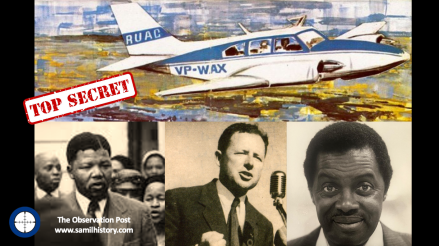
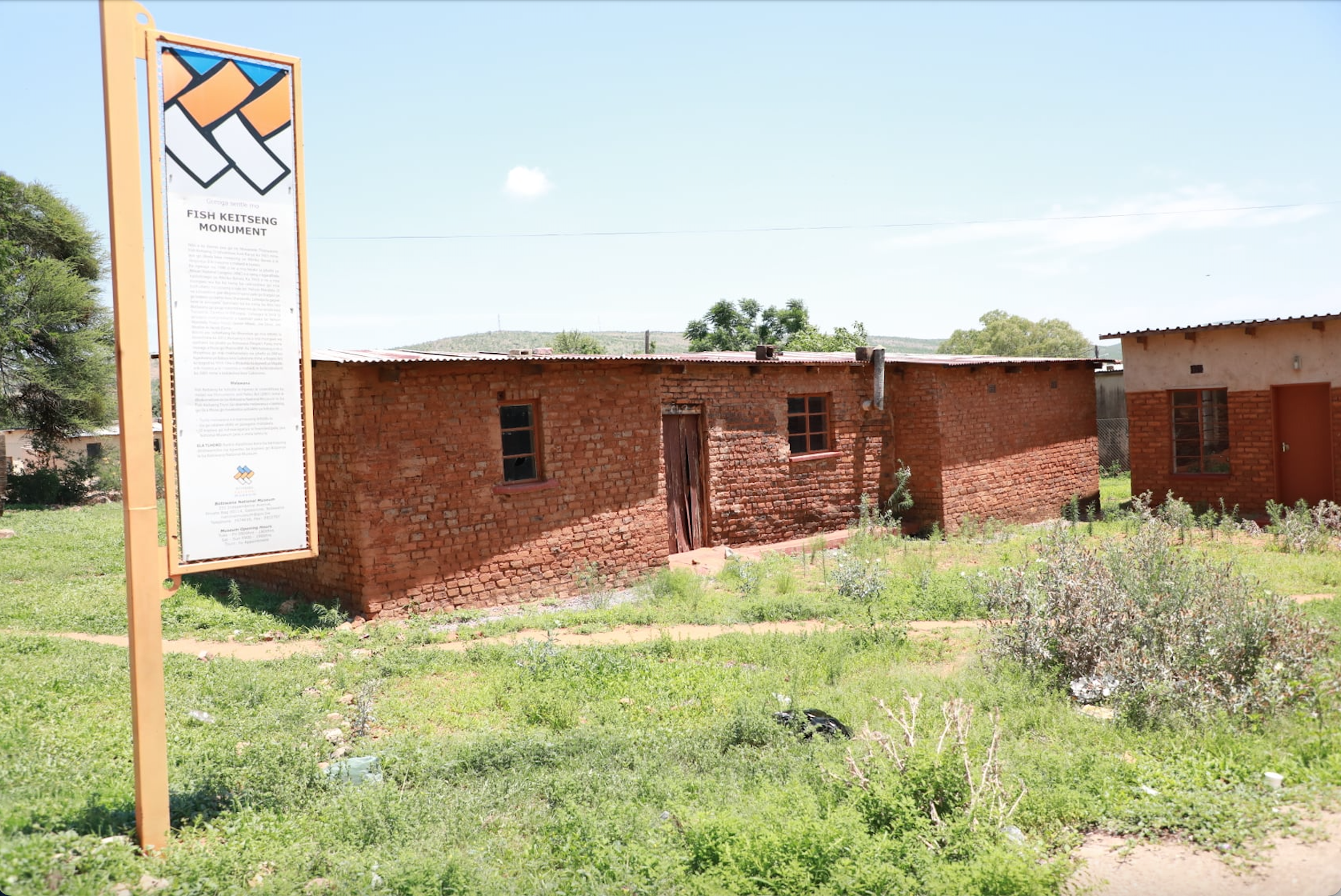
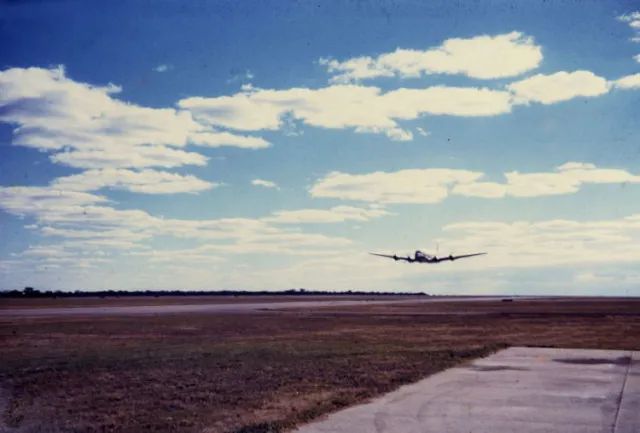
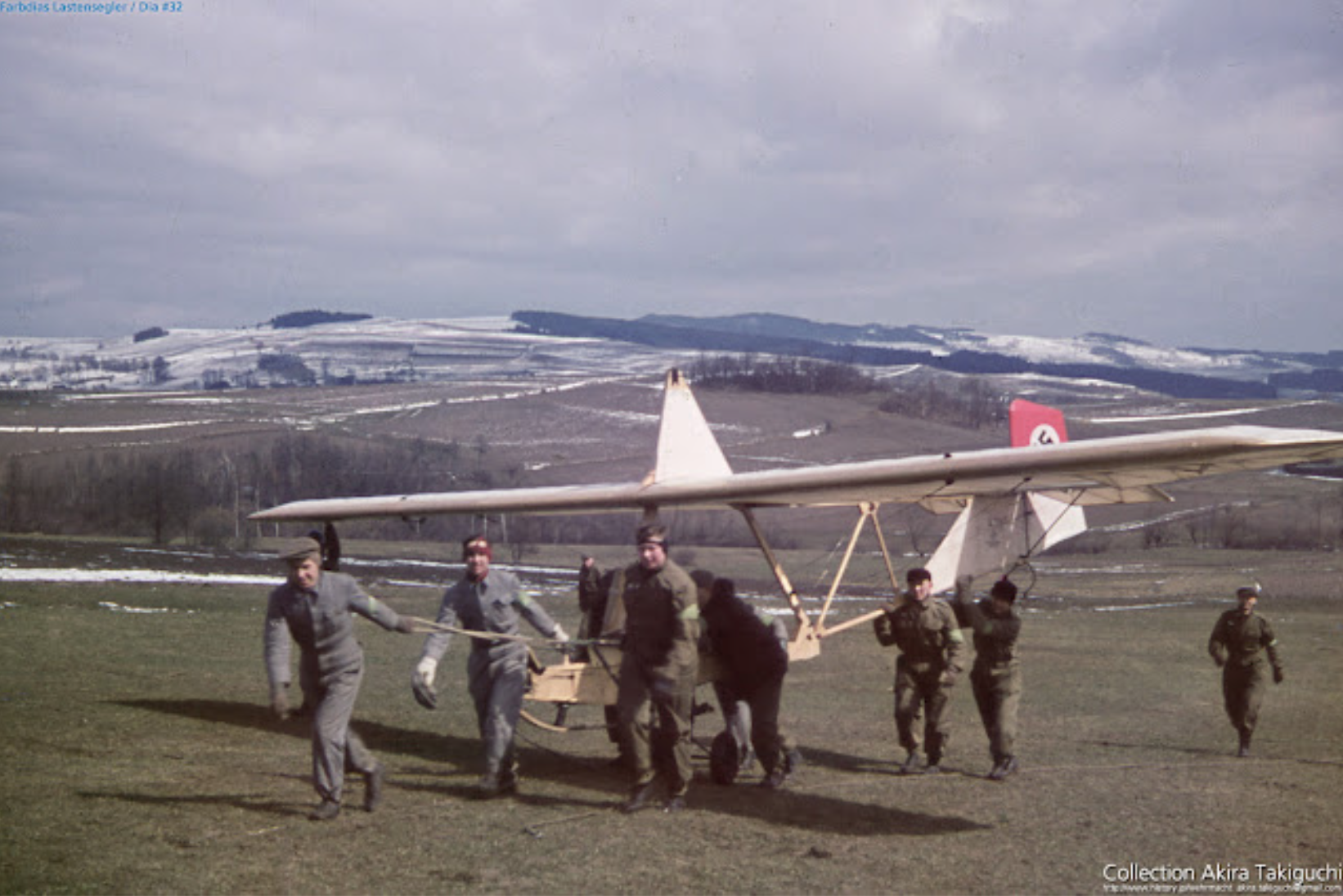
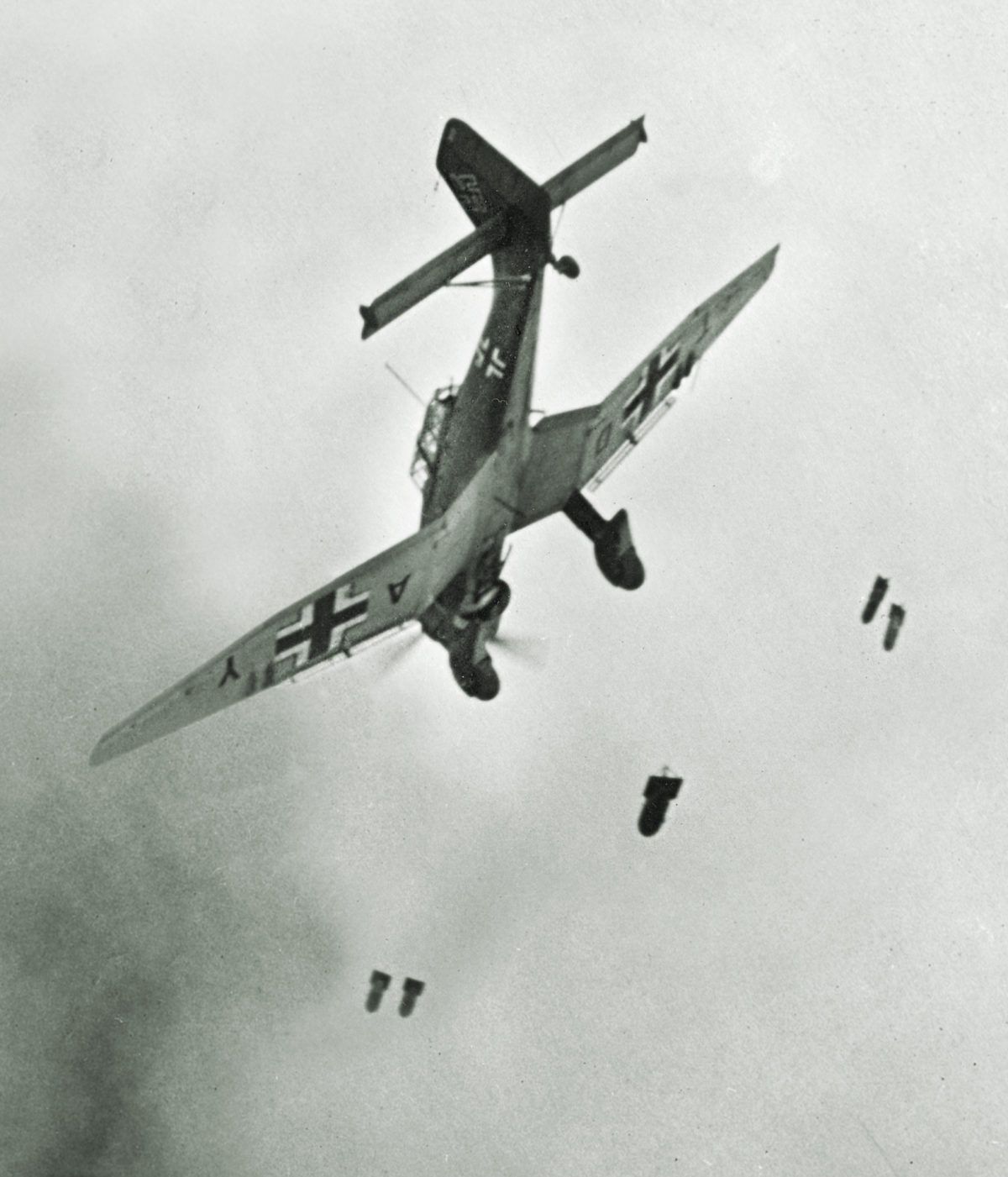
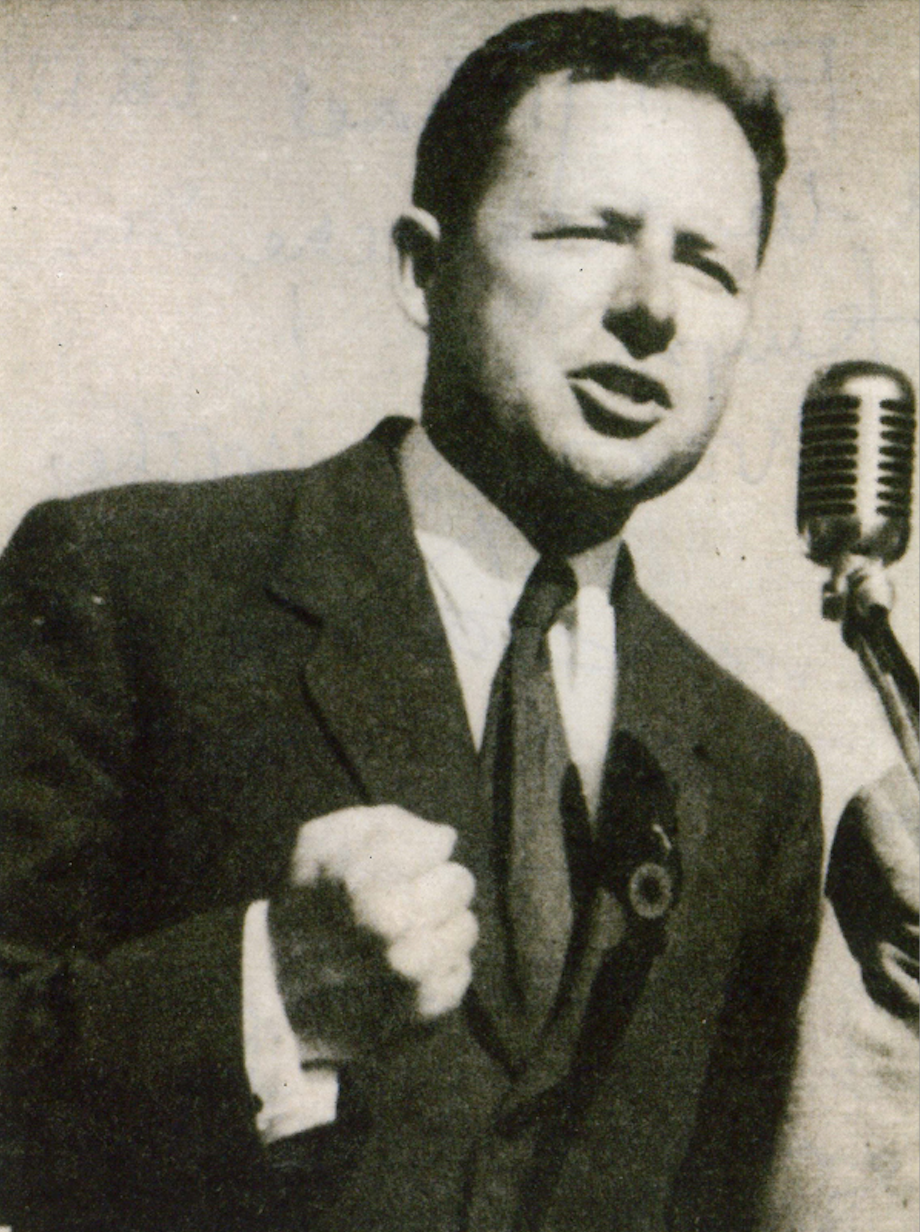
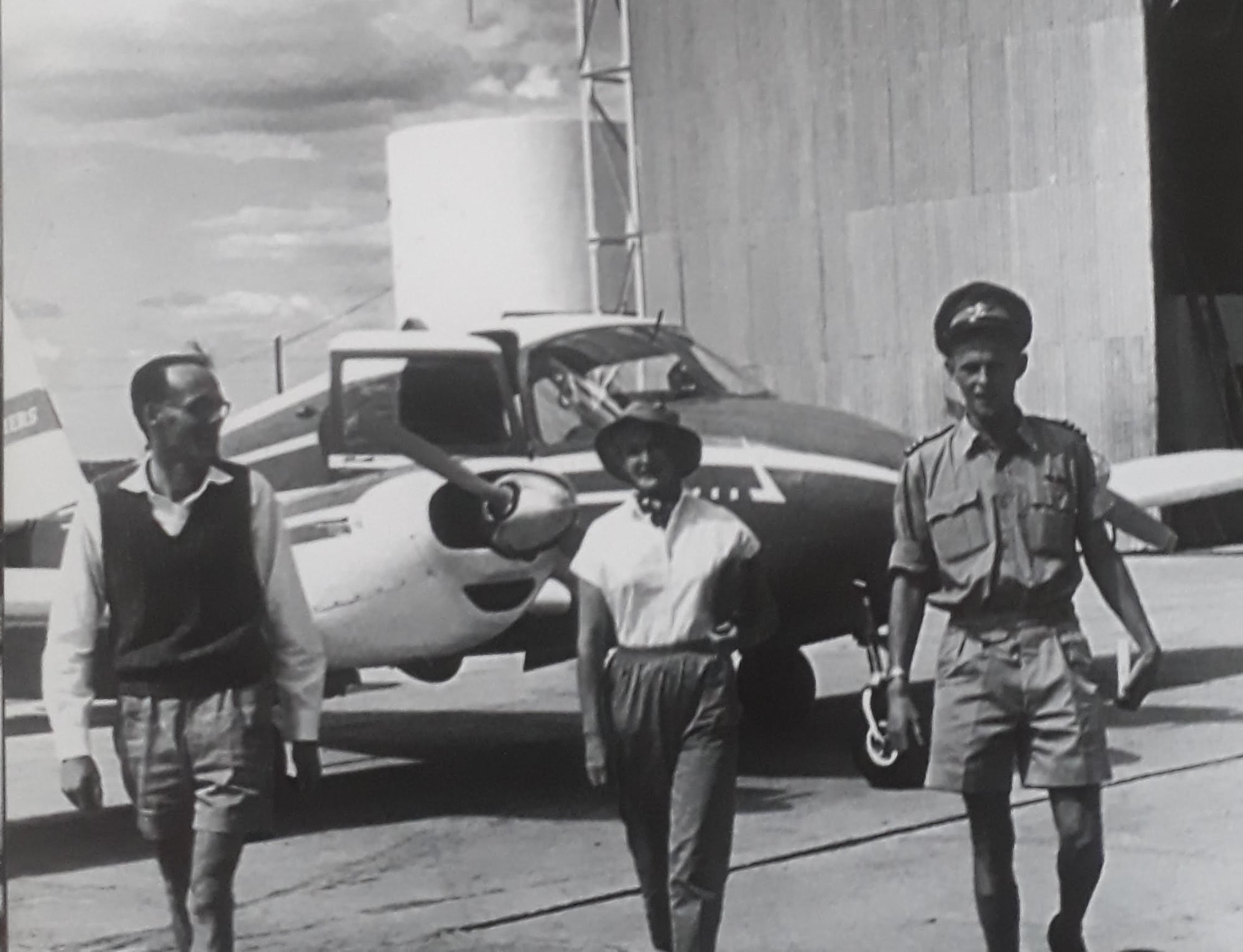
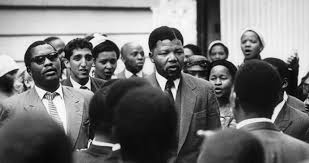
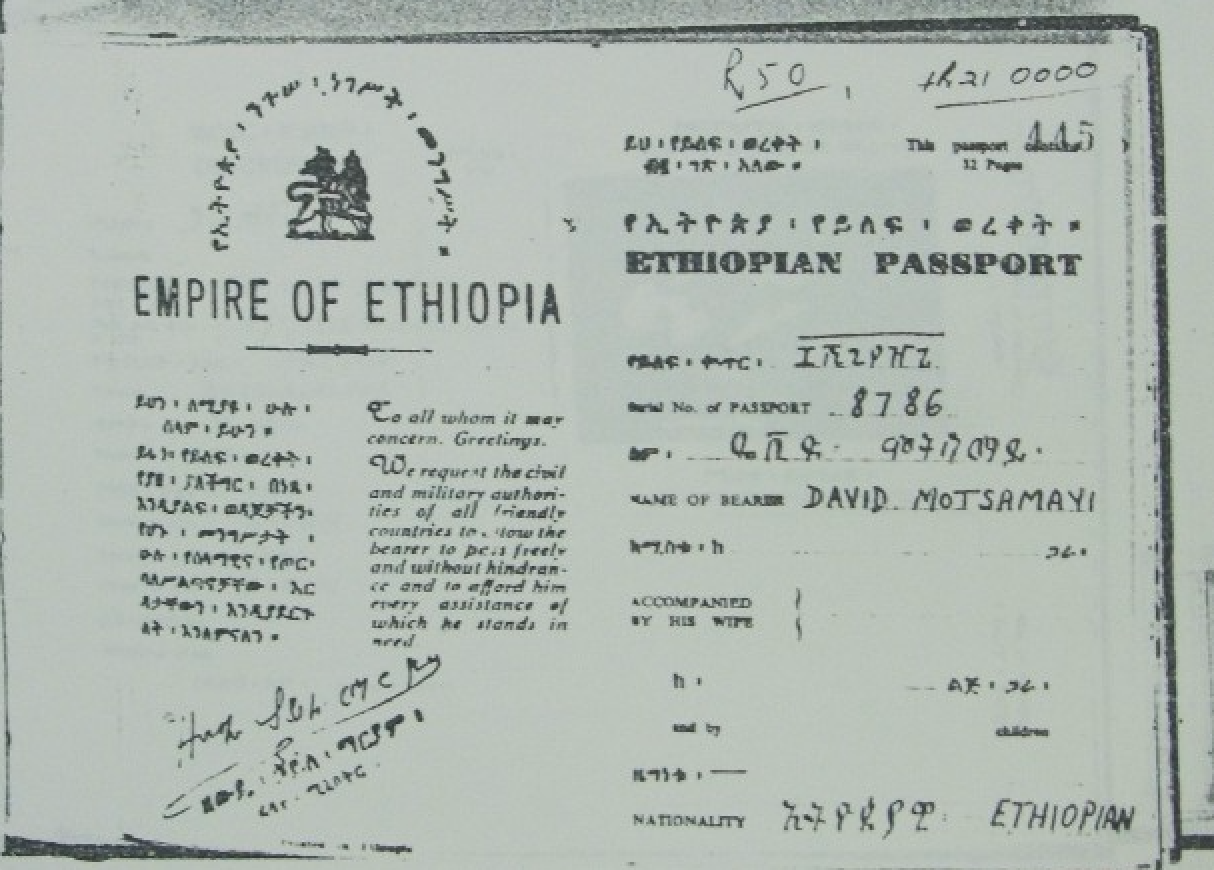
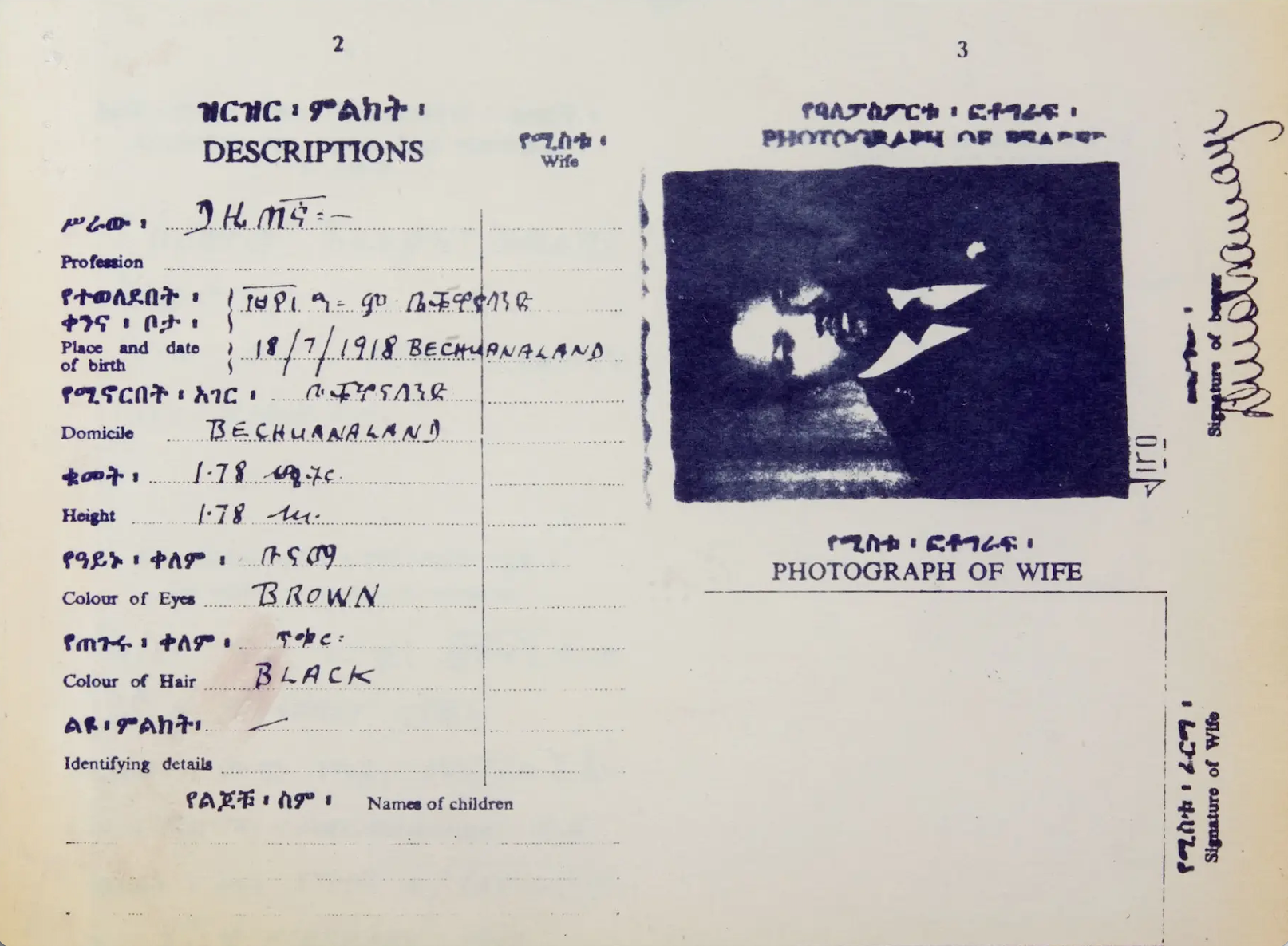
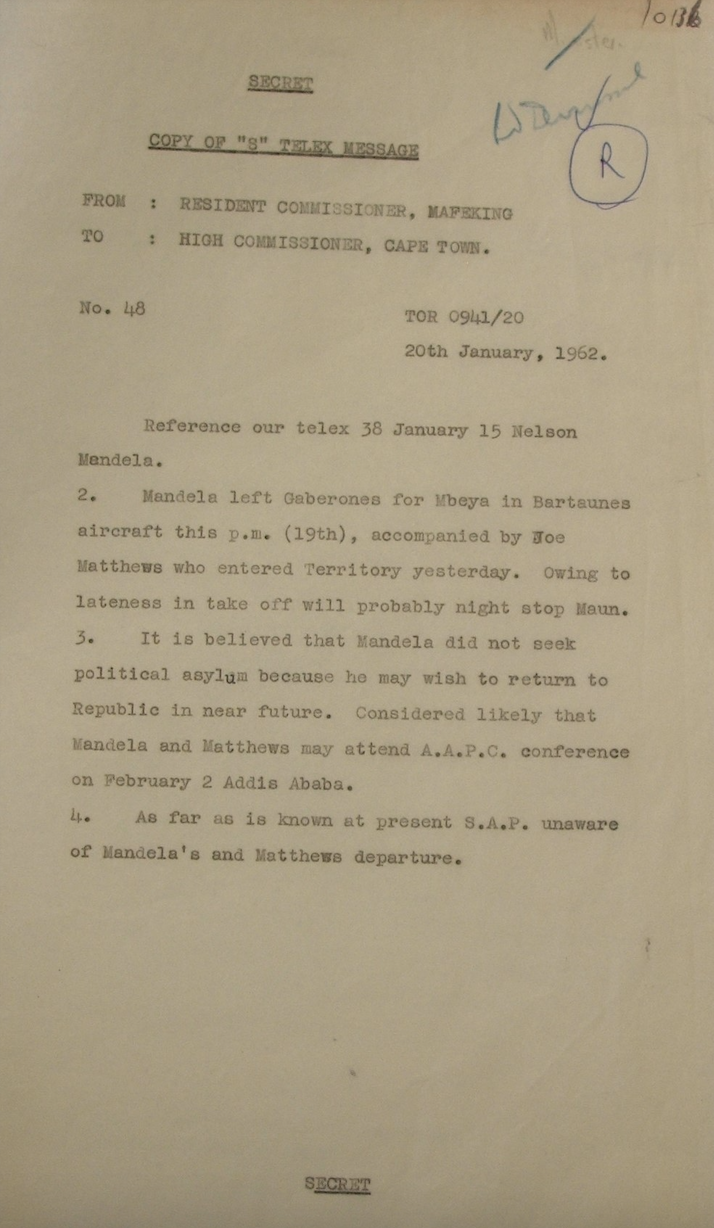
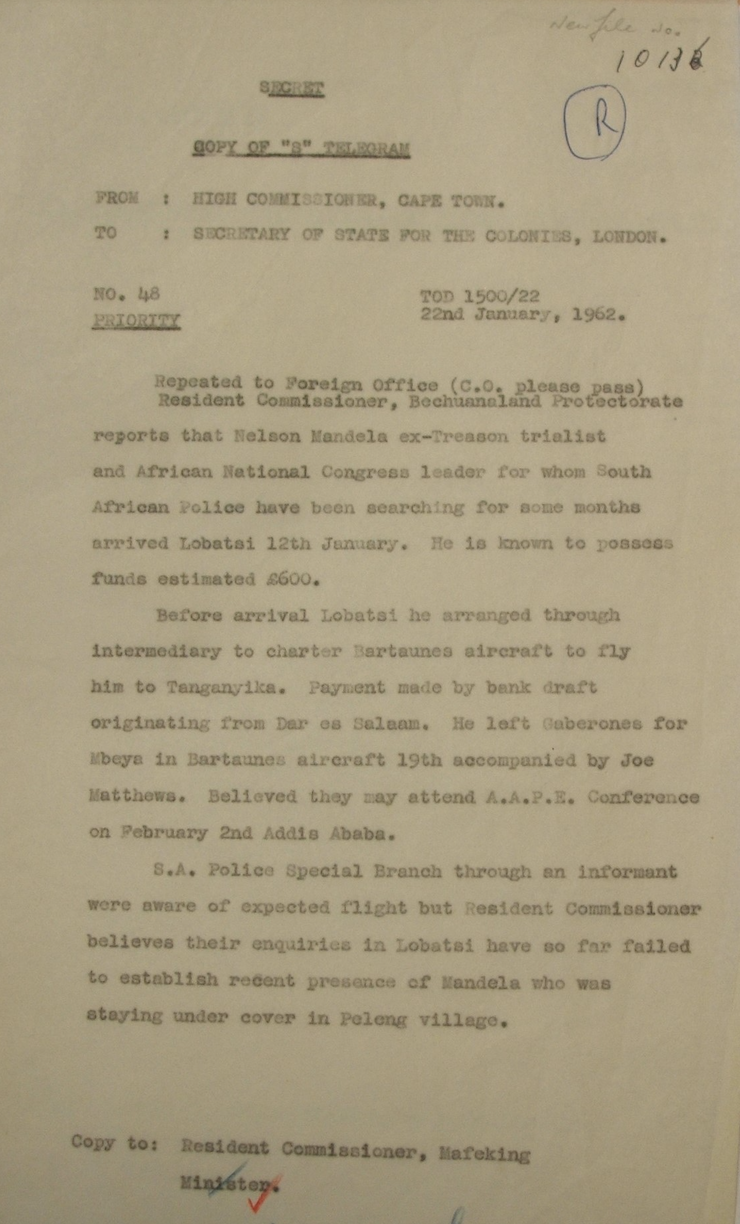
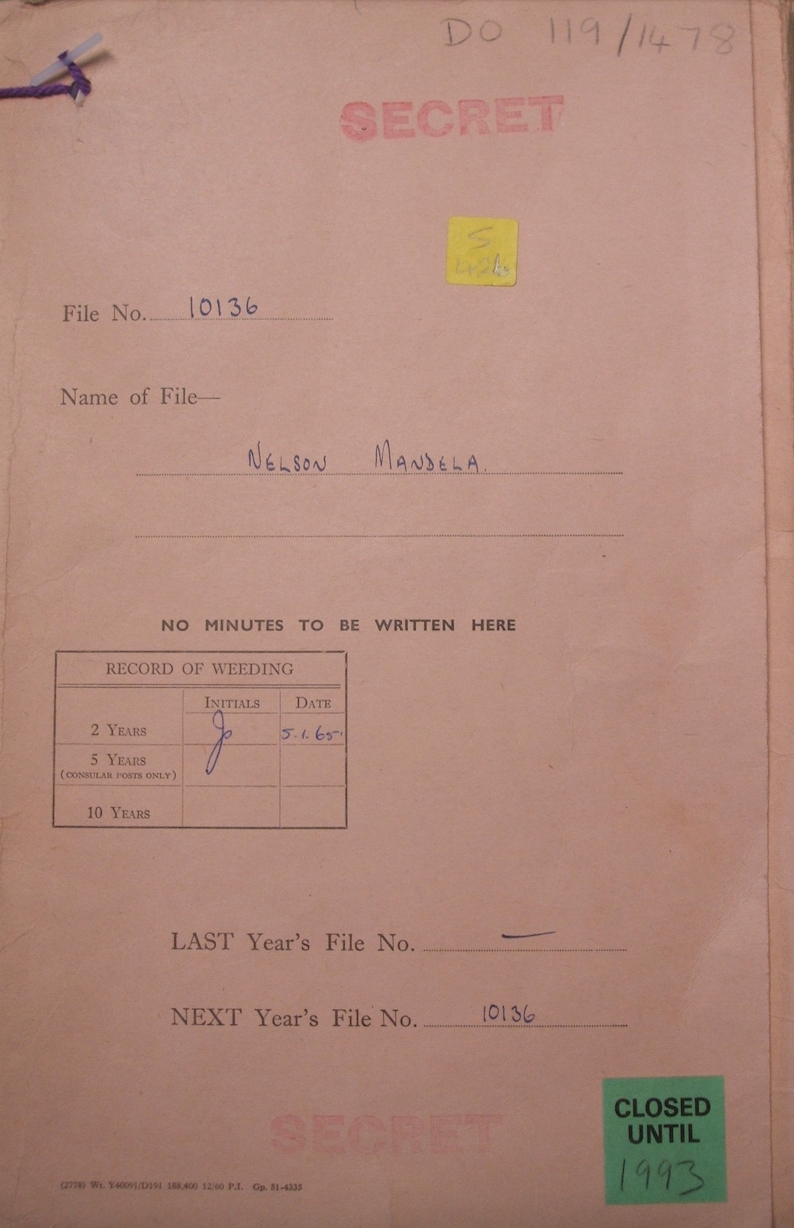
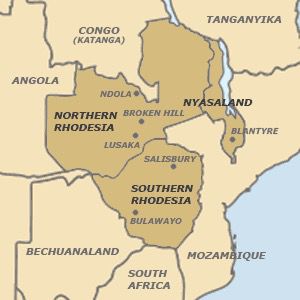
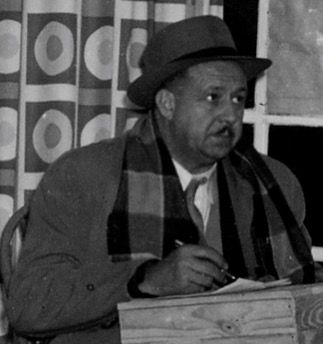


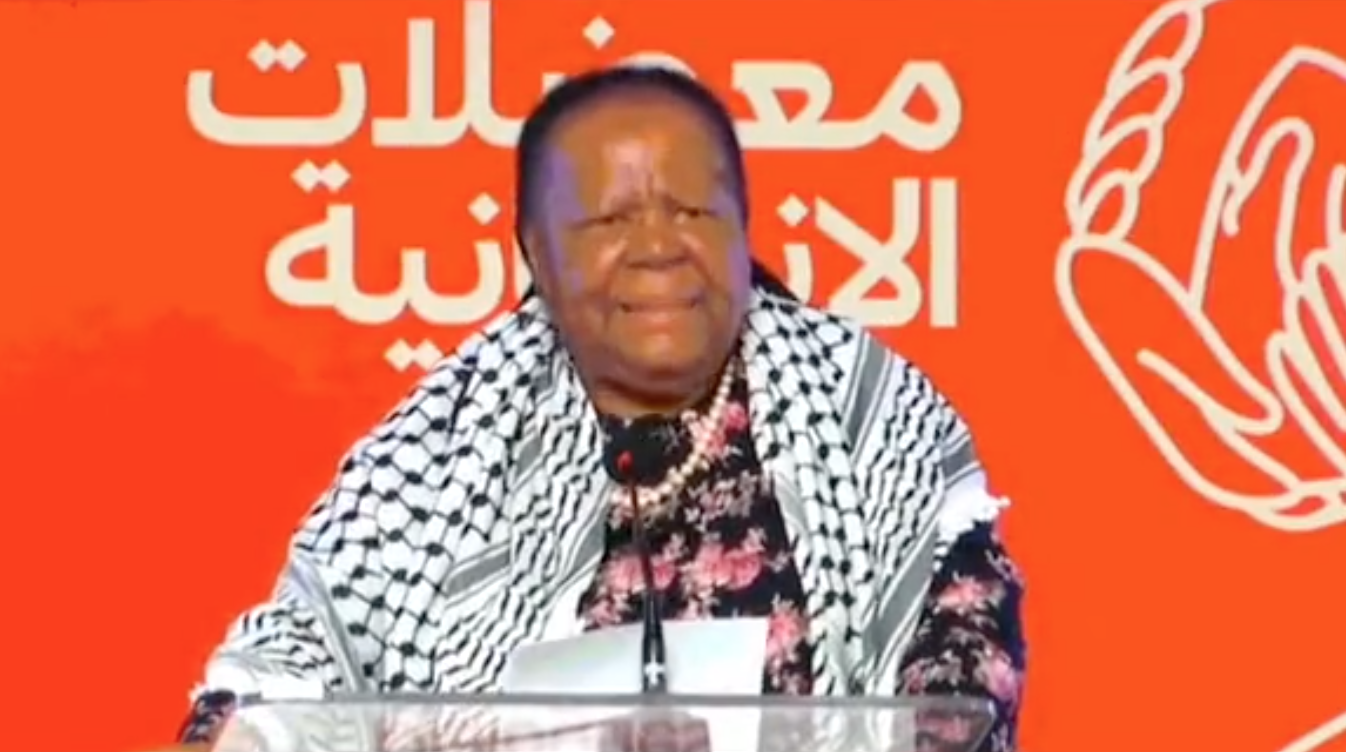
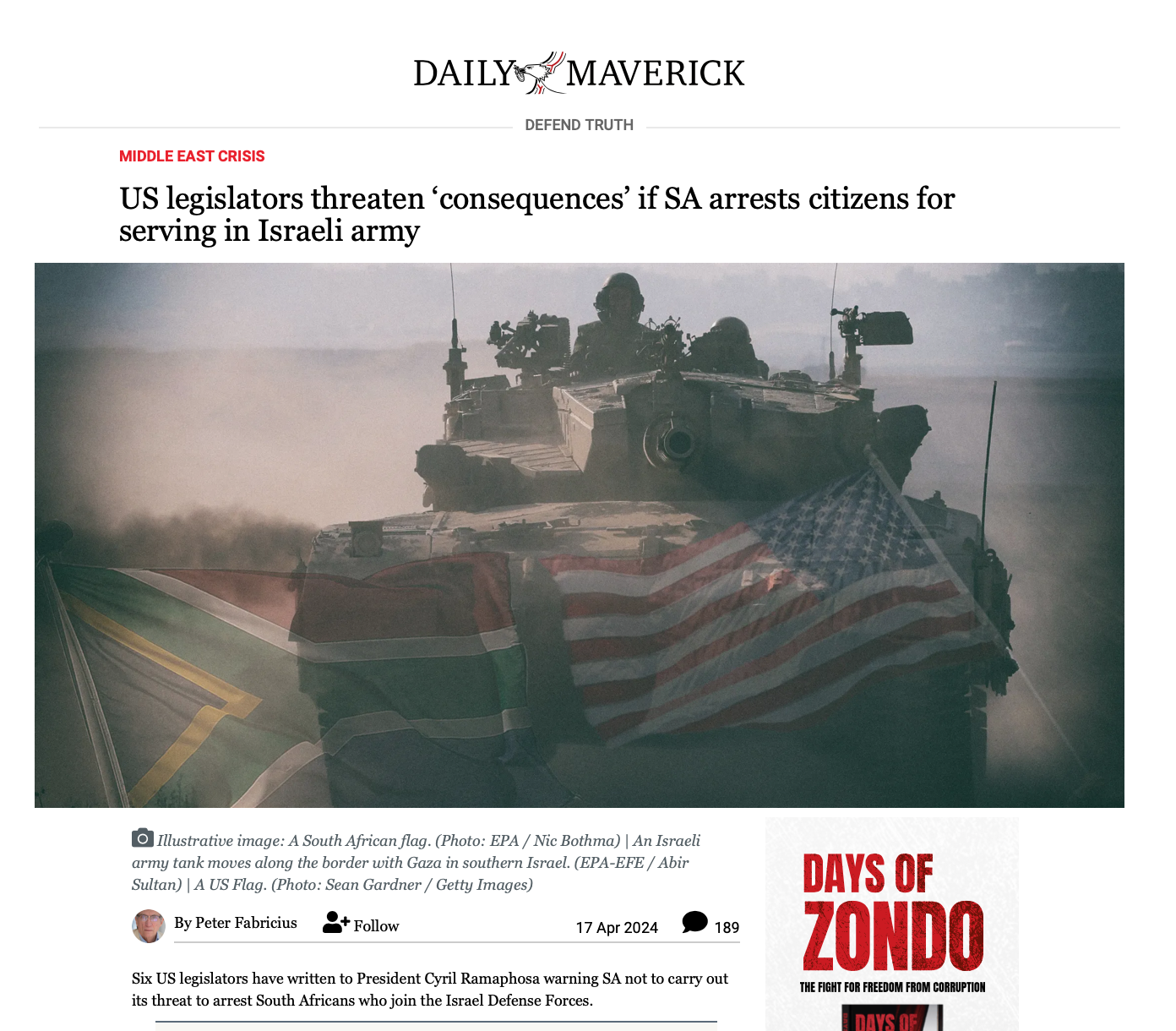


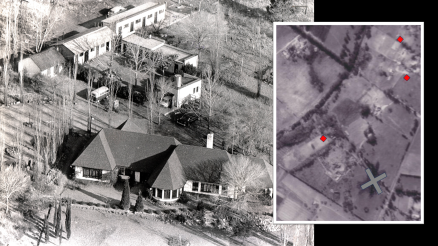
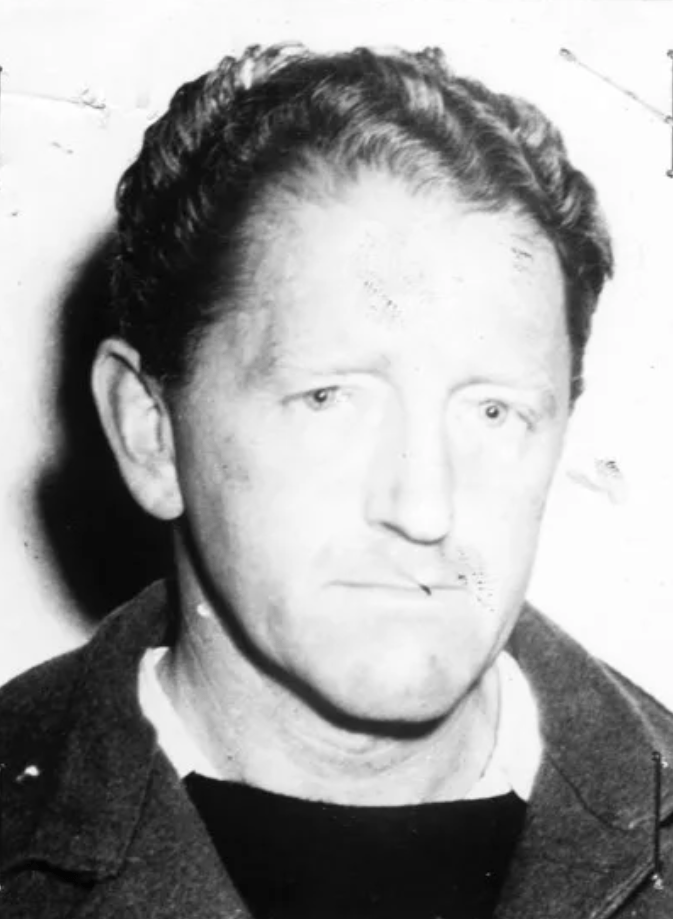
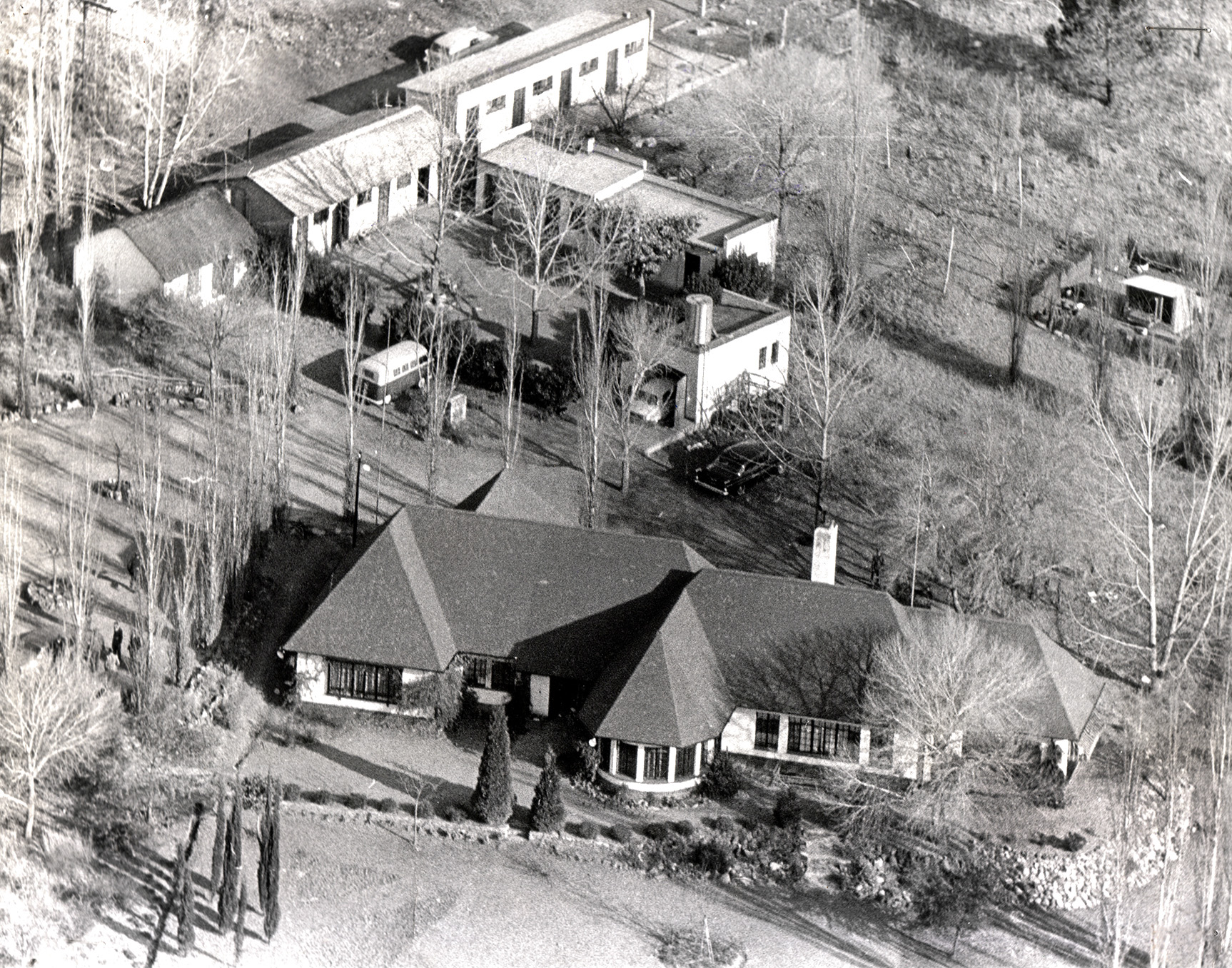
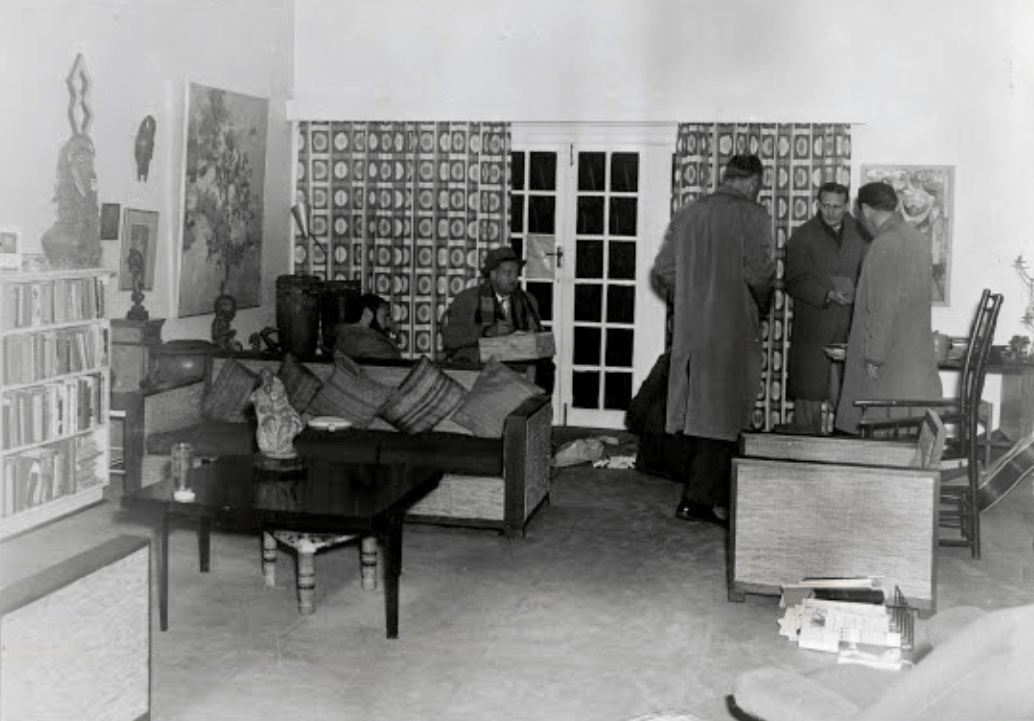
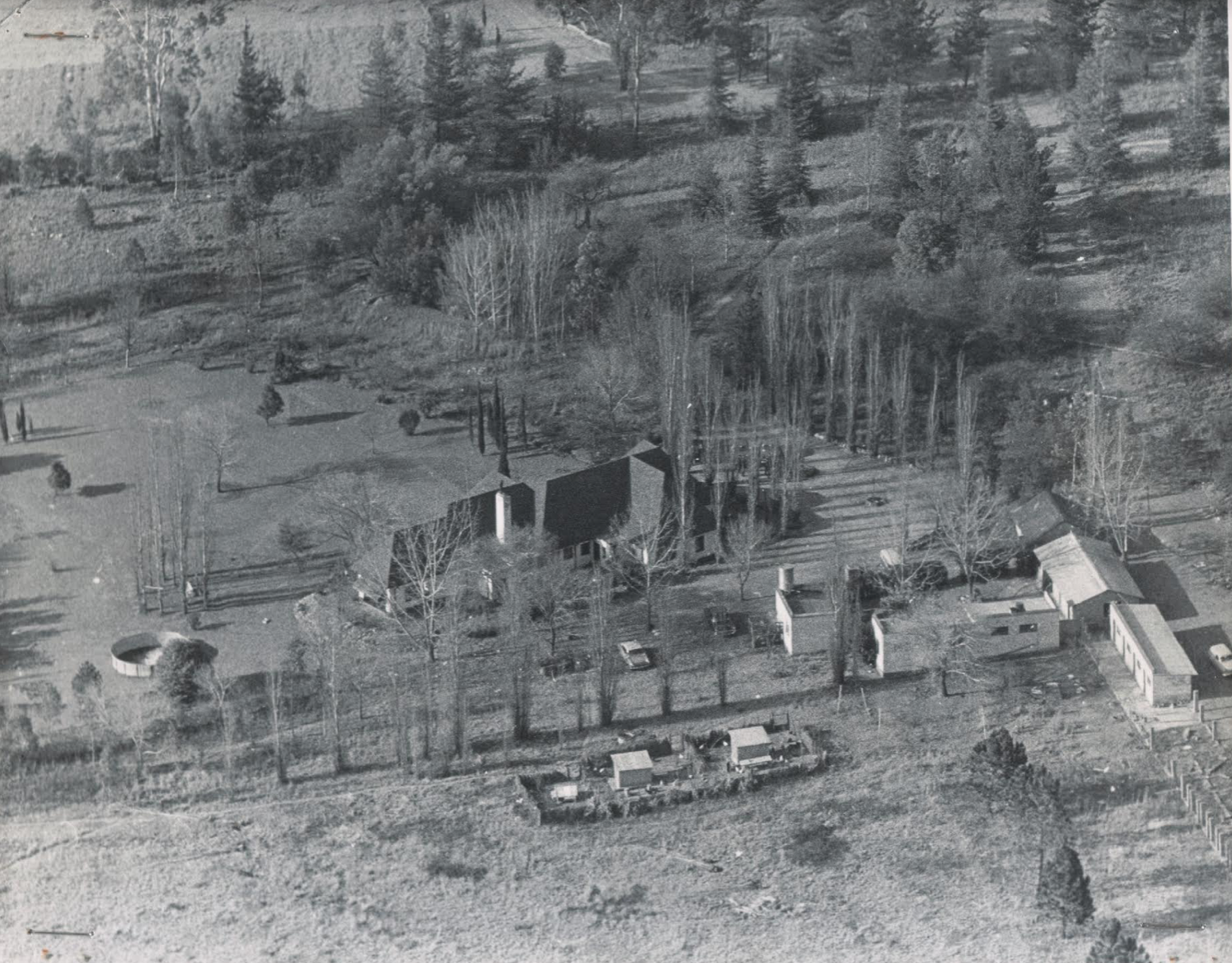
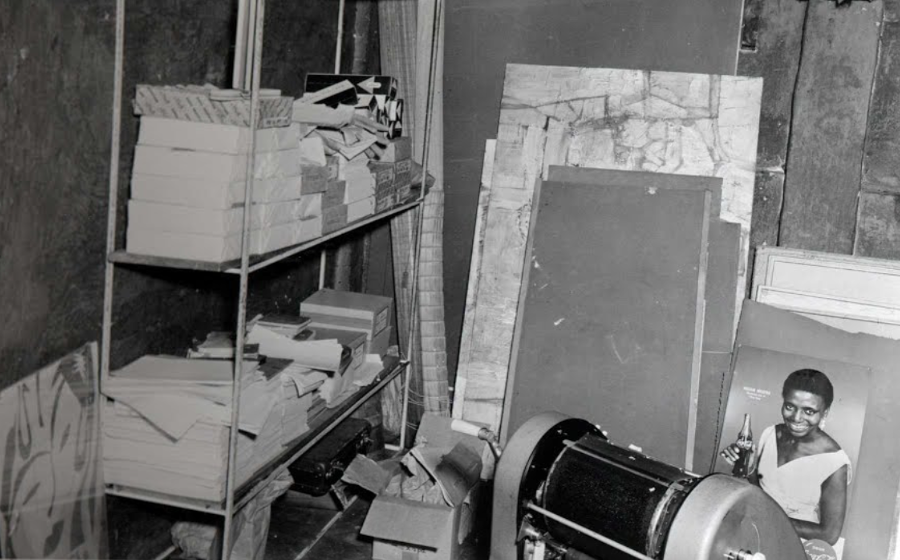
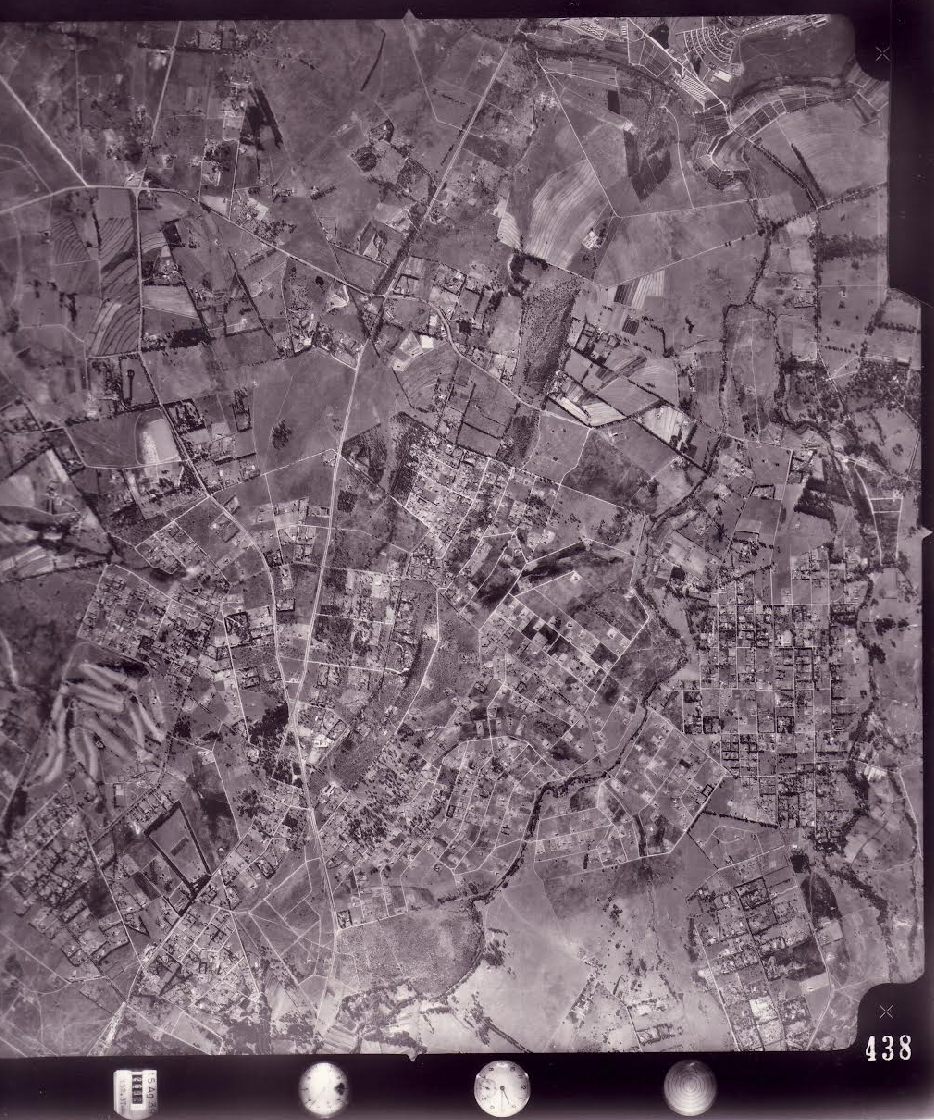
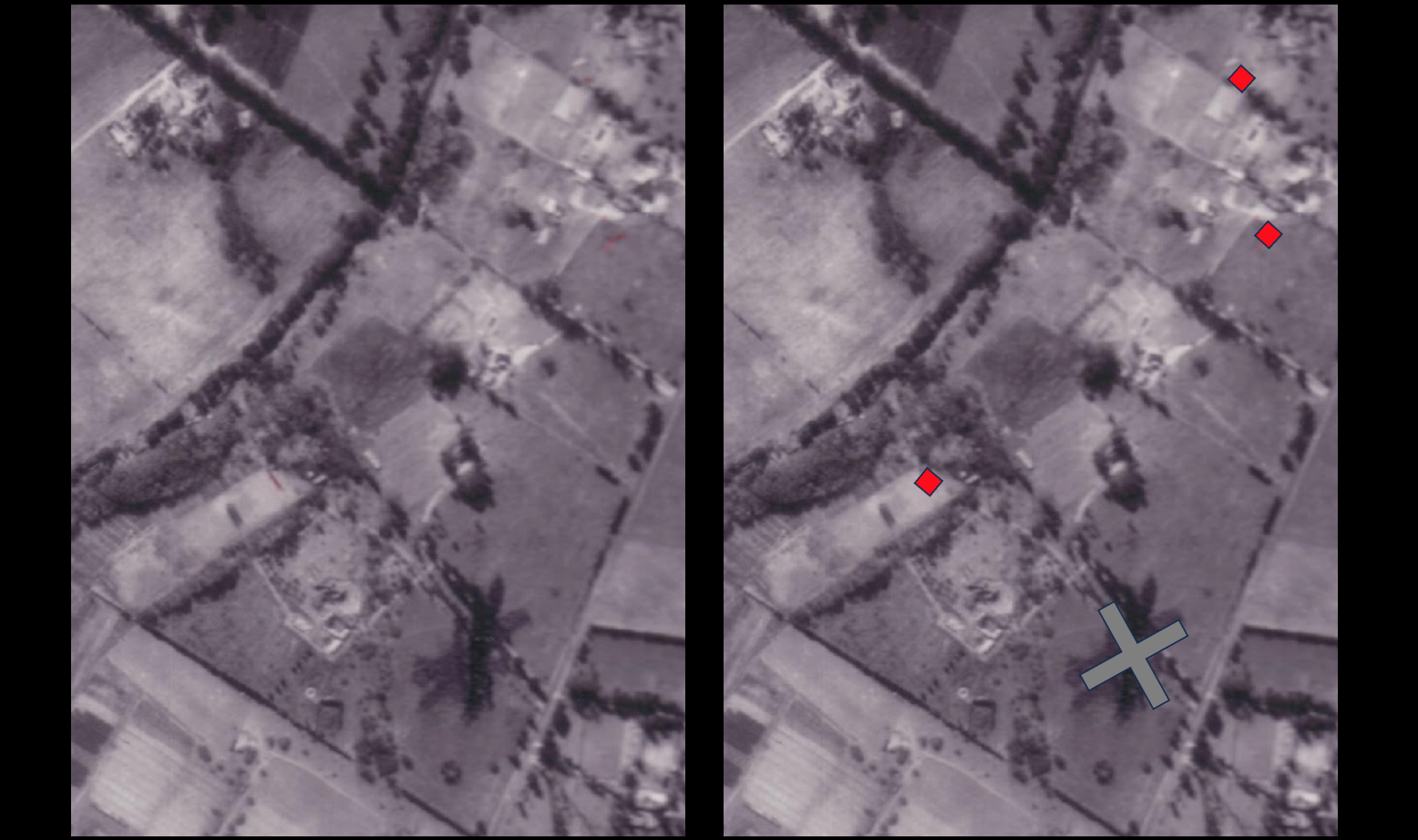
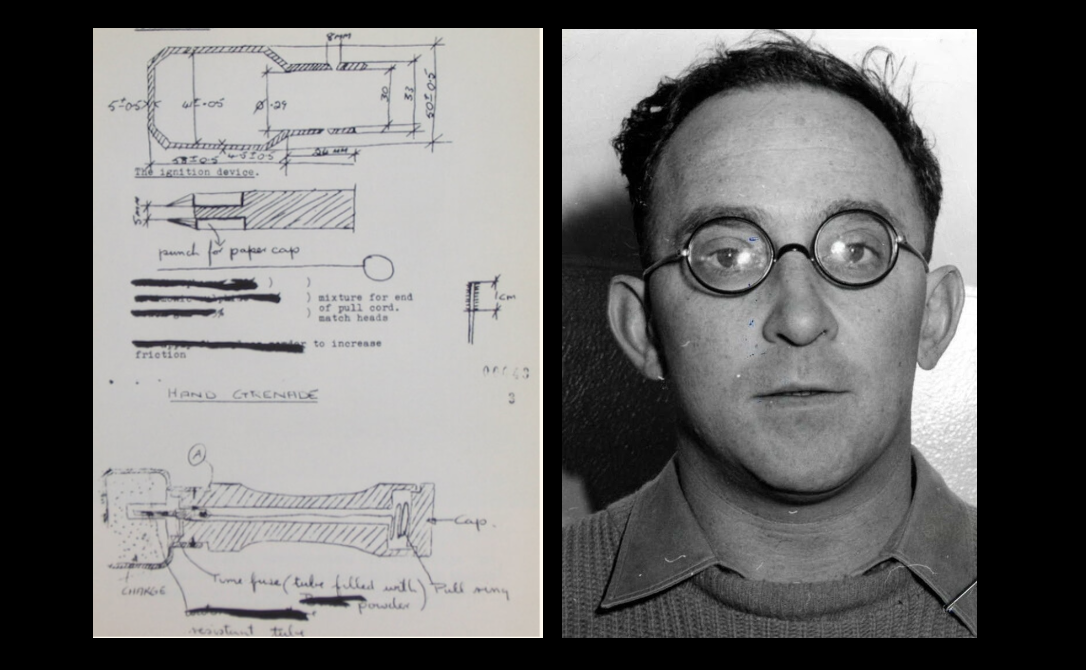
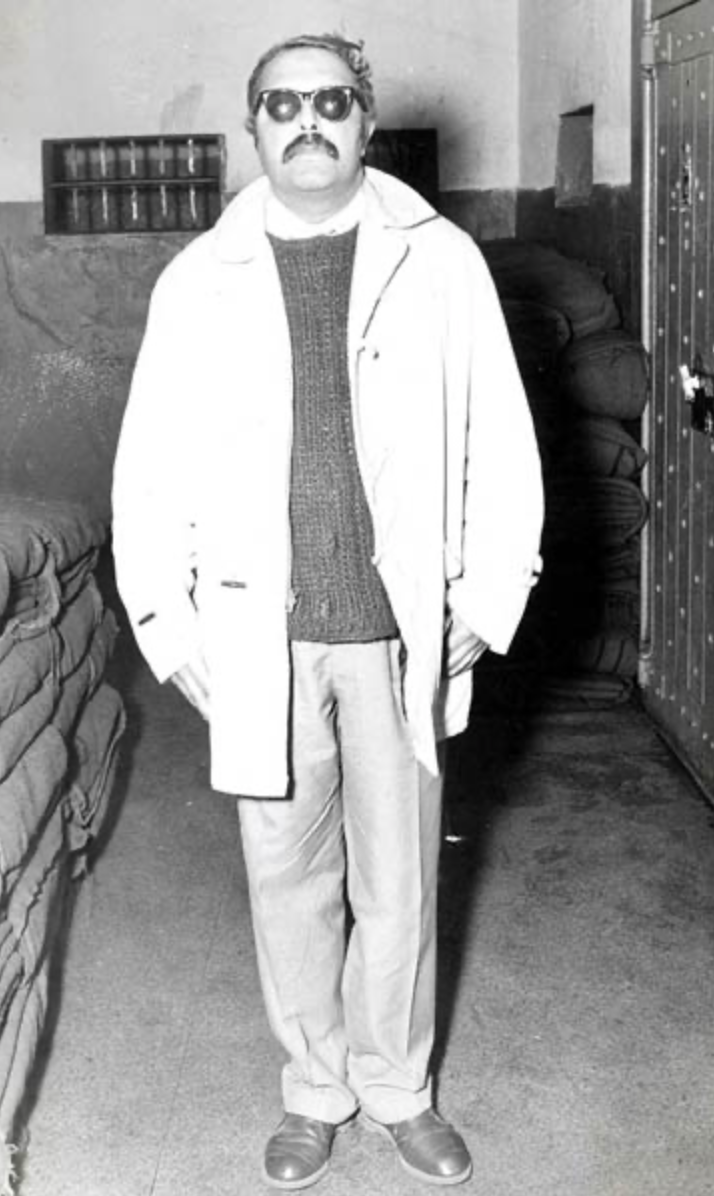
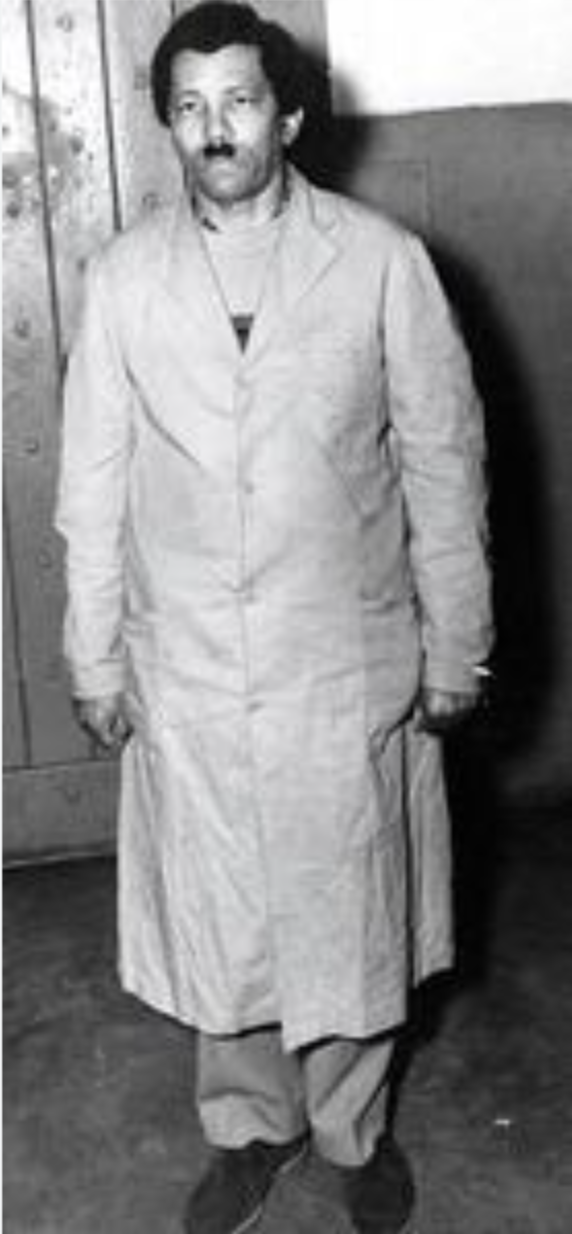
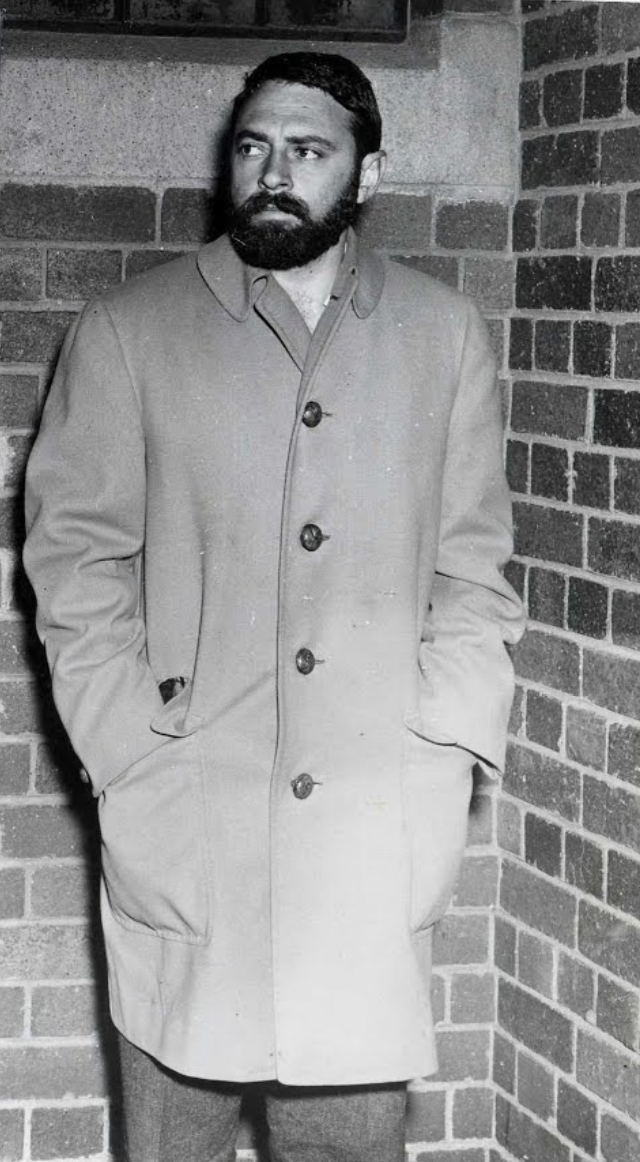
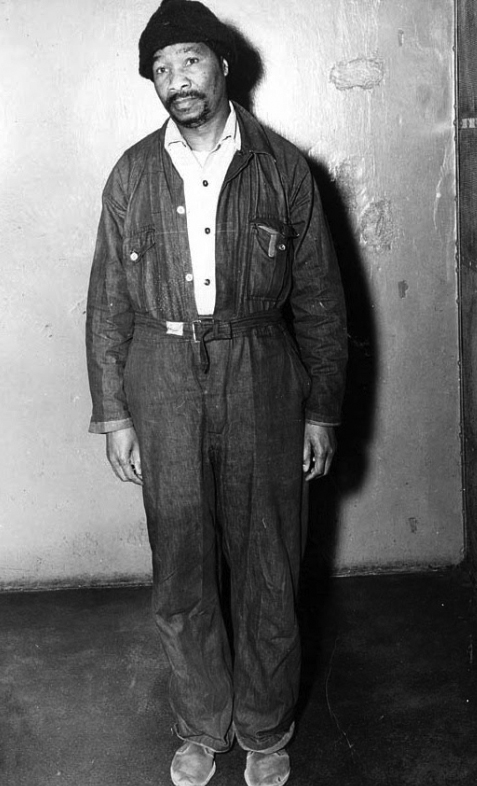
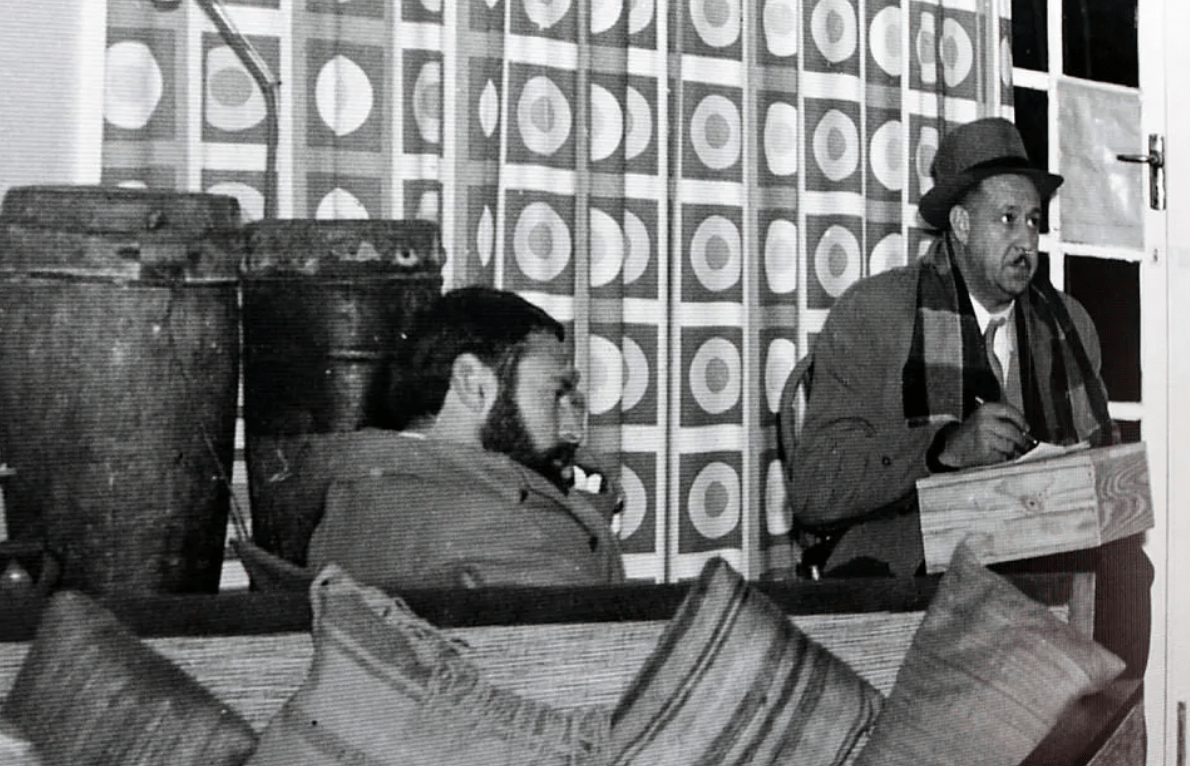
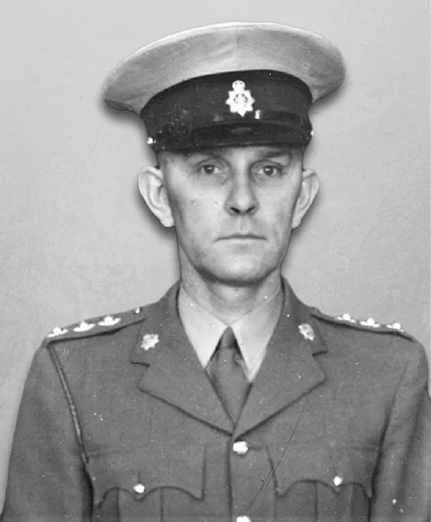


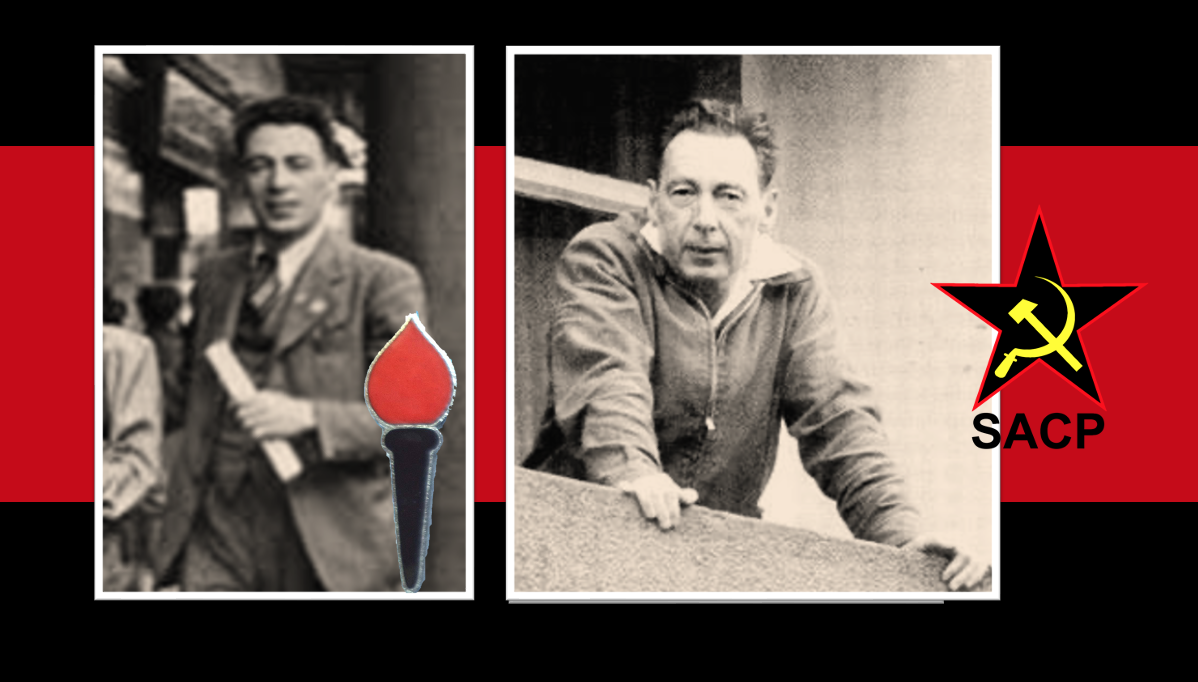
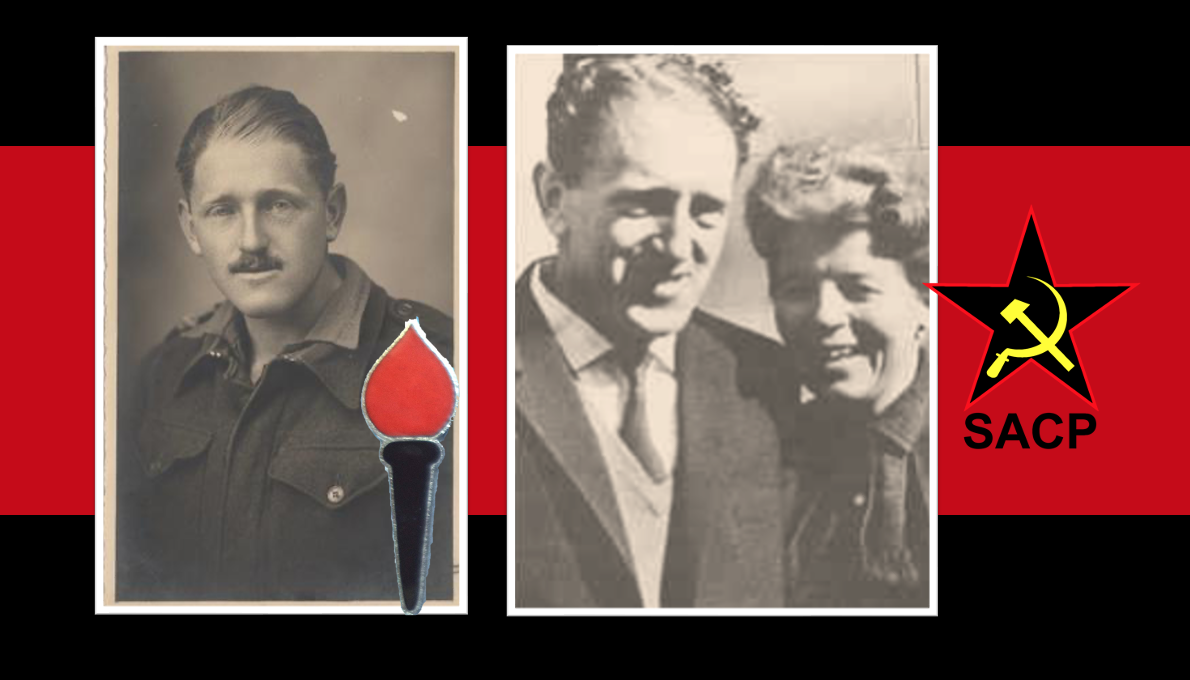
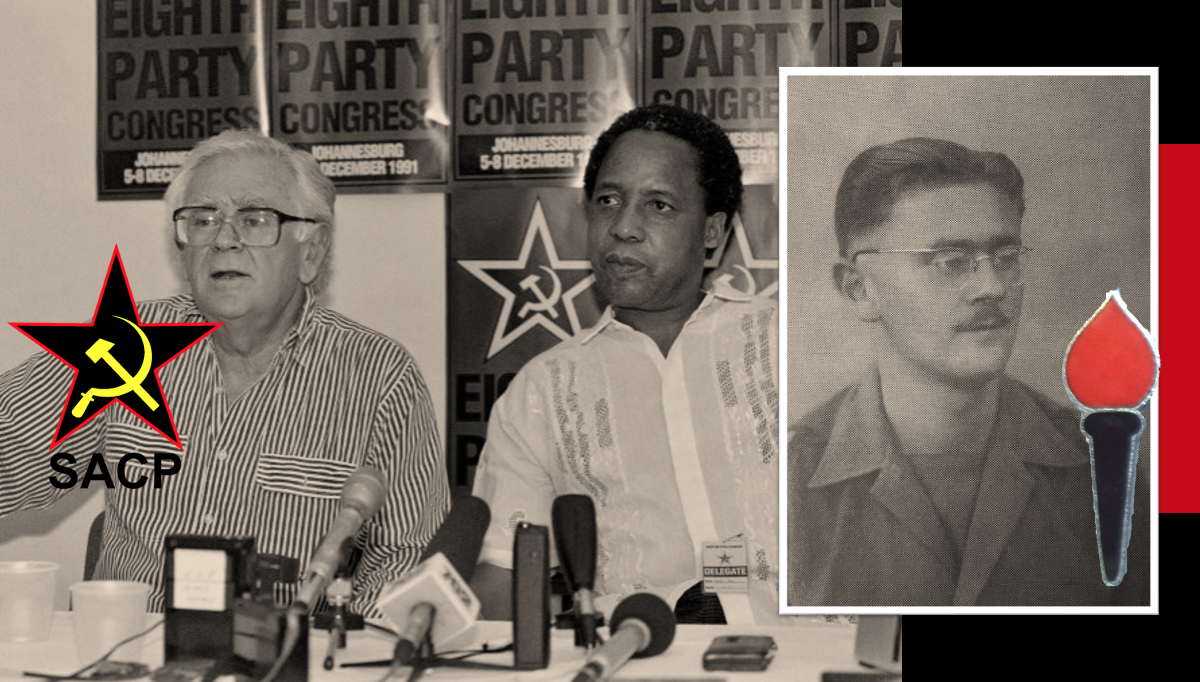
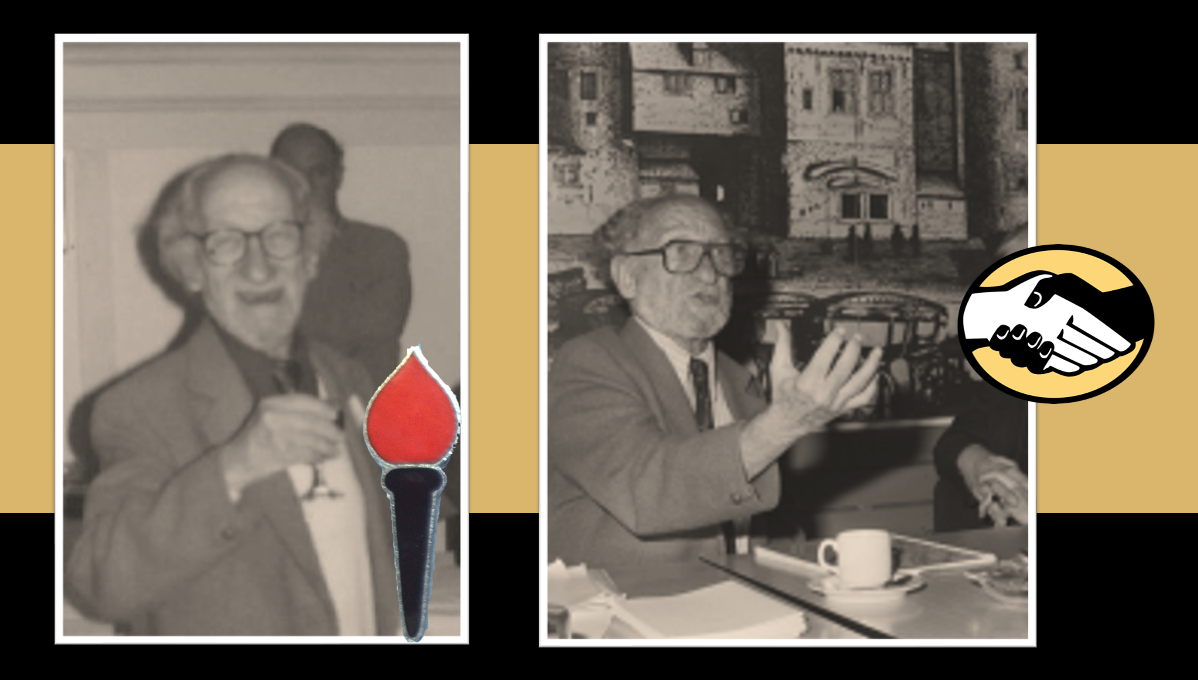
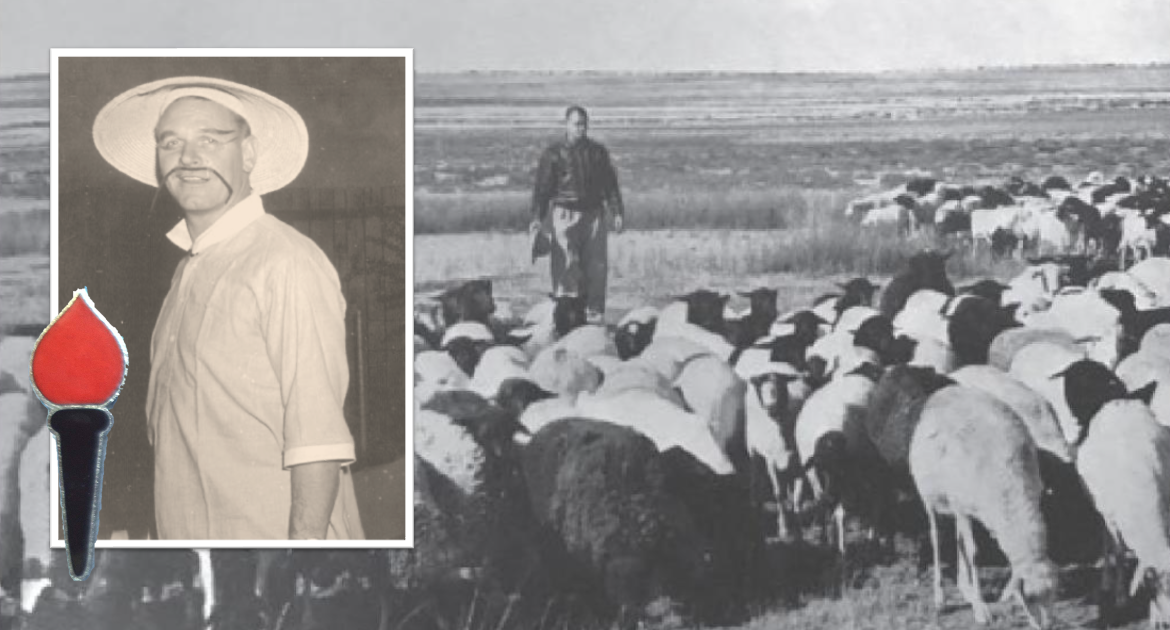
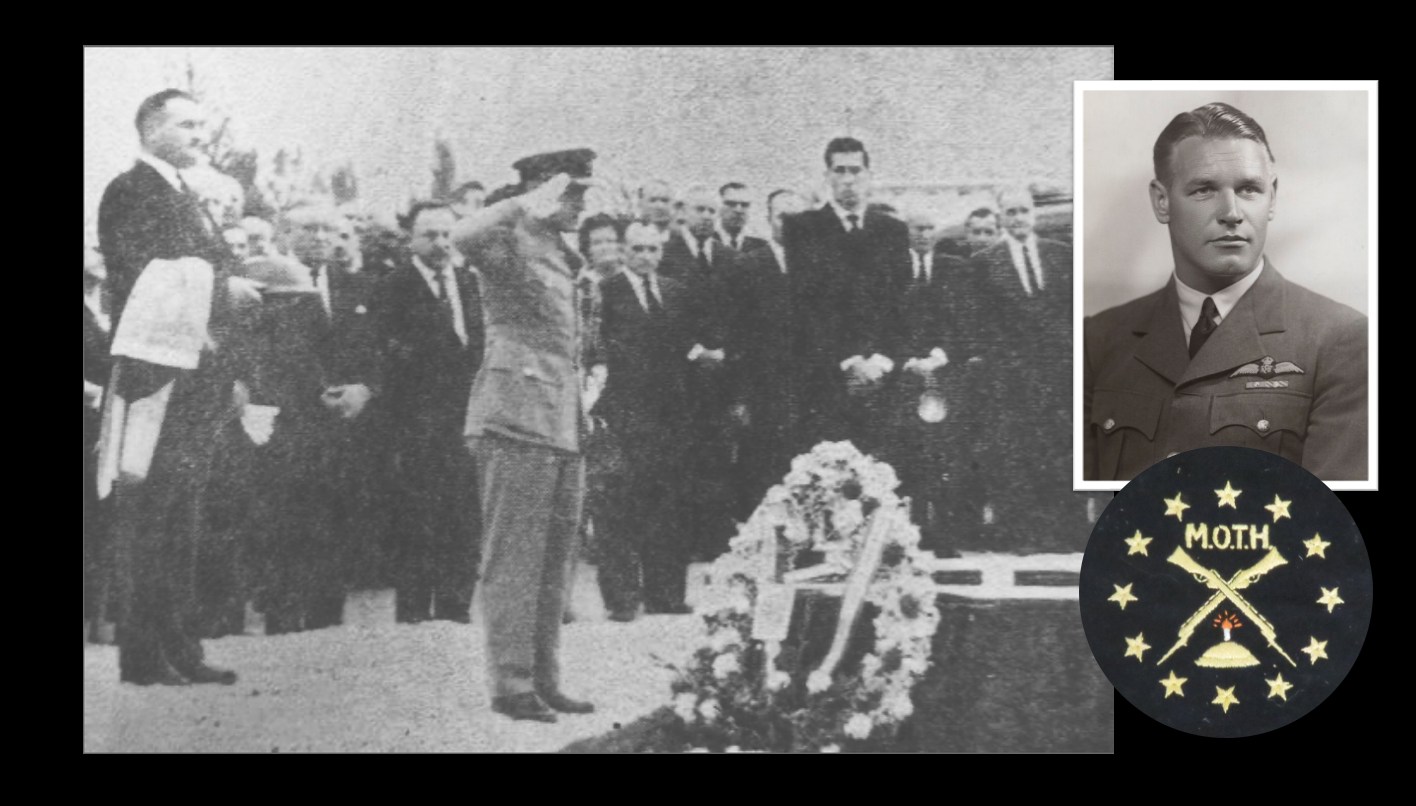
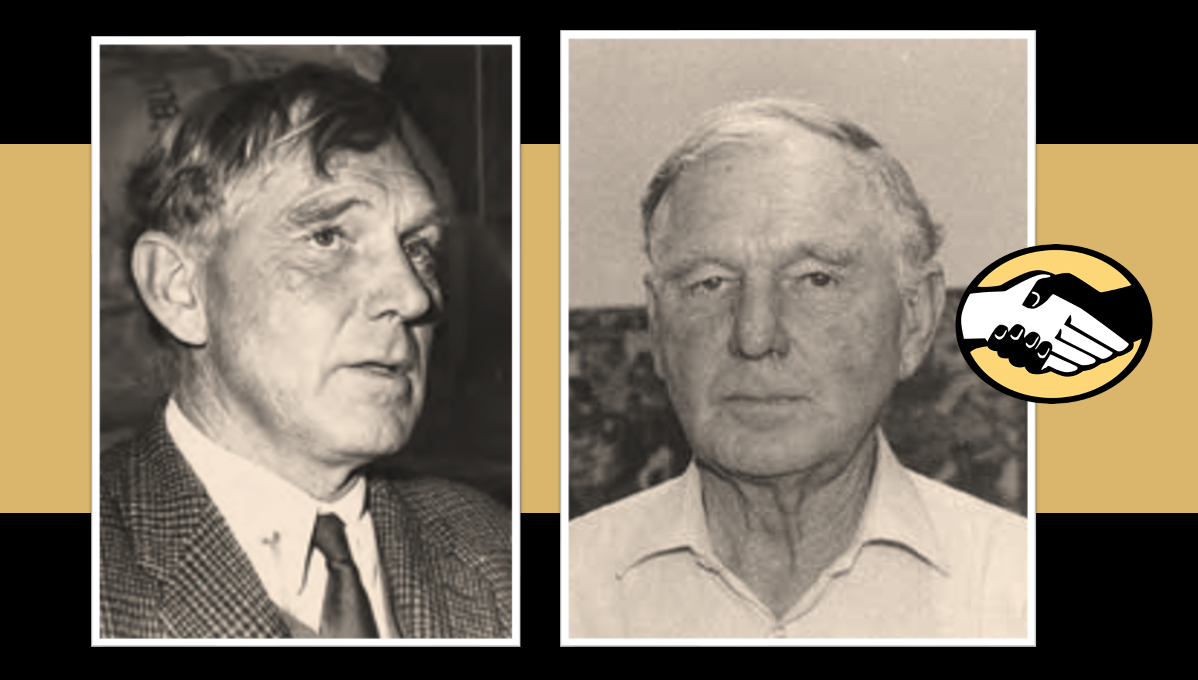
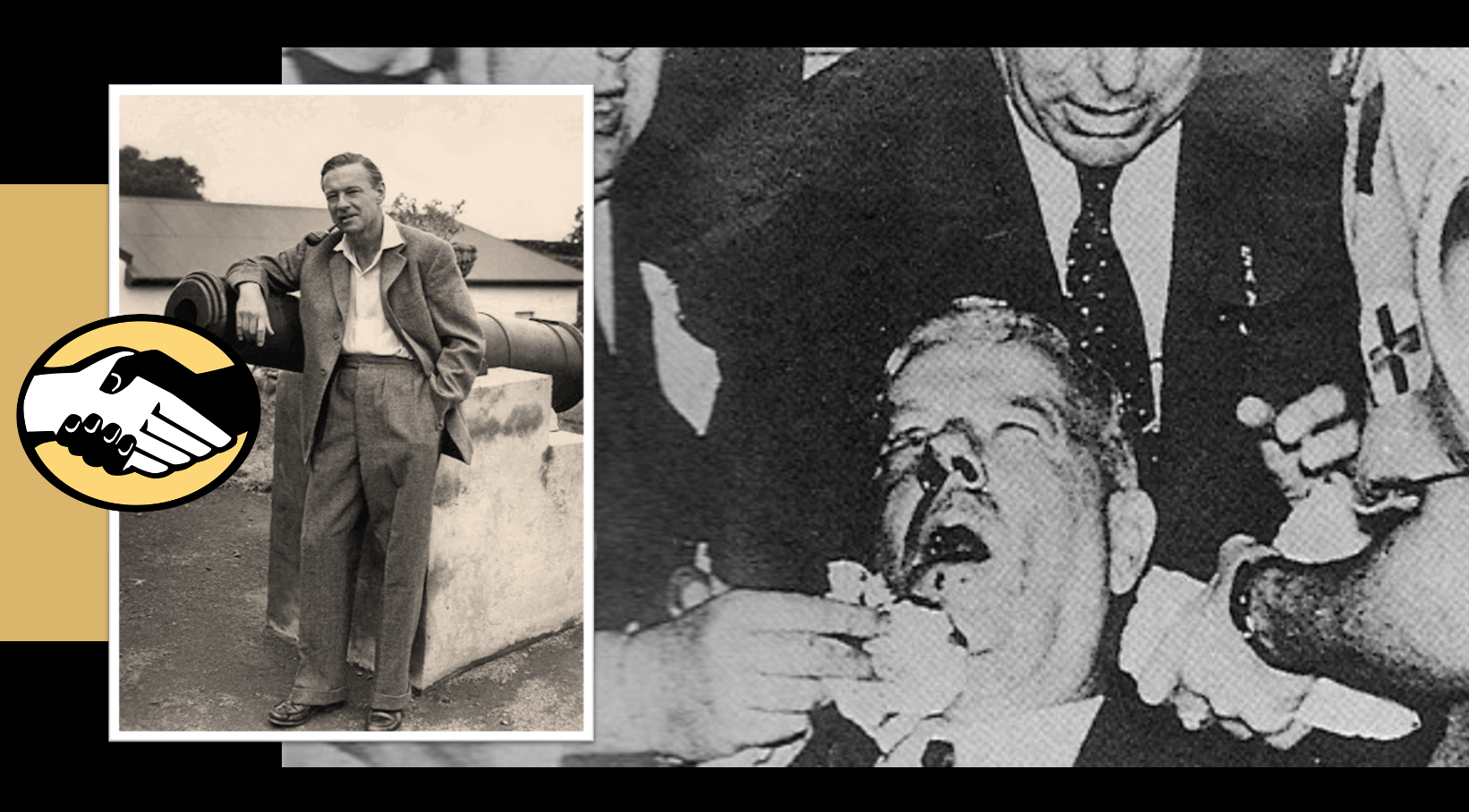
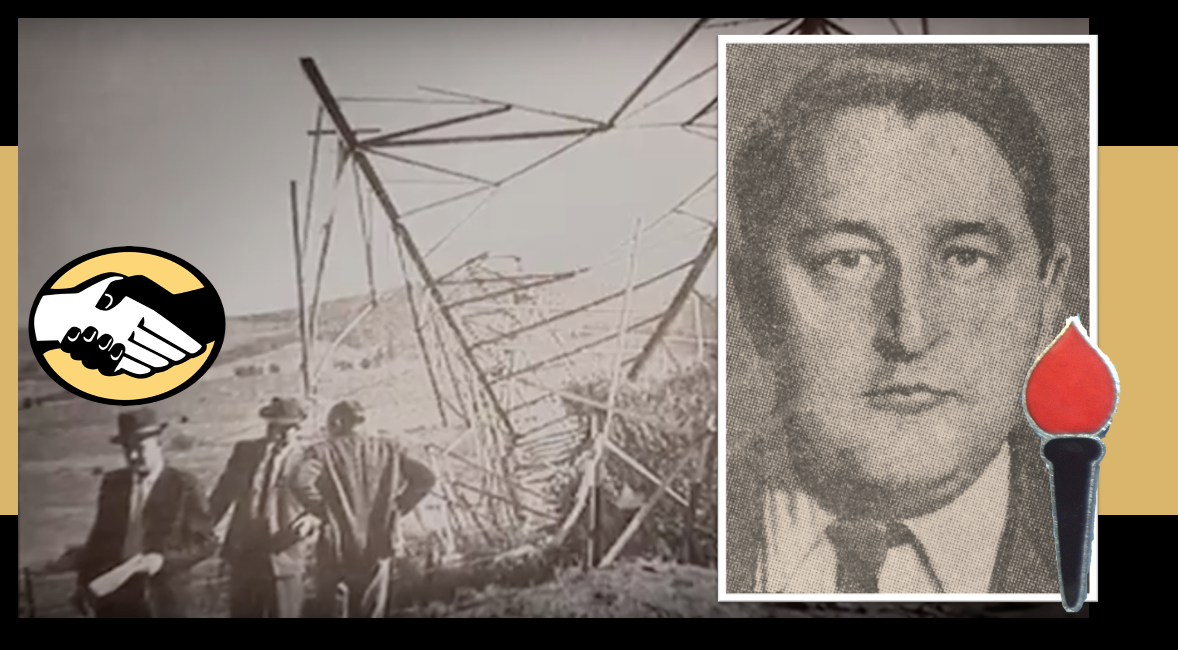
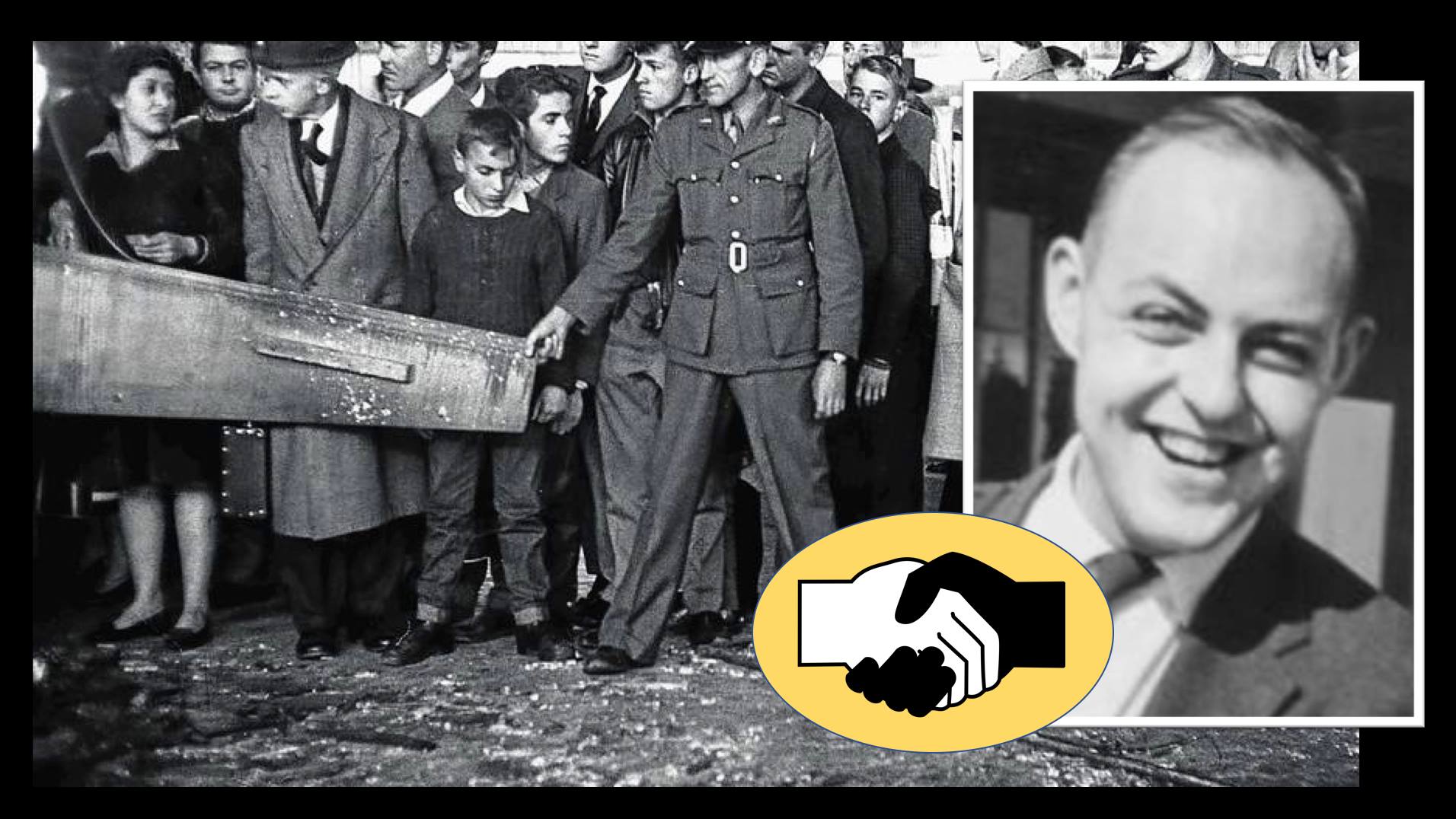


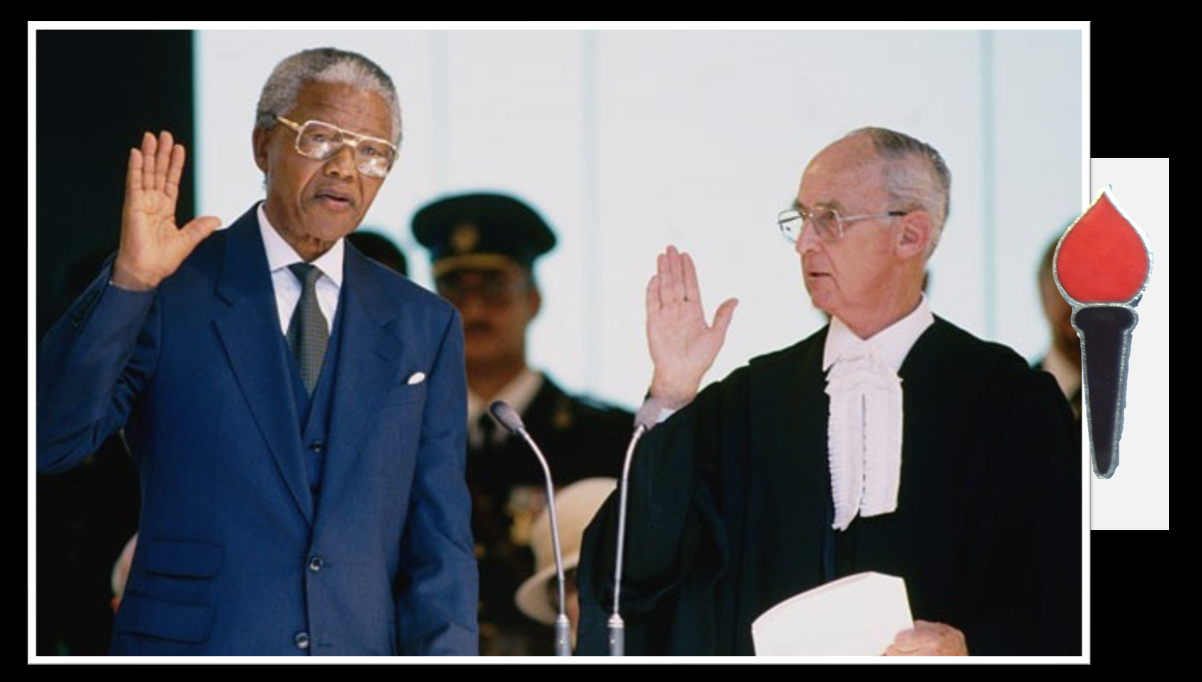
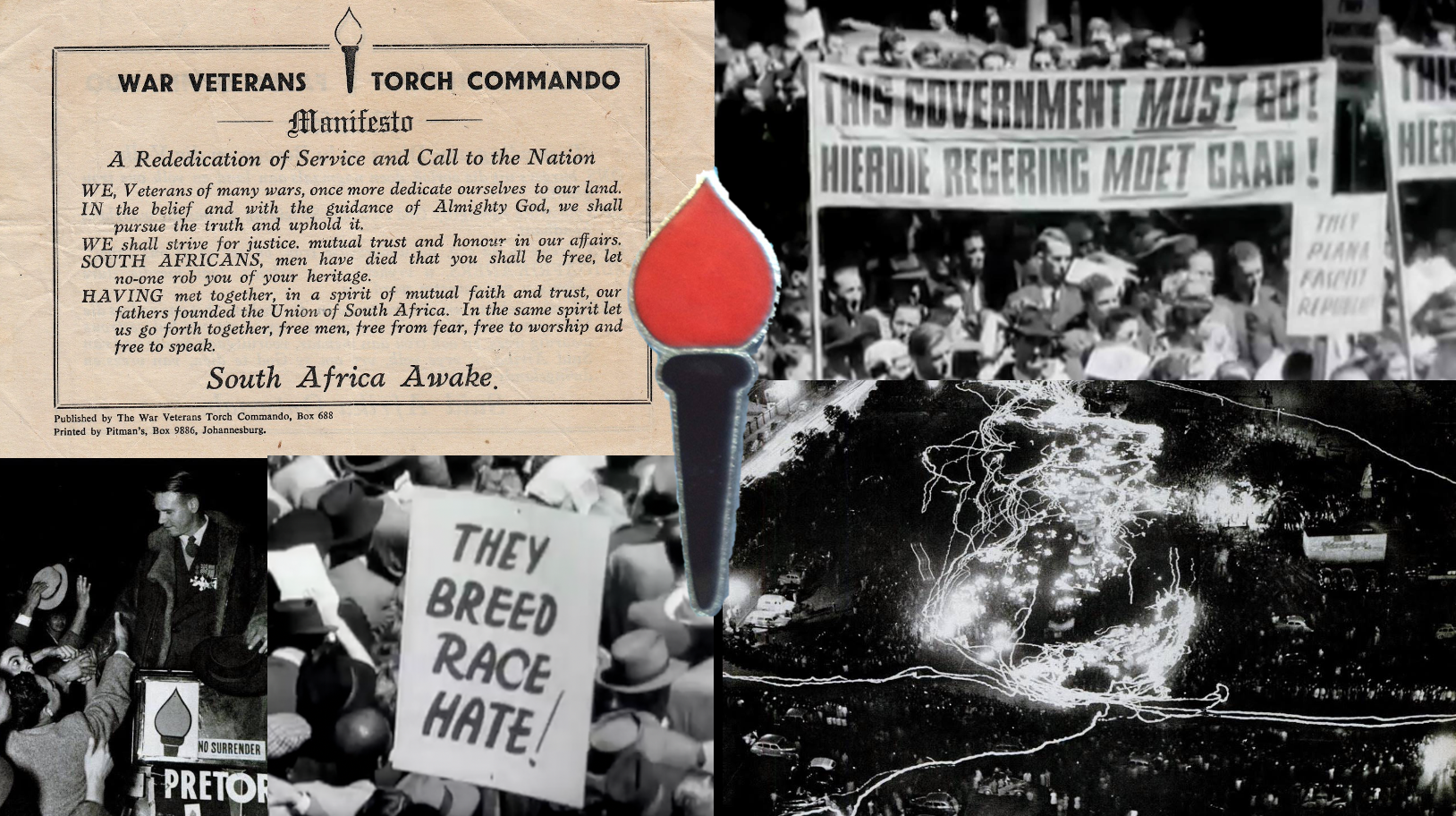






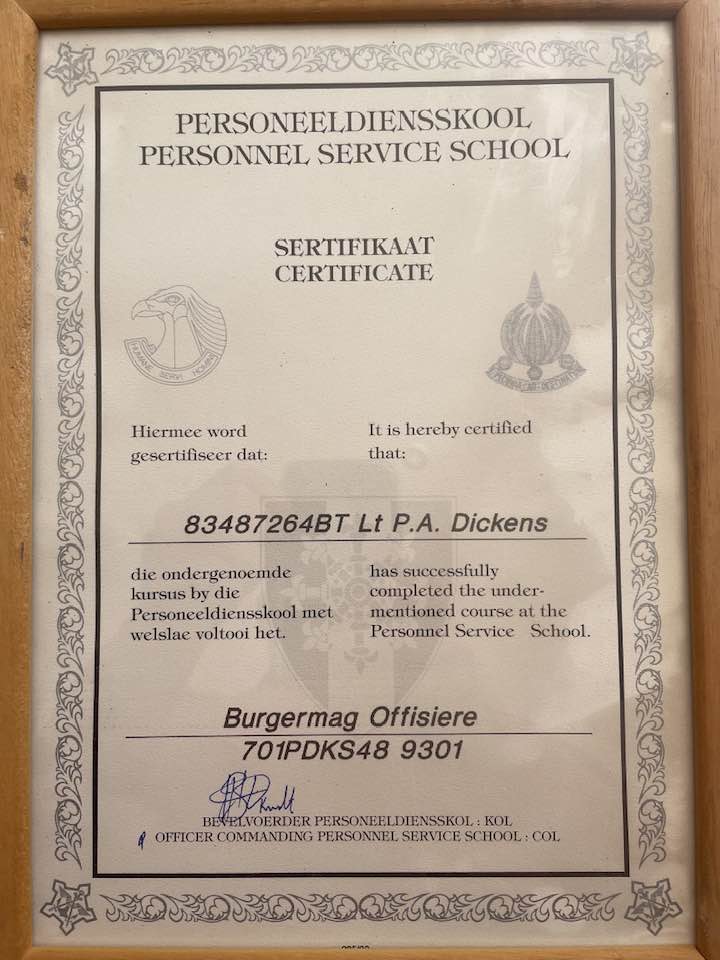









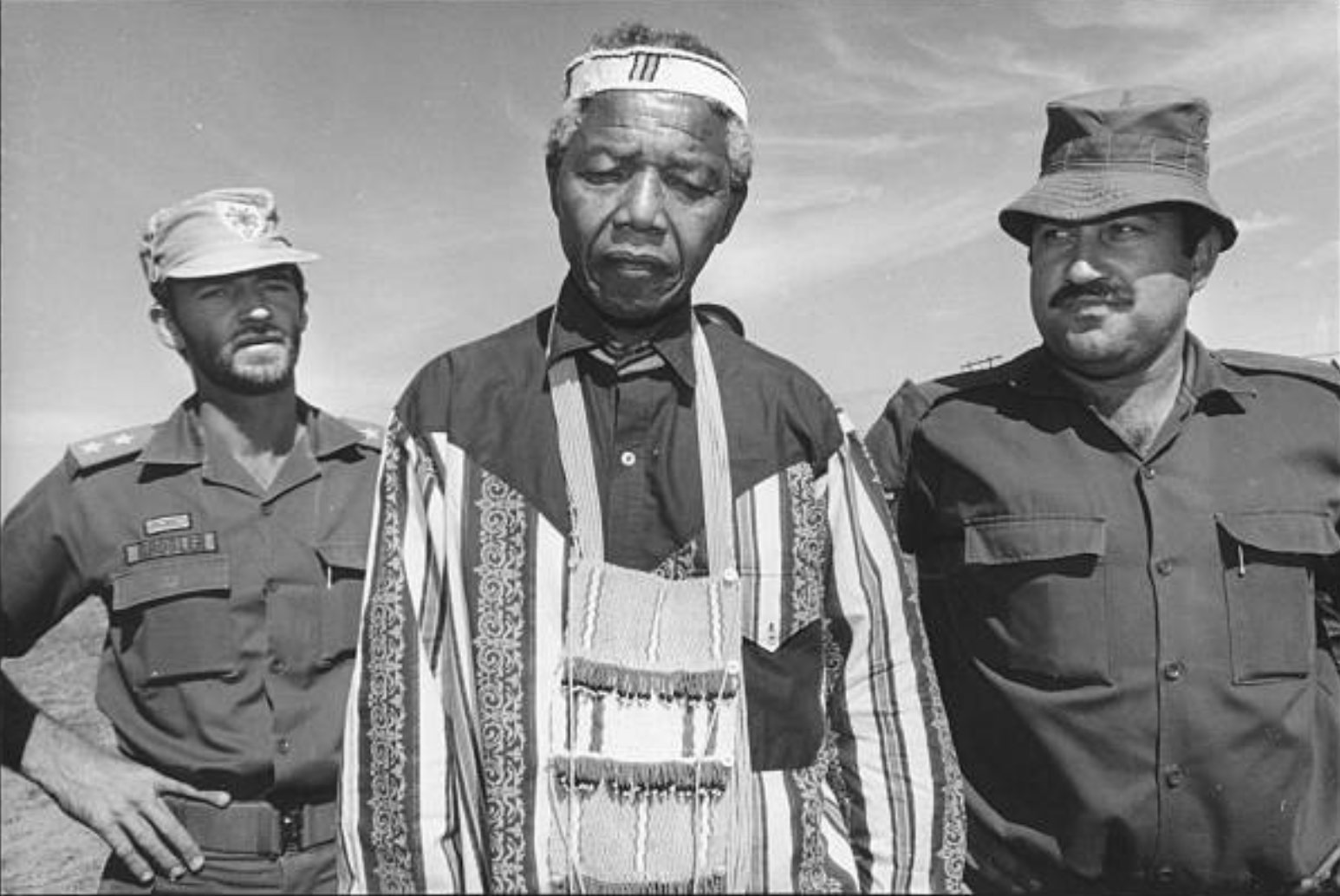
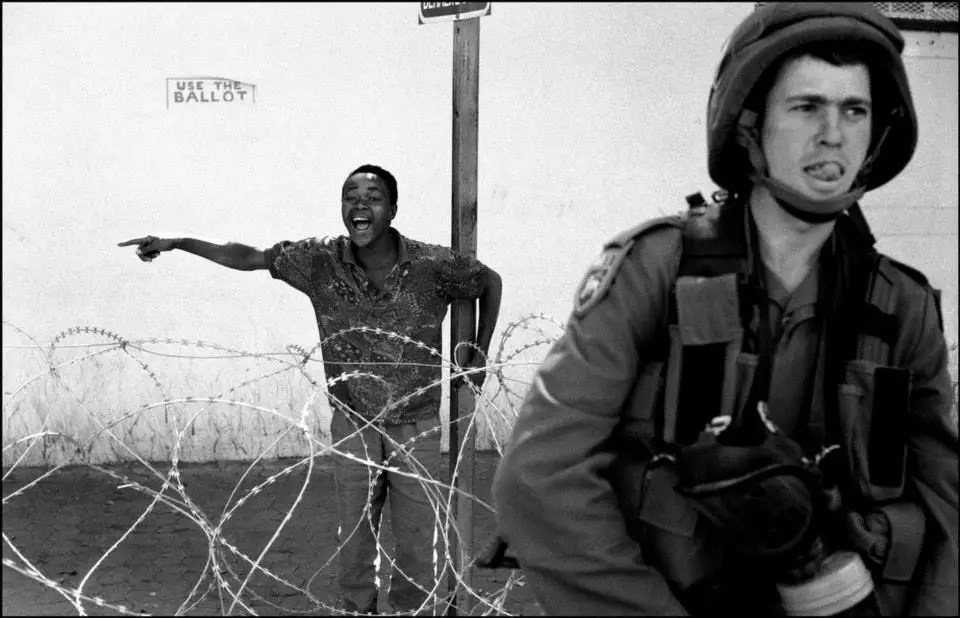
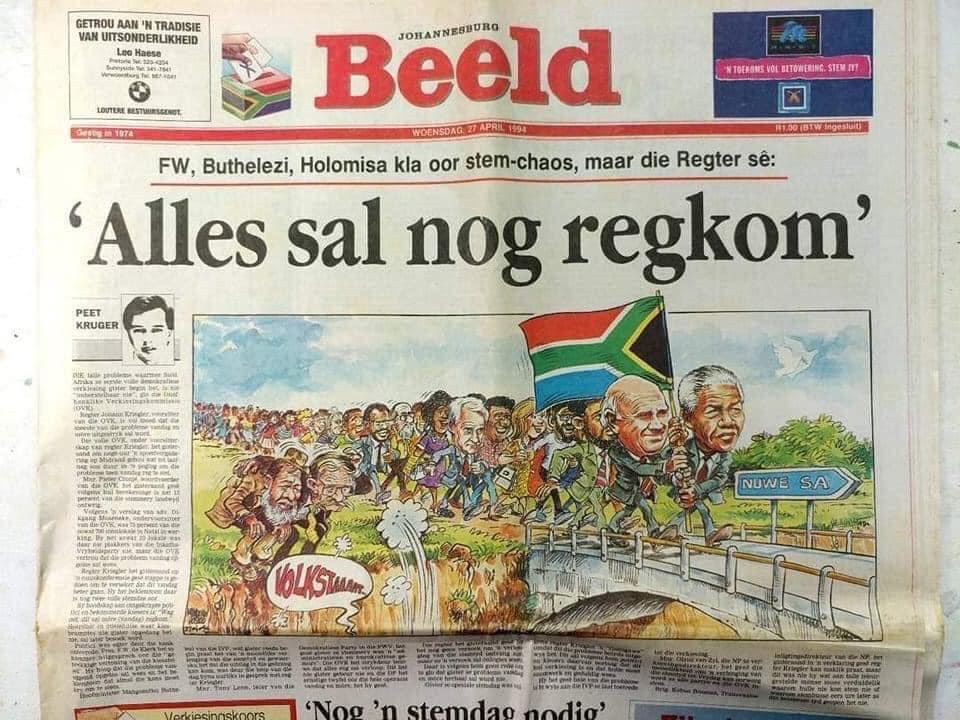
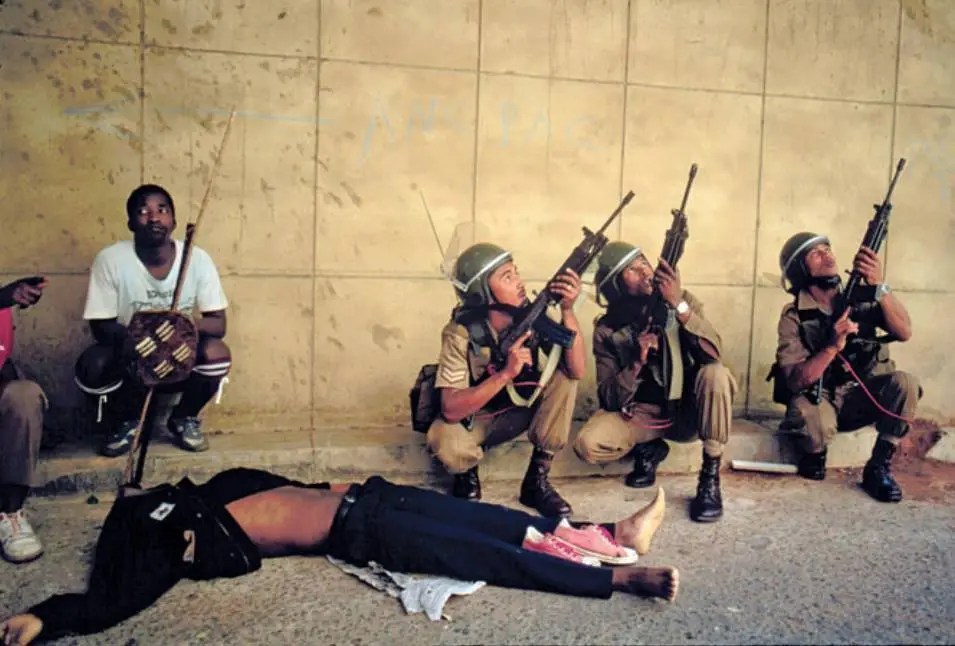
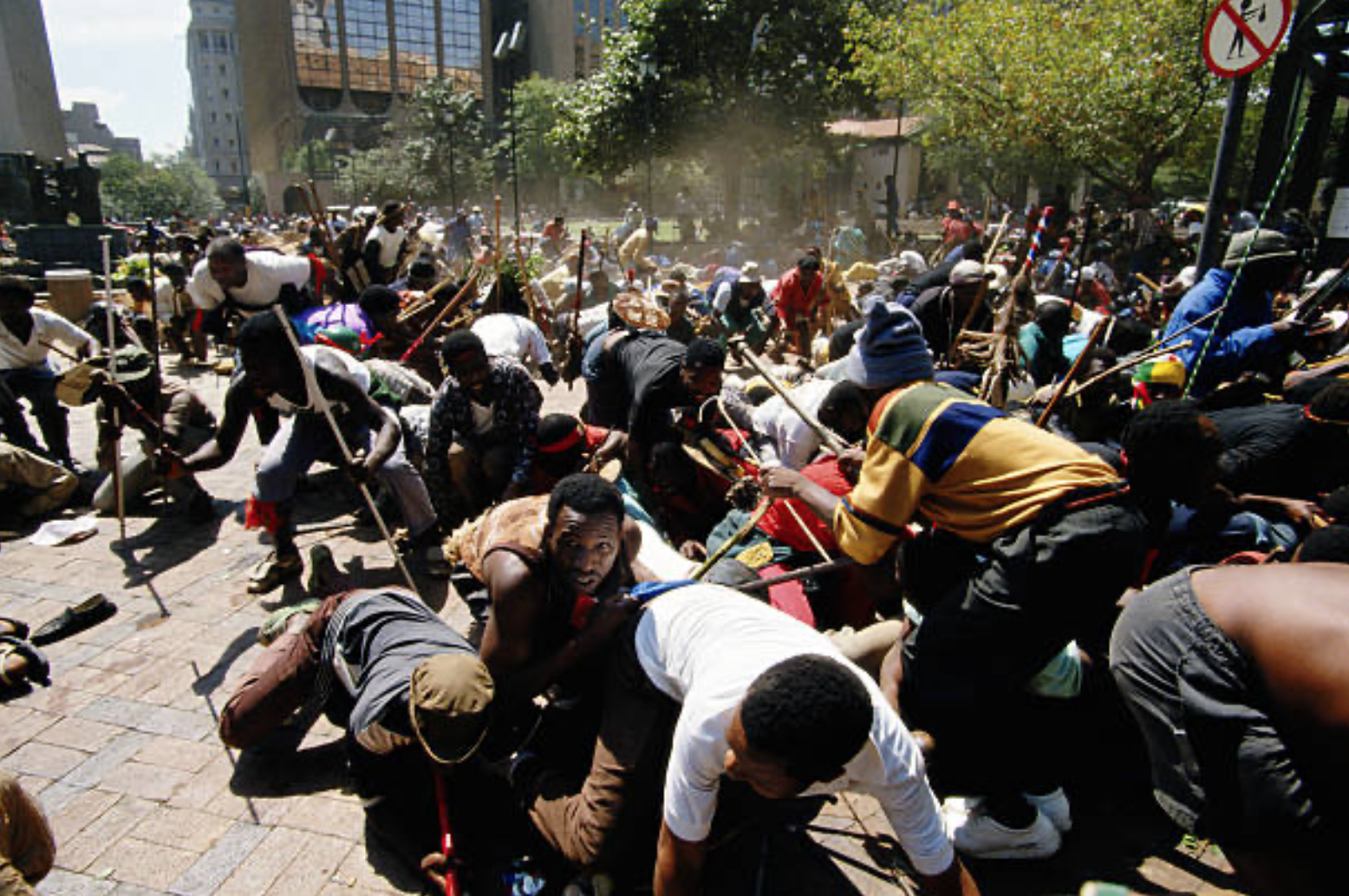
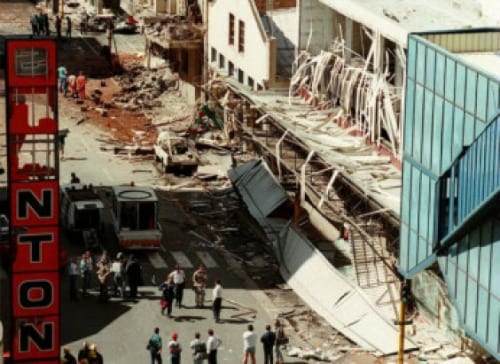
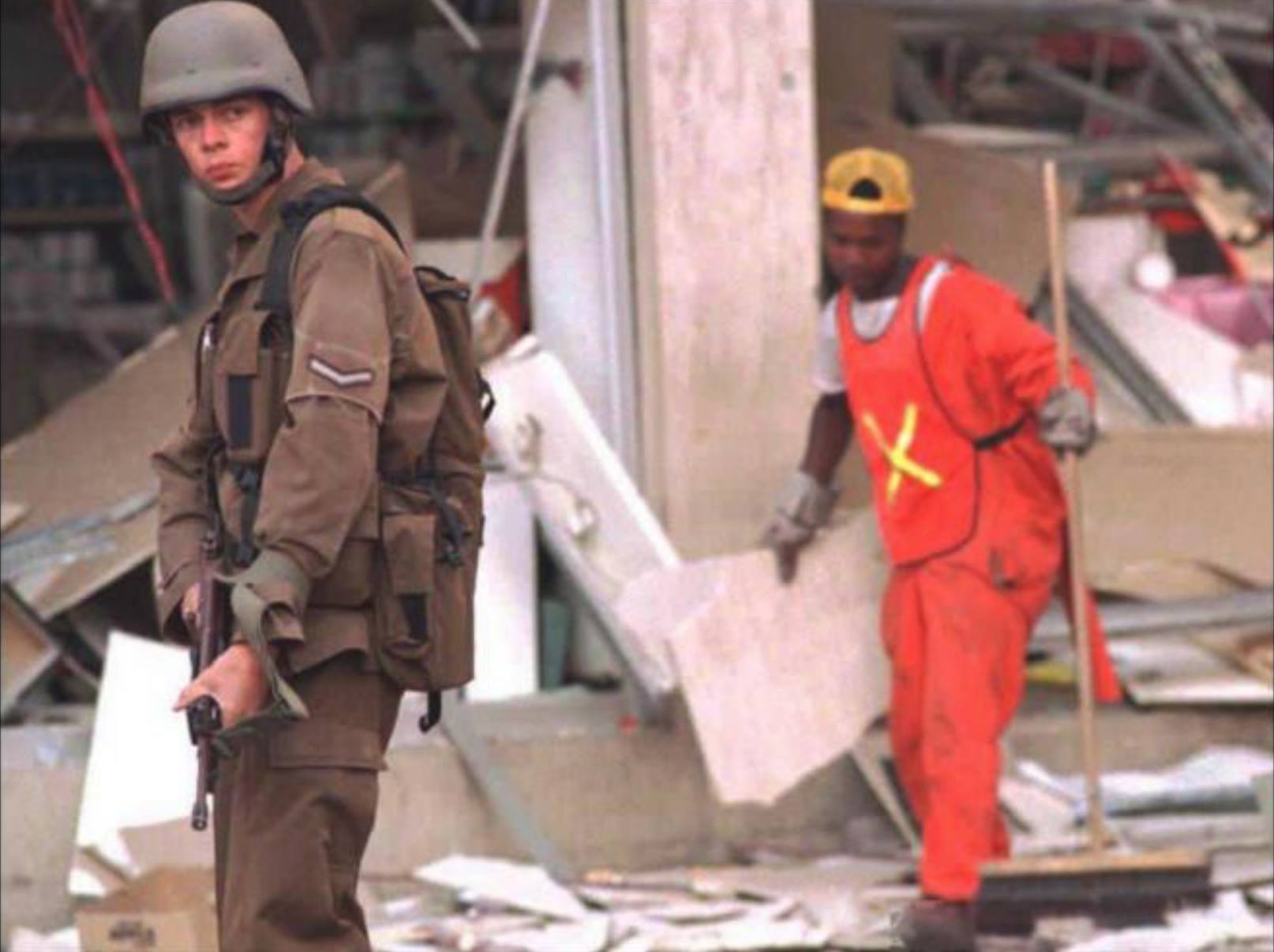
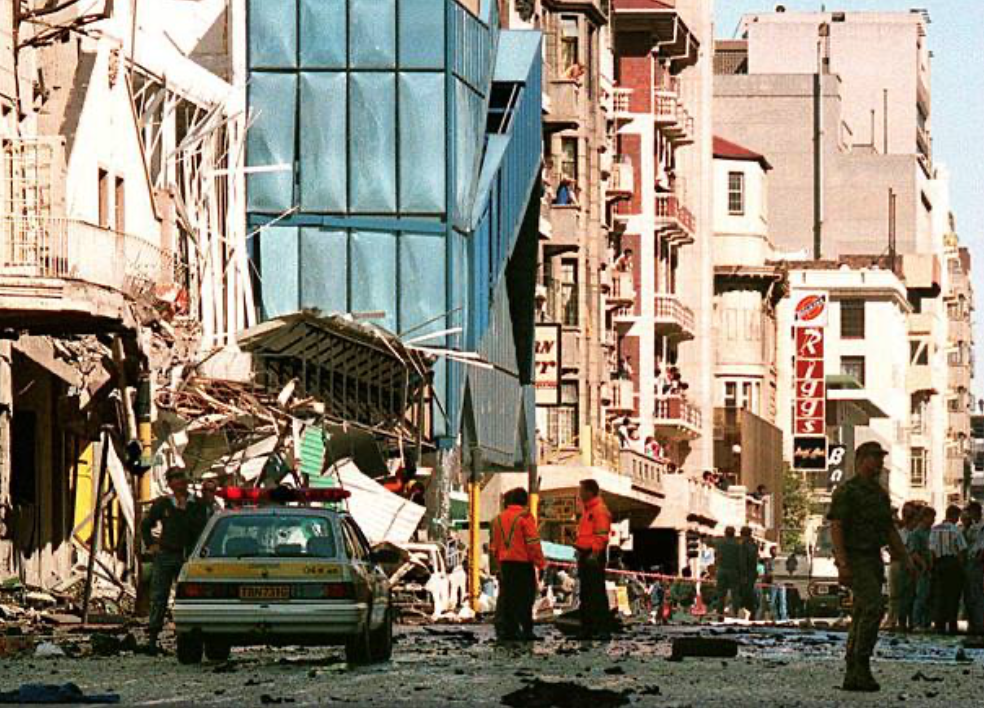







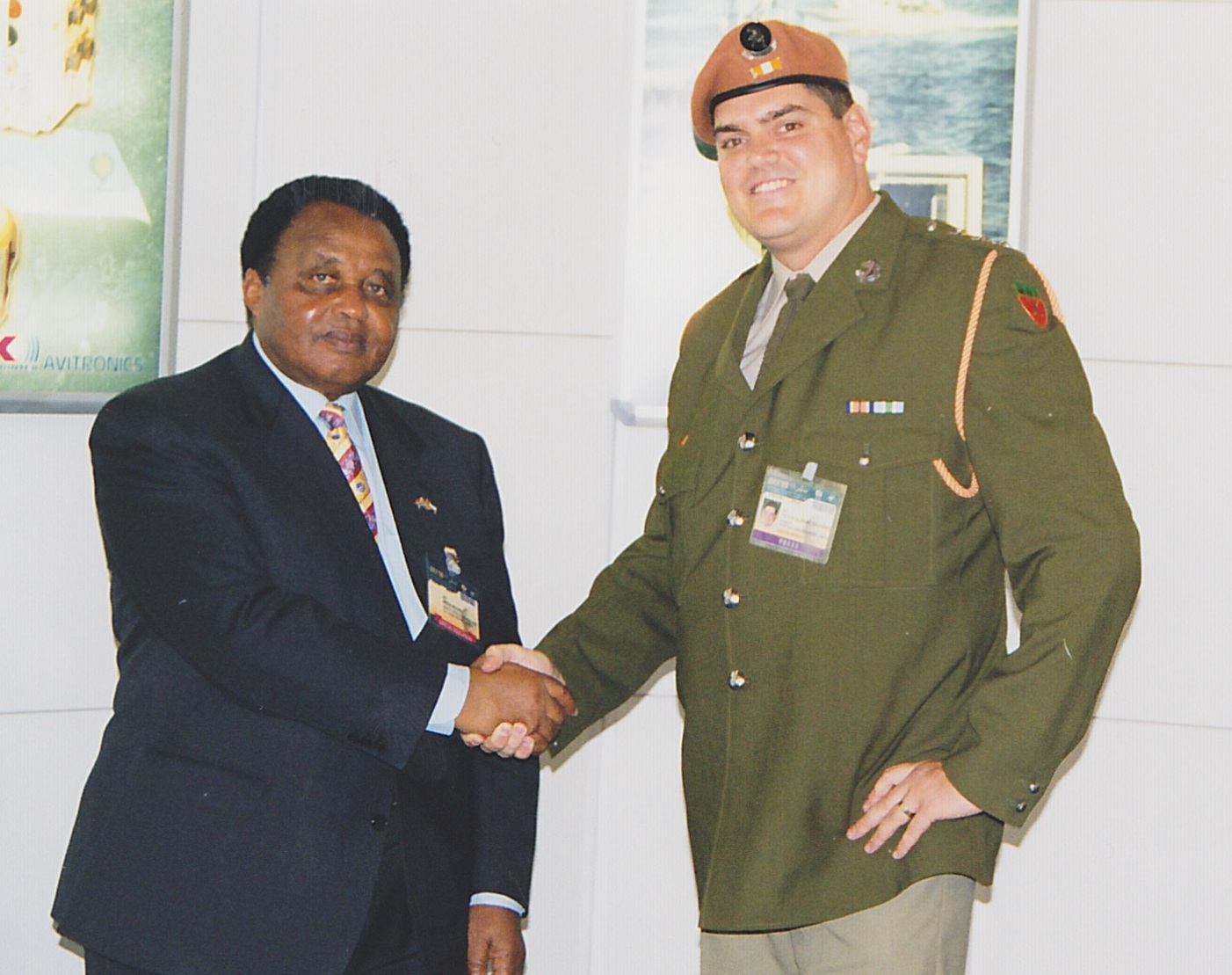
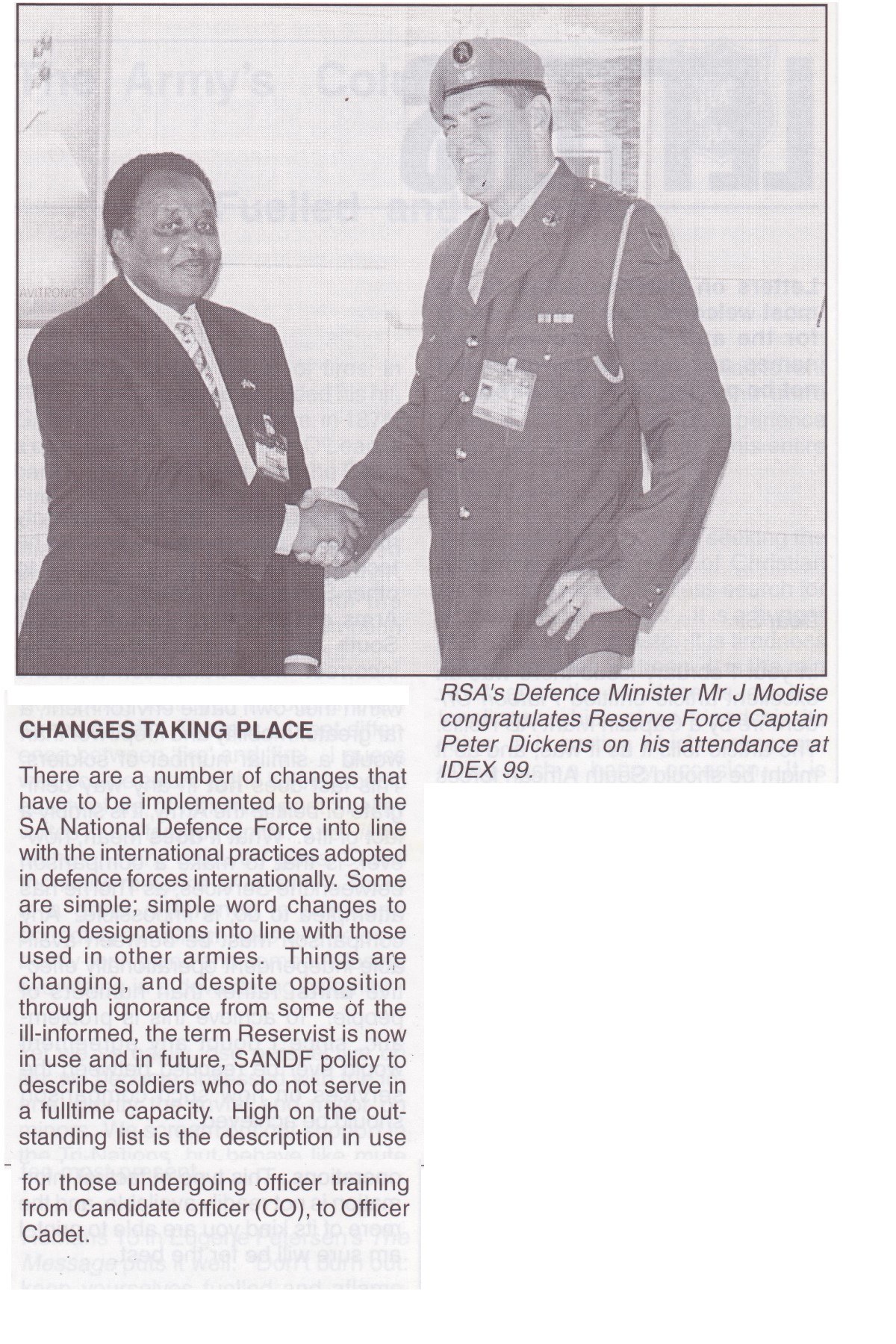


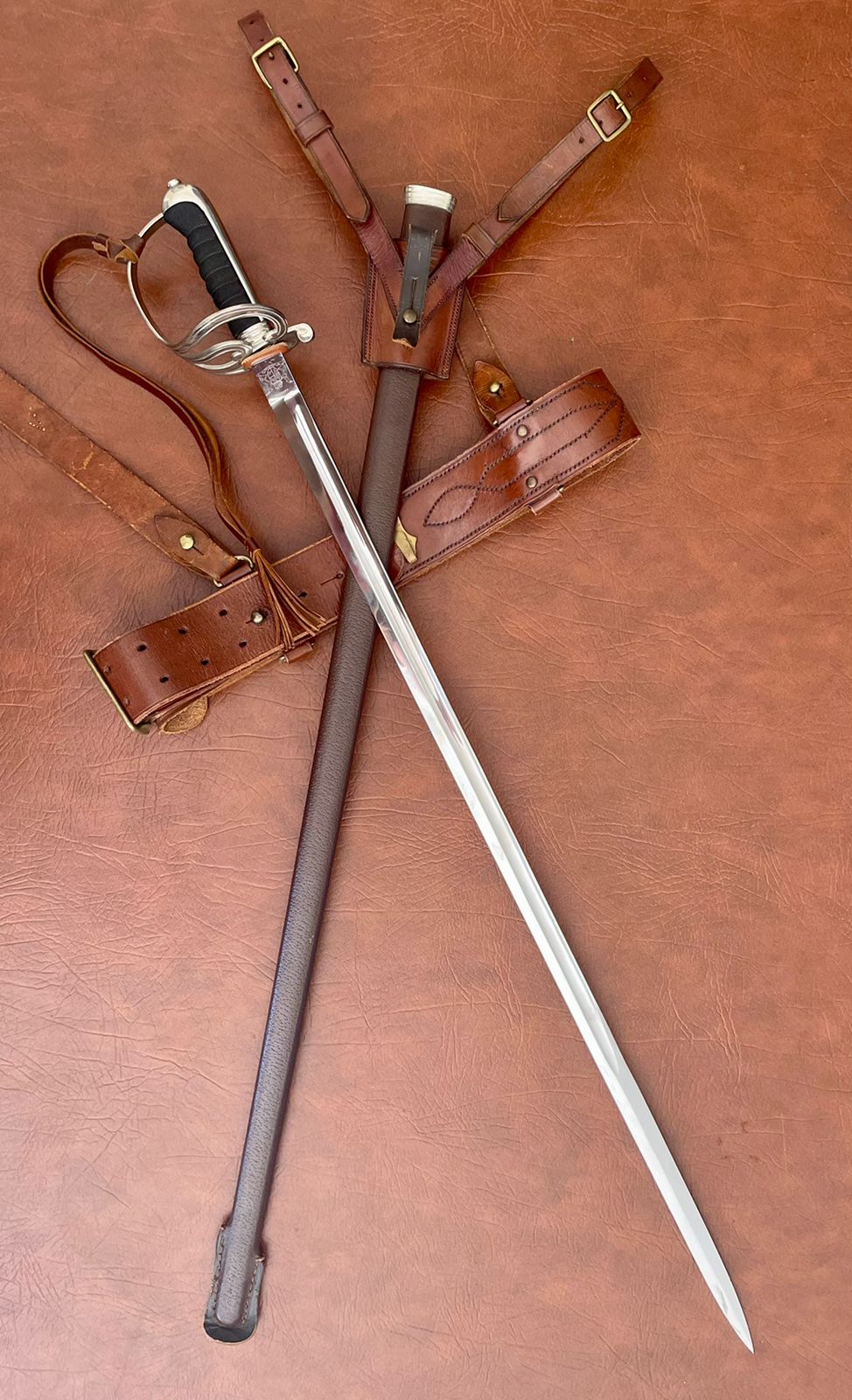
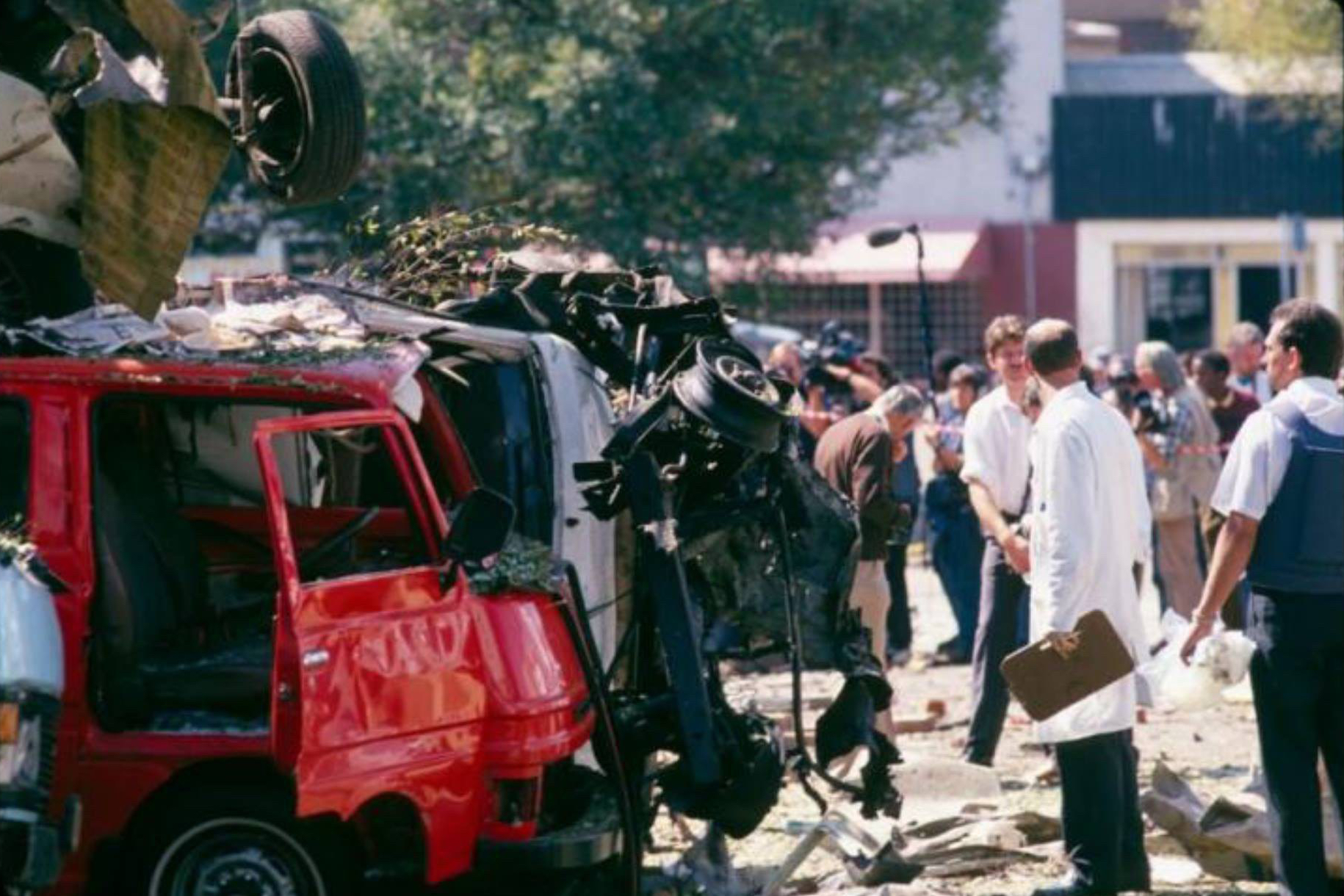

 On the 9th August 1991 things came to a head in what would become known as ‘The Battle of Ventersdorp’. The National Party’s meeting in Ventersdorp was violently disrupted by the AWB, and this event brought the South African Police and AWB into head-long conflict. South Africa’s Defence and Police structures and personnel now had to deal with this added, rather violent, dynamic to an already feuding and violent ethnic and political landscape.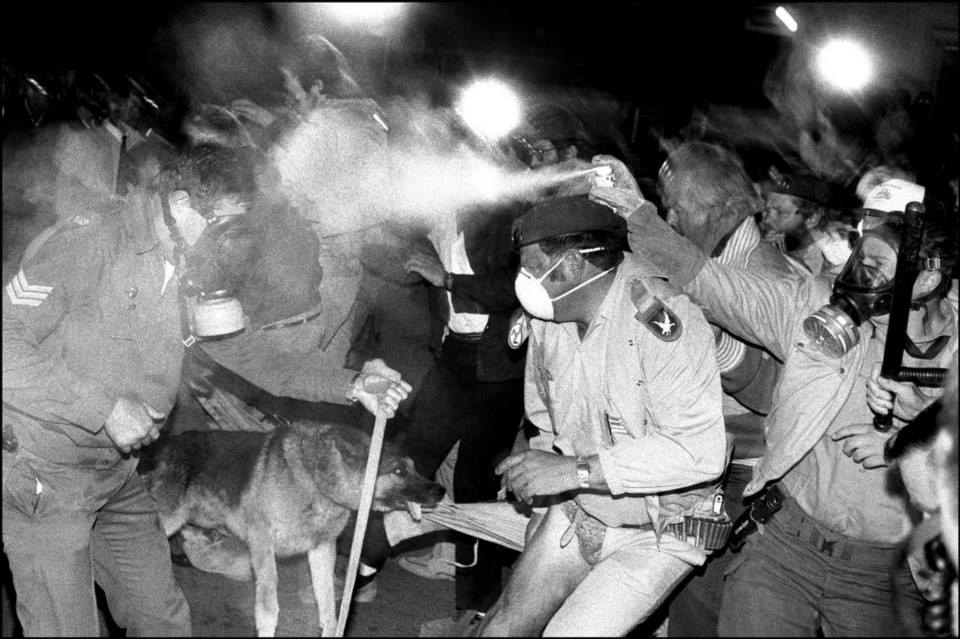
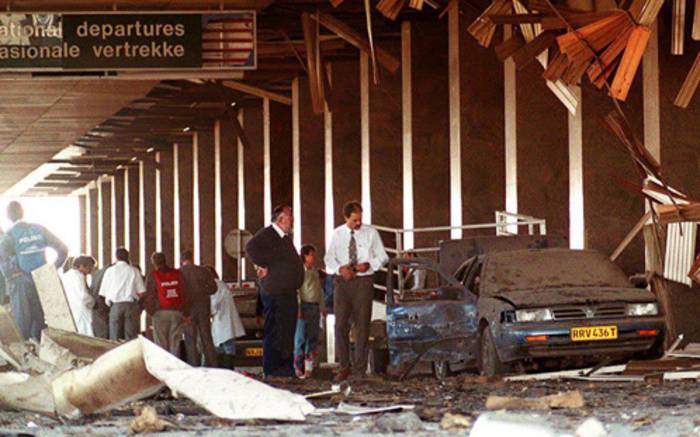
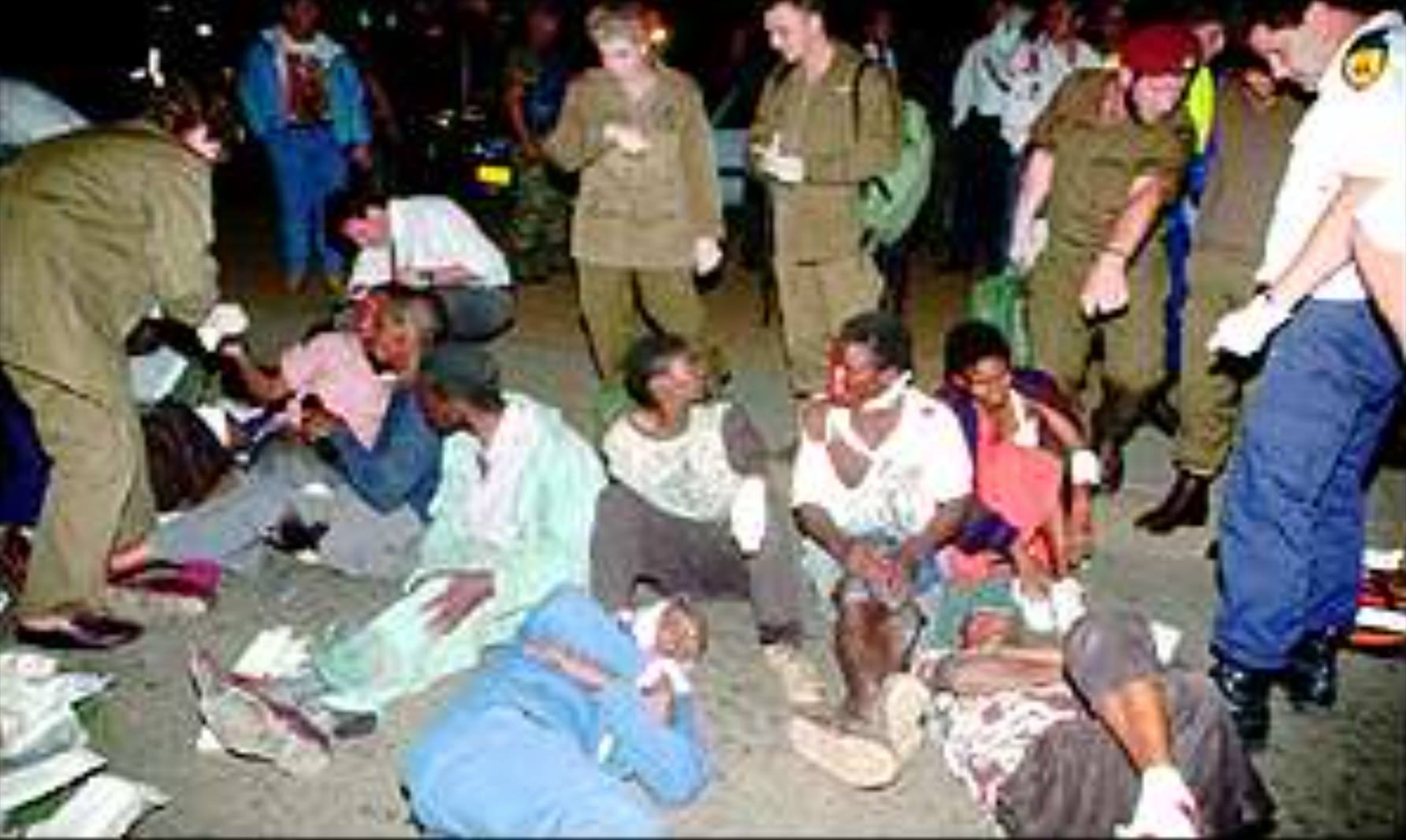
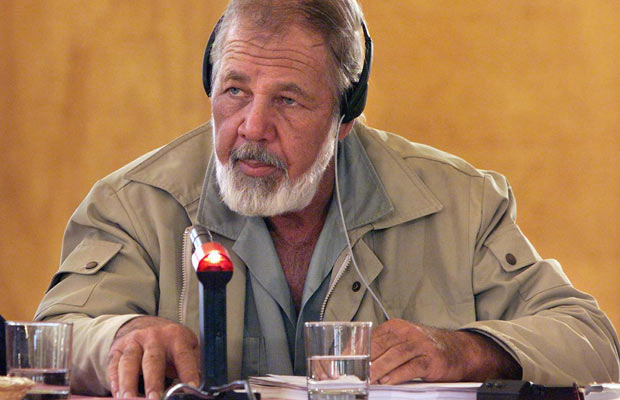
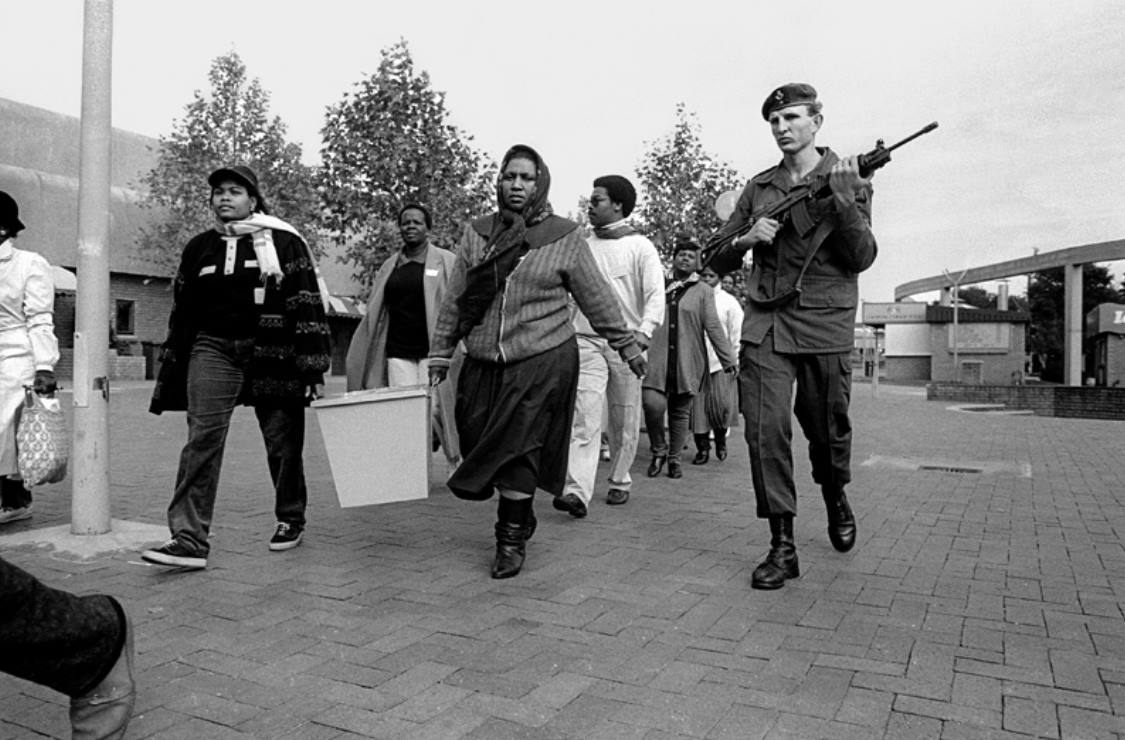
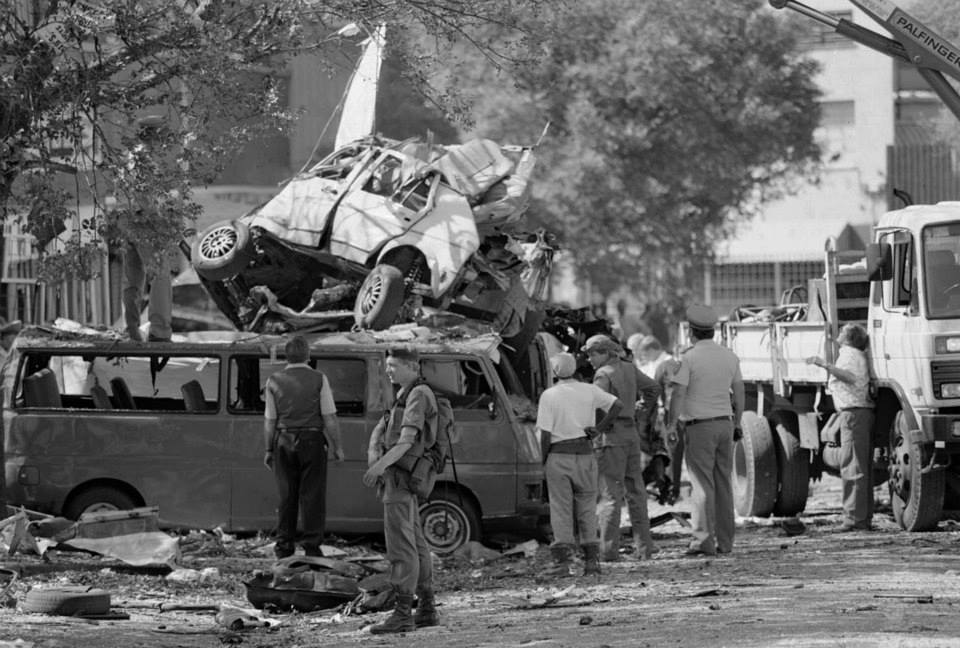
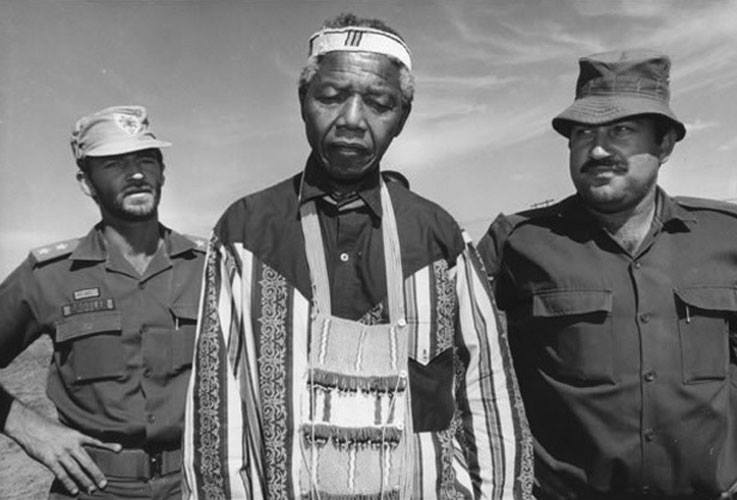


 The Observation Post