
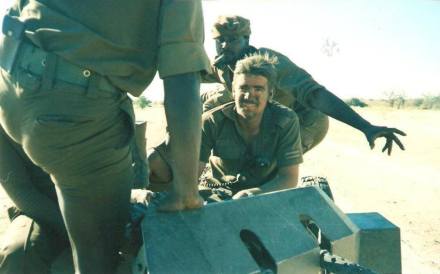
This great photograph of Cpl Stephen Bothma captures the grit and camaraderie of a 101 Battalion ‘Romeo Mike’ unit in action somewhere on the Angolan/South West Africa (Namibia) border. The ‘Romeo Mikes’ meant Reaksie Mag (Reaction Force) and these units where designed as long range special forces of the South West African Territorial Force (SWATF) and their purpose was to relentlessly track and then surround insurgents.
By 1981 101 Battalion had been established as a light infantry battalion. By 1983 at least 2700 men had been recruited and trained, many converted SWAPO insurgents. 101 Battalion translated Police tracking concepts to suit Army operations. These formed two Reaction Force companies: 901 and 903 Special Service Companies. These Companies concentrated on external operations and pursuit of infiltrators. By 1985 101 Battalion fought under its own command instead of being detached to external units.


The Romeo Mike and 101 engagements were intense to say the least. This Battalion saw an extraordinary amount of combat and it can be put down to the Romeo Mike strategy and tactics to deal with insurgency (long range patrolling). To give an idea of the intensity of combat 101 Battalions reaction force teams (Romeo Mikes) averaged about 200 “contacts” annually, a “contact” was usually refereed to an armed military skirmish between SWAPO PLAN insurgents and conventional forces. It can be argued that the vast bulk of the fighting against insurgents on the South West African (Namibian)/Angolan Border was left to the SWATF formations (units including 101 Battalion), Police formations like Koevoet, 32 Battalion and search and destroy missions by SADF Recce (Reconnaissance) and Parabat (Parachute) formations.
Note the parallel two strips on Stephen’s shoulder in the feature picture – this shows his designated rank as a “full” corporal. The SWATF rank structure insignia differed slightly from the South West African Defence Force (SADF) rank structure who used downward pointing “chevrons” for Non Commissioned Officer (NCO) insignia (i.e. Corporals and Sergeants), as is done in British rank structure.
These are South West African Territorial Force Rank insignia:


These are South Africa Defence Force Rank Insignia


This is because South West Africa was after all seen as a “separate” country to South Africa with its own defence force, therefore it had its own insignia. However, in realty the equipment, clothing, weapons and even many of the officers and non commissioned officers were supplied by South Africa.
One thing that was clearly very different with all of the South West African formations, and especially 101 Battalion, was the very high degree of racial integration, the ethnic make-up of these Battalions was very reflective of the South West African (SWA) demographic. Division along the lines of race in the military structures did not really exist to the same degree that it did in the South African Defence Force.
Certainly on this level – fighting together as a 101 Romeo Mike unit, any sort of racial differentiation did not exist at all. There was an old saying on the Border – there is “no Apartheid in a fox hole.” Veterans in both the SADF and the SWATF will always attest that they do not care for colour as it matters not a jot in a firefight, and regardless of anything else, men in this situation (the hard trials of combat or serving in a combat area) will always bond as brothers.


All 101 images photo copyright Stephen Bothma. Written by Peter Dickens
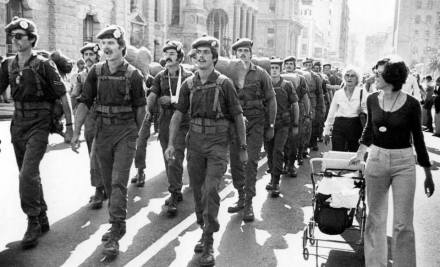
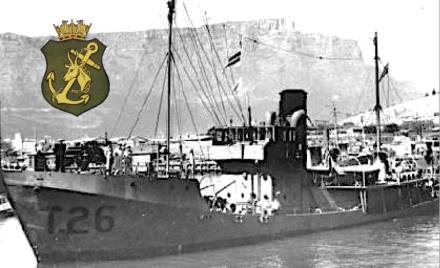
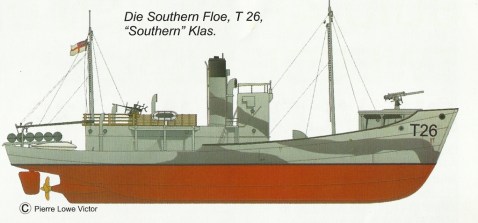

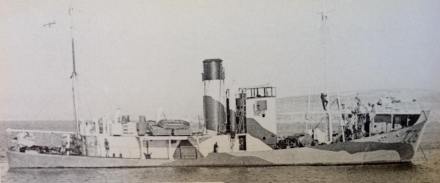


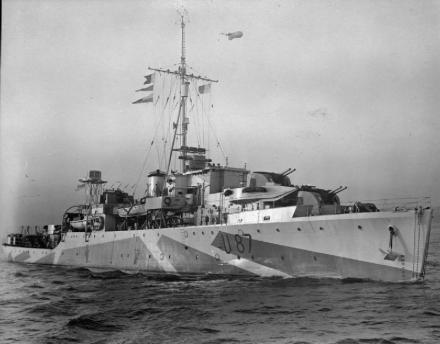
 We salute these brave South Africans – here is the honour roll for the HMSAS Southern Floe (MPK means “Missing Presumed Killed”).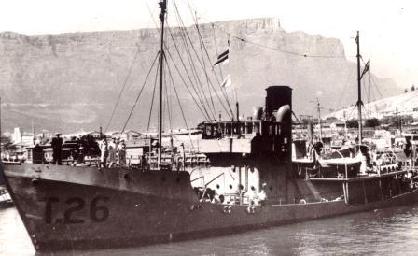
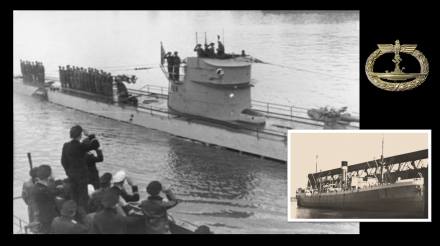
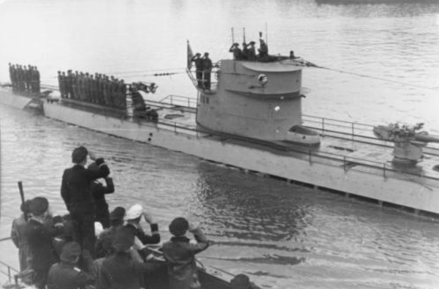
 A typical example of the danger, survival and sacrifice in South African waters is the story of the sinking of the “City of Johannesburg” by German submarine U-504 (seen in the featured image above). U-504 was a Type IXC U-boat of Nazi Germany’s Kriegsmarine during World War II, the SS City of Johannesburg was a merchant vessel carrying supplies off the coast of East London, South Africa.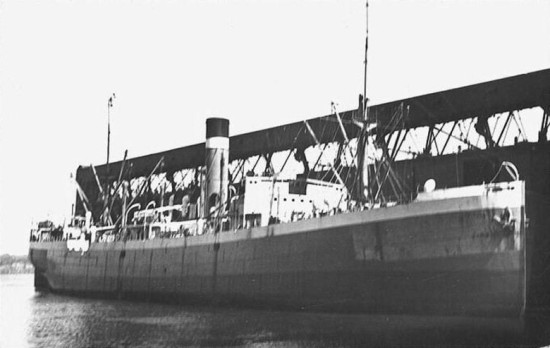
 The Observation Post