
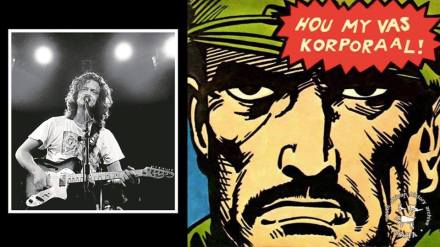
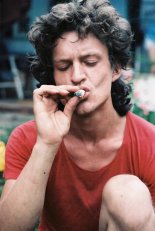
 “Hou my vas korporaal’ (hold me tight Corporal) by James Phillips’s alter ego ‘Bernaldus Niemand’ released in 1986. Most military veterans will remember this song with a wry smile.
James grew up in Springs and this song of his ‘Hou my vas Korporaal’ was a poke at South African military conscription, and was quickly taken up and enjoyed by SADF National Servicemen at the time who enjoyed its satirical military humour (James did complete his two year ‘national service’ military call-up obligation and was a ‘veteran’ in his own right).
Equally ironic, this song now is heralded as part of the Afrikaans rock revolution in the late 80’s which shook the foundations of the Nationalist culture as the Afrikaner youth started to demand political change via this music movement. ‘Hou my vas Korporaal’ is, and remains, more of an ‘Anti-Apartheid’ statement than a nostalgic look at conscripted ‘whites only’ military service.
A man of many musical incarnations, from early Springs band Corporal Punishment and short-lived summer holiday band Illegal Gathering, through his turn as satirical Afrikaans alter-ego Bernoldus Niemand, to his time as a Lurcher.
In 1994 Phillips stood in South Africa’s first fully democratic election in 1994 as a candidate for the very eccentric “Soccer Party”. The Party had some odd concepts, like a policy which said that it could not criticise another party, and one of its chief causes was the legalisation of Marijuana.
His life ended early when he died of injuries sustained in a motorcar accident, just outside of Grahamstown, where he’d been doing a series of solo concerts at the National Arts Festival.
He died never having gained the recognition from the public over an important body of work. In his memorial concert a few weeks after his death, Vusi Mahlasela, Johnny Clegg, David Kramer, Lesego Rampolokeng with the Kalahari Surfers, Johannes Kerkorrel and others gathered to pay tribute to James’ influence as an artist. And yet to the majority of South Africans he remains completely unknown.
Here is the full song, pinned by a veteran having a nostalgic look back at conscription in the SADF on YouTube, copyright Shifty Records. This video carries in it images which tell the story with the same irony and sarcasm that James Philips intended in his song.
Image of the singles album cover courtesy SAHA – the South African History Association. Mast image photo of James Phillips by John Hogg.
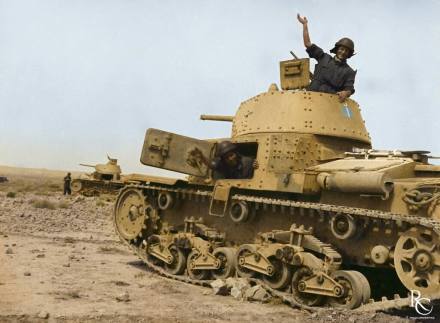
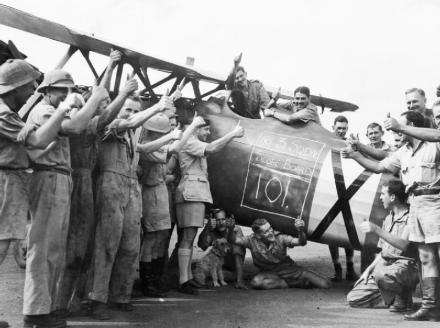
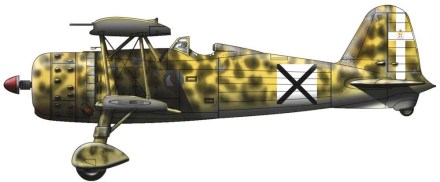
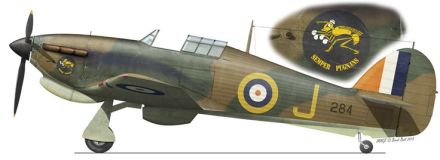
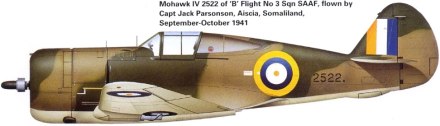
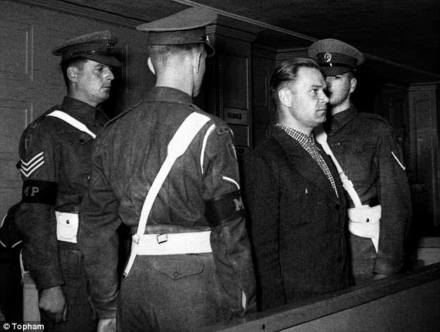
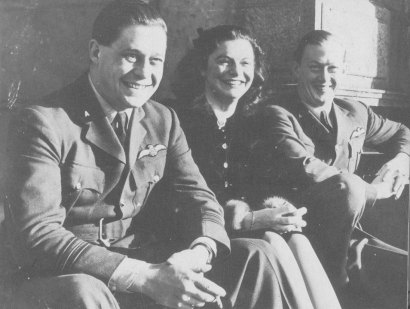
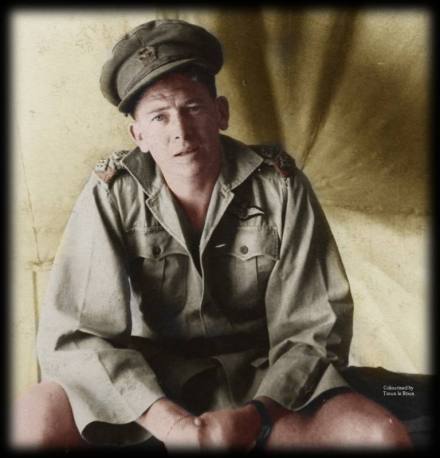
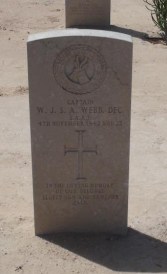 Jack was a survivor of three times being shot down but returned to the squadron unscathed every time . When he did not return after this particular sortie no one in the squadron were too much worried as they were confident he will pitch up on foot soon, but it never happened.

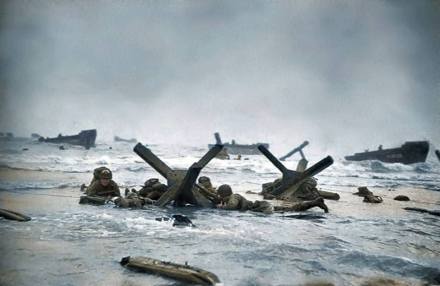


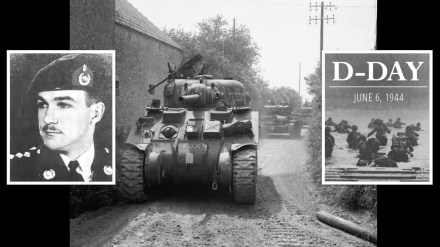
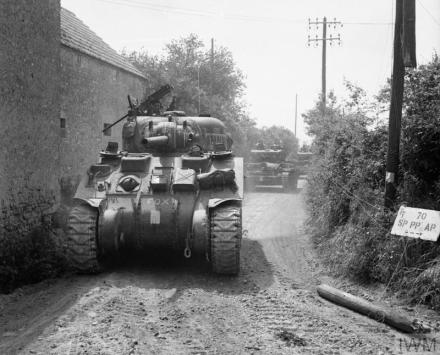
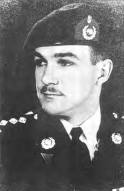 Capt. Lyle Louwrens Archibald McKay, was part of South African forces attached to the Royal Marines on D Day, 6 June 1944. He showed remarkable courage on this most significant day in history – as this insert attests.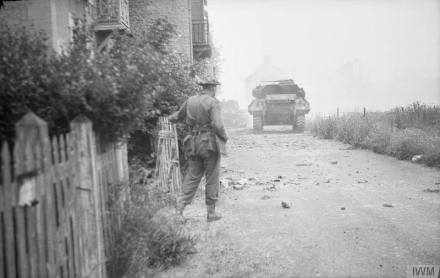
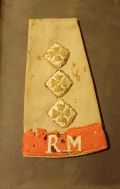 All South Africans in World War Two fighting overseas were volunteers, those in the Union Armed Forces who disagreed with Smuts’ decision to go to war on the side of Britain had the option of staying behind and not wearing the red band (not many did). Note the letters ‘RM’ this signifies ‘Royal Marines’ – a very unique and different World War 2 artefact. As a Captain, Lyle McKays’ insignia would have been similar.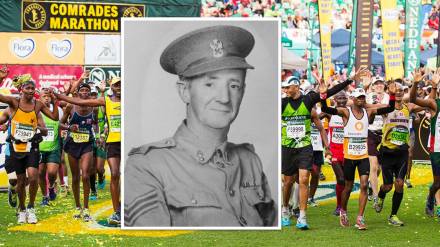
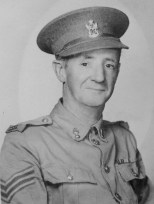 At the start of the First World War Vic Clapham signed up with the 8th South African Infantry which was sent to German East Africa (now Tanzania). During this time he marched over 2700 kilometres in pursuit of the German General Paul von Letter-Vorbeck’s Askari Battalions.
 In the same year – 1921, the Comrades of the Great War was reborn as the British Empire Services League – South Africa, and since then is now known as The South African Legion of Military Veterans. The South African Legion has continued its association with the Comrades Marathon over the years and are involved in refreshment stops and hand out red poppies of Remembrance to participants.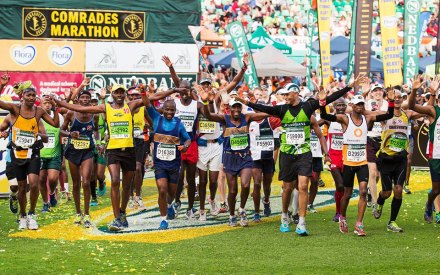
 The Observation Post