So, what do Charles Darwin, John Milton and Jan Smuts have in common? A lot it seems, and as I’m heading back into academia this year I am reminded that South Africa has produced some great men in the academic field. There is however one South African who stands head and shoulders above everyone else in terms of academic excellence, and we’ve not produced a South African since that even comes close to him.
That man is Jan Christian Smuts, a simple Afrikaner farm boy from Riebeeck-West – who, under the social construct of his time, as the younger sibling, wasn’t even supposed to go to school, the passing of his older brother giving him the sliver of an opportunity of a education and so he started late – aged 12. In just 4 years he completed all his schooling and landed up at Victoria College, now Stellenbosch University, studying law (he also joined the College’s military detachment for his first taste of military training – not a lot of people know that).
And what an education! Eventually getting a scholarship to the University of Cambridge at Christ’s College, which would eventually see him in later life as the University’s first “foreign” Chancellor in its 800 year odd history. Smut’s legal mind was something else, he took both parts of the Law Tripos in the same year and was placed first in each with distinction.
His intellect was unsurpassed, to pass an exam at Cambridge he learnt Greek (fluently) in just 6 days. His wife was no intellectual slouch either, later in life Jan Smuts and his wife Issie “Ouma” Smuts used to tease one another when one would recite a Bible verse and the other would be expected to recite the following one, from memory, in Greek!
Professor Frederic Maitland (the father of Modern English Legal History) described Jan Smuts as:
“the most brilliant student I have ever met”.
Smut’s academic brilliance did not stop at the classics and law, it even extended into science, Albert Einstein counted Smuts as one of approximately ten people that truly understood his theory of relativity.
Smuts is also the first internationally regarded South African Psychologist – whilst an undergraduate at Cambridge University, he produced a manuscript in 1895 in which he analysed the personality of the famous American poet Walt Whitman.
Smuts believed that the holistic tendency of the personality would be studied best through personology – which brings us onto his philosophy of Holism.
In writing his own philosophy “holism” Smuts was accredited as a philosopher in his own right as his work held up to peer review. Holism looked into the studies of cyclical pattens in nature that are dependent for survival on other cyclical pattens – like one culture is dependent on another (all the parts making up the whole that is society).
Holism can be defined as “the fundamental factor operative towards the creation of wholes in the universe” and was published in 1926. For Smuts it formed the grounding behind his concepts of the League of Nations and United Nations.
Although Smuts’s concept of holism is grounded in the natural sciences, Smuts claimed that it has a relevance in philosophy, ethics, sociology, and psychology. He even argued that the concept of holism is:
“grounded in evolution and is also an ideal that guides human development and one’s level of personality actualisation.”
The principal of Christ’s College, Sir Alexander R. Todd (who won a Nobel Prize for Chemistry) had the following to say about Smuts:
“…in 500 years of the College’s history, of all its members, past and present, three had been truly outstanding: John Milton, Charles Darwin and Jan Smuts.”
Now, nobody has said that of any other South African, not even Mandela. Think about that statement for a second – Smuts on the same level as Darwin and Milton, men who shaped the understanding of the human condition.
After Smuts’s death on the 11th September 1950, Sir Winston Churchill wrote to Issie Smuts and said:
“There must be comfort in the proofs of admiration and gratitude that have been evoked all over the world for a warrior-statesman and philosopher who was probably more fitted to guide struggling and blundering humanity through its suffering and perils than anyone who ever lived in any country during his epoch.”
None of Smuts’ detractors – even the ones with Doctorates like Malan and Verwoerd came close to Smuts as an academic – not one of them receiving any high degree of international peer recognition – not then and not even now. Now we have Provincial Premier’s ghost writing their masters thesis in a government completely devoid of any thought.
As Doctorates go, Dr. Smuts earned more Doctorates than you shake a stick at, no other academic in South Africa comes close. He obtained a Doctorates in Civil Law (D.C.L.) from Durham and Oxford Universities. He obtained a Doctorate in Literature (D. Litt.) from the University of Pretoria. He obtained Doctorates in Science from the University of Cape Town and the University of London. He obtained Doctorates in Law (LL.D.) from the following Universities: Baltimore, Cambridge, Cape Town, Cardiff, Columbia (New York), Dublin, Edinburgh, Glasgow, Leyden, Manchester, Montreal, St. Andrew’s, Sheffield, University of South Africa, Utrecht and Wales. Finally, he obtained Doctorates in Philosophy (Ph.D.) from Athens University, University of California and Stellenbosch University.
He even became the Chancellor of Cambridge University, the Chancellor of the University of Cape Town and the Rector of St. Andrew’s University in Scotland.
But for all the Doctorates in the world, Smuts would not refer to himself as a Doctor of anything, he even disliked being called a “Field Marshal” preferring to be simply referred to as “General” – a rank he obtained as a young man fighting for the Boer Republics in the South African War (1899-1902).
For all Smuts achieved, Jan Smuts would be vilified by a small group of far right Afrikaner nationalists his entire life, they would revert to belittling his intellect and academic achievements as been above his “ordinary Volk” and out of touch. On achieving acts of Union between English and Afrikaner they would paint him as somehow “British” and call him “slim Jannie” (clever little Jan) a term he personally hated.
Leif Egeland would summarise this perfectly when he said:
“Yet the great paradox of (Smuts’) life was that it is precisely because Smuts was a Afrikaner and a Boer soldier that he built up such a formidable reputation world-wide. On his many visits abroad and in his personal life, he kept the image of the Boer general, ‘one of the most romantic and bravest figures in history’. Whilst many of his countrymen described him for being an Englishman at heart, in Britain and around the world ‘General Smuts’ was respected and revered for being a true and patriotic Afrikaner – the finest example of his tribe”.
As South Africans have a wonderful story in Smuts, and what we have a character of force – a polyglot, philosopher, botanist, intellectual, lawyer, academic, politician, statesmen, reformer and warrior – a story and a man who is best summed up by Alan Paton who said:
Shakespeare provides us with a wonderful quote from Hamlet, it’s in the opening act, and it’s said by Marcellus on seeing the King’s ghost: “Something is rotten in the state of Denmark” – it’s a forewarning that there is sedition afoot in the state, real trouble is coming. It is appropriate when viewing the newly formed Union of South Africa, as within a year of its formation the old Boer War hero – General Louis Botha can already sense sedition in their camp. As Prime Minister, he tasks General Smuts as his Minister of Defence to set up the South African Union’s Defence Force and amalgamate the old Boer Republic’s Commandos with the old Cape and Natal Colonial Regiments.
Walking a political tight-rope of “reconciliation” post the South African War (1899-1902), Smuts appoints a staunch Boer “Bittereinder” General, Christiaan Beyers, as the head of the South African Union Defence Force’s Active Citizen Force (the largest contingent within the force made up by a majority of Afrikaners). His appointment largely a symbolic gesture to the “irreconcilables” in the Afrikaner diaspora.
On the 4th July 1911, Louis Botha in his capacity as Prime Minister wrote to General Jan Smuts to express his bewilderment that Smuts had appointed General Christiaan Beyers as the head of the Active Citizen Force. He does not hold back and what he says is very telling:
“Dear Jannie, You really are lazy to write so little. How is it possible that you have appointed Beyers? I do hope that you did not agree to it, because you certainly have no greater enemy there. He is not a persona grata (welcome person) with our people and still less so with the English. The Bar, no doubt, also does not approve of it and the Judges will be angry. I can swallow anything but this is impossible.”
Christiaan Beyers, would go on with his appointment, and only just 2 years after his appointment in the Union Defence Force, he would try and scuttle the Union’s decision to go war against German South West Africa. He unsuccessfully campaigns to get resignations from the UDF so as to render it toothless. Thereafter he unsuccessfully campaigns for De La Rey to join his treasonous plot. He joins hands with Manie Maritz, Christiaan de Wet and Jan Kemp in a treasonous soup and initiates the Boer Revolt of 1914 – inadequately planned and inadequately resourced the revolt is an outright failure – strategically, operationally and tactically. Lasting mere months and attaining none of its stated objectives. Beyers would drown in the Vaal river trying to escape his hunt on the 8th December 1914 (later supporters of Beyers would point out that he never fired his handgun when his body was recovered, as if to somehow say he didn’t really intend to kill fellow Afrikaners – but that’s merely an apologist’s stretch, Beyers had every intent given his Commando’s actions and his entire act was that of high treason whichever way you cut it).
The revolt does however pitch Afrikaner against Afrikaner, driving deep scars into the Afrikaner psyche. It would drive a political wedge into the Afrikaner diaspora, and in the strangest turns of fate, many Afrikaners by the 1980’s, after decades of Afrikaner Nationalist propaganda, would oddly juxtaposition the concept of “treason” – and start calling Smuts the “traitor” and Beyers the “hero” (even to this day he is cited in this community as a “volks” hero). Also, rather inexplicably Louis Botha somehow escapes this ‘traitor’ paint-brush as the Afrikaner Nationalist vitriol is almost exclusively targeted at Smuts.
Botha in this letter to Smuts is being nothing more than prophetic – calling out Beyers as an ‘enemy’ and a ‘persona non grata’ (an unacceptable person) to the Afrikaner nation. There is obviously no love lost between these two men and Botha sees Beyers as a treasonous snake not with the program of a peaceful coexistence between English and Afrikaans South Africans and at odds with the vast majority of South Africans in general. Smuts, eternally seeking a careful balance of everyone’s opinions in the Afrikaner diaspora, has his efforts backfire on him considerably.
What I love about General Jan Smuts is his ‘classics’ education and intellect, it’s used to rapier effect and you need to be on your toes when reading his material.
Here’s an example, this is a letter – June 1902, from Jan Smuts’ to his wife Isie directly after the South African War (1899-1902), there are two parts which are noteworthy, the opening statement for its raw frankness and humility – it gives insight into how the guerrilla campaign is fought and the peace conditions it was fought for, and then the part where he informs Isie of President Steyn’s health. Here’s the first part:
“My darling Isie, The tragedy is over. The curtain falls over the Boers as British subjects, and the plucky little Republics are no more. Peace was signed last night at Pretoria. You can imagine my feelings on the subject; you will perhaps not be surprised to hear that I worked for peace. I did my best for our cause as long as there was any chance; but I had become convinced that the struggle had become hopeless. So we shall start afresh, working along the lines opened by the new conditions. I accept my fate – that is the only manly course left.”
The next bit on President Steyn’s health is where you need to pull out your copies of Shakespeare. Smuts informs Issie of the following news:
“I shall be very glad to hear how your health is progressing; write to me c/o General Sir John French and don’t forget I have reverted to plain J. C. Smuts. I am very sorry to tell you that President Steyn’s health is quite gone; sort of gradual paralysis; he cannot last long. He was the last of the Romans.”
Now, what does he mean by … ‘he was the last of the Romans’? It comes from Shakespeare’s Julias Caesar and it’s a quote from Brutus when he sees Cassius’ dead body, he says:
“The last of all the Romans, fare thee well! It is impossible that ever Rome should breed thy fellow. Friends, I owe more tears to this dead man than you shall see me pay. I shall find time, Cassius, I shall find time. Come, therefore, and to Thasos send his body.”
In other words Jan is saying to Isie that President Steyn was the last of a special breed of Afrikaner, the likes of which will not be seen again. He is under no illusions that Steyn will die shortly, and he is implying that he must get to work on immediate important issues (which is to secure amnesty for the Cape Rebels) and will mourn the death when he has the time.
Now, that’s deep. Luckily Isie was a well renowned intellectual herself and trained in ‘classics’ – so she would have understood exactly what Jan was trying to say to her.
Classics eh! You can’t beat it, Plato’s Philosopher King in action.
Written and Researched by Peter Dickens
Quoted Reference: Selected Smuts Papers – Volume II by W.K. Hancock
This is a famous speech, 30th January 1940 at the Sportspalast by Adolf Hitler and it had a significant impact on South Africa which very few people know about today. It’s Hitler’s take on the South African War (1899-1902) a.k.a. Boer War 2.
The speech is a lash out against Britain for declaring war against Nazi Germany for the invasion of Poland. Hitler in his speech seeks to paint Britain and the warmonger – and not Germany who we paints as Britain’s victim after the Treaty of Versailles – which he equates as Britain’s “Bible” as they have forsaken God and Christianity in favour of greed and materialism (unlike the God fearing Germans who keep a puritan faith).
To view Hitler’s speech on 30th January 1940 at the Sportspalast in full, here’s the YouTube link:
To ground his argument he uses the Boer War, and makes two significant points, he says:
“They (Britain) waged war for gold mines and mastery over diamond mines.”
Then later in the speech Hitler says:
“When has England ever stopped at women and children? After all, this entire blockade warfare is nothing other than a war against women and children just as once was the case in the Boer War, a war on women and children. It was there (South Africa) that the concentration camps were invented, in an English brain this idea was born. We only had to look up the term in the dictionary and later copy it .. with only one difference, England locked up women and children in their camps. Over 20,000 Boer women (and children) died wretchedly at the time. So why would England fight differently today?”
Now, I’ve seen people on social media immediately conclude that this is yet another rant of a mad-man, Hitler was a megalomaniac with more mental issues than you wave a stick at. As for Nazism – that’s pure evil, nothing to do with good Christians, Afrikaners and the Boer War thanks – no words from the madman here, linking Hitler and World War 2 to the Boer War is mischievous and contentious!
But here is a problem, this is 1940, Hitler is at the absolute pinnacle of his power. Nazism is at the absolute zenith of its popularity – millions, literally millions of Europeans are in favour of the “The Third Reich”. People today don’t really understand what the ‘The Third Reich’ was all about … in a modern construct its a early form of the European Union, only the EU head office is not in Brussels its in Berlin – the Third Reich is all about free trade, semi-open borders, freedom of movement and freedom to assimilate and commercially transact in Europe – its a wealth generator. It’s about respect for “cultural boundaries” according to Hitler – but in reality he’s hoodwinking again – behind the scenes it is in fact a “vampire economy” as Germany gears all its production from food to armaments to war and directs all economies to itself and its nefarious ends.
Adolf Hitler giving a speech at the Berlin Sportspalast
You can hear about all of this in the first 10 minutes of Adolf Hitler’s speech – its a utopian concept, and millions across Europe – in Germany, Austria, Fascist Italy, Hungary, Romania, Fascist Spain – even Belgium, Norway and the Netherlands and literally the whole of the south of France (Vichy France) are into this free trade union with Germany (in fact by definitions of the EU they still are – and immediately after the war ended they strove to get back to it only this time with a different leadership construct without the ‘vampire economy’ ideal).
The speech is also music to the ears of South African Neo-Nazi movements on the far right political spectrum in South Africa, the “cultural fronts” of Afrikaner Nationalism – The Ossewabrandwag, the Grey Shirts, the Black Shirts, The Boerenasie Party and the New Order. All have adopted National Socialism in one form or another and all have declared open admiration for Adolf Hitler – and he’s saying the right stuff, Britain is the warmonger, Britain is greedy for Boer gold and diamonds and Britain waged genocide against Boer women and children. A European world leader, an iconoclast in 1940, a national hero to millions said so. This speech streaming into Afrikaner homes across South Africa by Radio Zeesen (the Nazi Germany’s foreign radio service also broadcasting in Afrikaans).
Mein Kampf
And what’s not to like about Hitler in 1940, he’s a firm fan of the Afrikaner Nationalist cause and shares the ‘politics of pain’ of the Boer War with them. Hitler would write of the Boer War in his autobiography Mein Kampf in 1935:
“The Boer War came, like a glow of lightning on the far horizon. Day after day I used to gaze intently at the newspapers … overjoyed to think that I could witness that heroic struggle.”
Hitler would put his money where his mouth is and engage his propaganda ministry to drive his opinion on the Boer War, Joseph Goebbels on 19 April 1940, on Hitler’s birthday speech, would broadcast over Radio Zeesen (and others), and he said:
“Get rid of the Führer or so-called Hitlerism … British plutocracy had tried to persuade the Boers during the South African war of the same thing. Britain was only fighting Krugerism. As is well known, that did not stop them from allowing countless thousands of women and children to starve in English concentration camps”
Dr Erik Holm – the South African Afrikaans broadcaster for Radio Zeesen would recall Hitler’s open admiration for General Christiaan De Wet during the Boer War and his guerrilla tactics in flummoxing the British – from conversations he personally had with the Führer on the Boer War.
Ohm Krüger
Then there is Ohm Krüger (1941), a movie about the Boer War – Joseph Goebbels’ masterpiece. Winner of the Reich Propaganda Ministry’s “Film of the Nation” rating (one of only 4). A propaganda masterpiece which would reach millions all across Europe, complete with a massacre at the end of hundreds of Boer women as they are mowed down execution style by a skirmish line of British tommies (a scene repeated by Nazi Germany against Jews all over Europe).
Directed by Hans Steinhoff and starring Emil Jannings, Lucie Höflich and Werner Hinz. Although the plot has nothing to do with Germany, the story centres around a character which the Germans could admire, “Uncle” Paul Kruger – a man the Propaganda Minister wants to draw parallels to Adolf Hitler, who he deems is also a man with a common touch, from a simple background and one who is thrust into extraordinary circumstances due to international aggression and a conspiracy of greedy ‘foreigners’.
Waffen SS
The Boer War and Paul Kruger are even used by the Nazi propaganda ministry for recruitment into Dutch Corps of the Waffen SS. In fact the Dutch and Belgians in the Waffen SS Regiment Westland and other SS corps and Wehrmacht formations made up over 25,000 members – the backbone of the Waffen SS.
Press Junkets
During a press interview Hermann Göring (the spokesperson on behalf of Adolf Hitler), took a leaf out his Führer’s leader’s book on the Boer War when he deflected a challenge from Sir Nevile Henderson, the British ambassador to Berlin who protested about the German government’s use of concentration camps for the political ‘re-education’ of German’s dissonant non-believers in Nazism and opposition in 1935, and using a ‘press stunt’ Göring dramatically sprung up, walked over to a bookcase and like a thespian actor, grabbed a German encyclopaedia opening it at “Konzentratinslager” (concentration camp) he read out loud:
“First used by the British, in the South African War”.
Although factually incorrect, his action served as a skilful stroke of deflection of which Hermann Göring was a past master.
Nationalism – two separate peas, same pod!
That the Boer War is nuanced was not on Hitler’s agenda, the fact that the British did not “invent” the concentration camp, the fact that diamonds were already on British soil, the fact that the gold mines in the Transvaal were already owned by British and German private consortiums, the fact that the Boers also first brought ‘British’ women and children into the conflict by driving the ‘Uitlander’ population out of Johannesburg, including all the black mine labour, then declaring war and invading British sovereign territories and laying their towns to siege (with British citizens – black and white – in them). All this mattered not a jot to Adolf Hitler.
Hitler in his speech and radio broadcasts is also reinforcing Anglophobia and Republicanism, he is giving re-assurance to the Afrikaner nationalist cause from Berlin. To understand this better, Afrikaner Nationalism starts in earnest with the establishment of the National Party in 1914 – at this stage it has as its central ideology ‘Krugerism’ – Kruger’s political philosophy and the old ZAR’s (Transvaal) Republicanism constitution and race laws (Grondwet) at its centre. An Oligarchy bordering on a Theocracy with no political emancipation for Black Africans whatsoever (the majority), and racially based franchise and citizenship restrictions for white ‘foreigners’ (read “British” and Jews).
By 1940 this party has evolved its ‘Krugerism’ ideology to a ‘Christian Nationalism’ ideology – a political philosophy which B.J. Vorster (a future South African head of state) famously equated with National Socialism (Nazism) in 1942 when he said:
“We stand for Christian Nationalism which is an ally of National Socialism. You can call this anti-democratic principle dictatorship if you wish. In Italy it is called Fascism, in Germany National Socialism and in South Africa, Christian Nationalism”.
Two people in history play a significant role in generating myths around the Boer War, building into it Afrikaner nationalism constructs and identifying trigger areas for the “politics of pain” necessary for a Christian Nationalism or National Socialism ideology to surface and survive. Known as Hegemonic Nationalism this shared type of Nationalism needs an identified “internal” economic enemy and a “external” political enemy – all grounded on a specified nation’s ‘trauma’. In the case of German National Socialism, it’s World War 1, the Treatise of Versailles is the villainous instrument, the economic enemy is “Judaeo-Capital” profiteering off their misery. In the case of Afrikaner Christian Nationalism it’s Boer War 2, the British concentration camps the villainous instrument, the economic enemy is “British-Judaeo Capital” (“Hoggenheimer”) profiteering off their misery.
The first chap to build up all this nationalism is a fellow by the name of Henning Klopper – he is the Chairman of Afrikaner Broederbond in 1940, Klopper survives a Boer War concentration camp at the tender age of 6 and cannot understand why his older brother is isolated with measles, assuming that Britain murdered him and its all a campaign of genocide – Klopper would use this to principally guide Christian Nationalism as the Broederbond’s official ideology.
The other person is Adolf Hitler himself, one cannot under-estimate his influence, it still influences how the Boer War is seen and understood in Europe to this day – an example is the British “invention” of concentration camps – a myth which still holds right across Europe, the British used the concept of concentrating civilians in camps whilst they fought a guerrilla war (like the Spanish and the United States before them) no doubt there, but they certainly did not “invent” the concept (the Spanish did). To dismiss Hitler as irrelevant to the Boer War is to dismiss factual and relevant history and in fact to censor it for no good reason serves only to distort history.
In Conclusion
On linking Nazism, Kruger, Krugerism and Christian Nationalism, I’m afraid the hard truth is that linking Kruger to Hitler was done very effectively by the German propaganda ministry in Europe prior to and during World War 2. The Afrikaner Nationalist ‘right’ in their support of Nazi Germany during WW2 and infusing the ideology of Krugerism with Weimar Eugenics to create Afrikaner Christian Nationalism certainly creates a linear relationship and reinforces the argument on exactly who is culpable for the ideals of Apartheid.
Not unusually, whenever there is a post of a Boer farm burning on a Boer War social media site there is an inevitable indignation and disgust targeted at the British and usually accompanied by a torrent of abuse from a community still fractured by this conflict.
Harsh reality of ‘total war’: a Boer families’ farm burning. Colourised by Tinus le Roux.
On my blog, The Observation Post, I even had a person write to me personally and state how dare I allude to Boer aggression as a Casus Belli of the war when “the British brought innocent Boer women and children into the war in the first place” – the indignation at the ‘destruction of innocents’ and rather misdirected raw hate at me highly apparent, a quoted figure of Boer women and children sacrificed almost immediately referenced (usually inflated) – and it’s a common theme and a common retort – I see it all the time on all sorts of forums. It’s the kind of retort that is the result of decades of indoctrination and propaganda – and it’s simply completely disconnected with any semblance of full truths or balance.
So, here’s a little balance and understanding of a ‘full-truth’. At the beginning of the South African War (1899-1902), it was the Boers who commenced with creating a civilian refugee crisis, not the British, and the Boers subsequently invaded, besieged and ransacked entire British towns and territories – not only Johannesburg, but on sovereign British territory in addition, the ransacking of Dundee a case in point – burning farms and looting – leaving civilians with no shelter or refugee camps and simply chasing them into the hinterland without food or assistance.
So, let’s account who started what, and let’s account the carnage and scale of civilian casualties and who the really affected parties are – and I think you’ll be a little surprised to learn something that is not part of the old nationalist narrative of this war. Let’s begin at the beginning.
The Johannesburg Exodus
Starting in September 1899 and into October 1899 is a civilian refugee crisis on a significant scale, the Zuid-Afrikaansche Republiek (ZAR) issue a directive which sees the largest city in the republic empty out of nearly all its inhabitants.
What follows are first hand account of the initial “stampede” of ‘foreign’ (Uitlander) residents fleeing Johannesburg – many to be disposed of their property at the beginning of the war. In the end some 50,000 ‘foreign’ residents of the Transvaal were shipped out in cattle trucks and coal carts creating a refugee crisis of note (6,000 left in cattle trucks over just two days alone). Many were afforded no food or water and there are documented cases of deaths and even births in these cattle trucks and open top coal carts – the dead were buried next to the railway lines. Many of these refugees arrived in places like Durban, Cape Town, East London or Port Elizabeth and those who could not find rented, friendly or temporary accommodation were found to be loitering in parks and on the streets with no place to go, sleeping in the open and subject to the elements. The Boers idea being to chase them out of their homes in the ZAR and empty Johannesburg of its “uitlander” problem … and the British should somehow deal with the crisis.
Uitlanders leaving Johannesburg on cattle trucks – October 1899, colourised by Jenny B
In addition to the 50,000 odd whites departing Johannesburg – it is estimated that some 78,000 Black mine labour and workers fled Johannesburg between September and October 1899, many on foot arriving home in their villages penniless (their money, the last month of their wages, was confiscated by the ZAR government), and they are destitute, malnourished and exhausted (see Black People and the South African War 1899-1902. By Peter Warwick).
Notwithstanding the scale of this forced displacement of civilians – these unarmed ‘foreigners’ and their labour made up the majority of residents in the republican state – the “minority” chasing them out at gun-point.
Here’s the account by a white “British” Bradford man, writing to his parents, from Port Elizabeth, and he gave a vivid picture of the flight (bear in mind this is just the opening of what became a mass exodus).
“When I wrote you a short note on September 29th, 1899, from Johannesburg, I did not expect to have to clear out so soon afterwards, but there was very little time given us to consider. The Boers were commandeering all the Outlanders’ property as a war tax; they claimed all the horses on the mines, and behaved most insultingly to any Englishman they could come across. The way the Boers were treating us was simply outrageous. They are worse than Kaffirs, so I cleared out as quickly as I could.
There were 1500 people left Johannesburg by the same train, and nearly as many left on the platform. I had an awful journey down. We saw all the women and children in the closed carriages, whilst we men had to go in open coal trucks. About two hours after we started there was thunder, lightning, and heavy rain, which continued until we reached Kronstadt next day. Of course, we were all drenched to the skin. There we had some “scoff,” for which we had to pay 3s. 6d. each. At ordinary times the charge is not more than 2s. per meal.
The Orange Free State officials provided us with cattle trucks, which, being covered, were a little better than open coal trucks, and shielded us from the rain. We travelled right through the Free State in this kind of conveyance, and after crossing the border into the colony at Newport we were put into civilised carriages for the rest of our journey. Altogether the journey took us three days and three nights. It was difficult to get quarters, for the place is crowded. Anyhow, we managed to get a room —I and another fellow—for which we had to pay a pound for one week.
There are about 5000 refugees from the Transvaal down here, and I hear that at Cape Town and Durban people are sleeping in churches, warehouses, and, in fact, anywhere they can get a covering for their heads. People who came down here two or three months ago are at their wits’ end, their money being finished, and they having to rely on charity for a bite to eat. Whole families are starving.
The British Government ought to help these subjects, as they are forced to leave their livelihood, and all because the English Government will not hurry up and settle things one way or the other. Johannesburg is very nearly empty. Nearly all the mines have been closed down. All the storekeepers have barricaded their places up and discharged their workpeople, and the principals have cleared out, leaving their goods and property to look after themselves. Thousands of people who a few months ago were doing a nice business are now ruined, and their labours for years past are all wasted. The Boers will not allow them to remove their stock, produce, or anything else.”
Of the exodus from Johannesburg a nurse named Miss Colina Macleay records the ordeal:
“I caught the first train, crowded beyond anything you can imagine, and had to go into a coal truck with fifty white and black people, all mixed, including coolies, samies, Kaffirs, Cornish miners, and other whites. On our way out of the Transvaal we were detained at lots of stations, and insulted everywhere. The heat was intense, with a broiling sun and nothing to protect us from it. And we also suffered from thirst. When we saw a water pump we would try to get out, but guns were pointed at us and we were threatened if we dared to move. All the time the fellows at the stations were drinking and laughing and wasting the water to tempt us all the more … one poor child died in our truck, and our train stopped for a few minutes to bury the body at the railway side on the veldt. I think I shall never forget the cries of the poor children for meat and drink … At length we arrived at Delagoa Bay at one o’clock in the morning, only to find the place crowded, with people lying in the station, parks, and other available corners. A Committee of kind ladies and gentlemen and the Governor met all the refugee trains, and did the best they could for the poorer ones. As I was a nurse and in uniform I was taken to the Salvation Army Hall, and I had there to lie on the floor with hundreds of others (women and children) …”
To quote Steven’s ‘Complete History of the War’:
“The expulsion of aliens was the order of the (Republican) States, and protection was withdrawn from the mines, which of course came to a stand still. With the opening of October (1899) South Africa became astir with warlike preparations, Burghers and British troops hurrying to the- front, and with martial law (in the Boer Republics) came plunder. Bullion worth a million being conveyed from the Rand to Cape town was seized (by the Boers) and sent to Pretoria —with a ‘receipt’ for the same. It was minted into coin”.
The ransacking of Natal
The Boer Republics declared war on Great Britain on the 11th October 1899. This was achieved by two actions, both of which involved invading two sovereign British territories by way of declaration of hostilities. The first was the cutting of the railway line near Kimberley in the Cape Colony and the second was the invasion of the Natal Colony.
The invasion of Natal is marred by wholesale looting and the ransacking of British towns and farms in northern Natal. Despite Boer proclamations from their war council prohibiting both looting and even annexations. The Republican forces on the ground behave with impunity and ignore their directives, they re-name towns, declare sections of Natal as annexed to the ZAR, appoint Landrosts, hoist the Vierkleur over public buildings and embark on a looting and destructive spree of note (Newcastle is re-named Viljoensdorp and Dundee is re-named Meyersdorp).
Boer forces in front of the Dundee Town Offices – note the ZAR ‘Vierkleur’. Photo Credit – Talana Museum – colourised by Jenny B.
Both Newcastle and Dundee are looted extensively, Republican Burghers also pillage surrounding villages, towns and farms – loading wagons with stolen goods. British farmers and their families are disposed of their property and stock and many are pushed as refugees into the veldt to fend for themselves – no shelter or food given as aid.
The looting spree is so intense the Boers even sacrifice their military objectives of speed and manoeuvrability to cut the British forces off from linking up at Ladysmith and taking Port Natal – the slow-down to loot and pillage takes precedence and it allows the British to re-group and dig-in, this is a fundamental military blunder which ultimately costs the Boers the war. The extent of some of the damage and destruction can be found in this eye-witness account, when the British consolidate and counter-attack:
“General Hildyard at Estcourt lost no-time in following up the retreating Boers. On Sunday morning tents were struck and the order was given for a forward march to Frere. At 8 a.m. the long column streamed out, and after a tiring march arrived at Frere at two o’clock in the afternoon.
All along the line of march were evidences of wanton destruction by the Boer commando. At each railway station the safes had been blown to pieces with dynamite; the lamps and furniture had been smashed to atoms; the papers, tickets, and books had been torn to pieces and lay strewn over the floors. The farmhouses had also suffered in like manner, valued trinkets and ornaments lying smashed among the debris of furniture, etc. The doors and windows had been burst open and broken to pieces with crowbars. But it is impossible to adequately describe the heartrending scenes which were enacted. To understand fully the wanton devastation which had been made in many a happy country home, it would be necessary to witness the scene of desolation.
The disloyal Natal Dutch appear to have been among the principal perpetrators of these acts of despoliation, for in many of their houses were afterwards found articles of furniture which had been taken from the homes of neighbouring English farmers. In one house were found five pianos, which had belonged to English homes in the district. But the enemy had not restricted these wicked acts of destruction to ‘ the interiors of the farmhouses only, for- in some cases orchards of young fruit trees had been chopped down and utterly destroyed, and iron rain-water tanks had been pierced through the sides, rendering them useless. Many a heart was bowed down with grief on beholding the home, which had meant years of work, thus destroyed in a few moments by a ruthless foe.
Much of the live-stock, that had not been driven away, had also been destroyed. Dead poultry were lying about in heaps at one farmstead, among them being fifty young turkeys. Cattle and sheep lay rotting in the paddocks. On another farm three hundred head of cattle and sheep had been destroyed with arsenical poison.
Truly it was a terrible scene ; and yet this destruction had been wrought by the offspring of a civilised European nation. The Law of Environment had here proved itself true in the evolution of this people dwelling among the savage and barbarous tribes of South Africa.”
So, in reality – the country “stealing the gold” from private businesses and minting it was the ZAR (not Britain) and the country bringing women and children into the conflict first was the ZAR followed by the OFS and not the British, the countries in initial neglect of duty of care when dealing with civilian refugees are the ZAR and the OFS, the initial illegal looting and stealing of private property is attributed to the Boers and the peoples responsible for the first civilian deaths were the Boer Republics.
The Siege crisis
There are always “two sides to the story” and each side has merit in their argument, but let’s do try and stick to some of these basic facts. The Boers initiated the Johannesburg civilian ‘refugee’ crisis in Sep 1899 and northern natal civilian refugee crisis in Oct 1899 and then they started another civilian refugee crisis when they put British cities like Ladysmith, Mafeking and Kimberley under siege during the first phase of the war from Oct 1899 to March 1900. The siege tactics – cutting water and food supplies, shelling townships, workers compounds and residence suburbs with artillery and the subsequent diseases, starvation and malnutrition killing thousands of civilians – black, white and coloured – over 3,000 in Kimberley alone (see The Battle of Magersfontein. By Dr. Garth Benneyworth).
Kimberley: “The Moir family at their siege shelter” – Colourised by Tinus le Roux
Figures of civilian casualties during the sieges are well documented in the case of white civilians – recorded deaths include women and children killed by shellfire and well-known townspeople, what’s not recorded adequately is the death of civilians by disease, and the death of Black, Coloured and Indian citizens also caught up in the sieges. An example is Kimberley – a pavement plaque marks the first civilian casualty and it simply reads that here the first civilian was killed by Boer shellfire – an unknown black women. In Ladysmith the civilian burials at the provisional hospital amount some 600 casualties, mainly disease – and these are just the whites, no record is made of the Black and Indian Ladysmith civilians.
The Empire Strikes Back!
This is all a pre-curser to the refugee crisis the British created by engaging scorched earth policies issued mid 1900 to deal with insurgency and guerrilla warfare – and the subsequent burning down and destruction of the bittereinder’s farms’ as part of this policy and strategy.
The British counter-attack to the Boer invasions in Oct 1899 is relentless and highly efficient. The British are able to consolidate from the setbacks of ‘Black-week’ in December 1899 whilst they are numerically disadvantaged and they manage to hold their major towns under siege. By the time their hastily assembled ‘Army Force’ begins to land from January 1900 and they are numerically matched – other than the set-back at Spionkop at the end of January 1900, they lose no other other major conventional battle and in a matter of just 6 months, relieve all the sieges of all their cities, dispatch the Republican forces from their colonies, take both the Boer capitals, take the economic hub that is Johannesburg, remove Boer Forces from all their invested defences, break the Boer’s fighting capability with the mass surrenders at Paadeberg and Brandwater Basin (9,000 Republican men in total) and cut the Boers from supply and foreign assistance from the sea. By July 1900, a mere 10 months in, the conflict is un-winnable for the Boers – the British attitude is the war is ‘done and dusted’ – the Boer capitals are in British hands and its back home before Christmas for tea and medals.
With extended and unprotected supply lines stretching all the way from Cape Town to Pretoria the British position in Pretoria is vulnerable. The Boers target these lines and start blowing up rail-line and shooting up trains as the main thrust of their newly devised guerrilla or insurgency campaign. Sick and tired of trains arriving in Pretoria full of holes or not at all, and highly annoyed with the chief protagonist of these tactical hit and runs – General Christiaan de Wet – Lord Roberts writes to Lord Kitchener on the 14th June 1900 and says:
“We must put a stop to these raids on our railway and telegraph lines, and the best way will be to let the inhabitants understand that they cannot be continued with impunity. Troops are now available and a commencement should be made tomorrow by burning De Wet’s farm… He like all Free Staters now fighting against us is a rebel and must be treated as such. Let it be known all over the country that in the event of any damage being done to the railway or telegraph the nearest farm will be burnt to the ground.”
Boer guerrillas derailing a train. British soldiers on the scene. Photo colourised by Tinus le Roux.
The Boer decision to embark on guerrilla warfare and force all the Burghers who have taken up the offer and oaths of neutrality – to take up arms again and rejoin their Commando’s on threat of their farmsteads being destroyed – marks the point where the British military attitudes in South Africa turn from ‘Relentless’ to ‘Ruthless’.
On 16 June 1900, Roberts issues the proclamation on ‘scorched earth’ stating that, for every attack on a railway line the closest homestead would be burnt down. When that does not work, some months later another proclamation is issued in September stating that all homesteads would be burnt in a radius of 16 km of any attack, and that all livestock would be killed or taken away and all crops destroyed.
“Government Laagers”
This is followed by two separate Boer civilian refugee problems – one refugee crisis created by the Boer Republican Forces, burning down and destroying Hensopper, British and Joiner farms after the mid 1900 armistice proclamations – leaving these families in the veldt to fend for themselves – the Boers spurring the British to initiate the first concentration camps on the 22nd September 1900 specifically to deal with these ‘Hensopper’ refugees and give them a bell tent shelter, food and water … Maj. General J.G. Maxwell signals:
“… camps for burghers who voluntarily surrender are being formed at Pretoria and Bloemfontein.”
A proclamation was even issued by Lord Kitchener by 20th December 1900 which states that all burghers surrendering voluntarily, will be allowed to live with their families in these “Government Laagers” (concentration camps) until the end of the war and their stock and property will be respected and paid for.
And there is a second refugee crisis, this one initiated by the British forces and their scorched earth policy. The ‘concentration camps’ termed ‘refugee camps’ by the British (or ‘Government Laagers) start to fill up with a mix of Boers who have voluntarily surrendered (Hensoppers) or joined British forces (Joiners) and whose farms have been burned down by the Boers, they are also joined by some British families whose farms suffered the same fate (all these families comprise, men, women and children). They are then joined by ‘Bittereiner’ families directed to the concentration camps by the British who are busy burning down or dynamiting their farmsteads under the Scorched Earth policy – these families comprise a handful of men, but mainly women and children (their husbands still on Commando). Over time and given the sheer scale of destruction of the rural sector, the Bittereinder families start to outnumber the Hensopper families.
By 21st December 1900 Lord Kitchener outlined the advantages of interning all women, children and men unfit for military services, also Blacks living on Boer farms, as this will be;
“the most effective method of limiting the endurance of the guerrillas … The women and children brought in should be divided in two categories, viz.: 1st. Refugees, and the families of Neutrals, non-combatants, and surrendered Burghers. 2nd. Those whose husbands, fathers and sons are on Commando. The preference in accommodation, etc. should of course be given to the first class. With regard to Natives, it is not intended to clear (Native) locations, but only such and their stock as are on Boer farms.”
What gets created now are two separate camp systems, one for ‘whites’ and one for ‘natives’ (Blacks) and they are both fundamentally different in the way they are managed. The ‘white’ camps are structured using bell tents along military camp lines, shelter is provided by way a tent and food and water is provided – the camps are somewhat porous, there are no fences or armed guards and people can come and go with ‘refugee passes’ – isolation and lack of places go for alternate shelter keep the Boers in the camps. Medical facilities are also at hand, some camps better equipped than others.
Winburg Concentration Camp – Photo Credit: Boer War Museum, Bloemfontein. Colourised by Jenny B.
However, and this is key, upfront these camps are very poorly managed, the military have other problems to deal with and are prioritised to do what they know best and fight – there are major problems with sanitation, some camps being better than others. The supply lines to these camps – medicine, food, tents etc. all situated along railway lines for this purpose, are also severely disrupted by the Boer insurgents blowing up railway line. Overcrowding, lack of tents, disrupted food, poor sanitation, poor water and limited medicines all become major issues.
Many people don’t fully understand the concentration camps systems or the phases of their administration, in a nutshell there are two distinctive phases:
Concentration Camps – diseases bell curve – Black and white camps and time-line.
Phase 1: Started in September 1900 – they are set up under British military administration. In the ‘white’ camps – from March 1901 the mortality rates in the starts to climb to unprecedented and alarming levels, and at their peak the mortality rate is driven primarily by a measles epidemic which sweeps the camps and accounts 30% the overall deaths – as a child’s disease, along with the high infancy mortality rate and child death ratio in the Victorian period, coupled with the difficulty of wartime conditions and camp sanitary standards, by the beginning of 1902 children account for nearly 2/3 of all deaths.
The period March 1901 to November 1901 is 9 months of abject misery and suffering in the white Boer camps. However, contrary to modern propaganda, although there are many in white Boer camps who are malnourished and conditions are extremely harsh, they are not purposefully starved to death – ‘Starvation and Scurvy’ accounts for only 2.9% of recorded deaths. There are also no recoded cases of premeditated murder or executions, all deaths are attributed to disease or medically related conditions.
The conditions and plight of the women and children in the camps, against the context of respiratory and waterborne disease, coupled with inadequate medical countermeasures and failures in administration is highlighted by the likes of Emily Hobhouse and later in 1901 by the Fawcett Commission.
Phase 2: From November 1901 as a result of the Fawcett Commission’s and parliamentary recommendations, Lord Alfred Milner, the Cape Colony High Commissioner is tasked with taking over the white Boer camps from the military and bringing them under civilian authority instead.
As a result of Milner’s direct intervention, from November 1901 the mortality rates in the ‘white’ camps start to drop off dramatically as his civilian administrators and medical staff start to get on top of the epidemics, food supply and sanitary issues. They also do away with the putative and preferential treatment of ‘hensopper’ versus ‘bittereinder’ families initiated by the military.
Children fetching water, Bloemfontein concentration camp – colourised by Tinus le Roux – inserted chart is the full account of white Boer concentration camp deaths.
Milner’s actions and policies are extremely effective, in just 4 months the mortality rates in the white camps drop to acceptable mortality rates for the Victorian era, made even more remarkable considering that these mortality rates are declining and have plateaued-out when the Guerrilla Phase and Scorched Earth policy is at its height and at its most destructive.
These “acceptable” i.e. normal mortality rates continue up to the end of the war on 31 May 1902 and then remain acceptable long after the end of the war as the camps are then used as ‘resettlement’ centres for displaced Boer families until the end of 1902.
As to Milner, it’s also an inconvenient truth, that a man so often vilified by modern white Afrikaners as the devil reincarnate, is the same man responsible for saving tens of thousands of Boer women and children’s lives. However in all, there are exactly 29,491 deaths recorded in the ‘white’ concentration camps, the result of which would deeply harm the white Afrikaner collective psyche and does so even to this day.
The ‘Black’ concentration camps are a different matter, on a point to note here, the ‘Black’ camps are very big, this population of displaced civilians throughout the war, be they from the farms or from the cities far outnumbers the whites. In the Black concentration camps, no food or shelter is afforded, Black internees are instructed to grow their own food, and provided seed for this purpose. The food is both for their own consumption and for the British war effort. Wages are paid for labour provided to the British war machine, and these wages are then used by the Africans in the camps to purchase shelters, provisions and food. Medical assistance is minimal. In terms of structure some of these camps start to reflect a modern day poor shack township – corrugated metal, mud, wood and canvass shacks. In a nut-shell these camps can best be described as ‘forced’ labour camps.
Boer War Black Concentration Camp near Bronkerspruit, c.1901 – Colourised by Jenny B.
These ‘Black’ camps are hit by the same cocktail of viruses and bacteria that hit the ‘White’ camps, mainly typhoid and to a large degree measles. Their disease bell curve follows a similar trajectory as the white camps, however it starts a little later in August 1901. That’s were the similarity ends, in the Black camps there are also cases of starvation as the black populations do not receive enough food from the government to maintain human survivability (unlike the white camps). The mortality rates are also not clearly understood as they were not meticulously recorded (unlike the white camps). Only as late as 2024 do we even have an inkling of an idea of the mortality in these camps. They are now been carefully analysed using archaeological record (primary data, excavating and forensics) and oral history – it is now estimated that over 30,000 Black Africans died in these forced labour camps (refer Dr. Garth Benneyworth ‘Work or Starve’ published 2024).
Seeing the bigger picture
In reality, we now need to start accepting that as many Blacks died in their concentration camps (30,000 plus) as Whites died in their concentration camps (29,461). The key difference given racial prejudices (Boer and Brit) of the time, and more so the racial prejudices of the Afrikaner Nationalist governments after 1910.
So, before “Boer War” Afrikaner enthusiasts start jumping up and using this as yet another stick to vilify and beat the British with, we must note that whilst hundreds of plinths, monuments, museums and thousands of grave markers have focused on the “Boer Women and Children” at every single camp and in every single affected town – erected over the course of nearly 10 decades at massive state expense … and not one grave marker, monument, museum or even a simple single plinth was erected to the Black concentration camps.
As to prejudice and misunderstanding of the Boer War – there remains to this very day no such acknowledgement and remembrance – still, and some still want to call it “The Anglo-Boer War” as if these are the only two groups in it and not by its official designated name “The South African War (1899-1902)” and they still exclude by way of simple acknowledgement the mass of other ethnicities who either took part in the war directly as belligerents – taking service directly in the British Army’s colonial regiments and units, over 30,000 as ‘Black African’ British combatants alone – and were not getting to the thousands of South African based ‘Coloureds’ and ‘Indians’ joining British forces.
Then there are the thousands of ‘armed’ black Agteryers’, labour and servants in the Boer Republican Armies – not to mention the Blacks affected by the war in their concentration camps as forced labour for the British by their tens of thousands.
Black African ‘British’ soldiers defending a rice patten blockhouse, British Army Museum – Colourised by Jenny B.
Remember also that both the Tswana in Botswana and the Swazi enter the war as belligerent nations in their own right – on the side of the British, and both defeat Boer Commandos. There are literally hundreds of thousands of refugees having lost their jobs and been displaced from places like Johannesburg and Kimberley by the Boers or displaced from the Boer farms by the British – so here’s the kicker – there are more “Blacks’ affected by the war than either the Anglos or Boers combined and their death toll is as significant!
Heck, entire books and academic papers have been written by ‘British’ and then ‘Afrikaner’ historians – but this aspect of the war only started to appear with any degree of sincerity around 2015 – post 1994, and it’s still not fully researched.
War is Cruelty
The Boer’s Guerrilla campaign is not a romantic ‘scarlet pimpernel’ chase of Christian de Wet and his chums, all whilst they cleverly outsmart the British. It’s a brutal, harsh and very cruel campaign – aimed at public networks – trains and rail in addition to the military ones. It is marred by maundering – the destruction of public buildings, mission stations and farms in the British territories – and even the murder of British citizens. Here is just a flavour of it – mission stations and Black and Coloured British citizens and soldiers are especially targeted.
When the Reverend C. Schröder returned to his Gordonia congregation after the war, he was horrified to find that most of his flock had been killed by Boer raiders. A attack by an unhinged Manie Maritz on the Methodist mission station at Leliefontein in Namaqualand was especially savage. The mission station razed and plundered, the civilians hunted down in an act of revenge, in all 27 Leliefonteiners are killed (some accounts say a total of 43) and approximately 100 are injured. So brutal it even shocked Deneys Reitz who recorded it in his diary:
“We found the place sacked and gutted and among the rocks beyond the buried houses lay 20 or 30 dead Hottentots, still clutching their antiquated muzzleloaders. This was Maritz’s handiwork. He had ridden into the station with a few men to interview the European missionaries, when he was set upon by armed Hottentots, he and his escorts narrowly escaping with their lives. To avenge the insult, he returned the next morning with a stronger force and wiped out the settlement, which seemed to many of us a ruthless and unjustifiable act. General Smuts said nothing but I saw him walk past the boulders where the dead lay, and on his return he was moody and curt… we lived in an atmosphere of rotting corpses for some days.”
Deneys Reitz
Bill Nasson, the renowned Boer War historian would note:
“The wretched refugees of this massacre were pitilessly hunted down by parties of Boers. Those unfortunate enough to be captured were brought back to work as slave labourers. Indeed, they were even shackled in irons forged at the mission station’s smithy”.
Manie Maritz is so unhinged that later in the war, he ignores clear instructions from Smuts and attempts to dynamite the town of Okiep – its garrison and civilians included. Using the commandeered Namaqua United Copper Company locomotive ‘Pioneer’ to propel a mobile bomb in the form of a wagonload of dynamite into the besieged town. Luckily the attack failed when the train derailed.
Maritz is not the only unhinged Boer Kommandant in the Guerrilla phase – both Kmdt. Gideon Scheepers and Kmdt. Hans Lötter, amongst other charges – were charged on marauding, property destruction, murdering “native spies” and mistreatment of black civilians (in the case of Scheepers also murdering unarmed but uniformed black British POW) – both were executed by the British once caught.
Images: Kommandant’s Scheepers and Lötter after their capture and ‘Fighting General’ Manie Maritz.
General Christian De Wet even writes to Lord Kitchener requesting clemency for Boer Kommandant’s executing Black soldiers out of hand as he had given “general instructions to have all armed natives and native spies shot.” Kitchener rejected the appeal, replying to General De Wet that Boer officers were personally responsible for their actions, and he wrote:
“[I am] astonished at the barbarous instructions you have given as regards the murder of natives who have behaved in my opinion, in an exemplary manner during the war.”
Ironically, as the modern Nationalist narrative went, Gideon Scheepers, Hans Lötter, Manie Maritz and Christiaan de Wet are all heralded as “volks-heroes” for their deeds, and this involves the outright murdering of black civilians, whereas Lord Kitchener, who would move on to become the face for British recruitment in World War 1, would ultimately be painted as the murderer incarnate.
The cruelty does not stop in the Cape, even General De la Rey’s victory over Lord Methuen’s column at Tweebosch on the 7th of March 1902 in the Transvaal at the end of the war is marred by war crimes. Tweebosch is famous because of General De la Rey’s compassionate and kind treatment of the wounded Lord Methuen and saving his life. What is not recorded at the Battle of Tweebosch in the narrative is the killing spree De la Rey’s commando members go on, as they execute about 30 unarmed Black wagon drivers and servants in service of the British column as well as black and Indian soldiers having surrendered. The testimony of the executions by survivors recently found in WO 108-117 in the UK’s National Archives give a unique and harrowing insight:
Here are some quotes on the killings of that day:
“…the whole Indian and Kaffir establishment of the F.V.H. (Field Veterinary Hospital … One Farrier Sergeant of the Indian Native Cavalry and two Indian Veterinary Assistants (men carrying no arms) were ruthlessly shot dead after the surrender, and nine Hospital Kaffirs were either killed in action or murdered later.”
(British Cavalry – Regimental History).
The Boers whom I met on the 8th instantly admitted that their men had deliberately shot down the transport Natives with a view, they asserted, of deterring others from enlisting in our services”.
Captain W.A. Tilney.
“I saw four Cape boys, unarmed and dismounted, come towards the Boers with their hands up. They were shot dead”.
Trooper C.J.J. Van Rensberg
“I saw a young Native boy riding a horse and leading another. He was unarmed. A Boer road up to him and told him to dismount. No sooner had he done so than the Boers shot him in the back of the head and killed him”.
Corporal H. Christopher
These testimony’s go on, there are loads – but its enough to get the point.
Even one of the most biased Republican Historians – Thomas Pakenham, has to acknowledge the slaughter of Blacks in the Transvaal by Republicans under the Command of Jan Smuts when he notes:
“When Jan Smuts’ commando fell on the native village at Modderfontein, for example, they butchered the 200 or so black inhabitants and left their bodies strewn around, unburied.”
The American General, William Tecumseh Sherman said something very relevant to war generally and the Boer War specifically – he said:
“War is cruelty. There is no use trying to reform it. The crueller it is, the sooner it will be over”.
General Sherman
One can easily see where the origins of the “you reap what you sow” ethos which enters into latter British mindsets when dealing with the Boer Republican refugees and their properties – a “hardening of attitudes” as it is often termed in modern military speak. Not even 40 years later, a ‘Rhodesian’ Marshal of the Royal Air Force Sir Arthur “Bomber” Harris would really crystallise this type of military sentiment to justify his carpet bombing of German civilians in World War 2 when he quoted Horsea 8:7 and said:
“They sowed the wind and now they are going to reap the whirlwind.”
Also, to General Sherman’s point, the British fight the Boer’s guerrilla phase of the war with such intensity, the commitment of massive resources (8,000 blockhouses alone) and tens of thousands combatants – that the Guerrilla Phase of the Boer War is the shortest fought guerrilla war in the history of modern guerrilla warfare – it’s over in short time – less than 2 years (modern guerrilla warfare of this nature war lasts an average of 9 years), and here’s an uncomfortable fact, it’s over with the least trauma to the general population such warfare has traditionally invokes (then and now) – believe it or not.
The simple truth is the scale of destruction to property, lives and livelihoods is massive on both sides of the fence, so much so its almost impossible to separate the destruction initiated by the Boers and that initiated by the British given its scale – whole sections of the country in Boer territories destroyed and whole sections in British territories were also destroyed – thousands of Boer farms and entire British cities, farms, towns and mission stations … all destroyed.
To give an idea of the scale facing Milner at the end of the war, in trying to recover South Africa economically and deal with repatriations. There is the re-settlement of some 150,000 white civilians involved (mainly Boers) and about 50,000 impecunious white “foreigners” (mainly British) who had been employed on the Witwatersrand, and then there is approximately one million displaced and unemployed “Bantu” (read that again – 1,000,000 Black refugees).
Post war, Boers outside a compensation and repatriation tent. Colourised by Jenny B (insert Lord Milner).
Milner’s repatriation, economic reforms and compensations were naturally decried by latter day Afrikaner nationalists as insufficient – and that’s because they only focused on the Boers’ compensation and nobody else in the bigger picture. Milner, as a studious and rather bull-headed administrator, felt he did a decent enough job given the challenges he faced – and even some latter day economic historians would agree with him. But let’s face it – the community that come off worse, by a miracle mile, were the “Bantu”.
In Conclusion
This is not to say “tit for tat” – the Boers started it first bla … bla … bla! That would be disingenuous and disrespectful to their memory and that’s not the point of this missive – the point is to remind people who are hidebound by a rather poor Christian Nationalist education and blinkered by identity politics – that in war there are no saints, war is nasty, it’s cruel, there are never really any ‘winners’ in war, nothing happens in a vacuum – and in war the truth is always the first victim.
The idea that the white Boer civilians were the unwitting victims in this entire saga, that they are the only real community to really have suffered the ravages of this war at the hands of the British is completely unhinged, baseless and untrue. This sentiment rings more true to politicking and identity politics initiated by the Nationalists than it does to any historical fact.
In truth, both the Boers and the British are equally responsible for waging war, both can be held to account for the resultant civilian crisis that war inevitably produces and all the carnage that follows that, and very importantly they are both equally cruel … and citizens from all communities were traumatised, there is no clear ‘murderous villain’ … there never is in war.
Written and researched by Peter Dickens
References:
Complete history of the South African War: in 1899-1902 By F. T. Stevens. Published 1903.
The Boer Invasion of Natal : Clement Horner Stott. Published 1900.
Leopold Charles Maurice Stennett Amery “The Second Boer War – The Times History of the War in South Africa 1899-1902” – Volumes 1 to 7.
History of the war in South Africa 1899-1902. By Maj. General Sir Frederick Maurice and staff. Volumes 1 to 4, published 1906
The Boer War: By Thomas Pakenham – re-published version, 1st October 1991.
Black People and the South African War 1899-1902. By Peter Warwick. Published 1983.
The Battle of Magersfontein – Victory and Defeat on the South African Veld, 10-12 December 1899. Published 2023. By Dr. Garth Benneyworth.
Kruger’s War – the truth behind the myths of the Boer War: By Chris Ash, BSc FRGS FRHistS, published 2014.
A History of the British Cavalry, 1816-1919, Vol.4, p.270
Commando – By Deneys Reitz, published 1929
Work or Starve - Black concentration camps and forced labour camps in South Africa: 1901 – 1902, By Dr. Garth Benneyworth. Published 2024 by The War Museum of the Boer Republics.
Correspondence and fact checking with Dr. Garth Benneyworth, Boer War historian – Sol Plaatjies University, Kimberley – February 2024.
A tool for modernisation? The Boer concentration camps of the South African War, 1900-1902. By Dr Elizabeth van Heyningen – Department of Historical Studies, University of Cape Town, 2010 South African Journal of Science.
Correspondence and fact checking with Chris Ash, BSc FRGS FRHistS, Boer War historian, Fellow of the Royal Historical Society and Fellow of the Royal Geographical Society for The Boer War Atlas – February 2024.
Correspondence to The Observation Post on Boer War Repatriation and Compensation – Jan 2024. By Gordon Mackinlay.
Correspondence and fact checking with Boer War historian – Robin Smith, Feb 2024.
With thanks to:
Colorised images on the mast-head thanks to Allan Wood (Kitchener) and Jenny B (de Wet)
Colourised images used with great thanks to both Jennifer Bosch and Tinus le Roux.
So, here’s an interesting “first” for South Africa, we are the first nation who can hold up the very first aircraft hijacker as our own. Now, it’s not what you think, he’s not your deranged Islamic extremist or strait forward nut-job hijacking some or other commercial airliner … he’s a South African Air Force pilot and the aircraft he hijacked was a military aircraft belonging to the Axis forces during World War 2. His name was Lt. Colonel Edward Theodore Strever, South African Air Force (SAAF) No. 217 Squadron, or just plain “Ted” and both he, and his deeds are the stuff of legend, here’s his hijack story:
The Attack
During the war, Ted Strever, then a SAAF Lieutenant, found himself seconded to the Royal Air Force (RAF) flying a RAF 217 Squadron Bristol Beaufort twin-engined torpedo bomber L9820 and based at Luqa airfield in the isle of Malta. On 28th July 1942, 217 Squadron was engaged in attacking Italian Merchant shipping off Southern Greece. On that day Lt. Edward “Ted” Strever (SAAF) is captaining his Bristol Beaufort with a motley crew, his navigator is Pilot Officer William Dunsmore, Royal Air Force (RAF), from Liverpool. Sergeant John Wilkinson is his wireless operator, Royal New Zealand Air Force (RNZAF) from Auckland and Sergeant Alexander Brown is his Air gunner, also Royal New Zealand Air Force (RNZAF) from Timaru.
RAF 217 Squadron Bristol Beauforts
They spot a 12,000 ton Italian cargo ship escorted by two destroyers, targeting the cargo ship they go into a torpedo run, intense enemy defensive fire sees Ted Strever’s wingman go down, but Strever is able to get his torpedo away. His torpedo slams into the side of the target in a direct hit, eventually sinking the vessel. However in passing over the target Ted’s Bristol Beaufort is shot up, taking damage to both engines. The stricken bomber is forced into a water crash-landing, the crew all survive and in the 90 seconds it takes the Bristol Beaufort takes to sink, they all manage to scramble into an inflatable dingy.
Taken Prisoner
Not long after scrambling into their dingy after the crash Ted and his crew were picked up by an Axis sea plane – an Italian CANT Z506B ‘Airone’ (Heron), a maritime reconnaissance plane and bomber, it has 3 engines, a crew of 4 and floats – it puts down near the dingy and Ted and his crew are hauled aboard. The Italian crew make the Allied crew Prisoners of War – and kindly give them some brandy and cigarettes to smooth their ordeal of the attack and crash. They are then flown to a small harbour on the island of Corfu. Taken to a nearly camp, the Italians continue to treat them well and they are fed a meal of steak, tomatoes and wine – more cigarettes and given comfortable beds.
The next day after having eggs for breakfast the Italian’s informed the captured Allied crewmen they will be taken to Taranto in Italy, here they would spend the rest of the war as prisoners – they immediately begin to conspire as to escaping. A few hours later they are back at the small harbour, and back in the same aircraft that had rescued them the day before – the CANT Z506B ‘Airone’ – with the same 4 Italian aircrew, only this time there is an extra armed guard – a corporal.
CANT Z506B ‘Airone’
The seaplane took off and set a westwards course, after a short time, the Allied crew talking softly amongst themselves, hatched a hasty escape plan. They are about to make history with the very first “skyjacking”.
The Escape
Sergeant Wilkinson (RNZAF) leans forward and punches the Arione’s wireless operator hard in the face, he leaps over the failing body and over-powers the armed guard, taking his pistol and passing it to Lt. Ted Strever (SAAF). Pilot Officer Dunsmore (RAF) and Sergeant Brown (RNAF), tackle the aircraft’s engineer. The commotion alerts the two pilots, one draws his pistol and the other fumbles with a sub machine gun, however in trying to recover control of the aircraft the pistol is knocked from the pilot’s hand by his colleague. Ted Strever advances on the pilots using the corporal as a human shield and then disarms the pilots – the Italians are then tied up using their own belts. The aircraft is now in the hands of Ted and his crew and Ted takes over the controls – it’s all a little too much for the Italian corporal, not used to flying and in all the excitement he becomes violently air-sick.
More problems rear their heads, Ted Strever is unfamiliar with this aircraft type, cannot understand the fuel situation and had no maps. So, they untie the Italian co-pilot, put him in the pilot’s seat and at gun-point instruct him to fly the aircraft to Malta.
Next was the problem of flying an enemy Italian aircraft into Allied controlled airspace around Malta. On approaching Malta they are intercepted by 3 RAF Spitfires from No. 603 Squadron, the Spitfires immediately pounce on the Arione and start shooting it up. P/O Dunsmore frantically tries to wave the deadly attack off by leaning out and waving his white vest out a window – but to no avail. The Arione, now full of holes and badly shot up, makes an immediate sea landing. The Allied crew climb on top of the wings and start frantically waving the Spitfires off – the target neutralised the Spitfires break the attack. The British then dispatch a RAF ‘crash-boat’, a high speed Air Sea Rescue Launch HSL 107, from Kalafrana to pick the aircrew and tow the sea-plane in.
Astonished to see four Allied aircrew in the enemy plane a member of the RAF crash boat team tasked with towing them to St Paul’s Bay is reported to have said
“We thought it was old Mussolini coming to give himself up!”
RAF ‘Crash Boat’
Feeling a little guilty that the Italian’s had treated them so nicely when they were their POW’s, the Allied crew offered their apologies for not having any wine or brandy on them – but they promised them they would re-pay the compliment. One of the Italian crew, in rather good spirits realising that the war was finally over for him then produced a bottle of wine from his suitcase, which was promptly and very happily shared amongst both the air-crews.
Recognition
William Dunsmore was awarded the Distinguished Flying Cross (DFC), John Wilkinson and Alexander Brown as NCO’s eared the Distinguished Flying Medal (DFM). All survived the war.
Ted Strever also received a Distinguished Flying Cross (DFC) for this action. He died in Haenertsburg, South Africa in 1997 at the age of 77. This was only one instant in what was a very highly colourful and brave career in the Air Force. His daughter Gail Strever-Morkel published a book on his life, called ‘On Laughter-Silvered Wings: The Story of Lt. Col. E.T (Ted) Strever D.F.C’ and it well worth a read should anyone get their hands on a copy or order an electronic copy.
A short documentary was recently made by Mark Felton Productions and is on YouTube, here’s the link:
One thing is certain, they sure don’t make airmen like this anymore. A unique, brave and distinctively South African legacy.
Written and Researched by Peter Dickens
References
On Laughter-Silvered Wings: The Story of Lt. Col. E.T (Ted) Strever D.F.C By Gail Strever-Morkel. Published 2013.
PB Lucas (editor): Wings of War – Published 1983
The Reader’s Digest Illustrated Story of World War 2, vol.I.
The London Gazette dated Friday 4th September, 1942, regarding the award of the DFC.
Now this chap poses an interesting figure in South African Military history – his name is Lt. Hellmut von Liepzig (18 July 1921 — 24 October 2016). He was Brandenburger officer (German special forces). He joined the DAK (German Africa Corps) in 1941. Leutnant (Lt) von Liepzig was Field Marshal’s Erwin Rommel’s driver and part of his staff during the DAK’s North Africa campaign.
But here is the interesting bit to South African military history, as Rommel’s forces and South Africa’s forces were very much at odds with one another during this campaign. Lt. Hellmut von Liepzig is the second ’South African’ on Field Marshal’s Erwin Rommel staff, the other is Lt. Heinz Werner Schmidt, Rommel’s aide-de-camp (you can read more on Heinz Werner Schmidt here: Rommel’s aide-de-camp was a South African).
General der Panzertruppe Erwin Rommel rides in his Horch 1937 type 901 staff car with the 15th Panzer Division between Tobruk and Sidi Omar, Libya. Lt. Hellmut von Liepzig at the wheel.
To be fair to Hellmut von Liepzig, he is a South West African and was born in Keetmanshoop to German parents. However, he was born in South West Africa in 1921, after it becomes a South African mandated territory in 1919 – so he’ falls under South Africa’s nationalisation regulations.
A Knights Cross
Lt. Hellmut von Liepzig is not just a mere driver, he’s a fully competent Wehrmacht officer and lands up commanding his own units, in fact he is a very brave and skilful fighter, he earned a Iron Cross 2nd Class and then 1st Class – and ended up even earning a Knights Cross on the Russian front, his citation for this decoration below says everything about him:
“In April 1945 the Panzergrenadier-Division “Brandenburg” was in action around Bautzen. On the 24.04.1945 Leutnant Leipzig and his Zug were in reserve north of Milkel when they received the alarm. The Soviets had succeeded in breaking into the German frontline around the Milkel castle with strong forces. Recognizing the situation, Leutnant Leipzig led his men into battle around 12:00 on that day and was able to seal off the enemy penetration.
During this counterthrust Leipzig took note of further enemy forces that were approaching the German positions from a streambed to the north. He decided to launch a flank attack into this group. The surprised enemy were defeated in close combat and forced back to their jump off positions with heavy losses. This was in spite of the fact that Leipzig and his men were almost out of ammunition and had to fight mostly with melee weapons. Leipzig himself used his last MPi magazine to eliminate the crew of a knocked out enemy tank.
The result of this battle in the streambed was between 20-30 Soviet dead, for the cost of three wounded from Leipzig’s Zug. More importantly however the crisis in the German frontline in this area had been resolved by the bold counterattack of Leutnant Leipzig and his men. For this act he would be decorated with the Knight’s Cross.”
In 1945 he became a Prisoner of War (POW) under the Soviets – for 10 years. After his release in the 50’s he retired back to his homeland South West Africa to re-start his life.
He resided in Namibia for most his life, where he founded the German Cultural Council, the largest organisation of the German-speaking community in Namibia. He chaired the organisation from 1986 to 1997. He also sat on the board of The Association of German School Societies in Namibia (AGDS). He died in Windhoek in 2016 after a long and fulfilling life.
Treason
On the question of treason, having taken up arms against his fellow country-men and their Allies. After the war, a commission called the Barrett Commission was assembled to look into all South Africans and South West African’s who had joined Nazi German forces during the war. The purpose was to find them, test their citizenship and nationality status and hold them to account on charges of treason if in breach. The commission’s findings and lists were completed in late 1947, and withheld pending outcome of the 1948 elections.
When the National Party won the elections in 1948, two Nationalist MP’s – Frans Erasmus and Blackie Swart removed all copies of the Barrett report and all the intelligence files on German collaboration and embargoed them (some of these files have only recently been re-opened). The National Party then issued a general amnesty for all South Africans and South West Africans tried for treason or awaiting sentence and/or interrogation … and in 1948 they all walked free.
It was into this environment that Hellmut von Liepzig was able to re-settle back in South West Africa and not be held account nor have his nationality status tested. Others like Heinz Werner Schmidt enjoyed the same status, Schmidt would go on and become a well known and highly successful Natal businessman and would publish a book on his time under Rommel as a staff member of his. Hellmut von Liepzig would even be re-united with Rommel’s famous staff vehicle which he drove during the desert campaign in a documentary called “I drove Rommel” screened in 2009:
Often on Boer war social media appreciation sites, and even on simple things like wikipedia we see this statement “it took 500,000 British to defeat 20,000 Boers” – the much-touted ratio in this type of media is that the Boers were outnumbered 25 to 1, at a staggering disadvantage during The South African War 1899-1902 a.k.a Boer War 2.
The story goes that these plucky Boers held the mighty British empire at bay. Now that’s a figure designed to paint the Boer fighter as some sort of super-man and the British military as bumbling, monolithic and ineffective. But the truth is far from this and this figure is completely erroneous designed to drive Afrikaner nationalist political rhetoric – it has nothing to do with actual numbers on the ground.
This is why I love economic history and not political history – economic history speaks the raw numbers, the statistics – the unassailable mathematical facts, and it tends to drive great holes into the ‘political’ history and its inherit political rhetoric – its the point when the facts talk and the bull walks.
Let the numbers speak!
Now, here’s the truth – at no point in Boer war 2 were there ever 500,000 British troops in South Africa as boots on the ground at any one point in time – in total, over the course of the war the British called up 550,000 men – that bit is true, yes. HOWEVER the British rotated their Regiments in and out of South Africa on ‘tours of duty’ – never really sending a full regiment into the operational theatre at once, retaining many at home and in their other colonies around the world. The “high water mark” i.e., the maximum number of British Troops in South Africa at any one point in time is 230,000 men. Even pro-Boer chronologies like that of Pieter Cloete’s Boer War facts and figures reluctantly has to admit this fact.
This high-water mark of 230,000 (including African Auxiliaries) is only peaked briefly during the late Guerrilla Phase of the war – and at least 50,000 of these troops are being used to man the rather extensive blockhouse defence system stretching from the top to bottom and side to side across the whole of South Africa (as referenced by Simon C. Green in his Blockhouses of the Boer War) – over thousands of kilometres both ways. On average during the Guerrilla Phase of the war – September 1900 to April 1902, the British enjoy 190,000 troops on the ground.
But let’s stick to the high-water marks for a proper account – the high water for the Boer forces, total Republican forces strength is 87,365 men – including 21,043 burghers who add onto the original ZAR and OFS Commando call-up later (initial call-up is 48,216), the statutory Boer forces (2,686), foreign volunteers (2,120) and Cape Rebels (13,300).
The Boer figure is possibly higher if we add African auxiliaries and rear echelon support – the “tooth to tail” non-combatant ratio – which is accounted in the British numbers in terms of administrators, doctors, pharmacists and medics, batmen, chefs, farriers, holsters, labourers, wagon drivers etc. but NOT in the Boer numbers as this would start to add women, agteryers, servants and farm hands as people acting in Boer combat supporting roles in a non-combatant capacity.
That means a conservative ratio between Brit and Boer at the high-water marks = 230,000 Brits and 87,300 Boers – a ratio of 3:1 – total Imperial forces versus total republican forces (sans the tooth to tail ratio in the Boer number). It’s a far cry from the emotionally charged and erroneously touted figure of 25:1.
Consider the size of the Republican Forces at the beginning of Boer War 2, versus that of the British. At the Boer declaration of war on the 11th October 1899 when the Boers invade sovereign British territories: The total British Forces in the field = 15,300 men. Total Boer forces assembled to attack = 48,216 men. The ratio is heavily in favour of the Boers – Boer Forces outnumber the British 3 to 1.
“On the high seas” as at the 11th October 1899 are an additional 7,418 British Troops on their way to South Africa from India and Australia – called up to bolster an inadequate British force strength in the event of war. Even with their arrival at the end of October 1899 (after the war has been declared and the Boer invasions commence) bringing the British number up to 22,708 – British Forces are still woefully inadequate, and the invading Boer Forces still outnumber them 2 to 1.
If we want to account Boer War 2 properly and view it with balance, it would be correct and very true to say at the beginning of the war the Boers outnumber the Brits 3:1 – as the war progresses there is a juxtaposing of numbers (they start to match capability in numbers from February 1900) … and by the end of war the Brits account 190,000 troops in country, Boers account 24,300 left in the field and 47,300 POW in the bag (factoring out the ‘Hensoppers’ and ‘joiners’ and factoring in the Cape Rebel POW) = 71,600 or a 3:1 ratio – Brits outnumber Boers, a reversal of the advantageous 3:1 ratio the Boers enjoyed at the start of the war.
Let the doctrine speak!
In terms of military doctrine, the above estimation on a 3:1 ratio is about right given Boer War 2 is fought in two distinctive phases, the Conventional warfare Phase (Oct 1899 to August 1900) and the Guerrilla warfare phase (September 1900 to May 1902) – to invade the British territory in Oct 1899 the Boers need a 3 to 1 advantage to be successful … and to counter attack and hold the Boer territory the British need to be at a 3 to 1 advantage – and even by Guerrilla Warfare standards and the doctrine used to fight one, this number is very low. Consider the following:
American Brigadier-General Nelson Miles was put in charge of hunting down Geronimo and his followers in April 1886. Miles commanded 5,600 troops deemed necessary to find and destroy Geronimo and his 24 warriors. In Malaya in 1950 it took 200,000 British, Australian and allied troops to defeat 5,000 Communist guerrillas. In Ireland over the 30-year course of ‘the troubles’ a total of 300,000 British troops were used to contain 10,000 IRA guerrillas. Closer to home, so the arm chair Boer war generals get this – over the course of the Angolan Border War (1966-1988) and the ‘Struggle’ (1960-1994) the SADF would call up 650,000 conscripts and then hold them in reserve – MK and other non-statutory force ‘guerrillas’ at their high water mark in 1990 only have 40,000.
The modern-day theoretical ratio of counter-insurgency forces to guerrillas needed to defeat an insurgent/guerrilla campaign is 10:1. In 2007, the US Department of Defence produced a document entitled Handbook on Counter Insurgency which quotes this as the rule-of-thumb ratio for all such operations – and that is even with the advent of modern technology in warfare fighting mere insurgents or guerrillas. Little wonder that General David Petraeus needed 180,000 coalition force troops (the same size as the full invasion force) on the ground in 2007 just to deal with the Iraqi guerrilla “surge” spearheaded by an insignificant but determined bunch of suicide bombers.
Just kidding!
The idea that it took half a million British troops to subdue a couple of thousand boers is very erroneous .. the old ‘super’ Afrikaner joke – on witnessing an advancing British ‘rooineck’ column a Boer kid asks his Dad “how many Boers are we Dad? – Answer “50 son”, and “how many British Dad?” – Answer “10,000 son”. Punchline … “Dad, does this mean we’re going to finish late again?” A joke that re-appears in different formats in countless forums, and it’s as funny as it’s statistically false and fantastical.
Written and Researched by Peter Dickens
References – all quoted statistics
Leopold Charles Maurice Stennett Amery “The Second Boer War – The Times History of the War in South Africa 1899-1902” – Volumes 1 to 7.
History of the war in South Africa 1899-1902. By Maj. General Sir Frederick Maurice and staff. Volumes 1 to 4, published 1906
The Anglo-Boer war: A chronology. By Cloete, Pieter G
Anglo-Boer War Blockhouses – a Field Guide by Simon C. Green, fact checking and correspondence – 2023.
The Boer War: By Thomas Pakenham – re-published version, 1st October 1991.
Correspondence and interviews with Dr. Garth Bennyworth, Boer War historian – Sol Plaatjies University, Kimberley – 2023.
Correspondence on fact checking British doctrine with Chris Ash, BSc FRGS FRHistS, 2023 – Boer War historian, Fellow of the Royal Historical Society and Fellow of the Royal Geographical Society.
Kruger’s War – the truth behind the myths of the Boer War: By Chris Ash, published 2014.
The Observation Post will be ON at Swellendam on Thursday 18th January 2024 in conjunction with the Swellendam Heritage Association, Peter Dickens (B Soc.Sc. Rhodes PG Dip UNISA) will be presenting a lecture and discussion on The Torch Commando and Sailor Malan, the South African war-time Battle of Britain ace. Titled ‘An inconvenient truth’ it is an in-depth look at The Torch Commando, South Africa’s first mass Anti-Apartheid protest movement and the politics of returning South African WW2 veterans.
Topics to be covered include:
The Nazification of the Afrikaner Right
TheReturning War Veterans Action Committee
SailorMalan
The Steel Commando
The rise and fall of The Torch Commando
The smoking gun to the ‘white’ struggle against Apartheid
Places are filling up fast so please R.S.V.P. – details as follows:
Date: Thursday 18th January 2024
Venue: Swellendam Heritage Association, The Drostdy Schuur, Swellendam.
Time: 18:00
RSVP: p.bromley05@gmail.com by Monday 15 Jan 2024.
You can tell it’s the holidays as I am getting to some book reviews I’ve been promising – and this book by Dr Evert Kleynhans “Hitler’s Spies: Secret Agents and the Intelligence War in South Africa: 1939 – 1945” had me reacting like the ‘Strictly Come Dancing’ Judge Anton Du Beke when a celebrity performer receives a 10/10. Du Beke usually becomes highly animated, jumps up, fist pumps and joyously shouts out … YES! BRILLIANT! NAILED IT! FINALLY! I KNEW IT ALL ALONG!!!!! … my wife found me putting down Evert’s book after I finishing it and very amusingly behaving like a rather euphoric and unhinged Du Beke.
So why so happy? There’s a bit of a backstory to this delirious happiness, so bear with me. Over six years ago in 2017 – I published an Observation Post called “Mein Kampf shows the way to greatness for South Africa” – The Ossewabrandwag. I had sought to find and publish the proof of conversion to Nazism by this “cultural front” to Afrikaner Nationalism.
I had managed to build this Nazi link easily with movements like the ‘Grey-shirts’ – The South African Christian National Socialist Party (SANP) – led by Louis Weichardt and the ‘Black-shirts’ – the Volksbeweging (People’s Movement) or ‘African Gentile Organisation’ led by H.S. Terblanche – these shirt movements with their “Blue, White and Orange” arm-band swastikas were clearly Nazi to the core . The National Socialist Rebels – led by Robey Leibbrandt were also easy and really obvious given he was a covert Nazi appointed operator. The National Socialist Boerenasie (Boer Nation) movement – led by the Boer Revolt hero and rabid anti-sematic Manie Maritz was equally clear – all these movements had fully adopted National Socialism in their missions and even swastika iconography into their images, mastheads and positioning – so proving them as out and out Nazi was easy.
Not so the Ossewabrandwag (OB) – proving their Nazi affiliations is somewhat more difficult. It’s the veneer of the Ossewabrandwag (OB) that’s the issue – their clear “anti-British” stance due to Boer War 2, and their clear positioning as the “cultural front” of Afrikaner Nationalism, with the National Party operating as the “Political front” – this makes it so difficult to pin a case of Nazism on them. The Ossewabrandwag’s Voortrekker origins and mission as “mapping a path” to a ‘white’ South African Republic with a white Afrikaner hegemony using these voortrekkers (pioneers) as the vehicle – all working very succinctly with the National Party which adopted the same voortrekker iconography and mission in its image and political its resolve for a future Republic.
Image: OB ‘General’ B.J. ‘John’ Vorster at a OB rally
To smear an organisation like the OB which boasted about 300,000 active middle of the road Afrikaners (to whom nearly a million modern Afrikaners are now related) with a “Nazi Brush” is not an easy task – it is as Afrikaans as a Hertzoggie cookie.
You can argue that the introduction of the Stormjaers within the OB with their military ranks, insignia, salutes and blood oaths are distinctively Nazi, so too their armed ‘sabotage’ campaign can be seen as ‘assisting’ Nazi Germany in their war effort and by their very actions treasonous. You can argue that the OB’s ‘Commandant-General’ Johannes (Hans) van Rensburg was a disciple of Nazim and admirer of Adolf Hitler and built into the OB the distinctive Nazi ideologies of “blut und Boden” (Blood and Soil), their “Give us a master” call for the implementation of the “Führer principle”, their call for the removal and expropriation of “British-Jewish” controlled capital. Their racial constructs and policies which relegated “English speaking” South Africans to secondary citizenship and lumped Jews and Blacks as “Untermensch” – racially inferior and “insoluble” in white Afrikaner every-day life. All of that is distinctively Nazi right?
Dr Hans van Rensburg being sworn in – OB swearing in ceremony
You can even pick out choice statements by key OB leaders as to the OB’s distinctive Nazi roots – ‘from the horse’s mouth’ so to speak. The firebrand nature of the Ossewabrandwag appealed to B.J. Vorster (a future nationalist Prime Minister and President of South Africa) more than the National Party. On Nazism and the OB and said in 1942:
“We stand for Christian Nationalism which is an ally of National Socialism. You can call this anti-democratic principle dictatorship if you wish. In Italy it is called Fascism, in Germany National Socialism (Nazism) and in South Africa, Christian Nationalism.”
The Rev. Koot Vorster (B.J. Vorster’s brother), a Dutch Reformed Church minister, and like his brother was also a predominant Ossewabrandwag leader, crystalised this idea of Afrikaner totalitarianism when he summed up the pro-Hitler and Pro-Nazi standpoint of the OB during an address to a student group on September 15, 1940 and said:
“Hitler’s ‘Mein Kampf’ shows the way to greatness – the path of South Africa. Hitler gave the Germans a calling. He gave them a fanaticism which causes them to stand back for no one. We must follow this example because only by such holy fanaticism can the Afrikaner nation achieve its calling.”
Kowie Marais, an OB member and key member of the Broederbond, years later recalled in an interview the admiration he and his friends held for Hitler:
“We thought (Hitler) might rejuvenate western civilization … against the communist-socialist trends that were creeping in from the east. We thought it was the dawn of a new era.”
All these links to Nazism matter not a jot to many Afrikaners still convinced that the OB was merely a “cultural organisation” to spread the edicts of Christian Nationalism as outlined by Henning Klopper, then the Chairman of Broederbond, in his famous 1938 centenary of the Great Trek. To literally spread this new ideology of Afrikaner nationalism like ‘wildfire’ throughout the country and unite the white ‘Cape’ Afrikaners with the ‘Boer’ Afrikaners up north (hence the name Ox Wagon Sentinel or ‘Fire Watch’), a job it did very successfully, so much so Klopper praised it as a divine event and called it a “sacred happening” – God had ordained it (according to the Broederbond at least) – and to a audience of Calvinists and Puritan Christian Protestants this had meaning .
Nothing to see here!
But how come this general malaise? How is it that all this Nazism is ignored? It boils down to the simple fact that by the end of World War 2, just about every National Party minister had been in the OB or in organisations affiliated to it, only a handful of ministers – men like D.F. Malan had not flirted directly with Nazism. The Nationalists had to be squeaky clean and re-invent themselves completely if they stood any chance to win the 1948 elections and then hold onto power. The reason they “sat out” the war with Nazi Germany was not because of any great affinity to Adolf Hitler and his cabal, it was because they were purely anti-British. They were simply against Jan Smuts’ ideals of Union and sought national independence and self-determination by way an Afrikaner Republic – they were just avowed Republicans whose identity was forged by Britain’s treatment of their women and children in the Boer War concentration camps.
Image: The “Path to Nationhood” OB Poster
B.J. Vorster would cry complete innocence, often declaring in interview after interview that Smuts had unjustly imprisoned him during the war and the only reason given to him for his incarceration was because he was merely “anti-British”. The true reason for his imprisonment which was that he harboured previously interned fugitives on the run during the war was conveniently buried, in fact by the mid 70’s it was all under embargo and ‘lost’.
Even the OB leader – Johannes (Hans) van Rensburg – did a compete about face once Nazi Germany lost the war in 1945, he turned around and rather regretfully said:
“It was the greatest disaster in my spiritual life to realise suddenly that the people I had thought to be the heroes of a new era in western civilisation should in fact turn out to be just a band of murderers and nothing else.”
He went further in his autobiography to state his fight was always one of Afrikaner patriotism and a simple fight against Smuts and his policies – he reiterated that as the leader of the OB he had instructed his Stormjaers to sabotage the Union’s war effort so as to keep the soldiers in South Africa and prevent ‘sons of the soil’ – Afrikaners – been sent overseas to die for Great Britain. He was clear in his instructions that no Union soldier would die by the hand of an OB Stormjaer. So – nothing to do with high treason and nothing to do with actively supporting Nazi Germany by way of killing any UDF members, and everything to do with Afrikaner patriotism instead.
He would remark on the OB’s achievements in his autobiography:
“I fought (Smuts’) war effort and I fought it bitterly with all the means at my disposal – which were considerable…. There is no doubt that they (the Ossewabrandwag) seriously hampered the government’s war effort. Hampered it because the government was forced to draw off considerable manpower to guard many strategic points and essential services. A not inconsiderable military element also had to be retained in South Africa as a strategic reserve for possible emergency.”
That in reality the OB played no significant tactical, operational or strategic role in curtailing South Africa’s war effort whatsoever mattered not a jot to van Rensburg, in his mind he did a great service and was pure of Afrikaner heart.
The cover up
During the war, the South African intelligence services under Colonel Ernie Malherbe and the British intelligence services had collected a wealth of information directly linking the OB and the Broederbond to the Nazi German war effort. After the war ended, the Smuts’ government found itself having to implement commissions to investigate all the cases of High Treason, committed by organisations like the Ossewabrandwag, the Grey Shirts, the Broederbond, the New Order etc – additionally treasonous acts by South African nationals joining the German military directly, or joining German propaganda and intelligence services directly and also German and foreign nationals operating in South Africa as spies were to be investigated. Called the Barrett Commission it published its findings to limited ‘eyes-only’ circulation at the end of 1947, but these findings were deemed as political fireworks and embargoed pending the outcome of the 1948 elections scheduled early in the new year.
The fateful 1948 election and unexpected National Party win would change all of that, the newly appointed National Party Minister of Defence (and ex-OB member) Frans Erasmus would walk into the South African Intelligence Services archive, he fired the Officer Commanding on the spot and removed “two lorries” worth of incriminating evidence – never to seen again! The newly appointed National Party Minister of Justice (and ex-OB member) C.R. “Blackie” Swart would obtain the original Barrett Report and recall all the circulated copies of the Barrett report and all its appendixes and supporting documents – never to seen again!
The Felix transmitter and Lothar Sittig – codename Felix – images courtesy Dr Brian Austin
The National Party in 1948 went another remarkable step further, they granted full amnesty to all Nazi German collaborators and spies, all imprisoned right wing Nazi sympathisers, murderers and saboteurs and all the treasonous South Africans who joined the German military or its propaganda and intelligence forces – all those been held in detention for interrogation or who had been given prison sentences for high treason and wartime crimes and serving time – simply walked free – with no obligation or pressure whatsoever to divulge their activities, the names of their collaborators or their sources and materials to anyone.
The Afrikaner Nationalists were from here out just a bunch of anti-British Afrikaner republicans, pure Christians at heart and true patriots – no Nazism, no high treason, or traitors to seen here … moving on. Any young whippersnapper journalist or academic trying to pin Nazism on people like B.J. Vorster, H.F. Verwoerd, P.W. Botha, J. van Rensburg, Jaap Marais etc, or even trying to link Apartheid to Nazism would simply be met with a smug “prove it”.
Enter an archive bloodhound
This is the reason for all my YES! And FINALLY! expletives. Dr. Evert Kleynhans, now an Associate Professor at the South African Military Academy spent years – literally years unlocking the parts of the Ossewabrandwag archive previously embargoed or denied to the all the other historians writing on the Ossewabrandwag. He added to this by digging around in the private collections and archives of all key players. Over and above this he tackled the British intelligence archives – MI5 and more.
For most modern historians, the credibility of their work is seen in their mastery of the ‘secondary sources’ and you find it in the cross references – an example of this is a reference number to say X book by X author on X page e.g. “Visser, OB: Traitors or Patriots? P.183” However, if a historian gets into the ‘primary sources’ as their major reference source, that is where he or she gets into the archive and the original documents, photographs, signals, messages, letters, speeches, reports etc etc, then their work moves onto an entirely different level. It’s at this point the work moves away from being simply sound and good historical research and into a world where the work becomes a trailblazing and seminal one, one by which future historians will build on and reference.
You can see how Evert has tackled this, as in tackling the primary sources, his reference notations look entirely different, they read like this X Box, X File, X Date e.g. “Box 1621. File: Part 2 Secret Report on cases of high treason, 19 March 1946”. It is here, in the use of primary material that Evert Kleynhan’s “Hitler’s Spies” stands out as more than just a historical treatise it is a seminal work. Evert has fully ‘unlocked’ the Ossewabrandwag’s archive and he has meticulously and steadily pieced together all the missing testament such that the case he presents is water-tight, unquestionable and as close to a truism you can get with all the information at hand.
Image: An Ossewabrandwag ‘Kommandant’ in full para-military uniform with lapel badges, ‘crested eagle’ epaulettes and ‘lightning bolt’ cap badge insignia. In addition he is wearing a sam-browne belt and lanyard. His ‘green’ arm band signifies his rank – using the ‘crested eagle’ again and horizontal lines for scale of seniority.
Here’s a bit of a spoiler alert, but necessary for my argument on the Ossewabrandwag (OB), what Evert does in Hitler’s Spies using all this primary data is bash the ‘High Treason’ and ‘Nazi’ nails into the Ossewabrandwag’s coffin good and solid. The case of High Treason that “Hitler’s Spies: Secret Agents and the Intelligence War in South Africa” brings against the Ossewabrandwag’s high command, inner circle leaders and its Commander in Chief – Johannes (Hans) van Rensburg – is both water-tight by sheer weight of evidence and it is one of eternal damnation. Evert Kleynhans through empirical and extensive research is able to firmly prove that the Ossewabrandwag and its leaders and inner circle ticked all the boxes defining High Treason that would under the laws of the time may have had them all swinging from the end of a rope – alongside their Nazi brethren in Germany ‘Nuremberg Judgement’ style.
What Evert Kleynhans is able to do, and what the likes of B.J.Vorster and others tried very hard for many years to prevent, is that he has been able to “Prove it”. The OB and its leaders stand as full Nazi collaborators and zealot devotees to Nazism as an ideology and its expansionist new order ambitions and racist constructs, directly assisting their war effort to the detriment of and living threat to every single South African – Afrikaner or otherwise, whether serving in the Union’s Defence force or even just existing as an ‘Untermensch’ in the South African Union and surrounding British territories.
It’s evidence that is not even inferred by MI5 and SA Intelligence operators and their reporting, Evert even gets his hands on the only remaining copy of the Barrett Report – ironically buried deep in C.R. Swart’s personal archive – the man charged with destroying it, somehow and rather inexplicably decided to hold onto one copy (maybe he figured in the shady world of nationalist politics and political backstabbing he would one day need the leverage of political blackmail to prevent him from getting the chop). The evidence is even more water tight than the commission’s report, Evert even gets holds of confessions, all of them – spies, collaborators – the lot, the most remarkable is Johannes van Rensburg’s personal confession to all manner of High Treason charges called “Rex versus van Rensburg” which he penned in anticipation of his arrest when the war ended and the net was closing in on him (a document so incriminating he buried it and did not really refer to it in his autobiography).
A page turner
Now, one would think that with all this primary source and data that Dr Evert Kleynhans’ “Hitler’s Spies: Secret Agents and the Intelligence War in South Africa” is a dour romp through dusty archival records – but it is anything but, it reads like a Spy Thriller – stuffed full of espionage, spies, double agents, prison escapes, collaborators, honey traps and traitors. It would make it on the spy novel fiction shelf next to a John le Carré novel such is all the intrigue and danger, the frightening bit – John le Carré’s novels are fantastic and entertaining yarns – yet Evert’s work is a truth, it all actually happened, and in this context it will leave you utterly gobsmacked.
The book will take you through the full historiography of espionage in South Africa during World War 2, it covers in full the Ossewabrandwag’s association and collaboration with the Nazi Abwehr (intelligence) Roosebloom Operation and their Felix Operation in South Africa. In between it covers the Nazi Abwehr Operations in Mozambique and Operation Weissdorn and many other cases of espionage, propaganda warfare (Radio Zeesen), message couriering, prison breaks and spy smuggling.
U-156 and U-507 assisting survivors sinking the Laconia in the Indian Ocean, 15 Sept 1942
Even for the ‘anorak’ history enthusiasts looking for all the technical stuff, Evert’s ‘Hitler’s Spies’ does not disappoint, what you also get a force majeure tour into the mechanics of transmitting, frequencies and signal vectoring, the methodologies and systems used in World War 2 of collecting intelligence and conducting counter-intelligence. For the real history buffs, you even get the intelligence, data, signals and tonnage sunk and reporting of the German submarine hunter packs operating off South Africa’s coastline – and all in addition to the submarine activities of the Italians and the Japanese.
I must commend Evert on one very critical point in making this book a page turner, and that’s his writing style. If you think you’re about to get a dull historical treatise sans paragraphs – academic style – think again. Evert, for an academic, uses very good journalistic and storytelling skills – his opening paragraph alone starts with a sinister quote from Carl Emmermann, the Commander of U-172, part of the Eisbär (Polar) submarine hunter group as he peers at Cape Town through his submarine’s telescope. Evert even brings in skills like “send-up” to link the stories – a case in point here is the wager of a bottle of whiskey taken between two interrogators that they would not be able to break a Dutch national (held in detention after the war) who operated as a Nazi spy in South Africa. I’ll leave it to the reader to find out if the bottle of scotch was won or lost – but this is a human story telling element which has no real historical bearing and could easily have been left out – yet luckily, we find it in this history book – it makes it highly readable.
The final word?
Is Evert’s book ‘Hitler’s Spies’ the final and definitive word on the Nazification of the Afrikaner Right? It’s solid enough that it can be, but to be honest it’s not – there is loads to this subject not covered in Hitler’s Spies and there is very good reason for this. As said this work is a seminal one, Evert could have broadened each subject he tackled exponentially taking the book which is focussed on submarine warfare and espionage into a massive historical tome instead – but he chooses not to and keeps the book and its story focussed and succinct, what he does instead is open the door to other historians and authors to pick up on any empirical thread Hitler’s Spies throws out and become bloodhounds in their own right.
A case in point here – during the war the OB’s leader – Johannes van Rensburg, is accused by the leader of the National Socialist Rebels – Robey Leibbrandt of being a double-agent – Leibbrandt is open in his accusation that van Rensburg is a “Smuts-man” in disguise. Whilst it is very clear in Evert’s book Hitler’s Spies that there is collaboration between the Smuts government and the OB, it would take another historian – Dr Garth Bennyworth from Sol Plaatjies University, to unearth in a MI5 file the proof positive that van Rensberg had indeed acted as a double agent to betray Liebbrandt. To note here, this skulduggery is not so much van Rensburg’s intentions as a patriot Afrikaner to protect Afrikaners – its more to his adherence to the Führer principle. Both Robey Leibbrandt and Johannes van Rensburg are megalomanic enough to assume they will be South Africa’s new absolute Führer should Germany win – you need to view Liebbrandt as a sort of Ernst Röhm brownshirt thug, and like Hitler eliminates Röhm, van Rensburg eliminates Liebbrandt. What this double agent conspiracy does – it also gives van Rensburg his “get out of jail free card” should Germany lose the war and he knew it, it would stop him from swinging by a rope for High Treason – the truth is he’s looking out for number 1.
Image: Carnage from a OB bomb blast
Were does this leave the final word on all the Osswabrandwag’s leader element and inner circle – all the people complicit in Nazism and High treason? All the future National Party leaders, Presidents and Prime Minister’s – the likes of:
B.J. Vorster – Ossewabrandwag ‘General’, Broederbond and future National Party Prime Minister of South Africa and President of South Africa.
Oswald Pirow – Founder of the Neo Nazi ‘New Order’ and devout Nazi – National Party Cabinet Minister prior to the war and future National Party appointed State Prosecutor.
Hendrik van den Bergh – Ossewabrandwag future National Party appointed head of State Security.
Johannes von Moltke – leader of the Christian National Socialist Movement (SANP)’ in the Eastern Cape and future National Party Minister and the National Party leader in South West Africa/Namibia.
P.O. Sauer – Ossewabrandwag ‘General’ – future National Party Cabinet Minister.
Frans Erasmus – Ossewabrandwag ‘General’ – future National Party Cabinet Minister.
C.R. Swart – Ossewabrandwag – future National Party Cabinet Minister and State President.
P.W. Botha – Ossewabrandwag and Broederbond – future National Party Cabinet Minister and State President of South Africa.
Eric Louw – Ossewabrandwag, devout anti-semite – future National Party Cabinet Minister (Foreign Minister).
Jaap Marais – Ossewabrandwag – future National Party Cabinet Minister and future co-founder of the ultra-right Herstigte Nasionale Party.
Louis Weichardt – founder and leader of the Neo Nazi ‘South African Christian National Socialist Movement’ (SANP) and future National Party Minister.
The Rev. Koot Vorster – Ossewabrandwag General, Broederbond – brother of BJ Vorster and future NGK leader.
Dr Hendrik Verwoerd – editor of Die Transvaaler, found guilty of transforming it to a Nazi mouthpiece during WW2, Broederbond and future National Party Prime Minister of South Africa.
Henning Klopper – founder and Chairman of the Broederbond, National Party Minister and Speaker of the National Assembly.
Albert Hertzog – son of General J.B.M. Hertzog, Broederbond, future National Party Minister and co-founder of the ultra-right Herstigte Nasionale Party.
Dr Nico Diedericks – Chairman of the Broederbond during the war, a future National Party State President – prior to the war attended the Nazi Party’s Anti-Comintern training in Berlin.
Piet Meyer – Chairman of the Broederbond and Ossewabrandwag General, future National Party appointed Head of the SABC. So admired Nazi Germany he befriended Hitler’s chief of staff, Rudolf Hess, who even taught him how to ski.
General Rudolph Hiemstra, UDF WW2 objector due to strong pro-Nazi convictions, re-instated by Frans Erasmus after the war in 1948 and eventually became the National Party’s appointed Commandant General of The South African Defence Force.
Dr Eben Dönges – Ossewabrandwag, Broederbond stalwart, future National Party Cabinet Minister, Acting Prime Minister and State President elect.
The truth is final word has been left wide open, these stalwart Afrikaner nationalists are now open to investigation and more digging, the secrets have now been unlocked, the archives are open, the documents found, the path mapped. The ‘veneer’ has finally fallen off. My honest recommendation to any military history enthusiast interested in South African history – buy this book – and buy it now. It’s still available on-line and in all major retailers.
Dr Evert Kleynhans – Associate Professor, South African Military Academy
Also, look out for a future Observation Post on the Felix Transmitter, an abridged version of The Story of the Nazi Spy in South Africa with the kind permission of Dr Brian Austin and Vincent Harrison.
As to last words, Dr Evert Kleynhans wrote in a personal message to me in the beginning of my copy of his book ‘Hitler’s Spies’ – it reads “Dear Peter. Happy Reading and look forward to working with you – Evert”, my last word on this review is this:
“It’s the other way round Evert – I look forward to working with you! – Peter”
Written, researched and reviewed by Peter Dickens
References:
“Hitler’s Spies: Secret Agents and the Intelligence War in South Africa 1939-1945” by Dr. Evert Kleynhans – Jonathan Ball Publishers 2021
Felix Transmitter – The Story of the Nazi Spy in South Africa by Dr Brian Austin and Vincent Harrison.
Dr. Garth Benneyworth – Sol Plaatje University – Correspondence 16/2/2023
Pro-Nazi Subversion in South Africa, 1939-1941: By Patrick J. Furlong.
The Rise of the South African Reich: 1964: By Brian Bunting
The White Tribe of Africa: 1981: By David Harrison
National Socialism and Nazism in South Africa: The case of L.T. Weichardt and his Greyshirt movements, 1933-1946: By Werner Bouwer
The Final Prize: The Broederbond by Norman Levy: South African History On-line (SAHO) War and the formation of Afrikaner nationalism: By Anne Samson: Great War in Africa Association.
Volk and Fuhrer. By Hans Strydom.
Ribbontrop’s proposals to South Africa, The Rise and Fall of the Third Reich. By William Shirer, 1974 edition.

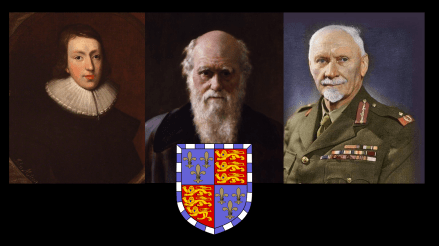
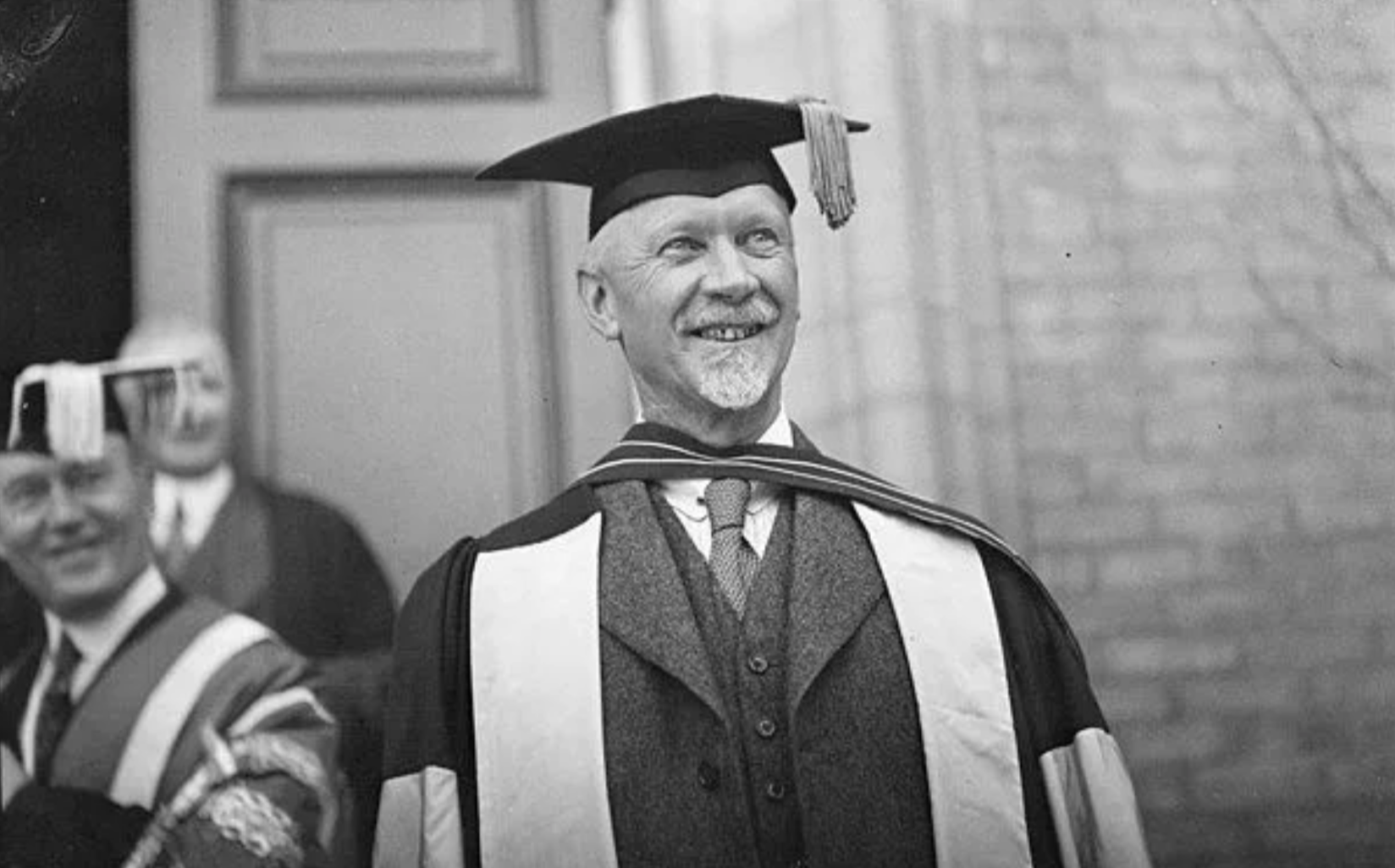

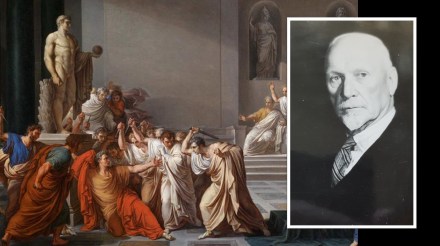


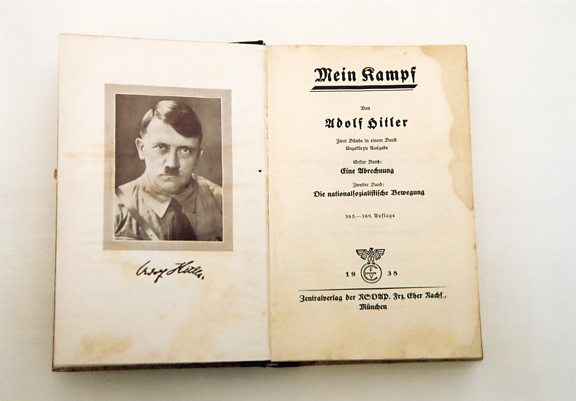
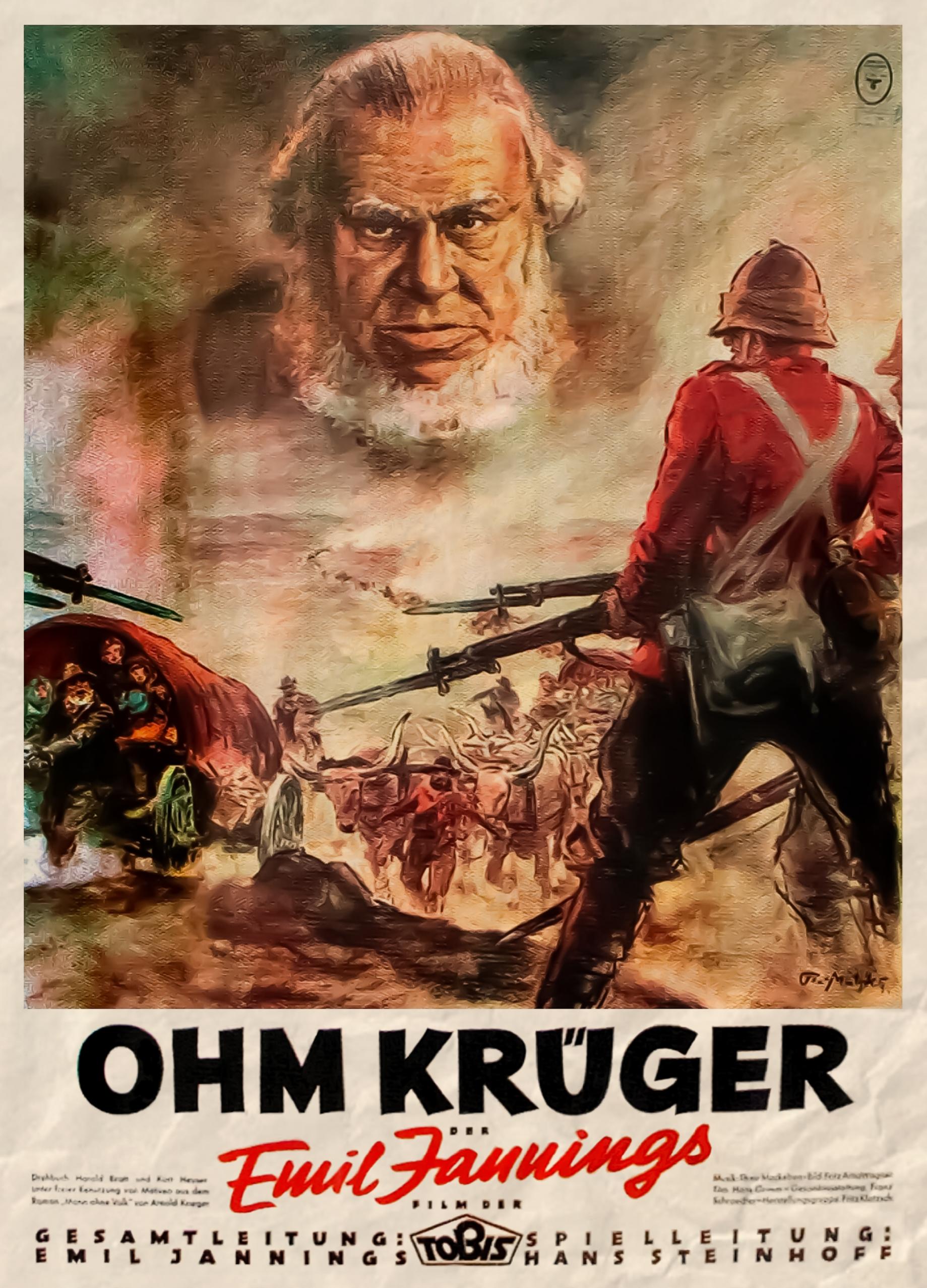
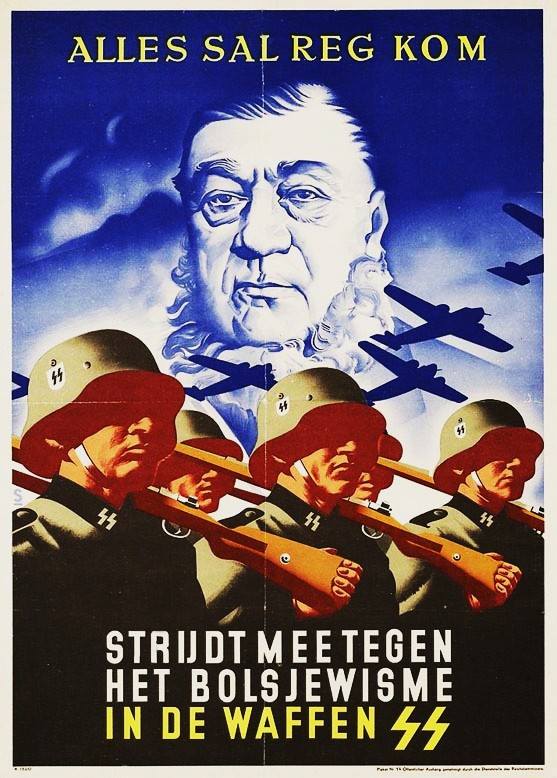

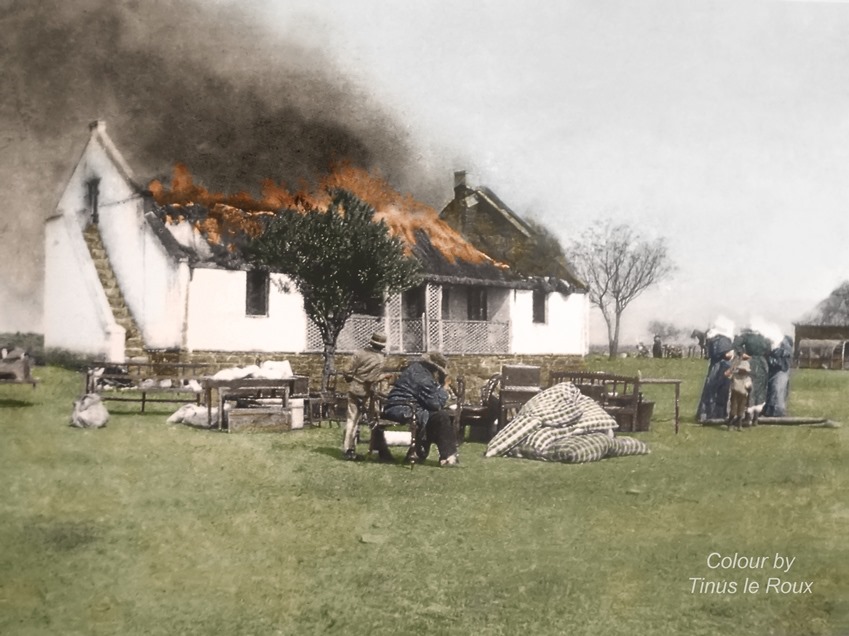
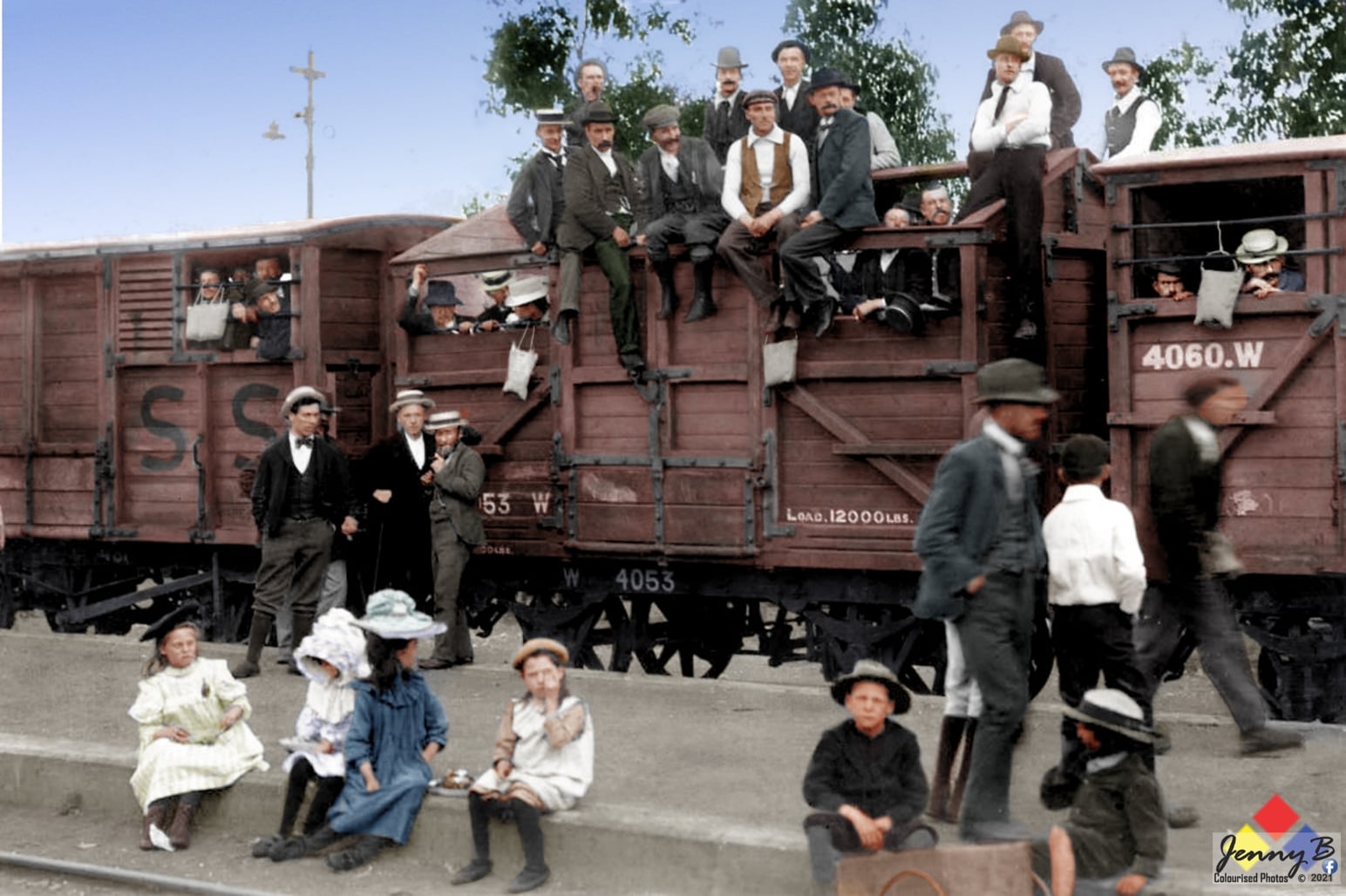
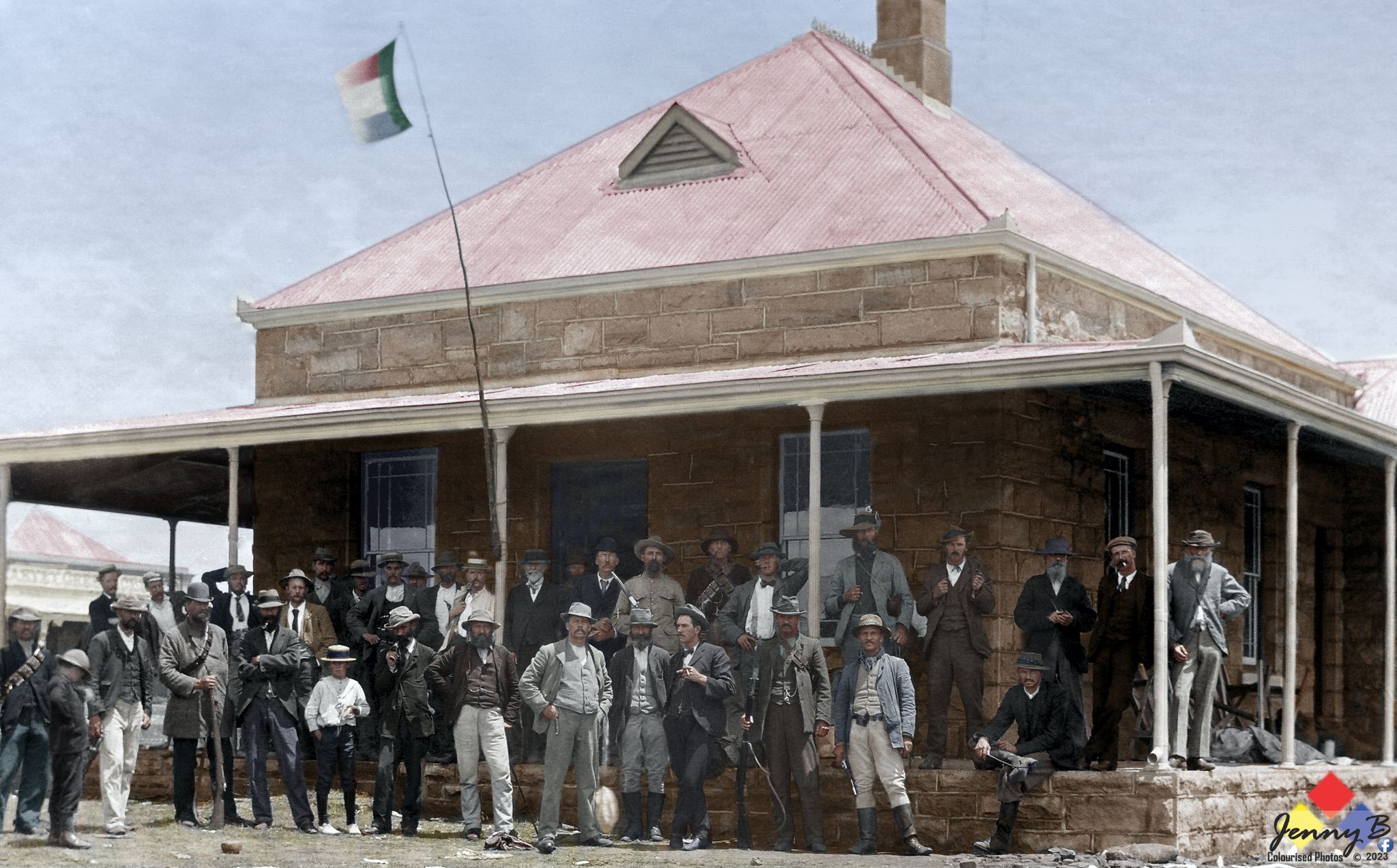
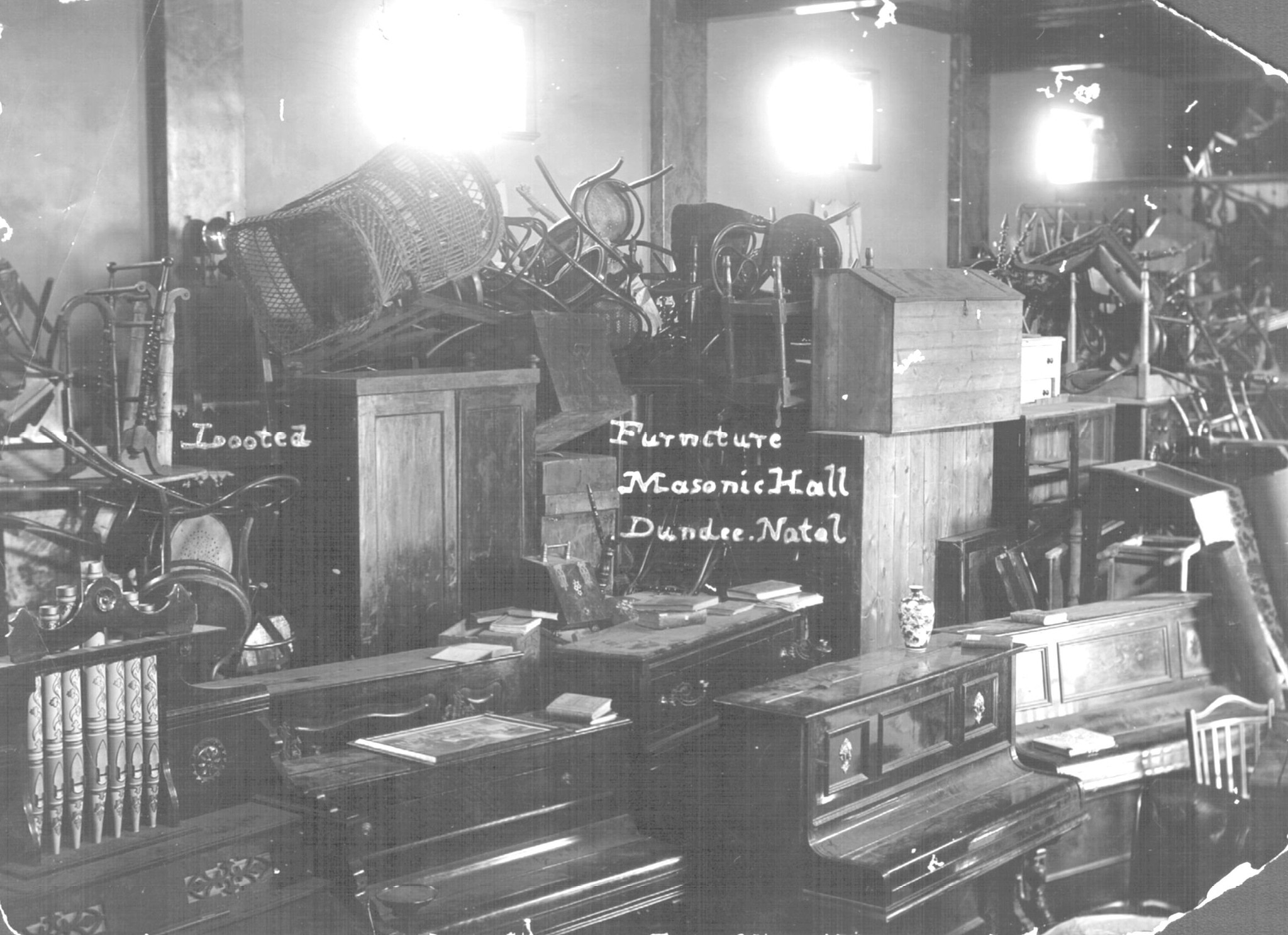
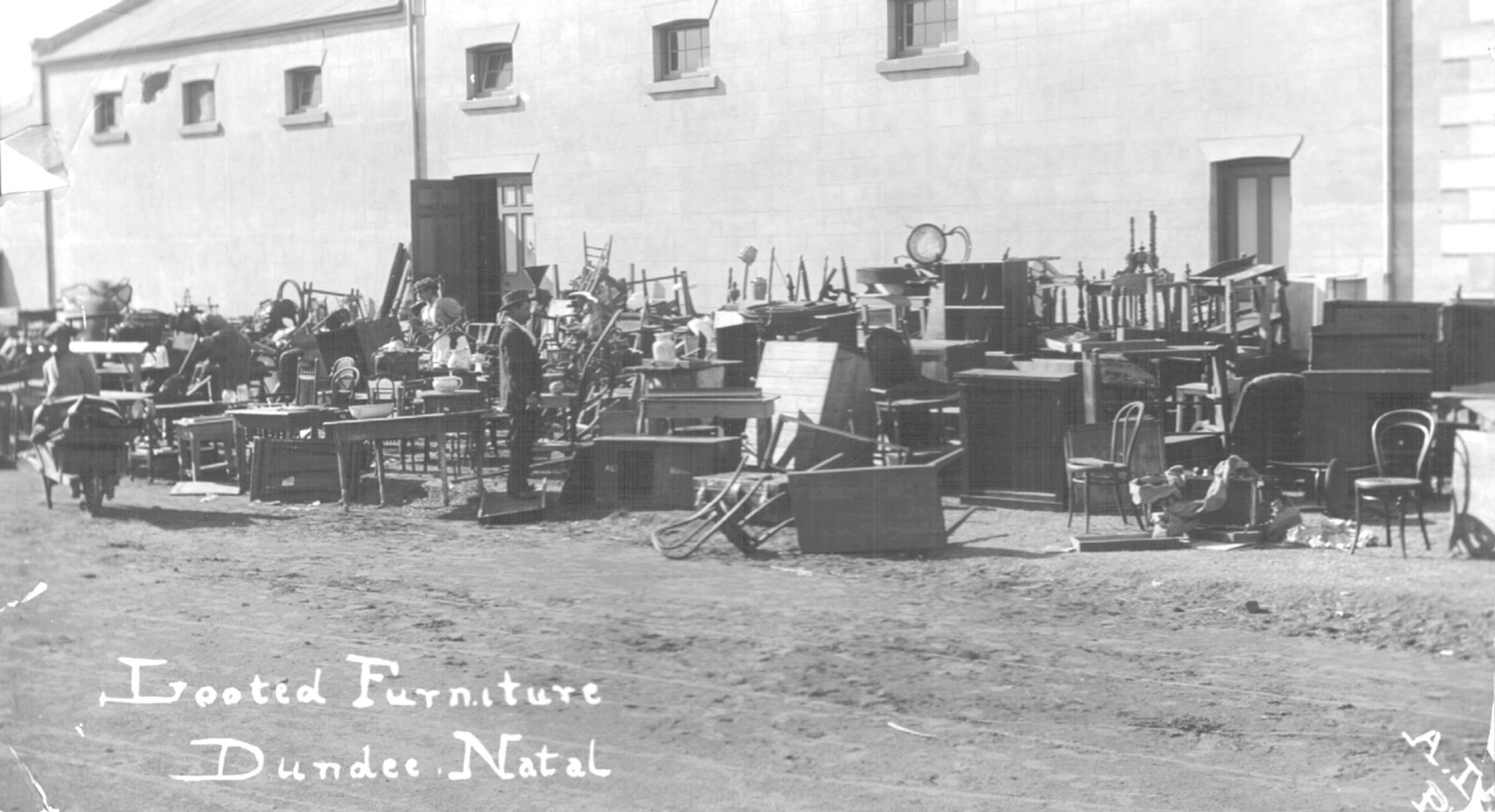

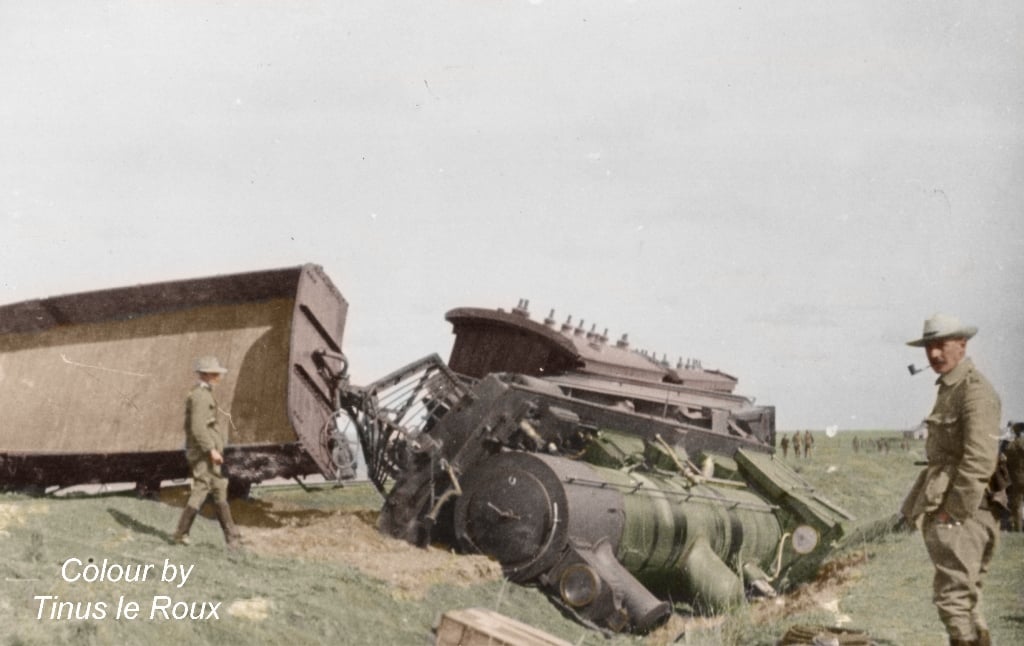

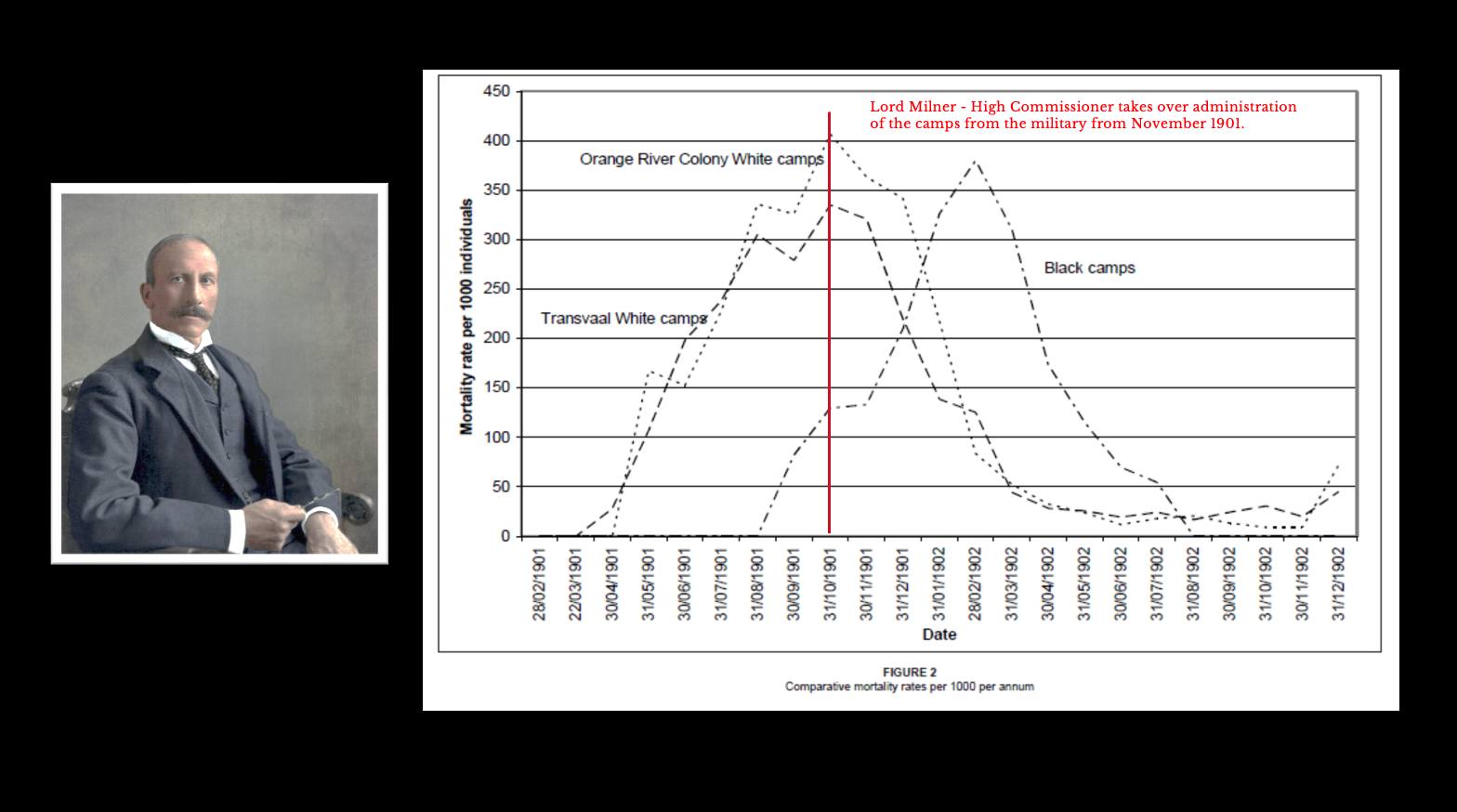

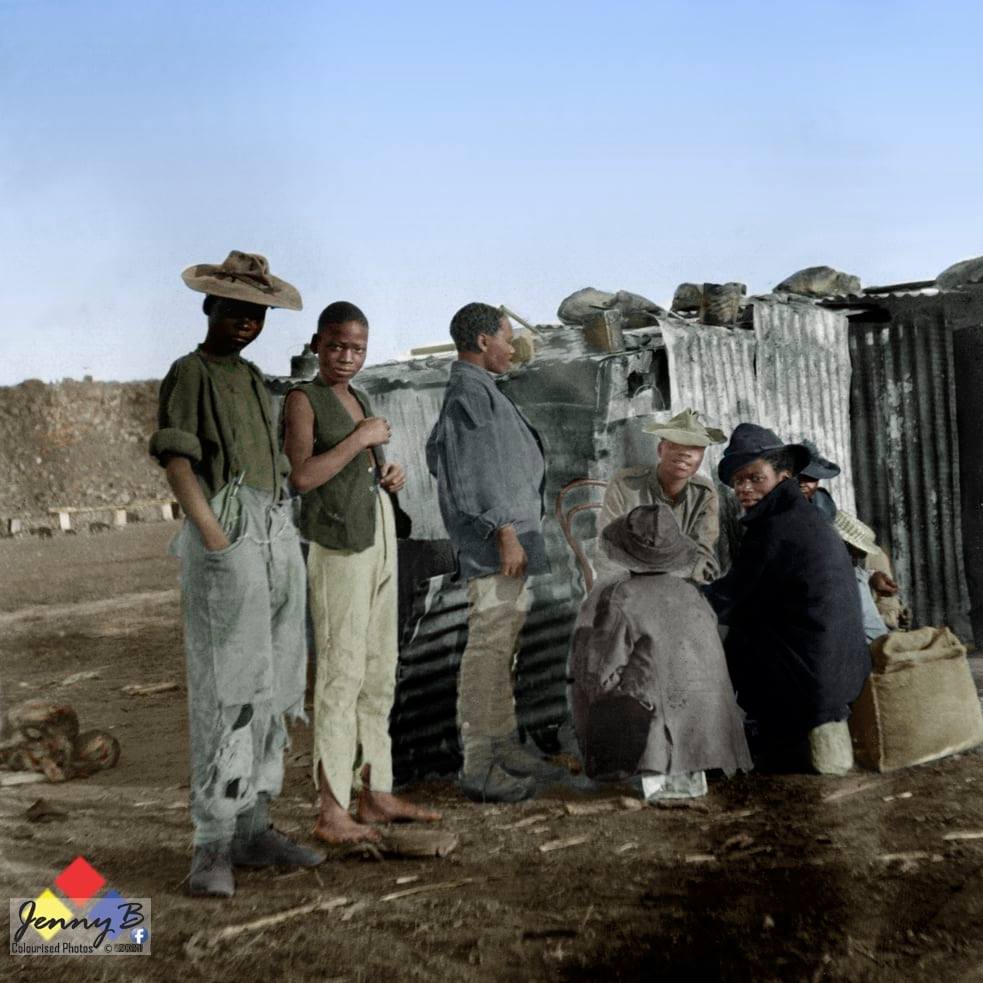
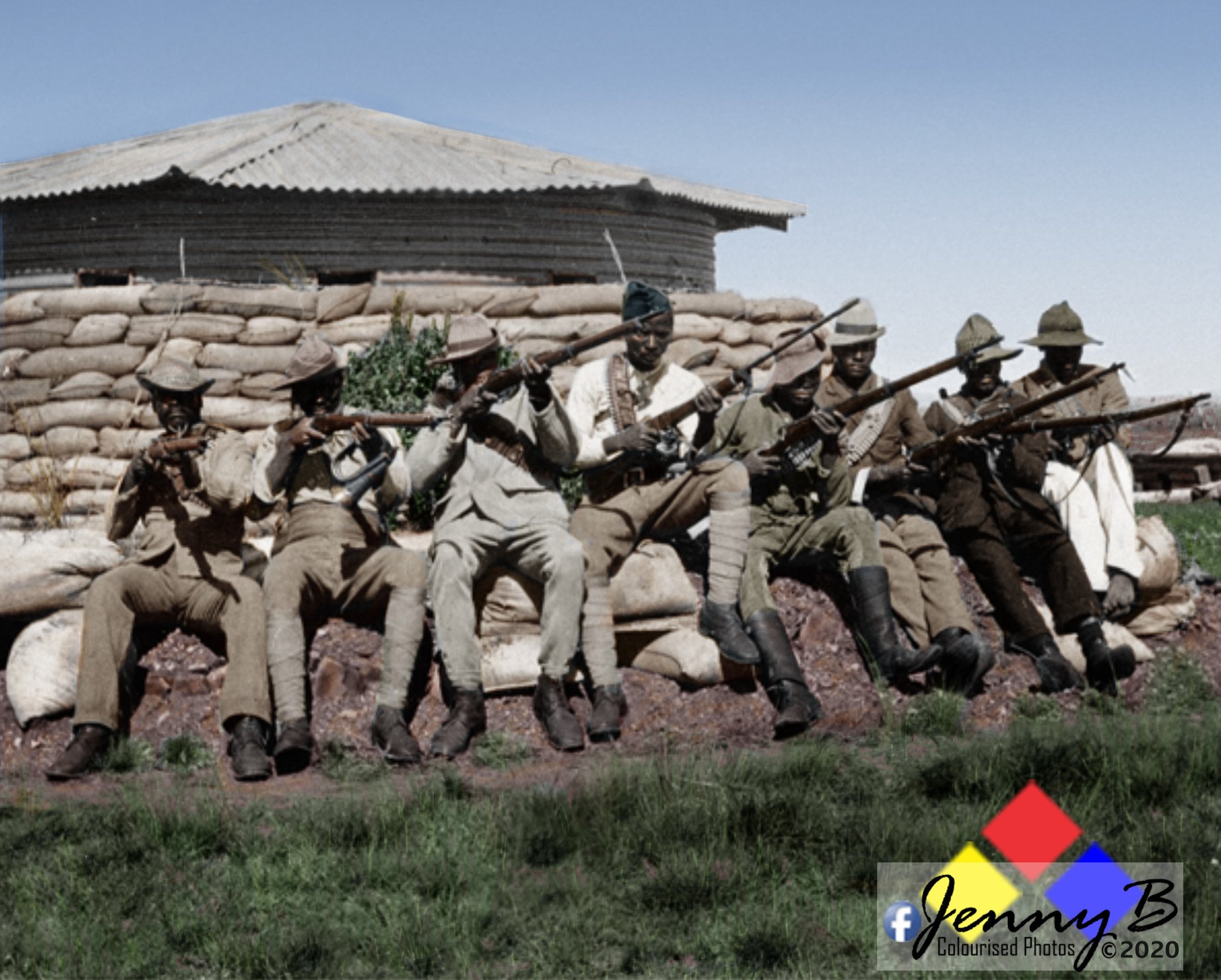

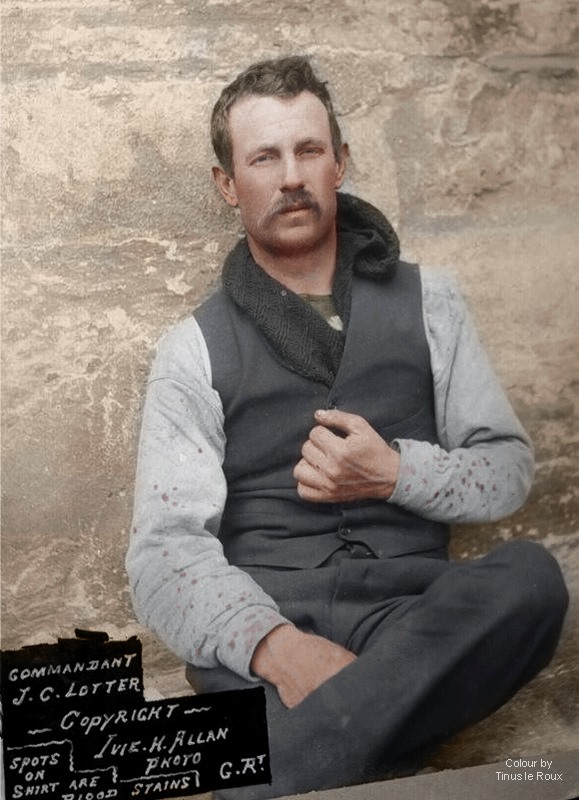
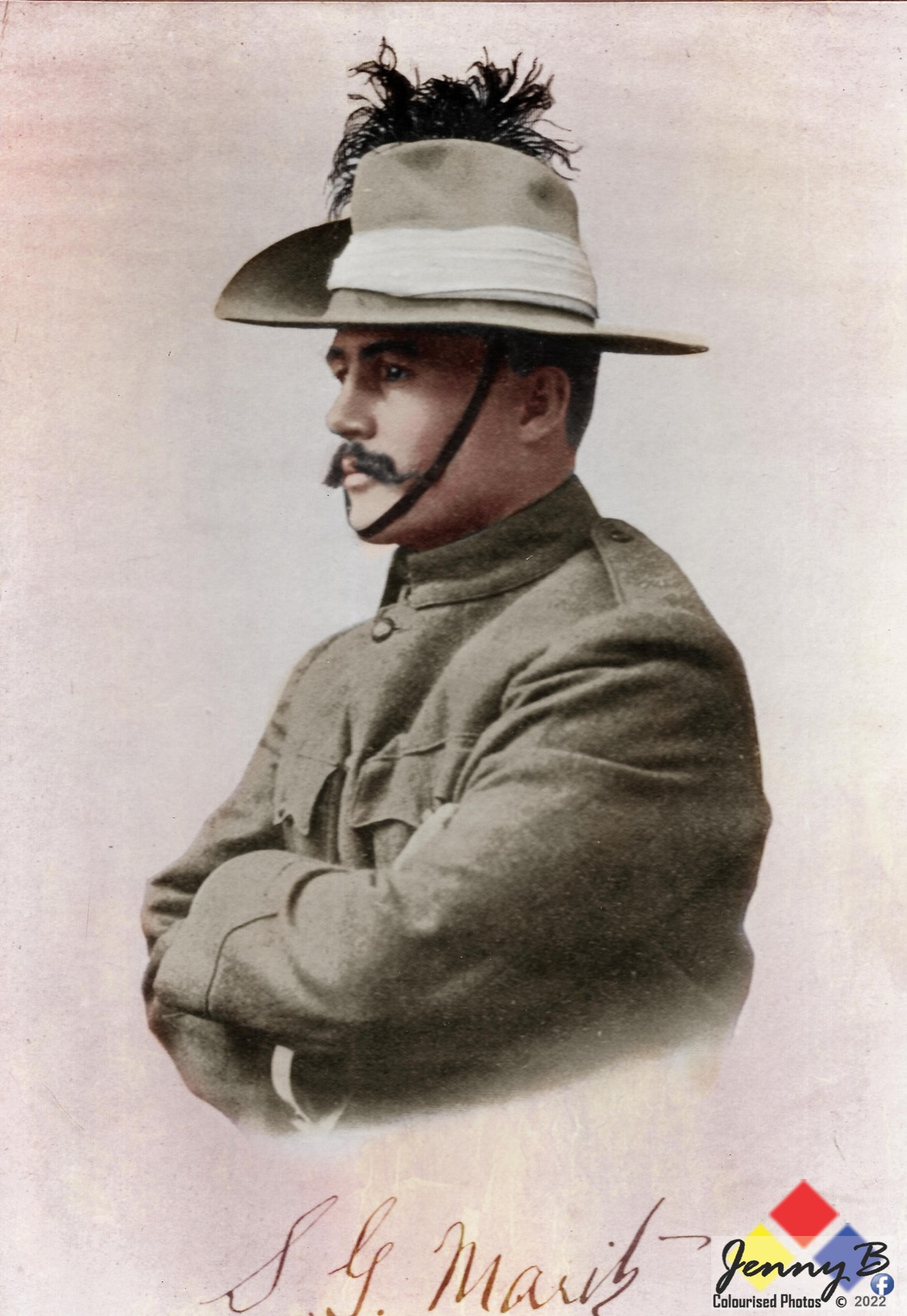
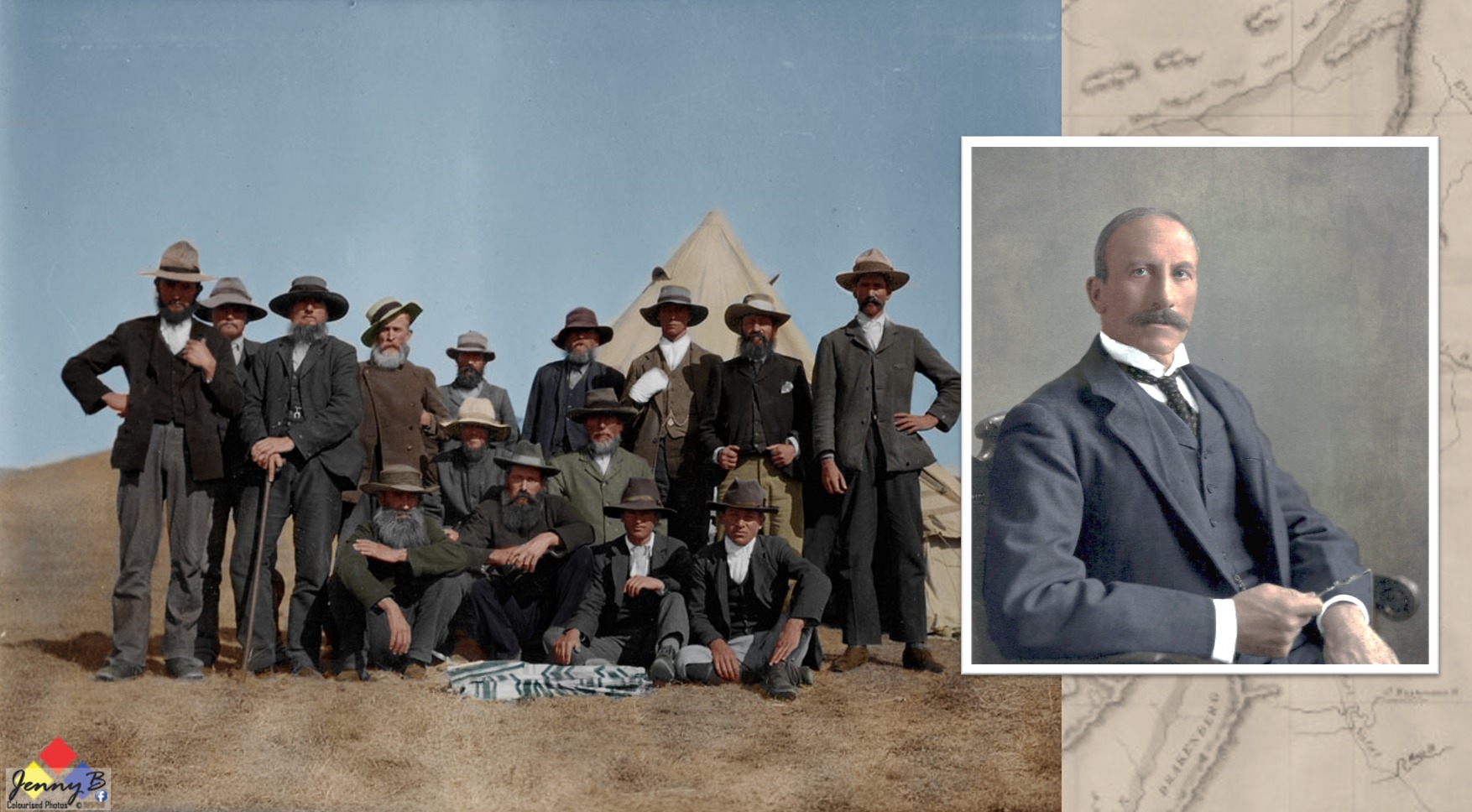

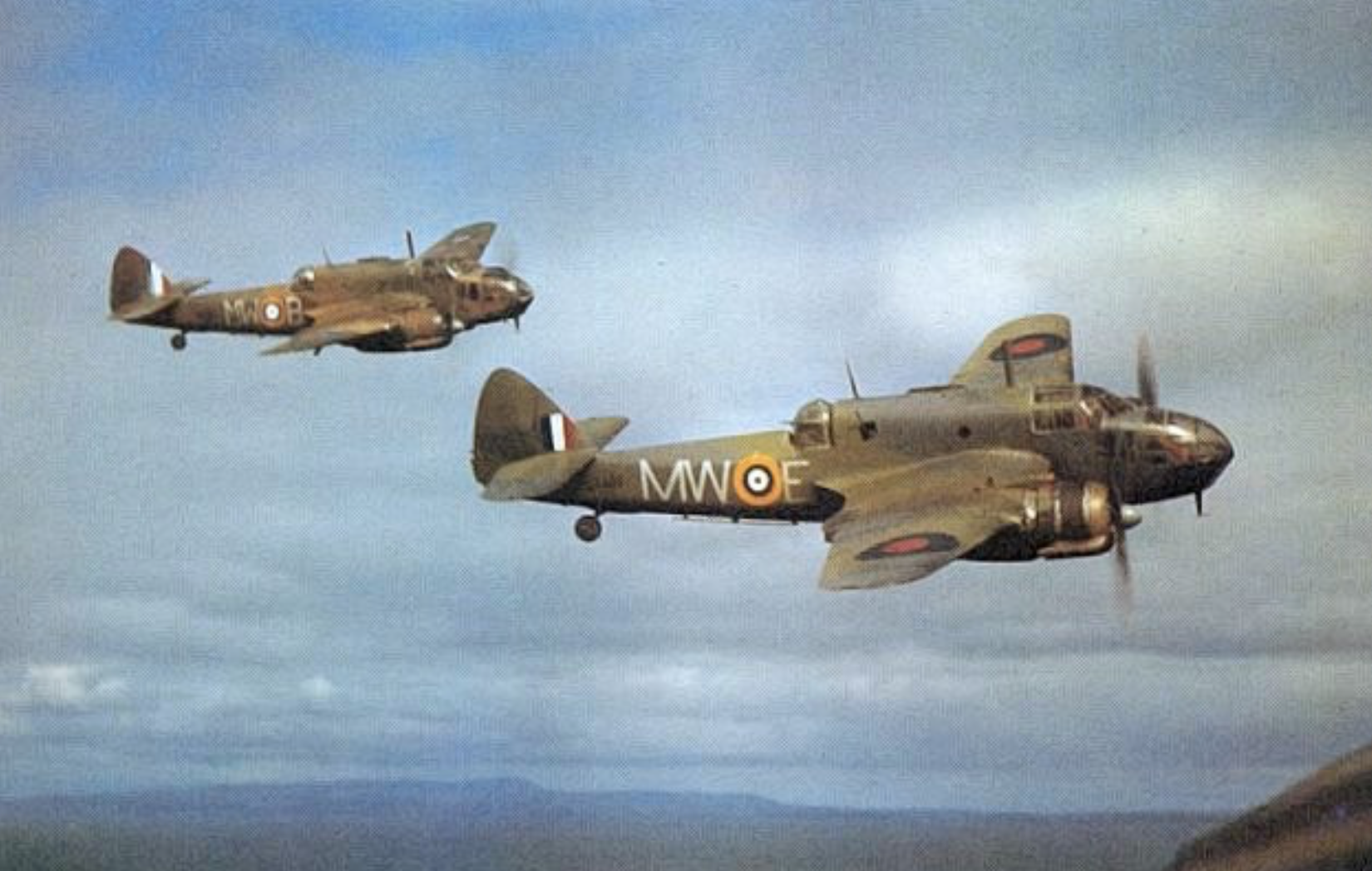
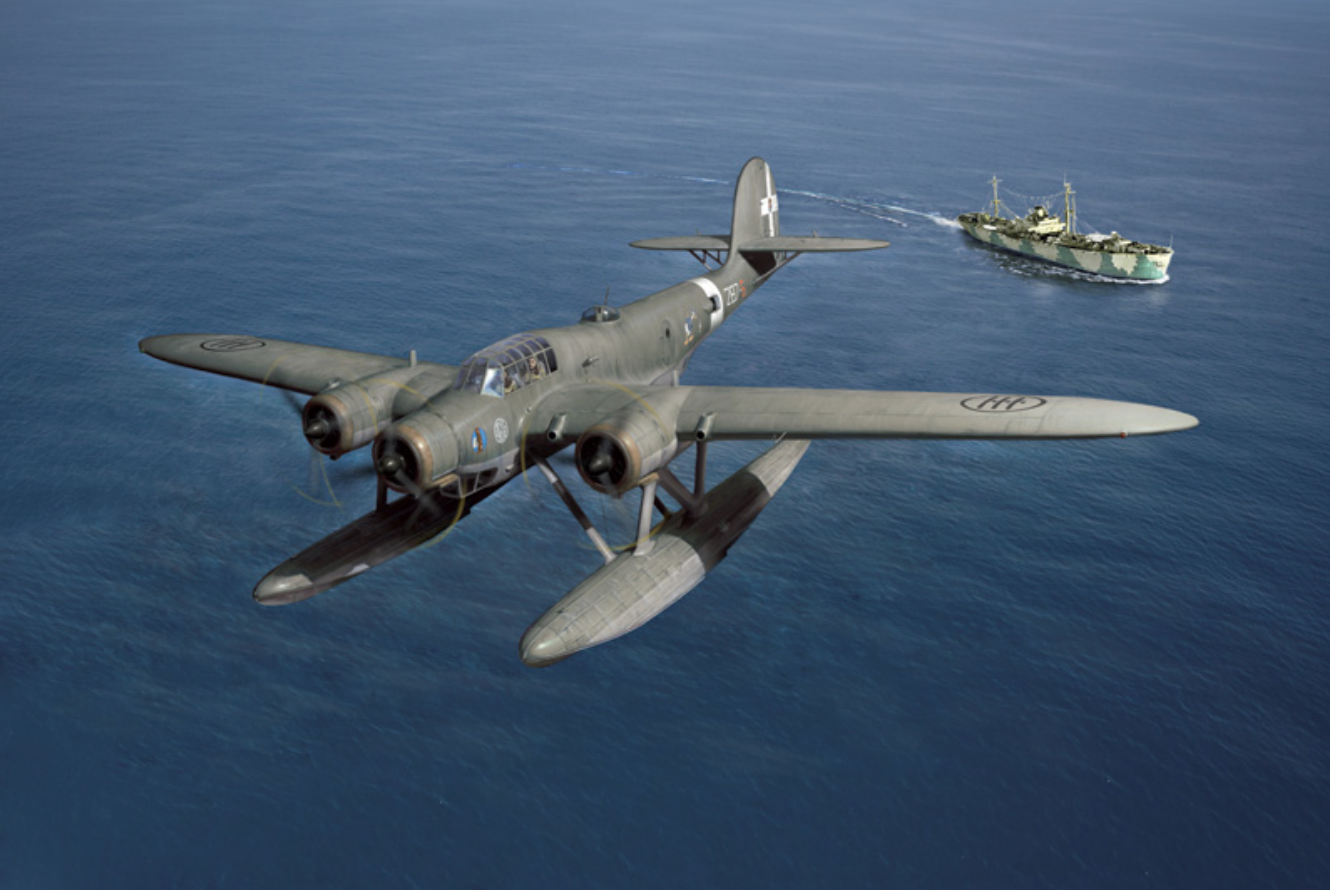

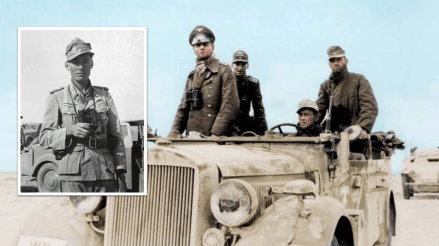
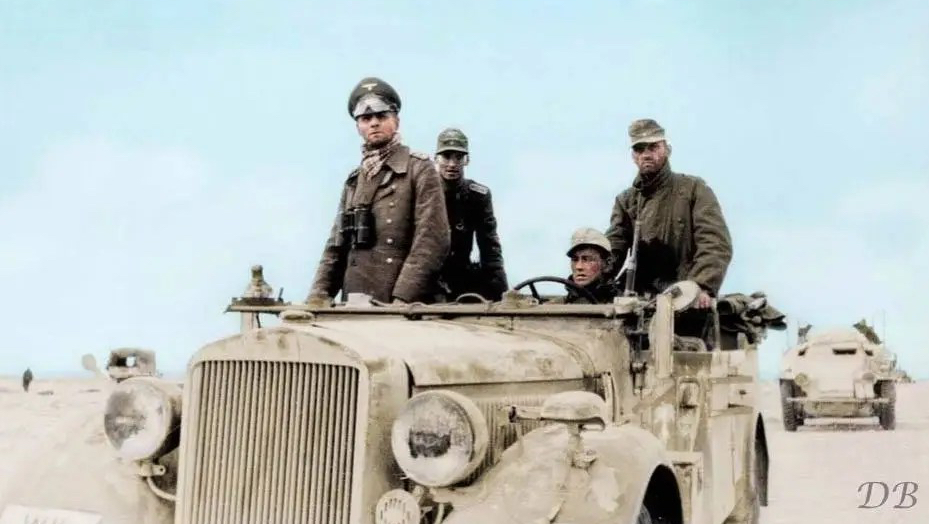
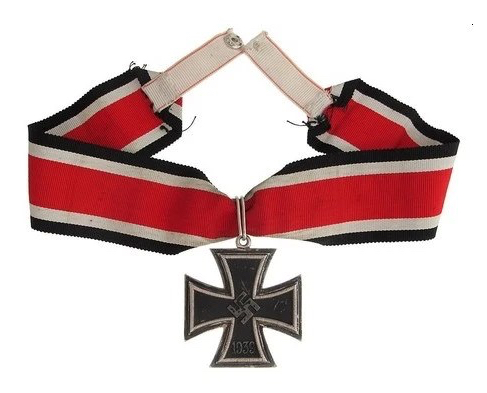
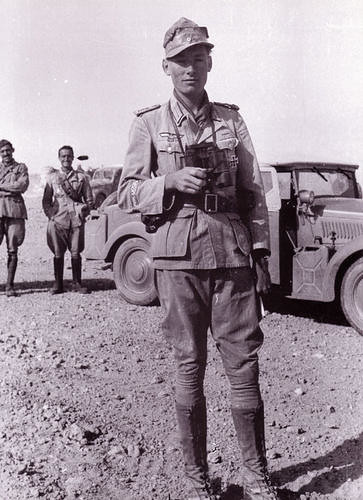
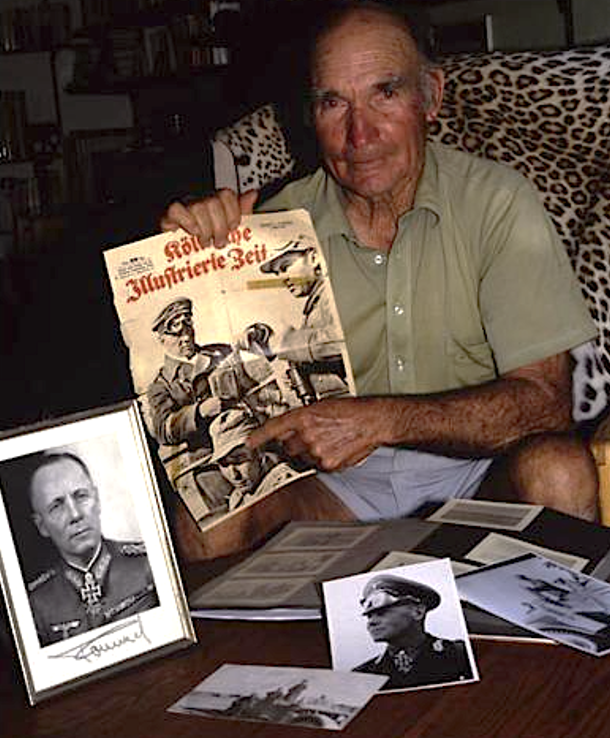
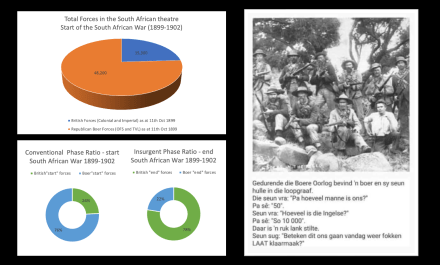


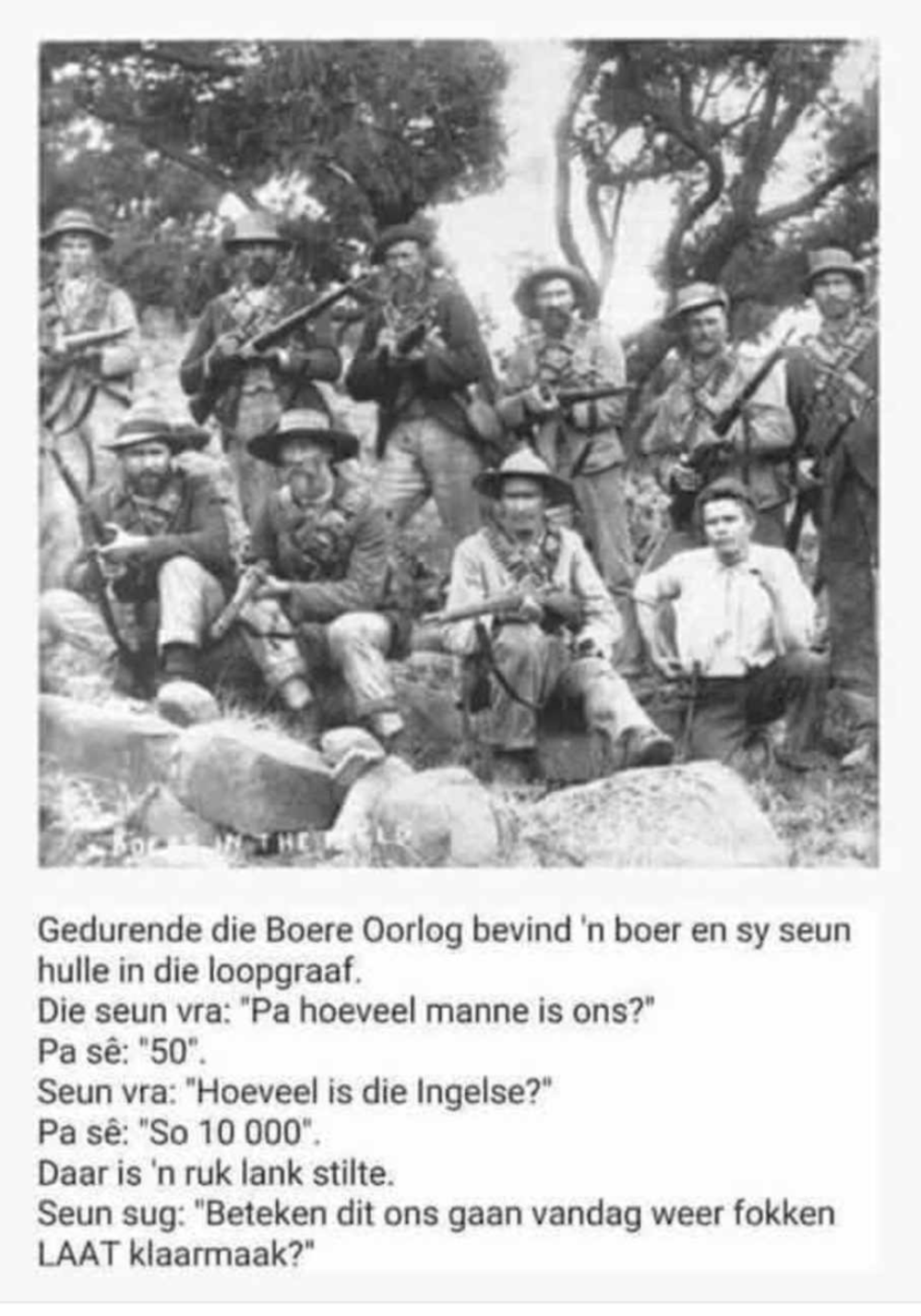
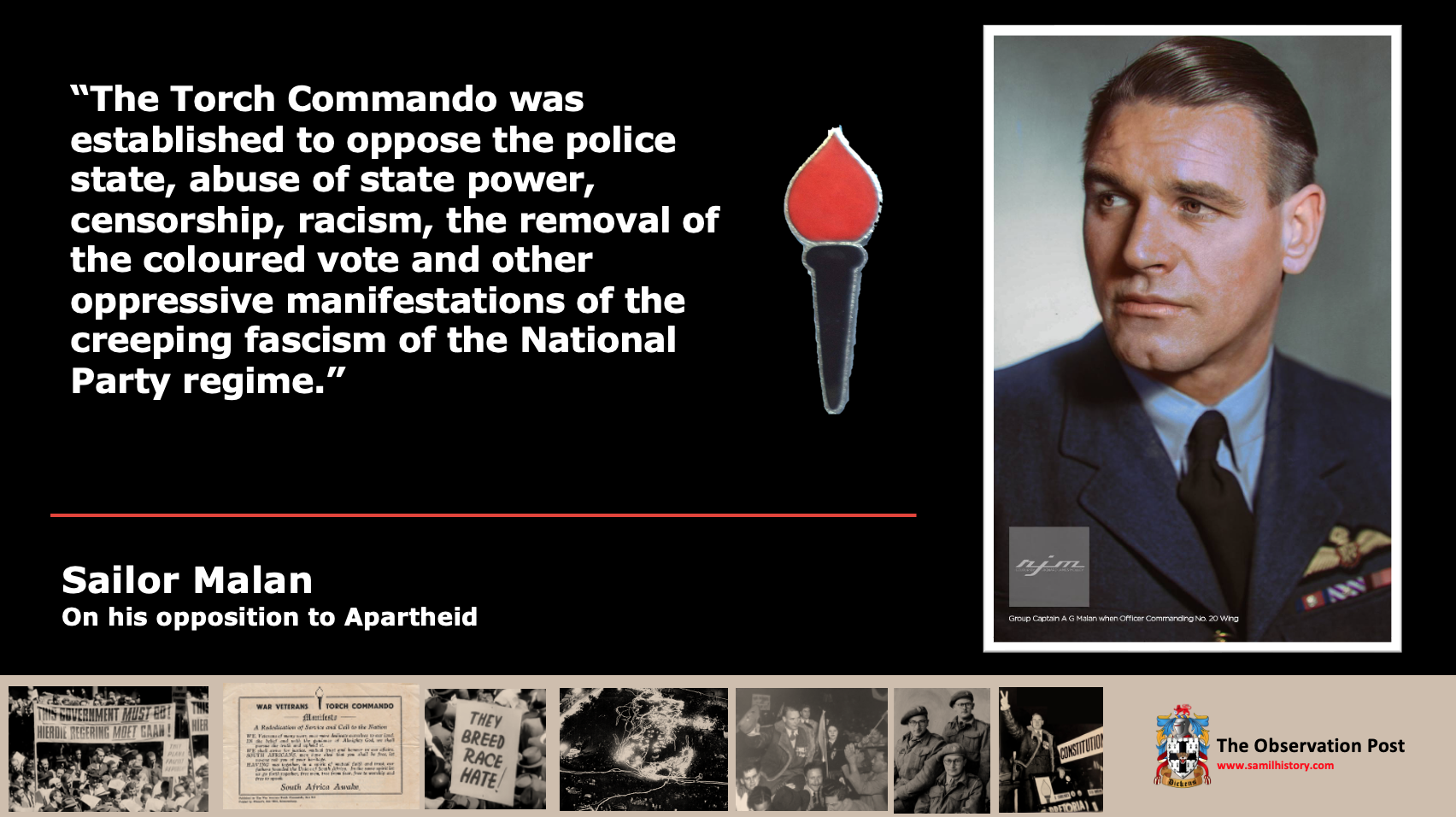
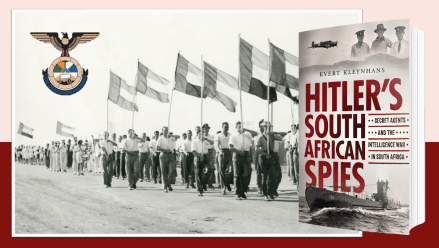
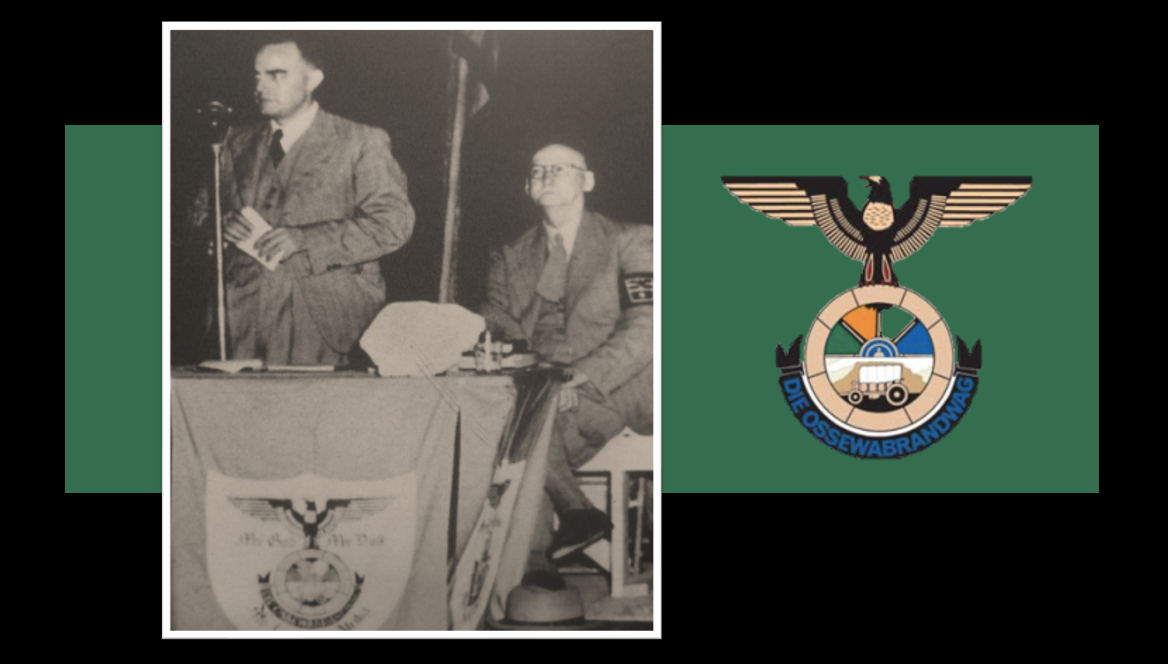


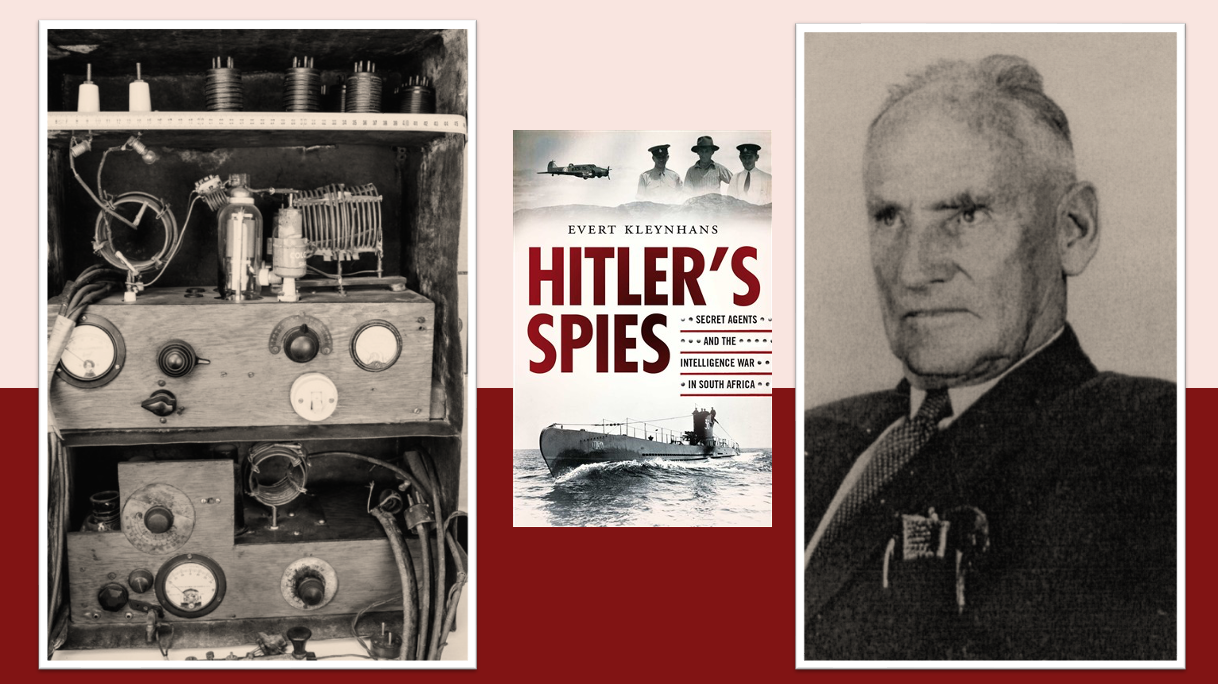

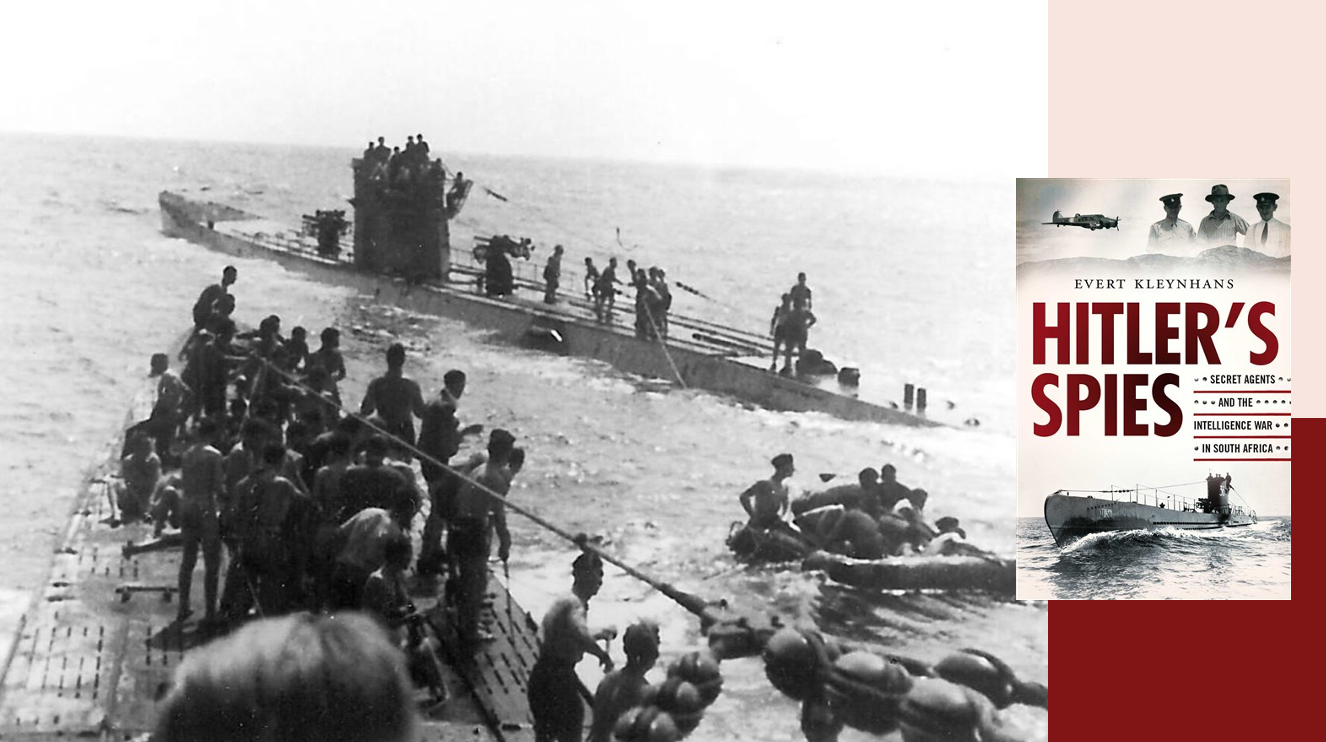

 The Observation Post