On the 8th September 2018 in Hermanus, South Africa, the South African Legion, Memorable Order of Tin Hats and South African Air Force Association said farewell to General Albie Gotze LdH in a fitting way,
For those who wish to read my tribute at his service, and learn a little more about him, here it is:
Farewell to General Gotze
I first met Albie in my role of Chairman of the South African Legion of Military Veterans in the United Kingdom. Along with Tinus Le Roux we obtained a mobi-chair for him from the Royal Air Force Benevolent Fund – it was the start of a friendship and a bond that is central and very specific to all military veterans.
I have a personal pledge to any veteran I meet who fought in World War 2 – I buy them a beer – it’s a simple gesture and a fellow warrior’s thanks to another who has sacrificed so much in what was the greatest bloodletting war mankind has ever seen – before or since.
Like Albie, I am also a pilot and we connected with our joint love of flying. I had borrowed a very powerful 745 BMW from my buddy ‘Aussie Matt’ – you guessed, he’s Australian, I figured I would take Albie to the Gecko Bar for his beer on me in Matt’s beamer. Driving there I realised Albie, as a pilot would still harbour in him that basic truth to all pilots – THE NEED – THE NEED FOR SPEED.
On the backroads, with Albie’s permission and a very tempting massive engine we decided to give the BMW a full whellie and put the boot to it – I opened up the BMW’s 4.5 Lt engine to full throttle, maximum torque, pushed back in the seats I noticed Albie’s right hand push an imaginary aircraft throttle to full tilt, and instead of scaring the heck out him all I saw was a massive smile on his face and sheer joy – in Albie’s mind he was back in one of the most powerful single engine war-birds ever built.
There’s a lot to be said for a person like Albie, but in his heart was an extremely courageous man, completely unafraid of danger – a fighter pilot – the bravest of the brave, and even in his twilight years a man still built of stronger stuff than most mortals would ever aspire to.
We got talking over that beer, and one story stands out – it’s one which demonstrates just what a man he was and his wry sense of ‘dark humour’ – a humour military veterans share as it comes from extreme adversary.
During the Second World War, Alibe had transferred from flying Spitfires during D-Day – the liberation of France, to flying the extremely fearful all rocket firing fire breathing Typhoon – in his quest to liberate Belgium and Holland as part of Operation Market Garden.
Both the Typhoon and Operation Market Garden were BEASTS in the extreme, the Typhoon was unforgiving on pilots, its massive engine, body frame and incredible amounts of power and torque took special pilots, and the Typhoon on its own claimed some of them. But the biggest claim on Typhoon pilots was Operation Market Garden, it was one of the most bloodiest encounters of the war, the toll on Typhoon pilots was extreme. Albie would later say that the fact he did not die he put down to a basic human dichotomy experienced by all men who have seen war;
… I survived because of sheer luck alone … with God’s grace.
During Operation Market Garden Albie served with RAF 137 Squadron and almost always operated at low altitude (“on the deck”) mainly employed to attack targets such as armour, anti-aircraft installations, specific buildings, transports and enemy personnel. For this reason alone, flying in the Typhoon squadron was dangerous and high risk.
Please excuse the language in the house of God, but this comes from a warrior fighting a war in the extreme speaking to military truisms. According to Albie, flying the Typhoon at this time was regarded by Allied officers as – and I quote;
“the most dangerous job that these buggers could ever have volunteered for”.
The losses and dangers were extreme. To illustrate just how dangerous this was, Albie said
“we lost a 151 pilots flying this thing (Typhoons), on Operation Market Garden alone, in just one single day we lost 21 pilots on Typhoons”.
Combat was brutal in its simplicity, according to Albie it was as simple as;
“That guys gotta be shot down (the enemy), not me!”
The Typhoon missions, although very dangerous were also very formidable. Albie describes that aside from the rocket firing capability it could also deliver a wall of lead, consider his own words
“Can you imagine yourself flying over there, in Typhoons you have two 20mm guns, each one has 4 bloody spouts .. now, the 20mm shoots 600 shots a minute, can you imagine 600, 4 of them, that’s 2400, and there’s not just that one, there’s another Typhoon behind him (the wingman), that is 4800 bullets you have coming at the enemy”
Albie’s aircraft was hit on many occasions and he made a few crash landings with damaged aircraft. He recalled on such incident as if they were yesterday, this is a very brave account of combat flying, honest, harrowing and even a little funny (in the darkest manner of ‘military humour’).
“I got shot one day, as a matter of fact I was watching this guy shooting at me, with a 88 mm, he shot at me and I looked and I said to myself ‘this bastard is going to kill me’ … he shot me at the back of the fuselage, but, the 88mm did not explode for some unknown reason, God must have said ‘I not gonna put this fuse on’, But it did cut my trim-wire to my rudder and all it does is that your aircraft just rolls over and you go strait in, but fortunately I was able to ‘catch it’ (arrest the aircraft roll with opposite ailerons);
… but I could only fly at an angle a friend radioed and said ‘Albie are you in trouble?’, I said to him ‘yes’, I can’t see out, at this time as I got down into the cockpit and grabbed hold of the rudder bar in order to keep on flying, otherwise I would go down. He said “I will fly on top of you”, been down there you can’t see out of the cockpit, all I could see was up, he brought me home like that, him flying on top (as a visual marker), me underneath. When I did the crash landing, that scoop on ‘the typhoon’ is full of oil and it sparked and catches fire quickly, I was so scared, before the plane came to a stop, I was out of the cockpit and I ran so fast that the ambulance could not catch me”.
Wow, there’s everything in that story, drama, bravery, camaraderie, action and comedy … and this was one of many many simiar stories Albie could relate, not just from WW2, but the Berlin Airlift, the Korean War and the Angolan Border War … this was a man who had truly seen life and death, he had endured some of the greatest blows in history and survived. His testimony is the testimony of true Christian soldier, one of God’s most fearsome and most benevolent of men.
Albie was one of the last of the ‘few’ as Winston Churchill called the brave pilots who saved Britain and liberated Europe and the world of Nazi tyranny, he was also one of a small number of South Africans to take part in D-Day and he’s one of only three South Africans to receive France’s highest award – the Legion de Honour in recognition and grateful thanks from the entire country of France for the freedom they enjoy today. This was a very special man and as a Legionnaire I was extremely proud to be involved in the granting of the Legion de Honour to him.
It is always appropriate when a pilot passes on, for a fellow pilot to recite a poem written by a Royal Air Force pilot – John Gillespie during World War 2 It’s called High Flight and he penned just before he was tragically killed in combat over France in his Spitfire … and I am honoured to read it for Albie today;
“Oh! I have slipped the surly bonds of Earth And danced the skies on laughter-silvered wings; Sunward I’ve climbed, and joined the tumbling mirth of sun-split clouds, — and done a hundred things You have not dreamed of — wheeled and soared and swung High in the sunlit silence. Hov’ring there, I’ve chased the shouting wind along, and flung My eager craft through footless halls of air….
Up, up the long, delirious, burning blue I’ve topped the wind-swept heights with easy grace. Where never lark, or even eagle flew — And, while with silent, lifting mind I’ve trod The high untrespassed sanctity of space, – Put out my hand, and touched the face of God.”
You would have witnessed today military people saluting Albie – but what is the salute? The British style of salute – long way up and short way down with open palm has an ancient medieval root – it was used to signify to another warrior that you do not have your sword in your right hand, its empty – you honour a fellow warrior by recognising him, you mean no harm to him and you come in peace. You are a friend.
Brigadier General Albie Gotze Legion de Honour . May you Rest In Peace, your memory will not be forgotten as long as the bond of brotherhood and friendship exists between military personnel. It is in this peace – and with this honour mind, that I as a fellow officer wish you well in your final flight to touch the face of God …. And I salute you.
This beautiful war-bird turned 75 years old recently, hitting the 75th milestone in August 2018, still airworthy she’s been a regular on the Battle of Britain Heritage Flight line ups and air-shows for decades, she’s even a movie star, she made her most famous film appearance in what is regarded as the best WW2 film ever made ‘A Bridge Too Far’, where she flies over the young Dutch boy on a bicycle and waggles her wings.
Supermarine Spitfire IX – MH434 in flight
But little known to the tens of thousands of admiring fans in Britain that have seen her flying overhead in countless commemorations is her remarkable South African wartime heritage, she’s the Spitfire which saw one very brave South African fighter ace fly her into combat.
Little known to many South Africans, who do not have an airworthy Spitfire in any collection in South Africa anymore, is that there is in fact a South African’s Spitfire still flying today – they can take some comfort in that.
Royal Air Force Spitfire MH434 is arguably one of the most famous flying Spitfires around, she was built in 1943 at Vickers, Castle Bromwich. What’s remarkable about her? She is remarkably original, having never been subject to a re-build and still flying in her original paint scheme. For her inaugural flight in August 1943 was also noteworthy, MH434 was air tested by the legendary Alex Henshaw – a record-breaking pilot from pre-war days and Chief Test Pilot for Supermarine.
But what is more remarkable is her first war-time pilot, South African – Henry ‘Pat’ Lardner-Burke DFC & Bar and the Squadron she cut her teeth in – the Royal Air Force’s 222 Squadron – the ‘Natal Squadron’.
Flight Lieutenant Laurie of No. 222 (Natal) Squadron, Royal Air Force starting up Supermarine Spitfire Mark V, BM202 ‘ZD-H’ “Flying Scotsman”, at North Weald, Essex during WW2
222 (Natal) Squadron
Formed during WW1, 222 Squadron was reformed at the onset of WW2 at Duxford on 5 October 1939 and in March 1940 the squadron re-equipped with Spitfires. It initially took part in the Dunkirk evacuation and the Battle of Britain. Later in the war it would participate in Overlord and the D-Day landings as well as Operation Market Garden.
The Natal Squadron is named as such as it was regarded as the Natal Province ‘gift’ Squadron to the Royal Air Force. During the war funds were raised to ‘sponsor’ Spitfires in Natal and equip this squadron. As a representative of the South African province and old British colony, the squadron emblem consisted of wildebeest which is Natal’s official animal and was represented in the Natal province emblem. The squadron motto was ‘Pambili Bo’ (Go straight ahead). The wildebeest also symbolises speed.
Flt Lt Henry ‘Pat’ Lardner-Burke DFC & Bar
Now, MH434’s first combat pilot was truly special, Pat Lardner-Burke was born on 27 June 1916 in Harrismith, Orange Free State, South Africa. He joined the Royal Air Force at the onset of the war in spring 1940.
Pat Lardner-Burke was posted to No.19 Squadron in early 1941 where he flew Spitfires and thereafter Hurricanes with No. 46 squadron. In June the Hurricane Squadron left the UK for Malta forming No.126 Squadron. In the extensive combat and defence of Malta, Pat would see considerable action in the air, mainly against Axis force Italian Regia Aeronautica bombers as they attempted to bomb Malta into submission.
On the 19th August 1941, flying his Hurricane high above Malta Pat sighted enemy aircraft flying at 23,000 feet, turning in to attack the formation of 12 Italian Macchi 200 fighters, Pat fired a short burst which saw one Macchi go down. Pat climbed out of the attack and engaged another Macchi shooting it down in addition to the first.
A week later Pat would destroy another Macchi 200 near Sicily, when the Italian fighter broke off from the its main formation and he pursued it in a steep dive towards the coast of Sicily, shooting it down.
Then on the 4th September 1941 he would claim another as nine Hurricanes met approximately 16 Macchi 200 fighters flying at 22,000 feet to the east of Malta. He spotted an enemy Macchi on the tail of a fellow Hurricane pilot in hot pursuit of another Macchi and destroyed it – effectively saving his colleague’s life.
Royal Air Force Hurricanes – Malta 1941
Bravery and survival in the extreme
On the 8th November 1941, Pat became an ‘Ace’ (which requires a tally of 5 enemy aircraft to qualify), but it came with a most extraordinary act of bravery and nearly killed him.
Pat’s Squadron was involved in one of the biggest dogfights seen over Malta. 18 Italian Macchi were intercepted whilst they were escorting their bombers bound for Malta. Flying Hurricane BD789 he engaged and shot down a Macchi 202 near Dingli, but as he was engaging the Macchi another one engaged him from behind. The result was a 12.7 mm bullet from the Italian fighter which penetrated his seat armour and passed out of his chest.
With a punctured lung and bleeding heavily, Pat drew on all his skill and managed to land his Hurricane at his aerodrome on Malta. A fellow officer, Tom Neil witnessed his landing, ran to the aircraft and pulled Pat free from the damaged Hurricane, he remarked later;
“The pilot still had his face mask attached but I recognised him immediately as Pat Lardner-Burke. I heard myself shouting, ‘Are you all right?’ – then knew immediately that he wasn’t. Pat’s head was bowed and his shoulders slumped”.
Pat was laid onto a stretcher, an ambulance took him to hospital. Tom Neil then took time to inspect Pat’s hurricane, several bullets that had hit the side of the aircraft behind the cockpit. However Tom was shocked as he noted one had punched a hole in the armour-plate and penetrated the back of the seat, where it had passed right through Pat and carried on through the cockpit’s dashboard and then through some more armour-plate in front. Neil and the other pilots in the squadron were literally shaken by the knowledge that the Italian’s were using some very powerful ammunition.
Pat survived and received the Distinguished Flying Cross, his citation reads;
Distinguished Flying Cross
Pilot Officer Henry Patrick LARDNER-BURKE (87449), RAFVR, No. 126 Squadron.
In November 1941, this officer was the pilot of one of 4 aircraft which engaged a force of 18 hostile aircraft over Malta and destroyed 3 and seriously damaged 2 of the enemy’s aircraft. During the combat Pilot Officer Lardner-Burke, who destroyed 1 of the enemy’s aircraft, was wounded in the chest and his aircraft was badly damaged. Despite this, he skillfully evaded his opponents and made a safe landing on the aerodrome; he then collapsed. Throughout the engagement, this officer displayed leadership and courage of a high order. He has destroyed 5 enemy aircraft over Malta.
Back in the fight
Fully recovered from his wounds in England by May 1942, Pat went strait back into the fight, initially as instructor in the Gunnery Instruction Training Wing.
Pat Lardner-Burke’s combat record in MH434
By August 1943, Pat Lardner-Burke DFC & Bar had transferred to 222 (Natal) Squadron as a temporary Squadron Leader and was allocated MH434 code letters ‘ZD-B’ as his regular mount. MH434 first took to the sky in anger on the 7th August 1943.
On the 27 August in the St Omar area over France, Squadron Leader Pat Lardner-Burke, flying in our heroine ‘Spitfire MH434’ clocked up her first kill, flying high escort cover he shot down a German Focke-Wulf FW-190 and damaged a second during a mission escorting USAAF B-17 bombers on their way to bomb the St. Omer Marshalling Yards.
During the mission, 13 Spitfires of No.222 Squadron and 13 Spitfires of No.129 Squadron spotted nine German Focke-Wulf 190s dive on the American B-17 Fortresses and engaged them. Pat shook a FW 190 off his bomber attack damaging it on the starboard wing and tail. Pat then turned onto another FW 190, and at close range he engaged it, shooting it down.
On the 5 September 1943, Pat again shot down another FW-190 in the Nieuport area, on this mission 222 (Natal) Squadron’s Spitfires were acting as high escort to 72 B-26 Marauders which were to bomb the Marshalling Yards at Ghent/Meirelbeke.
On completing the bombing run, the Marauders were attacked by approximately 20 German Focke-Wulf (FW) 190s. Pat climbed to head off half of the FW 190 fighters, one German FW 190 turned in front of his Spitfire’s nose and he promptly shot it down in flames and it went into the ground in an uncontrollable spin.
S/L Ernest “Cass” Cassidy, F/L Philip VK “Phil” Tripe and F/L Henry P “Pat” Lardner-Burke (left to right) of No 222 Squadron RAF and their ‘Natal’ squadron scoreboard
Again on the 8 September 1943 Pat claimed a half share in the downing of a Messerschmitt Bf-109G in Northern France. On this mission 25 Spitfires of 222 (Natal) squadron were flying as high cover to a formation of Allied bombers that were detailed to attack targets in the Boulogne area in France. They spotted and engaged 12 German Messerschmitt 109Fs, two of which dived away from their formation. F/Lt. Pat Lardner-Burke and his wing-man F/O. O. Smik dived down on the leading enemy aircraft taking turns firing on it until the starboard wing tip fell off and it dived straight into the ground.
Give the man a bar!
For his actions and bravery flying in 222 (Natal) Squadron – flying our heroine MH434, Acting Squadron Leader Henry ‘Pat’ Lardner-Burke DFC received a DFC Bar to his existing DFC decoration. His citation reads;
This officer continues to display a high degree of courage and resolution in his attacks on the enemy. Recently, he has led the squadron on many missions in the Ruhr area and throughout has displayed great skill and tenacity. Squadron Leader Lardner-Burke has destroyed seven enemy aircraft in air fighting. He has also most effectively attacked enemy targets on the ground.
Pat Lardner-Burke DFC & Bar received a new posting to Fighter Command’s Head Quarters, at Stanmore, serving with Group Captain Bobby Oxspring, DFC and two Bars, who said of his new South African recruit’s typical South African demeanour;
“The third desk was the domain of Pat Lardner-Burke, a rugged South African who, with Hornchurch sweeps and Malta behind him, displayed a refreshingly irreverent attitude to all senior officers with whom he disagreed”.
In April 1944 Pat took command of the Royal Air Force’s No.1 Squadron, and finally taking command of RAF Horsham St Faith airfield and then RAF Church Fenton as a Wing Commander.
Give the man another ‘bar’
After the war this remarkable South African fighter ace settled on the Isle of Man with his wife, Mylcraine, where they ran a pub (an English ‘Bar’). Pat tragically died at a relatively young age on the 4th February 1970 of renal failure.
MH434’s career after Pat Lardner-Burke DFC & Bar
In 1944 MH434 was transferred to 350 Sqn. Hornchurch, before being returned to 222 Sqn. Pat Lardner-Burke had by now been posted on, and the aircraft was next assigned to Flt Sgt Alfred ‘Bill’ Burge. He flew another 12 operational sorties in the aircraft before the Squadron’s existing Mk IXs were exchanged for a modified variant that could carry rockets. After over 80 operational sorties, MH434 was stood down in March 1945.
MH434 in a hangar at Imperial War Museum Duxford
Post War Movie Star
After the Second World War, Spitfire MH434 was transferred to the Royal Netherlands Air Force in 1947. After a crash-landing in Semarang, Java she spent some time in storage, repaired she flew again in Holland on the 10 March 1953.
The Belgian Air Force became the next owner of this Spitfire, on the 26 March 1956 MH434 was put up for sale and bought and brought back to Britain by airline pilot Tim Davies. Overhauled the aircraft was flown purely for pleasure and took part in its first movie role, Operation Crossbow.
November 1967 saw MH434 join the motion picture airforce of Spitfire Productions Ltd, where she starred in the ‘Battle of Britain’ in 1968. At the end of the movie MH434 was sold again to Sir Adrian Swire, Chairman of Cathay Pacific Airways, had the Spitfire painted in 1944 camouflage colour scheme with his initials AC-S, as squadron codes.
There were several film and television appearances during this period, including her iconic role in ‘A Bridge Too Far.’
The opening of a Bridge Too Far sees a young Dutch boy cycling along a road when MH434 does an extremely low fly over after reconnoitring a German Panzer (tank) placement nearby. To the entertainment of the young Dutchman she waggles her wings in acknowledgment of his waving . It’s an iconic firm history moment as to the boy the Spitfire symbolises liberty from German occupation – it’s his first sighting of ‘freedom’ and it arrives with its Merlin engine in full song – if you’ve not seen the movie here’s the clip:
In April 1983 MH434 was sold at auction to it’s most illustrious owner, Ray Hanna (Nalfire Aviation Ltd). MH434 has become a regular movie co-star and airshow performer and when not in make up for a role she is now flown in the authentic 222 (Natal) Sqn, with the Codes ZD-B, Squadron Leader Pat Lardner-Burke’s call sign.
A lasting legacy
Today Spitfire MH434 is located at the Duxford Imperial War Museum near Cambridge. MH434 is still painted in No.222 ‘Natal’ Squadron markings with the code letters ‘ZD-B’. The name ‘Mylcraine’ which Squadron Leader Pat Lardner-Burke christened her in August 1943 (named after his wife) is still painted on her, so too is Pat Lardner-Burke’s personal ‘scoreboard’ which have been painted on the port side of the cockpit – all to replicate this South African’s markings in 1943.
His victories, in all Pat Lardner-Black shot down five Italian MC200’s, two MC 202’s, three German FW 190’s and one German Me109 achieving the status of ‘fighter ace’. – one of a handful of South Africans to achieve this.
RAF Supermarine Spitfire Mk IX MH434 is and remains one of the most beautiful aircraft ever built, and we hope it continues bringing entertainment, joy and awe to thousands of admirers, but more importantly we remember her very proud South African legacy and a very remarkable South African hero whose soul lives on in her.
Researched by Peter Dickens, with additional assistance from Sandy Evan Hanes.
Related Work and Links – South Africans in the RAF
References include; Man and Machine by Christopher Yeoman 2011. Clip from ‘A Bridge Too Far” Joseph E. Levine Productions, United Artists. The Old Flying Machine Company – Supermarine Spitfire IX MH434, history on-line. Photo copyrights include Imperial War Museum and John Dibbs.
The bomb that went off in downtown Johannesburg on 24th April 1994 was (and still is) regarded as the largest act of bombing terrorism in Johannesburg’s history’. It was part of a bombing spree focussed mainly around Johannesburg which left 21 people dead and over 100 people with injuries between April 24 and April 27, 1994. The worst and most deadly campaign of terrorist bombings in the history of the city. But few would recognise it as such – why?
Bree Street bomb aftermath Johannesburg – 1994
Earlier in the ‘Struggle’ for democracy in South Africa, the African National Congress (ANC)’ bombed a SAAF office target located in the Nedbank Plaza on 20th May 1983 in Pretoria, which was prematurely triggered on Church Street killing 19 and injuring 217 – mostly civilians. This bomb is regarded as ‘the largest act of bombing terrorism in Pretoria’s history’, it’s annually remembered in stoic disgrace by the SADF veterans and victims and celebrated unabashed in public by the ANC and their MK veterans organisation.
So why does this bomb in Bree Street and its related bombing spree in Johannesburg not receive the same nation-wide annual recognition, social reaction and all the indignation that comes with it? By all accounts the bombs in Johannesburg were placed with as much animosity and intent as the Pretoria bomb, the Bree Street bomb in downtown Johannesburg alone caused massive devastation and carried with it the same conviction and hatred to kill both the targets and innocent civilians alike on an epic and indiscriminate scale. This act of terrorism remains the single biggest event of its kind that Johannesburg has ever experienced, before or since – yet there is a general public conviction to just forget about it – and generally speaking that’s exactly what has happened over time. Why?
Simply put, because it was not the ANC who did it, it’s not really part of the ‘Black’ freedom struggle and the attacks had nothing to do with the ‘Apartheid’ state trying to remain in power – in fact it had more to with the Apartheid State trying to vote itself out of power. It also did not involve MK and the ‘struggle heroes’ fighting against these acts of terrorism and insurgents to secure the path to democracy in any way whatsoever, instead it involved the statutory forces of the SAP and the SADF fighting against this insurgency. This particular ‘terrorist’ organisation was on its own ‘struggle’ mission for recognition and liberty of its people – it was the Afrikaner Weerstandsbeweging (AWB), part of the ‘Boere’ (white farmer) community – and who really cares for them in today’s South Africa? Well, … we should.
This insurgent bombing campaign, the in’s and out’s of it is not even fully understood today, and it can safely be said that most of South Africa’s new generation (Born Free) are generally oblivious of this armed insurgency campaign and just how close the country came to all out war on this particular front. The inconvenient truth in this campaign is that this particular percipient to ‘all out war’ in South Africa did not come from the ‘Black’ liberation movements, it came from a ‘White’ supremacy movement. In the lead up to the elections, the period from 1990 to 1994, this particular organisation, the AWB – was more of a threat to the old ‘white’ government and its statutory forces (SADF and SAP) than any of the black ‘Liberation Movements’ could ever aspire to, and that’s a fact.
Downtown Johannesburg after the AWB Bree Street blast
So, with the ‘neo-Nazi’ AWB show-boating and its old leader Eugène Terre’Blanche now all but gone from the public eye and with the illusion of a ‘rainbow nation’ now starting to unbundle in South Africa with the ‘land debate’ we can now remove the rose-tinted glasses – and let’s have a proper look at this AWB led pre-1994 election campaign and really understand it. When reviewing it let’s really understand just how violent it was, and let’s also especially look at the ‘resolve’ of this movement’s ability to resort to deadly armed resistance for their ‘freedom,’ protection of their culture and their sense of ‘volk’.
Prelude
In the lead up to the 1994 elections and over the period of the CODESA and other peace negotiations starting in 1990, the far right-wing was involved in various forms of political protest, much of it violent. In 1990, following FW de Klerk’s speech unbanning the ANC and other political organisations, members of the Conservative Party (CP) threatened mass demonstrations and strike action led mainly by Afrikaner whites.
Starting from February 1990, some 2,000 odd AWB and Boerestaat Party members marched to protest the unbanning of the ANC, 5,000 AWB supporters marched in Klerksdorp. The largest demonstration was held on 26 May 1990 when approximately 50,000 protesters gathered at the Voortrekker Monument in Pretoria and were urged to fight to restore what the government had ‘unjustly given away’. In 1991 farmers blockaded the city of Pretoria.
Realising these peaceful actions were side-lined in the greater scheme of the advance to a negotiated South African settlement, and that the demand for a ‘Boere-staat’ – a free state or ‘homeland’ of Afrikaner autonomy for the ‘Boere’ (white farmers) within South Africa was not going to materialise in any meaningful way – the protest actions became far more sinister and deadly as factions within the right-wing took on a much more organised and orchestrated form of armed and very violent struggle. ‘Land’ and the securing of the future of white owned farm land became the central concern and rally point for armed resistance.
The AWB formalised para-military units and weapons training bases and programs, they even began stockpiling weapons and explosives.
The turning point
On the 9th August 1991 things came to a head in what would become known as ‘The Battle of Ventersdorp’. The National Party’s meeting in Ventersdorp was violently disrupted by the AWB, and this event brought the South African Police and AWB into head-long conflict. South Africa’s Defence and Police structures and personnel now had to deal with this added, rather violent, dynamic to an already feuding and violent ethnic and political landscape.
Of concern to the ANC and the National Party was where ‘loyalty’ lay in the SAP and SADF and whether white members of the statuary forces would side with the far right-wing and enact a coup d’etat (armed overthrow of the government) and derail the peace negotiations.
This ‘loyalty’ issue was quickly cleared up as is shown in this iconic image by Ian Berry, as white South African Policemen clashed with white AWB members. It proved a deadly clash, in all thee AWB members and one passer-by were killed. In addition 6 policemen, 13 AWB members and 29 by-standing civilians were injured.
It was also clear to many in the AWB that this was now going to become an armed struggle against the country’s statutory forces, the AWB now had its first ‘martyrs’ to their struggle and even issued ‘Battle of Ventersdorp’ pins as a sort of medal to be worn with pride by members who participated in the ‘battle’.
Attacks leading up to the AWB Election Bombings
In the lead up to the Battle of Ventersdorp and the pre-election Johannesburg bombings the Human Rights Commission reported that various far right-wing clashes and attacks around the country had resulted in the deaths of twenty-six people and the injury of 138. More than 33% of these attacks took place in the PWV (Gauteng) area, although the largest number of fatalities occurred in the Orange Free State and Natal.
The Human Rights Commission also noted a number attacks in the 1990’s carried out by the right-wing in ‘Western Transvaal’ area (which began as an epicentre of their armed operations). These started as random assaults motivated primarily by racism but gradually became more coordinated attacks – especially around issues of land ownership.
One such coordinated attack in the Western Transvaal was a prelude to using planted bombs as method of attack, when a non-racial private school in Klerksdorp was bombed with no fatalities and only building damage. The AWB member responsible – Johan de Wet Strydom later applied and received amnesty for it from the Truth and Reconciliation Commission (TRC).
Later, the World Trade Centre in Kempton Park where the CODESA negotiations were taking place was violently occupied by armed members of the right-wing Afrikaner Freedom Front (AVF) and AWB on the 23rd June 1993, fortunately with no fatalities and injuries. The invasion started with a AVF peaceful protest outside – even festive, with families in attendance and braai’s set up. However, the mood changed for the worse when members of Eugene Terre’Blanche’s personal bodyguard wing, the Ystergarde (Iron Guard) began rocking cars; and many were carrying firearms and other weapons.
Eugene Terre’Blanche and his personal bodyguard at the World Trade Centre CODESA protest
A ‘Viper’ armoured vehicle was then used to crash through the glass windows of the World Trade Centre allowing supporters, carrying firearms and chanting “AWB”, to invade the premises. The AWB and other Right Wing political groupings occupied the building listing demands and courting media interviews and then peacefully left it. However this action was foreboding of more violent things to come.
On the 12th December 1993, 9 AWB members murdered 6 black people and assaulted more when they set up a ‘false’ road block – allegedly to search vehicles at Radora Crossing on the Krugersdorp – Ventersdorp Road. The people murdered admitted they were ANC members when questioned under duress and then they were shot and left in a ditch.
Then, on the 11th March 1994 the Bophuthatswana crisis erupted and the AWB saw an opportunity for a coalition with Lucas Mangope in his quest to keep the region independent of South Africa and to boycott the 1994 elections. Violent protests immediately broke out following President Mangope’s announcement on March 7 that Bophuthatswana would boycott the South African general elections. These escalated into a civil service strike and a mutiny in the local armed forces – the Bophuthatswana Defence Force (BDF) which was led and reinforced by 4,500 Volksfront members, a mutiny which was further complicated by the arrival of armed columns of 600 AWB members, arriving in Bophuthatswana ostensibly seeking to preserve the Mangope government and support the Volksfront Commando members in leading the Bophuthatswana Defence Force’s coup d’etat.
The Bophuthatswana Defence Force mutineers where not happy with arrival of AWB and Eugene Terre’Blanche specifically as it was going to complicate their cause and insisted that the AWB leave. Whilst negotiating their departure several civilians were injured by AWB forces, who fired upon looters taking advantage of the chaos and passerby alike. The predominantly black Bophuthatswana Defence Force, agitated by their superiors’ inability to control the white gunmen, threatened to attack both of the Afrikaner militias.
In a filthy mood, the AWB pulled out of Bophuthatswana, and driving recklessly through Mafikeng and downtown Mmabatho, some AWB fighters continued to shoot black citizens in the street, killing at least two. Crowds of angry Bophuthatswana residents, eventually moved to block the convoy’s way. An AWB member with an automatic weapon fired several rounds over their heads to disperse the human roadblock.
The single most memorable and publicised event of the conflict was the killing of three wounded AWB members who were shot dead at point-blank range in front of journalists by a Bophuthatswana Police Constable named Ontlametse Menyatsoe.
Three wounded AWB members surrender before they were executed in front of the world’s media by Ontlametse Menyatsoe
AWB Colonel Alwyn Wolfaardt, AWB General Nicolaas Fourie and AWB Veldkornet Jacobus Stephanus Uys were driving a blue Mercedes at the end of convoy of AWB vehicles that had been firing into roadside houses. Members of the Bophuthatswana Defence Force returned fire injuring all the occupants. They surrended and pleaded for their lives in front of the world’s media and cameramen, when suddenly Menyatsoe, in a bitter rage, shot the three wounded men dead at point blank range with a R4 assault rifle.
The chaos lasted for about four days and the South African Defence Force (SADF) responded by deposing of President Mangope and restoring order in Mafikeng on the 12th March 1994. In all the Volksfront lost one man killed, the AWB suffered 4 killed and 3 wounded and the BDF lost 50 killed and 285 wounded (reference TRC hearings).
SADF members round up looters in Mafikeng during the attempted BDF uprising in 1994 and bring peace to the streets
The killing of the three AWB men execution style in front of the media and the violent attempted mutiny was significant. In the AWB case it drove home to members just what a hard road resisting the 1994 elections was going to be, and in the case of Bophuthatswana, which now makes up most of the ‘North West Province’ this mutiny and power struggle in 1994 is very much still the underpinning reason behind all the current violence South Africa is experiencing in this province in 2018.
The AWB 1994 Election Bombing Campaign
The 1994 elections were scheduled to start on the 27th April 1994 and would last till the 29th April 1994. The AWB 1994 election bombing campaign began in earnest on the 14th April 1994 explosions at Sannieshof in the Western Transvaal involving ‘brother’ members of the Boere Weerstandsbeweging (BWB), this was followed by an explosion at the offices of the International Electoral Commission’s (IEC) at Bloemfontein, a fire bombing at the Nylstroom telephone exchange on 22nd April 1994 and a further explosion at the Natref oil pipeline between Denysville and Viljoensdrif in the Northern Free State.
Then, as the election campaigning was ending, on Sunday the 24 April 1994 a AWB insurgent cell placed a very large car bomb which was planted in the Johannesburg city centre. The Bree Street bomb was built into an Audi driven into place with the intention of targeting ‘Shell House’, the building which then housed the ANC’s head office. The car had been borrowed from a friend, an innocent Ventersdorp resident (who had in fact attempted to get his car back from the bombers on the day it was used for the bombing).
The thunderous blast of a 150 pounds of explosives set off at 09:50 am left a waist-deep crater in the street about midway between the national and regional headquarters of the African National Congress, shattered glass and building structures for blocks and lacerated scores of passers-by on the quiet Sunday streets and residents in the surrounding high-rise buildings. It was the deadliest blast of its kind in South Africa since 1983.
SADF Lance Corporal stands guard at the site of the Bree Street bombing as workers clean up
A total of 7 people were dead in Bree Street, mostly by-standers and civilians from all racial and ethnic groups, including Susan Keane, an ANC candidate for the provincial legislature in the Johannesburg region, who bled to death after the bomb concussion hit her car, which was stopped nearby. In addition to Susan Keane, the dead included the following; Jostine Makho Buthelezi; Makomene Alfred Matsepane, Goodman Dumisani Ludidi, Gloria Thoko Fani, Peter Lester Malcolm Ryland and one unidentified man.
92 people in total were injured. The only reason behind the low death toll is that the bomb went off (and was planned) for a Sunday when the streets were relatively empty. Even though it was a Sunday, members of the Army, SAP and especially SADF Medics quickly moved in to secure the bomb blast area and treat the wounded.
Note: the witness account in this CNN news insert of the car being searched by the Police before the blast was later found to be inaccurate by the TRC – another car had been searched.
The AWB bombing campaign continued at pace, the very next day on April 25 a bomb was placed in a trailer allegedly belonging to Eugene Terre’Blanche (the AWB later claimed it had lost the trailer during its disastrous Bophuthatswana campaign). The Trailer was towed to Germiston where it was left and then detonated in Odendaal Street near the taxi rank at about 8.45am. Again civilian by-standers took the toll, 10 people were killed and over 100 injured.
The dead were identified as Piet Mashinini, Phillip Nelaphi Nkosi, Mbulawa Jonathan Skosana, Lucas Shemane Bokaba, Gloria Khoza, Fickson Mlala, Mbereyeni Maracus Siminza, Paul Etere Ontory, Thulani Buthelezi and Thoko Rose Sithole.
Again, members of the SADF, SAP and Medical Services quickly moved in to secure the bomb blast area and treat the wounded.
Later in the day on April 25 at 11.45am, a pipe bomb detonated at a taxi rank on the Westonaria-Carletonville road, injuring 5 people. Earlier, at about 7.45am, a pipe bomb went off at a taxi rank on the corner of Third and Park streets in Randfontein, injuring 6 people.
At 8.30pm on the same day, a pipe bomb attack at a restaurant on the corner of Bloed Street and 7th Avenue in Pretoria killed 3 and injured 4. The dead were identified as Joyce Baloyi, Samuel Masemola and one man remains unidentified.
One bomb attack was foiled when AWB member Johannes Olivier, received his instructions and attempted to discharge a bomb in the district of Benoni and Boksburg. However, he was arrested before the bomb could be discharged after he was stopped and his car searched at a formal SAP/SADF roadblock.
The AWB bombing campaign was so impactful it prompted Nelson Mandela to placate the fears of a ‘white voters ahead of the elections by pleading to whites not to listen to the “prophets of doom” who predict a post-election orgy of black reprisal and property confiscation. He said “Nothing is going to happen to the property of any family, black or white,” he vowed this before 100,000 of his supporters at an election rally dismissing the far right-wing’s claims that blacks were preparing to invade the homes of the white privileged.
Armed SADF guards a election booth behind razor wire in downtown Johannesburg, a newly enfranchised South African points the way to the booth
To prevent more bomb-blasts in Johannesburg’s city centre on the election day and the lead up to it, Johannesburg’s city centre was locked down by the SADF using reams of razor wire and armed guards. The election booths themselves in the high density parts of the city became small fortresses with a heavy armed SADF presence, all done so people in the city centre could vote in the full knowlege they were safe to do so.
Then, just two short days later, on the Election Day itself, 27th April 1994 the final AWB election campaign attack came in the form of a car bomb at the then Jan Smuts International Airport (now OR Tambo International). The bomb was placed at this high-profile target so as to create fear on the Election Day itself. The blast left the concourse outside the airport’s International Departures terminal damaged along with a number of parked vehicles on the concourse. Ten people were injured in this blast. If the AWB was going to make an international statement on their objection to the 1994 Election Day itself, this was it.
Aftermath of the car bomb at Jan Smuts Airport – 27 April 1994
The Jan Smuts airport attack also shows that the AWB attacks over the election lead up and on the day itself were not strictly racially motivated as the injured ranged from across just about every race group in South Africa – completely indiscriminate, as bombs generally are, consider the ethnic names of the people injured – Mark Craig Mirion, Jo-Anne Des Fountain, Zacharia Monani, Walter Martin Peter, Frans Mlatlhela; Hendrik Lambert Pieterse, Percy Mosalakae Moshwetsi, Petrus Albertus Venter, Louis Stevens and Mathys Johannes van der Walt.
Oddly, the AWB did not take advantage and build on the public fear factor generated by the lead up bombing campaign or the Jan Smuts Airport bombing on the Election Day itself – they did not leverage the ‘terrorism’ aspect and in so failed to undermine the legitimacy of the election by forcing people to stay away from the polling stations for fear of being blown up. During the entire election bombing campaign AWB leader Eugene Terre’Blanche denied all involvement in the campaign, for both himself and the AWB. So the bombings were instead presented to the public by the media as some faceless unknown entity with a mild suspicion that it was the right-wing – just another chapter in the general violence people had become very accustomed to in South Africa.
SADF members treat the injured after the Bree Street bombing in Johannesburg – April 1994
Without monopolising on the fear factor and without mobilising the AWB in full with all its para-military units and cells to create maximum social dissonance, the AWB instead allowed the ‘good news’ to dominate the election campaign and for the most part people were either totally unaware of the extent of danger they faced or it was just simply ignored.
Aftermath
One key underpinning reason for the failure of the entire AWB anti-democracy campaign was the failure of the AWB to connect with the majority of white people in South Africa, both English and Afrikaans speakers. Their Neo-Nazi symbology and pro-Afrikaner Boer Republic rhetoric alienated the vast majority of English-speaking whites and alienated the Jewish community completely.
As to Afrikaners, the Neo-nazism appealed to a very small sect and whilst many may have quietly agreed with some of their antics in recognising Afrikaners in the transition to democracy, they did not fully support them when the cards were down. No doubt the image of the three AWB men gunned down on live TV with such detached brutality in Bophuthatswana played a key role, as it honed in what dying for your country actually means.
Prior to the 94 election, at a Right Wing AWB training camp near Wesselsbrom in the Orange Free State.1994. Copyright Ian Berry
Politically speaking the Afrikaner community fell into the plague of disunity which so dominates their history and did not stand as one. Instead the road to democracy drove multiple fissions and fractions into the white Afrikaans community, and even the Afrikaner Armed Resistance movement with a singular and shared objective was fractious at best. The vast majority of white Afrikaners were buoyed by the idea of the end of Apartheid, and followed FW de Klerk and Nelson Mandela’s promises of a bright and healed future, one in which Nelson Mandela repeatedly guaranteed that their future, history, property and culture would be safe-guarded.
It followed that after the euphoria of the elections and with all the buoyed enthusiasm for a ‘Rainbow Nation’ the AWB election bombers were quickly fingered by their own and in a police swoop at the end of April, thirty-four right-wingers were arrested in connection with the wave of bomb blasts.
All of them were members of the AWB’s elite Ystergarde (Iron Guard). A ‘turned’ star witness for the state, was also a former Ystergarde (Iron Guard) lieutenant Jacob Koekemoer (a dynamite specialist), who revealed in court that he had manufactured three of the bombs used in the terror campaign—those used in the Jan Smuts, Bree Street and Germiston taxi rank attacks.
Later the Truth and Reconciliation Commission received amnesty applications from several people convicted for the explosions including the bombers themselves and other AWB members supporting their operations.
The AWB election bombers consisted of small cells made up of ten AWB men in all – Jan de Wet, Etienne Le Roux, Johannes Vlok, Johan Du Plessis, Abraham Fourie, Johannes Venter, Johannes Nel, Petrus Steyn, Gerhartus Fourie and Johannes Olivier. All were given amnesty in December 1999 in the interests of national healing and on the basis that these bombings were part of a politically motivated campaign and part of a defined and structured non-statute para-military force in opposition to the government of the day (essentially putting them on the same footing as the MK applicants).
10 May 1999 Afrikaner Resistance Movement (AWB) leader Eugene Terre’ Blanche speaking to the judge at a truth and reconciliation commission in Klerksdorp.
With growing evidence to the contrary during the TRC hearings, Eugene Terre’Blanche initially still denied any involvement in the bombing campaign, this prompted one of Terre’Blanche’s former bodyguards and convicted bomber Jan Adriaan Venter to describe his former leader as a coward who knew about the bomb campaign but got cold feet when the explosions started. Eugene Terre’Blanche eventually responded in a fax letter to the TRC that his speeches at the time could have been interpreted by his followers as a call to war, later he changed tack again and took full responsibly and in another letter to the TRC he stated “As political head of the AWB, I accept political and moral responsibility for the acts that have been committed.”
An inconvenient truth
The 1994 Afrikaner Weerstandsbeweging (AWB) election campaign bombing spree was basically swept aside in the bigger democratic and social events and news stories gripping South Africa, but this ‘white’ armed insurgency – although decades ago now – remains a foreboding warning to the path South Africa is currently on.
In April 1994, the vast majority of South Africans and all the media were generally swept into the euphoria of creating a ‘rainbow nation’ and the drive to the first fully democratic election evolving into a ‘miracle’ to give the odd bomb blast too much attention, It was ‘faceless’ bad news in a barrage of good news scoops so it did not make the mark it intended to do, the country in the vast majority was steaming to a new epoch, with or without the ‘far-right’ and their related ideological parties and movements.
Different story entirely for the SADF members tasked with defending this ‘miracle’ surge towards democracy in April 1994 and who were deployed to protect the election booths, strategic installations and even the election process itself. For the mainly ‘white’ SADF conscripts who, with conscription all but ended, had now volunteered in their tens of thousands to usher in South Africa’s new democracy safely – and for them this AWB campaign, targeting the exact installations they were protecting – this particular armed insurgency was very big threat and a very big deal.
SADF member escorts a 1994 general election ballot box under armed guard
These SADF ‘conscripts’ now turned volunteers stood at the sharp end of ushering the ‘New South Africa’ in extreme danger of their lives (not MK or any other Black liberation movement), and they did so willingly, proudly standing on the edge of creating significant historical change and were strong in the belief and convictions of securing an end to Apartheid and a lasting peace (at least that was what they felt then).
You would think in the country’s New Democratic epoch and majority of Black South Africans would be proud of the men and women of the SADF who put their lives on the line for their liberty and freedom, and honour them for the dangers they faced safely delivering the very instrument of democracy to them – the vote itself. Sadly that is not the case, they care less – these are now the ‘Apartheid’ forces, to be vanquished and shamed.
Yet it still stands as an inconvenient truth that it was not the MK or the ‘Struggle heroes’ who in the end stood against the AWB campaign of armed violence and delivered the 1994 elections safely to the people, there was not a ‘cadre’ in sight – instead the undisputed fact is that it was the SADF and SAP who delivered the country safely into its new epoch.
Therein lies one of the key reasons this pre-election AWB/far-right bombing campaign is seldom (if ever) referenced by the current government when honouring people who brought democracy to South Africa – because it would mean honouring the likes of ‘white’ SADF conscripts, and that just doesn’t hold well in their misconstrued historical rhetoric of ‘the struggle’ for an open democracy and the path taken to achieve it.
Thanks for Nothing!
So how do the SADF (and SAP) veterans feel about it now? Broadly there are two groups of SADF veterans who were conscripted under the ‘whites only’ National Service program. The first group is the group who fought in the South West African/Angolan Border War and did ‘township duty’ under the State of Emergency declarations – they completed their military obligations whilst legally obliged to do so and no more.
Then there is a second group, these are the SADF veterans who continued with obligatory military service or as volunteers after 1990. The year 1990 is pivotal because in that year the National Party officially scrapped the legal pillars of Apartheid, thus ending ‘Grand Apartheid,’ unbanned the ANC and released Nelson Mandela. With ‘Grand Apartheid’ gone, this group of SADF conscripts continued their military service whilst ‘white’ conscription was constitutionally unbundling and they volunteered to continue with military commitments to steer the country to the 1994 elections. This group also literally put their lives on the line in a period which is singularly regarded as the most violent period in South Africa’s history.
SADF member guards the bomb site at Jan Smuts Airport – 27 April 1994
The group of post 1990 SADF conscripts and volunteers were so important that the CODESA negotiators – including Nelson Mandela and Cyril Rampaposa – engaged them to accompany the SADF Permanent Force members in quelling the right-wing up-rising and BDF mutiny in the future North West Province. They were again called in to replace the failed ‘Peace Force’ to stop the spiralling violence between IFP and ANC members – a rampage of Black on Black killing and a type of ‘terrorism’ on such a level it even makes the AWB bombing campaign pale into insignificance in terms of the numbers left dead. They were again engaged by IEC and the CODESA steering group to actually guard the 1994 election process itself against all those bent on violently disrupting it – which turned out to be the AWB.
Do they want to be thanked for it? The answer is NO. They saw it as their duty to their country. Do they want recognition for it? The answer – not necessarily, they are soldiers first and foremost – but it would be NICE if someone did. Nelson Mandela was extremely thankful to these ‘white’ SADF volunteers, he knew what their voluntary contribution to defend the country from the likes of the AWB meant. He made it a point to stop and thank these men personally whenever he could on the Election Day.
Nelson Mandela taking time out to thank SADF members on his Election Day campaign – 27 April 1994
Does the modern-day ANC follow the example of Mandela in the treatment of these veterans now? The answer is – NO. In fact they are marginalised, vanquished, shamed and disgraced by the ANC and media, repeateldy and unrepentently. The current President Cyril Ramaposa is very aware of this contribution to democracy by these SADF veterans (in fact he called on them in their most urgent time of need) and he conveniently overlooks them now for the sake of his own political expediency.
Instead Cyril Ramaposa has capitulated to calls for the expropriation of white owned farmland and capital without compensation – a notion that has been put forward by black Far Left radicals touting a revolutionist history trying to re-write the truth, and it’s a notion that may bring the ANC and Cyril Ramaposa into full confrontation with the majority of South Africa’s white population. It’s also a notion that has released spiralling and complete social dissonance amongst millions of landless and poverty ridden Black South Africans. Poverty brought on by the ANC themselves as they took the country’s unemployment from 10 million in 1994 to 30 million in 2018, and failed to address the land issue as it was outlined in the constitution, instead they illegally enriched their own political class in the process and left the poor behind, allowing poverty levels to rise.
From 1990 to 1994, these SADF veterans were convinced by the country’s leadership, the CODESA team and by Nelson Mandela that the future was bright for white South Africans – it drove them to put their lives on the line for it.
During the CODESA negotiations the ANC undertook to preserve white Afrikaans and English culture, they vowed that statues and historical landmarks would not be changed unnecessarily, and when it was to be done it would be ‘neutral’ – a case in point was the AWB bombed Jan Smuts airport which was initially changed to ‘Johannesburg International’ – everybody happy. They vowed that white owned Capital and Land would be protected and where historical redress was sought the land-owners would be properly and fairly compensated. They enshrined the ‘willing seller willing buyer’ clause into the constitution and they enshrined the basic Human Right of all South Africans to own private property anywhere in the Republic. This part on land, is literally the ‘Price of Peace’ – if it is removed the very basis on which peace was struck in South Africa will be moot.
SADF member stands guard at an election booth 27 April 1994, a group of newly enfranchised South Africans wait to vote.
The sad truth is these veterans have seen all these promises gradually been broken over time and their very culture, history and land come under violent threat. So will they lend their considerable military experience to the state again if it finds itself in trouble when the likes of the AWB armed uprising experienced in 1994 occurs once again? The sad answer is properly not. In fact a large number would proberbly side with the right-wingers this time around and lend their military experience to them instead.
A lesson from history
There is a lesson in this to the growing social dissonance in South Africa in 2018 as unemployed and landless people target ‘white’ capital and ‘white’ farms for expropriation without compensation. The new and up surging need for current Black radical South Africans to re-start the ‘Struggle’ and ‘finish what Mandela could not’ should take a lesson from history, and this particular AWB ‘white liberation’ movement is it, and it has not ‘gone away,’ it lurks dangerously below the surface – even to this day.
There is an uneasy truth, due to cuts and skills drainage the SANDF is a mere shadow of its former self, both in terms of operating strength and military intelligence. It will never be in the same position the SADF was in to quell a committed militant terrorist campaign, such was the type of insurgent campaign engaged by the AWB from 1990 to 1994.
The inconvenient truth is that the AWB were a threat in 1994 that was quickly quelled because of good Military and Police Intelligence, a strong and highly disciplined battle order by SADF troops and the SAP and the lack of public resolve of the majority of white Afrikaners (and English) to support the AWB.
Finally, there is an another uneasy truth lurking, either the AWB and/or a more palatable group comprising a more modern manifestation of the ‘struggle’ for Afrikaner recognition, can easily become a threat again. Only this time, because ‘white owned’ Land and Capital is now under open threat in terms of ‘appropriation without compensation’ and due to the growing sense of desperation ahead of mounting animosity towards the country’s white farmers and Afrikaners as a racial minority in general – things can (and will) become even more dangerous and far more deadly than they were in 1994.
Bomb blast image at Jan Smuts Airport copyright Ozier Muhammad/The New York Times. Videos obtained from YouTube in the public domain. Battle of Ventersdorp and training camp image copyright Ian Berry. Mafikeng photo of SADF troops rounding looters up copyright to Greg Marinovich Image photograph of SADF member escorting ballot copyright Paul Weinberg
References include Truth and Reconciliation Commission transcripts and published public notices. the Mail and Guardian and BBC articles.
According to a report in the Sunday Independent, a troop of 200 baboons is conducting a reign of terror on Beit Bridge. They live on the catwalk below. From there they stage ambushes on cars and travellers, eating and thieving and taking their loot back to the catwalk.
I find this gut-wrenchingly hilarious. It’s amazing how history turns full circle. The last group of baboons terrorizing the catwalk on Beit Bridge was our army platoon. It may only be a footnote in the history of old South Africa, but it was us – little ol’ us – who unintentionally declared war on Zimbabwe in the early 80’s.
Beit Bridge was a sensitive posting. ‘Daaie fokkin communis en terroris’ Robert Mugabe had come to power only a few months before. At the last outpost on the frontier, standing face to face with the enemy half-way across the bridge, our platoon was instructed to defend South Africa against the swart gevaar.
Our company commander, an Infantry captain, took this mission as a personal honour bestowed by PW Botha, Constant Viljoen (Chief of the Defence Force), Jannie Geldenhuys (Chief of the Army) and God, in that order.
On the sandy, blisteringly hot parade ground of Beit Bridge he stood us at ease, not stand easy, for two hours in the sun. We were lambasted about the massive responsibility of our task. We were not under any circumstances to communicate with the Zimbabwean soldiers.
We were to be perfectly turned out, representing the whole SA army in appearance and discipline. We were the gate-keepers between SA and Communist Africa. The smallest indiscretion could flare into an international incident. “En julle fokkin Engelsmanne,” he said, referring to the minority five of us in Platoon 1, “Ek watch julle – Pasop!”
Thus entrusted with the safe-keeping of all SA, we were dispatched to the very same catwalk under the Bridge inherited today by our successors, 200 large monkeys.
And thus the Alfred Beit Bridge (1952) over the Limpopo River was once our possession, our kingdom. Amazing how the Lord giveth and the Lord taketh away.
Actually, the bridge is a beautiful place on the Limpopo, especially at sunset. Strong legs brace into the flowing waters, and in the early 80‘s all manner of wildlife would come down to drink, including hippos. A resident crocodile patrolled the waters below, and we had endless hours of reflection from our bunker, now hidden behind overgrown foliage at the red circle (see picture below).
Now our Captain may have been a drunken, Soutie-hating messiah but he knew his men. Leave low-ranking troops idle for too long and something untoward will happen. Leave five Souties in a bunker with a machine gun on an international border and you’re asking for a career-ending incident.
So we never told him that we’d smuggled cases of Castle Lager into the bunker. Nor that we’d chatted to the cautious Zim soldiers on the catwalk. He also never found out that we’d snatched a camouflage cap off one’s head. And that both sides had cocked rifles, resulting in a tense stand-off, before we threw the cap back to them. Such small indiscretions were relatively easy to hide.
But when one drunken Soutie, feet up on the sandbagged wall, cocked the machine gun in a routine way to check the supposedly empty chamber, then pulled the trigger, we didn’t expect a clip of twenty odd rounds to fire across the water at the Zimbabwean bunker.
Consternation and chaos broke out in the bunker. We all hit the floor, beer bottles scattering. “What the hell…!” we yelled at Trevor. Crack! Crack! came AK47 bullets back across the water. “They started it!” yelled Trevor. “They didn’t start it! You started it!” “Are you fuckin mad?” he yelled, wide-eyed – “We’ll all go to DB if we started it. They fuckin started it!” Thus the story was born. Within seconds an apoplectic, drunken Captain raged into the bunker ducking AK 47 bullets. “Julle fokkin Soutpiele!” “They started it!” we yelled in unison. “Almal in die bunkers!” he yelled into the radio.
A hundred men stumbled out the bar and fell into trenches, and stayed there all night as the odd bullet continued to crack across our heads. In the morning the border post was closed, reinforcements sent and the Captain summoned to Messina HQ, some 20 km away.
Weeks later we were at that landmark Oasis of the North, the Messina Hotel, getting pissed after a rugby game. The Captain, dronk verdriet, was there too, staring into his Brannewyn. It was safe to ask what happened when he got called to Messina HQ that day.
He sukkeled to stay upright on the barstool as he revealed the biggest uitkak in the history of the SADF.
A Colonel had grilled him, asking – “who fired first”? “They started it,” he said. The Colonel then reported to Jannie Geldenhuys, Chief of the Army. He in turn told Constant Viljoen, Head of the Defence Force. Who spoke to Pik Botha, Minister of Foreign Affairs. Who called in the Zimbabwean Ambassador… Who said “the SA Army started it”. (Here our Captain paused, and downed his Brannewyn) …Pik stared at him, not knowing what to believe. But had to inform PW Botha, who crapped him out. PW also kakked out General Viljoen. Who shat out Jannie Geldenhuys. Who got bedonnered with the Colonel. Who went bevok at the Captain… … who got five lying Soutpiele on orders in front of him, and in an unparalleled fit of drunken rage, demanded the truth.
There was only one truth, and we stuck to it. “They started it”.
In matters of unresolved blame, the army falls back on an old tactic – the opvok. Sandbags were dished out, a killer sergeant instructed to break us physically and mentally, and down to the fence by the river we were sent.
It was the most brutal of PT sessions. We were drilled all day firstly into cramp, then heat stroke and finally semi-consciousness. The fences are still there today but Zimbabweans cutting holes in them care little about us Souties who nearly died there thirty years ago.
Ah well, it’s all water under the bridge now, so to speak. Beit Bridge now has a new set of problems with millions of refugees, cholera, traffic congestion and a shortage of toilet paper.
I’m glad all this nonsense is not happening on my beat. It seems appropriate that baboons are the new custodians of the bridge – their intellectual capacity suits the chaos there, and at least they won’t accidentally declare war on Zimbabwe.
Still, I get nostalgic for the bridge we once defended, and which God made our kingdom for two short months. It was beautiful and calm there when the Captain had passed out. I sometimes wish I could return to that bunker at sunset, if only for a beer and a banana with the new guard.
Editor’s Note; Sometimes we get a gem of a story, and this one from the heart of a veteran SADF national serviceman who has “been there, done that and got the T shirt” fighting on the Angola/Namibia (SWA) Border (and the Border on Zimbabwe), thank you Steve for this bit of “truth” and sharing your story in such an amusing and interesting way with The Observation Post. Copyright – Steve De Witt.
Mast picture of Steve de Witt’s Platoon guarding Beit Bridge in 1982 copyright and Carel Pretorius. Steve’s article was originally published in 2008 by News 24.
The mine-flail became a critical anti-land mine device during D-Day (Operation Overlord), it helped open the way for troops and armoured vehicles over the extensive minefields laid by Hitler’s forces to form ‘the western wall’ and prevent invasion. But did you know the mine flail was invented by a South African?
Inventing the Mine Flail
Technically a mine-flail is a vehicle-mounted device that makes a safe path through a mine-field by deliberately detonating land-mines in front of the vehicle that carries it. It was usually mounted in front of a tank hull to offer the operators the armoured protection they needed, use of its weaponry and the tracked system to deal with terrain.
Sherman Crab Mark II minesweeping flail tank, one of Hobart’s ‘funnies’, used to clear already identified minefields.
The mine flail consists of a number of heavy chains ending in fist-sized steel balls (flails) that are attached to a horizontal, rapidly rotating rotor mounted on two arms in front of the vehicle. The rotor’s rotation makes the flails spin wildly and violently pound the ground. The force of a flail strike above a buried mine mimics the weight of a person or vehicle and causes the mine to detonate, but in a safe manner that does little damage to the flails or the vehicle.
The idea is commonly attributed to a South African soldier – Captain Abraham du Toit. A test rig was constructed in South Africa and results were so encouraging that du Toit was promoted and sent to England to develop the idea.
Before Capt. du Toit left for England, he described his idea to Captain Norman Berry, a mechanical engineer who had been sent to South Africa in 1941 to evaluate the system.
North Africa
Captain Berry later served in the British Eight Army during the North African Campaign. He had become an enthusiast for the mine flail idea; he lobbied senior officers to commission the development of a flail and carried out his own experiments with mine flails in the spring of 1942 to deal with the extensive minefields laid by Rommel’s forces in the desert campaign.
A Matilda Scorpion flail tank, 2 November 1942.
Later Major L. A. Girling was given the task of developing a similar device after it had been independently re-invented by another South African officer. When Berry heard of this, he handed over his work to Girling (who had no idea he was duplicating Captain du Toit’s current work in England, as that was still highly secret).
Meanwhile, back in Britain, Captain du Toit (as unaware of developments in North Africa as they were of his), working with AEC Limited developed the Matilda Baron mine flail, using a Matilda tank and a frail for demonstrations and training.
Hobart’s Funnies
Captain du Toit’s work fell under a program known as ‘Hobart’s Funnies’, which were a variety of unusually modified tanks operated during the by the 79th Armoured Division of the British Army or by specialists from the Royal Engineers.
A Sherman Crab flail tank coming ashore from an LCT during the invasion of Walcheren Island, 1 November 1944.
They were designed to overcome the problems that more standard tanks experienced during the amphibious landings and focussed on the problems of the Normandy D-Day landings. These tanks played a major part on the British and Commonwealth beaches during the landings. They were forerunners of the modern combat engineering vehicle and were named after their commander, Major General Percy Hobart.
A number of experimental flail tanks were produced, including the Valentine Tank, the M4 Sherman – the Sherman Mark IV and Mark V Scorpions and the “Sherman Lobster”. Eventually one of these, the Sherman Crab, went into full production and saw active service.
Sherman Crab flail tanks in front of burning buildings in Arnhem, 14 April 1945.
Captain du Toit himself had become a strong advocate of a concept called the parambulator mine flail – a self-contained device with its own engine, that could be pushed ahead of any tank that was available. However, the consensus of opinion favoured special-purpose tanks with a permanently mounted flail system and he returned to South Africa in 1943.
In Conclusion
After the war ended, so vital was this contribution to the Allied victory and the war effort, that in 1948, Capt. Abraham du Toit would receive an award of £13,000 from the Royal Commission on Awards to Inventors for his work on the mine flail (a sizeable award in its day). Nine others (including four South Africans) would share a further £7,000.
And there you have it in truth – South Africa led the way on this most critical device for D-Day, and an old adage stands – faced with a problem like a mine-field – a South African makes a plan!
South Africans continued to ‘make a plan’ in developing and leading anti-mine vehicles which continued well into the Angolan Border War.
Researched by Peter Dickens
Related Links and work on South Africans during D-Day
Honouring a son of South Africa and one of our greatest and bravest World War 1 heroes, receiving his Victoria Cross for valour holding out against all odds in a part of the war often overlooked – Mesopotamia (now modern-day Iraq), in a war against the Ottomans (Turks) – Captain Oswald Austin Reid VC. This is his story.
Early Life
Captain Oswald Reid VC
Oswald Reid was the third child in a family of seven, he was born in Johannesburg, South Africa on 2nd November 1893. He was the eldest of three sons, the others being Victor and Clifford, and he also had four sisters. His father, Harry Austin Reid, was a pioneer architect of Johannesburg and formerly a captain in the commander in chief’s bodyguard regiment (Lord Roberts’ Regiment), having fought in the 2nd Anglo Boer War.
Oswald’s mother, Alice Gertrude Reid, was also well-connected, being a pioneer of both Johannesburg and Kimberley. She was the daughter of George Bottomley JP, Mayor of Kimberley, Cape Colony and member of Legislative Council for Griqualand West.
Oswald was educated at the Diocesan College, Cape Town, and later at St John’s College, Johannesburg and at Radley College, England. He arrived at Radley in 1910, and although he was only 17, he could be mistaken for 21. He soon earned the nickname “Kaffir Reid” (because of his South African origins, now considered a derogatory term), and was captain of the rugby and cricket teams, and was a senior prefect. He was also a Colour Sergeant in the college Officer Training Corps.
Oswald became an agricultural student and in 1913 he went to the Netherlands to learn Dutch and study law with a view to working in the Transvaal, thereafter was later given a position in the Agricultural Department in South Africa.
Western Front – World War 1
The outbreak of war interrupted Oswald’s career in Agriculture in South Africa, he shipped out at the start of the war and volunteered to join the British Army on 14th August 1914 as a Second Lieutenant in the 4th Battalion King’s Liverpool Regiment.
Oswald Reid was promoted to Full Lieutenant on 5th March 1915 when his battalion left for Le Havre, arriving the next day, and he began his service as a bombing officer. His battalion was part of Sirhind Brigade, and saw action at the Battle of Neuve Chapelle.
The King’s Liverpool Regiment moving along a communication trench leading to the front line; near Blairville Wood, 16th April 1916.
A month later he was wounded by a gunshot to the scalp and in the left cheek from a grenade during the Second Battle of Ypres on 27th April.
Lt Oswald Reid initially suffered from headaches from his injury, but they gradually relented and he appeared before medical boards. On 28th August he was back in France, this time with 1st Battalion, 6th Infantry Brigade, 2nd Division, he was again wounded in face again when serving with the 1st Battalion at Arras, he left France on 6th May 1916 to recover from his wounds.
Once fit again, and now promoted to Captain he was transferred to Peshawar (modern-day Pakistan), India on 21st August. He took part in the Mohmand campaign until November 1916, when he embarked for Mesopotamia, (modern day Iraq) take part in the operations at Kut-el-Amara, Baghdad, and Samarrah fighting against the Ottomans (modern day Turks).
The Mesopotamian Campaign
The Mesopotamian campaign was a campaign fought in the Middle East theatre of World War 1, between the ‘Allies’ represented by Britain and Empire troops from Australia and India and the Ottoman Empire troops, mainly Turkish and Arab troops which had aligned themselves with Germany and the ‘Central Powers’.
The Ottoman Empire had conquered the most of the Middle East in the early 16th century, and ruled through local proxy rulers. As with the later modern-day Gulf Wars, the central cause of the Mesopotamian campaign revolved around the same ‘black gold’ – oil, with the same urgency to secure oil supply to nations depending on it for their economies and war effort.
Also like the later Gun Wars in Iraq, the operational area of the Mesopotamian campaign for the British was limited to the lands and areas watered by the Euphrates and Tigris rivers. The prize, as was the prize in previous wars in the region was the capital – Baghdad.
As other soldiers run for the cover of slit trenches, an Indian Lewis gun team engage an enemy aircraft, Mesopotamia 1918. During the long and arduous campaign along the Tigris and Euphrates rivers, from Basra to Baghdad and beyond, over 29,000 Indian soldiers perished in what was their most significant contribution to the British war effort of WW1.
Victoria Cross
Captain Oswald Reid received his Victoria Cross fighting on the Diyala River, south-east of Baghdad, Mesopotamia (now Iraq) – between the 8th to the 10th of March 1917
In the push to take the City of Baghdad from the Ottoman Turks, under heavy fire from the defending Turks the British experienced a costly set-back trying to cross the Diyala River just south-east of Baghdad, on the night of 7th March 1917 – using pontoons to ferry their troops they failed to cross.
Turkish infantry launching a counter-attack. Mesopotamian Campaign
The British made a second attempt to cross the river the following night on the 8th March. The pontoons again came under very heavy Turkish fire and of nearly 1,000 British troops trying to cross the river, only 110 got across.
Captain Reid was the only surviving senior officer to make it, now attached to the 6th Battalion, The Loyal North Lancashire Regiment, Captain Reid succeeded in gathering together the three separate pockets of troops on the far side of the river opposite the main body of British still unable to cross the river.
After Captain Reid’s lines of communication had been cut by the sinking of the pontoons. He maintained this position for 30 hours against constant attacks by bombs, machine-guns and rifle fire, with the full knowledge that repeated attempts at relief had failed and that his ammunition was all but exhausted. It was greatly due to his tenacity that the crossing of the river was effected the next night. During the operations he was wounded (this was the third time in his military career).
Captain Reid and the men with him held out until the third and successful crossing of the Diyala by British troops early in the morning of 10 March. By then Reid’s force had been reduced to about thirty men. Captain Reid had literally held his position at all costs under the most perilous of circumstances, his actions had turned the tide of the battle in favour of the British, the road to Baghdad was now open.
A British artillery battery crossing a pontoon bridge over the River Diyala near Baghdad in March 1917. This bridge was completed by the 71st Field Company, Royal Engineers, at 11am on 10 March, following a night river crossing by the 5th Battalion, Wiltshire Regiment, 88th Field Company, Royal Engineers, and the 8th Welch Pioneers to secure a bridgehead on the Turkish held side of the river.
Realising that Baghdad could not now be defended against the British Expeditionary Force, the Turkish army evacuated the city on the 10th March and retreated northwards. The British entered the city the following day on the 11th.
For his leadership and bravery in the most extreme of circumstances, Captain Reid was Mentioned in Dispatches by General Maude on capture of Baghdad and subsequently awarded the Victoria Cross (VC) for Valour. With this he walked into history as the first Johannesburg born VC recipient.
Victoria Cross Citation:
For most conspicuous bravery in the face of desperate circumstances.
By his dauntless courage and gallant leadership he was able to consolidate a small post with the advanced troops, on the opposite side of a river to the main body, after his line of communications had been cut by the sinking of the pontoons.
He maintained this position for thirty hours against constant attacks by bombs, machine gun and shell fire, with the full knowledge that repeated attempts at relief had failed, and that his ammunition was all but exhausted. It was greatly due to his tenacity that the passage of the river was effected on the following night.
British soldier signalling (by means of heliograph) across Baghdad from the roof of the old Turkish artillery barracks.
Whipping up Support
Oswald Reid was promoted to Acting Major, and on in October 1917 he was back in action and was wounded again (4th time in his career). Whilst on the mend and on leave from all his wounds he returned to South Africa to drum up support for the war effort. Whilst in Johannesburg he attended a civic reception and visited St John’s College, where he talked to the boys about the Mesopotamian campaign.
His war not yet done, Acting Major Reid VC returned to Mesopotamia and in December 1917 he was again ‘Mentioned in Dispatches’.
British ‘Tommy’ gives one of the starving Turks a bit of his biscuit. Mesopotamian Campaign.
Fighting Bolsheviks
After the First World War, Captain Reid received his Victoria Cross by King George V at Buckingham Palace on 22nd February 1919 and was accompanied by Victor, one of his younger brothers, who was training as a pilot with the Royal Air Force.
With more soldering to come for this South African, in April 1919 he left for Russia as part of General Allenby’s Allied intervention force in north Russia. He was to take part in the Russian campaign on as a member of the Slavo-British Legion Force sent to relieve the White Russians in their struggle against the Bolsheviks.
Discharge
On 6th February 1920 he was finally discharged of his duties from the military and Oswald returned to Johannesburg. On the 1st April 1920 he resigned his commission with the British Forces and obtained a substantive commission as a Captain serving with Transvaal Scottish in The Union of South Africa’s forces.
Early South African Legion (BESL) badge
Oswald Reid VC became the Secretary of the Comrades of the Great War League – a veterans association to assist returning WW1 veterans (the ‘Comrades’ marathon is named after this organisation). In 1921, under the guidance of General Jan Smuts, the ‘Comrades of the Great War ‘was amalgamated with other veteran associations to form The British Empire Services League – South Africa (BESL), this organisation is now known as The South African Legion of Military Veterans (SA Legion) and continues the work of Remembrance and veteran assist.
Later on Oswald Reid VC decided to take up politics and in March stood unsuccessfully for the Troyeville constituency in Johannesburg. Then, at the very young age of 26 tragedy struck.
Death
There is little doubt that his many wounds and service in the First World War had undermined his health, and in the autumn he became ill with gastroenteritis and pneumonia. He was unable to fight it off and died in hospital on 27th October 1920. He was buried in Braamfontein Cemetery, and two years later, a VC memorial was unveiled in the cemetery.
In addition to the VC, he was also awarded the 1914-15 Star, British War Medal 1914-20, Victory Medal 1914-19, Medaglia Al Valore Militaire and was Mentioned in Despatches. His medals are held by the Ditsong National Museum of Military History, Johannesburg, South Africa.
Large extracts published with the kind permission of The VC and the GC, The Complete History, published by Methuen and The VC and GC Association in 2013. with sincere thanks to Charles Ross from The South African Legion. Additional Reference and extracts – The Comprehensive Guide to the Victoria Cross and George Cross – on-line. Images copyright Imperial War Museum.
We know that Jan Smuts around the world has a Kibbutz named after him in Israel, but did you know he also a Mountain named after him? This ‘mountain’ of a South African, with his love for Botany, Nature and Mountain hiking in addition to his credentials as Statesman, Philosopher, Reformer, Lawyer, Botanist and Warrior – also has his own Mountain – and its located in the Canadian Rockies.
It is for good reason that Smuts has a mountain in his name, he once said of his love for mountains when unveiling the Mountain Club War Memorial at Maclear’s Beacon on the summit of Table Mountain in 1923;
“The Mountain is not merely something eternally sublime. It has a great historical and spiritual meaning for us … From it came the Law, from it came the Gospel in the Sermon on the Mount. We may truly say that the highest religion is the Religion of the Mountain”
Canadian Rockies – Mount Smuts
A number of peaks in the Canadian Rockies in the vicinity of Kananaskis Lakes in Canada carry the names of Admirals, Generals and others directly related to the military during the two World Wars.
Mount Smuts is exceptional and very special as it was named after a Field Marshal and Prime Minister of South Africa who had a very special feeling for mountains. For this reason it was argued that Mount Smuts is a particularly appropriate name for a mountain peak, and this honour does not only extend to the mountain peak, the peak is located between the upper Spray River Valley and Smuts Creek Valley and the North buttress to Mount Smuts is also named Smuts Pass.
Mount Smuts is also not for the weak hearted, the mere mention of this peak is enough to make a serious mountain scrambler weak in the knees. This peak is debatably the most difficult scramble in the Canadian Rockies as it represents more of a mountain ascend than a scramble, many climbers attest its closer to an Alpine lower 5th class rated climb. For a fit climber the accent time takes 5 hours and the total trip time about 8 to 10 hours. The peak stands at 2940 meters.
View of Mount Smuts from Smuts Pass
The ‘Oubaas’ liked a challenge in his mountain scrambles – Smuts would disappear for hours on end with long treks in the wilderness and he climbed Table Mountain more than 70 times, even at the age of 70. There is no doubt Smuts would have sprung at the opportunity to climb Mount Smuts and disappear for a day to do it.
Holism and Mountains
Consider this when reviewing Smuts and his attraction to Mountains. As a young boy Jan Smuts had a mystical experience on the Riebeek-Kasteel mountain top (near the farm on which he was born in the Western Cape). He described it as a feeling of complete unity with all of nature around him.
Jan Smuts on Table Mountain, South Africa
Jan Smuts experienced his surrounding nature so intimately that it felt like an extension of himself. And yet he experienced at the same time a distinct sense of ‘self’. It was this idea of ‘transcendental self’ that was to form the base of his philosophy of holism. To Smuts, the ‘transcendental self’ was the tendency of nature to cohere into greater hierarchies of unified wholes. The holistic process would culminate in its fullest expression in the human personality. To this revelation on a mountain top Smuts once said:
“When I was young I saw a light, and I have followed that light ever since.”
His focus on unification of wholes led Smuts to reconcile the Boer and British nations after the bitterness of the 2nd Anglo-Boer War. It would cumulate in the Union of South Africa in 1910, to bring together the former Boer Republics of Transvaal (ZAR Republic) and Orange Free State into union with the former British Colonies of the Cape Colony and Natal. Smuts went further with holism and the unification of wholes when he advocated the transformation of the British Empire into a Commonwealth of self-governing Nations to King George VI (ending the ideals of ‘Empire’ – in fact Smuts coined the phrase ‘Commonwealth of nations’). This same philosophy of joining wholes led to the formation of the League of Nations after World War 1, and subsequently in the formation of the United Nations after World War 2. It was this simple ‘epiphany’ on a mountain top as a boy that ultimately led Smuts to draft he Preamble to the United Nations Declaration of Human Rights.
To his ideals on mountains and holism, on the 25th February 1923 during the unveiling of a memorial to members of the Mountain Club who had fallen in the 1st World War (1914 -1918) on top of Table Mountain, Smuts gave a landmark speech titled ‘The Religion of the Mountain”, take the time to read it in full, it’s a lesson to humankind.
The Religion of the Mountain
Contemporary statue of Jan Smuts at the Company’s Garden, Cape Town
The Mountain is not merely something externally sublime. It has a great historical and spiritual meaning for us. It stands for us as the ladder of life. Nay, more, it is the great ladder of the soul, and in a curious way the source of religion. From it came the Law, from it came the Gospel in the Sermon on the Mount. We may truly say that the highest religion is the Religion of the Mountain.
What is that religion? When we reach the mountain summits we leave behind us all the things that weigh heavily down below on our body and our spirit. We leave behind a feeling of weakness and depression; we feel a new freedom, a great exhilaration, an exaltation of the body no less than of the spirit. We feel a great joy.
The Religion of the Mountain is in reality the religion of joy, of the release of the soul from the things that weigh it down and fill it with a sense of weariness, sorrow and defeat. The religion of joy realises the freedom of the soul, the soul’s kinship to the great creative spirit, and its dominance over all the things of sense. As the body has escaped from the over- weight and depression of the sea, so the soul must be released from all sense of weariness, weakness and depression arising from the fret, worry and friction of our daily lives. We must feel that we are above it all, that the soul is essentially free, and in freedom realises the joy of living. And when the feeling of lassitude and depression and the sense of defeat advances upon us, we must repel it, and maintain an equal and cheerful temper.
We must fill our daily lives with the spirit of joy and delight. We must carry this spirit into our daily lives and tasks. We must perform our work not grudgingly and as a burden imposed upon, but in a spirit of cheerfulness, goodwill and delight in it. Not only on the mountain summits of life, not only on the heights of success and achievement, but down in the deep valleys of drudgery, of anxiety and defeat, we must cultivate the great spirit of joyous freedom and upliftment of the soul.
We must practise the Religion of the Mountain down in the valleys also.
This may sound like a hard doctrine, and it may be that only after years of practise are we able to triumph in spirit over the things that weigh and drag us down. But it is the nature of the soul, as of all life, to rise, to overcome, and finally attain complete freedom and happiness. And if we consistently practise the Religion of the Mountain we must succeed in the end. To this great end Nature will co-operate with the soul.
The mountains uphold us and the stars beckon to us. The mountains of our lovely land will make a constant appeal to us to live the higher life of joy and freedom. Table Mountain, in particular, will preach this great gospel to the myriads of toilers in the valley below. And those who, whether members of the Mountain Club or not, make a habit of ascending her beautiful slopes in their free moments, will reap a rich reward not only in bodily health and strength, but also in an inner freedom and purity, in an habitual spirit of delight, which will be the crowning glory of their lives.
May I express the hope that in the years to come this memorial will draw myriads who live down below to breathe the purer air and become better men and women. Their spirits will join with those up here, and it will make us all purer and nobler in spirit and better citizens of the country.
In Conclusion
Mount Smuts can be located at 50.8075N -115.387W for anyone wanting to find it – a Mountain which represents a man who was a mountain in his own right. He once said of holism;
“(Concerning) the principles of holism…in this universe we are all members of one another…selfishness is the grand refusal and denial of life.”
Reference, ‘Peakfinder’Your source of information on the Peaks of the Canadian Rockiesby Dave Birrell and Politics today – exploring Jan Smuts’ transformative ‘Religion of the Mountain’ by Claudius van Wyk. Photo credit ‘Our Journey’ Blog and Peakfinder. A special thanks to Rheiner Weitz who brought this to our attention.
Honouring South African WW1 heroes who have won the Victoria Cross for Valour, the highest British decoration for bravery. This South African qualifies to stand head and shoulders above his countrymen – Captain Clement Robertson VC. Here is his story.
Early Life
Clement Robertson was born on 15 December 1890 (15 November 1889 is indicated in the Haileybury school register) in Pietermaritzburg, Natal, South Africa as the son of Major John Albert Robertson Royal Artillery and Frances Octavia Caroline (nee Wynne). Clement was one of five brothers (William Cairnes, Albert John, Frederick Wynne and Charles Wyndham).
Clement was later educated at Hill House School, Filsham Road, Hastings, at the East India Company College (Haileybury College) from 1904-1906 and Trinity College, Dublin (BA BAI Engineering 1909). He and his four brothers were keen golfers and were founder members of the Delgany Golf Club. Clement won the President’s Cup in the first year it was played for in 1908. In 1911, he was a boarder at Croft House, part of Cotherston, Darlington while an articled pupil to a civil engineer engaged on waterworks. He was employed as a civil engineer with the Egyptian Irrigation Service for three years and returned to England on the outbreak of war.
World War 1
He enlisted in 19th Royal Fusiliers (2nd Public Schools) on 8th October 1914 and joined at Epsom. He applied for a commission on 30th December 1914 and was commissioned on 16th January 1915 in 3rd (Reserve) Battalion, The Queen’s (Royal West Surrey Regiment). He was attached to the Royal Engineers from June 1916 to February 1917, then the Heavy Branch, Machine Gun Corps from March 1917 and was attached to the Tank Corps from September 1917 as a Tank Commander.
During the Battle of Messines in Belgium Clement had a narrow escape when on 7th June 1917, his tank A56 was hit by a 5.9” shell, which killed Sergeant Clegg and wounded two other crew. Although A56 was badly damaged, he brought it back to base and was later appointed to command 12 Section in 3 Company and made an Acting Captain of A Battalion.
Victoria Cross
In the British advance on 4th October 1917 at Zonnebeke, Belgium, Captain Robertson led four British tanks of 12 Section in attack under heavy shelling as they pushed forward east of Polygon Wood towards Reutel, between Zonnebeke and Gheluvelt.
Robertson, was Section Commander of 12 Section. The advance would need to cross the Reutelbeek. Although only a small stream it posed a formidable obstacle for the tanks.
Conditions on the battlefields of Passchendaele were terrible. Thick mud made any kind of movement difficult, and shelling had badly damaged most of the roads. When they’d been used earlier in the battle many tanks had ended up hopelessly bogged.
Robertson was determined this wouldn’t happen. For three days prior to the assault from Sunday 30th September onwards Captain Robertson and his ‘batman’, Private Cyril Allen, worked tirelessly to mark a safe route up to the front line for the 28 ton tanks. They struggled across the shattered ground under constant shellfire to lay out lengths of cotton tape for the crews to follow. They successfully finished the job and returned to the tanks late on the evening of the 3rd October.
The type of tape used by Captain Robertson and Private Allen to guide the tank assault.
Almost immediately Robertson turned round and began moving forwards again, leading the tanks to their starting points. They were in position by 3am on the 4th of October.
The attack began at 6am. The ground in No Man’s Land was just as bad, so Robertson, accompanied by Allen, broke cover from the armour and continued on foot, walking in front of the tanks to guide them forwards. The German artillery, machine gun and rifle fire was intense, but he refused to take cover, as he knew his tank crews needed to be able to see him.
The tanks were to cross the Reutelbeek using a narrow bridge. One by one Robertson guided them safely across. As they continued forwards Robertson was shot and killed. His tanks fought on, helping to successfully drive the Germans back.
In so guiding these four tanks carefully towards their objective he must have known that this action would almost certainly cost him his life, however his skilful leadership had already ensured success, and for this he was posthumously awarded the Victoria Cross.
For his brave actions in support of Captain Robertson, Pvt. Cyril Allen received the Distinguished Conduct Medal (DCM) and was tragically killed later in the war on 20th November 1917, Cyril Allen’s DCM citation reads; “For conspicuous gallantry and devotion to duty. He twice marked out routes under heavy enemy barrages, though on the first occasion he was blown up and badly shaken. Later he accompanied the tanks into action on foot, showing magnificent courage and contempt of danger”.
A knocked out British tank half submerged in mud and water near St Julien, 12 October 1917. IWM Copyright
Captain Roberts’ Victoria Cross Citation:
For most conspicuous bravery in leading his tanks in attack under heavy shell, machine-gun and rifle fire, over ground which had been heavily ploughed by shell fire. Captain Robertson, knowing the risk of the Tanks missing the way, continued to lead them on foot, guiding them carefully and patiently towards their objective, although he must have known that his action would almost inevitably cost him his life. This gallant officer was killed after his objective had been reached, but his skilful leading had already ensured successful action. His utter disregard of danger and devotion to duty afford an example of outstanding valour.
Death and Remembrance
Clement’s body was recovered and he was buried in Oxford Road Cemetery, Ypres. As he never married, his VC was presented to his mother by Brigadier General C Williams CB, Commanding Dublin District, at the Royal Barracks Dublin on 27th March 1918. In addition to the VC, he was awarded the British War Medal 1914-20 and Victory Medal 1914-19. His medals are held privately.
Captain Robertson VC is commemorated on the Haileybury College Memorial, his photo is in the Tank Museum, Bovington, Dorset while there is also a memorial plaque in the Christ Church, Delgany.
Captain Robertson is also remembered in a Tank Corps flag raising ceremony in Ypres which takes place every year on 4 October at the Tank Memorial Ypres Salient.
Extract published with the kind permission of The VC and the GC, The Complete History, published by Methuen and The VC and GC Association in 2013. Also with reference to a large extract from Victoria Cross and George Cross, a complete history on-line, Tank 100 Tank Museum on-line , thanks also to Charles Ross from the South African Legion.
Lance Corporal William Henry Hewitt VC, (aged 33) of 2nd South African Infantry Regiment is a very special South African, seen here he maintains his traditional wry smile, he had lost some teeth in heroic actions which earned him the Victoria Cross and he figured women wouldn’t think him attractive if he smiled. All we can say is smile, you of all people really earned it!
L/Cpl William Hewitt VC – Note his two ‘wound stripes’ on his sleeve
William was an exceptionally brave man, he was awarded the Victoria Cross for action near Ypres, Belgium, on September 20, 1917. These extracts from “The Comprehensive Guide to Victoria Crosses” and “How I won the Victoria Cross” the story of Major William Hewitt from the Hermanus historical society outline a very colourful life and the depth of character that was William Hewitt VC, read on and learn about one very remarkable South African.
Consider his own recollection of the action that earned him the Victoria Cross and you’ll have the measure of the man and his off the cuff ‘dark’ military humour:
William Hewitt’s platoon was ordered to demolish a German pillbox, manned by 15 enemy soldiers. Within a minute of advancing his entire platoon was killed by an artillery shell, William was luckily the sole survivor. He advanced alone and threw a grenade into the pillbox. A “jampot” (Improvised Explosive Device) was thrown at him and hit him in the face. Of the resulting explosion he said:
‘Apart from blowing off my gasmask and half my clothes, knocking out four teeth, breaking my nose, giving me a couple of black eyes, with a lot of little cuts here and there and knocking me backwards into a convenient shell-hole, it didn’t really do any damage – only made me damn mad’.
William Hewitt went round the back of the pillbox and pushed his last grenade though a breathing hole. It exploded inside, killing all the occupants. He ran around the front to deal with any survivors, only to hear a Sergeant of a relieving platoon say: ‘There’s fifteen in there Sir, and they’ve all had it.’
The “jampot” is what would now be regarded as a IED – an improvised explosive device in a modern context, back in World War 1, it was exactly that. Literally, it was a jam pot (or tin), taken out of the rubbish dump, filled with nuts and bolts, with an explosive device and then thrown at the enemy if all else had failed.
A wounded South African soldier is given a hot drink by a padre after the attack on ‘Potsdam’, a German stronghold near Zonnebeke, during the Battle of the Menin Road Ridge near Potijze, 20 September 1917 (same day and attack in which William Hewitt won his VC).
Now that is some account to earn a Victoria Cross, let’s have a look at this man and how he came to taking out a pillbox single-handedly.
Origins
William Henry Hewitt (1884-1966) was born on 19th June 1884 at Copdock, near Ipswich, Suffolk. His father, also William Henry Hewitt, was born in London, and was a farmer of 80 acres at Preston Farm, Harrow-on-the-Hill, Middlesex. William (junior) had six siblings, including a brother George, who was killed serving in the Boer War in South Africa in 1900.
William Hewitt (junior) emigrated to South Africa in 1905 and served in the South Africa Constabulary and later the Natal Police, including during the Zulu Rebellion in 1906. He later became a farmer in Natal.
World War 1
William volunteered to take part in World War 1 and enlisted in the Union of South Africa Defence Force on 24th November 1915. He went to France on 12th July 1916 and joined the 2nd South African Infantry Regiment on 15th July.
He fought at the very deadly Battle of Delville Wood were he was very lucky to survive and later he also fought at the Butte de Warlencourt as a Lewis Gunner in 2 Platoon, B Company. Having been wounded in the leg on 12th October, he was evacuated to England on 24th October, where he was treated at Tooting Military Hospital. He returned to France in April 1917 and was promoted to Lance Corporal the following month.
Victoria Cross
On 20th September 1917 east of Ypres, the 2nd South African Infantry Regiment (2nd SAI) had to ‘leapfrog’ the 4th South African Infantry Regiment and advanced towards Bremen Redoubt. The 2nd SAI came under enfilading fire from Hill 37 and Tulip Cottages. In the meantime, the terrain became a quagmire, with men struggling waist deep in the mud. It was during this second stage in the battle that L/Cpl William Henry Hewitt captured a pillbox single-handedly.
Destroyed strong concrete redoubt, in the Ypres sector in Belgium, during the battle on 20 September 1917. Same day and same attack that William Hewitt won his VC.
He threw a grenade into a doorway, but the Germans threw a improvised bomb back at him that blew off Hewitt’s gas-mask and knocked out four of his teeth. He was furious because he was engaged to be married and now feared that his fiancée might no longer find him attractive, Hewitt reached the rear of the pillbox. He tried to lob a bomb through a loophole, but missed and had to dive for cover. With only one bomb remaining, Hewitt crept right up to the loophole and, from beneath it, pushed the grenade through, receiving a shot in his hand as he did so. He eventually succeeded in arresting a number of Germans. Fifteen others lay dead in the pillbox. William, a simple farmer from Natal had earned the Victoria Cross.
William Hewitt was evacuated due to his wounds on 1st October, and was presented with the VC by King George V at Buckingham Palace on 16th January 1918 and was appointed Acting Sergeant on 1st April. His Victoria Cross Citation reads:
“For most conspicuous bravery during operations. Lance Corporal Hewitt attacked a pill-box with his section and tried to rush the doorway. The enemy garrison, however, proved very stubborn, and in the attempt this non-commissioned officer received a severe wound. Nevertheless, he proceeded to the loophole of the pill-box where, in his attempts to put a bomb into it, he was again wounded in the arm. Undeterred, however, he eventually managed to get a bomb inside, which caused the occupants to dislodge, and they were successfully and speedily dealt with by the remainder of section.”
Three German prisoners, one wounded, captured in the attack on Vampire Farm near Potijze by South African and British forces, during the Battle of the Menin Road Ridge, 20 September 1917 (same day and attack in which William Hewitt won his VC).
A life less ordinary
William married Lily Ollett in October 1918. She was a shorthand typist. They had met when he was a patient at Tooting Military Hospital in October 1916. William returned to South Africa on RMS Durham Castle on 22nd April 1919 and was discharged the following day. He continued farming until 1925, when they moved to East Africa. He ran a coffee farm there until he sold it in 1939 to rejoin The South African Union Defence Force as a Commissioned Officer at the on-set of World War 2.
During World War II, William Hewitt VC, now promoted to a Major fought the next World War in Mombasa, East Africa were he acted as a liaison officer and later as an assistant provost-marshal.
William and Lily were living in Nairobi in 1952. When his health started to fail in 1950, he retired to Hermanus on the Cape Coast and finally became a South African citizen in 1955. He returned to Britain to attend the 1956 VC Centenary Celebrations in Hyde Park, London. In the late 1950s, he had been diagnosed with cancer of the larynx and had to have his larynx removed in Cape Town. In the operation, they found shrapnel embedded there. Shortly after the operation, he developed Parkinson’s Disease
Lily brought him back to Britain in 1961 in an attempt to find a cure with a Parkinson’s specialist in Edinburgh. He fell badly twice in his later years and had two severe bouts of pneumonia. Although crippled, unable to speak and almost helpless, he continued the best he could.
William died at Delancey Hospital, Cheltenham, Gloucestershire on 7th December 1966. He was cremated at Cheltenham Crematorium on 10th December and his ashes were returned to South Africa where they were scattered at sea off the beautiful Hermanus Cliffs in South Africa on 2nd January 1974, this scenic location is famous for whale-wacthing and annually South Africa’s migrating Southern Right Whales are seen close to the cliffs as they calve. It is also the appropriate location for Hermanus’ war memorial.
What a fitting place for one of South Africa’s bravest to laid to rest.
William Hewitt VC – medals
In addition to his Victoria Cross (VC) , William was also awarded the Natal Rebellion Medal 1906, British War Medal 1914-20, Victory Medal 1914-19, 1939-45 Star, Africa Star, War Medal 1939-45, George VI Coronation Medal 1937, and Elizabeth II Coronation Medal 1953. The VC was presented to Framlingham College by his widow in May 1967. It was held in the Chapel until the College loaned it indefinitely to the Imperial War Museum on 23rd April 2004. It is displayed in the Ashcroft Gallery. The Castle Military Museum in Cape Town owns four of his campaign medals. The other medals’ location are unknown.”
Extracts from “How I won the Victoria Cross – Story of Major William Hewitt” – Hermanus Historical Society and Dr Robert Lee. Image of L/Cpl Hewitt copyright IWM Colour Image Colourised by Doug UK. Extracts and later images of William Hewitt taken from ‘The Comprehensive Guide to the Victoria and George Cross’ on-line. Images as shown copyright Imperial War Museum.
On the Wednesday, 8th August 2018, The Royal British Legion recreated its 1928 pilgrimage to World War 1 battlefields for thousands of Legion members (90 years on). Great Pilgrimage 90 (GP90) was the Legion’s biggest membership event in modern history. This Great Pilgrimage ended with in a Remembrance Parade held at the Menin Gate in Ypres, Belgium. The South African sacrifice was acknowledged and remembered at the Great Pilgrimage by the Royal British Legion – South African Branch who laid a special national wreath on behalf of the South African nation as a whole.
To see the original Royal British Legion Great Pilgrimage of 8th August 1928 held 90 years ago, here is an old Pathé ‘silent movie’ newsreel of it (movies did not have sound in 1928), when viewing it note the extent that the Royal British Legion has grown since then:
Menin Gate Parade – GP90
The South African branch of the Royal British Legion was up-front and present in a massive march past, in this sea of standards The South African Branch standard flying proudly with its Churchill Cup scrolls. A special ‘South Africa’ wreath was laid on behalf of South Africa at the Menin Gate itself.
The Menin Gate Memorial to the Missing is a war memorial dedicated to the British, South African and other Commonwealth soldiers who were killed in the Ypres Salient in World War 1 and whose graves are unknown.
There are 54,896 British and Commonwealth soldiers’ names etched into the gate acknowledging the ‘missing’ who were never found or lie in a grave known only unto God, of which 564 are from South Africa’s forces.
A commemorative service at the Gate mark the centenary of the start of the series of battles that claimed thousands of British, Commonwealth, Allied, enemy and civilian lives during the ‘Last 100 Days’ of the First World War.
The branch received special permission from the Royal British Legion to lay their wreath on behalf of the country South Africa, as a national wreath (and not a branch wreath). The South Africa wreath was laid in a wreath laying ceremony which saw 1,152 Royal British Legion branch representatives lay a wreath, each containing a message from their community.
The South African wreath contained a message which read “we will always remember them” in some of the key languages of South Africa on the message (space permitting) – English, Afrikaans, Zulu, Xhosa, North Sotho, South Sotho and Siswati.
The wreaths were arranged into a display within the Menin Gate grounds and will remain in place for public viewing for at least two months. Prominent in the parade were The Last Post Association (LPA), which was also founded in 1928. From that day its members have performed the Last Post at Menin Gate. The only interruption to this homage to the fallen of the First World War was during the Second World War. Everyday, the Last Post Association’s buglers sound the last post at the memorial. It was most fitting that they lead the GP90 service with ‘the last post’.
Following the parade, everyone there were encouraged to join together to take part in an afternoon of comradeship and entertainment in the Great Square, where there were tableaux, stalls, exhibits & music.
For those who did not see it live this video will give you an idea of just how prestigious the parade at Menin Gate was and what a military veteran’s association of magnitude in full colour looks like on parade.
Note: There are over 1,100 Standards from various Royal British Legion Districts, Counties and Branches on parade, a statement of remembrance like this has yet to be replicated on this scale by any single military veterans association anywhere in the world, it’s simply stunning.
It is with immense pride that South Africa was represented and the branch can now add the coveted ‘Ypres 2018’ scroll to the South African Branch Standard.
Prior to the Remembrance Parade at Menin Gate, the Royal British Legion conducted a guided Battlefield tour for all participating members and family. Over the two days prior to Wednesday’s march (described above). They visited two different general areas, Ypres and the Somme.
Whilst on the Somme the Royal British Legion visited the Delville Wood battlefield, the same wood which saw such tremendous South African sacrifice and bravery when they were ordered to ‘hold it at all costs’.
It was with great honour that Royal British Legion South African branch was able to conduct two small parades in honour of South African sacrifice.
Battlefield Pilgrimage – Parade No.1 at Delville Wood
The first parade was conducted by the South Africans themselves in honour of South African and Rhodesian sacrifice in the wood. The Exhortation and Kohima epitaph was conducted by Robert Perkins from the RBL Gloucestershire County District and RBL Gloucester City Branch. Graeme Scott attended Standard Bearing duties.
Once again a special wreath was made for the South African branch’s parade at the Delville Wood. The wreath was laid by Major Herb Cameron from the Royal Logistics Corps and a member of RBL Wotton-Under-Edge Branch. Maj. Cameron was born and educated in Bulawayo and Plumtree, Zimbabwe to Shona and British heritage.
The message on the wreath says a lot about the sacrifice at Delville Wood and Remembrance, it was an extract from “A Soldiers Song” by Lt. Frederick C. Cornell and it reads:
Sleep soft, ye dead,
for God is good –
And peace has
come to Delville Wood!
Battlefield Pilgrimage – Parade No.2 at Delville Wood
The second parade was conducted by four Royal British Legion branches at Delville Wood who asked the South African branch to participate with them in their parade, which they were deeply honoured to do. Delville Wood remains a key site for British sacrifice as after the South Africans were withdrawn from the wood was handed to British regiments to hold.
In this parade the Parade Marshal was Tony Eglin from RBL Ulverston Branch, ex 4th Bn Kings Own Royal Border Regiment. The bugler was Andy Edgar from RBL Kendal branch, ex 7th Parachute regiment, Royal Horse Artillery.
The Standards on parade – left to right – Rod Eglin from RBL Bransty branch, Janet Eglin from RBL Ulverston Branch and Graeme Scott from the RBL South African Branch. It is appropriate that we end the battlefield tour by this most prestigious remembrance organisation with a two minutes of silence at Delville Wood from a video taken at this parade.
The Royal British Legion is a sister organisation of The South African Legion and we share a common root as founders of the Royal Commonwealth Ex-Services League.
As Branch Chairman of The Royal British Legion South African branch I would like to express my sincere thanks to Graeme Scott and Merle McArdle who represented the branch – Graeme proudly carried the Standard and Merle laid the wreath. Bravo Zulu to you both. Graeme is also a proud Legionnaire of The South African Legion. Also thanks go out to Tony Povey, the Vice Chairman, David Watt, the Secretary and Paul Gladwin, the Treasurer for their hard work behind the scenes. In addition thanks to Lawrence Butler-Perks, the National Branches District Secretary for his hard work and the support of the National Branches District, especially the National Memorial Arboretum Branch for their exceptional support.
You have all done a nation proud.
Written by Peter Dickens – Branch Chairman, Royal British Legion South African Branch
Video taken by Johan Moors on YouTube. Images copyright Royal British Legion, original movie copyright Pathé news. Video of SA Parade at Delville Wood taken by Alf Forrester, RBL Hardwick and district branch. Second parade video at Delville Wood taken by Merle Scott of the RBL South African Branch.

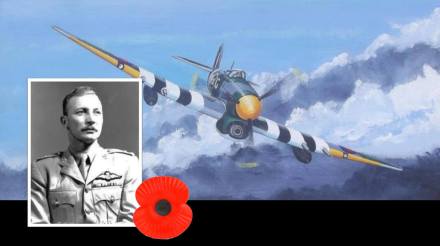
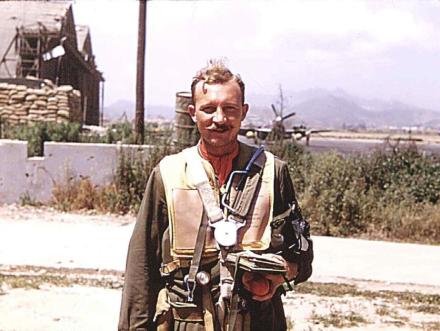
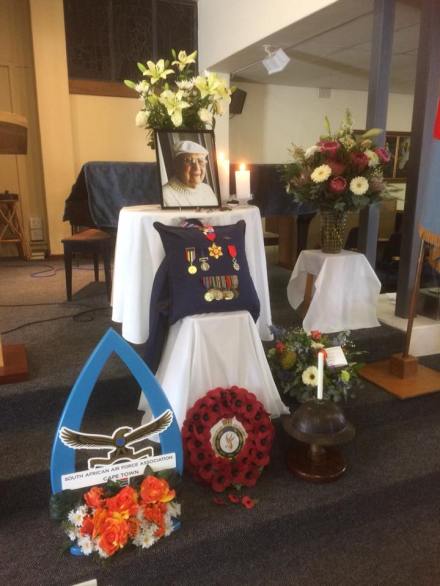
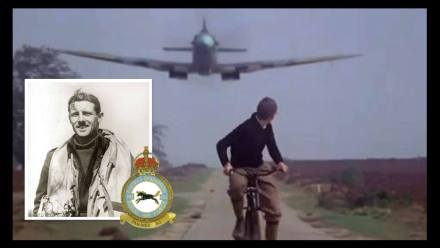

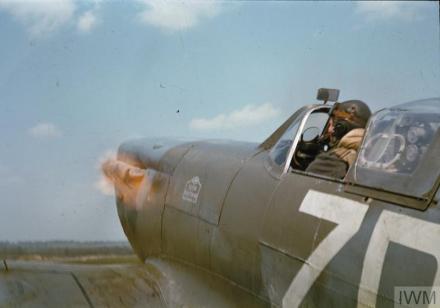
 Formed during WW1, 222 Squadron was reformed at the onset of WW2 at Duxford on 5 October 1939 and in March 1940 the squadron re-equipped with Spitfires. It initially took part in the Dunkirk evacuation and the Battle of Britain. Later in the war it would participate in Overlord and the D-Day landings as well as Operation Market Garden.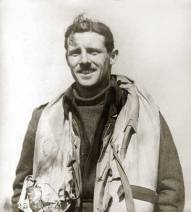
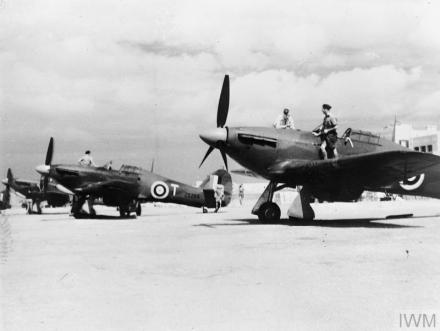
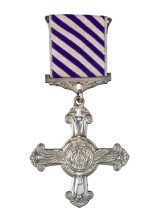 Pilot Officer Henry Patrick LARDNER-BURKE (87449), RAFVR, No. 126 Squadron.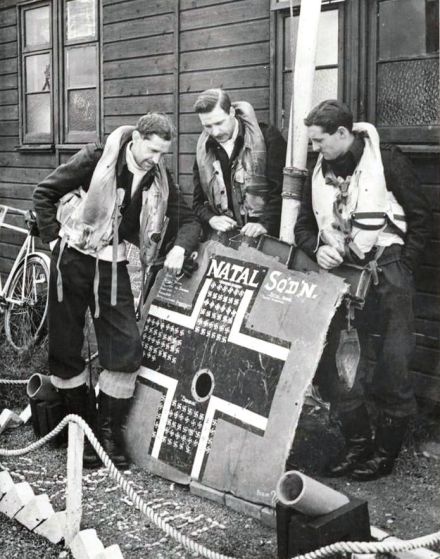
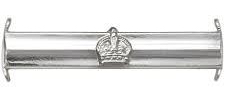
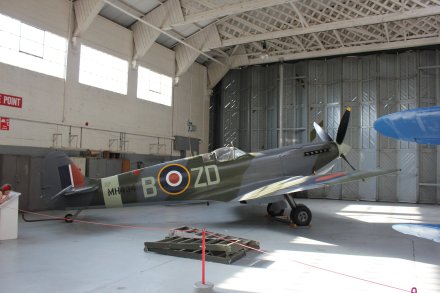


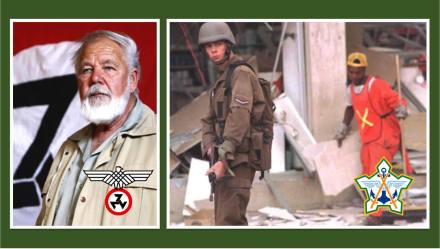
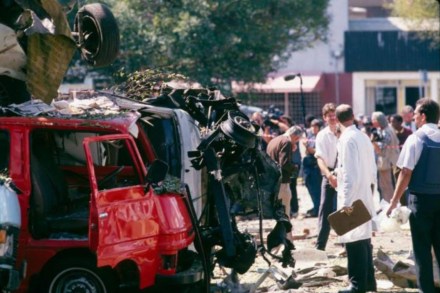
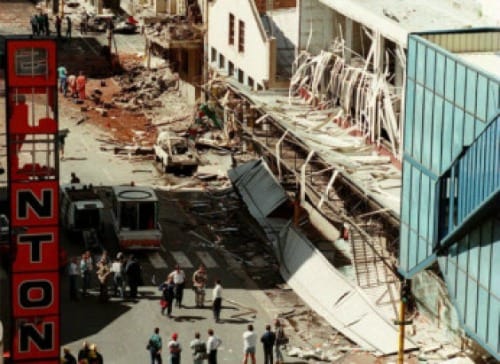
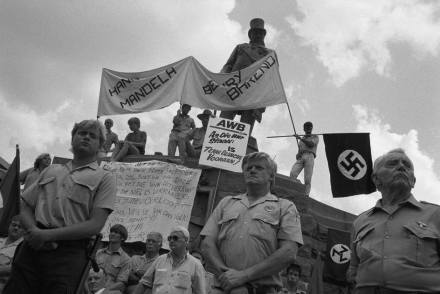
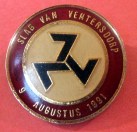 On the 9th August 1991 things came to a head in what would become known as ‘The Battle of Ventersdorp’. The National Party’s meeting in Ventersdorp was violently disrupted by the AWB, and this event brought the South African Police and AWB into head-long conflict. South Africa’s Defence and Police structures and personnel now had to deal with this added, rather violent, dynamic to an already feuding and violent ethnic and political landscape.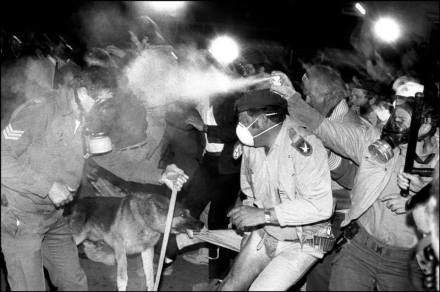
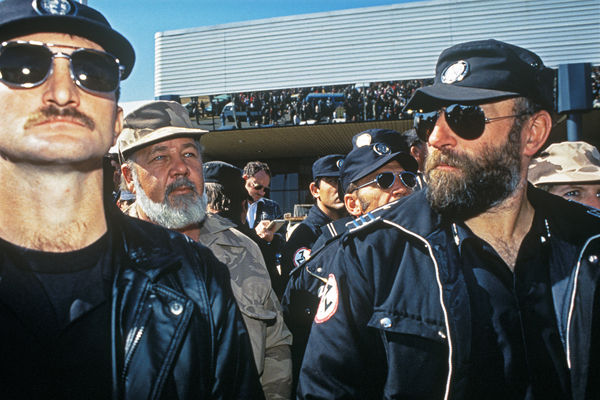
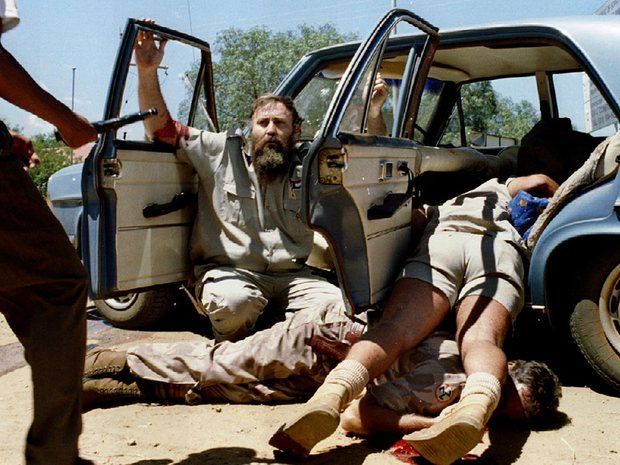
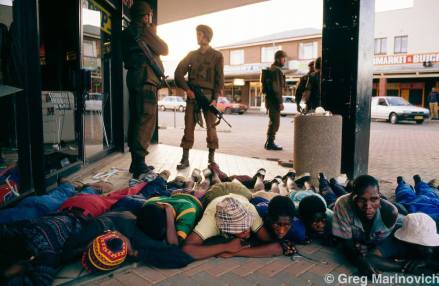
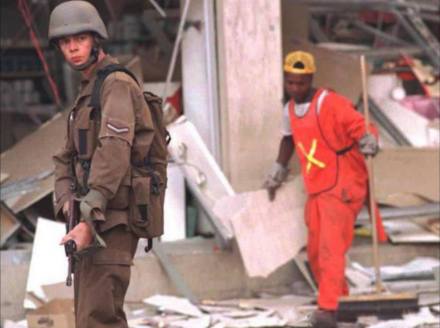
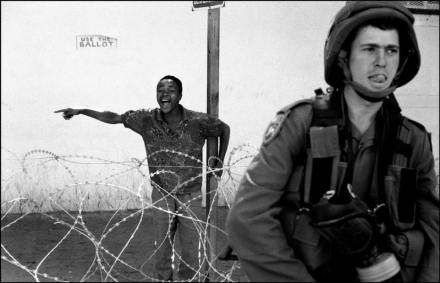
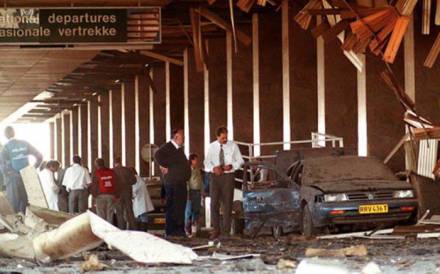
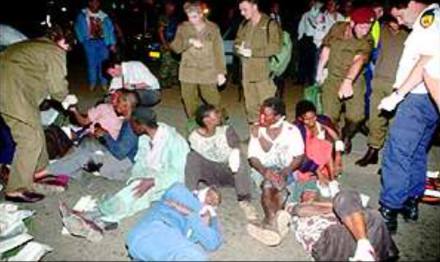
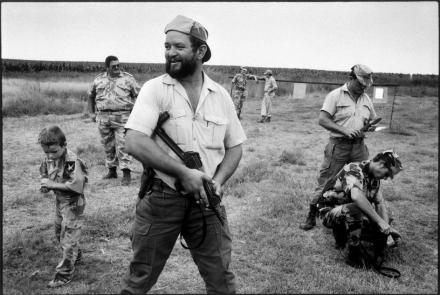
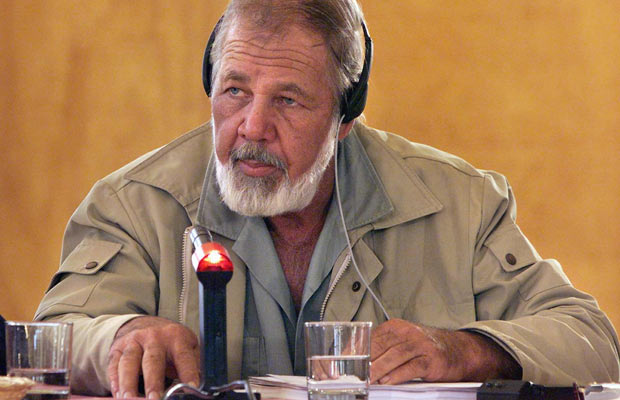
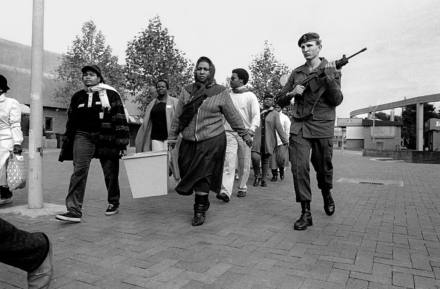

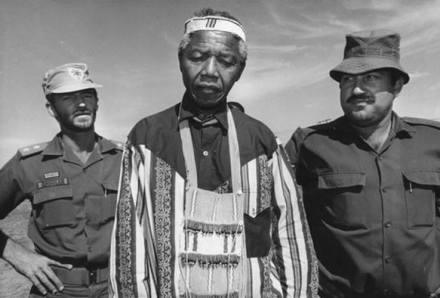


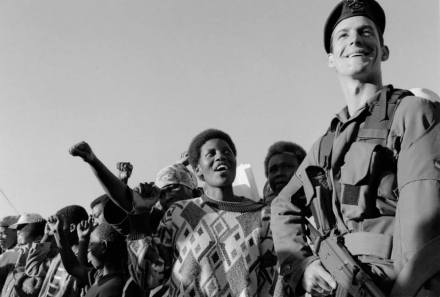
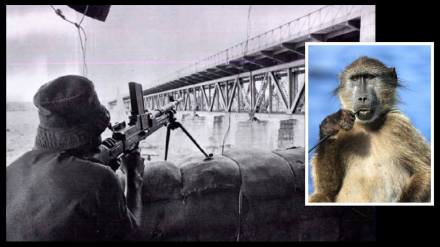
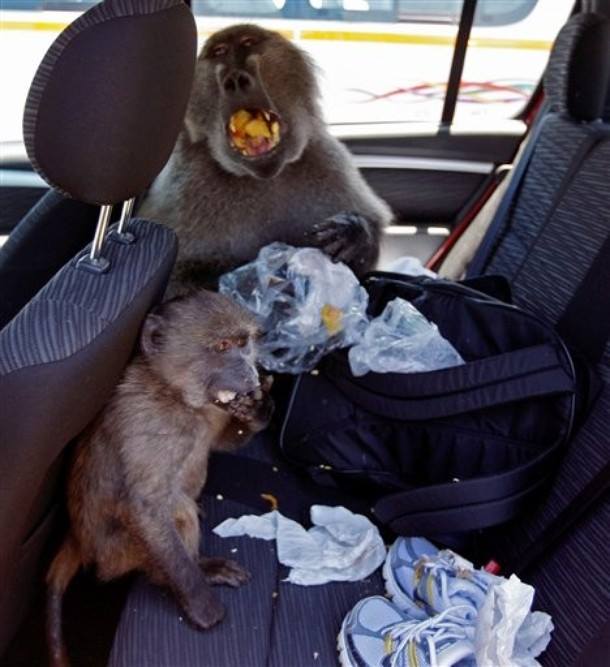
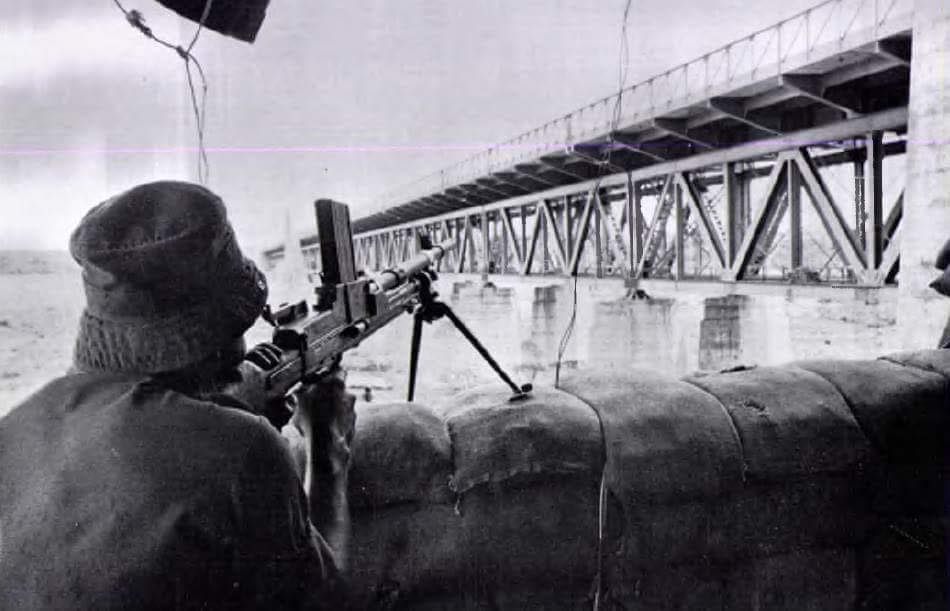
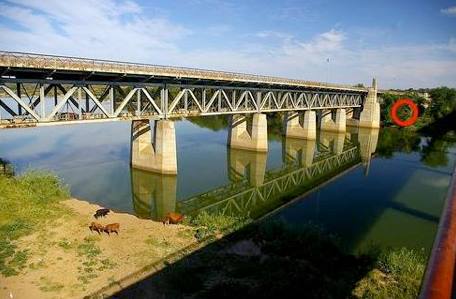
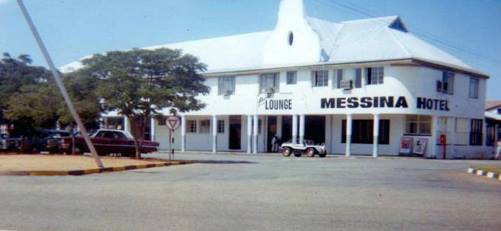
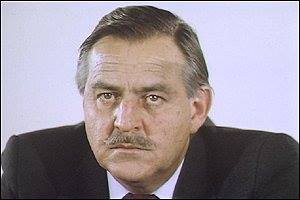

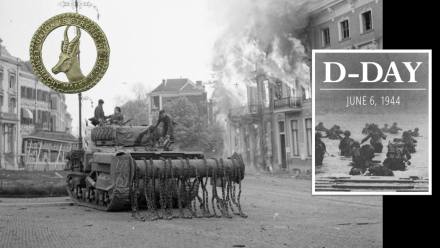
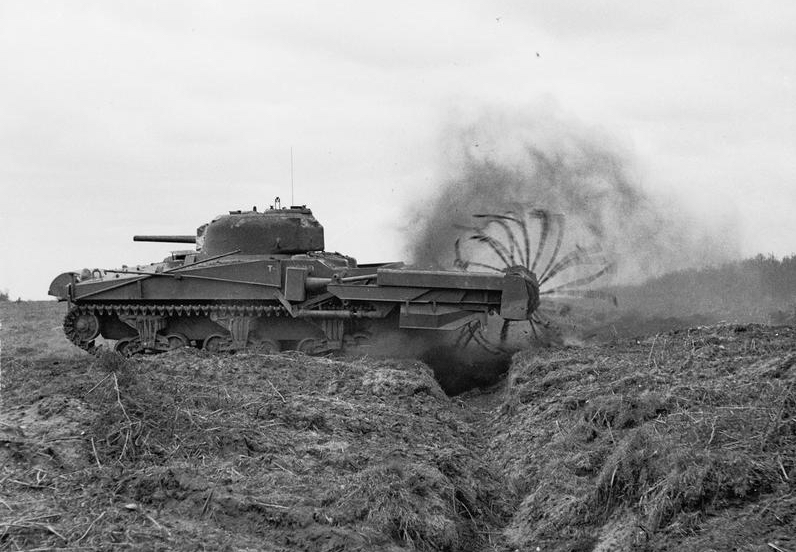
 The idea is commonly attributed to a South African soldier – Captain Abraham du Toit. A test rig was constructed in South Africa and results were so encouraging that du Toit was promoted and sent to England to develop the idea.
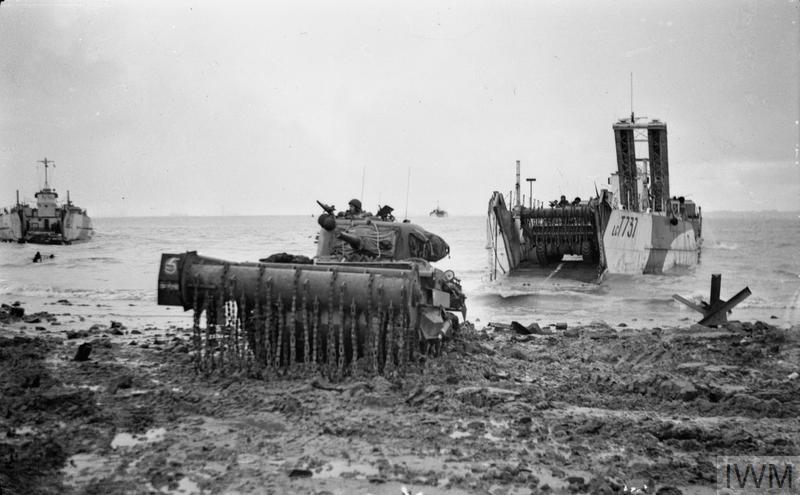
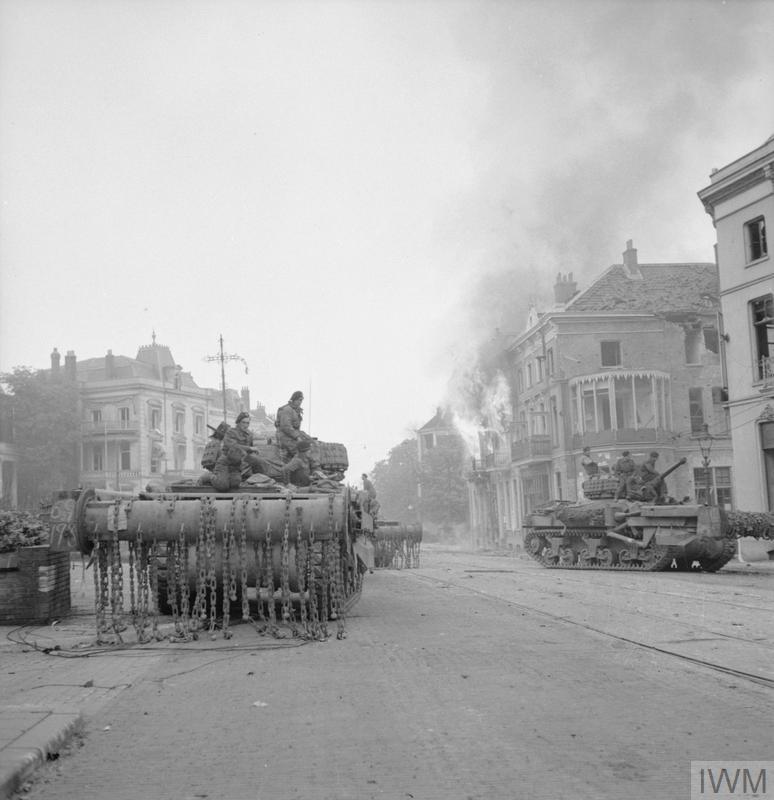
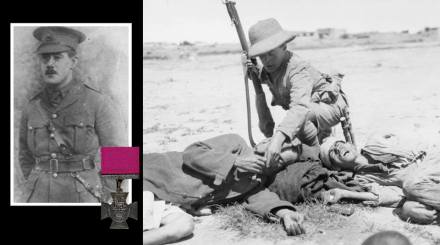
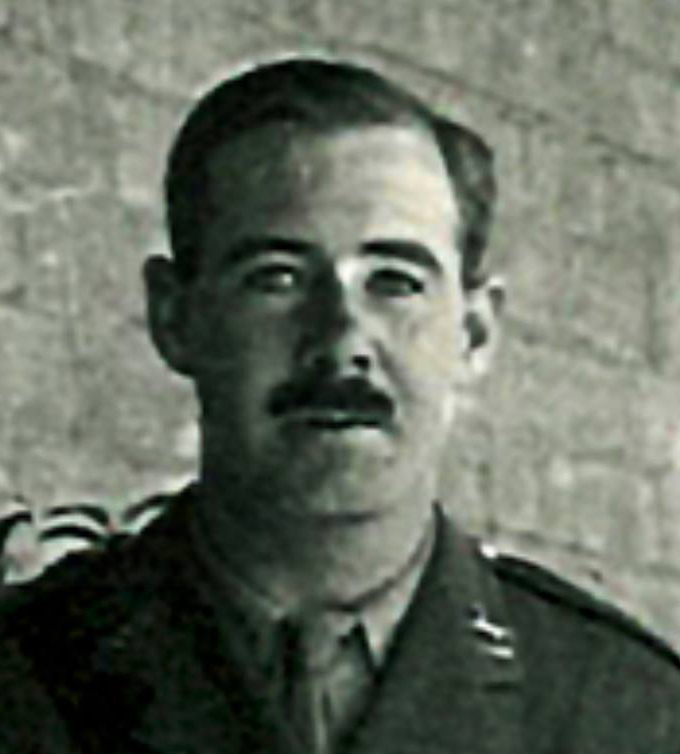
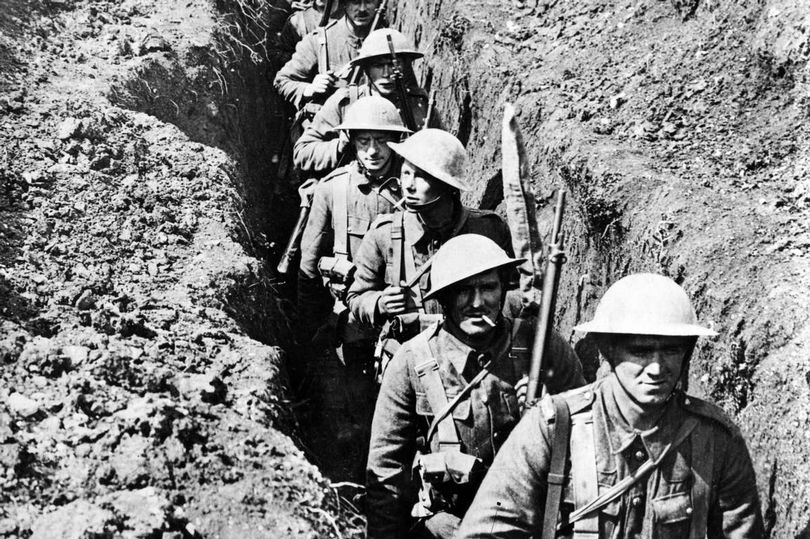
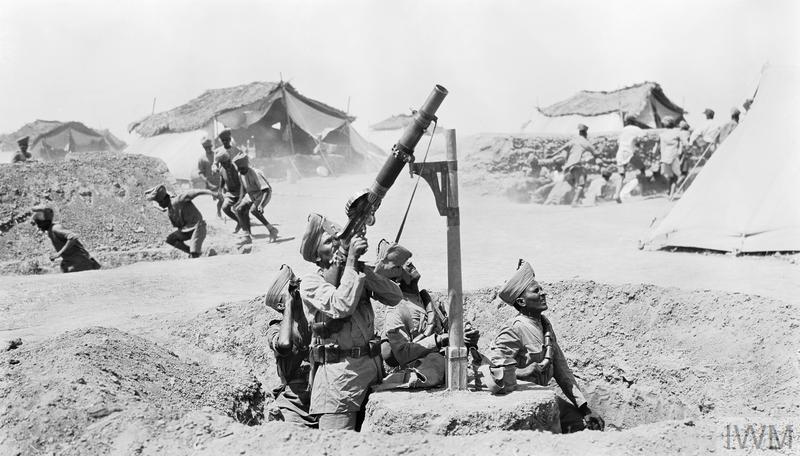
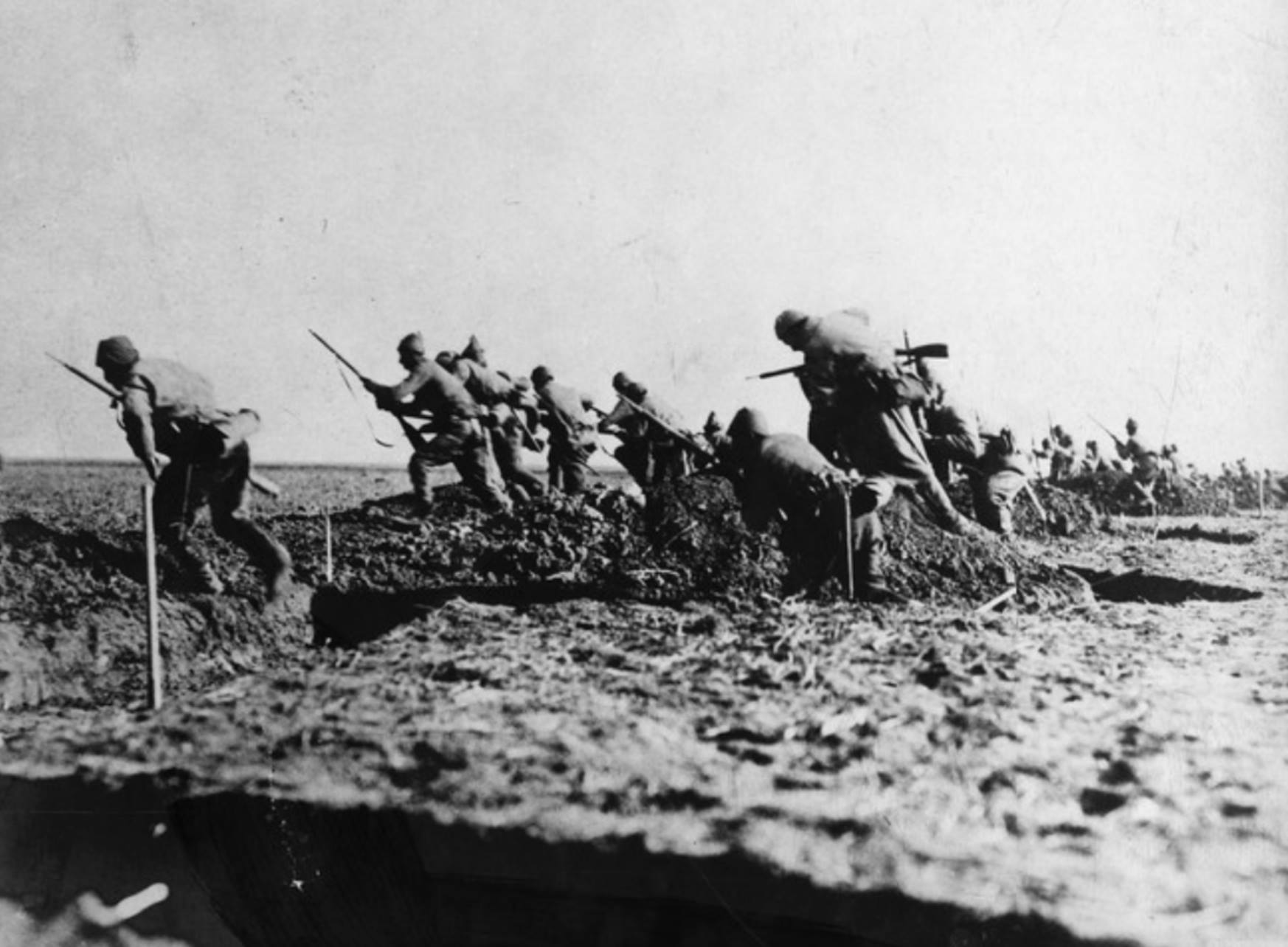
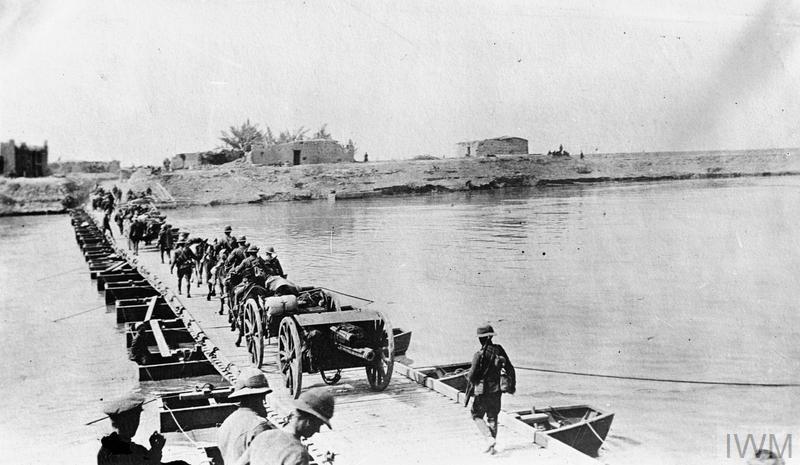
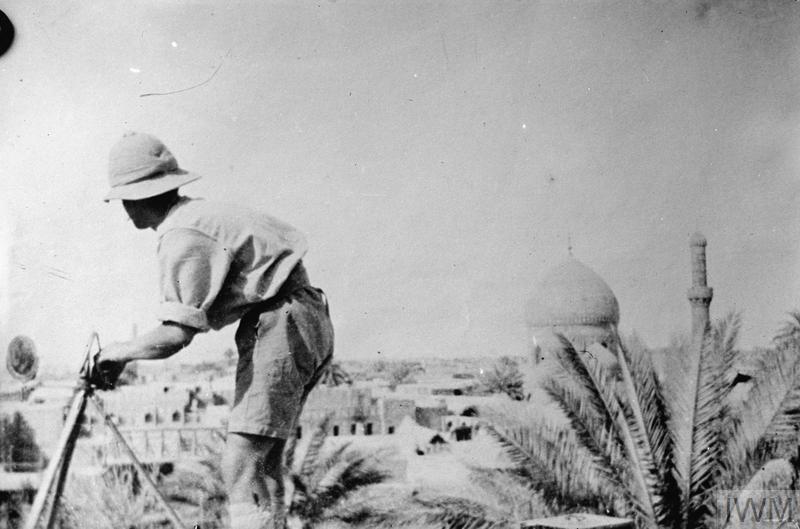
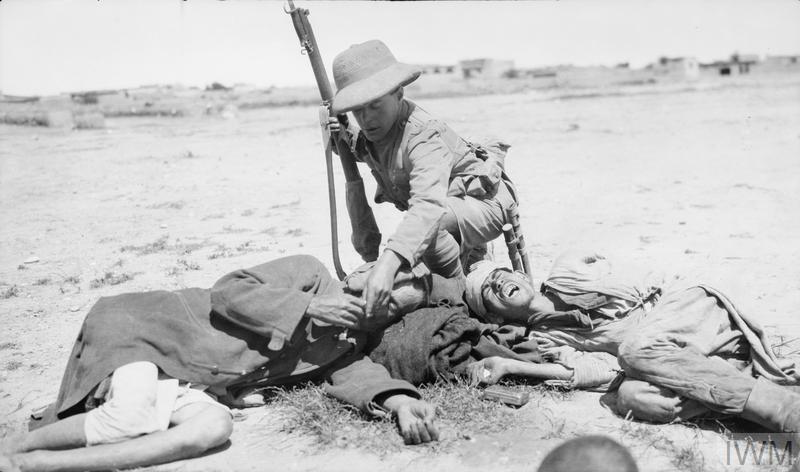
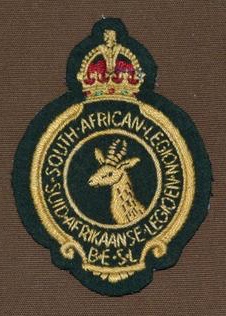
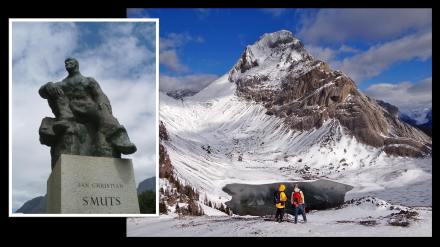


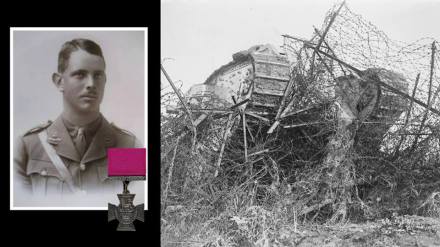
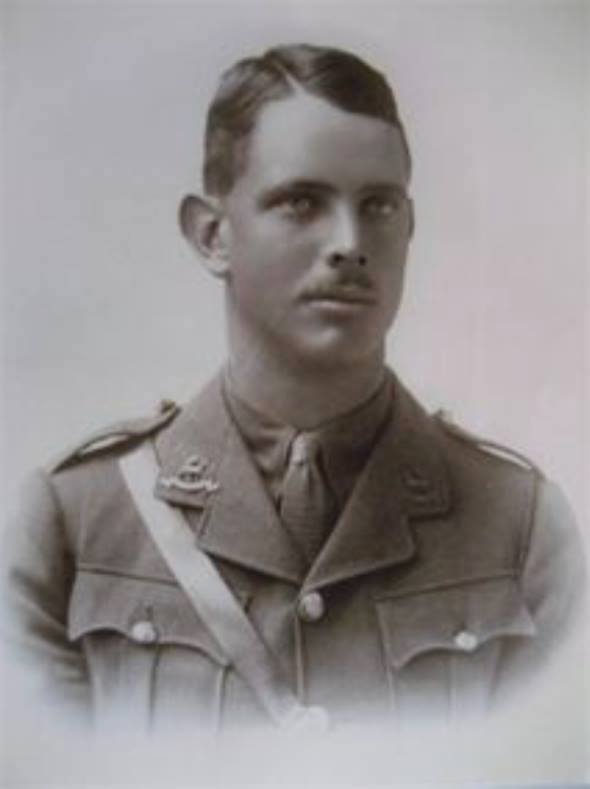 Early Life
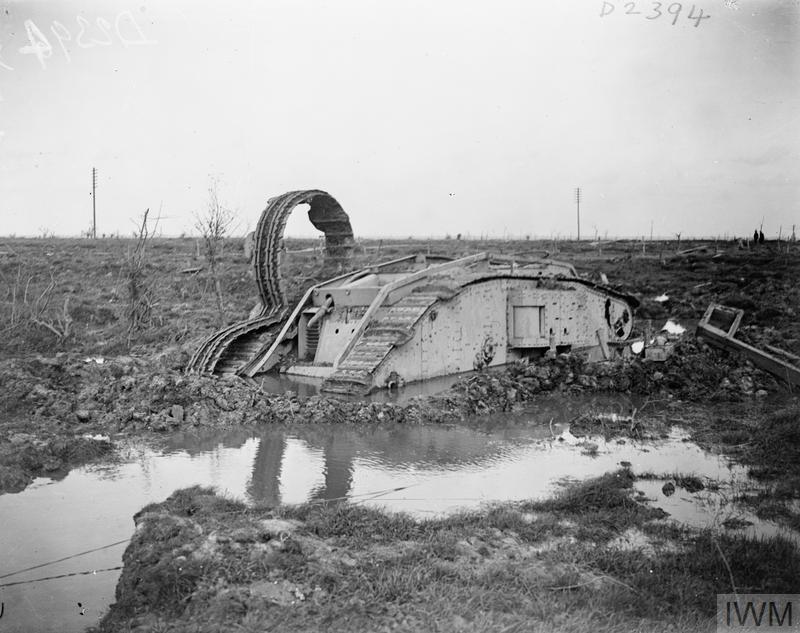
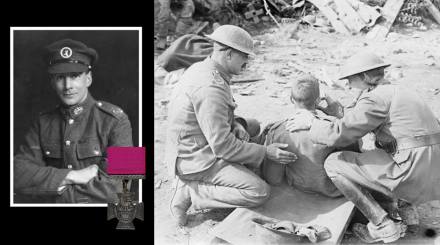
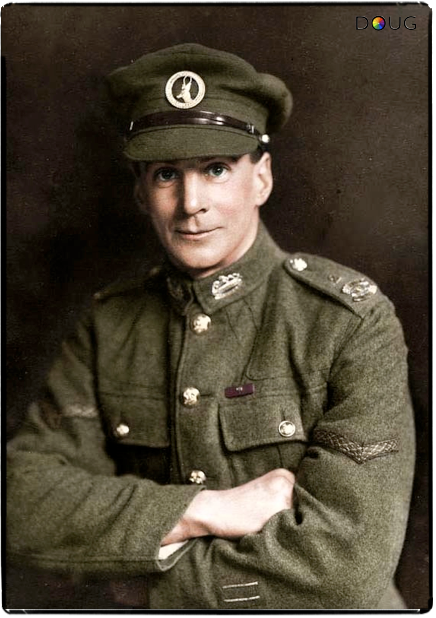
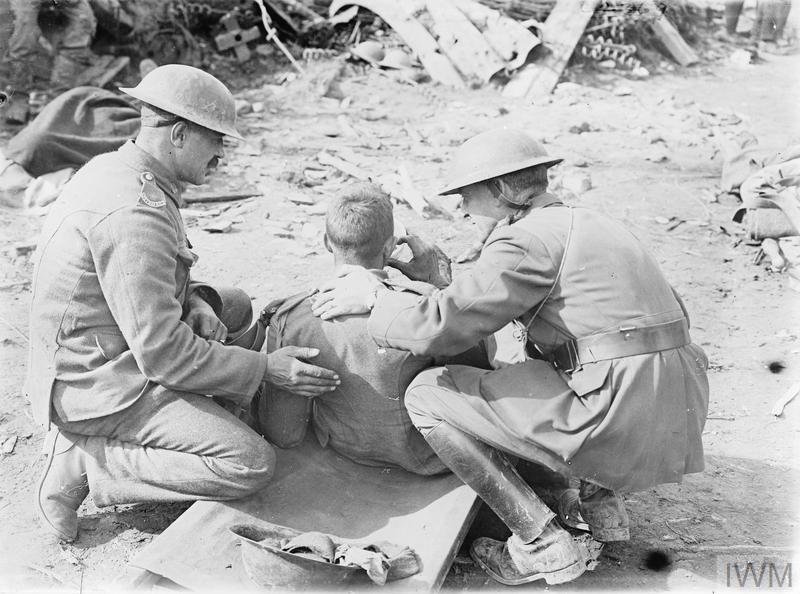
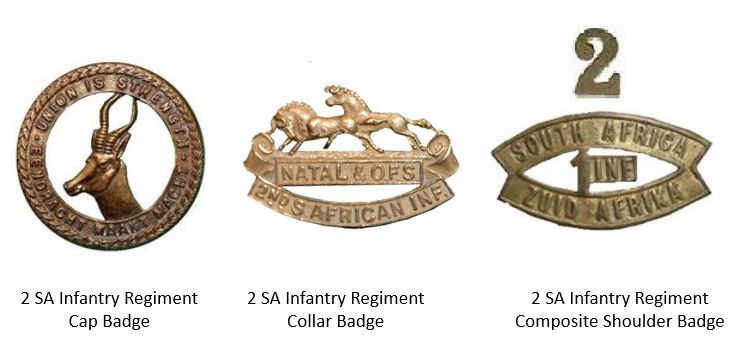
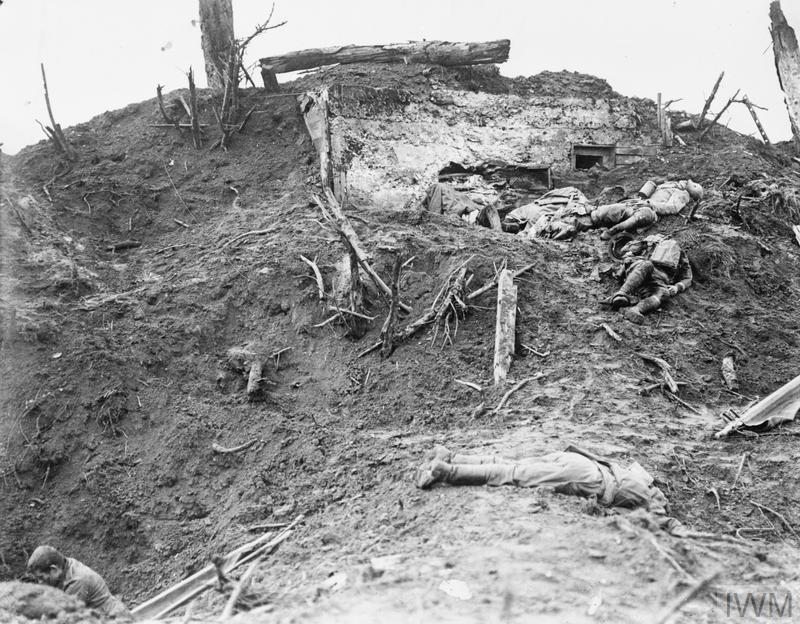
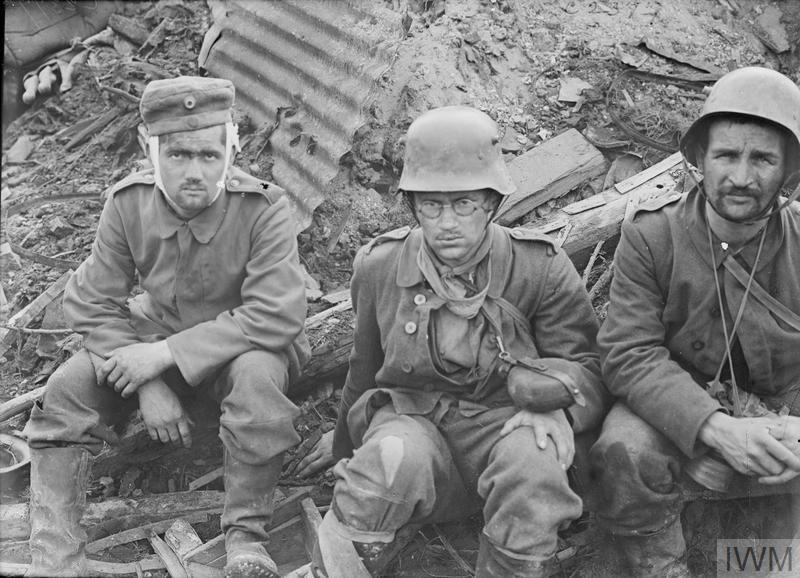


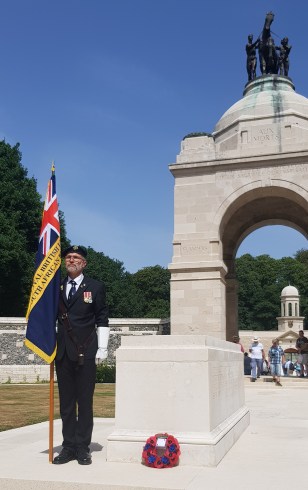 On the Wednesday, 8th August 2018, The Royal British Legion recreated its 1928 pilgrimage to World War 1 battlefields for thousands of Legion members (90 years on). Great Pilgrimage 90 (GP90) was the Legion’s biggest membership event in modern history. This Great Pilgrimage ended with in a Remembrance Parade held at the Menin Gate in Ypres, Belgium. The South African sacrifice was acknowledged and remembered at the Great Pilgrimage by the Royal British Legion – South African Branch who laid a special national wreath on behalf of the South African nation as a whole.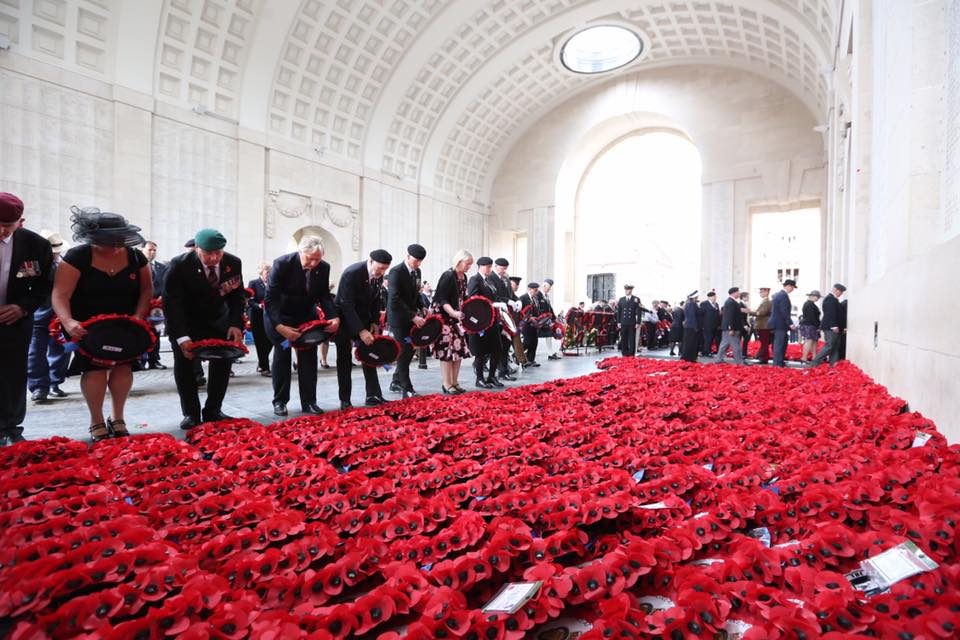
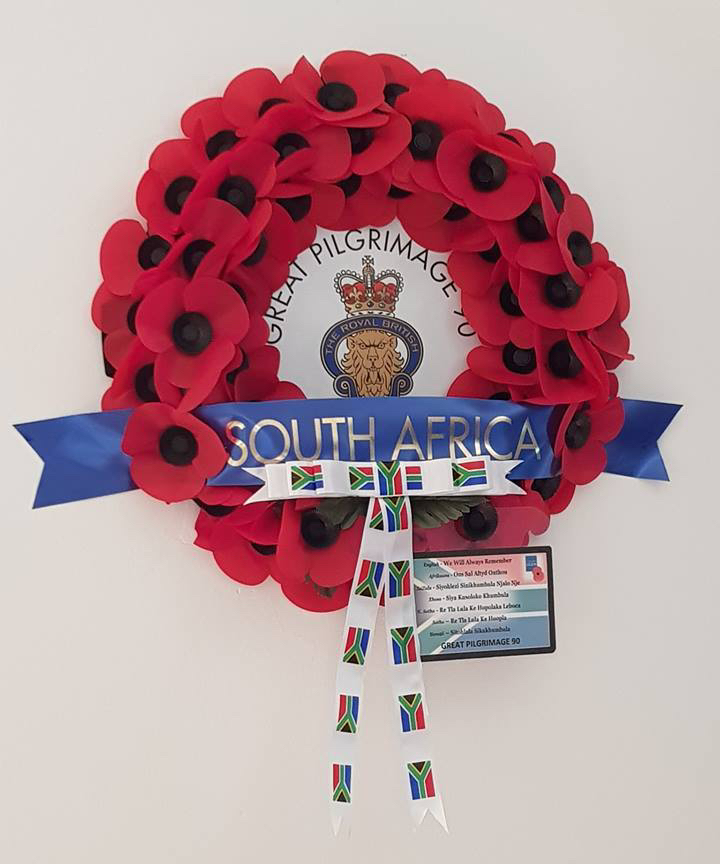 The South African wreath contained a message which read “we will always remember them” in some of the key languages of South Africa on the message (space permitting) – English, Afrikaans, Zulu, Xhosa, North Sotho, South Sotho and Siswati.
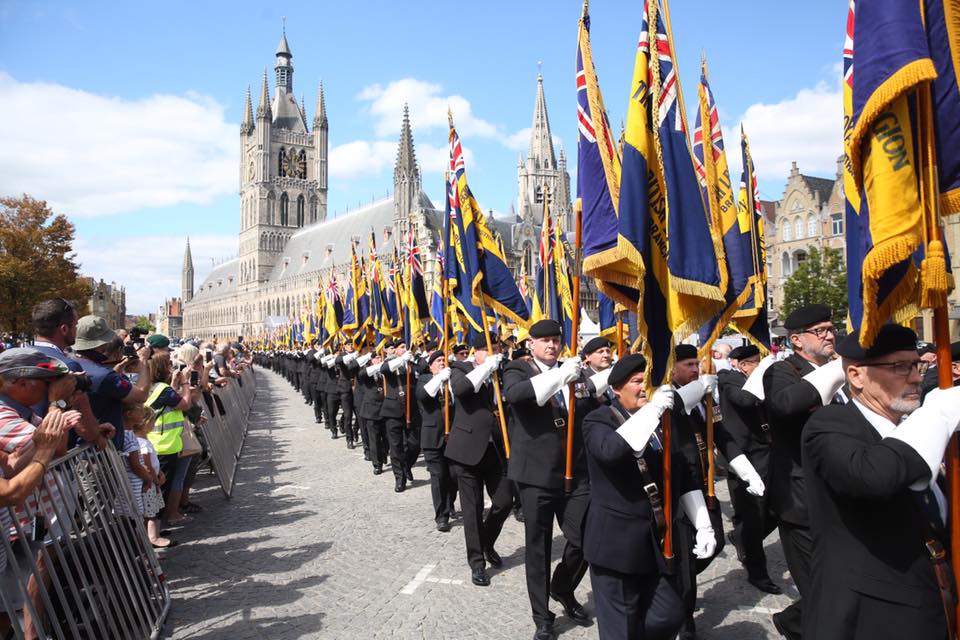 For those who did not see it live this video will give you an idea of just how prestigious the parade at Menin Gate was and what a military veteran’s association of magnitude in full colour looks like on parade.
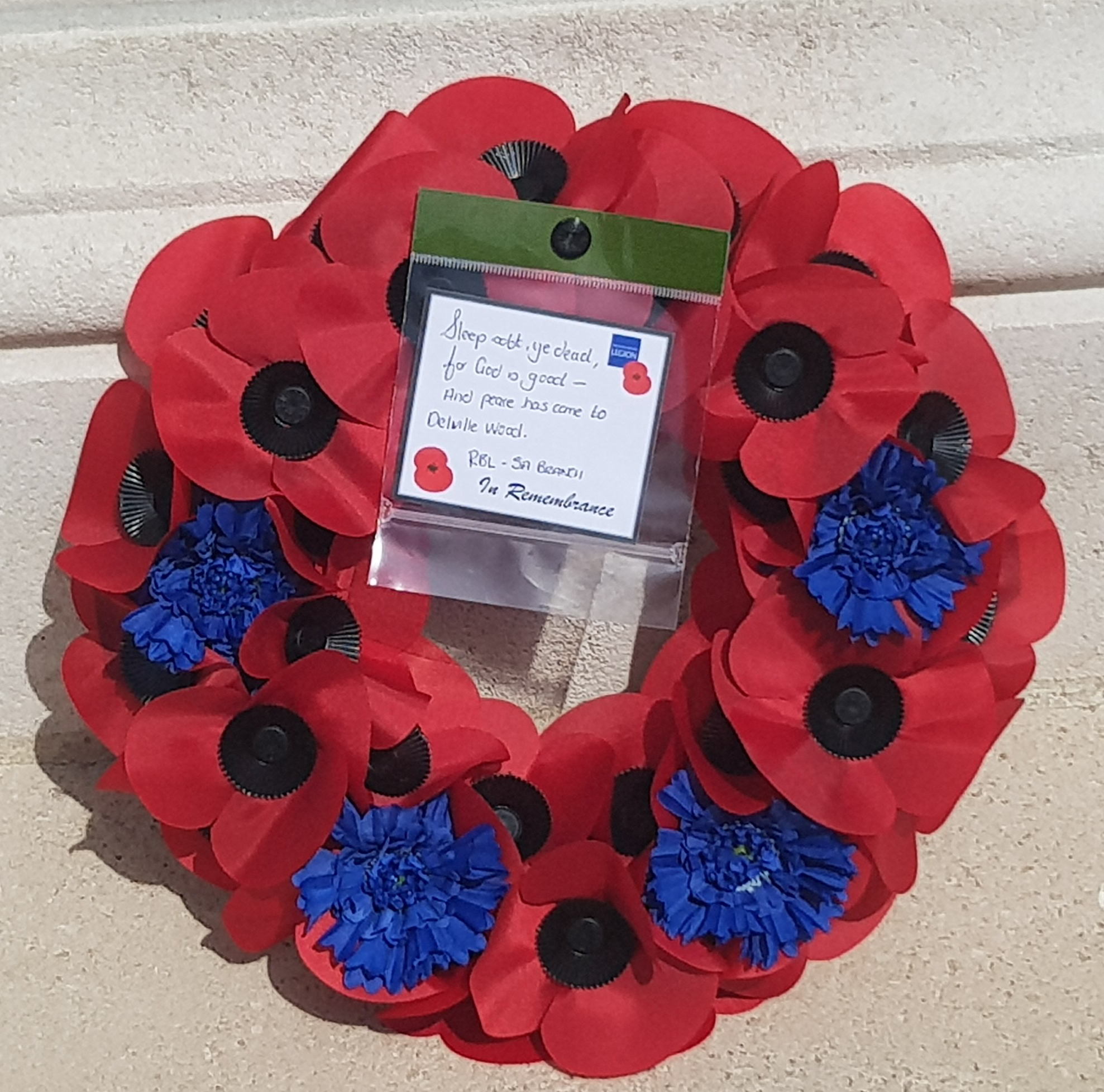 Sleep soft, ye dead,
 The Observation Post