John Ruskin, the great Victorian social thinker once said: “I believe the first test of a truly great man is in his humility” and it’s a truism or a trait found in all great leaders, and it is also found in Jan Smuts.
A visit today to the Smuts House Museum in Irene as a guest of Philip Weyers (Jan Smuts’ great grandson) revealed a small personal insight into Jan Smuts, and it reinforces the frugal and humble person Smuts was – a God-fearing man of simple needs.
In the modern context, it also reveals the massive divide between the modern African leaders in Southern Africa with their excessive appetite for hedonism and wealthy trappings from those of yesteryear’s leaders in South Africa.
Jan Smuts’ personal room in the museum has been left almost as is from the day he sat on his bed and keeled over from a heart attack aged 80 – the only thing missing are some small paintings of his children which are in the museum’s trust.
Jan Smuts’ bedroom at Smuts House in Irene
To think, a small wooden single bed and a wooden cabinet taken from a SAAF Lodestar transport aeroplane made up his personal private possessions – in a house that is made completely of corrugated iron (walls and roof) and was a transportable officers mess and military headquarters (with no insulation whatsoever).
But that’s not where Smuts’ frugality stopped, he didn’t even like sleeping in his ‘comfy’ bedroom – no, in summer he preferred to sleep on the ‘stoep’ (Porch) just outside his bedroom on an even smaller iron camp bed, with even less trappings.
Jan Smuts’ preferred bed on the ‘stoep’
He enjoyed the smell of the ‘veld,’ an outdoorsman who saw the greater beauty in the natural South African bush and enjoyed being at ‘whole’ with it, it was also here that he was closest with his God – and it was here, that as an Afrikaner he demonstrated what a true African he was.
Now, compare that to the ‘golden handshakes’ in the millions of Dollars to a recently disposed Zimbabwean African despot so he can live in comfort.
Compare it even to the ‘golden handshakes’ given to the outgoing National Party ministers in 1994 as they ran for the hills with ‘immunity’ cards and set up multi million Rand retirement homes on the Garden Route (the National Party was Smuts’ nemesis – and for good reason).
Compare it even to South Africa’s current political elite who have raided the state coffers and commissioned homes with ‘fire-pools’ and multi-million Rand ‘security’ accommodations, or shuffled taxpayers money overseas to buy multi-million dollar mansions in ‘tax free’ Dubai.
It is fantastic to take perspective and history offers us some wonderful hindsight, and the opportunity to praise from our heroes those attributes attributed to great men – like humility. To read more of Jan Smuts an understand just what a truly remarkable man and South African he was – please visit this Observation Post by clicking the link: “The force of his intellect has enriched the wisdom of the whole human race”- the death of Jan Smuts.
General Jan Smuts
Written and researched by Peter Dickens, photo copyright Karen Dickens – with special thanks to Philip Weyers.
To really understand who and what ‘The Torch Commando’ military veterans movement was and its anti-apartheid stance, we need to profile the military veteran organisations in South Africa as they stood in 1950, and how they contributed to The Torch Commando and what the ramifications were for each them in the future.
In the South African Legion’s official history ‘not for ourselves’, there is a period described as the “fateful 50’s”, that is because it is in this period South Africa’s World War 1 and World War 2 veterans and their respective veteran associations were drawn into a headlong confrontation with the then newly elected National Party government and it’s policies of Apartheid.
This period, the early 1950’s saw the first mass protests and the first open resistance against Apartheid – and ironically, it did not come from Black, Indian and Cape Coloured communities – it came from the mainly “White” military veterans community.
In a sense it was the South African veterans who spearheaded the protesting to come, and it made the government sit up and take notice as it came from a sector that the government really feared and wanted reformed – the military and its associated veteran associations.
This part of South Africa’s community in 1950 was strong with tens of thousands of freshly demobilised trained combatants. Men and women, who in the main, where ardent supporters of General Jan Smuts and who had just been victorious in the “war for freedom” (as World War 2 was known) – fighting against the very policies and ideologies the new Nationalist government was now proposing for South Africa.
Their actions in the 1950’s against the National Party win of 1948 still shapes the politics of the veterans associations in South Africa even to this day, as the net result was not only the first radical changes in the make-up of the military, it also resulted in the marginalisation of South Africa’s Veteran Associations and community to a large degree and a strained relationship with the Nationalist government down the years.
The Veterans Community in South Africa post WW2
Central to this story were the three primary War Veterans associations in South Africa at the end of World War 2 – The Memorable Order of Tin Hats (MOTH), The South African Legion of the British Empire Services League BESL (The South African Legion as we know it today) and The Springbok Legion.
Politically speaking the MOTH and South African Legion were “apolitical”, the MOTH taking the position of a “order” (along masonic styled rituals) outlining a ‘brotherhood’ for veterans who had seen combat only. The South African Legion was the “primo” (first) veterans association of South Africa which worked very closely with government as a charity – The South African Legion was open to all veterans whether they had seen combat or not and was by far the largest veterans association in South Africa with 52000 veterans and 224 branches.
The South African Legion, Springbok Legion and General van der Spuy
The South African Legion (BESL), founded by Jan Smuts in 1921 as part of the Royal Commonwealth Ex-Services League (RCEL) was the ‘official’ national body for all South African veterans, and it took a formal approach when dealing with the now ‘new’ Nationalist government and its policies as they impacted Black, Indian and Cape Coloured veterans – choosing to try and negotiate with the government via the formal and non-confrontational channels made available to it as the national body for veterans.
Gen. van der Spuy
However it was the smallest veterans association of the three – The “Springbok Legion” which took a direct “political” role against the Nationalists – this body was founded in part by a very senior South African Legion national executive member – General van der Spuy (a pioneer of the SAAF), and he used The Springbok Legion to go where the South African Legion could not – into direct confrontational politics.
General van der Spuy, a South African Legion national executive member, became increasingly frustrated with The South African Legion position of ‘quietly’ supporting the anti-apartheid causes in the veterans community simply by opening their branches up to them, and of trying to ‘negotiate’ with the Nationalists as to South Africa’s Black, Indian and Cape Coloured veterans rights via formal channels.
So, in addition to his position in The South African Legion he also took over The Springbok Legion. He then took the Springbok Legion from what he referred to as the South African Legion’s “painfully correct whisper of polite protest” to become a “shout” of protest instead.
The Springbok Legion
The history of the Springbok Legion as a political entity is fascinating – initially formed in 1941 by members of the 9th Recce Battalion of the South African Tank Corps, along with the Soldiers Interests Committee formed by members of the First South African Brigade in Addis Ababa, and the Union of Soldiers formed by the same brigade in Egypt.
The aims and objectives of the Springbok Legion were enunciated in its ‘Soldiers Manifesto’. The Springbok Legion was open to all servicemen regardless of race or gender and was avowedly anti-fascist and anti-racist.
The Springbok Legion was mainly led by a group of both white and black war veterans, many of whom embraced Communism and it was already very actively campaigning against Apartheid legislation and highly politically motivated.
The Springbok Legion decided to very vocally take the fight against Apartheid legislation into the mainstream media and then into the streets in mass protests, and it became the main driving force behind a new and more strident organisation called “The Torch Commando”, headed up by the famous war hero “Sailor” Malan.
Sailor Malan addressing a Springbok Legion Rally
The Torch Commando
In reality, the Torch Commando constituted the first real mass “anti-Apartheid” protests and Adolph ‘Sailor’ Malan can be counted as one of the very first anti-apartheid ‘struggle’ heroes. Sailor Malan, a Battle of Britain hero and flying ace (one of the best pilots the Royal Air Force had during the war) returned to his homeland – South Africa in 1946.
Sailor Malan was surprised by the unexpected win of the National Party over Smuts’ United Party in the General Election of 1948 on their proposal of ‘Apartheid’ as this was in direct opposition to the freedom values he and nearly all the South African veterans in World War 2 had been fighting for. This new political disposition in South Africa was also rammed full of Afrikaner Nationalists who had declared themselves as either in support of Nazi Germany during the war or even having joined robust pro-Nazi organisations during the war years and declaring themselves as full-blown Nazi styled National Socialists. This was simply unacceptable to just about every returning war veteran.
To get a full sense of Sailor Malan and his motivations behind the Torch please follow this link to a previous Observation. Post Article Sailor Malan; Fighter Ace & Freedom Fighter!
The Torch Commando can best be described as a ‘pro-democracy’ movement and in its manifesto it called for Liberty, Freedom of Speech, Liberty from Tyranny and Freedom of Religion. Sailor Malan’s personal politics (which he brought into the Torch) revolved around universal franchise and addressing poverty in the black community and economic empowerment as a priority to political reform. Ironically, Sailor Malan was years ahead of time in this regard, as it is only now that politics in South Africa is focusing on economic emancipation ahead of political emancipation.
The Torch Commando strategy was to bring the considerable mass of “moderate’ South African war veterans from apolitical organisations such as the Memorable Order of Tin Hats (MOTH) and South African Legion (BESL) into allegiance with the more ‘leftist’ politicised veterans of The Springbok Legion.
The Torch Commando held out that it was NOT a radical leftist organisation but rather a centre line ‘Pro Democracy” movement. This moderate ‘democratic’ centre had high appeal across the entire veteran’s community, as a result the members of the MOTH, The South African Legion (BESL) and the Springbok Legion joined them in their tens of thousands.
Nearly one in four South African white males took up Smuts’ call to volunteer to fight for Britain and her Commonwealth in World War 2 against Nazi German ideology and aggression. As a result after the war this veterans community made up 200,000 votes of the white voting community in a voting base of about 1,000,000 white voters.
This portion of voters could significantly impact the next General Elections if spurred into stronger political representation, and the Torch Commando targeted it with a pledge to remove the nationalists by demanding an early election due to unconstitutional and illegal breaches by the National Party of South Africa’s constitution.
To further position itself as ‘pro-democracy’ movement and appeal to the ‘ex-service’ vote The Torch Commando aligned itself with the United Party (Smuts’ party which was now in opposition) which in 1948 had still commanded a majority support (the Nationalist win had been a constitutional one and not a popular one) and after Smuts’ death the United Party was headed up by Koos Strauss (who was eventually replaced by the more popular war veteran – Sir David Pieter de Villiers Graaf). The United Party was hoping that the Torch would be the catalyst for them to take back the narrow margins that brought the National Party into power earlier in 1948.
Kmdt. de la Rey at the Cape Town Torch
The Torch Commando, armed with broader appeal to the majority of moderate veterans and under the leadership of very dynamic duo consisting of both Sailor Malan and Kmdt. Dolf de la Rey, now reached out to the wider veteran diaspora.
Kmdt. de la Rey is also interesting – he was himself an Anglo-Boer War Burger Commando veteran and he famously captured Winston Churchill during the Boer War – another one of the rich tapestry of Afrikaner war heroes in conflict with National Party politics and philosophy.
The Torch Commando almost immediately drew massive support – and it saw anti-Apartheid and anti-government protests on a scale previously unseen in South Africa (with all due respect to the African Miners Strike in 1946) . It all began with torchlight protest marches at night. In all The Torch Commando boasted 250,000 members. Its torch-light rallies and protests in Durban and Cape Town attracted tens of thousands of veterans – mainly white, and mainly from the middle class and professional strata of white South African society.
In a speech at a massive Torch Commando rally outside City Hall in Johannesburg – to 75,000 people on protest, “Sailor” Malan made reference to the ideals for which the Second World War was fought:
“The strength of this gathering is evidence that the men and women who fought in the war for freedom still cherish what they fought for. We are determined not to be denied the fruits of that victory.”
During the Cape Town “Torch” 50,000 civilians joined the 10,000 veterans when the protest moved to hand over a petition at the Parliament buildings in Cape Town. The police barred the way and a scuffle broke out. 160 Protesters where injured along with 15 Policemen. At this Torch demonstration Sailor Malan famously accused the national party government of:
“depriving us of our freedom, with a fascist arrogance that we have not experienced since Hitler and Mussolini met their fate”.
As tensions grew over the protest the National Party MP Johannes Streydom finally warned The Torch Commando that he would use the South African security forces against “those who are playing with fire and speaking of civil war and rebellion”.
The Decline of The Torch Commando
DF Malan’s government was so alarmed by the number of judges, public servants and military officers joining The Torch Commando that those within the public service or military were prohibited from enlisting, lest they lose their jobs – this pressure quickly led to the erosion of the organisation’s “moderate” members, many of whom still had association to the armed forces, with reputations and livelihoods to keep.
The newly governing National Party at that time also could not afford to have the white voter base split over its narrow hold on power and the idea that the country’s armed forces community was standing in direct opposition to their policies of Apartheid posed a real and significant problem – not only as a significant ‘block’ of ‘white’ voters, but also because many of these anti-government veterans were battle hardened with extensive military training, and as such posed a real threat should they decide to overthrow the government by force of arms.
Also the National Party government was extremely concerned about the influence this movement might generate over Afrikaner youth, especially under the leadership of the war heroes, and they acted ‘decisively’ (as was its usual modus operandi) and went about discrediting the Torch Commando and its leaders through means of constant negative propaganda.
For the rest of his life, Sailor Malan would be completely ridiculed by the Nationalist government. The National Party press caricatured him ‘a flying poodle’, dressed in his leathers and flying goggles, in the service of Jan Smuts and the Jewish mine-bosses, who were referred to as the “Hochenheimers”. The National Party openly branded him as an Afrikaner of a ‘different’ and ‘unpatriotic’ kind, a traitor to his country and ‘Volk’ (people).
In addition to the National Party’s efforts, the Torch Commando also ultimately failed because it could not distance itself as a political arm of the United Party and establish itself as independent mass action movement. It found itself severely curtailed by mainstream party politics of the United Party (especially on issues such as Natal’s possible cessation from the Union, manifesto freedoms, positions on franchise and addressing Black poverty, actions of the ‘steel commando’ (which was a more militant sect within the Torch Commando) etc. One political cartoon of the time lampoons The Torch Commando as a hindrance to the United Party.
There was also the issue of the Torch Commando’s “Achilles Heel” – The Springbok Legion and its firebrand, highly political and militant anti-apartheid veterans. The National government took to destroying this veterans association completely and here’s how that happened.
The Springbok Legion’s Rise and Decline
The Springbok Legion, buoyed by the political actions of The Torch Commando gradually became a fully blown political entity in its own right, and the inevitable happened, as with any political party, The Springbok Legion gradually became politically radicalised. This was spearheaded by veterans who were also members of the Communist Party of South Africa (CPSA) and who joined The Springbok Legion and served in its upper and lower structures.
The targeting of the Springbok Legion by the Communist Party was the result of the South African Communist Party believing that it could use the veterans to re-order “white” political thinking in South Africa along communist lines.
This eventually resulted in the fracturing of the Springbok Legion as a whole as moderate “white” members, who made up the majority of its supporters became disenchanted with its increasingly militant leftist rhetoric.
Notable South African Communist Party (SACP) veterans to join the Springbok Legion in a leading capacity where none other than ex-servicemen such as Joe Slovo, Lionel Bernstein, Wolfie Kodesh, Jock Isacowitz, Jack Hodgson and Fred Carneso.
Joe Slovo (right of picture) in WW2
Aside from the Communists, Key members included future political and anti-apartheid leaders, such as Peter Kaya Selepe, an organiser of the African National Congress (ANC) in Orlando (he also served in WW2). Harry Heinz Schwarz, also a WW2 veteran eventually became a statesman and long-time political opposition leader against apartheid in South Africa and served as the South African ambassador to the United States during South Africa’s “transition” in the 90’s.
The National Party – which even as part of it’s pre-war make up had a fierce anti-communist stance was becoming increasingly alarmed by the rise of veterans against their policies and began seeking was of suppressing it. One of the mechanisms was to pass the Suppression of Communism Act.
The combined effect of the ‘Suppression of Communism Act’, and the broadening and deepening of the Communist rhetoric and politics was alienating the majority of Springbok Legion members rang a death knell for the Springbok Legion and the inevitable happened, the organisation folded as thousands of its “moderate” members left, returning to the either the apolitical MOTH movement or the South African Legion (or both).
Rica and Jack Hodgson wearing Springbok Legion badges in the 1940s
The Communist Party members of The Springbok Legion who had played a pivot in its rise and its demise i.e. Joe Slovo, Lionel Bernstein, Wolfie Kodesh, Jack Hodgson and Fred Carneso all then joined the African National Congress and, given their experience as combat veterans, they also all joined its military wing Umkhonto we Sizwe under the command of Nelson Mandela.
Once clear that Springbok Legion was at an end as an organisation – part of its branch infrastructure and a great many of their “moderate” members where then absorbed into the South African Legion (BESL).
It was however very clear that the veterans community had shown their colours – and the relationship between the Nationalist government and the ‘apolitical’ national body i.e. South African Legion was to remain strained for some time come.
Sailor Malan returns to his ‘shell-hole’
Sailor Malan’s political career was effectively ended and the “Torch” effectively suppressed by the National Party, so he returned to his hometown of Kimberley. Sailor then joined his local Memorable Order of Tin Hats (MOTH) shell-hole (branch) in Kimberley and withdrew from politics, choosing instead the social and camaraderie of his like-minded colleagues in his ‘shell-hole’ and the ‘good life’ (he had a reputation as the ‘life of a party’).
Sadly, Sailor Malan succumbed on 17 September 1963 aged 53 to Parkinson’s Disease about which little was known at the time. Some research now supports the notion that Post Traumatic Stress Disorder (PTSD) can bring on an early onset of Parkinson’s Disease, and it is now thought that Sailor Malan’s high exposure to combat stress may have played a part in his death at such a relatively young age.
It is to the embarrassment now as to his treatment as a South African WW2 military hero that all enlisted South African military personnel who attended his funeral where instructed not to wear their uniforms by the newly formatted SADF. The government did not want a Afrikaner, as Malan was, idealised as a military hero in death in the fear that he would become a role model to future Afrikaner youth.
The “official” obituary issued for Sailor Malan published in all national newspapers made no mention of his role as National President of The Torch Commando or referenced his political career. The idea was that The Torch Commando would die with Sailor Malan.
All requests to give him a full military funeral were turned down and even the South African Air Force were instructed not to give him any tribute. Ironically this action now stands as testimony to just how fearful the government had become of him as a political fighter.
The campaign to purge the national consciousness of The Torch Commando, The Springbok Legion and Sailor Malan was highly effective as by the 1970’s and 1980’s the emergent generation of South Africans have little to no knowledge of The Torch or The Springbok Legion, it is highly unlikely that anyone today remembers Sailor Malan’s speech to 75,000 Torch Commando protesters in the centre of Johannesburg. The veterans community today, albeit very small, have kept his memory alive, Sailor’s MOTH shell-hole in Kimberley still remember this outstanding war hero very fondly to this day,
The marginalising of The South African Legion
Many older people will remember a time in the 50’s, 60’s and early 70’s, when on “Poppy Day” thousands of South African Legion members with their supporters would ‘sell’ paper red poppies raising funds for veterans in need in just about every major shopping centre all over South Africa. Some may even remember the South African Legion visiting their schools and explaining the meaning of the Poppy.
However, by the 1980’s the South African Legion and its Poppy legacy was all but gone from the national consciousness – so what happened?
Simply put, even though the South African Legion (BESL) had taken an apolitical stance and chosen a cordial approach in dealing with the Nationalists, it still found itself coming into headlong confrontation with the National Party government, both in terms of its individual members’ politics but also in terms of the mandate given to it as the national body to look after Cape Coloured, Indian and Black South African veterans in need.
To a degree the MOTH were spared this confrontation as their joining criteria in the 1950’s and 1960’s specified the MOTH order for “combat veterans only” – and as ‘combat’ veterans were defined by race politics in South Africa as ‘whites and cape coloureds only’ during World War 2 the MOTH by default did not attract many Black members of The Native Military Corps who were deemed ‘non-combative’ by the definitions of the time. The South African Legion on the other hand was a viable veterans association for Black veterans during these years – and to this very day The South African Legion still has many of these old veterans on its books.
From the beginning of 1948 the South African Legion’s relations with the Nationalists were starting to strain via the actions of The Torch Commando and South African Legion (BESL) members joining it, but a major clash was to come when the South African Legion reacted strongly in 1956 to the Government’s move to ban Black and Coloured veterans from Remembrance Day Services.
Another confrontation occurred when the South African Legion requested the Nationalist government to waive pass laws for Black military veterans who had served South Africa (not some ‘Bantustan’) and therefore should be treated differently, however this request unfortunately worked for a limited time and the juggernaut of Apartheid law and policy implementation eventually simply over-ran it.
The South African Legion was again at loggerheads with the National Party government over the lack of parity with regard to pensions paid out to Black and Coloured veterans. The fight to obtain parity of pensions for all – white, coloured and black veterans was finally won in 1986/87. It had been a very long battle for the South African Legion.
The old World War 2 veterans sitting in their MOTH Shell-Holes and South African Legion branches (and even those still serving) were again at serious loggerheads with the newly formatted SADF and the Nationalists – when in a very sinister move the government decreed that all their highest bravery decorations (military cross, DSO etc) along with campaign medals and Stars – all won in the Second World War were for a ‘foreign’ country in their estimation (Britain – and not South Africa) and therefore these decorations and medals had to take the junior position after even the most lowly SADF service medal on their medal racks.
WW2 South African veterans rack – note the very senior WW2 campaign stars and campaign medals in secondary position (left to right) to more junior SADF Service medals
To add insult to injury, amongst many other changes to remove ‘British’ and ‘English’ heritage, they also went about introducing German styled NCO rank insignia and reformatting many of their infantry and regiment formations which resulted in new insignia and hard-earned Battle honours laid up and new colours initiated instead.
The net result of all of this was a ‘them and us’ mentality, where the old veterans in the South African Legion branches and MOTH shell-holes looked at the SADF in disdain – some refusing to alter their medal orders and The Nationalists (and many Afrikaners in the SADF officer class) also began to brand The South African Legion (BESL) and The Memorable Order of Tin Hats (MOTH), as ‘British’ and ‘unpatriotic ‘ whilst they maintained their ‘British’ links, insignia and heritage.
The government also started to gradually turn off the taps of the supply of veterans to the South African Legion and the MOTH from the newly formatted ‘South African Defence Force’ (SADF), when SADF personnel completed their service. Whereas under the old South African Union’ Defence Force (UDF) such a transition when demobilising was the norm.
Certificate granting Life Membership of the SA Legion given to Union Defence Force members demobilising after WW2
By the mid 1980’s the SADF simply would not actively promote the South African Legion (or the MOTH) to the thousands of SADF permanent force members and conscripts as a veterans association option and ‘home’ available to them post service.
The National Party also took South Africa out of the British Commonwealth of Nations in 1961, and along with sanctions and International isolation, the South African Legion – as a Commonwealth inspired and linked association, found itself floundering in a country whose government had no time for the British and the Commonwealth and its affiliations at all.
Faced with an ageing membership, a divergent view to that of the Apartheid government of the day, and no ‘new blood’ from the Alma Mater – the South African Defence Force (SADF) – for nearly four decades on end, the South African Legion (and the MOTH) gradually started to slip into long-term decline.
A major casualty of all of this was the gradual removal of the ‘Poppy’ as an icon of Remembrance from the general population’s mass consciousness. Embroiled in race politics where black servicemen were marginalised and events as to Apartheid took greater national precedence, the Poppy took a back seat to the seismic events of the day – and where the movement flourished in other countries, it declined in South Africa.
1994
1994 was a significant year in many respects, South Africa re-joined the Commonwealth of Nations and was invited back into the International world. Almost instantly Queen Elizabeth II visited South Africa to re-kindle the links and in a landmark move, The Royal Commonwealth Ex-Service League (RCEL) decreed that its 75th international convention would again take place in Cape Town (the city where it was founded). Nelson Mandela even opened the RCEL’s Cape Town convention on the 26th February 1996 with an upbeat message to re-kindle the purpose of South Africa’s primo veterans association – The South African Legion (a founding member of the RCEL) and re-establish South Africa’s place in the international veterans community (for more of this history see Observation Post Legions and Poppies … and their South African root).
Nelson Mandela opening the 75th Convention of The Royal Commonwealth Ex-Services League in Cape Town – 1996
Not so fast!
So, in the mid 90’s – the surviving veteran’s bodies reconciling and extending olive branches, the SADF now reformatted into the SANDF and the legacy of the Torch Commando and its political influence to split the surviving veterans associations (The South African Legion and MOTH) away from their ‘Alma Mater‘ – the South African Defence Force, long-buried and a thing of past … right?
Wrong! Typical to a South Africa personality – put two of us in the same the room and we’ll come up with three political parties.
Where are we now?
The fracturing nature of South African politics which played such a significant role in forming The Torch Commando in the first place, still plays out in South Africa. Still not unified in a singular mission the veterans community remains as fractious as ever. Race politics, party politics and political one-upmanship has dictated that the ‘non statutory forces’ veterans associations (APLA, MK etc) have a separate umbrella association to the ‘statutory forces’ veterans associations.
The ‘statutory’ associations i.e. the Infantry Association, Armour Association, Naval Officers Association, Gunners Association, Caledonian Regiments Association etc. etc. are combined and lumped with more newly sprung ‘broader’ veterans associations – the SADF Veterans Association, the South African Military Veterans Organisation ‘International’ (a spin-off from a Australia based SA veterans association) and more, each targeting the same veteran – all of whom exist under their own umbrella organisation – The Council of Military Veterans Organisations (CMVO).
If you’re confused now – there’s more! They all fall under another reformatted umbrella body – The South African National Military Veterans Association (SANMVA), which is designed to bring about reconciliation and common value.
This all in turn falls under the ‘Department of Military Veterans’ (DMV) a government department under the Minister of Defence which toes a very African National Congress (ANC) party political line in its media either shaming or ignoring the statutory veterans (especially the old ‘SADF’ members who make up the majority of the Department’s mandate and membership) and highlighting the deeds of the non statutory political party veterans, primarily ANC Umkhonto we Sizwe (MK) veterans as noble ones instead (and these veterans are contentious at best).
So, there are no surprises here then – the government of the day, behaving exactly like the old Apartheid nationalists, now dictate who they regard as military heroes whilst ignoring or vanquishing others for political expediency – same, same approach, new epoch – the nobility of Nelson Mandela’s reconciliations, honour, respect, remembrance and understanding of all of South Africa’s veterans from all the ethnic groupings of South Africa … now a long lost and conveniently ignored memory.
Add to this the advent of social media which has seen a raft of pseudo South African veteran organisations, clubs, orders, charities etc spring up on various on-line social media platforms (Facebook, Whats-app etc.) over the past ten years. All purposefully not aligned to any official veterans body or department (citing the political climate and separation from having to deal with ‘ex-terrorists’).
These digital groupings and their spin-offs are not recognised by the law of the land or their peers in the properly constituted veterans associations – but they are promising the world to some disillusioned South African military veterans, and in many instances these veterans are preyed upon by opportunists trying to make a fast buck and false Messiah’s promising things that can never be delivered on, as they are simply not ‘recognised’ as legitimate associations. They cannot draw benefits for their members and have no formal representation of their members needs or ‘voice’ when dealing with government, non-government organisations, the public at large and international veterans federations – like the Royal Commonwealth Ex-Services League (RCEL) and UN’s World Veterans Federation (WVF).
What this shows up is the continued divisiveness of South African race politics and instead of consolidating as veterans many of these digital gatherings have headed off to ‘do their own thing’ (usually by way of their political convictions) and create more division (more often than not). Generally they are ignored by the DMV and the CMVO and without official recognition they really are on a highway to nowhere. What they do manage to do however is divert much-needed Human Resources from South Africa’s long-standing veterans bodies like The South African Legion and MOTH, and that’s not helpful to anyone.
So where do surviving organisations like The Memorable Order of Tin Hats (MOTH) and especially – The South African Legion – as the country’s primo veterans organisation sit now?
Safe to say they are just cracking on and hoping everyone will come round to their senses, stop re-imaging themselves after this or that dying political epoch, stop politicising what is essentially a charitable cause and join their infrastructures – which for decades have been in place to serve South African veterans only (In the case of the South African Legion – for nearly 100 years), not only in terms of physical buildings but also in terms of Camaraderie and Remembrance – and infrastructures which are now badly in need of new blood (and money) to see them into the future.
In some respects they wait until the usual political course becomes its calamitous self and the inevitable implosions start to happen (as they have been doing in South Africa for decades now, starting with veterans groups like the Springbok Legion and the Torch Commando politicising themselves) – and they just bide their time and focus on the real life issues at hand and championing the one relevant person in all of this – the person who signed up to serve his or her country in uniform – the veteran!
Written and Researched by Peter Dickens.
References Lazerson, Whites in the Struggle Against Apartheid. Neil Roos. Ordinary Springboks: White Servicemen and Social Justice in South Africa, 1939-1961. Wikipedia and “Not for ourselves” – a history of the South African Legion by Arthur Blake. South African History On-Line – a History of the Springbok Legion. Image copyrights – Imperial War Museum and Associated Press.
Come November, just about every BBC or Sky broadcast shows presenters diligently wearing a Poppy on his or her lapel. Just about every International English-speaking Celebrity is openly sporting the Poppy. In the United Kingdom the ‘Poppy Season’ (first two weeks of November) finds the Islands sinking under a weight of paper and plastic poppies. Similarly in Canada, any South African living in or visiting Canada finds themselves knee-deep in poppies.
The two big driving organisations behind this poppy craze in the United Kingdom and Canada respectively is the Royal British Legion and the Royal Canadian Legion. Simply put, the ‘Poppy’ is the ‘intellectual property’ of the ‘Legion’ (and its even copyrighted) – and is the major vehicle used to raise funds for war veteran support. Patriotic Brits and Canadians get behind their armed forces and the armed forces community and support them to the hilt by buying a poppy – millions of Pounds and Dollars are raised. But what of South Africa, where do they fit in?
Step in The South African Legion. Yes, believe it or not, we have our own “Legion” and it is related to The Royal British Legion and the Royal Canadian Legion as part of an international Legion brotherhood. It too has the ‘Poppy’ as its ‘Intellectual property’ and it shares a mutual history – so where’s the link?
The Root
Simply put it was South Africa which was the epicentre that brought all these organisations under a singular umbrella. Cape Town was the original ‘glue’ that bound the Legions together, we as South Africans can stand proud that it is our country which created this unique world-wide link.
This historic photo was taken in Cape Town when the Royal Commonwealth Ex Services League RCEL was formed (then known as the British Empire Services League BESL) in 1921. The three founders – Field Marshal Haig (left) went on from this meeting to start what is now known as the Royal British Legion and Field Marshal Smuts (centre) and General Lukin (right) went on to start what is now known as the South African Legion.
After suffering the horrors of war in France and Flanders thousands of men who fought on the British side in World War One underwent incredible hardship once they had been discharged from the armed services and returned to civilian life. Realising the serious plight in which men found themselves, these three prominent soldiers : Field Marshall Earl Haig, General the Rt. Hon. J C Smuts and General Sir H T Lukin founded the British Empire Service League (BESL) The inaugural meeting was held in the City Hall, Cape Town on 21 February 1921.
On the 15 May 1921 Field Marshal Haig returned from the South African BESL conference and founded The British Legion by bringing together four existing organisations – the Comrades of the Great War, the National Association of Discharged Sailors and Soldiers, the National Federation of Discharged and Demobilized Sailors and Soldiers and the Officers’ Association. It was granted a Royal Charter on 29 May 1971 to mark its fiftieth anniversary which gives the Legion the privilege of the prefix ‘Royal’. Earl Haig remained the President of The British Legion until his death.
Silk Haig Fund Poppy
The ‘Red Poppy’ has an American root. In 1918 an American lady from the state of Georgia, Mrs. Moina Michael, read John McCrae’s “In Flander’s Field” and was so moved by it that she came up with an idea of making and wearing red poppies on Memorial Day in the United States of America (last Monday in May) to honour those who died serving in the US military during the First World War. She then began selling her silk poppies to raise money for distressed servicemen and their families (The American Legion still continues this legacy to this day).
Madam Guérin from France had been in the United States during the war, raising money and raising American consciousness about the war. She became aware of Mrs. Michael’s red poppies. On her return to France, she emulated Mrs. Michael and made red poppies to raise money for women, children and families affected by the war.
The Poppy entered into The Royal British Legion’s history in the same year as the RCEL was formed in Cape Town – 1921, when Madame Guérin promoted what she termed the ‘Inter-Allied Poppy Day’ to the British Legion, a day in which all Britain and her empire who took part in Would War One would remember the fallen with the token of the Flanders red poppy.
After taking her idea to Field Marshal Douglas Haig and the British Legion, Madame Guérin’s poppies (made out of silk by the widows and orphans of the devastated areas of France) were distributed on British streets on 11 November 1921 – on the country’s first Poppy Day.
By the next year – 1922, “Haig’s Fund” was initiated as the central charity to collect and distribute the raised funds and paper poppies started to make their appearance to raise funds for war victims on a national level.
The South African Branch was titled ‘British Empire Service League (South Africa) and it was also formed by joining the ‘Returned Soldiers and Sailors Association’ and the ‘Comrades of the Great War’ (after which the Comrades Marathon is also named see Observation Post. A ‘Living’ War Memorial, The Comrades Marathon ) .
On 8 April 1941 in deference to the pro world war two and anti-war factions in the country the name was changed to the ‘South African Legion of the BESL in order to emphasise its South African identity.
Originally in Bloemfontein, the Headquarters moved to Johannesburg in 1942 and is now housed at the Dan Pienaar House in Sandton Johannesburg. The BESL has since changed its name to the Royal Commonwealth Ex-Services League (RCEL). In line with this in 1958 the name of the South African Legion was again altered its name, this time to the South African Legion of the British Commonwealth Ex-Service League (RCEL).
The South African Legion is an active and founding member organisation of the RCEL and HRH Prince Philip, Duke of Edinburgh, remained the High Patron of the Legion for many years and this mantle was taken over by his son Prince Andrew, Duke of York took in February 2015. Queen Elizabeth II remains the Chief Patron of The Royal Commonwealth Ex Services League.
The aims of the RCEL is to provide care, employment and housing to veterans who have served ‘crown’. In South Africa the Legion was equal to the challenge. It built on the foundation and continued this good work after World War Two. Thousands of men and women have been assisted in all manner of means and this work carries on to-day. Former National Servicemen and those who were part of the Armed Struggle are assisted with advice and direction.
Towards the end of World War Two the Legion launched several housing schemes in various parts of the country, including housing projects for coloured and black soldiers. A large social centre and chapel in Soweto is a good example. When the Government lifted the ban on Black people owning property, veterans living in over 200 homes built by the Legion in the Dube and Moroka districts of Soweto found themselves entitled to acquire their homes on a 99 year leasehold.
The marginalizing of The South African Legion
Many older people will remember a time, when on “Poppy Day” in South Africa (usually the Saturday before Remembrance Sunday) when thousands of South African Legion members with their supporters would ‘sell’ plastic poppies raising funds for veterans in need in just about every major shopping centre all over South Africa. Some may even remember the Legion visiting their schools and explaining the meaning of the Poppy. So where is this mass movement now? It’s a mass movement in the United Kingdom and Canada and has gown from strength to strength, yet this phenomenon in South Africa has waned somewhat – so what happened?
The Legion’s role as South Africa’s official veteran’s body started to erode from 1948 when the National Party came to power in South Africa on its proposals of Apartheid. At the time the South African Legion boasted the majority of World War 1 and World War 2 as members under its wing. At the end of World War 2, nearly 40% of the standing South African military was made up of ‘Black’, ‘coloured’ and ‘Indian’ South Africans and many also belonged to the Legion alongside their ‘white’ counterparts.
Many of these veterans took umbrage to the National Party and its new ‘Apartheid’ policy, and especially resisted the National Party’s anti-British stance and its race politics. In a call by The Torch Commando (a veterans anti-apartheid movement started by ‘Sailor Malan’ which brought veterans from all veterans associations in South Africa under its umbrella), tens of thousands of veterans rose up in protest against the government – including the majority of The South African Legion’s members at the time.
The National Party acted decisively and moved to ban and erode this veterans movement (see Observation Post The Torch Commando led South Africa’s first mass anti-apartheid protests, NOT the ANC!), and after the demise of The Torch Commando the veterans returned to their origin associations – however the Nationalist government was forever to remain wary of the World War 2 war veterans, and the war veterans themselves remained forever wary of the National Party government.
The Nationalists (and many Afrikaners in the SADF officer class) also began to brand South Africa’s remaining war veterans associations, mainly the South African Legion and The Memorable Order of Tin Hats (MOTH), as ‘British’ and ‘Unpatriotic ‘ whilst they maintained their ‘British’ links, insignia and heritage.
From the beginning of 1948 the Legion relations with the Nationalists were strained in the extreme. A major clash took place when the Legion reacted strongly in 1956 to the Government’s move to ban Black and Coloured veterans from Remembrance Day Services.
The Legion was again at loggerheads with the National Party government over the lack of parity with regard to pensions paid out to Black and Coloured veterans. The fight to obtain parity of pensions for all – white, coloured and black veterans was finally won in 1986/87. It had been a very long battle.
The government also started to gradually turn off the taps of the supply of veterans to these associations from the newly formatted ‘South African Defence Force’ (SADF) when they completed their service. Whereas under the old South African Union’ Defence Force (UDF) such a transition when demobilizing was the norm. If you served in South Africa’s armed forces you were given an automatic membership of the Legion, and many veterans keepsakes from the war often include their ‘Life-time’ membership certificates to the South African Legion, here’s an example of one.
By the mid 1980’s this link of almost automatically joining demobilised statutory force members to the South African Legion was all but gone. It was highly unlikely that the old SADF would invite the Legion to a demobilisation briefing to explain the benefits of these new ‘veterans’ joining the Legion, nor would it actively promote the Legion (or the MOTH) to thousands of SADF permanent force members and conscripts as an option for them to ‘find a home’ post service.
The National Party also took South Africa out of the British Commonwealth of Nations in 1961, and along with sanctions and International isolation, the South African Legion – as a Commonwealth inspired and linked association, found itself floundering in a country whose government had no time for the British and the Commonwealth and its affiliations at all.
Faced with an ageing membership, a divergent view to that of the Apartheid government of the day, a disconnect with the Commonwealth ideals and no ‘new blood’ from the SADF for nearly four decades on end, the Legion (and to a degree the MOTH) gradually started to slip into long-term decline.
A major casualty of all of this was the gradual removal of the ‘Poppy’ as an icon of Remembrance from the general population’s mass consciousness. Embroiled in race politics where black servicemen were marginalised and events as to Apartheid took greater national precedence, the Poppy took a back seat to the seismic events of the day – and where the movement flourished in other countries, it declined in South Africa.
1994 – Resurgence
1994 was a significant year in many respects, South Africa re-joined the Commonwealth of Nations and was invited back into the International world. Almost instantly Queen Elizabeth II visited South Africa to re-kindle the links and in a landmark move, The Royal Commonwealth Ex-Service League (RCEL) decreed that its 75th international convention would again take place in Cape Town.
Nelson Mandela opened the RCEL’s Cape Town convention in 1996 on the 26th February and his speech says everything about the hope held by the world’s veterans associations for South Africa when he said:
“Today we meet on this very same spot where the League was founded as equal citizens of our respective countries, committed to freedom for all without qualification. Although the danger of a world war has not been completely eliminated, we now live in a friendlier world, thanks to the tireless efforts of men and women some of whom are present in this hall.
We are confident that your deliberations will help shape our ongoing efforts to re-build the lives of veterans and dependents of our fallen heroes. As a nation that has just emerged from a war situation, we look towards the South African Legion to locate and assist the affected people. With your help and guidance, we will certainly succeed”.
President Nelson Mandela
RCEL 75th Convention – Cape Town 1996
The South African Legion resurged and has since been working very hard to re-establish the Poppy heritage in South Africa and promote itself to the South African veterans community as a ‘non political’ (and non government) veteran association option – both with international links and a proud and very long heritage.
One of the Legion’s major undertakings today is securing pensions for South African post-war disabled servicemen, It also undertakes investigations on behalf of the RCEL in respect of assistance requested by other Commonwealth ex-service personnel who reside in South Africa.
Its been an amazing journey, the South African Legion is part of a worldwide brotherhood of veterans organisations – including the other RCEL founders, from the United Kingdom – The Royal British Legion the Royal Legion Scotland, from Australasia, the Australian Returned Services League (RSL) and the New Zealand Returned Services Association (RSA) and in Canada, the Royal Canadian Legion – and the South African Legion still stands proud in its conjoint history with all these prestigious veterans organisations.
The Legion has a legacy that is nearly 100 years old, its still the “Primo” (the first) veterans association in South Africa and it has outlived all the political epochs in South Africa. To date it still holds steady in its mission – beaten down during the Apartheid years but now growing, re-energised and focussed on the future. With any luck the ‘Remembrance Poppy’ will again find its well-earned place in South African society.
The ‘Centenary’ of the Royal Commonwealth Ex-Services League, the 100 year anniversary of its founding in 2021, will again take place in Cape Town – South Africa, and what an honour that will be.
Written by Peter Dickens. Photo reference South African Military History Society. Content Reference – South African Legion webpage
In the photo caption: Gen. J.C. Smuts (centre) with Field Marshal Earl Douglas Haig, Commander-in-Chief of the British Expeditionary Force (left) and Maj Gen Sir H.T. Lukin, Commander of 1 South African Infantry Brigade and subsequently Commander of 9 (Scottish) Division (right). Photograph was taken at 1st Conference of the South African Legion of the British Empire Service League, Cape Town (28 February – 4 March 1921). The ranks referred to are those held at the time the photograph was taken.
References ‘Not for Ourselves’ a history of The South African Legion.Leg
Did you know that the two minutes silence and its association to Armistice Day (11/11/11) or Remembrance Sunday has a uniquely South African origin? The featured image, taken in 1918 captures this South African gift to the modern-day Act of Remembrance. It shows the mid day pause in Cape Town – the entire town at standstill to remember the tremendous sacrifice of South Africans (and British) servicemen and women in World War 1.
At the request of Sir Percy Fitzpatrick (the author of Jock of the Bushveld), this mid day Cape Town ritual was adopted by King George V a year later in 1919 when he decreed it as the international bench by which Britain and all her Commonwealth were to remember the fallen and sacrifices of war. This amazing story is covered in a previous Observation Post (for an in-depth read see this link The ‘2 minutes silence’ is a South African gift to the Act of Remembrance).
Accompanying this image is an amazing eye-witness account of this very South African event which now shapes how the Western World and many other modern states now remember the fallen.
Read on for a fascinating and riveting first hand account that should make every South African very proud of our heritage and our contribution to remembering human kind’s sacrifices in the quest for universal peace and individual freedom.
THE MID-DAY PAUSE – CAPE TOWN 1918 – WORLD WAR 1.
One of the most memorable institutions of the 1st World War period in Cape Town was the Mid-day Pause, when, every day on the stroke of noon, all the traffic of the city was suspended for two minutes, whilst the crowds in the streets bent their heads in silent prayer and communication with our soldiers who were fighting and dying in France.
Written by A.D. Donovan in 1918.
“I was walking along Adderley Street, talking to a friend, when a street clock overhead began to utter its twelve strokes. Before it had done striking- at its fourth or fifth stroke – the boom of the Signal Hill gun came and a bugle from Cartwright’s balcony began to sound the “Last Post.” And immediately everybody and everything in the street and all around, and in the side streets, stood still – quite still.
Stood absolutely still! If you have not seen it, you can hardly imagine it. For, believe me, it makes some demand on the imagination. No written or printed words can describe the suddenness of it. The boom of a cannon, the note of a bugle, and then every man’s head bared, as if by one single gesture – and after that no more sound, no more movement. Just complete silence, complete stillness, like that of a quiet gathering in the churchyard at the terrible moment when a body is being let down with silent ropes into the earth. And this in the crowded street of a big city!
In the first few seconds of the pause your ear detected the last traces of sound and movement – the angry oath of a wagoner as he pulled his team to a stand-still; the final jingle of a set of hansom-cab bells, the last throb of a motor car, the brief echo of a tramway gong, the last interrupted shrieks of a group of coloured boys who were dragging down from Longmarket Street a box on wheels, loaded with vegetables. In two or three seconds – quicker than you could say the words – these faint remnants of human sound and movement had died away. Then it was all silence: all stillness.
Think of it! The whole life, movement and action of this busy little world of Adderley Street suspended, stopped, stricken dumb, petrified. As if by some sudden act of the supernatural, every moving body and every moving thing had been turned into stone or iron. A sea-bird in the distance, circling over the stunted turret of the pier, a stirring of the folds of a drooping flag on its mast above a tall building as it catches the breeze. Besides these, no movement – not a sound, not a tremor, but the quiet breathing of those that are near you in the crowd.
The sudden and solemn unanimity of this pause in the very midst of the city’s day gets a queer grip on your emotions, gets somehow down deep inside you. From an almost indistinguishable group, high up at the corner of the upper balcony of Mansion House Chambers building, there comes the strains of “The Last Post,” trumpeted over the heads of a silent and motionless city. The proud melancholy, the gallant, triumphant sadness of those last, wailing, silvery notes seemed to find an echo in the very depths of your heart. You felt the curious lump in your throat, and you had an idea that in the intense stillness and silence everybody around you was aware of it. Your hand fidgeted with the hat you held in it. . . . But then you perceived that nobody was paying any attention to you – that everybody was absorbed in his own emotions of those silent minutes. . . . You saw here and there a woman in black fumbling secretly for a handkerchief, and you pictured her having some special interest, some special sorrow, in one of the rows and rows of bare crosses in Delville Wood, in Gauche Wood. . . . “The Last Post”!
Bugler playing The Last Post from the Cartwright’s balcony
The sound of the bugle dies away on the last sad, heroic note. The motionless detachment of the crowds is emphasised by a succession of sounds that emerge out of the background of silence – the distant shriek of a railway engine, the impatient neighing of a horse somewhere down the street, the near-by throbbing of a motor-lorry that is in a hurry to be on its way again. But I think that what to me most emphasised the solemn stillness of the occasion was that while I stood in the roadway, midway in the “pause” there came from some shop or office behind, the ringing of a telephone bell. This telephone bell was plainly audible to the motionless crowds in the centre of Adderley Street. It rand and rang and rang with a faint, distant tinkle, but there was no one to answer it ; for even in the shops and offices the clerks, the attendants and the customers were standing rigid in communion with the heroic and distant dead. It tinkled on and on, and then died away altogether ; and there was nothing left but silence and the bared heads of men and the bowed heads of women ; and dear thoughts and sad memories and – here and there – tears in the eyes of brave women, as the big clock overhead shifted its longer hand to one minute past twelve, two minutes past. . . . .
And then, at a quick signal, the silenced and the stillness were broken. The two minutes’ pause had expired. The motor cars, the trams, the taxis, the cabs, the wagons, all began to move again (just as if someone had begun to turn the handle of a moving picture machine), and the human beings resumed their ways up and down and across the street. The fez of a Malay cabdriver that I had been observing over the heads of the motionless crowd – a scarlet spot against the yellowish and windowed wall of the Post Office – now moved along, with a whip lashing the air overhead. The confused and animal-like bleats and groans and moans of taxis and motor cars filled the street again. The gongs of the tramcars made a background of discordant, riotous brass. The carts and the heavy wagons began to creak and rumble again : their drivers waved their long whips and shouted. The effect was just as if a cinematograph operator, finding his film “stuck,” had got control of it again.
It was all over until tomorrow. Tomorrow, again, at twelve o’clock, there would be the communion of the strong and living with the dead and dying and the wounded, of the people comfortably at home in Cape Town with the souls and thoughts of their beloved brave who were offering their young lives in France. . . . .
And these are my feeble impressions of the mid-day pause – feeble, because written or printed words can convey no real sense of the beautiful simplicity and brevity of the ceremony, its unrehearsed, spontaneous order and decorum, its complete and most reverent silence – a sharp, clear-cut interruption in the day’s traffic of the city.”
CAPE TOWN 1918 BY: A.D. DONOVAN
The Last Post followed by 2 minutes silence, this official video of The National Memorial Arboretum in the United Kingdom captures sentiment and legacy of the pause as would have been experienced in Cape Town in 1918 after the Last Post was played. Play it to the end and reflect the event in your ‘minds eye’, imagine the sacrifice – it’s very poignant and moving.
Researched by Peter Dickens. Extract and featured image taken from a condensed article; “The Celebration of Peace” Booklet, issued in 1919 by the Cape Town Peace Celebrations committee for distribution throughout the Schools of the Cape Peninsula.
South Africa’s worst military defeat – The Fall of Tobruk
The featured photograph of Field Marshal Rommel inspecting South African and British Prisoners of War (POW’s) after the fall of Tobruk is very telling of South Africa’s singular biggest capitulation of arms in its proud military history. Sir Winston Churchill, who rather embarrassingly on his trip to Washington had to hear the news from President Roosevelt, was to famously later write on his feelings about the fall of Tobruk:
“This was one of the heaviest blows I can recall during the war. Not only were the military effects grim, but it affected the reputation of British arms ……. Defeat is one thing; disgrace is another.”
So let’s have a look at why this loss of a small North African coastal port in World War 2 affected the British in this way, its ramifications for the British and South Africans, and why Churchill chose such a harsh rebuke of South African military prowess – which prior to Tobruk had been held in high regard and after Tobruk the South African military establishment literally had to fight an uphill battle in Italy to earn their respect again and recover their honour. In effect we need to ask ourselves if this was indeed a fair comment, so let’s have a look at what actually happened.
The Prime Minister, Mr Winston Churchill, chatting with British Army General Staff Officers during his tour of the Western Desert.
The Rats of Tobruk
The Rats of Tobruk was a nickname given to the soldiers who held the small Libyan port of Tobruk against Rommel’s German ‘Afrika Corps”and their Italian axis forces. Rommel had laid siege to the port in his push to invade Egypt, these hardened, belligerent soldiers effectively put Rommel’s plans on hold as they dogmatically dug in and resisted for 8 long months. The siege started on 10 April 1941 and was only to end later in November 1941.
They consisted of around 14,000 Australian soldiers from the 9th Australian Division commanded by Lieutenant General Leslie Morshead, accompanied by regiments of British artillery, the Polish Independent Carpathian Rifle Brigade and 3rd Indian Motor Brigade – reporting to Australian command. In all they constituted about 30 000 troops – a very strong garrison.
At the time the port was surrounded by a strong line of defences, the garrison had air support, and Rommel had been at the end of his supply lines. Early Axis attacks were disorganised affairs that were easily fought off, and by the time Rommel was able to launch a stronger assault the defenders were really dug in ready to meet him. The defence of Tobruk became one of the iconic moments of the entire British war effort.
It dominated strategy in the desert in 1941, and the relief of Tobruk was the target of the unsuccessful Operation Brevity and Operation Battleaxe. The siege was finally lifted as a result of Operation Crusader and in the aftermath Rommel was forced to retreat west out of Cyrenaica, ending the year back at his starting point.
The ‘Rats of Tobruk’ – some of the 15,000 men of General Morshead’s 9th Australian Division shelter in caves during an air raid during the siege of Tobruk. After six months besieged in the vital supply port the Australians were evacuated by sea and relieved by fresh troops. 823 men had been killed, 2214 wounded and 700 captured.
Tobruk was held in hero status and its defenders, the ‘rats’ went into the annuals of history as legends.
South African Honour to defend Tobruk
Tobruk secured, the Australians finally relieved and cycled out, by 1942 the Allied Middle East Command decided to leave a ‘temporary’ force to hold Tobruk while a new strike force was built up near the new frontier – on the Gazala line to the west.
Major General Klopper
The ‘honour’ of defending Tobruk was given to the South Africans. The new garrison was to be formed by the 2nd South African Infantry Division with Major General Hendrik Balzazar Klopper in command. General H.B. Klopper, was a school teacher before joining the South African Army. He was a Major General of one month’s standing when he was given overall command of Tobruk with limited combat experience. In all the same number of troops, over 30 000 were given to him to defend Tobruk if attacked, as had been the troop strength with the Australians earlier. Only with some relatively small but key differences.
Simply put, the defences of Tobruk weren’t as solid in 1942 as they had been in 1941. The main reason for this was that large numbers of mines had been lifted and moved to the Gazala line, as had a great deal of the barbed wire. The tank traps and anti-tank ditch were also in a very poor state and had begun to silt up with sand. Although not ideal, this condition of the defences left to Klopper was highlighted as the cause of the defeat in the subsequent military tribunal held after the war – and it effectively exonerated him of the defeat – however modern historians are now pointing to the fact that General Klopper had more than enough resources at his disposal to mount a convincing defence.
These historians point out his plus side, and its impressive, General Klopper had at his disposal some fine fighting units and very good equipment, he had his own division, the second South African Infantry Division, as well as some British and Commonwealth detachments – 60 Infantry Tanks of the 32nd Army Tank Brigade, the 201st Guards Brigade, the 11th Indian Infantry Brigade, three regiments of field artillery and two of medium artillery. There were 35 000 men in total. Tobruk had also now become a major supply base for the Gazala Line, and as a result was also crammed full of stores, ammunition and equipment.
But, again on the down side, unlike the Australians, there was little chance of solid air support for the South Africans, as the Desert Air Force had been forced to retreat to Sidi Barrani, and there were only fifteen 6-pounder anti-tank guns in the fortress.
There was also another very important difference, this time some of the defending troops were exhausted, their morale was lower, and the garrison was filled with a feeling of insecurity and impermanence. Something later historians would point it out as a failing as General Klopper had not inspired change or adequately dealt with it, other sources point to the relative inexperience of the South African troops, stating that although morale amoungst the South Africans specifically has high, their Commander himself was out of his depth.
That all said, what’s the big deal surrounding this tiny Libyan port – why’s was it so important to the North African Desert campaign? The answer is simply because it was the only deep water harbour in the theatre of operations – critical for supply and shipping of fuel, equipment and munitions to either the Axis forces or the Allied forces. To this end Tobruk was a key strategic asset – and all the Allied commanders knew it.
The fatal flaw
In terms of the defence perimeter, the Western and Southern sides of the port were well defended by the South Africans, but the East side was weak, and it proved to be fatal.
The eastern perimeter defences were left in a very weak state, and now they were to be defended by mainly Indian regiments reporting to General Kloppers command located in the centre. The 2/5th Mahrattas and the 2/7th Gurkas were great fighting units and till that point had been involved in the thick of fighting, so they had been pulled to rear to recuperate and these men were utterly exhausted.
An even more critical flaw in planning was an underestimate of German resolve, by both the Allied command and General Klopper. Erwin Rommel’s was utterly resolved to take Tobruk once and for all, his entire campaign to invade Egypt depended on it, and unlike the earlier siege of Tobruk with its Australian defenders, now he was going to throw just about everything at his disposal into the advance on Tobruk. He replenished and reinvigorated his forces, consolidated his plans and began his advance east again.
The Desert Fox Attacks
General Erwin Rommel had a fearsome reputation amongst the Allied Forces and was nicknamed ‘The Desert Fox’ by his enemy because of his skill in manoeuvre and deception, as usual for Rommel he also devised a ruse for capturing Tobruk.
Only his infantry approached the western perimeter, while his mobile forces swept on past, to give the impression that the German and Italian armour was heading straight for the Egyptian border (sending radio messages to that effect to complete the ruse). He then swung his mobile armoured forces around and attacked Tobruk from its weak point – the eastern perimeter.
Rommel’s zero hour was 05h20 on 20 June 1942. As dawn broke long black lines of tanks, trucks and infantry slowly started to move forward. As it grew louder and closer to Tobruk waves of German Stukas and Ju 88’s aircraft appeared overhead (Rommel pressed every single Axis airplane in service in North Africa into taking Tobruk).
As the heavy artillery began to fire, the planes released their bombs and quickly got out of the way for the next wave, operating a shuttle service between the defence perimeter and El Adem airfield, 10 miles away. They pounded a gap open 600 yards wide. Behind them, under cover of artillery barrage and half-hidden by smoke and dust, German and Italian sappers raced forward to lift mines and bridge the tank traps with tanks and infantry racing through the gaps. As they move forward, they lit green, red and purple flares and the Stukas dropped their bombs just ahead of the advancing, multi-coloured smoke screen while the other planes and artillery blasted the South African rear (the seaward side of the port) with shells and bombs.
German armour and Rommel encicling Tobruk
The situation inside Tobruk under this juggernaut attack very quickly became very desperate. It literally became a fight for survival and into the fight went everyone, including the ‘non combative’ members of The South African Native Military Corps who were given rifles and expected to fight on the front line with everyone else. As the fight became more and more desperate, three small minesweepers, two of them South African – the HMSAS Bever and HMSAS Parktown were called into port to take on evacuation duties.
Inside Tobruk the situation was chaotic. General Klopper – his Head Quarters now bombed out, his radio and telephone wrecked and his code booked destroyed, lost the last vestige of control.
Left with no choice General Klopper and staff could do nothing but watch the German Panzers (tanks) race past their headquarters on their way to capture the fuel dumps in the harbour.
South African troops in disarray as Tobruk capitulates
Some British and South African troops managed to break out and make their way back to Allied lines, whilst most stayed and fought a lost cause as grimly and with as much determination as they could. By dawn on 21 June 1942, Tobruk was just a pile of ruins with a massive pall of smoke reaching up into the atmosphere. The harbour riddled with the wrecks of destroyed ships. General Klopper gave his compass and staff car to 7 young South African soldiers determined to escape, saying, ”I wish I was coming with you.”
Surrender and shame
Shortly afterwards a small party of officers set off in a truck with a little white flag of surrender fluttering over the hood to negotiate terms of surrender, and by 09h40 Tobruk was officially turned over to Rommel. Soon after, a large white flag was hoisted over the South African Head Quarters by South African Native Military Corps drivers.
And that was it. Major-General KIopper formally surrendered with 32,000 men, including 10,722 South Africans of the 2nd Infantry Division, of whom 1,200 were members of the Native Military Corps, and all the British and Commonwealth units under his command. Of the two South African Infantry Divisions in the North African combat zone of operations, one entire division (literally half of the South African Army’s fighting force in North Africa) went into captivity. This and thousands of tonnes of resources – the Germans captured 2,000 tons of fuel, 5,000 tons of provisions, 2,000 vehicles and large stockpiles of ammunition – the situation now for the Allies in North Africa was a very grim one indeed.
Erwin Rommel inspects South African POW in Tobruk
Britain’s entire war effort was now compromised and very much in the balance, the fight from here out would be a herculean one. It was also the single biggest capitulation of South African forces in the country’s history – before or since. Now you can begin to see Churchill’s point, as to him it seemed more than a ‘defeat’ and more of a ‘disgrace’ – as in the Battle of Britain in 1940, without this vital deep water port, the British and Allied armed forces by 1942 found themselves once again with their backs against a wall – and as a result South Africa was going to get the full blame for it by literally every single Commonwealth country, Allied country and the British themselves.
Captivity
The South African, British and other Commonwealth units forced to march across the desert to an Italian POW camp. The Italian treatment of South African and British prisoners of war was nothing short of diabolical, prisoners were murdered, punitive measures on food allocations and other atrocities became normative.
British and South African troops marching into captivity after Tobruk falls.
However an even worse treatment was reserved for Black members of the South African Native Military Corps and the Indian troops in captivity. German and Italian forces displayed a complete disregard for the rights of the Indian or black POWs as they did not view them as regular troops due to Nazi and Facist doctrine and in-bred racism .
There are however accounts of bravery whilst in captivity, with a number of escape attempts and escapes. Even that General Klopper himself managed to escape captivity in 1943.
One notable heroic deed in captivity at Tobruk was that of a South African Native Military Corps man – Job Maseko, who created a bomb using a condensed milk tin, cordite taken from bullets and an extremely long fuse to blow up a German freighter ship (F Type) in Tobruk harbour as a retaliation for his treatment as a black man and those of his colleagues by the Italians. To learn more of his heroic tale please visit this Observation Post link Job Maseko; one very remarkable South African war hero
Rommel’s Success
After 2 years in British hands Tobruk had fallen in 2 days, Rommel had captured enough supplies to carry him on his drive to invade Egypt. On 22 June 1942, Rommel received a message from the Fuhrer – Adolph Hitler, informing him that at the age 49 he had just been appointed Germany’s youngest Field Marshal.
Rommel celebrated that night with canned pineapple and a small glass of whisky, but after dinner he wrote his wife, ”Hitler has made me a Field Marshal. I would much rather he had given me one more division.”
Rommel surveying Tobruk after he captures it
But true to character, by the very next day he was on the advance again. His order: ”Soldiers of the Panzer Army Africa! Now we must utterly destroy the enemy! During the coming days I shall be making great demands upon you once more, so that we may reach our goal.” The Nile.
Rommel would never get to the Nile and take Egypt. For Winston Churchill the German advance in North Africa was the desperately needed ‘second front’ which would see the end of Nazi Germany, for the Germans however the North African campaign was nothing more than a side-show in support of Italian imperialism in Africa. The bulk of their military effort was focussed on the invasion of Soviet Russia. Hitler discontinued the attack on Malta and refused to send Rommel adequate supplies, these actions would make defeat in the North African desert for Germany and Italy inevitable.
Consequences for the British and South Africans
Ironically there was an upside to the Fall of Tobruk, The defeat did have some positives. It forced Churchill and the British to fundamentally re-appraise the Command and strategy in North Africa. It led to a shake up of Command which would see General Bernard Montgomery take over overall Command of the British 8th Army (after Churchill’s original replacement, General William Gott was killed in action). Under ‘Monty’ the entire operation received a boost in resources, purpose and training (including much-needed American armour). Monty and the 8th Army would then go on to victory at El Alamein and more successive victories for the British and Commonwealth forces followed (eventually with American assistance when they entered the war), and it would see the entire German Afrika Corps pushed back completely from North Africa and into captivity. The issue of Tobruk and Britain ‘against the wall’ gradually became a distant memory.
Lieutenant General B L Montgomery, General Officer Commanding Eighth Army, watches the beginning of the German retreat from El Alamein from the turret of his Grant Tank. He is wearing his famous tank beret.
The remaining South African forces in North Africa i.e, The 1st South African Infantry Division would go on to recover their reputation somewhat in these strings of success under Montgomery, also starting with Battle of El Alamein. However Tobruk continued to haunt them and the British still remained dubious of South Africa’s military prowess by the time the next phase i.e. the Italian campaign came around.
After the 1st South African Infantry Division’s job was done in North Africa, the 6th South African Armoured Division was formed to continue with South Africa’s World War 2 contribution. The British initially wanted to side-line the 6th South African Armoured Division and allocated it just to go to Palestine – in what was really a side-show.
At this point it is actually Churchill who comes around to bat for the South Africans, despite his anger and lambasting of the South Africa military establishment as a ‘disgrace’ over Tobruk, it is Churchill (influenced by Jan Smuts) who insisted that the South African 6th Armoured Division join the main thrust of the war in Italy and not sit it out in Palestine. The 6th South African Armoured Division then went on to serve in Italy with great gallantry and distinction – and ultimately recovered the country’s pride.
General Klopper’s career post Tobruk
The fall of Tobruk came as a shattering blow to the British public and British morale. General Klopper came in for most of the criticism, but was he entirely to blame? The inquest into the Fall of Tobruk found fundamental short-falls in overall British Command and the decision to invest in Tobruk and concluded that General Klopper was placed in an extremely difficult position at Tobruk from which he had little hope of a proper defence – the circumstances he had faced were very different to those the Australians had faced before. In conclusion to the inquest General Klopper was exonerated for the loss of Tobruk.
General Klopper however did come into a hail of controversy as to his command ability and experience subsequently to the inquest, and had South Africa remained a British Dominion after the war it would have been doubtful that his career would have advanced.
Luckily for General Klopper, the Afrikaner Nationalist government came into power in 1948, and he found more favour with them than he did under the old Smuts government. The new Nationalist Minister of Defence, Frans Erasmus and his ‘Erasmus Reforms’ of Union Defence Force sought to advance ‘Afrikaner’ personnel above all else – and he saw to it that Klopper was very controversially promoted to serve on the Army Chief of Staff from 1951 to 1953. After that a stellar career ensued as he was promoted to Inspector-General from 1953 to 1956, and finally he took the most honoured position in the South African Defence force as Commandant-General, which is the head of the South African Defence Force, a post he held from 1956 to 1958.
In conclusion
To answer the question of whether Churchill’s comment that South Africa’s capitulation at Tobruk was the difference between ‘defeat’ and ‘disgrace’ it can honestly be said that Churchill’s comment is somewhat unfair, however given the circumstances and the timing it is understandable that he was enraged, the consequences were very bleak for the British War effort.
Churchill was equally vicious in his remarks as to his own forces when the British garrison at Singapore capitulated due to poor command earlier in February 1942 with an equal consequence in the Asian Pacific field of operations. On Singapore’s fall Churchill asserted that the British commander General Percival’s decision to surrender was “the worst disaster and largest capitulation in British history”.
So we have to take Churchill and his comments in context of the man, his politics and the circumstances he found himself in. Also, in the end it is Churchill himself who plays a role in recovering South Africa’s pride by insisting the 6th Armoured Division take part in the Italy campaign – even placing British Household Division Guards under South African 6th Armoured Division command as their Infantry support. In the greater scheme of things South Africans can hold their heads very high in the role they played ridding the world of Nazism in what Smuts would call ‘the Great War for Liberty and man’s Freedom’ – Churchill’s need to alliterate one of his quotes aside.
Researched by Peter Dickens
References – Wikipedia, Extracts and references from. THE GREATEST MILITARY REVERSALOF SOUTH AFRICAN ARMS: THE FALL OFTOBRUK 1942, AN AVOIDABLE BLUNDER OR ANINEVITABLE DISASTER? by David Katz. Extracts from Military History Journal Vol 7 No 6 – December 1988 TOBRUK – 1942 Compiled and translated from the official War Diary of the German Supreme Command by Jochen OEO Mahncke. Image copyrights – Imperial War Museum. Narratives from North Africa: South African Prisoner of War experience following the fall of Tobruk, June 1942 by Karen Horn.
The third South African ship to be lost in the Mediterranean during the Second World War was the HMSAS Bever. She was the brave little minesweeper who had earlier fought her way out of Tobruk with her sister ship – the HMSAS Parktown. She had a very proud legacy from her actions in Tobruk and her loss later in the war was deeply felt, so let’s have a look at another brave South African whaler, converted to a fighting ship, punching way above her weight.
On the 10 October 1941, the little whaler ‘Hektor 10’ was commissioned in South Africa as His Majesty’s South African Ship (HMSAS) Bever for wartime service as a minesweeper.
Barely a month later, on the 1 November 1941, she joined the small flotilla of South African minesweepers sailing from Durban for the war in North Africa. This flotilla was made up of the HMSAS Bever, HMSAS Gribb, HMSAS Seksern, HMSAS Imhoff, HMSAS Treern, HMSAS Parktown and HMSAS Langlaagte.
All were former whale catchers of about 260 tons built between 1926 and 1930 and each was fitted with one 3 inch gun plus smaller QF guns, depth charges and LL sweeps. They are the second group of South African minesweepers to sail from Durban for the Mediterranean.
Little would they know that all of them would make a significant difference to the war effort – and sadly, three of the four ships South Africa would lose during the war would come from this flotilla – the HMSAS Parktown, the HMSAS Bever and the HMSAS Treern. The first South African minesweeper had already been lost in the combat zone by this stage – the HMSAS Southern Floe (see The Southern Floe was the SA Navy’s first ship loss, but it also carries a remarkable tale of survival.)
HMSAS Southern Floe
The fall of Tobruk
The HMSAS Bever and HMSAS Parktown sailed from Alexandria, Egypt on the 9 June 1942 as part of a escort for a convoy bound for Tobruk. During the passage they see combat for the first time when the convoy is attacked and the HMSAS Parktown is involved in the gallant rescue of 28 survivors from a ship that had been sunk, many of whom are badly burnt.
After their arrival in Tobruk on 12 June 1942, the HMSAS Parktown and her consort, HMSAS Bever (at this stage under the command of Lt P A North), are tasked with keeping the approaches to Tobruk clear of mines.
HMSAS Parktown
In 1941 the Australians had held Tobruk for 9 months, until Rommel’s withdrawal of his Axis forces to the west. Tobruk secured, by 1942 the Allied Middle East Command decided to leave a smaller ‘temporary’ force to hold Tobruk while a new strike force was built up near the frontier. The task of defending Tobruk was left to the South Africans. The new garrison was to be formed by the 2nd South African Infantry Division with General Klopper, a major general of 1 month’s standing, given command of Tobruk. In addition, units of British and Indian detachments fell under South Arican command defending Tobruk.
It is generally understood that by this stage Tobruk’s defences were in a poor shape with much of the armour and artillery taken away to the new frontier, the Western and Southern sides of the port were well defended by the South Africans, but the East side was weak, and it proved to be fatal.
As usual, Rommel had devised a ruse for capturing Tobruk. Only his infantry approached the western perimeter, while his mobile forces swept on past, to give the impression that the German and Italian armour was heading straight for the Egyptian border (sending radio messages to that effect to complete the ruse). He then swung his mobile armoured forces around and attacked Tobruk from its weak point – the eastern perimeter.
Rommel’s zero hour was 05h20 on 20 June 1942. As dawn broke long black lines of tanks, trucks and infantry slowly started to move forward. As it grew louder and closer to Tobruk waves of German Stukas and Ju 88’s aircraft appeared overhead (Rommel pressed every single Axis airplane in service in North Africa into taking Tobruk).
As the heavy artillery began to fire, the planes released their bombs and quickly got out of the way for the next wave, operating a shuttle service between the defence perimeter and El Adem airfield, 10 miles away. They pounded a gap open 600 yards wide. Behind them, under cover of artillery barrage and half-hidden by smoke and dust, German and Italian sappers raced forward to lift mines and bridge the tank traps with tanks and infantry racing through the gaps. As they move forward, they lit green, red and purple flares and the Stukas dropped their bombs just ahead of the advancing, multi-coloured smoke screen while the other planes and artillery blasted the South African rear (the seaward side of the port) with shells and bombs.
Surrounded South African troops going into captivity as Tobruk falls
Inside Tobruk the situation was chaotic. General Klopper – his HQ’s bombed out, his radio and telephone wrecked and his code booked destroyed, lost the last vestige of control. It became clear that a crisis was imminent. Late that same afternoon HMSAS Parktown and HMSAS Bever were ordered to enter harbour to embark evacuation parties and get as many Allied troops out as they can.
By 20:00 that evening the two minesweepers watch the Axis forces entering the town and then reach the harbour shortly afterwards. The rapidity of the attack causes great confusion, however, the two brave little South African minesweepers still manage to embark most of the men allocated to them before they sail under a hail of artillery and gunfire.
“It was like hell”
The account is best described by an ordinary South African, Stoker Petty Officer (SPO) Turner who was on the HMSAS Bever (‘Jerry’ means the Germans).
“At the end of the fifth week we had been there, Jerry started a terrific push which carried him through almost to Tobruk. We had some very nasty air raids, but the warning came one night when a shell whistled over us and landed behind the town. We knew then that they had brought up big guns and were going to shell us out of the place.
Our ship (HMSAS Bever) and our partner ship (the HMSAS Parktown) continued their work through a week of this shelling and I can assure you it was very uncomfortable.
Then we were informed that Tobruk was besieged, as Jerry had completely surrounded us. On Saturday, June 2O, it happened, and that date will be impressed on my memory as long as I live. It was early morning and we were just pulling away to start our daily job, when the shells started coming over with a vengeance.
They had found their range and planted their shots just where they wanted them, in the town, on the quay, round the wrecks, at the oil berth – and we were sailing along with this lot falling around us:
Then bombers appeared on the scene. We went out, did our job, and returned to our anchorage. This went on until about three clock in the afternoon. The target area was mostly the quay and wharfs.
Then Stukas appeared over the hill and started giving our troops the works. It was like hell. Shells, level bombing and dive-bombing – and there we were at anchor in the centre of it all, expecting any moment to stop something and be blown sky high.
At about four o’cock Jerry broke through our lines and our lads had to retire. This was all done in an orderly manner, and they burned everything they had to abandon. Then we received orders to go to the quay, which all the available ships did and picked up what men we could under a hail of shells. As we pulled away, a shell got us in the funnel. The quay was blown up and Jerry tanks entered the town.
Sandy and I, down in the engine room, gave her all she had and she never travelled faster in her life. Meanwhile a motor launch laid smoke screen for us. Jerry tanks opened up on us from the shore and in all we received four hits by explosive shells.
It was a miracle that we were not blown to bits, because the tanks along the shore were following us with their fire. At the harbour entrance the fire was even more concentrated and only God Himself took us past that. We lost the steward in our dash. As he tried to help a man out of the water into the boat, an exploding shell killed him.
The last I saw of Tobruk” concludes Stoker Petty-Officer Turner “was flashes and flames and a great pall of smoke on the horizon, as the troops continued giving Jerry everything they had till the end.”
Erwin Rommel surveys Tobruk after capturing it
Fighting their way out
Fighting bravely next to the HMSAS Bever was the HMSAS Parktown, both these South African vessels received order to embark as many men as possible from shore and to await sailing orders. Late that afternoon Bever was instructed to sail. Parktown would follow later.
Heavily laden with men clinging to all parts of ship, HMSAS Bever put to sea. By that stage at least six German tanks had taken up a position on shore with their guns covering the harbour. The minute HMSAS Bever began to move out of the harbour she was heavily engaged by the tanks and received several direct hits.
The Bever’s commander, Lt Peter Allan North was later awarded the Distinguished Service Cross for gallantry as he decided to take the ship out himself and ordered all men below decks. One man disobeyed the order, a steward who came up on deck to help a soldier who was trying to climb aboard, the two of them were killed instantly by an incoming tank shell.
The Bever cleared the harbour but the attack did not stop there as German bombers swooped in on her, with all her guns blazing the Bever beat off the air assault.
The HMSAS Parktown was the next to leave Tobruk with hundreds of the men from the garrison aboard. Her fight out the harbour however met with tragedy. During the night just off Tobruk port the Parktown and Bever became separated as the Parktown goes to the assistance of a disabled tug, also crowded with men.
After taking the tug in tow the HMSAS Parktown’s speed is slowed. At daybreak on the 21 June the Parktown came under attack by Italian “MAS” torpedo boats (E-Boats), directed to the slow-moving vessel by a German reconnaissance aircraft. Fighting all the way with all guns blazing the Parktown was eventually overwhelmed by the faster E-Boats and sunk with the loss of many lives.
The HMSAS Bever eventually safely reached Mersa Matruh with holes through her funnels, with mast rigging shot away and riddled with splinter holes.
Awards and Citations for the crew of HMSAS Bever
The following awards and decorations to officers and men of HMSAS Bever were bestowed by King George VI.
Distinguished Service Cross. Lieutenant Peter Allan North (H.M.S.A.S. Bever). Comes from Amanzimtoti. Natal. Age 28. Before the war employed in Geduld Mine. Rand. Served in Training Ship General Botha.
Distinguished Service Medal. No. 69628. Petty Officer Alan Sidney Hargreaves (H.M.S.A.S. Bever). Home address, 8. Worcester-road. Sea Point. Age 26. Served in Training Ship General Botha.
Mentioned in Dispatches. No. 132522. Engine-room Artificer Alexander James McCall (H.M.S.A.S. Bever) Home address, 7, Antrim-road Three Anchor Bay. Engineer in private life.
HMSAS Bever
After Tobruk
By November 1944 HMSAS Bever had been in the Mediterranean for nearly two years, by now the war in the Mediterranean had over to the European mainland and the liberation of Greece and conquest of Italy were underway.
Accompanied by another South African minesweeper HMSAS Seksern and a flotilla of other converted trawlers, the Bever arrives in the Gulf of Nauplia (south of the Gulf of Athens) late on 29 November 1944 from Herakleon in Crete, about 160 miles to the south-east. On that first evening, two motor launches carrying out a skimming sweep destroy several mines and clear a narrow channel enabling the flotilla to anchor for the night.
Ships company HMSAS Seksern Benghazi 1943
The loss of the HMSAS Bever
Next morning (30 November) the clearance continued, with HMSAS Seksern being used as a mark-ship owing to the low visibility (mist and rain-squalls). So many mines now explode in the sweeps that progress soon slowed down and finally halted at about 14:00 whilst four of the ships hove to in order to repair their gear. HMSAS Bever, stationed astern of the trawlers to deal with unexploded mines, also stopped.
At 14:30, while manoeuvring her engines to keep in position, the HMSAS Bever struck a mine with the inevitable result for so small a ship: the bridge collapsed while the after-part disintegrated, its fragments mingling with a huge discoloured geyser which shot up many times higher than the ship’s masthead; and by the time the spray and steam had blown clear, nothing remained but the fore-part which turned over and sank a few seconds later.
Although the normal practice had been followed of making all hands not actually on duty below, remain on deck, considering the rapidity of Bever’s destruction, it is remarkable that eight men were to survive and be picked up alive. The captain and second-in-command were literally blown off the bridge, ending up in the water some distance away. The other survivors appear to have left the ship in much the same manner. One man died of his injuries soon after but the remainder, after receiving first-aid treatment, all recovered satisfactorily.
The brave men of the HMSAS Bever sacrificed that day are outlined on the honour roll below (MPK means “Missing Presumed Killed”):
ARMERANTIS, Sideris, Stoker 1c, 282953 V (SANF), MPK
DE PACE, Luigi S, Petty Officer, 66539 V (SANF), MPK
DE REUCK, Leslie B, Telegraphist, 75320 V (SANF), MPK
DREYER, Peter, Leading Cook (S), 585236 V (SANF), MPK
HIGGS, George E, Stoker 1c, 562712 V (SANF), MPK
HUSBAND, Charles A, Stoker 1c, 280098 V (SANF), MPK
KETTLES, John D, Engine Room Artificer 3c, 562458 (SANF), MPK
LAWLOR, Robert J, Act/Chief Motor Mechanic 4c, P/KX 127225, MPK
LINDE, Carl M, Able Seaman, 71194 V (SANF), MPK
LYALL, John D R, Stoker 1c, 562179 V (SANF), MPK
MATTHEWS, William R, Leading Wireman, 562794 V (SANF), killed
PHILLIPSON, Joseph H, Signalman, 181160 V (SANF), MPK
RODDA, Harold J, Stoker 1c, 70451 V (SANF), (served as Harold J Andresen), MPK
SCRIMGEOUR, Quintin, Petty Officer, 69691 (SANF), MPK
TRUSCOTT, E (initial only) W, Able Seaman, 585184 V (SANF), MPK
WHITE, Claude, Leading Seaman, 586420 V (SANF), MPK
WILLIAMS, Desmond, Able Seaman, 70433 V (SANF), killed
The end of a very gallant South African fighting ship. May they all Rest In Peace.
Researched by Peter Dickens, extracts taken from the Military History Journal, Volume 9, Number 1 – June 1992 THE STORY OF A WARSHIP’S CREST by F V Demartinis. Extracts also taken from Day by Day SA Naval History by Chris Bennett. Casualty Lists of the Royal Navy and Dominion Navies, World War 2 by Don Kindell. Images of South African vessels courtesy Allan du Toit and reference from his book ‘South African Fighting Ships’.
Back in the day, there was always a base rumour that the SADF put ‘Blue Stone’ into the food and drink to repress the sexual urges of young National Servicemen. It was always declared as proof positive by some or other young recruit whenever the coffee urn came out and the ‘strange salty taste’ was attributed to this drug.
However the idea of drugging soldiers with a suppressant to ‘calm’ them down – especially sexually – is not an old one, and it has been a rumour in military forces the world over. The myth of ‘Blue Stone’ originated to a degree in the British Army during World War 2.
Regular army soldiers in the British Army attested that ‘someone’ (whoever that ‘someone’ was nobody knows) put bromide in their food to keep their sexual libido well suppressed. The myth that the new recruits are so virile that they need to be tamed and contained by drugs is in an odd way a backhanded compliment to young soldiers and their sexual prowess.
It was not just the British who came up with this myth, military recruits around the world have the same story. In Poland it is that the coffee has been treated, while in France, the legend is that the French soldiers are given adulterated wine. The South African recruits also called this mysterious substance ‘blue stone’ and claimed it was added to their coffee to keep them sexually calm, while in Germany, the tale is that German recruits are kept in line with a double dose — the addition of iodine into the coffee as well as soda in the meat.
Bromine is one of the 92 elements that belong to the halogen family. These halogens include fluorine, chlorine, bromine and iodine. Discovered by the French chemist Antoine-Jérôme Balard in 1826 from the residues left over after sea salt had been taken out of sea water, and in small doses it has been used in medicine, mainly because of its sedative effect — and this is where the myth comes from.
Bromide as a sedative in the UK dates back to 19th century Victorian Britain. Children of the upper classes were surreptitiously fed salts of bromine to sedate them, and calm down the natural vigour and exuberance of youth (delivered to them via their own personal salt shaker at the table).
So if bromide salts made you sleepy, the logic was extended to include the effects of reducing sexual libido as a side effect. But the simple fact is that in the military, recruits undergoing basic training (and even combat deployment) are stretched to the limit in terms of physical exhaustion and lack of sleep. It is simply the rigours of soldering that led to tiredness and subsequently any sort of suppressed sexual libido.
There are no recorded cases of South African national servicemen been universally drugged with a sexual suppressant. It’s a myth lads, Simply put – the coffee tasted bad because it was low-grade crap coffee.
As to the myth of bromide, the comedian Spike Milligan, who served with the British Army in World War II, summed the myth up very well in his book Rommel? Gunner Who?
“I don’t think that bromide had any lasting effect, the only way to stop a British soldier feeling randy is to load bromide into a 300lb shell and fire it at him from the waist down.”
Written by Peter Dickens. Reference Dr Karl’s Great Moments in Science. Feature photo copyright Peter Marlow
The narrative that many South Africans understand of The Rand Revolt today is one linked to Jan Smuts, sending tanks and aeroplanes to brutally repress a miners strike murdering his own kind – white South Africans, and it is a narrative his opposition, the National Party, used repeatedly to criticise Smuts for political expediency for decades.
The Nationalists went further, as during the Apartheid period Smuts was painted as traitor to his own ‘Volk’ (people) partly because of the actions he took to quell this ‘miners strike’ and adding to this was the example of Jopie Fourie and the ‘1914 Afrikaner Revolt,’ both of which proved beyond doubt Smuts’ betrayal and brutality to his own kind, certainly according to the Nationalists.
However, like any history derived for political expediency, much of this above narrative is very incorrect. The truth is the Rand Revolt was much more than a simple miners strike and a deep irony sits behind the old Nationalists claims of Smuts’ betrayal – as the nationalists had found sympathy using their traditional enemies – the Communists – in order to gain political points. It is the strangest of bedfellows on which to press a criticism. The truth is The Rand Revolt was South Africa’s first ‘Communist Revolution’ and the rebels (not just strikers) were not Afrikaner Boere ‘Volk’, they were, for the most part, led by a bunch of very militant English Communists with origins in Great Britain.
These Communist miners were joined by the ‘Syndicalists’ in their upcoming fight to overthrow the South African Union government, the Syndicalists were a similar organisation to the Communists as they held the same view – that an economic system should exist where the worker ‘syndicate’ owns the mine, not the capitalist.
These miners were in fact the same miners who provided the British with the trigger to start the Boer War, the same ‘British’ miners who repeatedly protested for their workers rights to the old Transvaal Government, and even then Paul Kruger sent in his infamous ‘ZAR’ Policemen to baton and break up these miners’ strikes and protests on the Rand.
They were also the rational behind the Jameson Raid. Leander Starr Jameson and his colleagues on the mines in Johannesburg planned the raid ostensibly to liberate these miners from Transvaal government oppression (coupled of course with Rhodes’ ideals of imperial expansionism). This time the Jameson ‘revolt’ and miners uprising was universally crushed by the Transvaal government (The old South African Republic) who sent in their military Commandos to put an end to it.
The white miners on the Rand and their issues, which almost universally revolved around citizen and worker rights, were a constant thorn in both Boer Republics, they were the reason behind the destruction of the Boer nation by Britain in the 2nd Anglo Boer war, friends of the Afrikaner ‘Boer’ population they were not.
So now that we have dispelled the first miss-truth, let’s have a look at what this revolt was really all about and ask ourselves if Smuts had any alternative to the course he took. Also lets hypothetically challenge whether the Rand Revolt of 1922 would have been handled any differently by the old Transvaal government (should the Boer War not have happened) and the Nationalist government (should they have been in power at the time of the revolt instead of Smuts).
Origins of a Communist Rebellion in South Africa
The Rand Rebellion (also known as the Rand Revolt or Second Rand Revolt – the Jameson Raid was the first) was an armed uprising of white miners on the Witwatersrand mining belt in March 1922.
The trigger was a drop in the world price of gold from 130 shillings (£6 10s) a fine troy ounce in 1919 to 95s/oz (£4 15s) in December 1921, the companies tried to cut their operating costs by decreasing wages, and by weakening the colour bar to enable the promotion of cheaper black miners to skilled and supervisory positions.
This in turn triggered a strike action led by the South African Communist Party which very quickly turned into an open armed rebellion against the state. The Communist Party in South Africa in fact took a very proactive role in transcending a simple strike to an open armed revolt, they based their argument on the ‘class struggle’ premise and sought to follow the lead of the Russian Communist workers revolution in 1917 which saw the overthrow of the Tzar by the Bolsheviks and the establishment of Soviet Russia.
Consider that by 1922 this revolution in Russia had only occurred 5 years perviously. Buoyed by the success of the Russian communists, the South African Communists hoped that their action in Africa would force regime change in the Transvaal and furthermore inspire more Communist overthrows of state by other worker colonies in far-flung countries like Australia and India.
Consider the summary of the Revolt given by David Ivon Jones – a mine-union communist and you’ll see the point:
The Rand Revolt was ‘the deed of indictment against capitalism [which was] filling up from every land and every clime; and the roll of honour of proletarian heroism [was] growing from Africa, Australia and India . . . ‘
The South African Communist Party’s racist beginnings
However, contrary to current views of The South African Communist Party (SACP), the SACP has as its origin an ‘Apartheid’ beginning, it was initially not the party for Black Africans, in fact by the time of the Rand Revolt it had a pretty strong ‘whites only’ philosophy underpinning it.
‘Comrade Bill’ Andrews
It was founded by William (Bill) Henry Andrews who became the first Chairman of the SACP. Bill Andrews was born in England and by 1890 he had travelled to South Africa to work on the mines, here he became a predominant trade union organiser.
A fighter for the rights of ″white″ labour, Bill Andrews was always quick to complain when he perceived that an African (whom he openly called ″Kaffirs″) might take away a job from a white man.
By 1922 Bill Andrews was the first General Secretary of the South African Communist Party, and as a result the SACP approached the Rand Rebellion as a fight for white worker rights and white worker job reservation. In fact they used the slogan”Workers of the world, unite and fight for a white South Africa!” as a rally call to their Communist brethren all over the world to join them.
To anyone who is wondering at this stage why the modern African National Congress (ANC) politicians when in conflict with the modern South African Communist Party (SACP) politicians feely call them ‘racists’, now you know the reason why.
The Rand Revolt background
In the early days of mining no Africans possessed the skills necessary for deep level mining, therefore the division of the work force had been between white miners and white management. The custom that skilled work was done by white men had been reinforced by legislation when Chinese labourers were introduced. During World War I the overall ratio of white to black workers had been maintained. As time passed, however, black miners began to acquire these skills, although their wages remained at very low rates. In September 1918, white mine workers had succeeded in persuading the Chamber of Mines to agree that no position filled by a white worker should be given to an African or Coloured worker.
When the Chamber of Mines gave notice that it would be abandoning the agreement and would be replacing 2,000 semi-skilled white men with cheap black labour, the white miners reacted strongly. Their jobs and pay packets were threatened by the removal of the colour bar, and they feared the social encroachment on their lives that differences in colour, standards of living, and the cultural background of the coloured races might make. Sporadic strikes were launched in 1921, but these did not become widespread until the end of the year.
The trade unions
Because of the large number of mines and workingmen living in and around Fordsburg, Johannesburg, trade unions had become active in this area. This set the scene for the revolt in Fordsburg. At this time some trade union members were attracted to the spirit of socialism and others became communists, who referred to themselves as ‘Reds’. The leader of the Communist Party, Bill Andrews, known to his chums as ‘Comrade Bill’, urged a general strike. In the meanwhile, a group of revolutionaries organized commandos under the leadership of people who called themselves the ‘Federation of Labour.’
Strikes
The New Year marked a strike on the collieries of the Transvaal. Strikes soon spread to the gold mines of the Reef, especially those in the East Rand, when electrical power workers and those in engineering and foundry occupations followed suit. By January 10, stoppage of work in mining and allied trades was complete. Bob Waterston, Labour Party MP, sponsored a resolution urging that a provisional government declare a South Africa republic. Tielman Roos, leader of the National Party in the Transvaal, submitted this proposal to a conference of MPs convened in Pretoria, but they rejected it outright. Roos himself was emphatic that the National Party would have nothing to do with a revolt.
The revolt itself
In February 1922, the protracted negotiations with the South African Industrial Federation broke down when the Action Group seized control, armed some white miners, and set up barricades. Mob violence spread alarmingly with bands of white men shooting and bludgeoning unoffending Africans and coloured men ‘as though they were on a rat hunt’. A general strike was proclaimed on Monday, 6 March and on Wednesday, the strike turned into open revolution in a bid to capture the city.
On 8 March, white workers attempted to take over the Johannesburg post office and the power station, but they met with stout resistance from the police, and the day ended in fights between white strikers and black miners. The Red commandos made the most of this chaos by encouraging their rebel followers to obtain firearms and other weapons from white miners and their sympathizers under the pretext of trying to protect women and children from attacking blacks. By spreading the alarm, they discovered who had firearms and immediately confiscated them. The following day six units of the Active Citizen Force were called out to prevent further disorder.
On Friday, 10 March, a series of explosions signalled the advance of the Red commandos and an orgy of violence began. To quell this the Union Defence Force was called out, as well as the aircraft of the fledgling SAAF and the artillery. By this time, Brakpan was already in the hands of the rebels, and pitched battles were raging between the strikers and the police for control of Benoni and Springs. Aeroplanes strafed rebels and bombed the Workers’ Hall at Benoni. Rebels besieged the Brakpan and Benoni police garrisons. At Brixton 1,500 rebels surrounded 183 policemen and besieged them for 48 hours. From the air, pilots observed the plight of the beleaguered Brixton policemen. Swooping over them, they dropped supplies, and then returned to bomb the rebels. During one of these sorties Colonel Sir Pierre van Ryneveld’s observer, Captain Carey Thomas, was shot through the heart.
Martial law was proclaimed and burgher commandos were called up from the surrounding districts. On Saturday, 11 March, the Reds attacked a small detachment of the Imperial Light Horse at Ellis Park in Doornfontein, which sustained serious losses, and, on their way to the East Rand, the Transvaal Scottish marched into an ambush at Dunswart, sustaining heavy losses. The rebels searched citizens passing through Jeppestown and Fordsburg and sniped at those they thought were supporters of the mine management, as well as many policemen on duty in the streets. Prime Minister General Jan Smuts was widely blamed for letting the situation get out of hand. He arrived on the Rand at midnight to take charge of the situation.
The rebellion is crushed
On Sunday, 12 March, military forces and citizens attacked the rebels holding out on the Brixton ridge and took 2,200 prisoners. The next day government troops led by General van Deventer relieved the besieged police garrisons in Brakpan and Benoni. On 15 March, the artillery bombarded the strikers’ stronghold at Fordsburg Square and in the afternoon, it fell to the government. Before committing suicide in this building, the two communist leaders, Fisher and Spendiff, left a joint note: ‘We died for what we believed in – the Cause’. Samuel Alfred (Taffy) Long, heralded by subsequent labour histories as one of South Africa’s greatest working-class martyrs, was arrested after the defeat of Fordsburg. He was charged with murder and later also with high treason and the possession of loot.
From 15 to 19 March 1922, government troops cleared areas of snipers and did house-to-house searches of premises belonging to the Reds, making many arrests. On March 16, the Union Defence Headquarters issued a press statement that the revolt had been a social revolution organized by Bolshevists, international socialists and communists. The revolt was declared over from midnight on 18 March.
Aftermath and resultant changes in goverment and law
In all the Rand Revolt was a calamity. It cost many lives and millions of pounds. About 200 people were killed – including many policemen, and more than 1,000 people were injured. Fifteen thousand men were put out of work and gold production slumped. In the aftermath, some of the rebels were deported and a few were executed for deeds that amounted to murder. John Garsworthy, leader of the Brakpan commando, was sentenced to death, but he was later reprieved. Four of the leaders were condemned to death and went to the gallows singing their anthem, ‘The Red Flag’.
The Red Flag anthem was the rally anthem for British Communists – and as an aside it is still the official song for the British Labour Party and sung at their annual party rally.
Smuts was widely criticised for his severe handling of the revolt. He lost support and was defeated in the 1924 general election. This gave Hertzog’s Nationalist Party and the Labour Party, supported by white urban workers, the opportunity to form a pact (the old adage ‘enemy of my enemy is my friend’ applied – a strange and uneasy pact indeed).
JBM Hertzog
Whilst Smuts stood in opposition, three important Acts were passed by Hertzog’s Nationalists whilst in pact with Labour. They gave increasing employment opportunities to whites and introduced programme of African segregation. The first was the Industrial Conciliation Act of 1924, which set up machinery for consultation between employers’ organisations and trade unions. The second was the Wage Act, which set up a board to recommend minimum wages and conditions of employment. The third was the Mines and Works Amendment Act of 1926, which firmly established the principle of the colour bar in certain mining jobs.
South African Communists U-turn
Two things happened after the 1922 Revolt that would have long reacting ramifications. Firstly Jan Smuts lost the next election and had to sit in the opposition bench and endure coalition Nationalist law making in the Union along race barrier lines for 15 years until 1939, when he finally became Prime Minister of South Africa for a second time.
Secondly the South African Communist Party evolved into the political juggernaut it is now, and in a strange twist, the Rand Revolt in 1922 forced the hard-line Communists to re-appraise their views on ‘white’ worker rights. The Rand Revolt showed this to be a weakness and broader population support was needed if there was to be any significant Communist revolt in South Africa to create an independent Republic under communist rule.
So, even though their jobs were now protected by ‘colour bar’ laws, they turned against these hard fought for rights. ‘Comrade Bill’ Andrews was expelled from the South African Communist Party in a series of purges over the their new “black Republic” policy (he was only permitted to rejoin the SACP many years later in 1938 aged 68).
Just six years after the Rand Revolt, by 1928 the SACP agreed with their controlling body ‘Communist International’ to adopt the “Native Republic” thesis which stipulated that South Africa was a country belonging to the Natives i.e. the Blacks. The resolution was influenced by a delegation from South Africa. James la Guma, the new Communist Party Chairperson from Cape Town, he had already met with the leadership of ‘Communist International’ to agree the new way forward.
By 1928, 1,600 of the SACP’s 1,750 members were Black. During this period, the party was accused of dismissing attempts by other multiracial revolutionary organisations (the ANC and Syndicalists) and using revisionist history to claim that the Communist party and its Native Republic policy was the only viable route to African liberation.
By 1929: the party adopted a “strategic line” which held that, “The most direct line of advance to socialism runs through the mass struggle for majority rule”.
The SACP today
Did Smuts have a choice?
Smuts sent in 20 000 troops to crush the Revolt. The fact is, it was a Communist Revolt to establish the Transvaal as a Communist Republic, and not just a simple strike. The Communists wanted the fight, tooled up for the fight and even annexed cities to forward their goal. So the answer in truth is that Smuts did not really have a choice.
Would anyone else have reacted any differently to Smuts?
Jan Smuts
Upfront we established that the old Boere Transvaal Republic had no appetite for these militant miners and their strikes and revolts. Their reaction in quelling them was brutal and swift.
Politically expedient packs between the Communists and the Nationalists after the 1922 Revolt aside, the Nationalists had real no appetite for the Communists – and by 1928 the Communists certainly had no appetite for the Nationalists.
The Nationalists, who by 1948 were in full control of South Africa, had a deep-seated hatred for Communism, they regarded them as the ‘Rooi gevaar’ (Red Danger) and used this as a call to action when embarking South Africa on a war against Communism. This manifested itself in not only the implementation of ‘anti-communist’ legislation and the ‘banning’ of the organisation in 1950, but also in a proxy Cold War against ‘Communism’ fought in Angola and Namibia from 1966 to 1989. Over the two decades of The Border War, the Nationalists killed thousands more ‘communists’ using the country’s defence force. It was certainly a far stronger reaction against Communism than Smuts’ use of the defence force against the Communists in the Rand Revolt.
So to answer the hypothetical question whether the Nationalists would have reacted differently to the Rand Revolt had they been in power instead of Smuts, the answer would in all likelihood be ‘no’, in fact it would be very probable that their reaction would have been even more brutal.
In Conclusion
The irony does not end there as to strange bedfellows and the war against Communism for the Nationalists, in waging their war against Communism the Nationalists found themselves in bed with Jonus Savimbi and his ‘anti-colonial’ movement UNITA fighting the proxy Cold War in Angola. By 1988, the Battle of Cuito Cuanavale found the National Party in a deep political hole and they had to use the South African Defence Force to very bravely (and successfully) fight their way out of it. To negotiate a peace, PW Botha and the National Party hung UNITA out to dry, agreed with Cuba and the MPLA’s Soviet alliance as to the withdrawal of their Communist forces from Angola so the Nationalists could go home and declare a ‘victory’ over Communism (the Cubans in turn could go home and declare they liberated Namibia see ‘The enemy of my enemy is my friend’).
Thereafter, just five very short years later, by 1994, the Nationalists of FW de Klerk had handed South Africa to the ANC/COSATU/Communist Party Tripartite Alliance with the Nationalists in coalition government again. The twists and turns of history now really show up the ‘full circle’ nature of history and why it repeats itself – because by April 2005 the ‘sunset clause’ was over and the National Party folded shop completely – and for political expediency again – their MP’s walked the floor to amalgamate with the ANC and their Communist labour alliance in a full merger. You could cut the irony with a knife at this stage.
How predictable is history in that it ‘repeats’ itself, and in light of all this ‘political expediency’, ‘irony’, ‘strange bedfellows’ and twisting by the party of Afrikaner nationalism, we have to genuinely ask ourselves how much of their constant criticism of Smuts over the 1922 Revolt was genuine and how much was just a case of political sandbagging?
Researched by Peter Dickens. Chief extract of the time-line of the Revolt taken from South African History Online (SAHO) 1922 Rand Rebellion. Other references include Wikipedia.
The Household Division are very well-known for the spectacular marches they perform, in their distinctive red tunics and black bearskins, with ceremonies ranging from a daily Changing of the Guard at Buckingham Palace to the annual Trooping of the Colour at the Horse Guards parade ground. However, for all the pomp and ceremony, the Household Division is actually a combat ready fighting division in the British Army and it has a very long list of Battle Honours, including ones shared with South African fighting units, and here a very special relationship has existed between ‘The Guards’ and South Africa.
The origin of The Changing of the Guard dates back several centuries, since 1660, Household Troops have guarded the monarch and the Royal Palaces. The Guard at Buckingham Palace is usually carried out by one of the five Foot Guards Regiments of the Household Division – the Grenadier, Coldstream, Welsh, Irish & Scots Guards. (They are identified by the number of buttons on their tunics and the plume in their bearskin head-dress). The mounted cavalry of the Household Division comprises the Life Guards and the Blues and Royals.
However, at certain times the honour of guarding Buckingham Palace is given to regiments and units of the Commonwealth forces, and that certainly is also the case with South Africa. Here members of the South African Coronation Contingent of 1937 take over guard duty at Buckingham Palace from 1 Bn Welsh Guards.
Yes, South Africans have had the honour of Changing the Guard at Buckingham Palace, however the history of the Household Division and South Africa has not just been a ceremonial one, a long history exists between The Guards and South African fighting units and it unveils a largely forgotten but very special relationship, where even some current South African military insignia carries with it Household Division accolade and honour.
So how did this unique history and relationship between the Household Division and South African Regiments and units come about, like many British regimental relationships with South African ones, this relationship starts with the Boer War.
The Boer War
The Household Cavalry Composite Regiment was the first unit to be sent to South Africa and served with the 2nd Cavalry Division throughout the first phase of the Boer War campaign (the ‘conventional’ phase). The 1st Guards Brigade consisting of the 3 Bn Grenadier Guards, 1 Bn Coldstream Guards, 2 Bn Coldstream Guards, and 1 Bn Scots Guards, also joined the force sent to relieve the siege of Kimberley. The Brigade took part in various battles in the northern Cape Colony to relieve Kimberley, leading up to Black Week 10-16 December 1899 – where the Boers gained the upper hand and the British suffered a number of humiliating defeats.
Life Guards during The Boer War
Following the ‘Black week’ disasters, more Guards were sent to South Africa to boost their numbers, two additional Guards battalions in fact, 2 Bn Grenadier Guards and 2 Bn Scots Guards.
As the war progressed, the two Boer republics were annexed by the British, and the Boer commandos reverted to guerrilla warfare tactics in a new second phase. To combat the ‘hit and run’ tactics of guerrilla war, the British then established blockhouses across the country to restrict the movement of the Boer guerillas. Mobile units were created to protect the forts and chase down the Boer Commandos. These included two Guards’ mounted infantry companies comprising recruits from all four regiments of the Foot Guards at the time.
Grenadier Guards at Magersfontein during the Boer War
After the end of the 2nd Anglo Boer War, May 1902, the Guards, both Cavalry and Foot, returned to the United Kingdom.
The Irish Guards has South African roots
The Sovereign’s fourth regiment of Foot Guards, the Irish Guards, owes its establishment to the actions of various Irish regiments in South Africa during the Anglo-Boer War. During ‘Black Week’, when the British experienced set-backs at the battles of Magersfontein, Stormberg, Colenso and Spionkop, the only comfort the British people could derive from these early disasters was that the soldiers had served gallantly and specifically the Irish regiments, especially at the Battle of Spionkop.
In an expression of appreciation for the bravery of the Irish Regiments in South Africa, on 1 March 1900, a letter to the editor appeared in the Sunday Times from Summing Macdona suggesting that the same honour be given them as was the case with English and Scottish Foot “ There are Scotch Guards and English Guards – why not add to the roll of glory a regiment of Irish Guards?”
Queen Victoria approved the proposal and on 1 April 1900, Army Order No 77 was issued: ‘Her Majesty the Queen having deemed it desirable to commemorate the bravery shown by the Irish Regiments during the operations in South Africa in the years 1899-1900 has been graciously pleased that an Irish Regiment of Foot Guards be formed to be designated the Irish Guards.’
General Poole and the Guards
After the Boer War, several South Africans either served with or were seconded to a Guards regiment. One significant South African officer of the South African Union Defence Force to do this was Maj. General William Henry Everard Poole. General Poole led the 6th South African Armoured Division during World War 2 in Italy.
General Poole and Jan Smuts
In 1935, as a temporary lieutenant-colonel and after a period as the Officer Commanding the Special Service Battalion in South Africa, Poole was sent to the United Kingdom, and attached to the Brigade of Guards. He spent time with three Guards battalions: 2 Bn Grenadier Guards, 1 Bn Scots Guards and 1 Bn Welsh Guards. Whilst serving with the Grenadier Guards, he took part in the Royal Review of the British Army by King George V and was presented to the King.
Poole’s experience with the Guards was to be cemented in the coming of World War 2, where an important association was to be formed, and detachments of Guards were to find themselves under South African command.
The Second World War – North Africa
During the June 1942 crisis in North Africa the South Africans and the Guards were rather unexpectedly thrown together. When the British Eighth Army withdrew from the Gazala line, only the Tobruk garrison lay in the path of Rommel’s the advancing Axis forces.
The Garrison at Tobruk was hastily put together and the defences were inadequate, however the task of defending it was put to the 2nd South African Division under the command of Maj Gen H B Klopper, under his command were also a handful of British and Indian brigades, including the 201st Guards Brigade, the main component of which were the Coldstream Guards.
Rommel quickly encircled the garrison at Tobruk and attacked from the weakest point – from the east. Tobruk fell and the South African 2nd Division were forced to surrender on 21 June 1942, however some 400 Guardsmen managed to escape capture and make it back to Allied lines.
Rommel inspecting South African and British POW at Tobruk
WW2 Italy – 24th Guards Brigade and the 6th South African Armoured Division
When the North Africa campaign ended in 1943, the Allied High Command took the decision to invade Italy, then ally of Nazi Germany in the Axis Pact. The 6th South Africa Armoured Division was eventually earmarked for service in Italy at the insistence of Smuts and Churchill. The Division comprised one armoured and one motorised infantry brigade, however due to the mountainous terrain of Italy it was necessary to add an additional infantry component to the Division, this fell to the British 24th Guards Brigade, comprising 5 Bn Grenadier Guards, 3 Bn Coldstream Guards and 1 Bn Scots Guards, all of whom were allocated to the 6th South African Armoured Division under South African command on 20 May 1944.
For nine months this close association existed between the Guards and the South Africans. Whilst under South African command, this association was described by Capt the Hon D H Erskine, the official historian of the Scots Guards, as ‘ … the happiest of the campaign – if not the whole war’.
The success of the association can be directly attributed the General Officer Commanding the 6th South African Armoured Division, Maj General William Poole, who had (as previously noted) been attached to the Guards in the inter-war years. In some senses it also ‘qualified’ him for command in the eyes of the Guardsmen, who by tradition had always been commanded by a Guardsman (this was the first time a ‘foreigner’ had commanded The Guards).
The British Guard Brigade fought with the South African Armoured Division until 17 February 1945. During that time, the high regard in which the 6th SA Armoured Division was held was manifested by the Guards in different ways. The regimental history of the Coldstream Guards records that ‘ … it was a marked breach of tradition for the men of the 3rd Battalion to wear a divisional sign, used as they were to sport only a Roman III on their sleeves; but even the most conservative was proud to wear on his battledress the green and yellow triangle of the 6th SA Armoured Division’.
3rd BN Coldstream Guards with 6th SA Armoured Division triangular flash
One Guardsman even felt it necessary to express his feelings for the Springboks in the following letter published in Division’s magazine, The Sable:
‘Hello Springboks! Somebody ought to tell you about yourselves, so why not I? !t’s a pleasure. I like you. Nobody with a red tab on his shoulders has told me yet how big the skyscrapers are in Cape Town and I haven’t heard yet that you are winning the war for us. You grouse as much as I do, and about the same things, but it’s always a private grouse and you keep it in the family. When we first got together, you knew us – mind you, we’ve been in British divisions who couldn’t tell one guardsman from another.
British troops generally are never unanimous in their opinions of anything or anybody – of course with the agreed exceptions but I’ve yet to hear any guardsman who doesn’t want to stay in “Our Div”. There’s a general satisfaction with the news that the flash is now on our vehicles, and that’s significant.
Yes, we’ve never been out of sound of your tracks and wheels since we came among you. Where a Sherman has not got to go, has been due to mechanical impossibility and you’ve proved it by trial. This may not be sound brasshat economics but it’s very convincing to the footslogger. Even if it means a tank out of commission, he knows you had a damn good try, and although I wish every mother’s son of you a speedy return to the kopjes and kloofs of sunny SA, I hope you’ll see the Guards Bde through these deadly hills first! – I’ll trek along with you.’
Coldstream Guards attached to the SA Armoured Div advancing in Italy
Members of the Coldstream Guards after battle for Monte Sole on the 15 December 1944. These tired and exhausted members of the Coldstream Guards were attached to the 6th South African Armoured Division, as they reach La Quercia on their way back to the rear for a few days rest. These men fought several days taking, losing and retaking a hill just under Monte Sole, South of Bologna on Route 6620.
24th Guards Brigade winged badge
The Pretoria Regiment was the most closely associated South African Regiment with the Guards, as it was the Pretoria Regiment who provided much of the armoured support for the 24th Guards Brigade. (see Observation Post Pretoria Regiment Sherman tanks in Italy – Operation Olive)
At the farewell parade held on 26 March 1945, the Pretoria Regiment was permitted to wear the winged blue-red-blue flash of the Household Division, and it is still worn today behind their headdress badge.
The significance of the wings is that, on several occasions, the Regiment had managed to get their tanks supporting the Guardsmen into such inaccessible positions in the mountains that it was remarked that ‘ … they must have flown there.’ In appreciation, the Pretoria Regiment presented each of the Brigade’s battalions with a mounted impala head, the emblem of the Regiment.
Pretoria Regiment with Guards Colours and wings behind their beret badge
At the same parade, the 24th Guards Brigade provided the 6th SA Armoured Division with 9 company colour of 5 Bn Grenadier Guards and the commanding officer’s flags of 3 Bn Coldstream Guards and 1 Bn Scots Guards.
These flags and colour can be seen in the display featuring the 6th South African Armoured Division at the South African National Museum of Military History in Johannesburg.
The Guards Chapel’s South African Association
On 18 June 1944 the Guards Chapel, located in Wellington Barracks in London, was hit by a V1 flying bomb. The bomb hit the chapel during a Sunday morning service and 121 people were killed. Much of the building was destroyed. As a token of their regard for the Guardsmen, the men of the 6th SA Armoured Division contributed £5 000 towards rebuilding the Chapel.
This gesture aroused the deepest feelings of gratitude throughout the Brigade of Guards.’ The gift was used to purchase new bronze doors for the main entrance of the Chapel and to renovate the mosaics in the apse. Today the bronze doors carry both the star of the Household Division and the green and gold flash of the 6th South African Armoured Division.
In Conclusion
Unfortunately this strong association between South Africa and the Household Division has deteriorated somewhat. It started when the Nationalist Party Government came to power in 1948 with its proposals of Apartheid and its abject hatred of anything British (fuelled by deep seated Afrikaner resentment of British actions in the Boer War). To this end they re-established the Union Defence Force as the South African Defence Force when they withdrew South Africa from the Commonwealth in 1961, ‘British’ associations to South African regiments were either removed or reduced in the case of some Regiments to a more token association – either in insignia, name or relationship ties.
Much of this association was further lost in South Africa’s isolation years. To a degree some of these relationships were re-kindled post 1994, with South African Regiments invited to and attending key ceremonies and parades in the United Kingdom. However they remain relatively low key as the now re-configured South African National Defence Force (SANDF) has focussed its priorities on African issues only and gone even further to strip any ‘Colonial’ references from South African Regiments. New proposals have now been accepted to change or remove much of this association from the SANDF Reserve Regiments.
It is hoped that in all the political transformation of the SANDF, that the traditions and hard-fought for battle honours won by South African units with the Household Division, which were brushed aside by the Apartheid regime, are now properly rekindled and maintained.
However it is very unlikely at this stage given the current ‘transformation’ trajectory, and it is not a sentiment held by the British, who remain keen on heritage and have maintained it for Australian and Canadian Regiments associated with the Guards, but the will to reassert these links has to come from the South African military and political establishment themselves or they will forever be lost to modern South Africans.
Researched by Peter Dickens. References – Coldstream Guards in Italy = Photo by Baker. 3131 Signal Service Co.” Near Madonna della Quercia, Italy. 15 December 1944. Photo copyright of Guards and Pretoria Regiment SANMMH copyright.
Key extracts and photos taken from the Military History Journal, Vol 13, Number 1, June 2004 written by Allan Sinclair of the South African National Museum of Military History in Saxonwold, Johannesburg
During the Second World War, South African Navy personnel – known at the time as the “South African Naval Forces” (SANF) were seconded to serve on ships in the Royal Navy. This is a story of one such ship in His Majesty’s service the HMS Barham, she was a 31,100 ton, Queen Elizabeth-class, Battleship of the Royal Navy and she was sunk during the Second World War by a German submarine off the coast of Egypt.
Prior to this HMS Barham visited Durban, South Africa, in June 1941 for extensive repairs at the Victoria Graving Dock. The repairs where due to damage sustained in the Crete bombing. She sailed from Durban on the 31st July 1941 with a number of South African naval force members seconded to the Royal Navy on board.
On the 25th November 1941, HMS Barham forms part of “Force K” hunting for Italian convoys to North Africa, she was supported by the British Mediterranean Fleet along with battleships HMS Queen Elizabeth and HMS Valiant. On the same day, German submarine U-331 was on her 3rd patrol of the Mediterranean along the coast of Egypt, north of Sidi Barrani, U-331 when she came within range of the HMS Barham.
The commander of U-331, Kptlt. Von Tiesenhausen fired a spread of 4 torpedoes towards the group, 3 of which hit HMS Barham’s port side causing it to list heavily and spread fire towards the ammunition storages. Only 2 and a half minutes passed from the torpedo impact until the ship rolled onto its side and capsized as the aft magazine exploded in an almighty explosion, instantly killing 862 out of the roughly 1260 man complement. U-331 took a terrible beating from Barham’s defending destroyers but managed to slip away and return safely on 21th of February 1942 to Salamis, Greece.
Recorded on film by one of the resue vessels, HMS Barham’s calamitous end is often used in documentaries, and nothing drives home the peril of serving on a fighting ship harder than this newsreel footage, it is simply jaw dropping.
This video is made even more poignant for us as South Africans if you consider we are witnessing the loss of the following South African naval personnel in this tragedy.
BAKER, Dennis E W, Ordinary Seaman, 68617 (SANF)
GLENN, Paul V, Ordinary Seaman, 68906 (SANF)
HAYES, Richard T, Ordinary Seaman, 68499 (SANF)
MORRIS, Cyril D, Ordinary Seaman, 68932 (SANF)
UNSWORTH, Owen P (also known as R K Jevon), Ordinary Seaman, 69089 (SANF)
WHYMARK, Vivian G, Ordinary Seaman, 69024 (SANF)
An eye-witness account by survivor Ronald Dando vividly describes the terrifying last minutes of HMS Barham.
“We were now off Sollum, Q.E. ahead flying Admiral Cunningham’s flag, then Barham, with Valiant astern. It was about 1625 hours when a loud explosion came from somewhere aft, on the port side; then came two more, all in the space of seconds.
Men came scrambling on to the upper decks, getting from below decks as quickly as they could. It was only then that I realised Barham was going over quite quickly on her port side and that we’d been torpedoed, at least three times. We must have been at a 45 degrees angle now with water lapping over the port side. It was of course useless jumping off the port side there being the danger of being sucked back into the ship by water that must be rushing it. The only thing to do was to get up on the starboard side, the only way of doing it now being to drag oneself up on ones stomach. I managed it after a struggle and sat high up in the air together with quite a few more chaps, wondering “what now!”
Then I heard someone say “what the hell are you waiting for, get into the bloody water”, or words to that effect it was Vice-Admiral Pridham Wippell; at once we started to slide down the side of Barham into the sea.
I must have been a few hundred yards astern of Barham when there was a terrific roar and she blew sky high, men, guns, all sorts flying through the air; a great wave, it seemed like a mile high, came rushing towards us, struggling and floundering in the swell. I remember thinking to myself, this is the end; then the wave crashed down on us. I felt myself rammed down then whirled round and round like a cork.
I held my breath for what seemed an eternity then started to strike out wildly, trying to surface.
My heard seemed to be bursting and I thought, “I must breathe, I must breathe”. I opened my mouth fully expecting to swallow water, but it was air. I’d been thinking I was still under the water, it was so dark, but the reason was the thick smoke and fumes low over the water”.
Although over 800 men are lost with her, a remarkable number are saved. Just before this tragedy, Force K has sunk two more Axis supply ships west of Crete. At this stage 60 percent of Axis North African supplies (German and Italian) are being lost to attacks by British aircraft, submarines and warships.
On returning to Salamis after sinking HMS Barham, U-331’s commander, Freiherr Hans-Diedrich von Tiesenhausen, was promptly promoted to Kapitanleutnant and awarded the Knight’s Cross of the Iron Cross. U-331 enjoyed successes on a number of more patrols, but on her 10th patrol in the Mediterranean, on the 17th November 1942, her luck ran out when the main hatch was damaged by an attacking RAF Hudson, which preventing it from diving. It was then finished off by Fairy Albacore torpedo bombers and Grumman Martlets from the aircraft carrier – HMS Formidable. Of her crew 32 were killed and 17 survived, including her commander.
As South Africans it is very important we keep track of this part of South African naval history. Much effort and time is spent by the SANDF on the SS Mendi, and rightly so given it was obscured from the national consciousness for so long, but so too has the history of South African naval sacrifice in World War 2, especially those serving in the Royal Navy – their sacrifice has also been completely obscured from history. Ironically by the same Nationalists who obscured the SS Mendi, choosing political expediency to promote white Afrikaner nationalism ahead of what they regarded as ‘traitors’ serving the crown in World War 1 and 2.
It is time that the full scope of South African service in both The Royal Navy and The South African Navy during WW2 is known, and if this article goes a little way to opening that consciousness so much the better.
Researched and written by Peter Dickens. Video copyright British Pathe. References the HMS Barham Association and Wikipedia.

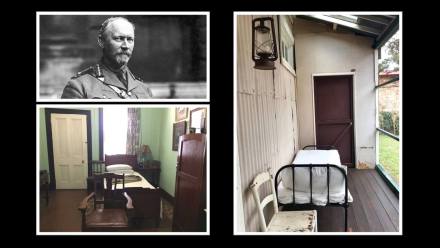
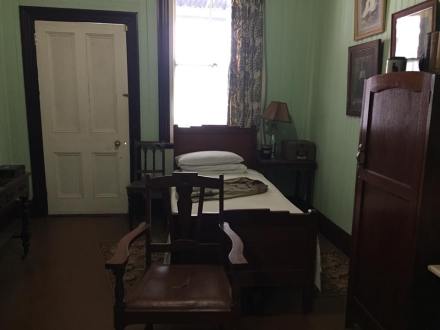
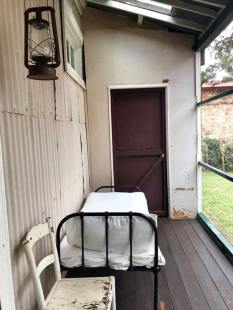
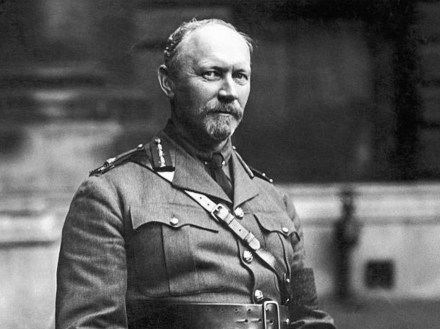
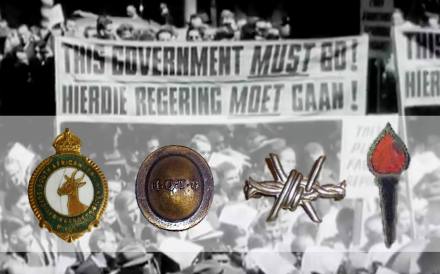


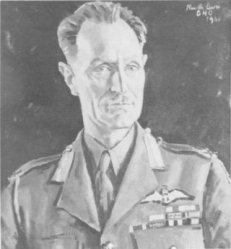
 The history of the Springbok Legion as a political entity is fascinating – initially formed in 1941 by members of the 9th Recce Battalion of the South African Tank Corps, along with the Soldiers Interests Committee formed by members of the First South African Brigade in Addis Ababa, and the Union of Soldiers formed by the same brigade in Egypt.

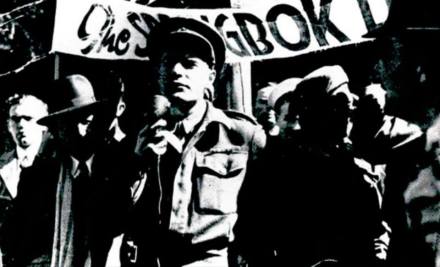
 In reality, the Torch Commando constituted the first real mass “anti-Apartheid” protests and Adolph ‘Sailor’ Malan can be counted as one of the very first anti-apartheid ‘struggle’ heroes. Sailor Malan, a Battle of Britain hero and flying ace (one of the best pilots the Royal Air Force had during the war) returned to his homeland – South Africa in 1946.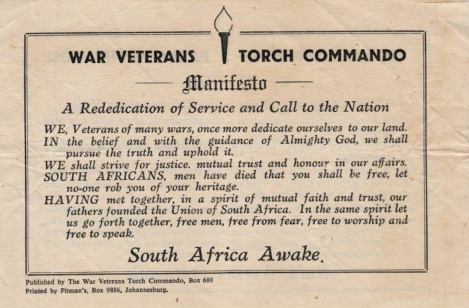


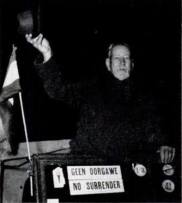


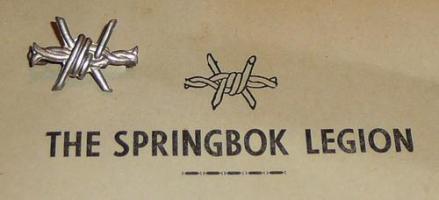
 This eventually resulted in the fracturing of the Springbok Legion as a whole as moderate “white” members, who made up the majority of its supporters became disenchanted with its increasingly militant leftist rhetoric.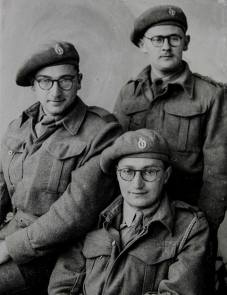
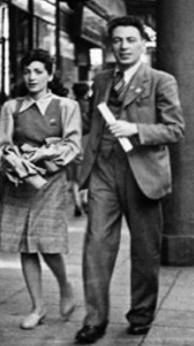
 Sailor Malan’s political career was effectively ended and the “Torch” effectively suppressed by the National Party, so he returned to his hometown of Kimberley. Sailor then joined his local Memorable Order of Tin Hats (MOTH) shell-hole (branch) in Kimberley and withdrew from politics, choosing instead the social and camaraderie of his like-minded colleagues in his ‘shell-hole’ and the ‘good life’ (he had a reputation as the ‘life of a party’).

 The campaign to purge the national consciousness of The Torch Commando, The Springbok Legion and Sailor Malan was highly effective as by the 1970’s and 1980’s the emergent generation of South Africans have little to no knowledge of The Torch or The Springbok Legion, it is highly unlikely that anyone today remembers Sailor Malan’s speech to 75,000 Torch Commando protesters in the centre of Johannesburg. The veterans community today, albeit very small, have kept his memory alive, Sailor’s MOTH shell-hole in Kimberley still remember this outstanding war hero very fondly to this day,
 Many older people will remember a time in the 50’s, 60’s and early 70’s, when on “Poppy Day” thousands of South African Legion members with their supporters would ‘sell’ paper red poppies raising funds for veterans in need in just about every major shopping centre all over South Africa. Some may even remember the South African Legion visiting their schools and explaining the meaning of the Poppy.
 Simply put, even though the South African Legion (BESL) had taken an apolitical stance and chosen a cordial approach in dealing with the Nationalists, it still found itself coming into headlong confrontation with the National Party government, both in terms of its individual members’ politics but also in terms of the mandate given to it as the national body to look after Cape Coloured, Indian and Black South African veterans in need.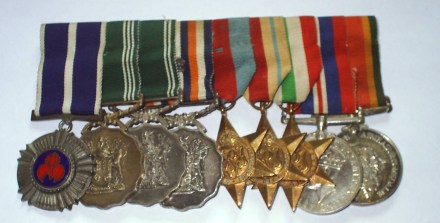
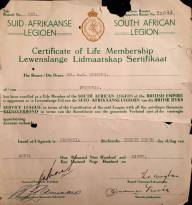
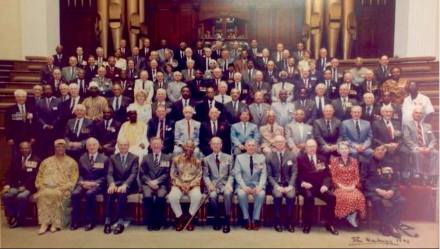
 The ‘statutory’ associations i.e. the Infantry Association, Armour Association, Naval Officers Association, Gunners Association, Caledonian Regiments Association etc. etc. are combined and lumped with more newly sprung ‘broader’ veterans associations – the SADF Veterans Association, the South African Military Veterans Organisation ‘International’ (a spin-off from a Australia based SA veterans association) and more, each targeting the same veteran – all of whom exist under their own umbrella organisation – The Council of Military Veterans Organisations (CMVO).
 This all in turn falls under the ‘Department of Military Veterans’ (DMV) a government department under the Minister of Defence which toes a very African National Congress (ANC) party political line in its media either shaming or ignoring the statutory veterans (especially the old ‘SADF’ members who make up the majority of the Department’s mandate and membership) and highlighting the deeds of the non statutory political party veterans, primarily ANC Umkhonto we Sizwe (MK) veterans as noble ones instead (and these veterans are contentious at best).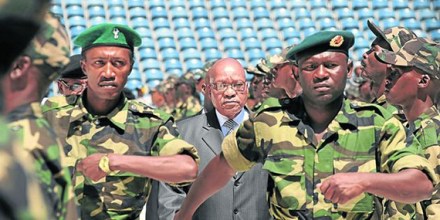
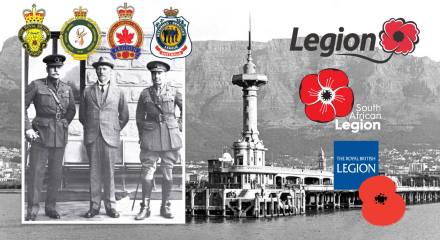
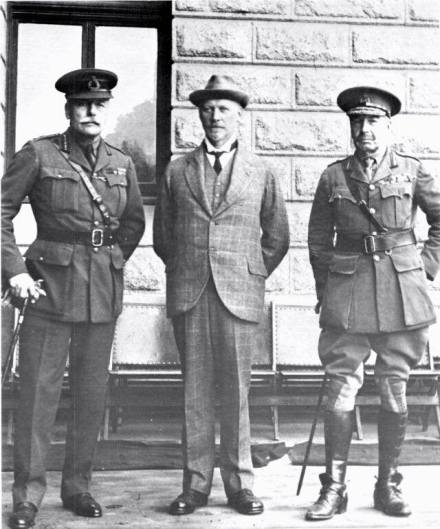
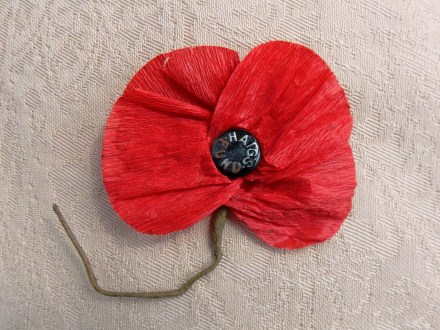
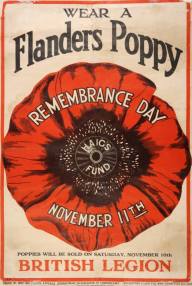 The Poppy entered into The Royal British Legion’s history in the same year as the RCEL was formed in Cape Town – 1921, when Madame Guérin promoted what she termed the ‘Inter-Allied Poppy Day’ to the British Legion, a day in which all Britain and her empire who took part in Would War One would remember the fallen with the token of the Flanders red poppy.
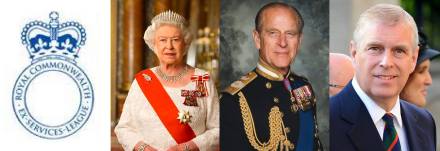


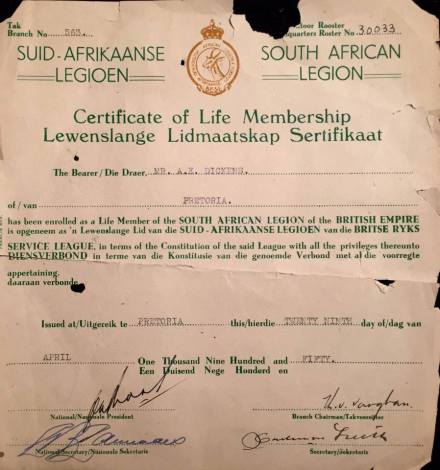
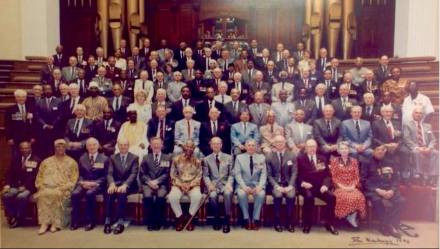
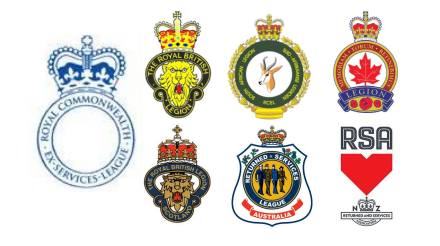
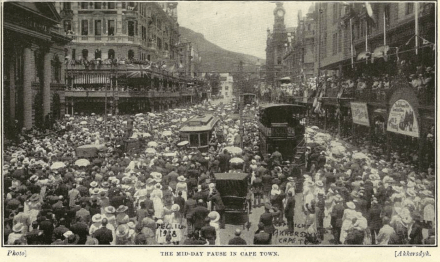
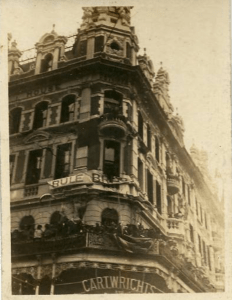
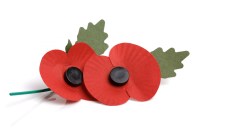
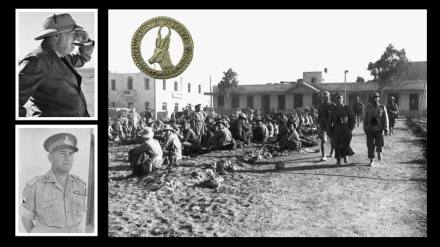
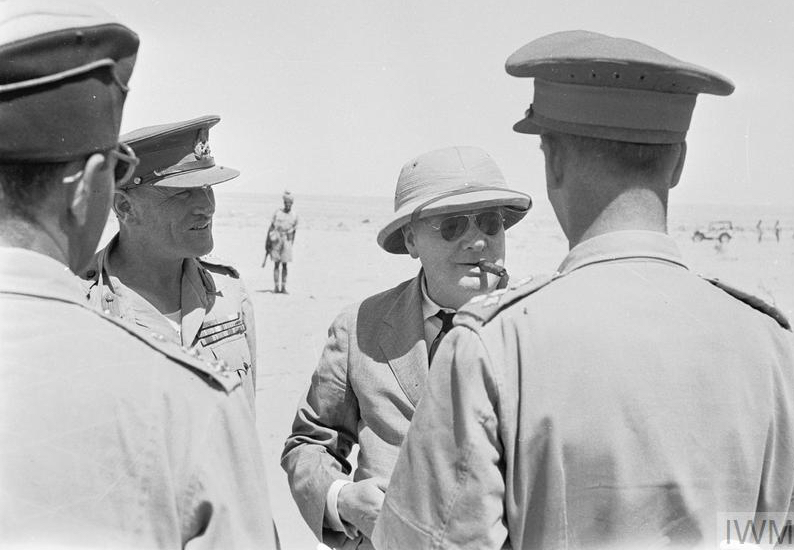
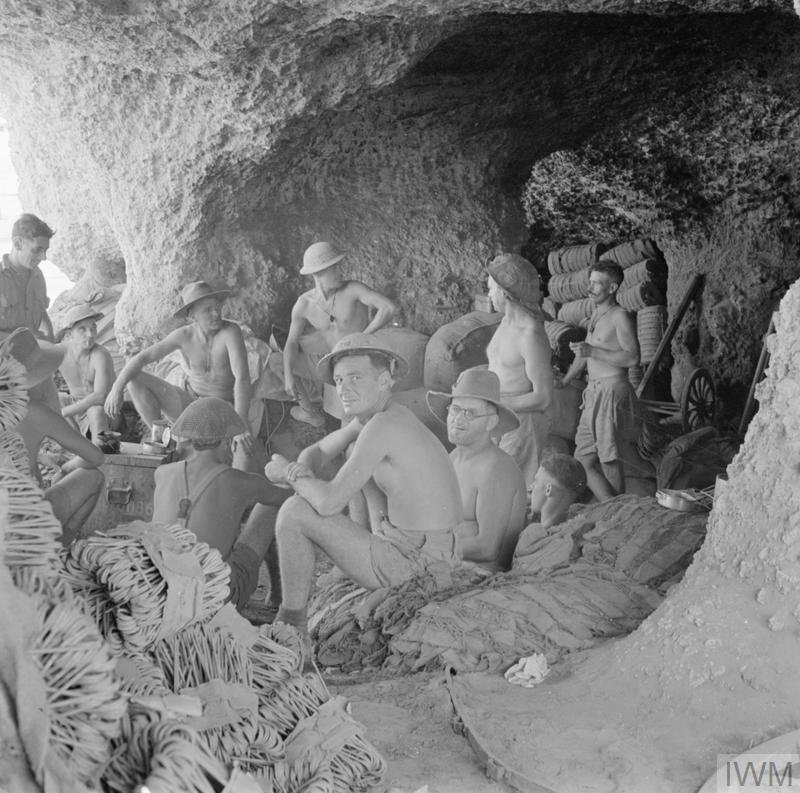
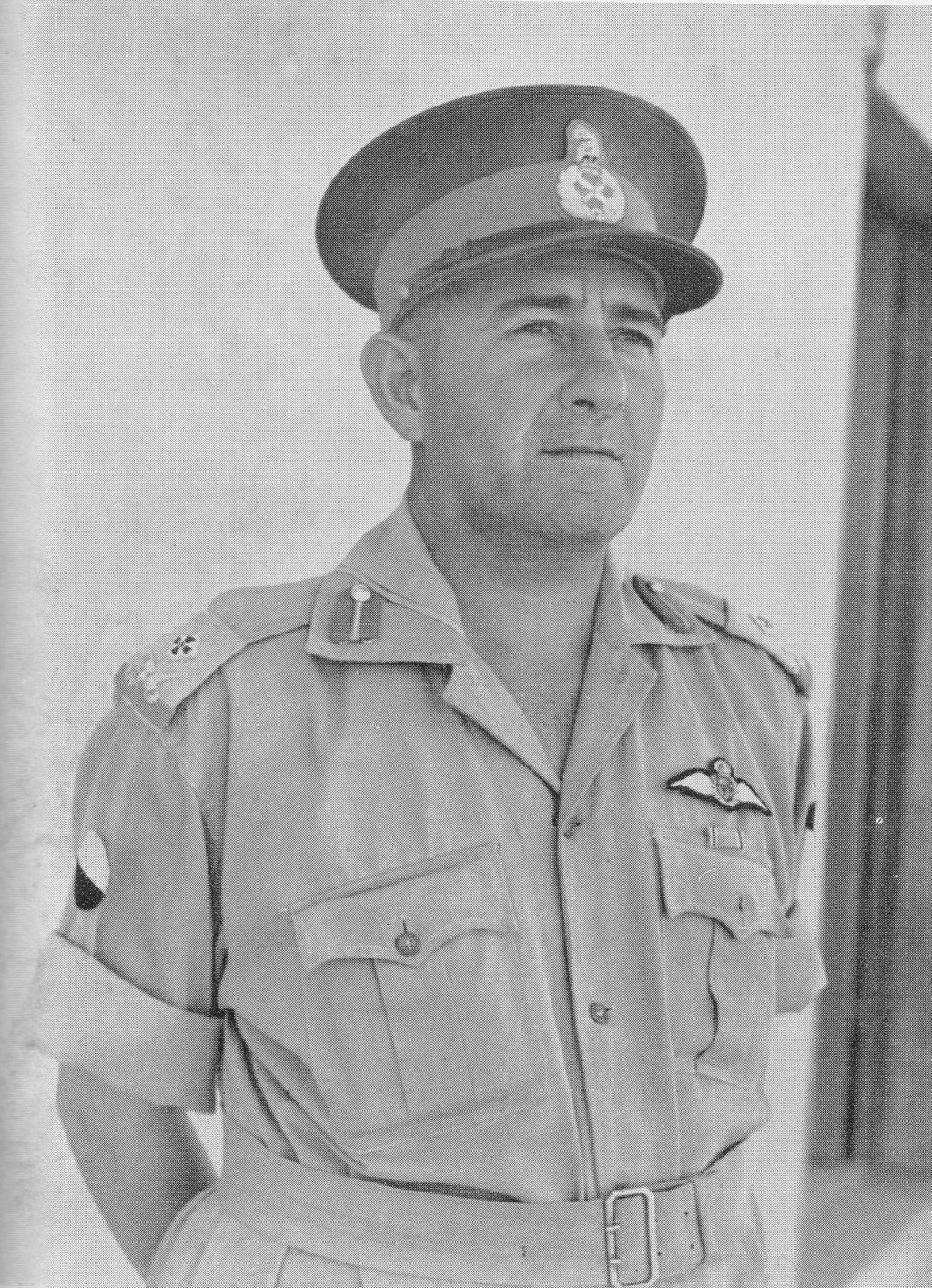
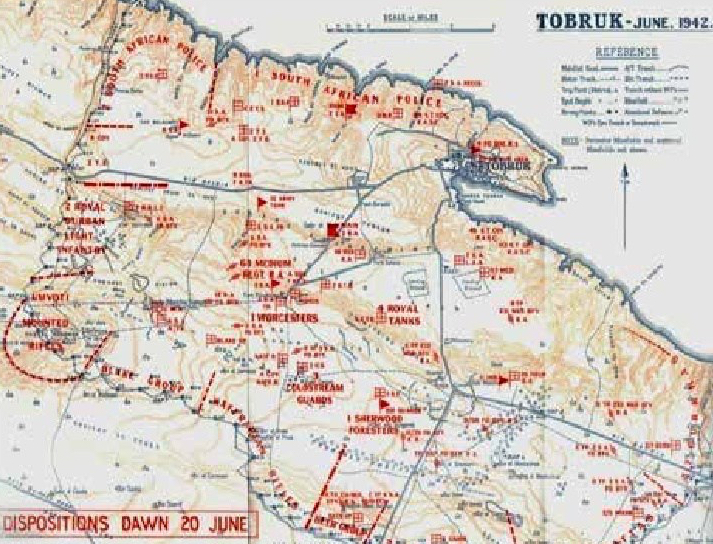

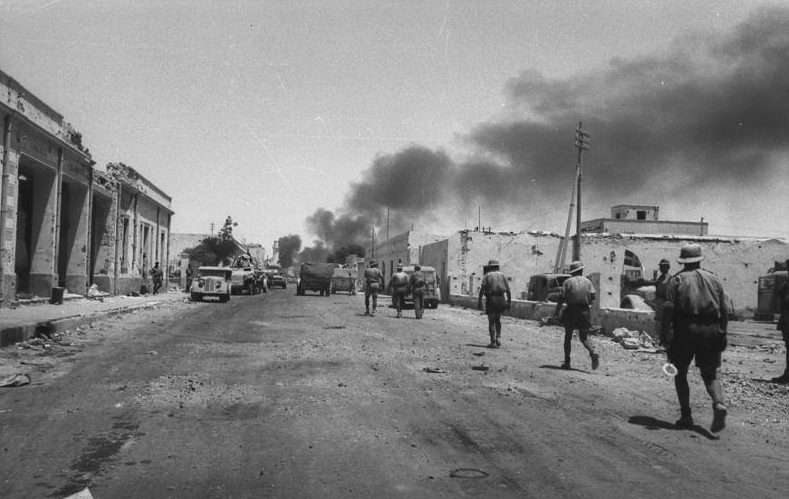

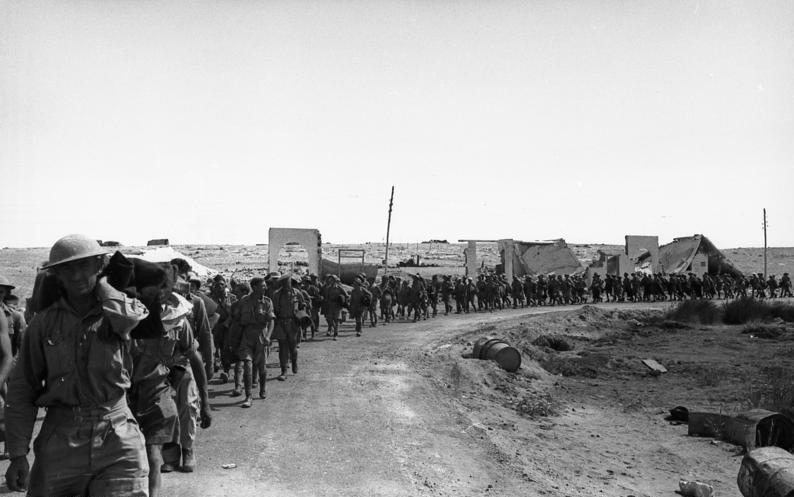
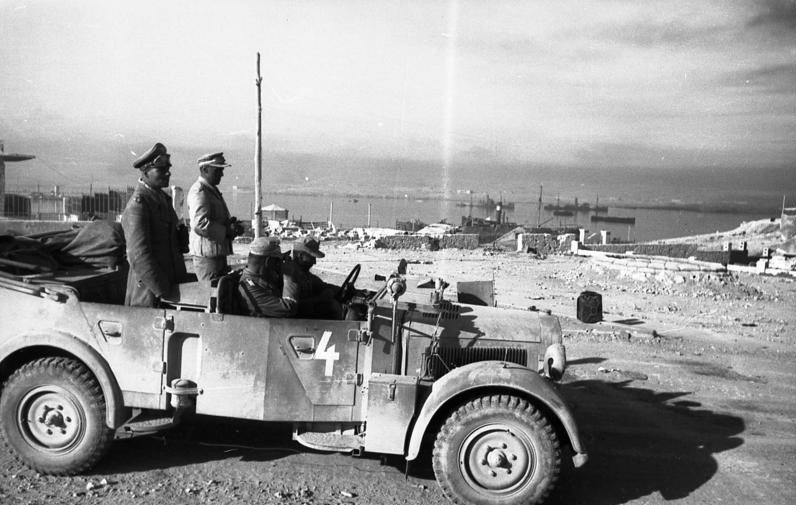
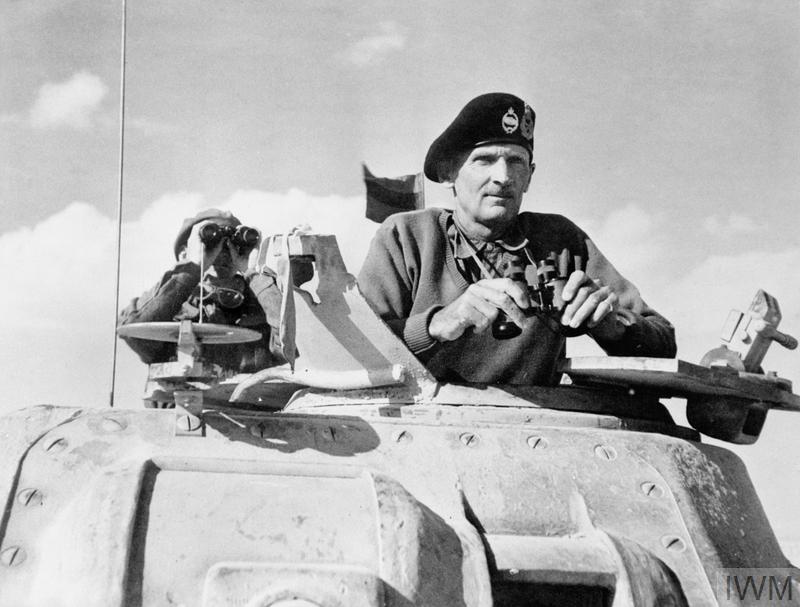
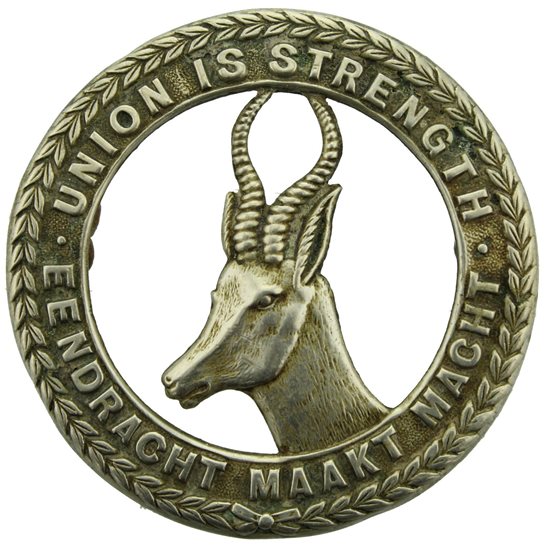
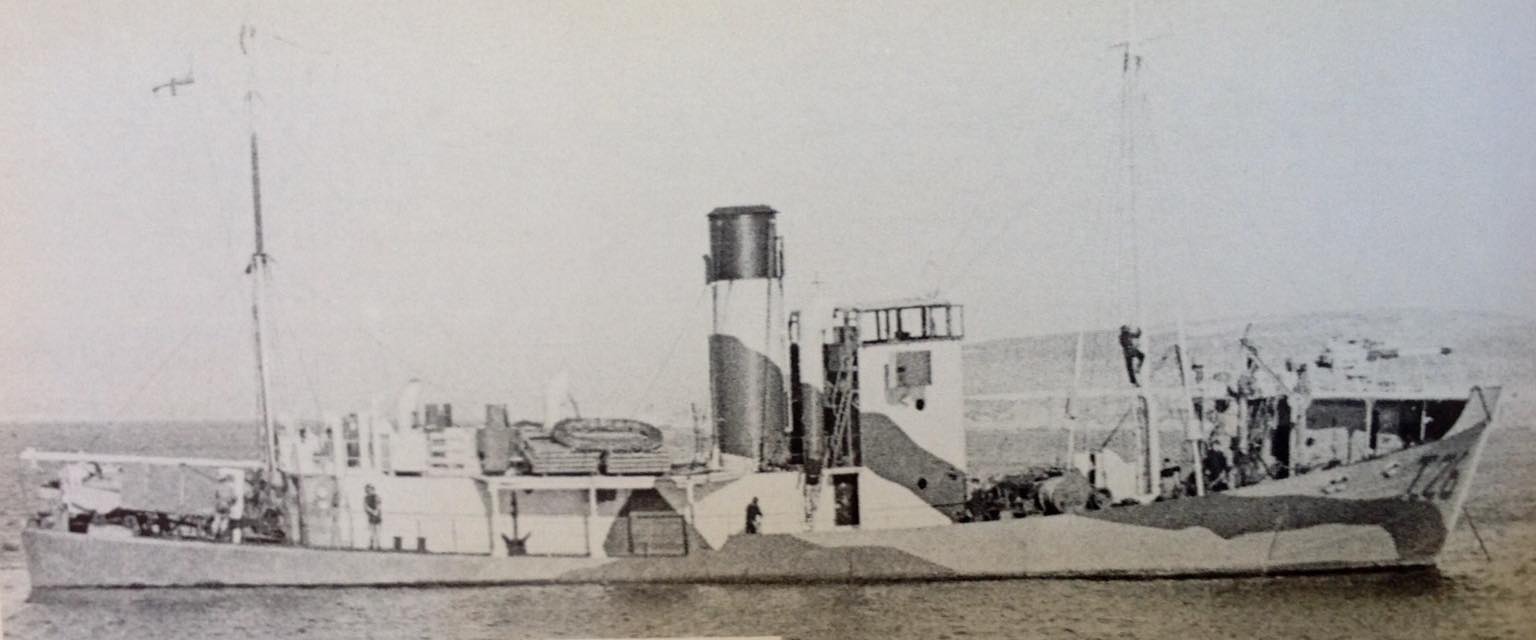
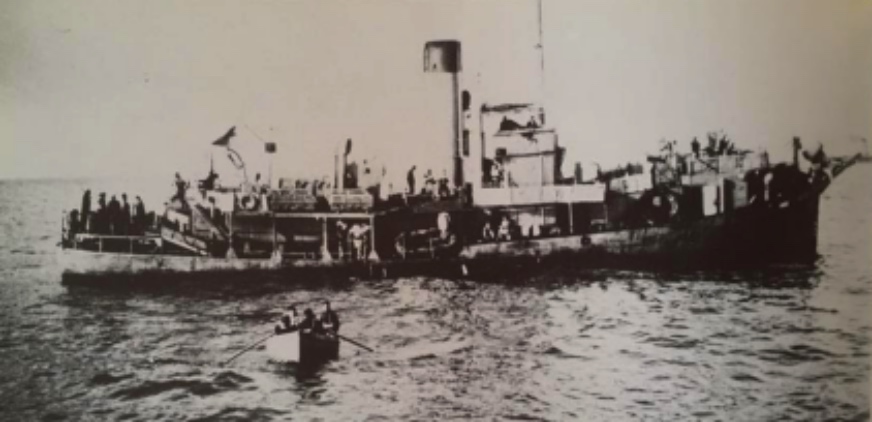
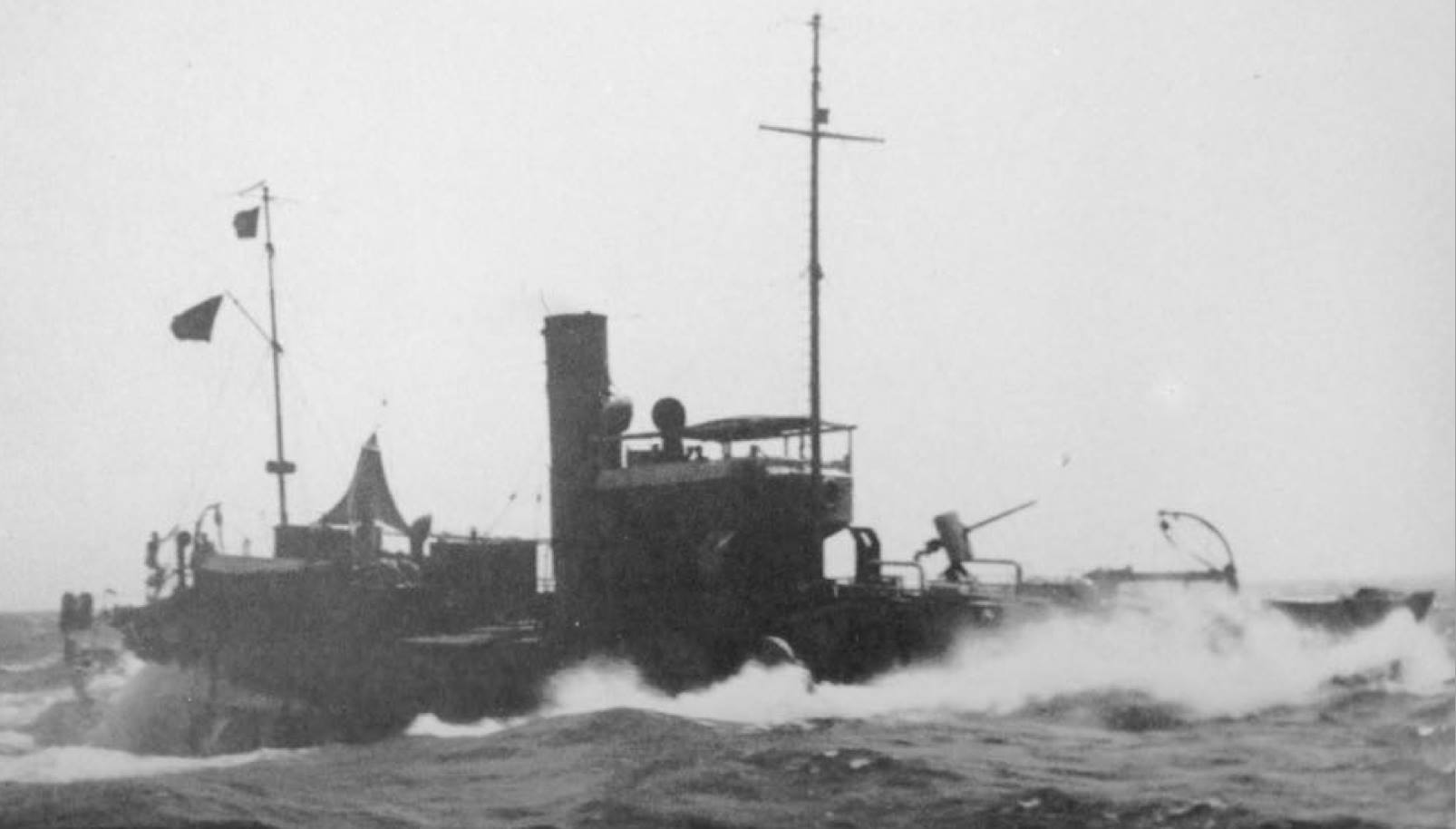
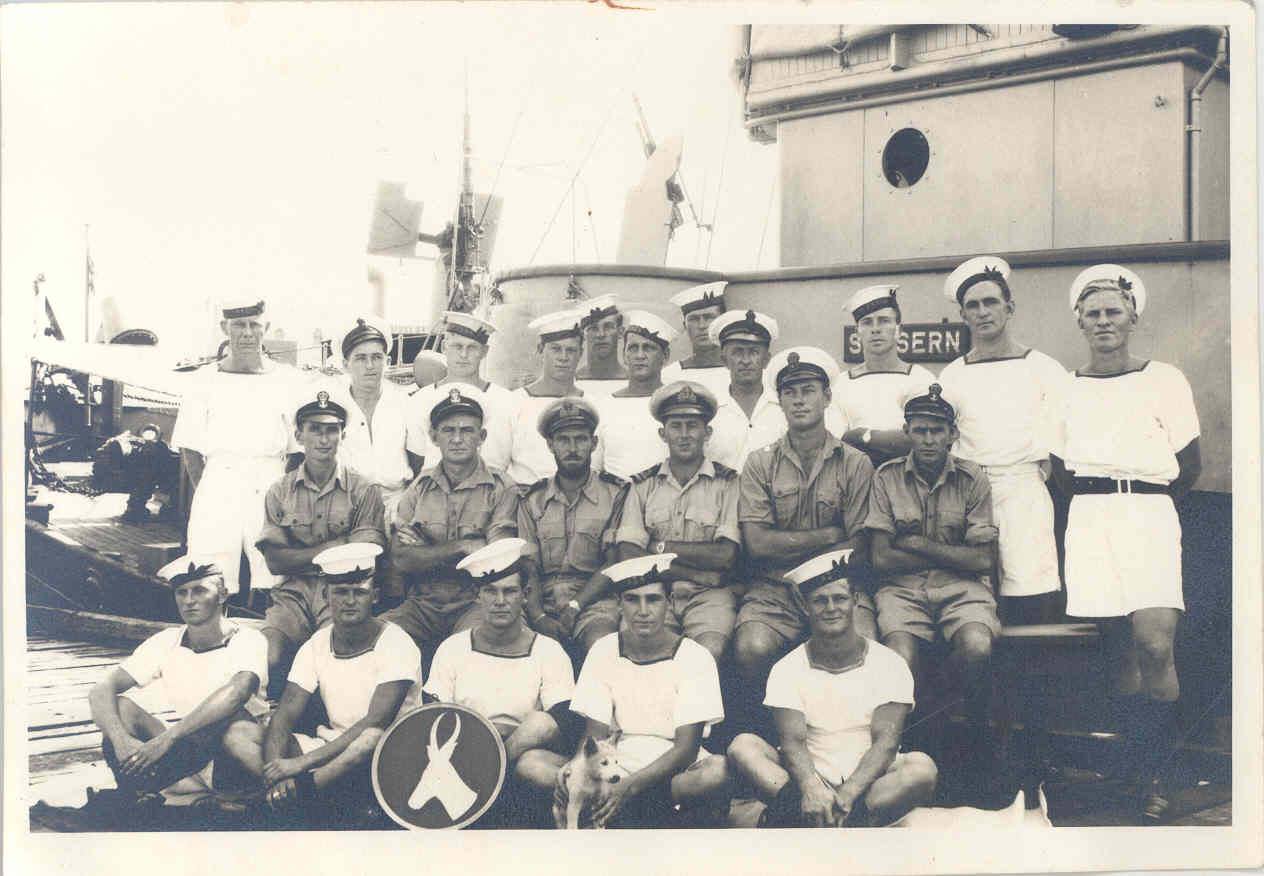
 The brave men of the HMSAS Bever sacrificed that day are outlined on the honour roll below (MPK means “Missing Presumed Killed”):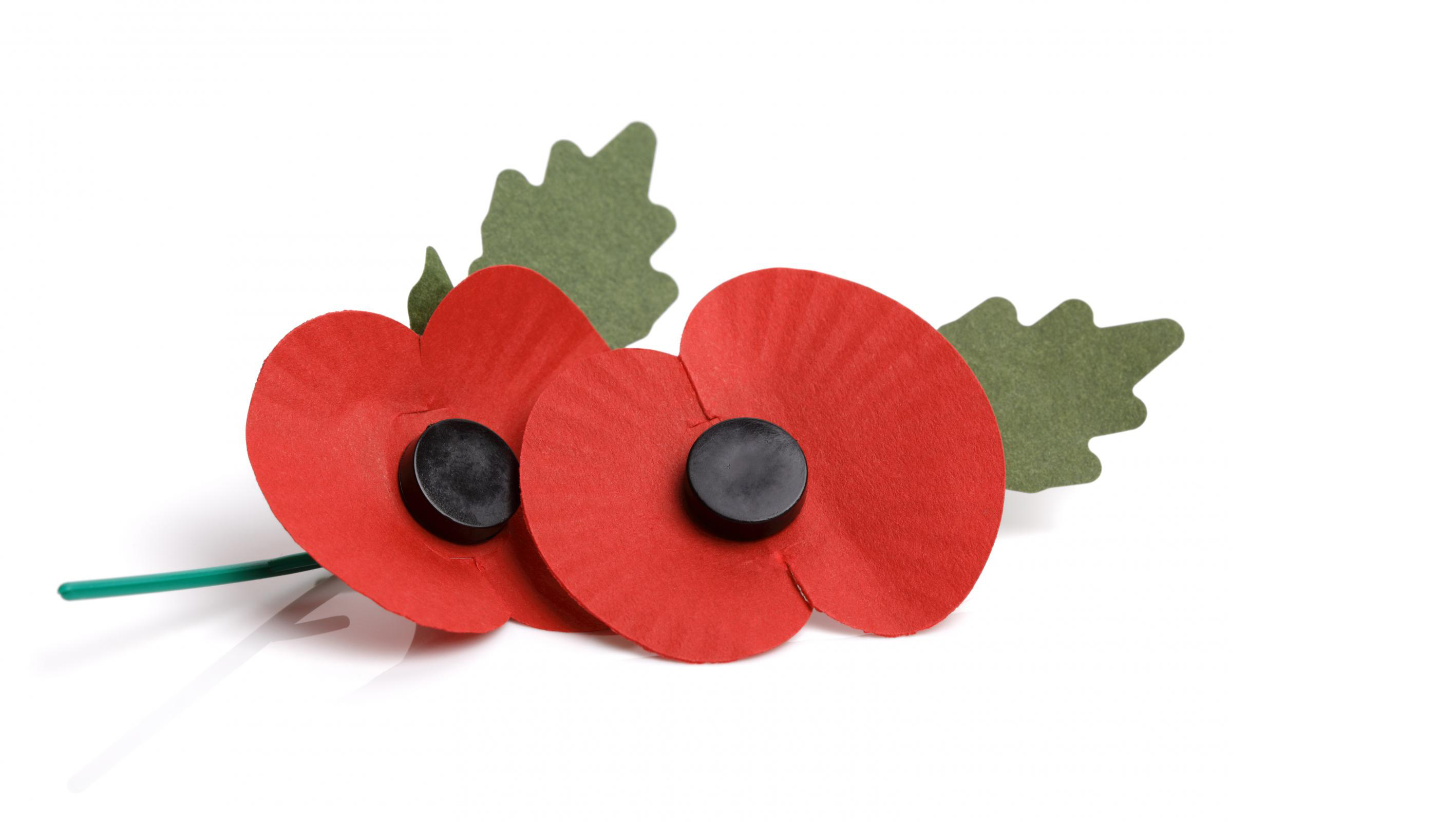
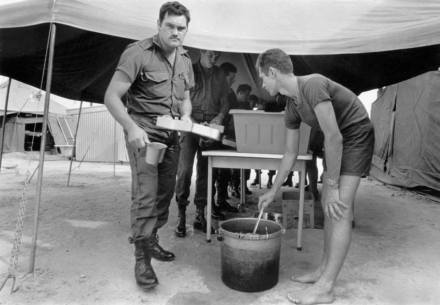
 Back in the day, there was always a base rumour that the SADF put ‘Blue Stone’ into the food and drink to repress the sexual urges of young National Servicemen. It was always declared as proof positive by some or other young recruit whenever the coffee urn came out and the ‘strange salty taste’ was attributed to this drug.
 As to the myth of bromide, the comedian Spike Milligan, who served with the British Army in World War II, summed the myth up very well in his book Rommel? Gunner Who?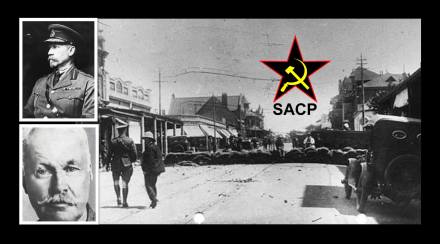
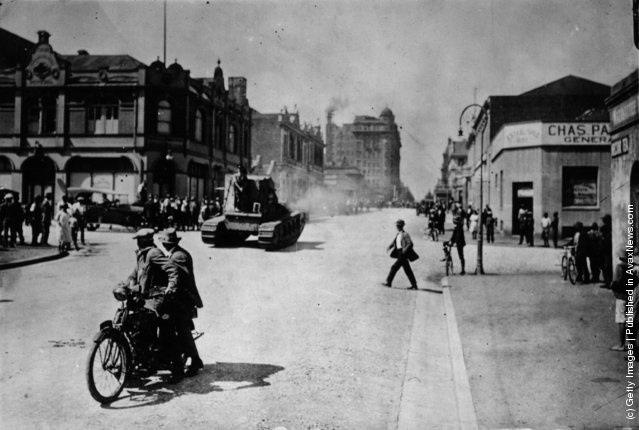
 The Rand Rebellion (also known as the Rand Revolt or Second Rand Revolt – the Jameson Raid was the first) was an armed uprising of white miners on the Witwatersrand mining belt in March 1922.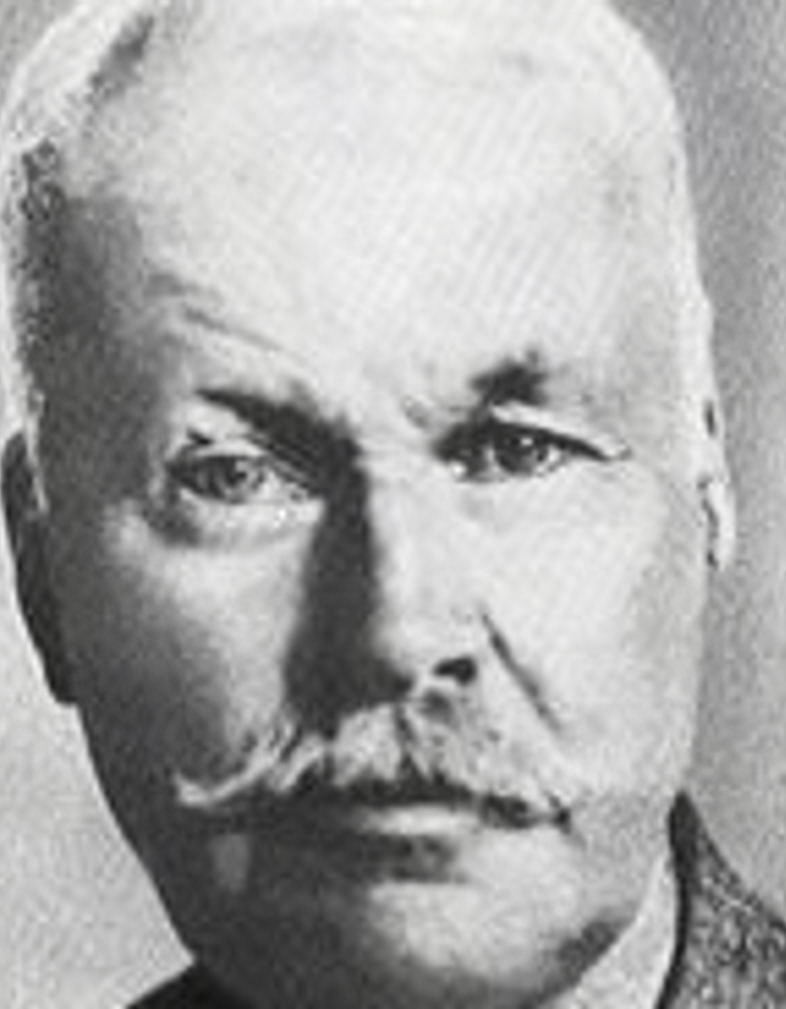
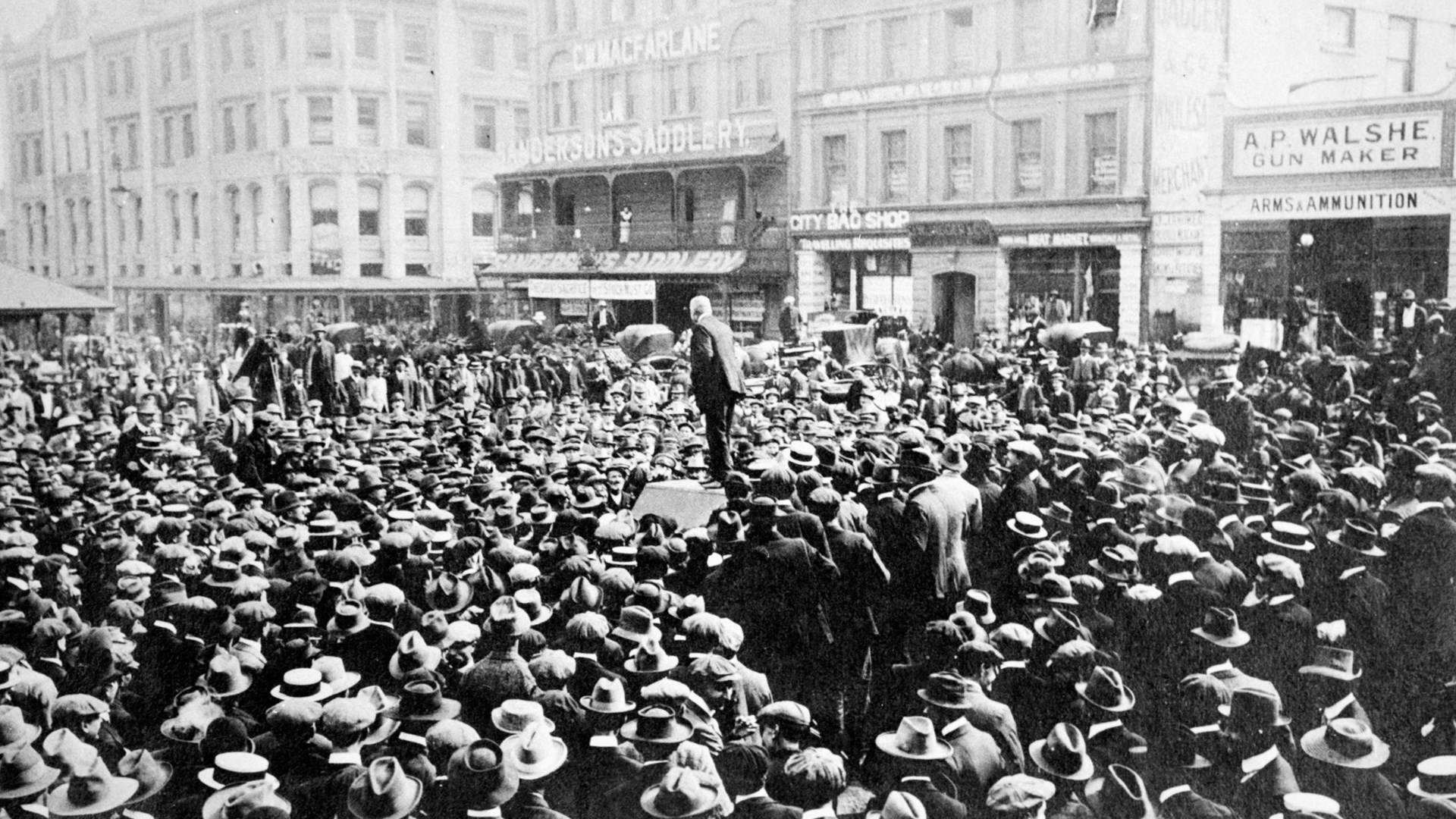
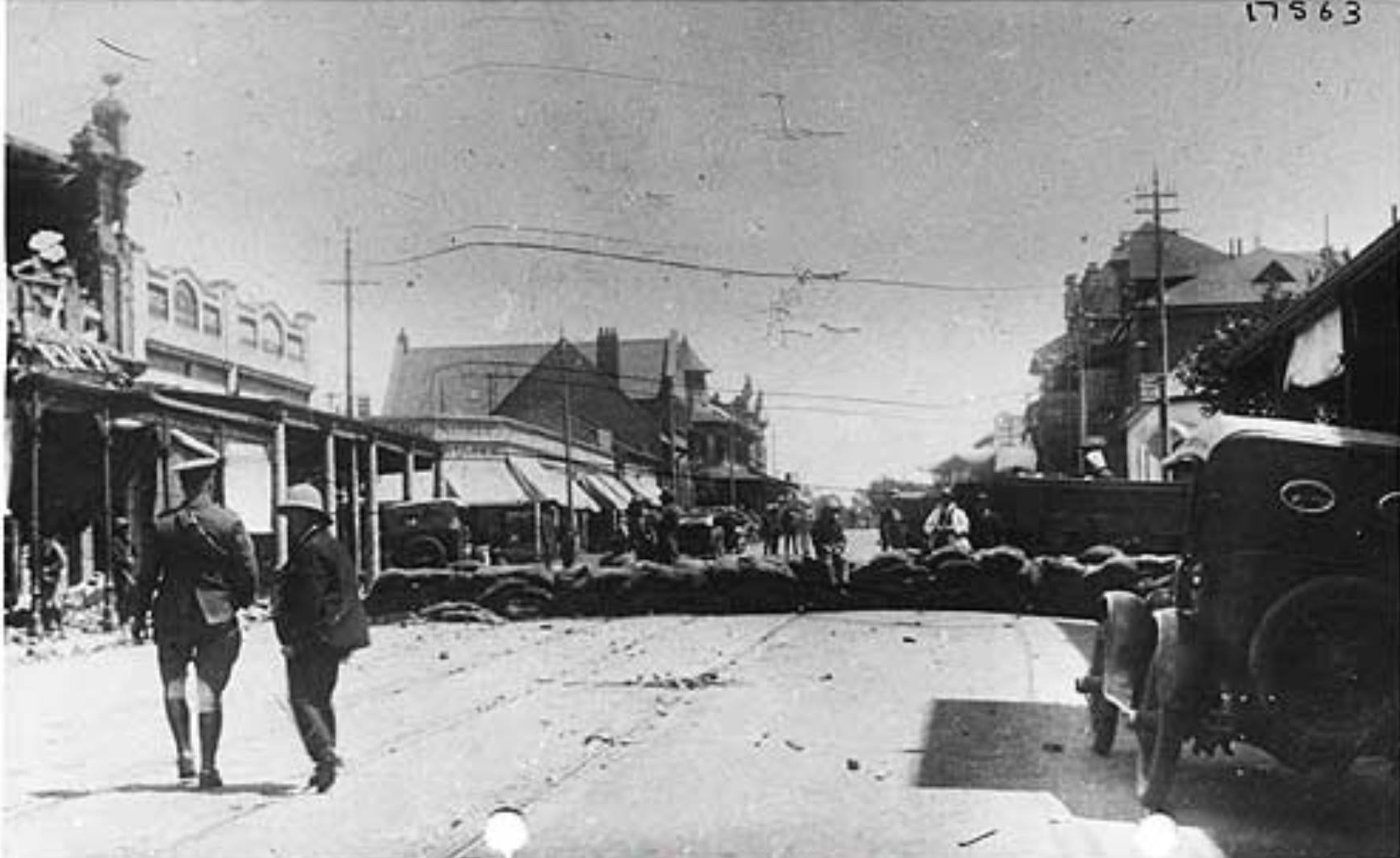
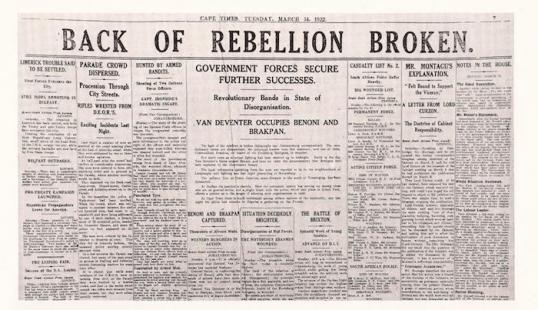
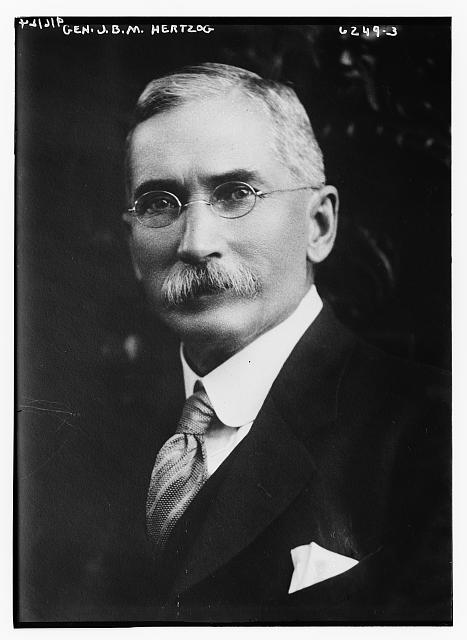
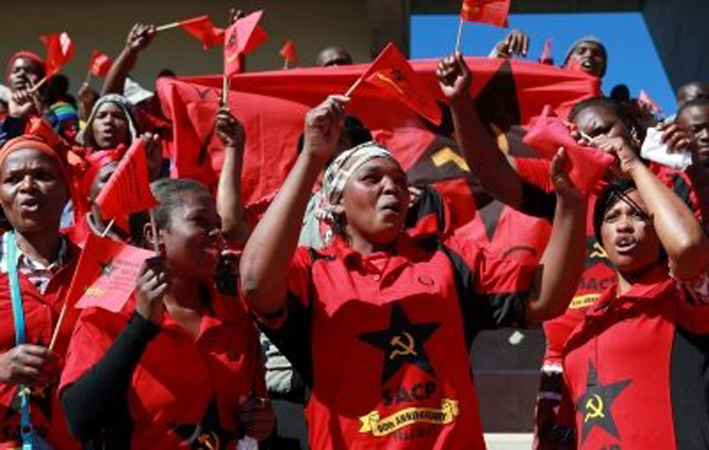
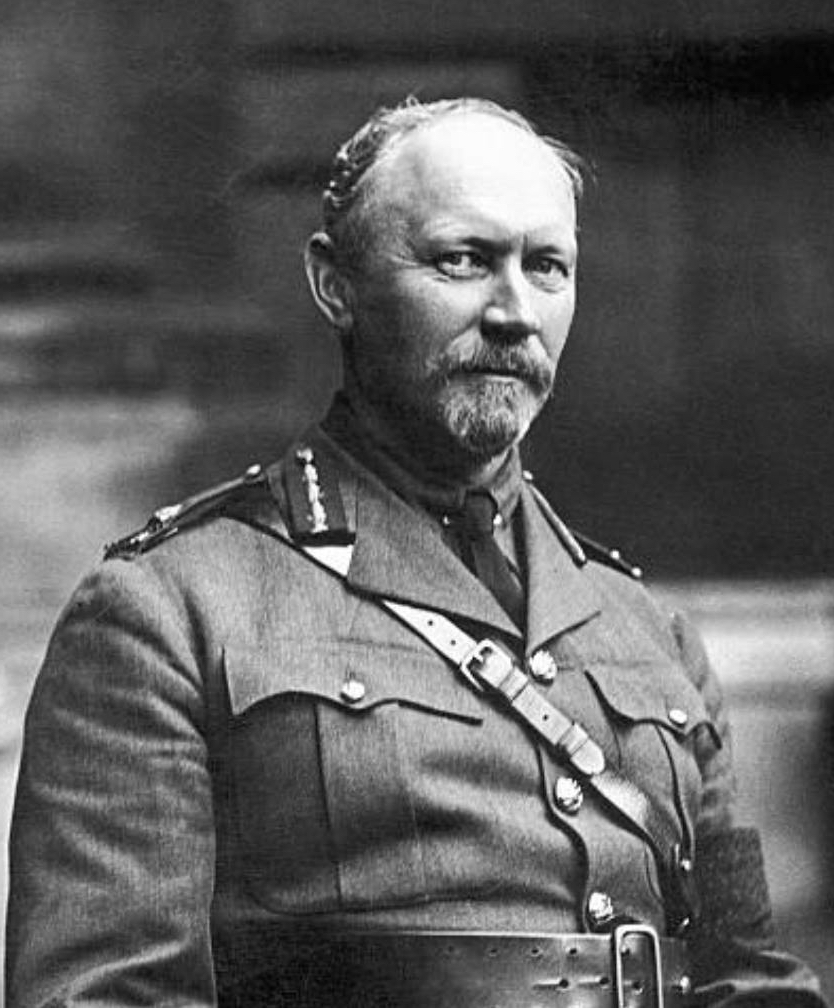
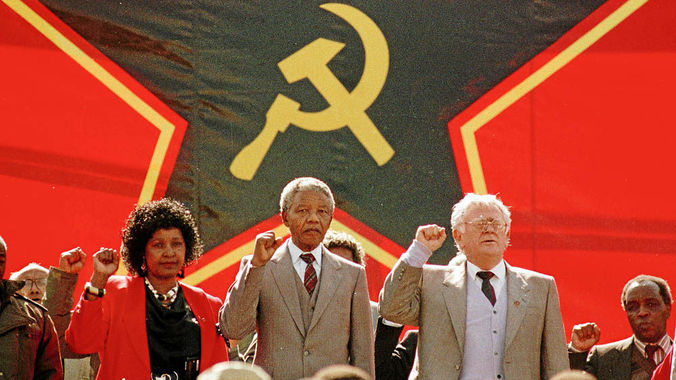


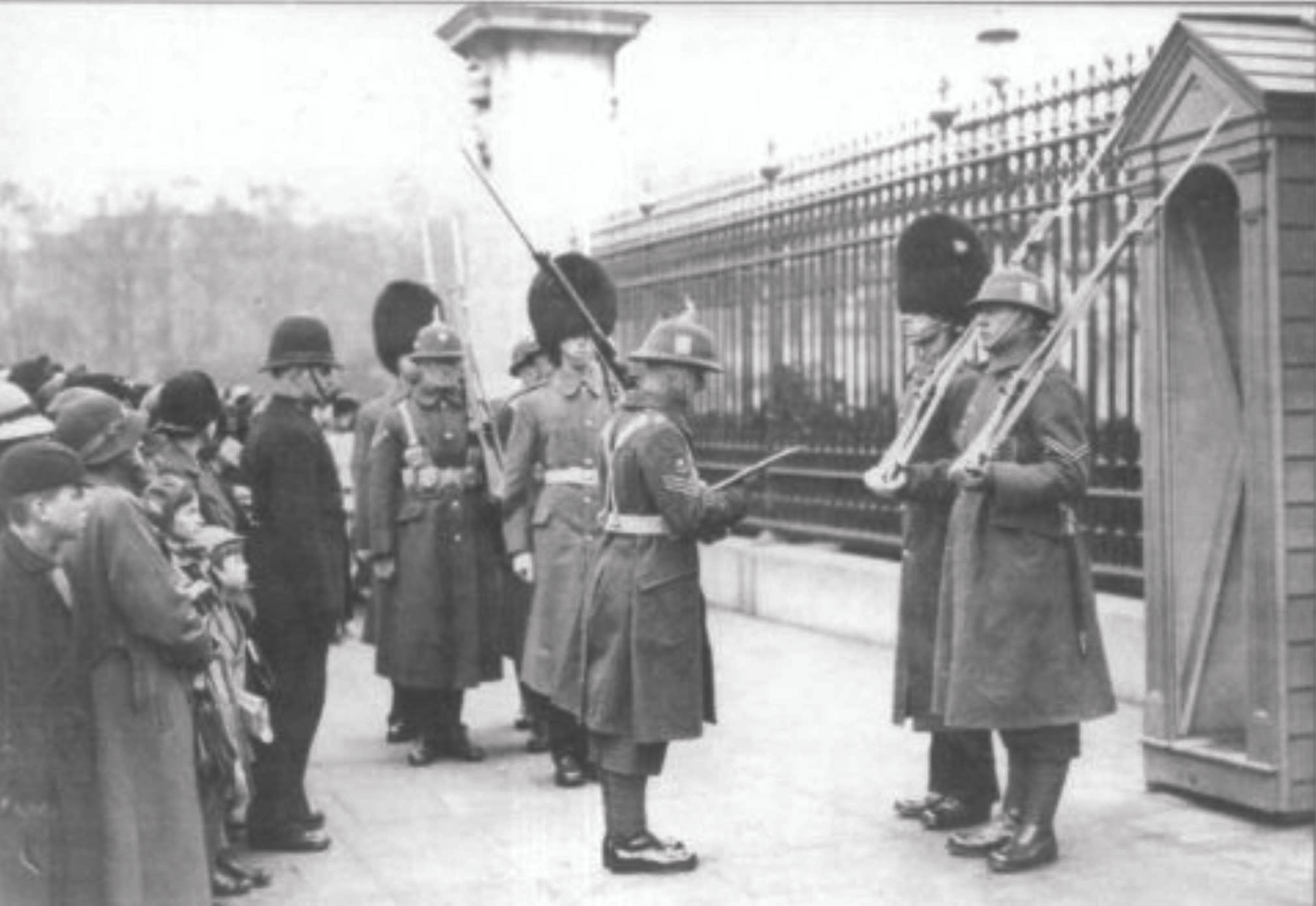
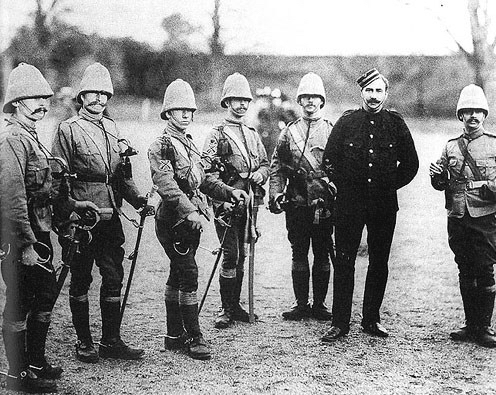
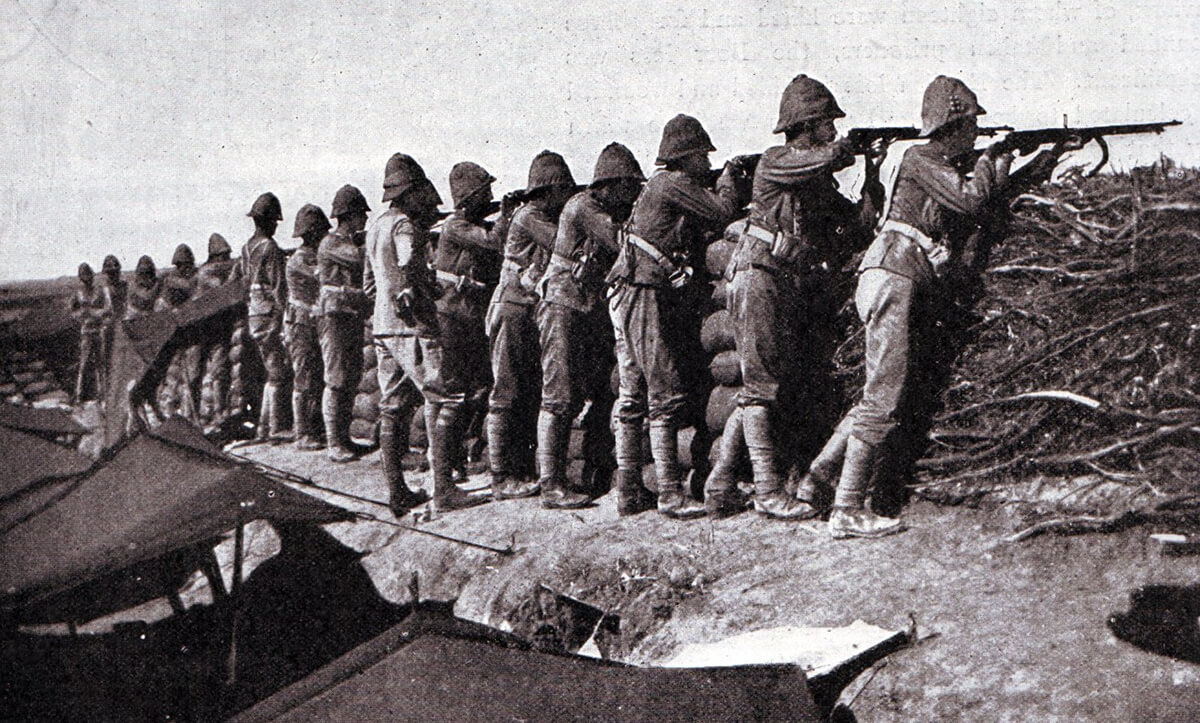
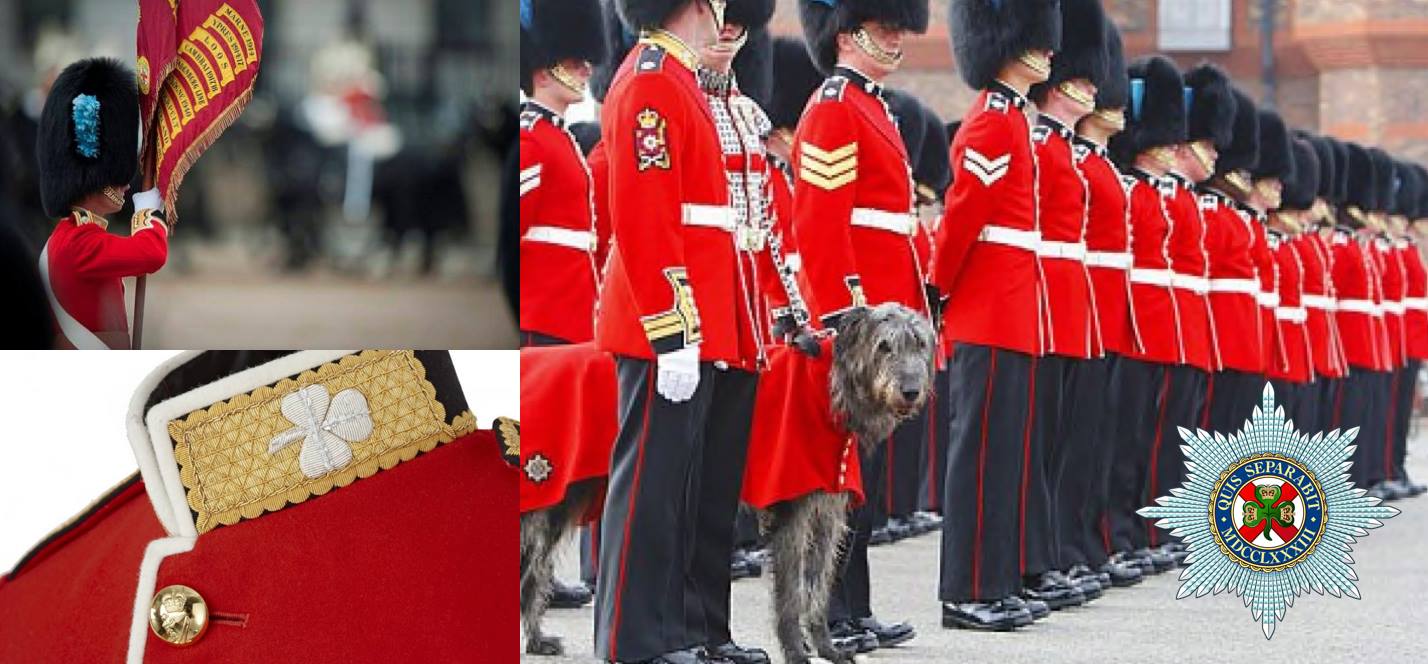
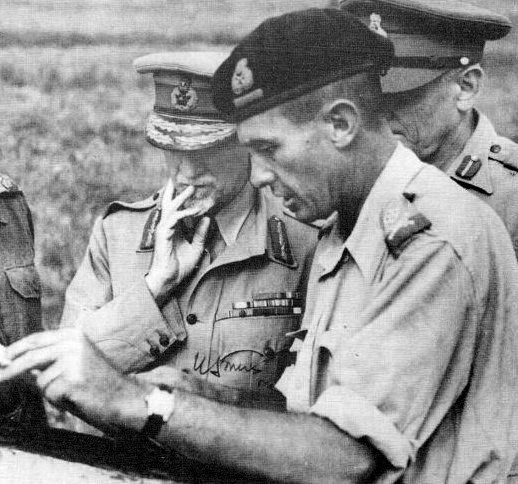
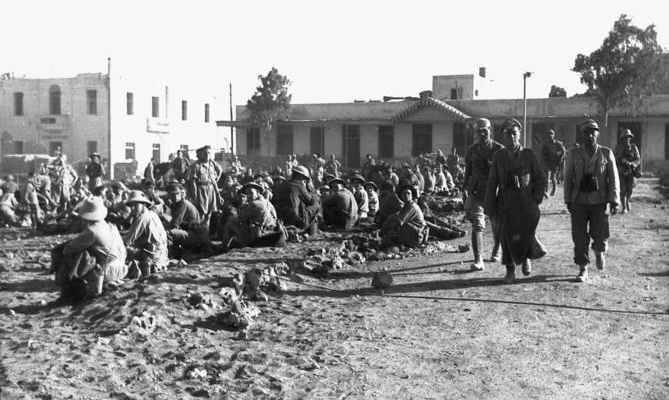
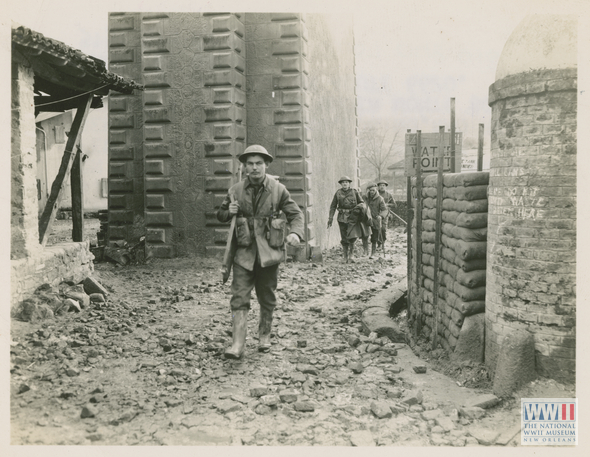
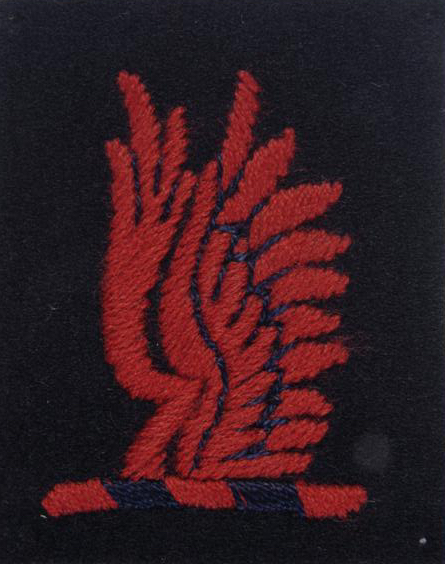
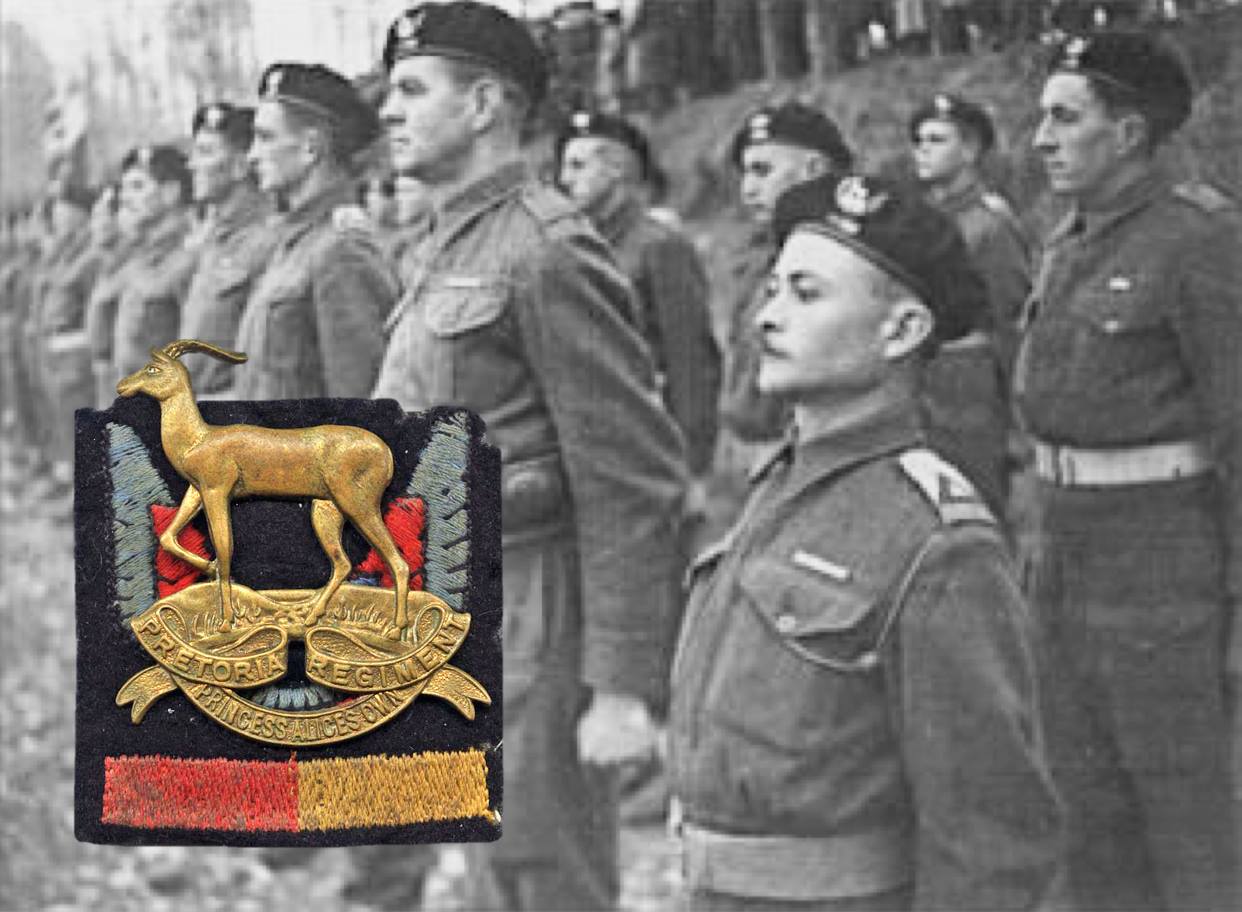


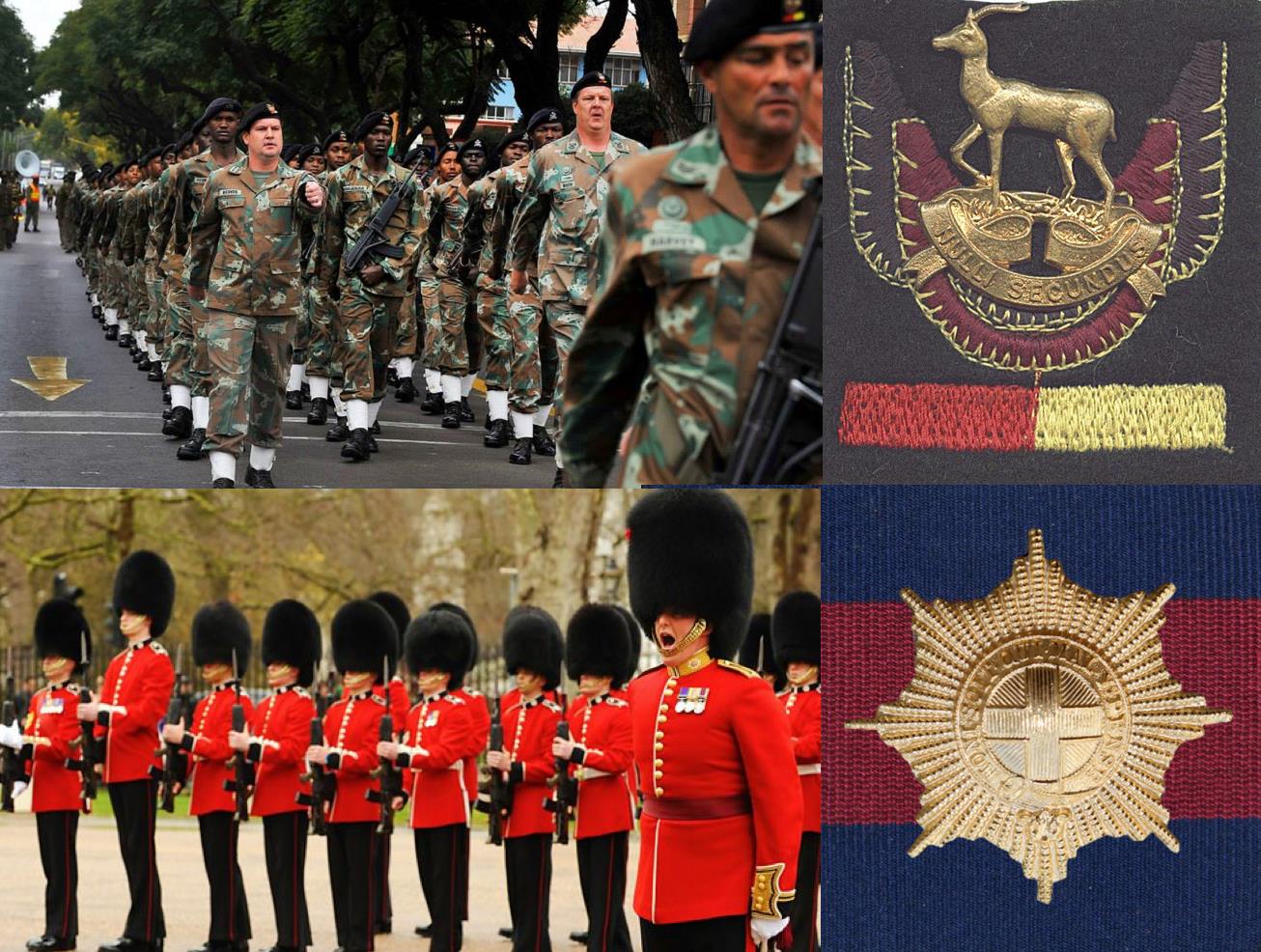
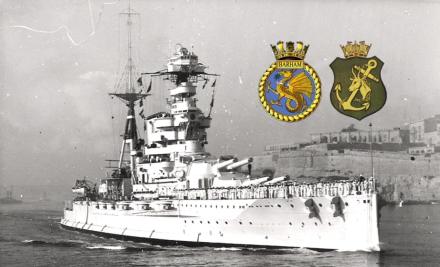


 The Observation Post