So, talking Olympics, but in a military context, who are South Africa’s greatest medalists?
Unfortunately we have to separate this into two sub categories as the National Party in 1948 decided that anyone fighting for the Allies under the banner of the “South African Union” was somehow “British” (so too their medals – the “Commonwealth” bit to these decorations mattered not a jot to the Nats) and anyone fighting for the ‘White’ Apartheid Republic they brought about in 1961 was somehow more “South African” – and they created a whole new set of medals in paramount to the “British and Commonwealth” ones – declaring these as “foreign” medals – which meant a simple peacetime SADF ’Skiet medal” (shooting proficiency medal) would be more senior than a Commonwealth decoration for wartime gallantry.
Naturally this caused a lot of distress for our WW1 and WW2 veterans at the time, some refusing to allow basic service medals to precede their hard earned combat medals – and it also caused lots of confusion. True, the Nationalists had to change them as South Africa was kicked out/left the British Commonwealth, no choice – but they did not have be sinister and give paramountcy over the Commonwealth medals.
Adding to this confusion is the current ANC dispensation who took the position in 2003 that medals awarded by the Apartheid Republic were for “Aparthied soldiers” and they created a whole new set to replace them for SANDF soldiers of a “democratic” South Africa – one thing they did right is they did not make them “paramount” to the SADF medals which maintain seniority (which the Nats did not do). To say this is a messy subject would be an understatement.
We also need to understand who is the South African with the “most” medals – like an Olympian who has won the most medals of any category – Gold, Silver or Bronze as opposed to the South African who has won the most “highest” medals for gallantry- again like an Olympian who has won the most “gold” medals.
Now to announce the winners:
The winner of the “most” medals i.e. the most decorated South African of the “Union” period is ….. Field Marshal Jan Smuts – here’s his rack:
Field Marshal Jan Christian Smuts OM,CH,DTD,ED,PC,KC,FRS
Order of Merit (OM) – British and Commonwealth (WW2)
Order of the Companions of Honour (CH) – British and Commonwealth (WW1)
Dekoratie voor trouwe Dienst (DTD) – ZAR Republic (Boer War 2)
Efficiency Decoration (ED) – South Africa (Interwar and WW2)
Privy Council (PC) – British and Commonwealth
King’s Counsel (KC) – a legal appointment post nominal
Fellowship of the Royal Society (FRS)
Bencher of the Middle Temple – a legal appointment
South African Republic and OFS War Medal – ZAR Republic (Boer War 2)
1914/15 Star (WW1)
British War Medal 1914 – 1918 (WW1)
Victory Medal (WW1)
General Service Medal
King George V’s Jubilee Medal – 1935
King George VI’s Coronation Medal – 1937
1939 – 1945 Star (WW2)
Africa Star (WW2)
Italy Star (WW2)
France and Germany Star (WW2)
Defence Medal 1939 – 1945 (WW2)
War Medal 1939 – 1945 (WW2)
Africa Service Medal 1939 – 1945 (WW2)
Order of Merit (U.S.A.)
EAME Campaign Medal – U.S.A.(WW2)
Order of the Tower and Sword for Valour, Loyalty and Merit (Portugal)
Grootkruis van die Orde van de Nederlandsche Leeuw – Netherlands (WW2)
Grand Cordon of the Order of Mohamed Ali (Egypt)
Grand Cross of the Order of the Redeemer – Greece (WW2)
Grand Cross of the Order of Léopold II – Belgium (WW2)
Croix de guerre – Belgium (WW1)
Légion d’honneur Croix de Commandeur – France (WW1)
La Grand Croix de l’Ordre de L’Etoile Africane Ster – Belgium (WW2)
King Christian X Frihedsmedaille ‘Pro Dania’ – Denmark (WW2)
Smuts is unique in the sense that his two Boer War Republican medals pre-date his Union medals.
Field Marshal Jan Smuts and ribbons
The winner of the “highest” medals i.e. the highest decorated South African of the “Union” period is …. Captain Andrew Beauchamp-Proctor – here is his rack:
Captain Andrew Beauchamp-Proctor VC,DSO,MC&Bar,DFC
Captain Beauchamp-Proctor
Victoria Cross (WW1)
Distinguished Service Order (WW1)
Military Cross and Bar (WW1)
Distinguished Flying Cross (WW1)
1914 – 1915 Star (WW1)
British War Medal (WW1)
The Victory Medal (WW1)
Captain Beauchamp-Proctor is not unique in the sense that all his highest medals were earned whilst fighting in British military constructs as a South African Union citizen – which was perfectly acceptable then.
The South African winner of the “most decorated” South African in the “South African Republic” SADF period is ….. General Bob Rogers – here is his rack:
General Bob Rogers SSA, SM, MMM, DSO, DFC&Bar
General Bob Rogers
Star of South Africa (SSA) (South Africa)
Southern Cross Medal (SM) (South Africa)
Military Merit Medal (MMM) (South Africa)
Korea Medal (South Africa)
Pro Patria Medal (South Africa)
Good Service Medal, Gold (30 Years – South Africa)
Good Service Medal, Silver (20 Years – South Africa)
Union Medal (South Africa)
Distinguished Service Order (DSO) (WW2)
Distinguished Flying Cross and Bar (DFC and Bar) (WW2)
1939–45 Star (WW2)
Africa Star (WW2)
Italy Star (WW2)
War Medal 1939–1945 – Mentioned in Dispatches (WW2)
Africa Service Medal (WW2)
Distinguished Flying Cross (USA)*
Air Medal Bronze with Oak Leaf Cluster (USA)*
Order of Military Merit (Korea) (Chungmu cordon) with Gold Star
United Nations Service Medal for Korea
Korean War Service Medal
Grand Star of Military Merit (Chile)
Army PUC Presidential Unit Citation (USA)*
*American awards issued to 2 SAAF Squadron members under their command in the Korean War.2
23 Total
Note: General Rogers’ medal set are a combination of SADF (Republican) and UDF (Union) medals and decorations, and like Smuts some foreign ones too.
The winner of the “highest decorated” South African in the SADF “Republic” period is …. Major Arthur Walker – here is his rack:
Major Murray Walker
Major Murray Walker HCG&Bar, SM
Honoris Crux (Gold and Bar) – South Africa
Southern Cross Medal – South Africa
Pro Patria Medal – South Africa
Southern African Medal – South Africa
General Service Medal – South Africa
Good Service Medal Bronze – South Africa
Zimbabwean Independence Medal 1980 – Zimbabwe
General Service Medal – Rhodesia
United Nations Medal (Mozambique – United Nations)
Major Walker is unique in that won the Honoris Crux Gold (HCG) twice – the only South African to have a “Bar” to a HCG.
Overall Winning Medalists
So, of these four great medalists – who are the winners of the “most” and the “highest” given the grade and total sweep of the medals on offer – the answer:
Field Marshal Jan Smuts is the overall winner of the “most decorated South African”.
Simply because he has more decorations and medals (36) than Bob Rogers (23).
Andrew Beauchamp-Proctor is the overall winner of the “highest decorated South African”.
Simply because he has a Victoria Cross (VC) and his raft of decorations for gallantry serve to qualify it further – his DSO, two MC and DFC, putting him ahead of the other South African VC recipients – the highest gallantry award for the SADF was the “diamond” Honoris Crux (HCD), it was meant to be on the same level as a VC (albeit not the same as the VC is a stand alone, there is graded degree of bravery as there is with a HC set)- and nobody ever received a “diamond” Honoris Crux (HCD) in any event, it was never awarded, and no one ever will, it has been discontinued.
Of the new SANDF “Highest” decoration is the Nkwe ya Gauta – Golden Leopard – it replaced the Gold Honoris Crux (HCG) and like the HC set it is part of graded gallantry decorations going up in importance and there is no “diamond” Leopard – whereas the Victoria Cross is still a stand alone decoration and has no equivalent – so Beauchamp-Proctor still remains the “highest” decorated – and will remain such well into our living memory. So far there have been 3 recipients of the Nkwe ya Gauta – Golden Leopard – all of them posthumous.
Proccy – bravest of the brave
Please note this is not meant to degrade any one over the other – all four of these men are great South Africans.
Written and Researched by Peter Dickens
Jan Smuts by his son Jan Smuts, Heinemann and Cassell, 1952 – awards list ↩︎
Bob Rogers – his personal story as told by Roger Williams ↩︎
I noticed a blog post today from a fellow historian who took a swipe at a Boer War photograph colourising Facebook page for allowing a user to compare a black armband being worn by Lord Kitchener and his staff at the Veereniging Peace Conference to end the South African War (1899-1902) aka Boer War 2, to that of the Nazi armband worn by Adolf Hitler and his cabal during World War 2 (1939- 1945). The armband in question was a common funeral black band, in this case it marked the death of Queen Victoria on 22 Jan 1901.
Whilst all highly amusing and clearly all either ignorant and (more likely) a blatant and very cheap attempt to brand Lord Kitchener a Nazi, it does bring up a real comparison – which is the armband used by the Commandant General of the Ossewabrandwag and that of the armband used by the National Socialists (Nazi) – Adolf Hitler and his cabal.
The Ossewabrandwag (Ox Wagon Sentinel) was the largest and most successful Afrikaner Nationalist organisation with pro-Nazi sympathies prior and during World War 2. The Ossewabrangwag was formed on the back of the 1938 Great Trek Centennial celebration – the centennial under the directive of the Afrikaner Broederbond (Afrikaner Brotherhood) and its Chairman, Henning Klopper, sought to use the centenary anniversary of the Great Trek to unite the ‘Cape Afrikaners’ and the ‘Boere Afrikaners’ who were deemed by Klopper as been separated by Boer War 2. He strove to unite “the two separate hearts” of white Afrikanerdom into a singular ‘Boer’ archetype under the pioneering symbology of the Great trek and to literally map a ‘path to a South African Republic’ under a white Afrikaner hegemony. The trek re-enactment was very successful, and Henning managed to realign white Afrikaner identity under the Broederbond’s Christian Nationalist ideology and its archetypal outline calling it a “sacred happening”.1
The Ossewabrandwag (OB) was tasked with spreading the Broederbond’s (and the Purified National Party) ideology of Christian Nationalism like ‘wildfire’ across the country (hence the name). The OB’s national socialist leanings can be seen in correlation with other world ideologies of the time, and specifically to that of Nazi Germany.2
Christian Nationalism, although grounded in ‘Krugerism’ as a ideology, can be regarded as a derivative of German National Socialism and Italian Fascism and was identified as such by OB leaders like Balthazar Johannes “B. J.” Vorster (a future National Party Prime Minister/President) who in 1942 said:
“We stand for Christian Nationalism which is an ally of National Socialism. You can call this anti-democratic principle dictatorship if you wish. In Italy it is called Fascism, in Germany National Socialism (Nazism) and in South Africa, Christian Nationalism.”3
The leader of the Ossewabrandwag (OB), Dr. Johannes Van Rensburg as a Union Defence Force officer had met with Adolf Hitler and became an admirer, he then infused the OB with National Socialist ideology and the organisation took on distinctive fascist and Nazi ritual, insignia, structure, oaths and salutes.
Merely ‘anti-British’ they were not. Ideologically speaking the Ossewabrandwag (OB) took on anti-communism, antisemitism, the Nazi creed of ‘Blut und Boden’ (Blood and Soil) in terms of both racial purity and historic bond and rights to the land, the ‘Führer Principle‘, a derivative of the Nazi creed of ‘Kinder, Küche, Kirche‘ (Children, Kitchen, Church) as to the role of women and the role of the church in relation to state. In term of economic policy the OB adopted a derivative of the Nazi economic policy of expropriation of Jewish monopoly capital without compensation by adding “British monopoly capital’ to the mix .4
This image shows the militarisation and fascist leanings of the Ossewabrandwag – here’s a rare image not often seen – a Ossewabrandwag “Kommandant” in full para-military uniform with lapel badges, ‘crested eagle’ epaulettes and ‘lightning bolt’ cap badge insignia. In addition he is wearing a sam-browne belt and lanyard. His ‘green’ arm band signifies his rank – using the ‘crested eagle’ again and horizontal lines for scale of seniority.5
In adopting distinctive national socialist ideology and concepts as well as iconography and culture, Chief Commandant Hans van Rensburg went about ‘nazifying’ this ‘Cultural Front’ of Afrikaner Nationalism. The Broederbond had arbitrated a meeting between the National Party and the Ossewabrandwag agreeing to two clear lines of delineation between the two organisations – the National Party would look after the ‘political’ front of Afrikanerdom and the Ossewabrandwag the ‘cultural’ front – known as the Cradock Agreement it was ratified on 29 October 1940.6
Here is Hans van Rensburg complete with his high command Ossewabrandwag armband … note the Eagle iconography – the Ossewabrandwag adopted the Nazi Reichsadler – “Reich Eagle” – which replaced the German “Imperial Eagle” the Reichswappen.
As to Nazi German eagles, the Eagle and holder are the same, however symbology is given to the direction in which the eagle looks – the Reichsadler (Reich Eagle) looks left and the Parteiadler (Party Eagle) looks right.
Also, note the jodhpurs (horse riding pants), a firm militaristic and often fascist fashion statement – you can easily see his admiration for Hitler’s dress sense and iconography. However for all the Nazi iconography and ideology adopted by van Rensburg, after Nazi Germany lost the war, van Rensburg would quickly try and cover his tracks and the genocide committed by his heroes and say of them.
“It was the greatest disaster in my spiritual life to realise suddenly that the people I had thought to be the heroes of a new era in western civilisation should in fact turn out to be just a band of murderers and nothing else.”
In addition to the Ossewabrandwag other leading and influential Afrikaner Nationalists were forming German National Socialist movements with distinctive antisemitic and anti-communist leanings in South Africa. As a committed antisemite Louis Weichardt broke with the National Party on the 26 October 1933 and founded South Africa’s Nazi party equivalent – The South African Christian National Socialist Movement with a paramilitary ‘security’ or ‘body-guard’ section (modelled on Nazi Germany’s brown-shirted Sturmabteilung) called the ‘Gryshemde’ or Grey-shirts. In May 1934, the ‘Grey-shirts’ merged with the South African Christian National Socialist Movement and form a new enterprise called ‘The South African National Party’ (SANP). The SANP would all keep with the ‘grey-shirts’ as their dress and keep this identification and other Nazi iconography including extensive use of the swastika.7 Overall, Weichardt saw democracy as an outdated system and an invention of British imperialism and Jews.8
The SANP Grey-shirts loved armbands too, and their took two forms, one using the Hitler Youth Red and Black band and swastika and one which used the South African Flag’s colours at the time – Orange, White and Blue, and here they are:
Left to Right – standing outside the courthouse in Grahamstown in full SANP dress is Johannes von Strauss Moltke, Harry Inch and David Olivier. The alternate (OBB) Orange, White and Blue SANP armband is to the right.
Talking Boer War, not shy of nailing their colours to the mast and also linking their ideology to Boer War 2, ‘Die Waarheid/The truth’ – the SANP’s own newspaper, would claim a Jewish conspiracy as the cause of the war and Louis Weichardt would write:
“the disastrous Anglo-Boer War 1899-1902 was deliberately brought about by the Jewish mine magnets who circumvented Rhodes and Kruger alike”.9
Luckily for the Afrikaner Nationals and the likes of Hans van Rensburg and Louis Weichardt, the National Party came into power in 1948 and in the same year issued a general amnesty to all Afrikaner Nationalists who had flirted with Nazism, joined the Nazi Party or directed supported Nazi Germany, either through local political organs like the Ossewabrandwag, the New Order and the SANP Grey-shirts (and many other splinter groups) or even directly collaborating with the Nazi Propaganda Ministry (Radio Zeesen), or the Nazi German Wehrmacht (military), or the Nazi Schutzstaffel (SS and Waffen SS) or the Nazi German Abwehr (intelligence) service. 10
Written and Researched by Peter Dickens
Footnotes
Harrison, David. 1981. The White Tribe of Africa – South Africa in Perspective. University of California Press. Pages 103 – 106. ↩︎
D.P. Olivier, May 2021, “A special kind of colonist” : An analytical and historical study of the Ossewa-Brandwag as an anti-colonial resistance movement, thesis University of the North West ↩︎
Bunting, Brian. 1964. The Rise of the Afrikaner Reich. Penguin Books. Page 88 ↩︎
Bunting, Brian. 1964. The Rise of the Afrikaner Reich. Penguin Books, Nelson Mandela Foundation O’Malley Web Digital Library, Chapter 6 ↩︎
Ditsong Museum of Military History. Saxonwald, Johannesburg – Ossewabrandwag Display ↩︎
Fokkens, A. M. Afrikaner unrest within South Africa during the Second World War and the measures taken to suppress it. Journal for Contemporary History. 2012. Page 130 ↩︎
A Perfect Storm – Antisemitism in South Africa 1930-1948 By Milton Shain pages 55 – 58 ↩︎
Werner Bouwer, National Socialism and Nazism in South Africa: The case of L.T. Weichardt and his Greyshirt movements, 1933-1946. Page 18 ↩︎
A Perfect Storm – Antisemitism in South Africa 1930-1940 By Milton Shain page 58 ↩︎
Kleynhans, Evert. Hitler’s Spies: Secret Agents and the Intelligence War in South Africa 1939-1945. Jonathan Ball Publishers 2021 ↩︎
Here is a rare and very unique display of South Africa’s very own Nazi Party’s shirts, flags and bunting. Of interest, is the use of Orange, Blue and White in the Nazi swastika configuration – this was intentionally done to reflect the national colours of the South African flag at the time, the ‘Oranje-blanje-blou’ (Orange, White and Blue).
These items belong to South Africa’s ‘Greyshirts’, read on for an in-depth chapter in South Africa’s hidden history, here we focus on the SANP – The South African Christian National Socialist Movement also referenced as the South African Gentile National Socialist Movement. More commonly they were also known at the time as the SANP – The South African National Party – ‘Gryshemde’ in Afrikaans and ‘Grey-shirts’ in English.
SANP bunting, flags, armbands and shirts, image courtesy Ulrich Duebe, the current owner of the collection.
South African statute forces had fought a hard war against Italian Fascism and German Nazism, and the same war had been fought on the ‘home-front’ in South Africa itself, as with the USA and the United Kingdom, South Africa also had its own National Socialist (Nazism) parties prior to the war (it had actually been a quite popular doctrine across many “Western” European states prior to the war). During the war the Smuts’ government took severe action against pro-Nazi South African movements on the Afrikaner right-wing political fringe – the SANP (the Grey-shirts), the South African Democratic National Movement – the ‘Black-shirts’, the National Workers Bond – the ‘Brown-shirts’, The ‘New Order’ and the Ossewabrandwag amongst others and jailed some of their leaders for the duration of the war.
Imagine the sheer frustration felt by the South African war veterans returning after winning ‘The War for Freedom’ (as Smuts had called WW2 at the time). This war had been fought with a massive cost in South African lives to rid the world of Nazism and Fascism in the “good fight” – only to come home in 1945 and within three short years in 1948 find South African ‘home grown’ pre-war Nazi and Neo Nazi politicians swept into government. The very men and their philosophy they had gone to war against in the first place. Many of these movement’s leaders and members were folded into National party after the war to one day become South Africa’s political elite (including a Ossawabrandwag General – BJ Vorster who became a future Prime Minister and State President of South Africa).
Louis Theodor Weichardt
One such South African politician was Louis Theodor Weichardt (21 May 1894 – 26 October 1985) and this is his relatively unknown story of South Africa’s very own Nazi Party, the largest and most significant of the Pro-Nazi South African ‘Shirt movements’ – the Grey-shirts .
Louis Theodor Weichardt
Louis Theodor Weichardt was born in Paarl of German extraction on the 23 May 1894, he attended German school in Pretoria and in New Hanover Natal. At the outbreak of World War 1 (1914-1918), Weichardt found himself in Germany. His military service to the German state is shrouded in a little mystery, some accounts point towards three years service in the German Army, others point to non-combatant service in a Labour Corps. As a South African national there is an account that he was arrested after the war for High Treason, however the charges were never brought.
In Germany Louis Weichardt became a rabid antisemite, in travelling Europe he recalled that in the Ottoman Empire that the Turks were being “bled to death by Jewish extortioners and money lenders” and in Germany he said he:
“had the privilege of witnessing the first beginnings of the national German uprising against Jewish domination”. 1
Returning to South Africa in 1923, Louis Weichardt joined Hertzog’s National Party, however he became increasingly disillusioned in the National Party as he was unable to bring fellow members to his vision of National Socialism – he blamed been “checkmated” in his endeavours by external influences he called “powerful financial interests, predominantly Jewish”. When Hertzog merged the National Party with Smuts’ United Party, which was seen as by the ‘pure’ nationalists as underpinned by ‘Anglo-Jewish Capital’ (Oppenheimer) – Weichardt took the opportunity to break away from the National Party altogether and start his own party.
In Cape Town, on 26 October 1933, he founded South Africa’s Nazi party equivalent – The South African Christian National Socialist Movement with a paramilitary ‘security’ or ‘body-guard’ section (modelled on Nazi Germany’s brown-shirted Sturmabteilung) called the ‘Gryshemde’ (Afrikaans) or Grey-shirts (English). In May 1934, it was agreed to combine the ‘Grey-shirts’ with the South African Christian National Socialist Movement and form a new enterprise called ‘The South African National Party’ (SANP) – not to be confused with the National Party. The SANP would all keep with the ‘grey-shirts’ as their dress.
Johannes Von Moltke at this time was Louis Weichardt’s right hand man, the leader of the SANP’s stronghold in the Eastern Cape (his SANP office in Port Elizabeth proudly flying a swastika flag outside it every day). Johannes Von Moltke was of 1820 settler and German heritage, born in Senekal in the OFS he became a firm Republican and Afrikaner Nationalist, working for the Afrikaner Pers Group and the ‘Die Burger’, he met Weichardt in October 1933 and the two decided to collaborate.
Louis Weichardt was very proficient in English and he intended the SANP to appeal to both ‘English’ and ‘Afrikaner’ whites – citing that they were both of “Nordic” races. Some English joined the organisation, but the backbone found itself in rural and ‘poor white’ Afrikaner communities. It must be noted here that Nazism appealed to many Afrikaners as Hitler took an “anti-British” stance and the legacy of the South African War (1899-1902) was still strong within Afrikaner communities by the 1930’s, many within living memory of it. However Nazism was no means the exclusive pursuit of Afrikaners in South Africa, the handful of ‘English’ that supported the SANP were vicious in their anti-Semitic leanings – as were the British fascists at the time, Oswald Mosley a case in point in England. This sentiment can be be seen in the University of Cape Town Law and SANP supporter – Professor Kerr Wylie, who said of Jews in a letter to University of Cape Town Principal Sir Carruthers Beattie:
“Everything point to the fact that the Jews’ game in South Africa is up, and, if they have any sense, they will realise the fact and try to effect compromise. But history shows that the greed for gold and lust for power is so engrained in the Jewish race that they will cling to their gold and power until it is too late”.2
As a movement the SANP also saw themselves as a ‘popular’ movement for National Socialism and initially did not contend by-elections and municipal elections as a political party – choosing instead to put forward their members as “independents” in elections. A future Grey-shirt breakaway called the ‘Black-shirts’ would however put party candidates forward which ironically caused issues for the ‘Pure’ National Party as the support or the Black-shirts split their vote.. Overall, Weichardt saw democracy as an outdated system and an invention of British imperialism and Jews.3
The SANP would eventually contest elections and Louis Weichardt would stand as a MP candidate in Port Elizabeth, he was not very successful and would later try another safer seat without success either – predictably he blamed his election losses on a Jewish conspiracy.
The SANP grew to about 4,000 members in South Africa (with their largest support base in the Eastern Cape – spurred by ‘poor white’ rural and urban issues in the area), central to their cause in the 1930’s where Jewish immigrants escaping Nazi Germany to South Africa, and their numbers were growing significantly over the decade – in response the SANP launched a campaign calling for an end to Jewish migration and even arranged mass protests in Cape Town. Their primary communication mouthpiece was a newspaper called ‘Die Waarheid/The truth’ which was nothing more than a vehicle to spread Nazi doctrine in South Africa – the Nazi emblem emblazoned on the masthead.
Louis Weichardt would spell out his ‘Nordic’ argument and vision in the ‘Die Waarheid/The truth’ and trace South Africa’s problems to one source – the Jews. He claimed Jewish ‘domination’ of the legal, medical, dental, commerce, trading, liquor trade etc. as between 60% to 100%, and he would write:
“We are determined to put the Jew in his place. We are not going to tolerate bootlicking, Gentile South Africans – English or Dutch speaking – are no longer prepared to play second fiddle to these aliens”.4
The main target of the SANP was Hertzog’s old National Party’s inspired Quota Act of 1930 which sought to curtail Jewish immigration. As far as the SANP was concerned the National Party had not gone far enough in their endeavours to clip Jewish immigration specifically. They proposed revoking South African citizenships granted to all Jews entering South Africa after 1918, the prevention of Jews gaining government jobs and the prevention of Jews from owning immovable property and dominating any particular industrial or trade sector. They would however support an immigration policy that brought in whites of ‘nordic’ (aryan) races that would assimilate with a white culture in South Africa sans the “insoluble” element of Jews.
The Protocols of the Elders of Zion
The nature of the movement was clearly seen in March 1934 when the SANP held a rally in Aberdeen in the Eastern Cape, Harry Victor Inch – one of the Greyshirt leaders – announced that he had in his possession a ‘stolen’ document from a Port Elizabeth synagogue – signed by its Rabbi – which outlined a secret plot by the Jews to destroy the Christian religion and civilisation.
SANP propaganda leaflet accusing Jews of inciting Native (Black) violence against whites.
The Rabbi in question was not in fact a Rabbi, he was a Jewish Reverent, Reverent Abraham Levy, and he took the SANP Grey-shirt leadership in the Eastern Cape to court in Grahamstown in a landmark case. The SANP accused; Johannes von Strauss Moltke who was the Regional SANP leader, Harry Inch, who allegedly ‘stole’ the document and David Olivier, who had printed the document for circulation as the owner and publisher of “Rapport”, another media organ of the ‘shirt’ movements. All now have to account for themselves – the case billed as a mighty ‘Gentile vs. Jew’ showdown and a legal test of the ‘Great Jewish Conspiracy.’ `
The document in question followed the “Protocols of the Elders of Zion, a pamphlet of some 70 pages purporting to be the actual minutes of 24 speeches made by Jewish leaders during the First Zionist Congress in 1897. The pamphlet detailed a satanic plot by Jewish/Zionist conspirators to conquer the world. Alleging that Jews controlled much of the world’s finance, the media, the educational institutions, the court systems and many of the world’s governments, the Protocols claimed that the Jews indulged in all forms of trickery and deceit to tighten their hold. They deliberately spread diseases and immorality to weaken Gentiles, and did not hesitate to use murder and terrorism to destroy all religions except their own. Jews were striving to establish their own autocracy based on a false Messiah, the “Son of David”, and posed a fiendishly devious omnipresent peril to the rest of mankind.”5
‘Die Waarheid/The truth’ would pick up this ‘Protocols of the Elders of Zion’ and really twist it for a South African audience claiming:
“the disastrous Anglo-Boer War 1899-1902 was deliberately brought about by the Jewish mine magnets who circumvented Rhodes and Kruger alike”.6
In addition, Jews were accused of inciting blacks against whites and controlling the economy, exploiting ordinary Afrikaners as part of an international Jewish conspiracy. The ‘Die Waarheid/The truth’ statements were accompanied by a propaganda leaflet printed by the SANP and distributed in Port Elizabeth.
Left to Right – standing outside the courthouse in Grahamstown in full SANP dress is Johannes von Strauss Moltke, Harry Inch and David Olivier.
The ‘stolen’ document was scrutinised legally, it was found to be based on an entirely discredited antisemitic ‘international Jewish conspiracy’ document called ‘the Protocols of the Elders of Zion’ and given a South African twist by the SANP. The ‘Protocols of the Elders of Zion’ was a composition based on a 1860’s anti-Napoleon III pamphlet and a German antisemitic novel by Herman Gödshe ‘Biarritz’ – used by the Nazi Party in Germany.
In a carefully considered 30,000 word judgement, the court concluded inter alia;
“the protocols are an impudent forgery, obviously published for the purposes of anti-Jewish propaganda”.7
As a result three Greyshirt leaders all were fined, Harry Victor Inch was found guilty of perjury and forging documents defaming the Jewish race and swearing under oath that those documents were genuine – and fined £1,000, later also receiving a short prison sentence.8 David Hermanus Olivier was fined £25 for acting improperly and printing the document and Johannes von Moltke was fined £750 for “playing a leading role in the plot”.
The result has been widely hailed here as a complete vindication of the Jewish people and of Rev. Abraham Levy who brought the lawsuit against the Grey-shirt leaders.
Splits in the Shirts
Later that year, the SANP Grey-shirts would hold their first National Congress in Observatory, Cape Town. Louis Weichardt in his keynote address would dismiss Johannes von Moltke as a “traitor” to the SANP and no longer a member having “misbehaved” in releasing Harry Inch’s anti-Jewish protocols. In fact Johannes von Moltke had broken away from the SANP along with most of his the Eastern Cape SANP supporters and leaders and formed a new organisation called ‘The South African Fascists’ who wore blue trousers and grey shirts.
Other Nazi splinter parties and ‘shirt’ organisations also began to form – ‘The South African National Democratic Movement’ (Nasionale Demokratiese Beweging) which became known as ‘the Black-shirts’ was formed in Johannesburg by Manie Wessels and operated in the Orange Free State and the Transvaal – the Black-shirts themselves would splinter into another Black-shirt movement as an off-shoot called the South African National People’s Movement (Suid Afrikaanse Nasionale Volksbeweging) – based in Johannesburg, started by Chris Havemann and advanced a closer idea of National Socialism – this Blackshirt splinter group by 1937 boasted 265 branches (mainly in the Transvaal), their official mouthpiece was called “The Swastika”9.
The black-shirts by July 1939 were formally incorporated into the Ossewabrandwag focussing on the recruiting of ‘Christian minded National Aryans’ into the Ossewabrandwag infusing it with a “volkisch” Nationalism and took it beyond just being a cultural organ of Afrikanerdom and the National Party. 10
Another ‘Volksbeveging’ (People’s movement) also known as ‘African Gentile Organisation’ was also formed in Cape Town by H.S. Terblanche. The National Workers Union (Bond van Nasionale Werkers) – known as the Brown-shirts was established by Dr. A.J. Bruwer in Pretoria in September 1934. Finally a group called the ‘Orange-shirts’ under Frans Erasmus, who at that stage was the Secretary to the Federal Council of the National Party and the Minister of Parliament for Moorreesburg, Erasmus would go onto become the National Party’s Minister of Defence after 1948.11
In addition, the SANP leader J.H.H. de Waal resigned from the SANP over leadership issues with Weichardt and formed the The ‘Gentile Protection League’ whose sole aim was to:
De Waal’s organisation would focus on the Western Cape, he would also advance a Jewish store boycott in the southern Orange Free State where antisemitism was rife, he was a popular lawyer of political stock and he would eventually claim his organisation as 5,000 members strong. De Waal would comment in his memoir “My Ontwaking” (my awakening) and blame Jan Smuts for promoting the Jewish agenda in South Africa and call him “The King of the Jews”.13
An ‘insoluble’ element
So, where does the ‘purified or reunified’ National Party under Dr. D.F. Malan sit on the ‘Jewish’ question in the mid 1930’s and what influence do these Nazi ‘shirt’ organisations have on it?
Prior to the war and sitting in the wings of the Broederbond was Dr. Hendrik Verwoerd (the Architect of Apartheid), he was a predominant Broederbond member, National Party leader and would become a future Prime Minister of South Africa. Dutch by birth, he honed his studies in sociology and psychology in Germany and there is no doubt he was exposed to German politics and the rise of Nazism at the time. Verwoerd showed his colours early on when, the ‘Black shirts’ held a large rally and protested the arrival of the S.S. Stuttgart in Cape Town on the 27th October 1936 with 600 Jewish refugees on board.
S.S. Stuttgart in Cape Town
The Nationalists joined hands with the Black-shirts in support of their protest and a few days later on 4 November, Dr Theophilus E. Dönges (future NP Acting Prime Minister) and admirer of Nazism would nail the Nationalists colours to the mast and said:
“The Jew is an insoluble element in every national life.”
The Black-shirts were joined by Dr Verwoerd and five fellow professors from Stellenbosch University who all went in deputation to the government to protest against the immigration of Jews from Nazi Germany. Frans Erasmus (the future National Party Minister of Defence) would go further on the matter and even officially thank the Black-shirts on behalf of The National Party for bringing the attention of the;
“Jewish problem to the Afrikaner ‘volk’.”
Dr Verwoerd would forward the National Party’s views on Jews in the Transvaaler where he wrote that there was a “botsing van belange” (clash of interests) between Jew and Afrikaner because the Jew had risen to wealth in key economic sectors whilst protecting themselves as a community, and as guests in the country they had purposefully excluded the Afrikaner (he referenced as the ‘majority’) from taking their rightful place in accessing the country’s wealth. He would outline the Jew as an enemy of Afrikanerdom, he would write:
“This population group (the Jews), which still keeps itself separate and apart within the population, and which is indifferent or even hostile to the national aspirations of Afrikanerdom, is thus regarded as the group which also stands in the way of the Afrikaner’s economic prosperity”.14
Dr. D.F. Malan, the National Party leader would go further and refer to the Jews as a:
“undigested and unabsorbed and unabsorbable minority … that leads to all sorts of difficulties”15
D.F. Malan would however try and sanitise the The National Party to the Jewish Community, but as they were a firmly “Christian” movement in terms of constitution his words carried little weight to the South African Jewish Council who saw the National Party for what it was. The National Party would openly lock-step with the “shirt” movements when it came to demonising Jews and Jewish Capital in the form of “Hoggenheimer” in their mouthpieces “The Transvaaler” (of which Verwoerd was the editor) and “Die Burger” (of which Dr. Malan was a founding editor).
‘Hoggenheimer’ would become a cartoon in the same vein as “the banker” – a Nazi demonisation of Capitalist Jews and ‘the Jewish Conspiracy’ – depicted as fat, cigar smoking, balding and greedy – either pulling the strings or holding onto the money bag . The work of D.C. Boonzaier his caricature was developed specifically for Die Burger – a derogatory figure designed to depict a fat and bloated Jewish capitalist with a play on ‘hog” or pig, the character made a number of appearances and also served to lampoon Ernest Oppenheimer, the German Jewish Mining Industrialist who made South Africa his home. The Nationalists would even go as far as referring to Oppenheimer and Jewish Capital openly in Parliament and in speeches as “Hoggenheimer”.
Hoggenheimer by D.C. Boonzaier – Die Burger
It is undeniable that these “shirt” and antisemite fringe effectively “succeeded in shifting the ‘Jewish Question’ from the political margins of South African public life to its centre” … “Malan, under pressure from the ultra-right Greyshirts, focussed increasingly on the Jew as an explanation for the Afrikaners political misfortunes. It was Hendrik Verwoerd, however, who stood at the vanguard of anti-Jewish agitation”16
This sentiment would be taken up broadly across the Afrikaner Nationalist front – an example is the Nationalist MP for Bethlehem – Roelof van der Merwe, who on a call to boycott Nazi German goods, would warn the Jews:
“They (the Jews) are exploiting our people (the Afrikaners) and are nothing more than parasites.”17
World War 2 Nazi collaboration
During the Second World War, Louis Weichardt would even work in conjunction with the Ossewabrandwag to aid Nazi Germany’s war effort. He would take two Nazi spies under his wing, spies been smuggled by the Ossewabrandwag – the German spies Lothar Sitting and Nils Pashe would present themselves at a house in Stellenbosch and meet Weichardt – he would ensure they be driven and hidden by SANP men on a farm near Barrydale for two days after which one SANP man took them to Pretoria and back into the Ossewabrandwag’s network on 13 June 1940.18
Weichardt was arrested and imprisoned for the remainder of World War II at Koffiefontein detention barracks by the Smuts’ government as an ‘enemy of the state’ – along with all the other far right pro Nazi Germany, anti-British militants.
Merging of interests
With the end of the Nazi regime in Germany in 1945, Nazism became an anathema worldwide, Weichardt subsequently disbanded his SANP Nazi party in 1948. Moving on, Weichardt then gave his full attention and allegiance to D.F. Malan and the ‘Reunited’ National Party (NP) itself. He had a very successful political career with the National Party and went on to become the National Party’s senator from Natal Province from 1956 to 1970. Remaining elements of the Greyshirts distanced themselves from open Nazism and renamed themselves the White Workers Party in 1949. However, by this time most of the membership had been lost to the National Party and so the ‘Greyshirts’ and their reconstituted party faded .
By the early 1950’s the South African National Party government was littered with men, who, prior to the war where strongly sympathetic to the Nazi cause and had actually declared themselves full-blown National Socialists along Nazi political doctrine lines: Men like, B.J. Vorster – Broederdond, Ossewabrandwag – OB – ‘General’ and future NP Prime Minister and President of South Africa, Oswald Pirow – Founder of the New Order – NP Cabinet Minister and future National Prosecutor, Hendrik van den Bergh – Ossewabrandwag – future NP head of State Security, P.O. Sauer – Ossewabrandwag ‘General’ – now NP Cabinet Minister, Frans Erasmus – Ossewabrandwag ‘General’, founder of the ‘Orange Shirts’ – now NP Cabinet Minister, Dr Hendrik Verwoerd – Broederbond and future Prime Minister, C.R. Swart – Ossewabranwag member – future NP State President, P.W. Botha – Broederbond, Ossewabrandwag member – and future President of South Africa, Eric Louw Ossewabrandwag – future NP Cabinet Minister, Dr Nico Diedericks – Broederbond and future NP State President, Jaap Marais – Ossewabrandwag – now NP Cabinet Minister and future co-founder of the ultra-right Herstigte Nasionale Party, Dr Albert Hertzog – now a NP minister and future co-founder of the ultra-right Herstigte Nasionale Party, Piet Meyer – Broederbond, Ossewabrandwag and future head of SABC … to name just a few, and there is no doubt that their brand of far right politics, known collectively as Christian Nationalism (a form of Nazism) was influencing the National Party’s government policy.
By the early to mid 1950’s, this state of affairs led to open Anti-Apartheid protests from the South African military veterans community returning from WW2 – in their hundreds of thousands – in all The Torch Commando would rise to 250,000 members openly protesting the on-set of Nazism in the guise of the National Party, and it also ultimately led to the marginalisation of South African World War 2 veterans and their veteran associations by the ruling party when it was crushed under anti-communist legislation put forward in 1950 by the National Party.
The folding in of key National Socialist organisations, including Louis Weichardt and his SANP, Johannes von Moltke and his South African Fascists into the National Party’s political sphere would have a resounding impact on the future of not only the majority of ‘Black’ South Africans (who were viewed as ‘Inferior’ peoples by these hard liners), but also minority white ethnic groups like South Africa’s very large Jewish community.
The arrogance of this underpinning politics is seen with Louis Weichardt himself, who, on becoming an elected National Party Parliamentarian quickly covered up his dubious history as a full blown card carrying Nazi, and rather infamously declared that he had never been against the ‘Jewish race’ but only against the actions of certain ‘Jewish communists’. Not a single Jew, in his ‘opinion’ had suffered through his actions.19
Johannes Von Moltke the ex SANP and ex SA Fascist leader also later became a National Party Member of Parliament and the National Party’s leader in South West Africa and exhibited the same arrogance, gaslighting and covering up of his antisemitic tracks and blame his old grey-shirt colleague instead. “The (UP) Jewish Minister of Parliament, Morris Kentridge, once recalled with some amusement that Von Moltke frequently buttonholed him in the lobby of the House of Assembly to explain that he had been misled by Inch (his fellow Grey-shirt collaborator) and was a great friend of the State of Israel!”20
Researched and written by Peter Dickens.
My thanks and acknowledgements to Ulrich Duebe, the current owner of the collection as illustrated.
References:
“Echoes of David Irving – The Greyshirt Trial of 1934” by Dr. David M. Scher – December 2004.
A Perfect Storm – Antisemitism in South Africa 1930-1940, Jonathan Ball Publishers, 2015 – By Milton Shain.
National Socialism and Nazism in South Africa: The case of L.T. Weichardt and his Greyshirt movements, 1933-1946: By Werner Bouwer.
Hendrik Verwoerd’s ‘possible solution’ to the Jewish Question in South Africa, 1937 – Die Transvaler, 1 October 1937.
“Hitler’s Spies: Secret Agents and the Intelligence War in South Africa 1939-1945” by Every Kleynhans – Jonathan Ball Publishers 2021
The Rise of the South African Reich by Brian Bunting.
Shakespeare provides us with a wonderful quote from Hamlet, it’s in the opening act, and it’s said by Marcellus on seeing the King’s ghost: “Something is rotten in the state of Denmark” – it’s a forewarning that there is sedition afoot in the state, real trouble is coming. It is appropriate when viewing the newly formed Union of South Africa, as within a year of its formation the old Boer War hero – General Louis Botha can already sense sedition in their camp. As Prime Minister, he tasks General Smuts as his Minister of Defence to set up the South African Union’s Defence Force and amalgamate the old Boer Republic’s Commandos with the old Cape and Natal Colonial Regiments.
Walking a political tight-rope of “reconciliation” post the South African War (1899-1902), Smuts appoints a staunch Boer “Bittereinder” General, Christiaan Beyers, as the head of the South African Union Defence Force’s Active Citizen Force (the largest contingent within the force made up by a majority of Afrikaners). His appointment largely a symbolic gesture to the “irreconcilables” in the Afrikaner diaspora.
On the 4th July 1911, Louis Botha in his capacity as Prime Minister wrote to General Jan Smuts to express his bewilderment that Smuts had appointed General Christiaan Beyers as the head of the Active Citizen Force. He does not hold back and what he says is very telling:
“Dear Jannie, You really are lazy to write so little. How is it possible that you have appointed Beyers? I do hope that you did not agree to it, because you certainly have no greater enemy there. He is not a persona grata (welcome person) with our people and still less so with the English. The Bar, no doubt, also does not approve of it and the Judges will be angry. I can swallow anything but this is impossible.”
Christiaan Beyers, would go on with his appointment, and only just 2 years after his appointment in the Union Defence Force, he would try and scuttle the Union’s decision to go war against German South West Africa. He unsuccessfully campaigns to get resignations from the UDF so as to render it toothless. Thereafter he unsuccessfully campaigns for De La Rey to join his treasonous plot. He joins hands with Manie Maritz, Christiaan de Wet and Jan Kemp in a treasonous soup and initiates the Boer Revolt of 1914 – inadequately planned and inadequately resourced the revolt is an outright failure – strategically, operationally and tactically. Lasting mere months and attaining none of its stated objectives. Beyers would drown in the Vaal river trying to escape his hunt on the 8th December 1914 (later supporters of Beyers would point out that he never fired his handgun when his body was recovered, as if to somehow say he didn’t really intend to kill fellow Afrikaners – but that’s merely an apologist’s stretch, Beyers had every intent given his Commando’s actions and his entire act was that of high treason whichever way you cut it).
The revolt does however pitch Afrikaner against Afrikaner, driving deep scars into the Afrikaner psyche. It would drive a political wedge into the Afrikaner diaspora, and in the strangest turns of fate, many Afrikaners by the 1980’s, after decades of Afrikaner Nationalist propaganda, would oddly juxtaposition the concept of “treason” – and start calling Smuts the “traitor” and Beyers the “hero” (even to this day he is cited in this community as a “volks” hero). Also, rather inexplicably Louis Botha somehow escapes this ‘traitor’ paint-brush as the Afrikaner Nationalist vitriol is almost exclusively targeted at Smuts.
Botha in this letter to Smuts is being nothing more than prophetic – calling out Beyers as an ‘enemy’ and a ‘persona non grata’ (an unacceptable person) to the Afrikaner nation. There is obviously no love lost between these two men and Botha sees Beyers as a treasonous snake not with the program of a peaceful coexistence between English and Afrikaans South Africans and at odds with the vast majority of South Africans in general. Smuts, eternally seeking a careful balance of everyone’s opinions in the Afrikaner diaspora, has his efforts backfire on him considerably.
So, here’s an interesting “first” for South Africa, we are the first nation who can hold up the very first aircraft hijacker as our own. Now, it’s not what you think, he’s not your deranged Islamic extremist or strait forward nut-job hijacking some or other commercial airliner … he’s a South African Air Force pilot and the aircraft he hijacked was a military aircraft belonging to the Axis forces during World War 2. His name was Lt. Colonel Edward Theodore Strever, South African Air Force (SAAF) No. 217 Squadron, or just plain “Ted” and both he, and his deeds are the stuff of legend, here’s his hijack story:
The Attack
During the war, Ted Strever, then a SAAF Lieutenant, found himself seconded to the Royal Air Force (RAF) flying a RAF 217 Squadron Bristol Beaufort twin-engined torpedo bomber L9820 and based at Luqa airfield in the isle of Malta. On 28th July 1942, 217 Squadron was engaged in attacking Italian Merchant shipping off Southern Greece. On that day Lt. Edward “Ted” Strever (SAAF) is captaining his Bristol Beaufort with a motley crew, his navigator is Pilot Officer William Dunsmore, Royal Air Force (RAF), from Liverpool. Sergeant John Wilkinson is his wireless operator, Royal New Zealand Air Force (RNZAF) from Auckland and Sergeant Alexander Brown is his Air gunner, also Royal New Zealand Air Force (RNZAF) from Timaru.
RAF 217 Squadron Bristol Beauforts
They spot a 12,000 ton Italian cargo ship escorted by two destroyers, targeting the cargo ship they go into a torpedo run, intense enemy defensive fire sees Ted Strever’s wingman go down, but Strever is able to get his torpedo away. His torpedo slams into the side of the target in a direct hit, eventually sinking the vessel. However in passing over the target Ted’s Bristol Beaufort is shot up, taking damage to both engines. The stricken bomber is forced into a water crash-landing, the crew all survive and in the 90 seconds it takes the Bristol Beaufort takes to sink, they all manage to scramble into an inflatable dingy.
Taken Prisoner
Not long after scrambling into their dingy after the crash Ted and his crew were picked up by an Axis sea plane – an Italian CANT Z506B ‘Airone’ (Heron), a maritime reconnaissance plane and bomber, it has 3 engines, a crew of 4 and floats – it puts down near the dingy and Ted and his crew are hauled aboard. The Italian crew make the Allied crew Prisoners of War – and kindly give them some brandy and cigarettes to smooth their ordeal of the attack and crash. They are then flown to a small harbour on the island of Corfu. Taken to a nearly camp, the Italians continue to treat them well and they are fed a meal of steak, tomatoes and wine – more cigarettes and given comfortable beds.
The next day after having eggs for breakfast the Italian’s informed the captured Allied crewmen they will be taken to Taranto in Italy, here they would spend the rest of the war as prisoners – they immediately begin to conspire as to escaping. A few hours later they are back at the small harbour, and back in the same aircraft that had rescued them the day before – the CANT Z506B ‘Airone’ – with the same 4 Italian aircrew, only this time there is an extra armed guard – a corporal.
CANT Z506B ‘Airone’
The seaplane took off and set a westwards course, after a short time, the Allied crew talking softly amongst themselves, hatched a hasty escape plan. They are about to make history with the very first “skyjacking”.
The Escape
Sergeant Wilkinson (RNZAF) leans forward and punches the Arione’s wireless operator hard in the face, he leaps over the failing body and over-powers the armed guard, taking his pistol and passing it to Lt. Ted Strever (SAAF). Pilot Officer Dunsmore (RAF) and Sergeant Brown (RNAF), tackle the aircraft’s engineer. The commotion alerts the two pilots, one draws his pistol and the other fumbles with a sub machine gun, however in trying to recover control of the aircraft the pistol is knocked from the pilot’s hand by his colleague. Ted Strever advances on the pilots using the corporal as a human shield and then disarms the pilots – the Italians are then tied up using their own belts. The aircraft is now in the hands of Ted and his crew and Ted takes over the controls – it’s all a little too much for the Italian corporal, not used to flying and in all the excitement he becomes violently air-sick.
More problems rear their heads, Ted Strever is unfamiliar with this aircraft type, cannot understand the fuel situation and had no maps. So, they untie the Italian co-pilot, put him in the pilot’s seat and at gun-point instruct him to fly the aircraft to Malta.
Next was the problem of flying an enemy Italian aircraft into Allied controlled airspace around Malta. On approaching Malta they are intercepted by 3 RAF Spitfires from No. 603 Squadron, the Spitfires immediately pounce on the Arione and start shooting it up. P/O Dunsmore frantically tries to wave the deadly attack off by leaning out and waving his white vest out a window – but to no avail. The Arione, now full of holes and badly shot up, makes an immediate sea landing. The Allied crew climb on top of the wings and start frantically waving the Spitfires off – the target neutralised the Spitfires break the attack. The British then dispatch a RAF ‘crash-boat’, a high speed Air Sea Rescue Launch HSL 107, from Kalafrana to pick the aircrew and tow the sea-plane in.
Astonished to see four Allied aircrew in the enemy plane a member of the RAF crash boat team tasked with towing them to St Paul’s Bay is reported to have said
“We thought it was old Mussolini coming to give himself up!”
RAF ‘Crash Boat’
Feeling a little guilty that the Italian’s had treated them so nicely when they were their POW’s, the Allied crew offered their apologies for not having any wine or brandy on them – but they promised them they would re-pay the compliment. One of the Italian crew, in rather good spirits realising that the war was finally over for him then produced a bottle of wine from his suitcase, which was promptly and very happily shared amongst both the air-crews.
Recognition
William Dunsmore was awarded the Distinguished Flying Cross (DFC), John Wilkinson and Alexander Brown as NCO’s eared the Distinguished Flying Medal (DFM). All survived the war.
Ted Strever also received a Distinguished Flying Cross (DFC) for this action. He died in Haenertsburg, South Africa in 1997 at the age of 77. This was only one instant in what was a very highly colourful and brave career in the Air Force. His daughter Gail Strever-Morkel published a book on his life, called ‘On Laughter-Silvered Wings: The Story of Lt. Col. E.T (Ted) Strever D.F.C’ and it well worth a read should anyone get their hands on a copy or order an electronic copy.
A short documentary was recently made by Mark Felton Productions and is on YouTube, here’s the link:
One thing is certain, they sure don’t make airmen like this anymore. A unique, brave and distinctively South African legacy.
Written and Researched by Peter Dickens
References
On Laughter-Silvered Wings: The Story of Lt. Col. E.T (Ted) Strever D.F.C By Gail Strever-Morkel. Published 2013.
PB Lucas (editor): Wings of War – Published 1983
The Reader’s Digest Illustrated Story of World War 2, vol.I.
The London Gazette dated Friday 4th September, 1942, regarding the award of the DFC.
Now this chap poses an interesting figure in South African Military history – his name is Lt. Hellmut von Liepzig (18 July 1921 — 24 October 2016). He was Brandenburger officer (German special forces). He joined the DAK (German Africa Corps) in 1941. Leutnant (Lt) von Liepzig was Field Marshal’s Erwin Rommel’s driver and part of his staff during the DAK’s North Africa campaign.
But here is the interesting bit to South African military history, as Rommel’s forces and South Africa’s forces were very much at odds with one another during this campaign. Lt. Hellmut von Liepzig is the second ’South African’ on Field Marshal’s Erwin Rommel staff, the other is Lt. Heinz Werner Schmidt, Rommel’s aide-de-camp (you can read more on Heinz Werner Schmidt here: Rommel’s aide-de-camp was a South African).
General der Panzertruppe Erwin Rommel rides in his Horch 1937 type 901 staff car with the 15th Panzer Division between Tobruk and Sidi Omar, Libya. Lt. Hellmut von Liepzig at the wheel.
To be fair to Hellmut von Liepzig, he is a South West African and was born in Keetmanshoop to German parents. However, he was born in South West Africa in 1921, after it becomes a South African mandated territory in 1919 – so he’ falls under South Africa’s nationalisation regulations.
A Knights Cross
Lt. Hellmut von Liepzig is not just a mere driver, he’s a fully competent Wehrmacht officer and lands up commanding his own units, in fact he is a very brave and skilful fighter, he earned a Iron Cross 2nd Class and then 1st Class – and ended up even earning a Knights Cross on the Russian front, his citation for this decoration below says everything about him:
“In April 1945 the Panzergrenadier-Division “Brandenburg” was in action around Bautzen. On the 24.04.1945 Leutnant Leipzig and his Zug were in reserve north of Milkel when they received the alarm. The Soviets had succeeded in breaking into the German frontline around the Milkel castle with strong forces. Recognizing the situation, Leutnant Leipzig led his men into battle around 12:00 on that day and was able to seal off the enemy penetration.
During this counterthrust Leipzig took note of further enemy forces that were approaching the German positions from a streambed to the north. He decided to launch a flank attack into this group. The surprised enemy were defeated in close combat and forced back to their jump off positions with heavy losses. This was in spite of the fact that Leipzig and his men were almost out of ammunition and had to fight mostly with melee weapons. Leipzig himself used his last MPi magazine to eliminate the crew of a knocked out enemy tank.
The result of this battle in the streambed was between 20-30 Soviet dead, for the cost of three wounded from Leipzig’s Zug. More importantly however the crisis in the German frontline in this area had been resolved by the bold counterattack of Leutnant Leipzig and his men. For this act he would be decorated with the Knight’s Cross.”
In 1945 he became a Prisoner of War (POW) under the Soviets – for 10 years. After his release in the 50’s he retired back to his homeland South West Africa to re-start his life.
He resided in Namibia for most his life, where he founded the German Cultural Council, the largest organisation of the German-speaking community in Namibia. He chaired the organisation from 1986 to 1997. He also sat on the board of The Association of German School Societies in Namibia (AGDS). He died in Windhoek in 2016 after a long and fulfilling life.
Treason
On the question of treason, having taken up arms against his fellow country-men and their Allies. After the war, a commission called the Barrett Commission was assembled to look into all South Africans and South West African’s who had joined Nazi German forces during the war. The purpose was to find them, test their citizenship and nationality status and hold them to account on charges of treason if in breach. The commission’s findings and lists were completed in late 1947, and withheld pending outcome of the 1948 elections.
When the National Party won the elections in 1948, two Nationalist MP’s – Frans Erasmus and Blackie Swart removed all copies of the Barrett report and all the intelligence files on German collaboration and embargoed them (some of these files have only recently been re-opened). The National Party then issued a general amnesty for all South Africans and South West Africans tried for treason or awaiting sentence and/or interrogation … and in 1948 they all walked free.
It was into this environment that Hellmut von Liepzig was able to re-settle back in South West Africa and not be held account nor have his nationality status tested. Others like Heinz Werner Schmidt enjoyed the same status, Schmidt would go on and become a well known and highly successful Natal businessman and would publish a book on his time under Rommel as a staff member of his. Hellmut von Liepzig would even be re-united with Rommel’s famous staff vehicle which he drove during the desert campaign in a documentary called “I drove Rommel” screened in 2009:
I have taken a little time to review this book – 20 Battles – Searching for a South African Way of War 1913 to 2013 by Dr. Evert Kleynhans and Dr. David Brock Katz since its launch a couple of months back, time taken because I have savoured just about every battle in the 20 battles outlined in this book. As a military history lover and commentator each battle in the book has given me tremendous insight, even to battles I’ve written on in the past and thought I had a good grip on – only to find out I’m nowhere close.
To find I have knowledge gaps was both refreshing and reinvigorating, and I now have to revisit my Observation Post articles on Delville Wood, the 1922 Rand Revolt, Sidi Rezegh, Tobruk and Cassinga completely – adding to them new insight and understanding – thanks in large part to the work outlined in 20 Battles on these battles specifically. I also must throw my entire draft on Cuito out the window, a good thing too as I really needed better insight and a stronger grip on this very controversial battle.
20 Battles in a nutshell seeks to find and define the “South African way of war” – our preferred methodology for waging war and it tracks the development of this methodology using a historical ‘golden thread’ starting from the inception of the South African Union Defence force (UDF) in 1910 to its current manifestation as the South African National Defence Force (SANDF) conceived in 1994. The book skilfully selects battles South Africans have been involved in, which by design have helped to forge our preferred method of waging war, and it also outlines battles which have been an anathema to our military ‘DNA’ and why that is so.
This can be extremely insightful when you learn for instance, that even our greatest sacrifice and honour, the very crucible on which our budding National Pride as a unified Defence Force was forged – The Battle of Delville Wood – is a complete and utter anathema to the South African way of fighting … even for 1916.
Professor Abel Esterhuyse (left) in discussion with the authors Dr. David Katz (middle) and Dr. Evert Kleynhans (right) at the Military Academy.
For me it is no surprise that 20 Battles finds the ‘Father’ of our military in the form of General Jan Smuts, he was tasked to form the Union Defence Force as the Minister of Defence. What is highly illuminating is just what a force majeure Smuts is in defining our military doctrine and way of war, not only in 1910, but throughout World War 1 and World War 2, Smuts’ fingerprints are still seen in 1981 during Operation Protea in Angola and you can even still find them writ large on the SANDF’s doctrine … even today. I have always thought of Smuts as an under-rated military genius, certainly in his own country and this book goes a long way to validate this view.
It is Smuts’ learnings from The South African War (1899-1902) a.k.a. Boer War 2 that play such a defining a role, at the end of this war in 1902, the Republican Forces emerge as masters of waging effective Insurgency Warfare and the British and Cape/Natal Colonial Forces emerge as masters of effective Counter-Insurgency Warfare (COIN).
Smuts also emerges from the Boer War as the only real ‘Bittereinder’ Boer General still occupying enemy territory and still waging an effective offensive campaign, and he carries his learnings over to the formation of the UDF – combining the very best of ‘Boer‘ doctrine with the very best of ‘British‘ doctrine and blends a defence force that has mobility and enveloping manoeuvre as its central premise – with both combined arms (the use of different disciplines – artillery, mounted infantry, armour etc.) and joint arms (the use of all services – Army, Navy and Air Force) all in unison and all in support.
Smuts built the UDF along the lines of using effective combined arms with high degrees of mobility to deal with both conventional warfare (as is the requirement of any statutory force) and any domestic insurgencies defined as potential ‘Black’ African rural uprisings of the time and even ‘white’ urban uprisings of the time – the Miners’ Strike in 1922 a case in point – and the UDF doctrine is evolved to counter-act these internal insurrections – urban and rural.
Smuts is happy to cherry pick, basically he’s happy to bring all that’s great and good about the British culture of warfare – their discipline and drill (sorely lacking in the Boer army), their uniforms and rank structures (sorely lacking in the Boer army) and their very effective use of combined arms warfare and joint arms warfare (also sorely lacking in the Boer army) and combine it with the Boer culture of warfare – the use of mobility, and applying high rates of survivability thinking to tactics of assault and defence (both of which are sorely lacking in the British army).
Smuts will build into the UDF the doctrine of highly mobile ‘combined arms’ – mainly the effective use of mounted infantry, armour and artillery (and other ‘arms’) all acting in unison and speed – preferably in an enveloping role. It’s a doctrine of “manoeuvre” using the Clausewitzian concept – using superior and simultaneous advances along “exterior” lines (a concentration in space) on an enemy using “interior” lines (known as a concentration of time) of communication and supply.
Under General Jan Smuts the UDF took shape into a very effective fighting force, one that is far ahead of his old Boer Republics strategic and tactical constructs and doctrine which focused mainly on “interior lines”. This will have far reaching consequences for the South African military and its future successes and even failures over the next century.
What David Katz and Evert Kleynhans do from here out is take you through this century of South Africa at war – over a journey of 20 battles which show you how Smuts’ doctrine is applied – “mobility” at first defined by ‘mounted infantry’, then by ‘motorised infantry’ in WW2 and then even further evolved after Smuts’ death in 1950, as after WW2 all the Allied planners look to their old enemy – for the “German way of war” and their very effective use of “Blitzkrieg” (lightning war) and the “schwerpunkt” (heavy, focus – or centre point) of armoured and manoeuvre warfare doctrine – especially at the tactical level, and the South African military planners are no different.
In more recent history commencing with the Border War in 1966, David Katz and Evert Kleynhans show how this manoeuvre doctrine evolves further when the Rhodesian ‘Fireforce’ concepts are added into aspects of ‘vertical envelopment’ (use of paratroopers and helicopters), something which the South African Defence Force (SADF) applies for the first time in earnest during The Battle of Cassinga.
This doctrine of manoeuvrability – horizontal and vertical, inside and outside lines of communication – a co-ordinated infantry and armour affair – adding force-multipliers such as Ratel Infantry Fighting Vehicles (IFV) and vehicles such as Casspir Armoured Personnel Carriers (APC) and others into the mix, starts to deliver the outstanding successes we see in Operation Protea and along the Lomba River in Angola during Operation Modular.
Of specific interest to anyone with an interest in military history, and anyone who is currently or has served in the military is the extensive evaluation and insight that David Katz and Evert Kleynhans take to when analysing each battle across the three core tenants of waging a battle – the Tactical level, the Operational level and the Strategic level.
In a nutshell the Tactical level is the part where bits of metal start whizzing around, the Operational level is basically the plan and objectives going into battle and the evolved plan once bits of metal start really whizzing around in earnest and the Strategic level is the military and political intentions of going into battle in the first place – and the outcome of these intentions when the bits of metal stop whizzing around.
Analysing each battle on these three principles of military strategy makes for very enlightening reading, and for all the ‘Border Boys’ out there (Border War veterans) – wait till you get to their appraisal of The Battle of Cuito Cuanavale as its an honest, objective and highly critical ‘military’ appraisal, a true score-card on the SADF’s performance – and you’re in for some surprises I assure you – especially in light of the fact that this pivotal battle is one of the most controversial and misunderstood battles in our time.
I can almost hear the next universal cry from all the military enthusiasts out there …
“It all doesn’t matter now anyway, the SANDF is on its knees, eaten away from the inside by political malfeasance and now it’s a shadow of its former self!”
But here 20 Battles shows us, that over the course of history this is not the first time South Africa’s statute forces have been whittled down by political malfeasance to the point of unfit for purpose – from 1924 Hertzog’s Defence Minister Oswald Pirow rendered the UDF completely unfit and a mere shadow of itself after WW1, the learnings from WW1 and ‘the South African way of war’ had to re-learned completely to get the UDF ready for WW2. The Afrikaner Nationalists did it again after WW2, the Defence Minister appointed in 1948 was Frans Erasmus and his Erasmus Reforms completely crippled the SADF and left it utterly unfit for purpose when the Border War started in 1966 – and again the learnings from WW2 and ‘the South African way of war’ had to be completely re-learned again.
It’s here that 20 Battles shows its true colours as to what a valuable volume of work it is, as it serves to maintain the SANDF’s institutional memory, it outlines how the South African military ethos and doctrine is derived and come what may future military strategists will always be able to tap into these vital and hard fought learnings as a building block. In this respect the Military Academy at Saldanha military base is very fortunate to have good men like David Katz and Every Kleynhans working with them to maintain institutional memory.
I can almost hear the universal cry from the new generation …
“Forget about it all – we want our own ‘Black’ military history reflected in our military ethos, and not the history of Europeans and the Colonialists”
But even here 20 Battles serves to show that the art of war expressed by the SANDF is very “African” in its heritage and our philosophy of manoeuvre and envelopment can even be traced to the great Zulu General – King Shaka kaSenzangakhona.
David Katz and Peter Dickens at the Military Academy in Saldanha, Western Cape.
But .. but … but, South Africa does not need all this “military doctrine” we are at peace and have been since 1994! We don’t really need a large operationally ready military force anymore comes the political inspired call of people seeking to channel all the money to pressing welfare issues instead. Not true, as to our learnings on how to handle “internal insurrection” and the potential threats – look no further than the Covid Riots in Durban in 2022. As to foreign destabilisation and threats, look no further than the Islamic Jihadist activities on our border with Mozambique. Thomas Jefferson said something that is very true even to this day:
“Peace is that brief glorious moment in history when everybody stands around reloading.”
Maintaining the SANDF’s operational capability and doctrine is vital.
The only criticism I have of 20 Battles is that it is very Army specific, the Navy and Air Force enter the equation when looking at the Joint Arms co-ordination in many of the battles outlined, however a “Sea Battle” or a “Air Battle” is not singled out to demonstrate how the ‘South African way of war’ is applied to these arms of service when acting unilaterally of one another. However, having read the book anyone with half an interest South Africa’s military history can easily see how the South ethos of manoeuvre and survivability ahead of attrition has been applied in both Navy and Air Force engagements in the past – from the anti-Submarine Warfare around the coast during WW2 to the SAAF and 2 Squadron’s approach to the Korean War.
I will say this as an ex-army officer, and I mean it – where was this sort of work when I did my National Service and Citizen Force training? As a young Candidate Officer, I would have been a zillion times wiser and rounded as an officer had the SADF taken the time to simply demonstrate how we arrived at our doctrine and ethos and how we intended to apply it going forward – instead a lot of the time was spent drilling in the Operation Procedures as they stood and learning Command and Control. In this respect I can only congratulate David Katz and Evert Kleynhans for finally pulling it all together and pushing it into the Military Academy’s arsenal for our military leaders and our current junior officers, NCO’s and warrant officers to tap into – there is no doubt that it will become a valuable asset in future.
My heartfelt recommendation – buy this book now! The book is published by Jonathan Ball Publishers and available at most major book retailers and on-line.
The military ‘struggle’ of White South Africans against Apartheid is a complex one seldom acknowledged. It’s politically ‘inconvenient’ history and hidden from the mainstream. It is often presented in a fragmented manner, somehow dipping in and out of the struggle narrative as a ‘few’ whites with a conscience prepared to forsake their Apartheid white privilege. The advent of this narrative now deepened by revolutionist rhetoric which by its very nature is very unbalanced.
The simple truth is that the ‘white’ struggle against Apartheid is far from a mere side note in the annals of South Africa’s liberation struggle. A full understanding the ‘white’ struggle exposes one overarching truth, the history of the struggle against Apartheid has less to do with race and more to do with ideology. Race was the raison d’être for Apartheid as an ideology, so it’s hard for many to step away from the logic that says race must therefore be the raison d’être for the liberation ‘struggle’ – but step away we must, the ‘struggle’ was an ideological one.
This misdirected populist perspective of a struggle between ‘black’ and ‘white’, makes it necessary to pack out the ‘white’ struggle along a racial line to show the flaw in the current narrative. So, to fully understand the ‘white’ struggle against Apartheid, we need to first find and follow its ‘Golden thread’ – the key task of historians to find the ‘smoking gun’ and tell the story in a sequential way. With a little historical sleuthing we need to see the ‘golden thread’ – and connect the dots in order for the history of the ‘struggle’ to be holistically understood.
The ‘smoking gun’ for the ‘white struggle against Apartheid’ begins in earnest with a military theme and a post-World War 2 military veteran’s formation. The Torch Commando, a mass movement of mainly white ex-servicemen and supporters who mobilised against Apartheid; 250,000 in total. Not a common feature on South African history of the ‘Struggle’ – simply put it does not suit the current political rhetoric and broad popular understanding of the ‘struggle’ – so how did this come about?
In a nutshell, The Torch Commando mission came on the back of a ‘Constitutional’ (not majority win) of the National Party in 1948 to push for another more representative election and The Constitutional Crisis’ that follows the Afrikaner Nationalist government’s first attempts at Apartheid legislation. The Torch views its fight as an extended anti-fascism one against ‘the rise of the Afrikaner Reich’ and sees a quarter of the 1948 ‘White’ voting base (of an est. 1,000,000), known as the ‘service vote’ – actively mark their protest against the National Party’s accent to power in a mass ‘pro-democracy’ and ‘anti-Apartheid’ movement.
The Torch’s activation pre-dates the African National Congress’(ANC) activation of their ‘Defiance Campaign’ (which activated on 26 June 1952) and as such ‘The Torch’ as it became to known is the first significant mass protest movement against the intuition of Apartheid legislation, and at the time it posed more significant threat to the National Party than the ANC – militarily, numerically and politically speaking.
The ‘numeric’ threat alone made the National Party uneasy as it highlighted just how tenuous their new grip on South Africa was, statistically the majority of whites wanted nothing to do with their election promise of ‘Apartheid’ and had voted against them in 1948 (they won by ‘seats’ and not by a majority) and now literally half of the white people who voted against them had gone one step further and joined a mass movement in active protest, a mass movement led by a group of men who were militarily commanders and well experienced in waging war and comprising tens of thousands of very experienced war veterans.
Heady and dangerous stuff for the fledgling Architects of Apartheid – so let’s have a look at this movement a little closer and figure out what happened and why the ‘Torch’ is the epicentre of the ‘white’ militant struggle against Apartheid.
What happens next?
What arises from the ashes of The Torch’s mass political uprising against the Nationalists and Apartheid post the April 1953 General Election National Party victory? The answer lies in the Torch’s broach church and mixed bag of ex-military servicemen and women. These leading members of The Torch Commando, with their differing ideologies, will move on to re-shape the political landscape and resistance to Apartheid in the coming years.
Broadly the leader element of The Torch Commando comprises groupings of individual members who follow entirely separate ideologies – one faction can be described as ‘Liberals’ the second faction are ‘Communists’, the third faction can be described as ‘Democrats’ and finally there are Torchmen who are ‘Federalists’. Let’s examine each separately.
At the same time the Torch folds in mid 1953, the ‘Liberal’ Torch members become the founders of The Liberal Party – formed in May 1953. Louis Kane-Berman (The Torch’s Chairman) would recall that the Liberal Party which literally take shape at his house, although Louis Kane-Berman himself became a federalist, favouring the Union Federal Party. Central to the Liberal Party’s formation is the failing of the UP to adequately address the black franchise question.
The ‘communist’ members of the Torch, limited by the Suppression of Communism Act 1950 and using the Torch Commando for political voice as The Springbok Legion would maintain their Communist Party of South Africa (CPSA) identity and fall into lock step with the African National Congress. In late 1951, the Torch Commando moves onto a ‘anti-Communist’ footing and into lock step with the United Party so as to maintain its broad appeal amongst white voters as an anti-fascist protest movement. The Torch had “donned the straightjacket of anti-Communist orthodoxy” according to the very liberal leaning Guardian newspaper on 6 September 1951.
The Torch’s key Springbok Legion and ‘Communist’ leaders are eventually swept up or fingered in 1956 when the Treason Trial begins, the trial forces most of them underground. After the Sharpsville massacre in 1961 all of them find themselves in jail or in exile.
The ‘democratic’ members of the Torch, who are also disillusioned members of the UP, especially on the UP’s appeasement politics on race relations, would break away from the UP and play key roles in forming the Progressive Party in 1956. This would be the pre-curser to what is now the Democratic Alliance (DA) today. In many respects it is the Torch Commando’s fire-brand politicians demanding the United Party radically change its position on Black political empowerment and open up the franchise who would ultimately end the United Party.
The ‘Federalists’ in the Torch would also split out of the United Party and peruse an agenda for a qualified franchise and push another constitutional crisis over the Natal breakaway proposal. After the Torch collapses many of these ‘UP’ torchmen would form the Union Federal Party (UFP).
Depending on their moral convictions, out of these respective breakaways and political parties and movements would emerge a two stream ‘white’ resistance campaign to Apartheid. One stream which focused its military experience on armed resistance and one stream, traumatised and tired of armed conflict, choose civil resistance instead. Both streams would continue with a struggle or a continued fight against ‘Nazim’ and the on-set of the ideology in South Africa under the guise of Afrikaner Christian Nationalism.
So, who are these leaders who are embroiled in the Torch Commando and why are they so important to South Africa’s future democracy? First, let’s start with the Communists.
The Torch’s Communists
The communist element of the Springbok Legion and subsequently the Torch Commando are made up of the following key persons:
Cecil Williams
Cecil Willams’ wartime experience was with the Royal Navy (RN) as a RN War Correspondent in the Mediterranean theatre. He joins The Springbok Legion as its Secretary and later becomes its Chairman. A paid-up Communist Party of South Africa (CPSA) member, he becomes the administrative officer of the Torch Commando’s “Steel Commando”.
Cecil Williams
Cecil Williams sought a broad-based white front against the Nationalists and called on the Torch Commando to declare a national strike. He foresaw that the Nationalists would not be ousted in the 1953 General Election, a new delimitation would favour the Nationalists; opponents could be banned or proscribed, and hooligans could stop people voting. He called for a National Strike to make it impossible for the government to continue governing stating it “would unite all anti-Nationalist sections of the population; would prove the government did not reflect the will of the majority; and would show people that power lay in their hands” (Clarion, 17 July 1952).
Cecil Williams later joins the African National Congress (ANC) and is famously arrested on the 5th August 1962 whilst being ‘chauffeured’ by Nelson Mandela. Driving an Austin Westminster, Mandela was able to travel around the country secretly to meetings post the Sharpeville massacre by disguising himself as a chauffeur for an elegant, impeccably dressed white man (Cecil Williams). Nelson Mandela would famously recall of the day “I knew in that instant my life on the run was over”.
Williams is detained, banned and ultimately goes into exile in the United Kingdom (UK). He pioneers gay rights in the UK in addition to anti-Apartheid activism and he died in London in 1979. A movie about his life “The Man who Drove with Mandela” was released in 1998, and given his influence over Mandela and other ANC stalwarts at this time in history, many would later conclude Cecil Williams had planted the seeds that saw South Africa become the first country in the world to embody equal LGBT rights in its post-apartheid constitution.
Wolfie Kodesh
Wolfie Kodesh sees his military experience in the South African Army fighting in East and then North Africa during World War 2. Also, a card-carrying member of the Communist Party, The Springbok Legion and The Torch Commando. After the collapse of the Torch Commando and banning of Communism, he puts his logistics and military planning skills to use, secretly moving Nelson Mandela around to avoid arrest. Acting as an uMkhonto we Sizwe (MK) Counter-Intelligence and logistics officer he also trains ANC cadres on weapons and co-ordinates communications.
Wolfie Kodesh
Wolfie Kodesh is also credited with introducing Nelson Mandela to Communist military doctrine and tactics and becomes a founding member of uMkhonto we Sizwe (MK). Wolfie Kodesh was a director of The New Age Newspaper, vocally in opposition to Apartheid. In 1963 he was arrested and detained without trial in solitary confinement for 90 days, thereafter he was deported to the United Kingdom (UK). While he was abroad, he worked for the ANC until he was deployed to work in MK camps. He later took charge of logistics for MK in Lusaka, Zambia. He returned to South Africa after the end of Apartheid and died in Cape Town in 2002.
Percy John ‘Jack’ Hodgson
Jack Hodgson’s service during the second world war is in the South African Army where he is deployed in the Western Desert. He is severally wounded under fire and after a long spell in military hospital, he was invalided out in 1943. He marries Rica Hodgson after the war in 1945. Rica and Jack both become a highly active anti-Apartheid team.
Jack Hodgson
A very experienced combat soldier and hard-line Communist Party member, he becomes the National Secretary of the Springbok Legion leading the Legion’s campaign against the National Party in the 1948 election. In opposition to the National Party’s 1948 win he then plays a key role in setting up The Torch Commando and continued in a highly active role in the Torch’s activities and protests. When the Torch Commando collapsed in 1953, he went on to become a founding member of the Congress of Democrats aligning with The African National Congress (ANC).
Under the Suppression of Communism Act, he is served banning orders in November 1953 and goes underground. He is arrested, charged and acquitted in the Treason Trial in 1956, and along with fellow Springbok Legion and Torch Commando stalwart Wolfie Kodesh at his side, he becomes part of Mandela’s security detail during the trial. Rica Hodgson also takes an active role as the secretary of the Treason Trial Defence Fund.
After the trial Jack Hodgson gets involved in the formation of uMkhonto we Sizwe (MK) and becomes part of MK’s Johannesburg High Command. He is the person who introduces Nelson Mandela to art of bomb-making and “brings the bomb” to the ANC’s first test bombing at a brickyard outside Johannesburg. He involves himself in all aspects military for MK and spends much of his time training MK cadres in bombmaking.
He is detained and eventually deported to the UK along with Rica. In the UK Jack sets up a workshop producing false passports, letter bombs and fake suitcase bottoms to smuggle covert material into South Africa on behalf of MK. Jack Hogson died in London in 1977, Rica Hodgson returned to South Africa as Walter Sisulu’s secretary after the Communist Party and ANC was unbanned in 1991 and she passed away in 2018.
Lionel ‘Rusty’ Bernstein
Rusty Bernstein at the onset of WW2 he joins the South African Army, serving as an artillery man in all major theatres of South African operations during the war; East and North Africa and finally in Italy. Another highly politicised member of the Communist Party, Springbok Legion and then The Torch Commando – he is eventually charged during the Treason Trial and acquitted, only to be charged again and detained for the Rivonia Trial. He is the only man to be acquitted during the Rivonia Trial.
Rusty Bernstein
Rusty Bernstein is accredited as the person who crafts the Freedom Charter, he was detained without charge for almost five months during the post Sharpeville state of emergency, thereafter banned he goes into exile. In exile he joins uMkhonto we Sizwe (MK) and plays a key role in educating MK cadres and others in African struggle politics whilst in the Soviet Union at the Lenin School in Moscow and at the Solomon Mahlangu College in Tanzania.
In 1994 he returned to South Africa for Nelson Mandela inauguration as President and then returned to Britain until his death in 1999.
Joe Slovo
Joe Slovo, politicised early Joe joins the Communist Party at the onset of World War 2, to get in on the fight on the side of the Allies, he joins the South African Army as a signaller and serves in both the North African and Italy campaigns. He plays a pivot role in the Springbok Legion and the Torch Commando. Like his other Communist comrades in The Torch and Springbok Legion he finds himself gagged by suppression of communism act and voiceless when the Torch and Springbok Legion collapse. He is associated with the Treason Trial and acquitted and like Rusty Bernstein takes a role in contributing to The Freedom Charter.
Joe Slovo
Joe Slovo becomes a Founding member of uMkhonto we Sizwe (MK) and forms part of its High Command later establishing an operational centre for MK in Mozambique and becoming MK’s Chief of Staff. During this period, he would be the military strategist and chiefly accountable for nearly all MK’s military operations in South Africa. Like the Hodgson’s, he formed a strong anti-apartheid coalition with his wife, Ruth First who was also a committed Communist. Ruth was killed in 1982 in Mozambique when the South African security police sent her a letter bomb.
Joe Slovo ultimately becomes the General Secretary of The South African Communist Party and plays a key-pin role in South Africa’s future democracy when he brokers the ‘Sunset Clause’ for The National Party government which paves the way to a negotiated and democratic settlement for South Africa.
In 1991, Slovo returned to South Africa and joined the African National Congress’ (ANC) National Executive Committee and served as an SACP representative on the National Peace Committee dealing with constitutional principles and a constitution-making body and process.
After the 1994 elections Slovo was elected to the South African cabinet where he served as Minister of Housing (implementing the RDP housing program) until his death in 1995.
Fred Carneson
Fred Carneson, volunteers at the on-set of World War 2, joining the South African Army as a as radio officer initially in the East Africa campaign, by the time North Africa campaign comes around he is a hardened desert combatant and is badly injured at the Battle of El Alamein. He joins the Springbok Legion after the war and plays a pivot role in The Torch Commando when it is formed.
Fred Carneson
Fred Carneson is associated with the Treason Trial and acquitted, his Communist leanings then lead him to join uMkhonto we Sizwe (MK) as a Political Commissar. Like, the Hodgson’s and the Slovo’s he and his wife Sarah form an anti-apartheid team.
He is arrested by the state police for breaking his banning orders whilst working as an editor on the New Age newspaper. He is tortured and kept in solitary confinement for 13 months, after which he is imprisoned at Pretoria Central Prison for nearly 7 years. Released in 1972 he goes into exile in the United Kingdom (UK).
In the UK he again became active in the South African Communist Party (SACP) raising funds for the SACP and ANC, eventually becoming the Chairman of the Anti-Apartheid Trade Union Committee. He passed away in South Africa in 2000.
The Liberals
Within the Torch Commando we find members who form the Liberal Party of South Africa (LPSA). The epicentre for the establishment of the Liberal Party is literally traced to the “Coloured Vote” Constitutional Crisis and the resultant divisions within the Torch Commando.
Some of these Liberals, like their Communist colleagues, would ultimately strive for an armed resistance campaign against Apartheid whilst others who, like their Democrat and Federalist colleagues, would strive for a socio-political resistance campaign against Apartheid.
Unlike the mainstream Democrats, some of these ‘Liberal’ members are subject to same detention, banning and exile actions that the Communists are subjected to. The only difference between the two, they hold Liberal values and not Communist ones. Values that differ vastly from one another and clear to any Liberal or Communist, but not so clear to the National Party who merely lumped them in the same boat under their definitions in the anti-Communist Act. So, who are they?
Jock Isacowitz
Jock Isacowitz joins the South African Army during the war and rises to the rank of Warrant Officer. Highly politicised he becomes the National Chairman of the Springbok Legion after the war and is one of the guiding forces behind the establishment of The Torch Commando. Initially a member of the Communist Party of South Africa, when the Torch collapses, he becomes a Founding Member of the Liberal Party of South Africa (LPSA).
Jock Isacowitz
He would become the Transvaal Chairman of the Liberal Party and eventually the Party’s National Vice-Chairman. Recognised as a threat to the Apartheid government, he was banned for two years and during the Sharpeville police sweep in 1960 he was detained for three months. He passed away shortly afterwards in 1962.
Alan Paton
Alan Paton, the famous author of ‘Cry the Beloved Country’ and leading anti-apartheid Liberal. Prior to World War 2 in 1938 Paton was the principal of an African boys’ reformatory at Diepkloof – and being completely bi-lingual – fluent in Afrikaans and considering himself a son of Africa. He gets swept up in Afrikaner Nationalism, grows a Voortrekker beard and joins the 1938 Centenary of the Great Trek on one of the wagons dressed as Voortrekker. As discussed in Part 1 The Nazification of the Afrikaner Right this Voortrekker centennial is pivotal to the advent of Nazism on a large scale in South Africa and the resultant domestic armed resistance to South Africa’s war efforts. At the closing celebrations of the 1938 Centenary Great Trek outside Pretoria, what awaited Alan Paton would change his perspective on Afrikaner Nationalism forever, of his epiphany he said:
“We arrived on a hot day, and I went straight to the showers. Here I was greeted by a naked and bearded Afrikaner who said to me, ‘Have you seen the great crowds?’ I said,’Yes’, He said to me with the greatest affinity: ‘Nou gaan ons die Engelse opdonder,’ (Now we’re going to knock hell out of the English).
The great day was full of speeches, and the theme of every meeting was Afrikanerdom its glories, its struggles, its grief, its achievements. The speaker had only to shout Vryheid (freedom) to set the vast crowd roaring, just as today a black speaker who shouts Amandla (power) can set a black crowd roaring. A descendant of the British 1820 settlers who gave Jacobus Uys a Bible when he set out on the Great Trek was shouted down because he gave his greetings in English as his forebear had done.
It was a lonely and terrible occasion for any English-speaking South African who had gone there to rejoice in this Afrikaner festival After the laying of the stone I left the celebrations and went home. I said to my wife: ‘I’m taking off this beard and I’ll never wear another. ‘ That was the end of my love affair with Nationalism. I saw it for what it was, self-centred, intolerant, exclusive.”
Although he was medically exempted from joining up when World War 2 broke out, Alan Paton would find himself a non-military member of the war Veterans’ Torch Commando in protest these very nationalists who staged this Centenary Trek and their accent to power in 1948.
Alan Paton
An absolute adherent to Liberal values Alan Paton becomes the founder and leader of the Liberal Party, he remained the National President until the LPSA was dissolved in 1968 due to Apartheid legislation banning multi-racial parties.
In 1960 after returning from an award ceremony for the American Freedom Award, his passport was confiscated by the Apartheid government. It was returned only a decade later. Alan Paton would say of the Torch Commando and his time in it, that it was the Torch Commando movement the National Party only ever really feared.
Alan Paton died in Durban in 1988. The Alan Paton Centre and Struggle Archives at the University of KwaZulu-Natal now houses his papers as well as a major collection of apartheid-related manuscripts.
Leslie Rubin
Leslie Ruben at the onset of WW2 answers Smuts’ call and volunteers to join the South African Army in 1940, he is commissioned as a Lieutenant in the intelligence corps in north Africa, and later attached to the Royal Air Force in Italy.
Leslie Ruben
After the war, he joins The Springbok Legion. He subsequently joined the Torch Commando, becoming a leading member within in the Torch’s Natal branch.
Along with Alan Paton, Leslie Rubin tried, unsuccessfully, to persuade Jan H. Hofmeyr, a leading United Party parliamentarian, to form a liberal party. After Jan Hofmeyr passed away in 1948, they went ahead anyway and created the Liberal party of South Africa (LPSA) in 1953.
Rubin became chairman of the Liberal Party in the Cape, and, in 1954, was elected to the Senate. As a Senator he fought every single Apartheid Legislation to the point that Dr Hendrik Verwoerd or on one occasion – the entire National Party caucus – walked out. Rubin resigned from the Senate in 1960 and went into exile.
In exile he became the chairman of the United States committee of the Defence and Aid Fund, getting funds to South Africa to support political prisoners and their families. He passed away in 2002.
Sailor Malan
Sailor Malan, the President of the Torch Commando, also held liberal values, so much so it did not stop Alan Paton, Margaret Ballinger and Donald Molteno, from persisting that Sailor Malan (as a powerful potential political ally) join the Liberal Party of South Africa. In June 1953, Leslie Rubin would be tasked by the party to put pressure on Malan to join the Liberal Party.
However, with demise of The Torch Commando, Sailor became increasingly focused on his private life seeking serenity sheep farming near Kimberley. For Sailor, the stress of combat and political struggle had led him to say “my nerves are shot” – little did he know, now in his early 50’s, that he had rapid on-set Parkinson’s disease, a neurological disorder some believe triggered as the result of combat stress and the resultant PTSD.
Sailor Malan sheep farming near Kimberley, insert Sailor in fancy dress at a party in Kimberley.
He kept his distance using farming as an excuse not to join the Liberal Party, when pressed for a commitment by the LPSA “to forget your sheep for a little while”. According to the historian Bill Nasson Sailor Malan’ revealed that his reluctance was due to his gradualist conviction that the Liberals were going about things in the wrong way in making a fuss about franchise rights. As Nasson records
“The difficulty of selling it to white South Africans was by no means the least of his reservations. What the country needed was planned evolution. In his view, as he told Rubin, “more emphasis should be placed on economics and less on political rights. It is true that you are today dealing with the more educated Non-Europeans but your concern should be with the masses, to whom a full stomach and a secure life are more acceptable.”
Sailor Malan was very prepared to accept the inevitability of Black African majority rule, he felt the Liberal Party was too focused on black elites and lofty liberal values and not on the needs of the masses. Sailor Malan emphasised addressing “poverty and starvation”, with the primary emphasis falling on “material advancement”, the centre of which should be “very largely the economic advancement and housing of the African”.
In an odd sense Sailor Malan 1953 held the same view that modern Black African politicians hold now, that economic emancipation should precede political emancipation and without empowerment the ‘vote’ becomes meaningless.
Sailor Malan would not join the Liberal Party, nor any Party for that matter – a United Party seat was always open to him anytime he wanted it. Instead he chose to step back from politics after the Torch Commando collapsed and focussed on his private, family life, and having a little fun. Given Sailor’s history people always view him as serious, driven and focussed, but he loved a party and would often lighten them up, his socialising time spent in his Memorable Order of Tin Hats (MOTH) Shellhole in Kimberley and the Kimberley Club (who have a plaque to him at the entrance).
Unfortunately his Parkinson’s disease was misdiagnosed at one point and he was told he would recover, and he rather enthusiastically reflected that finally he could start living, but it was a false sense of hope, Sailor Malan would pass away on the 17th September 1963, aged just 52. In what is arguably the lowest point a government can stoop to for a war hero of Sailor’s magnitude, the National Party declined requests for a formal military funeral, forbade any South African Defence Force members from wearing their uniforms to the funeral and from laying wreaths as military representatives, they specifically forbade the South African Air Force from laying a wreath. The government issued obituary for Sailor Malan circulated nationally contained no reference to his political career whatsoever, simply put the government wanted his memory wiped and nobody making a hero out of him.
In defiance to the National Party and to send a clear message to them, the governments of the United Kingdom, the United States of America and Rhodesia sent uniformed personnel and wreaths to Sailor’s funeral.
Image: Here Wing Commander J Moss of the Royal Rhodesian Air Force pays his tribute to Sailor Malan. It also did not stop the Memorable Order of Tin Hats (MOTH), of which Sailor was a member from giving him the rites afforded a MOTH member. Behind Wing Commander Moss stands MOTH Francis John Dressler, a fellow WW2 vet, with the MOTH flag over his arm and a Brodie helmet (Tin Hat) in hand – the MOTH flag was subsequently draped over the coffin. As per MOTH ritual a candle would have been placed on the helmet and lit as a flame of remembrance.
At the very least his comrades in arms could afford him a privilege his own country refused to do. This injustice was finally corrected in 2023 on the 60th anniversary of Sailor Malan’s death, when in Kimberley the South African Air Force Association laid a wreath to him.
Peter Brown
Peter Brown joined the 6th South African Armoured Division during WW2. He would go on to become Alan Paton’s right-hand man and a kingpin of Liberal politics in South Africa. He is worth mentioning as he does attend a Torch Commando meeting and chooses not to join the Torch as he finds the organisation too ‘white’ and too ‘hierarchal’ for him.
Peter Brown
In establishing the Liberal Party with the likes of ex-Torch members Rubin, Paton and Isacowitz in 1953, they target the Torch Commando and its now unbundling membership for a more robust LPSA membership. Ronald Morris, the Chairman of The Torch Commando’s Point Branch in Natal is a significant case in point – he would contest the Natal Provincial elections as a Liberal Party candidate.
Peter Brown would become embroiled in a Liberal Party spin off armed resistance movement called ARM (more about ARM later) and he would like so many LPSA members also go into exile.
David Pratt
One of the defining moments in the struggle against apartheid in South Africa was the Sharpeville Massacre on 21 March 1960 and its aftermath.
On the Liberal Party front political resistance was about to take a nasty turn, when in April 1960 – 19 days after the Sharpeville Massacre, Prime Minister H.F. Verwoerd, the architect of Apartheid was giving his ‘good neighbourliness” speech at the Rand Show in Johannesburg.
David Pratt (insert) and his attempted assassination of Verwoerd
After Verwoerd gave his opening speech, he returned to his seat in the grandstand where he was shot at point-blank range by David Pratt, who was an outspoken Liberal Party of South Africa (LPSA) member and a wealthy English farmer from the Magaliesberg region outside of Pretoria. He joined the Liberal Party in 1953 and believed that a coalition between liberals and ‘verligte’ (enlightened) Afrikaners was the only solution to defeating the National Party at the polls. Verwoerd survived Pratt’s attempted assassination of him, only to be finally assassinated by Dimitri Tsafendas, a white man with Communist leanings, on the 6th September 1966.
Pratt was also an epileptic with a long medical history of heavy epileptic fits – so he was excused military service and did not join The Torch Commando. So to dismiss Pratt as a ‘lunatic’ – as to the Nationalists no white person in their right mind would shoot a white Prime Minister – so he was judged as ‘insane’. Pratt was sent to an institution for the mentally ill and by October 1961 he was found – rather too conveniently for the Nationalist government – hanging from a rolled-up bed-sheet.
John Lang
John Lang joined the Navy for World War 2 but did not aspire to any senior rank, he is a qualified lawyer post war and his political and resistance career starts as when he takes up a ‘strong-man’ security role for The Steel Commando protest (the show of strength in Cape Town to oust the National Party and force them to resign). He also joins the Torch Commando’s national executive.
When the Torch Commando collapses, John Lang tries to revive The Torch Commando in 1955 and through the Torch becomes a key member in The Liberal Party. He is a key force when the Liberal Party branch is established in Johannesburg in co-ordination with the Natal committee. He also raises significant funds for The Liberal Party at its onset. As an attorney Lang becomes embroiled in a trust fund scandal, he however remains a key figure within the Liberal Party as a fund raiser.
John Lang and a ARM attack.
John Lang is a significant character in our tracing of the Golden Thread of ‘white’ political and armed resistance it’s smoking gun, the Torch Commando, and like all things in the South African armed ‘struggle’ his story really kicks off with Sharpeville Massacre.
The Sharpeville Massacre occurred on 21 March 1960, after which a state of emergency was declared, the African National Congress (ANC) and Pan Africanist Congress of Azania (PAC) were banned and forced underground. Liberation movements were forced to re-evaluate their approach to the liberation struggle and consider non-violence in favour of military sabotage.
Despite the Liberal Party’s initial non-violent stance, the party was not spared the suppression of its political activity by the Apartheid State. The legislative tool used to crush the Communist Party, Springbok Legion, Torch Commando and the Liberal Party was the Suppression of Communism Act 44 July 1950. The Act’s name was misleading as it was a sweeping act and not really targeted to Communists per se, it was intended for anyone in opposition to Apartheid regardless of political affiliation. The Act defined “any scheme aimed at achieving change whether economic, social, political, or industrial – by the promotion of disturbance or disorder or any act encouraging feelings of hostility between the European and the non-European races…calculated to further (disorder)”.
With the powers of the State of Emergency and the Suppression of Communism Act, the Apartheid State also launched a vicious attack on the Liberal Party, arresting 35 of its leading members in 1961, including John Lang and detaining them at the Fort in Johannesburg.
Whilst imprisoned in the Johannesburg Fort prison John Lang makes contact with fellow Liberal Party members Monty Berman (also a South African WW2 military veteran of the Italy campaign where he is exposed to Partisan warfare) and Ernest Wentzel who are also swept up in the Sharpeville clampdown and between them they establish the National Committee for Liberation (NCL) and embark on an armed struggle of their own.
The NCL declares itself as an armed struggle movement of ‘Liberals’. The NCL challenges the idea of peaceful protest when the government was evidently intent on using violence. The NCL is formed under a liberal ideological framework, declaring an armed struggle on the proviso that no human life is harmed. Ironically the formation of the NCL pre-dates the formation of MK but the official announcement of its existence occurs on the 22nd December 1961 a couple of days after MK announces its existence on 16th December.
This white ‘Liberal’ armed resistance, like MK, was going to need money to buy arms and explosives – and as a fund raiser John Lang was up to the task. After his release from prison, Lang immediately forms a secretive NCL cell which eventually becomes known to the South African Police Intelligence Services as ‘The Group’. The objective of The Group a.k.a. John Lang, is to obtain financial support for the NCL.
John Lane’s first mission is to make contact his old Torch Commando comrade and Liberal Party founder stalwart – Leslie Rubin (by now in exile) to source funds from the Ghanaian government – which were given in two financial payments in 1961 (NCL was the first armed resistance group to get finance from Ghana). With money to buy weaponry and explosives the NCL were now ready to go.
The NCL’s armed Resistance campaign
The NCL was non-racial although its membership was predominantly White. The organisation hoped to attract an African following by acts of sabotage against government installations and institutions.
The NCL attracted three groups of ‘Liberals’ to its ranks: members of the Liberal Party (the largest grouping), the African Freedom Movement (AFM) – made up of disillusioned ANC members not joining MK, and the Socialist League of South Africa (SLA) – made up of disillusioned South Africa Communist Party (SACP) members – ‘Trotskyites’ who also did not want to join MK and its SACP alliance.
Regional Committees of the NCL were to operate autonomously. Between 1962 and 1963 the NCL focused on recruiting – Adrian Leftwich of the National Union of South African Students (NUSAS) joined the organisation, so too Randolf Vigne, the vice chairman of the Liberal Party, joining after he was recruited by John Lang.
Adrian Leftwitch – NUSAS
Other members included Neville Rubin, Baruch Hirson, Stephanie Kemp, Lynette van der Riet, Hugh Lewin, Ronald Mutch, Rosemary Wentzel, Dennis Higgs and Alan Brookes. Most of them from the Liberal Party. The NCL established two regional committees – Cape Town and Johannesburg but also had a cell in Natal, notably David Evans and John Laredo.
The NCL initially involved itself with smuggling people out of South Africa into exile, this included helping the ANC smuggle Robert Resha into Botswana. The ANC reciprocated by helping Milton Setlhapelo of the NCL move from Tanzania to London.
With a sense of combined purpose the NCL leaders endeavour to join hands with MK, the NCL approached MK through Rusty Bernstein (remember our old Torch Commando stalwart who becomes a founding member of MK – see the Torch’s Communists) to organise joint operations. After one failed operation the two organisations ceased to cooperate again.
NCL Military Operations
Late 1961 the NCL sabotage campaign commenced with the targeting of three power pylons and the burning of a Bantu Affairs office.
By 1962, dynamite was stolen from mines. Dennis Higgs and Robert Watson, a former British Army officer, provided explosives training to members of the NCL in Cape Town and Johannesburg. In August and November 1962, the NCL carried out sabotage attacks on pylons in Johannesburg, bringing one down.
In Durban, the members of the NCL failed to bring down a electricity pylon as a result of faulty timers. Later, in August 1963, the NCL made two attempts to sabotage the FM tower in Constantia, Cape Town. On the first attempt, the operation was cancelled after Eddie Daniels lost his revolver, which was found a few days later. In the subsequent operation at the same installation, the bomb failed to explode.
Later, in September, explosives damaged four signal cables at Cape Town railway station, and in November an electricity pylon was brought down.
ARM
Given their declared intentions of armed resistance the NCL became wanted by the Apartheid State, Myrtle and Monty Berman were banned and in 1961 the police searched John Lang’s residence where letters requesting financial assistance were seized.
On 26 June 1961, John Lang fled South Africa and went into exile to London, where he continued with anti-apartheid activities on behalf of the NCL. That same year, Monty Berman violated his banning order and was given a three-year suspended sentence. As a consequence, he was forced to leave the country in January 1962. His departure threw the NCL into disarray, and morale among the remaining members declined.
The NCL’s efforts to revitalise itself without its leaders on the ground in South Africa failed and to reinvent itself, the organisation changed its name from the NCL to the African Resistance Movement (ARM). ARM launched its first military operation in September 1963.
From September 1963 until July 1964, the ARM bombed power lines, railroad tracks and rolling stock, roads, bridges and other vulnerable infrastructure, without any civilian casualties. ARM aimed to turn the white population against the government by creating capital flight and collapse of confidence of the economy.
In Johannesburg, a cell of the ARM also carried out more attacks in September and November 1963. NCL members used hacksaws to cut through the legs of a pylon in Edenvale, which led to a blackout in Johannesburg’s eastern suburbs. More attacks on pylons were carried out in January and February 1964. The climax of the ARM campaign came in June 1964 when five pylons were destroyed; three around Cape Town and two in Johannesburg. In fact some sources say that ARM was more active in this period than MK.
On 12 June 1964 ARM issued a flyer by way of a statement announcing its existence and committed itself to fighting apartheid and it read in part:
“The African Resistance movement (ARM) announces its formation in the cause of South African freedom. ARM states its dedication and commitment to achieve the overthrow of whole system of apartheid and exploitation in South Africa. ARM aims to assist in establishing a democratic society in terms of the basic principles of socialism. We salute other Revolutionary Freedom Movements in South Africa. In our activities this week we particularly salute the men of Rivonia and state our deepest respect for their courage and efforts. While ARM may differ from them and other groups in the freedom struggle, we believe in the unification of all forces fighting for the new order in our country. We have enough in common.”
John Harris
The end of ARM begins with Frederick John Harris –a member of the executive committee of the Liberal Party in the Transvaal and the Chairman of the South African Non-Racial Olympic Committee. He lobbies and is partly accredited for South Africa’s ban from the Olympics in 1964. His ‘liberal’ actions earned him a banning order and by February 1964 he was recruited and joined ARM. He decided that a dramatic gesture was needed to “bring whites to their senses and make them realise that apartheid could not be sustained”.
On July 24, 1964, John Harris walked into the Johannesburg railway station and placed an explosive charge and several containers of petrol in a suitcase on the main ‘whites only’ concourse. On the case he left a note: “Back in 10 minutes”
Despite a pre-planned detailed telephone warning to the Railways Police and targeted newspapers to evacuate the station, no action was taken. The bomb exploded, injuring several people seriously, in particular Glynnis Burleigh, 12, and her grandmother, Ethel Rhys, 77. Mrs Rhys who died three weeks later. Glynnis, who had 70%- and third-degree burns, was left with life-changing injuries.
Damage caused by Harris’ bomb – insert John Harris
The ARM action produced a horrified reaction amongst the white population – ARM had finally killed an innocent civilian despite their Liberal values. The incident was incorrectly touted by the National Party as part of a terror plot by “Communists” (not liberals). Harris was arrested, tortured and beaten. His jaw was broken in three places.
Harris was tried for murder of a civilian and by the tenets of South African law for murder received an automatic death sentence (despite attempts at an insanity plea and a ‘manslaughter’ plea). His friends and family believe to this day that the Sate was never going to allow John to beat the rope.
On April 1, 1965 went to the gallows, reportedly singing “we shall overcome”. His remains were never handed to the family – they disappeared. A heart-breaking private investigation after 1994 found them in a prison cemetery – simply marked ‘John Harris’ – the words ‘A Patriot’ were added later to his headstone by his family. His legacy as the only ‘white’ man to be hanged for ‘crimes against Apartheid’ as lost to the history of the struggle as his headstone was.
The end of ARM
After the bombing in July 1964 the police raided the flat of Adrian Leftwich and subsequently raided the flat of Van der Riet, finding documents containing instructions on sabotage and the storage of explosives. Under torture and interrogation, the two implicated their comrades.
Leftwich’s statements were devastating for ARM. He testified against his comrades in at least two of the trials, and as someone who had played a key role in NCL/ARM operations, his evidence was difficult to refute. Subsequently, the police raided and arrested 29 members of ARM, among them Stephanie Kemp, Alan Brooks, Antony Trew, Eddie Daniels and David de Keller – all in Cape Town. Others like Randolf Vigne, Rosemary Wentzel, Scheider, Hillary Mutch and Ronnie Mutch escaped.
The security police kidnapped Wentzel from Swaziland and brought her back to stand trial in South Africa. She sought relief for her illegal abduction through the courts. Dennis Higgs was also kidnapped by apartheid government forces and challenged the legality of his kidnapping through the courts.
In the subsequent trials, Eddie Daniels was sentenced to 15 years in prison, which he served on Robben Island. Baruch Hirson was sentenced to nine years in prison, Lewin to seven years, while Evans and Laredo were sentenced to five years in prison. David De Keller received a sentence of 10 years, Einstein seven years, Alan Brooks four years, Stephanie Kemp five years, and Anthony Trew four years.
The arrest of ARM members and the flight of others into exile led to the disintegration of the organisation.
However, some of its members, particularly those in exile, continued fighting against apartheid by working for anti-apartheid organisations. Hugh Lewin was appointed head of the International Defence and Aid Fund’s (IDAF) information department. Rundolf Vigne also worked closely with IDAF in Britain and travelled to the United Nations (UN), campaigning against the apartheid government. Finally, Alan Brookes, a former member of ARM played a key role in organising demonstrations against the 1969 Springbok Tour to the UK.
A little raw – still
Myrtle Berman and the others never really come to terms with the bombing and killing of a human being and the trauma of the hanging, it counter acts their Liberal values and the stated objective of ARM.
The late Adrian Leftwich describes his behaviour as “shameful, harmful and wrong” and although repentant and his actions the result of unimaginable torture in jail, his status as a ‘sell-out’ still sticks.
Modern attempts to revitalise the Liberal Party do not even account this ‘armed struggle cred’ as part of their history – it’s that disconnected to the modern narrative of Liberalism in South Africa.
The End of the Liberal Party
Sharpeville signals the of the Liberal Party of South Africa (LPSA), but its demise starts earlier with a sustained persecution of Liberal Party members by the Nationalists.
In 1962, BJ Vorster opened the shots at the LPSA when he accused the party of being nothing more than a “communist tool”. This opened the way, as between March 1961 and April 1966, 41 leading members of the LPSA were banned under the Suppression of Communism Act.
By 1965, leaflets were secretly scattered by government agents warning African members of the Liberal Party that they would be banned unless they desisted.
The state would continue to harass and intimidate Liberal Party members. Security branch officers would attend party branch meetings. The police would intimidate families of party members, even Alan Paton had his telephone lines tapped and house was searched.
In 1966, the government tabled the Prohibition of Improper Interference Bill, which proposed the prevention of interracial political participation. In 1968, the Bill was passed in parliament as the Prevention of Political Interference Act. Two political parties, the Progressive Party (PP) and Liberal Party had members across racial line were severely affected.
The PP chose not to disband but become a white’s only party to fight Apartheid via the legal parameters available to it and be a representative voice of the disenfranchised in a now dominated Nationalist Parliament.
The Liberal Party chose to disband rather than comply with legislation that went against its defining principle of non-racialism. Between April and May 1968, meetings were held in various parts of the country, bringing an end to the Liberal Party’s 15 years of anti-apartheid struggle.
The Democrats
The Democrats form the backbone of socio-political resistance to Apartheid without engaging an armed resistance campaign – attempting to work within the confines of ever-increasing National Party’s political gerrymandering and jack-boot legislative repression.
As we have established, The Torch Commando is not all about these fire-brand Communist war veterans joining MK in ‘armed resistance’ to Apartheid. It’s a mixed bag of Liberals, Federals and Democrats in addition, so who are they and what do they do when the Torch collapses? Let’s have a look at the Democrats – the ‘Progressives’ and their ‘political’ resistance to Apartheid;
Harry Schwarz
Harry Schwarz joins the South African Air Force during the war as a Observer (navigator and bomb aimer) – part of 15 Squadron “Aegean Pirates” fighting in North Africa and Italy. Harry Schwarz is a co-founding member of The Torch Commando after the war and takes a key role in Torch Commando’s anti-apartheid stance. He joins the United Party however; he becomes disillusioned with United Party the party’s appeasement politics to woo back white UP voters now supporting the National Party.
Harry Schwarz’s speech in the USA for the raising of the new South African flag in 1994
He is expelled from the United Party with the ‘Young Turks’ rebellion. Following this he plays a pivotal role in the formation of the Reform Party (RP) and is elected as its leader. The party’s charter calls for full franchise and equal rights for all. In 1975 the Reform Party is fused with the Progressive Party, led by fellow ‘UP Young Turk’, WW2 veteran and Torch Commando member, Colin Eglin (remember, there is a ‘golden thread’ weaving its way through this history).
The merger forms the Progressive Reform Party (PRP) with Colin Eglin at the helm. As Smuts’ old United Party continues to disintegrate, the PRP takes on more of the progressive old UP members and the PRP evolves into the Progressive Federal Party. Harry Swartz continues in a long-time opposition to Apartheid aas a leading figure in the Progressive Federal Party and continues in opposition to Apartheid when the PFP finally as it morphs into the Democratic Party (DP) – the precursor to the modern-day Democratic Alliance (DA).
After the ANC is unbanned, in 1991 Harry Schwarz becomes the first opposition member to the National Party to be appointed Ambassador to the USA – a controversial appointment Harry Swartz seeks permission before he takes it – it comes in his old Torch Commando friend, Joe Slovo (there is that ‘golden thread’ again) and Nelson Mandela in addition to give him the nod – and he takes the appointment.
During his appointment as Ambassador to the USA, he negotiated the lifting of US sanctions against South Africa, secured a $600 million aid package from President Clinton and signed the Nuclear Non-Proliferation Treaty in 1991 officially ending South Africa’s armed nuclear program developed during the Apartheid era. He died in South Africa in 2010.
Colin Eglin
Colin Eglin joins the 6th South African Armoured Division in Italy during WW2. He takes an intelligence role as a Corporal whilst serving in combat operations in the Italian mountains. After the war the “Egg” as he is nicknamed cuts his political teeth when he joins The Torch Commando.
He also joins the United Party (UP) and formulates a relationship with Zach de Beer. In 1959 he joins the ‘Young Turk” rebellion in the United Party, like Schwarz he is dissatisfied with their appeasement politics to the conservative white voting base.
Colin Eglin
He was one of the 11 UP members of parliament who formed the nucleus of the newly established Progressive Party (PP). By 1966 he is the Progressive Party’s Chairman and by 1971 the Party Leader. He negotiates the merger with the RP with his old Torch Commando chum, Harry Schwarz in 1975. Following the dissolution of the UP, some members were co-opted by his party, and the PRP became the Progressive Federal Party (PFP). In 1986 he was re-appointed chairman following the resignation of Van Zyl Slabbert, he was the PFP’s Party Leader until 1988 when his old friend Zac de Beer took over the leadership.
Eglin is instrumental in the merger of the Independent Party and National Democratic Movement with the PFP to bring about the Democratic Party in 1989 and was elected chairperson of the DP’s parliamentary caucus. He would also play a key role in founding The Red Cross Children’s Memorial Hospital (financed by World War 2 veterans as a ‘living’ memorial).
The ‘egg’ is a life-long anti-Apartheid campaigner – he remains with the DP when it morphs into the modern-day Democratic Alliance (DA) and he finally retires from Parliamentary politics in 2002. He passed away in 2013. For more on the ‘Egg’ and his military service follow this link: A road to democracy called ‘the egg’!
Dr Jan Steytler
Dr Jan Steytler was decorated for gallantry while serving with the UDF Medical Corps in the Western Desert and held the rank of Captain, disillusioned with the United Party he would also lead the breakaway and form the Progressive Party. He would be named as the first leader of the Progressive Party when it was founded on 13 November 1959.
Jan Steytler next to Helen Suzman, the PP and anti-apartheid stalwart
Jan Steytler is regarded as one of Apartheid’s most vocal critics. Gradual restrictive Apartheid legislation, silencing and gagging orders, gerrymandering and media bans of the Progressives in Parliament as official opposition, would ultimately lead to them all losing their seats, with the exception of Helen Suzman being the only one – standing as a lone voice of opposition to Apartheid in Parliament for 13 long years.
Although Jan Steytler did not join the Torch Commando, he had a close connection to The Torch, his brother William Steytler who also broke away from the UP and joined the PP, had served as a lieutenant in the Army and he was the Chairman of the Torch Commando – Burgersdorp branch.
The United Federal Party
The United Party’s loss of the 1953 General Elections and the collapse of the Torch Commando in its wake leaves a vacuum from which both the Liberal Party and the Union Federal Party are formed, as ex-servicemen in the Torch Commando pursue their respective political faults in opposition. It is an absolute truism in every respect to say that both these parties are literally formed within the Torch Commando.
So, what is the difference between these two ‘liberal’ parties – where is the political fault line?
Sir De Villiers Graaf of the United Party in particular and the party in general was trying to toe a moderate ‘centreline’ politics bridging Apartheid right-wing leaning politics and Liberal left-wing politics into balance – and in fact had taken a more robust and antagonistic approach to the liberal wing of the party. The 1953 elections left the ‘Liberal’ end of the party in need of its own vehicle of political resistance.
A liberal alliance, the South African Liberal Alliance (SALA) was formed In January 1953 to map a route forward, three Torch Commando members see the SALA go in three different directions. Leslie Rubin would guide the formation of the Liberal Party of South Africa (LPSA), Colin Eglin would eventually lead the ex-servicemen break from the United Party and form the Progressive Party, and finally, Geoffrey Durrant would paves the way to another party – The Union Federal Party (UFP).
So, what’s the difference between the UFP and LPSA? For starters the UFP is a little more moderate and its origins lie in ‘the Natal stand’, at the centre of its mandate is South Africa’s dominion relationship with Great Britain and the Commonwealth of Nations (appealing to many ex-servicemen having just fought to maintain these concepts), on race it stands for full enfranchisement of ‘Coloureds’ and ‘Indians’ and a gradual phased qualified enfranchisement for ‘Black’ natives.
The ‘black native’ position is not a usual one for 1953 given segregation was still been practiced world over. The ‘Native’ ethnic groups were generally left to their respective ‘kingdoms’ (the ex-protectorates in reality) to govern themselves along their traditional systems of monarchy governance, the real problem is an ever growing ‘Black’ urban proletariat class and the idea of even enfranchising it in 1953 is a very ‘liberal’ one.
After the 1953 election, most senior Torch Commando leaders in Natal are disillusioned with the United Party not taking a stronger stance on the constitutional issue of whether Natal should remain in the Union or break from it if forced into a Nationalist Apartheid hegemony bent on manipulating the constitution illegally (and eventually breaking with ‘Union’ and creating a Republic). These Natal Torch-men include Edward (Gillie) Ford, a SAAF officer taken POW during the war and his fellow torch-men, James Chutter, Roger Brickhill, Robert Hughes-Mason, Arthur Selby, James Durrant and William Hamilton from the Natal Torch’s Executive Committee – who all forged ahead into the Union Federal Party (UFP) which comes into being on 10 May 1953.
Given its Torch roots, it’s no surprise that the UFP, emulates the Torch’s position regarding the South African constitution and race relations. The South African Institute of Race Relations (SAIRR) traces the UFP’s position on race relations back to the Torch’s position on race relations i.e. the preservation of the constitution and the entrenched clause dealing with equal language rights for English and Afrikaans – this led the UFP to consider the other entrenched clause dealing with non-European voting rights, and to formulate a policy to promote racial harmony.
Although a full-time lawyer, and not really a politician, Louis Kane-Berman, the Torch Commando’s Chairman decides to throw in his support for the Federalist cause as opposed to the Liberal Party cause and becomes a member of the Union Federal Party. As to Kane-Berman’s legacy, John Kane-Berman, his son, would become a lifeline guiding light in Institute of Race Relations and Liberal Politics in South Africa.
Louis Kane-Berman
The elected leader of the UFP was an ex-UP Senator George Heaton Nicholls, a well-respected and seasoned Natal politician, and also a military veteran, not of WW2 but of The South African War (1899-1902) a.k.a., Boer War 2.
Unfortunately, the UFP broad public appeal was very limited and as a party it did not exist for every long, its outwardly ‘British’ stand appealed to the white English electorate but alienated the white Afrikaner electorate who perceived it as jingoism. Up against the UP and the Labour Party (and even the Liberal Party) for the opposition vote, it simply did not have the groundswell and critical mass to win seats. It led a ‘NO’ Campaign in the 1960 National Referendum on whether South Africa should become a Republic. After that defeat, the Union Federal Party was dissolved as its ‘raison d’etre’ simply ceased to be after South Africa became a Republic.
Apartheid conditioning of white youth
Conscription of all white men into the South African Defence Force began in 1966 as the National Party feared a United Nations military action against South Africa over the 1966 Resolution deadline for an Independent SWA/Namibia which South Africa ignored (to the National Party the sympathetic ‘white voter’ block in SWA was still critical to their hold on power).
The National Party was in two minds about initiating conscription, one part felt that conscription was necessary to condition the future white youth to the ideals by which the Nationalists stood – Republicanism, Apartheid and Anti-Communism – and packaged this as the ‘Swart’ and ‘Rooi’ Gevaar (Black and Red Danger) respectively.
Some in the National Party were against conscription, the South Africa Defence Force after all the ‘Frans Erasmus Reforms’ had worked – the removal key of ‘English speaking’ and ‘Smuts’ officers had been completed, the rank structures and symbology changed to identify with the ‘Volk’, the old Boer ‘Commando Structure’ reinforced – so much so Defence Force was now considered a key ally of the National Party’s power base and vote. Bringing the ‘English’ speaking whites back into it on an equal footing again may destabilise it.
The external threats of the Communist ‘domino effect’ in Africa edging ever closer – in Angola, Mozambique and Rhodesia specifically – and the UN threat as to South West Africa (Namibia), along with escalating internal violence – the army needed a substantial human resource boost to maintain the status quo and the Nationalists also saw it as an opportunity to condition ‘all’ white youth to their cause, including the English speaking whites (and forcefully bring them onto their side so to speak).
Added to this was the implementation of the National Christian Education Curricula at all levels of primary and secondary schooling funded by the state. This would see a Nationalist re-interpretation of all South African history along Afrikaner Nationalist lines. The State would also play a direct role in guiding all formal histories of The Second World War – a sanitised ‘white’ version of it would be taught, the role of the Native Military Corps (NMC), Cape Corps (CC – ‘Coloureds) and Indian and Malay Corps (IMC)largely written out of it.
The Nazi sympathies and terrorist actions during the war of leaders of the National Party would be removed – and the direct Nazi German collaborations by Ossewabrandwag (OB), SANP and New Order during the war would be wiped clean – the OB would be positioned as ‘anti-British’ because of the Boer War and nothing more. The OB intelligence and historical archive was slammed shut in 1948 by Frans Erasmus and although partially re-opened by ‘gate-keepers’ it was only fully re-opened as late as 2015 for all the proof on its full blown collaboration with Nazi Germany itself. The political reaction of the returning servicemen and The Torch Commando would also be wiped clean completely.
After years of military and education conditioning, sanitising of media, years of banning and/or gagging of white political opposition – to the majority of ‘white’ male youth and young white adults – both English and Afrikaans – by the 70’s and 80’s the National Party presented itself as the only way forward for ‘white’ survival in Africa in light of a “Total War” against the “Total Onslaught”.
Pesky Students
By the 1970’s almost every Political party and White political figures not in step with the National Party’s ideas of separate representation were imprisoned, in exile, banned or gagged. End of the ‘troublesome’ whites – not so!
From a military history perspective, one of the many threads of resistance comes where the NCL/ARM found Adrian Leftwich – the student movements, in the case of Whites – The National Union of South African Students (NUSAS).
The late 70’s and 80’s saw tens of thousands of White students from the ‘Liberal’ white dominated universities on active protest – Natal, Wits, Rhodes, UCT. Entering the fray are many academics and even a student culture music movement – the Voëlvry Movement (James Phillips, Koos Kombuis and Johannes Kerkorrel).
In NUSAS dominated Universities the End Conscription Campaign (ECC) found its bedrock. In fact the ECC took shape initially within NUSAS.
Brett Myrdal – End Conscription Campaign
No shrinking violet, a case in point – in 1983, the ECC co-founder Brett Myrdal, publicly refused his call-up and elected to stand trial an spend his ‘2 years’ behind bars, in September 1983, three days before Myrdal’s trial the state increased prison sentences for objectors from 2 years to 6 years. Mydral goes into exile and joins MK instead.
Twists and Turns
By 1990 the ANC is unbanned and the ’struggle’ landscape changes – especially for white South Africans. The Yes/No Referendum in 1992 gives voice to the silent majority of pro-democracy whites not heard from since 1948. It ensures that the final defeat of Apartheid becomes a moral one and not a military one.
The composite National Peacekeeping Force NPKF fails and CODESA calls to replace the force with statutory force SADF personnel. The battleground moves to the politically violent void between the African National Congree (ANC)/Inkata Freedom Party (IFP) and in the lead-up to democracy – in a deep irony the Afrikaner Weerstandsbeweging (AWB), a white supremacy movement also embarks on a armed resistance campaign against the National Party Government and its CODESA collaboration – and in an ironic twist, thousands of white conscripts – those from the 80’s generation and post 1990 call-up take up the role of Peacekeeping in the SADF and transition the country to full democracy. This call up of the country’s reserves of white conscripts to their regiments in 1994 to secure the election is paradoxically supported by the ECC as a ‘different kind of call-up’.
In the end, the instrument of the new democracy – the vote itself – is secured by white military conscripts, not by any non-statute forces – an inconvenient fact in the contemporary narrative of ‘The Struggle’. The old National Party objective of conditioning many of these white conscripts to Afrikaner Nationalism proved null and void and in fact entirely baseless in the end.
In the strange world of the National Party, where “Communism” equated with ‘Liberalism” – the Nationalists made a fatal error. Feeling confident that their hated nemesis ‘Communism’ no longer really posed a threat to their idea of the ‘Western World’ democracy when the Berlin Wall collapsed in 1989 with the resultant beak up of the Soviet Union. Feeling more confident that with the loss of its ‘communist’ backers the ANC plans as to a socialist communist take-over of South Africa would now not be possible and they would be in a position to ‘talk’. The National Party was on the ascendancy in terms of ‘seats’ in Parliament in 1989 using more gerrymandering and with the SADF enjoying 5% GDP spend (the average spend of a NATO country on the military is 2% GDP) they were now more powerful than ever – they now even felt confident that with a negotiated settlement with the ANC they had a shot at a sustained political future for themselves. They had started Apartheid, but now they would rather magnanimously end it and all would be forgiven.
So when they hit internal political hiccups and resistance from within their party, coupled with resistance from the ‘all white’ Conservative Party and Afrikaner extreme right (AWB) – and with the ANC not really rolling over in the negotiations. They made the fatal error of thinking they needed ‘populist’ support and put forward what was to become the last ‘whites only’ vote on the issue of Apartheid. But instead of a party political vote where they had a constitutional seat advantage which would see them over the line, FW de Klerk instead opted for a ‘one to one’ count, a ‘one man one vote’ all white referendum. For the first time since 1948 it would become clear again who in the white community supported Apartheid and who didn’t, and this time constitutional boundaries were moot.
The Nationalists for the first time sided with the ‘liberal white ‘left, it backed the support to end Apartheid and joined forces with the ‘Democratic Party’ (the last remaining “Liberal” party – the direct result of the Progressive Party and the merging of the now collapsed Union Party, Labour Party, Liberal Party and Union Federal Party, Reform Party and all their Torch Commando forebears) – it would spell out just how many liberty loving white South Africans there were to vote ‘Yes’ to end Apartheid – the nearly 3 million strong white voter base brought back an astonishing result. 69% of whites wanted the end of Apartheid – nearly 2,000,000 whites (read that again – 2 million whites willingly and very peacefully voted to end what is now incorrectly touted as their ‘Apartheid privileges’).
In terms of demographics this was not really too dissimilar to the split faced by Jan Smuts in 1948 – the populist white vote was still very much an anti-apartheid vote, even 40 years on. The only difference between 1948 and 1992 was the fact the white electorate base had grown to three times that of 1948 and an armed and civil struggle had kicked off in the interim. The very percentage of the white voter block that the Torch Commando had worked so hard to reinvigorate in its protests from 1951-1953 were still largely intact and had just grown exponentially over the years.
The truth of the matter is that an armed struggle did not really end Apartheid, the ballot did. The initial objects of The Torch Commando as outlined by Sailor Malan and Louis Kane-Berman, that the ‘ballot’ was the only viable way to oust Apartheid, held as true in 1992 as it did in 1951. There was no MK led ‘military victory parade’ over defeated SADF/SAP forces – and that’s because there was no military victory. Victory in the end was a moral one, and it was one in which democracy loving white South African’s played a key role – the first-time white people were given proper representation and voice by weight of sheer numbers – and they voted Apartheid out – that is a fact.
The ‘Yes’ vote spelled the end of the National Party, it had fundamentally misinterpreted its support. Its voting base was fractured further after the 1994 Democratic elections and it continued to diminish until one day it did an unbelievable thing – after flirting with old ‘white’ enemy, the Liberals and Democrats now in a Democratic alliance (DA), the National Party then closed shop, left the Democrats and walk the floor in April 2005 and joined the ranks of none other than the African National Congress (ANC) – their much hated ‘Communists’. So much for Afrikaner Nationalism and the visions of Malan and Verwoerd – because the inconvenient truth is that this is what they are left with as a legacy.
In Conclusion
In the light of ‘Revolutionary History’ which has now become so predominant in the current ANC government and in formal education, incorrectly shaping the Struggle as a ‘race’ war and not an ideological and ‘moral’ one – our task to the ‘truth’ becomes more important than ever.
From a military history perspective, the white armed struggle has not been given its full scope, the dots have not been fully connected and the ‘golden threads’ not completely woven. Much of ‘the white struggle against apartheid’ it is either ‘lost’ or inadequately woven into the modern narrative of the struggle for the sake of political rhetoric favouring revolutionary Black consciousness and reform.
The ‘Truth’ – if we seeking it, is that here is a rich and very deep history of both ‘white’ military and ‘white’ political struggle against Apartheid, the epicentre of which is a little known and little regarded movement called The Torch Commando – and why is that so important?
Because future stalwarts of ‘The Struggle’ cut their political teeth in the Torch Commando – its members provide the military experience, structure and training for all the ‘Liberation’ non-statute forces – from the African National Congress’ MK to the Liberal Party’s ARM. Where they do not provide a direct military link to the armed struggle, Torch-men also become guiding lights in the political struggle – from Smuts’ old United Party and the Labour Party to the evolved Progressive Party, Union Federal Party and Liberal Party (the origins of today’s Democratic Alliance) which all spin out of The Torch Commando.
In fact, its Torch Commando members who are at the epicentre of the paradigm shift in opposition white politics after 1948 and again in 1961 and finally again in 1994. It all comes full circle, when three key old surviving Torch Commando stalwarts are at the very core of South Africa’s transition to full democracy – one lawyer, one Communist and one Democrat.
Michael Corbett joined the Army in 1942 to fight in World War 2, leaving as a Lieutenant, after the war he was an aspiring lawyer and he joins The Torch Commando in protest against Apartheid becoming part of the Torch’s legal team. Years later and a long distinguished career, by 1989 he is appointed South Africa’s Chief Justice. As Chief Justice he delivers the opening speech at the inaugural session of CODESA in December 1991 – marking the beginning of the negotiations for a new constitutional order for all South Africans.
During the CODESA negotiations, the critical team was ‘Working Group 2’ dealing with Constitutional Principles, in it are the respective party’s ‘Big Gun’ negotiators … Gerrit Viljoen, Cyril Ramaphosa, Colin Eglin, Joe Slovo and Ben Ngubane.
Yup, two old Torch Commando stalwarts are sitting opposite one another bashing out South Africa’s Constitution paving the way to the vote – Eglin and Slovo. This group is also notorious during the negotiations for hitting impasses and creating crisis after crisis as negotiations falter and hang on the edge of the proverbial cliff.
Peter Soal, the late PFP leader would say of these impasses that it was;
“Colin Eglin’s negotiating prowess that was recognised by Joe Slovo in particular and, when an impasse was reached, the two would get together and generally find a compromise and way forward that enabled talks to continue and, eventually, a worthy constitution to emerge.”
Colin Eglin would say of Joe Slovo;
“Particularly close to my political and private soul was Joe Slovo, most remarkable of them all. Charming and intelligent, he was a creative lateral thinker with a deep human understanding”.
Eglin and Slovo shared a deep common bond, not only were they both veterans of the second World War and ‘brothers in arms’ with a mutual respect that only soldiers find in one other, they are also political veterans of The Torch Commando and they both chartered a course of political struggle with the same aim in mind – albeit on different trajectories.
As a critical part of the Multi-Party Negotiating Forum (MPNF), Eglin and Slovo hammer out the Interim South African Constitution – the basis of the South African Constitution as we know it today, by no means perfect but one of the most liberal and enlightened constitutions in the world. In a way, it’s the Second World War that forges these ideals of liberty in the South Africans taking part it, it’s a constitutional crisis after the war which triggers them into mass anti-apartheid protests as The Torch Commando in 1951 and in the end after an armed and political struggle, they emerge to change the constitution of South Africa completely and build it into the ‘Torch’ of liberty we see today.
To top it all, entering the stage again, is Justice Michael Corbett, our third Torch-man who wraps it all up for The Torch when he inaugurates Nelson Mandela as the new State President of a fully democratic South Africa on the 10th May 1994.
That’s why understanding The Torch Commando and bringing its history forward and preserving it properly is critical to our shared understanding of struggle against Apartheid.
President Nelson Mandela and Justice Micheal Corbett
Editors Note:
Small teaser for those who wish to really know more on the Torch. There is a definitive book on the Torch Commando which is been planned and penned by Peter Dickens in collaboration with leading academics like Graeme Plint and in support of the legacy of Louis Kane-Berman and Sailor Malan and their families, do look out for it when it hopefully makes it to a publisher.
Written and Researched by Peter Dickens
References
Liberal Opinion – March 1962 ‘Jock Isacowitz’ by Peter Brown
A flying Springbok of wartime British skies: A.G. ‘Sailor’ Malan. By Bill Nasson – University of Stellenbosch
South African History On-Line (website)
Liberals against Apartheid – A History of the Liberal Party of South Africa, 1953–68 by Randolph Vigne
The United Party and the 1953 General Election, University of Durban-Westville by W.B. White
‘Contact’ the Liberal Party’s Newsletter 1954
The Alan Paton Centre and Struggle Archives at the University of KwaZulu-Natal on-line – Interviews with Peter Brown and the History of the Liberal Party South Africa
Business Day press-reader, Nov 2018
Values, Duty, Sacrifice in Apartheid South Africa. By Peter Hain
Crossing the boundaries of power: the memoirs of Colin Eglin.
The Rise of the South African Reich by Brian Bunting 1964
Not for Ourselves – the history of The South African Legion – South African Legion of Military Veterans
The Springbok and the Skunk: War Veterans and the Politics of Whiteness in South Africa During the 1940s and 1950s by Neil Roos – University of Pretoria
A tribute to Colin Eglin – By Peter Soal – 02 December 2013.
The Torch Commando & The Politics of White Opposition. South Africa 1951-1953, a Seminar Paper submission to Wits University – 1976 by Michael Fridjhon.
The South African Parliamentary Opposition 1948 – 1953, a Doctorate submission to Natal University – 1989 by William Barry White.
The influence of Second World War military service on prominent White South African veterans in opposition politics 1939 – 1961. A Masters submission to Stellenbosch University – 2021 by Graeme Wesley Plint
The Rise and Fall of The Torch Commando – Politicsweb 2018 by John Kane-Berman. Large extracts taken from the late John Kane-Berman memoirs of his father Louis Kane-Berman with the kind permission of the Kane-Berman family.
Raising Kane – The Story of the Kane-Bermans by John Kane-Berman, Private Circulation, May 2018
The White Armed Struggle against Apartheid – a Seminar Paper submission to The South African Military History Society – 10th Oct 2019 by Peter Dickens
Sailor Malan – By Oliver Walker 1953.
Lazerson, Whites in the Struggle Against Apartheid.
The White Tribe of Africa: 1981: By David Harrison
Ordinary Springboks: White Servicemen and Social Justice in South Africa, 1939-1961. By Neil Roos.
The Smoking Gun of the White Struggle against Apartheid!
The Observation Post published 5 articles on the The Torch Commando outlining the history of the movement, this was done ahead of the 60th anniversary of the death of Sailor Malan and Yvonne Malan’ commemorative lecture on him “I fear no man”. To easily access all the key links and the respective content here they are in sequence.
In part 1, we outlined the Nazification of the Afrikaner right prior to and during World War 2 and their ascent to power in a shock election win in 1948 as the Afrikaner National Party – creating the groundswell of indignation and protest from the returning war veterans, whose entire raison d’etre for going to war was to get rid of Nazism.
In part 2, in response to National Party’s plans to amend the constitution to make way for Apartheid legislation, we outlined the political nature of the military veterans’ associations and parties and the formation of the War Veterans Action Committee (WVAC) under the leadership of Battle of Britain hero – Group Captain Sailor Malan in opposition to it. Essentially bringing together firebrand Springbok Legionnaires and the United Party’s military veteran leaders into a moderate and centre-line steering committee with broad popular appeal across the entire veteran voting bloc.
In Part 3, we cover the opening salvo of WVAC in a protest in April 1951 at the War Cenotaph in Johannesburg followed by the ratification of four demands at two mass rallies in May 1951. They take these demands to Nationalists in Parliament in a ‘Steel Commando’ convoy converging on Cape Town. Led by Group Captain Sailor Malan and another Afrikaner – Commandant Dolf de la Rey, a South African War (1899-1902) veteran of high standing their purpose is to raise support from Afrikaner and English veterans alike and they converge with a ‘Torchlight’ rally of 60,000 protestors and hand their demands to parliament.
In Part 4, in response to the success of The Steel Commando Cape Town protest, we then look at the rise of the Torch Commando as South Africa’s largest and most significant mass protest movement in the early 1950’s pre-dating the ANC’s defiance campaign. Political dynamics within the Torch see its loyalties stretched across the South African opposition politics landscape, the Torch eventually aiding the United Party’s (UP) grassroots campaigning whilst at the same time caught up in Federal breakaway parties and the Natal issue. The introduction of the ‘Swart Bills’ in addition to ‘coloured vote constitutional crisis’ going ahead despite ineffectual protests causes a crisis within the Torch. This and the UP’s losses in by-elections in the lead up to and the 1953 General Election itself spurs the eventual demise of The Torch Commando.
In Part 5, we conclude the Series on The Torch Commando with ‘The Smoking Gun’. The Smoking Gun traces what the Torch Commando members do after the movement collapses, significantly two political parties spin out the Torch Commando – the Liberal Party of South Africa and the Union Federal Party. The Torch also significantly impacts the United Party and the formation of the breakaway Progressive Party who embark on formal party political resistance to Apartheid and are the precursor of the modern day Democratic Alliance. The Torch’s Communists party members take a leading role in the ANC’s armed wing MK, and the Torch’s liberals spin off the NCL and ARM armed resistance movements from the Liberal Party. We conclude with CODESA.
On the back of the successful widespread support of ‘The Steel Commando’ and determined to continue the fight to effect regime change, the ‘The Torch Commando’ took shape and it took to a more formalized structure of a central command with devolved authorities in the various regions of South Africa, using military discipline, military styled planning and lines of communication to activate.
Officially launching as the Torch Commando, Group Captain Sailor Malan, the hero of The Battle of Britain was elected National President of the Torch, Major Louis Kane-Berman, a highly respected North Africa and Italy campaign officer, was elected National Chairman. To keep a very even keel, the appointed Patron-in-Chief for the Torch Commando was Nicolaas Jacobus de Wet, the former Chief Justice of South Africa. The National Director was Major Ralph Parrott, a ‘hero’ of the Battle of Tobruk from the Transvaal Scottish who received the Military Cross for bravery.
Group Captain Sailor Malan (left) and Major Louis Kane-Berman (right), the top two Torch leaders.
The Torch went to pains to put two English speakers and two Afrikaans speakers at the top of the organisation to reflect balance – critical where white Afrikaners, who made up 60% of the 334,000 South Africans who had volunteered to fight in the war against Nazim. Some, disillusioned with the military’s demobilization and re-integration process and been ‘politically disenfranchised’ had voted for the National Party in 1948 in protest and expecting change to their circumstances, and the Torch sought to ‘bring them back’ to centre-line politics on the ‘camaraderie’ ticket (however, this group was small and fleeting, in the main a ‘Service block’ vote emerged in the United Party’s ambit and it did not really materialize in the National Party’s ambit).
The manifesto of the Torch Commando was released, it was a ‘rededication of service and a call to the nation,’ it read:
We, veterans of many wars, once more dedicate ourselves to our land. In the belief and with the guidance of Almighty God, we shall pursue the truth and uphold it.
We shall strive for justice, mutual trust and honour in all our affairs.
South Africans, men have died that you shall be free, let no-one rob you of your heritage.
Having met together in a spirit of mutual faith and trust, our father’s founded the Union of South Africa. In the same spirit let us go forth together, free men, free from fear, free to worship and free to speak.
South Africa Awake.
Rise of The Torch
All over the country people started to flock into devolved Torch Commando structures and almost immediately ‘joined up’. Hundreds at a time joined new branches springing up outside the major metropole branches/commands in small places like Pinetown, Paarl, Umtata, Amanzimtoti, Eshowe, Dundee, Colenso, Eliot, Strand, Fish Hoek, Sunday’s River Valley, Bedford and Ficksburg. By the end of September 1951 there was a branch in every Reef town and on most of the mines.
The enthusiasm for ‘The Torch’ (as it became to be known) was almost sporadic and widespread, as if an immediate need of the returned war veterans to express frustration at the National Party’s policy of Apartheid and re-kindle their camaraderie had been answered in a legitimate political pressure group. Such was the support that it took Louis Kane-Berman and Sailor Malan by surprise.
The Torch Commando Executive, Louis Kane-Berman is 4th from the left, Sailor Malan is seated next to him – 5th from the left – photo courtesy the Kane-Berman family.
Within three months of the official launch of the Torch, it had almost 100 000 members enrolled in 206 branches. By the end of January 1952, there were 120 000 members in 350 branches. By mid 1952 the Torch had 250 000 members.
Membership of The Torch was not exclusive to military service, it was open to all who supported the Torch’s cause. A significant non-veteran joining The Torch was Alan Paton (the famous author and future leader of the Liberal Party). Of its zenith membership of 250,000 members one quarter were white ex-servicemen – about 63,000. Membership was relatively cheap and accessible – half a crown (about R 100 or £ 5 today’s money), and ‘Torch’ lapel pins and various other ‘Torch’ symbology was adopted by members to signify to others their political convictions and support of ‘The Torch’ and its ideals by way of a ‘badge’ (lapel pin).
Torch Membership – half a crown
Of major concern to the National Party was the profile of people joining The Torch Commando, members soon included five former Judges, and ten Generals, including the Lieutenant-General George Brink CB, CBE, DSO, who had a very distinguished military career, he was the Commander of the 1st South African Division during the Second World War. In 1942, Brink turned over command of the division to Dan Pienaar and Commanded the Inland Area Command in South Africa from 1942 to 1944. Other Generals joining the Torch were the highly regarded Major General R.C. Wilson and Brigadier A.H. Coy.
Another very notable General joining The Torch Commando was General Kenneth van der Spuy CBE MC, the man who pioneered the formation of South African Air Force (SAAF) under General Smuts’ directives. General Van der Spuy is regarded as the modern father and founder of the SAAF (Smuts would be the ‘Grandfather). After the war he was a key role-player in the establishment of The Springbok Legion and on the executive of the South African Legion of Military Veterans (The South African Legion), South Africa’s prima and largest veterans’ association with 52,000 registered veterans.
Alarmed by this rapid rise in protesting whites and the profile of members joining The Torch, the National Party did what it did best, and acted ‘decisively’. It looked to the most important ‘feeder’ for the Torch Commando, the military – the Union Defence Force, and immediately instituted a ban on all permanent force members still serving as well as any public servant from joining the Torch, amending The Public Service Act.
General van der Spuy (left) and Lt. General Brink (right)
However, they had difficulty instituting this ban on the Citizen Force units and Regiments – whose members continued to join. The ban in many ways did affect membership as many still in the active employment of the government – either in the military or in the systems like the judiciary were discouraged from joining The Torch, lest they lose their livelihood.
El Alamein Commemoration Campaign – October 1951
The Torch Commando targeted the anniversary celebrations of the Battle of El Alamein pivoting around the 26th October 1951 to draw countrywide protest and support. In all the El Alamein Commemoration Campaign drew a staggering 150,000 people into active protest against the National Party government. A coordinated protest this size had never been seen in South Africa before.
Ten Days before a mega-rally planned for Johannesburg, Sailor Malan lit a flaming torch outside the Langham Hotel in Johannesburg, the Torch was placed on a ‘Torch Truck’ which then travelled around the country driving up awareness and support and creating media hype (in all it travelled over 6,500 km drumming up support). A huge crowd greeted the Torch Truck when it finally arrived in Johannesburg just in time for the El Alamein commemoration protest. The Johannesburg torch protest started when veterans carrying flaming Torches gathered at the square next to the City Hall, converging on them four separate mustering points elsewhere in the city came thousands of ex-servicemen and women, twelve abreast, singing the old stirring war songs of their day.
A massive crowd, tens of thousands, gathered around a dais erected among the palm trees on the square to hear speeches from Sailor Malan and Kane-Berman, who told them that the flaming torches were symbolic of the searchlights used at Alamein to guide troops to their objectives and remove the possibility of any man being lost. He said;
“These are the lights of democracy – let them be a source of comfort to the people of this country whatever their language, race, or colour. They convey a message to the people of South Africa in the name of those who fought and lived and in the name of those who fought and died.”
As to the large protests like this one, according to the Star Newspaper on 27th October 1951, the Torch Rallies for EL Alamein Commemoration brought the following numbers, Johannesburg 40,000 protestors, in Cape Town 20,000, in Durban 10,000 and in Pretoria 6,000. But the protests did not stop at these large events, large bonfires symbolising Torches were lit across the country, some of them on the mountains above Barberton, six in Pretoria, and one at a peak high in the Drakensberg. People gathered also in Benoni, Krugersdorp, Vereeniging, Port Shepstone, Empangeni, and elsewhere. Hundreds of bonfires were lit around Kimberley in a massive ‘fire chain’. These smaller protests were often linked to a bugler playing the Last Post followed by a period of silence for the fallen.
El Alamein Torch Commando protest poster targeted at Afrikaner ex-servicemen to bring them to the Torch’s cause – poster reads ‘Remember Alamein, we were Brothers remember?’
In all, it is estimated that a staggering 150,000 people would ultimately participate in the Torch’s El Alamein Commemoration protests. The government sat up and noticed, the Torch posed a potential military threat. Dr D.F. Malan, South Africa’s Prime Minister announced:
“People content that the Torch will go a little way and then vanish. That is not my view. The Torch Commando is to be taken seriously because it had a military or semi-military character. Private Armies of that nature cannot be tolerated …“
Officially, the government tried to gag the entire protest by way of instructing the SABC not to broadcast on any of the dates or activities, an instruction the broadcaster followed. The Torch tried to initiate the same campaign the following year in October 1952, but their permissions for gatherings were ‘banned’ – declined by Ben Schoeman (an NP Cabinet Minister).
After the El Alamein activations five guiding principles were penned crystallising the objectives of the movement by way of principals:
To uphold the spirit and solemn compacts entered into at Union as moral obligations of trust and honour binding upon the people
To secure the repeal of any legislation enacted in violation of such obligations
To protect the freedom of the individual in worship, language, and speech, and to ensure his right of free access to the courts
To eliminate all forms of totalitarianism, whether communist or fascist
To promote racial harmony in the Union
Rejection of Communism
Noteworthy at this point is the Torch Commando in their objectives rejects Communism – they do this primarily because the National Party’s anti-communist legislation is so open ended. It is the legislative tool the National Party would use the Communist Party of South Africa and the Springbok Legion, it would also fundamentally undermine the activities of Torch Commando, and would even be used to curtail, arrest and even gag mainstream politicians in the Liberal Party and the Labour Party.
This was the infamous ‘The Suppression of Communism Act 44 July 1950’. The act was a sweeping act and not really targeted to Communists per se, it was intended for anyone in opposition to Apartheid regardless of political affiliation.
The Act defined communism as any scheme aimed at achieving change–whether economic, social, political, or industrial – “by the promotion of disturbance or disorder” or any act encouraging “feelings of hostility between the European and the non-European races … calculated to further (disorder)”
Thus, the Nationalist government could deem any person (liberal, humanitarian or Communist) to be a ‘communist ‘if it found that person’s aims to be aligned with these aims. After a nominal two-week appeal period, the person’s status as a communist became an un-reviewable matter of fact and subjected the person to being barred from public participation, restricted in movement or even imprisoned. In effect, it could be, and was applied to anyone from both the White community and Black community not buying into Apartheid.
Within the formation of the Torch Commando and paid-up members, were members of The Springbok Legion, and many of them had been members of the Communist Party of South Africa before and after the war. Influential and highly vocal Torchmen like Cecil Williams, Wolfie Kodesh, Jack Hodgson, Rusty Bernstein, Fred Carneson and Joe Slovo were all card carrying and outspoken members of the Communist Party.
Under the edicts of the Suppression of Communism Act 44 July 1950 the Nationalist government could have immediately such down The Torch Commando and arrested its members if it could prove it was a ‘Communist threat’ or carried with it Communist philosophy and ideology. This would force the communist members in the Torch to seek other more robust avenues to political protest like ‘The Congress of Democrats’ – some like Rusty Bernstein, Joe Slovo and Jack Hodgson are even arrested and charged with treason, alongside the likes of Oliver Tambo and Nelson Mandela in 1956.
This rejection of Communism not only kept The Torch Commando clear of repressive government legislation, it also opened the Torch Commando to the great many war veterans and their supporters who feared the advent of Bolshevism and Communism and other forms of socialism like National Socialism (Nazism). By rejecting Communism, The Torch would open itself up to far greater appeal and take a far safer trajectory than toeing the line of its communist members. This would cause a schism between the more robust ‘Springbok Legionnaires’ with Communist leanings would eventually even take aim at The Torch Commando and issue much critique of The Torch in the ex-servicemen’s newspapers like ‘Advance’ whose contributors included the wives of Jack Hodgson – Rica Hodgson and Joe Slovo’s wife – Ruth First, amongst others.
As irony and own goals go, even ‘Advance’ which evolved from ‘The Guardian’ and ‘the Clarion’ from November 1952 to October 1954, becoming the “New Age” in 1962 was eventually banned and closed by the National Party. Such is the nature of ‘white’ politics in South Africa, it’s never held a unitary view.
Smear Campaign
Also the National Party government, being extremely concerned about the influence this movement might have, especially under the leadership of the war hero, acted ‘decisively’ (as was its usual modus operandi) and went about discrediting the Torch Commando and its leaders through means of negative propaganda.
For the rest of his life, Sailor would be completely ridiculed by the Nationalist government. The National Party press caricatured him ‘a flying poodle’, dressed in his leathers and flying goggles, in the service of Jan Smuts and the Jewish mine-bosses, who they referred to as the “Hochenheimers”. The National Party openly branded Sailor Malan as an Afrikaner of a ‘different’ and ‘unpatriotic’ kind, a traitor to his country and ‘Volk’ (people).
The ‘Crisis’ Continues – 1952
Dr D.F. Malan also publicly warned Torch Commando members, that as he viewed them as being paramilitary in nature, Torch Commando members who picketed National Party rallies would be met with a violent response, and this would set a nasty tone at grass-root levels.
In the National Party heartland town – Lydenberg, the new year started badly on 11th Jan 1952, emboldened by the governments position on the Torch Commando, a Torch meeting in Lydenberg was violently broken up by Nationalists (in the clash, Charles Bekker, the Torch’s National Organiser’s arm was broken).
The Torch announced that they would be back before the end of January in a show of strength and force. Commandant Dolf de la Rey, the old Boer War, ZAR veteran headed up the steel commando styed convoy again as hundreds of vehicles descended on Lydenberg. This time the Nationalists thought better of violence and there was no trouble, to drive the point home as to the freedom to assemble and protest a new Torch Commando branch was promptly constituted in Lydenberg.
Video: AP footage of the Torch Commando in action, note the military styled operations room the use of leaflet drops from the air, also note the marketing materials the ‘V’ for Victory slogan which was a wartime rally call.
Whilst the Torch was focussed on small town grass-root recruitment and expanding demonstrations and branches, things started to go their way as to the ‘Constitutional Crisis’ – in a landmark decision in March 1952, the Appellate Division of the Supreme Court declared the Separate Representation of Voters Act as
“invalid, null, and void and of no legal force and effect.”
The Torch Commando’s jubilation at the ‘win’ did not last long. Dr D.F Malan declared that courts were not entitled to pass judgement on the will of Parliament. Kane-Berman would warn that
“the fecundity of a mind like that of Dr Dönges cannot be ignored”. He and his colleagues in the Broederbond would find a way “of circumventing this judgement”.
And that is exactly what happened next.
The Nationalists acting very un-constitutionally and with unparalleled cynicism over time, would pass the High Court of Parliament Act, effectively removing the autonomy of the Judiciary in matters regarding the Constitution and loaded the Appellate Court with additional NP sympathetic representatives.
So, the ’Constitutional Crisis’ continued. Sailor Malan was quick to react, of the Nationalists by-passing of the highest court in the land he said:
“The mask of respectability is there for all but the blind to see. The sheepskin has fallen off and the fascist wolf is snarling at the courts. We accuse the government of preferring jungle law to the rule of law. We accuse them of preferring unfettered dictatorship to a constitution which binds them to certain standards of procedure.”
In a co-ordinated and with military precision, Mass Torch protests in major metropoles immediately convened in Umtata – 3,500 people. Pietermaritzburg – 15,000 people, Johannesburg – 20,000 people. In Pretoria 20,000 people gathered despite being teargassed. The Torch leader in Pretoria, John Wilson, said;
“Dr Malan was putting himself above the courts in the best tradition of Adolf Hitler and Benito Mussolini”.
Torch Light protest meetings also immediately sprang up in minor metropoles – many in National Party heartland towns – from Groblersdal to Louis Trichardt, further attesting to the gradual conversion of Afrikaner voters and the pulling power of The Torch.
As to the Constitutional Crisis, regardless of the Torch’s mass protest efforts, the Nationalists pressed ahead, they continued to load the Parliamentary system to get their majority by gerrymandering constituencies, they appointed National Party MP’s as ‘Native Representatives’ in the Senate and illegally incorporated South West African (Namibian) MP’s into the Senate (South West Africa as an ex-German colony was a National Party sympathetic block, given their right wing German sympathies during the war, and although a ‘Protectorate’ was still a separate country).
Sailor Malan at a Torch Commando rally in Pretoria, note the ‘V for Victory’ salute and his trademark flying jacket and medals.
Kane-Berman would say of it;
“a vast section of the people of South Africa are no longer prepared to stomach the totalitarian tendencies of the present government with its piecemeal invasion of their civil liberties and its tinkering with the Constitution.”
Simply put, if the rights of the coloured people could be removed then nobody’s rights were safe. More action was needed, simple protesting by Torchlight was not working, real and meaningful change needed to occur for the Torch to remain relevant. A coalition of all opposition parties who had members who could vote needed to come together in a concerted effort using all forms of politicking to oust the Nationalists constitutionally – by the ballot box.
This would take shape in an organisation called ‘The United Democratic Front’.
The United Democratic Front
The Torch’s mixed bag of moderate ‘pro-democracy’ and firebrand ‘Liberal’ and ‘Communist’ members would also ultimately swing it from an independent ex-serviceman’s popular movement to a political alliance with stated affiliations.
However, the Torch gradually came to realise that mass protesting would not lead to effective regime change and ‘door to door’ politicking would be required to build ground-swell voter’s block and beat the National Party at the next General election.
Sailor Malan would nail the Torch’s colour’s to the United Party’s mast and say of this move to becoming more of political movement rather than a popular protest movement.
“We have no intention of affiliating with the United Party, but since the National Party was elected to power in a constitutional way, we must fight them constitutionally, and we can only do this by helping the United Party.” (the largest and most viable opposition party).
However, the ‘mixed bag’ of vastly different political views of the Torch’s members would not enable it to rally behind any single political party, Sailor Malan would also say that it would be fatal for the Torch to form a separate party in its own right – so a better vehicle was to needed to enable the Torch to politic at grass-roots across the political spectrum.
Political Cartoon in Advance shows the opposition to the National Party pulling in different directions. The Torch sitting in the back.
This came in the form of the United Democratic Front (the ‘first’ UDF – the UDF of later years was an entirely different body with the same name) – announced by Koos Strauss on 16th April 1952, the leader of the United Party (UP) as essentially an alliance between the Torch and the UP. The full-makeup of the United Front would be partnership between the Labour Party (LP), the Torch Commando, an organization called ‘The Defenders of the Constitution’ and the United Party (UP). In essence The Torch would remain independent, but it was now free to canvass votes for the UP and the LP in the upcoming 1953 General Election.
To many, the joining of the UDF and opening the Torch to the party politics of the UP and the LP would signal the point where the Torch would ‘jump tracks’ from its singular grass-roots vision of demanding the removal and/or resignation of the National Party as a political pressure group and become a vehicle on which the UP especially could rely on for its party-political aims, its messaging becoming defused as it entered mainstream politics. This would be the first signal of the end of the Torch.
A veiled threat
One area where this political dilution of the Torch occurred in mid April 1952. As an ‘ex-military’ movement it could realistically threaten the government with force, and this made the government very jittery and careful in the way it dealt with the Torch. At a Torch meeting in Greenside, Kane-Berman proposed a ‘National Day of Protest’ and said;
“We will fight constitutionally as long as we are permitted to fight constitutionally, but if this government are foolish enough to attempt unconstitutional action, then I say the Torch Commando will consider very seriously its next step.”
In his mind the next step would be a national strike and countrywide shutdown, however he also went to give a veiled military threat and said:
“As good soldiers we must have something in reserve!”
The National Party took this statement literally to be a final threat of military force and the idea of National Strike or ‘National Shutdown’ by ‘whites’ would embolden the ‘blacks’ to join in a national revolt – in their eyes a powder-keg. The Afrikaans media jumped on it declaring the Torch as provoking national chaos and drawing ‘blacks’ into ‘white’ politics. C.R. Swart, the NP Minister of Justice falsely declared that the government had evidence that The Torch was plotting an armed uprising. Then Die Transvaler, falsely reported that the Torch had plans for a coup d’état.
Laughable as this all was Kane-Berman responded:
“I do not doubt that there is a plot afoot, but it is not the one mentioned in the Transvaler report. The real plot is a Nationalist one and it consists of trumping up an excuse to do precisely what Hitler did in Germany – ban opposition movements.”
Foreign newspapers now started picking up on the Afrikaner newspaper news-feed that the Torch was planning a coup d’état. National Party Ministers were so spooked many of them started surrounding themselves with bodyguards – by June, 250 new plainclothes policemen had been appointed to protect National Party Ministers. The whole issue, now blown completely out of proportion was demonstrable of just how fearful of the Torch the National Party had become.
The newly formed United Democratic Front had to jump in to diffuse the situation on behalf of their now aligned Torch Commando. Koos Strauss, the UP leader almost immediately re-iterated that the United Front (the UP and the Torch) intended to fight the battle constitutionally, there would be no national shutdown and there would be no threat of arms. In this way the UP ‘blunted’ the fighting edge and military threat of The Torch and forced its leaders like Kane-Berman to toe the UP’s party-political line and agenda.
Political Cartoon by Victor Ivanoff over the United Party endeavours to use the Torch Commando to win the 1953 elections, it shows the Torch as the UP’s hinderance.
D-Day commemorations – June 1952
On 6th June 1952, a Torch Commando procession was planned around D-Day anniversary – the invasion of Europe which would see the end of Nazi Germany – a mere 8 years into its celebrations.
A staggering 45,000 people gathered in Durban for a “hands-off-our-constitution” Torch Commando meeting. The meeting was preceded by a pipe band and march into the city of 5,000 Torch members.
In addition, 2,500 women met in the Durban city hall to dedicate themselves to unseating the Nationalist the government, so impressed by the convictions of the women, and aging Ouma Smuts, Jan Smuts’ widow and darling of ex-servicemen and women even sent them a goodwill message.
Wakkerstroom by-election – June 1952
Also, in June 1952 the National Party incumbent for Wakkerstroom died, forcing a by-election. Wakkerstroom was Jan Smuts old seat when he was ousted in 1924 and had become a National Party strong-hold. It became important because the UP wanted to show it had not lost touch with the rural vote and to the NP it became important as the African National Congress (ANC) had announced it’s ‘Defiance Campaign’ at the same time as the by-election and the NP wanted to show it still held the confidence and will of the voting people (albeit they were only white).
Torch Commando protest – note the size and the support
Although the seat was a ‘sure win’ for the Nationalists in any event, the Torch decided that a show of unity would be necessary to assert their freedom to assemble and meet anywhere they choose. The Torch also felt it would be an ideal opportunity to present a friendly face to the rural Afrikaners as militarily non-threatening – a moral opportunity to present themselves as ordinary decent citizens, contrary to the lies that were being told about them in the Afrikaans media. They proposed to set up a nearby ‘camp’ – have a meeting and then have a social gathering and ‘braai’ with the local farmers.
To protect their stronghold and assure themselves of the win the Nationalists announced that the United Front (the Torch in effect) would not be allowed to hold a meeting in the Wakkerstroom constituency. Local officials refused permission for the Torch to road transport equipment to the town – so the Torch charted a Dakota aircraft to fly in with all the necessary. The Police were then ordered to block any Torch Commando convoy, so the convoy simply drove around them on the open veld and entered Wakkerstroom to set up camp.
They held their meeting with no problems from the locals, asserted their right to meet anywhere and then had a braai with the locals who brought meat and vegetables with them, a nice friendly social.
By did all this goodwill and positive spin swing a vote? Nope, the United Party was soundly beaten at the poll, embarrassingly they had lost ground to the previous vote – on aggregate they had lost more voters to the National Party, in retaining the seat, the NP received 4.9% more votes than it had attracted in the 1948 election. This was taken as a barometer of the general state of the United Party’s appeal to the rural Afrikaner vote.
Summing up the reasons for the magnitude of the defeat, a United Party memorandum stated:
“the National Party candidates and election agents ascribe their success to the existence of the Torch Commando, the Kane-Berman ‘Day of Protest’ statement and the obvious tie up to the non-European protest movement. They were able to lump us (the UP) into a ‘bonte opposisie’ the Torch Commando, the Labour Party, Kahn, Sachs, Carneson (and) the African National Congress.”
By Carneson, they referenced Fred Carneson, a military veteran, leader of the Springbok Legion and a devout Communist. Based on this, the UP executive concluded at a meeting on the 17th July 1952, that in order to re-gain the confidence of their lost rural Afrikaner voters they had little choice but to move the United Party’s platform even closer to that of the National Party.
This would mean tapering back on the UP’s ‘liberal’ faction and their demand for a universal franchise for both black and white voters and a move towards the UP’s conservative faction who were happy the Cape Franchise for Colourds and who wanted to see an ‘eventual’ qualified franchise for black South Africans. This would spell, not only the death of the United Front, but the Torch Commando and the eventual death of the United Party itself.
On the up, in 1952, the Torch Commando continued to rise at the grass-roots level. Torch meetings attracted 3 000 in Witbank, 500 in Vryheid, 300 in Bathurst, 60 farmers in Salem, 400 at Montagu, 2,000 at Adelaide, 2 000 at Bredasdorp, and thousands again in the main metropoles of Pretoria, Johannesburg, Durban and Cape Town. Torch branches were formed in Oranjemund and Port St Johns. As to rising popularity Danie Craven, the South Africa Springbok rugby stalwart even joined the Torch.
However, in line with the fear that ‘The Torch’ was planning a military overthrow and National Party hype surrounding this, along with down-right under-handed politics – on the downside Torch rallies and meetings in the latter part of 1952 increasingly came under attack by Afrikaner Nationalists, so much so ‘Torchmen’ started to wear their ‘old tin hat’ brodie steel helmets to meetings. A Torch meeting in Queenstown was violently broken up, in Brakpan Nationalists lined the streets and spat at a passing Torch rally. A Torch/United Front meeting in Vrededorp was so violently attacked by Nationalists banishing iron bars and nailed sticks that 100 people had to be treated by doctors on site whilst others were taken to hospital. A Torch meeting at Milner Park was attacked and stoned.
The Torch and Race
One aspect of the Torch Commando that comes under scrutiny of modern ANC political commentators is the ‘whiteness’ of the organization. They are quick to dismiss it as an irrelevant movement because it was not inclusive of ‘blacks’ … but that would be to completely mis-understand what the Torch was. So, what’s with the ‘whiteness’?
Torch Commando rally – note the placard expressing fear of the National Party’s intentions to implement a ‘white only’ fascist Republic
The Torch had been formed to oppose the violation of the Constitution. Although the violations directly affected the voting rights of coloured people, this violation intended to create a “whites-only” vote – so it was a ‘Constitutional’ fight at the ballot to prevent the on-set of Apartheid in its more sinister forms. Only whites and Coloureds had the franchise, so only they could fight a constitutional fight at the polls and in the greater scheme of ‘white parliamentary constituencies’ the handful of parliamentary constituencies where coloured people were registered on the common voters roll was relatively small – however to this effect The Torch did have a few coloured branches in these constituencies – in the but it remained an almost entirely white organization.
Outside of The Cape, the vast majority in the rest of country of ‘Black’ people did not have ‘the ballot’ so they could not participate at all. Kane-Berman summed it up in October 1952 when he said that because the Torch’s fight was through the ballot box, there was no point in enrolling people who could not vote.
Coloured representation at a Torch Commando protest
Since the Torch did not want to become a political party, the best way of throwing out the NP government in 1953 was to encourage Torch supporters to vote for its two parliamentary partners in the United Front, the United Party and the Labour Party. By late 1953 this had become the key objective of The Torch Commando, and it only really involved ‘whites’ and their ballot.
To illustrate the point, even the Coloured Servicemen felt the Torch was the ‘white man’s fight’ and not theirs. In July 1952, a letter to Sailor Malan the Kimberley Coloured War Veterans’ Association said;
“No good purpose will be served by us becoming members of your vast organisation, notwithstanding the fact that the Torch came into being on one of the most vital issues affecting the coloured people”. Our “sincerest wishes that (the Torch) shall grow in strength to face the crisis affecting South Africa …. Coloured people made great sacrifices and paid dearly for their loyalty in assisting to uphold democracy”.
Later in 1952 a group of coloured ex-servicemen declared that they had no desire to become members of the Torch’s fight as;
“(This) constitutional fight is the white man’s fight to re-establish the integrity of his word”.
The Torch’s mixed bag broad church of Communists, Liberals, Moderates and Democrats found common cause and ‘unity’ in their horror at the NP’s plans to violate the Constitution, but in reality true ‘unity’ did not go very much further than that. Any attempt to develop hard-line, defined and detailed policies on race in a country so racially obsessed with vastly different views on it might have split the organisation, so the Torch leadership chose to avoided it as much as possible and focus on what ‘unified’. In any event, the priority was to defeat the NP party in the general election due to be held in March 1953 and they would just focus on that.
Torch Commando protest placard warning ‘they (the National Party) breed race hate’.
Dr. Maurice McGregor is a regular member of the Torch, but very active and he gives a perspective on the issue as to race and The Torch and its mission, he said;
“I was in the Torch Commando for about two years and took part in several marches. As I remember it the commando was primarily created to protect democracy, meaning the democratic process, the right to hold political meetings, and this in effect meant protecting the United Party which was the principal opposition to a Nationalist party.”
He goes on to say on the issue of protesting against ‘Apartheid’ his position is one of a typical white United Party voter in the 1940’s and 1950’s many of whom maintained that it was important that Black South Africans be taken out of poverty first, the poverty cycle and lack of education needed to be addressed before any form of franchise is afforded to them. Maurice recalls:
“To say that they held mass protests against apartheid is correct so long as you don’t start defining too precisely what apartheid was about. For example, the torch commando would never have endorsed a vote for Africans, even a very limited vote for those with education and property. But they did oppose the specific steps involved in the application of apartheid such as the bulldozing of Sophia town and the creation of rural ghettos.”
On the racial make-up of The Torch Commando (that been an organisation for ‘white voters’ only) he points out that although predominantly ‘white’ it was not exclusively white, he says;
“(The Torch) was not only white. There were Blacks as well as coloureds in the Torch Commando. But then there were very few Blacks in the Army.”
The ANC’s Defiance Campaign and the Swart Bills
Black resistance to Apartheid was also starting to lean towards violent civilian defiance as the ANC’s Defiance Campaign, officially launched from 26th June 1952, started to descend into full blown rioting in every major metropole around the country by October 1952, this was also not a stated aim of the Torch Commando (Kane-Berman’s National Shutdown statement aside).
C.R. ‘Blakkie’ Swart as portrayed in Advance – the ‘gagger’ of free speech in front of a Nazi swastika.
It was clear from the nature of the Defiance Campaign that the ANC and The Torch were on different political trajectories. However, the Torch did take a strong position when Kane-Berman in September 1952 and now re-elected as the Chairman of The Torch Commando called on the Nationalist government “to cease its suicidal policy of fanning the flame of race hatred and to meet the non-European leaders in conference.”
The ANC’s Defiance ironically would also trigger the demise of both The Torch and The UP and spit them apart, and it’s not what you think – it would come from the National Party in the form of new statutes and because of polarising views within the United Party to them. So how is that?
In response to ANC’s Defiance Campaign, the National Party behaved ‘typically’ in January 1953, C.R Swart introduced the “Whipping Bill” (giving powers to Police to give lashes to people inciting political violence) and the “Public Safety Bill” (to prevent highly defiant political gatherings in the interests of safety and call a ‘State of Emergency’ when needed).
ANC Defiance Campaign – commences on the 26 June 1952
Known as the ‘Swart Bills’ the Torch was bitterly opposed to these bills – and not without good reason, the ‘Swart Bills’, which gave the Minister of Justice immense powers in the event of civil unrest. Had these Bills been in place when the Steel Commando rioted in Cape Town in May 1951 the State would have had the powers to imprison and whip the Torch Commando’s executive. However, the United Party dithered over these Bills as the conservative element within the UP felt they were decisive in resolving spin off violence from the ANC’s Defiance Campaign and therefore necessary.
On the other side of the fence, the United Party would support the National Party in passing Swart Bills on the grounds of national security, concerned with the unrest the ANC’s Defiance Campaign was creating whereas the Torch insisted that the bills conflicted with their principles and were the re-curser to fascist dictatorship.
Louis Kane-Berman argued;
“… unless the Torch Commando take the lead and the initiative in rousing public feeling against these Bills, the lead will be taken by other less responsible organisations (both European and non-European)”
Kane-Berman also, after rioting broke out, stated that;
“we (in the Torch) are not surprised, nor should be the Nationalist leaders be, that extreme elements among the natives have gone berserk.”
Torch Commando artefact, telegram to Sailor Malan from the League of Women Voters (Black Sash) urging The Torch’s vigorous opposition to the Swart Bills.
The infamous “lunch“
The issue over the Swart Bills came to a head when Louis Kane-Berman attended a luncheon hosted by the Torch’s primary benefactor and UP stalwart – Harry Oppenheimer. Harry Oppenheimer pressed Kane-Berman to elaborate on the Torch’s position with regard The Swart Bills, and was highly offended, when a United Party Minister of Parliament with whom Kane-Berman had served alongside in the North African campaign during the war, rebutted Kane-Berman’s argument on the evils of the Bills and detention without trial when and he flippantly stated:
“Louis you are talking nonsense. During the war Smuts threw many Afrikaners into prison without trial and now because the government wants to imprison some …(African)… trouble-makers, you now wish to raise all manner of objections.”
Alarmed that the United Party (UP) would support the bills, Louis Kane-Berman summoned The Torch Commandos National and Provincial executives and members of provincial executives of the Torch to Cape Town for an emergency meeting, also attended by leaders of the UP and of the Labour Party (LP). The LP was bitterly opposed to the bills. The UP representative, Pilkington-Jordan failed to convince the meeting of the UP position in support of the Swart Bills, so to conclude the meeting the Torch executives “decided unanimously there and then that if these bills went ahead, we would now call a National Day of Protest”.
Louis Kane-Berman issued a press release reaffirming the Torch’s stance against the Swart Bills on the 8 February 1953 – the invited press gave it a standing ovation so well was it received, “to my surprise” said Kane-Berman later. The press release drew a line in the sand as to The Torch’s political intentions and it immediately put The Torch at loggerheads with the UP and with the likes of Harry Oppenheimer, the Torch’s primary financial benefactor and sponsor.
The Torch had reverted to their original threat of shutting down the country and aligning with the objects of the ANC’s defiance campaign, and almost immediately there was dissent over the call for a ‘National Day of Protest’ within the Torch at a grass-roots level from the Torch’s rank and file who supported the UP. Torch members declaring the ‘day of protest’ as not properly approved by the Torch’s structures – the organisation now fighting internally with its leadership started the slippery slope towards an implosion.
Political cartoon, shows the UP leader Koos Strauss concerned that the Torch Commando, depicted as children getting a little too close to his thatch house for comfort. Courtesy the Kane-Berman family.
The General Election – April 1953
Although Louis Kane-Berman would describe these two bills and the loss of financial support from Oppenheimer and support from the UP as the death-knoll for the Torch, its broader than just that. The real death-knoll would come in the 1953 General Election. The NP went into the election campaigning taking advantage of the unclear UP policies on black emancipation and weak leadership, promoting the ‘red danger – communist – rooi gevaar’ threat of ‘the Torch’ and ‘Springbok Legion’ and the ‘black danger – swart gevaar’ of the ANC and its defiance campaign. The ‘fear factor’ resonated with white voters fearing an uncertain future and seeking strong leadership and structure.
Again, as in the 1948 election, the National Party did not win a majority vote – it won 45% of the vote, but more importantly it won more constitutional seats, increasing its number of seats from 86 before the election to 94 – bringing it 61% of the ‘Constituency’ vote – well up on its performance in 1948. The UP’s seats dropped from 64 to 57. Labour dropped from 6 to 5.
Ideological Conflict – Natal
The Torch Commando dithered between two conflicting Constitutional issues, the first surrounding the Cape Coloured Franchise – which in essence called for the maintenance of the South African Union on moral grounds and the second issue, Natal’s sovereignty – which called for a break-up of the South African Union on legal grounds. Diametrically opposing views indeed.
The ‘Apartheid-Lite’ politics of the UP to attract back the vital marginal ‘white’ voters drawn to the National Party in the 1948 election and the ‘Liberal’ UP Torch members at odds with their party’s politics would ultimately lead to downfall of the Torch (and eventually to the downfall of the UP itself).
To illustrate the effect of this political feud in which The Torch now found itself in, after the 1953 elections the leader group of the Natal Torch Commando who were in the United Party, split from the United Party to form their own ‘Union Federal Party.’ The Party stood for full enfranchisement of Indian and Coloured voters and a qualified franchise for Black voters. As much as Sailor Malan tried to assure all that their choice was not that of The Torch and the Torch had nothing to do with it or its stated aims, key members of the Torch resigned over the matter – including The Patron in Chief.
Critical to The Torch’s strategy was that it attempted to avoid been party political and simply be a ‘mixed bag’ of political views, with the idea of re-igniting the old war time camaraderie to swing the ‘service vote’ so as to oust the National Party at the ballot box through a united front of political opposition.
It made it clear that although a ‘militant’ movement it was not a ‘military’ one. It liked to hint at its potential to become a military threat but made it very clear that it was not an armed resistance movement or military wing of any political party, it also made it clear that it was not a ‘political party’ – it left its members to campaign and politic for any party in opposition to the National Party. This wishy-washy standpoint would lead some of its members into military resistance and others into political resistance and would count as one of the reasons for the movement’s ultimate downfall.
A heady combination of the 1953 UP Election loss, the firebrand anti-Apartheid Liberals and Communists in the Torch and the state’s legislature actions banning or politically restricting members of The Torch – would all result in the final nail in the Torch’s coffin.
Demise
In June 1953, the Torch met in Johannesburg for its second national congress and decided by a narrow majority to continue, but in reality – without meeting its first raison d’etre – the removal of the NP in 1953 General Elections – the Torch was done and it ceased to really exist.
As to the Torch’s second raison d’etre – the Removal of Coloureds from the Common Voters roll to stop the slide to more sinister Apartheid legislation and a Republic – after the 1953 elections the National Party was able to complete its strategy of loading the senate and by-passing the Judiciary and by 1956 the Colourds were removed from the voters roll. That opened the way forward for Apartheid proper and by 1960, the ‘Union’ Constitution would fall apart when a South African Republic was declared with a ‘whites only’ vote with the aid of ‘whites only’ voters in SWA (Namibia) to swing a tiny referendum majority (just 1%) to a National Party ‘Keep South Africa White’ referendum promise.
As to the United Democratic Front. After the 1953 elections, the UP’s demise was also set. It’s firebrand Torch Commando members in it would split the party and form the Liberal Party and the Progressive Party. The UP would attempt re-direct Koos Strauss’ conservative approach to include a more palatable ‘ex-services’ appeal by appointing the very popular ex-services choice – Sir De Villiers Graaf to lead it. But, it was done, the Progressive Party split, led by ‘Torchmen’ like Colin Eglin would eventually take over as official opposition and the UP would cease to exist. The Labour Party in turn would also lose relevance in the battery of ‘Anti-Communist’ legislation, ‘whites only’ participation legislation and ‘banning’ of its members and would also cease to exist.
Dr Maurice McGregor, our eyewitness Torchman to the demise of the Torch offers a slightly different view on The Torch Commando, he did not see the collapse as been caused by suppressive actions of the National Party and he differs from the view that the Torch collapsed because the United Party tried to pull the Torch to ‘toe the line’ on with its policies creating disunity and ultimately become directionless.
What Dr Maurice McGregor recalls is a ‘implosion’ – not because of the United Party, but because of an anathema towards Nazism – an internal moral dilemma. This is what he said;
“The torch commando eliminated itself at the peak of its power through fear of creating a paramilitary organization like the Greyshirts in Germany. I was in was actually the last March that the organization took part in. We marched in the dark to ‘protect’ a United party meeting and had to survive a shower of stones coming in over our heads. As the discussion went afterwards, we had the personnel and could very easily have put together a group to deal with such thugs, but the leadership, as indeed many of us, we’re extremely nervous of creating a private army which would take paramilitary action and considered that such an act would be an antidemocratic thing. So, the organization dissolved itself.”
He summarises the Torch very accurately, per the Torch’s initial role – that of a ‘Political Pressure Group’ and not that of a political party whose mandate is the machinery of political reform, nor that of a political movement seeking reform through social dissonance and revolution. A Political Pressure Group is defined as a special interest group which seeks to influence Government policy in a particular direction. Such groups do not seek Government control or responsibility for policy. Maurice summarised The Torch Commando as;
“It was … a history rewrite with a very definite slant … to try to define the slant … the Torch Commando was there primarily to check erosion of the democratic process, and it did try to protect the very limited coloured vote in the Cape. It also opposed various applications and extensions of Apartheid. But it kept away from advocating any real reform, saying that that such decisions should be made by a functioning democratic system.”
The Torch’s demise as a comprehensive and organised ‘whole’ of ‘whites in opposition to Apartheid would see future white political resistance terminally fractured, isolated and largely ineffective. This is the first significant mass of ‘pro-democracy’ whites against Apartheid as a ‘whole’ – it would not be given a political voice again as a ‘whole’ again until F.W. de Klerk’s Yes/No referendum in 1992.
To wrap it up Louis Kane-Berman and some colleagues would use some of the remaining funds in the Torch Commando’s financial accounts for donations – which they gave to the Memorable Order of Tin Hats (MOTH), the Black Sash and St Nicolas Home for Boys. Donations were also made to Chief Albert Luthuli, the President of the ANC and to Professor Z.K. Matthews at Fort Hare University.
Michael Fridjhon concluded his paper on The Torch Commando in 1976 stated:
“The Torch became nothing. It was a bubble which burst over the South African political scene. It vanished almost as suddenly as it emerged”.
In Conclusion
However, nothing is further from the truth, with respect to Michael Fridjhon he would have been barred from accessing information on Torch Commando and its members because of Apartheid policies banning such information an access in 1976 – he would have been unable to see ‘the golden thread’ – who from The Torch Commando did what after it folded – what happened next? We can research this now – so, let’s pick up where he would have been unable to and ask ourselves what happens next – what legacy does the Torch Commando leave, where do the ‘dots’ connecting its thread to the armed and political struggle go?
The Torch Commando for the most part was ‘written out of history’ by The National Party and remains ‘written out’ for political expedience by the current government. It is a ‘inconvenient truth’ as it highlights a mass movement of pro-democratic white people not in alignment with Apartheid. It challenges the prevailing malaise of thinking in South Africa – that everything prior to 1994 was ‘evil’ and white South Africans must therefore share a collective ‘guilt’.
Torch Commando rally – note the demographic profile is almost exclusively middle class ‘white’.
The Torch Commando stands testament to the fact that the majority of white people in South Africa did not vote for Apartheid and as much a quarter of the entire voting bloc – 250,000 white people actively hit the streets in protest against Apartheid. It’s a prevailing and undisputed fact that the Torch Commando protests are the first mass actions against Apartheid, they pre-date the African National Congress’ Defiance Campaign – so as to a inconvenient truth to the current ANC narrative, the first significant mass actions where led by white South Africans and not black South Africans – a testament to the fact that the struggle against Apartheid was an ideological and moral struggle and not one of race.
The Torch Commando – next instalment
What follows next is called ‘The Smoking Gun’ – please click through to this Observation Post link which covers in this phase depth.
Written testimony of Dr Maurice McGregor submitted to Peter Dickens: 20th December 2016.
The Torch Commando & The Politics of White Opposition. South Africa 1951-1953, a Seminar Paper submission to Wits University – 1976 by Michael Fridjhon.
The South African Parliamentary Opposition 1948 – 1953, a Doctorate submission to Natal University – 1989 by William Barry White.
The influence of Second World War military service on prominent White South African veterans in opposition politics 1939 – 1961. A Masters submission to Stellenbosch University – 2021 by Graeme Wesley Plint
The Rise and Fall of The Torch Commando – Politicsweb 2018 by John Kane-Berman. Large extracts taken from the late John Kane-Berman memoirs of his father Louis Kane-Berman with the kind permission of the Kane-Berman family.
Raising Kane – The Story of the Kane-Bermans by John Kane-Berman, Private Circulation, May 2018
The White Armed Struggle against Apartheid – a Seminar Paper submission to The South African Military History Society – 10th Oct 2019 by Peter Dickens
Sailor Malan fights his greatest Battle: Albert Flick 1952.
Sailor Malan – By Oliver Walker 1953.
Lazerson, Whites in the Struggle Against Apartheid.
The White Tribe of Africa: 1981: By David Harrison
Ordinary Springboks: White Servicemen and Social Justice in South Africa, 1939-1961. By Neil Roos.
The Smoking Gun of the White Struggle against Apartheid!
The Observation Post published 5 articles on the The Torch Commando outlining the history of the movement, this was done ahead of the 60th anniversary of the death of Sailor Malan and Yvonne Malan’ commemorative lecture on him “I fear no man”. To easily access all the key links and the respective content here they are in sequence.
In part 1, we outlined the Nazification of the Afrikaner right prior to and during World War 2 and their ascent to power in a shock election win in 1948 as the Afrikaner National Party – creating the groundswell of indignation and protest from the returning war veterans, whose entire raison d’etre for going to war was to get rid of Nazism.
In part 2, in response to National Party’s plans to amend the constitution to make way for Apartheid legislation, we outlined the political nature of the military veterans’ associations and parties and the formation of the War Veterans Action Committee (WVAC) under the leadership of Battle of Britain hero – Group Captain Sailor Malan in opposition to it. Essentially bringing together firebrand Springbok Legionnaires and the United Party’s military veteran leaders into a moderate and centre-line steering committee with broad popular appeal across the entire veteran voting bloc.
In Part 3, we cover the opening salvo of WVAC in a protest in April 1951 at the War Cenotaph in Johannesburg followed by the ratification of four demands at two mass rallies in May 1951. They take these demands to Nationalists in Parliament in a ‘Steel Commando’ convoy converging on Cape Town. Led by Group Captain Sailor Malan and another Afrikaner – Commandant Dolf de la Rey, a South African War (1899-1902) veteran of high standing their purpose is to raise support from Afrikaner and English veterans alike and they converge with a ‘Torchlight’ rally of 60,000 protestors and hand their demands to parliament.
In Part 4, in response to the success of The Steel Commando Cape Town protest, we then look at the rise of the Torch Commando as South Africa’s largest and most significant mass protest movement in the early 1950’s pre-dating the ANC’s defiance campaign. Political dynamics within the Torch see its loyalties stretched across the South African opposition politics landscape, the Torch eventually aiding the United Party’s (UP) grassroots campaigning whilst at the same time caught up in Federal breakaway parties and the Natal issue. The introduction of the ‘Swart Bills’ in addition to ‘coloured vote constitutional crisis’ going ahead despite ineffectual protests causes a crisis within the Torch. This and the UP’s losses in by-elections in the lead up to and the 1953 General Election itself spurs the eventual demise of The Torch Commando.
In Part 5, we conclude the Series on The Torch Commando with ‘The Smoking Gun’. The Smoking Gun traces what the Torch Commando members do after the movement collapses, significantly two political parties spin out the Torch Commando – the Liberal Party of South Africa and the Union Federal Party. The Torch also significantly impacts the United Party and the formation of the breakaway Progressive Party who embark on formal party political resistance to Apartheid and are the precursor of the modern day Democratic Alliance. The Torch’s Communists party members take a leading role in the ANC’s armed wing MK, and the Torch’s liberals spin off the NCL and ARM armed resistance movements from the Liberal Party. We conclude with CODESA.
Very broadly, at the end of The Second World War (1939-1945), returning white South African soldiers found themselves in three broad veteran association camps, either in an returned serviceman organisation called The Springbok Legion – which was highly politicised, steeped in ‘liberal’ and ‘labour’ politics and trade unionist in its manifesto, or as ‘Smuts-men’, they found themselves in the more sedate and larger South African Legion and Memorable Order of Tin Hats (MOTH) veteran associations with their remembrance manifestos, and they returned to the ‘centre-line’ and ‘democratic’ politics of the United Party (UP), their decision to go to war reinforced their conviction to Smuts’ brand of politics and call to arms.
In the chapter on the ‘Nazification of the Afrikaner Right’ we looked at the rise of Nazism and Fascism during the war in South Africa and the amalgamation of Pro-Nazi and Neo-Nazi movements into the Afrikaner Nationalist Party after their shock election win in 1948. The advent of ‘Apartheid’ into South African policy and moves to amend the South African constitution caused widespread angst amongst the ex-servicemen, how had just returned from eradicating the world of Nazism and fascism in WW2 and now they found a home-grown version of it had come into power.
As the National Party consolidated its power after its election win in 1948, sporadic small protests and picketing of ex-servicemen broke out around the country at by-elections and the like protesting the gradual implementation of racially divisive policies around the country. The National Party using plain thuggery drawn from the old Ossewabrandwag structures continued to violently disrupt opposition United Party (UP) and Labour Party (LP) political meetings well beyond the 1948 elections. During various by-elections, UP and LP politicians depended on ex-servicemen to aid them with canvassing and for physical protection from the National Party’s thugs disrupting their political rallies.
On one side of these picketing and ‘protection’ activities around by-elections and political meetings were members of the Springbok Legion (SL), at the time dominated by firebrand Legionnaires, with a significantly strong ‘Jewish’ veteran demographic and with equally strong Liberal and Communist leanings, and they were bent on more aggressive outcomes and military solution to advent of the National Party – whose National Socialist philosophy and whose strong anti-sematic and anti-communism politicking before and during the war posed a significant threat to many of them who had Jewish heritage and/or Communist leanings.
The Springbok Legion
The Springbok Legion (SL) was born along labour manifesto principles during World War 2 seeking (amongst others) equity for Black and White servicemen. The Springbok Legion is initially formed in 1941 within a debating society comprised of members of the 9th Recce Battalion of the South African Tank Corps, at the Kafferskraal training camp near Klerksdorp. By mid 1941, two similar soldiers’ groups formed. One called the ‘Soldiers’ Interests Committee’ formed by members of the 1 South African Brigade (1 SA Bde) in Addis Ababa. The other was the Union of Soldiers, which was also created in Egypt by soldiers of t1 SA Bde. Over time, they agreed to merge these three debating societies/committees together to form ‘The Springbok Legion’.
The aims and objectives of the Springbok Legion were enunciated in its ‘Soldiers Manifesto’. The Springbok Legion was open to all servicemen regardless of race or gender and was avowedly anti-fascist and anti-racist.
Initially led by Jock Isacowitz as the National Chairman – a previously ‘Liberal’ student at Witwatersrand University before joining the South African Army, Isacowitz would be the guiding force behind the establishment of The Torch Commando and later he also became a founding member of the Liberal Party of South Africa.
‘Liberals’ like Isacowitz and Leslie Rubin, as well as future United Party stalwarts like Vic Clapham and anti-Apartheid activists like Brian Bunting made up a significant part of the Springbok Legion, however the Springbok Legion’s membership and leadership also contains Communist Party of South Africa stalwarts who had served in the UDF during the war – key amongst them were Wolfie Kodesh, Rusty Bernstein, Joe Slovo, Cecil Williams, Fred Carneson and Jack Hodgson (all of whom would become founders of the African National Congress’ MK military wing). Cecil Williams for example had served in the Royal Navy during the war, he would become the administrative officer of the Torch Commando’s “Steel Commando”, later he would famously be arrested whilst being ‘chauffeured’ by Nelson Mandela post Sharpeville to get Mandela around to his political meetings.
Cecil Williams
Although politically very ‘firebrand’ the Springbok Legion often sought out the sage advice of General Jan Smuts, and Smuts had a soft-spot for them calling them “my boys”).
Motivations for joining The Springbok Legion as a veteran’s association differ, Fred Carneson had served as signaller and saw action in East Africa and North Africa, he was badly injured at the Battle of El Alamein. He would highlight the divide in the Afrikaner diaspora caused by the Nazi leaning Ossewabrandwag and the National Party – and would say of the formation of The Springbok Legion:
“(the Springbok Legion) became a vehicle in the South African Army for a lot of progressive thinking, on the race issue as well, amongst white South African soldiers … We took up all sorts of issues there – not only the question of increasing family allowances and things that were hitting their pockets and their families, but on political issues calling for sterner measures against the Broederbond and against the Ossewadrandwag.”
Rare photograph of Jan Smuts addressing a Springbok Legion meeting.
Fred Carneson went on to say:
“the bulk of the South African Army were Afrikaners, not English-speaking, and they were also bloody fed up with this lot (the Ossewabrandwag et al). Some of them were being beaten up when they went to their hometowns and their dorps (villages) by these anti-war elements. The Springbok Legion organized a huge demonstration in Johannesburg which smashed up a Nationalist Party conference, again with whites turning out in force, and a hell of a lot of Afrikaners ex-servicemen. I remember one huge Afrikaner coming along there carrying a rope, and he says, ‘If I put my hands on Malan (referencing Dr. D.F. Malan, the National Party leader) I’m going to hang the bastard!’ … that was the strength of feeling that arose then against those they regarded as traitors, who tried to stab them in the back when they were fighting.”
On the returning white servicemen and women, Afrikaner and English, Carelson would offer an interesting insight on their disposition to race, an insight fundamentally at odds with the National Party and its doctrine, he said:
“… you seldom heard any anti-black sentiment amongst the white soldiers. If you’re in an army and a man’s on your side, you respect him, you see. They saw people of different races fighting together on the same side against the common enemy. This couldn’t but have an effect on their general thinking”.
Wolfie Kodesh offers a differing perspective on why he joined The Springbok Legion, Kodesh is also a combat veteran seeing action in both North Africa and Italy. He becomes politicised during the Italy campaign when he realises that it’s the poor lower class most affected by the bombing campaigns who see their houses bombed flat – whilst the rich upper class and their houses remain relatively unaffected – he identifies in a ‘class’ war and equates it with the Black and Coloured communities in South Africa. He finally decides to join the Springbok Legion and says …
I got involved in the SL to “overcome this racialism, which was like poison. After all, Hitler had been a racist against the Jews – he said he was going to do the same thing to the blacks. Here were the South African whites doing the same thing as Hitler said he would do … this is wrong … and I have to do my bit towards getting rid of it.”
Branches of the SL were established in Johannesburg, Cape Town and Durban. Membership to the SL was open to all races and to women (although few women joined). Black Africans, Indians and Coloureds also joined the SL, men like Peter Kay Selepe, a WW2 veteran and an organiser of the African National Congress (ANC) in Orlando (although few Black members joined – only 98).
Joe Slovo (left) is seen in his South African Army uniform (and Signaler insignia) in the feature image with fellow South African soldiers Mike Feldman and Barney Fehler.
The Springbok Legion acted as political pressure group on issues relating to housing, equality, pensions etc and not a political party, members were encouraged to become active in their mainstream political parties – like the United Party and the Labour Party.
The South African Legion
The South African Legion – then known as ‘The South African Legion of the British Empire Services League’, it was founded by Jan Smuts in 1921 was the ‘official’ national body for all South African veterans, and it took a formal approach when dealing with the Nationalist government and its policies as they impacted Black, Indian and Cape Coloured veterans – choosing to try and negotiate with the government via the formal and non-confrontational channels made available to it as the national body for veterans. The South African Legion is South Africa’s prima and largest veterans’ association with 52,000 registered military veterans.
Involved in both The Springbok Legion and the South African Legion is the very influential General Kenneth van der Spuy CBE MC, he is the man who pioneered the formation of South African Air Force (SAAF) under General Smuts’ directives. General Van der Spuy is regarded as the modern father and founder of the SAAF (Smuts would be the Grandfather). After the war he was a key role-player in the establishment of The Springbok Legion and on the National Executive of The South African Legion.
General van der Spuy – South African Legion
General van der Spuy became increasingly frustrated with The South African Legion position of remaining ‘apolitical’ but quietly’ supporting the anti-apartheid causes in the veteran’s community simply by opening their branches up to them, so he looked to the politically charged Springbok Legion to do what he referred to as the South African Legion’s “painfully correct whisper of polite protest” at the National Party’s policies to become a “shout” of protest instead, thereby encouraging members of the South African Legion to join hands with these concerned veterans in the SL and eventually join the Torch Commando along with General van der Spuy when it is formed.
The United Party
On the other side of the veteran’s diaspora is the largest political Party – the United Party (UP) led by Jan Smuts during wartime, although in the 1943 General Election they come out victorious, Jan Smuts receives an unprecedented level of support, and they command 75% of the house. However, after the end of the war in 1945 the United Party becomes complacent and directionless, even more so after their shock election loss in 1948 to the National Party.
Smuts (right) consults Hofmeyr (left) during WW2
Jan Smuts had intended that his deputy and protégé Jan H Hofmeyr, a ‘Liberal’ in every sense of the word (the nephew of the Afrikaner Bondsman “Onze Jan”), Hofmeyr was the effective PM of South Africa through most of WW2 and like Smuts was farsighted in matters on race – far more than his peers in the United Party. Tragically, he died young at 53 years in 1948. At his funeral Smuts said of him:
“Here was the wonder child of South Africa, with a record with which South Africa shows no parallel, who from his youngest years beat all records, whose achievement in a comparatively brief life shows no parallel in this land, and whose star at the end was still rising ..He has passed on, but his service and the high spirit in which he sought to serve his country and his fellow-men of all races remain our abiding possessions. This is a better and richer country for his service, and his message will not be forgotten.”
It was the first significant setback for the United Party and a more liberal outlook on race, and within two short years of Jan Hofmeyr’s death, Smuts too would pass on – this been the UP’s second and most significant setback. In essence the party had lost both of its key visionaries, and Smuts had been the ‘glue’ holding the party together and giving it direction.
The UP was sorely in need of an injection of young blood and firebrand politics – and it found this in the returning servicemen who were highly politicised influences and equally angered with the National Party’s flirtation with Nazism prior to and during the war. In all they would form a ‘ex-services’ caucus with the United Party and Parliamentary politics.
Captain Sir de Villiers Graaf
Notably amongst this UP faction was Captain Harry Oppenheimer, who, aside from being a significant economic and political powerhouse, served as an intelligence officer in the 4th South African armoured brigade during the war. Son of the industrialist Earnest Oppenheimer, Harry became the UP Minister of Parliament for Kimberley, as a prominent South African businessman, industrialist and philanthropist. Oppenheimer was ranked as one of the wealthiest people in the world and was considered South Africa’s foremost industrialist for four decades. He would become the key financial benefactor behind the Torch Commando.
The second notable UP member was Captain Sir de Villiers Graaf, a veteran of North Africa and been taken Prisoner of War (POW) during the fall of Tobruk, given an MBE for his relief efforts amongst prisoners, he would eventually lead the UP, and although not a Torch Commando member, he would become the official liaison officer between the Torch and the UP in 1952.
Also within the UP fold was Major Louis Kane-Berman, a veteran of both the North African and Italy campaigns and Democratic politics pioneers – Louis Kane-Berman would become the National Chairman of the Torch Commando.
Also of significance in this group of UP members was L/Cpl. Colin Eglin who had joined the 6th South African Armoured Division fighting in the Italian Apennines around Florence as part of the Cape Town Highlanders – Colin Eglin “the egg” would become a future Progressive Party powerhouse politician, cutting his political teeth in the UP and Torch Commando. Eglin could already see the malaise and disarray the UP had landed in when he said of the UP:
“morale was low; organisation pathetic; policy and ideology were confused and ambivalent. In this situation, the old- guard leadership looked for someone other than themselves to blame.”
L/Cpl Colin Eglin
Finally in the UP, Lt. Vic Clapham Jr., who had served in the SA Tank Corps in WW2 as a Lieutenant, and who was the son of the famous World War 1 veteran who started the Comrades Marathon, also Vic Clapham – Vic Clapham Jr. was an ex-Springbok Legionnaire, he had resigned from the SL National Executive in 1945 and he was now United Party stalwart. Vic Clapham would act as the conduit between his old chums in the SL with his new chums in the UP, and the two groups of concerned veterans from the Springbok Legion and the United Party decided to join hands and consolidated in April 1951 to form the ‘War Veteran’s Action Committee – WVAC’ (the WVAC was to evolve into The Torch Commando).
The leadership team of the WVAC was made up of veterans perceived as ‘moderate’ (as opposed to the more firebrand ‘Communists’ in the Springbok Legion) to present a broader appeal across the political spectrum. It’s also a balanced committee between ‘English’ and ‘Afrikaners’ – designed to address the polarisation in Afrikaner politics and bring Afrikaner voters who had served in the military during WW2 back to mainstream and moderate politics.
Lt Vic Clapham jnr.
The leaders appointed were Group Captain Adolph ‘Sailor’ Malan, Major Louis Kane-Berman, Major Ralph Parrott (a UP man who had served in the Transvaal Scottish in the South African Army and was awarded the Military Cross for bravery in the Battle of Tobruk), Major Jacob Pretorius (ex-SAAF and also a UP man) and Lt. Colonel Doreen Dunning – who during the war was the Officer Commanding the South African Women’s Auxiliary Air Force (SAWAAF). Harry Oppenheimer, not wanting to take a forward role pushed for Sailor Malan (Oppenheimer’s former Private Secretary) to take the role as the leader of the WVAC.
In the company of greats, Lt Col. Doreen Dunning (also remembered as Doreen Hooper) is an interesting appointment, she was one of the founders of the South African Women’s Auxiliary Air Force (WAAF) during the Second World War (1939-1945), she was highly respected SAAF officer, wartime heroine and a pioneering female aviator. At the outbreak of war, she had more than 2 000 flying hours to her credit. At the incredibly early age of 24 she was the youngest officer in the British Commonwealth to attain the rank she held.
Lt Col. Doreen Dunning portrait by Neville Lewis (1941)
Fair haired and blue eyed, she had a quiet, forceful personality combined with outstanding ability and tact which made her eminently suitable for the responsible administrative post that she held both in the South African Air Force and now as secretary to The Torch Commando.
Major Louis Kane- Berman is also a significant appointment as he would go on to be the Chairman of The Torch Commando, next to Sailor Malan his history and activities would shape white service-men resistance to Apartheid. He in fact is the powerhouse behind the Torch running its daily and hands-on activities. Louis Kane- Berman was highly popular, the son of Edith Kane-Berman, Chief Commandant of the Red Cross. He attested as a signaller in the Signal’s corps of the South African Army, he would see combat in both North Africa and Italy as a company commander. Post war he gets very involved in rallying ex-servicemen to protect the UP speakers and presents himself as an ideal candidate for WVAC.
Louis Kane-Berman in his later life was also extensively involved in the National War Memorial Fund and he would remain in ‘liberal’ and ‘federal’ politics most of his life and play a key role in the Union Federal Party.
Major Louis Kane-Berman, image courtesy the Kane-Berman family
It is important at this stage to cover Sailor Malan’s appointment, and why he is regarded as such a significant war hero and why he is forever linked to The Torch Commando as part of its public façade. Here’s some background on Sailor’s ‘metal’.
Group Captain Sailor Malan
Sailor Malan agreed to join the WVAC only on the proviso that his internal principles were adhered to. These been the political injustices suffered by people of colour in South Africa and resisting the government’s anti-constitutionalism and their drift towards a local brand of Nazism. Sailor is to be the ‘face’ of WVAC as he is highly recognisable and intensely popular across the board – he is the son of an Afrikaner father and a ‘English’ mother and sees himself as a South African first and foremost with strong Afrikaner ties and heritage.
Group Captain Adolph ‘Sailor’ Malan DSO (Bar) DFC (Bar)
Adolph Gysbert “Sailor” Malan stemmed from Wellington in the Western Cape, an Afrikaans speaking ‘plaas japie’ he learned to shoot and hunt from a very young age. He was the younger brother to “Bull” Malan and as a result had secondary opportunities prevalent to the times when the first born received academic and career preference.
He was also bullied at school, and in this he would forever forge a deep hatred for ‘bullies’ – he would always stand up for the ‘little guy’ and this would manifest itself in his convictions to battle against a ‘bully’ Nazi state as part of the Royal Air Force’s “Few”, a ‘no fear’ approach and he saw killing Nazi pilots and aircrew as necessary for the good of humankind. Later in life he also held no fear whatsoever of the National Party politician ‘bullies’ who had flirted with Nazism and saw them in the same light.
Named ‘Sailor’ after a stint in the Navy on the SATS General Botha and as a merchantman. He experienced the rise of authoritarianism in Germany in his frequent visits to Hamburg and Keil as a merchant sailor before 1939. Identifying Nazism as the enemy, he joined the Royal Air Force (RAF) in 1940 in preparation for the war. His British loyalism and revulsion of fascism were also shared by his brother “Bull” Malan, who participated in the invasion of Madagascar in 1942 and later killed in action.
In his career as a naval merchantman, Sailor also becomes increasing exposed to various cultures and nationalities and takes on an embracing and tolerant view. During the Battle of Britain, the British relied on pilots from the Commonwealth to make up a critical pilot shortage and Sailor Malan was one of these pilots and with him came pilots from all over the world, of all colours and of all cultures (there was no such thing as a ‘colour bar’ in the Royal Air Force) – from commonwealth countries like India, Burma, Rhodesia, Jamaica, Australia, New Zealand, South Africa and Canada, as well as pilots from Poland, France, Czechoslovakia and the USA. They made up almost one-third of the RAF pilots involved in the Battle of Britain – a demographic fundamentally different to the image so often created of these men as a bunch of tea drinking ‘tally-ho’ young white English.
Sailor Malan with fellow fighter pilot Vincent Bunting of 611 Sq. speaking with Biggin Hill’s – January 1943
Funnily, ‘Sailor’ would however develop a rather plummy English accent, and fellow pilots thought they were dealing with a English officer until they saw his ‘South Africa’ shoulder titles on his RAF uniform, his close fellow pilots would also nickname him ‘Hitler’ as a humorous take on his real first name, Adolph, however ‘Sailor’ as a nickname generally wins out and the name by which everyone gets to know him. However, it’s his combat record, coolness under fire, promotions and decorations alone are simply astonishing. To hear Sailor in his own words during the Battle of Britain, follow this link Sailor Malan; in his own words!
He first took part in evacuation of Dunkirk. During this battle he first exhibited his fearless and implacable fighting spirit. To demonstrate his nature, in one incident he was able to coolly change the light bulb in his gunsight while in combat and then quickly return to the fray.
When the Battle of Britain begun, 74 Squadron (known as ‘The Tigers’) was to take the full heat of the battle in what was known as ‘hell’s corner’ over Kent, the squadron was eventually based at the now famous ‘Biggin Hill’ aerodrome in the thick of the battle. Malan would famously develop “my ten rules of air fighting” which would change the RAF’s doctrine and contribute to Britains victory in the Battle of Britain – to read more on these rules, follow this link: ‘Ten of my rules for air fighting’ – Sailor Malan
Sailor Malan was given command of 74 Squadron, with the rank of Acting Squadron Leader at the height of the Battle of Britain on 8th August 1940. Three days later the Squadron was in battle. The day became forever known, “Sailor’s August the Eleventh”. The order was received at twenty minutes past seven to intercept a hostile raid approaching Dover. Little did the squadron know that they would participate in four separate air battles that day. When the Squadron returned to base after the fourth sortie, they had downed an astounding 38 enemy aircraft. Sailor Malan said later, in one of his masterly understatements:
“Thus ended a very successful morning of combat.”
Sailor Malan also worked on public relations to keep the British morale high. Here is a rare radio interview (follow Observation post link Sailor Malan – “in his own words”.
By D Day (i.e. Operation Overlord, the liberation of France and subsequently Western Europe), Sailor Malan was in command of 145 (Free French) Fighter Wing and was himself leading a section of the wing over the beaches during the landings in Normandy.
Sailor was a ruthless, skilful, and deadly hunter and killer, in all Sailor Malan scored 27 enemy aircraft kills, seven shared destroyed, three probably destroyed and 16 damaged. He was to receive the Distinguished Service Order decoration – not once, but twice and well as the Distinguished Flying Cross decoration, again not once – but twice. The Citations for the DSO’s and DFC’s say everything about his combat prowess and are worth a mention and a listing given their status:
Sailor Malan’s decorations and medals
Distinguished Service Order & Bar (DSO). In Sailor’s case the two DSO are awarded for bravery. Here are the citations;
Distinguished Service Order. Acting Squadron Leader Adolph Gysbert Malan, DFC (37604), Royal Air Force, No.74 Squadron. December 24th, 1940.
“This officer has commanded his squadron with outstanding success over an intensive period of air operations and, by his brilliant leadership, skill and determination has contributed to the success obtained. Since early in August 1940, the squadron has destroyed at least 84 enemy aircraft and damaged many more. Squadron Leader Malan has himself destroyed at least eighteen hostile aircraft and possibly another six.”
And on 22nd July, 1941:
Bar to the DSO. Acting Wing Commander Adolph Gysbert Malan, DSO, DFC (37604) Royal Air Force.
“This officer has displayed the greatest courage and disdain of the enemy whilst leading his Wing on numerous recent operations over Northern France. His cool judgement, exceptional determination and ability have enabled him to increase his confirmed victories over enemy aircraft from 19 to 28, in addition to a further 20 damaged and probably destroyed. His record and behaviour have earned for him the greatest admiration and devotion of his comrades in the Wing. During the past fortnight the Wing has scored heavily against the enemy with 42 hostile aircraft destroyed, a further 15 probably destroyed and 11 damaged.”
Distinguished Flying Cross & Bar. This this is still a ‘decoration’ and not a ‘medal’ so it’s very high on the senior level, and in Sailor’s case both times it is awarded for exceptional flying and bravery. Here are the citations for his Distinguished Flying Crosses;
Flight Lieutenant Adolph Gysbert Malan. (37604), Royal Air Force. June 11th, 1940.
“During May 1940, this officer has led his flight, and on certain occasions his squadron, on ten offensive patrols in Northern France. He has personally shot down two enemy aircraft and, probably, three others. Flight Lieutenant Malan has displayed great skill, courage and relentless determination in his attacks upon the enemy.”
Bar to the DFC. August 13th, 1940:
Flight Lieutenant Adolph Gysbert Malan. (37604), Royal Air Force.
“Since the end of May, 1940, this officer has continued to lead his flight and, on many occasions the squadron, in numerous successful engagements against the enemy. During the Dunkirk operations he shot down three enemy aircraft and assisted in destroying a further three. In June, 1940, during a night attack by enemy aircraft, he shot down two Heinkel 111’s. His magnificent leadership, skill and courage have been largely responsible for the many successes obtained by his squadron.”
British and Commonwealth Medals include:
1939-45 Star with Battle of Britain clasp
The Air Crew Europe Star with France and Germany clasp
The Defence Medal
The War Medal (1939-1945) – with a mid Oak Leaf or MiD (Mentioned in Dispatches). The Oak Leaf on Sailor’s ribbon of this medal indicates the award of the King’s Commendation for Brave Conduct.
Foreign Decorations include:
Legion of Honour (France) Officer Grade
Croix de Guerre (France)
Croix de guerre (Belgium) with bronze palm. The Bronze Palm means Sailor Malan was ‘Mentioned in Dispatches’ by the War Office specifically for a performing heroic or significant deed.
Czecho-Slovakian Military Cross
To read more on Sailor Malan’s medals follow this link; Sailor’s medals
To understand Sailor Malan as a military leader, Bill Skinner DFC, with whom Sailor often flew, summed up Sailor Malan very well when he said of him:
“He was a born leader and natural pilot of the first order. Complete absence of balderdash. As far as he was concerned, you either did your job properly, or you were on your way. He inspired his air crews by his dynamic and forceful personality, and by the fact that he set such a high standard in his flying.”
Sailor Malan was one of the most outstanding British Fighter Command’s fighter pilots of the 1939-45 war, by the end of 1941 was the top scorer – a record which he held for three years. But he was much more than an individual performer. He remains one of the highest scoring fighter aces to have served with Fighter Command and one of The Few as described by Sir Winston Churchill, who also incidentally became Godfather to Sailor’s new-born son – Jonathan Malan. He had assimilated the fierce and fanatical “tiger spirit” of his squadron, and this ‘Sky Tiger’ spirit he inspired in others and in so carried the Squadron to its great deeds. He literally lived and breathed the squadron’s motto – I fear no man.
The Battle of Britain and D Day moulded Sailor Malan as a champion for freedom, he simply held the view that shooting down Nazi aircraft was good for humanity, and this fearlessness translated into his personal politics. Sailor Malan left the Royal Air Force and returned to South Africa in 1946. He joined Anglo American as Harry Oppenheimer’s personal secretary, and later it was Oppenheimer who would turn to Sailor Malan as the best candidate, given his exemplary war record, his liberal disposition, leadership and likeable personality – to lead The War Veterans Action Committee as its President.
In Sailor Malan’s own words, he would sum up his intentions and what the WVAC and The Torch Commando was all about – of its primary mission, he said:
“The Torch Commando was established to oppose the police state, abuse of state power, censorship, racism, the removal of the coloured vote and other oppressive manifestations of the creeping fascism of the National Party regime”.
Opening Shots
The opening protest by the WVAC started on a relatively small scale, on the 21st April 1951 at the cenotaph near the Johannesburg City Hall commemorating soldiers who had died in World War 1 and World War 2. The WVAC ex-servicemen present, in protest against the advent of National Party’s Apartheid policies pledged themselves to defend the values for which their comrades had died, and to demonstrate their intention they draped a coffin in the National Flag to symbolize the death of the South African constitution and placed a placard to that effect.
The ’constitutional crisis’ they referred to on the plagued is the opening shot of the National Party to implement their barrage of ‘Grand Apartheid’ laws, the crisis began earlier in 1951 when the National Party announced proposed legislation called the ‘Separate Representation Act’ to remove so-called ‘Coloureds’ from the Common Voters Roll – correctly this incorporated all franchise qualified ‘Black’ and ‘Coloured’ voters in the Western Cape – known as the Cape Franchise, in essence ‘Coloureds’ and Whites were on the same voters roll since the abolishment of slavery and ‘apprenticeships’ from 1853. To change the constitution required a 2/3 majority of MP’s at a joint sitting of both Houses of Parliament (National Assembly and the Senate).
The constitution of the Union of South Africa was rock solid to prevent right wing racial politics of the old Boer Republics of the Transvaal and Orange Free State from interfering with it. To many white South Africans this part of the Union’s Constitution was a “solemn compact” at the very core of the Union – legally and morally binding and for the time being the Cape Franchise kept an uneasy peace on issues relating ‘black’ political emancipation.
The National Party did not have the required majority by way of popular vote. However, they had a plan, they were to gerrymander, load the Senate with new National Party seats and pass legislation to get their majority and push their legislation through.
The Separate Representation Act caused significant outrage – the war veteran’s concern was that removing Coloureds from the voters roll, as they constituted a significant voting bloc, would pave the way for future and more sinister racially based Apartheid legislation, the complete marginalisation of ‘black’ political representation and a break-up of the Union’s constitution to form a ‘white Afrikaner’ Republic and breaking the ‘Union’ and British Dominion status on a ‘whites-only’ voting ticket.
The Torch Commando – next instalment
What follows next is called ‘The Steel Commando’ – please click through to this Observation Post link which covers this phase in depth.
South African History Association (on-line) ‘Tracing the unbreakable thread’
Military History Journal , Vol 5 No 5 – June 1982, Flying High: The Story of the Women’s Auxiliary Air Force 1939-1945. By Major Marjorie Egerton Bird and Molly Botes
The Torch Commando & The Politics of White Opposition. South Africa 1951-1953, a Seminar Paper submission to Wits University – 1976 by Michael Fridjhon.
The South African Parliamentary Opposition 1948 – 1953, a Doctorate submission to Natal University – 1989 by William Barry White.
The influence of Second World War military service on prominent White South African veterans in opposition politics 1939 – 1961. A Masters submission to Stellenbosch University – 2021 by Graeme Wesley Plint
The Rise and Fall of The Torch Commando – Politicsweb 2018 by John Kane-Berman
The White Armed Struggle against Apartheid – a Seminar Paper submission to The South African Military History Society – 10th Oct 2019 by Peter Dickens
Not for ourselves – a history of the South African Legion by Arthur Blake
Sailor Malan fights his greatest Battle: Albert Flick 1952.
Sailor Malan – By Oliver Walker 1953.
Lazerson, Whites in the Struggle Against Apartheid.
The White Tribe of Africa: 1981: By David Harrison
Ordinary Springboks: White Servicemen and Social Justice in South Africa, 1939-1961. By Neil Roos.
Sailor Malan fights his greatest Battle: By Albert Flick 1952.
Kimberley Calls and Recalls. Life Magazine, 25 June 1951.
The Smoking Gun of the White Struggle against Apartheid!
The Observation Post published 5 articles on the The Torch Commando outlining the history of the movement, this was done ahead of the 60th anniversary of the death of Sailor Malan and Yvonne Malan’ commemorative lecture on him “I fear no man”. To easily access all the key links and the respective content here they are in sequence.
In part 1, we outlined the Nazification of the Afrikaner right prior to and during World War 2 and their ascent to power in a shock election win in 1948 as the Afrikaner National Party – creating the groundswell of indignation and protest from the returning war veterans, whose entire raison d’etre for going to war was to get rid of Nazism.
In part 2, in response to National Party’s plans to amend the constitution to make way for Apartheid legislation, we outlined the political nature of the military veterans’ associations and parties and the formation of the War Veterans Action Committee (WVAC) under the leadership of Battle of Britain hero – Group Captain Sailor Malan in opposition to it. Essentially bringing together firebrand Springbok Legionnaires and the United Party’s military veteran leaders into a moderate and centre-line steering committee with broad popular appeal across the entire veteran voting bloc.
In Part 3, we cover the opening salvo of WVAC in a protest in April 1951 at the War Cenotaph in Johannesburg followed by the ratification of four demands at two mass rallies in May 1951. They take these demands to Nationalists in Parliament in a ‘Steel Commando’ convoy converging on Cape Town. Led by Group Captain Sailor Malan and another Afrikaner – Commandant Dolf de la Rey, a South African War (1899-1902) veteran of high standing their purpose is to raise support from Afrikaner and English veterans alike and they converge with a ‘Torchlight’ rally of 60,000 protestors and hand their demands to parliament.
In Part 4, in response to the success of The Steel Commando Cape Town protest, we then look at the rise of the Torch Commando as South Africa’s largest and most significant mass protest movement in the early 1950’s pre-dating the ANC’s defiance campaign. Political dynamics within the Torch see its loyalties stretched across the South African opposition politics landscape, the Torch eventually aiding the United Party’s (UP) grassroots campaigning whilst at the same time caught up in Federal breakaway parties and the Natal issue. The introduction of the ‘Swart Bills’ in addition to ‘coloured vote constitutional crisis’ going ahead despite ineffectual protests causes a crisis within the Torch. This and the UP’s losses in by-elections in the lead up to and the 1953 General Election itself spurs the eventual demise of The Torch Commando.
In Part 5, we conclude the Series on The Torch Commando with ‘The Smoking Gun’. The Smoking Gun traces what the Torch Commando members do after the movement collapses, significantly two political parties spin out the Torch Commando – the Liberal Party of South Africa and the Union Federal Party. The Torch also significantly impacts the United Party and the formation of the breakaway Progressive Party who embark on formal party political resistance to Apartheid and are the precursor of the modern day Democratic Alliance. The Torch’s Communists party members take a leading role in the ANC’s armed wing MK, and the Torch’s liberals spin off the NCL and ARM armed resistance movements from the Liberal Party. We conclude with CODESA.


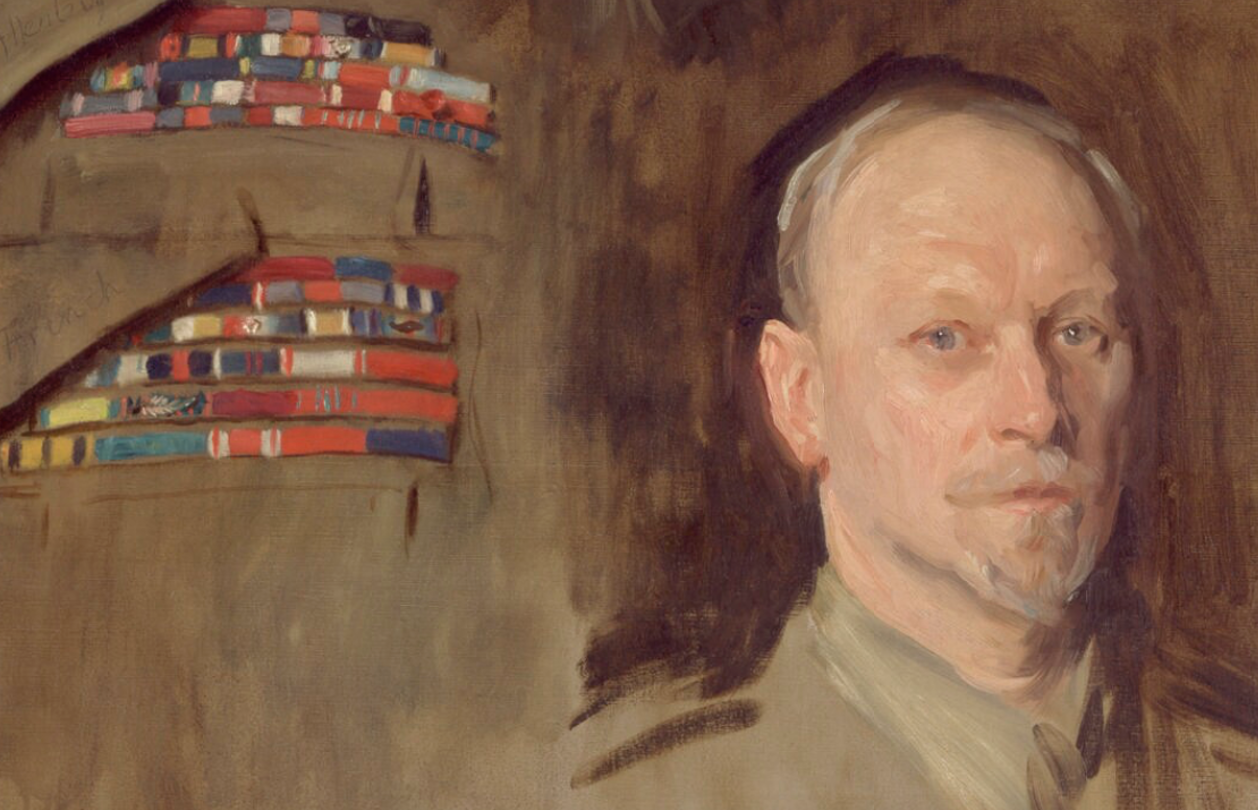
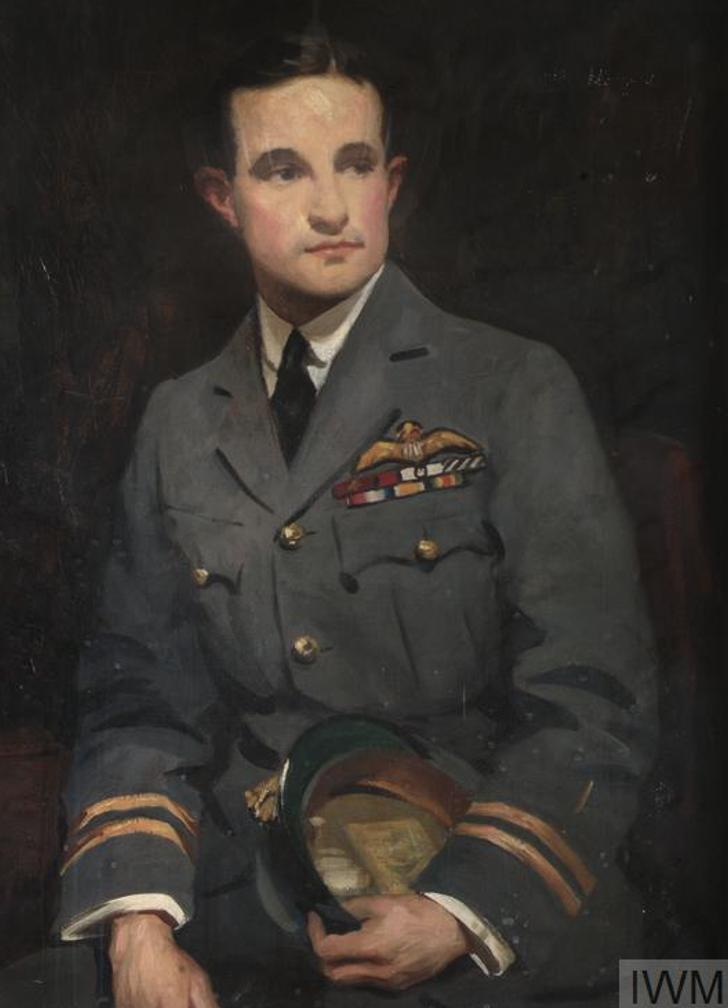
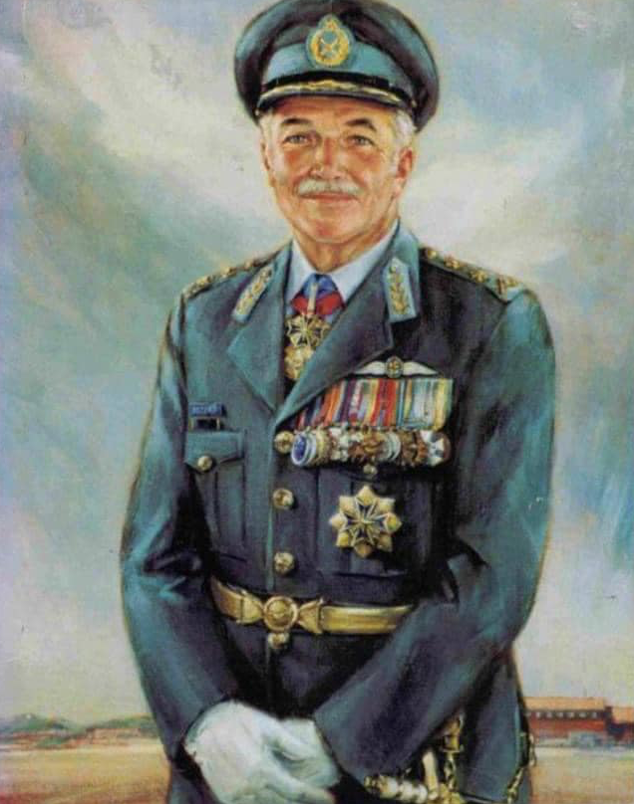
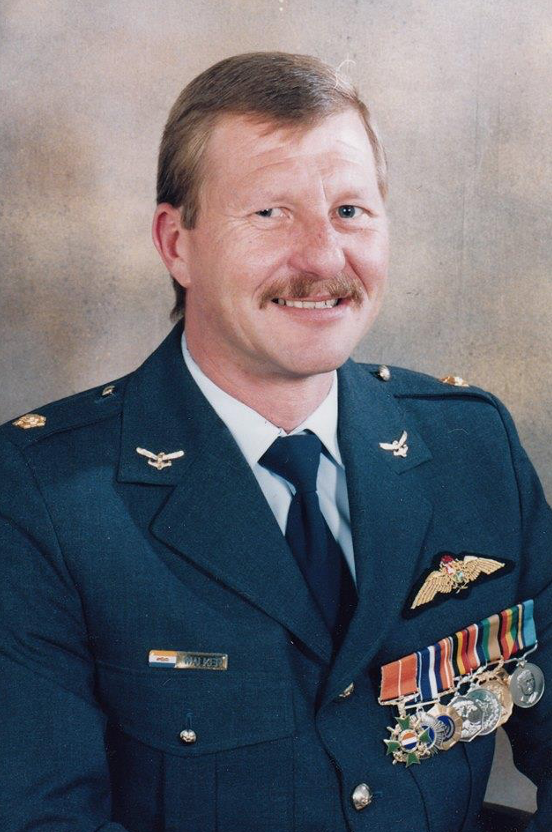
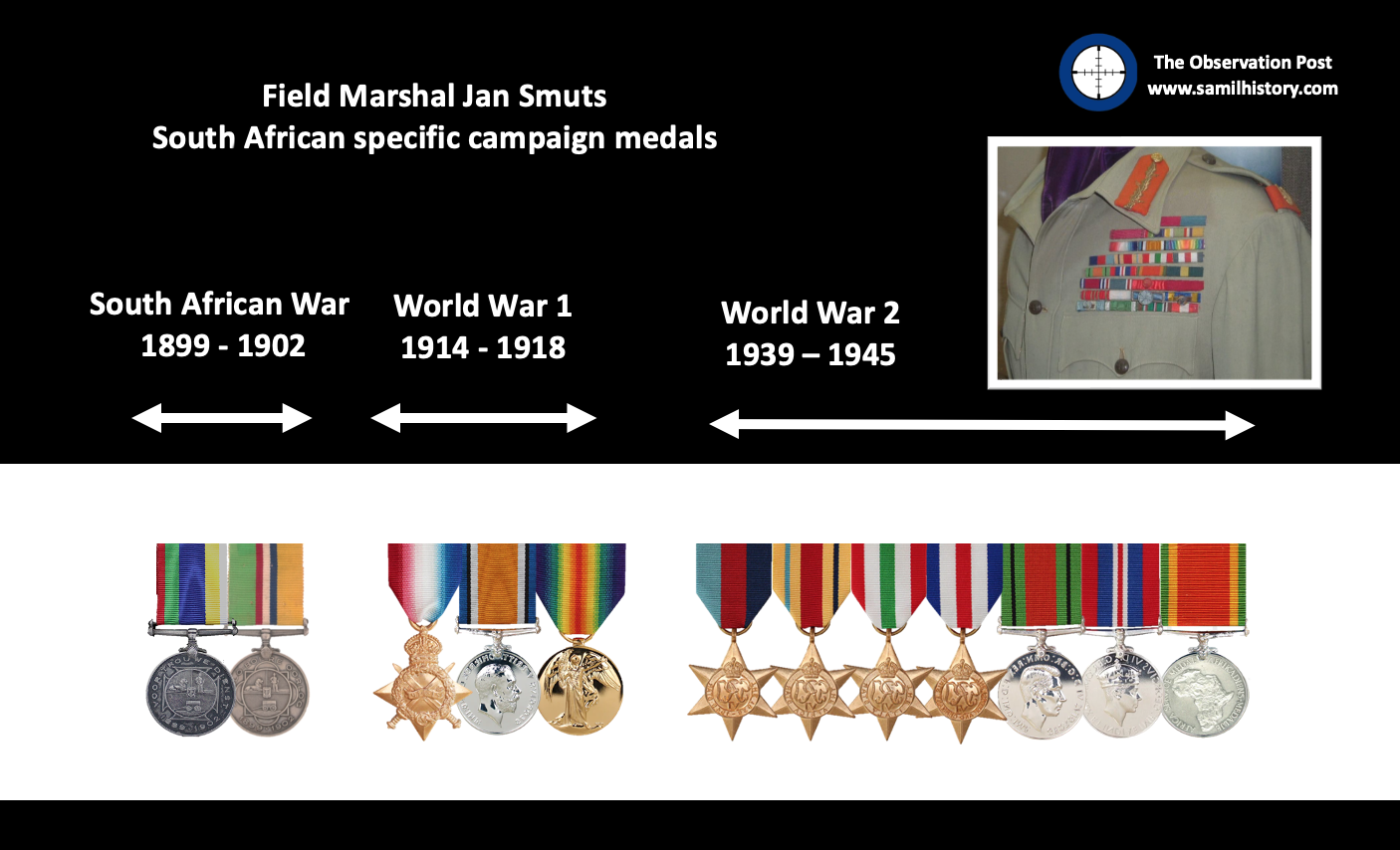
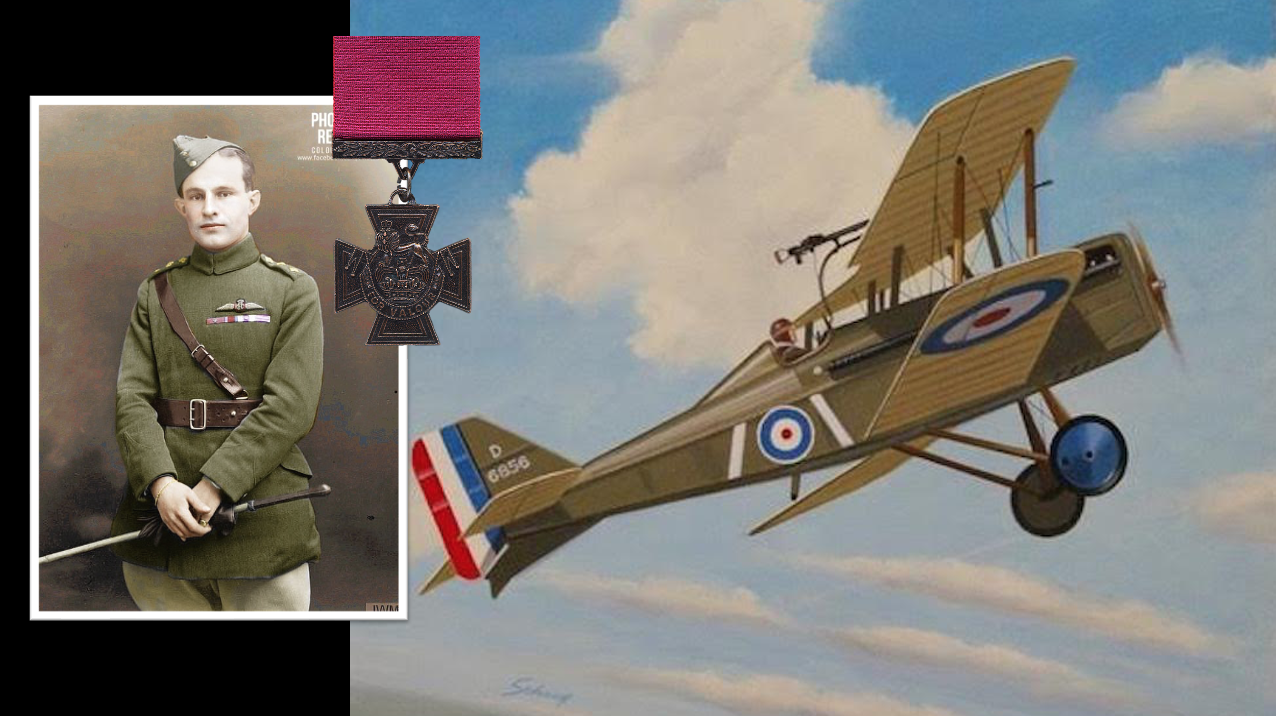

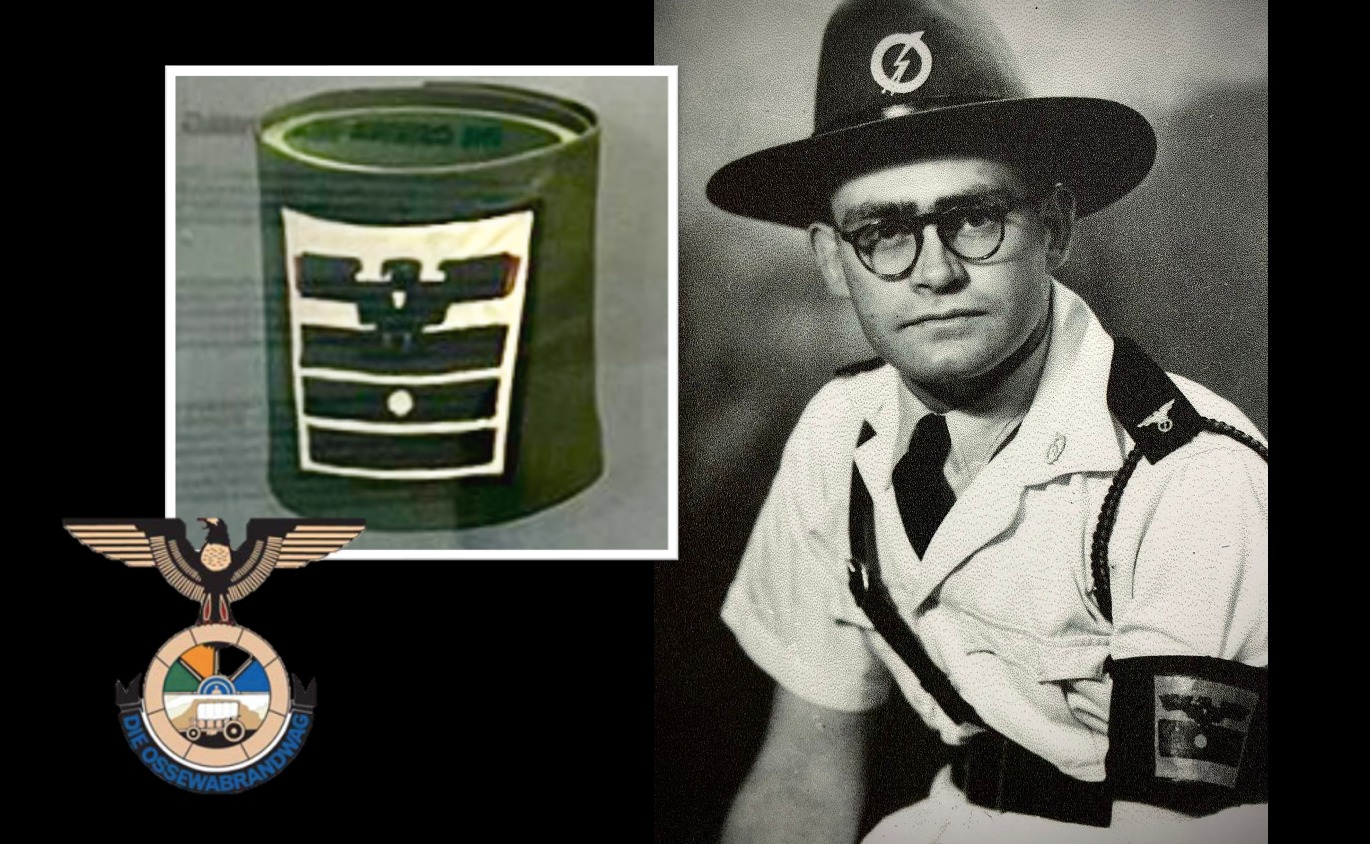
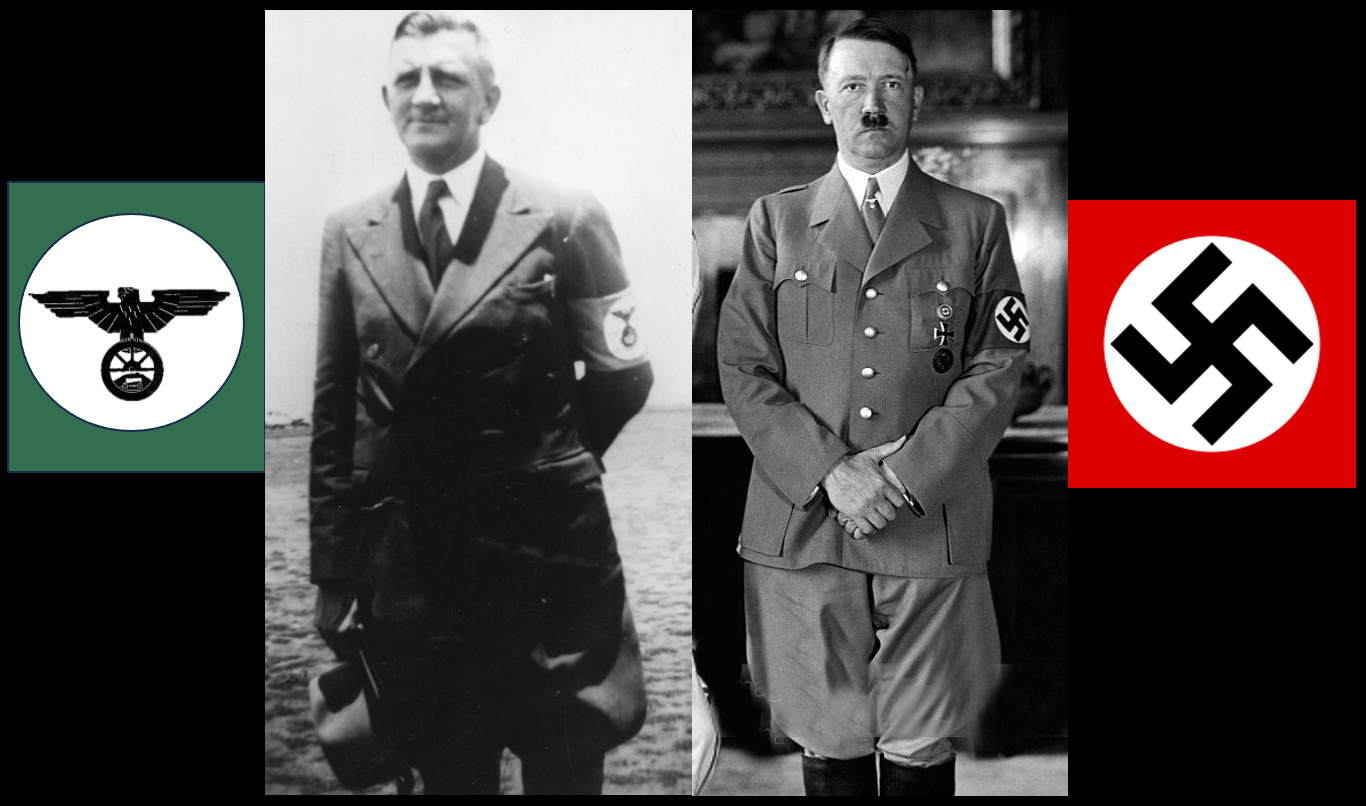

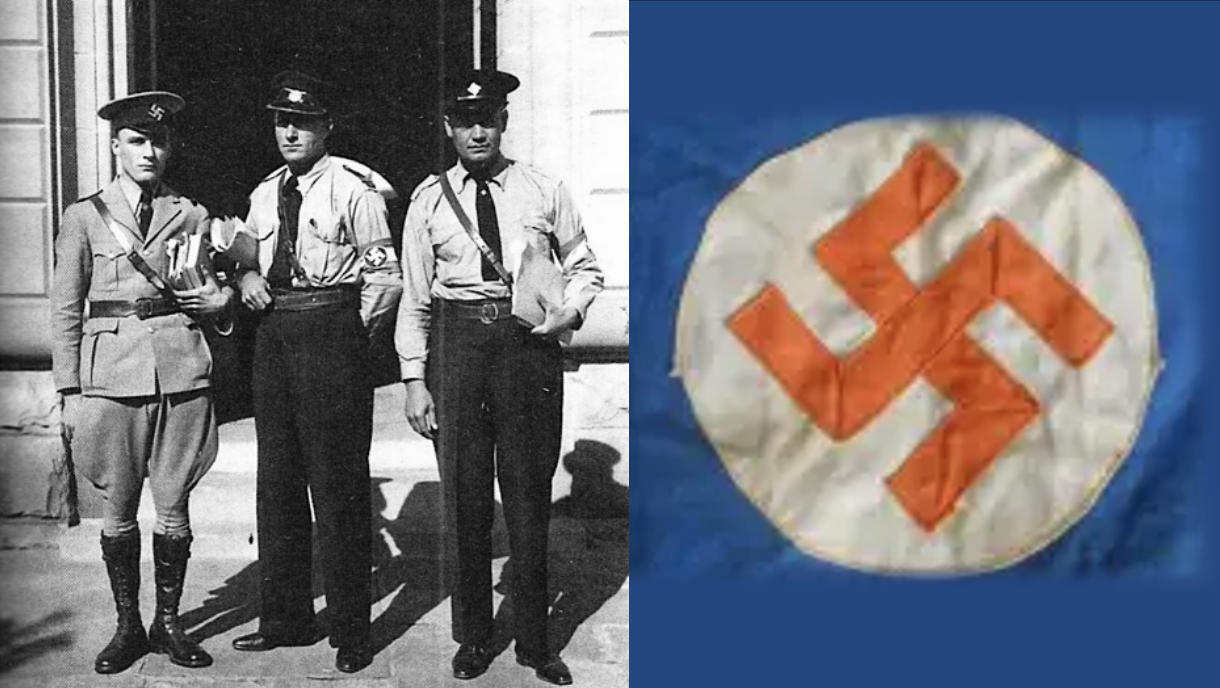

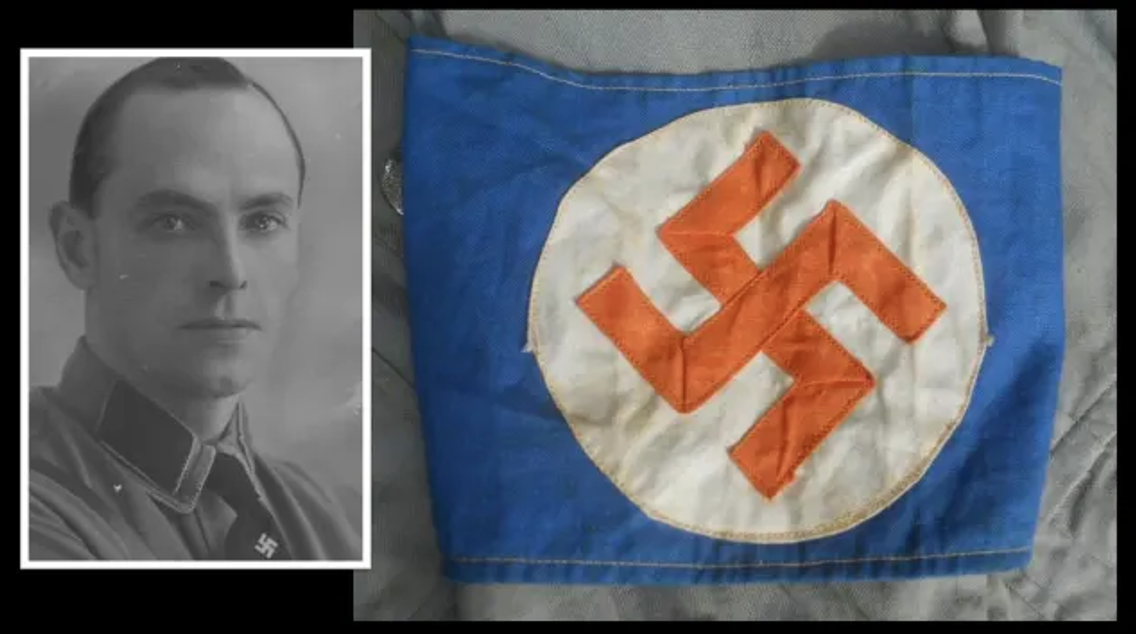

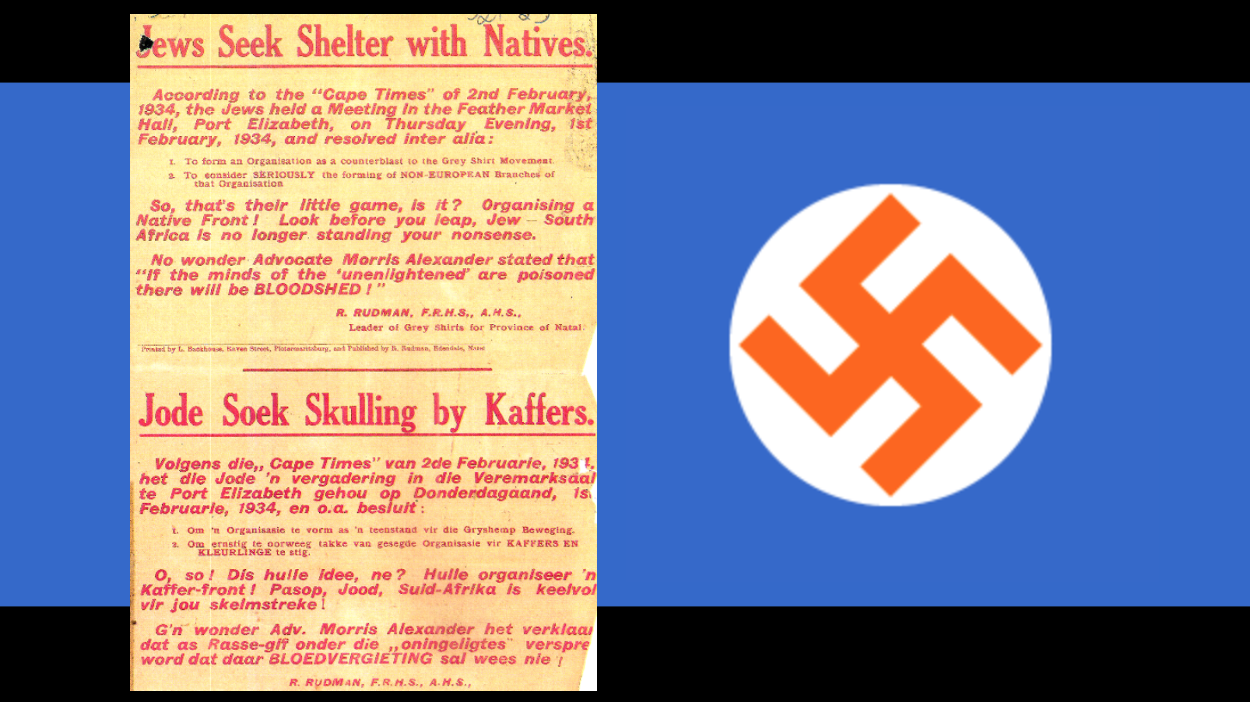
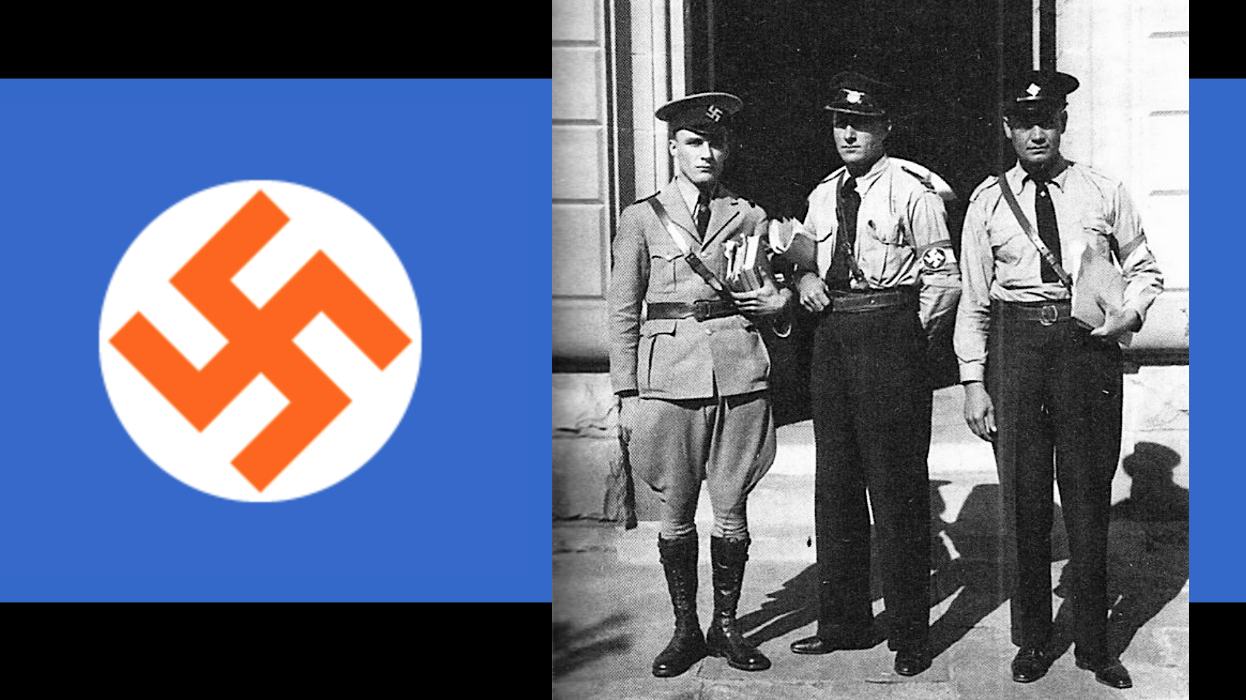
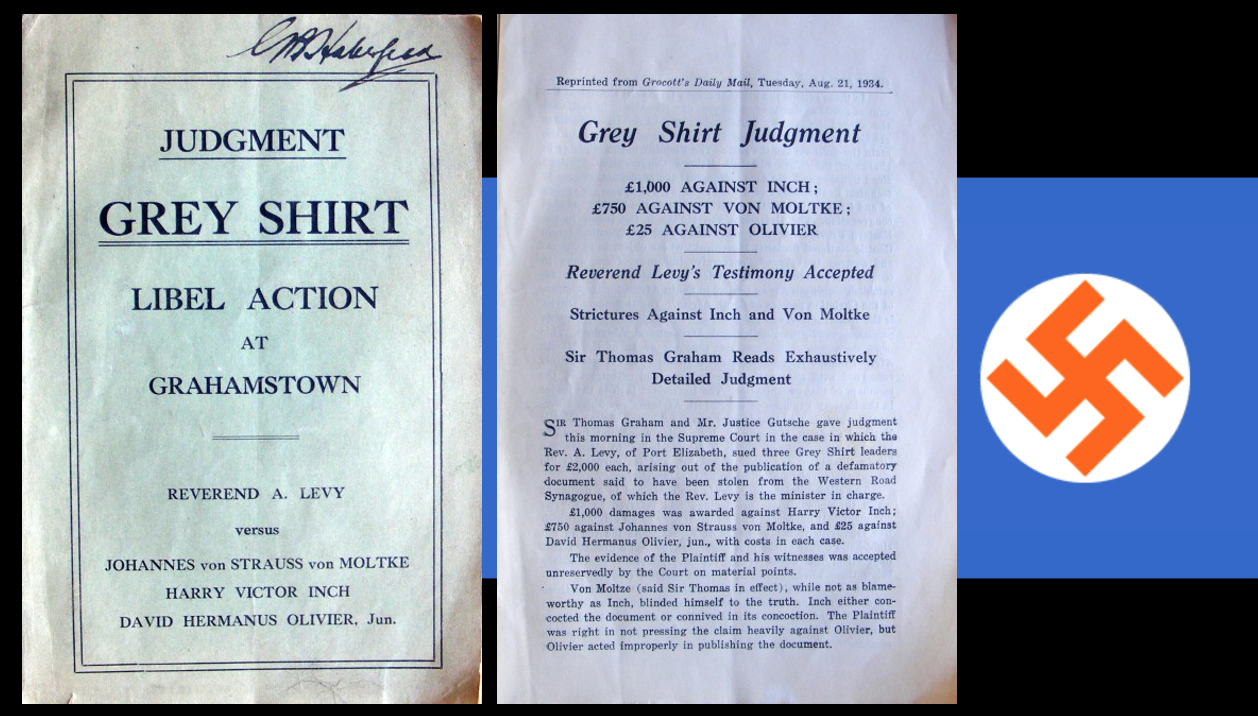
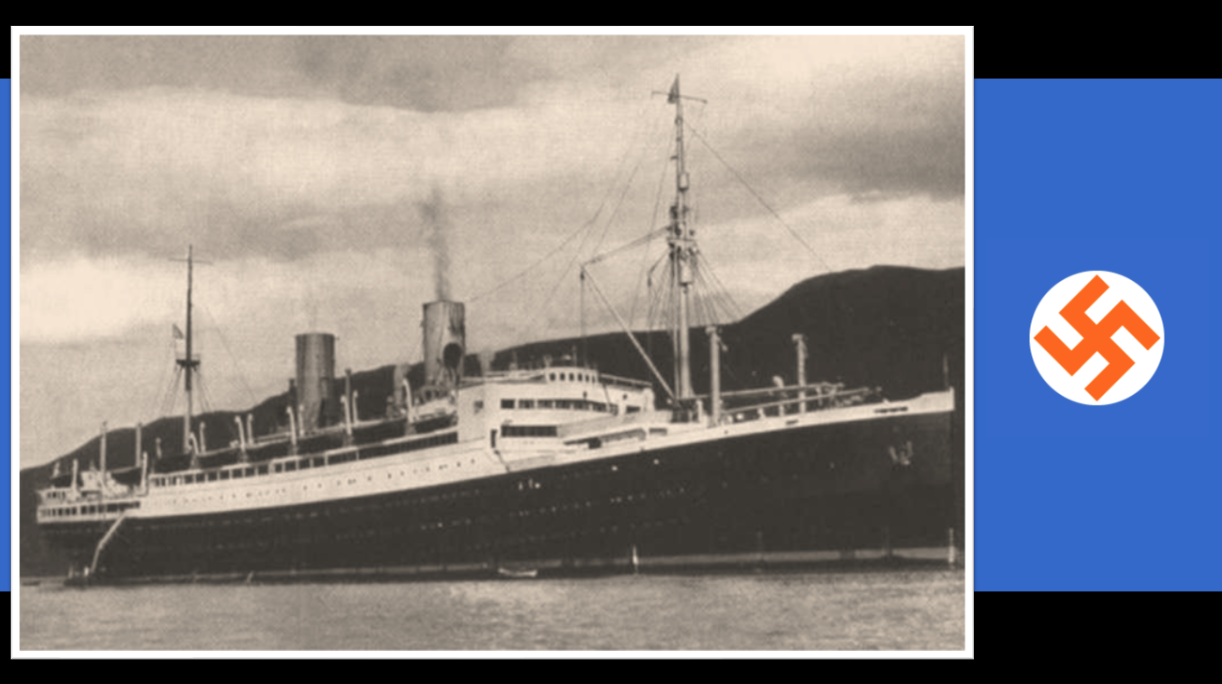
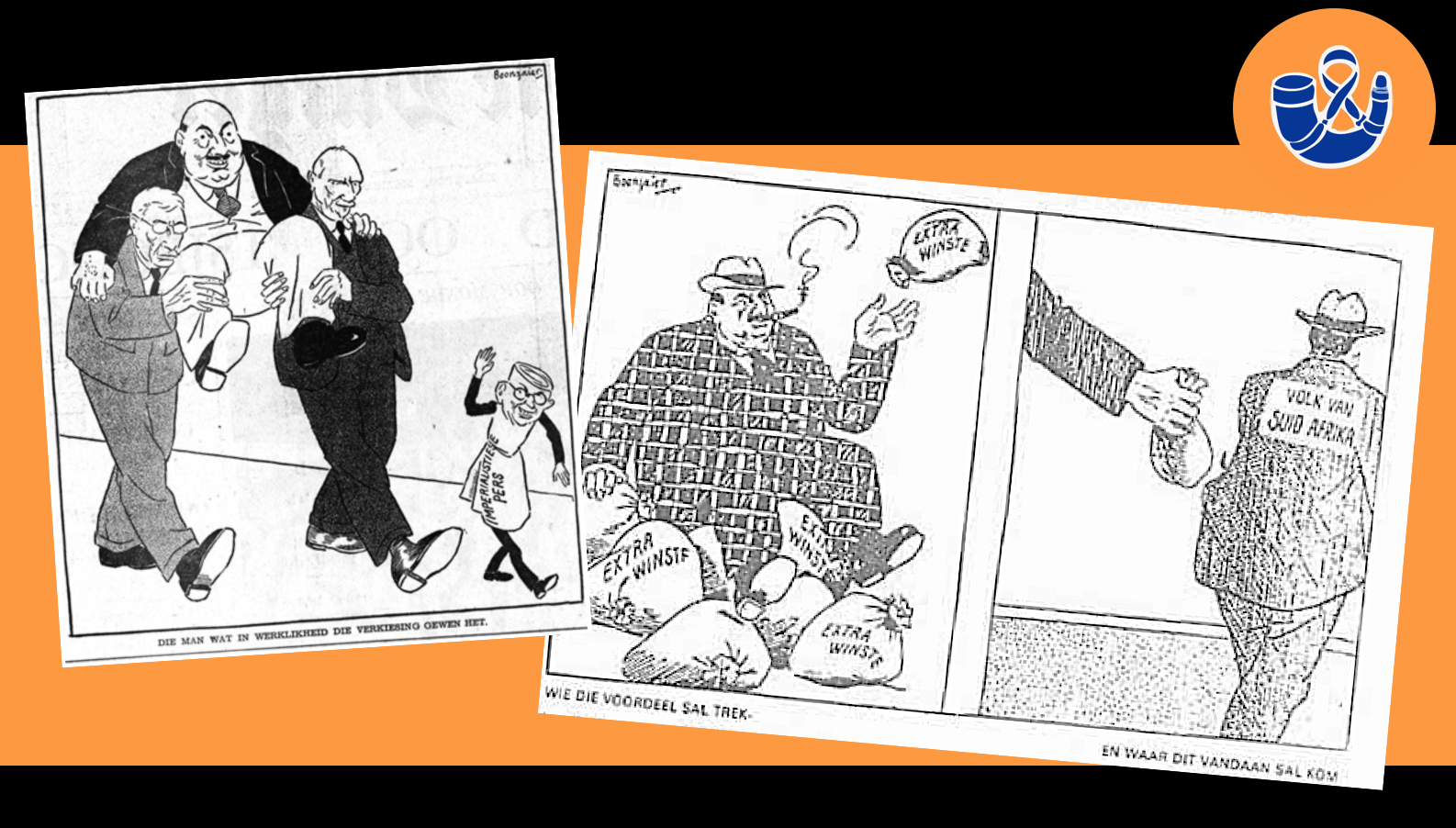


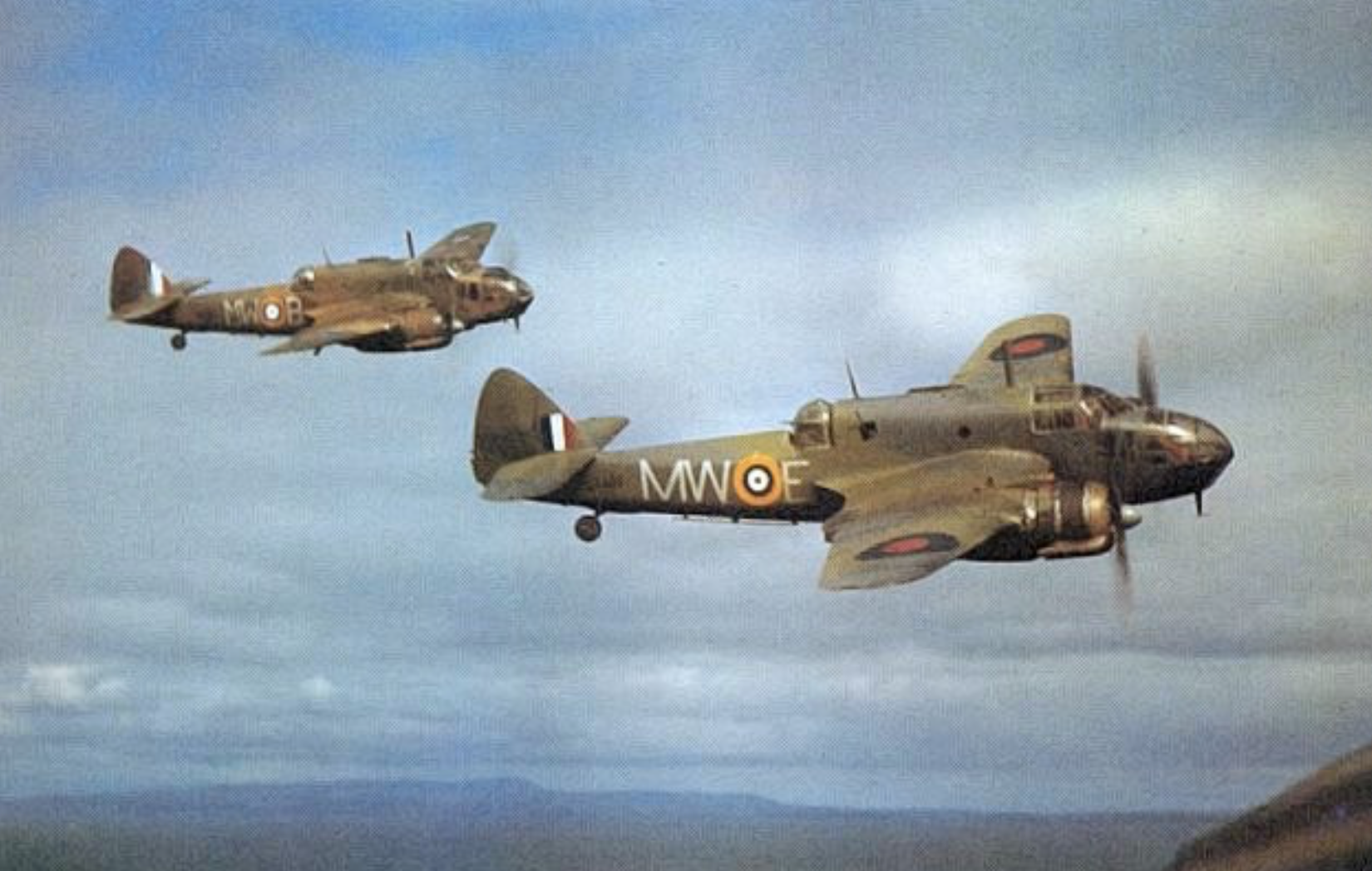
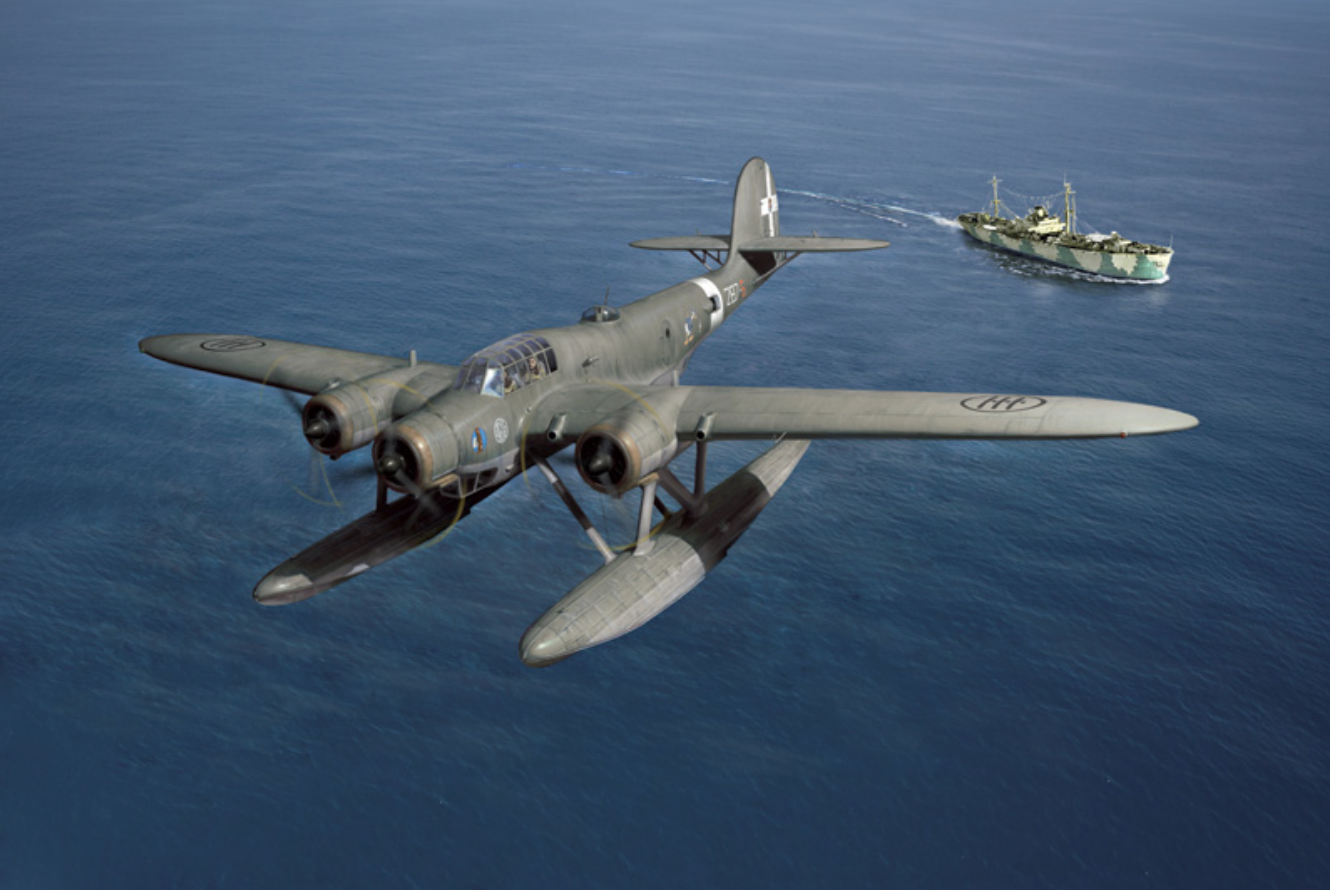

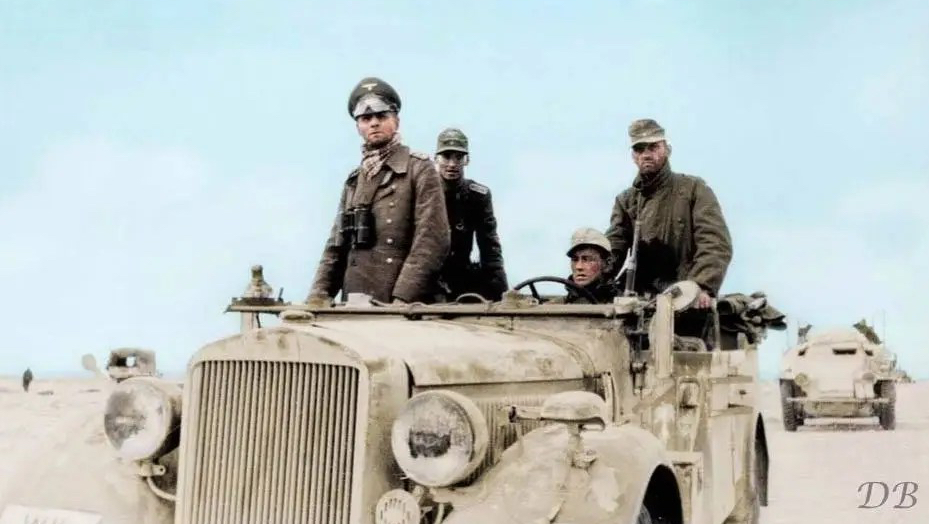
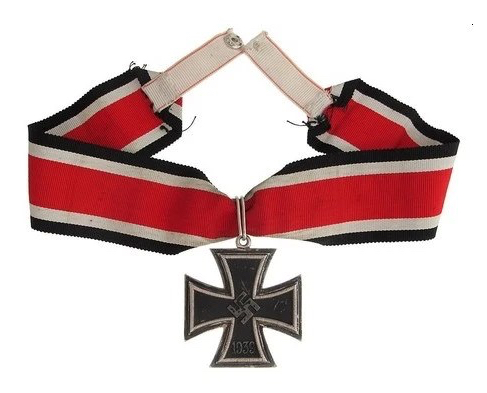
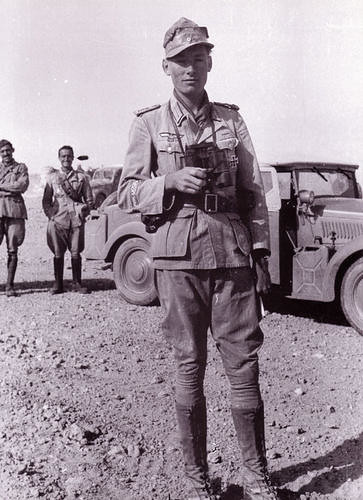
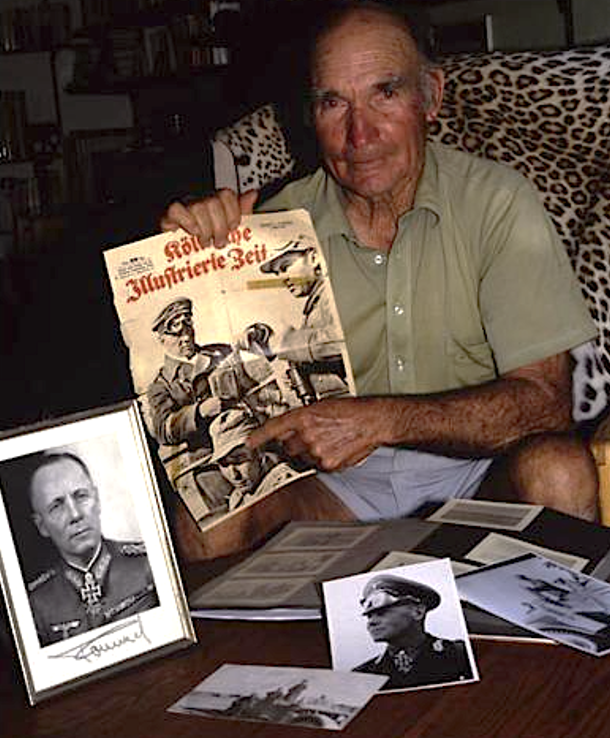
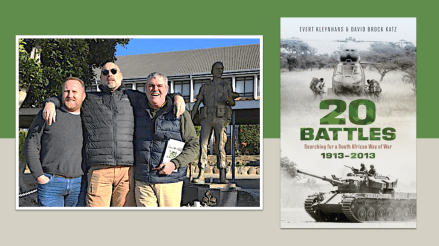
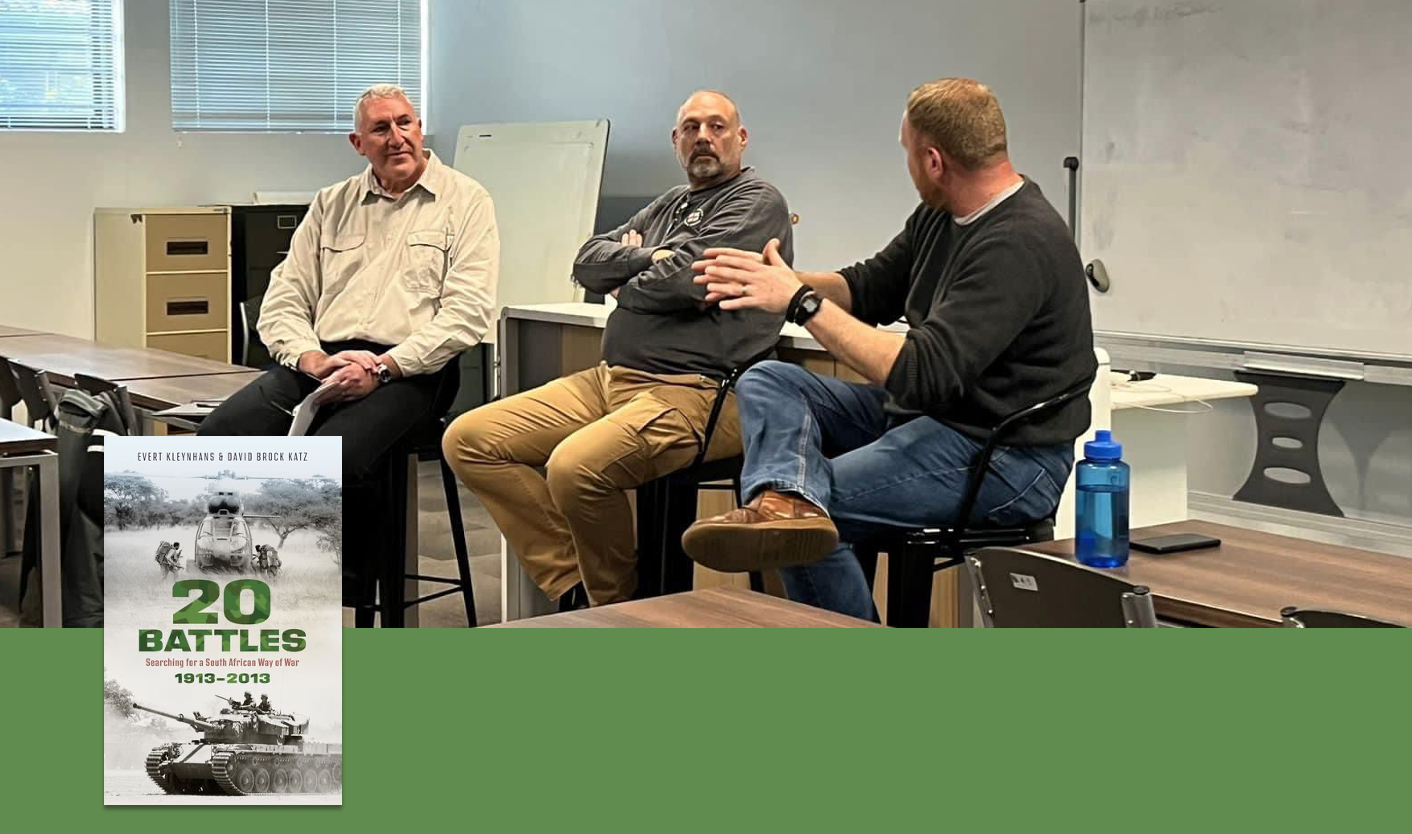
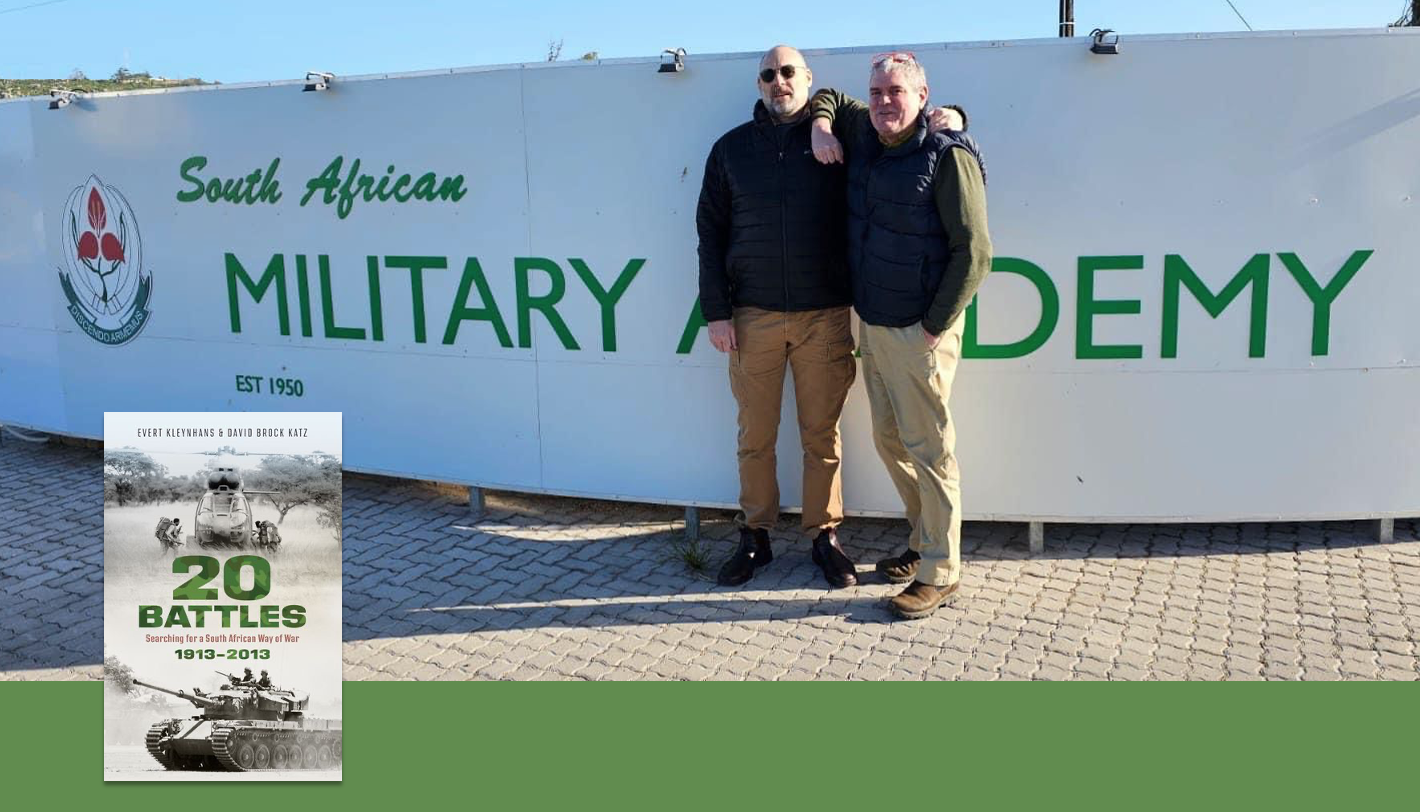


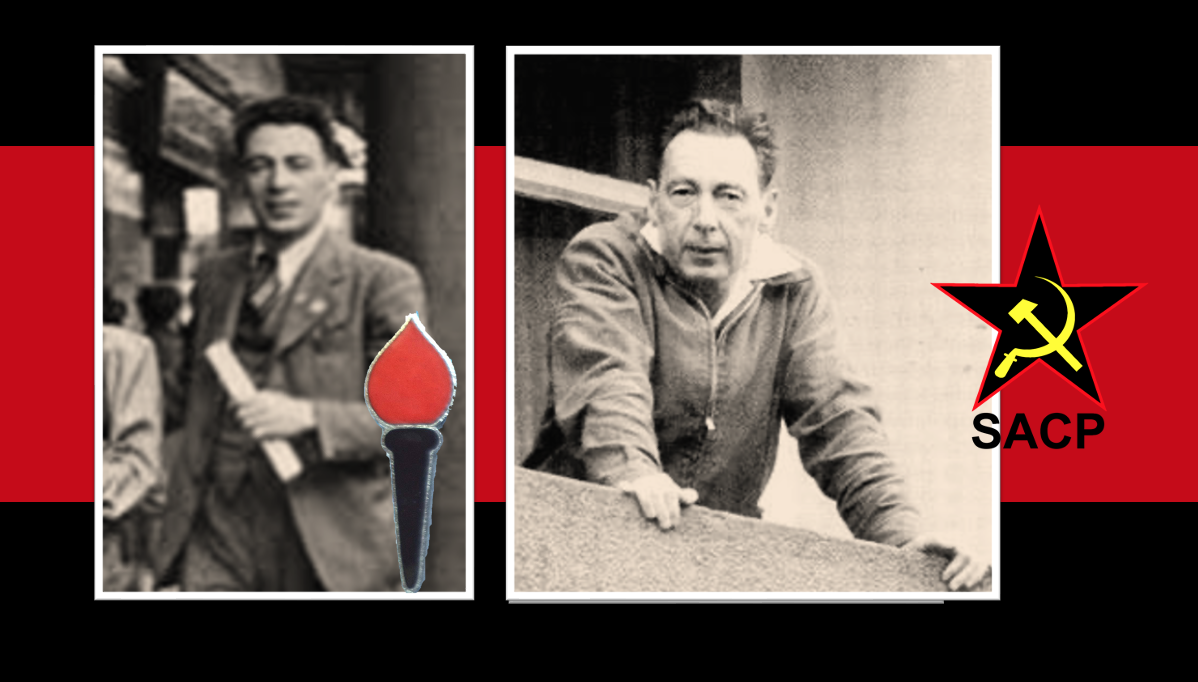
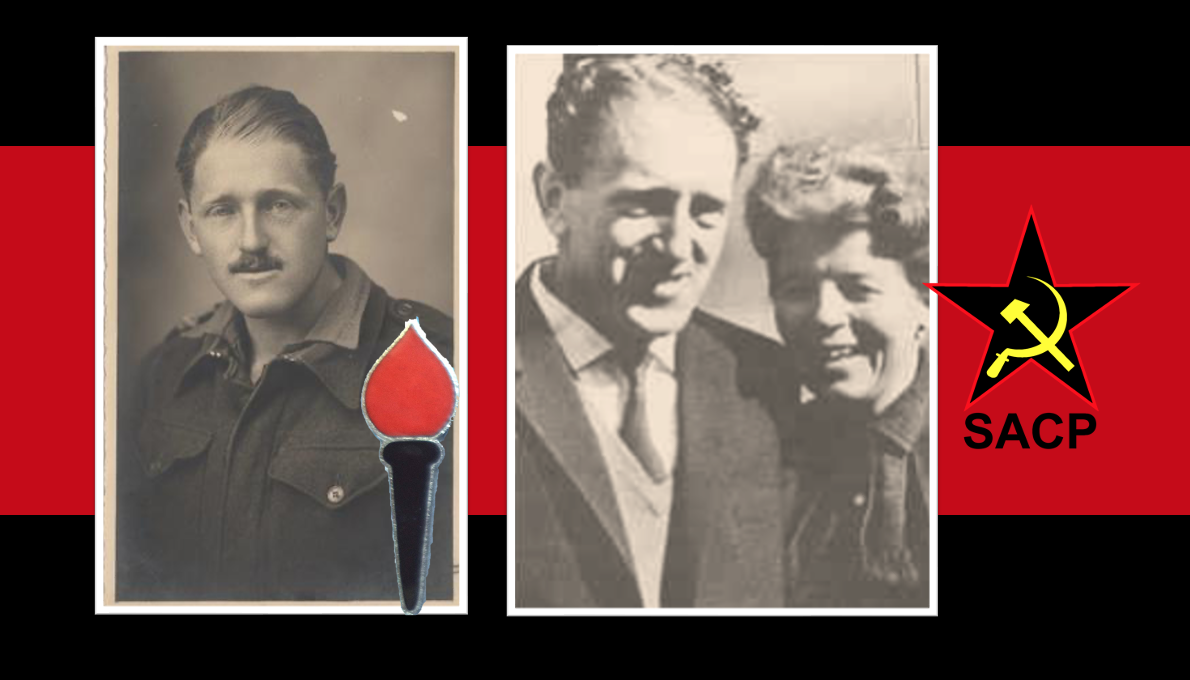
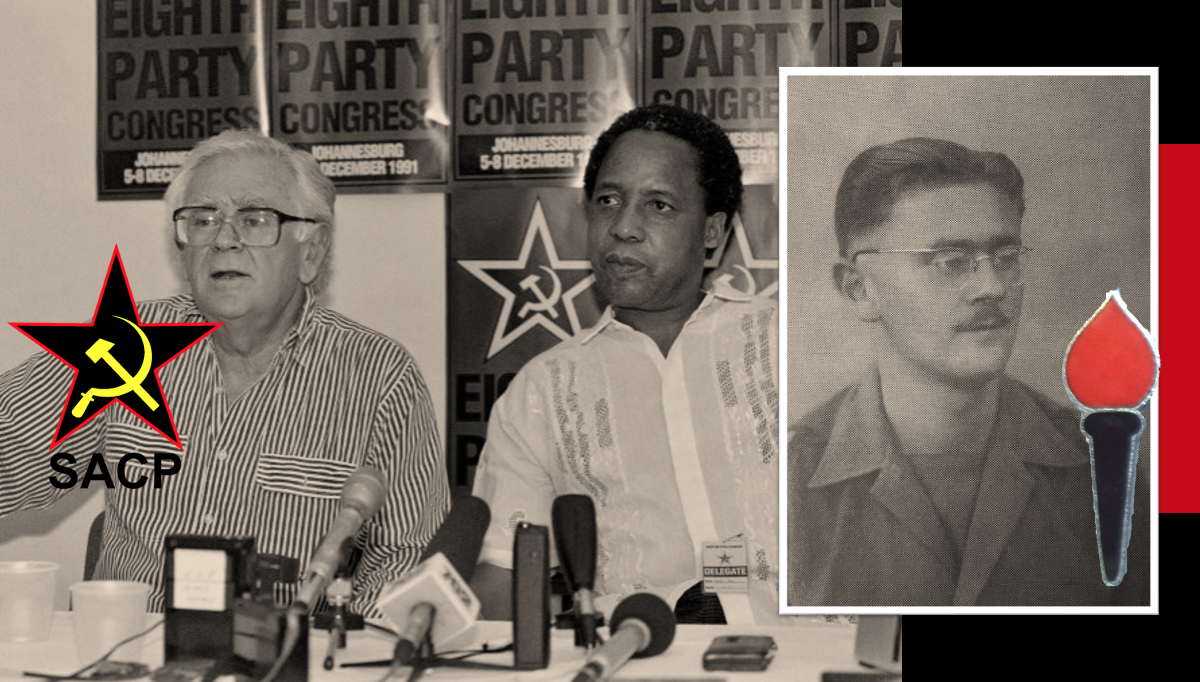
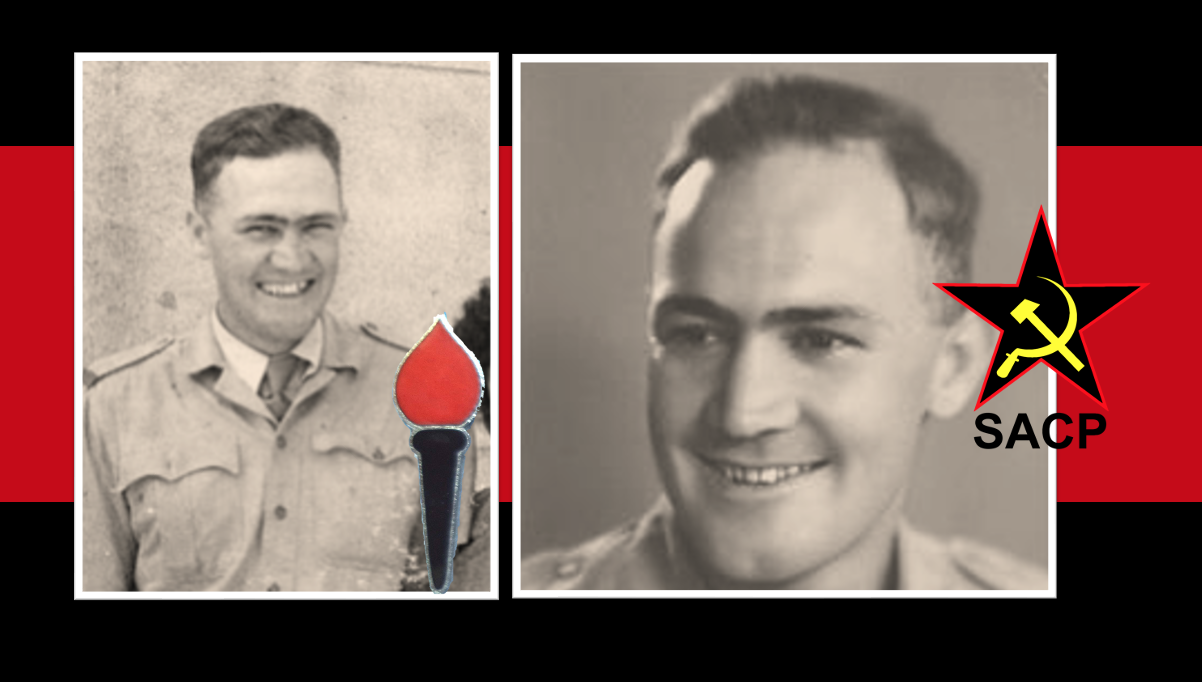
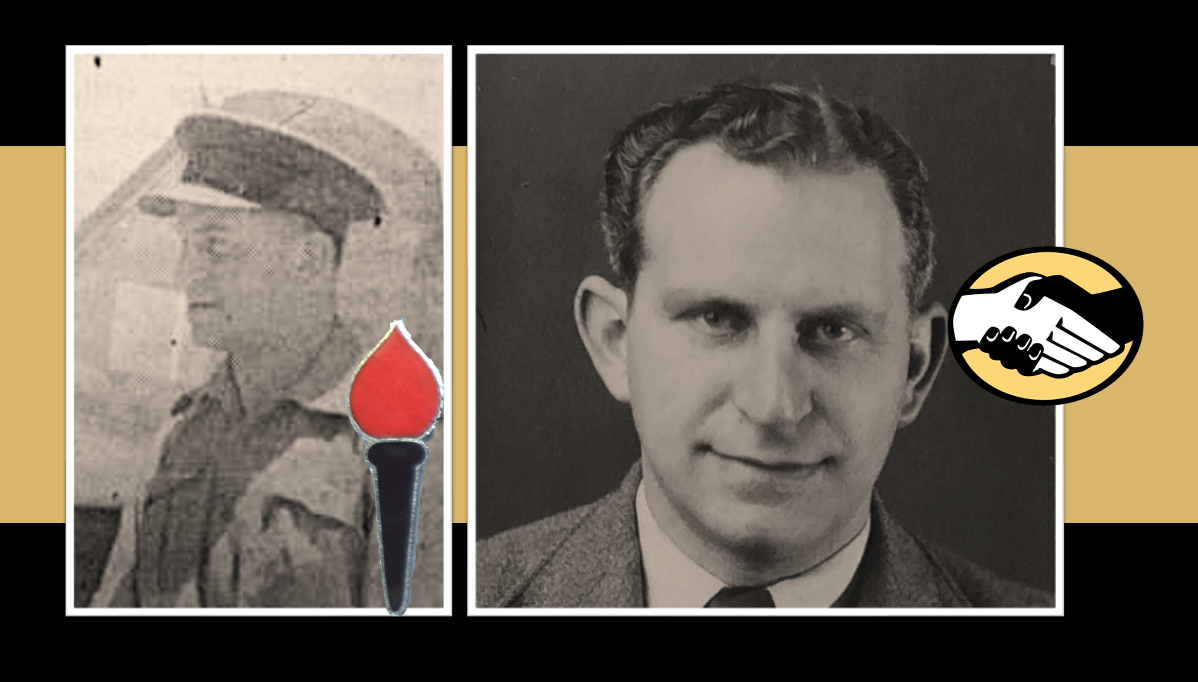
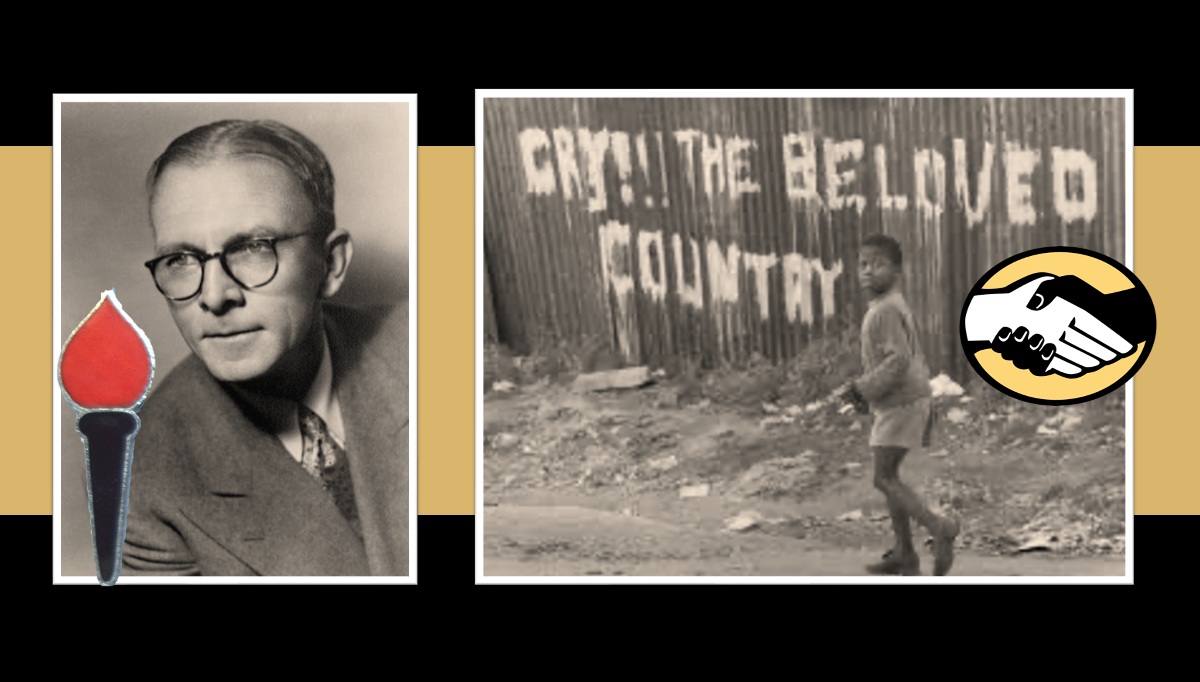
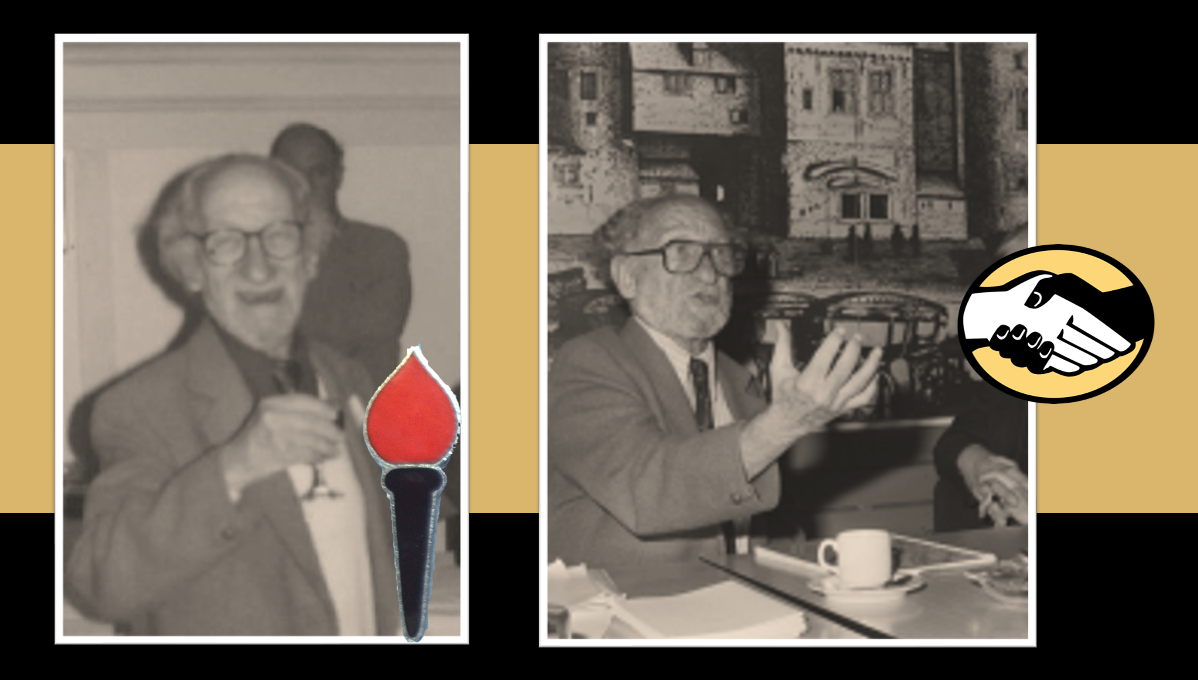
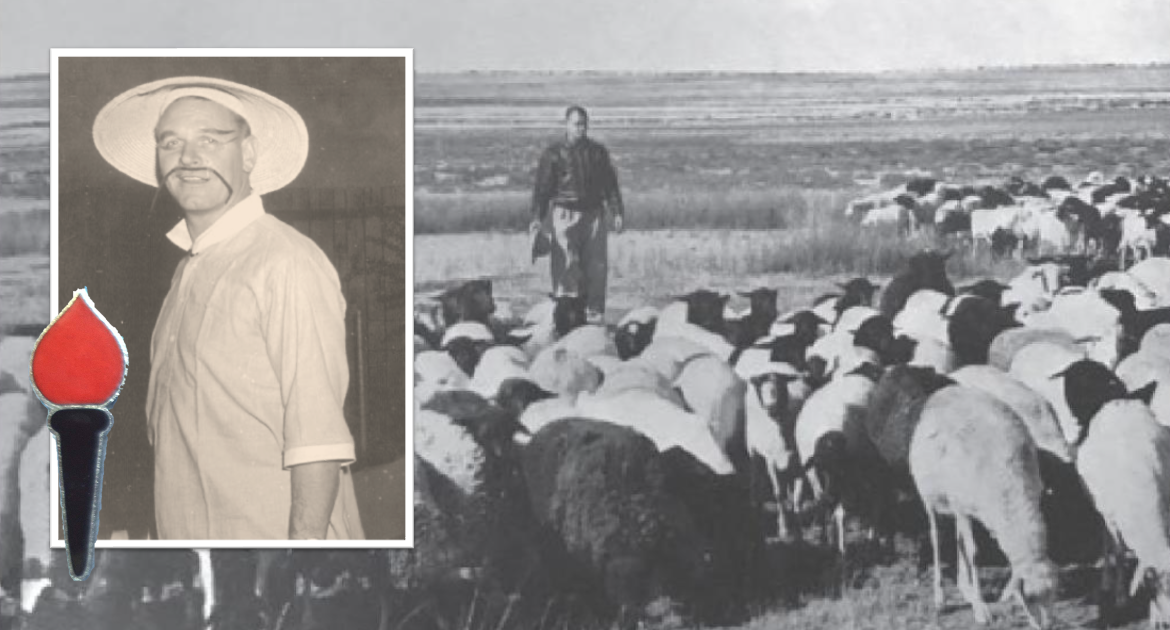
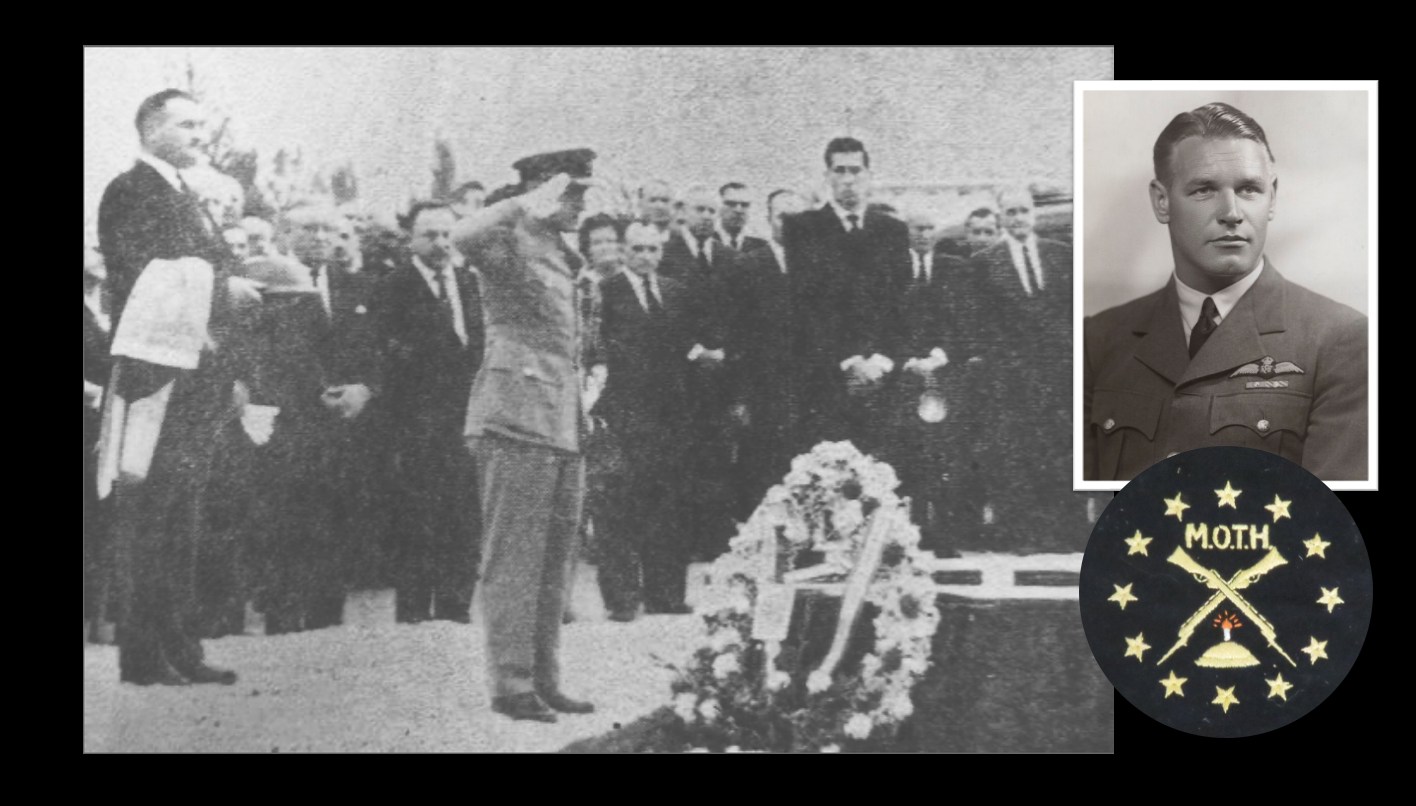
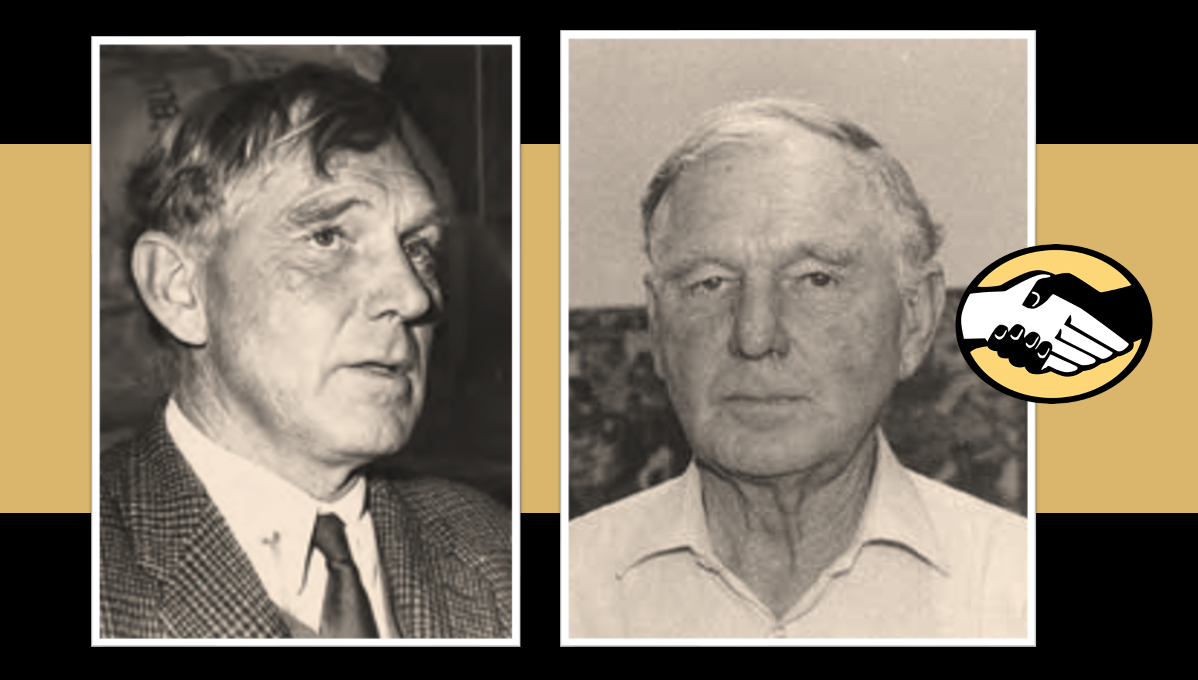
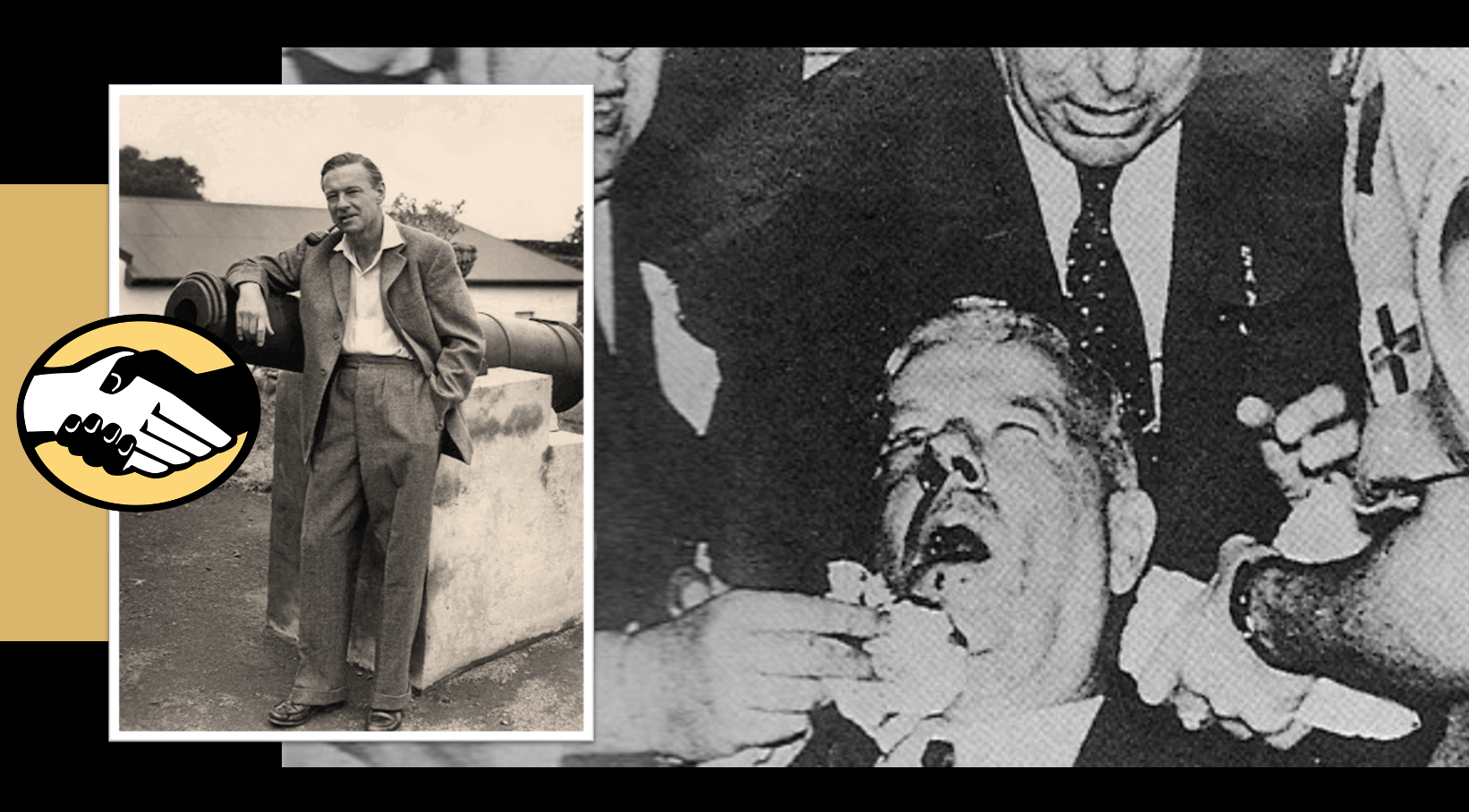
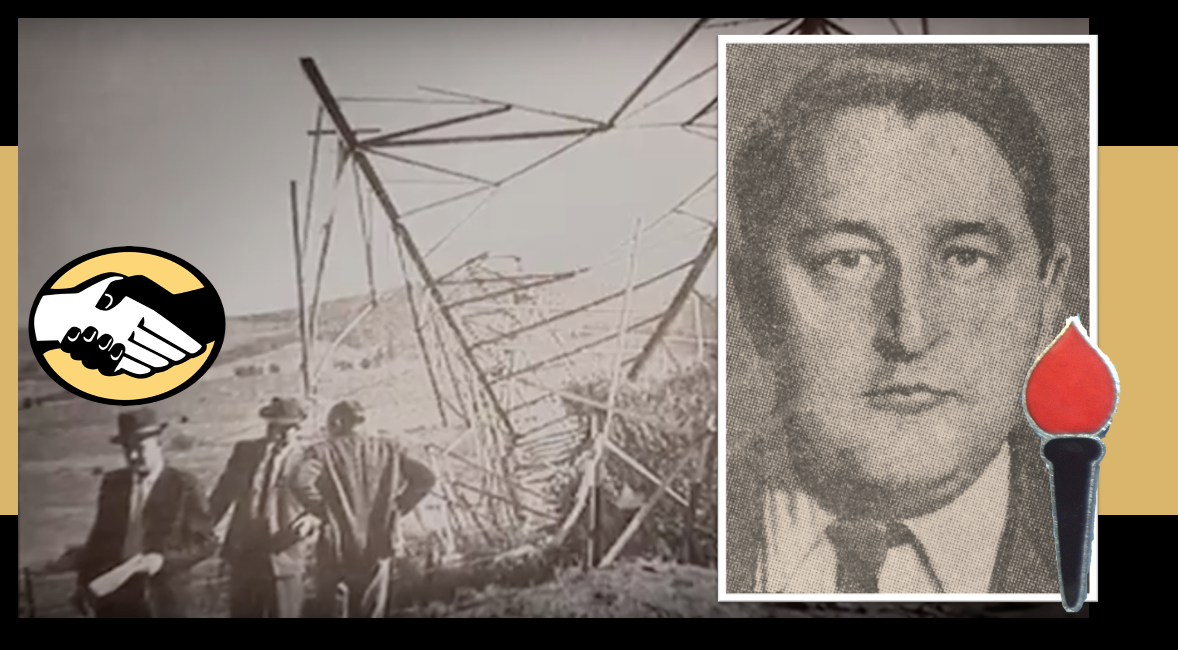
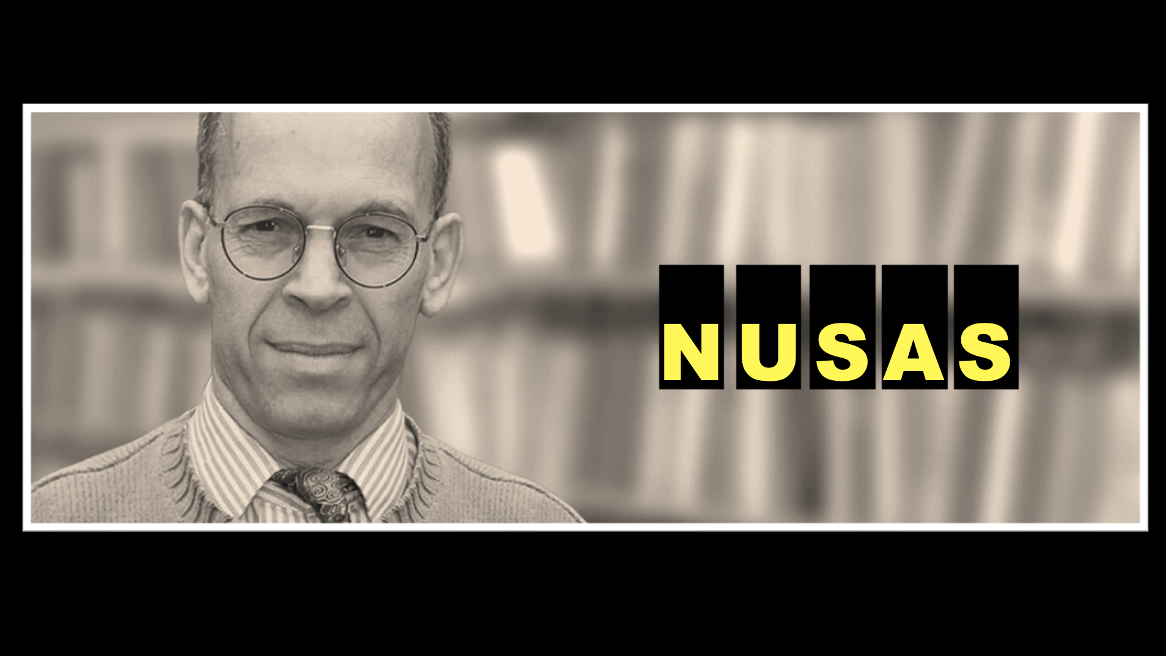
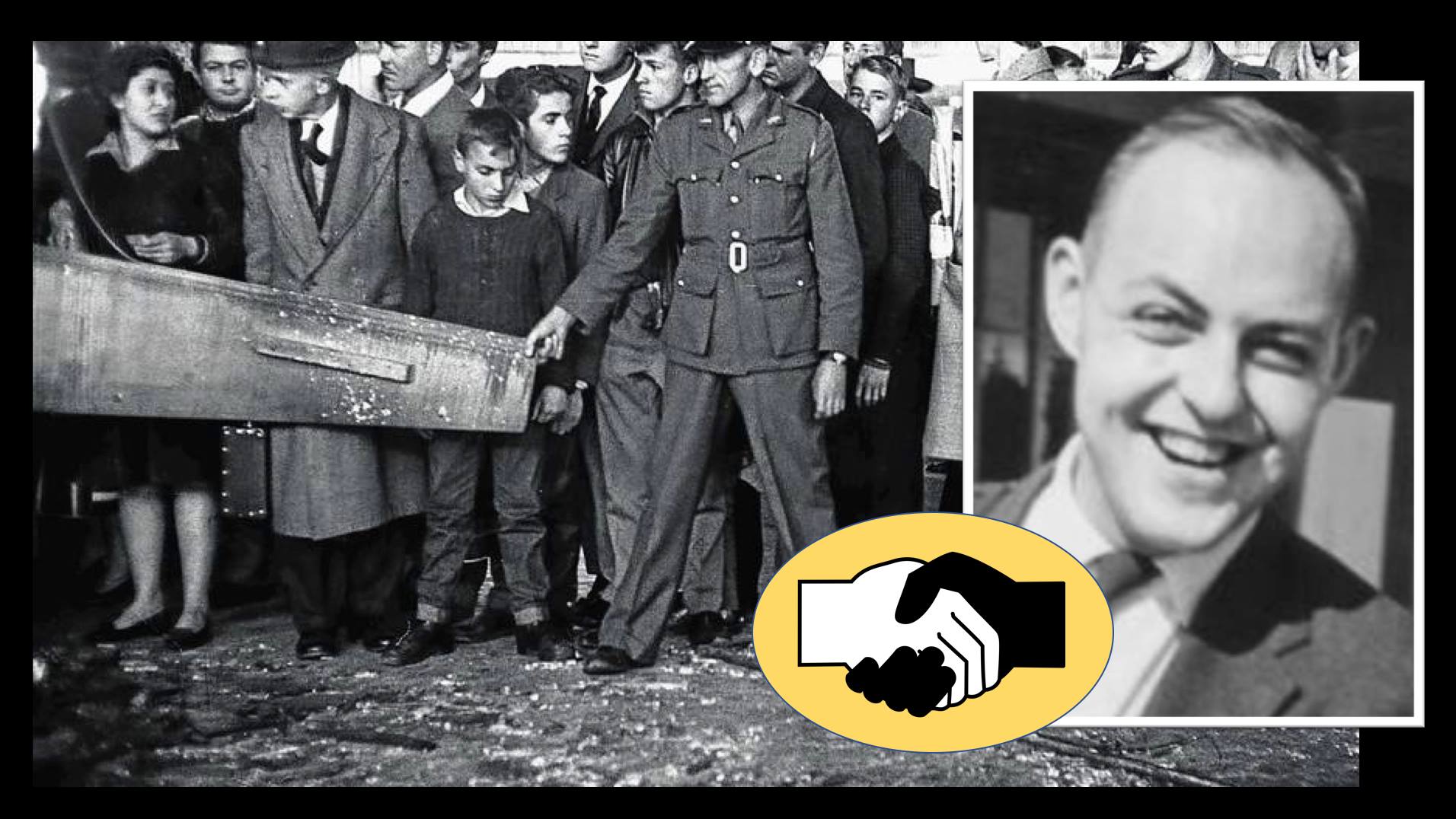
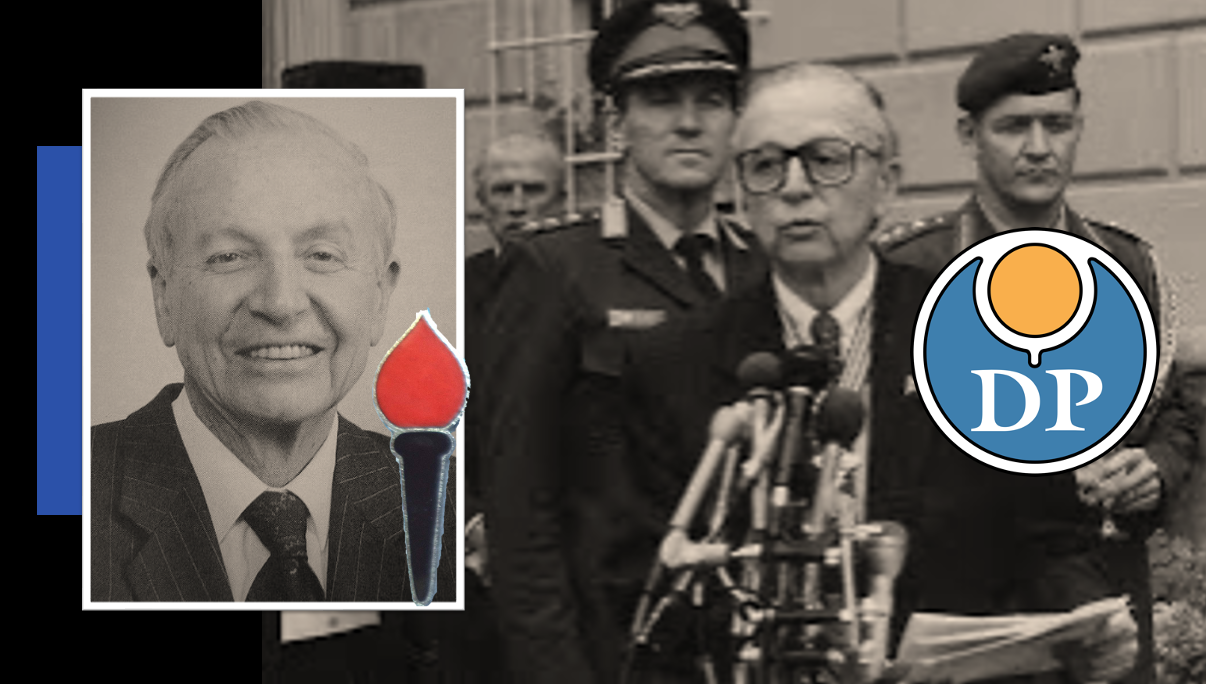
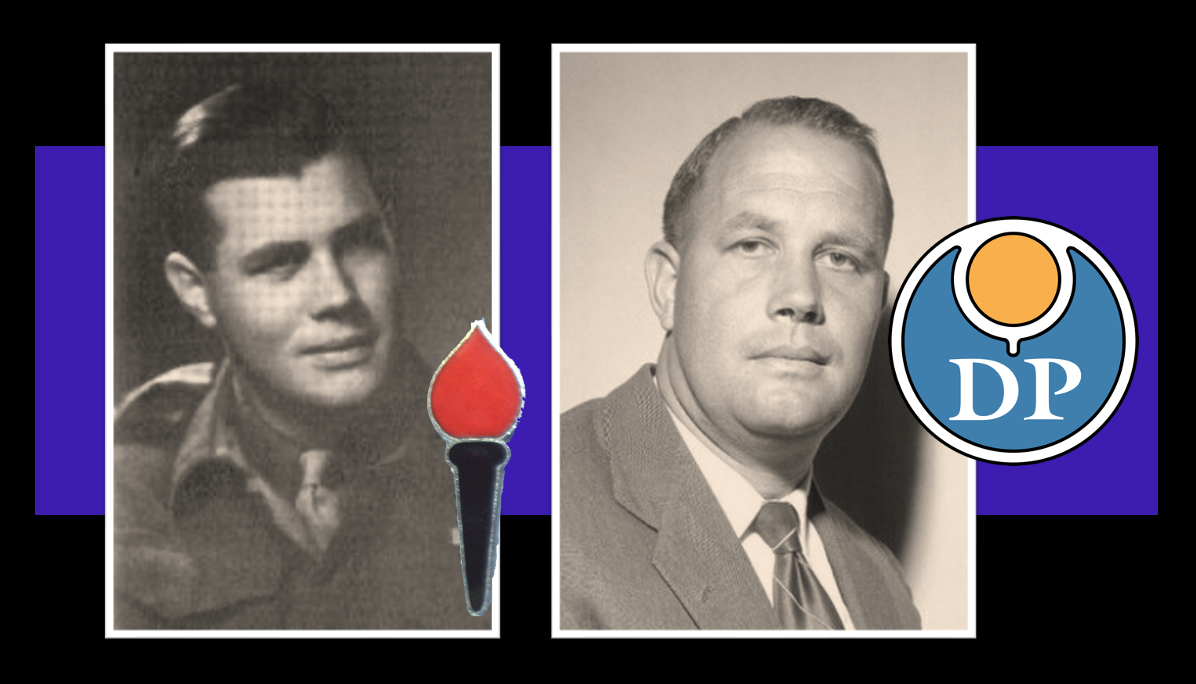
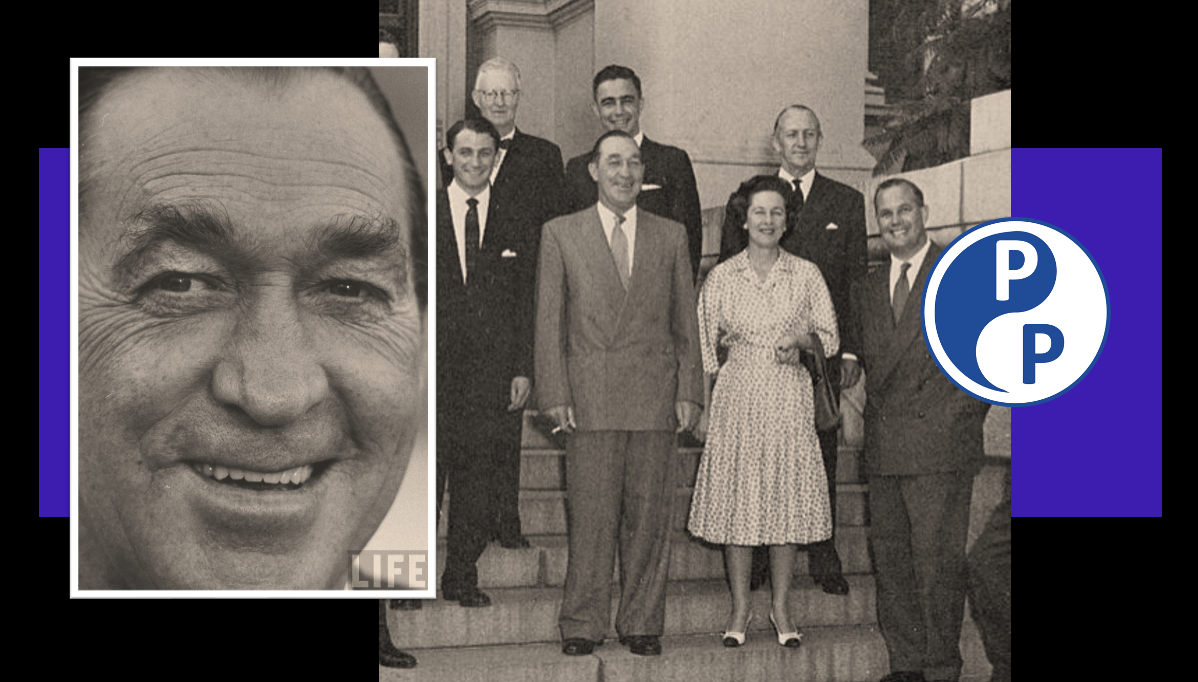


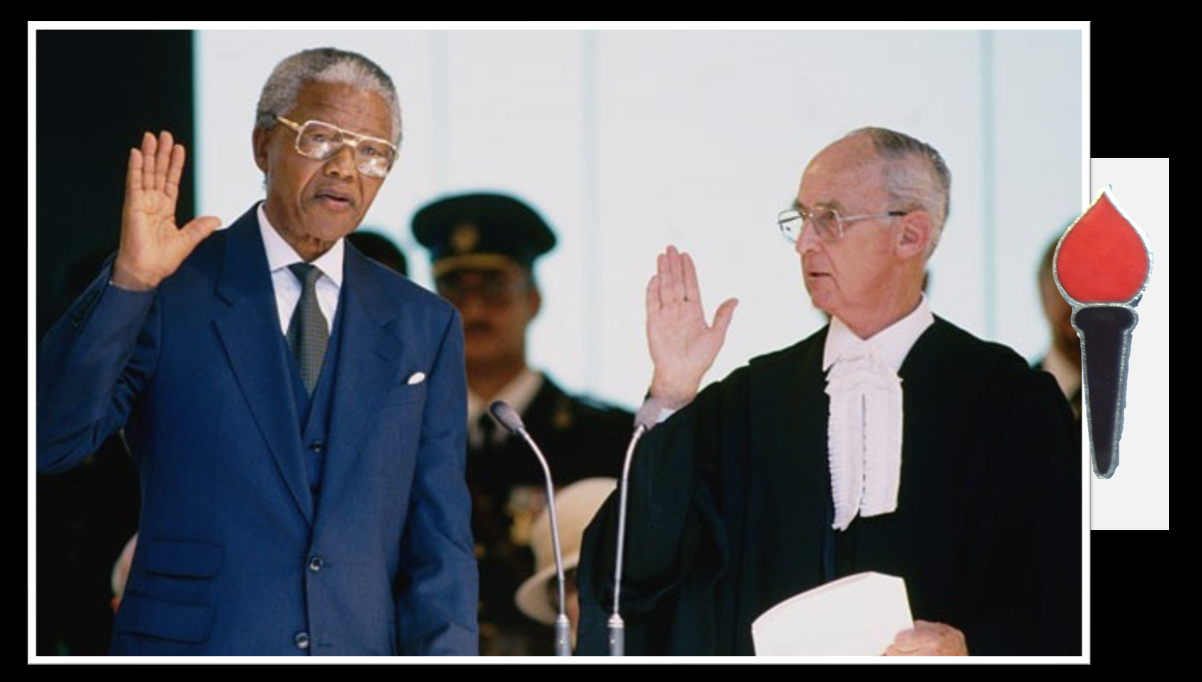
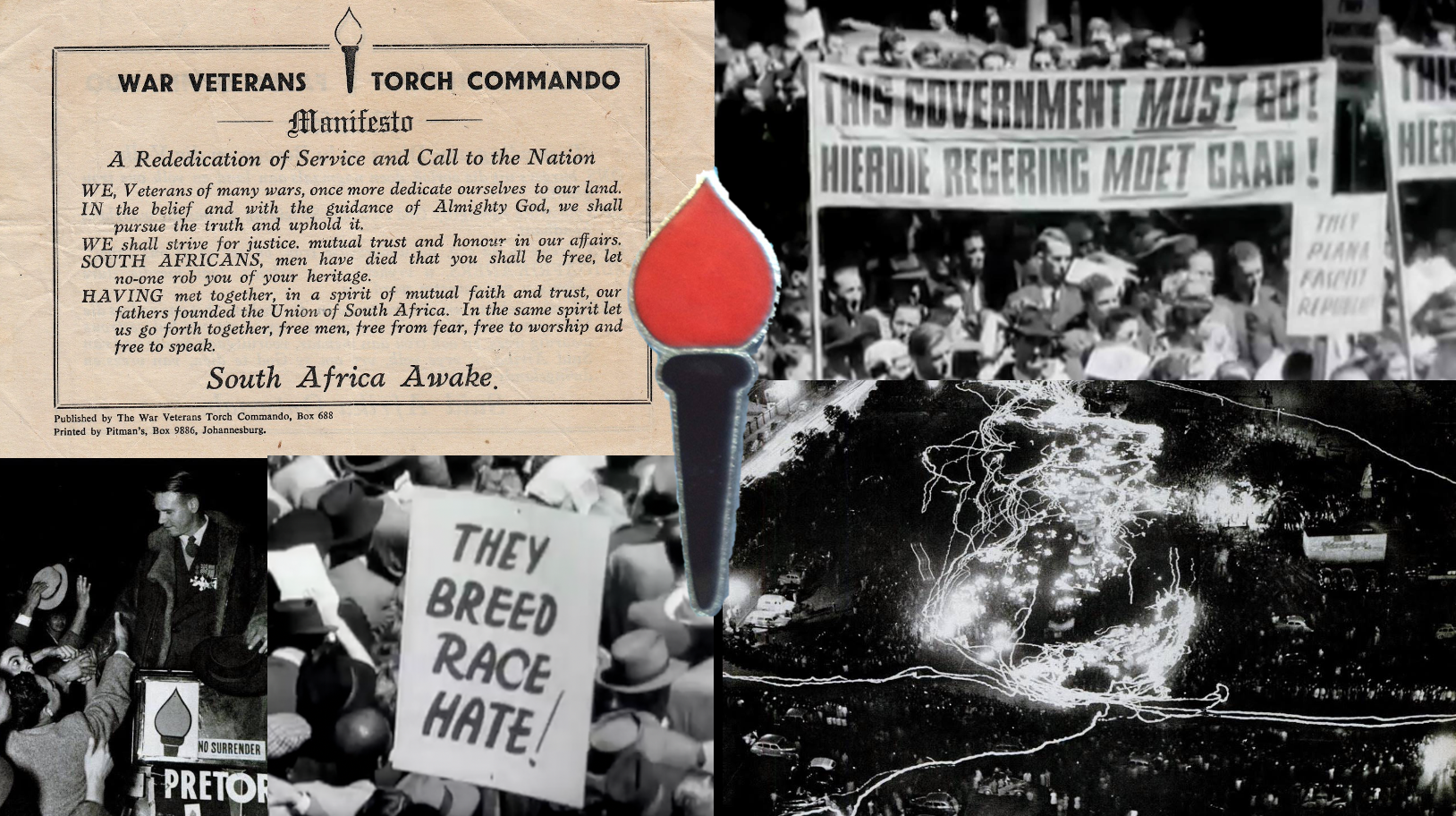
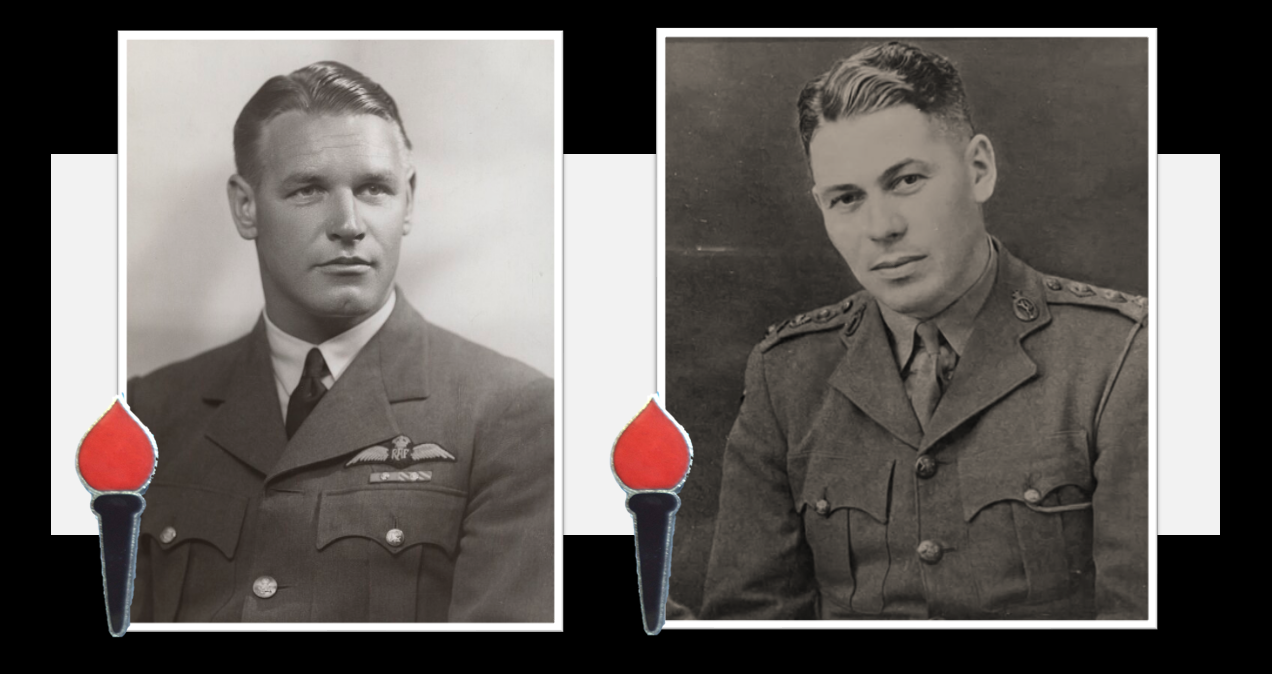
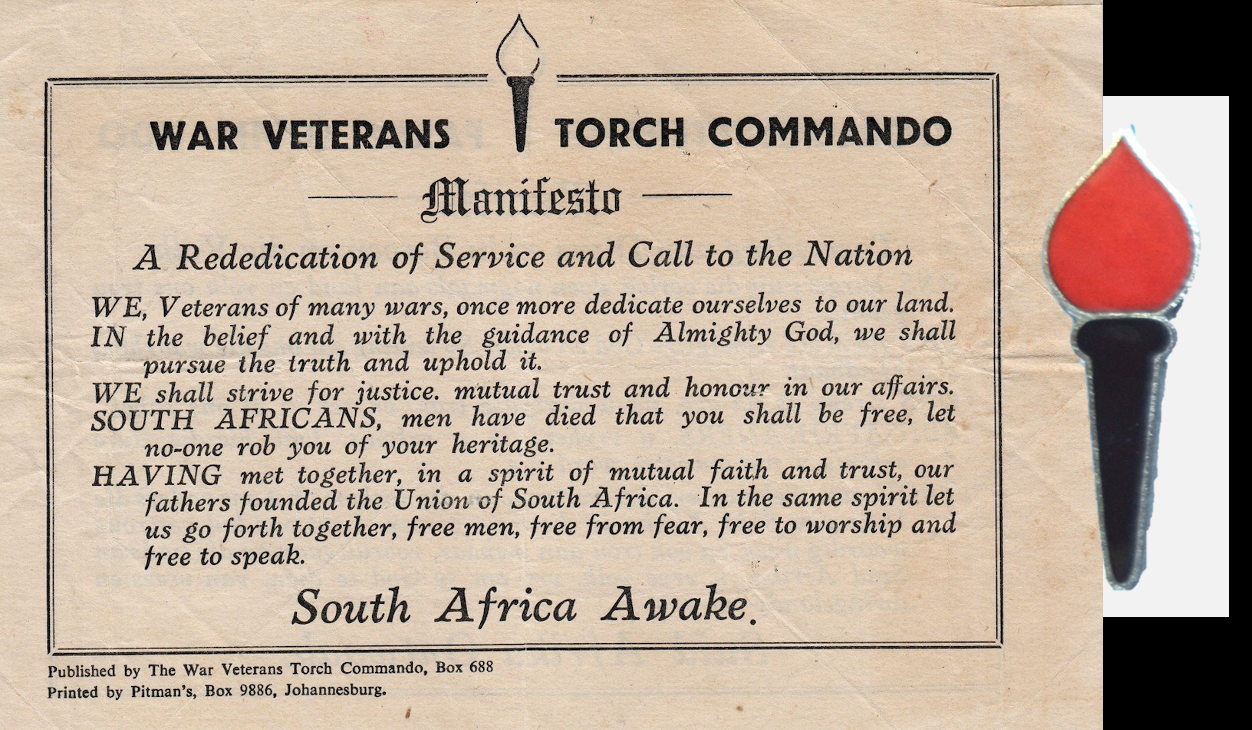
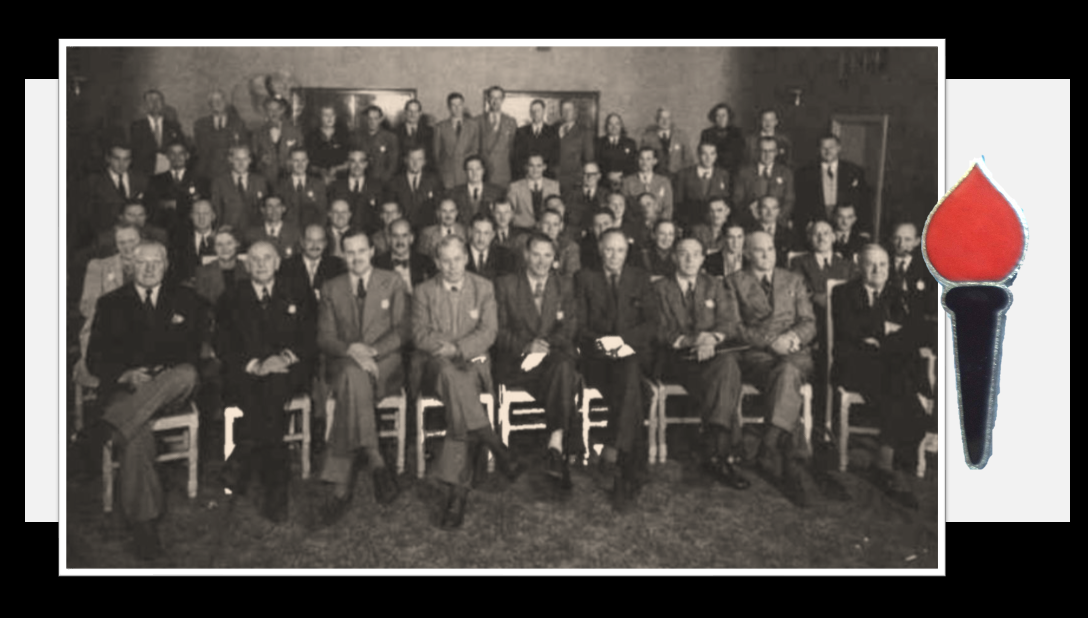


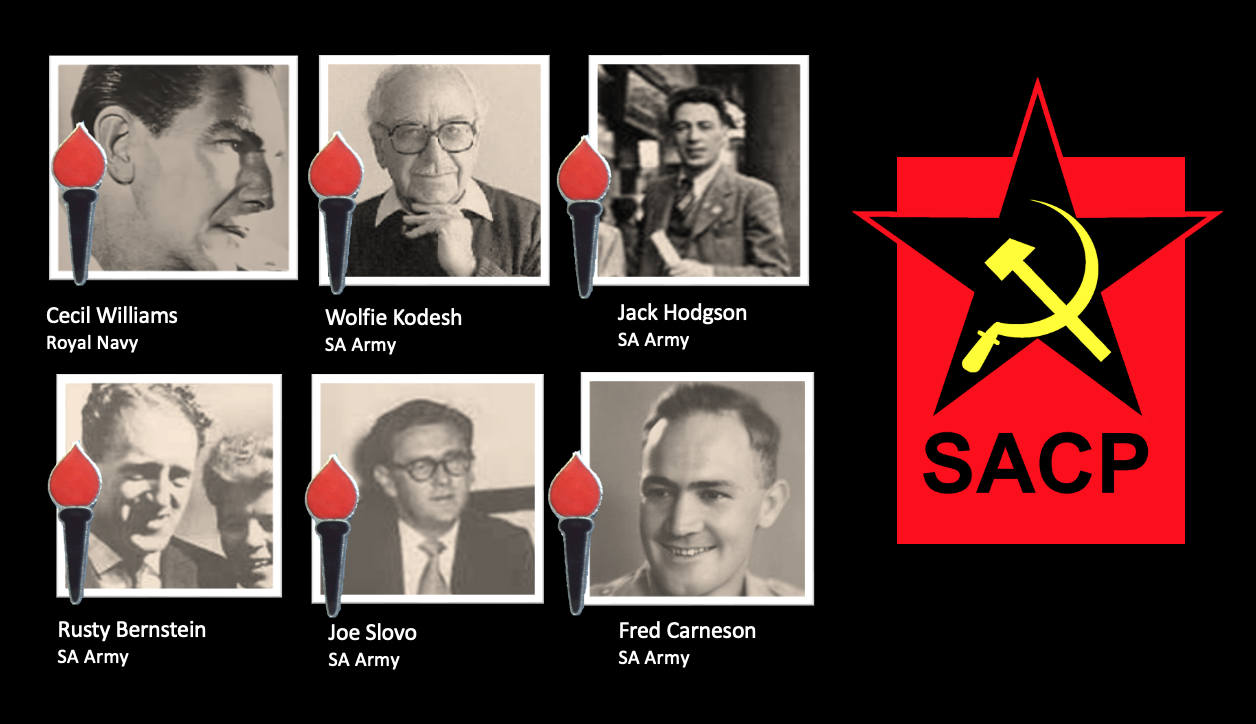
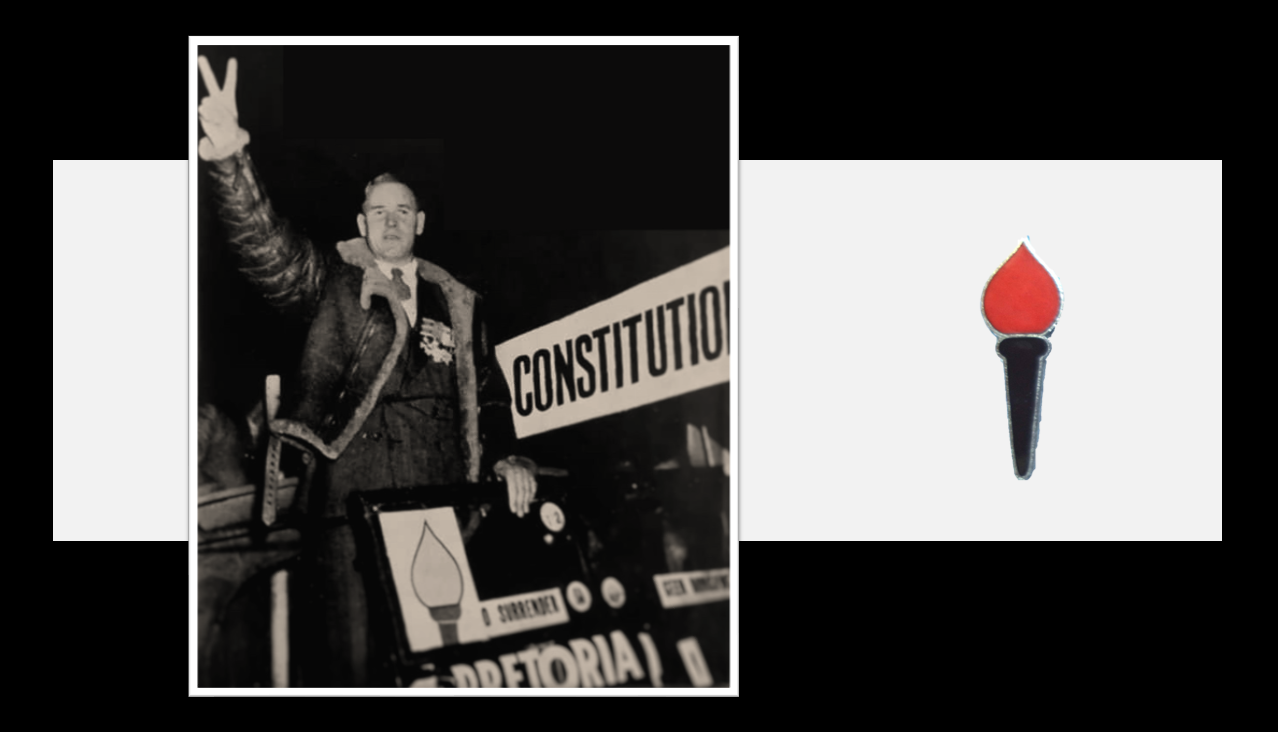
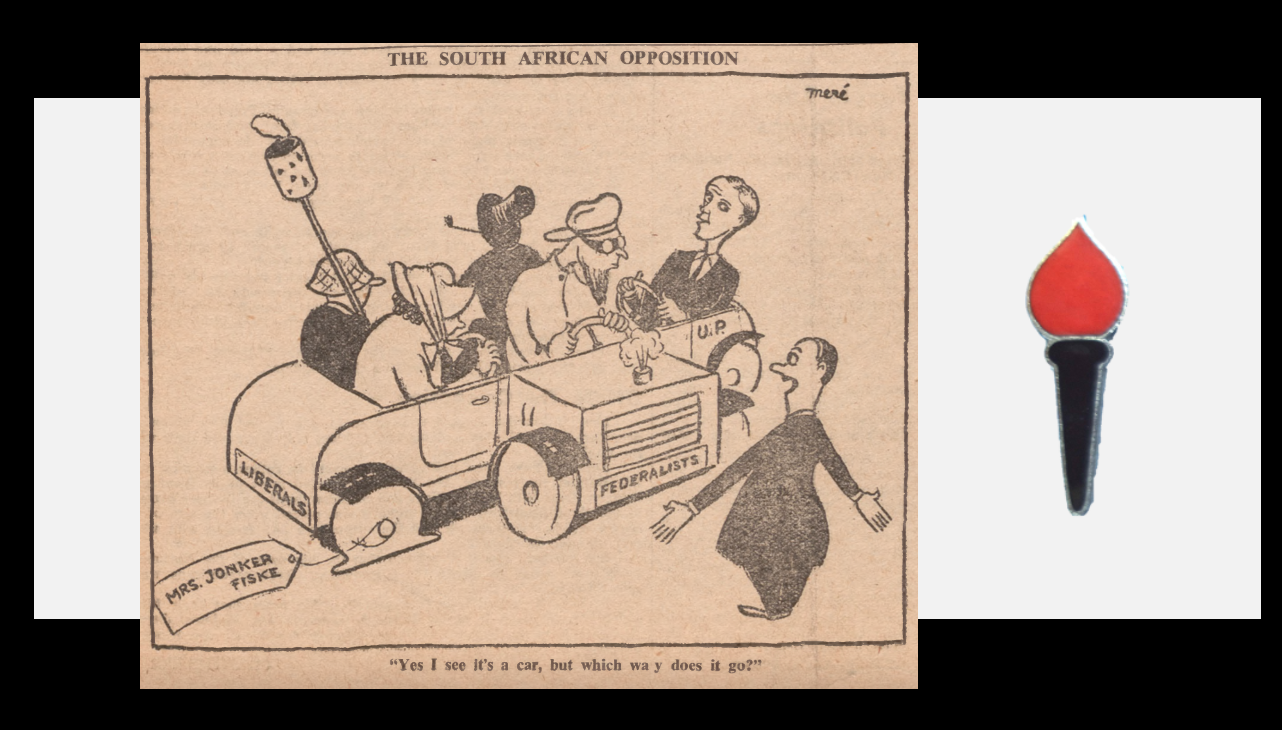
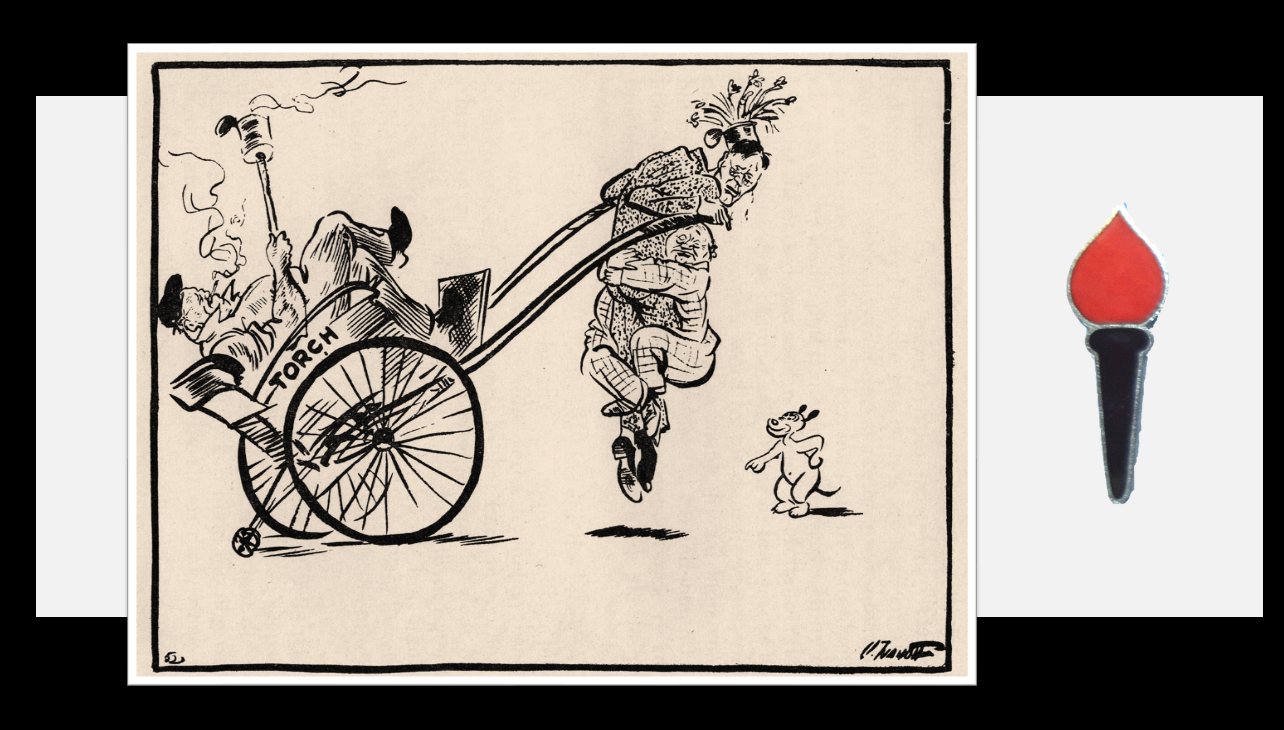

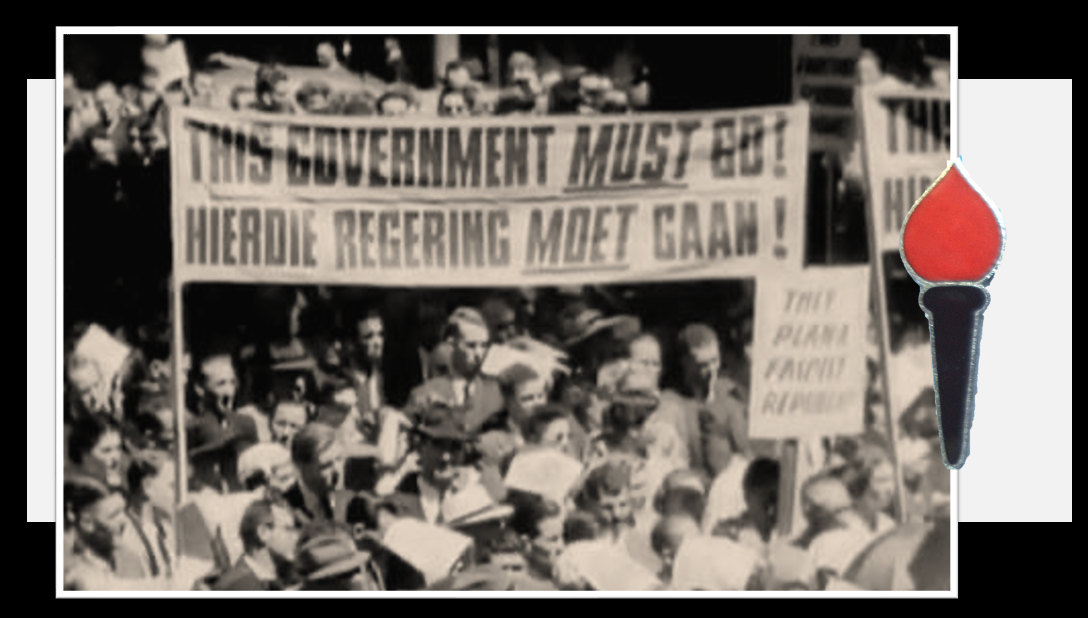

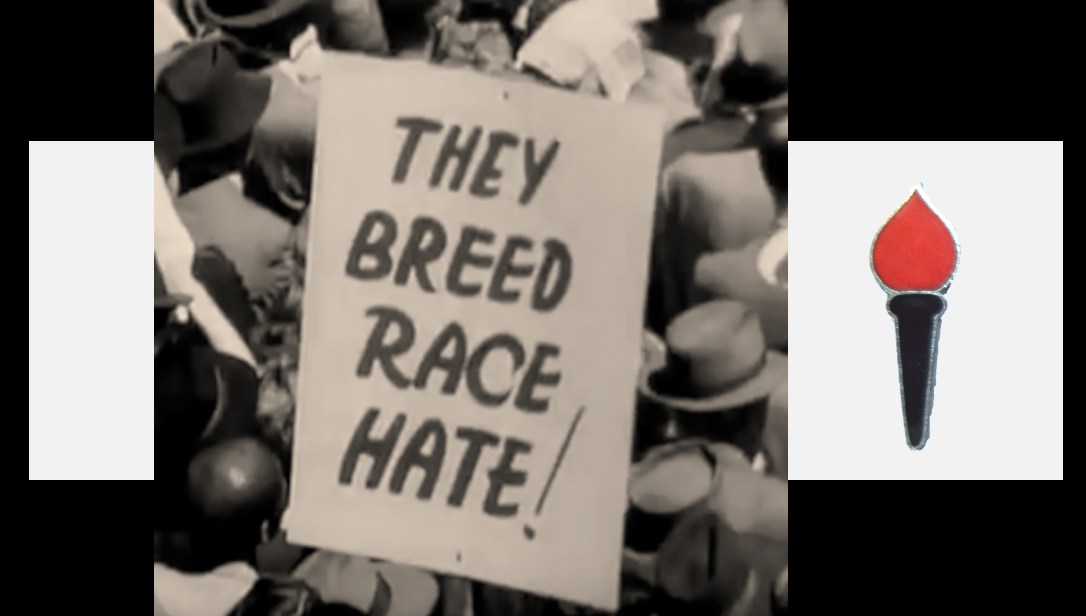
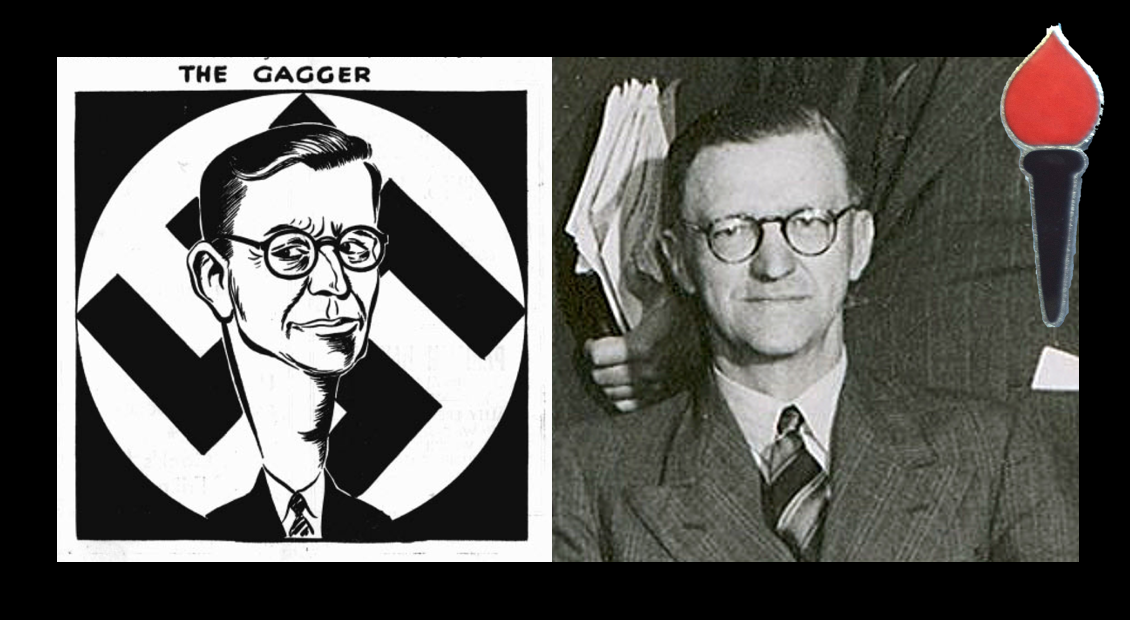

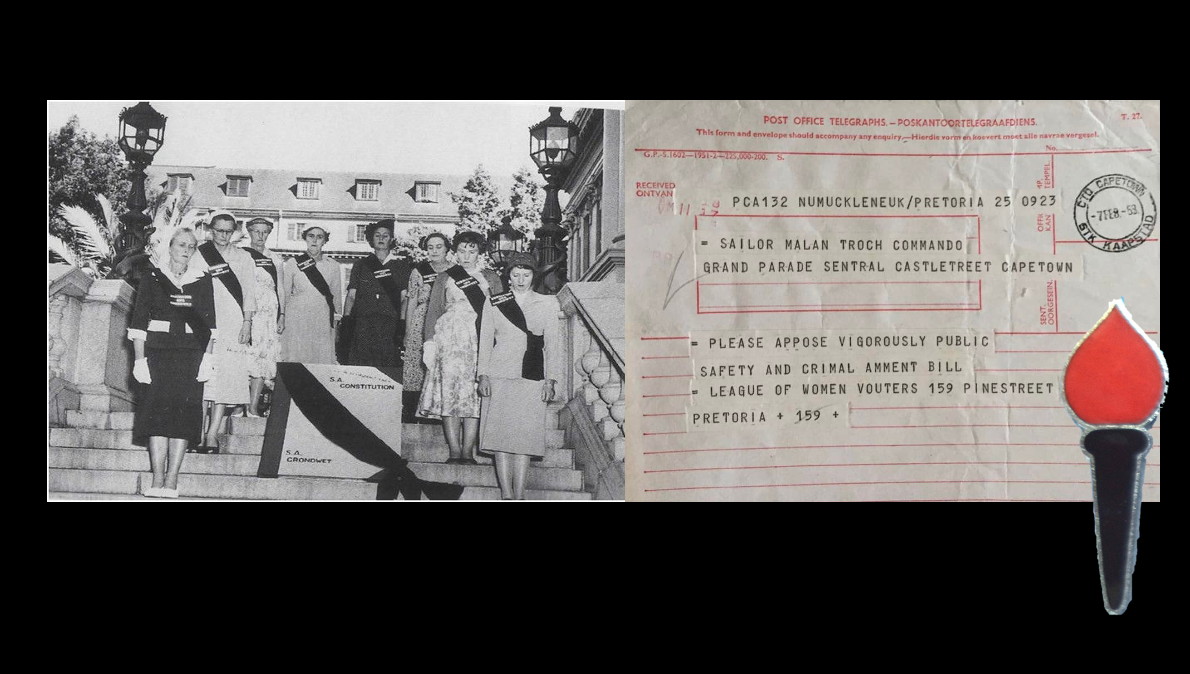


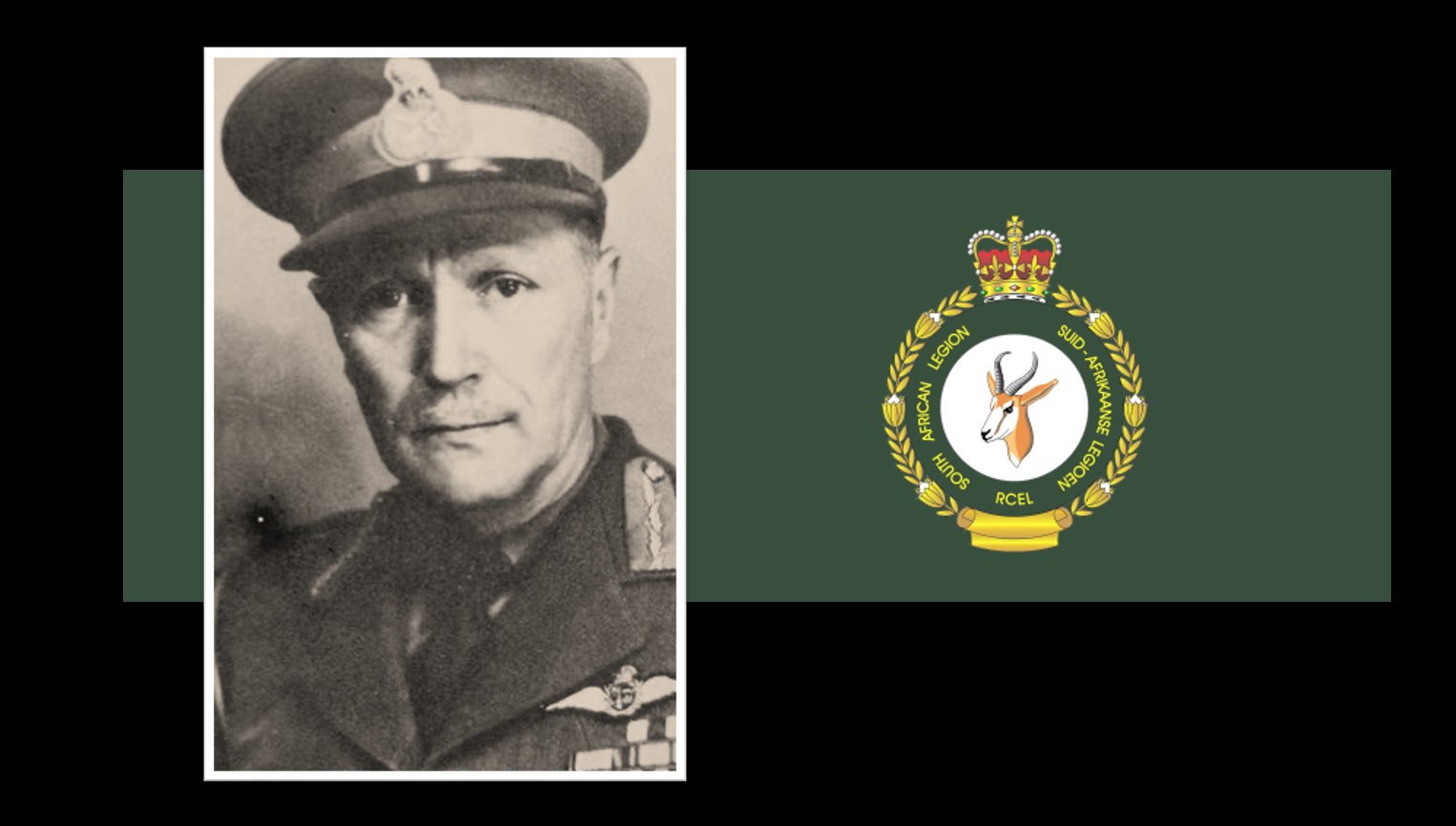
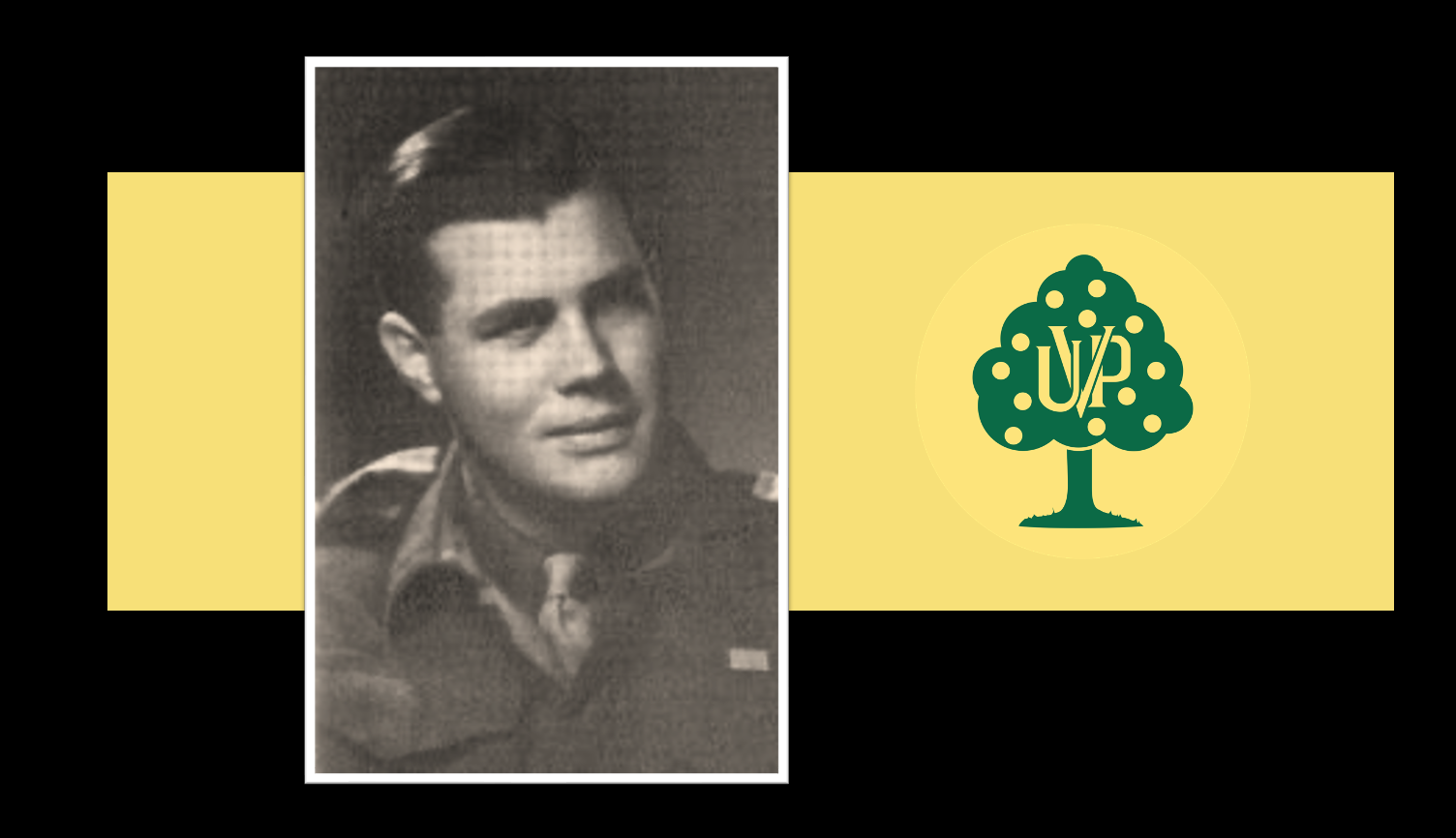


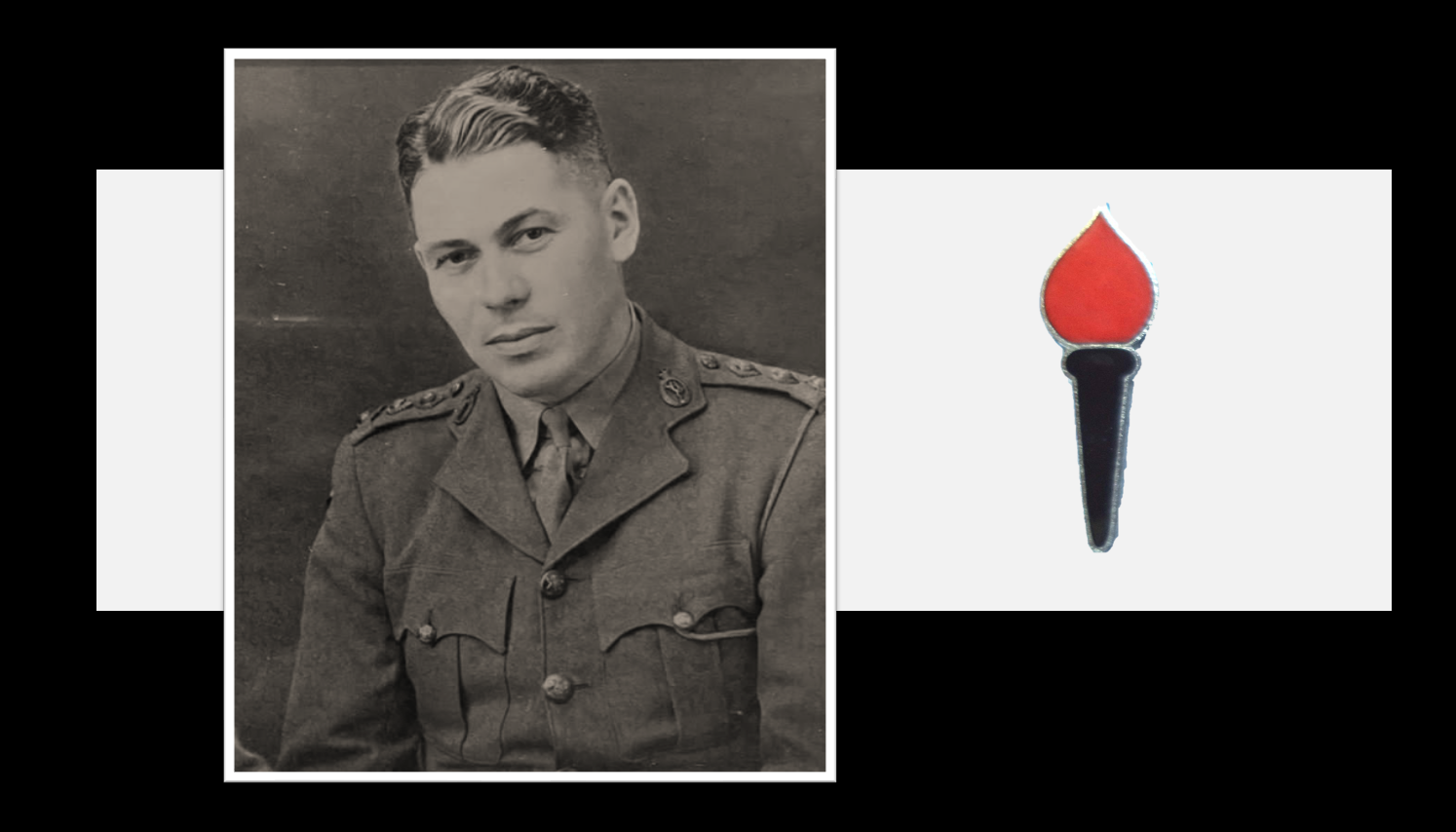


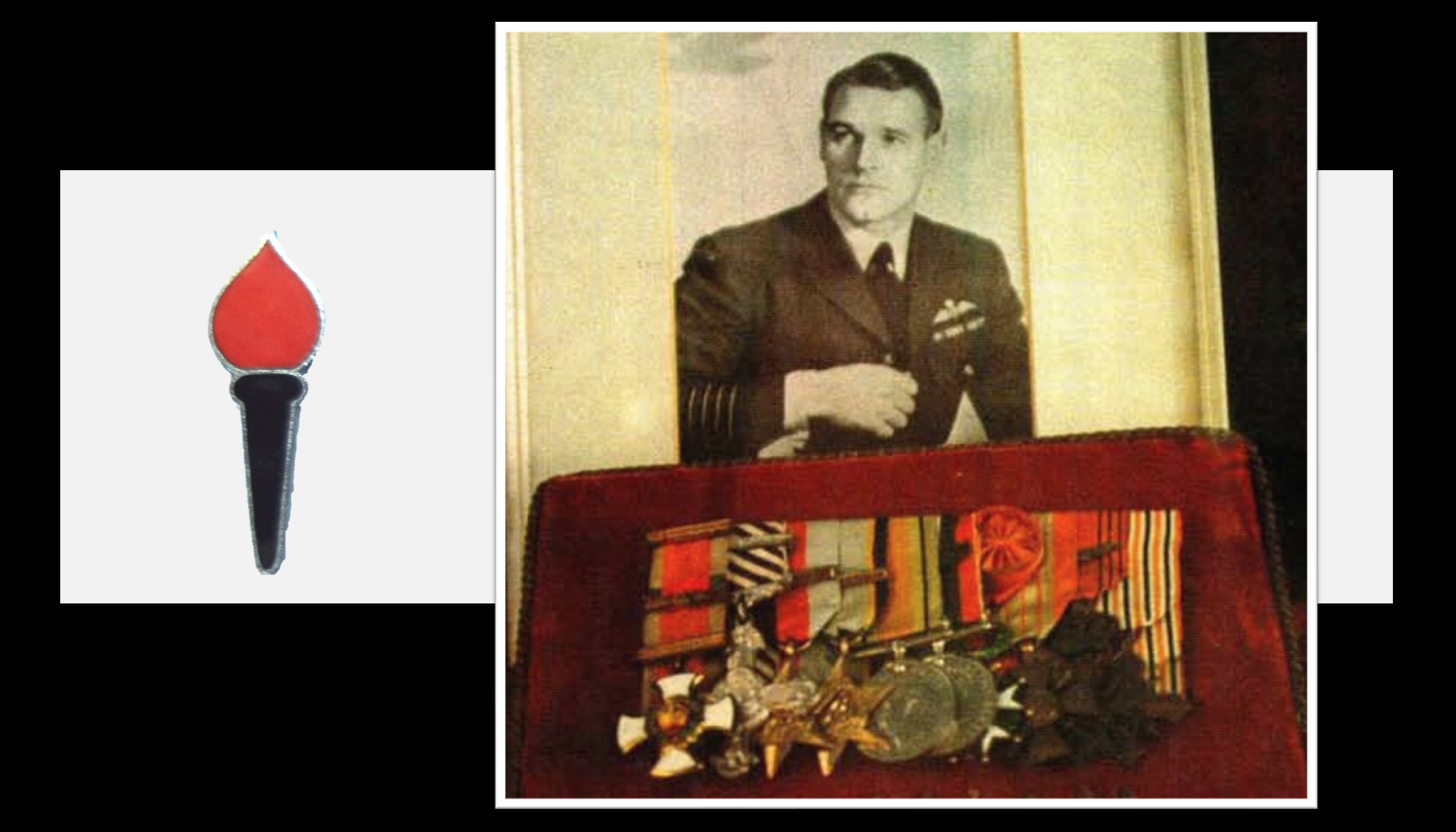
 The Observation Post