
It is not known now to many modern South Africans, but the South African Navy lost four ships in total during WW2, all of them minesweepers. Hardly recognised today all these ships carried with them tales of great bravery,
The first ship lost in the Mediterranean near Tobruk was the HMSAS Southern Floe with its remarkable tale of a single survivor (see The HMSAS Southern Floe was the SA Navy’s first ship loss & it carries with it a remarkable tale of survival.).
The second ship lost was the HMSAS Parktown, which went down fighting during the Fall of Tobruk in Libya, with the HMSAS Bever fighting at her side out the port (see The feisty South African minesweeper that went down fighting – HMSAS Parktown).
The third ship to be lost was the HMSAS Parktown’s sister ship, the HMSAS Bever which went down later in the war during the liberation of Greece when it struck a mine, and carries with its story a tale of miraculous survivors (see “Under a hail of shells”; Recounting the bravery and loss of HMSAS Bever).
The final minesweeper to be lost was the HMSAS Treern, it was tragically lost right at the end of the war, and it remains the last South African vessel to be lost in action, even to this day, yet hardly anyone is aware of her history.
So lets examine this last combat loss, and why it is that we tend to overlook all this sacrifice at sea in the South African Navy’s vessels during the Second World War.
The second minesweeping flotilla prepares for the Mediterranean
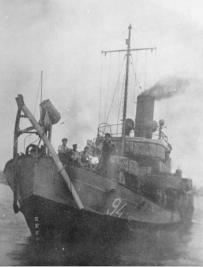
HMSAS Treern
On the 12 May 1941, the HMSAS Treern (under the command of Lt. H H Cook) is commissioned, she is a whaler now converted for wartime service. Now a magnetic minesweeper she is given her number T451 and allocated the pennant number 94.
By the beginning of November 1941, there is a small flotilla of South African minesweepers ready for deployment in the Mediterranean in support of Allied combat operations there. The HMSA Ships, Bever, Gribb, Seksern, Imhoff, Treern, Parktown and Langlaagte, all are former whale catchers of about 260 tons and built between 1926 and 1930, and all are ready to go as part of the 166th Minesweeping Group in the Mediterranean. Each minesweeper is fitted with one 3 inch gun plus smaller QF guns, depth charges and LL sweeps. They are the second group of South African minesweepers to sail from Durban for the Mediterranean.
The liberation of Greece
The Treern has a long record of service conducting duties alongside Allied shipping, she spends almost the entire war in the combat zone, towards the end of the war she finds herself under the command of Lt. P Byrne assisting in the liberation of Greece sailing in the Aegean Sea – the end of the war in Europe and surrender of Germany is a tantalising four months away.
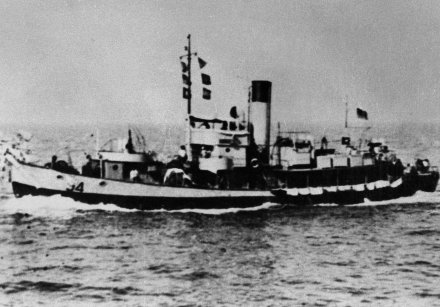
HMSAS Treern
By January 1945 the situation in the Greek Islands was somewhat confused. Initially the task of the Allies appeared to be a straightforward one; simply the supply and distribution of food and other essentials and the opening up of communications which, from the nature of the country, was largely by sea. However, internal dissension (which the retreating German forces had done their best to promote) considerably complicated and delayed the Allied take over.
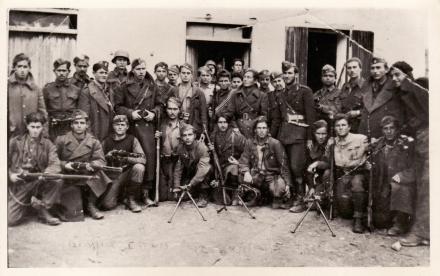
The Greek People’s Liberation Army or ELAS was the military arm of the left-wing National Liberation Front (EAM) during the period of the Greek Resistance until February 1945, then during the Greek Civil War.
HMSAS Treern, with orders to relieve HMSAS Seksern at Volo, arrived there at noon on 27 December 1944 only to find the harbour deserted and therefore anchored in the bay whilst radioing for instructions. Soon afterwards an emissary from ELAS (Greek People’s Liberation Army) arrived, ELAS was one of the factions in the internal dissension in Greece caused by the vacuum created by the German occupiers retreating from Greece.
The ELAS emissary informed the HMSAS Treern that Volo was under ELAS control and then asked the Captain what his intentions were.
The ELAS emissary eventually agreed to let the ship remain there for the night. Next morning Treern left for Skiathos where she met up with the British destroyer, HMS Musketeer, considerably to the relief of both captains, and came under the orders of the Musketeer.
In the town of Volo a somewhat lukewarm ELAS control prevailed – political fervour being influenced by the presence of the destroyer and her 4.7-inch guns, under cover of which all local craft, arriving and leaving, were interrogated and searched for arms.
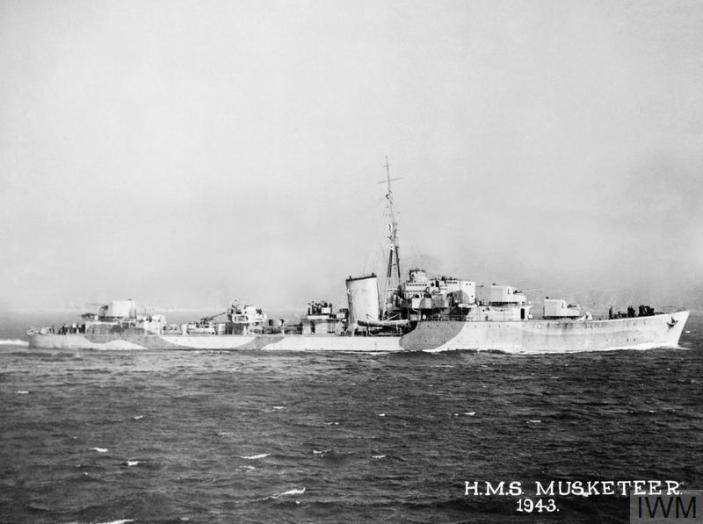
Treern assisted in this duty for the next few days before being attached to a small naval force then operating against the ELAS in the Gulf of Volo and along the north-east coast of Euboea.
The loss of the HMSAS Treern
On the morning of 12 January whilst off the northern shore of the Trikiri Channel and towing a caique laden with fuel for motor launches then lying off Volo. At about 08:30 there is a huge explosion, presumably caused by a mine, which destroys Treern almost immediately with a very heavy loss of life.
Only one man survives
The only survivor, Stoker J.J. Bosch, later states that he was in the port waist, while most of the other men off duty were watching a pig being slaughtered on the boat-deck above him. Suddenly he felt a tremendous concussion and found himself somersaulting through the air into the water. On coming to the surface he found a life buoy floating near him and saw the last few feet of the ship’s bows disappear below the surface.
At the same time another mine exploded about 100 yards away, presumably a sympathetic detonation caused by the first explosion. One of his legs had been injured, but the caique picked him up and about an hour later transferred him to HMS Musketeer.
Honour Roll
MPK means ‘Missing Presumed Killed’. SANF stands for ‘South African Naval Forces’.
 ANDERSON, Robert D, Engine Room Artificer 2c, 71067 V (SANF), MPK
BARKER, Ronald E, Sub Lieutenant, SANF, MPK
BLAKE, Robert E, Petty Officer, P 6572 (SANF), MPK
BROWN, Ian H, Able Seaman, 71719 V (SANF), MPK
BYRNE, Patrick, Lieutenant, SANF, MPK
DAVIE, William, Stoker 1c, 70681 V (SANF), MPK
ENGELBEEN, Leslie C, Able Seaman, 562235 V (SANF), MPK
JACOBZ, Frank H, Stoker 1c, 70374 V (SANF), MPK
MATTHEWS, George A, Stoker 1c, 70728 V (SANF), MPK
MCINTYRE, William G, Cook (S), 585360 (SANF), MPK
MCLARTY, William D, Leading Stoker, 562246 V (SANF), MPK
MCLEAN, Godfrey, Able Seaman, 562455 V (SANF), MPK
NILAND, St John E, Able Seaman, 209905 (SANF), MPK
PERRY, Desmond A, Petty Officer, 71211 (SANF), MPK
REID, Kenneth H, Signalman, 562143 V (SANF), MPK
SALCOMBE, Francis R, Stoker 1c, 58589 V (SANF), MPK
STAPELBERG, Willem J, Steward, 562221 V (SANF), MPK
SUTTON, Donald A, Able Seaman, 70426 (SANF), MPK
SUTTON, George A M, Leading Seaman, 586403 V (SANF), MPK
TRAFFORD, William O, Able Seaman, 71222 V (SANF), MPK
VILJOEN, Dennis A, Telegraphist, 70984 V (SANF), MPK
WHITE, Charles W, Petty Officer, 562200 V (SANF), MPK
WULFF, Emil F, Leading Seaman, 562466 V (SANF), MPK
In Conclusion
Successive generations of South Africans have not been exposed to the gallantry of South African servicemen at sea, many remain blissfully unaware of all the heroic actions of South African fighting ships during World War 2.
Little remains of this history, and it now has to ‘dug up’ from recent research conducted by Chris Bennet and Allan du Toit, very little to nothing is available in public on-line records such as Wikipedia, such is the degree to which it has been wiped from the South African national consciousness.
The reason for this is political, the incoming Nationalist government after the war in 1948 regarded all of South Africa’s and Smuts’ exploits during World War 2 as one of treachery (siding with the ‘hated’ British), so no large-scale Naval commemorations or recognition ceremonies were ever undertaken by the South African Navy to maintain this memory.
Researched by Peter Dickens. Reference: Large extracts taken from Day by Day SA Naval History by Chris Bennett. Casualty Lists of the Royal Navy and Dominion Navies, World War 2 by Don Kindell. Images of South African vessels courtesy Allan du Toit and reference from his book ‘South African Fighting Ships’.
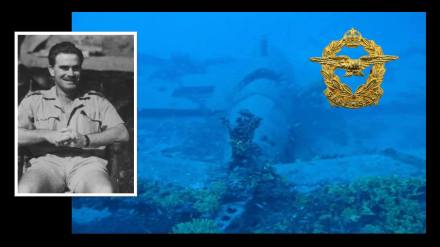
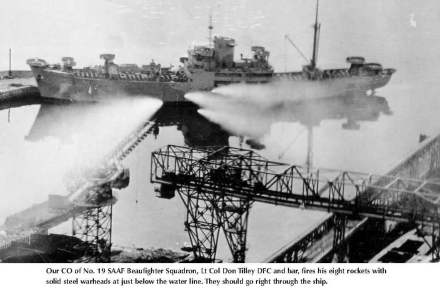
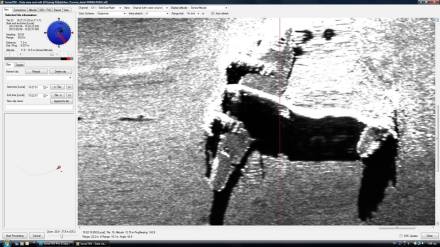
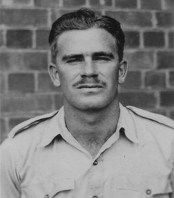 The feature image is Major Arthur Geater’s Bristol Beaufighter which was found in Sept 2013 after being undiscovered for 69 years since it was ditched and sank. The discovery is a story itself, but so too is Arthur’s.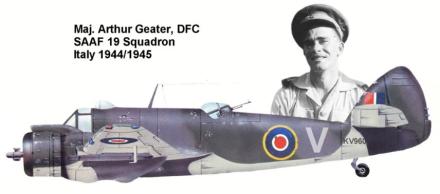
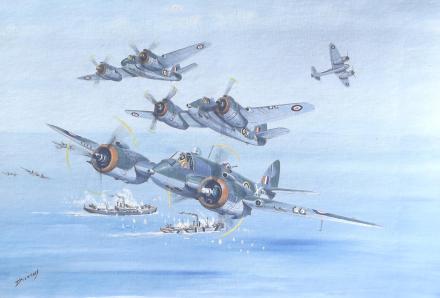
 Arthur was awarded the Distinguished Flying Cross for his exceptional service. After the war he had a long and successful career in the printing industry and passed away on 3 November 1992.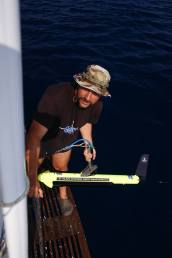


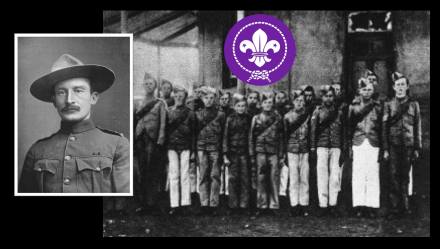
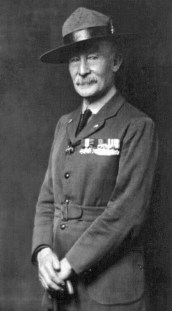
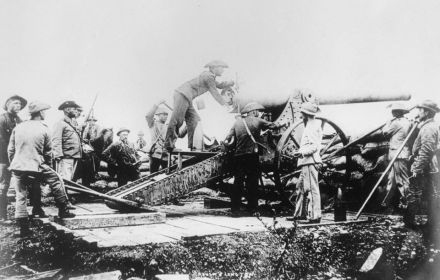
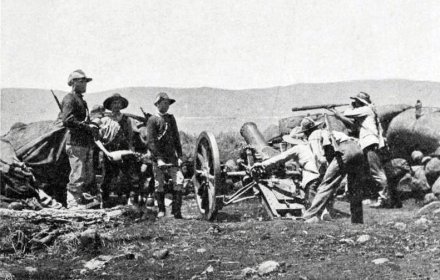
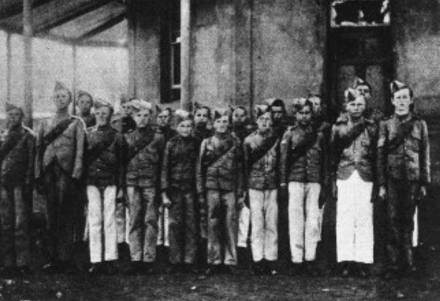
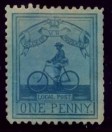 The town produced its own postage stamps, known as “Mafeking Blues”, for postage during the siege. Since all the letters were delivered by the Cadets, the town even issued a new stamp in honour of them, the new design showed the leader of the Cadet Corps, Warner Goodyear, seated on his bicycle. After the siege, the special Mafeking stamps became collectors’ items all over the British Empire.



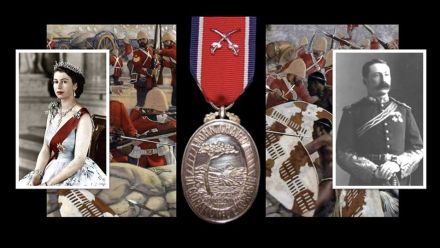
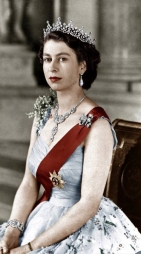
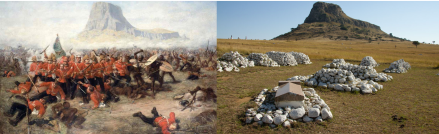
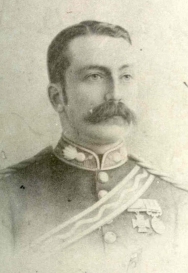
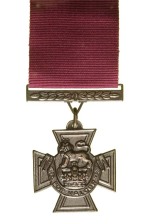 The citation for Chard’s and Bromhead’s Victoria Crosses says everything: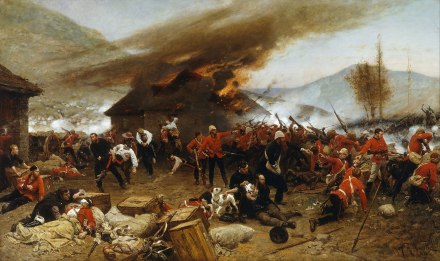
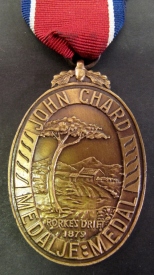
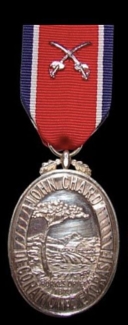
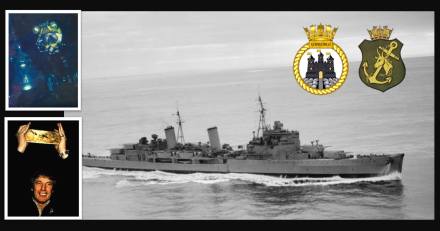
 “Gold may shine, but it has no true light” is a quote by Kristian Goldmund Aumann to mean that glittering gold is false when compared to the importance of spiritual light, and nothing is more true in this statement when reviewing the sacrifice and loss on the HMS Edinburgh – it is the subject of a multi-million dollar treasure hunt for gold and the subject of supreme wartime sacrifice, including South African life.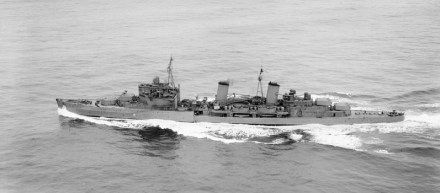
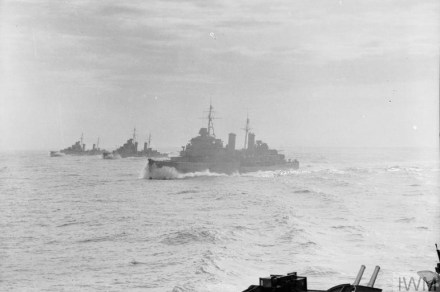
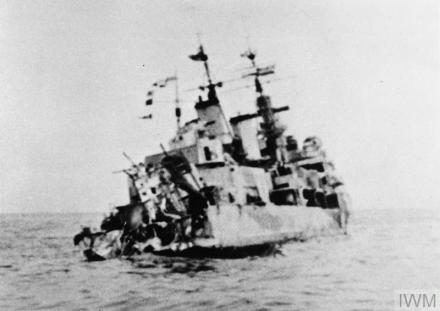
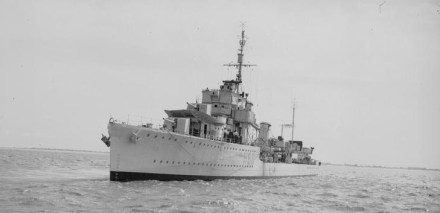
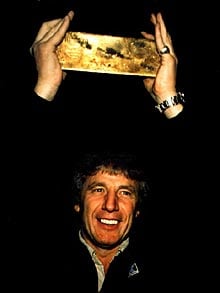
 South African Honour Roll – HMS Edinburgh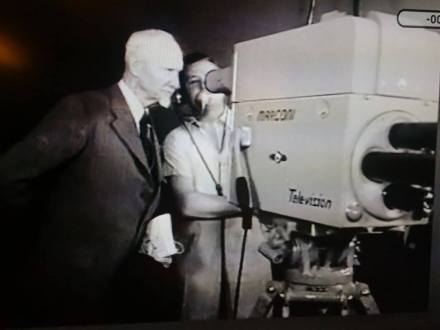
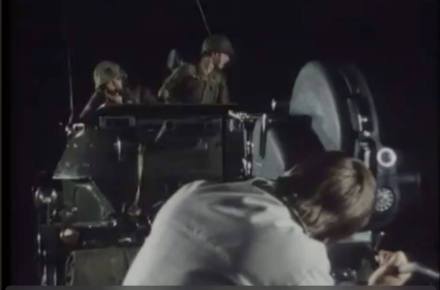
 Sunday broadcasts were dominated by a NG Church service streamed onto television and Afrikaans entertainment hours were dominated by ‘Boeremusik’ programming and showcasing ‘boere-orchestras’ and smiliar music shows. The only news channel was ‘SABC’ News – which was very carefully managed.


 In 1988, M-Net, keen on doing some kind of news actuality programming, found its way around the ‘no news channel’ clause with the launch of Carte Blanche (meaning ‘anything goes’) a once a week ‘Investigative journalism’ program which they billed as ‘entertainment’. It is still South Africa’s only real source of real unbiased local TV news broadcasting having uncovered many of South Africa’s most famous scandals of human rights abuse, corruption and consumer affairs.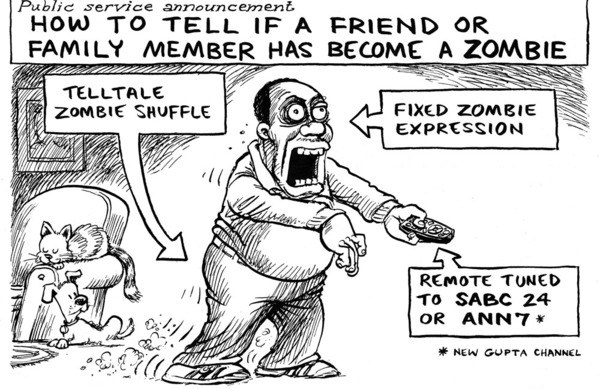
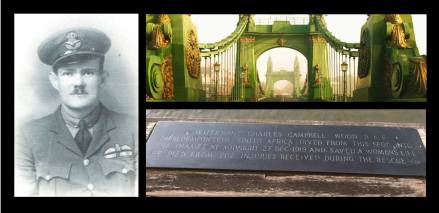
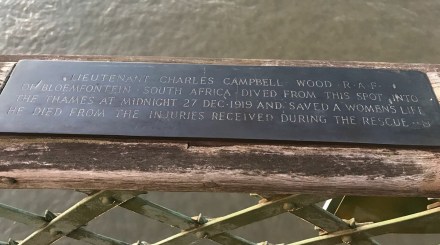
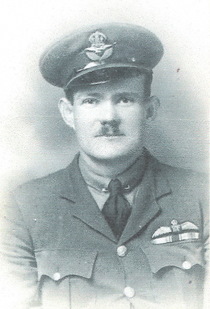 Next time anyone walks down the iconic green Hammersmith Bridge in London, the halfway mark on the Oxford Cambridge Boat race on the Thames River, look out for and spare a thought for a very brave South African who is forever remembered on a historic plaque on Hammersmith Bridge itself.


 The Observation Post