A South African Air Force D-Day Hero lost: Robert Cumming

Not many people in South Africa today know of South Africa’s involvement in Operation Overlord (D-Day) as the South African forces in Europe at the time were fighting in Italy and not in France.  However there are a small number of South African Union Defence Force members who did take part in the D-Day operations, most seconded to the Royal Navy, the Royal Marines Commandos and the Royal Air Force.

229A number of South African Air Force fighter pilots served during Operation Overlord flying RAF Typhoons and Spitfires and because of the highly treacherous nature of the operations a handful of about five South African Air Force pilots lost their lives.

The first South African sacrifice during Operation Overlord and the D-Day Normandy beach landings was Robert Alexander Cumming, son of Gerald G and Dora E Cumming of East London, Cape Province, South Africa.

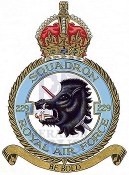
Lieutenant Cumming served with 229 Squadron Royal Air Force, 229 Squadron had been stationed in Malta, and was transferred in April 1944 to Britain and re-assembled at RAF Honchurch, on 24 April. During Operation Overlord (the allied invasion of France) it was equipped with the Spitfire IX operating from RAF Detling.

Lt Robert Cumming was providing cover to ‘day-time’ bombers in raids during the invasion period, and also over the beaches to assist the invading forces. Whilst flying Spitfire MJ219 on the 11 June 1944 (D-Day+5), he and his fellow pilot Flight Lieutenant George Mains flying Spitfire BS167 are believed to have flown into the cliffs at Freshwater, Isle of Wight, in heavy fog.

34859894_10156218230701480_5043545821853777920_o

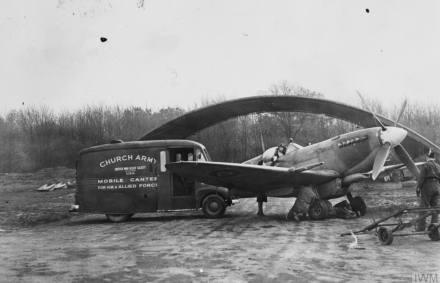
The driver of a mobile canteen operated by the Church Army offers tea to a Spitfire IX pilot at Detling, Kent.

Robert Cumming can be found here, may he rest in peace, his name will not be forgotten:

supporting-poppy-appeal

Lieut. CUMMING, R.A. Robert Alexander 133975V Pilot SAAF 22 † Parkhurst Military Cemetery, United Kingdom Plot 11. Grave 207


Related Links and work on South Africans during D-Day

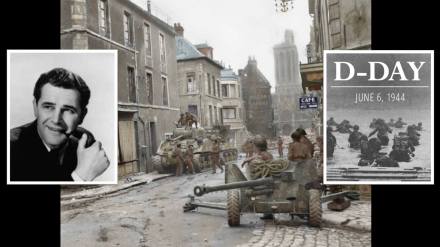
Donald Gray South African D-Day hero (and one-armed movie star): Donald Gray

Albie Gotze “This bastard is going to kill me”; Albie Götze’s Legion d’Honneur

Tommy Thomas South African D Day Hero: Lt. D.C. “Tommy” Thomas MC

Cecil Bircher South African D Day Hero: Lt. Cecil Bircher MC

Royston Turnball Supreme South African heroism on Omaha Beach, Lt. Royston Turnbull DSC

Anthony Large South African D Day hero: Anthony Large BEM

Jan Smuts South Africa’s role in giving D-Day the green light


Written by Peter Dickens. Information from John Bloodworth and Sandy Evan Hanes


South African D-Day hero (and one-armed movie star): Donald Gray

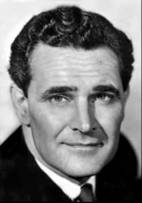
Now, not too many South Africans will know that they can count one of their movie star exports as a D-day hero as well.  This one is a special one, a highly successful actor who would land up disabled in the combat fighting in what was Operation Overlord (D-Day), losing an arm he would come back and re-ignite his acting career – becoming very famous in landmark Movies and Television (which unfortunately South Africa did not have until 1976).

34822145_10156216280391480_3719747445647736832_oA one-armed South African war hero movie/television star, Donald Grey was in his lifetime very well-known internationally but less so in his county of birth, he was born Eldred Tidbury to a humble beginning in South Africa and later changed his name.

Eldred Tidbury (Donald Gray) was born on 3rd March 1914 on an ostrich farm at Tidbury’s Toll near Fort Beaufort, in the Eastern Cape, South Africa.  A simple kid on a well to do African farm, but it was a talent contest would lead his life and career to some very extraordinary places with life changing twists and turns.

Acting Career 

In 1933, Paramount Pictures to rejuvenate and diversify its contract players, launched a competition known as the “Search for Beauty”; heats took place in nations across the English-speaking world. Elred Tidbury entered in his native South Africa and was selected with Lucille du Toit, a dental nurse from Pretoria as one of the winners.

In total, there were 30 finalists worldwide who were screen-tested and of the 30, contracts were awarded to only 10, Tidbury was selected as the overall male winner with a bonus of USD 1,000 with which he bought a car. The overall female winner was Scottish actress Gwenllian Gill who later followed Tidbury to the United Kingdom and became engaged to him; however, their engagement was broken off during the Second World War.

By late 1935, Tibury wanted out of his ‘locked-in’ contract with Paramount Pictures in America and moved Britain and in 1936 changed his name to Donald Gray. He became an engineering salesman selling a boiler preparation, acted in repertory theatre and appeared in several films  In 1936, he took leading role in ‘Strange Experiment’ and by the outbreak of WW2 in 1938, he was the young lead in famous Korda film ‘The Four Feathers’.

World War 2 and Operation Overlord (D-Day)

When war broke out in 1939, our movie hero decided to join the Army and volunteer, but he was initially turned down for military service due to a duodenal ulcer.  Still determined to join up Donald Gray later managed to enlist in the Gordon Highlanders who had their barracks in Aberdeen, and succeeded in becoming what he called an “ordinary Jock” (having claimed some sort of Scottish ancestry).

In 1941, he was commissioned as an officer in the King‘s Own Scottish Borderers (KOSB), eventually becoming the battalion’s education officer. Donald Gray (Elred Tidbury) was even given brief leave to appear with Dame Vera Lynn as “Bruce MacIntosh” in the famous film ‘We’ll Meet Again’ (1943).  Not to miss the ‘Big show’ that was D-Day, Donald Gray was back with his Battalion by July 1944 and ready to go to France.

He was with the Kings Own Scottish Borderers when they entered the strategic city of Caen and here he was severely wounded during the intense street to street, house to house fighting that was Caen in July 1944. His left arm was shattered by an anti-tank shell, the limb having to be amputated a few days later at an emergency hospital near the front line.

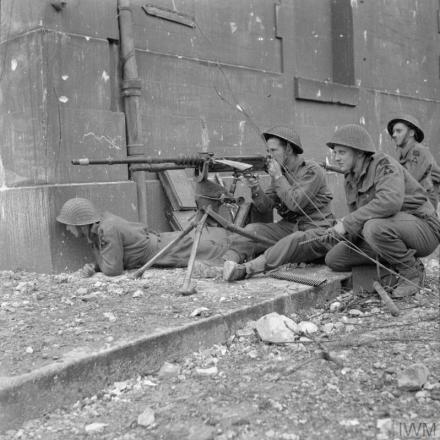
Here is his unit in action in Caen during July 1944, we see troops of 1 Kings Own Scottish Borderers (KOSB), 9th Brigade, 3rd Infantry Division, firing a captured Hotchkiss machine gun during street fighting in Caen, 10 July 1944.

KOSB 1

To give an idea of the fighting which led to the loss of Donald Gray’s arm and casualty evacuation here is an extract from 1st Battalion King’s Own Scottish Borderers war diary, for the 9th July 1944;

“The attack on Caen. The plan. The Canadians were to attack from the West. The RUR’s in the centre from the North and 1 KOSB from the East. The Bn moved off at about 0930 hrs over ring contour “60”, which was under shell fire, to FUP on the Eastern outskirts of CAEN. The ghostlike houses slowly came to life as civilians began to realize we were entering the town. They came running out with glasses and bottles of wine. As the Bn was forming up on the start line and trying to re-establish wireless contact with companies and Bde, four Boche were seen to withdraw towards the centre of the town. Soon afterwards out [our] HQ was mortared leaving 1 killed and 1 wounded. The Bn then proceeded to clear the town. Little opposition was met.

Progress was slowed down by snipers and an occasional MG. Much assistance and information was offered by eager civilians. Debris and cratered streets also made progress extremely difficult. We eventually reached the RV in the Old Town and established contact with the RUR and pushed forward patrols to the river. Patrols met quite heavy fire from across the river and a number of casualties were sustained.”

13620394_931511590311967_7703959374844800773_n

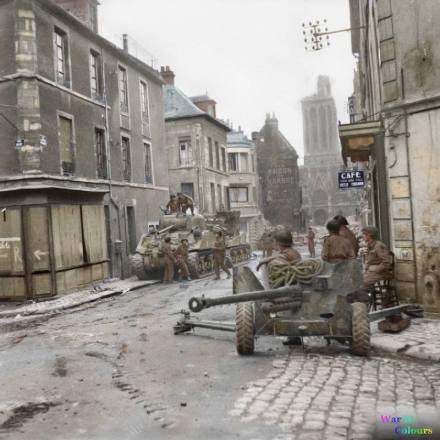
Here a colourised image witnesses the fighting of his unit in Caen as seen by Donald Gray and brings the fighting to vivid life. Here is a 6-pounder anti-tank gun of the 1st Battalion, King’s Own Scottish Borderers, part of the 9th Brigade of the British 3rd Division, along with two Sherman tanks in Rue Montoir Poissonnerie near St-Pierre Church, Caen. 10 July 1944.

Acting Career continued … 

34598163_10156216281521480_3225118091054678016_oAfter the war, a disability like only having one arm did not stop Donald, he chose to continue his career in film and stage acting and against the odds became even more successful at it. Donald toured South Africa with his own repertory company, appeared in other films, and was contracted by the BBC’s  radio repertory company.

He left South Africa again to appear in Saturday Island (1952) and then returned to the BBC as an announcer.  Then came his very big break. Donald Gray then starred as the one-armed detective Mark Saber in the British TV series of the same name which ran for 156 episodes from 1955 to 1961. It was originally titled Mark Saber, or The Vise in the United States, but was later known as Saber of London and Detective’s Diary. In 1957, The Vise was renamed, redeveloped, and transferred from ABC to NBC  under the new title Saber of London.

Donald Gray would later provide the voices of Colonel White, Captain Black and the Mysterons in the 1960s TV series, Captain Scarlet and the Mysterons.

He later returned to South Africa, where he passed away in 7th April 1978.  A truly extraordinary son of South Africa, we unfortunately just missed his whole rise to stardom on Television, because unlike in the USA and Britain, the government in South Africa in the 50’s, 60’s and right up to the mid 70s figured it was the ‘devils box’ and banned it (see and click link The ‘Devil’s Box’)

The bottom line most South Africans now have no idea who Donald Gray was and nor do they know why we should proud of this very remarkable D-Day hero – luckily for all of us media has moved on and his story can now be easily shared.

Related Links and work on South Africans during D-Day

Albie Gotze “This bastard is going to kill me”; Albie Götze’s Legion d’Honneur

Tommy Thomas South African D Day Hero: Lt. D.C. “Tommy” Thomas MC

Cecil Bircher South African D Day Hero: Lt. Cecil Bircher MC

Royston Turnball Supreme South African heroism on Omaha Beach, Lt. Royston Turnbull DSC

Anthony Large South African D Day hero: Anthony Large BEM

Jan Smuts South Africa’s role in giving D-Day the green light


Written and Researched by Peter Dickens.  Images Imperial War Museum Copyright. Colourised image ‘War in Colour’ – Sergeant Christie No 5 Army Film & Photographic Unit
(Source – Imperial War Museum) 
Trevor Jordan’s biography of Gray, Colonel White Meets Mark Saber, 2012.


South Africa’s role in giving D-Day the green light

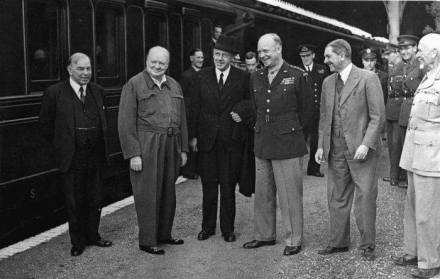
What would be a surprise to many is that aside from the key-note planners of Operation Overlord (D-Day), three key Commonwealth Prime Ministers were included in the final planning sessions for D-Day – Canada, New Zealand, Rhodesia and South Africa, and it all took place in a secret railway siding in the middle of the quaint English countryside.

11393080_456535191182885_8598385993022380044_n

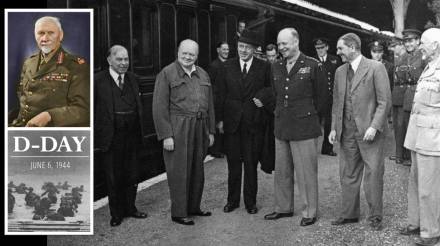
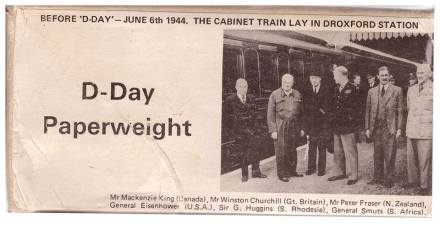
On the 2 June 1944, a quiet little railway siding in Hampshire – Doxford, became the location for a highly secret meeting in a specially converted train carriage. The special train was Sir Winston Churchill’s train and temporary Operational HQ called ‘rugged’, the meeting was to agree this next most critical stage of the war.

On this day, in this unassuming train station the “Council of War” convened to decide the outcome of the war for the Western Allies. The Allied Supreme Commander General D. Eisenhower, Winston Churchill, the Allied High Command General Staff and the Prime Ministers of South Africa – Field Marshal Jan Smuts, Canada – William Lyon Mackenzie King, New Zealand – Peter Fraser, Southern Rhodesia – Sir Godfrey Huggins and the Free French Army – General De Gualle – all assembled for the only time during the war to make their most momentous decision, and “D day was on”.

The occasion was commemorated by paperweights cut from the line (called ‘the Churchill line’ after the war) and issued by the Sadler Rail Coach Limited for Droxford Station.

10930895_456531221183282_6814879340665934426_nSo there you have it, both South Africa and even Rhodesia played a key role in agreeing Operation Overlord plans and signing off on this most critical date – D-Day, 6th June 1944 – the date which changed the course of Western Europe’s modern history.


Written and Researched by Peter Dickens. A big thanks you to Colin Ashby whose grandfather made the commemorative paperweights and provided the images.

Sir ‘Dingbat’ the Knight

Here’s an extraordinary tale of someone who started out as a Johannesburg ‘boytjie’ and attained the heady heights of not only a very senior Commander of forces during World War 2 and the Cold War but also became a Knight of the realm.

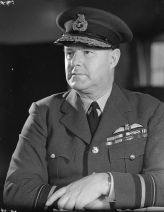
500px-Royal_Air_Force_Fighter_Command,_1939-1945._CH7956In South Africa many of our military heroes are lost to time or politics, especially those who found their way into the British Armed Forces during World War 2.  In fact to our Grandparent’s or even parent’s generation taking part in the war there were a number of significant and highly decorated men from South Africa who eventually went to very senior positions of command of His Majesty’s Armed Forces (British) during WW2, let alone South African forces – and this is one of them – Air Chief Marshal Sir H.W.L. “Dingbat” Saunders GCB, KBE, MC, DFC & Bar, MM

Now, a ‘Air Chief Marshal’ and a ‘Knight’ of the British Realm – a ‘Marshal’ and a ‘Sir’, that’s something significant for some kid from Johannesburg with the nickname of ‘Dingbat’, not withstanding the gallantry decorations of a Military Cross, two Distinguished Flying Cross’ and a Military Medal.  So who the heck is ‘Dingbat’ and how did he get there?

A true blue South African

Hugh “Dingbat” Saunders was born in Johannesburg South Africa on the 24th August 1894 – the son of Fred Saunders, in fact he came from Germiston (now not too many people in Germiston today know that their humble city has spawned a Knight), Dingbat was educated at the Marist Brothers college in Johannesburg.  How he got the nickname ‘Dingbat’ is lost to time, by English definition a ‘Dingbat’ is someone who is a little ‘odd’ a little out of the ordinary.  As an odd or off-set kind of person Dingbat was destined to live up to the nickname certainly for a kid from Germiston.

Like many South Africans graduating he was just in time to answer the call when World War 1 broke out, joining up in August 1914.

0aayzhghjgfjhf9999777_7Initially he joined the South African Army starting off as a simple private, serving with the Witwatersrand rifles and then found his way to the South African Horse, he took part in ground action even winning the Military Medal (MM) for bravery whilst a soldier in the Union of South Africa’s Armed Forces.

However his love and passion was the whole new world of flying, as South Africa did not have an Air Force in World War 1 (it was very early days for idea of flying let alone using it for combat), Dingbat had no choice but to transfer to the Royal Flying Corps in 1917, (as did a number of other South Africans choosing this new field of combat).  The Royal Flying Corps was the ‘Army’s’ air-force and it was the beginning of what was to become The Royal Air Force towards the end of World War 1.

Starting at the bottom rung commissioned officer rank of an Officer Cadet, Dingbat Saunders was promoted to temporary 2nd Lieutenant (on probation) on 2 August 1917 and posted to 84 Squadron in November 1917.  Here’s his military career started to really ‘take flight’.  He was posted to fly SE5a’s with No 84 Squadron during the German offensive of March 1918 when their aircraft were fitted with bombs as well as machine guns.  They operated throughout the day in pairs harrying the Germans at any and every opportunity – incidentally 84 Squadron was also the home of a South African Victoria Cross recipient – and South Africa’s most highest decorated person, Andrew Beauchamp-Proctor VC, DSO, MC & Bar, DFC.

By the time he left 84 Squadron in August 1918 he had been credited with 15 victories and was the senior flight commander on the squadron.

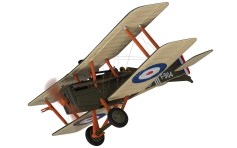
raf_se5a_f-904_major_c_e_m_pickthorn_mc_raf_no_84_squadron_france_november_1918_wwi_100_years_of_raf_corgi_aa37708_scale_1-48

RAF SE5a of 84 Squadron

During his time he picked up the Military Cross in 1918, a gallantry decoration and his citation cementing his reputation as an ‘Ace’ says just about everything:

T./2nd Lt. Hugh William Lumsden Saunders, M.M., Gen. List, attd. R.A.F.

For conspicuous gallantry and devotion to duty. During recent operations he destroyed five enemy machines and shot down four out of control. He showed great courage and skill in engaging enemy aircraft, and did splendid service.

Now promoted to Captain, he was at it again towards the end of World War 1 displaying an unbelievable degree of boldness and bravery, picking up the Distinguished Flying Cross along the way, again his citation for his DFC says everything:

Lieut. (T./Capt.) Hugh William Lumsden Saunders, M,C., M.M.

An officer of exceptional courage, who, since he was awarded the M.C., has destroyed five enemy aircraft and shot down two balloons in flames. While on patrol he observed a formation of seven hostile scouts below him. Diving to attack he engaged the leader and firing shoot bursts at close range shot him down nose foremost; the remainder of the formation scattered in all directions.

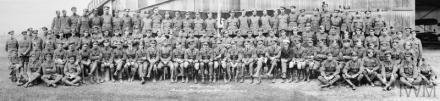
84 Squadron

Group photograph of No. 84 Squadron RAF, Germany. British Army of the Rhine

Inter-War period

During the period between World War 1 and World War 2, Hugh Saunders decided to remain with the fledgling Royal Air Force and make a career of it.  He had attained a formidable reputation as a combat aviator, so he begun more formal training at the RAF Staff College in 1928 attaining his first command of RAF 45 Squadron in 1932.  After more staff officer training at the Imperial Defence College in 1938, Dingbat found his way to New Zealand as the Chief of Staff of the Royal New Zealand Air Force, and was holding this post at the on-set of World War 2.

World War 2

When the Second World War had moved into full swing,  Hugh Saunders made his way back to the United Kingdom and into the thick of commanding RAF operations in Europe.  In February 1942 he joined Fighter Command HQ as a AOA (Air Officer Administration), but was soon in a leading post during the war in Europe as the Air Officer Commanding No. 11 Group, Fighter Command.

No small task for Dingbat, No. 11 Group Fighter Command had been the epicentre of fighter operations during the Battle of Britain in 1940 and was responsible for the defence of London and the English South East, and operated from famous ‘Battle of Britain Bunker’.

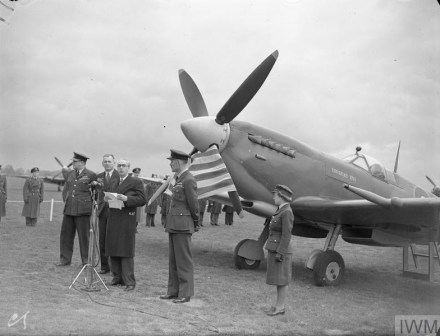
Saunders 2

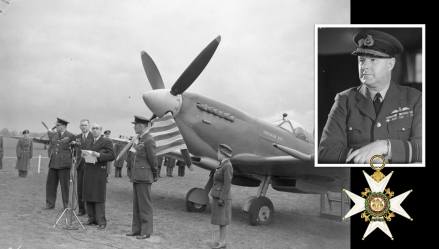
Senor Montero de Bustamante, Uruguayan Charge d’Affaires, speaking at the ceremony to name a Spitfire (“Uruguay XVI”) sponsored by the people of Uruguay. Air Vice Marshal H W L Saunders, Air Officer Commanding No 11 Group of Fighter Command, is on the extreme left.

By the time Dingbat Saunders joined No. 11 Group Fighter Command as AOC on the 28th November 1942 the Battle of Britain was over, but Britain was no means out of the woods.  Prior to 1942, Air Vice Marshal Sir Trafford Leigh-Mallory, had overseen a thorough overhaul of the Operations Room within the Battle of Britain Bunker.

The old ‘Battle of Britain’ plotting system of wooden markers and wooden croupier-style pushing sticks were replaced with metal plotting markers and magnetic sticks, and the old tote system of light-indicators was replaced with a slat-board system with hanging information.

No.11 Group was by now largely occupied with air operations over occupied Europe (although defensive operations over British airspace continued also). It conducted fighter sweeps over enemy territory and these would continue throughout the war along with bomber escort missions. In August 1942 fighter operations during the Dieppe Raid were controlled from the Battle of Britain Bunker.  Dingbat Saunders was still holding the position of Air Officer Commanding No.11 Group Fighter Command in June 1944, and oversaw RAF fighter operations during Operation Overlord (the D-Day landings), which were also controlled from the Battle of Britain Bunker.

Saunders 3

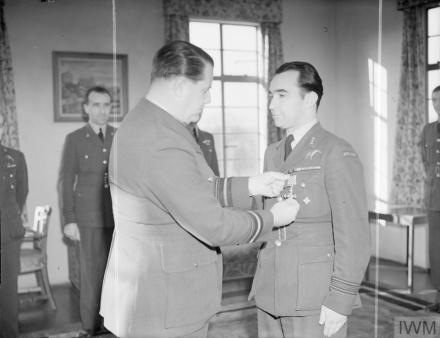
Air Vice Marshal Hugh Saunders, the Air Officer Commanding No. 11 Group RAF, decorating Squadron Leader Wacław Król, the CO of No. 302 Polish Fighter Squadron, with the Distinguished Flying Cross.

By late 1944 Hugh Saunders had advanced to the position of  Director-General of Personnel in the Air Ministry, but with the war in Europe nearing an end a new appointment back in the thick of things in Burma fighting the Japanese awaited him.  On the 1 August 1945 he attained the rank of Air Marshal Commanding the Royal Air Force in Burma.

Burma was relatively straightforward to deal with, much of the colony had been re-conquered several months before the end of the war in the big British offensive against the Japanese in the summer of 1945. That gave ACSEA crucial breathing space to start getting the colony back on its feet before the massive increase in occupation duties postwar occurred.

Saunders

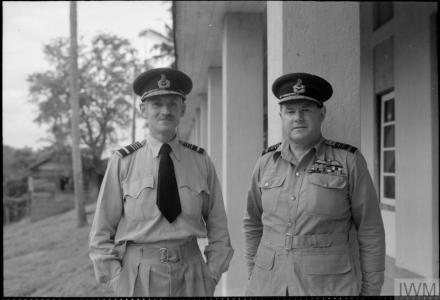
Air Marshal Sir Hugh Saunders (right), stands with Air Chief Marshal Sir Keith Park, the Allied Air Commander-in-Chief, South East Asia, shortly after arriving in Rangoon to take up his appointment as Air Marshal Commanding RAF Burma.

RAF Burma was well established under Air Marshal Sir Hugh ‘Dingbat’ Saunders. At the end of the war, it had 28 squadrons under its control. This quickly reduced as the demobilisation of all fighting forces in Asia really kicked in. The transport squadrons saw the largest amount of work, evacuating POWs and internees and supplying garrisons and the civilian population. Second to the transport squadrons in workload were the photo reconnaissance aircraft. The opportunity was taken to complete the process of surveying South East Asia from the air, and using the survey to bring maps up to date.

Post War

After the war and his South East Asia appointment, Hugh Saunders was sent back to the United Kingdom when in January 1947 he became the Air Officer Commanding-in-Chief for Bomber Command.

s-l1600

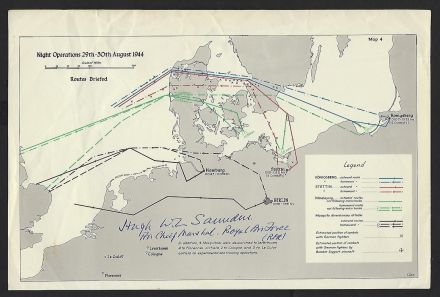
Air Chief Marshal Sir Hugh Saunders – Signed Operations map used during August 1994 RAF European Operations.

He went on to become Inspector-General of the Royal Air Force (1949-1950), being promoted Air Chief Marshal in 1950. In February 1951, Saunders was again in the thick of it during the Cold War, and here he played a significant role in NATO, he assumed the mantle of Commander-in-Chief of the Air Forces in Western Europe (all of them, not just the RAF).  By April 1951 he was the Air Deputy to the Supreme Allied Commander for Europe (SACEUR), none other than the famous Dwight David “Ike” Eisenhower.

Air Chief Marshal Sir Hugh ‘Dingbat’ Saunders bid farewell to his astounding military career on the 27th July 1953, having attained what is arguably one of the highest ranking positions in world military aviation, and he is certainly the only South African to reach such a high level of aviation command.

Post Retirement

Following a series of fatal accidents in the newly established Royal Danish Air Force (RDAF), Hugh Saunders was invited to serve as a special advisor to the Minister of Defence of Denmark in 1954, in order to reorganise and, it was envisioned, bring the number of accidents in RDAF down. Saunders indeed reorganised the RDAF and, realising that most of the equipment/planes were of a tactical nature, established Tactical Air Command Denmark as the supreme HQ of RDAF. In addition, a number of specialist commands were established, training improved and gradually the accident rate fell. He served in Denmark until 1956 and received the Grand Cross of the Order of the Dannebrog for his service

Knighthoods 

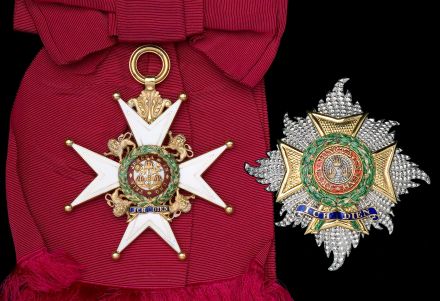
The Grand Cross of the Order of the Dannebrog aside  – in the ‘Order of Bath’, our Johannesburg lad racked up a Knight Grand Cross (GCB) on 1 June 1953 (having already attained his Knight Commander KCB on 2 Jan 1950, and Companion to the order CB obtained in June 1943).

e09a3dddd5a4ee74ecb795dd7d6883f1

Order of the Bath, G.C.B. (Military) Knight Grand Cross set of insignia

Also knighthoods go, under the Order of the British Empire ‘Dingbat’ was appointed a Knight Commander of the British Empire (KBE) on 14 June 1945 (having already obtained his Most Excellent Order of the British Empire officer CBE in July 1941).

In addition he also received Commander’s Cross with Star from Poland, a Commander of the Legion of Merit from the United States and an Officer of the Legion of Honour in France.

In Conclusion

Not bad for a Boytjie called ‘Dingbat’ from with a humble beginning in Johannesburg South Africa, you have to admit to that.  Dingbat died in the United Kingdom after a very long life aged 92.

Yet, in South Africa today he is an enigma, not known and unappreciated, the victim of political one-upmanship to bury all our World War 1 and World War 2 heroes in a Nationalistic fervour to rid our military identity and history of its British heritage starting in 1948 by Afrikaner Nationalists and continuing from 1994 by African Nationalists – even at the expense of South Africans who have risen to some of the most commanding positions in military history and who have played such pivot roles in the outcome of not only World War 1, but World War 2 and even in the case of ‘Dingbat’ here – in moulding the modern Western European defence landscape.

Related Links and work

Jan Smuts and the RAF:  The Royal Air Force’s 100th Birthday and its founder – Jan Smuts

South African WW1 Aces; Kimberley’s local baker was also a WW1 Flying Ace

South African’s in RAF 74 Squadron; Forget Tigers, The Royal Air Force’s 74 Squadron has a legacy of South African Lions!

Other South Africans with 84 Squadron during WW1 ‘Proccy’ – South Africa’s ‘Bravest of the Brave’


Written and Researched by Peter Dickens.  Reference ‘Air of Authority’ – an on-line history of the Royal Air Force organisation.  Imperial War Museum.


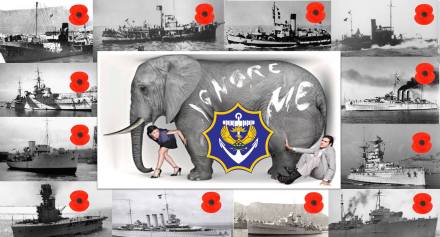
The South African Navy’s ‘elephant in the room’

There is a very big elephant in the room when it comes to the South African Naval fraternity’s commemoration and remembrance undertakings.  Very often in the veteran fraternity and South African Navy circles there’s a raging argument – why does the South African Navy and SANDF only commemorate the sinking of the SS Mendi during World War 1 when scant attention is given to the sinking of the SAS President Kruger?  It’s ‘political’ is the universal chant of disbelief and failed honour, a travesty of the African National Congress’ (ANC) rhetoric of constantly vanquishing the ‘old’ navy and SADF statutory forces.

But they are ignoring a very big ‘elephant’, something that began as a travesty long before the ANC came to power in 1994.  It’s an elephant that sits squarely at the door of the old Apartheid Nationalist government and is entirely their doing.  When they came to power they began vanquishing anyone who supported ‘Britain’ during World War 2 as some sort of traitor, made worse because the South African Navy was so intrinsically tied to the Royal Navy via the Simonstown agreement that they never really instituted memorials or commemorations to honour them.  To the old Afrikaner nationalists, especially when it came to the Navy, this was ‘Britain’s problem’ to remember any sacrifice prior to 1948 or even prior to 1957 for that matter when the naval base at Simonstown was formally handed over by Britain to South Africa.

As a result the scope of our World War 2 sacrifice barely gets a mention in the ‘Mendi vs. President Kruger’ argument.   In fact the scope, the size of this sacrifice will come as a surprise to many South Africans – including our Naval veterans fraternity and current Navy personnel.

The ‘elephant’ of sacrifice 

To give you an idea of just how BIG this ‘elephant in the room is, lets cover the Honour Roll – it far outstrips any South African Naval sacrifice in the post world war era.  Yet the South African Navy and the current government gives absolutely no attention to it, not at all – not one single official South African Navy (SAN) parade or ceremony.  Not even a dedicated Naval memorial is given to these men.

We start with South Africa’s own ship’s lost in World War 2, all of them minesweepers. (Note on the honour roll when reading it SANF means the member was part of the ‘South African Naval Forces’ and MPK means ‘Missing Presumed Killed’).

The first South African ship lost in the Mediterranean near Tobruk was the HMSAS Southern Floe with its remarkable tale of a single survivor (see this link for a full story – click here: The HMSAS Southern Floe was the SA Navy’s first ship loss & it carries with it a remarkable tale of survival.).
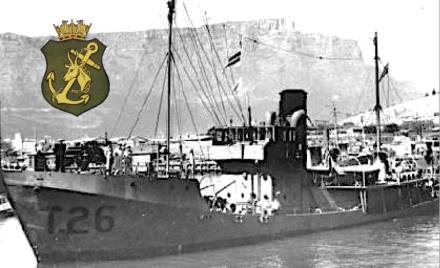
22255175_2031587787070209_7222583497041407214_o

HMSAS Southern Floe

The Honour Roll of sacrifice on the HMSAS Southern Floe as follows:

ANDERS, John, Steward, 69637 (SANF), MPK
BOWER, Robert, Stoker 1c, 69935 (SANF), MPK
BRAND, Leslie A, Able Seaman, 69828 (SANF), MPK
CAULFIELD, Patrick, Steward, 69802 (SANF), MPK
CHANDLER, Charles R D, Cook (S), 69613 (SANF), MPK
CHENOWETH, Richard, Stoker 1c, 67420 (SANF), MPK
FAIRLEY, Alexander E, Sub Lieutenant SANF, MPK
FRIEDLANDER, Cecil A, Able Seaman, 114703 (SANF), MPK
GARDINER, Elliott, Able Seaman, 67260 (SANF), MPK
GREENACRE, John H, Leading Seaman, 69677 (SANF), MPK
HEASMAN, Gratwicke E E, Engine Room Artificer 4c, 69784 (SANF), MPK
HOGG, Roy S, Sub Lieutenant, SANF, MPK
INNES, Ian Mck, Sub Lieutenant, SANF, MPK
LEWIS, John Edward Joseph, :Lieutenant, 70019 (SANF), MPK
MARSH, Reginald H Y, Able Seaman, 69911 (SANF), MPK
MITCHELL, William N, Able Seaman, 69787 (SANF), MPK
NEL, Eloff R, Able Seaman, 69635 (SANF), MPK
NICHOLSON, Douglas O, Able Seaman, 66833 (SANF), MPK
PUGH, John R, Able Seaman, 66877 (SANF), MPK
RYALL, David R, Able Seaman, 69999 (SANF), MPK
SHIMMIN, William, Leading Stoker, 69661 (SANF), MPK
SIENI, Joseph F, Able Seaman, 69788 (SANF), MPK
SNELL, Harold W, Leading Telegraphist, 69827 (SANF), MPK
STANLEY, Gordon J, Able Seaman, 66963 (SANF), MPK
WALTON, Dudley N, Sub Lieutenant, SANF, MPK

The second ship lost was the HMSAS Parktown, which went down fighting during the Fall of Tobruk in Libya, with the HMSAS Bever fighting at her side out the port (see this link for a full story – click here: The feisty South African minesweeper that went down fighting – HMSAS Parktown).
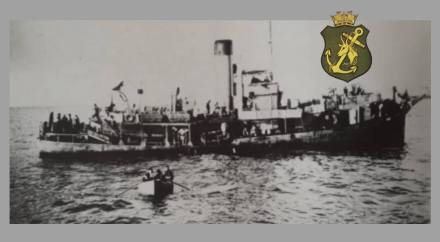
22338860_2031564033739251_5340447182618900385_o

HMSAS Parktown

The Honour Roll of sacrifice when the HMSAS Parktown sank on 21 June 1942 as follows:

BROCKLEHURST, Peter S, Able Seaman, 70457 (SANF), MPK
COOK, John A, Stoker 1c, 70256 (SANF), MPK
JAGGER, Leslie J, Lieutenant SANF, 70016 (SANF), MPK
MCEWAN, William A, Steward, 69686 (SANF), MPK
TREAMER, Arthur P, Petty Officer, 71109 (SANF), MPK

The third ship to be lost was the HMSAS Parktown’s sister ship, the HMSAS Bever which went down later in the war during the liberation of Greece when it struck a mine, and carries with its story a tale of miraculous survivors (see this link for a full story – click here“Under a hail of shells”; Recounting the bravery and loss of HMSAS Bever).
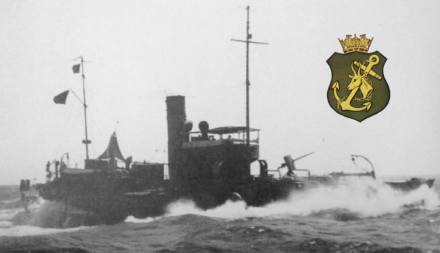
22382495_2032040210358300_7081028369939492800_o

HMSAS Bever

The Honour Roll of sacrifice on 30 November 1944 when the HMSAS Bever sank as follows:

ARMERANTIS, Sideris, Stoker 1c, 282953 V (SANF), MPK
DE PACE, Luigi S, Petty Officer, 66539 V (SANF), MPK
DE REUCK, Leslie B, Telegraphist, 75320 V (SANF), MPK
DREYER, Peter, Leading Cook (S), 585236 V (SANF), MPK
HIGGS, George E, Stoker 1c, 562712 V (SANF), MPK
HUSBAND, Charles A, Stoker 1c, 280098 V (SANF), MPK
KETTLES, John D, Engine Room Artificer 3c, 562458 (SANF), MPK
LAWLOR, Robert J, Act/Chief Motor Mechanic 4c, P/KX 127225, MPK
LINDE, Carl M, Able Seaman, 71194 V (SANF), MPK
LYALL, John D R, Stoker 1c, 562179 V (SANF), MPK
MATTHEWS, William R, Leading Wireman, 562794 V (SANF), killed
PHILLIPSON, Joseph H, Signalman, 181160 V (SANF), MPK
RODDA, Harold J, Stoker 1c, 70451 V (SANF), (served as Harold J Andresen), MPK
SCRIMGEOUR, Quintin, Petty Officer, 69691 (SANF), MPK
TRUSCOTT, E (initial only) W, Able Seaman, 585184 V (SANF), MPK
WHITE, Claude, Leading Seaman, 586420 V (SANF), MPK
WILLIAMS, Desmond, Able Seaman, 70433 V (SANF), killed

The final minesweeper to be lost was the HMSAS Treern, it was tragically lost right at the end of the war with only one single survivor, and it remains the last South African vessel to be lost in action, even to this day, yet hardly anyone is aware of her history (see this link for a full story – click hereThe last South African Navy ship to be lost in action; HMSAS Treern).
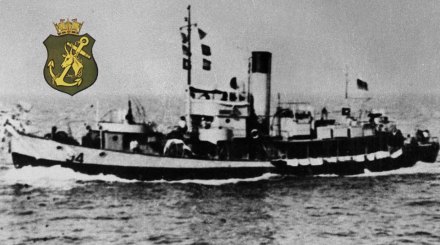
29573017_2117629285132725_2322544546561300519_n

HMSAS Treern

The Honour Roll of sacrifice on the 12 January 1945 when HMSAS Treern sank follows:

ANDERSON, Robert D, Engine Room Artificer 2c, 71067 V (SANF), MPK
BARKER, Ronald E, Sub Lieutenant, SANF, MPK
BLAKE, Robert E, Petty Officer, P 6572 (SANF), MPK
BROWN, Ian H, Able Seaman, 71719 V (SANF), MPK
BYRNE, Patrick, Lieutenant, SANF, MPK
DAVIE, William, Stoker 1c, 70681 V (SANF), MPK
ENGELBEEN, Leslie C, Able Seaman, 562235 V (SANF), MPK
JACOBZ, Frank H, Stoker 1c, 70374 V (SANF), MPK
MATTHEWS, George A, Stoker 1c, 70728 V (SANF), MPK
MCINTYRE, William G, Cook (S), 585360 (SANF), MPK
MCLARTY, William D, Leading Stoker, 562246 V (SANF), MPK
MCLEAN, Godfrey, Able Seaman, 562455 V (SANF), MPK
NILAND, St John E, Able Seaman, 209905 (SANF), MPK
PERRY, Desmond A, Petty Officer, 71211 (SANF), MPK
REID, Kenneth H, Signalman, 562143 V (SANF), MPK
SALCOMBE, Francis R, Stoker 1c, 58589 V (SANF), MPK
STAPELBERG, Willem J, Steward, 562221 V (SANF), MPK
SUTTON, Donald A, Able Seaman, 70426 (SANF), MPK
SUTTON, George A M, Leading Seaman, 586403 V (SANF), MPK
TRAFFORD, William O, Able Seaman, 71222 V (SANF), MPK
VILJOEN, Dennis A, Telegraphist, 70984 V (SANF), MPK
WHITE, Charles W, Petty Officer, 562200 V (SANF), MPK
WULFF, Emil F, Leading Seaman, 562466 V (SANF), MPK

Then there is the loss of Rear Admiral Guy Hallifax, the most senior South African Naval Officer to be lost during World War 2, he counts himself as one of the founders of the modern South African Navy and yet he is hardly remembered at all. (see this link for a full story Guy Hallifax, the most senior African Naval officer lost during WW2).  He is recorded here:
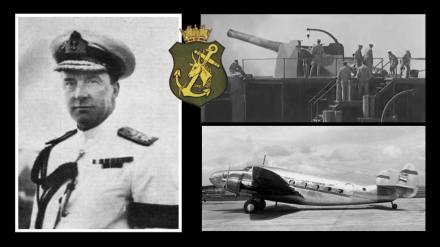
29744562_2115978645297789_5909854157341665498_o

Director of South African Forces

HALLIFAX, Guy W, Rear Admiral, SANF, air accident, killed

Then, consider these South African Naval Force casualties on other South Africa ships and in other South African operations during the war:

LUCAS, E W R, Chief Engineman, 66756 (SANF), died 4 October 1939
NICOLSON, Andrew, Cook, 63827 (SANF), died 13 October 1939
BESTER, A T, Leading Stoker, 6640 (SANF), died on the HMSAS Africana
HUGHES, T J, Stoker, 71383 (SANF), died 10 May 1941
CASSON, William, Able Seaman, 252935 V (SANF), died on the HMSAS Tordonn
HOLT, Albert E, Telegraphist, 69576 (SANF), killed on the HMSAS Southern Maid
VAN NOIE, Norman, Able Seaman, CN/72134 (SANF), died 20 September 1941
ST CLAIR-WHICKER, Willie H, Able Seaman, 67292 (SANF), died on 21 September 1941
SMITH, P, Able Seaman, CN/72263 (SANF), died 7 April 1942
RUITERS, Walter, Stoker, CN/72081 (SANF), died 21 July 1942
MURPHY, J, Able Seaman, CN/72256 (SANF), died 16 August 1942
FROST, M L, Able Seaman, CN/71804 (SANF), died on the HMSAS Receiffe
PETERSON, W J, Able Seaman, CN/72184 (SANF), died 4 September 1942
REHR, Cecil, Able Seaman, 69877 (SANF), died on the HMSAS Roodepoort
CARLELSE, Frederick, Able Seaman, CN/72004 (SANF), died on the HMSAS Soetvlei
PETERS, Norman, Leading Stoker, 66847 (SANF), died 3 January 1943
DELL, Rodney, Able Seaman, 68866 (SANF), killed 24 March 1943
HENDERSON, Alexander P, Chief Engine Room Artificer, 562099 (SANF), killed at Benghazi, Libya
JAMES, H, Steward, CN/72252 (SANF), died 9 May 1943
ORGILL, C B, Able Seaman, CN/71947 (SANF), died 14 May 1943
LA CHARD, Edwin, Lieutenant Commander, SANF, died 20 May 1943
LUCAS, A W, Able Seaman, 152875 (SANF), died 28 May 1943
BATEMAN, T, Chief Engine Room Artificer, 71627 (SANF), died 30 June 1943
ROBBERTS, Kaspar, Petty Officer, P/5285 (SANF), died 1 July 1943
BOSHOFF, Christofel J, Able Seaman, 70339 (SANF), killed on HMSAS Blaauwberg
LENZ, William, Able Seaman, 69544 (SANF), died on 29 August 1943
BESTEL, Emmanuel A N M, Lieutenant, SANF, died on 21 September 1943
HARLE, Paul A, Petty Officer, 71796 (SANF), died on 3 October 1943
STEELE, Ewen, Able Seaman, 71272 V (SANF), killed on HMSAS Southern Sea
BETTS, Robert, Able Seaman, 68900 (SANF), died 18 November 1943
PAGE, Robert, Sub Lieutenant, SANF, died 29 November 1943
MCLEAN, Richard, Stoker, 562567 (SANF), died 29 November 1943
HARRIS, R H, Telegraphist, 330488 (SANF), died 16 December 1943
NICHOLLS, John, Yeoman of Signals, 66824 V (SANF), died 19 December 1943
FLORENCE, John, Stoker, CN/71982 V (SANF), died 18 January 1944
DANIELS, Adam, Stoker, 72034 (SANF), died 28 January 1944
RAVENS, Albert, Able Seaman, CN/72213 V (SANF), died 31 March 1944
DE KLERK, John, Ordinary Seaman, 585868 V (SANF), died 4 May 1944
BOTHA, Herkulas, Cook, 562093 V (SANF), died 8 May 1944
BISSETT, Alexander, Lieutenant, SANF, died 16 June 1944
JENKINS, Edward G, Engine Room Artificer, 66720 V (SANF), died 14 September 1944
KEMP, Thomas, Able Seaman, CN/71015 V (SANF), died 20 September 1944
WATSON, George, Lieutenant, SANF, died 15 October 1944
BOSWELL, Louis F W, Chief Engine Room Artificer, 69756V (SANF), MPK on the 14 November 1944 on the HMSAS Treern
ABRAHAMS, Henry, Able Seaman, CN/719204 (SANF), died 19 November 1944
BERMAN, Nicholas, Ordinary Seaman, 616728V (SANF), died 22 November 1944
DIXON, Robert, Able Seaman, CN/584276 (SANF), died on 11 January 1945
TREISMAN, Gerald, Steward, 584730 V (SANF), died on 10 February 1945
LAMONT, J, Steward, 71402 (SANF), died 24 February 1945
HORNE, P D, Chief Petty Officer, 66661 V (SANF), died 31 March 1945
POVEY, Leonard, Able Seaman, 71182 V (SANF), died 31 March 1945
PFAFF, C E, Petty Officer Stoker, 562721 V (SANF), died 20 April 1945
CHRISTIAN, J W, Able Seaman, CN/71965 (SANF), died 5 May 1945
SIMON, Frederick, Stoker, CN/72046 V (SANF), died 8 May 1945
VAN AARDT, S, Stoker, CN/721490 (SANF), died 22 May 1945
CLARE, Frederick W, Chief Petty Officer, 69599 V (SANF), died 3 June 1945
KEOWN, R J, Able Seaman, CN/71845 (SANF), died 9 June 1945
WELCOME, J J, Able Seaman, CN/72270 (SANF), died 19 July 1945
VAN WYNGAARDT, F A, Able Seaman, 585610 V (SANF), died 21 July 1945
HEARD, George A, Lieutenant, SANF, died on the HMSAS Good Hope
COOK, W, Leading Stoker, 70527 V (SANF), died 8 August 1945

As if the above loss of South African Navy personnel is not large enough and the lack of recognition by the Navy not bad enough, there is an even bigger ‘elephant in the room’, a key factor completely overlooked by the South African Naval fraternity and the Navy itself, and that’s the South African Navy personnel seconded to the British Royal Navy and lost in the Royal Navy’s ships and shore facilities during the Second World War.

South African Naval personnel were lost on the following significant British vessel losses. Consider this very big ‘elephant in the room’ for a minute, because its getting BIGGER.  The losses of these Royal Navy ships carries long lists of South African sacrifice.

We start with all the ships containing South African Naval Forces personnel sunk during the Imperial Japanese Air Force ‘Easter Sunday’ raid on the British fleet in Colombo (this is regarded as the British ‘Peal Harbour’ just off modern day Sri Lanka) and it’s the darkest hour in terms of losses for South African Navy, yet it is neither recognised as such nor is it remembered.  (See this link for more depth:  The South African Navy’s ‘darkest hour’ is not recognised and not commemorated)

During this attack Japanese airman flying Japanese  D3A-1 ‘VAL’ dive bombers flying from the Japanese Imperial fleet, dropped their bombs on the HMS Dorsetshire, who had a very large contingent of South African Naval personnel, she simply blew up when a  detonated an ammunition magazine and contributed to her rapid sinking.  Click here for a full Observation Post report on her sinking: “They machine gunned us in the water”; Recounting South African Sacrifice on the HMS Dorsetshire
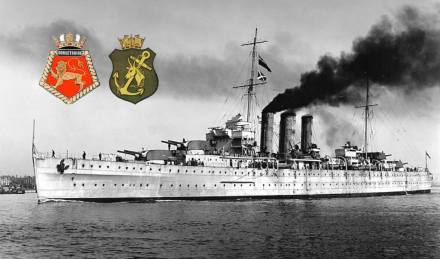
29352408_2115130958715891_1241973539881913227_o

HMS Dorsetshire

The Honour Roll of South African Naval sacrifice on the 5 April 1942 when HMS Dorsetshire sank follows:

BELL, Douglas S, Ty/Act/Leading Stoker, 67243 (SANF), MPK
BRUCE, Alexander M, Stoker 2c, 67907 (SANF), MPK
CONCANON, Harold Bernard, Surgeon Lieutenant (Doctor)
EVENPOEL, Albert, Stoker 2c, 67909 (SANF), MPK
GEFFEN, Sender, Stoker 1c, 68035 (SANF), MPK
HOWE, Horace G, Ordinary Seaman RNVR, 68680 (SANF), MPK
KENDRICK, George, Stoker 2c, 67910 (SANF), MPK
MCINTYRE, Norman G, Able Seaman, 67446 (SANF), MPK
MCLELLAN, Robert, Ordinary Telegraphist, 67897 (SANF), MPK
MILNE, Lawrence Victor, Able Seaman
MORROW, Douglas E, Able Seaman, 67989 (SANF), MPK
ORTON, Charles P, Able Seaman, 68009 (SANF), MPK
REDMAN, Roland A, Leading Stoker, 67406 (SANF), MPK
SCOTT, William J, Able Seaman, 68007 (SANF), MPK
SEVEL, Harry, Stoker 1c, 68100 (SANF), MPK
VAN ZYL, David Isak Stephanus, Stoker 1st Class
WILLETT, Amos A S, Stoker 1c, 67240 (SANF), MPK
WILLIAMSON, Walter N, Able Seaman, 67803 (SANF), MPK

The second British ship in this particular Japanese air attack, on the same day and within range of one another was the HMS Cornwall, also stuffed full of South African Naval personnel seconded to her. The HMS Cornwall was hit eight times by the same dive bombers who sank the Dorsetshire and sank bow first in about ten minutes.
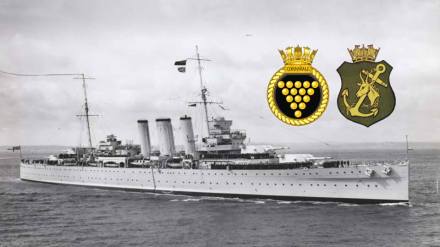
29542625_2113775675518086_7029672198895321022_n

HMS Cornwall

The Honour Roll of South African Naval sacrifice on the 5 April 1942 when HMS Cornwall  sank follows:

BESWETHERICK, Hedley C, Ordinary Seaman RNVR, 86671 (SANF), MPK
BOTES, John S, Stoker 2c RNVR, 68924 (SANF), MPK
COMMERFORD, Noel P, Able Seaman RNVR, 66493 (SANF), MPK
CRAWFORD, Cecil E, Act/Engine Room Artificer 4c RNVR, 67922 (SANF), MPK
DU PREEZ, Charles P H, Able Seaman, 68175 (SANF), MPK
DUTTON, Charles C, Stoker 2c RNVR, 68949 (SANF), MPK
HANSLO, Raymond F, Able Seaman RNVR, 68295 (SANF), MPK
KEITH, Kenneth I B, Able Seaman RNVR, 66742 (SANF), MPK
KENYON, Graeme A B, Able Seaman RNVR, 68002 (SANF), MPK
KIRSTEN, Monty G W, Able Seaman RNVR, 68917 (SANF), MPK
LAW, Edward, Act/Engine Room Artificer 4c RNVR, 66760 (SANF), MPK
MCDAVID, William K, Stoker 2c RNVR, 69138 (SANF), MPK
MITCHELL, William A, Stoker 1c RNVR, 68796 (SANF), MPK
PALMER, Walter A, Able Seaman RNVR, 68344 (SANF), (rescued, aboard HMS Enterprise), Died of Wounds
SPENCE, Noel W, Ordinary Seaman RNVR, 68732 (SANF), MPK
SQUIRES, John E, Ordinary Seaman RNVR, 68728 (SANF), MPK
STEPHEN, Eric B, Ordinary Seaman RNVR, 68861 (SANF), MPK
SWANN, Lawrence T, Stoker 1c RNVR, 68710 (SANF), MPK
THORPE, Maurice, Stoker 2c RNVR, 69140 (SANF), MPK
VERSFELD, Peter H S, Able Seaman RNVR, 68859 (SANF), MPK
VINK, Benjamin F, Ordinary Seaman RNVR, 68860 (SANF), MPK
WILLSON, Gerald F, Stoker 2c RNVR, 69006 (SANF), MPK
WRIGHT, Thomas H, Able Seaman RNVR, 68039 (SANF), MPK

In earlier incidents on HMS Cornwall two South Africans lost their lives they are also remembered here:

AINSLIE, Roy, Petty Officer, 66382 (SANF), died on 5 September 1940
HAWKINS, Reginald D, Able Seaman, 66700 (SANF), died of illness 4 March 1942

The Easter Raid later offered a great prize for the Japanese, an aircraft carrier, the HMS Hermes, this massive aircraft carrier was sunk a week later by the Japanese near Colombo (now Sri Lanka), the pride of the British Pacific fleet became an inferno after it was dived bombed a number of times.  It too had a long association with South Africa and a very big contingent of South African Naval Personnel. (see this link for a in-depth article on the South African Navy sacrifice abound her “Dante’s Inferno”; Recounting South African sacrifice on the HMS Hermes).
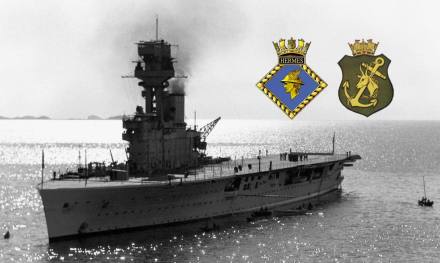
22290016_2032097947019193_784550767658191370_o

HMS Hermes

The Honour Roll of South African Naval sacrifice on the 9 April 1942 when HMS Hermes  sank follows:

BRIGGS, Anthony Herbert Lindsay Sub-Lieutenant (Engineer) Royal Navy (South African national), MPK
BRYSON, Neil W, Ordinary Telegraphist, 69147 (SANF), MPK
BURNIE, Ian A, Able Seaman, 67786 (SANF), MPK
CLAYTON, Frederick H, Act/Engine Room Artificer 4c, 68102 (SANF), MPK
DE CASTRO, Alfred T, Stoker 1c, 67914 (SANF), MPK
KEENEY, Frederick W, Able Seaman, 67748 (SANF), MPK
KEYTEL, Roy, Able Seaman, 67296 (SANF), MPK
KIMBLE, Dennis C, Act/Engine Room Artificer 4c, 67600 (SANF), MPK
KRAUSE, Frederick E, Able Seaman, 68321 (SANF), MPK
RAPHAEL, Philip R, Able Seaman, 67841 (SANF), MPK
RICHARDSON, Ronald P, Able Seaman, 67494 (SANF), MPK
RILEY. Harry Air Mechanic 2nd Class, Fleet Air Arm, Royal Navy (South African national), MPK
TOMS, Ivanhoe S, Able Seaman, 67709 (SANF), MPK
VICKERS, Colin P, Able Seaman, 68296 (SANF), MPK
VORSTER, Jack P, Able Seaman, 67755 (SANF), MPK
WHITE, Edward G, Stoker, 68026 (SANF), MPK
WIBLIN, Eric R, Able Seaman, 67717 (SANF), MPK
YATES, Philip R, Supply Assistant, 67570 (SANF), MPK

Included is also a South African who served with the Royal Navy’s Fleet Air Arm on the HMS Hermes.

RILEY, H, Air Mechanic, Fleet Air Arm, HMS Hermes, died 9 April 1942

Next on the list of ships lost during the Easter Raid which contained a high number of South African Naval personnel on board was HMS Hollyhock, sunk on the same day as the HMS Hermes by the same Japanese Dive Bombers on the 9th of April. Click here for a full Observation Post report on her sinking  “She immediately blew up”; Recounting South African sacrifice on the HMS Hollyhock
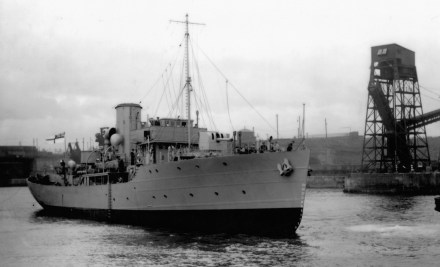
hmshollyhock_sunderland

HMS Hollyhock

The Honour Roll of South African Naval sacrifice on the 9 April 1942 when HMS Hollyhock sank follows:

ANDERSON, Henry G, Able Seaman, 67501 (SANF), MPK
BASTON, Douglas T, Act/Engine Room Artificer 4c, 68600 (SANF), MPK
BUITENDACH, James M, Stoker 2c, 69223 (SANF), MPK
JUBY, Kenneth J, Ordinary Seaman, 69211 (SANF), MPK
LEACH, Peter A D H, Stoker 2c, 69225 (SANF), MPK

It was not just the Japanese Imperial Fleet, the German Navy also took its toll on the Royal Navy, and once again we find South African Naval Personnel seconded to serve on these famous ships sunk during the war.

We start with the HMS Gloucester lost on the 22 May 1941 during action off Crete. They HMS Gloucester, along with HMS Greyhound and HMS Fiji were attacked by German “Stuka” Dive Bombers. The Greyhound was sunk and Gloucester was attacked and sunk while they attempted to rescue Greyhounds survivors in the water (see this link for a full story – click here A “grievous error”; Recounting South African Sacrifice on the HMS Gloucester).
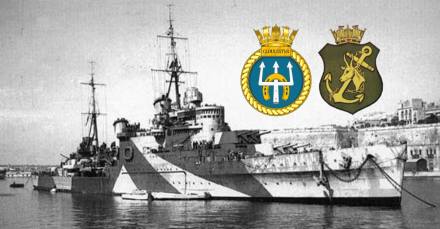
22339137_10155537268831480_5862589716331636321_o

HMS Gloucester

The Honour Roll of South African Naval sacrifice on the 22 May 1941 when HMS Gloucester sank follows:

ANGEL, Walter J H, Able Seaman, 67351 (SANF), MPK
AUSTIN-SMITH, John R, Ordinary Seaman, 67336 (SANF), MPK
BAGSHAW-SMITH, Philip R, Ordinary Seaman, 67337 (SANF), MPK
BAGSHAWE-SMITH, Sydney Q, Able Seaman, 68454 (SANF), MPK
BARBER, Edgar F, Able Seaman, 67302 (SANF), MPK
BRUCE, John, Able Seaman, 67355 (SANF), MPK
CARTER, Frederick G, Able Seaman, 67345 (SANF), MPK
CHILTON, Ronald H D, Ordinary Seaman, 67335 (SANF), MPK
EDWARDS, Ronald E, Ordinary Seaman, 67384 (SANF), MPK
ELLIOT, Edward R, Leading Seaman, 66584 (SANF), MPK
GERAGHTY, Herbert C, Able Seaman, 67338 (SANF), MPK
GROGAN, Graham B, Able Seaman, 67343 (SANF), MPK
JAMES, Victor F, Ordinary Seaman, 67303 (SANF), MPK
JENSEN, Niels P, Able Seaman, 67347 (SANF), MPK
MCCARTHY, Henry F, Ordinary Seaman, 67223 (SANF), MPK
MOORE, Albert, Able Seaman, 67416 (SANF), MPK
SLATER, Bryan M, Able Seaman, 67358 (SANF), MPK
SMITH, Matthew S, Able Seaman, 67359 (SANF), MPK
SONDERUP, Arthur W, Able Seaman, 67356 (SANF), MPK
STADLANDER, Rowland C, Stoker 1c, 67400 (SANF), MPK
STOKOE, Cyril A M, Act/Leading Seaman, 67264 V (SANF), MPK
SYMONS, Maurice M, Able Seaman, 68245 (SANF), MPK
THOMPSON, Walter E H, Able Seaman, 67360 (SANF), MPK
VAN DYK, Cecil H, Able Seaman, 67404 (SANF), MPK
WEBBER, Reginald, Able Seaman, 67361 (SANF), MPK
WILLIAMS, Dastrey S, Leading Seaman, 67047 (SANF), MPK
WRIGHT, Gerald V, Act/Ordnance Artificer 4, 67375 (SANF), MPK

The HMS Gloucester was involved in earlier combat on the 8 July 1940 when it was bombed, the South African casualties are remembered here:

ALLISON, Oswald H, Able Seaman RNVR, 67349 (SANF), killed
NOWLAN, Francis C, Able Seaman RNVR, 67409 (SANF), DOW

Tragedy struck the South African Naval Forces seconded to the HMS Barham when she was torpedoed by the German submarine U-331,  Three torpedoes hit HMS Barham’s port side causing it to list heavily and spread fire towards the ammunition storages. Only 2 and a half minutes passed from the torpedo impact until the ship rolled onto its side and capsized as the aft magazine exploded in an almighty explosion (see this link for a full story – click here “She blew sky high”; Recounting South African sacrifice on the HMS Barham!)
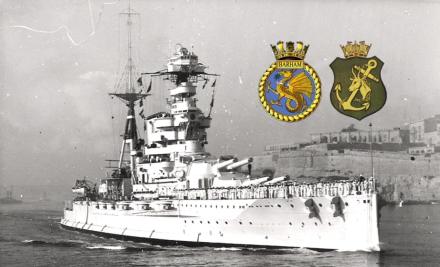
22339419_2031977060364615_9062815383740904129_o

HMS Barham

The Honour Roll of South African Naval sacrifice on the 25 November 1941 when HMS Barham sank follows:

BAKER, Dennis E W, Ordinary Seaman, 68617 (SANF)
GLENN, Paul V, Ordinary Seaman, 68906 (SANF)
HAYES, Richard T, Ordinary Seaman, 68499 (SANF)
MORRIS, Cyril D, Ordinary Seaman, 68932 (SANF)
UNSWORTH, Owen P (also known as R K Jevon), Ordinary Seaman, 69089 (SANF)
WHYMARK, Vivian G, Ordinary Seaman, 69024 (SANF)

The Italians also took a toll of British shipping, again with ships with a South African contingent and this is brought to home on the 19 December 1941, when the HMS Neptune, struck four mines, part of a newly laid Italian minefield. Neptune quickly capsized (see this link for a full story – click here South African sacrifice on the HMS Neptune).
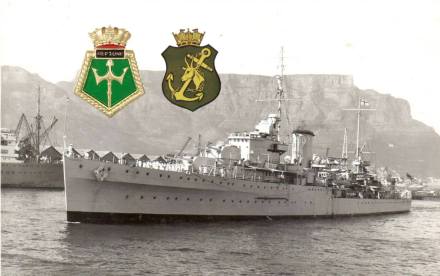
22339007_2031610797067908_1193987764492810300_o

HMS Neptune

The Honour Roll of South African Naval sacrifice on the 19 December 1941 when HMS Neptune sank follows:

ADAMS, Thomas A, Able Seaman, 67953 (SANF), MPK
CALDER, Frank T, Ordinary Seaman, 67971 (SANF), MPK
CAMPBELL, Roy M, Able Seaman, 67318 (SANF), MPK
DIXON, Serfas, Able Seaman, 67743 (SANF), MPK
FEW, Jim, Able Seaman, 67744 (SANF), MPK
HAINES, Eric G, Able Seaman, 67697 (SANF), MPK
HOOK, Aubrey C, Able Seaman, 67862 (SANF), MPK
HOWARD, Harold D, Signalman, 67289 (SANF), MPK
HUBBARD, Wallace S, Able Seaman, 67960 (SANF), MPK
KEMACK, Brian N, Signalman, 67883 (SANF), MPK
MERRYWEATHER, John, Able Seaman, 67952 (SANF), MPK
MEYRICK, Walter, Ordinary Signalman, 68155 (SANF), MPK
MORRIS, Rodney, Ordinary Signalman, 68596 (SANF), MPK
RANKIN, Cecil R, Signalman, 67879 (SANF), MPK
THORP, Edward C, Signalman, 67852 (SANF), MPK
THORPE, Francis D, Able Seaman, 67462 (SANF), MPK
WILD, Ernest A, Able Seaman, 67929 (SANF), MPK

Other South Africans who had enlisted into the Royal Navy were also lost on HMS Neptune, these include (and by no means is this list definitive) the following:

OOSTERBERG, Leslie W, Stoker 1c, D/KX 96383, MPK
TOWNSEND, Henry C, Stoker 1c, D/KX 95146, MPK

On the 30 April 1942, on her return leg from Murmansk, the HMS Edinburgh was escorting Convoy QP 11 when a German Submarine U-456  torpedoed into her. The Edinburgh was carrying gold in payment by the Soviets for war equipment and she is the subject of a remarkable gold salvage after the war.  Again, she had a compliment of South African Naval Personnel (see this link for a full story – click here “Gold may shine; but it has no true light” South African sacrifice on the HMS Edinburgh).
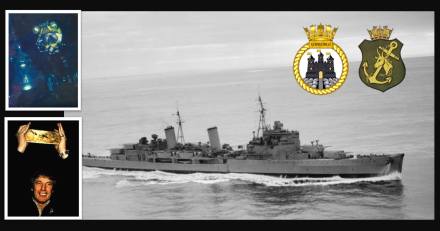
26910028_2075715645990756_5684443428071508079_o

HMS Edinburgh

The Honour Roll of South African Naval sacrifice on the 30 April 1942 when HMS Edinburgh sank follows:

DRUMMOND, Valentine W, Able Seaman, 68043 (South African Naval Forces), Missing Presumed Killed
VAN DORDRECHT, William H, Able Seaman, 67851 (South African Naval Forces), Missing Presumed Killed

On the 12 November 1942, the HMS Hecla was torpedoed by a German submarine, U-515 hitting her in the engine room. The U-boat then hit the ship with three coups de grâce sinking the vessel west of Gibraltar.  Again there is South African Naval casualty list (see this link for a full story – click here “Every man for himself” … South African sacrifice and the sinking of HMS Hecla).
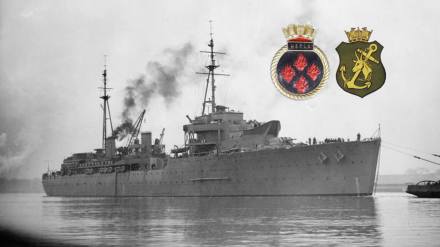
22254708_2031604957068492_8321068020269303236_o

HMS Helca

The Honour Roll of South African Naval sacrifice on the 12 November1942 when HMS Helca sank follows:

BENNETT, John F, Act/Engine Room Artificer 4c, 330351 (SANF), MPK
LLOYD, George H, Act/Engine Room Artificer 4c, 330353 (SANF), MPK
PEERS, Charles V, Able Seaman, 562653 (SANF), MPK
SMITH, Ian R, Electrical Artificer 4c, 68478 (SANF), MPK

And there’s more …. many South Africans served on a variety of Royal Navy ships and many were lost, here’s an indication which just captures South African Naval Forces personnel alone, let alone those who volunteered directly for the Royal Navy, the Honour Roll follows:

ANDERSON, Richard W N, Able Seaman, 86082 (SANF), killed 21 May 1941 on HMS Syvern
WESTON, Grant E, Ordinary Seaman RNVR, 68498 (SANF), killed 27 August 1941 on HMS Phoebe
RASMUSSEN, Victor J S, Leading Telegraphist, 66920 (SANF), MPK 24 November 1941 on HMS Dunedin
ADAMSON, William D, Ordinary Seaman RNVR, 69001 (SANF), MPK 10 December 1941 on HMS Repulse 
BECKER, Stanley H, Able Seaman, 67474 (SANF), road accident, killed 5 January 1942 on HMS Carnarvon Castle
DRURY, Frederick, Ordinary Seaman, 68315 (SANF), MPK 29 January 1942 on HMS Sotra
SCOTT, Clifford, Ordinary Telegraphist, 66973 (SANF), MPK 26 March 1942 on HMS Jaguar
BUCHANAN, Alexander, Able Seaman, 67934 (SANF), died 20 April 1942 on HMS Birmingham
COMMERFORD, Terence, Ordinary Seaman, 330258 (SANF), died 21 June 1942 on HMS Express
PRICE, David, Able Seaman RNVR, P/68529 (SANF), MP 6 July 1942 on HMS Niger
TROUT, A (initial only) N, Able Seaman, CN/72133 (SANF), died 4 August 1942 on HMS Stork
JOHNSTONE, Henry N, Lieutenant Commander (E), SANF, 66727, died 18 August 1942 on HMS Birmingham
BAWDEN, Wilfred R, Stoker 2c RNVR, 330425 (SANF), DOWS 16 September 1942 HMS Orion
NIGHTSCALES, Norman, Writer, 68148 (SANF), MPK 30 December 1942 on HMS Fidelity
GITTINS, Victor L, Ordinary Seaman, 69325 (SANF), died 27 January 1943 on HMS Assegai (training base)
PLATT, Ronald M, Petty Officer, 67160 V (SANF), accident, killed 26 February 1943 on HMS President III (shore establishment)
CROSSLEY, Alfred H, Sub Lieutenant, SANF, MPK 7 March 194 on HMS Saunders
DE KOCK, Victor P De C, Ty/Lieutenant, SANF, MPK7 March 194 on HMS Saunders
LOUW, Joseph, Stoker, CN 72175 (SANF), illness, died 2 December 1943 on HMS Stork
ATKIN, William B, Lieutenant SANF, illness, died 26 January 1944 on HMS Northern Duke
SHIELDS, Eric E M, Lieutenant, SANF, died 12 April 1944 on HMS Pembroke IV
HOWDEN, Russell K, Ty/Sub Lieutenant, SANF, MPK 4 January 1945 HMS ML 1163, Harbour Defence Motor Launch
CLARKE, Reginald E, Ty/Lieutenant Commander, SANF, air crash, MPK 24 July 1945 on HMS Adamant
LIDDLE, John, Lieutenant, SANF, MPK 8 August 1945 on HMS Barbrake

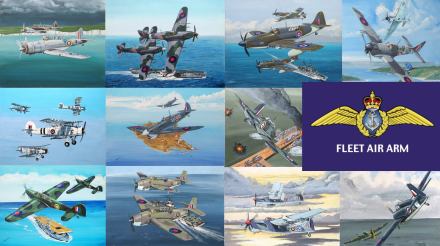
Then let’s consider the South African Naval Personnel serving in the Royal Navy’s Fleet Air Arm (the Royal Navy’s own Air Force separate to the Royal Air Force), and here the following South Africans are on the FAA Honour Roll (excluding Air Mechanic Riley from the Fleet Air Arm, recorded on the HMS Hermes loss).  For a full story of these South Africans lost in the FAA see this link – click here South African sacrifice in the Royal Navy’s Fleet Air Arm
29749326_2118787738350213_2325924304510116485_o

BOSTOCK, R S, Lieutenant, Royal Navy Fleet Air Arm 800 Squadron, HMS Ark Royal, died 13 June 1940
BROKENSHA, G W, Lieutenant, Royal Navy Fleet Air Arm 888 Squadron, HMS Formidable, died 11 August 1942
CHRISTELIS, C, Sub/Lieutenant, Royal Navy Reserve FAA 803 Squadron, HMS Formidable, died 1 August 1942
JUDD, F E C, Lieutenant Cmdr, Royal Navy Fleet Air Arm 880 Squadron, HMS Indomitable, died 12 August 1942
LA GRANGE, Antony M, Sub Lieutenant (A), SANF, Fleet Air Arm (Royal Navy)1772 Sqn HMS Indefatigable, air operations, MPK 28 July 1945
MACWHIRTER, Cecil J, Ty/Sub Lieutenant (A), Fleet Air Arm (Royal Navy) 851 Squadron HMS Shah, air crash, SANF, MPK 14 April 1944
O’BRYEN, W S, Sub/Lt Royal Navy Fleet Air Arm 762 Squadron, HMS Heron, died 26 November 1942
WAKE, Vivian H, Ty/Lieutenant (A), FAA Fleet Air Arm (Royal Navy) 815 Squadron HMS Landrail, air crash, SANF, MPK 28 March 1945

Finally there are South African Naval personnel found in the Merchant Navy, to which they were also seconded and again the Honour Roll lists:

SS Tunisia, ship loss
ADAMS, Douglas E H, Act/Able Seaman RNVR, 66378 (SANF), (President III, O/P), MPK
ST La Carriere, ship loss
DORE, Frank B, Act/Able Seaman RNVR, 67218 (SANF), (President III, O/P), MPK
SS Laconia, ship loss
ROSS, Robert, Stoker 2c, 69119 (SANF), (Victory, O/P), DOWS
SS Llandilo, ship loss
CRAGG, Ronald F, Able Seaman (DEMS), 66488 (SANF), (President III, O/P), MPK
SS Ceramic, ship loss
MOSCOS, John G, Leading Writer, 66786 (SANF), (SANF, O/P), MPK
SS Empress of Canada, ship loss
COCHRANE, Joseph, Engine Room Artificer 3c, P 68947 (SANF), (Pembroke, O/P), MPK
SS Empire Lake, ship loss
FLINT, John M, Act/Able Seaman (DEMS), P 562749 (SANF), (President III, O/P), MPK

More names…
Logo_of_the_Royal_NavyNow consider this, we have not even begun to scratch properly at the honour roll, this above list is still highly inaccurate with many names missing.  We have no real idea of the thousands of South Africas who volunteered and died whilst serving in The Royal Navy Reserve and the Royal Navy itself, in fact we’ve barely got our heads around it.  Fortunately a handful of South Africans are working on it, almost daily, but it’s a mammoth task as these names are found on Royal Navy honour rolls and it’s a matter of investigating the birthplace of each and every British casualty.  The records of South African volunteers joining the Royal Navy lost to time really.

In conclusion

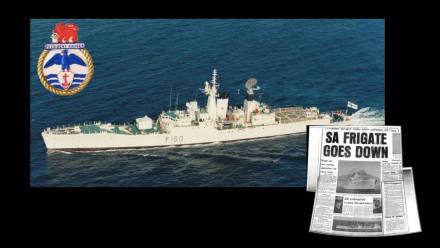
The only other ship the South African Navy has lost since the HMSAS Treern at the end of the Second World War in a more modern epoch was the SAS President Kruger, and unlike the Treern, whose loss was in combat, the Kruger’s loss was due to a tragic accident at sea (see “Out of the Storm came Courage” … the tragedy of the PK).
PK

These combat losses were one thing, however the same erasing of history is currently happening with the accidental loss in more recent times of SAS President Kruger (the PK), the ‘old’ SADF were very embarrassed by the loss (in effect by tragedy and circumstance we sank our own flagship) and the SADF never really got around to undertake a National Parade to commemorate and remember it.  Also in comparison to the bigger picture the loss of 16 South African Navy personnel on the PK is very small indeed, however no less important – and here’s the inconvenient truth, they were ‘swept under the rug’ by the old SADF and remain conveniently swept under the rug by the new SANDF.

On the World War 2 losses, the incoming ANC government from 1994 have fared no better than the old Nat government – they have merely lumped all the wartime combat losses of the HMSAS Southern Floe, the HMSAS Parktown, the HMSAS Bever and the HMSAS Treern into a ‘colonial’ issue not of their history or time, and as for the SAS President Kruger that was part of the ‘Apartheid’ forces in their minds, and as such to be vanquished.

The net result is the South African Navy simply does not have any national parades to commemorate or recognise any of its major losses at sea.  The South African Army at least has the Delville Wood Parade (the South African Army’s biggest singular combat loss, a WW1 incident), the South African Air Force has the Alpine 44 Memorial Parade (the SAAF’s biggest tragedy, a WW2 incident), the South African Navy …. nothing!

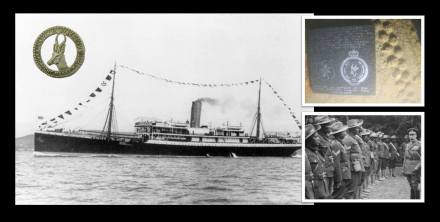
Instead the South African Navy (SAN) focuses on the loss of the Mendi as a SAN Maritime loss, even though the Mendi was under commission to the Royal Navy, and rather inconveniently the South Africa Navy did not really exist in World War 1, it was only really created just before World War 2.  Then again, the SS Mendi was also carrying South African Army troops in the form of the South African Labour Corps, not South African Navy personnel (the SAN didn’t exist in any event).
26758619_2077180812510906_3821944940761603220_o

The Mendi is a both a wartime and political tragedy,  The silence and subsequence recognition is a national healing one (see Let us die like brothers … the silent voices of the SS Mendi finally heard ).  As such it’s now a National Memorial Parade, part of ‘Armed Forces Day’ and one for the entire SANDF to commemorate and remember – and rightly so.  But is it a SA Navy specific commemoration – not really – no.

In all this the Navy still dogmatically refuses to host its own National Commemoration to its own naval actions and tragedies, it’s just too politically inconvenient, and wouldn’t it be nice if South African Navy can see past it and see its Naval sacrifice on its own ships, and those of SAN personnel on Royal Navy ships and finally just institute an ‘All at Sea’ Naval Memorial Parade in Remembrance or erect a full Naval memorial (similar to the erected by the Royal Navy in Portsmouth)?

Very small ‘All at Sea’ commemorations are done by the odd South Africa Legion branch and odd MOTH Shellhole, on a very local basis – driven by a tiny group of individuals.  Nobel in their undertakings no doubt, but these remain very small private initiatives attended by only a handful and is it really enough?

As demonstrated, The South African Navy’s honour roll for World War 2 is a staggering and very long list – it’s an elephant, a very big one at that and it’s a growing elephant, even to this day.  It’s well time we seriously look at ourselves, examine our values as to what constitutes sacrifice for the greater good of man and acknowledge it properly.


Written and Researched by Peter Dickens.  The honour roll extracted from ‘Casualty Lists of the Royal Navy and Dominion Navies, World War 2’ by Don Kindell.  Additional names gleaned from honour rolls published by Col Graham Du Toit (retired).


“Wounded 27 times”; When re-naming a fighting ship makes sense!

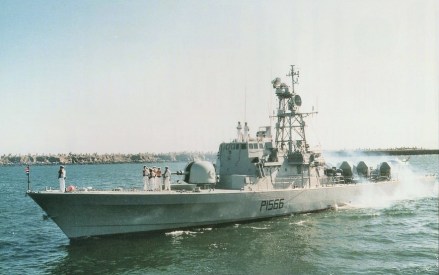
We are usually up in arms when things get re-named in South Africa, as more often than not it’s usually a political motivation that underpins it ahead of actually honouring South Africans highly deserving of it.   But now and again we get it right, and the renaming of the SAS Oswald Pirow in 1997, a South African Navy fighting strike craft, to her new name the SAS René Sethren is a case in point.

So why was Oswald Pirow singled out to get his name taken down from an honour bestowed on him and who the heck is René Sethren?  It’s almost guaranteed that most modern South Africans would have no clue who Sethren was, most would properly just assume he was this or that ‘struggle hero’.

Far from it, Rene Sethren is a hero all South Africans can stand very proud of, but more of him later, what’s the issue with Oswald Pirow?

Oswald Pirow

In a nutshell Oswald Pirow was an Afrikaner Nationalist who served as a Minister of Parliament and Minister of Defence under the nationalist Hertzog coalition.  He was pivotal in creating South African Airways and famously prosecuted Nelson Mandela in the Treason Trial.

But he had a very dark side, he was also an ardent full-blown Nazi, prior to World War 2 he launched the Nazi New Order ideology in South Africa, he adored and met both Hitler and Mussolini, and his disposition to Nazism as an ideology did not end with the end of the war, in fact with the election of the National Party in 1948 he felt more empowered in his beliefs and it ramped up somewhat.

10460708_459305080905896_5196244094119877880_n

Oswald Pirow (in civilian dress) inspecting Nazi German forces

After the war Pirow went into collaboration with the infamous British Fascist Party leader Oswald Mosley to write a joint paper on the separate development of white and black races in all of Africa along the lines of white supremacy and black subjugation – the idea to feed ‘white’ African southern states from ‘black’ North African states with exploited migrant labour.

So, naming a South African strike vessel after him was going to be very controversial, it applauded all the old South African Navy veterans and serving personnel who went to war against the very ideology Oswald Pirow followed.  They had watched thousands of South Africans make massive sacrifices including the ultimate one, fighting on British and South African vessels against Nazism, and now they watched an insular nationalist government name a fighting vessel after an ardent flag waving Nazi.

505808586

Oswald Pirow and Oswald Mosley

Not a military man either, Pirow had never served in the military other than to be a Minister of Defence, he had no military credentials and he was hated by the South African jewish community, the war veteran community and South African black community – in fact ‘hated’ would be an understatement.

Hardly a ‘hero’, the naming of his SAN Strike Craft vessels after Ministers of Defence called ‘Minister Class’ would be controversial from the get-go, a simple case of political one-upmanship and the case of Oswald Pirow the nationalists would be seen as rubbing the South African navy veterans noses in it for supporting Britain in World War 2.

So, no surprise really as to why the ‘Minister Class’ of defining strike craft and Oswald Pirow’s name had to go. But thankfully, this time in a breath of fresh air, the South African Navy decided on a simple hero, and not political one-upmanship, when it came to re-naming the SAS Oswald Pirow.  They chose CPO (Stoker) René Sethren, but who the heck is he and what did he do?

René Sethren

sethrenChief Petty Officer (Stoker) René Sethren CGM has a story which is simply jaw dropping to say the least. René Sethren left school after Std 7, a keen boxer and highly astute he joined South Africa’s fledgling navy as a stoker in 1940, rising in rank eventually to Chief Petty Officer (Stoker).
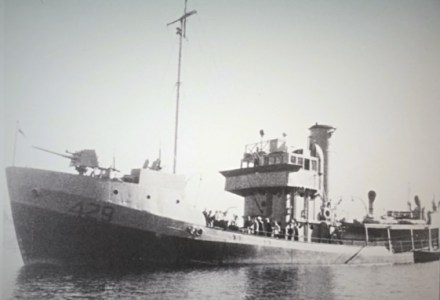
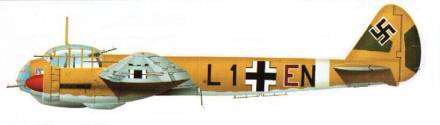
On the 30th June 1941, a small flotilla of ships including South African mine-sweepers is on convoy from Mersa Matruh approaching Tobruk in the midst of the fighting around Tobruk between Rommel’s German and Italian Axis forces and the British and Commonwealth Forces, with South Africans right at the centre of it defending Tobruk and El Alamein.

As they close in on the coast the convoy comes under fire from German shore batteries and is also attacked by a number of German Stuka dive bombers, JU87’s and Messerschmidt 109’s.

Enter one small South African ship, HMSAS Southern Isles, a converted whaler, performing anti submarine, patrol and general support duties in the Mediterranean during the Second World War, and its stoker René Sethren.

34302702_10156203070971480_3394612786343444480_n_Fotor

HMSAS Southern Isles

Five German JU-88’s attacked the HMSAS Southern Isles, luckily with no real damage, then came a little lull in the fighting, during which a single JU-87 which had been attacking a convoy merchant called the ‘Cricket’ nearby made a close pass to the HMSAS Southern Isles and was shot down by the Southern Isles’ rear gun.

But that was not the end of it, a bigger and more fierce attack was to come.  The convoy came under attack from 50 enemy aircraft, 8 of which were concentrated on any one ship in the convoy.   The commander of the HMSAS Southern Isles described it as “The sky appeared to rain bombs”.

As a result of this action there are by then a number of casualties on the upper deck. In order to assist those fighting off the attacking Stuka aircraft Chief Petty Officer (Stoker) René Sethren is sent up from his normal station shovelling coal in the engine room, he had been at this task for a 12 full hours.  René is also a qualified reserve machine gunner and he was urgently needed, his best friend who had been manning the ships’ twin Lewis anti-aircraft machine gun was dead lying next to gun. René immediately took over the gun, standing on ammunition boxes to train his gun he starts a non stop volley of fire against the attacking German aircraft.

At this stage a German JU88 aircraft joined the Stuka attack and strafed the ship’s upper deck with its machine guns. Sethren is seen to fall after he was hit by machine gun bullets from the JU88 (he had 8 separate bullet wounds  – read that again – shot 8 times).

ju-88-7

Junkers JU-88

Notwithstanding his wounds he muscles up some superhuman strength and stands up, and unbelievably he again engages the attacking aircraft with the Lewis gun. At the conclusion of the battle Rene Sethren is found to have more than just the eight bullet wounds, in fact medics count a total of 27 wounds in one arm, both legs and his side.

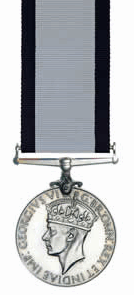
Conspicuous_Gallantry_Medal_(Flying)_(UK)For his actions he is awarded the Conspicuous Gallantry Medal – the highest award won by a South African rating in World War 2, the only South African to be awarded this medal and one of only 243 men who had been awarded the medal prior to that day since its introduction in 1855.
Rene Sethren received his gallantry decoration from King George V. His wounds are so extensive he spends 18 months recovering in hospital, his boxing career over and because of his injuries he is unable to ever go to sea again.

In conclusion

Wow, now that is a man we can stand around of, that is the sort of person we can name a fighting ship after.  No politics, just pure gallantry from a simple rating, an engine stoker – an inspiration to any person serving in the navy.  In every respect the right person to re-name the SAS Oswald Pirow strike craft after.

The Warrior Class South African Ship René Sethren started on her final voyage in October 2001 leaving  Durban harbour for the South African Navy’s fleet headquarters in Simonstown to be finally decommissioned after 22 years of service, with a fitting name to a proud fighting legacy.

s-l1000_Fotor

SAS René Sethren

Related Work and Links

Oswald Pirow;  South Africa’s ‘Neuordnung’ and Oswald Pirow

Tobruk; “Defeat is one thing; Disgrace is another!” South Africa’s biggest capitulation of arms – Tobruk

HMSAS Parktown; The feisty South African minesweeper that went down fighting – HMSAS Parktown

HMSAS Treern;  The last South African Navy ship to be lost in action; HMSAS Treern

HMSAS Bever; “Under a hail of shells”; Recounting the bravery and loss of HMSAS Bever

HMSAS Southern Floe; ‘A sole survivor and a ship’s crest’; the South African Navy’s first loss – HMSAS Southern Floe

Military Heroes; Tainted “Military Heroes” vs. Real Military Heroes


Written and researched by Peter Dickens.  References, Day by Day SA Naval History by Chris Bennett. Allan du Toit’s  ‘South African Fighting Ships Past and Present’.

A war memorial in Cape Town which saves children’s lives

Today we look at a small miracle in South Africa which even has the attention of the Princes William and Harry, and it’s a miracle that really captures the imagination.  This miracle is a very special type of war memorial.

Over the years there has been many debates on how to commemorate those who have paid the supreme sacrifice for the country in war. Should a concrete or granite memorial be erected, a wall of remembrance be constructed, maybe a sport pavilion or a ‘living memorial’ that will continue to serve a community.

image3-300x294In South Africa we have two ‘living memorials’, one for the First World War, the annual running of the Comrades Marathon between Durban and Pietermaritzburg, and another for the Second World War, the Red Cross War Memorial Children’s Hospital in Cape Town. Sadly commonly referred to as the Red Cross Children’s Hospital, so not many people know of its wartime origin and its true intention.

The story of this iconic Cape Town landmark originates from the final days of World War 2, when South African ex-servicemen were waiting to return home from Italy. They had been so moved by the plight of war-torn children, that they contemplated what could best serve as a living memorial to their fallen compatriots.

The idea of a children’s hospital – a place of healing – captured people’s imaginations and gained popularity. Many of the servicemen donated two days of their pay towards this ideal and these funds were held in trust by the South African Red Cross Society who began to champion its establishment.

620x349
Since the Hospital first opened its doors, thousands of desperately sick children have been given back their childhood. Just as the returning World War 2 heroes fought for a better world, brave children at this incredible Hospital fight their own battles every day, to return home to their families and live the lives they were destined for.

The hospital is a beacon of hope and excellence in Cape Town, it is the largest, stand-alone tertiary hospital in sub-Saharan Africa dedicated entirely to the care of sick children. Children are referred from all over the African continent for medical intervention from the dedicated specialists who work tirelessly to heal and cure.

10620663_397984187037986_8452756597325360824_n

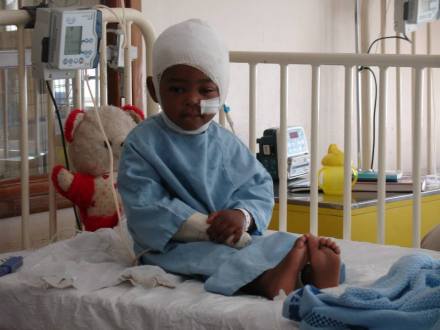
Diana – a three-year old toddler, who pulled over boiling hot water on herself in 2010 and was hospitalised at the Red Cross Children’s Hospital in Cape Town.

So how exactly did this miracle unfold?

The South African Red Cross Society started planning the building at a cost of £700 000. The building committee’s chairman, Vyvyan Watson, was the driving force behind its construction and fundraising. The first public appeal outside the war veterans contributions was launched and a generous response from the Cape Town public resulted in a contribution of £207,000. The rest of the funding was provided by the Cape Provincial Administration.

Building began late in 1953 and the Hospital officially opened its doors in June 1956 with a 90-bed capacity. By 1957 rapidly increasing patient loads necessitated the opening of all the remaining beds, bringing the total to 176 beds, with inpatient admissions at just over 1000 and 36 000 outpatients treated.  This expansion continued with the kind support of private initiative well through the 1980’s and 1990’s to the fine institution and beacon it has become today.

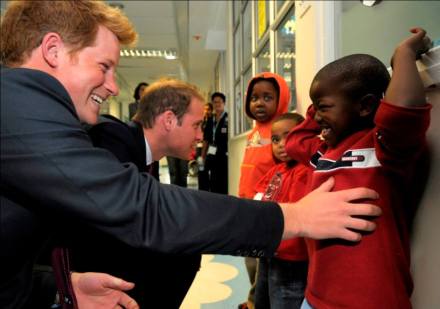
The hospital even has the attention of the Royal family in the United Kingdom, and hosted a visit by both Princes William and Harry on a visit to the hospital in June 2010.

10382873_399919683511103_7226112796668776843_n

The hospital’s purpose is best summed up in a memorial plaque at the entrance, it states;

The Red Cross War Memorial Children’s Hospital has been established by the Cape Region of the South African people in World War II 1939-1945. It is hoped that future generations, in their thankfulness for the benefits of this hospital, may be mindful of those in whose memory it has been erected.

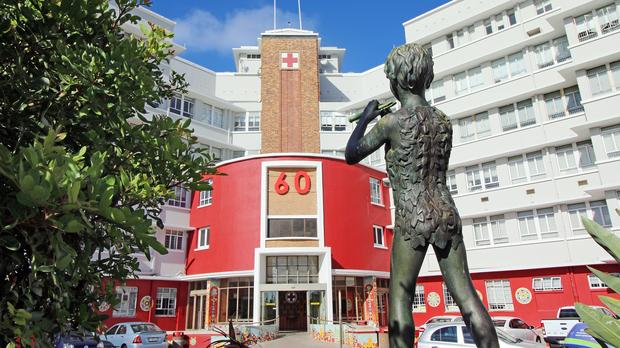
In the forecourt of the Red Cross War Memorial Children’s Hospital stands a bronze statue of Peter Pan, and it is the location where war veterans annually lay wreaths in memory and appreciation.  The Peter Pan statue was commissioned by the parents of Peter Watson, a four year old who died of diphtheria at a time when there was no specialist children’s hospital in Cape Town.

Related Work and links

Comrades Marathon; A ‘Living’ War Memorial, The Comrades Marathon

Comrades Marathon; Why the Comrades Marathon is called the ‘Comrades’


Researched by Peter Dickens with much thanks to Charles Ross, images of wreath laying thanks to Liz Linsell.

Another Major Accomplishment

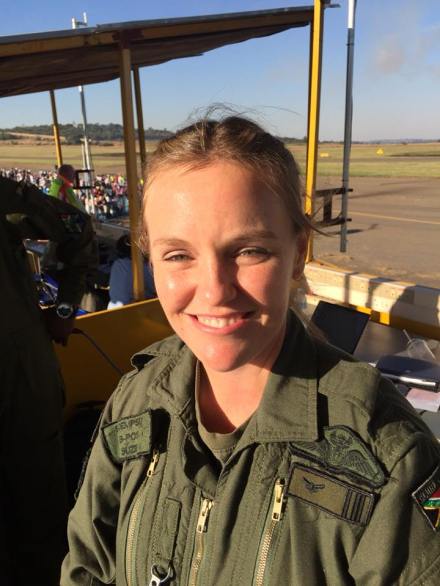
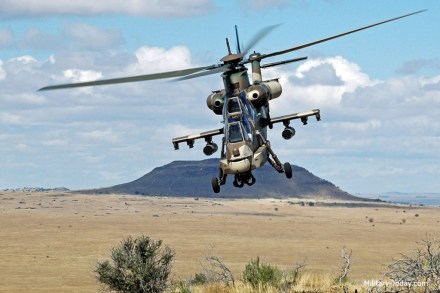
Congratulations to Major Suzanne Dempsey on becoming the first female in the world to fly the Rooivalk Combat Attack Helicopter. Major Dempsey went solo on Rooivalk and now flies with a weapons systems operator. Now the hard work starts as she will be trained to use this deadly to its utmost capability.

Denel AH-2 Rooivalk Attack Helicopter2

Denel AH-2 Rooivalk Attack Helicopter

As firsts go in the advancement of female aviators in the South African Air Force (SAAF) she now joins Major Nandi Zama, who became the first female to fly a SAAF C-130.  To see her accomplishment follow this link:

Nandi Zama; One Major accomplishment!

Bravo Zulu Major Dempsey on breaking new ground for female pilots the world over.  You exemplify the fine values and traditions of 16 Squadron and the South African Air Force.


Posted by Peter Dickens with reference to Capital Sounds, Rooivalk helicopter image courtesy militarytoday.com


VE – Day’s flags of honour

8th May 1945 – Victory In Europe Day, also known as VE – Day – the war in Europe is declared over. VE Day is a day to mark the formal acceptance by the Allies of World War II of Nazi Germany’s unconditional surrender of its armed forces.

Just a few days before the designated ‘VE-Day’ on 4 May 1945 just east of Hamburg, Field Marshal Sir Bernard Law Montgomery, Commander of the 21st Army Group accepted the unconditional surrender of key German forces in Western Europe.

31959929_1725767320838326_7902641877910814720_n

The surrender preceded the end of World War 2 in Europe, which was later signed in a tent at Montgomery’s HQ on the Timeloberg hill at Wendisch Evern. A second German Instrument of Surrender ahead of the official ending World War 2 in Europe was signed on 7 May at Reims in France and signed again on 8 May with the Supreme High Command of the Red Army (Soviet Union), French and United States representatives in Berlin.

The 8th of May was declared as VE – Day, and an intensely proud day celebrated by the Allies the world over followed, including South Africa (Russia celebrates it the day after on the 9th).  The ‘V for Victory’ sign used to drive support for the Allied cause throughout the war made a full appearance everywhere, and so did the great nation’s flags who had fought so hard, and with such sacrifice to get to this day.

10259794_10153711964401480_1609297100934913427_n

If you examine the picture of Whitehall closely, all the key nations in support and Allied with Great Britain, massive flags proudly flown from Whitehall next to one another – they included the flag of the United States of America and the flag of the Soviet Union.

In sequence the flags of the key commonwealth countries who had committed so much in resources, people and lives are also seen, these included Canada, Australia, India, New Zealand and South Africa, and you can see it here, the ‘Orange, White and Blue’ flag of the Union.

Winston Churchill appeared in Whitehall on he Ministry of Heath balcony to address the masses of people assembling there, in part be said;

11050253_445187798984291_7988015998947365041_n“I say that in the long years to come not only will the people of this island but of the world, wherever the bird of freedom chirps in human hearts, look back to what we’ve done and they will say “do not despair, do not yield to violence and tyranny, march straightforward and die if need be-unconquered.” Now we have emerged from one deadly struggle-a terrible foe has been cast on the ground and awaits our judgment and our mercy.”
His views were echoed by King George VI when Winston Churchill appeared alongside him,  the Queen mother and a young Princess Elizabeth (soon to be Queen Elizabeth II) in her uniform.  She had joined the war effort as a subaltern in the women’s Women’s Auxiliary Territorial ServiceKing George said;

“I thank with a full heart those who bore arms so valiantly on land and sea, or in the air; and all civilians who, shouldering their many burdens, have carried them unflinchingly without complaint.”

31956176_1725765230838535_1877600895395430400_n

What followed was two solid days of partying in central London and the world over.  It had been South Africa’s war too, and South Africans were right at the centre of this massive party in London  – and rightly so. This still from colour film footage shows the street party and general revelling at Piccadilly Circus in London – and it’s marked by some South Africans in the centre proudly waving the South African Union national flag and rejoicing the end of the war in Europe.

11210502_445788838924187_3293832895299064234_n

Some people (in fact many) in South Africa would say, oh no not THAT flag (referring the Orange, White and Blue or ‘OBB’)!  But that is to completely misunderstand what this flag meant to the world in 1945 and not 1994.

The South African Union flag was the flag of Smuts’ Union and not really the preferred flag of Malan’s Republic, in fact between Verwoed and Vorster both had proposed re-designing the South African Union flag in line with their ideologies and those of the ‘Republic’ state they created and not Smuts’ despised ‘Union’ (many in Nationalist caucus literally hated the British Union “Jack’ on the flag, they called it the ‘blood-vlek’ as it reminded them of the sufferings of the Boer nation under the British in the 2nd Anglo-Boer War and wanted it removed); for more on this rather ‘inconvenient’ history of South Africa’s national flags see the link at the end of this article.

In fact it’s a great pity the Apartheid government didn’t follow through with their endeavours to change the flag in 1961 and 1971 respectively, when they drove at issue of the Republic they created.  In 1945, South Africa was a Union and a Dominion in the British Commonwealth and this flag, along with Smuts as Head of State was honoured and highly respected the world over, especially at the end of World War 2.

At the time the South African Union flag stood for the almighty sacrifice of South Africans and Jan Smuts’ call to fall behind the Allied nations to rid the world of Nazi and Fascist tyranny. A war against what Smuts referred to as Hitler’s ‘Crooked Cross’ (swastika) an unchristian ideology and heinous symbology.

CL182-68

The South African Union Flag in 1945 also stood for freedom and victory over ‘violence and tyranny’ as Churchill had aptly referred to in his speech on VE Day, at the time it stood firmly behind this ideal and was flown proudly. That the flag was to be carried over and soiled by the Nationalists and their Apartheid ideology after the war from 1948 and now stands as a symbol of ‘hate’ is unfortunate history.

Old flags have their place, and the South African Union flag should have ended with the Union in 1961 as it symbolised that time, with all its own ups and downs and its own forms of ‘race’ politics, but also its greatest achievement which won it high acclaim – and that was ‘VE-Day’, the Union epoch was in fact very different to the Apartheid epoch in just about every respect.  Also lets face it the Nationalists didn’t bathe themselves in glory with a pinnacle of achievement anywhere close to ‘VE – Day’.

Also,  South Africa is also not alone in this line-up at Whitehall in VE Day of having its flag changed – the flags of the Soviet Union, India and Canada all changed in the wake of new politics and social orders after World War 2.

In any event, we stand on the 8th May and remember Smuts’ South African Union and the lofty role it performed in bringing peace and freedom to the world in 1945, a ‘little country’ by comparison standing shoulder to shoulder with some of the greatest men and super-powers in the world, on an occasion that changed the destiny of almost every country around the world.  A day many South Africans stood with their heads held high and applauded the world over.

12549123_10153755844686480_5840912786017399781_nA beacon of fire symbolising this freedom was lit in Trafalgar Square on VE – Day, by a bunch of very happy and inebriated Canadian servicemen burning war bond advertising boards, it burned so bright, so strong and was so hot it cracked a part of the granite base of Nelson’s Column, a subtle reminder to this day, if you look carefully, to the sheer magnitude of the occasion and what it meant to a relieved and ecstatic British public, Commonwealth and Allied nations and the world at large.
Video

In conclusion, this short Associated Press news reel captures VE-Day perfectly:

Related Work

The South African National Flag; The inconvenient and unknown history of South Africa’s national flags

Churchill’s Heroes; Churchill’s Desk


Written by Peter Dickens.  Reference and thanks to the ‘British and Commonwealth Forces’ Facebook page.  Image of Churchill at Whitehall from the Imperial War Museum. Video commercial copyright Associated Press.

Churchill’s idols; Napoleon, Nelson &…Smuts!

Walk into the average teenager’s room and it would be adorned with posters of people they are fans of.  People, usually music stars, that they look up and admire, and more importantly people to which they role model.  These people are powerful icons which shape them psychologically.

ChurchillTo an adult, after a more experienced life, the icons who have moulded them – their role models, the people they admire most usually end up in picture frames or as small statues on mantels, desks and tables, very often family but very often also great thinkers, leaders who have step-changed their world and great sportsmen and women (even the odd music star from their teens might even make an appearance).
It’s no different with Winston Churchill, his desk at Chartwell is the most telling of who shaped him as a person, who he admired the most, who he loved and who he looked to for inspiration when writing his accounts of history, his epoch changing speeches and his great works on shaping the future of Great Britain.

Churchill suffered from great bouts of depression, which he called his ‘black dog’ and it is  in these people represented on his desk that he would also find light and drive, these are very important individuals to him.

chartwell study website size

In and amongst his family portraits on his desk, he positioned three non-family members in the middle of his desk – his ‘heroes’ looking strait back at him for inspiration – Napoleon, Nelson and, believe it or not, Jan Smuts.

One Englishman, one Frenchman and one Afrikaner … now that’s a strange combination for someone who epitomised everything British and her Imperial Empire.  Horatio Nelson you can understand, but two great former enemies of Britain, that’s odd.

So let’s understand why Churchill was such a big fan of Nelson, Napoleon and Smuts and examine why these specific people shaped him as a leader, a man who was to be voted by the British in 2002  as the greatest Briton in their history ahead of a nomination of 100 others in a BBC survey.  A man, whether some like it or not, who is one of the most influential men to have shaped our 21st Century’s social, political and economic landscapes.

Horatio Nelson

horatio-nelson-george-baxterPerhaps owing to Churchill’s role as First Lord of the Admiralty (a position which he held twice) Churchill developed a serious love of Nelson. A bust of Nelson sat on his desk at Chartwell and Churchill had a grey cat which accompanied him on trips to Chequers during the war which he named for the great Napoleonic Wars admiral.
One of Churchill’s favourite movies was Lady Hamilton, a film about Nelson’s mistress. Churchill also wrote about Nelson in History of the English Speaking Peoples.  Lets face it he was a fan.

But not just Churchill, in the BBC vote for the greatest Briton, Horacio Nelson also made the short-list.  The British we such fans of Nelson they went further than a small busts of him, they erected a column (which extends the full length of the HMS Victory’s mast) in the middle of their most famous square in the centre of London and put him on the top.  Nelson still towers over London on his ‘column’ to this day.

31755351_2132092927019694_4424184196008771584_n

What Nelson did to get all this admiration is he ‘saved Britain’ whilst at the ‘helm’ of the Royal Navy by destroying the French Navy at the Battle of Trafalgar in 1805 and this is really why Churchill found inspiration in him.  Churchill was to emulate his hero exactly when he too ‘saved Britain’ at the ‘helm’ of the Royal Air Force by destroying the German Luftwaffe during the Battle of Britain in 1940.

That is why Nelson sits on Churchill’s desk.

Napoleon Bonaparte

Churchill had a fascination and an immense respect for Napoleon. His bust also sat on Churchill’s desk at Chartwell, but was slightly larger and more prominently placed than Nelson’s – in fact it sits dead centre and dominates his desk.

Churchill enjoyed reflecting on Napoleon’s military genius, perhaps wanting to emulate the French emperor. After all, like Churchill after the Dardanelles, Napoleon made a significant comeback. Churchill even hoped to write a biography of Napoleon but never found the time.

More than that, he hated it when people would compare Hitler to Napoleon. “It seems an insult to the great Emperor and warrior,” he said, “to connect him in any way with a squalid caucus boss and butcher”.

31703886_2132093103686343_4492955349791277056_o

But most of all, during the 2nd Anglo-Boer War (1899 to 1902) it was Napoleon’s quote that came to his mind when he surrendered to Boer forces once he found him isolated from an armoured train which the Boer’s attacked.  Of the incident when a Boer horseman pointed a rifle at his head and waved it to signal he should come out, Churchill considered his idol – Napoleon who said, “When one is alone and unarmed, a surrender may be pardoned.”  So he obeyed the Boer’s signal to surrender or die and walked out. Napoleon had literally saved his life.

However, Churchill’s admiration of Napoleon is a lot deeper, what Churchill saw in Napoleon was a reformer. Napoleons influence on the modern world brought liberal reforms to the numerous territories that he conquered and controlled. His Napoleonic Code has influenced the legal systems of more than 70 nations around the world. British historian Andrew Roberts summed up Napoleon very well;

“The ideas that underpin our modern world—meritocracy, equality before the law, property rights, religious toleration, modern secular education, sound finances, and so on—were championed, consolidated, codified and geographically extended by Napoleon. To them he added a rational and efficient local administration, an end to rural banditry, the encouragement of science and the arts, the abolition of feudalism and the greatest codification of laws since the fall of the Roman Empire”

napoleon-bonaparte-high-quality-genuine-pure

With France capitulating to Nazi Germany early in World War 2, Europe’s great bastion of liberty forged by Napoleon was no longer in contention, and Churchill saw Britain as the last hope to carry this flame and become the next great reformer of Europe, and it has manifested itself in the creation of the European Union, the roots of its creation and thinking can be traced to none other than Churchill when after the 2nd World War he called for the creation of a ‘United States of Europe’.

That is why Napoleon sits on Churchill’s desk.

Jan Smuts

Jan Smuts’ portrait sits to the left of Napoleon’s bust on Churchill’s desk at Chartwell, sitting alongside what is arguably the two greatest military strategists known – Nelson and Napoleon. Here Churchill viewed Smuts as an equal to two of the biggest hitters in European history. But why this lessor known Afrikaner General, why Smuts?

31772977_2132093840352936_3593175403679711232_o

Some would say it was Churchill’s close personal relationship with Smuts as his advisor during World War 2, that he was simply Churchill’s ‘friend’ with loads in common.  But that too would be incorrect, Smuts was the extreme opposite of Churchill, Smuts was a near teetotaler whereas Churchill was seldom sober, Smuts was an early to bed early riser, Churchill was a night-owl, Smuts maintained a stringent diet whereas Churchill was a glutton, Smuts enjoyed exercise and long walking and climbing treks and Churchill hated the very idea of it.

So, nothing in common as friends go then.

Less informed people in South Africa would venture it’s because Smuts turned ‘traitor’ on his people and turned ‘British’.  But that’s both grossly ignorant and entirely wrong as the rather inconvenient truth to these detractors is that Winston Churchill admired Jan Smuts precisely because he was a ‘Boer’.

Churchill emulated and admired Smuts, because Smuts had been his great adversary during the South African War (1899-1902).  He was a fan of Smuts’ strategic and tactical military capability and leadership in the field.  Churchill, like many of his peers and the general population in England, admired Smuts preciously because he epitomised the legacy of a great Boer fighter.

Smuts02

There is credit in the arguments which expose certain officers and South African based British politicians for ‘Boer hatred’ during The South African War (1899 to 1902), it’s true in some cases and there is no denying that – but it is not generally true of the whole, in fact it’s entirely the opposite.  Across the English-speaking world, in Britain and America particularly the Boer fighter would take an on almost legendary and mythical status.

Consider this famous influential Briton’s admiration of the Boer nation.  Sir Arthur Conan Doyle, the creator of Sherlock Holmes, said of the Boers after the South African war;

“Take a community of Dutchmen of the type of those who defended themselves for fifty years against all the power of Spain at a time when Spain was the greatest power in the world. Intermix with them a strain of those inflexible French Huguenots, who gave up their name and left their country forever at the time of the revocation of the Edict of Nantes . The product must obviously be one of the most rugged, virile, unconquerable races ever seen upon the face of the earth. Take these formidable people and train them for seven generations in constant warfare against savage men and ferocious beasts, in circumstances in which no weakling could survive; place them so that they acquire skill with weapons and in horsemanship, give them a country which is eminently suited to the tactics of the huntsman, the marksman and the rider. Then, finally, put a fine temper upon their military qualities by a dour fatalistic Old Testament religion and an ardent and consuming patriotism. Combine all these qualities and all these impulses in one individual and you have the modern White Boer.”

IMG_104Smuts found thousands admirers for his speeches, in the general public, political circles and even in the British Parliament who received him with a resounding ovation, all of them within living knowledge of the South African War and the extremely hard time tenacious Boers, including Smuts, had given the British during the war.
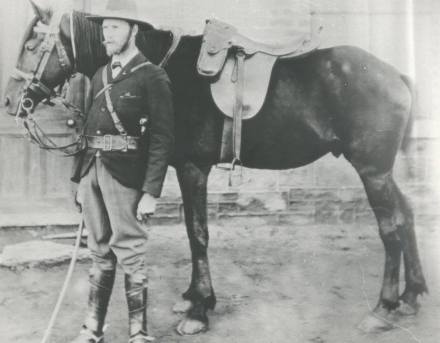
The value of the ‘little guy’ standing up to the giant and giving it a bloody nose resounds very well in the English-speaking world.  So too the very British value of ‘pluckiness’ which the British saw in a tiny Republic taking on a Superpower, you just had to admire it.  Again, the Boer cause strikes the British value of ‘fortitude’, the ‘stiff upper lip’ required for supreme perseverance against intense adversary – and the Boer fighter amplified this value in buckets.

The 2nd Anglo-Boer war (1899-1902) was the single biggest event to ‘shape’ the young Churchill as a character, it forged him into who he became and his exploits in South Africa directly contributed to his success as leader.  He was time and again to encounter the Boer fighting spirit and strategic and tactical capability, the Boers made a POW of him, shot his horse out from under him and so narrowly killed him on so many occasions that Churchill would describe the sonic wakes of Boer bullets so close to blowing his head off they ‘kissed his cheeks’, his survival of Boer military assaults and marksmanship he puts down to his own sheer luck and nothing else.

Smuts Boer

General Jan Smuts in the 2nd Anglo-Boer War

What’s not to admire about these ‘pesky’ Boers made up of small groups of simple farming folk in their thousands using skilful military manoeuvrability and marksmanship to keep an entire professional army expeditionary force in their hundreds of thousands at bay with their heads down.

But not in his home country, Smuts would not find hordes of adoring fans, instead the nationalists spin-doctored this fame and admiration to further reinforce their argument that Smuts had turned ‘British’ and split him from his voter base and people. Not that this mattered a jot for Churchill in his worship of Smuts and the Boers, to him the ‘National Party’ was nothing more than a relatively small bunch of misled Nazi sympathising politicians, their brand of politics in countenance to just about every fibre in this body and they had nothing at all to do with the values he so admired in the Boers and Afrikaners in general.

It’s precisely because Churchill considered Smuts an ‘enemy’ and not a ‘friend’, that he was ‘Boer’ and not a ‘Brit’ that he found so much admiration in Smuts, that he thought himself an equal military strategist to wrestle his ideas with his old foe, to grapple with this formidable ‘Boer’ General for strategic perspective and in so not make the kind of mistake he made with the Dardanelles operation and the resultant, rather disastrous, Gallipoli campaign in World War 1.  Smuts tempered Churchill throughout World War 2 advising against his intrinsic disposition for impulsiveness with sheer reason.  Smuts ‘balanced’ Churchill perfectly.

It was the sheer fortitude of the Boer fighter that Churchill admired so much, the little guy giving the big guy the old two-fingered ‘Agincourt’ up-yours ‘mate’ salute the English archers gave the superior French forces in 1514 in defiance of them, a salute which Churchill (and even Smuts) would later turn around in a double-entendre of the gesture to indicate ‘Victory’ without losing its actual meaning.

Simply put – he admired all the ‘Boer’ traits of fortitude, versatility and mental toughness in Smuts, and it manifests itself in Churchill in just about every speech he made and work he did.

Richard Steyn in ‘Unafraid of Greatness’ sums this up very well;

“Yet the great paradox of (Smuts’) life was that – as Leif Egeland pointed out – it is precisely because Smuts was a Afrikaner and a Boer soldier that he built up such a formidable reputation world-wide.  On his many visits abroad and in his personal life, he kept the image of the Boer general, ‘one of the most romantic and bravest figures in history’. Whilst many of his countrymen described him for being an Englishman at heart, in Britain and around the world ‘General Smuts’ was respected and revered for being a true and patriotic Afrikaner – the finest example of his tribe”.

That’s why Smuts sits on Churchill’s desk.

Related work and Links

Churchill and The South African War; Churchill’s epic ‘Boy’s Own’ Adventure in South Africa

Smuts; “The force of his intellect has enriched the wisdom of the whole human race”- the death of Jan Smuts.

Smuts’ speech to the Houses of Parliament; A true statesman, Jan Smuts addressing the British Parliament – 1942


Written and Researched by Peter Dickens.

References include ‘The National Trust Collections’ Chartwell, Jan Smuts reconsidered by Hermann Giliomee 26 January 2016, Richard Steyn’s Smuts: Unafraid of Greatness 2015.  ‘Who were Churchill’s heroes’ by Warren Dockter, historian 2015.  Horatio Nelson portait by George Baxter,  Image of Smuts and Churchill – Imperial War Museum